
On Synergy and Community Marketplaces: A CraftHER Market Spring '19 Recap
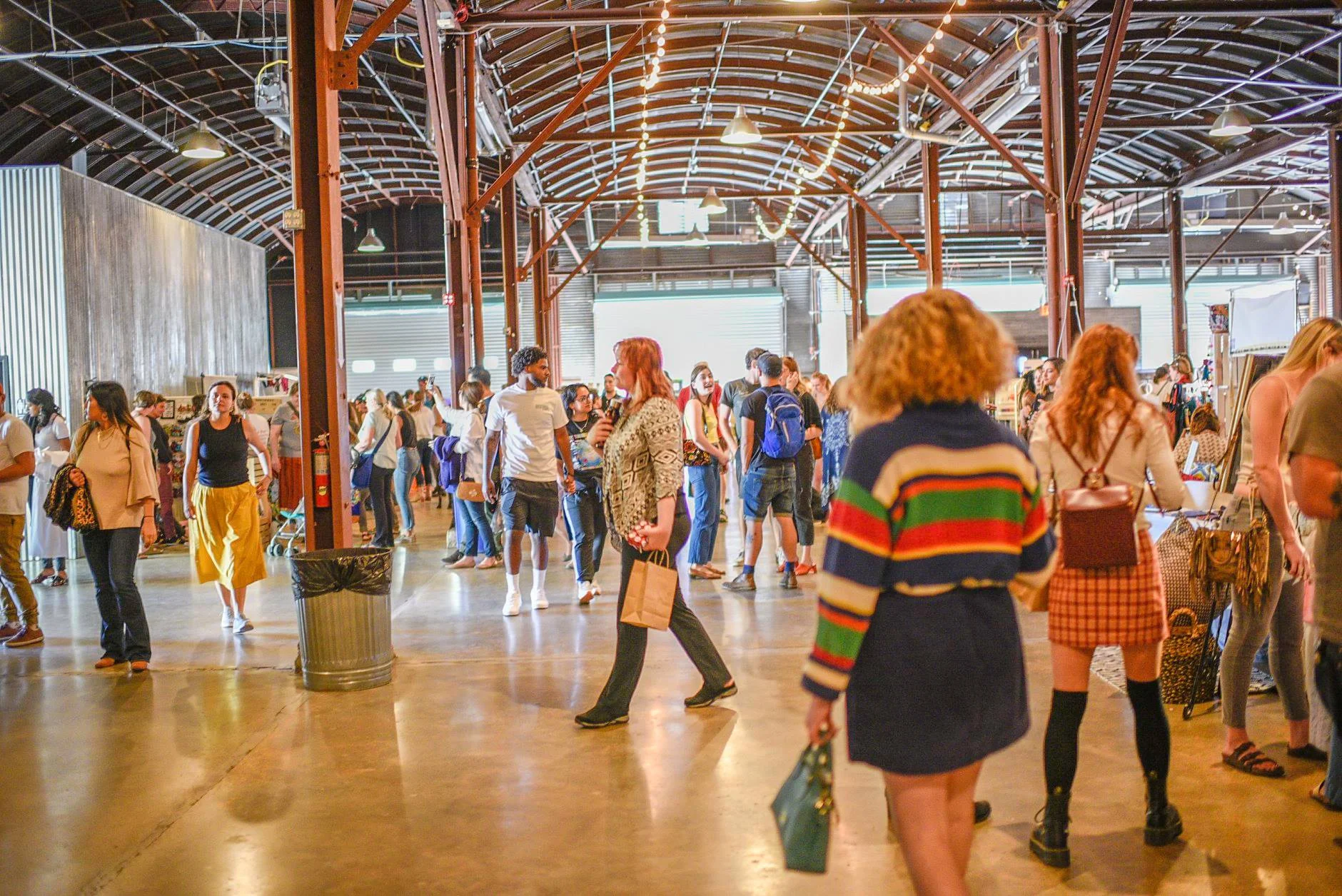
On Sunday, April 14, we hosted our sixth installment of craftHER Market. 3200+ attendees filled the space to shop local and support women and nonbinary makers, creatives, artists and small business owners.

Photo by Renee Dominguez
From 11 AM to 5 PM on Sunday, April 14, we hosted our sixth installment of craftHER Market. 3200+ attendees filled the space to shop local and support women and nonbinary makers, creatives, artists and small business owners. Read on for a few takeaways from this spring’s pop-up:
THE VIBE
For craftHER Market Spring ‘19, we hosted 115 booths, including 100 makers, bakers, chefs and artists and 10 Austin-local community groups. Here are a few key takeaways:
3200+ attendees were greeted with a handmade installation by #BBATX resident artist Laurel Barickman AKA Recspec. Combining #BBATX’s core colors with recycled materials and plant-based accents.
Our community tables on the lawn hosted a range of activities for kids, from hair-braiding to tortilla-making to nail-painting.
On top of the pop-up marketplace, we produced five panels, curated by members of our programming committee, spanning topics like diverse and inclusive marketing, workflow and family life, social sustainability and more.
Through this year's raffle, we also fundraised more than $300 for local artist, photographer and #BBATX committee member, Jinni J.
Already missing the market? Recapture some of the day's energy by listening to #BBATX resident artist DJ CASS&RA’s playlist. We played this all day!
Our friends at MY EVENT IS THE BOMB captured GIF portraits all day long of attendees. Check ‘em out here.

Photo by Maya Coplin

Photo by Maya Coplin

Photo by Maya Coplin

Photo by Maya Coplin
THE PANELS
synergy (noun): the interaction or cooperation of two or more organizations, substances, or other agents to produce a combined effect greater than the sum of their separate effects.
How do we create synergy within our projects and within our lives? In this spring’s craftHER panels, speakers explored what synergy looks like in creative work, communication and collaboration.
Curated by #BBATX committee members Jasmine Robinson, Cynthia Munoz, Cara Cate, Kristina Gonzalez and Isabella Toledo, each panel was an intentional and presented a candid conversation between creatives and entrepreneurs at various stages of their careers. With stage design by Party at the Moontower, the backdrop for these discussions featured a commissioned piece by the market’s featured artist, Recspec.
Thanks to our craftHER sponsors Volusion and Tito’s Handmade Vodka, these panels were free and open to the public.

Photo by Maya Coplin

Photo by Maya Coplin
THIS MARKET'S PRODUCERS AND PARTNERS
craftHER Market is produced by a team of staff and volunteer committee members at #bossbabesATX. #bbatx is a nonprofit organization that amplifies women and nonbinary creatives, entrepreneurs and community organizers. Our event series, showcases, strategic collaborations and professional development programs provide a platform of visibility, outreach and financial opportunity to 1000+ emerging women and nonbinary creatives, entrepreneurs and organizers per year. On top of that goodness, the public-at-large is invited to participate and learn more about how gender inequality affects their daily lives. More than 10,000+ community members annually attend our showcases, markets and dialogues—and in the last three years, our programs generated an additional $1million for the Austin economy.
This year's market is supported in part by our partners at Volusion, Tito’s Handmade Vodka and Fair Market. This year's in-kind contributors and supportive brands included Party at the Moontower Rentals, MY EVENT IS THE BOMB and Austin Woman Magazine.
Would you like to partner on craftHER Market 2019? Please email thebabes@bossbabes.org.
Want to get involved in the next craftHER Market? Our next one is on October 12 and 13 at Fair Market in Austin, Texas. Sign up for email updates at the bottom of crafthermarket.com and stay tuned for our applications reopening on June 10, 2019.
Navigating Culture, Comparison and Creativity: A Conversation with Culture Trip
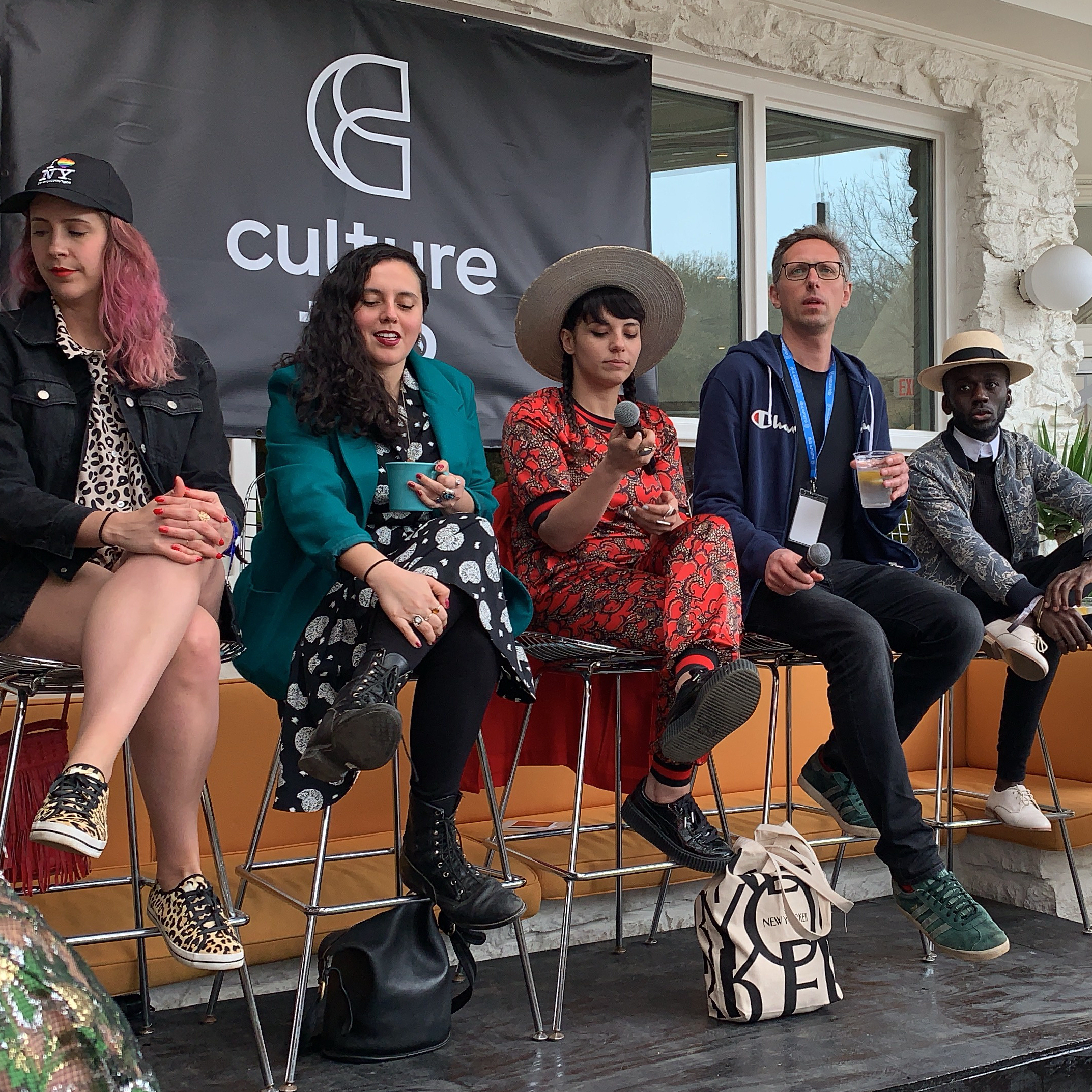
On March 11, in partnership with Culture Trip, #BBATX explored the impact of creatives as cultural producers in an intimate panel discussion, featuring Chief Content Officer at Culture Trip Dmitry Shishkin and Culture Trip Editor Jillian Anthony, singer-songwriter LouLou Ghelickhani (of Thievery Corporation and Night Glitter), creative producer Moyo Oyelola and artist Maribel Falcón of Colectiva Cósmica.
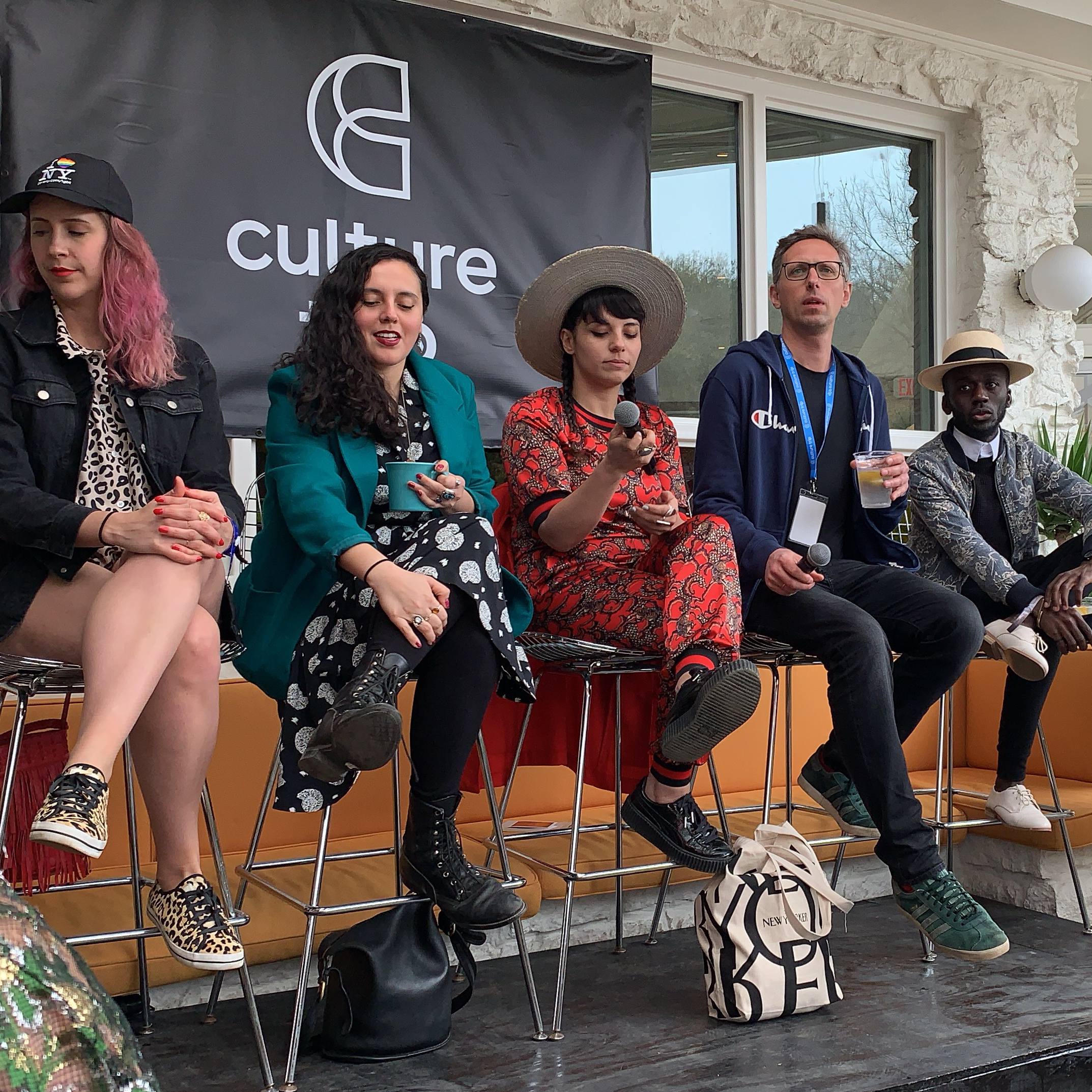
From left to right: Jillian Anthony, Maribel Falcón, LouLou Ghelickhani, Dmitry Shishkin and Moyo Oyelola
It’s a great time to be creative. With increased access brought by online and mobile tools, the possibilities to explore talent, share stories and unique points of view, are at a new peak. Providing not only access, but visibility, these new tools also allow creative content to be viewed, interpreted, mixed and remixed, directly influencing culture at a scale that might have been unimaginable few years ago. There’s power to it—this scale and influence allows creatives to actively be a part of shaping their cultural surroundings.
On March 11, in partnership with Culture Trip, #BBATX explored the impact of creatives as cultural producers in an intimate panel discussion, featuring Chief Content Officer at Culture Trip Dmitry Shishkin and Culture Trip Editor Jillian Anthony, singer-songwriter LouLou Ghelickhani (of Thievery Corporation and Night Glitter), creative producer Moyo Oyelola and artist Maribel Falcón of Colectiva Cósmica.
here are some insights from the conversation:
On navigating Internet use and the influence of online comparison on creative work:
“Comparison, for me, can kill creativity, if people get a little sidetracked and start focusing on that. You lose a little bit of your uniqueness in that way. But I’ve been touring for about 19 years now and social media, especially in the past four years, has allowed me to connect with such incredible people from all over the world. So I choose to use it as a tool and really focus that the communication is for art and music, and I try to separate for my personal well being and my personal life.” — LouLou Ghelickhani
“I think it’s important to use the Internet in a wise way. Because there’s no boundaries, we can kind of get lost in things that aren’t very productive to what we want to work on or what our goals in life are. In terms of digital access, I use the Internet to stay informed on day to day occurrences. As difficult as it is to digest on a daily basis, I think that what happens politically drives me.” — Maribel Falcón
On leveraging digital access within your practice as a creative or an artist:
“I think that using social media to reach mass amounts of people is very useful—especially if you have a message, especially if you have a cause, especially if it is something specific that people can learn about or be more informed about.” — Maribel Falcón
“For the work we do at Culture Trip, digital access is everything and makes makes us the company we are. We work with writers, photographers, videographers from around the world. We tell stories from local places, and with digital access, we are able to find local people to tell those stories.” — Jillian Anthony
On producing culture for oneself and one’s community via the Internet:
“I’m making music, and I’m putting it out there for a global reaction. It’s not just for my neighbor in my small town—it’s a bigger message and I focus on that. That’s what’s amazing about these platforms. You can push it beyond your backyard.” — LouLou Ghelickhani
“So, I live in a city [Austin, Texas] that is 4% Black. I’ve been here for 23 years. When I’m looking for a successful—or just another Black person—that’s creative and multimedia-driven just to mentor me or even just to have coffee with, it’s hard when you live here. But being able to have digital access to people because you’re in NYC or you just so happen to be at a conference and you’re able to reach out to them, it kind of helps. That’s one of the great tools, being able to slide into the DMs and say “Hey I see that you’re here, and I would love to grab coffee with you.” It lowers the barrier sometimes.” — Moyo Oyelola
“In terms of consumption, you have to be careful online, because other people's cultures are not just there for you to consume. Like Instagram pages that are focused on Mexico or a Mexican aesthetic do not exist for business owners to just go in and steal from.” — Maribel Falcón
“[Because of the Internet, we know that] a young person living in Jakarta, a young person living in Mexico City or beyond the Russian Arctic Circle actually have much more in common than we think and that is extremely extremely gratifying.” — Dmitry Shishkin
On using the Internet to reach out to other artists and creatives:
“If you are inspired by this artist, and you look at their images everyday, what about just reaching out, writing a message and talking about your feelings?” — LouLou Ghelickhani
“Just because someone has an Instagram handle doesn't mean they're accessible 24 hours a day. I think sometimes we think that because someone posts a lot that they have the capacity to build a relationship with you… Sometimes people reach out and you're not in the physical space to meet up with them or it isn't the right time, and that's okay.” — Maribel Falcón
On the pitfalls of digital culture:
“I think there’s a lot of misconceptions about who people are from their Instagram… You don’t know anybody until you talk to them in real life.” — Maribel Falcón
“Instagram sometimes is just like the Tinder of art. It's really weird. People are just swiping and liking. Sometimes I'll see a name that liked a poster and I'm like, ‘I hope they reach out again, because I really like them.’ And then they're gone. — Dmitry Shishkin
On blocking culture vultures and creating wholeheartedly:
“You know there's no limit to creation so it's like you literally have to expand your mind to understand that there's no reason to steal from anybody else. If you were creative enough you could create something way better. And I think our culture because it's so fast and capitalism is just like money, money, money that it’s just easier to steal from people. But it's such a waste of our human talent. We're on this earth for a very limited time. Be the best that it. Create from your mind, from your heart, from your spirit. You don't have to steal it.” — Maribel Falcón
“Don't try to be somebody else. Don't think you're going to start some blog and you're gonna be making thousands of dollars the next day. Just let the work exist.” — Moyo Oyelola
“It's so easy to be inspired. It's so easy to create that mood board of all these highlights and these great visual pieces, but you have to turn that into something real. Figure out how to filter what's good and what's your voice within your work. Like what am I really actually saying? Because that's another part, too—it's easy to create something visual that's beautiful but at the end of the day, what are you really saying?” — Moyo Oyelola
Would you like to attend future panels like this? Keep up with #bossbabesATX on Instagram, sign up for our email newsletter and poke around our current events calendar.
This blog post was compiled and edited by A’nysha Fortenberry.
Our Unofficial SXSW Guide For 2019: 73 Events You Should Definitely RSVP To
Every year, we’re amazed at the talent that blows through Austin, Texas for SXSW, an annual interdisciplinary festival exploring film, technology, creative industry and music. As always, there are a host of SXSW official and unofficial showcases and events this week that you should be on the look out for, and we’re here to bring you a few favorites that are on our radar.

Every year, we’re amazed at the talent that blows through Austin, Texas for SXSW, an annual interdisciplinary festival exploring film, technology, creative industry and music. As always, there are a host of SXSW official and unofficial showcases and events this week that you should be on the look out for, and we’re here to bring you a few favorites that are on our radar.
PS: We’ve got a showcase planned, too. You can catch #BBATX co-hosting CYBERBABES, a free one-night music and art festival amplifying the work of femme and queer musicians, this Sunday March 10 from 6 to 2 AM at Cheer Up Charlies. Presented in collaboration Y2K Technologies and p1nkstar, Inc., with support from Tito’s Vodka and Red Bull, CYBERBABES is free and open to the public. Click here to learn more and RSVP.
friday, march 8
South by East 5th Market + Lounge (march 8 - 10)
The Complete List of Diversity-Focused Tech Events at SXSW 2019 (march 8 - 18)
saturday, march 9
That Time of the Month: 4 Year Anniversary Show
From Tour Manager to Change Agent: A Conversation with VC Arlan Hamilton
Y’All Or Nothing: Queer Texas Showcase
BXBS - Broads by Broad Studios
QUEER FILMMAKERS BRUNCH (presented by aGLIFF)
Recspec Gallery Show: Exquisite Corpse
Depop x Mutual Feelings Market
sunday, march 10
cyberbabes @ cheer up charlies (hosted by us!)
SXSW 2019 Community Screening: Austin School of Film Community Works
monday, march 11
Moving the Social Needle: How Content Creates a Conversation
2019 Women in Digital SXSW Rally
tuesday, march 12
Women in Digital & The Riveter | Community Preview and Co-Working Day
Rockin' ReactJS @Bloomfire by Women Who Code ATX
Stereogum Range Life 2019 Lineup (march 12 + march 13)
wednesday, march 13
Lafayette Live Crawfish Boil @ SXSW 2019: A True Cajun Experience
ATX Vegans + Imperfect Produce at SXSW
Dr. Marten’s @ Container Bar (with DJ sets by Austin favorite Chulita Vinyl Club)Ladiez Showcase: Crawfish Boil and Day Party @ Scoot Inn
thursday, march 14
Materiality as Discourse: The Silver Collections of the Fernández Blanco Museum
Dr. Marten’s @ Container Bar (with DJ sets by Austin favorite Chulita Vinyl Club)Glowed Up Ball by Unbounded Agency
friday, march 15
Frida Friday ATX at The Vortex: PODEROSA PACHANGA
Dr. Marten’s @ Container Bar (with DJ sets by Austin favorite Chulita Vinyl Club)
saturday, march 16
#WomenCrush Music Unofficial SXSW Showcase
East Of Color Community Market
La Rebelión Day Party by Unbounded Agency
Satellite Art Show: Austin (The Alternative Art Fair)
sunday, march 17
Like what we’ve put together? You can thank #BBATX team members Jane Hervey and A’nysha Fortenberry.
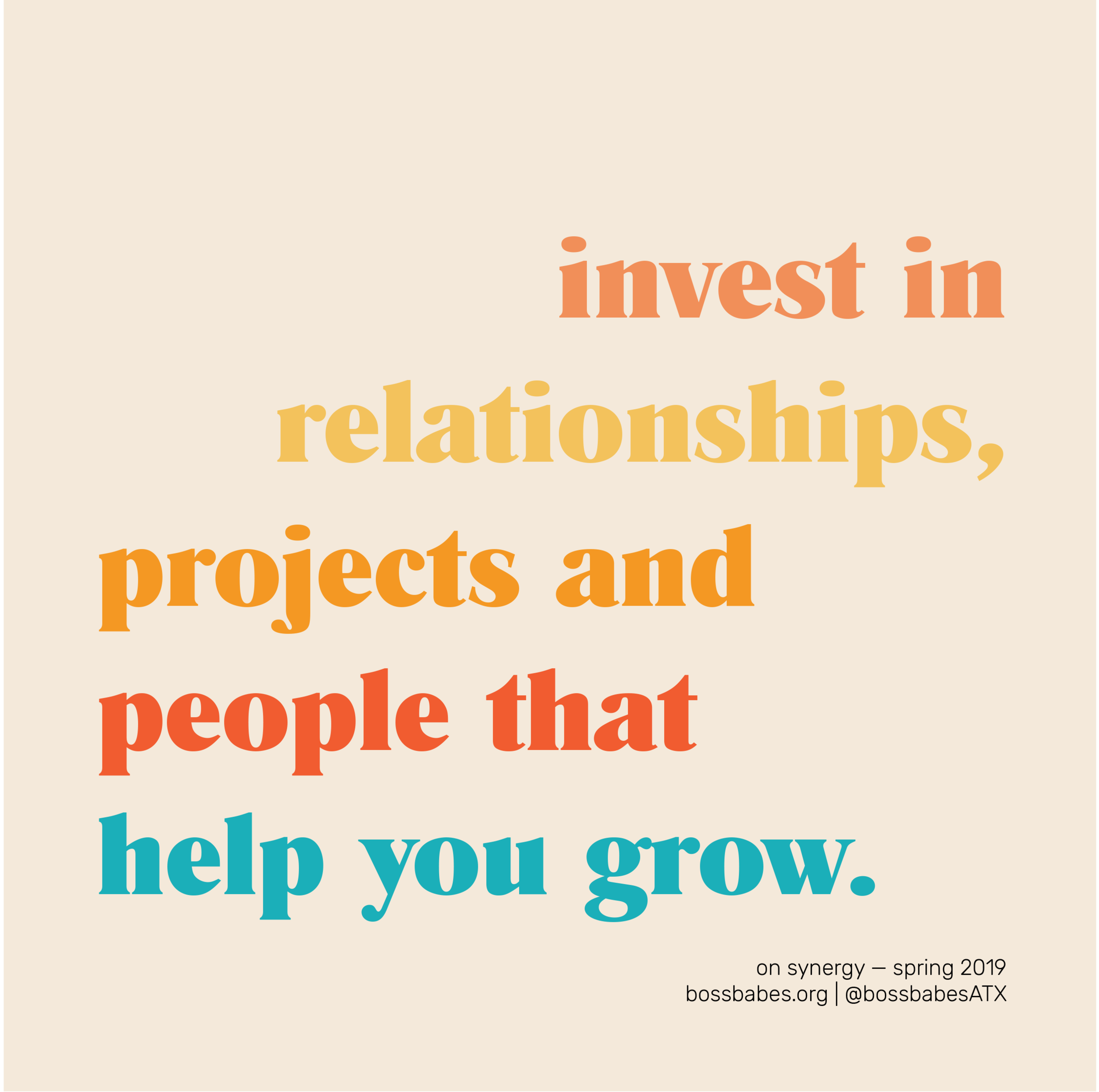
On Creating Synergy: Three Reminders For Personal And Professional Alignment
This Spring, our programs will serve as a moment to hear from and amplify women and nonbinary leaders in our community who create synergy through their work. As you move through our events for the next three months, we encourage you to keep the following three reminders in mind.
It’s time to invest in relationships, projects and people that will help us grow. It’s time to create a little synergy.
synergy (n.): the benefit that results when two or more agents work together to achieve something either one couldn't have achieved on its own.
It's the concept of the whole being greater than the sum of its parts. In life, at work and in our communities, synergy is that space where the magic happens—where things fall into place, values align and our ideas find a home.
So, what does professional and personal synergy look like? How do we reject cultures of comparison and approach collaboration? How do we protect our own energy as we navigate opportunities, successes and failures? This Spring, our programs will serve as a moment to hear from and amplify women and nonbinary leaders in our community who create synergy through their work.
And as you move through our events for the next three months, we encourage you to keep the following three reminders in mind.
reminder no. 1: invest in relationships, peoples and projects that help you grow.
We all deserve a healthy audit once in a while. If you’re feeling out of place or burnt out, take stock of your inventory. Where do you feel stuck in life? Why? Where do you feel pulled? Why?
It’s OK to not have the answers. It’s OK to feel uncomfortable as you determine what you want—and don’t want. Don’t deny yourself the chance to figure it out.

Image designed by Jane Hervey
reminder no. 2: protect your creative and collaborative energy.
It’s hard to keep ourselves healthy, happy and cared for, if we don’t have the emotional and practical tools required to navigate our day-to-day responsibilities.
This Spring, we are leaning into learning more about the ways that we work with others. How can we become better leaders? Where can we better enforce our boundaries? How can we conserve our energy to do the things we want to do?

Image designed by Jane Hervey
reminder no. 3: comparison is the thief of original creativity.
A little competition is healthy, and a solid collaboration can move mountains. But comparison? Comparison keeps us from seeing ourselves—and those around us—authentically. It holds us back from making good decisions and clouds our judgment. You deserve to love your own lane.

Image designed by Jane Hervey
curious about our programs and this theme?

17 Women From Black History Whose Names You Should Know
In this post, you’ll find 17 women from Black history who have touched each member of our team in unique and transformative ways. We hope you gather as much inspiration from their legacies as we do.
Over the last few months at #BBATX, we’ve been exploring resilience. We’ve been using our programs to amplify women and nonbinary thought leaders, creatives and business-owners who demonstrate a soft power—an unmatched toughness—in both their failures and successes. From their stories, we’ve collectively redefined what it means to recover, reclaim and remain standing.
We’ve also had the pleasure of learning the truths of each other’s icons and motivations. In this post, you’ll find 17 women from Black history who have touched each member of our team in unique and transformative ways. We hope you gather as much inspiration from their legacies as we do.
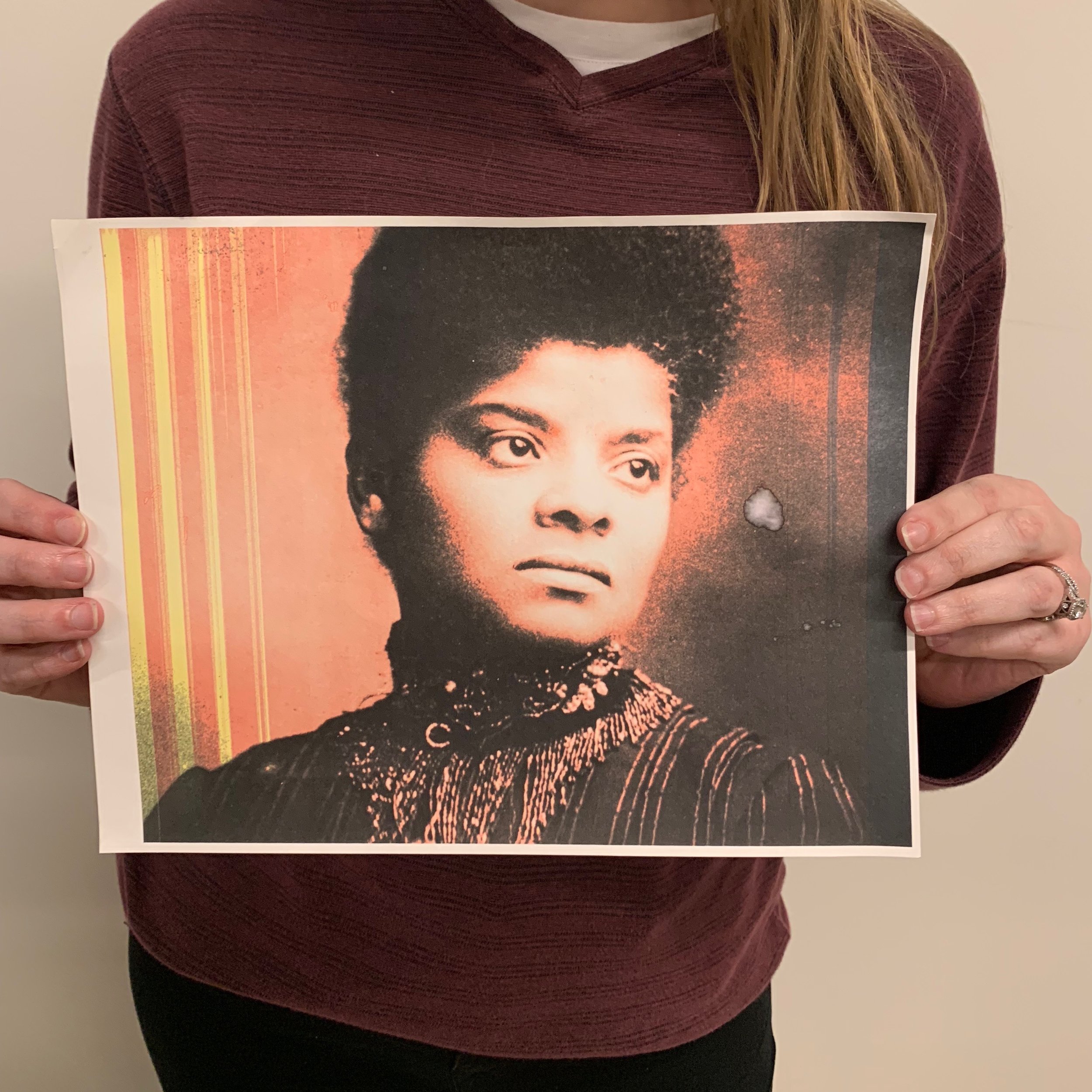
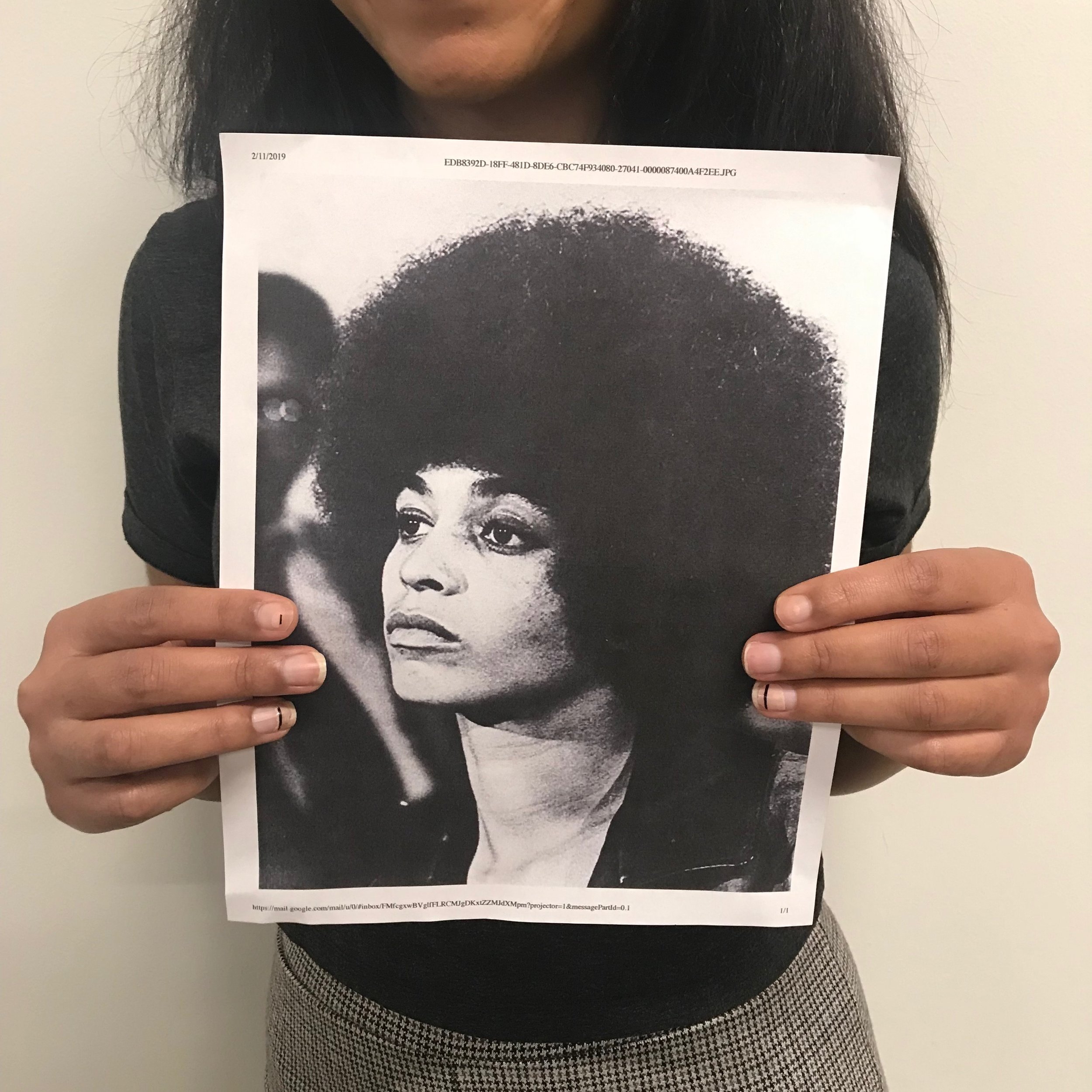
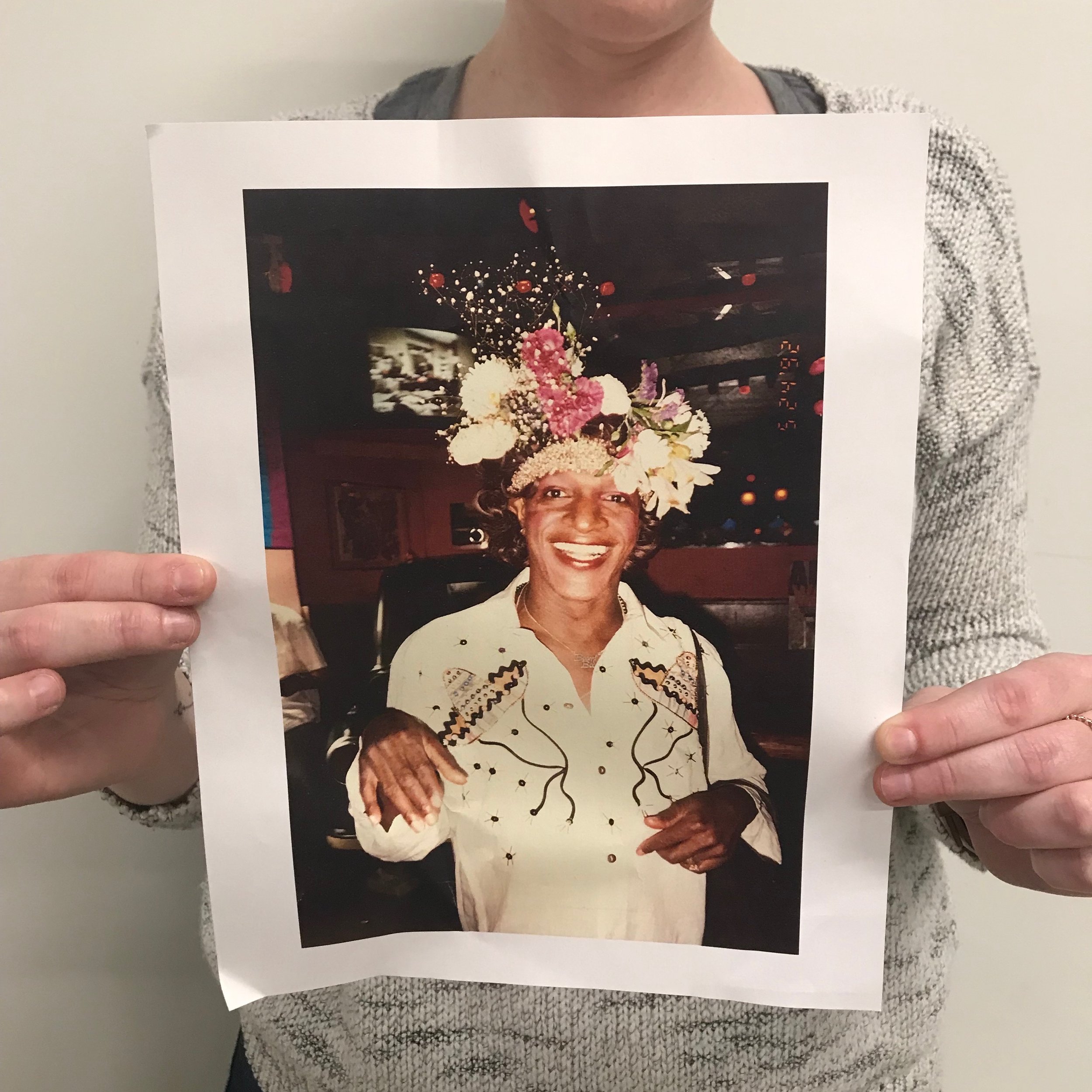
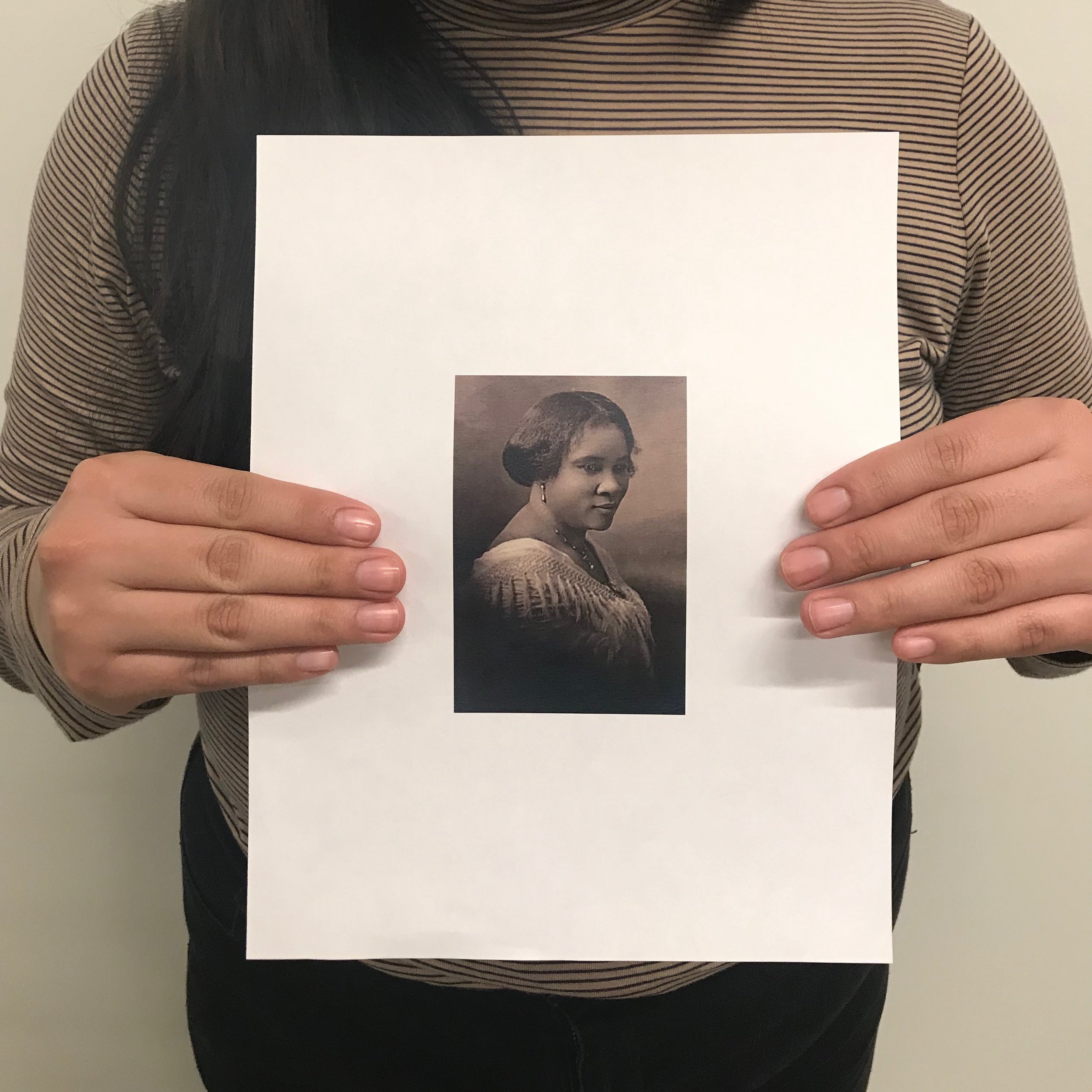
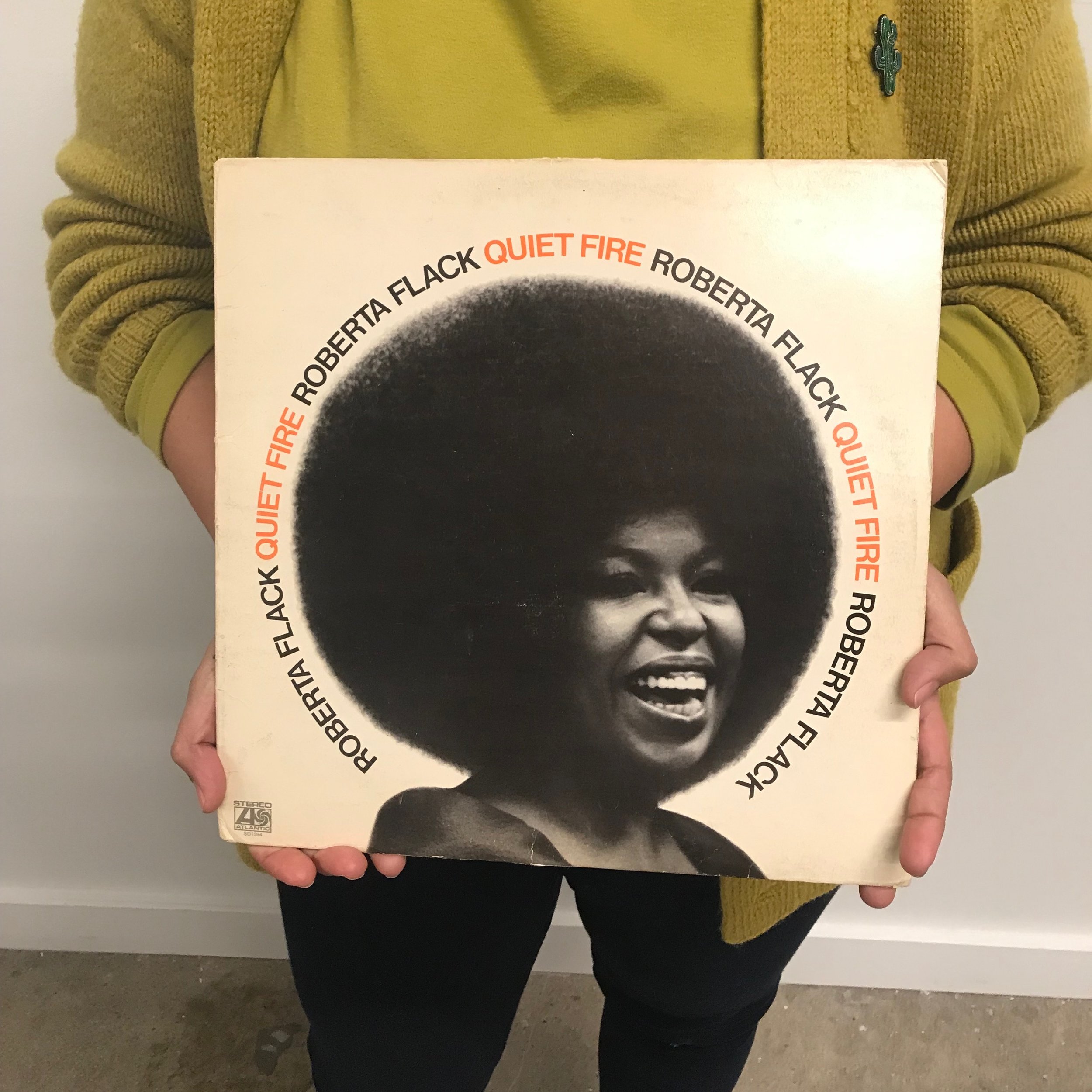
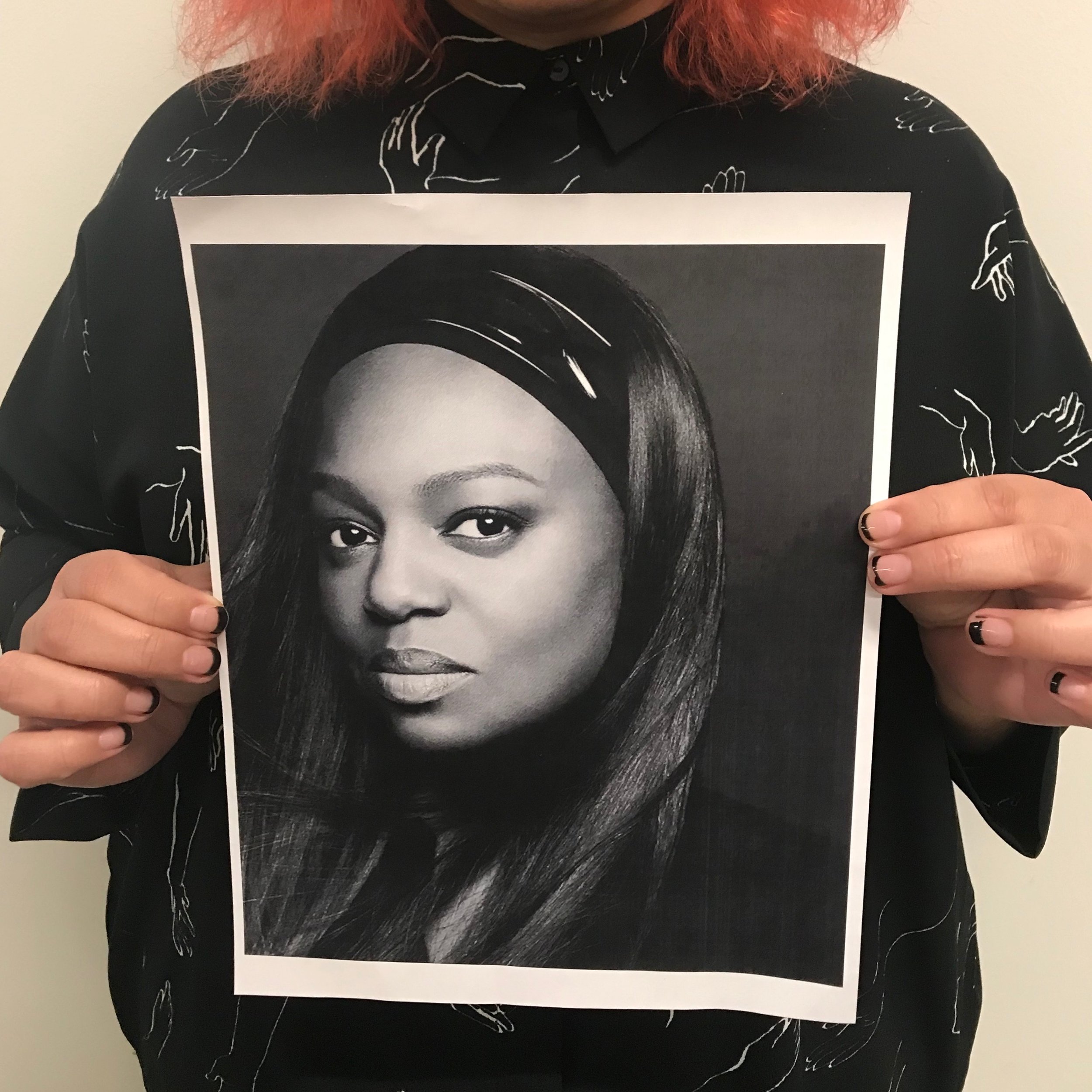
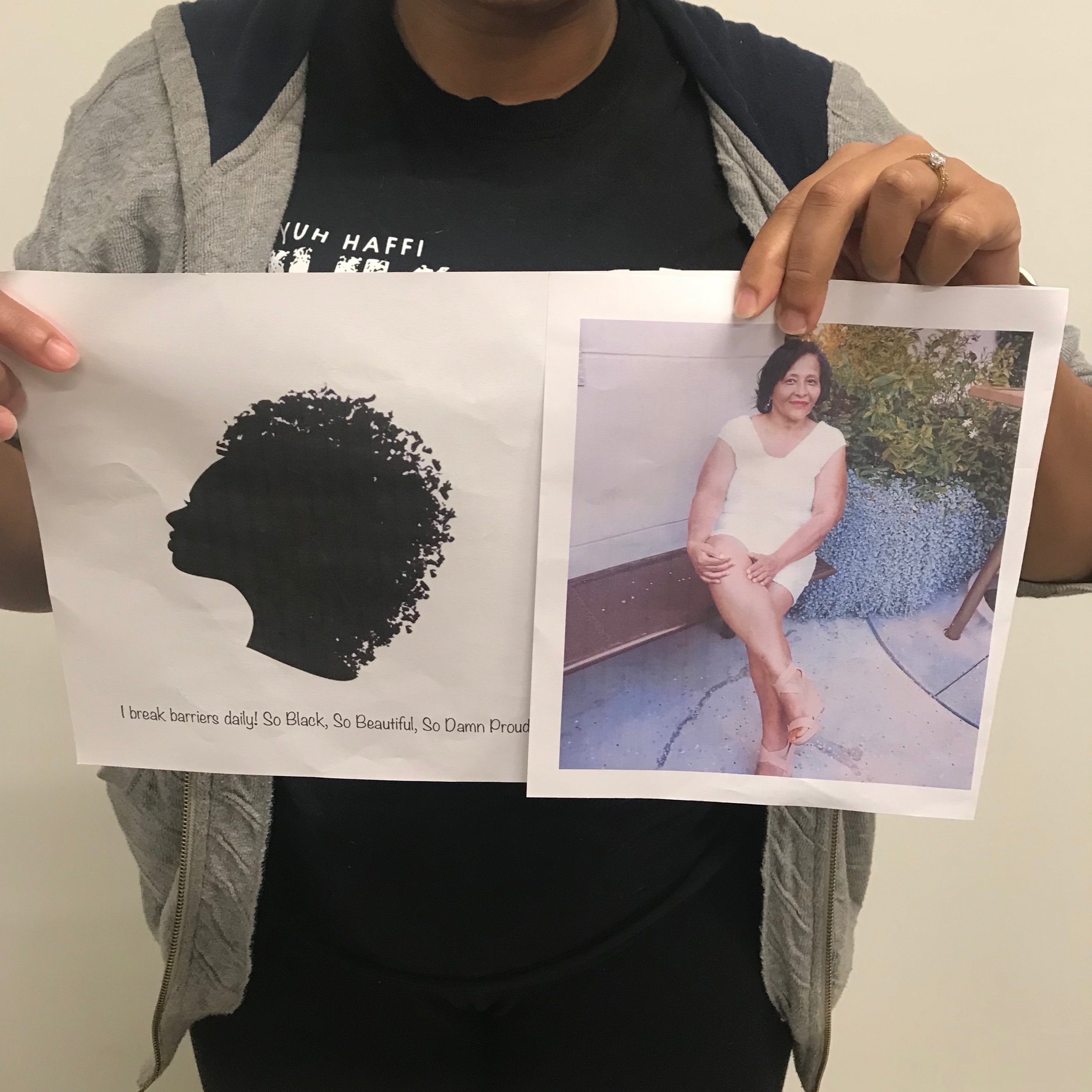
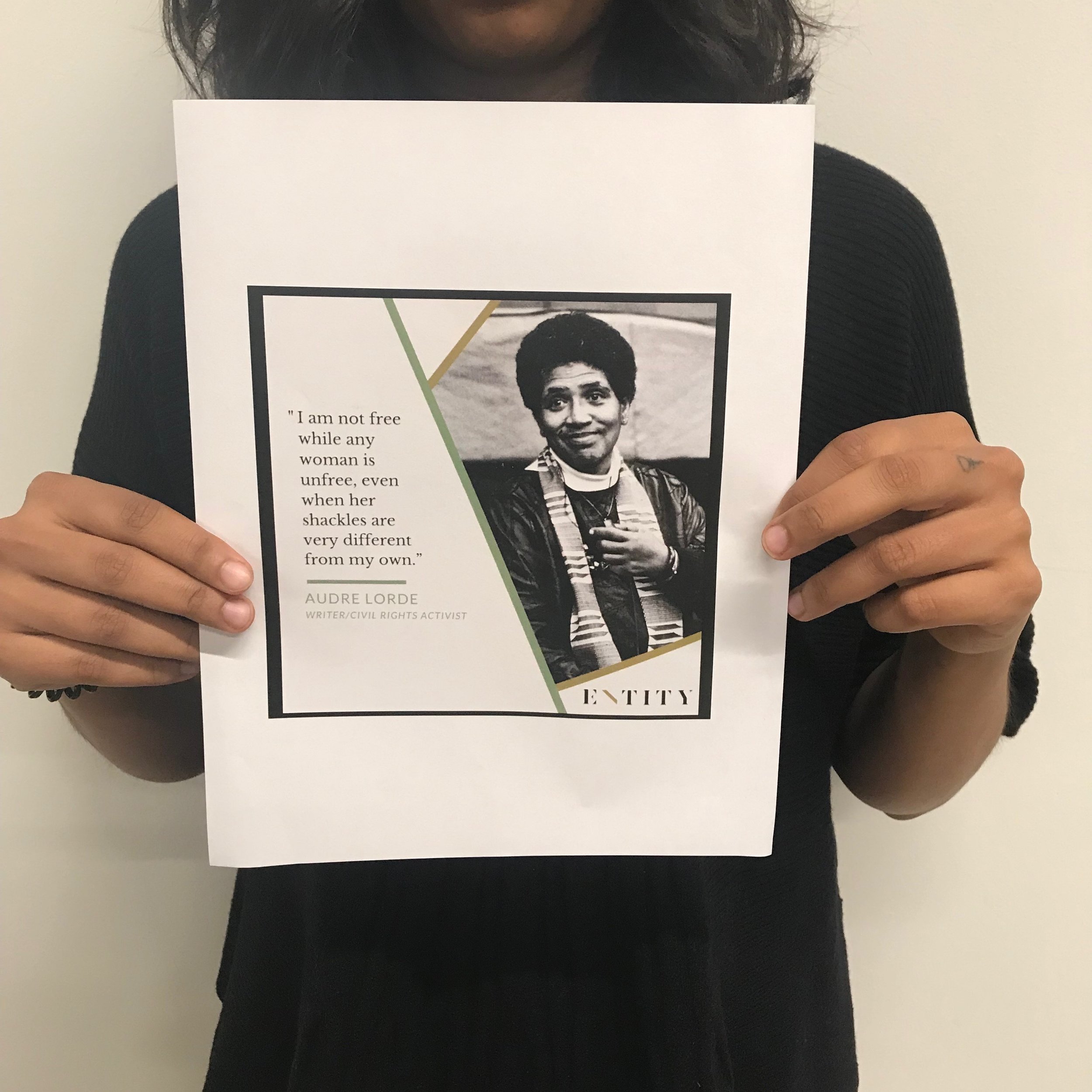
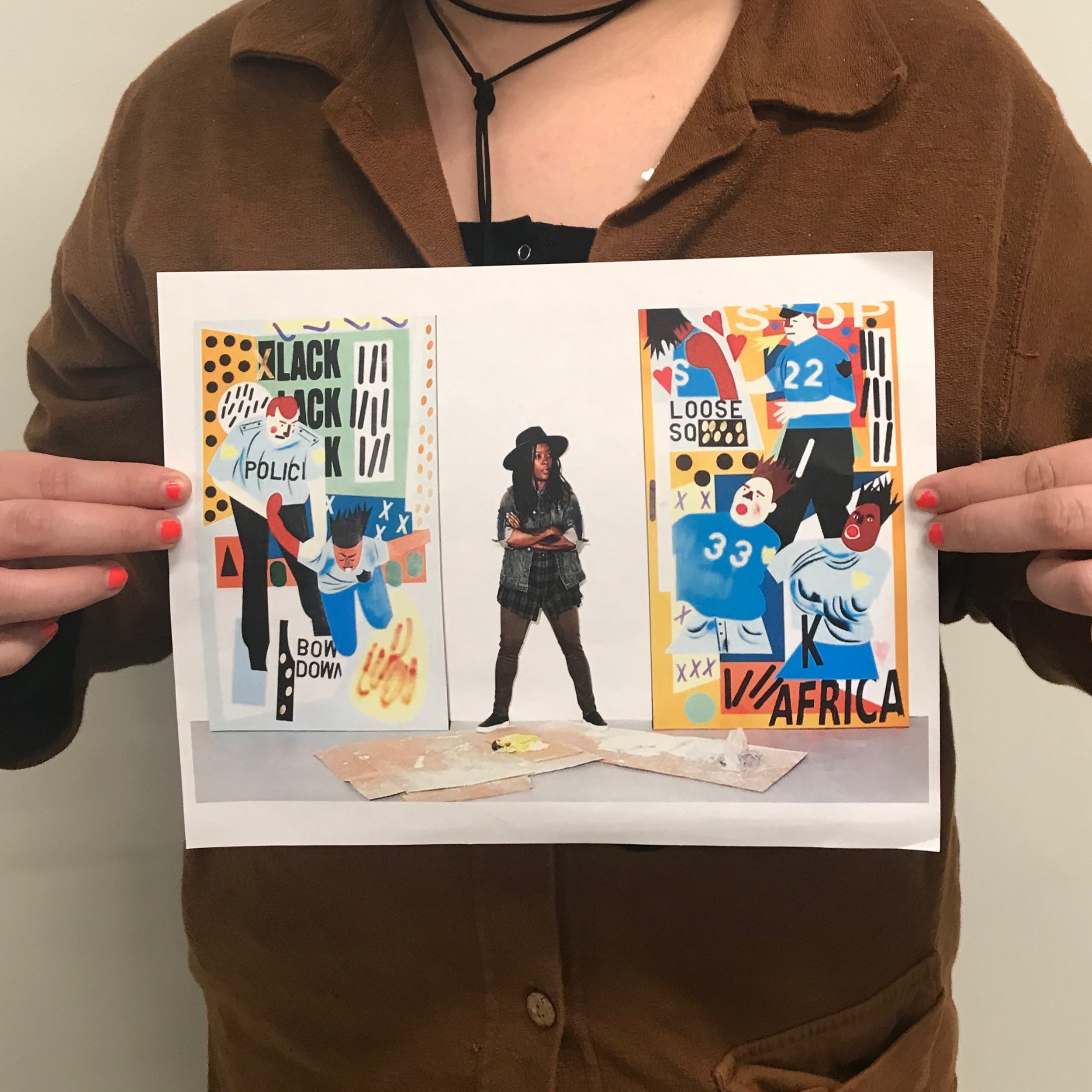
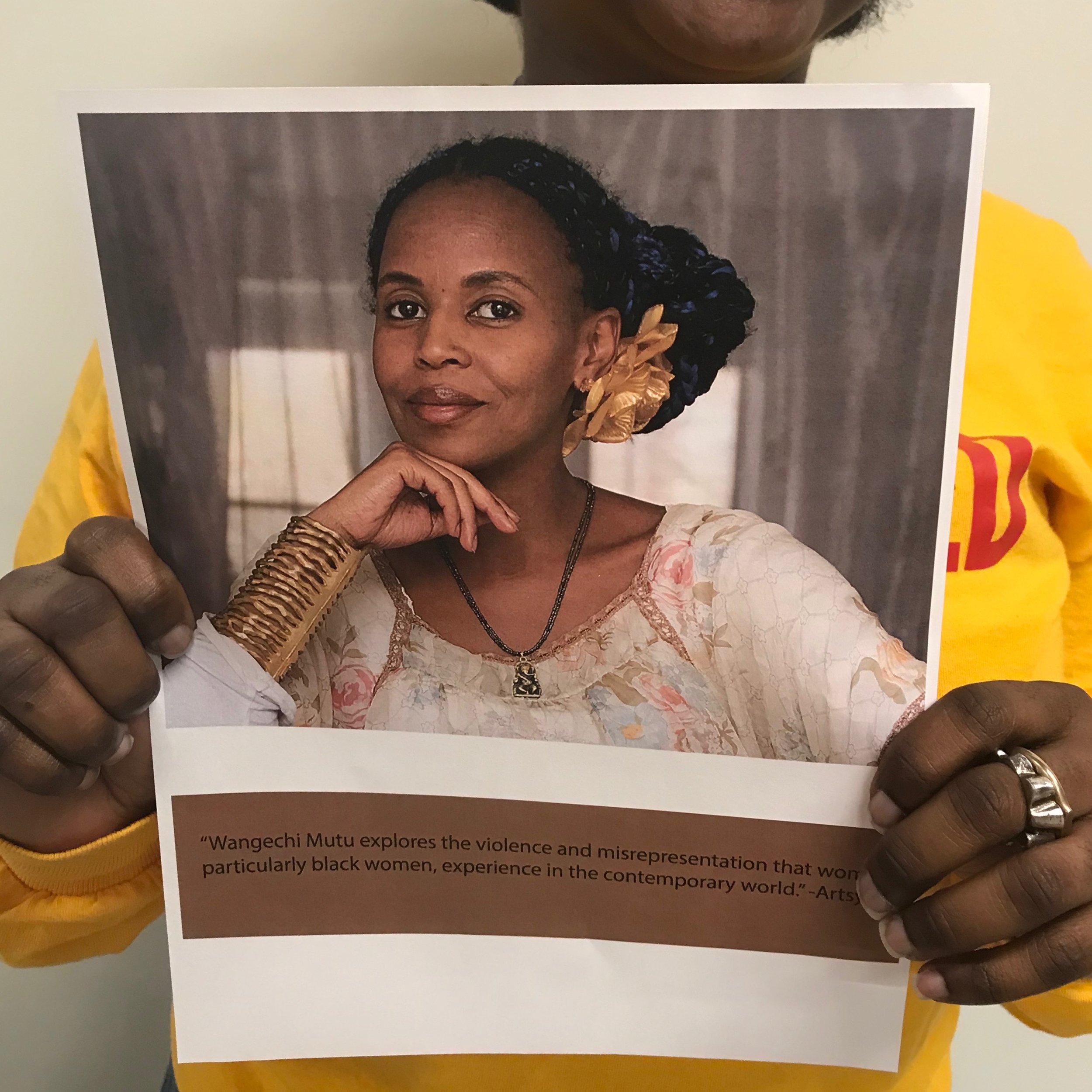
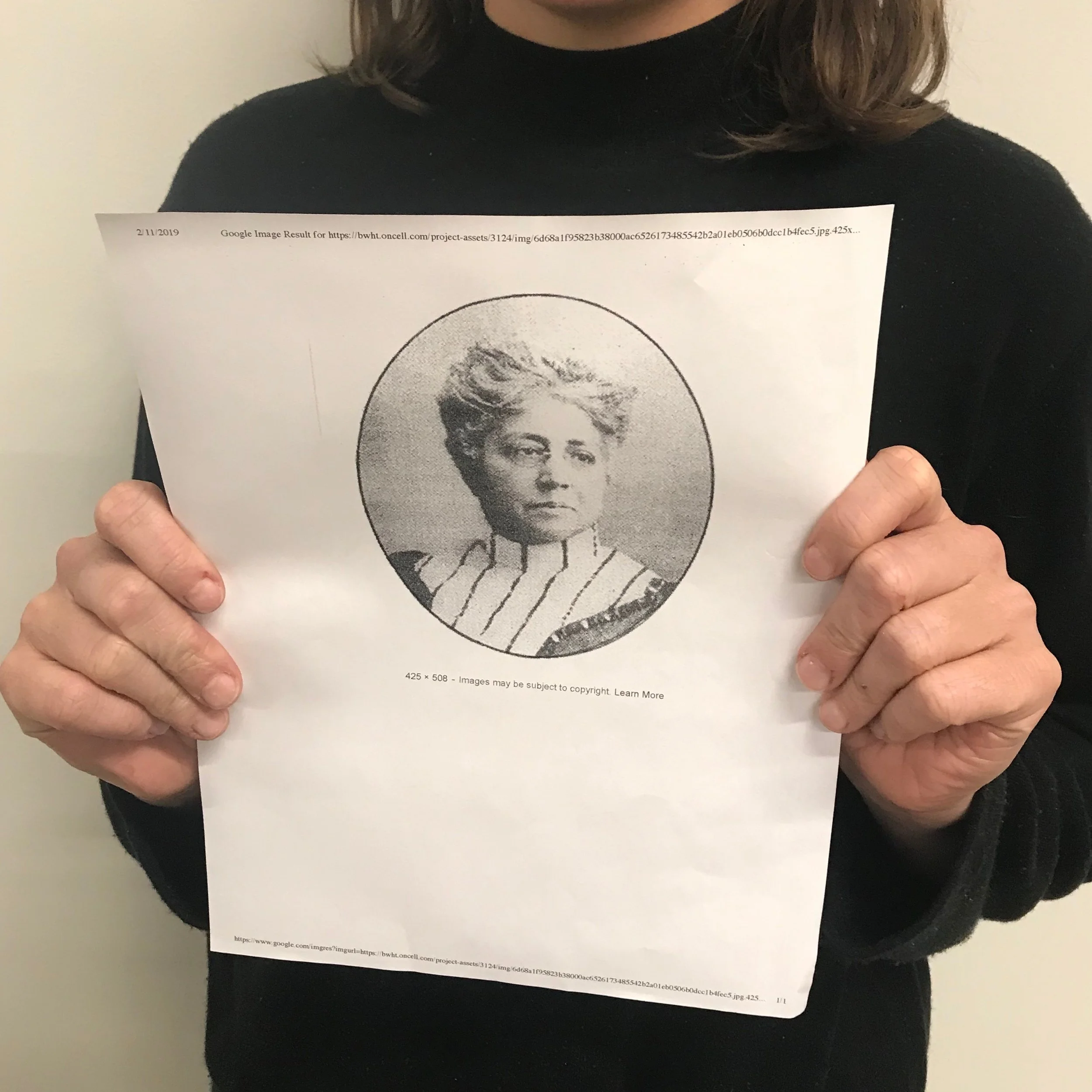
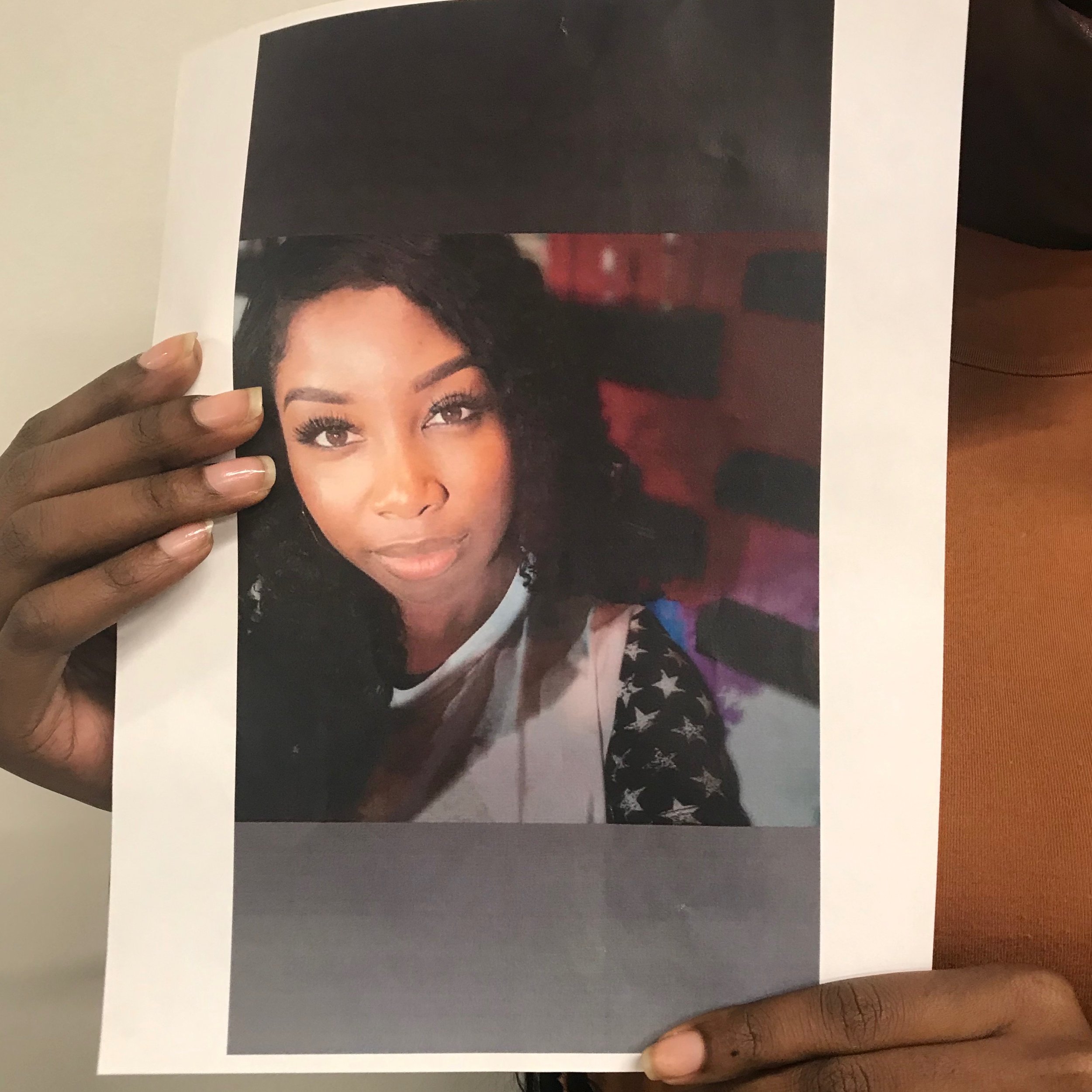
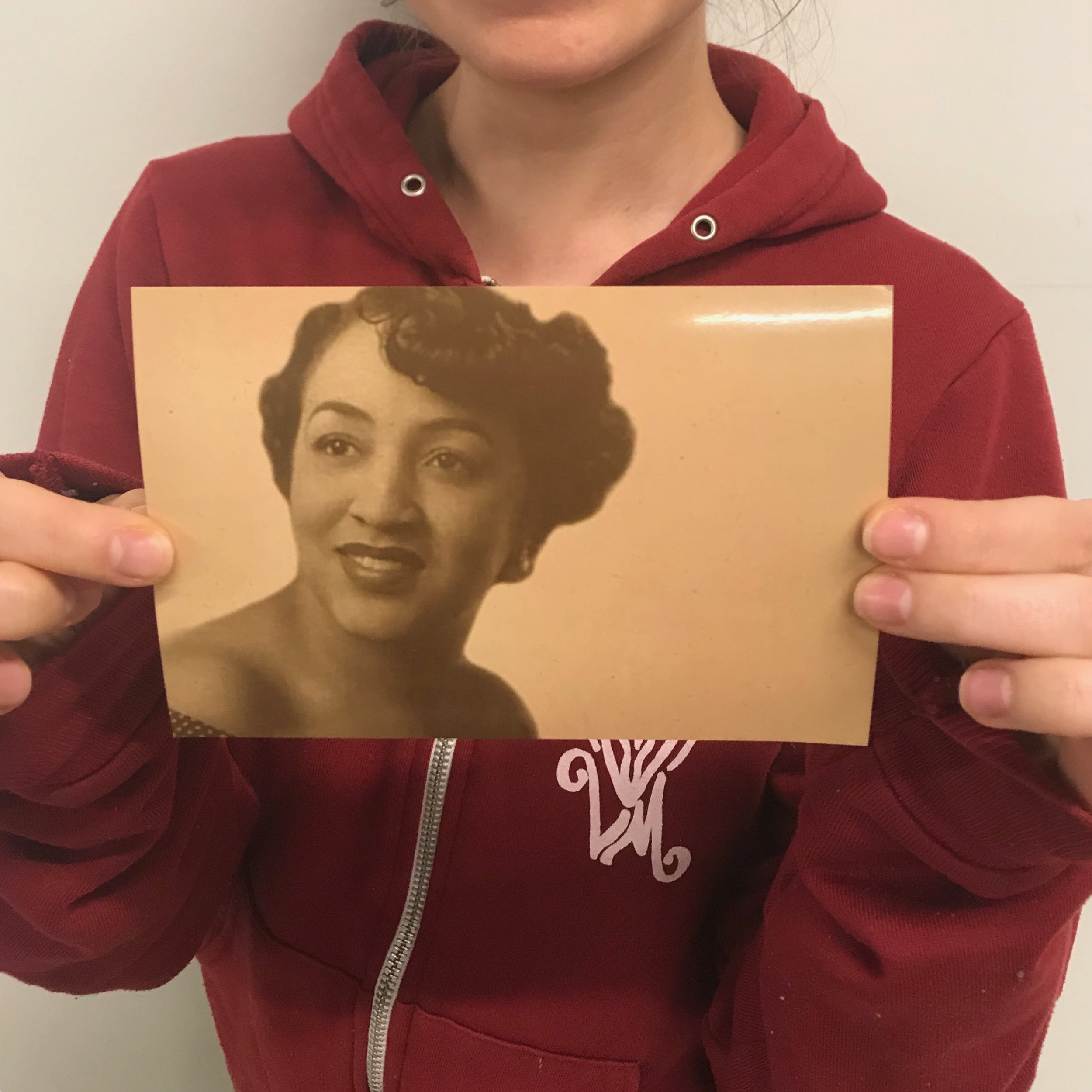
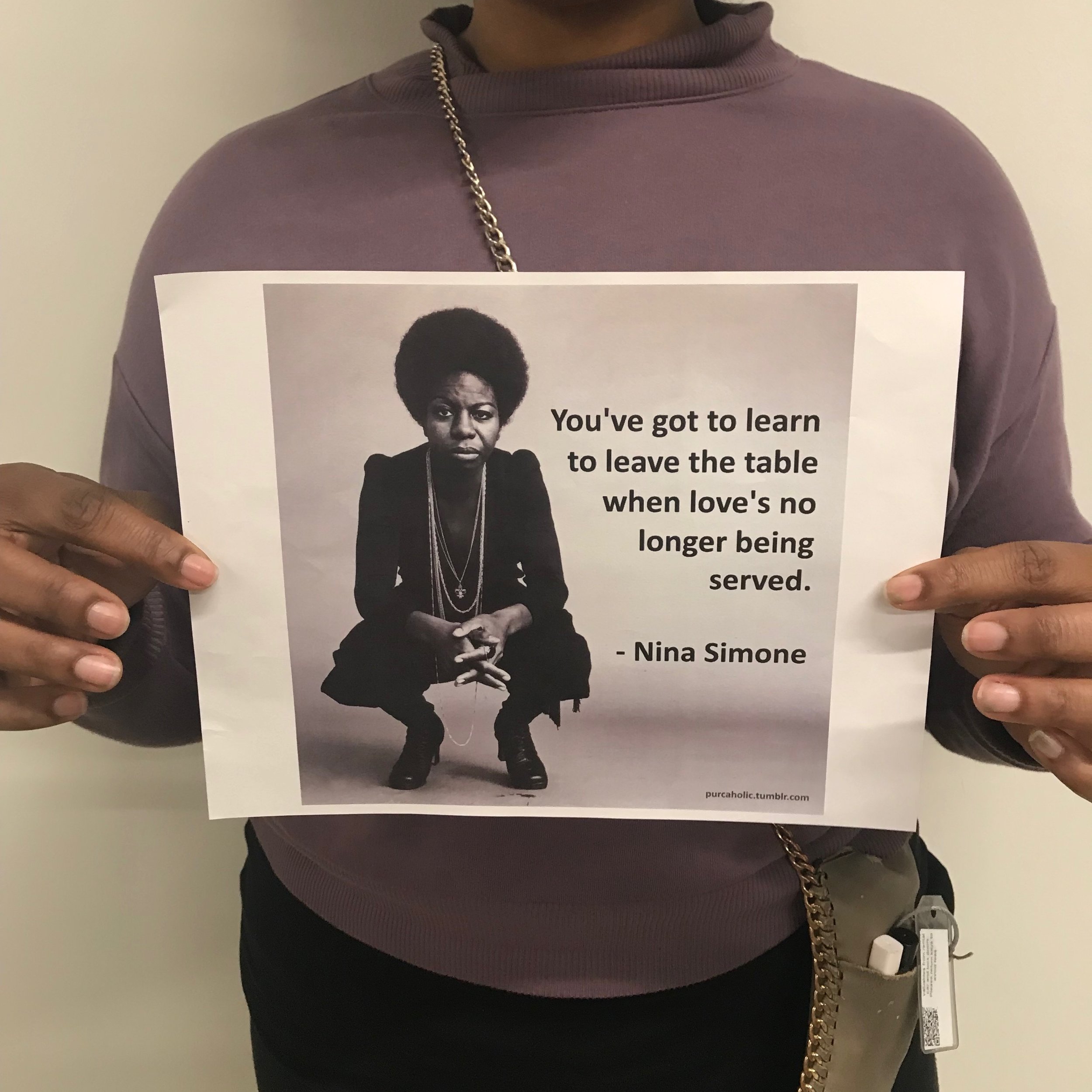
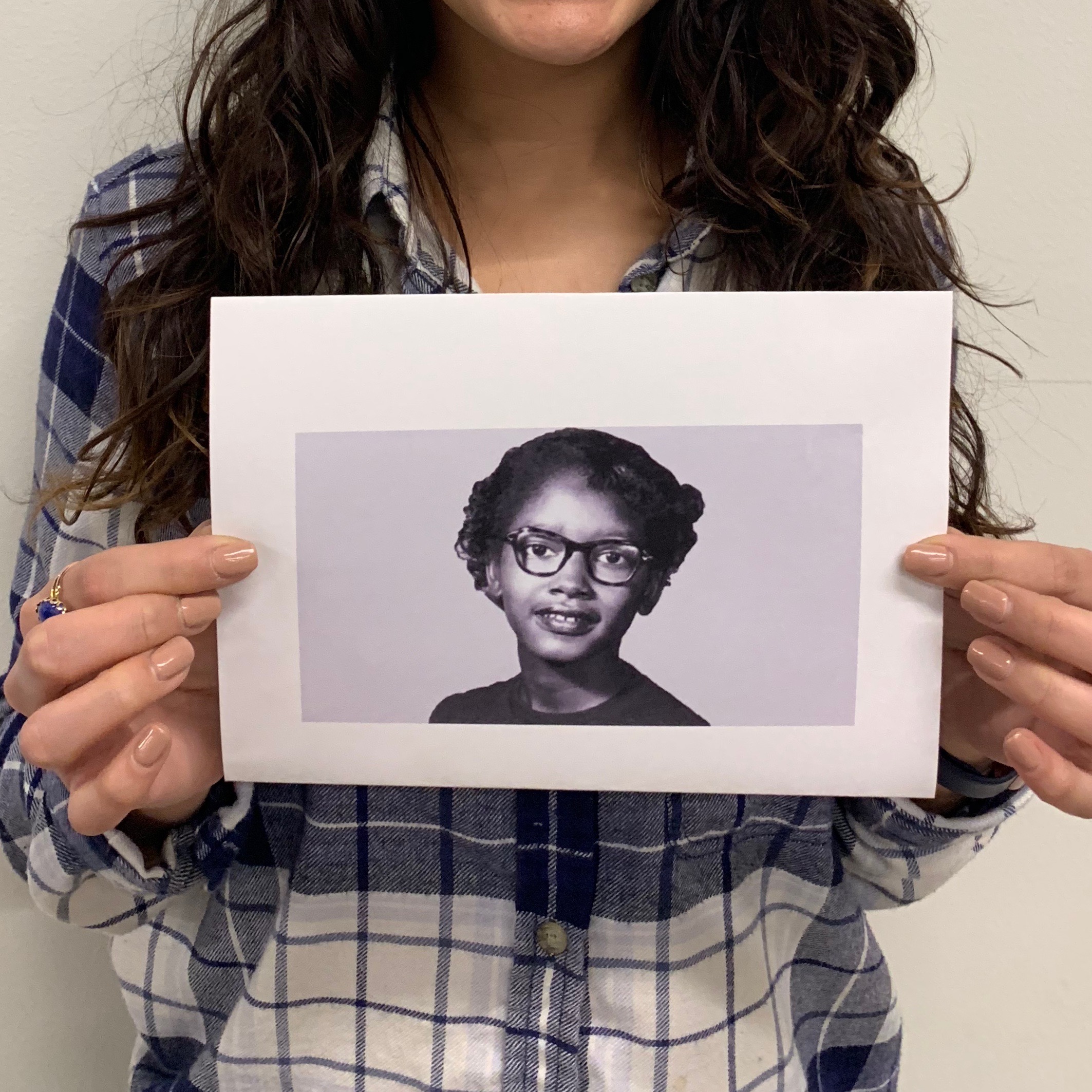
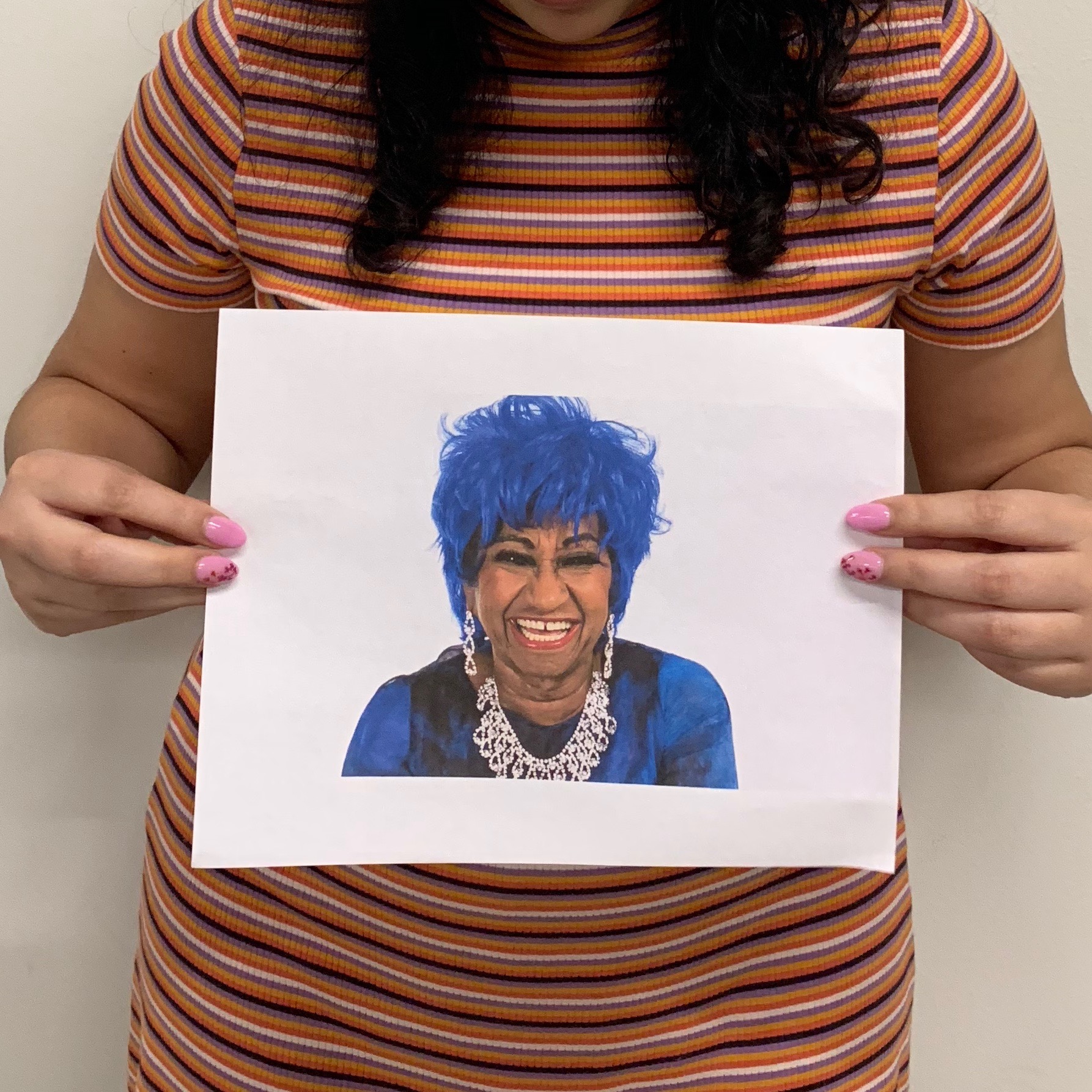
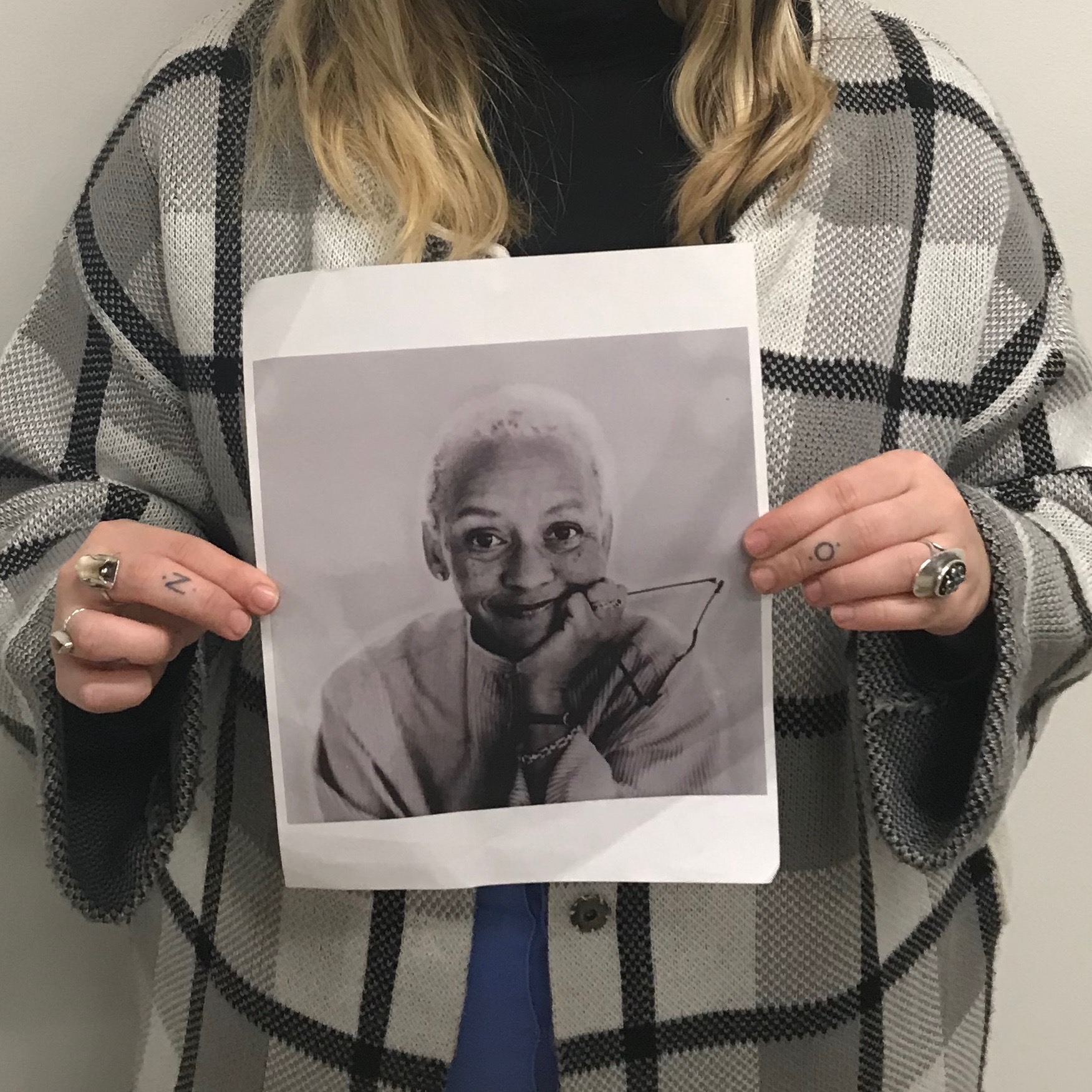
Curious about #BBATX’s programs? You can learn more about what we do and why we do it here.
On Claiming Your Seat At The Table: An Interview With First-Time Curator Jaelynn Walls
On February 22, 2019, “One for Us,” an exhibition featuring the work of 20 women of color from all parts of Texas, debuts at Big Medium Gallery in Austin, Texas.

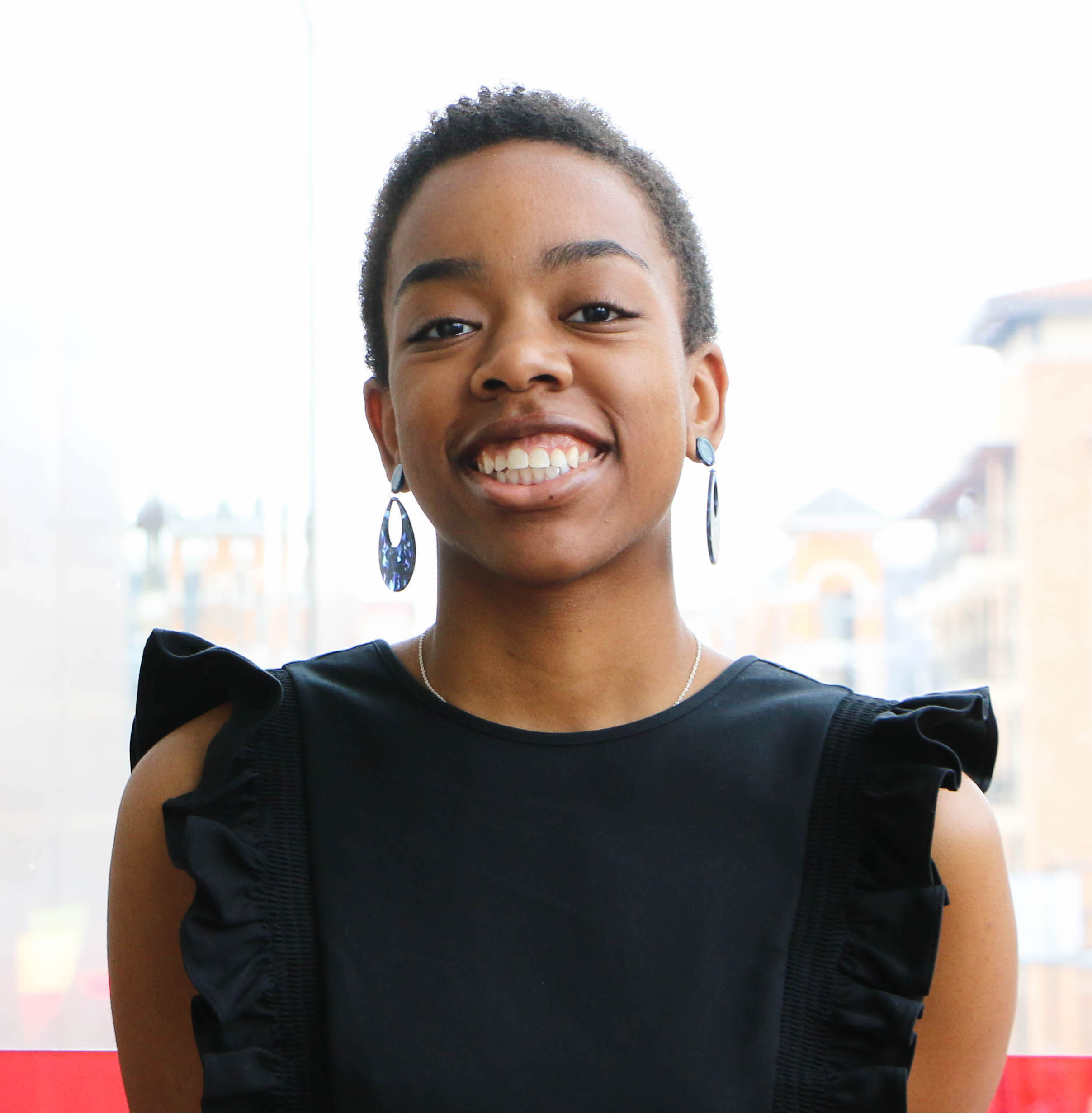
Photo courtesy of Jaelynn Walls (pictured)
On February 22, 2019, “One for Us,” an exhibition featuring the work of 20 women of color from all parts of Texas, debuts at Big Medium Gallery in Austin, Texas.
According to the curator Jaelynn Walls, “the works included in this exhibition examine the current landscape of artists attempting to better understand their own identities within the radically troubling social milieu of the 21st century. Whether it is finding power within that marginalization or examining the origins of their otherness, the 20 artists are able to explore this idea of identity in nuanced and complex ways.”
Leading up to the exhibition, #BBATX’s Communication Design Assistant A’nysha Fortenberry sat down with Jaelynn Walls to discuss the exhibition’s mission and purpose. In this Q&A with Walls, the two explore why it is important to have women of color well-represented in cultural institutions and why we’ve got to help each other fight for a seat at the table.
About the curator, Jaelynn Walls: Walls is a second year BA Art History and Plan II Honors double major pursuing a Minor in African and African Diaspora Studies at The University of Texas at Austin. She is the current Plan II Education Intern at the Blanton Museum of Art. Primarily interested in curation and research on contemporary American art, she has contributed to curatorial projects at The Contemporary Arts Museum of Houston, The Menil Collection and Sugar Hill Museum in Harlem, New York. Walls also runs a web-series called Art in Color, in which she discusses and highlight’s the work of contemporary artists of color in the Blanton’s collection. Her current curatorial project is One for Us, an exhibition taking place at the Big Medium Gallery from February 22 to February 25.
Written by A’nysha Fortenberry
Q: Let’s start with your background. What got you into exploring curation and the arts industry, as a whole?
Walls: In high school one of my friends mentioned that the Houston Contemporary Art Museum had a teen council and they needed new people to write content for them. I interviewed, got the position and I was on the teen council for two years. Through that experience I was able to meet with a collective of different curators, artist, and people doing projects around the country involving art and community. This is what sparked my interest in photography and curatorial work.
Q: What were some of the initial conversations that led to One for Us, and how did you approach turning the show’s concept into a reality?
Walls: This summer I worked at a museum in Harlem, New York called Sugar Hill, and as a curatorial intern I was charged with the task of learning about all these different artists and doing different pieces about them. I was looking up artists like Shola Lynch who actually went here [University of Texas at Austin] and Mickalene Thomas—just all these Black women artists. I felt so inspired and I felt like I had sort of been cheated out of this experience of learning about them. I had taken survey courses, which are essentially courses about all of the important artworks, yet somehow I had missed out on all these revolutionary, great women artists. During my internship I felt like I could just create a show highlighting up and coming artists from Texas.
So I called up a bunch of galleries. I was like “Hello can I use your space for this?” and everyone was saying no. I finally got through to Big Medium and they were extremely excited to work with me. At the time, I was just calling and saying "Oh, I have an idea for a show, I just want to highlight women artists from Texas.”
Over the course of the summer, I began to develop the idea for One for Us , too. The title just comes from having one show for us, “us” being women of color in the South. Most of the artists that I find interesting have this idea of identity formation within their work, like figuring out who they are within an art historical context and a social context and coming into that knowledge through their artwork. So that's mostly what the show is about. It's about figuring out who you are as a woman of color through your work or even sharing with people who you are through your work.

Q: What does having a seat at a table mean to you?
Walls: It basically means having a say in a discussion, right? It's having the power to make decisions, which is very important, especially in a sort of curatorial or art historical context, because the people making greater decisions are those with several seats at the table. They tend to be the same people who have always been making decisions about art in art history, which is white men and sometimes now white women. And that would be fine, except for the fact that these people perpetuate what I was talking about earlier, which is Western canon.
Marginalized voices need to have a seat at the table—a seat at the art table, specifically the greater art table—because museums and cultural institutions are supposed to acknowledge everyone's experiences. If you go into a museum and all you see are European paintings or artwork that is focused specifically on one type of person or one idea, then you understand that to be what is important. It's like, “Oh, this is a place where people pick what's on the walls. So what they picked is what I'm supposed to know and what is supposed to be important to me.” It can definitely skew a person's understanding of what belongs in a museum. So, by diversifying the people that are at that decision-making table, you are changing what is seen as important.
Q: You had an open call for artists to participate in One for Us, and then narrowed your selection down. What was that decision-making process like?
Walls: I got upward of 70 responses, and I had to narrow it down to about 20 artists. That was hard but that's what curation is. I sent the [open call] out to several art teachers at high schools and universities around Texas and general people I knew in the art world. A lot of them had very positive responses to the idea, and that further pushed me to make this show happen. It seemed like people were acknowledging that there is this gap that exists and that the show was an opportunity, not necessarily to fill the gap or fix the problem, but just to be able to highlight voices that are otherwise not going to highlighted.
While searching for pieces to feature, I essentially tried to pick out works that worked well within the vision that I had. I wanted works that spoke specifically to how the artist’s identity functioned societally for them, but also emotionally or publicly. I looked into how they were performing their personhood and how that factored into their work.
Q: What is the impact that you're hoping for from this showcase?
Walls: I really want people to know that not only do women of color creatives and artists exist, but our work is worth displaying. Our ideas are worth thinking about and worth having in cultural spaces and institutions. You can say, “Oh, well there's the contemporary art section and there's that one really famous Black artist or that one really famous Mexican artist.” And that's really great. But there are many artists of color and they're creating work we need to see. I also hope that other artists of color can see that there is a space for them in the contemporary art world.
Q: What advice do you have for someone who’s starting a new project for the first time? How can they take the leap as an emerging creative or curator?
Walls: I personally feel like I get a lot done because I'm not afraid to be told no. It's like the worst thing, the absolute worst thing—no exaggeration—that can happen to you is that people say no. And a no is just something to scratch off the list. Then you move on to the next person, and they might tell you yes.
So, my advice is just don't be afraid. Don't be afraid to ask people for things. Tell people your bad ideas, so they can tell you how to fix them. Pretend you're an adult and talk to other adults, as if you know what you're talking about. That's important.
One For Us opens on February 22 at Big Medium. The show will remain open through February 25. Click here to learn more.
On Keeping It Moving: What Makes Us Resilient?
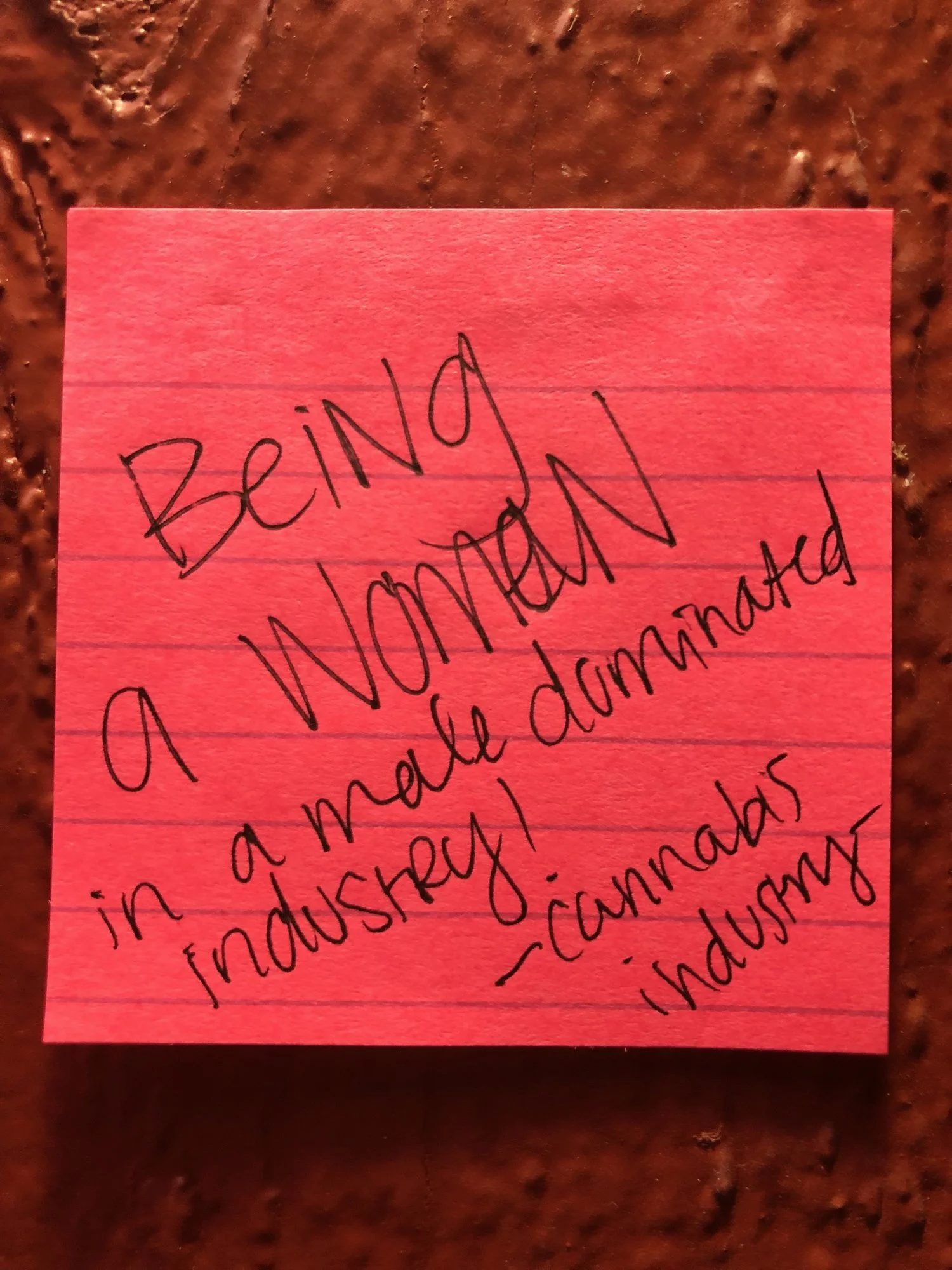
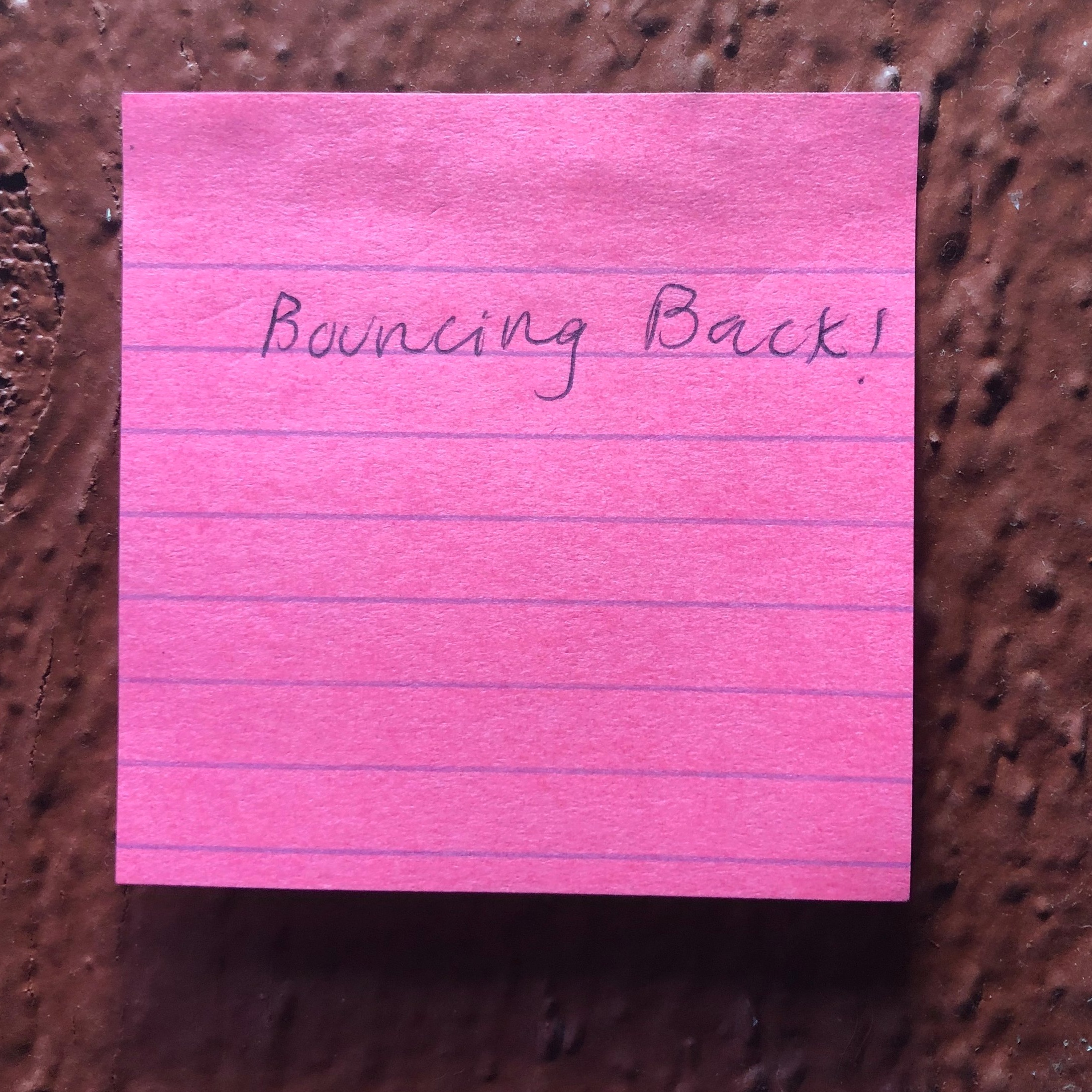
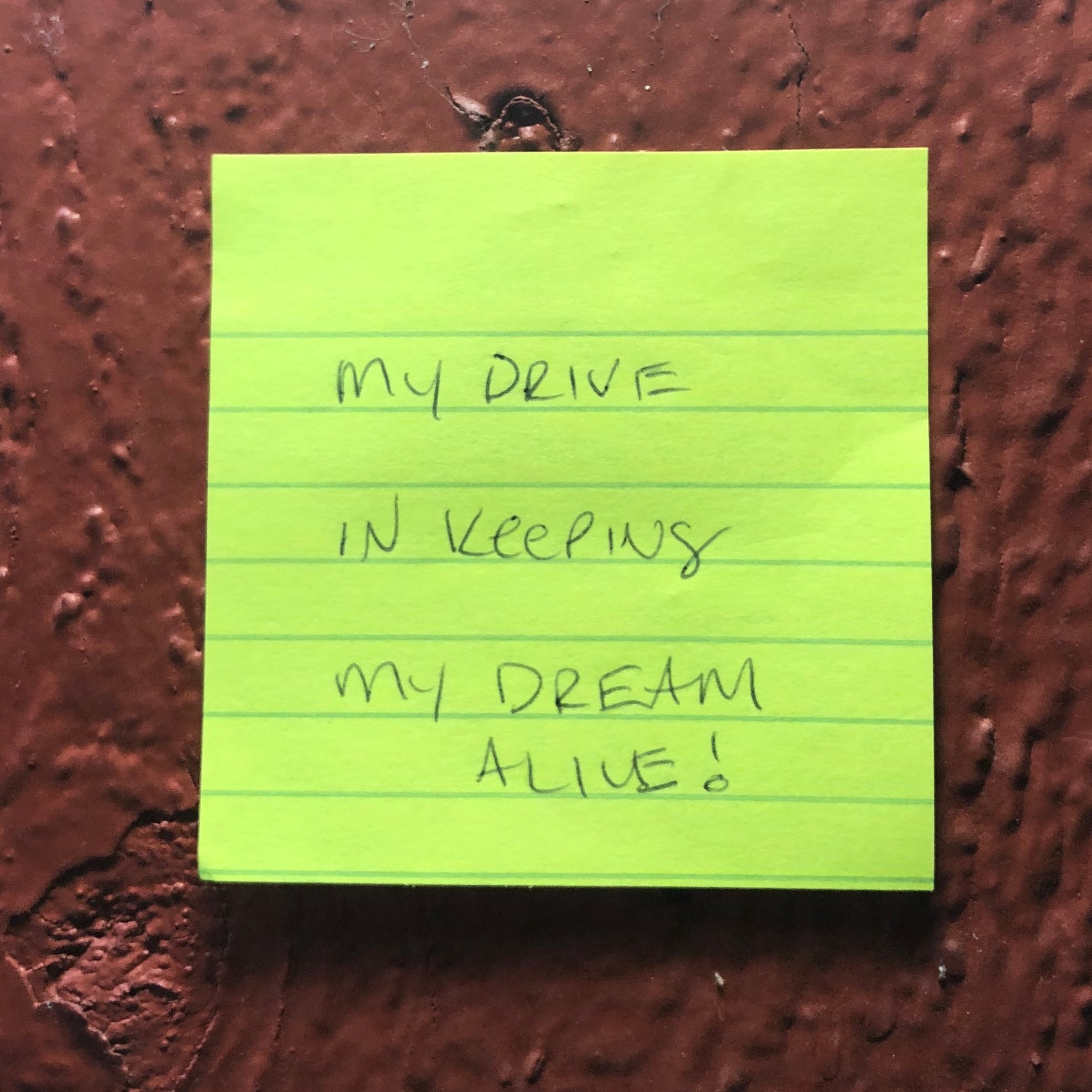
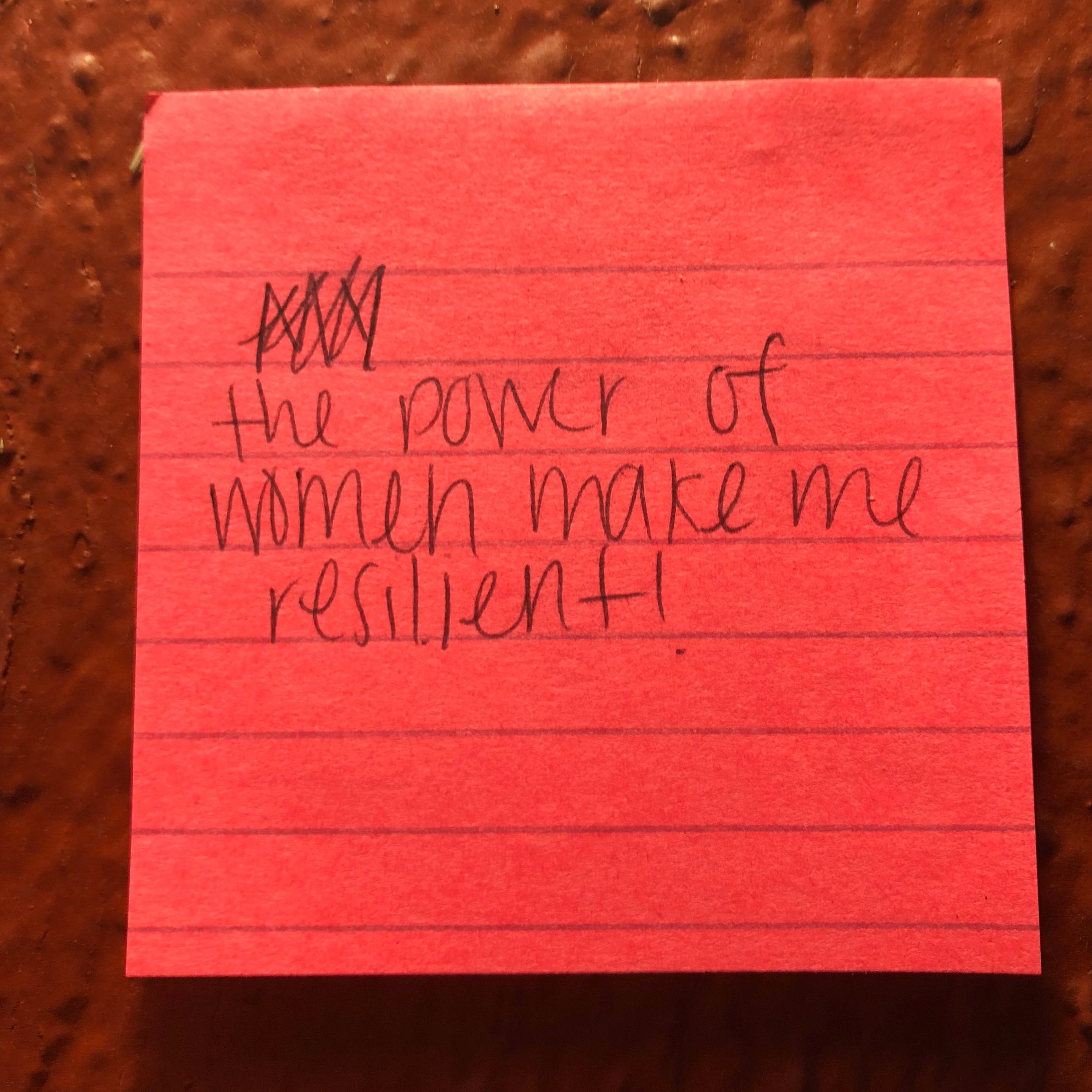
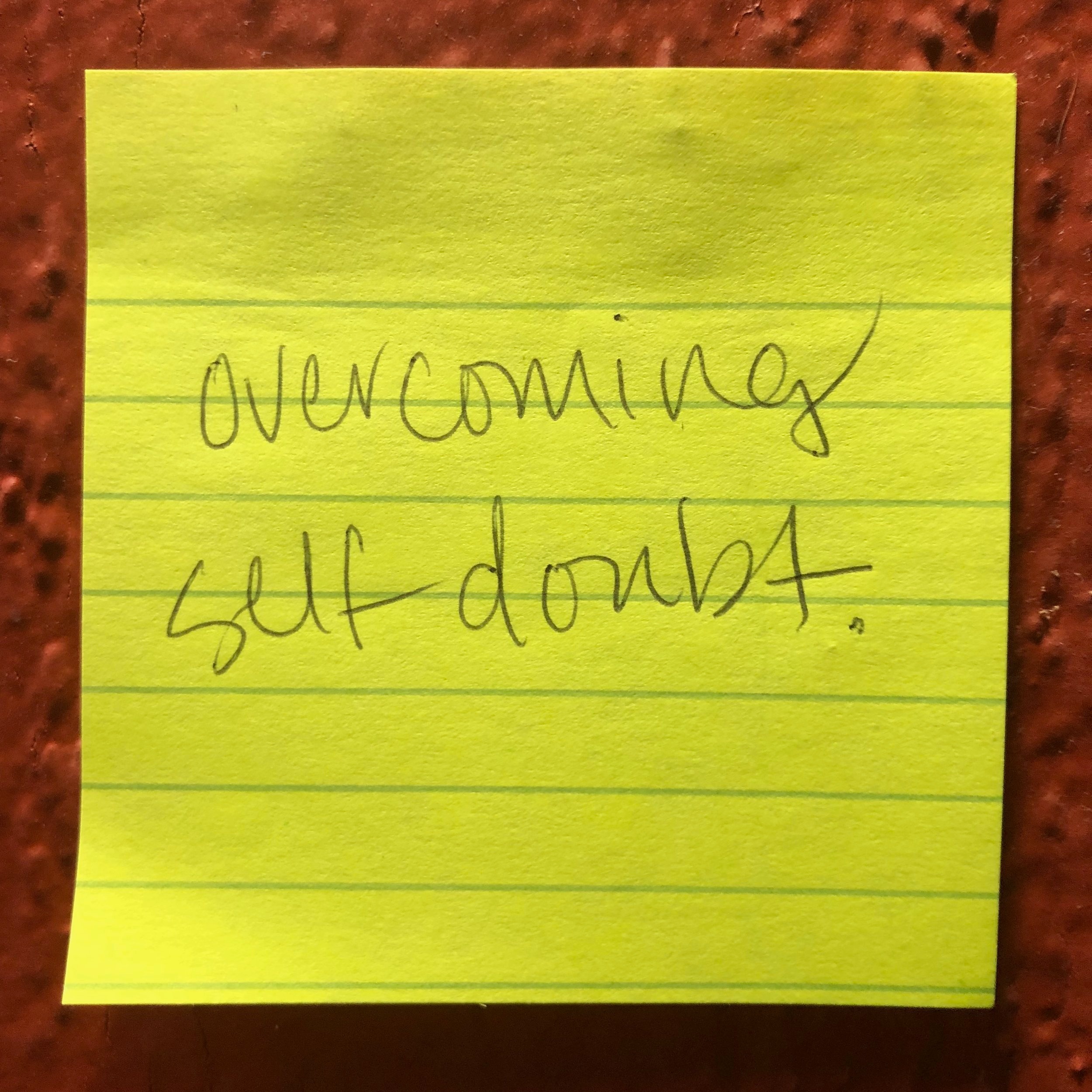
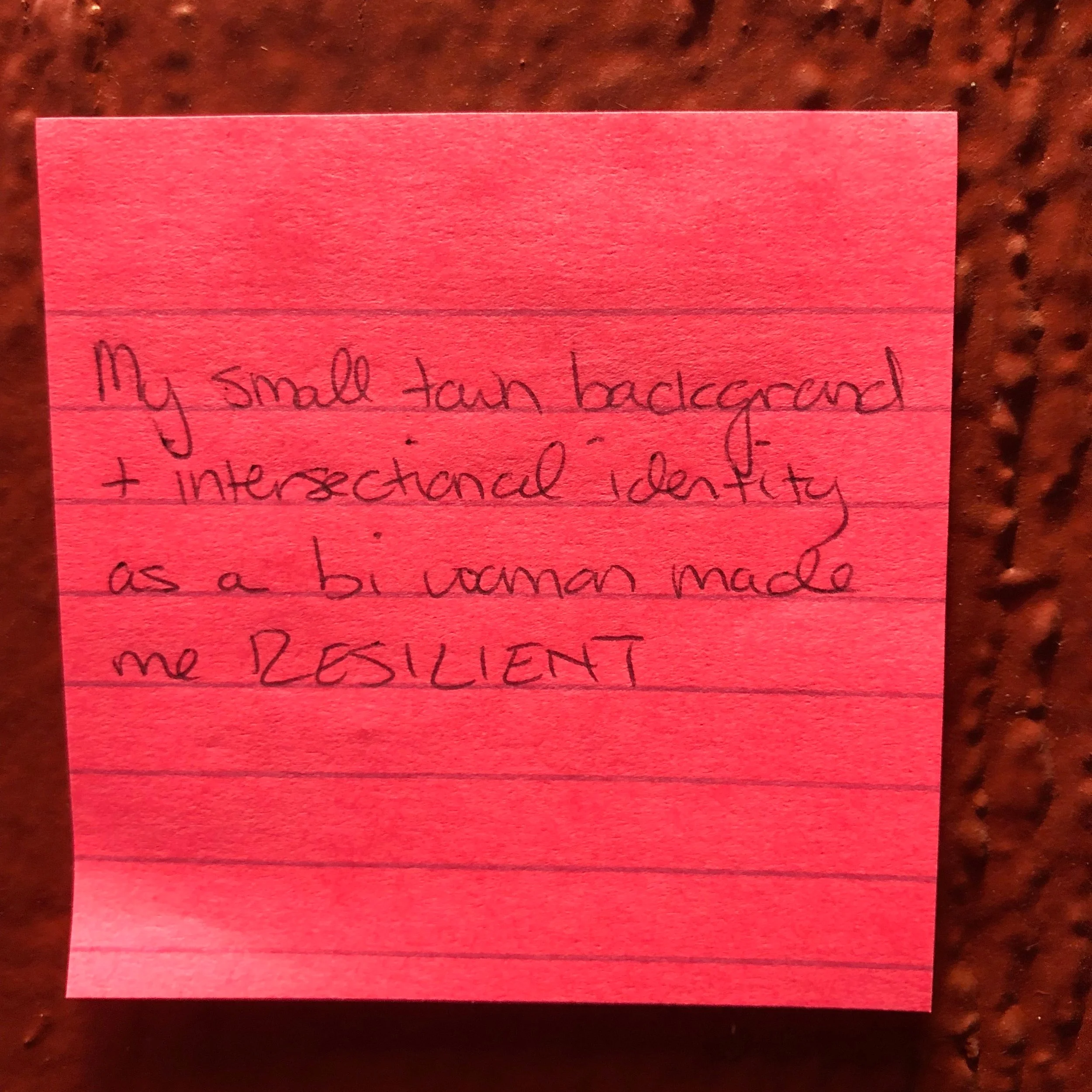
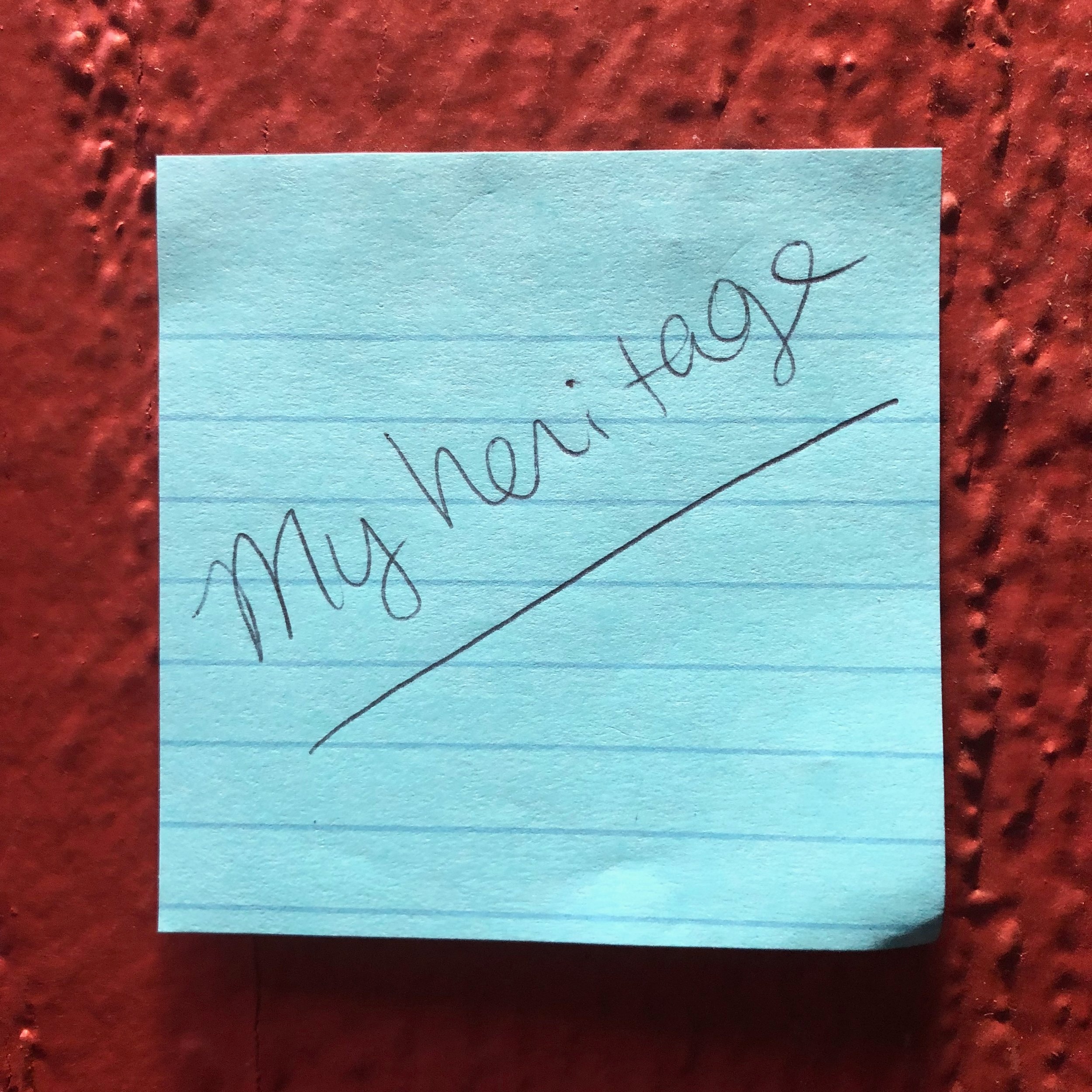
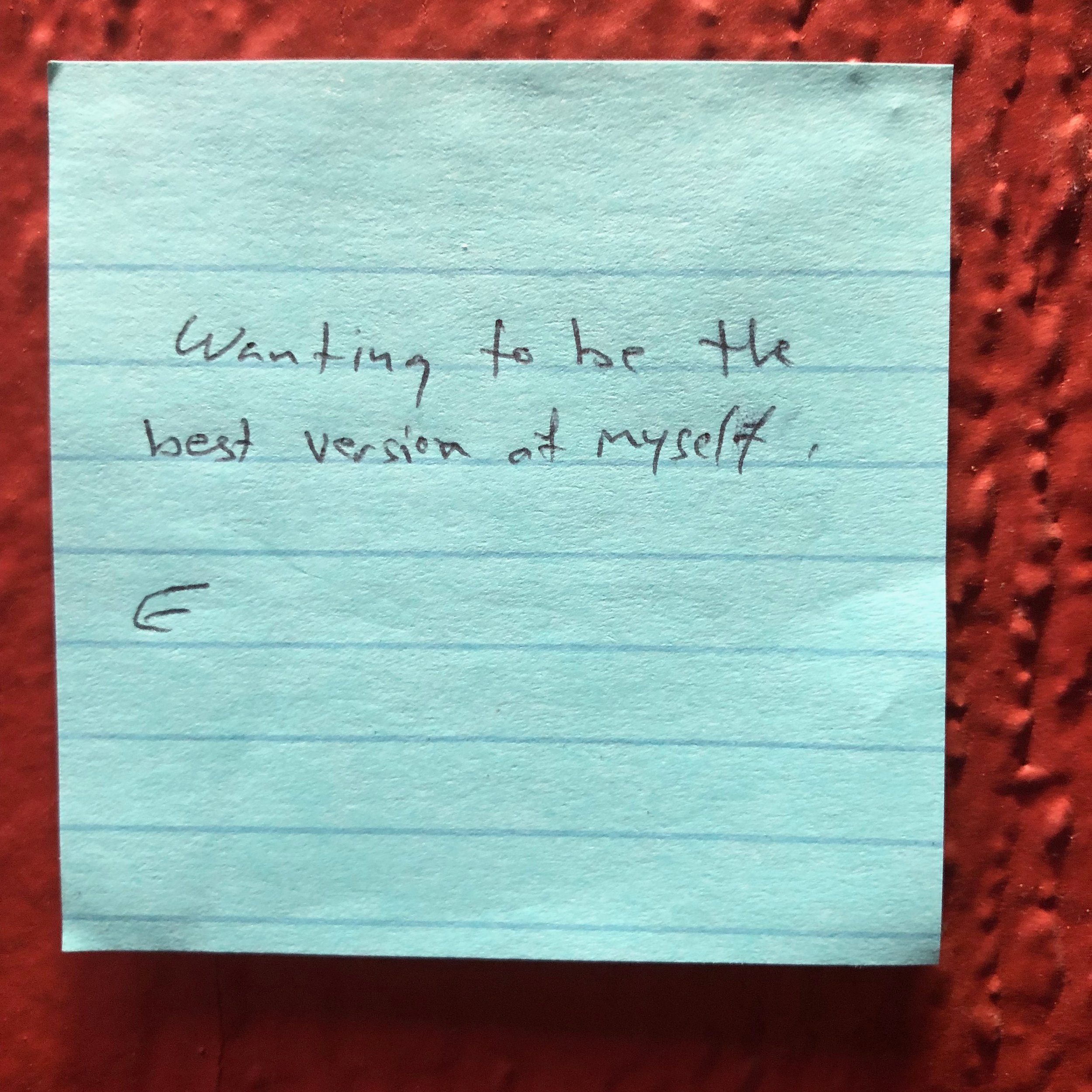
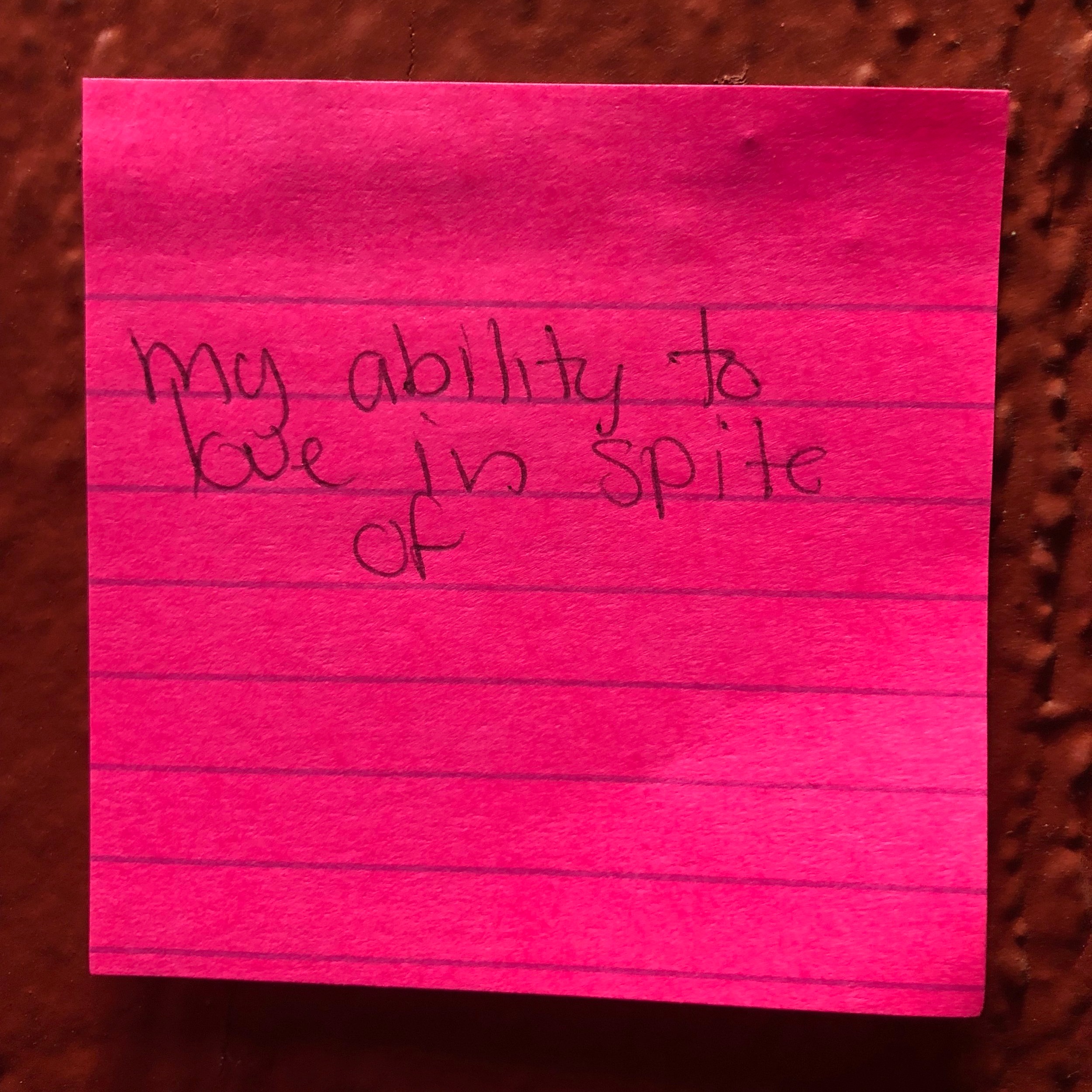
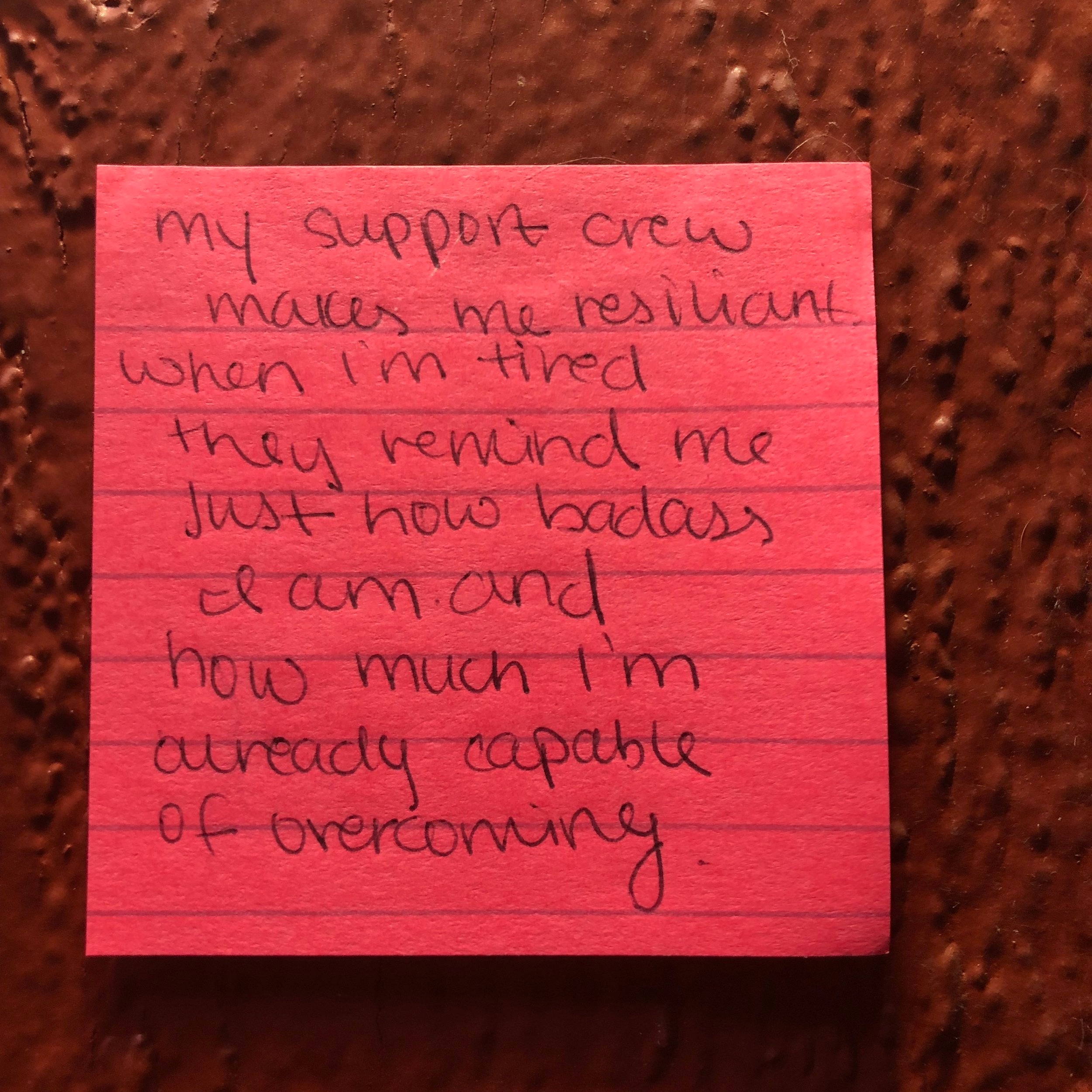
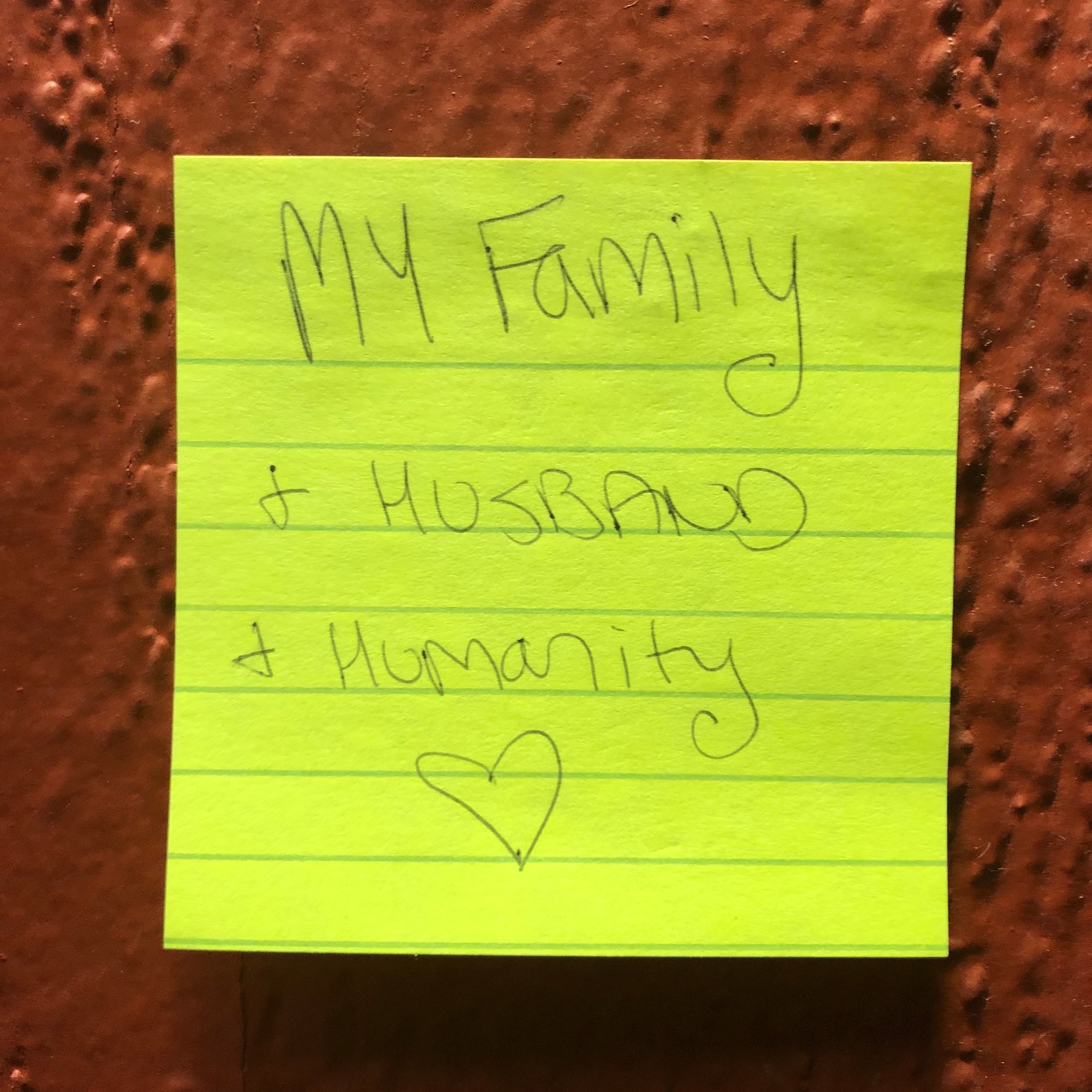
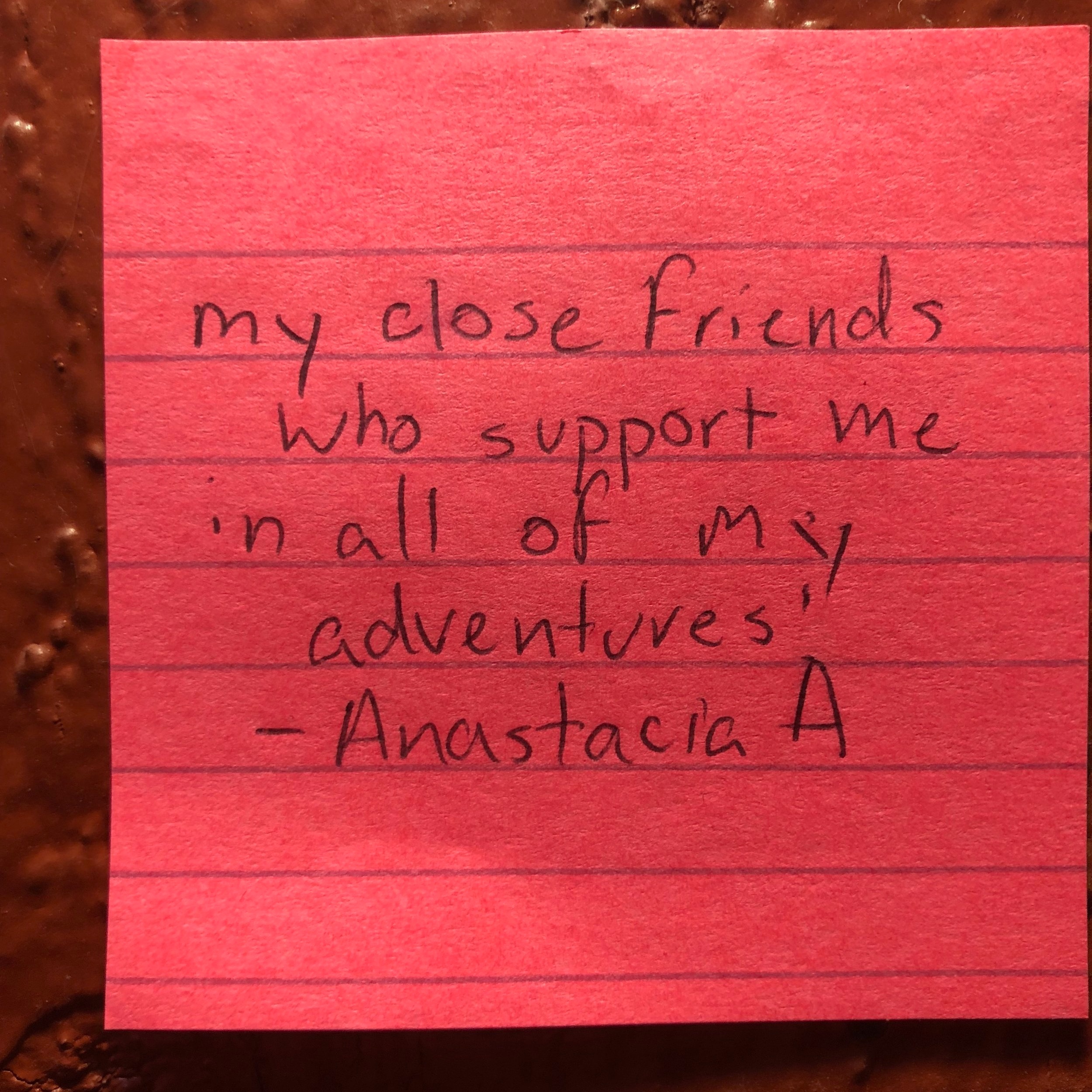
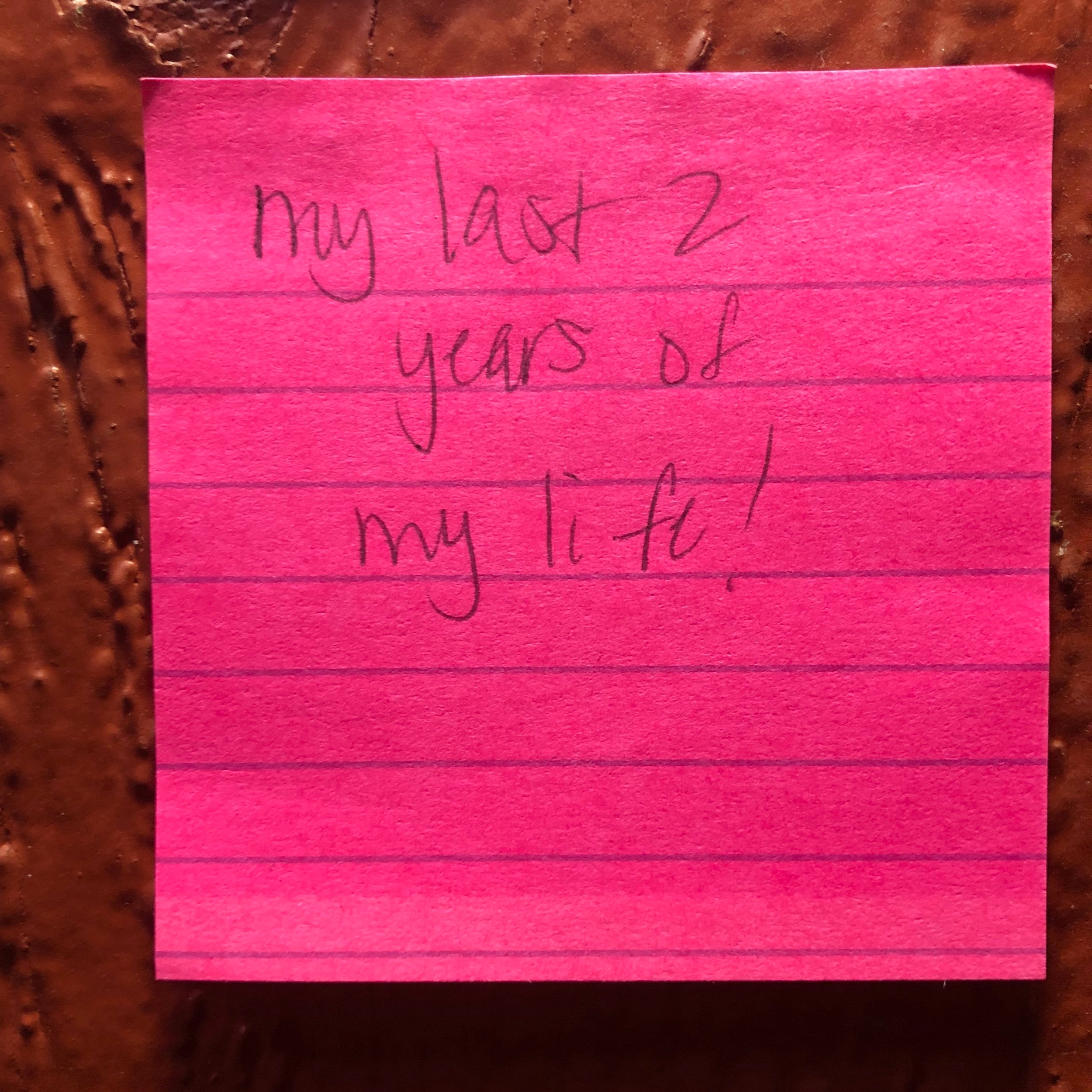
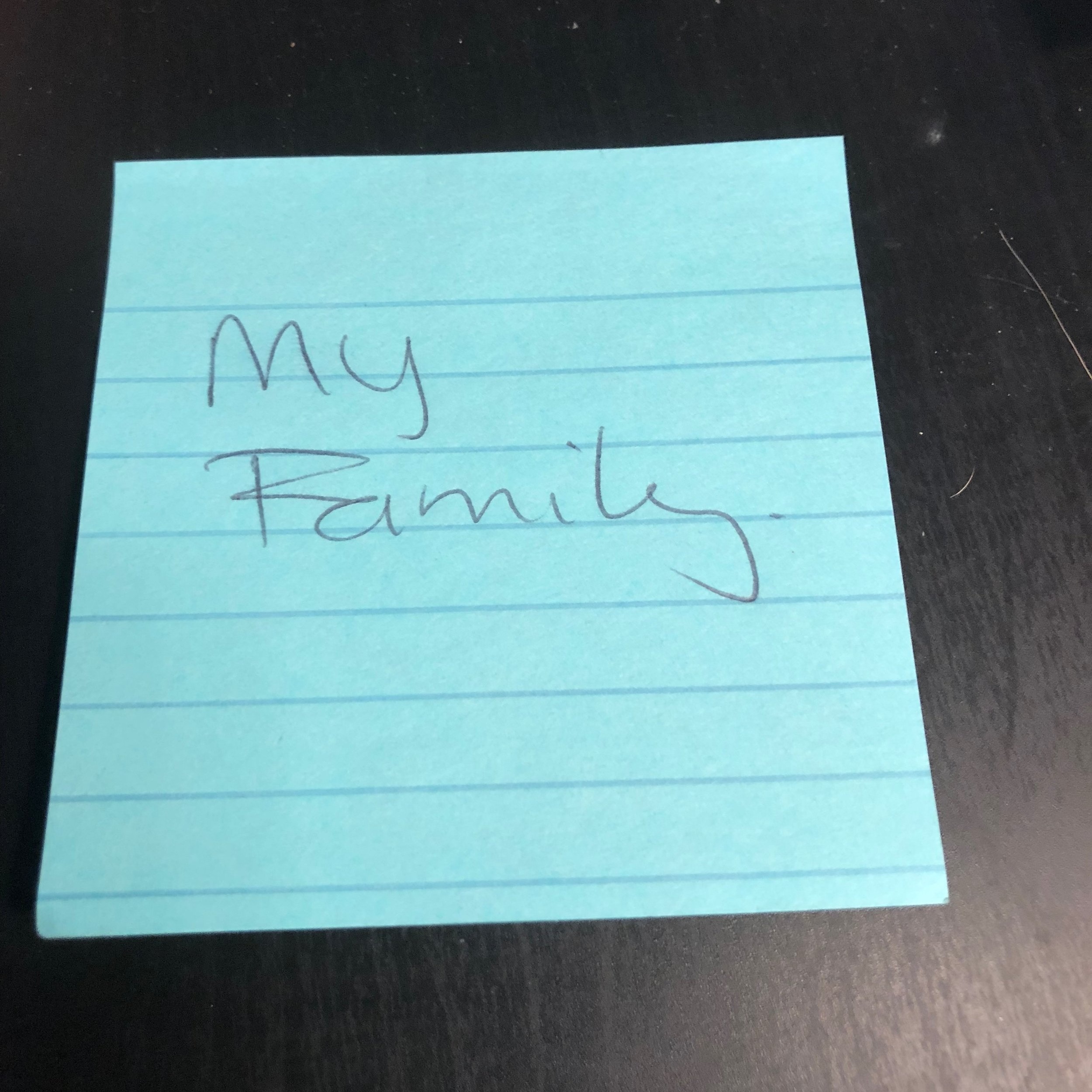
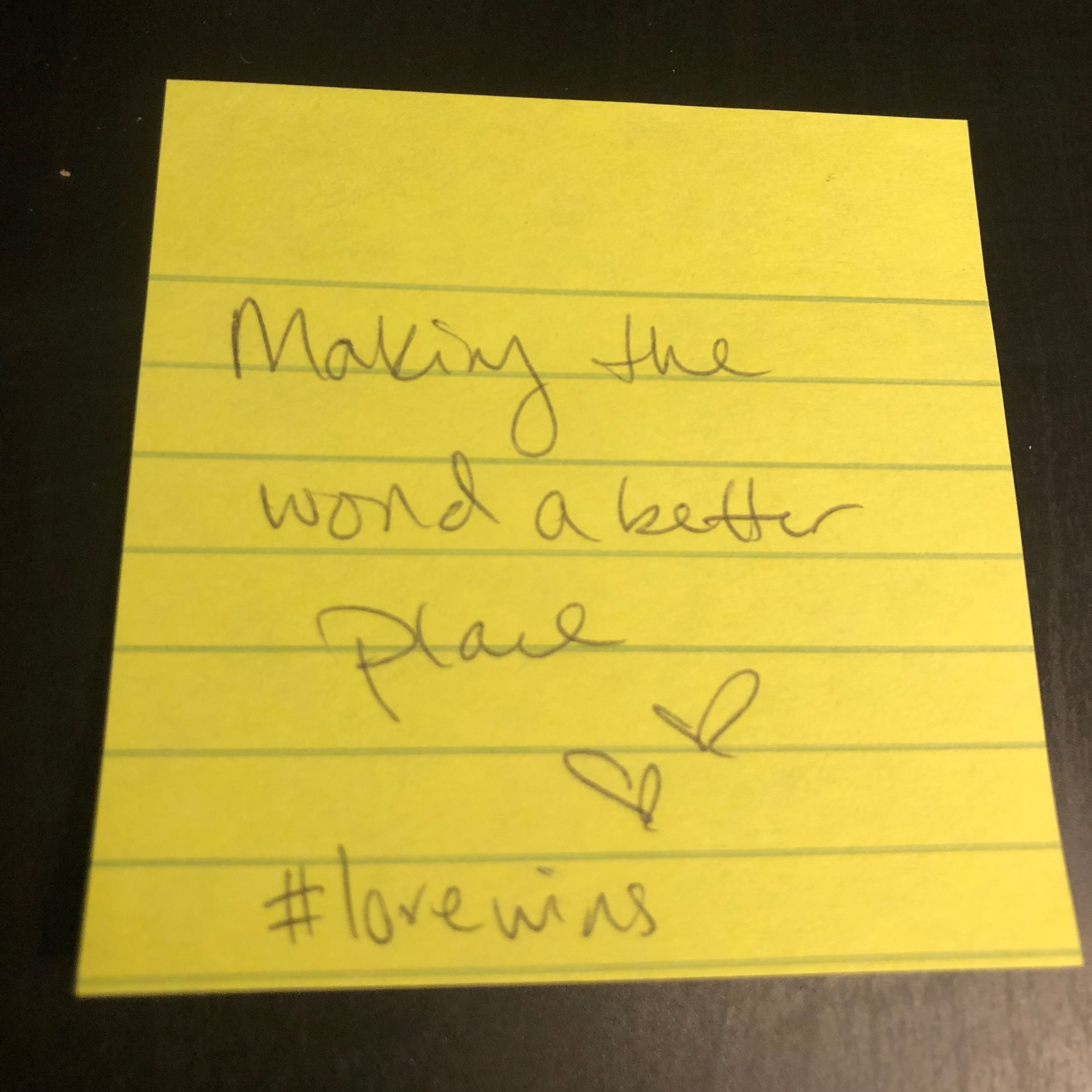
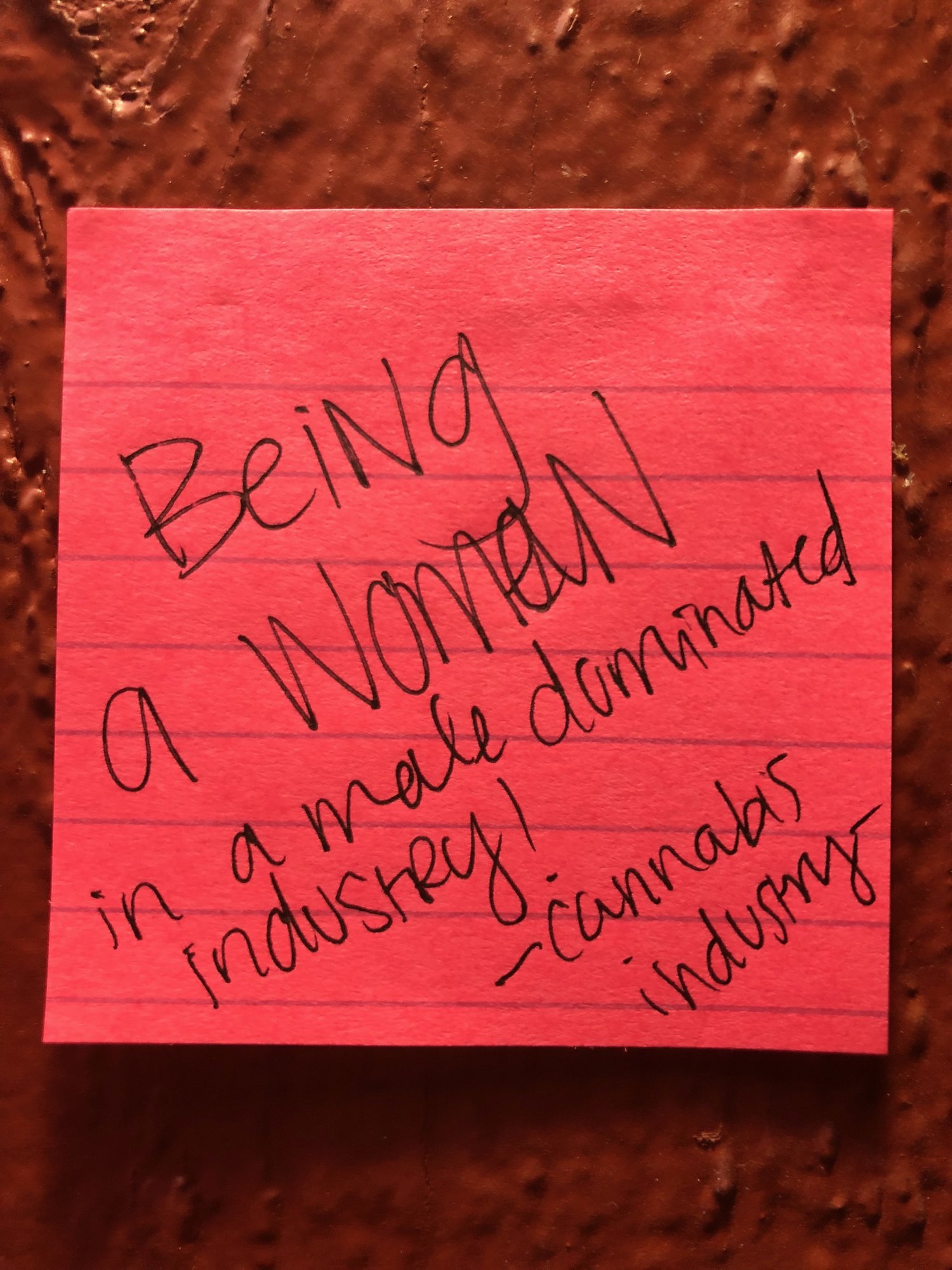
At our last community meet-up in Austin, Texas, we asked, “What makes you resilient?” And the answers were as inspiring as they come.
At our last community meet-up in Austin, Texas, we asked, “What makes you resilient?” And the answers were as inspiring as they come.
We heard from a spectrum of people about making the world a better place, the beauty of our intersections and what it looks like to succeed in a male-dominated industry. We've collected some of those answers below, and we hope they inspire you to keep it moving.
Written and compiled by A’nysha Fortenberry





Would you like to get involved with #BBATX’s programs? Learn more about what we do here, and click here to select an upcoming event to attend.
On Asian Identities, The Arts And Representation: The Women of Missfits Fest
In this Q&A with the producers of missfits fest—Kristina Gonzalez, Nina Q. Ho, and Regine Malibiran—we dig into the program’s creative influences, media representation and tangible ways to improve diversity in our communities.

Written By: A’nysha Fortenberry
This weekend, we’re lending our support to missfits fest, a one-day festival celebrating Asian-American, self-identifying women in entrepreneurship and the arts. Produced by women-led organizations collective blue and in bold company, the festival explores cultural visibility and highlights a range of artists and thoughts leaders, across a pop-up galler, an interactive storytelling booth, stand up comedy, panels and more.
In this Q&A with the producers of missfits fest—Kristina Gonzalez, Nina Q. Ho, and Regine Malibiran—we dig into the program’s creative influences, media representation and tangible ways to improve diversity in our communities.

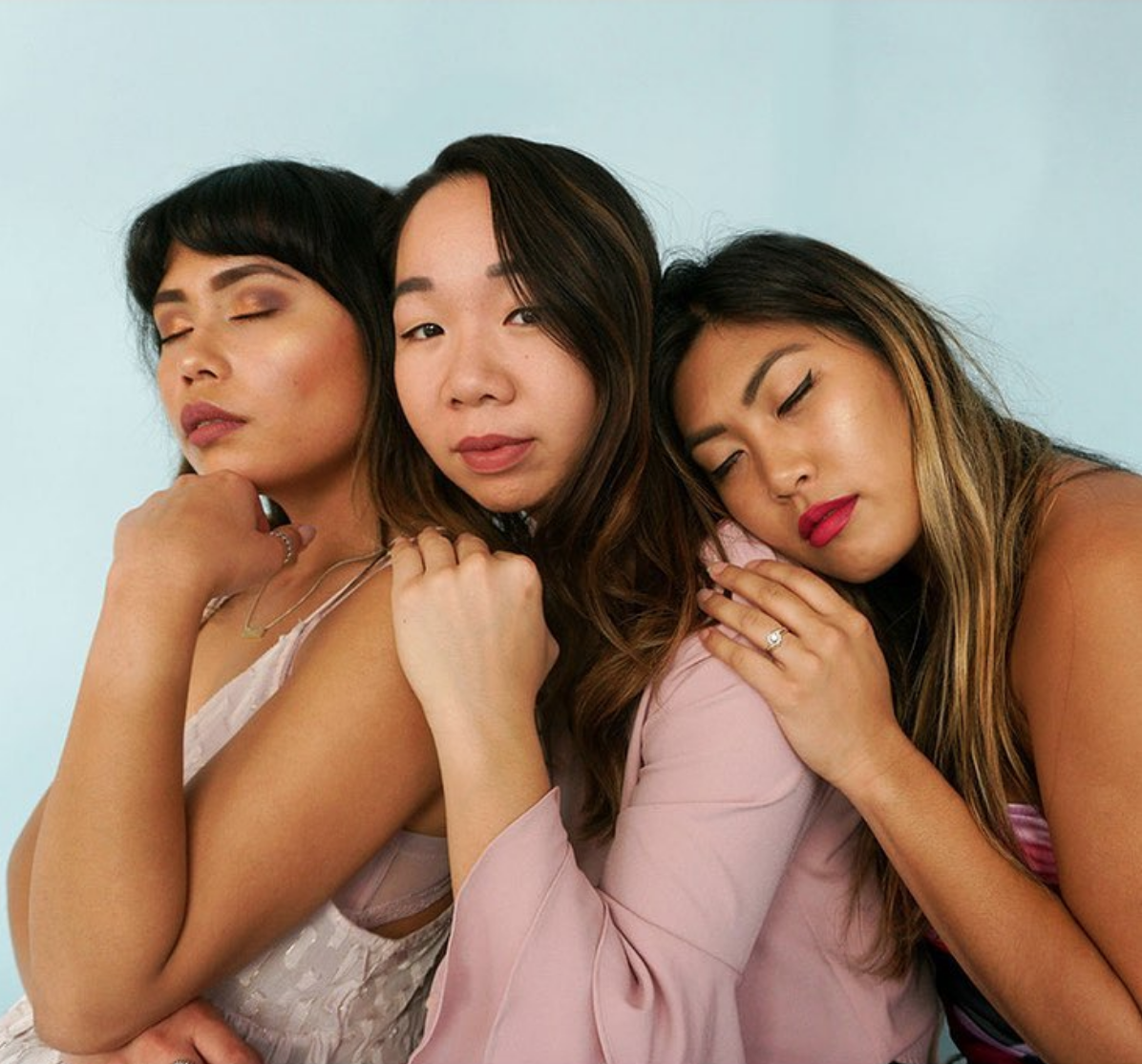
Regine Malibiran (left), Nina Ho (center), Kristina Gonzalez (right)
Q: How would you describe yourself and what you do?
Regina Malibiran: It took me a while to get over the imposter syndrome to say this, but I am a writer and a strategist. I enjoy working on solutions to problems ranging from “How can we optimize our media campaign?” to “How can we address and dismantle toxic cultural norms?”
Nina Ho: I would describe myself as multidisciplinary creative and entrepreneur. I love everything related to telling stories from writing to visual design and photography. I also tend to have a bias towards action and am usually thinking, “Cool, so how do we make this real?”
Kristina Gonzalez-Saunders: I would describe myself as a Taurus rising, Capricorn Sun and Libra moon (just kidding, but not really). I’m a problem solver. I deal with logistics, problem-solve and plan in my sleep. I spend my days as the Project Manager for Party at the Moontower and my nights as a community connector.
Q: Walk us through some of your inspirations for missfits fest, what are you encouraging attendees to explore?
RM: The strongest inspiration and motivator for me is my personal relationships with the Asian-American women in my life. I’ve wrestled a lot with my identity. As a teenager my mother would not hesitate to tell me I was too American—too independent, too assertive—and not Filipino enough (read: quiet, conservative). However as an adult I now recognize that despite our generational friction, she’s always loved me and has sacrificed a lot to put me first.
That duality of wanting my mother to understand the value in independence and assertion and of respecting and admiring her and other women for quietly excelling even when no one else would care to acknowledge it really drives what I want to accomplish with missfits. I hope that attendees explore a similar duality, one where we can take the time to give each other our rightful credit and respect while also working to address issues in our culture and community to pay it forward to future generations.
NH: I think all three of us found inspiration, ironically, in our personal frustration. My thought process went along the lines of, “Oh, there’s not really any public conversations happening in our community about pursuing a creative career. Let’s have a panel on that!” We really just crafted this event to be what would be empowering, insightful, and fun for us—Regine, Kristina, and Nina. (We’re more excited than anyone to attend our own event!)
I hope what attendees take away from this event is a broader narrative of what if could mean to be an Asian-American woman. I’m constantly thinking about how, if 18-year-old Nina attended this festival and saw someone who looked like her being a tech founder, a DJ, a jewelry maker, a mental health professional, an event producer, an actress, how would that open the mental doors of what I thought was possible for myself?
KGS: missfits fest and our collaboration for producing the event came from connecting with each other. I had met Nina through mutual friends, we met up and started talking about what we thought was missing in our Austin community. I want our attendees to leave feeling inspired—to feel like they can truly relate to someone else because that’s what was always lacking for me. I really want to share these stories from our partners and I hope people find out they are not alone.
Q: Who and what were some of your influences while planning this conference?
RM: Nina and I definitely pulled a lot from elements that we thought were really effective and impactful from our previous events! When I was researching for our @missfitsfest account on IG, I took a lot of inspiration from ACL and BABES FEST.
NH: I think Regine and I looked back on our past collective blue events—from music showcases, vendor markets, to speaker panels—and were like how do we bring it all together in one event that specifically served us, a female Asian-American audience. Details-wise, we were definitely inspired by work from other local community orgs like #bossbabesatx and Almost Real Things.
KGS: With our promo shoot by Nina, we were inspired by Solange and Aluna George. I’m sure you can tell from the photos! We were inspired by pop culture in the U.S. for the names of our panels, too, and used a lot of what we knew to create this festival.
Q: This festival covers some serious topics, like mental health in the Asian-American and Pacific Islander community, sexuality and gender identity, media representation, and telling your parents you’re pursuing a creative career. Why did you choose these topics, and what do you hope they will expose within the Asian-American and Pacific Islander communities?
RM: A goal that’s really important to me regarding our panel topics is creating a space for Asian-American women to talk to each other openly about important issues in our community. Culturally, we have a tendency to shove things under the rug and prioritize keeping the peace and saving face. Growing up as a 1.5 generation immigrant, this tendency to bury any sign of negativity always bothered me. As a child I never understood why my family members would just keep quiet about things that obviously caused them and others pain and trauma. Our panel topics really resonated with me as issues that a lot of people in our community probably have an opinion about and have been wanting to discuss productively (read: not just address once and then ignore for decades; we’re actually going to unpack these issues) for a long time.
NH: I think these topics are the key issues in our communities today. These topics also hit home for us personally, too. We hope that while missfits fest celebrates the best parts of our cultural identities, it also brings to light important conversations that need to be had. Hopefully, we can start the process of unpacking this emotional baggage and trauma now so that we, and future generations, can travel lighter.
KGS: In 2018, there were two pretty big movies that started a larger conversation in Asian representation in the media, To All The Boys I’ve Ever Loved and Crazy Rich Asians. Those films sparked a lot of discussion amongst the Asian American community. I remember crying because I felt excited to see an Asian girl get the guy for once in a movie.
All of these topics are based off of what we thought should be discussed in our community. We hope that our community will stop sweeping things under the rug and start talking. Start sharing with each other. That’s where healing begins.
Q: What advice do you have for marginalized women, particularly women of color, who are looking to create their own seat at the table the way collective blue an in bold company have?
RM: Over the years, I’ve witnessed a really deep-seated fear of failure and a compulsion to be perfect in women of color, including myself. We carry so much weight on our shoulders that it can feel like every decision and mistake we make are mission critical. That fear and compulsion can be exacerbated by a tendency to neglect self-compassion.
My advice to other women of color is twofold: one, just do the damn thing. It doesn’t need to be perfect, and you’ll likely open new doors for yourself in the process (besides, our “average” is way above the norm anyway). Two, cut yourself the same slack and give yourself the same comfort you would your best friends. You’re a boss, you’re doing great work, and you deserve to believe that.
NH: Echoing what Regine said, just go for it! I think it’s valuable, especially for women who are usually held to unrealistic standards of perfection, to reframe the belief that your ideas have to be “perfect” from the get-go. You can only refine and improve them when they’re “live” and out in the real world. Greatness and impact comes from growing through feedback, challenges, and lived experiences—not from perfectionism and flawless execution, the latter doesn’t actually exist.
KGS: I agree with Regine. You just have to do it. Start it. We need your ideas. We need more women of color pushing the normal. Look at Congress right now!! Ayanna Pressley and Alexandria Ocasio-Cortez are women created their own seats at the table. Why? Because there are people out there who want you to have a say. They need you to be out there pushing those boundaries. When one of us gets a seat, it means we all benefit.
Another piece of advice to surround yourself with a good support system. Without my community, in bold company wouldn’t exist.
Q: One of your panel topics covers media representation. What are your thoughts on media representation for Asian-Americans today? How does this affect perceptions of one’s culture or identity?
RM: We made significant progress in 2018, but there’s still so much work to be done. For every Constance Wu there are like, 50 Scarlett Johansson’s that are just ready to undermine us for a check. Representation is already so hard to come by, and then you add whitewashing on top of all that? Come on. That sends a message that our stories are not worth telling unless they are being told by someone white.
Representation can seem like an “overrated” issue but the impact of seeing yourself accurately portrayed in popular media is literally life-changing. And I think that often times, people will cast East Asian leads and pat themselves on the back. We still need representation for the full spectrum of what it means to be Asian-American. Darker skinned Asians, LGBTQ+ Asians, complex Asians need representation, too.
NH: Something that’s been on my mind recently is the idea of narrative plenitude vs. scarcity by writer Viet Thanh Nguyen. He writes about how, when you’re in the narrative majority, individual stories or pieces of media are not commentaries on your community. However, when you’re in the narrative minority and have so few stories about your group (say Asian-Americans), each story becomes either a huge success or a huge failure that’s reflective of your entire community. While I think there have been some major wins recently for Asian-Americans in media, we still have a long way to go—there’s still a huge scarcity of Asian-American stories. (For example, only 1% of lead roles are given to Asian-American actors.)
I believe that positive, or even just realistic, portrayals beyond racist or model minority stereotypes can go a long way in helping someone appreciate their culture and identity and not internalize shame or self-hatred. It’s crazy to think about, but it took me 25 years before I saw someone who looked like me be the protagonist of a romantic comedy and not just the brainy or ditzy sidekick (To All the Boys I’ve Loved Before).
KGS: When I was researching information about Asian-Americans in the media, seeing the numbers that Nina mentioned was shocking, but not surprising, if that makes sense. I always knew I never saw anyone like me as the star of any movie or TV show. That’s why I clung to Selena so hard - she was one of the only brown women I saw in media.
As a young person, you look up to the media. Celebrities and artists are your idols. When you don’t see anyone that looks like you, one begins to wonder why. Is it because we’re not pretty enough? We’re not smart enough? What is it about me that’s not good enough? I spent a long time being insecure about the line I toggled between Asian and American.
Q: What are some tangible things we can all do to improve representation, diversity and inclusion in our communities?
RM: Support work and people that you believe in! Representation, diversity, and inclusion are all tough, uphill battles and it can be easy to become discouraged. Support from the community is invaluable in fueling the work. It’s also important for us to be self-aware and check on our own inherited biases so that in our journey to create progress, we don’t inadvertently exclude people in our communities.
NH: Support organizations and individuals who are doing the WORK. Whether it’s just a follow on social media or buying something from them, social and financial currency goes directly into their pockets and back into the community. Additionally, let’s start respectfully engaging in dialogue and pointing out problematic issues, while still being mindful of our emotional bandwidth in each situation. A tangible tool I like to use is to ask “why” questions that spark conversations. (For example, this ethical brand only has images of white women wearing the clothes and any person of color is an indigenous maker. Why is that?)
KGS: Support, support, support! Our event is inclusive. Yes, our main audience is Asian-American, but we want everyone there. We need each other and improving representation, diversity, and inclusion in our communities starts with understanding.
Hosted at Native Hostels on Feb. 10, missfits fest is a one day festival celebrating self-identifying Asian-American women in entrepreneurship and the arts produced by collective blue and in bold company. Tickets are $15 pre-sale and $20 at the door. Click here for more information.
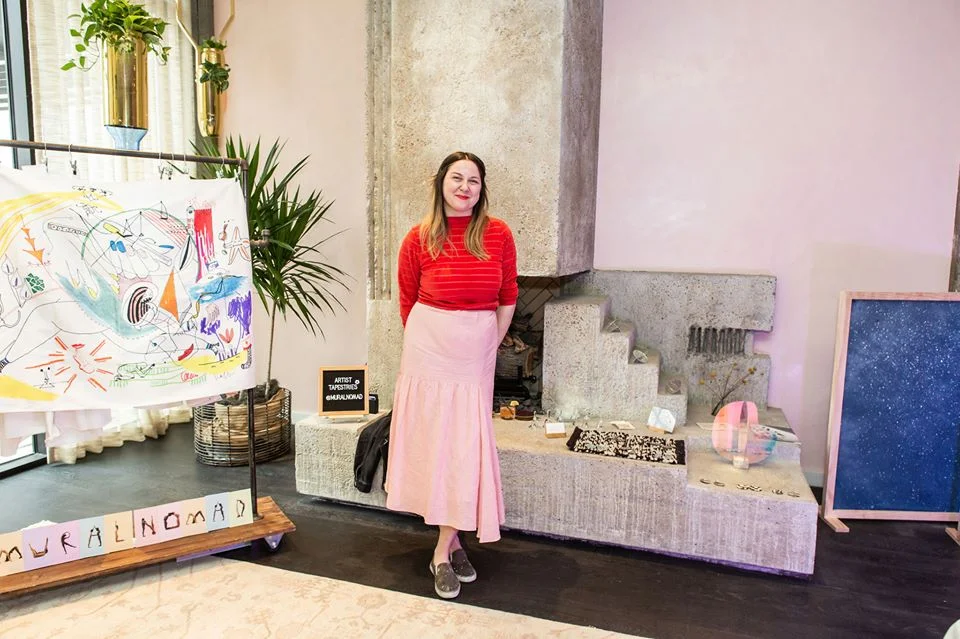
On Working With Materials, Subjects And Space: An Interview With Artist Amada Claire Miller
In December 2018, #BBATX partnered with The Line Hotel Austin to curate an art installation for the hotel’s lobby. We selected Amada Claire Miller—a Texas-based curator and artist, working with natural dyes and industrial materials to create sculptures, ceramics and textiles—to produce the installation. Throughout November and December, Miller collaborated with our staff and the LINE to create site-specific works that explored the ways light and shadows interact in the lobby, titled “The Strange Slant of Light.”
In December 2018, #BBATX partnered with The Line Hotel Austin to curate an art installation for the hotel’s lobby. We selected Amada Claire Miller—a Texas-based curator and artist, working with natural dyes and industrial materials to create sculptures, ceramics and textiles—to produce the installation. Throughout November and December, Miller collaborated with our staff and the LINE to create site-specific works that explored the ways light and shadows interact in the lobby, titled “The Strange Slant of Light.”
Today, in commemoration of this project, we have an interview with Miller on her process and the pieces she produced for this collaboration. Her current exhibit The Absurdity of the Fact of Us, on view at Sala Daiz through February 8, and you can find Amada’s work on her website and Instagram.
This interview was conducted by #BBATX Projects and Operations Coordinator, Natalia Rocafuerte. All photos by Jeanette Nevarez.

Q: How do you practice personal and professional curiosity?
Amanda Claire Miller: When I was about 8 or 9 I was so perplexed that there was space and material inside of the walls within my room that I cut small circles into the sheetrock to see what was in there. My mom generously describes my youth as not “fitting inside of anyone else’s box”. I was definitely a weirdo, I constantly talked about everything and nothing. I didn’t really understand science at that age except that it was a subject I was forced to learn about, but I liked the way stars sparkled and wondered why that was.
Curiosity is a way to slice through the darkness of a subject to reveal its entirety and from a very young age I have been approaching people and things with a curious mind. Lately, I’ve been working with scientists more, I find that most of them are incredibly selfless when it comes to their work and they love to share their research. I try to capture that energy and create work that can be shared with a broader audience. This leaves me casting a wide net, which makes being curious about subjects and materials a must. I was recently speaking to a scientist-friend who told me that I was a “genuinely curious person”, I think that was the best compliment I’ve ever received.
Q: Your materials range from natural dyes and textiles to Plexiglass and dichroic. How do you pick you materials?
Miller: I approach the subject before deciding on a material. My recent work is more rooted in research, science, origins of life, things that can translate into many forms. My research tends to not just be about subjects though, it’s also material based. I’m often on 3M’s website looking for new things, or even when I’m walking in my neighborhood, I pop into industrial material shops to see what kind of unusual things they might have in stock.
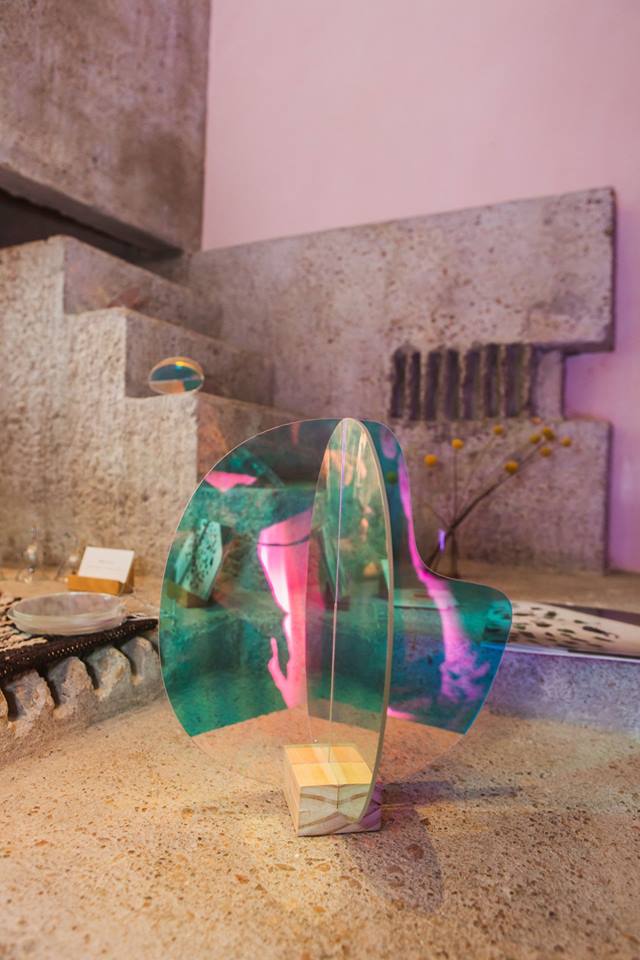
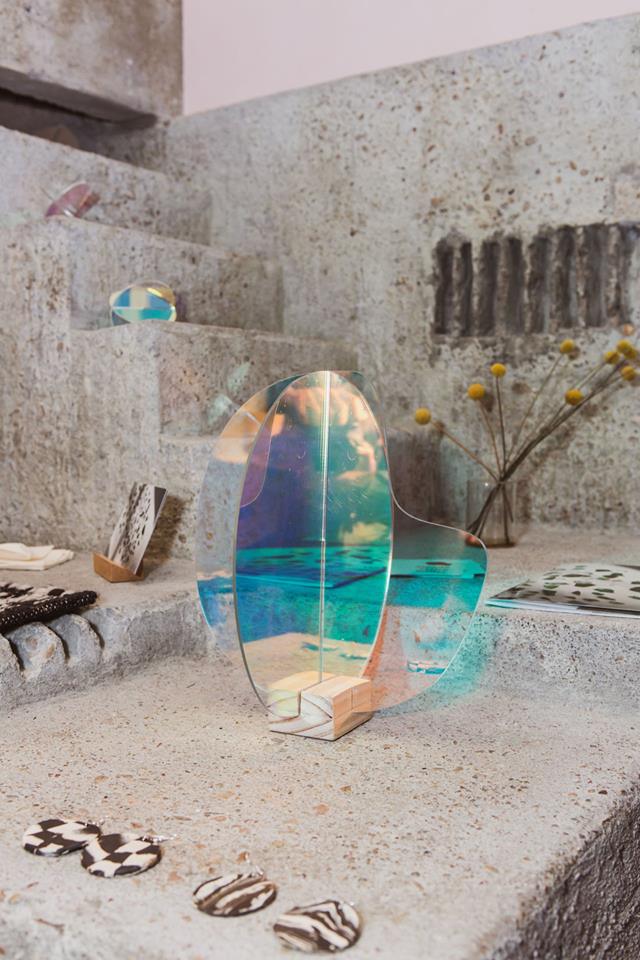
Q: Your holiday installation at The Line Hotel explores shapes and light (the pieces often taking different light forms throughout the day). What lead you to explore this new body of work?
Miller: With the ‘Strange Slant of Light’ series at the LINE Hotel I was looking at the way light fills a space and how it changes throughout the day as time passes. I had been researching the way the sun attends to the architecture in Ancient Egypt, illuminating and changing structures in a very thoughtful way. This type of architecture is magical and powerful and in Texas, the sun is something you cannot escape.
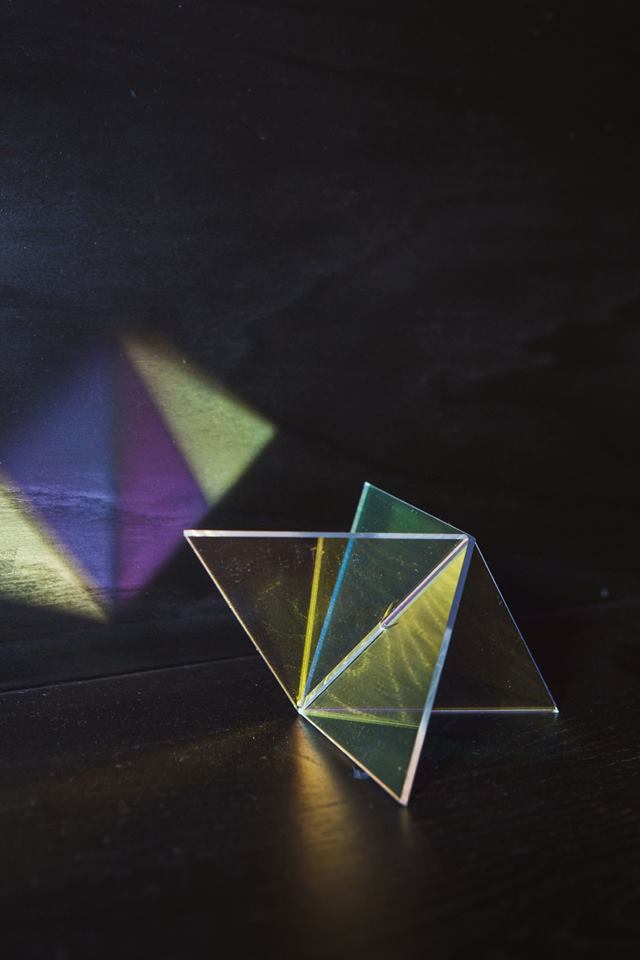
The dichroic film reacts with varying light sources and color immediately surrounding it, which cause it to change it’s tone almost every moment. At any angle you approach this work, you will see a very different piece. For me, this relates to the way time functions as an experience which varies greatly depending on your perception. It’s not quite the same anywhere and it is ever-changing.
Q: You have some pretty great art and exhibit titles. Your most current exhibit “The Absurdity of the Fact of Us” at Sala Diaz in San Antonio has a great title, what's your process for naming your work?
Miller: I try to jot down any thoughts or bits of a conversation, I think this is another case of being curious: reading a lot, listening intently, and recording your thoughts is a good way to keep a stock pile of exhibition titles. My notes app is bonkers.
Q: In “The Absurdity of the Fact of Us,” you have a work that intercepts science and fine art, could you tell us how you came to work with scientists and astronauts?
Miller: I began working with scientists in Berlin during a residency at the Kunstlerhaus Bethanien. While there, I became close with the Curator of Meteorites at the Museum fur Naturkunde. I had a studio in their building where I explored their archives and made casts of meteorites that had survived the destruction of their east wing in World War II. That experience afforded me more contacts in the science world and helped me feel more confident and comfortable reaching out the astronauts and scientist. I am now working with the European Space Agency’s Rosetta Mission Director on a series that will be featured in an exhibition this spring.
Q: Who are some other artists that inspire your work?
Miller: Cornelia Parker, Trevor Paglen and Dario Robleto.

Q: How has your work evolved from when you first began to present day?
Miller: Initially, I struggled a lot to find a medium that I felt encapsulated my practice. I was criticized for jumping around with materials and subjects. But that kind of criticism seemed very closed-minded to me and ultimately had the reverse effect. It hurdled me to where I am now, and helped me to embrace that side of myself. I don’t like to paint and I rarely draw, I definitely don’t keep a regular sketchbook or feel the need to stick to any particular lane when it comes to material. I’m always trying to dig deeper and move further than where I landed last time. I love exploring new subjects and I’ll keep doing that until I feel particularly drawn to something I can’t stop working on–if that ever happens.
Q: Do you keep constant themes?
Miller: Not really, I try to remain in constant motion when it comes to themes. For the show at Sala Daiz (which is open until February 8), the themes and research span from Ancient Egypt to how astronauts smell space and that is a legitimate reflection of my sporadic research of themes.

Q: What music plays in your studio and does it make its way into your work?
Miller: At the moment; Alice Coltrane, Moondog, Dorthy Ashby, T. Rex, Nino Ferrer, Captain Beefheart, Deniece Williams. I think everything informs everything, there’s always seepage. I’m currently making a record as an art project, perhaps this is my way of paying homage to an important part of my studio practice. Keeping a record player in the studio helps me step back from my work, refresh and reset my sights and continue moving with a larger picture in mind.
Q: What about space draws you to it?
Miller: To quote the late and great Gene Roddenberry, it’s the final frontier. No but really, there’s so much to learn out there and we’ve barely scratch the surface. To be fair, I’m also blown away by the human mind’s ability to comprehend space (or not). How did Einstein predict gravitational lensing–or conversely–how could someone possibly believe in a flat earth? These are the things that interest me and usually start an avalanche of research.
Curious about #BBATX’s arts programming? Learn more about how we collaborate with artists here and keep up with exhibitions, installations and openings at bossbabes.org/events.
On Self-Love, On Self-Worth: A Portrait Series By Photographer Jinni J
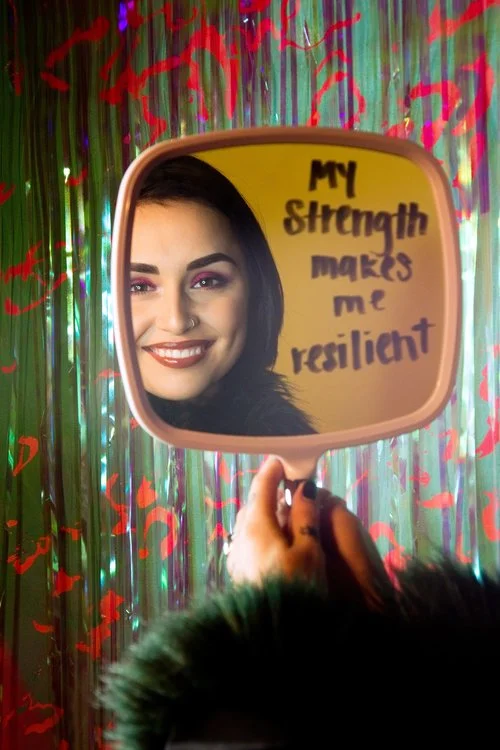
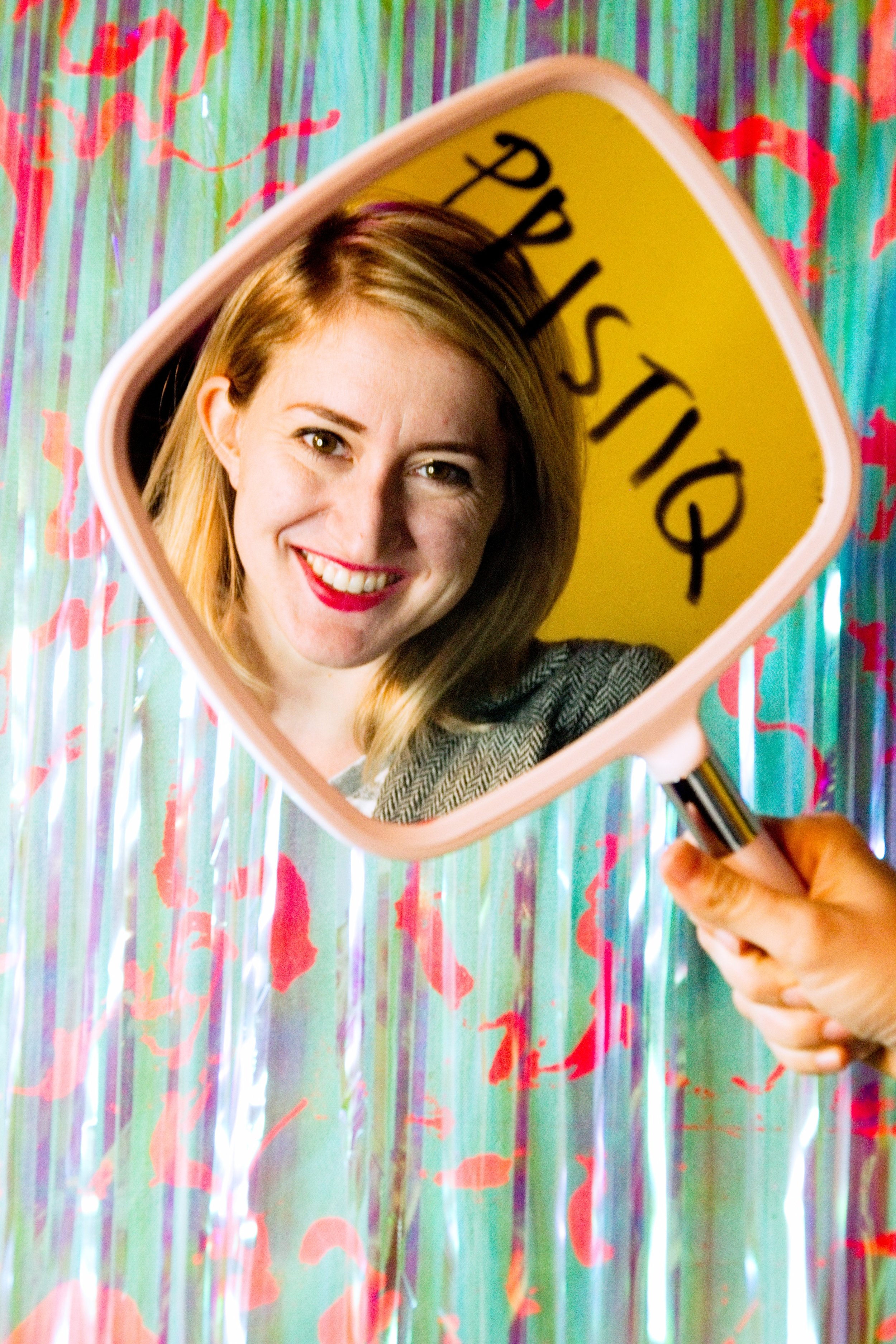
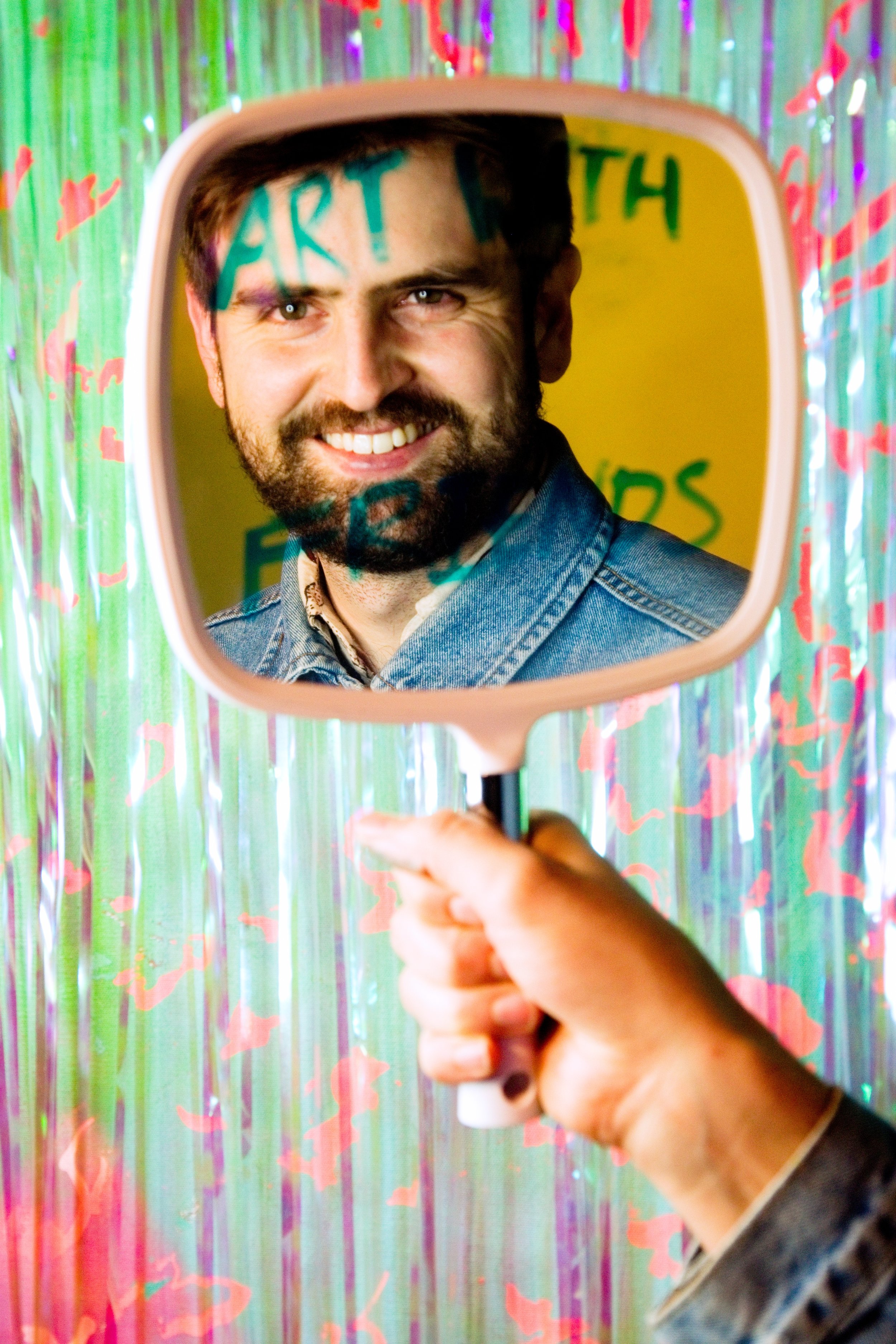
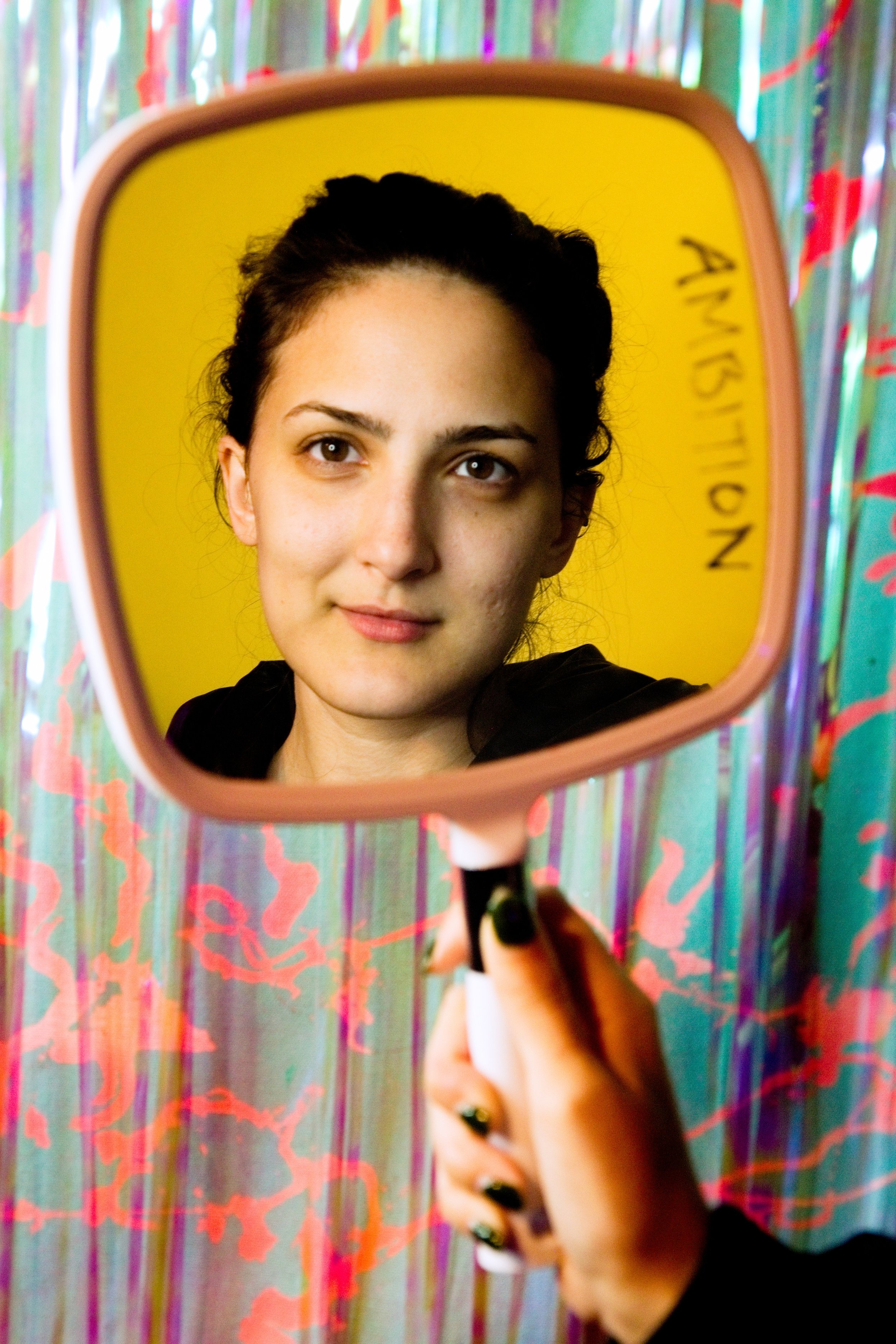
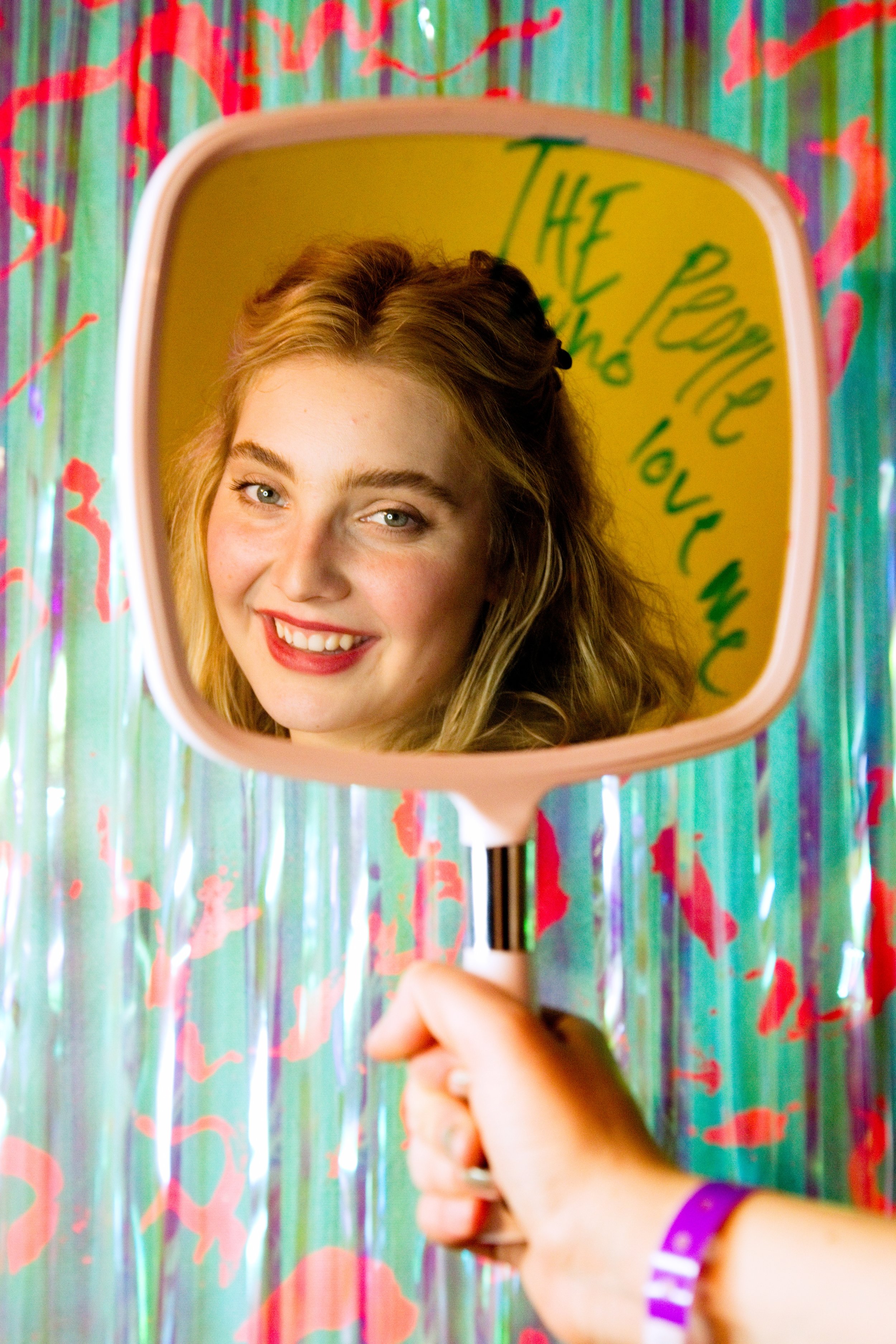
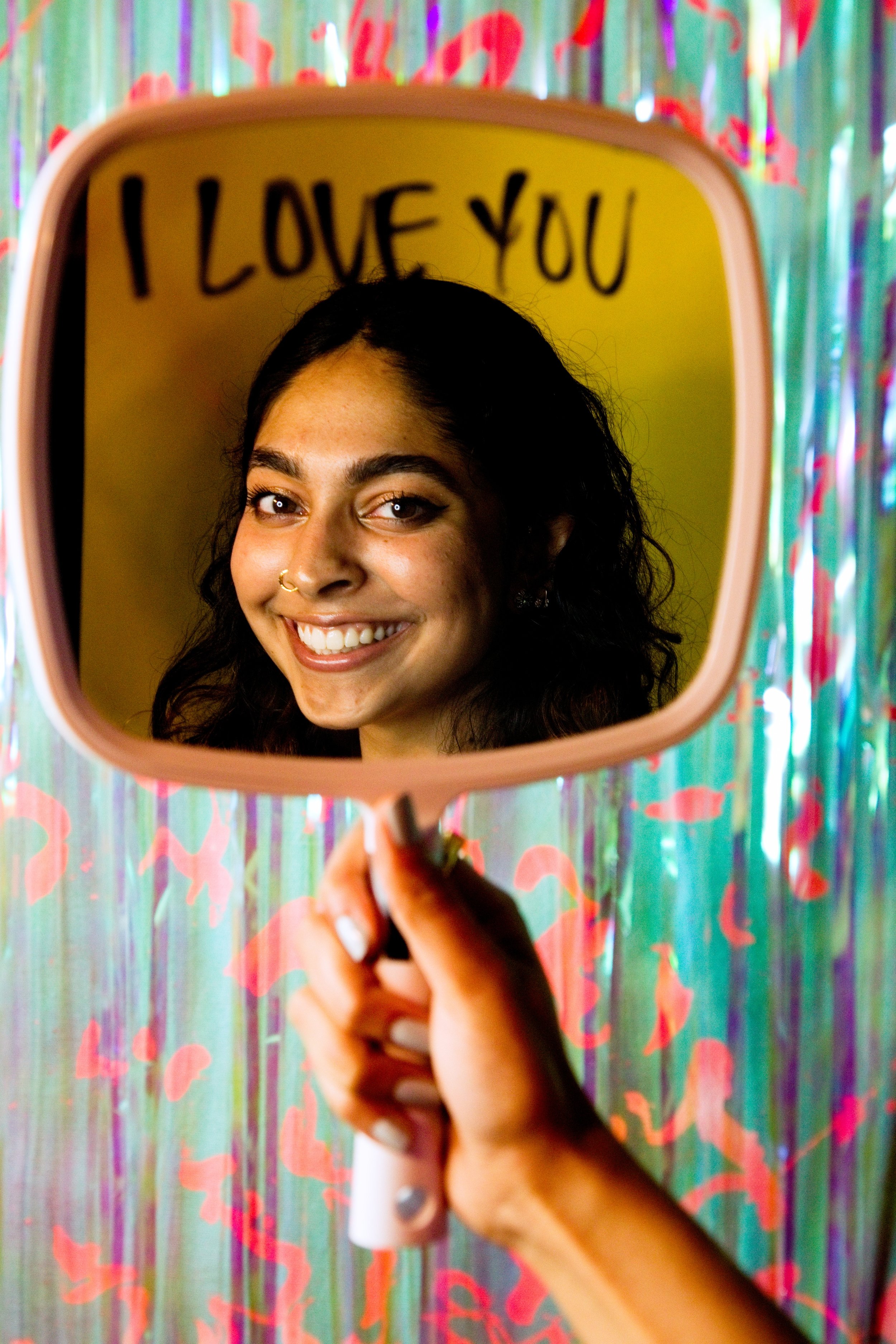
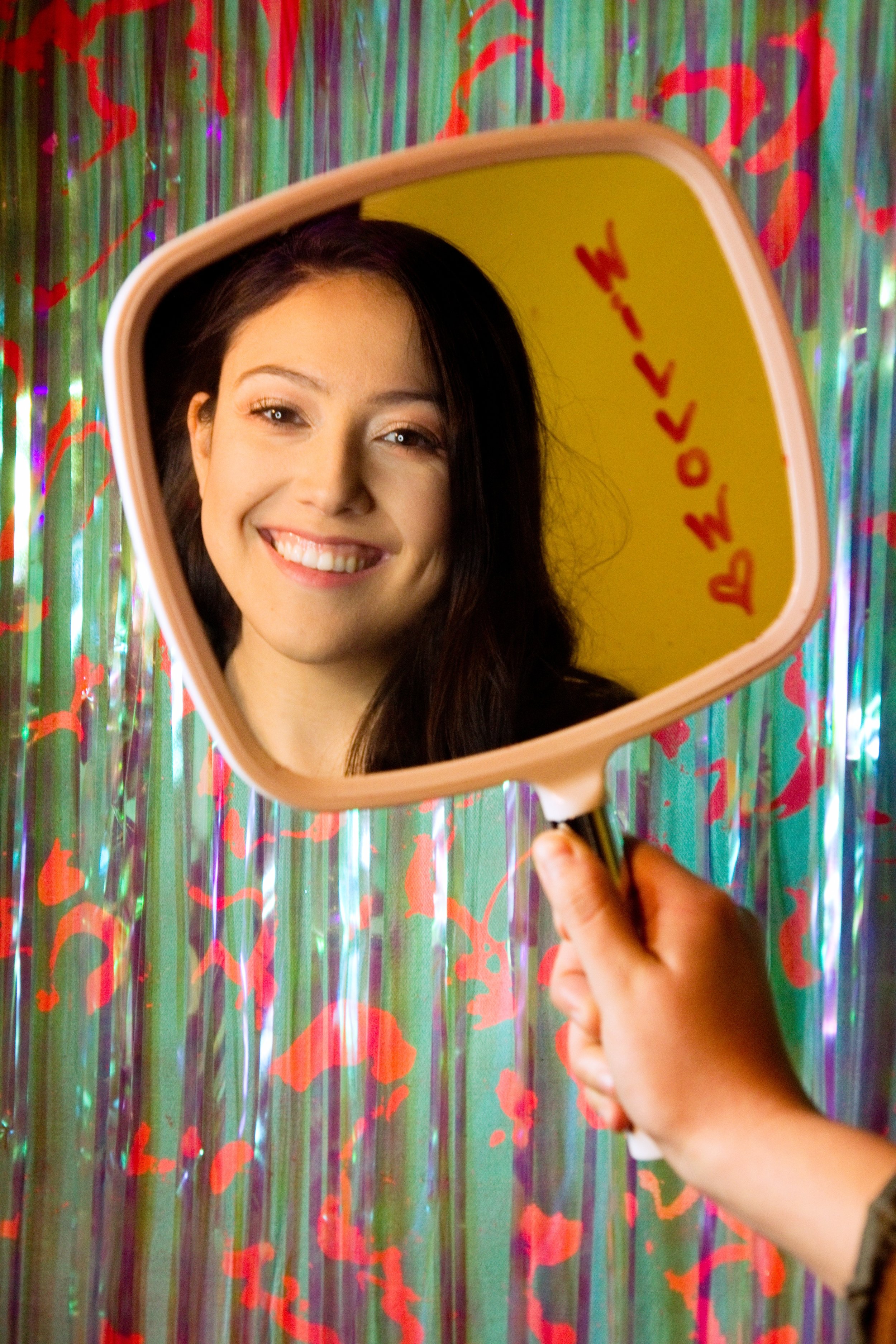
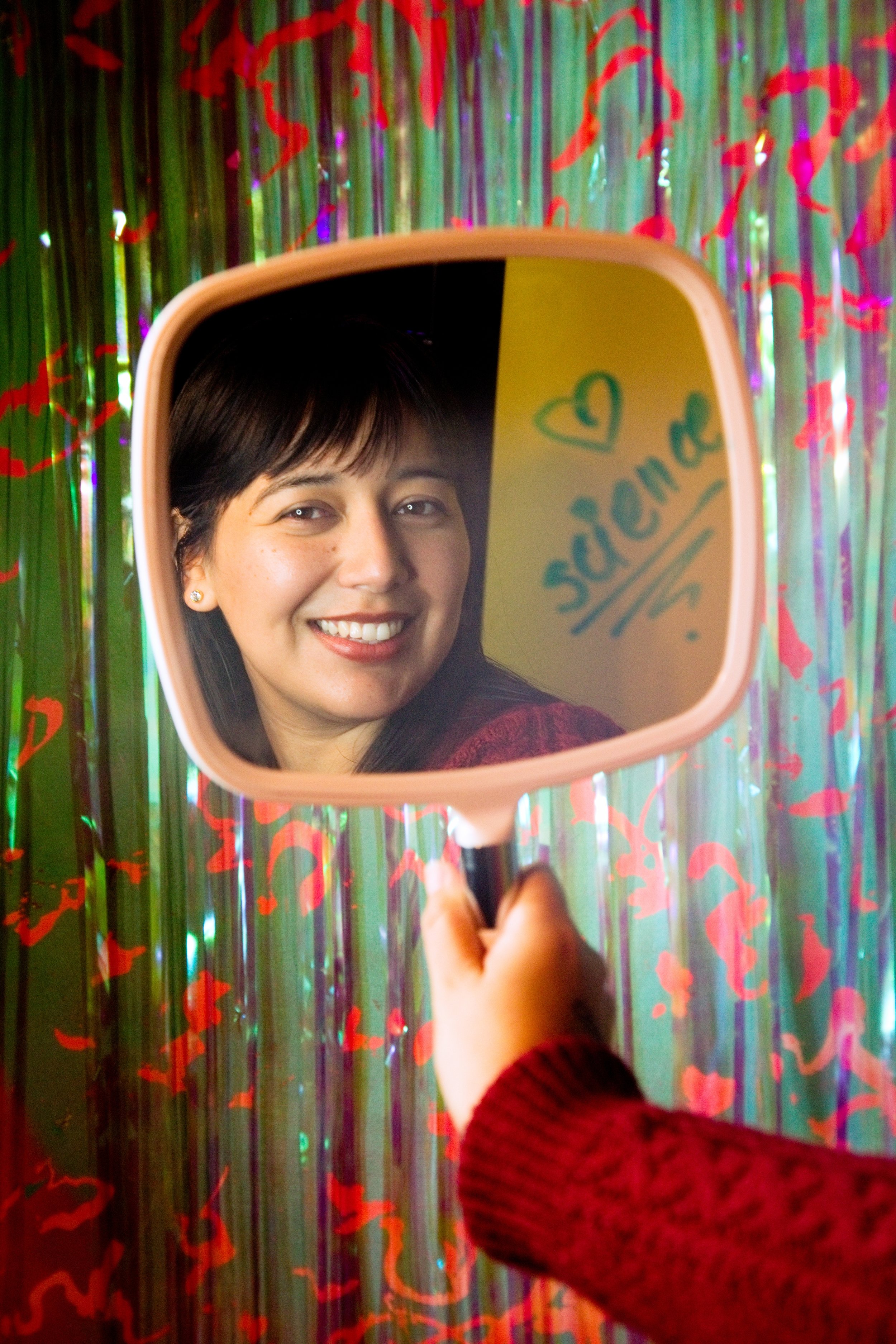
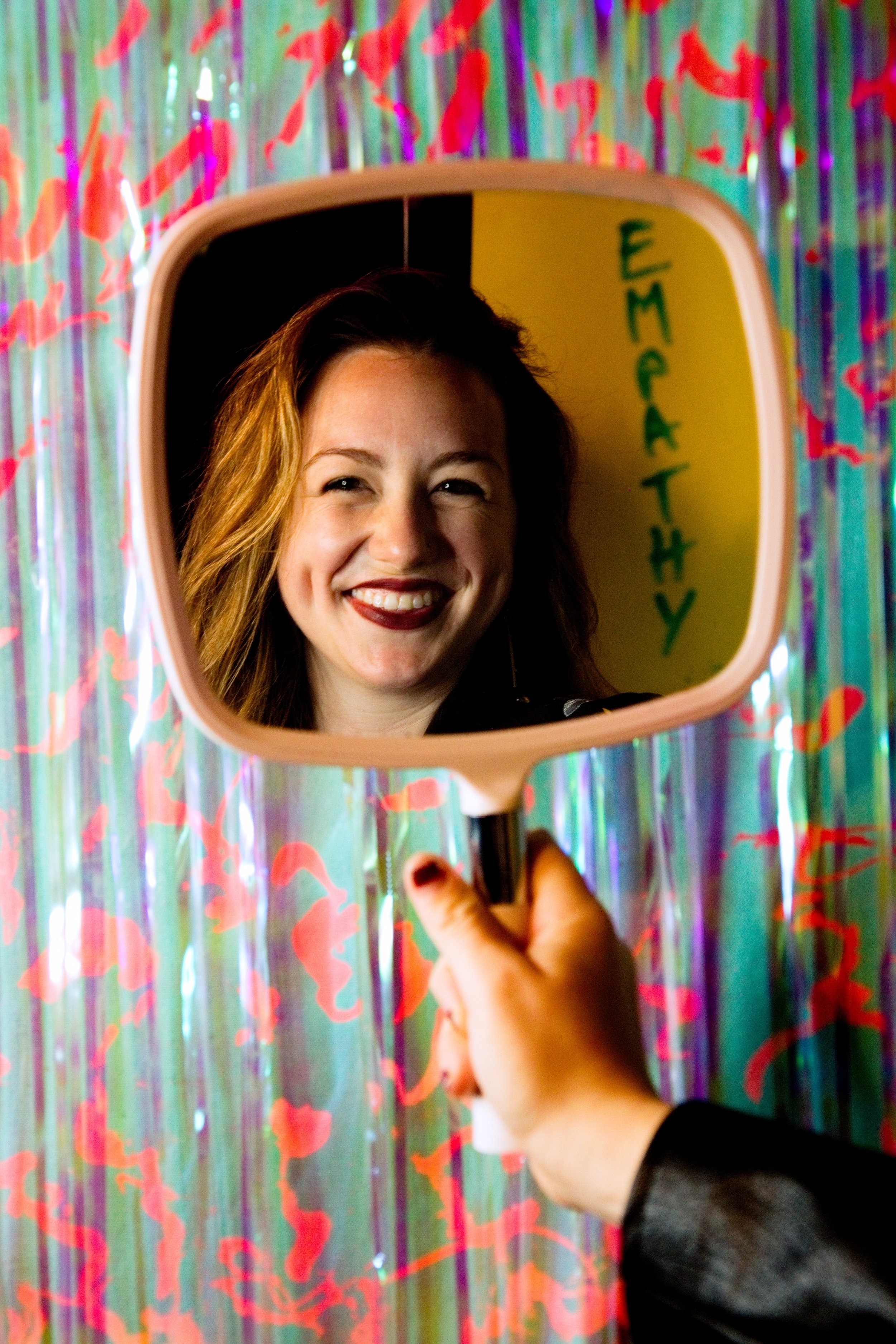
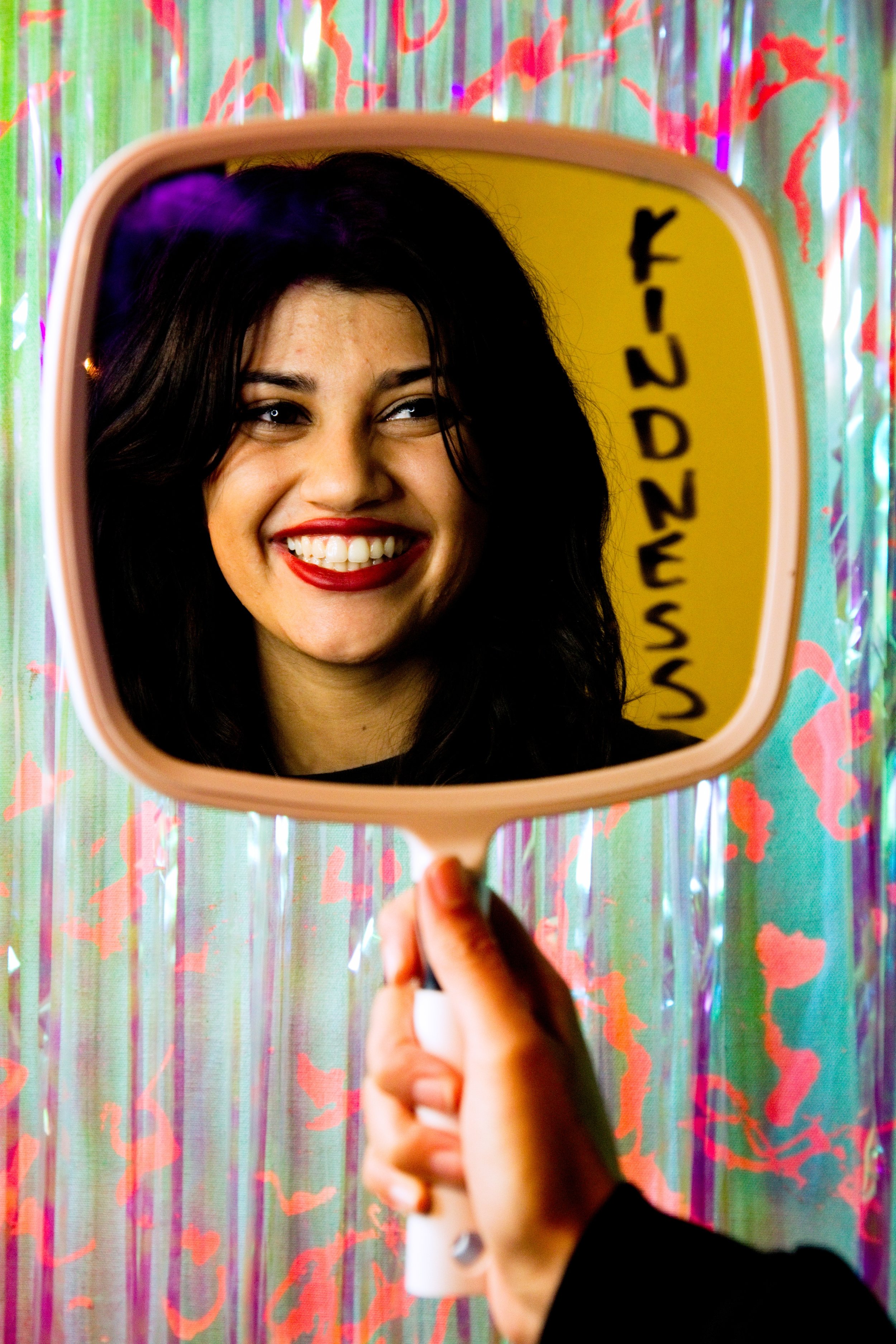
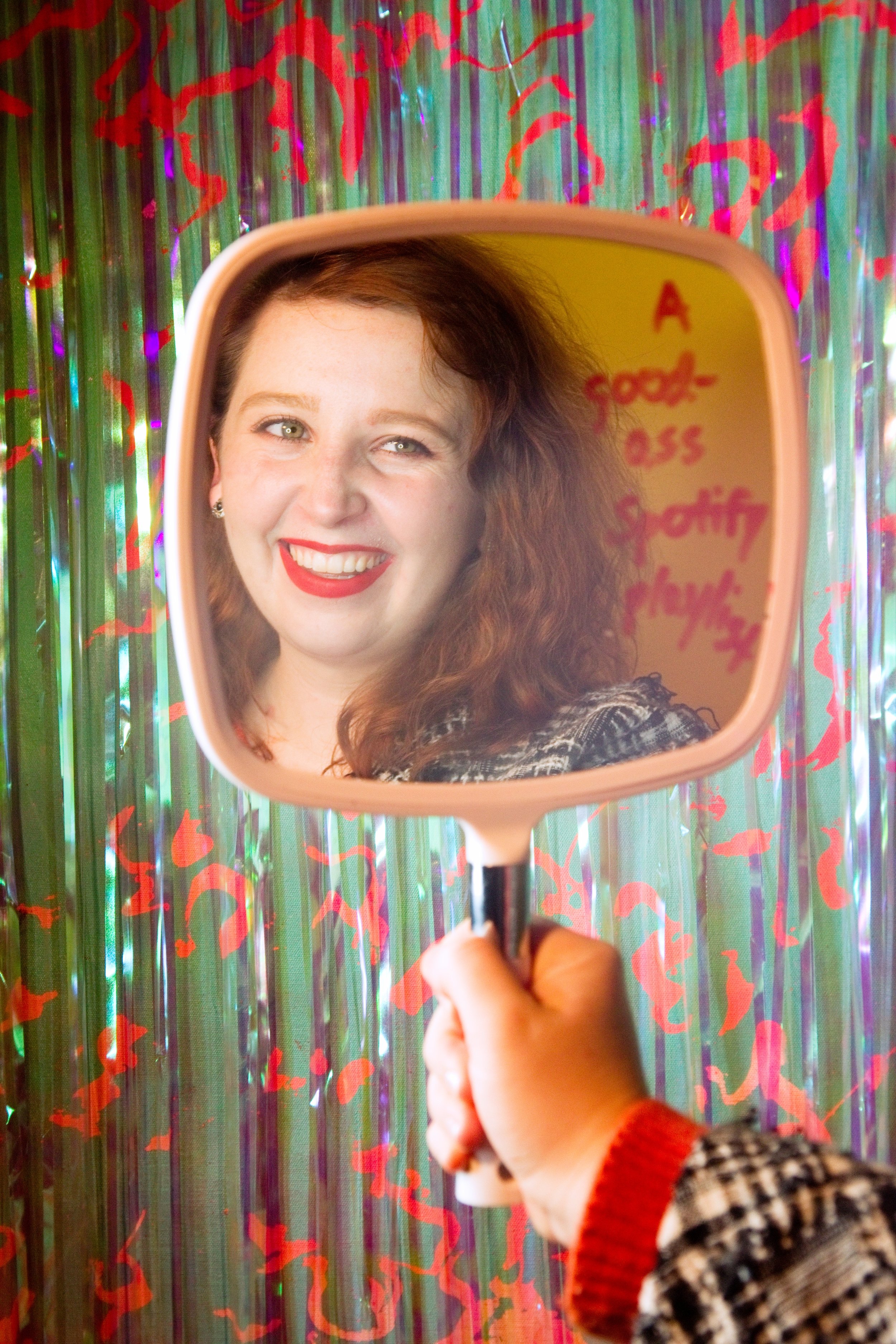
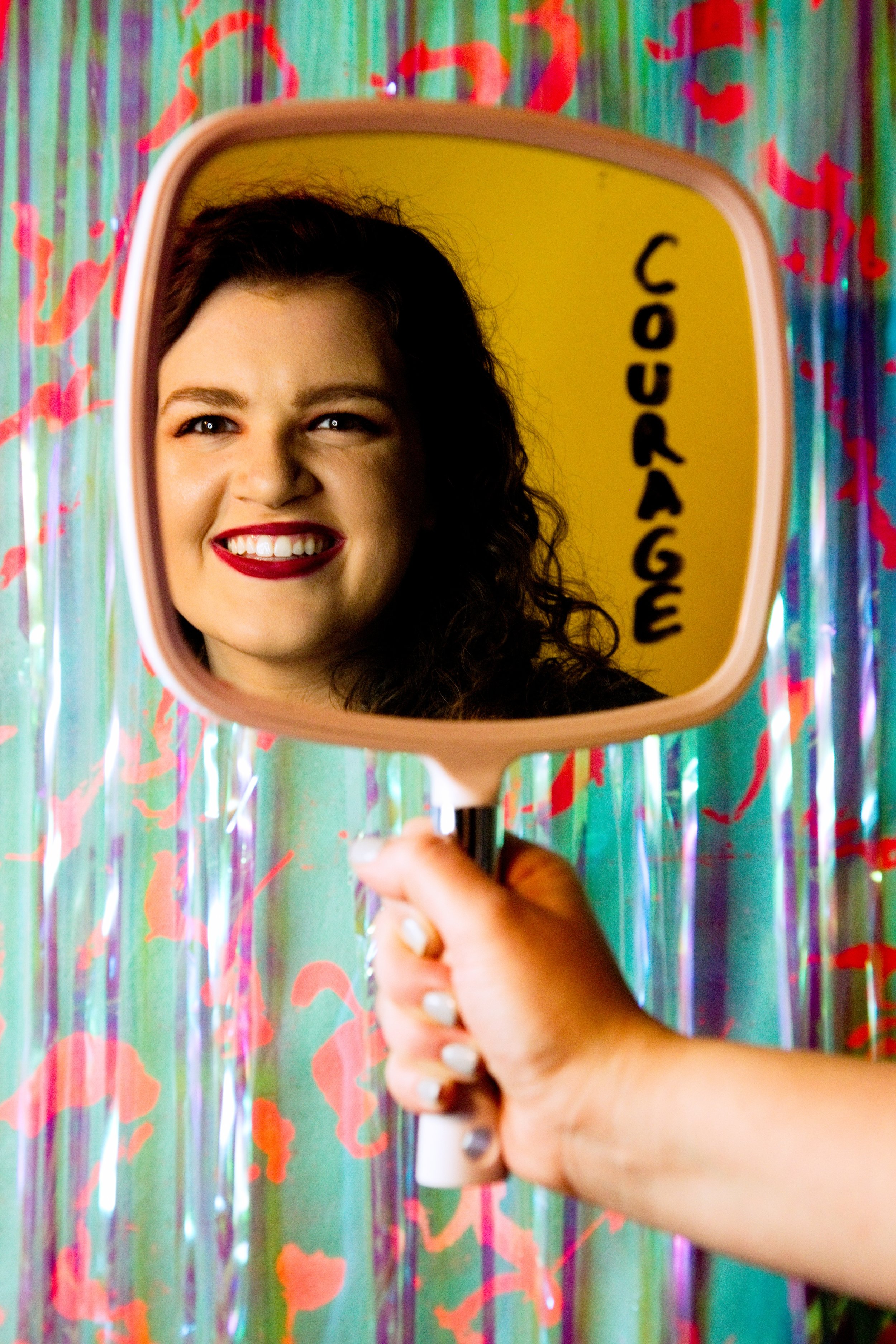
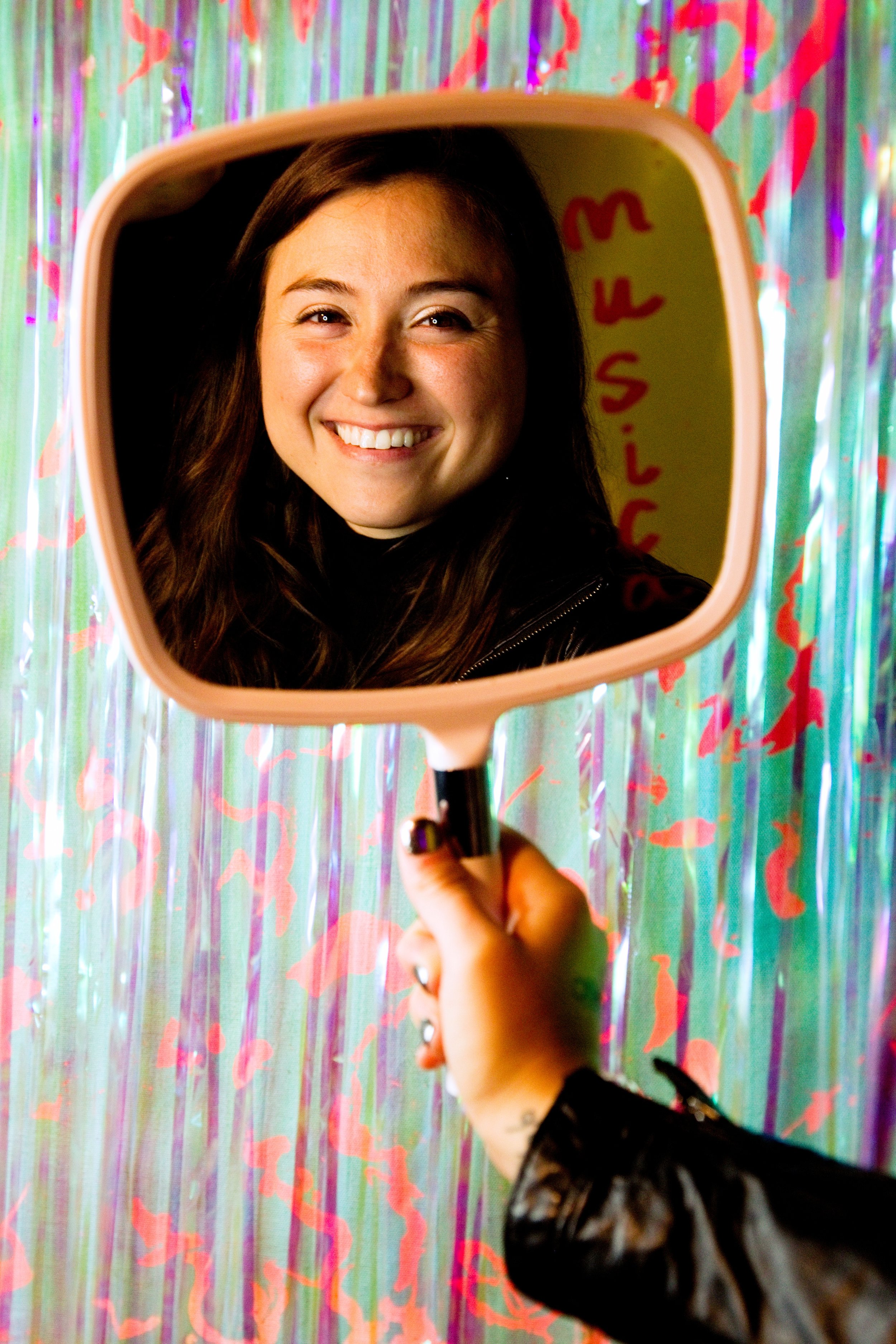
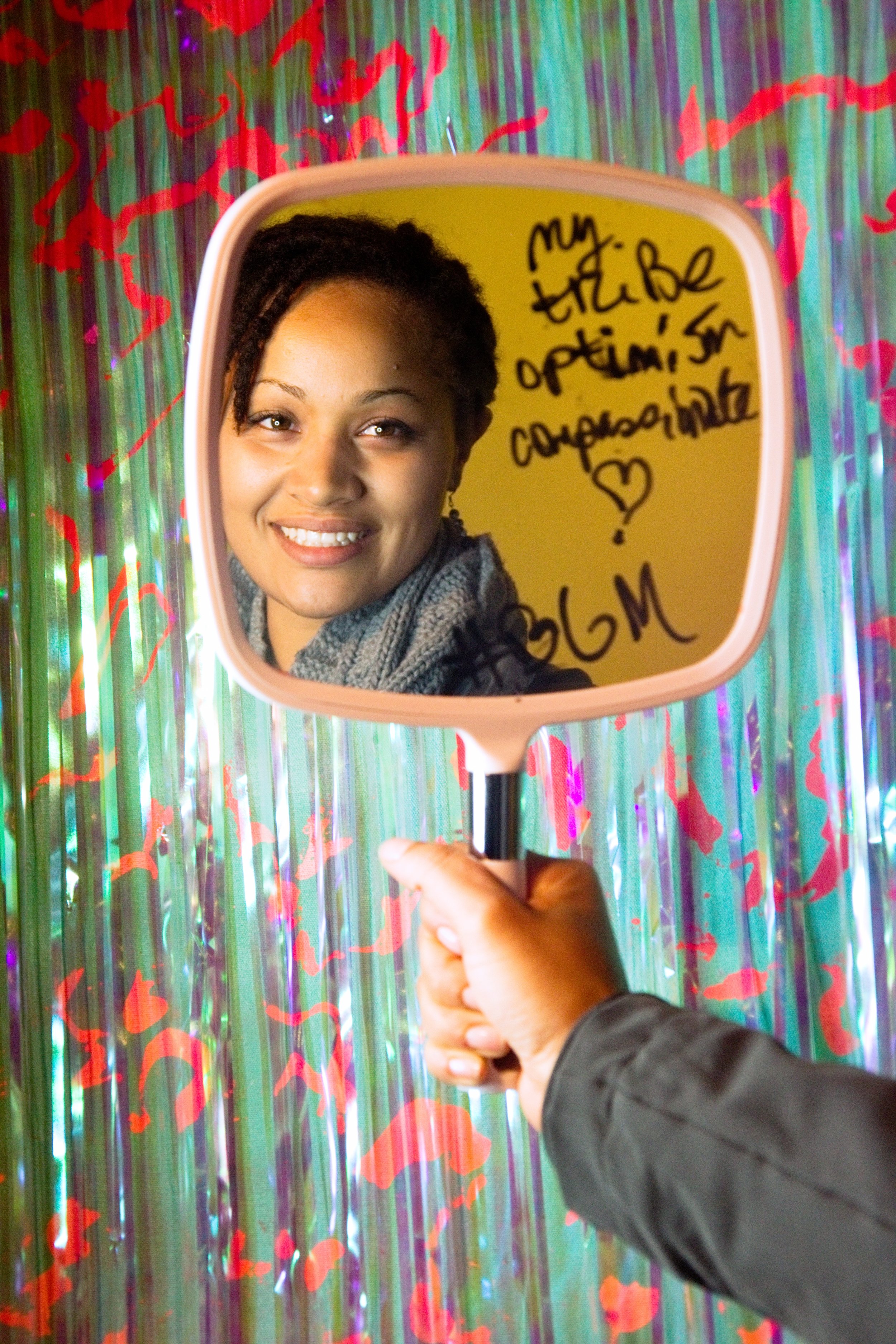
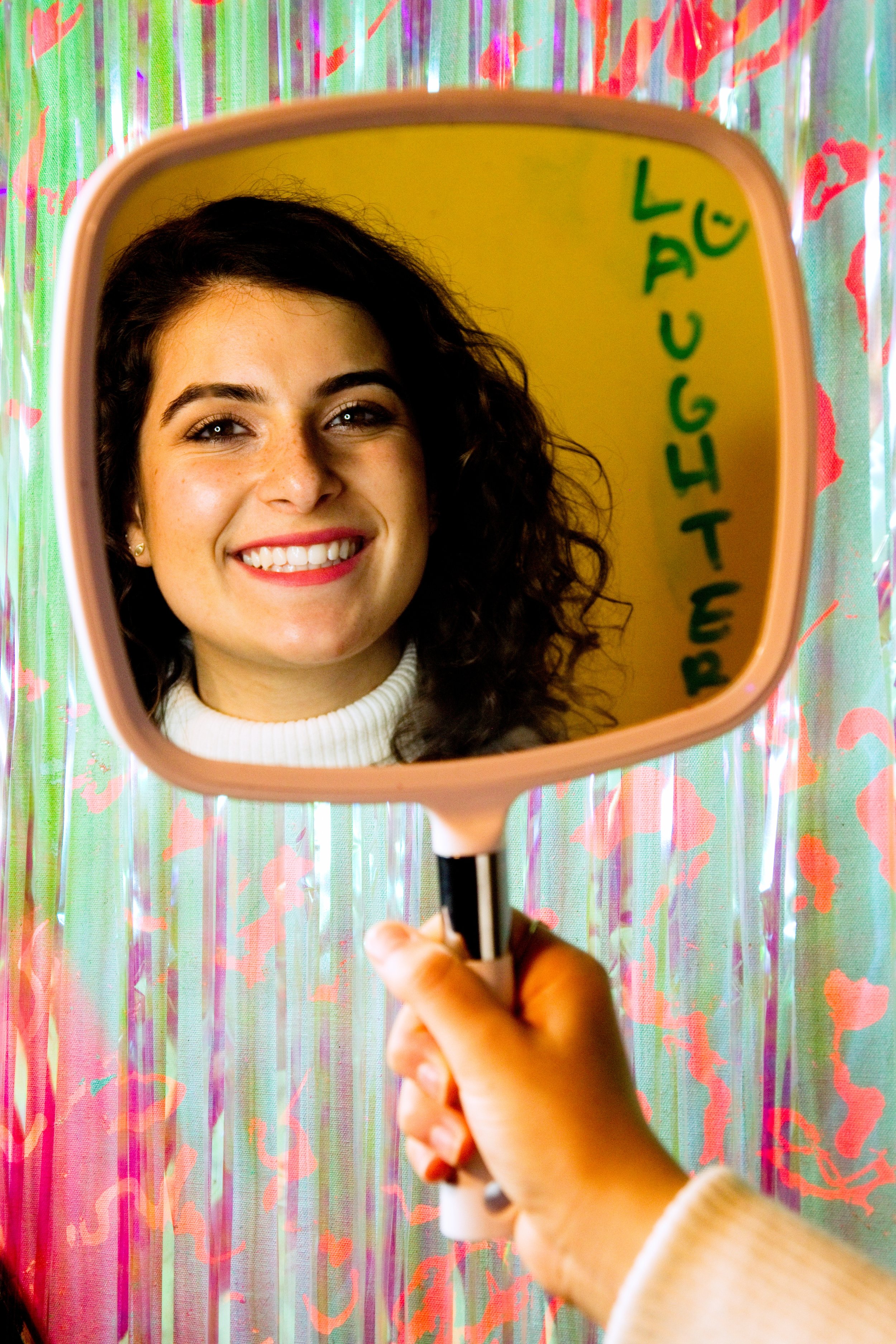
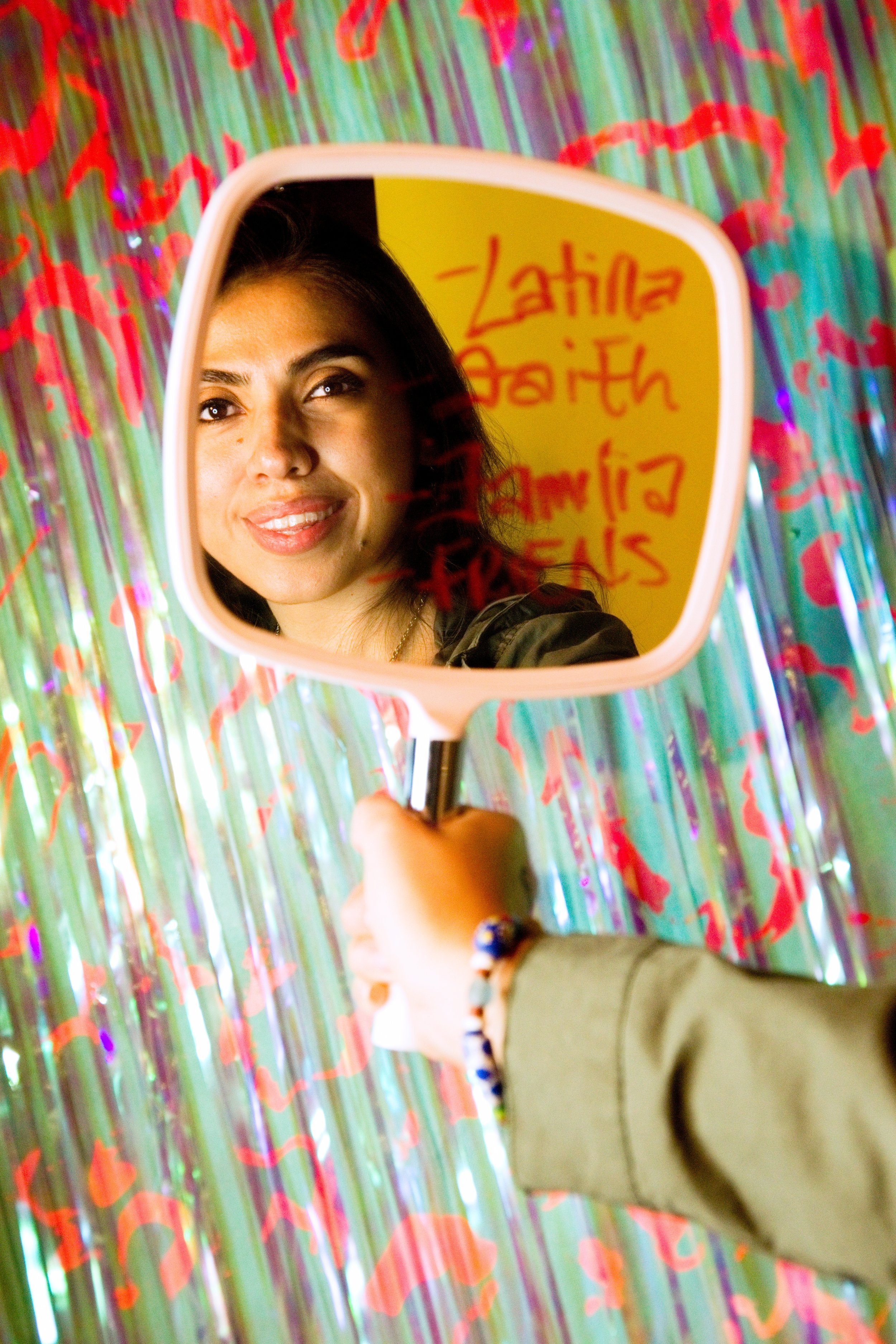
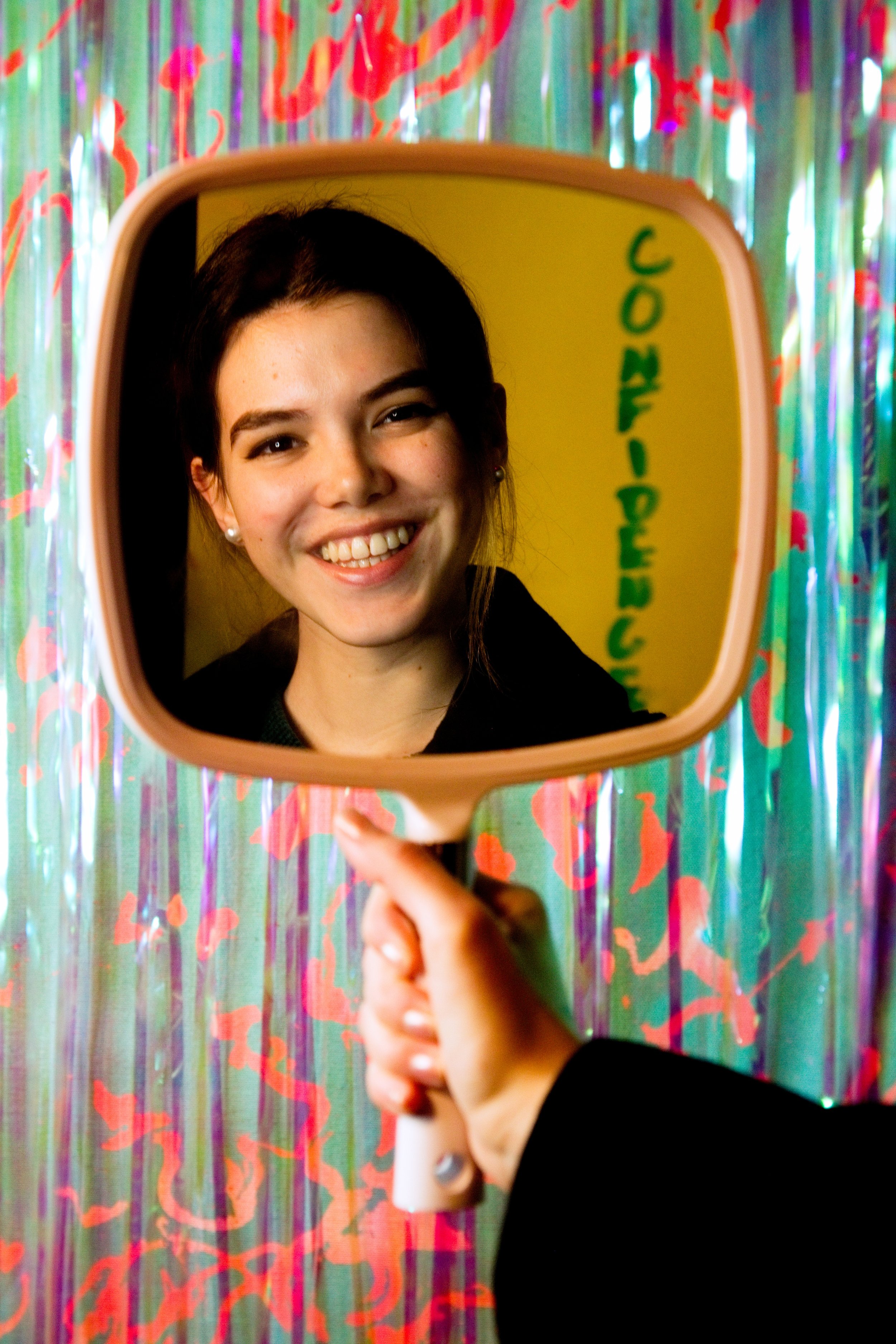
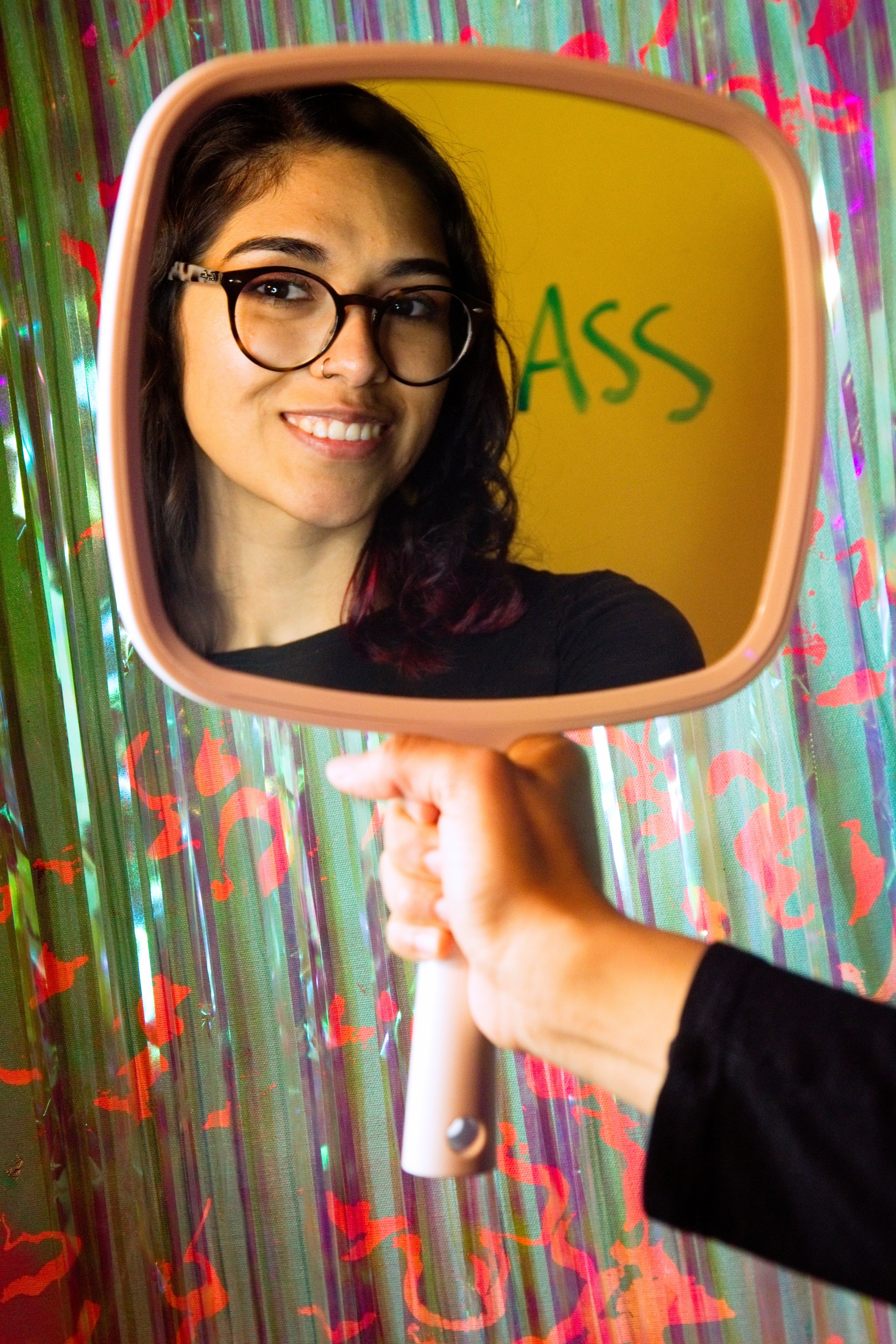
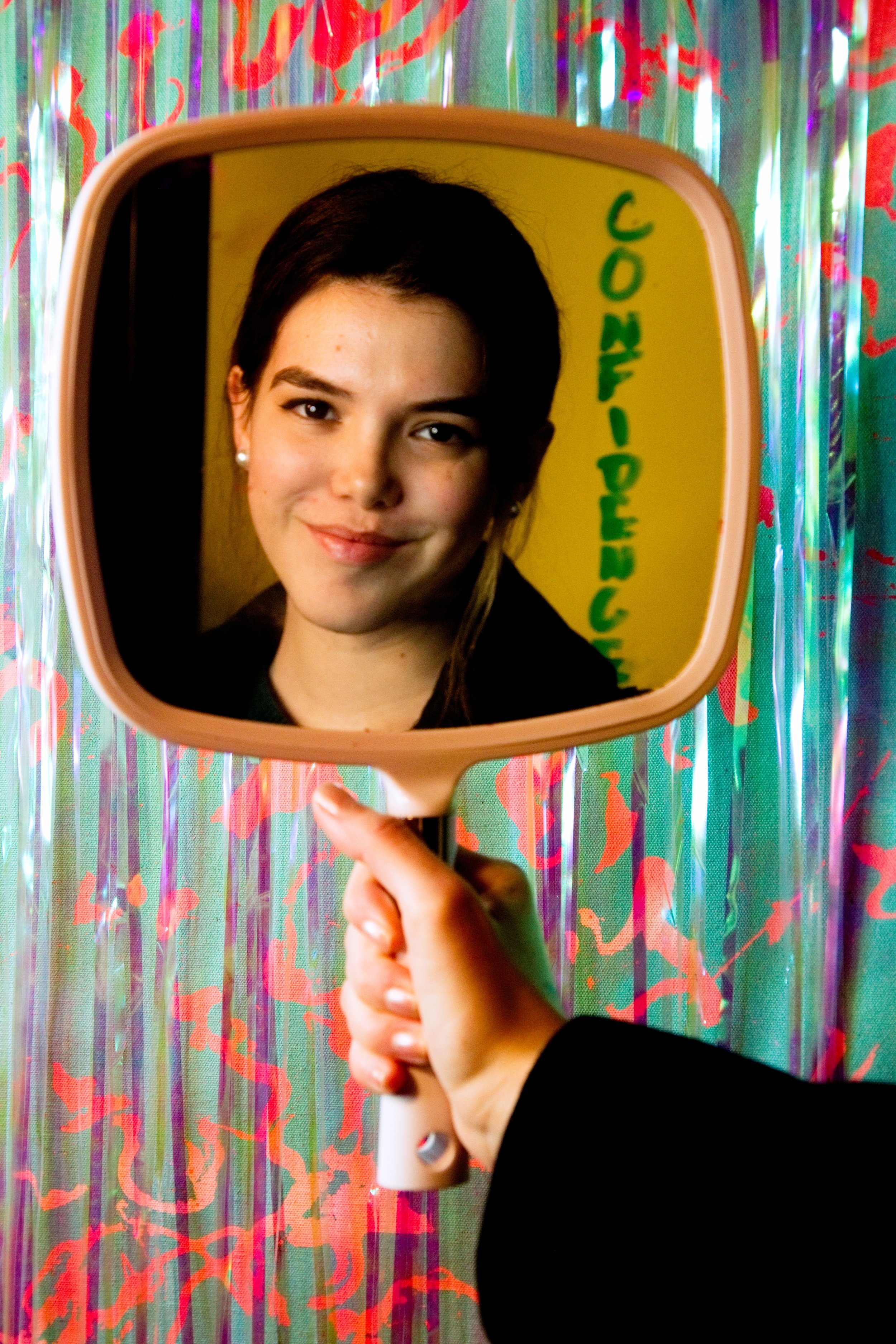
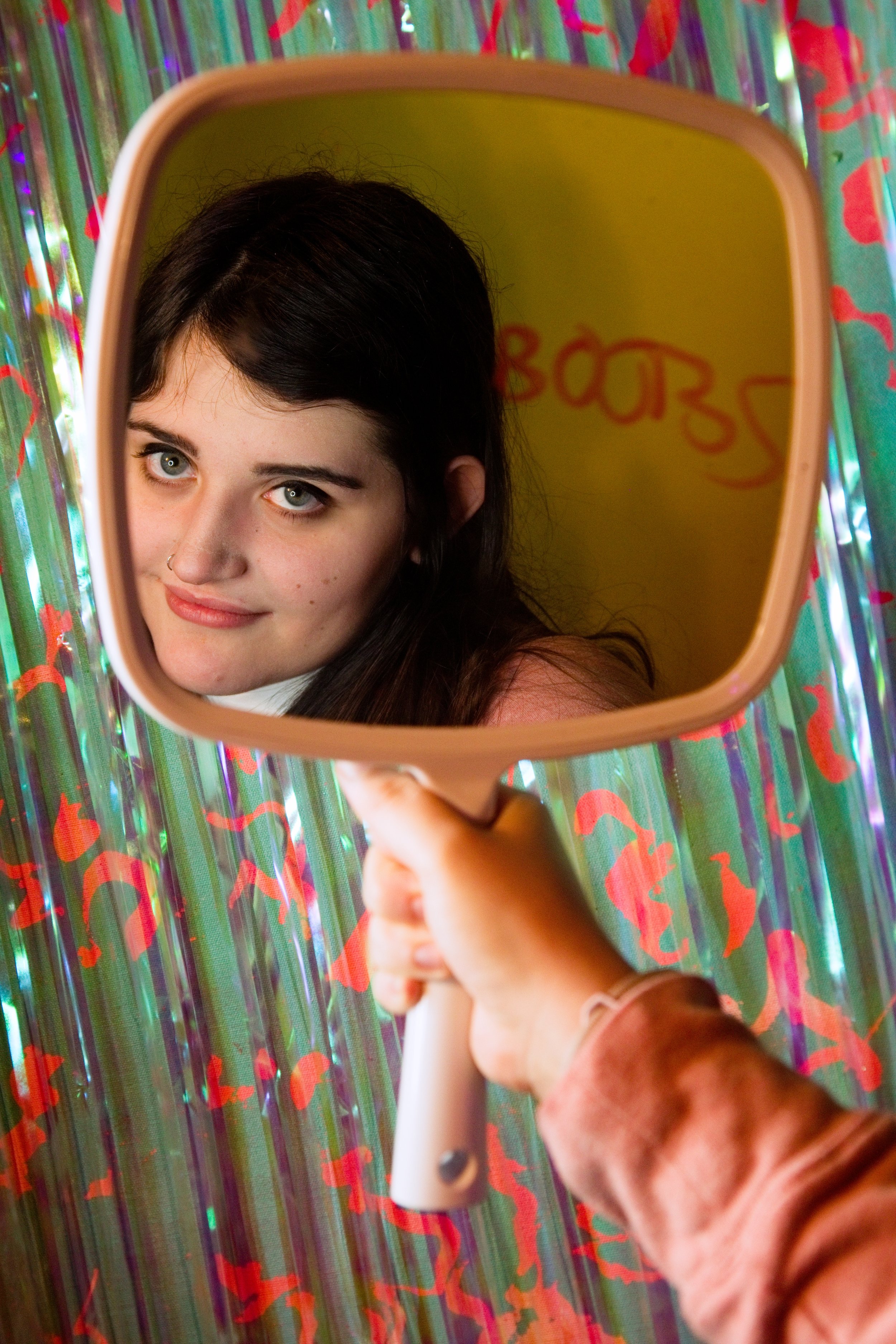
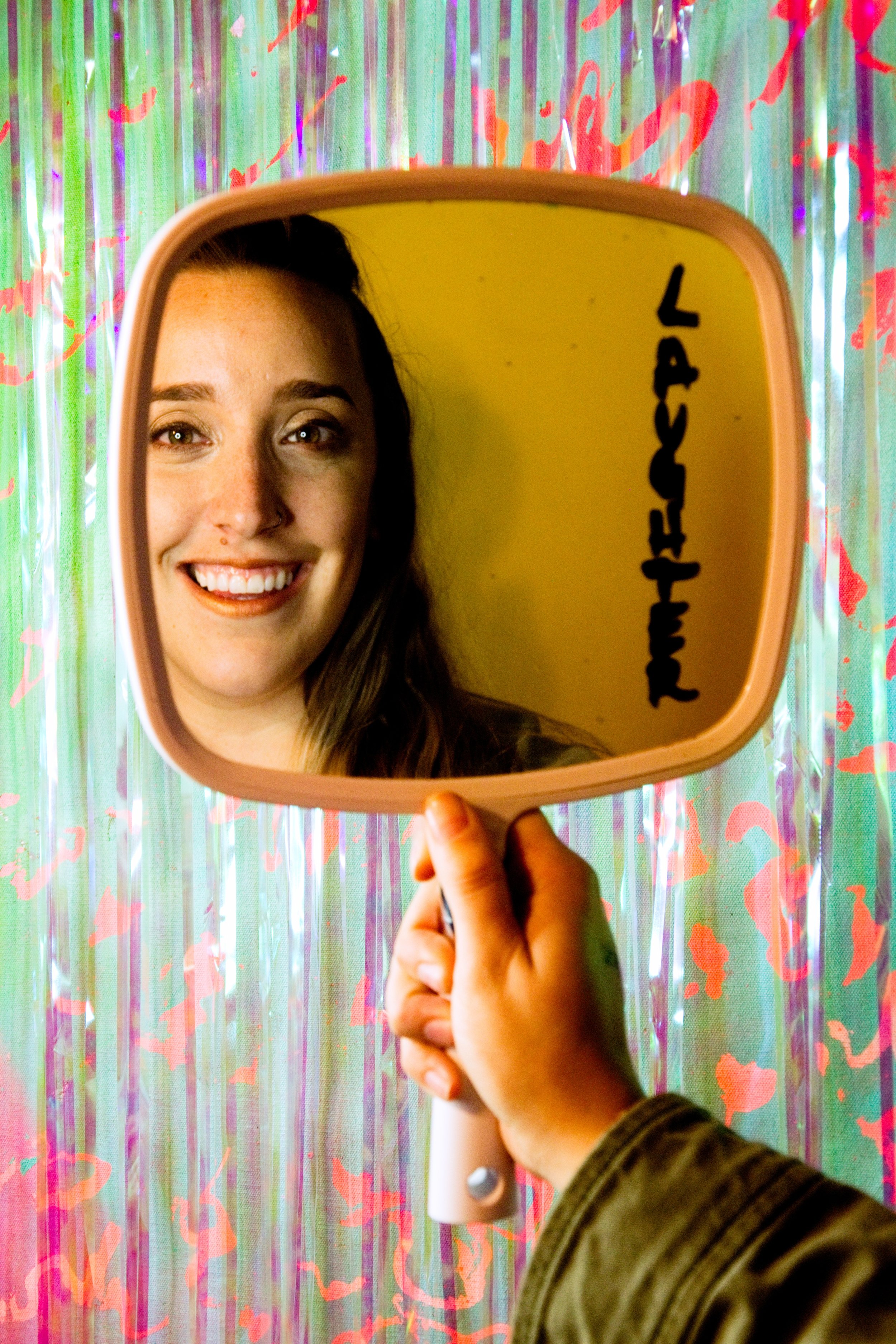
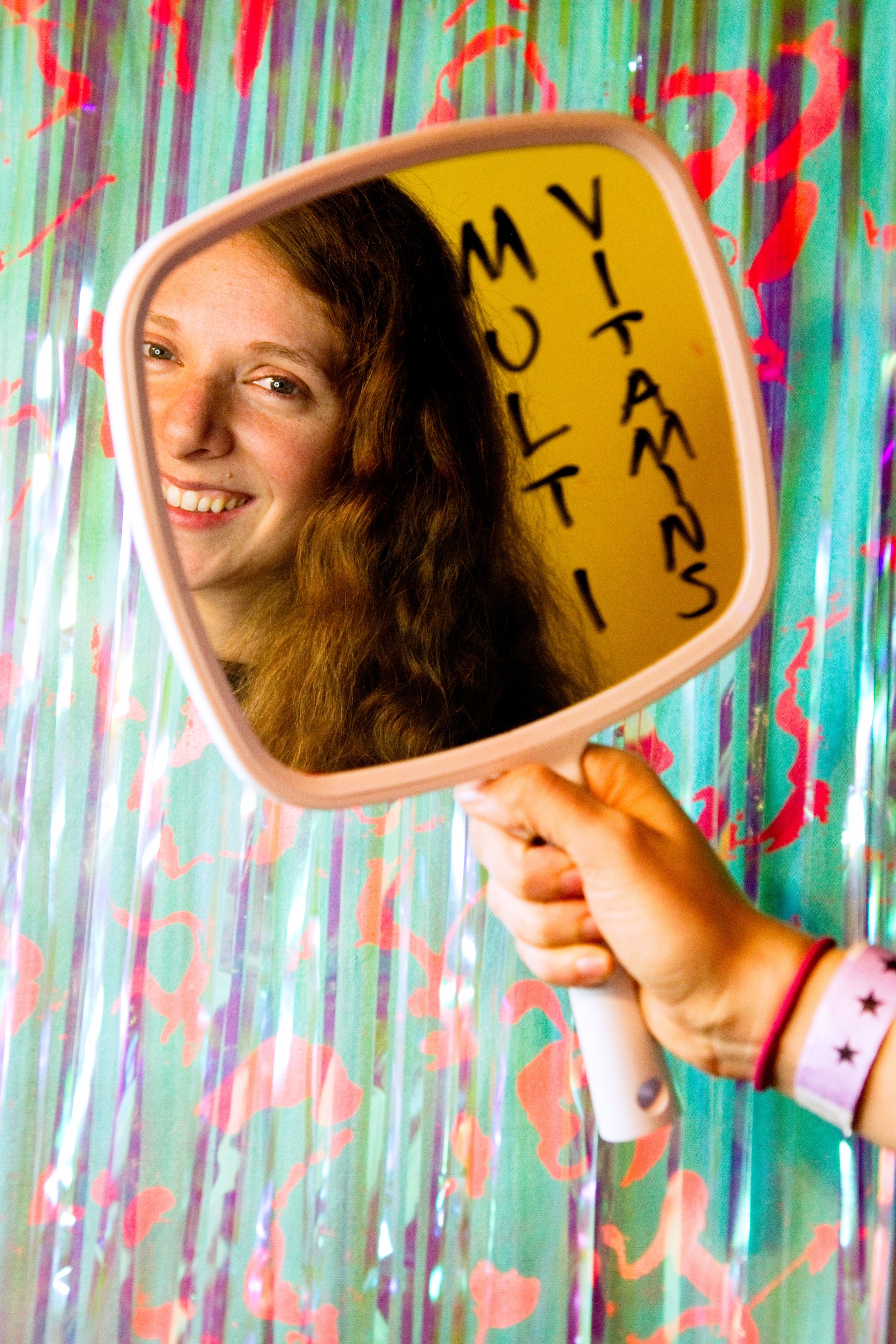
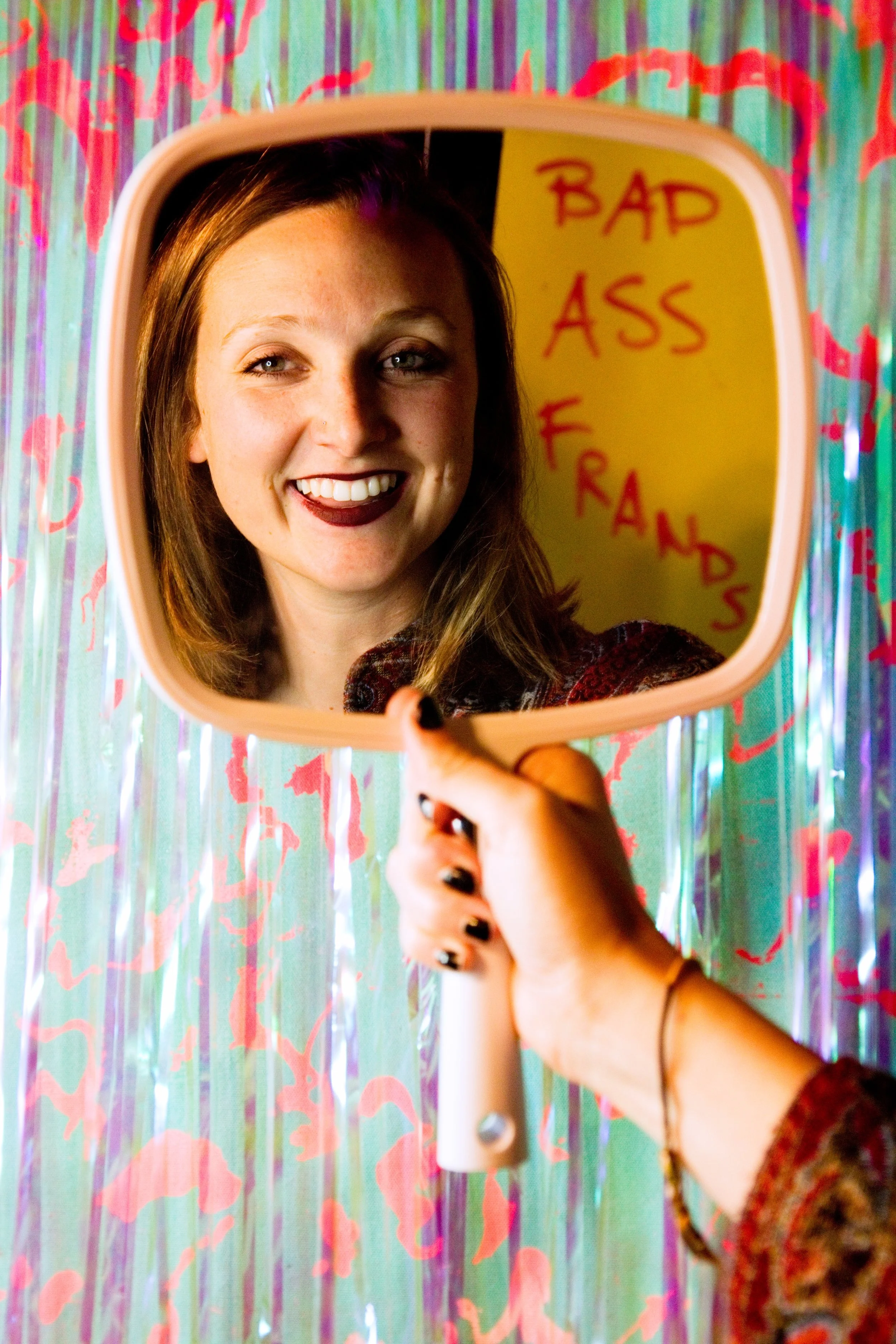
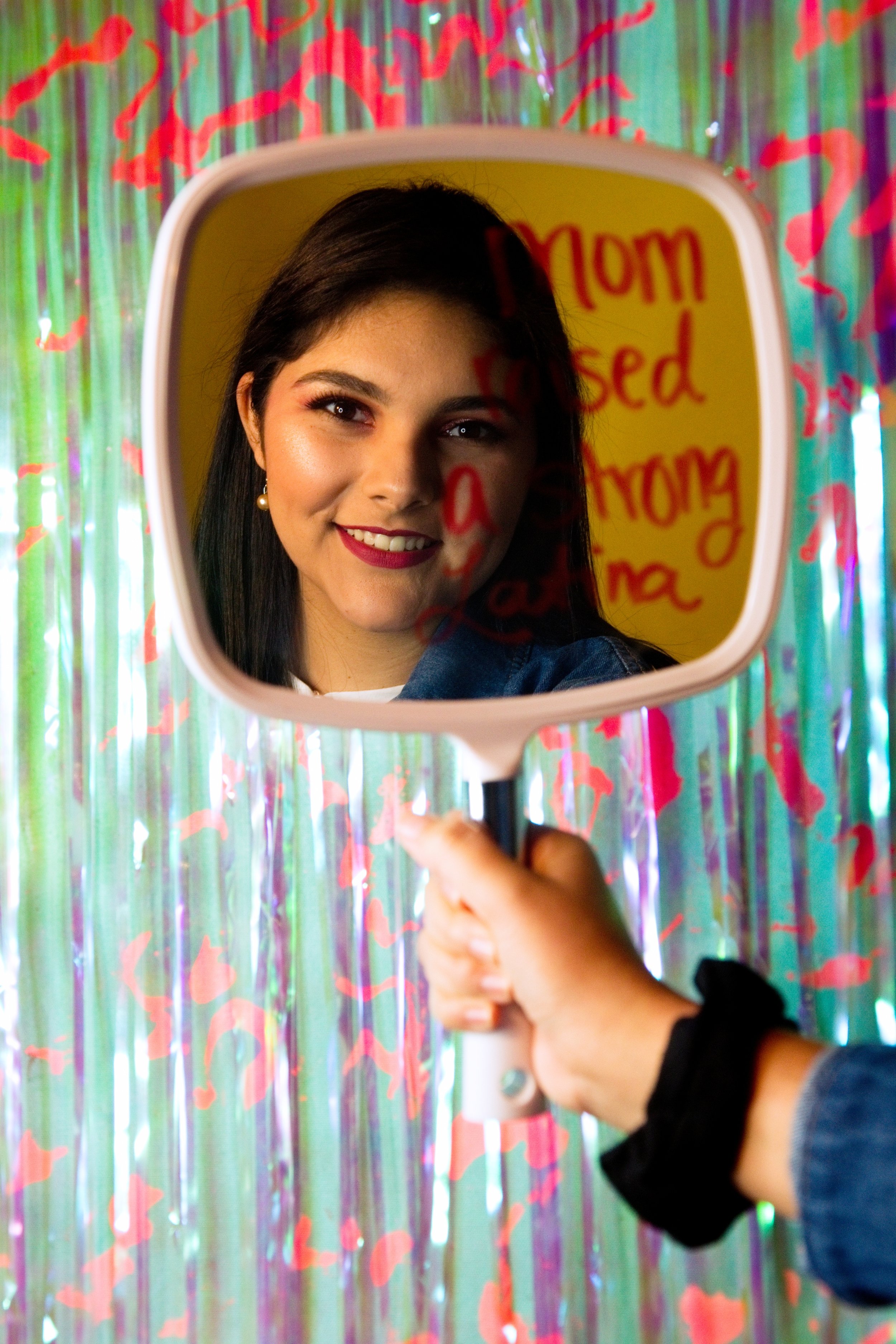
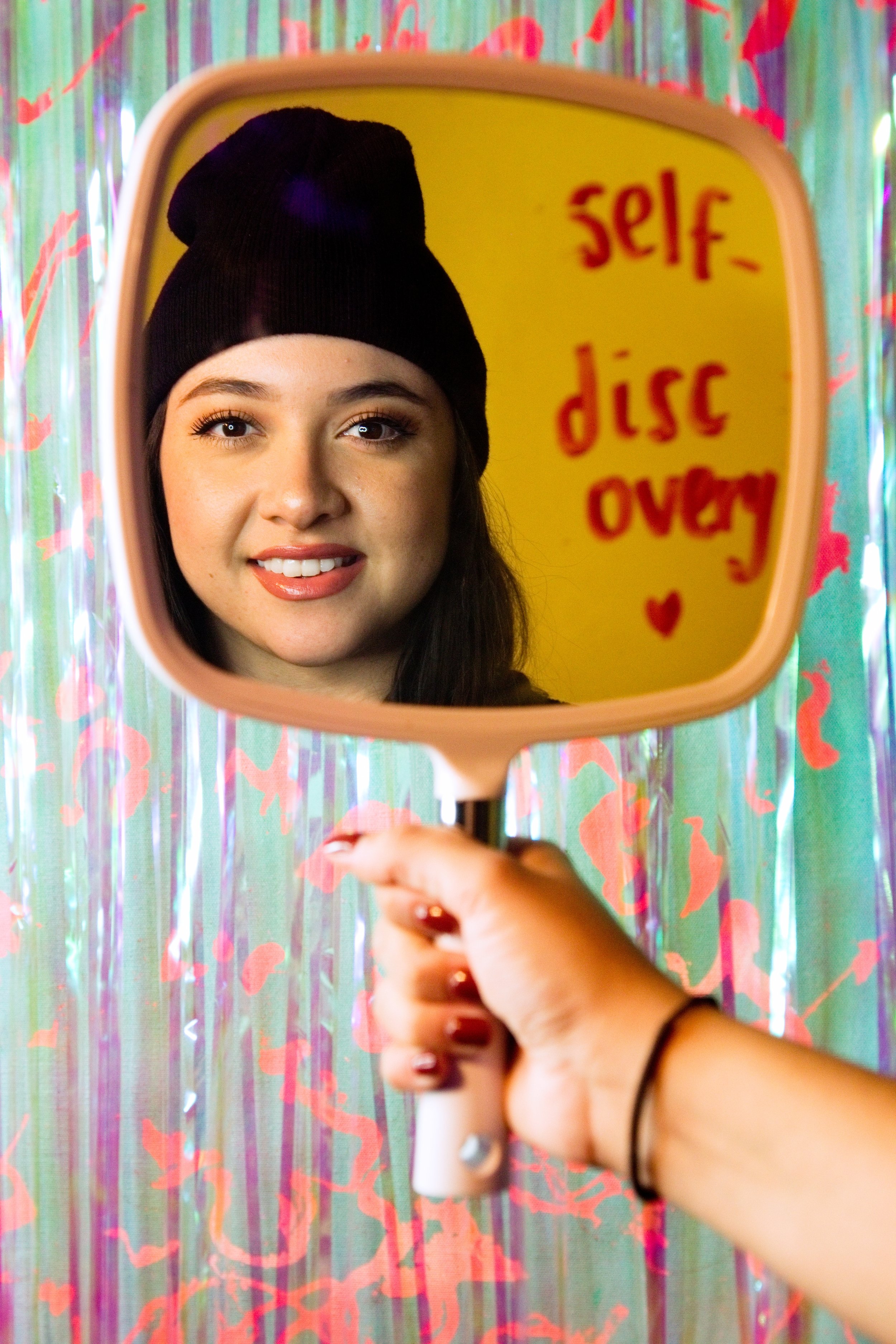
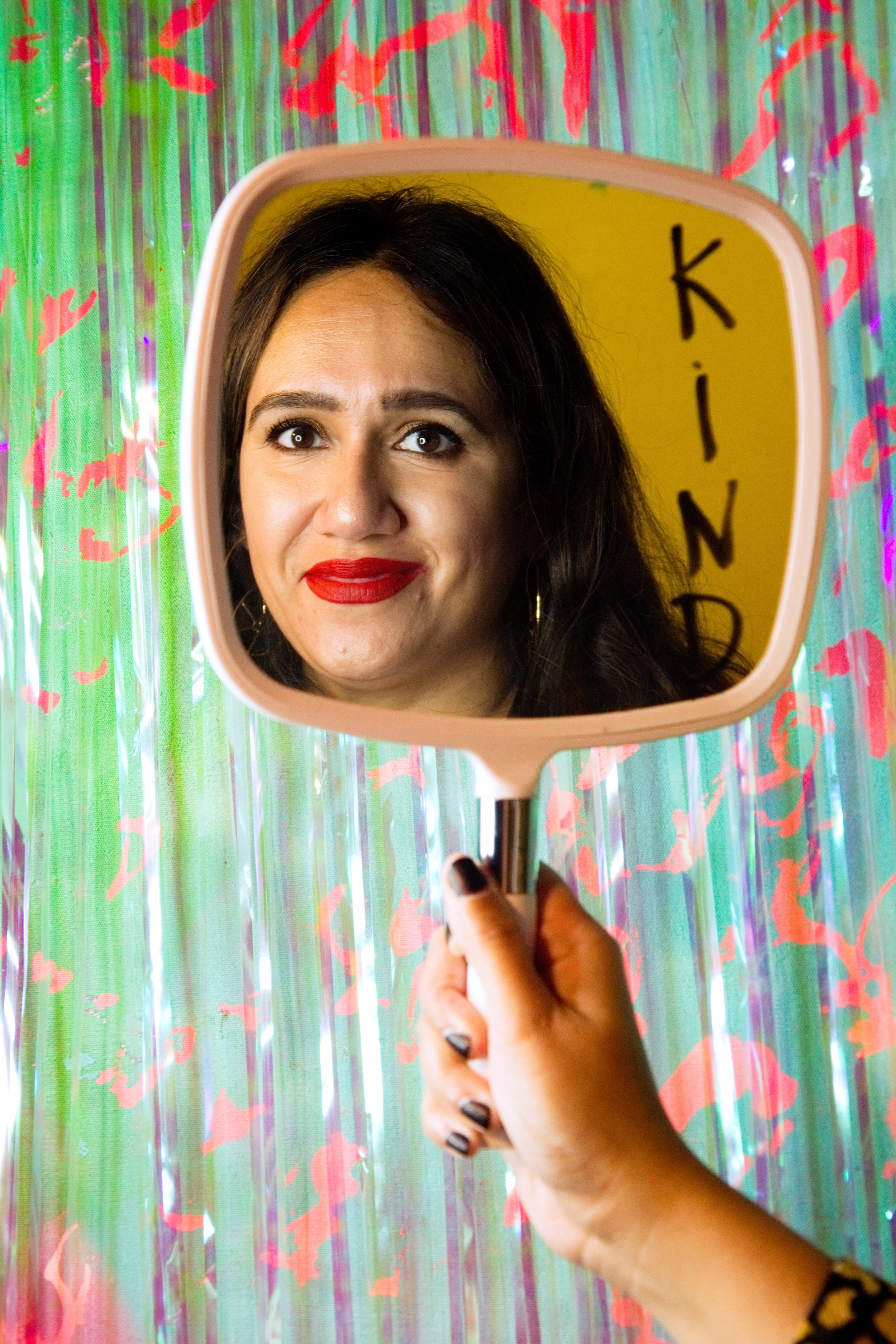
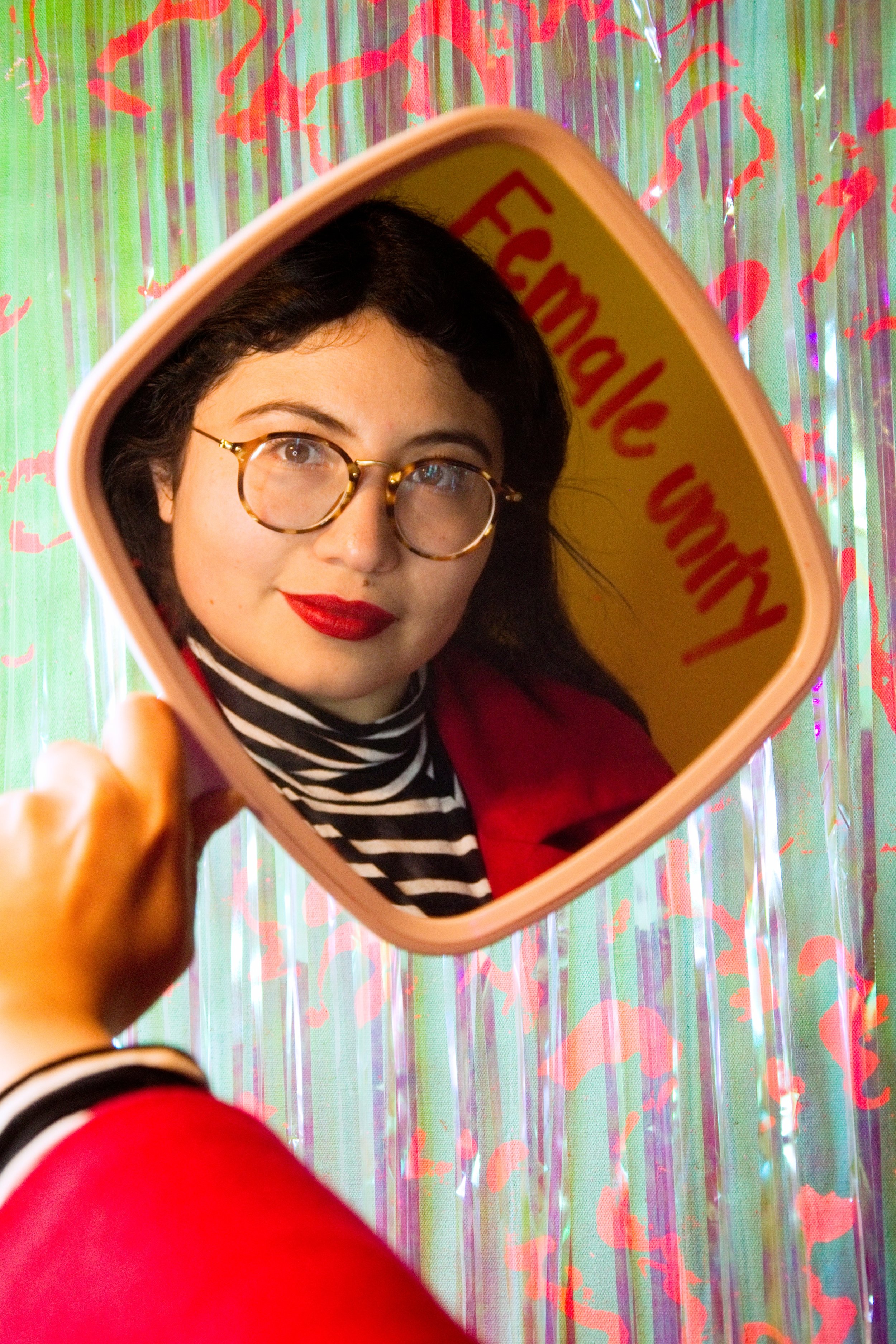
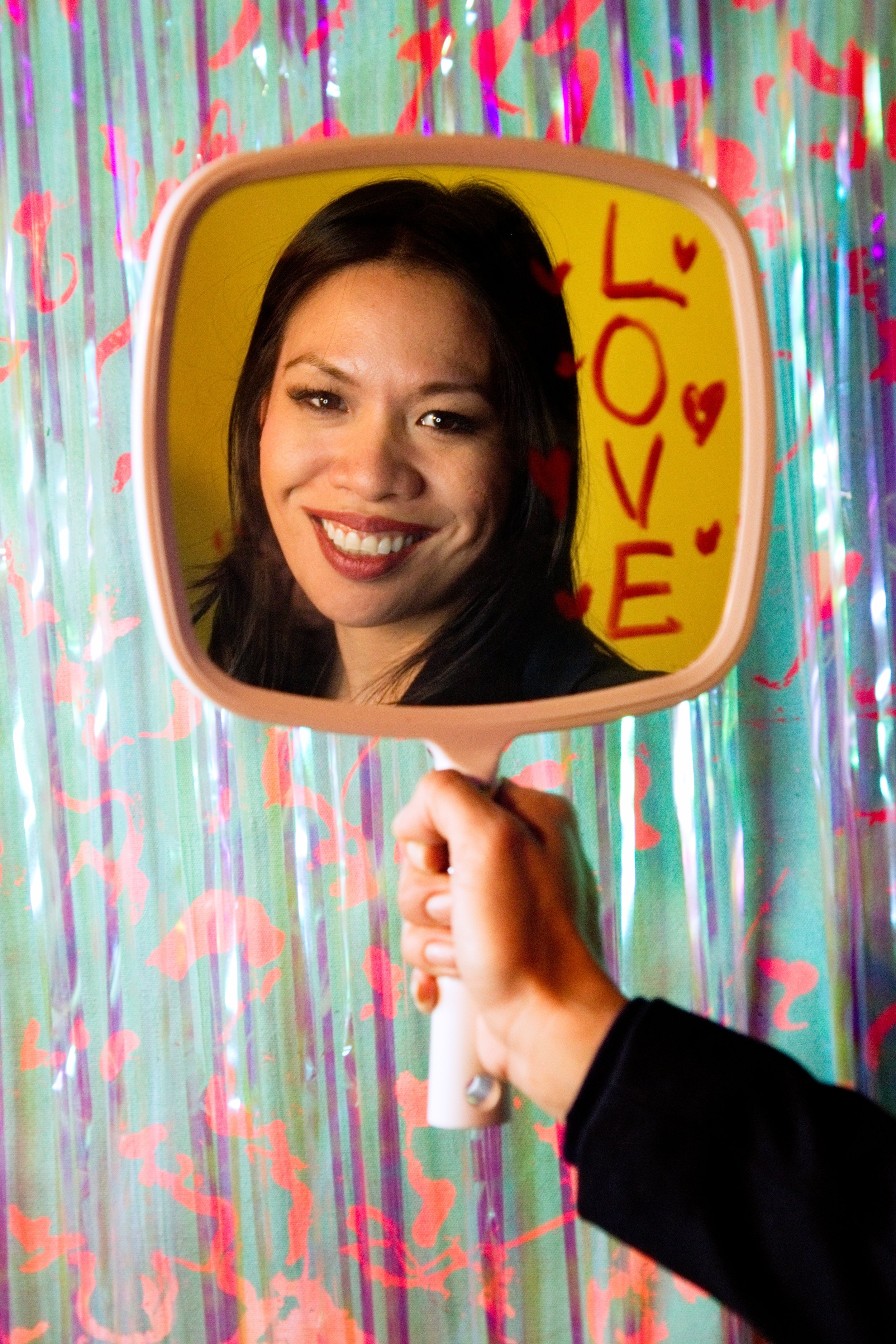
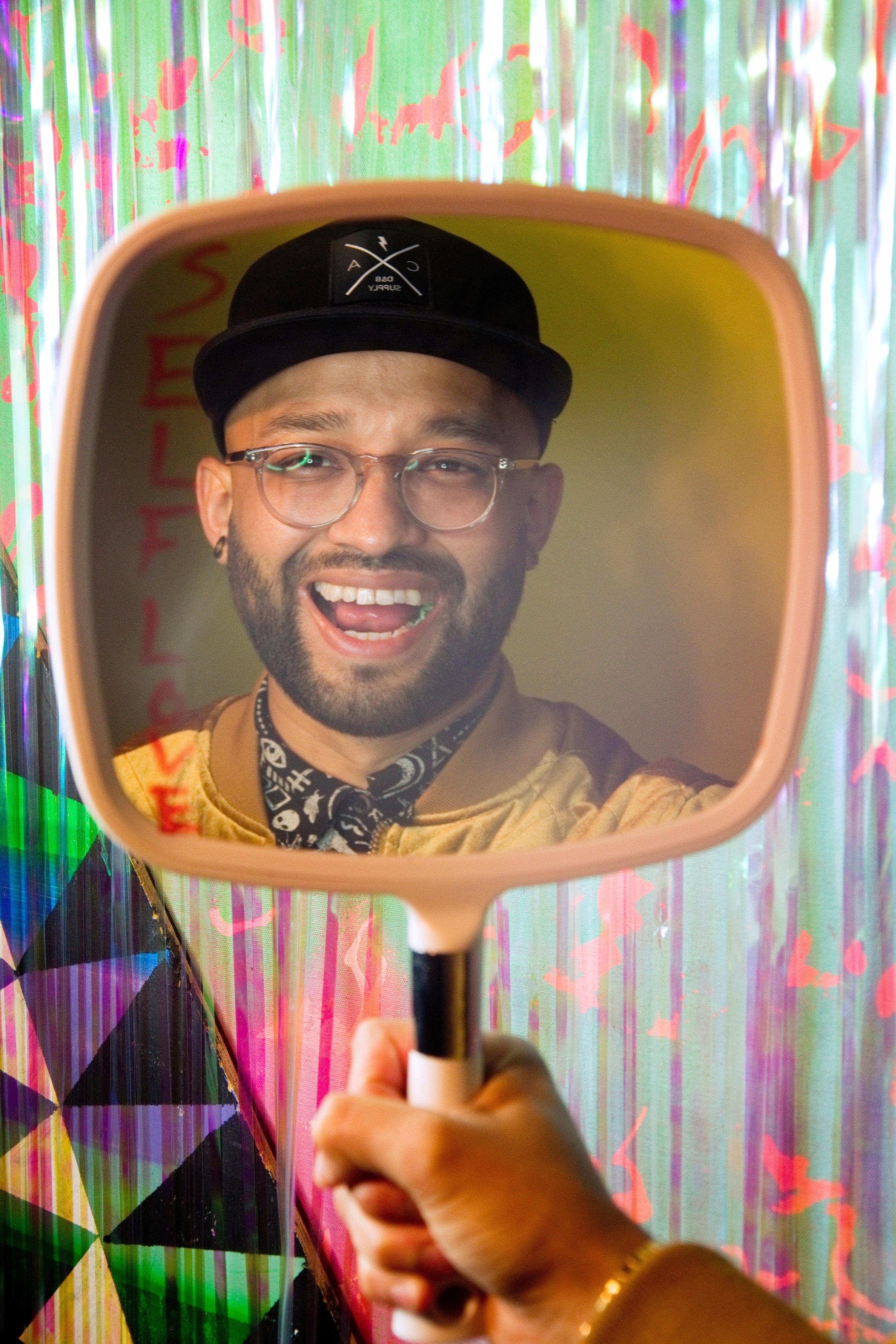
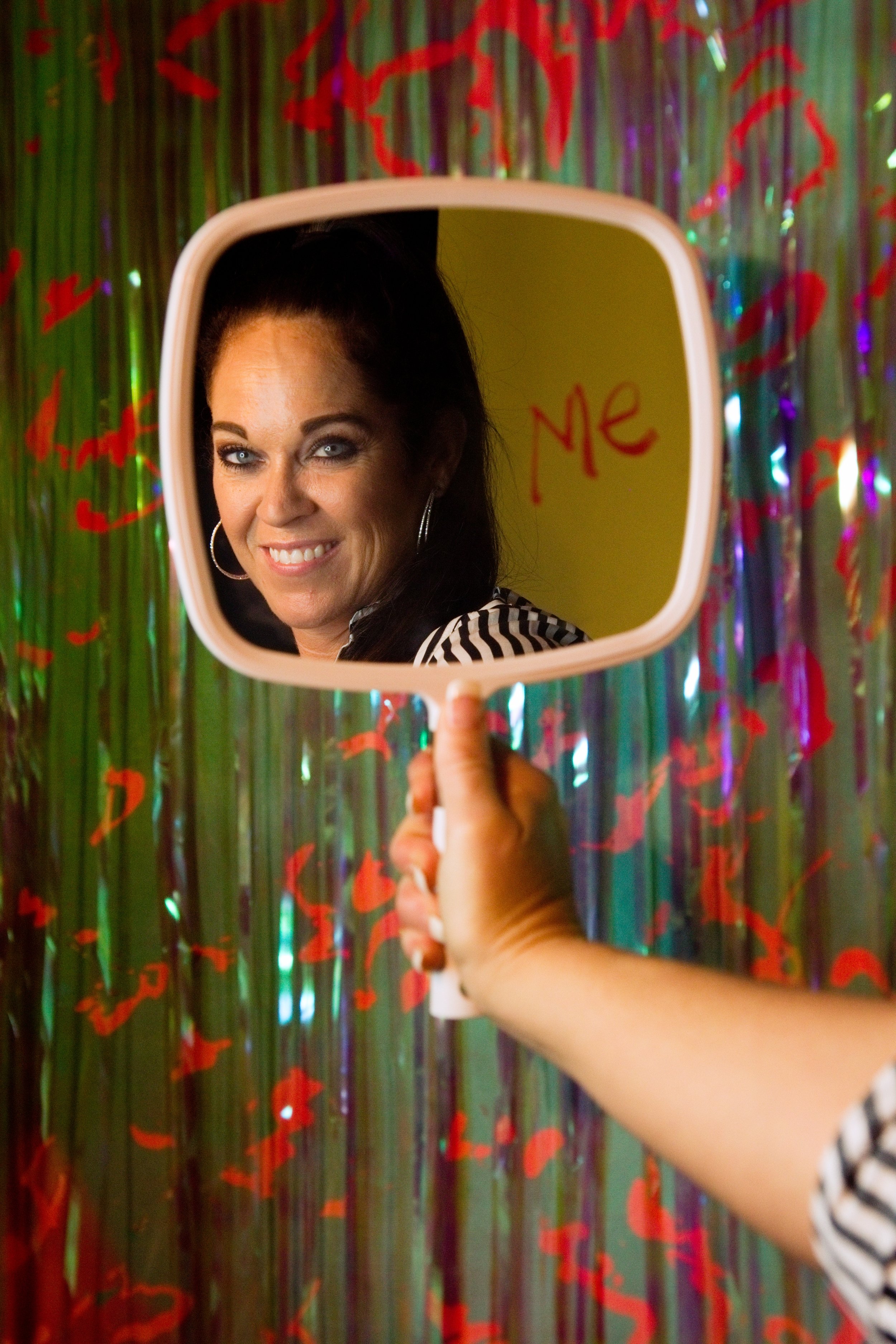
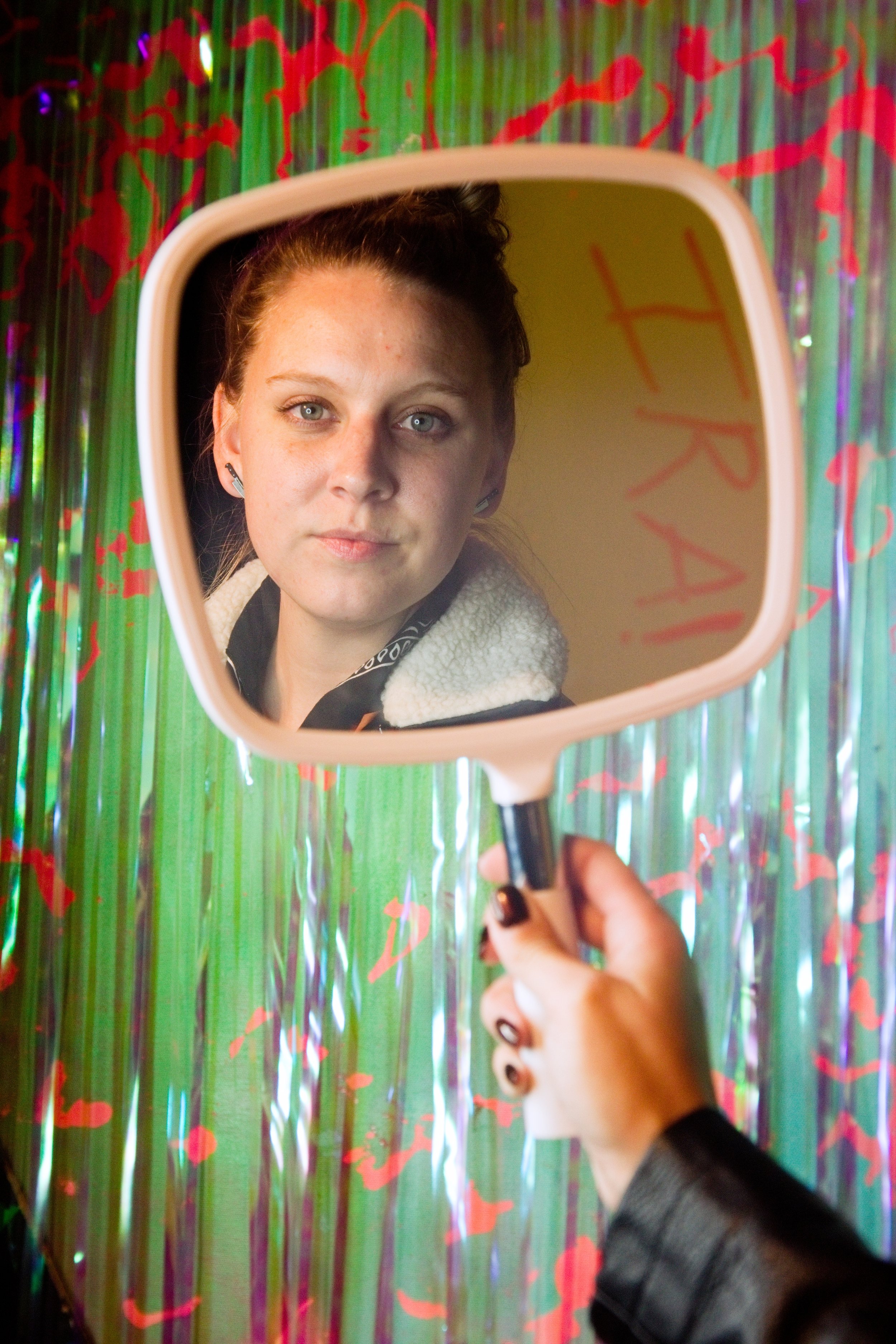
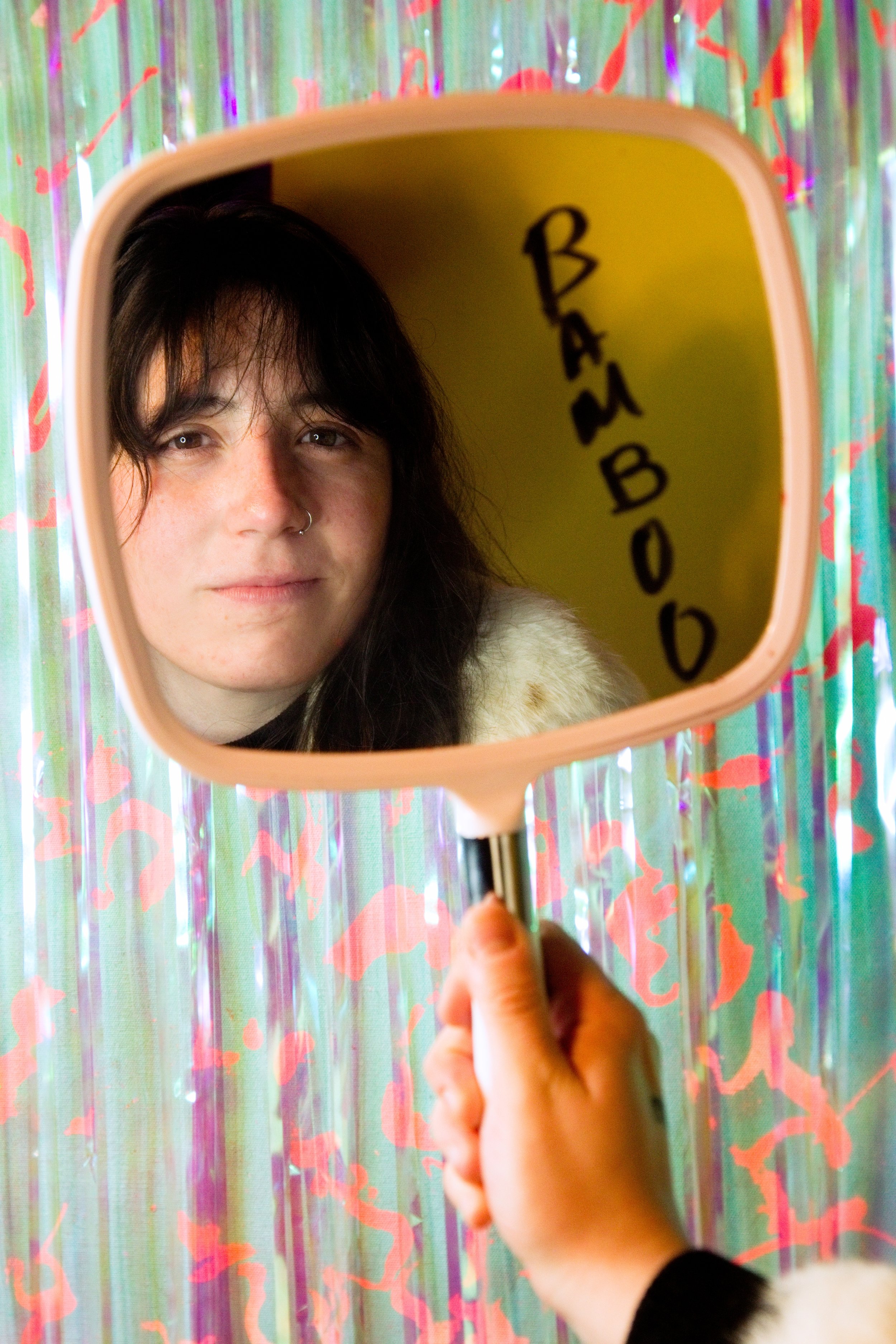
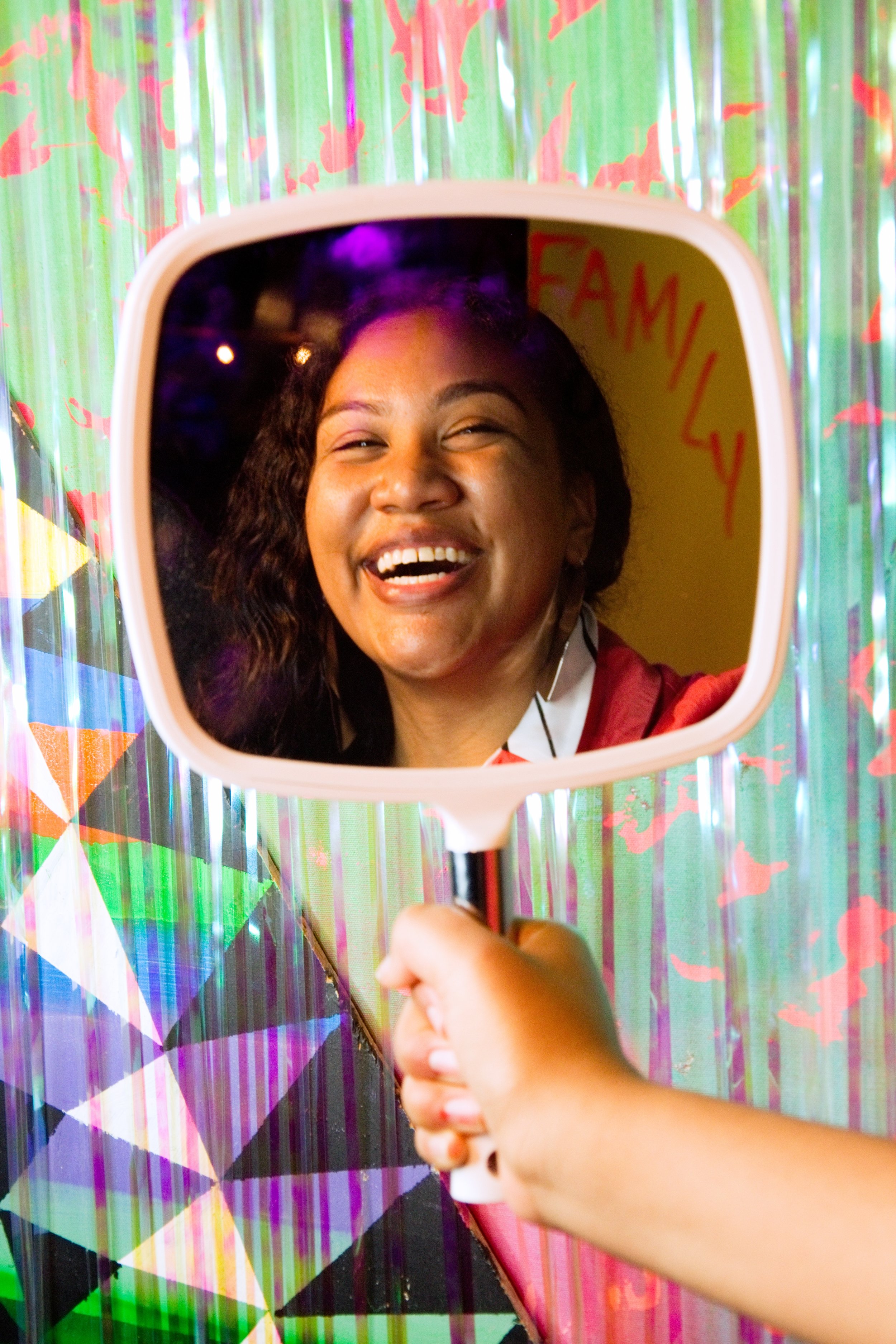
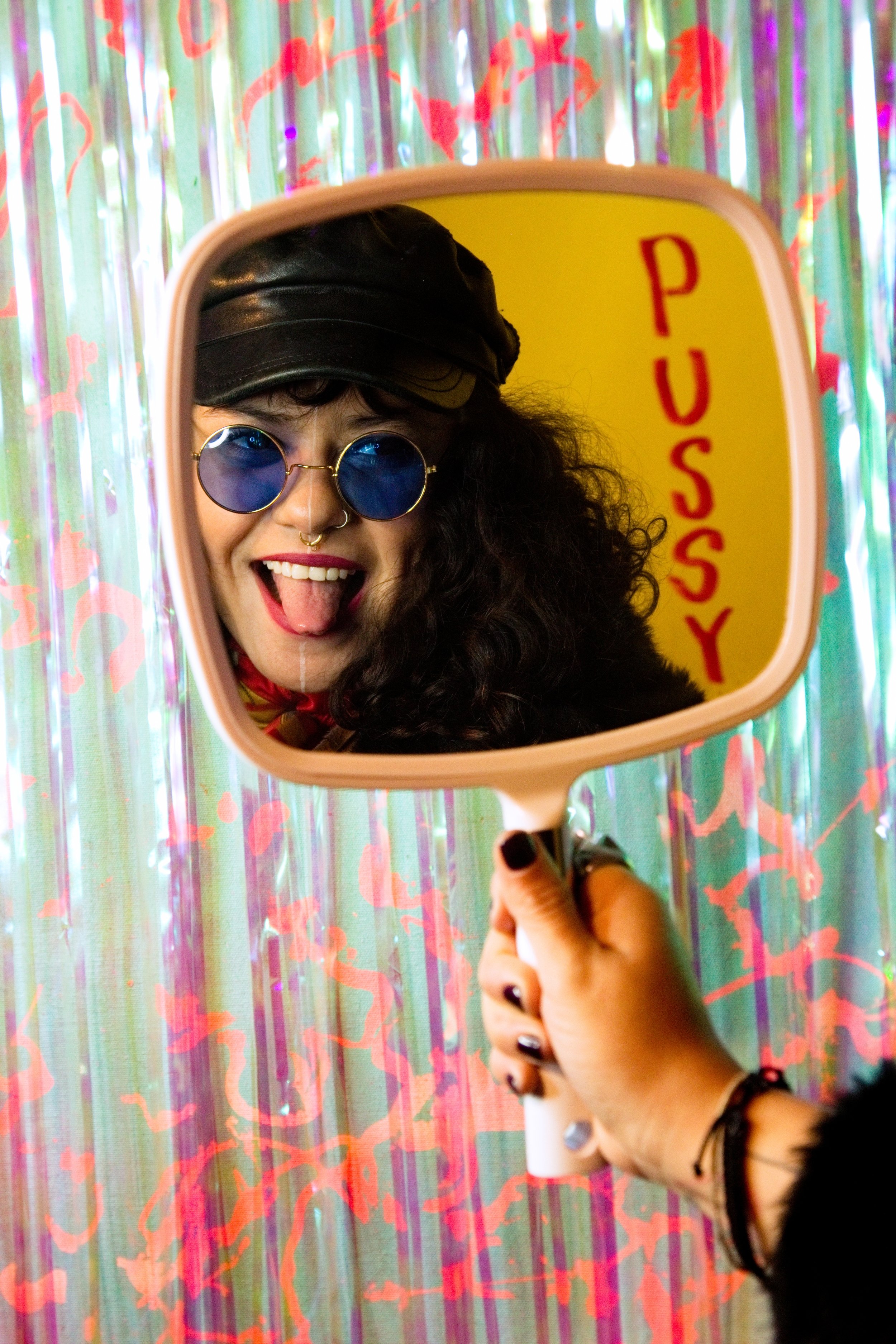
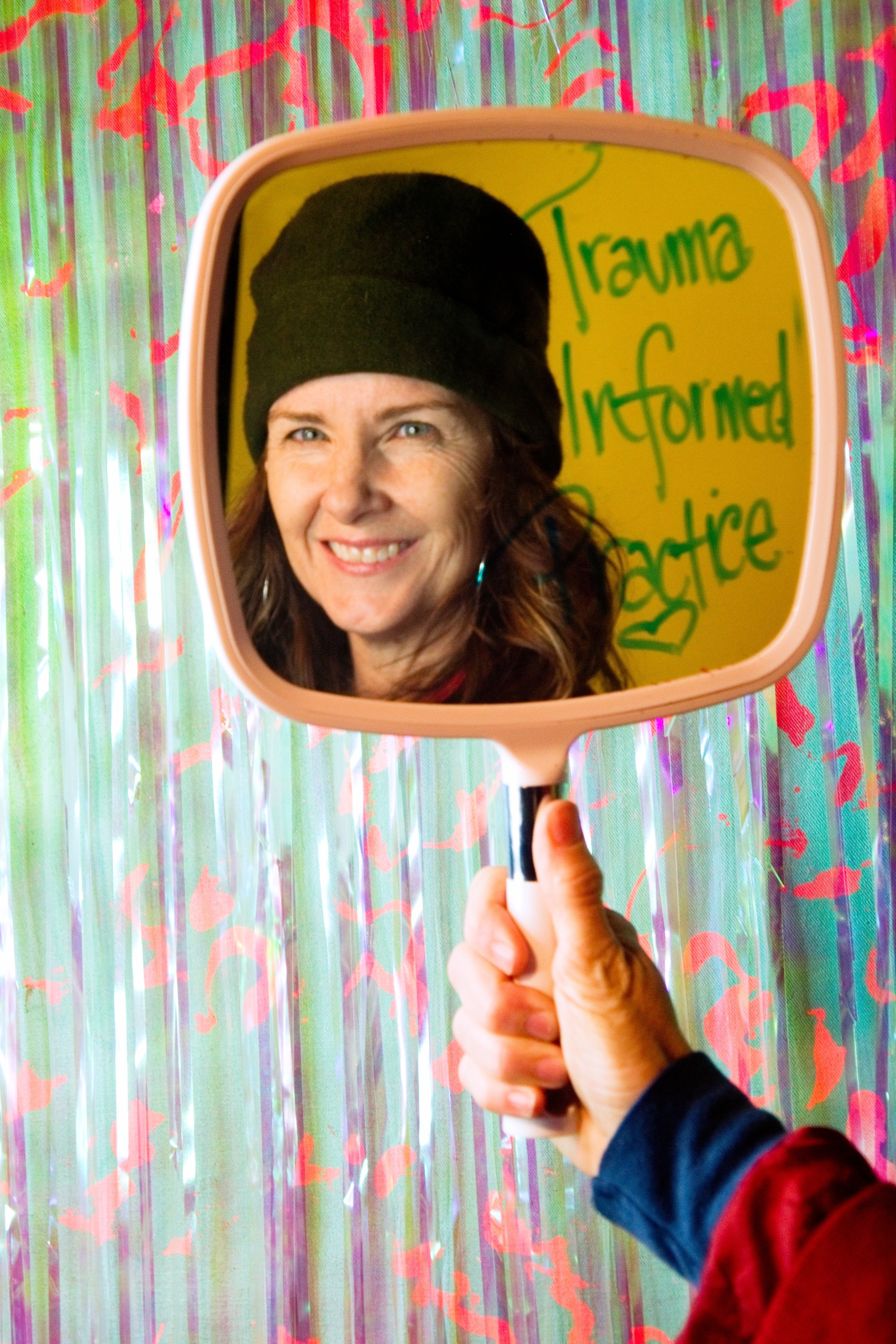
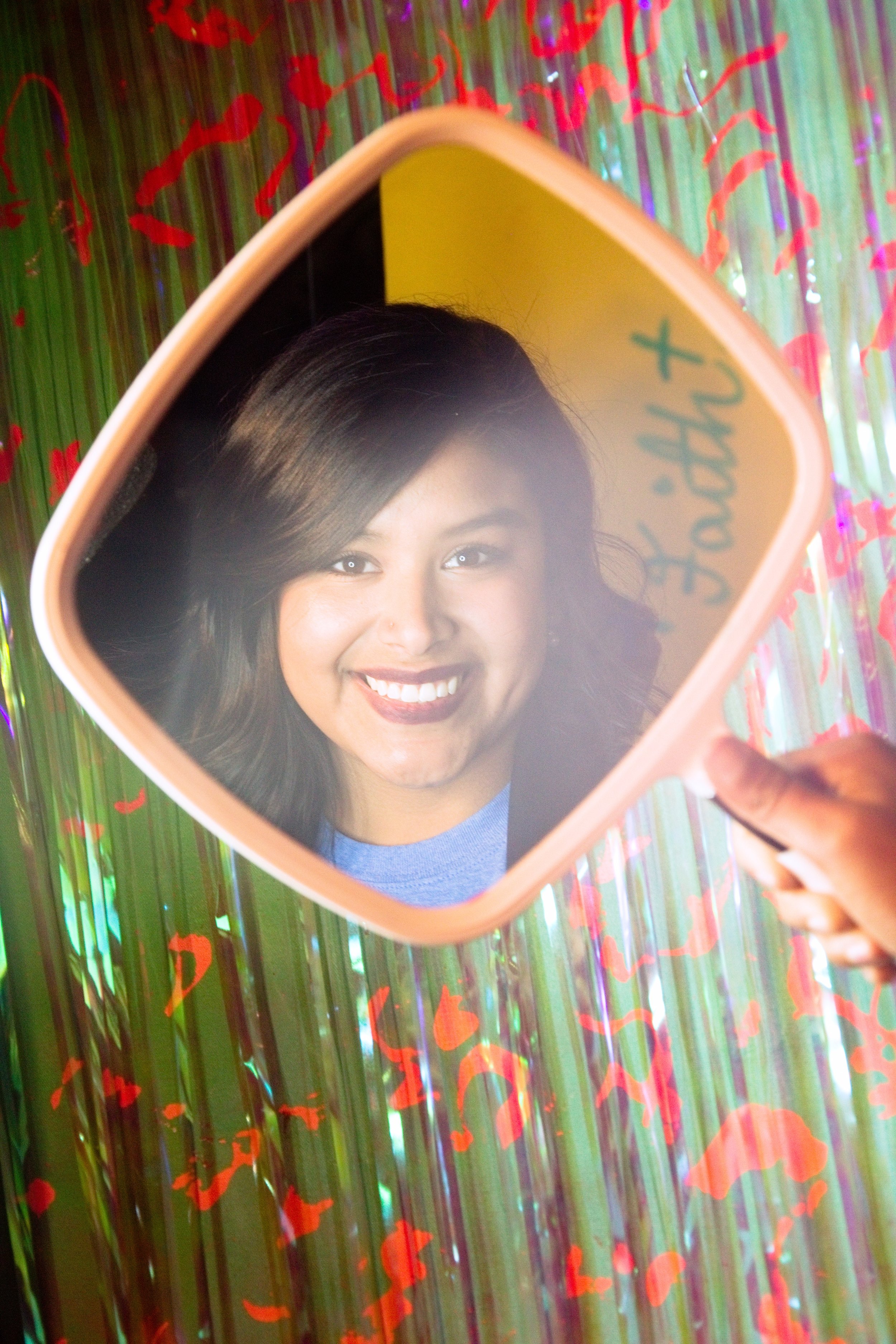
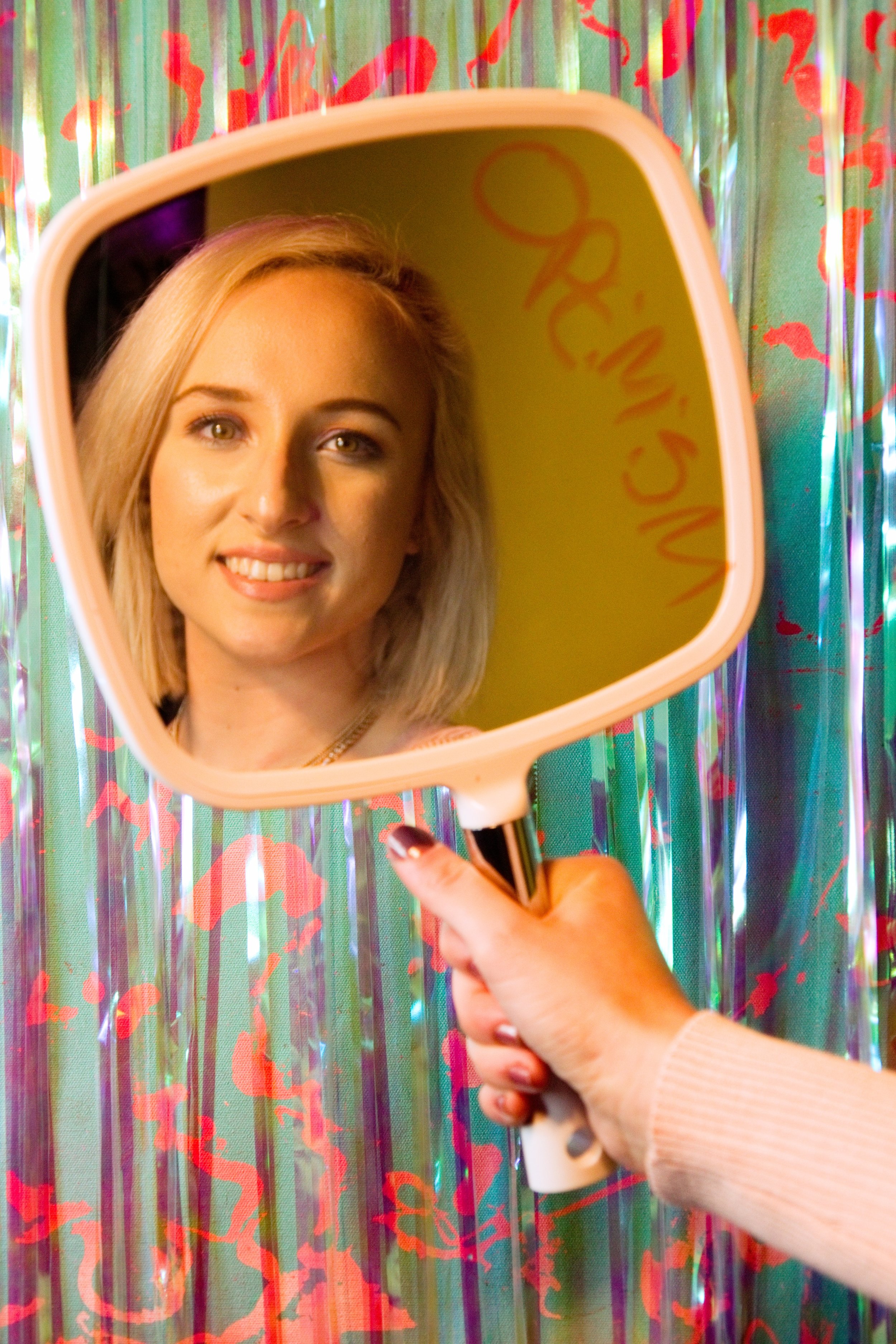
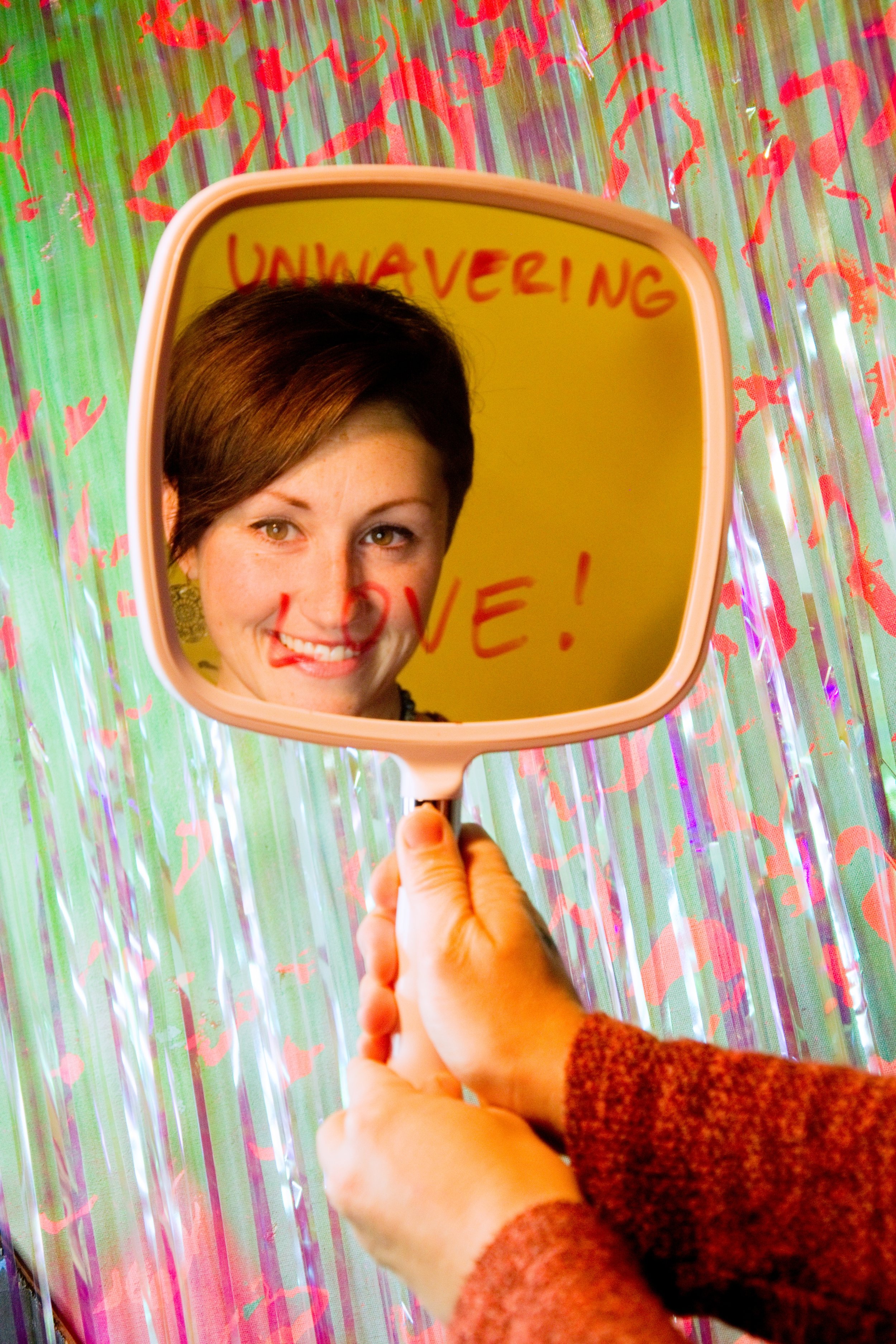
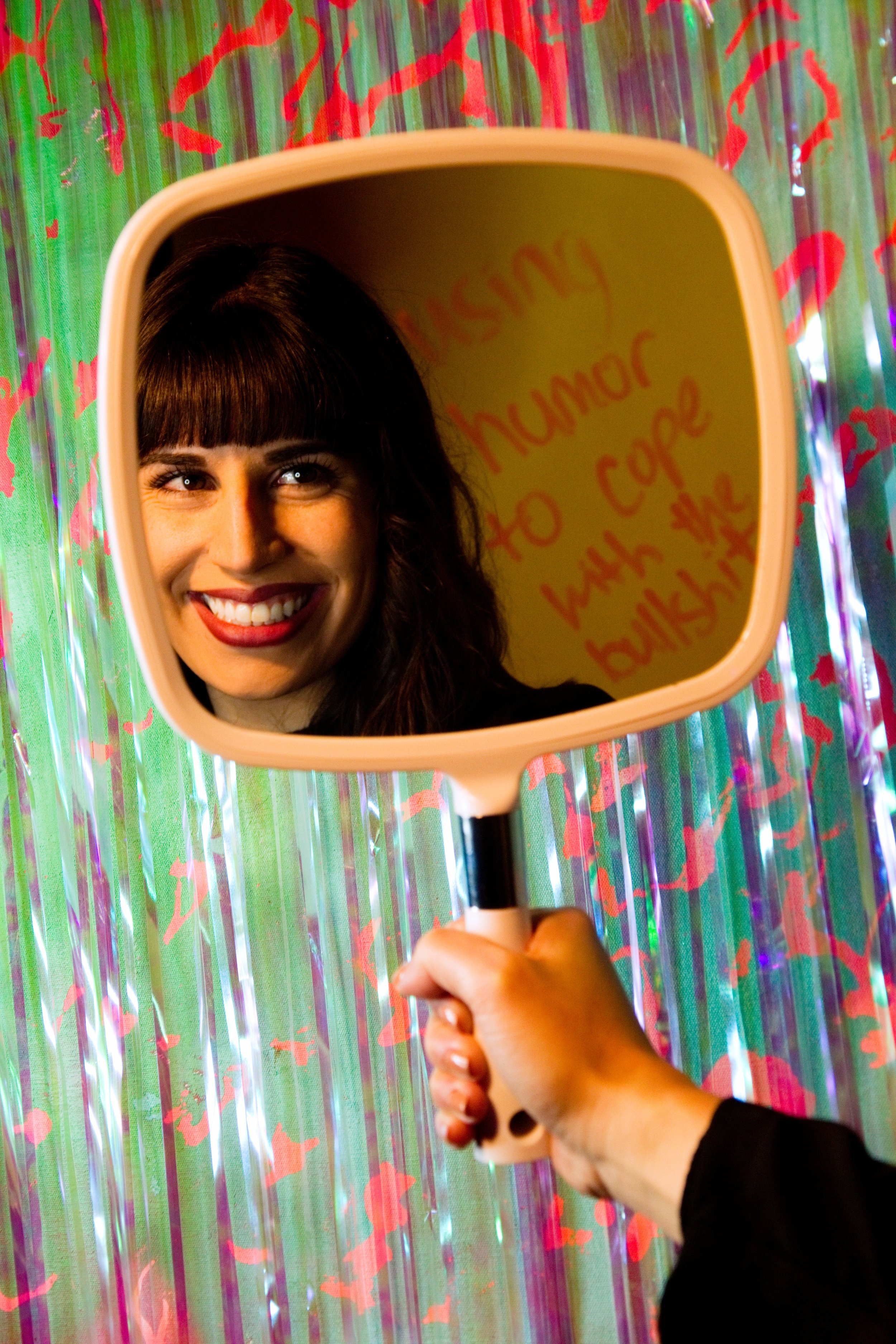
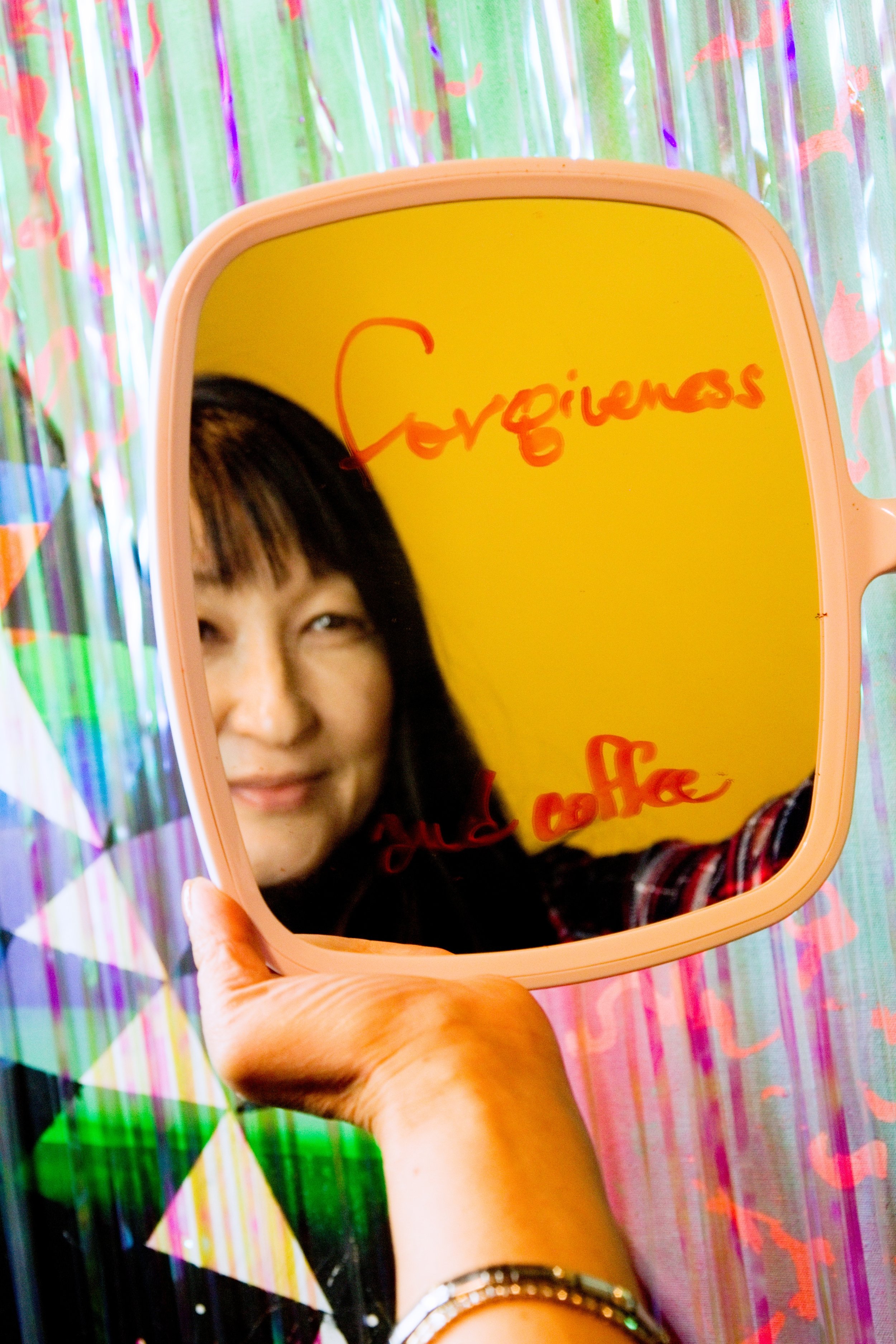
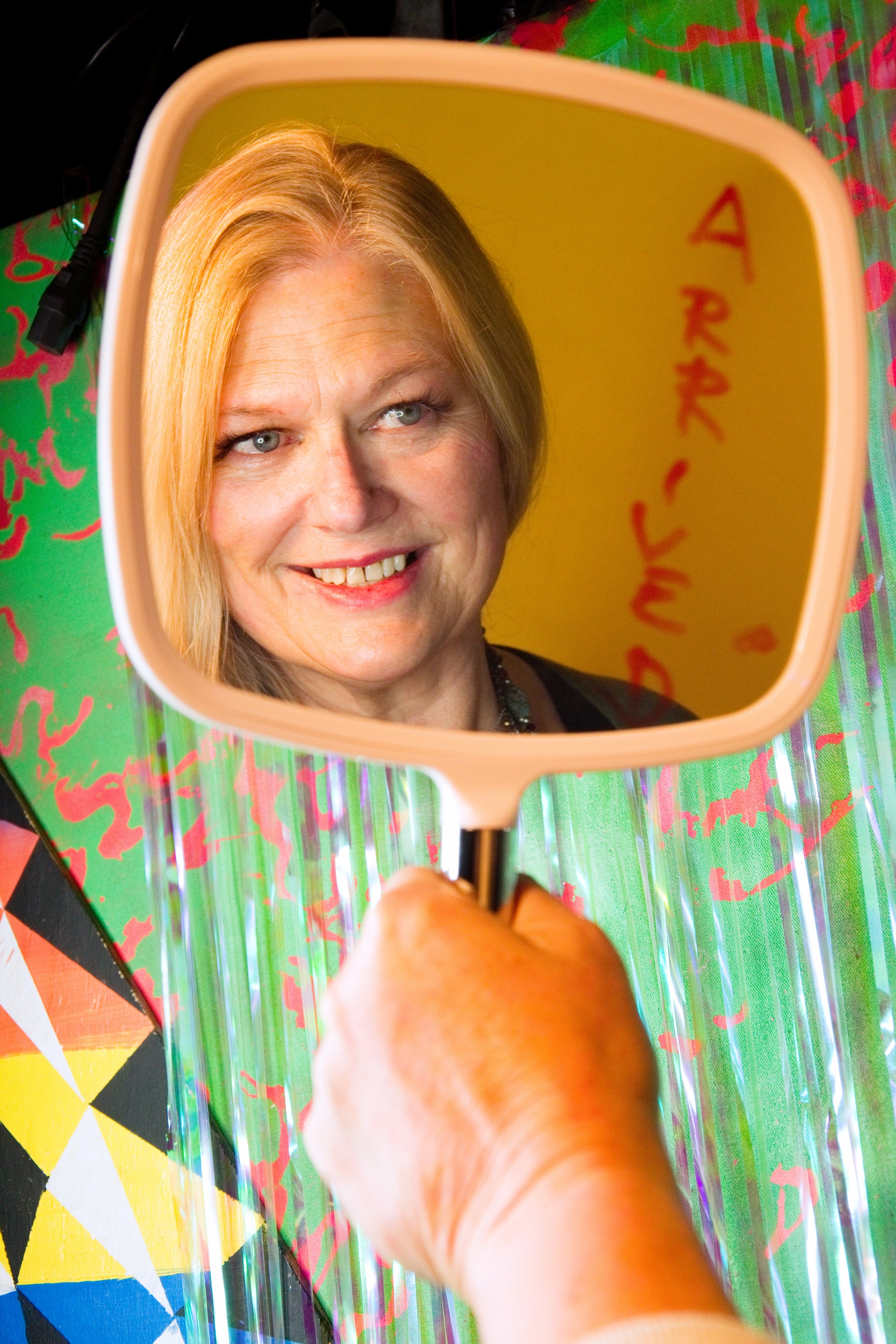
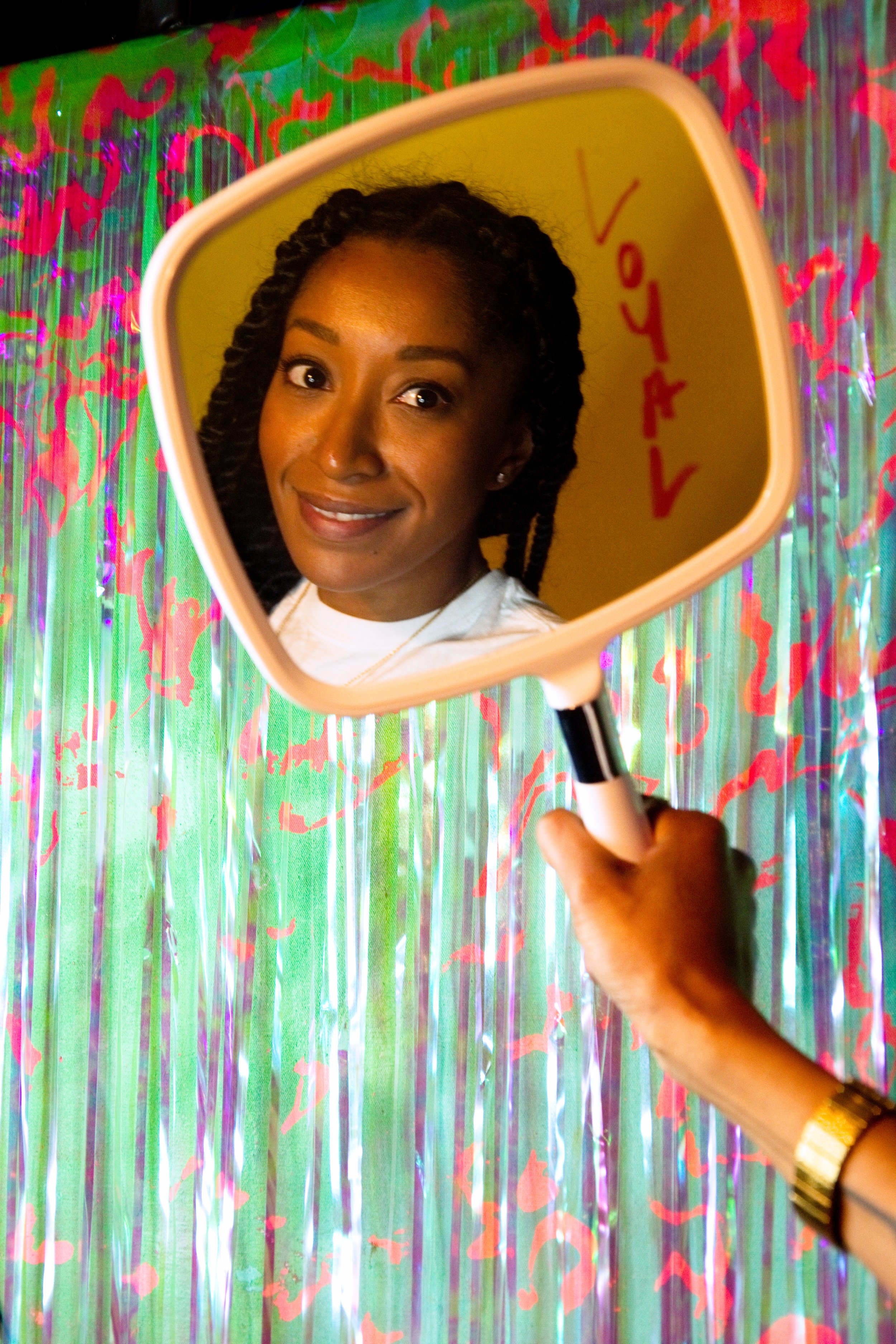
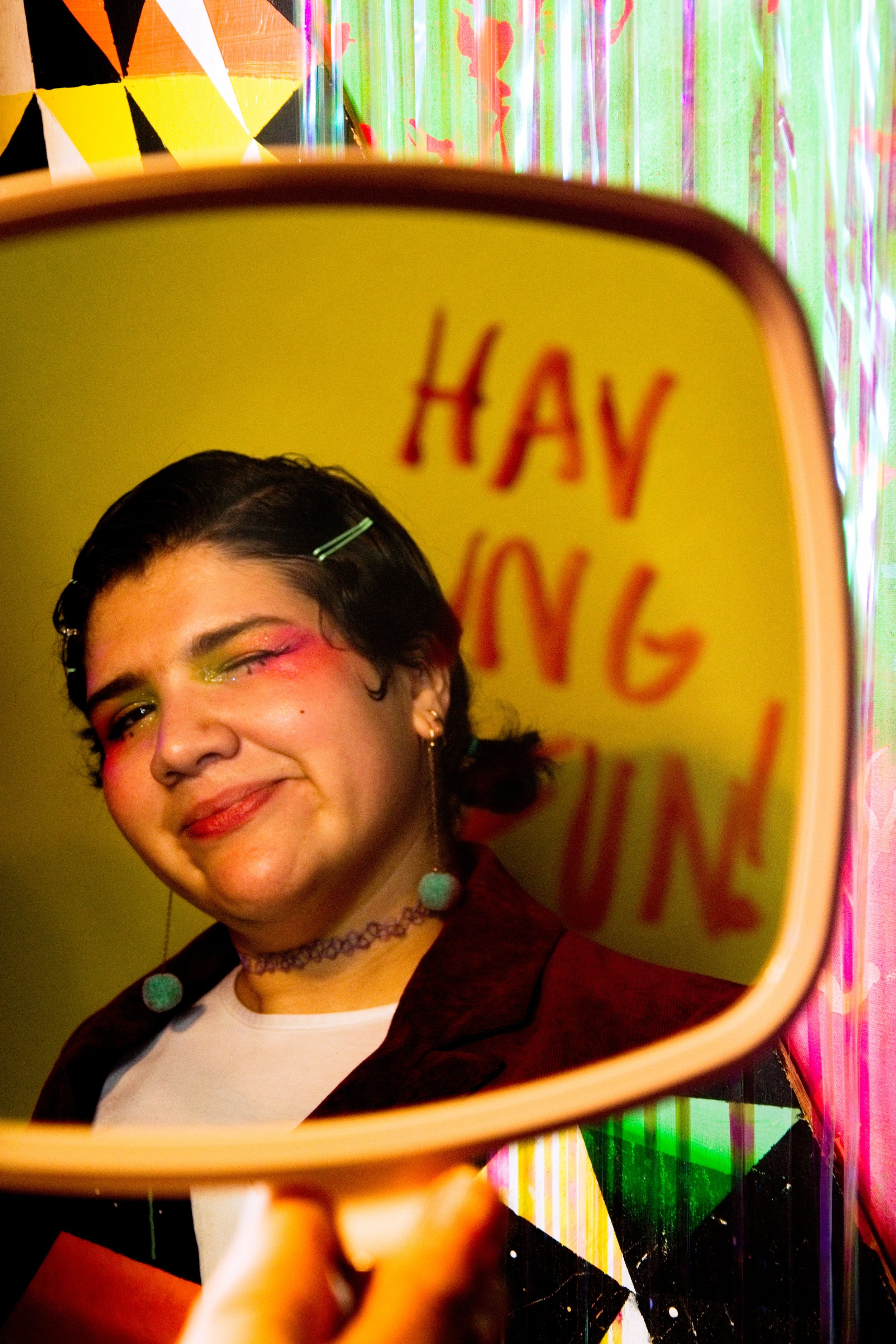
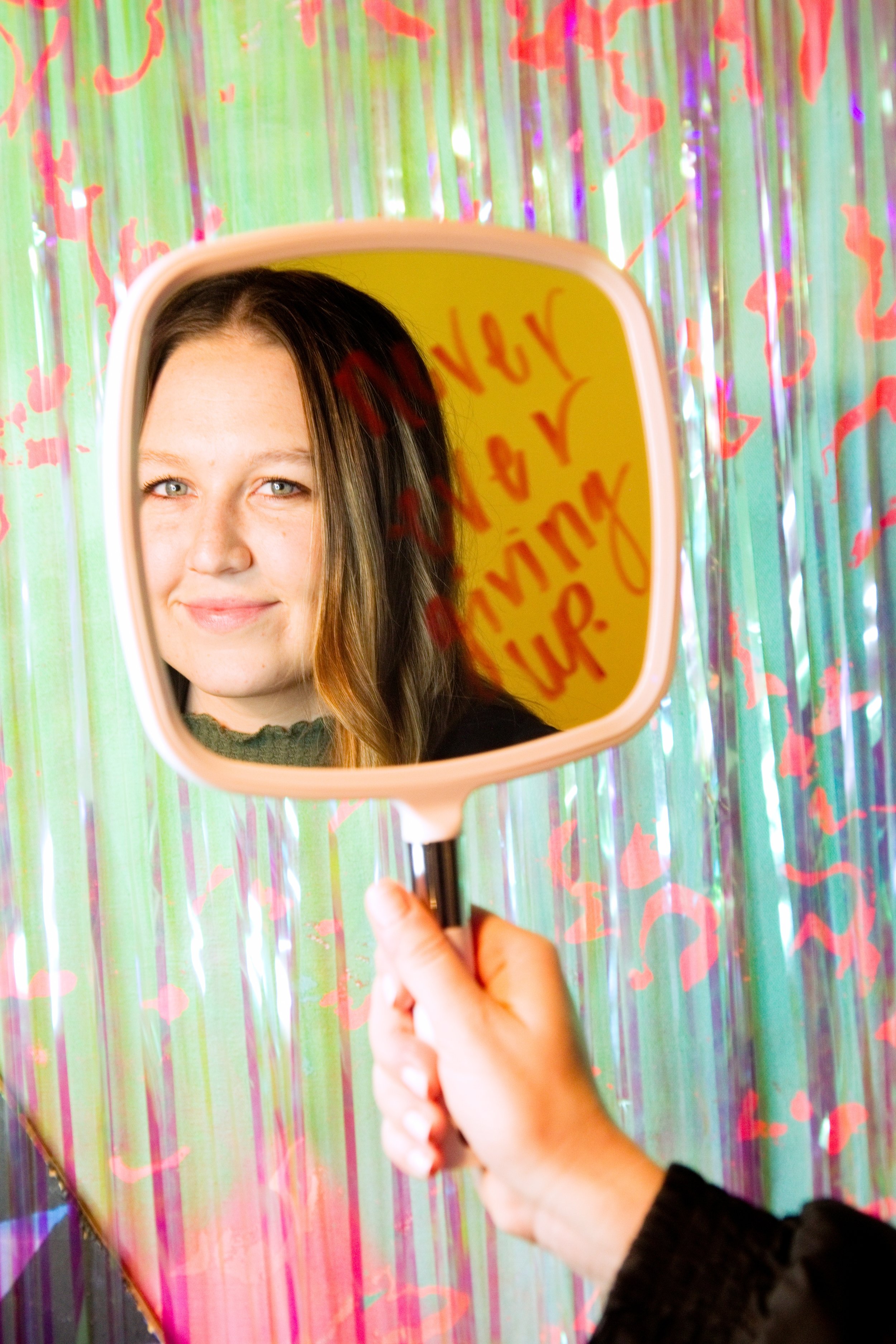
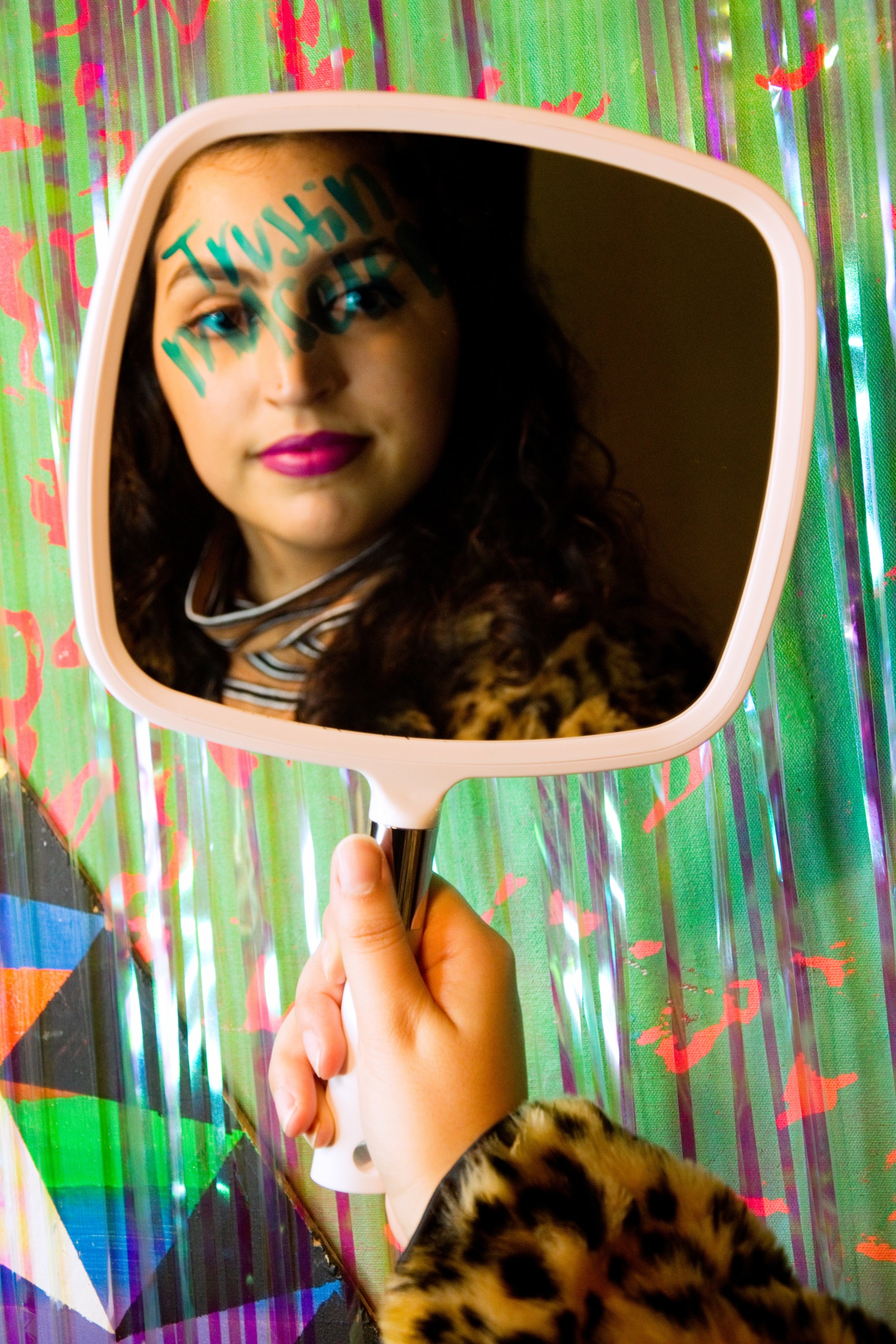
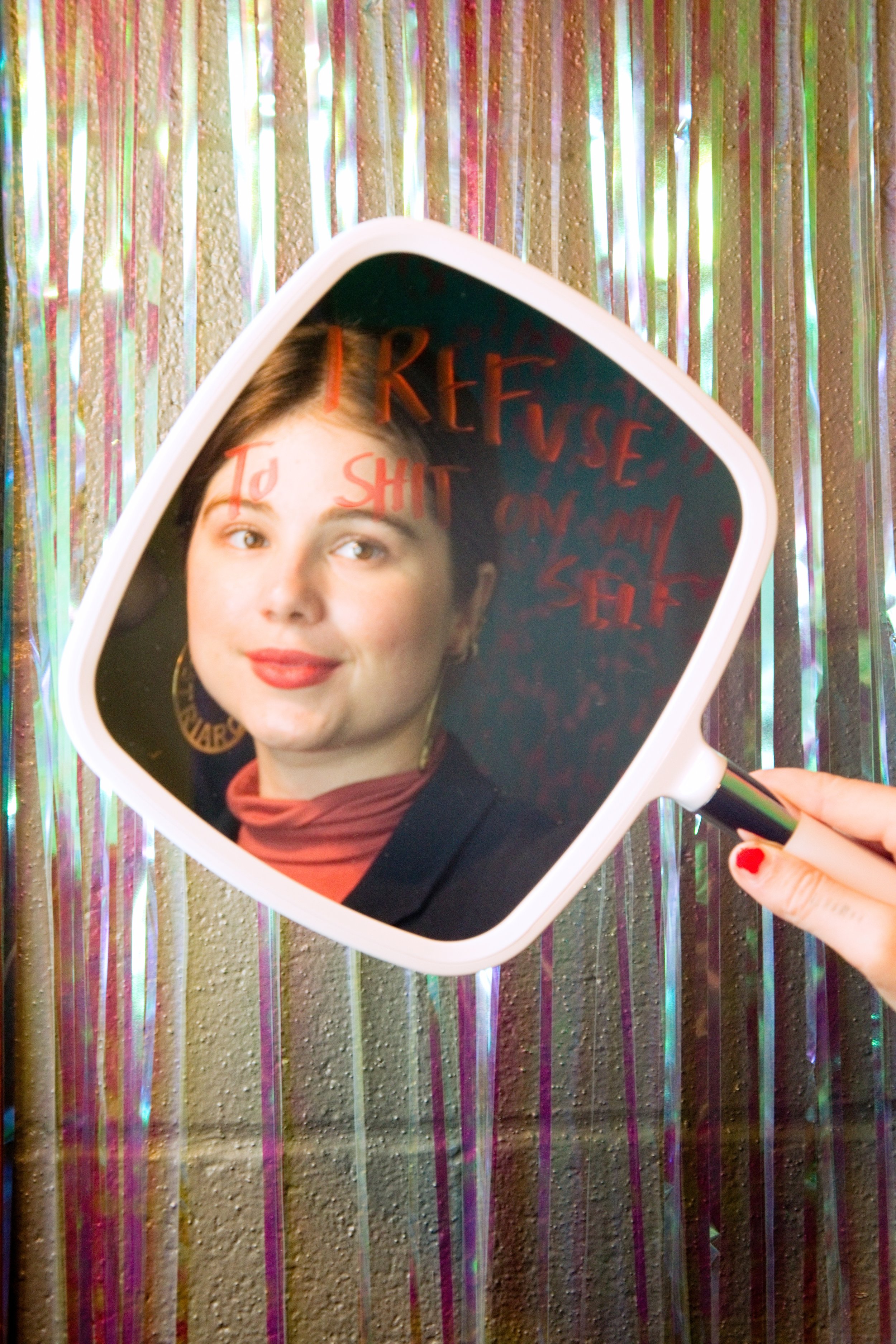
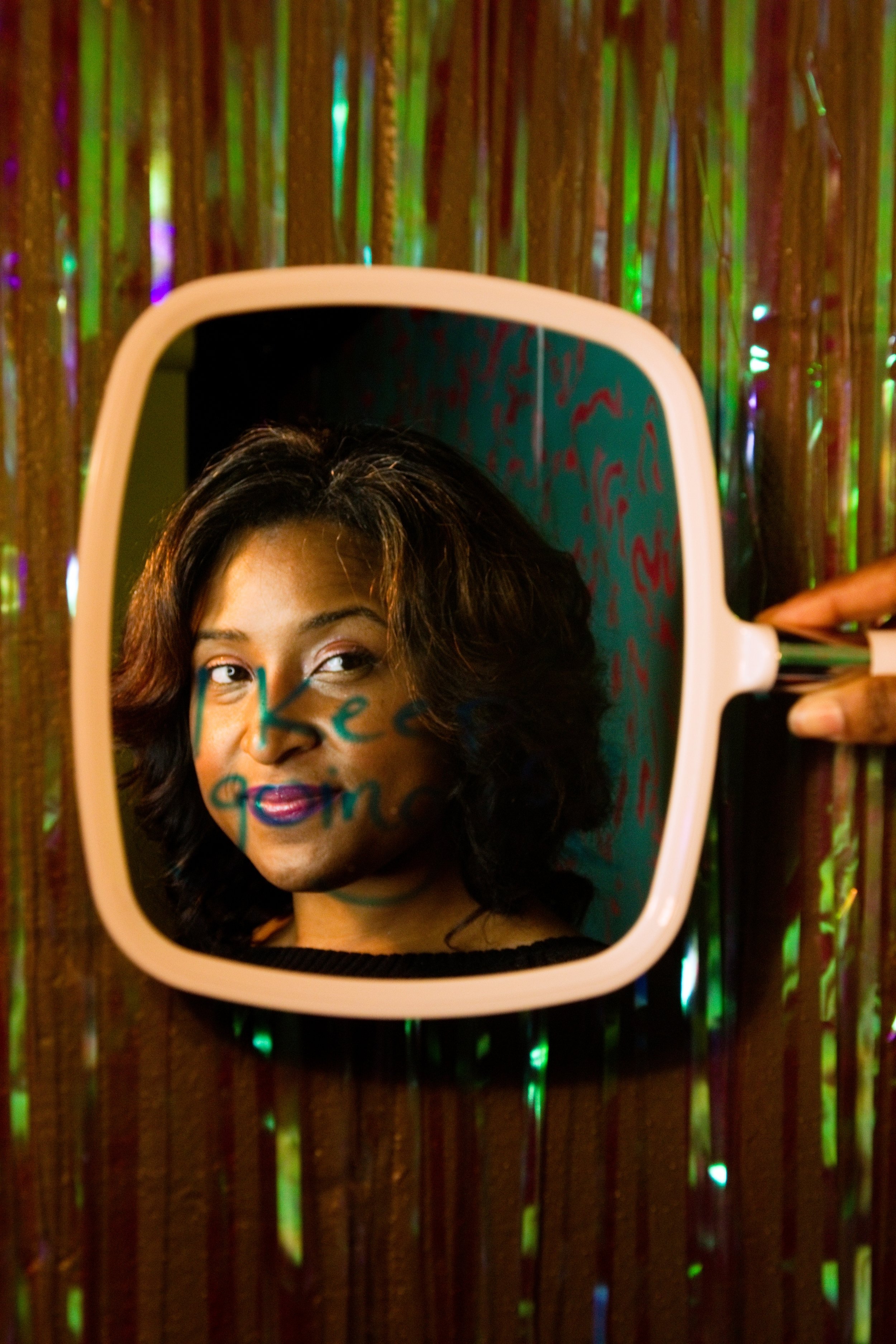
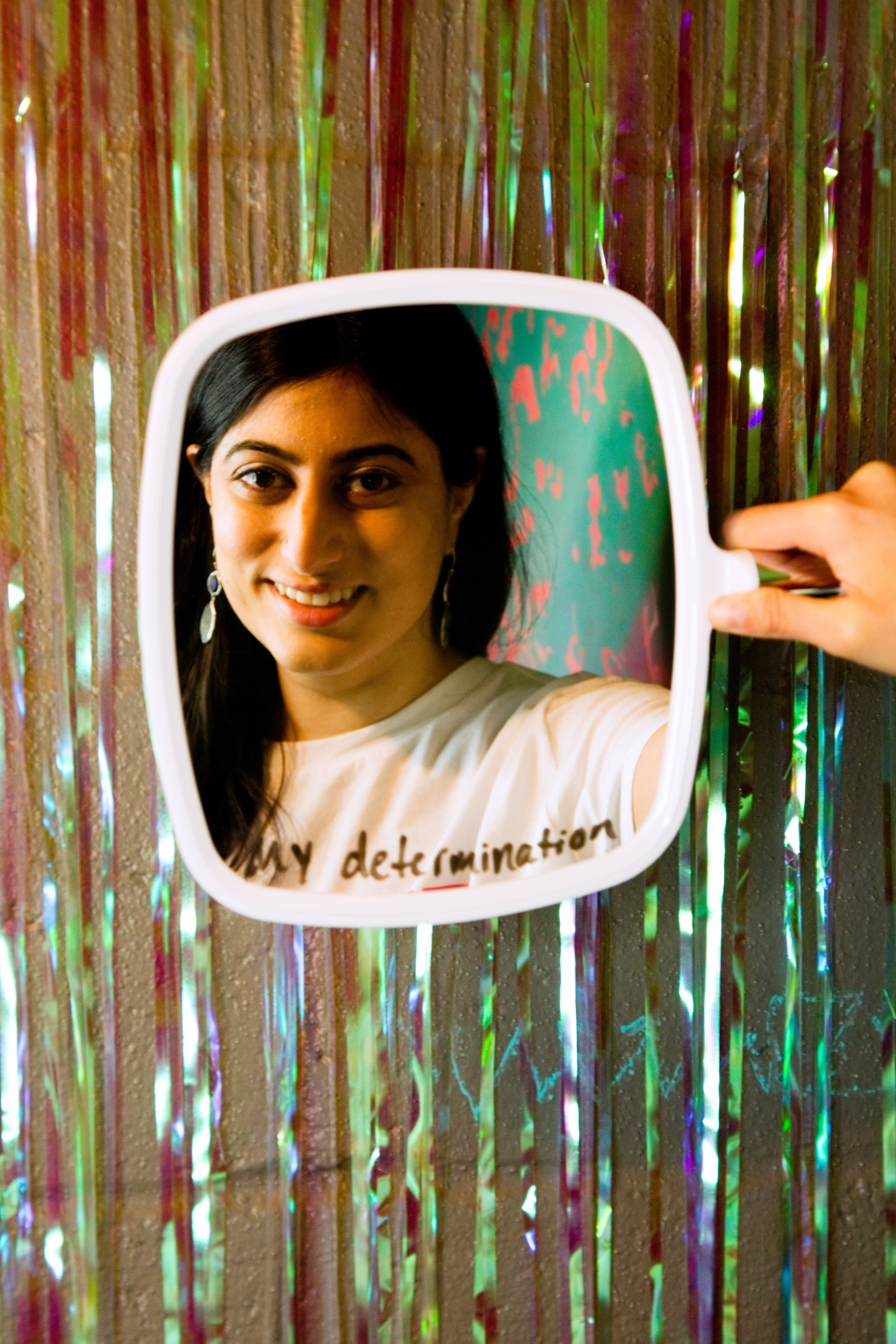
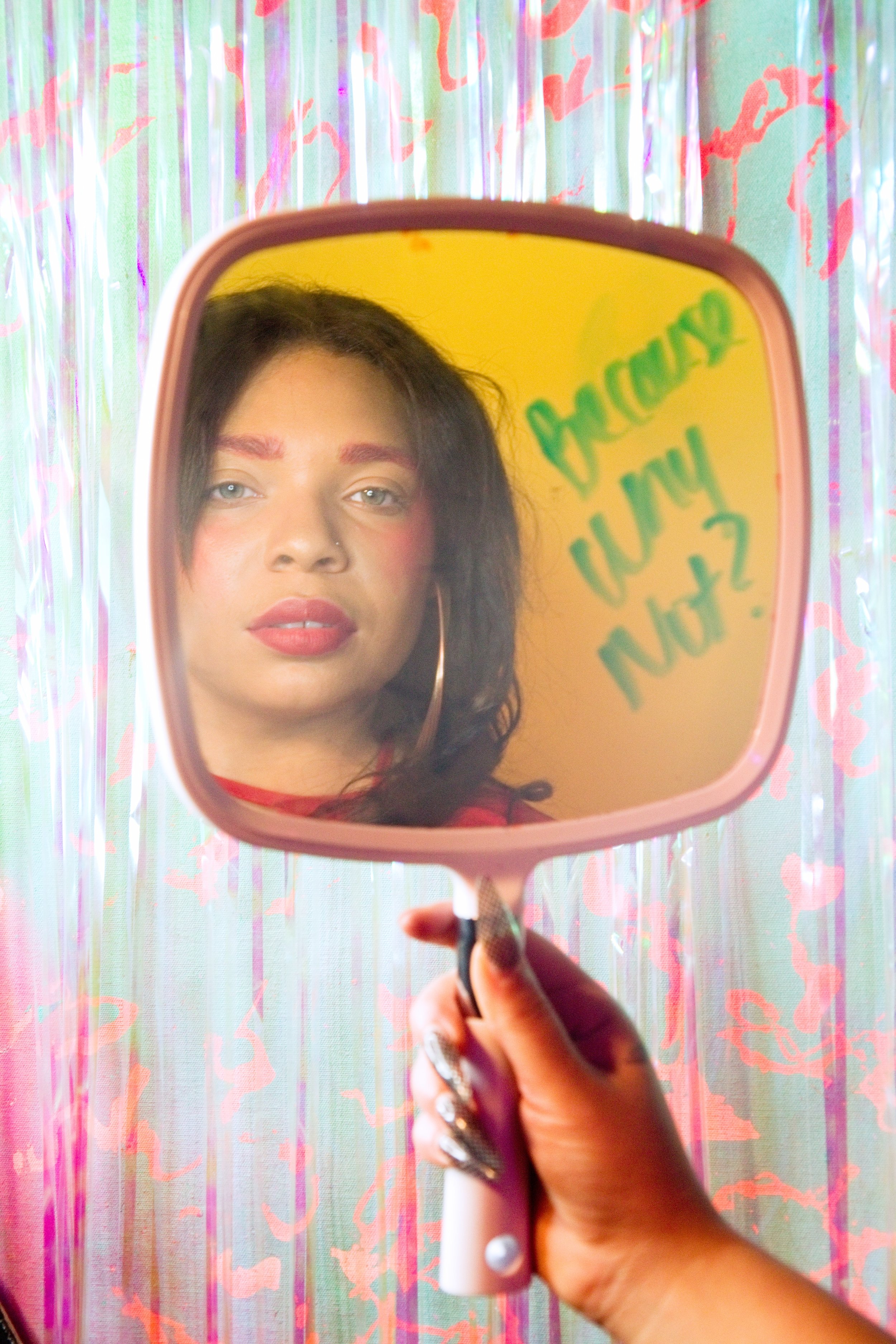
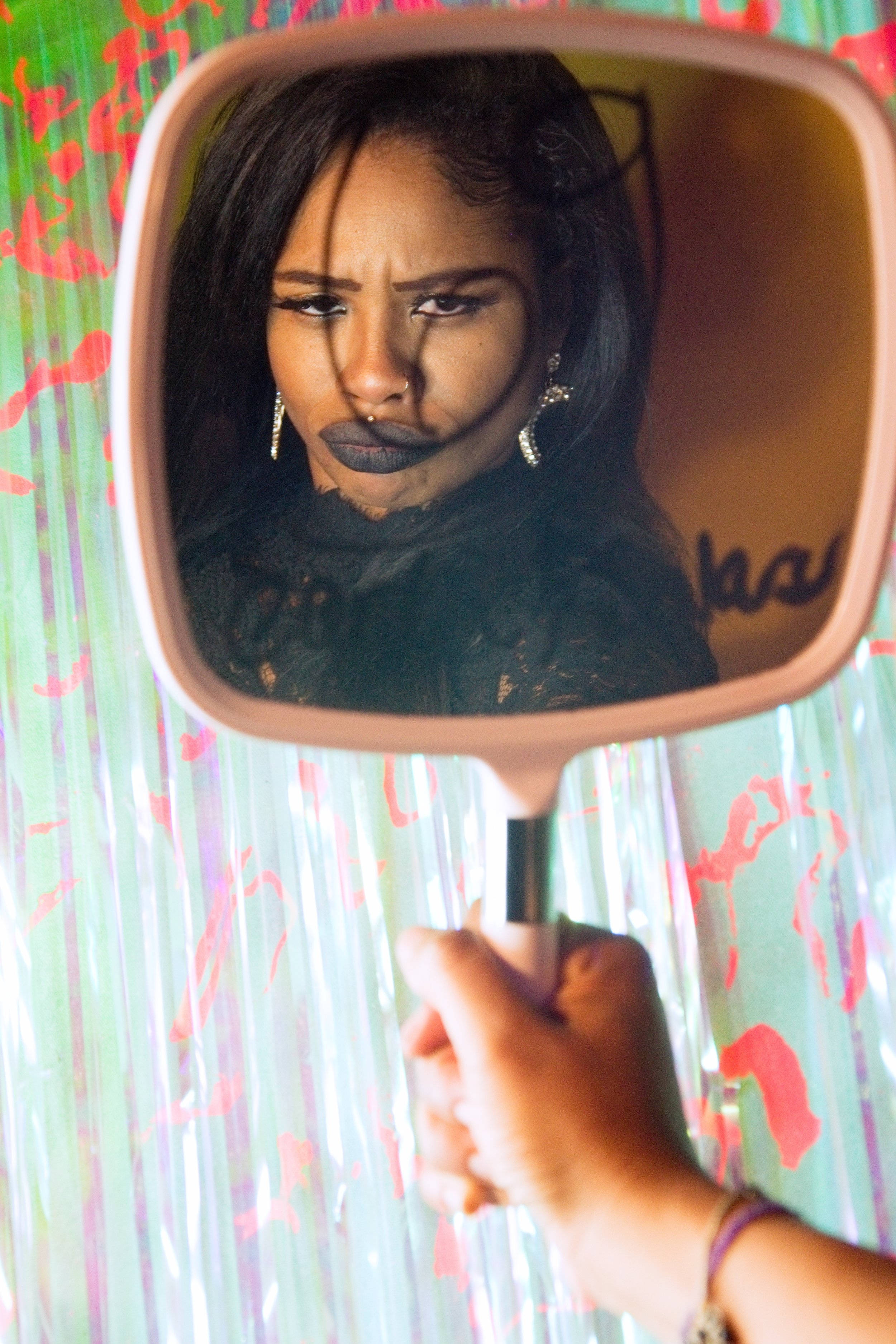
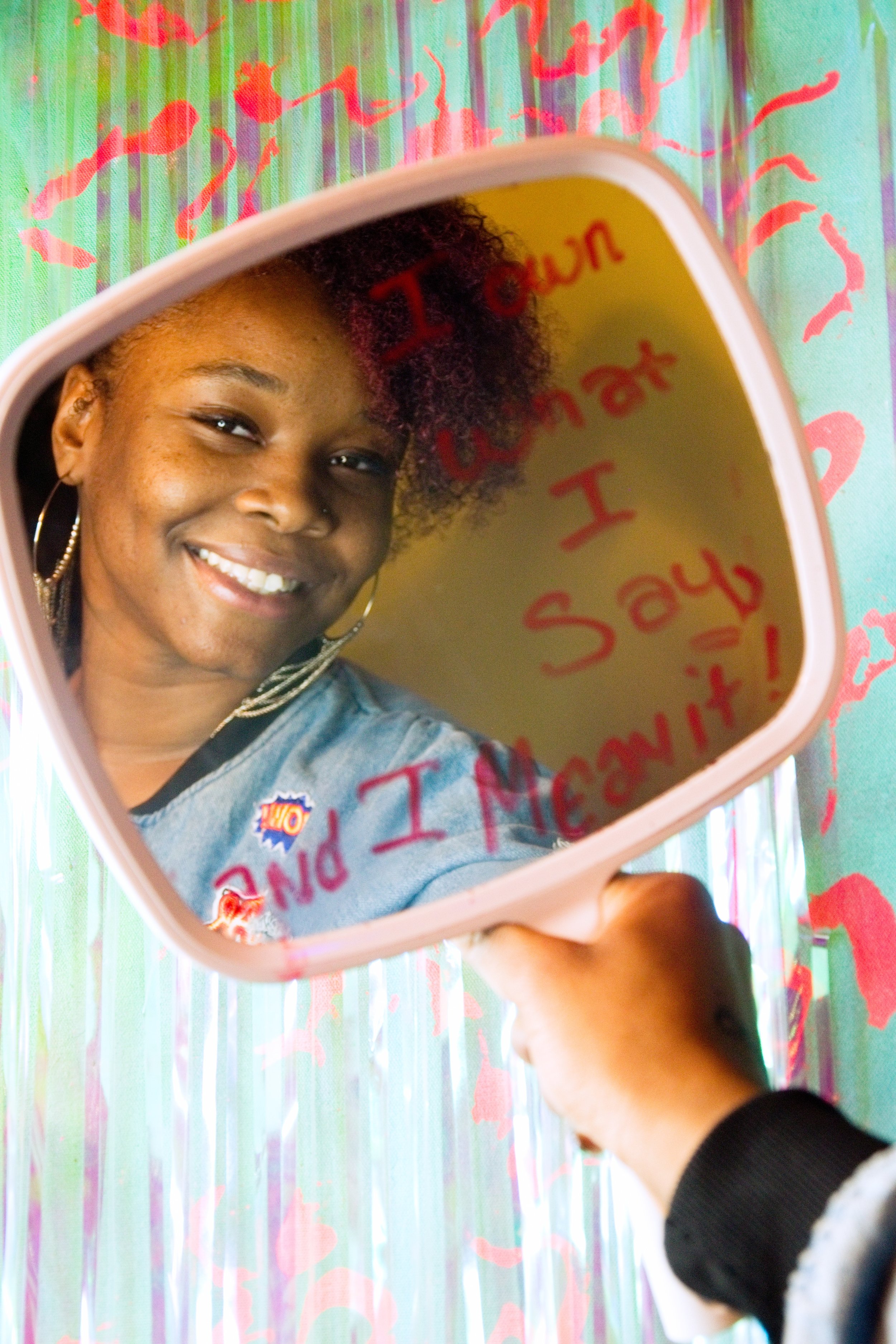
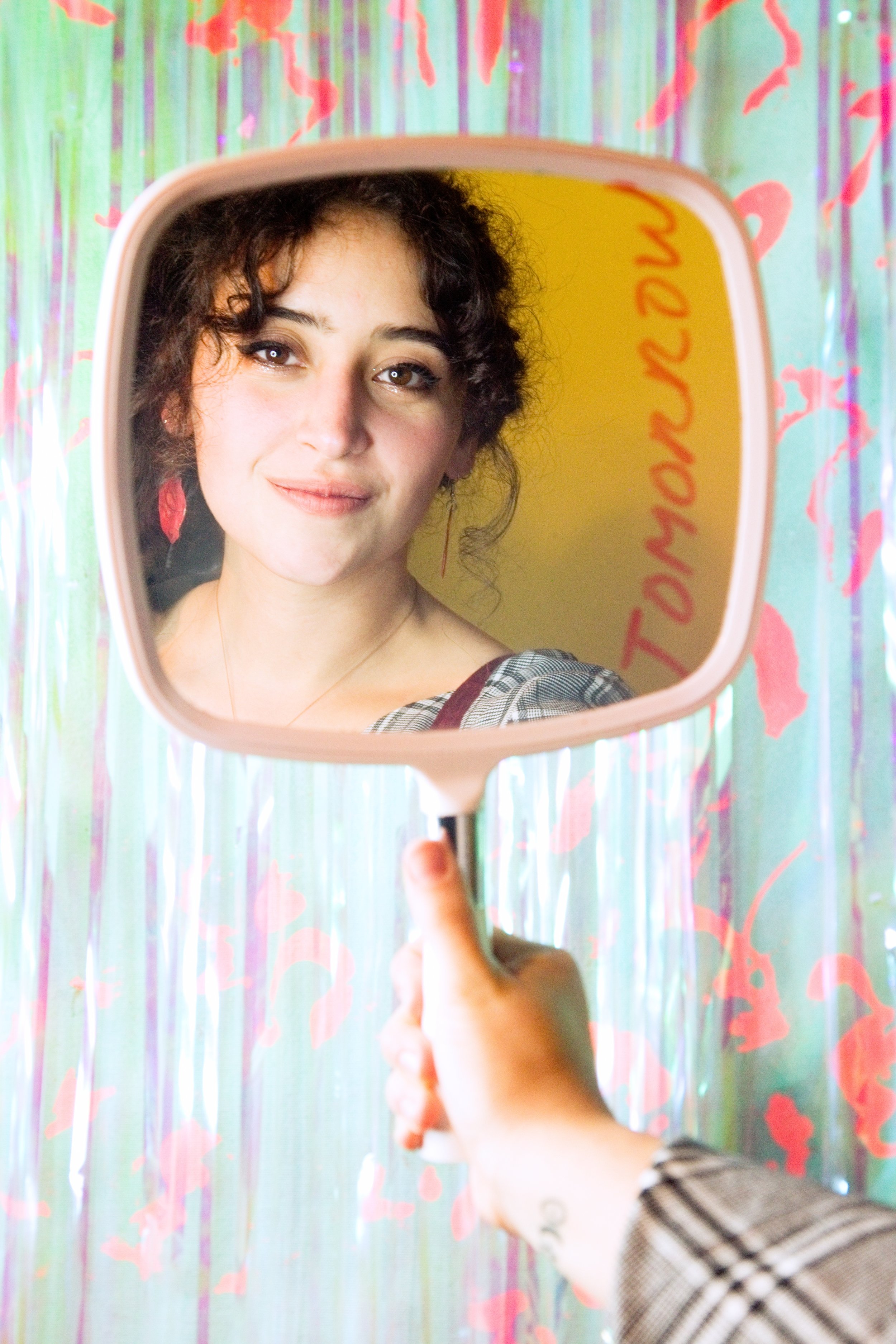
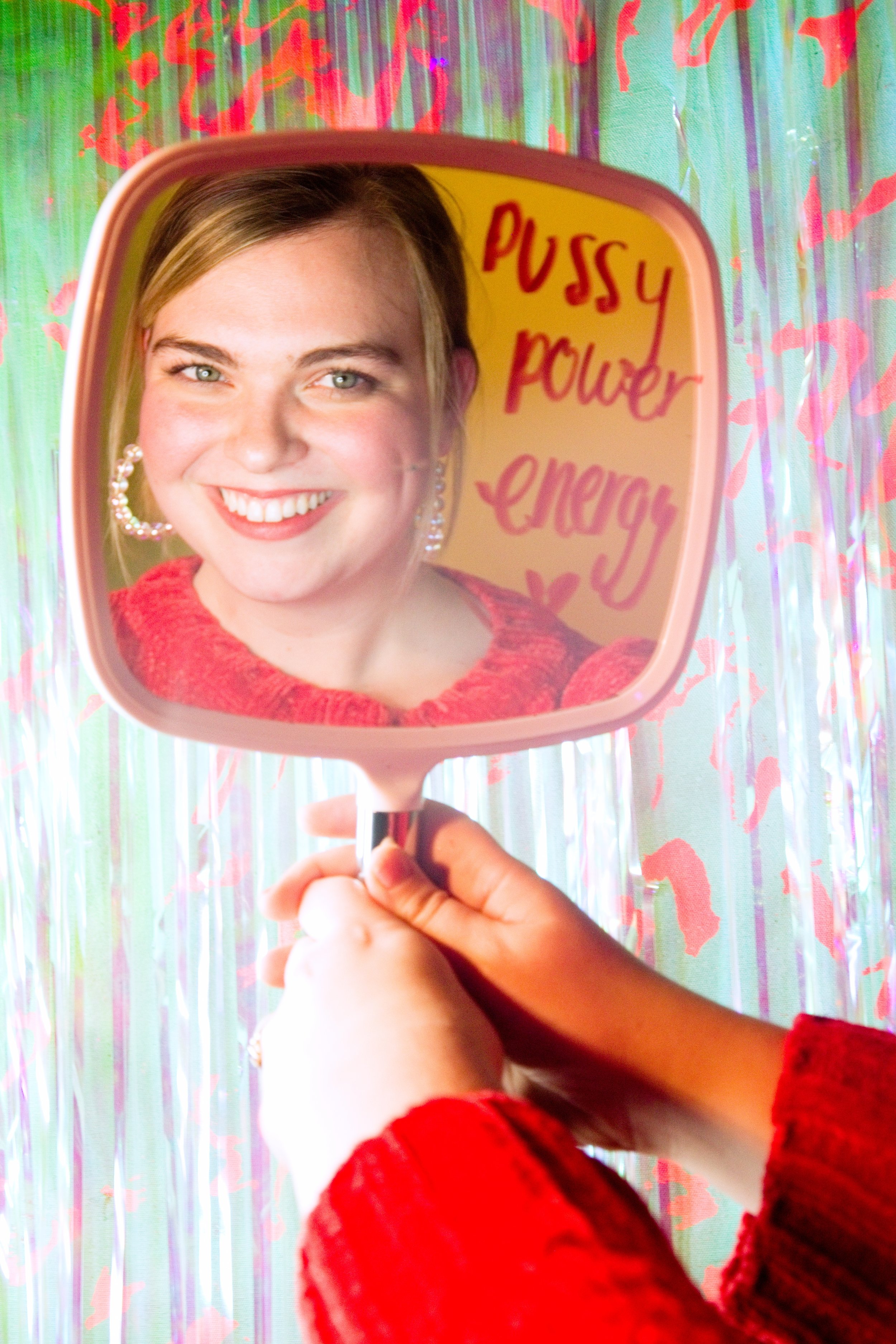
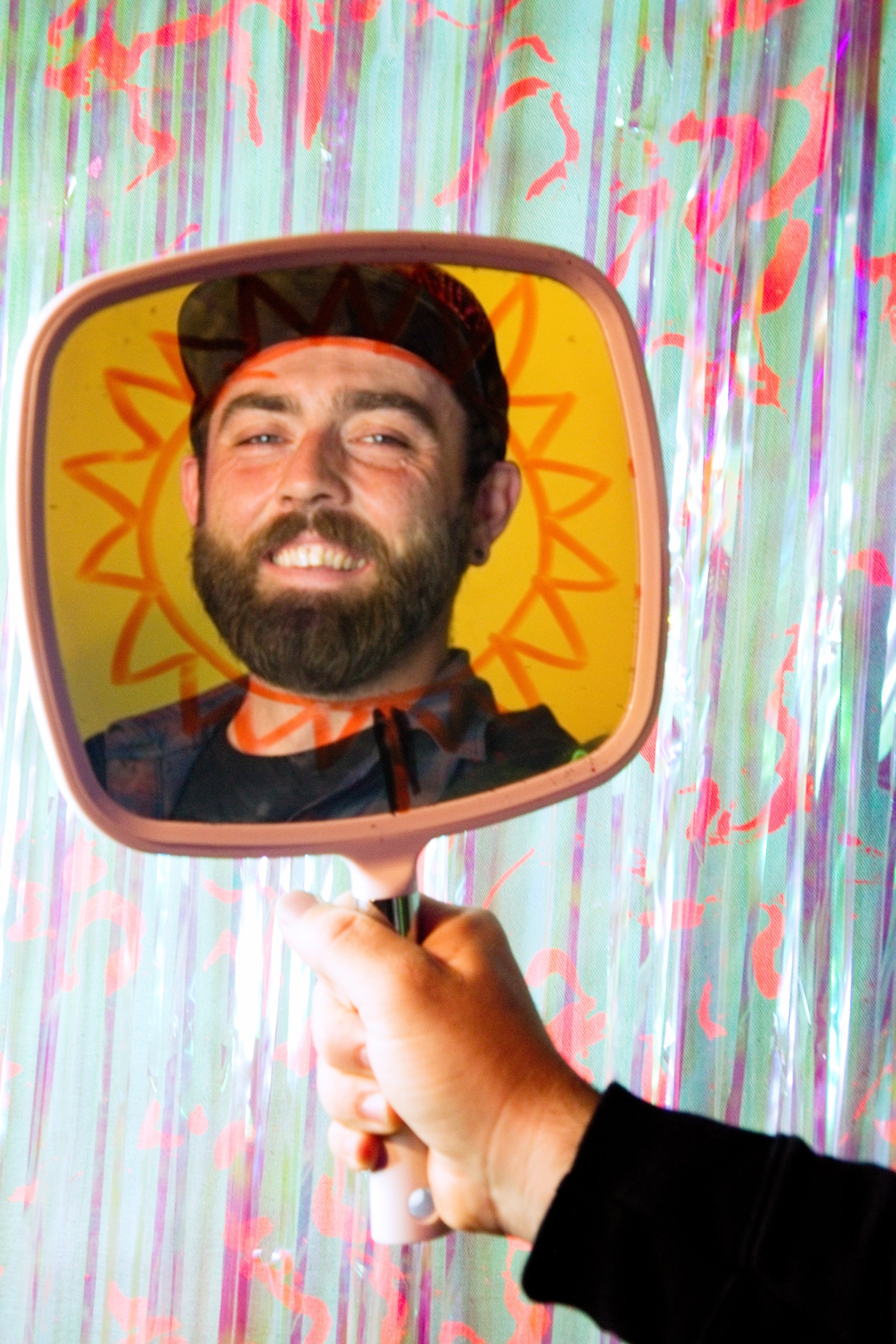
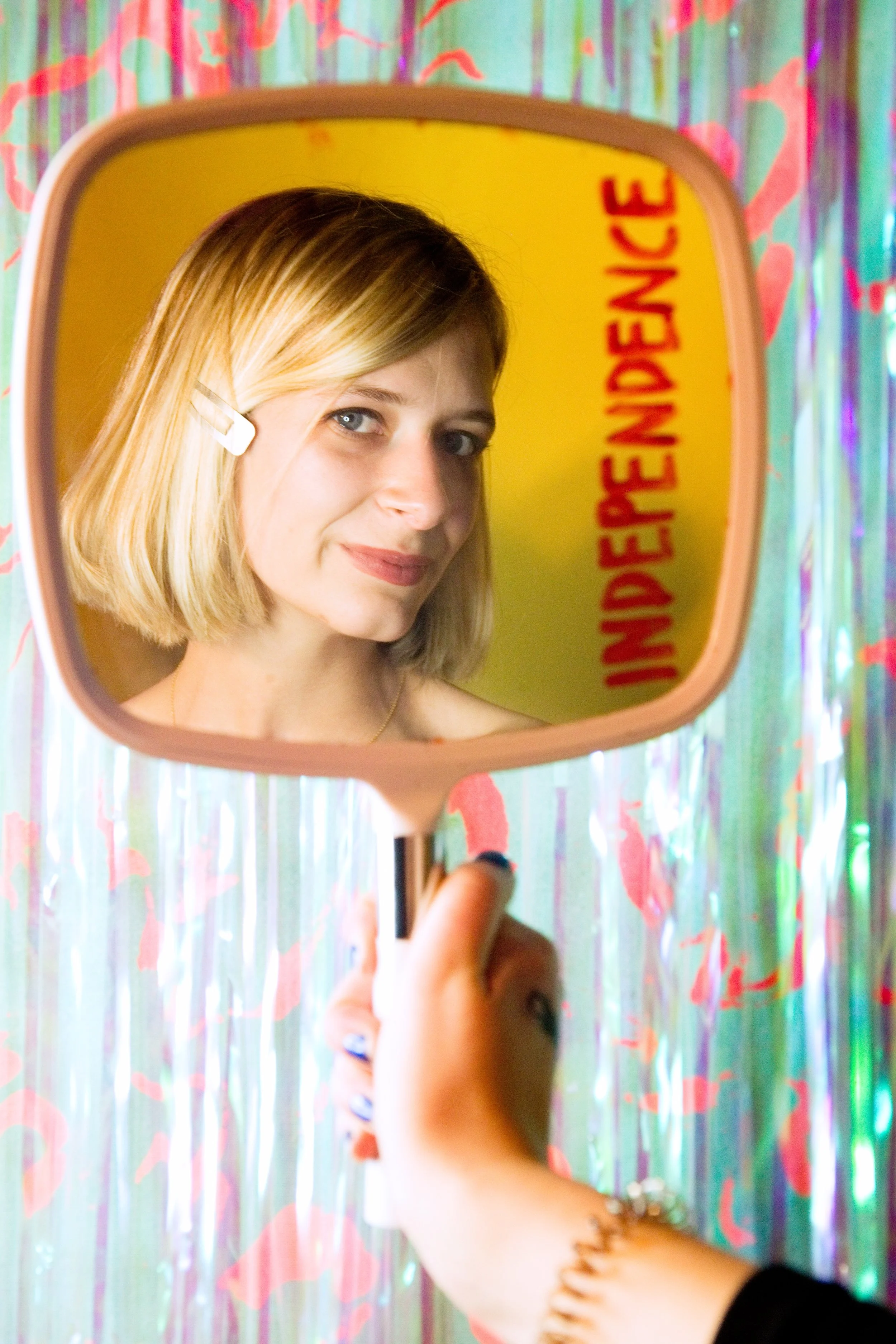
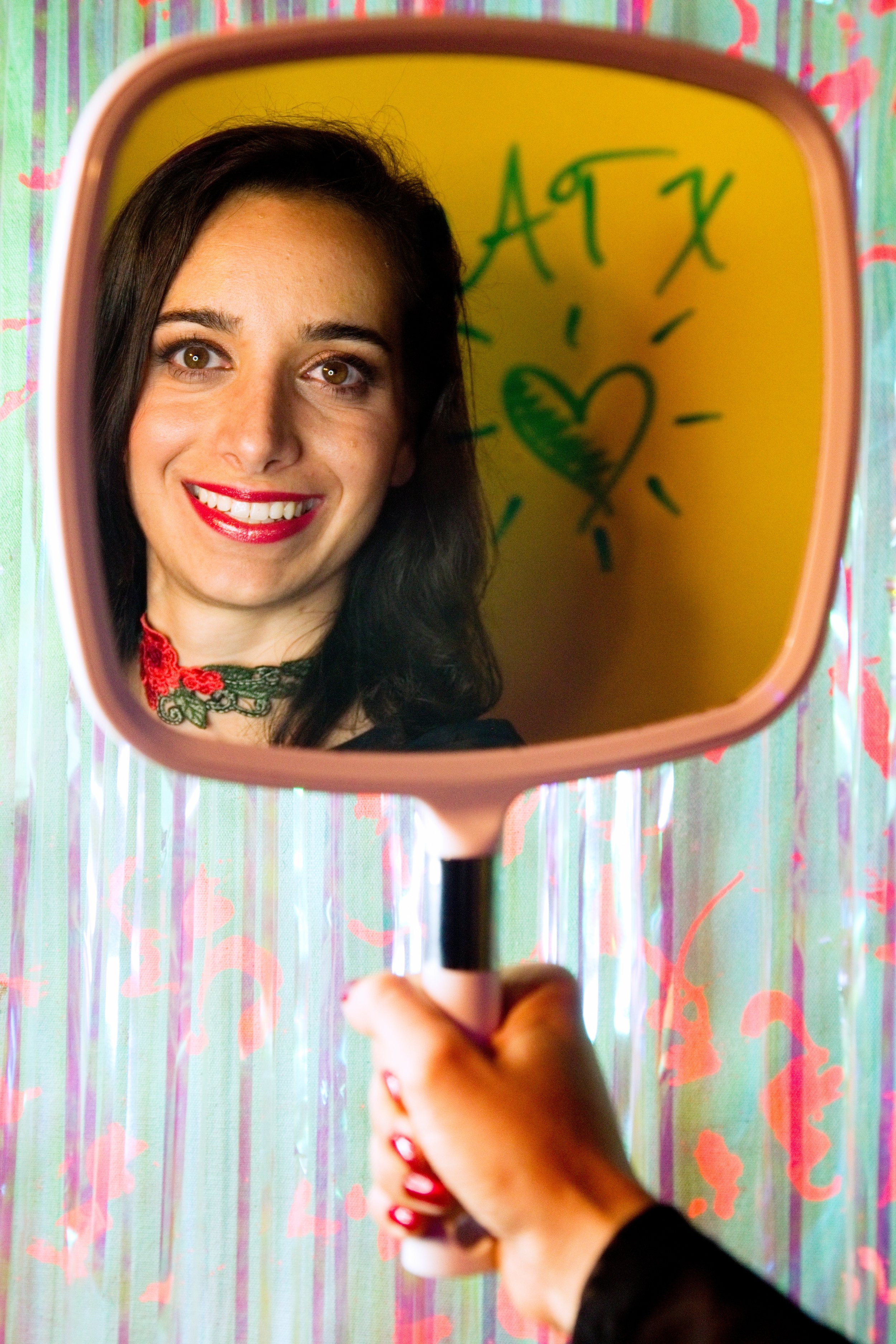
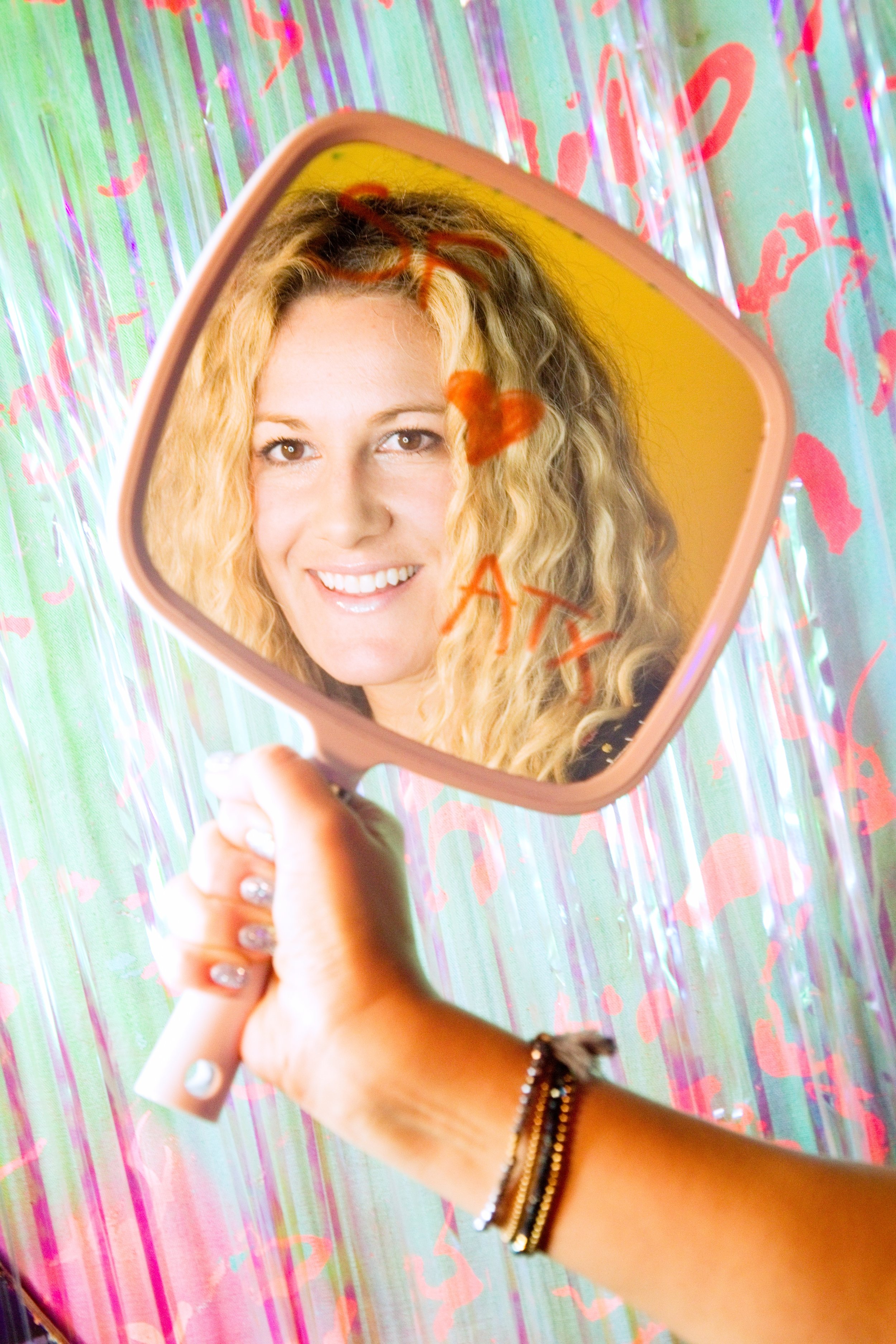
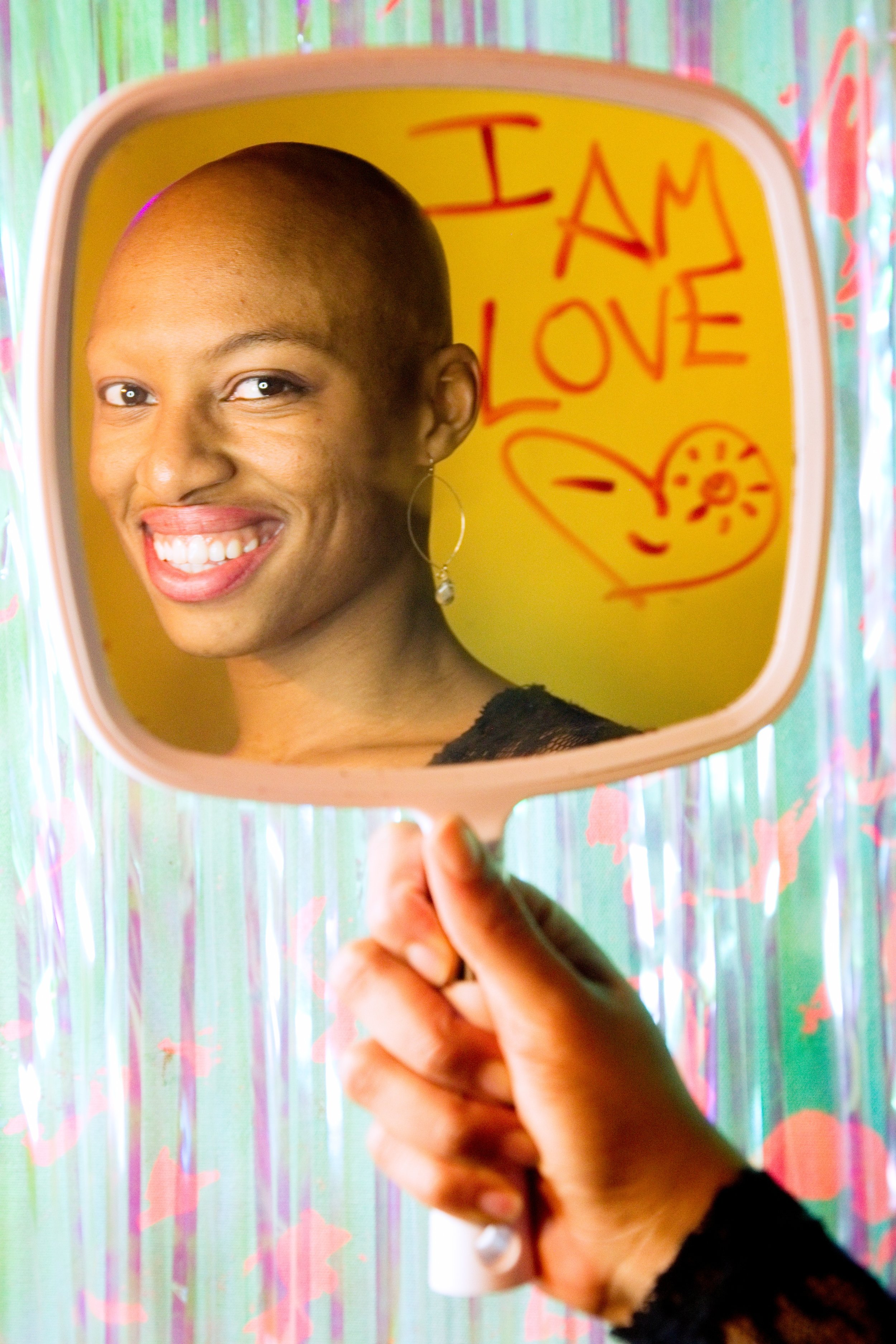
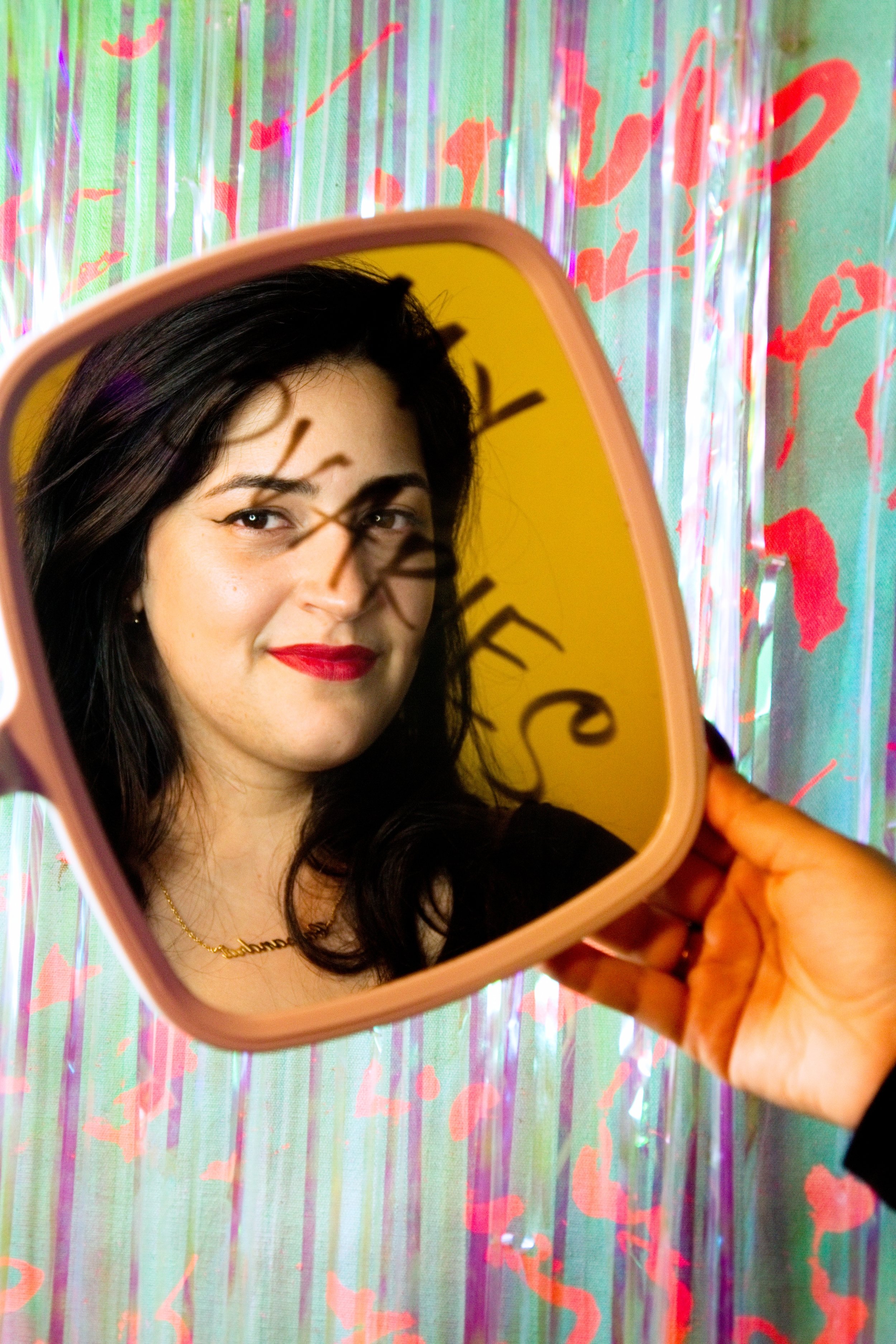
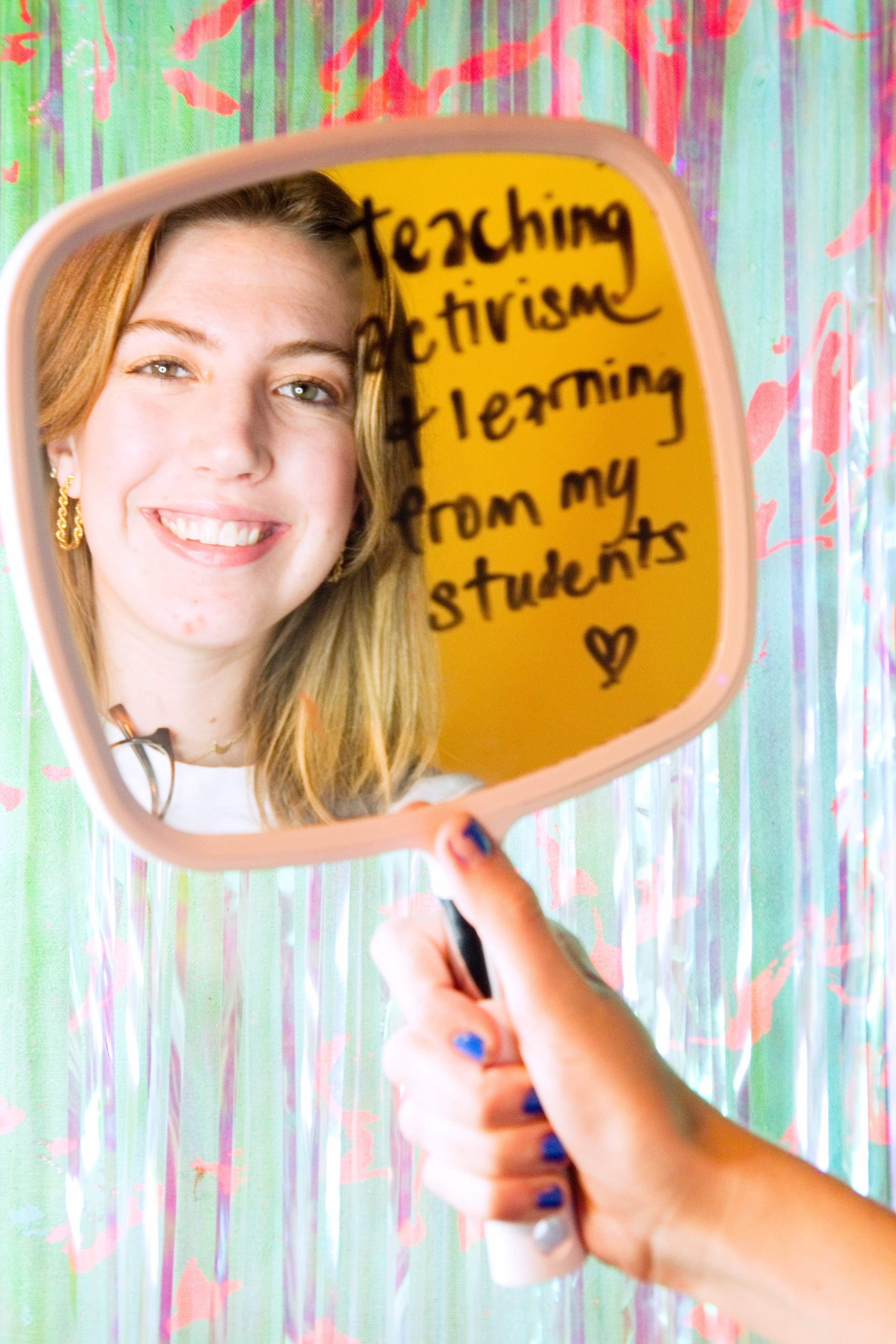
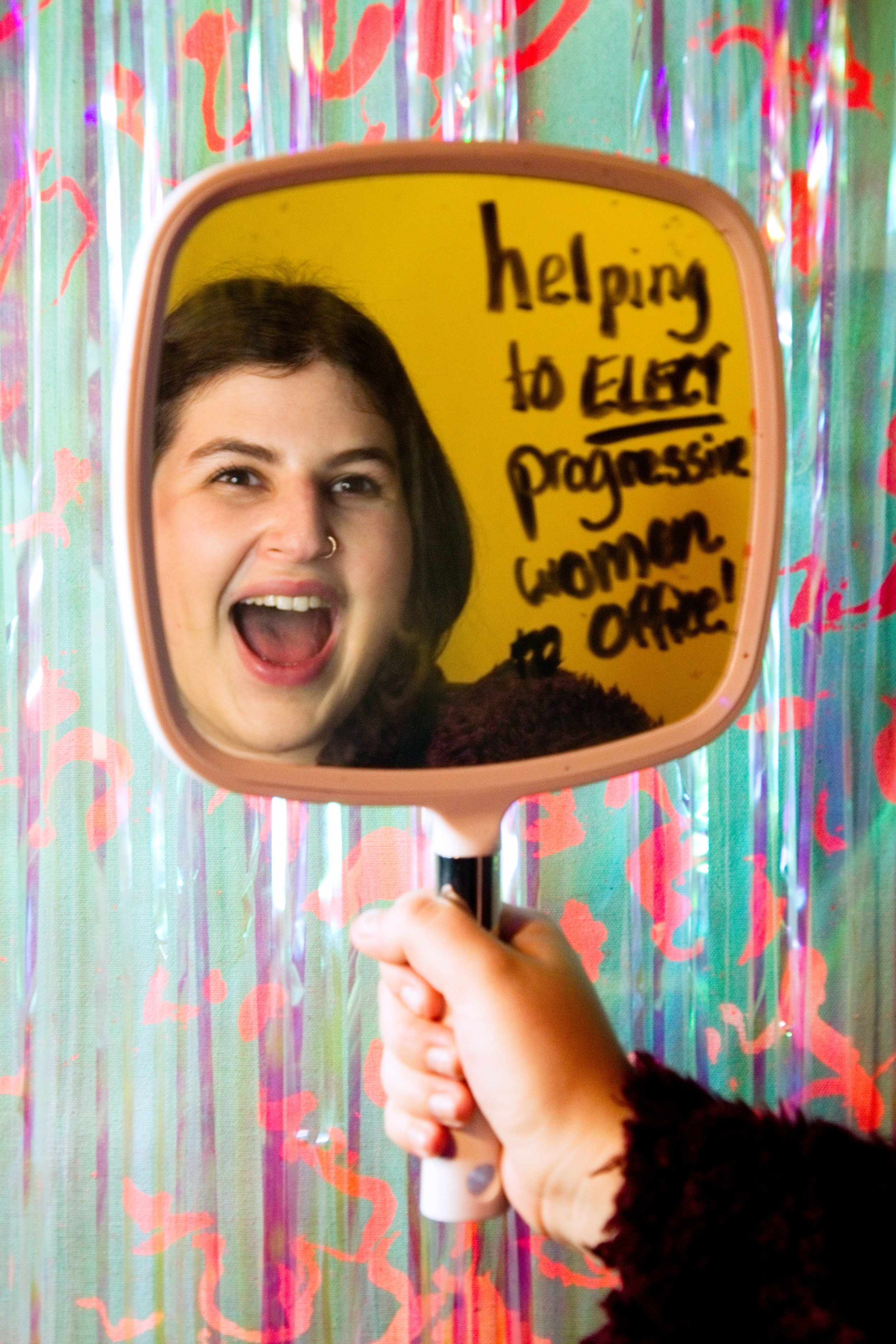
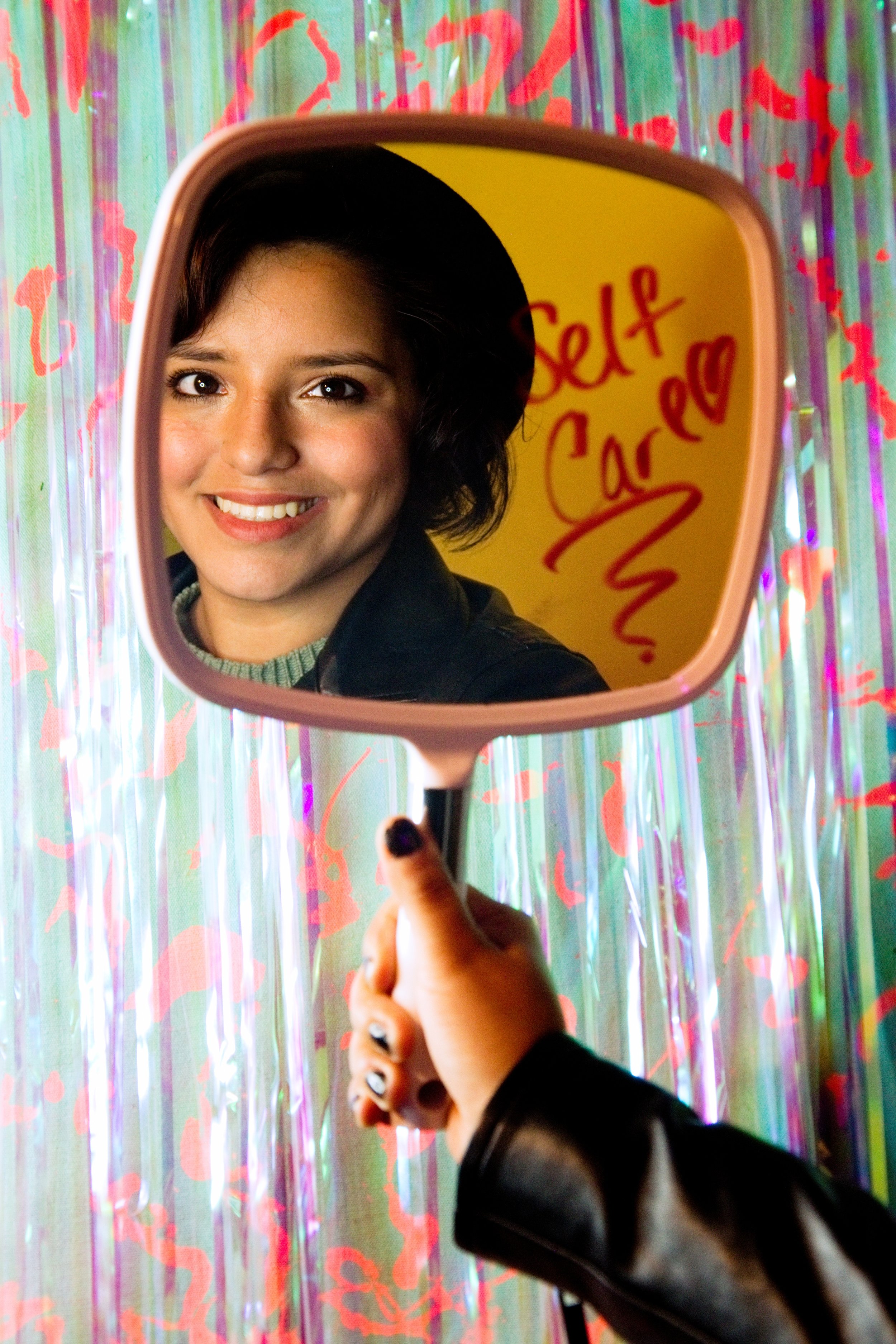
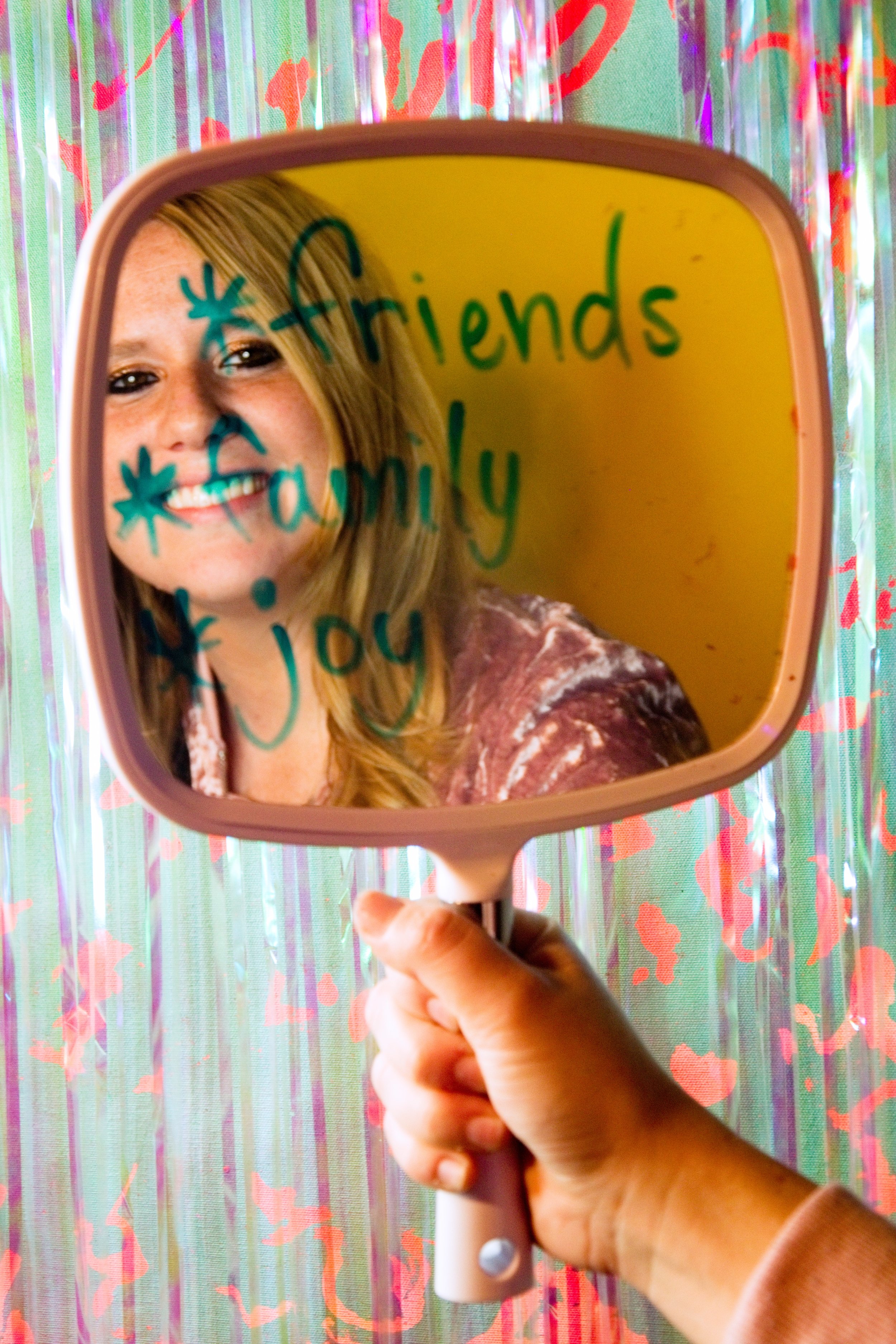
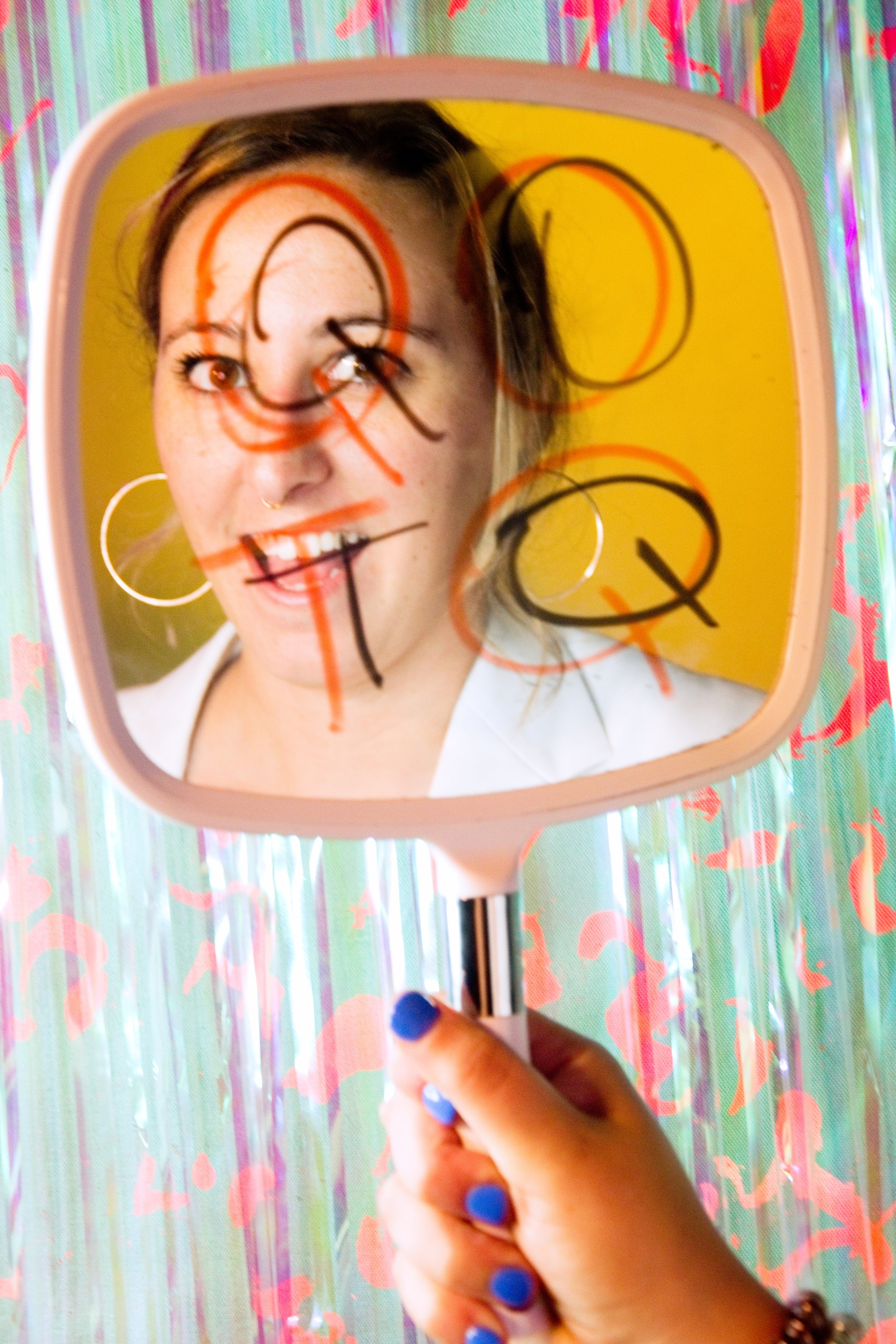
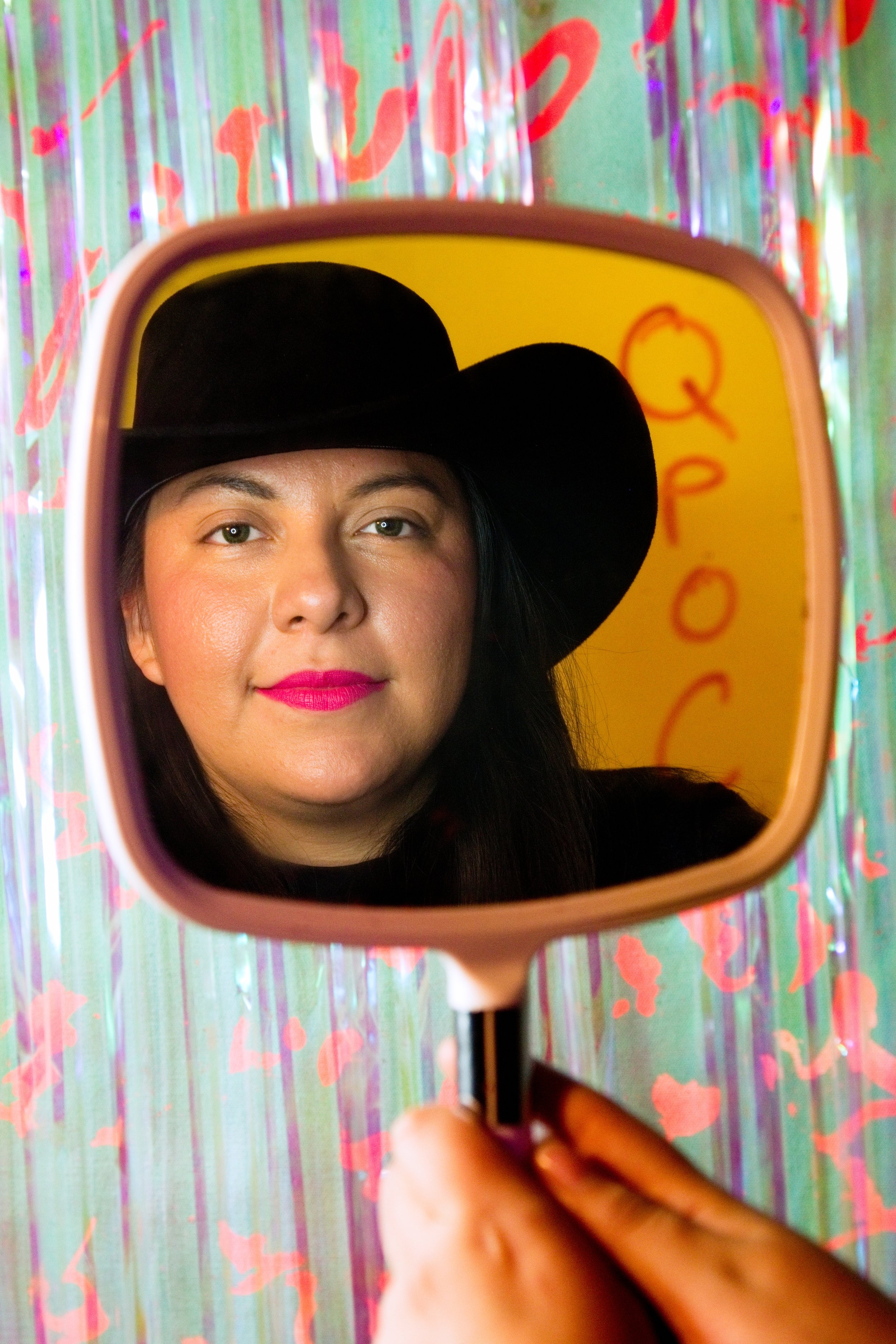
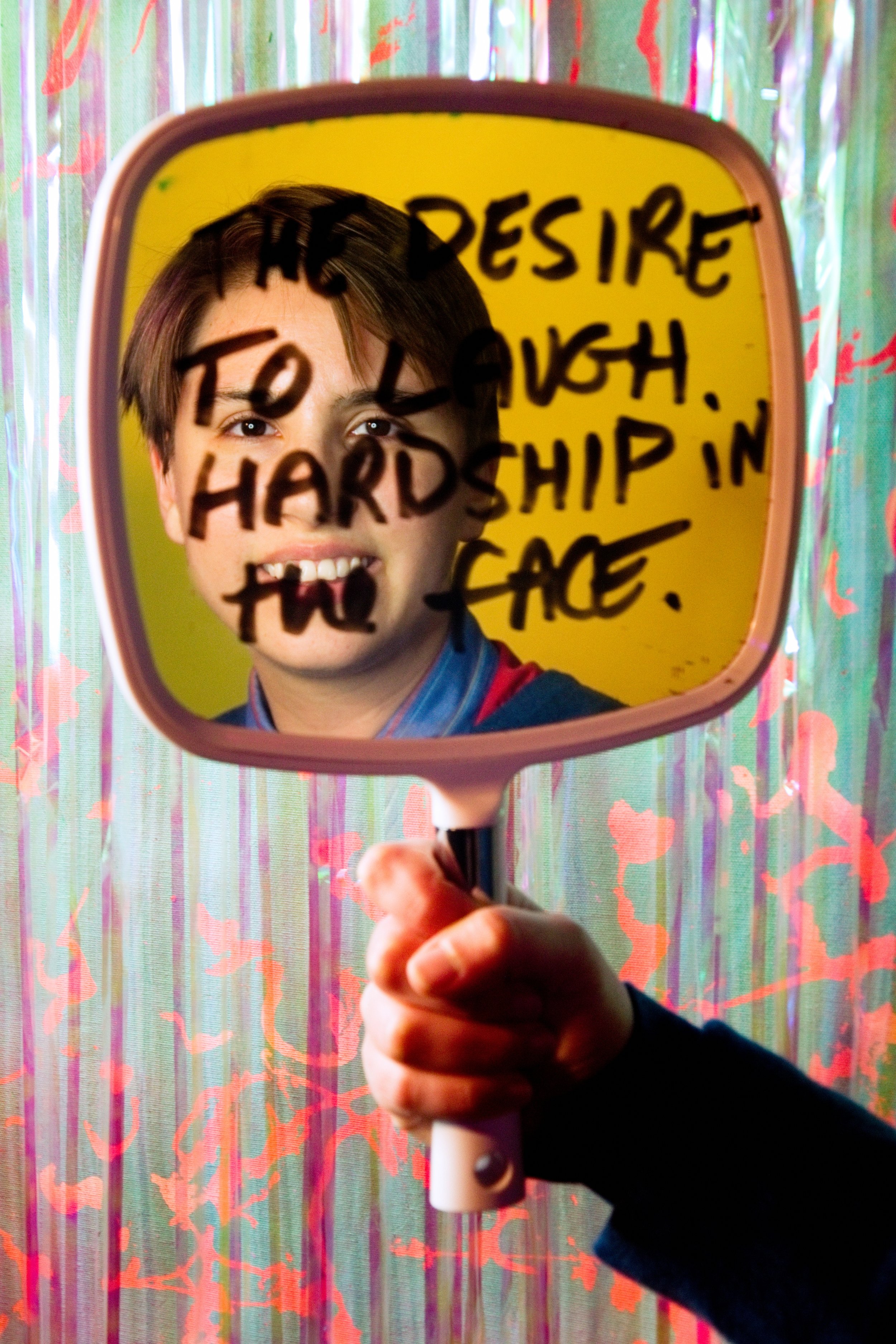
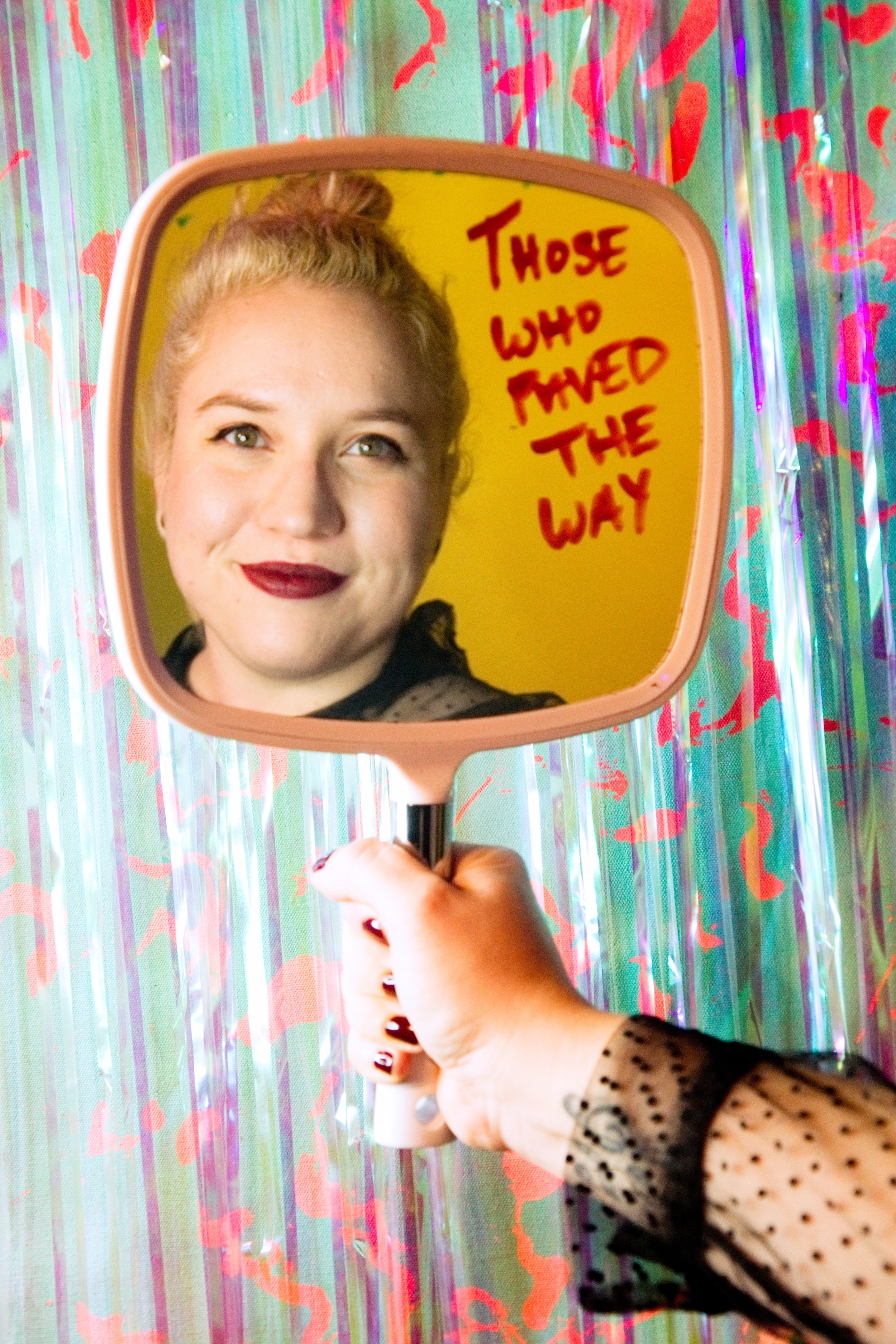
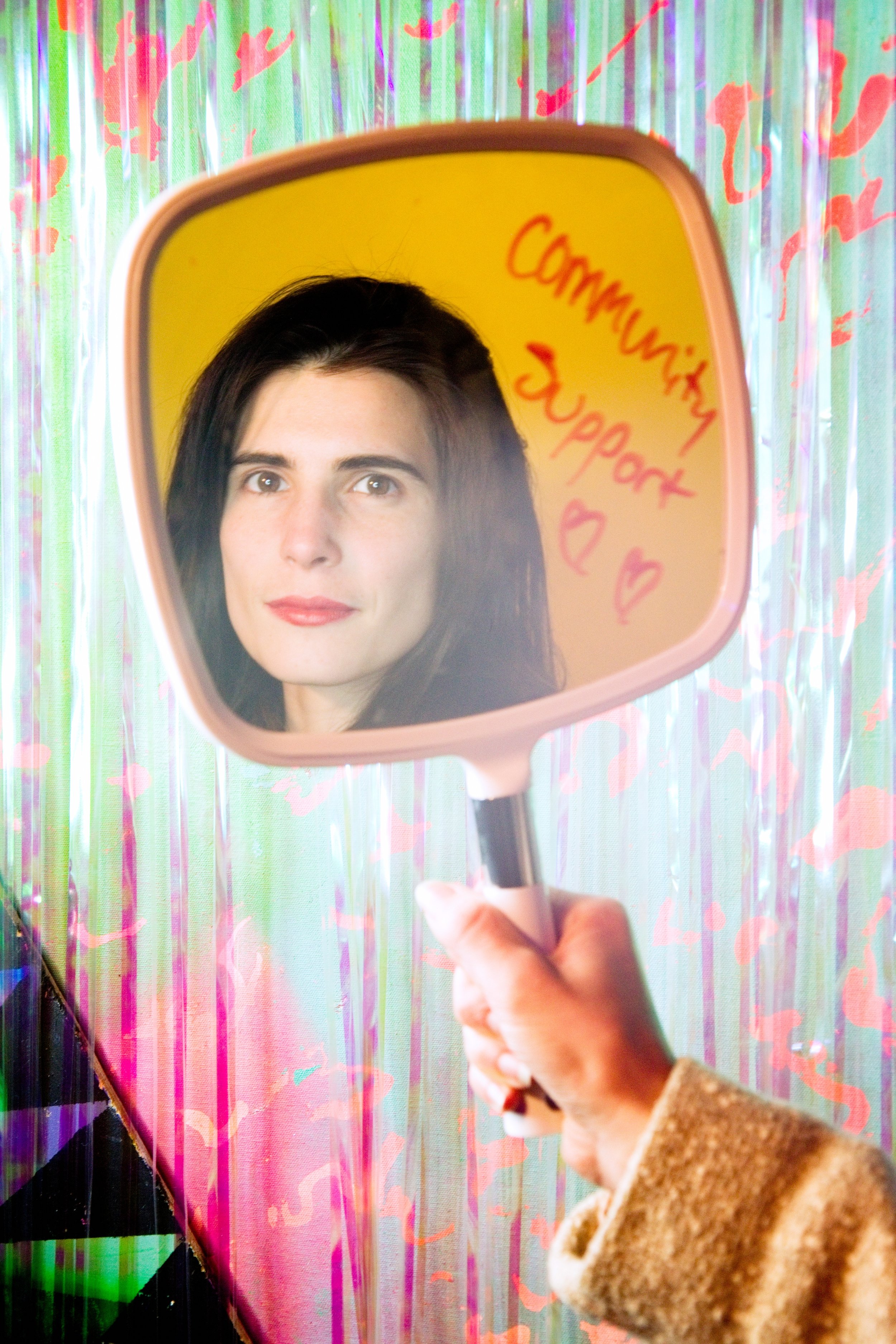
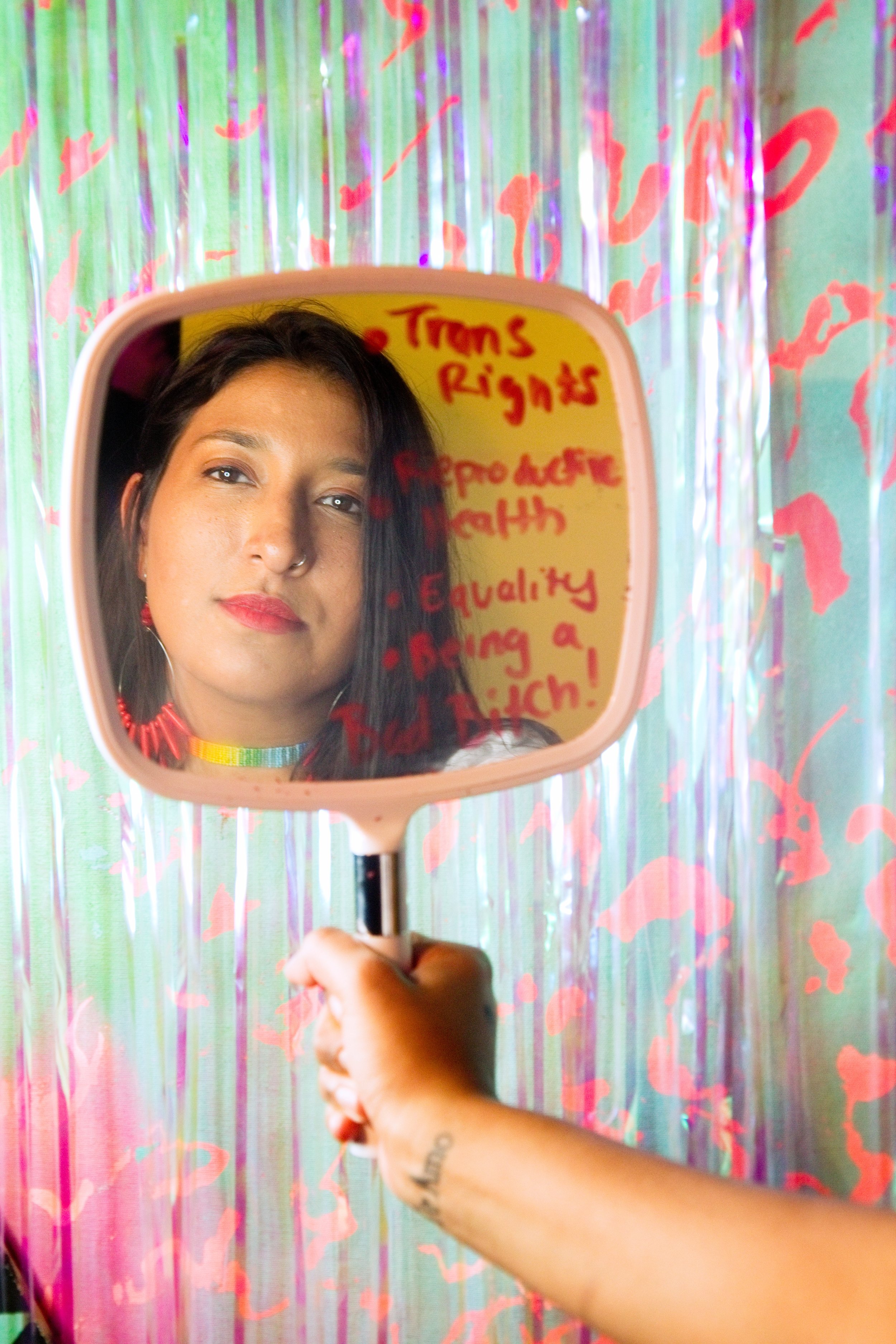
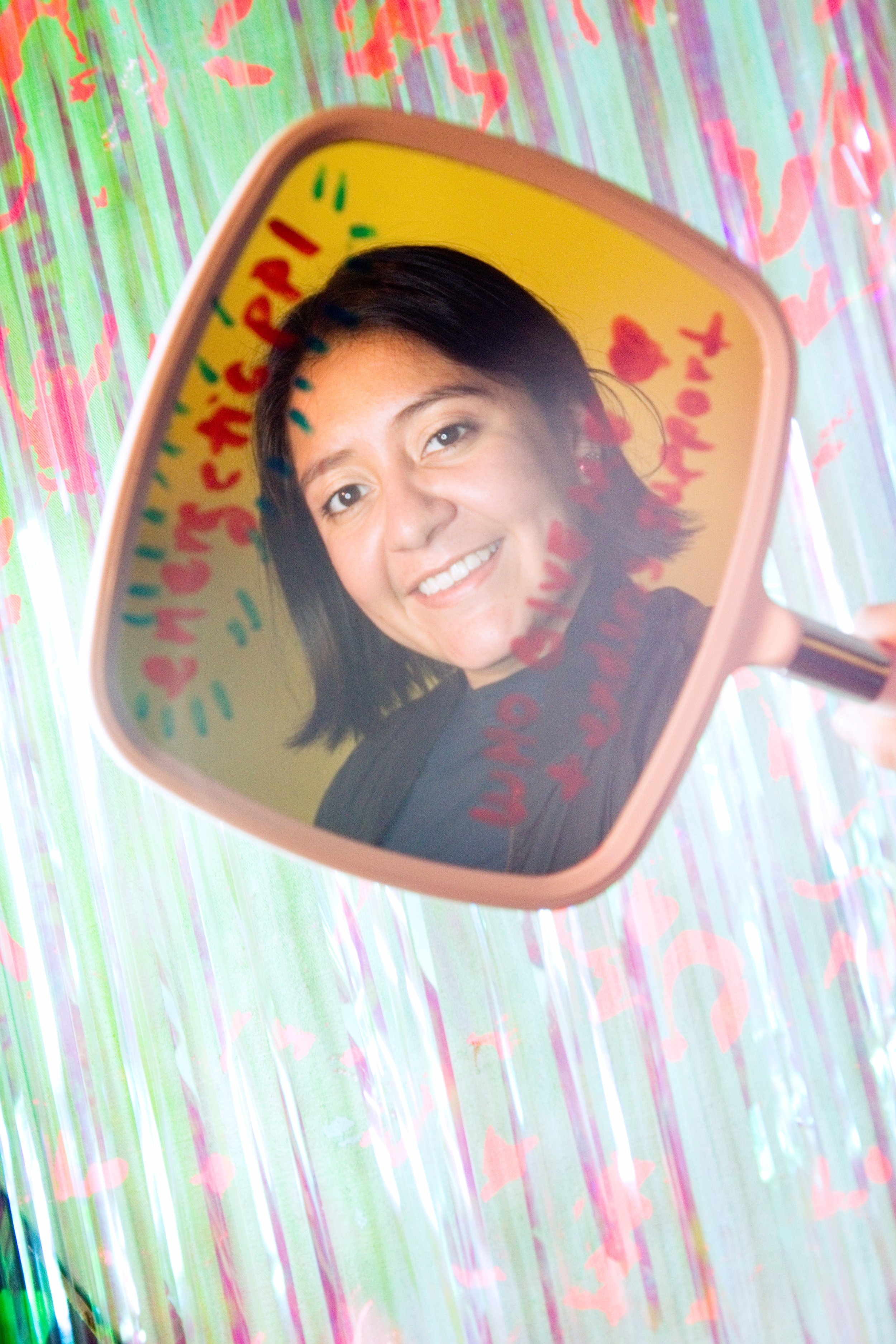
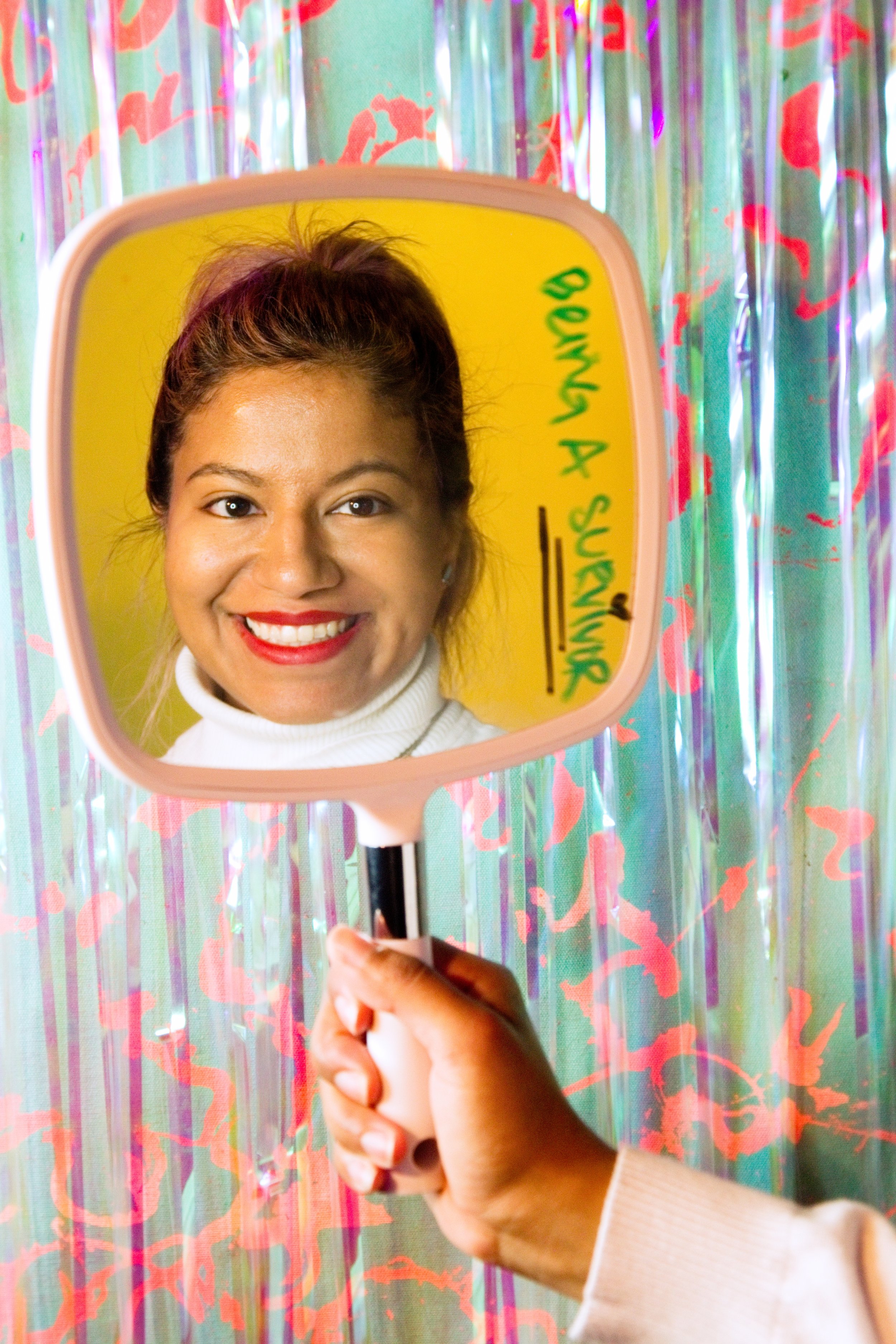
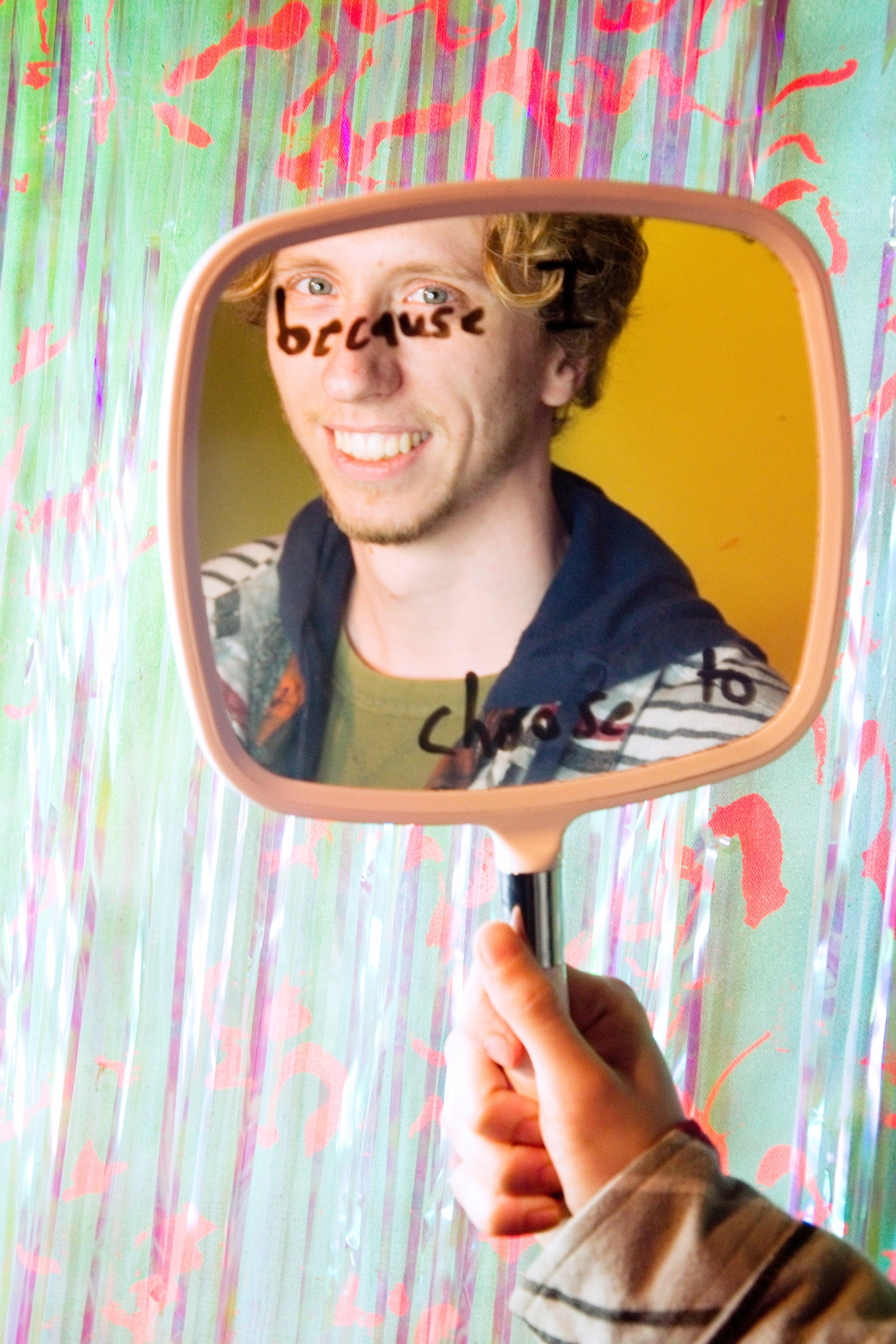
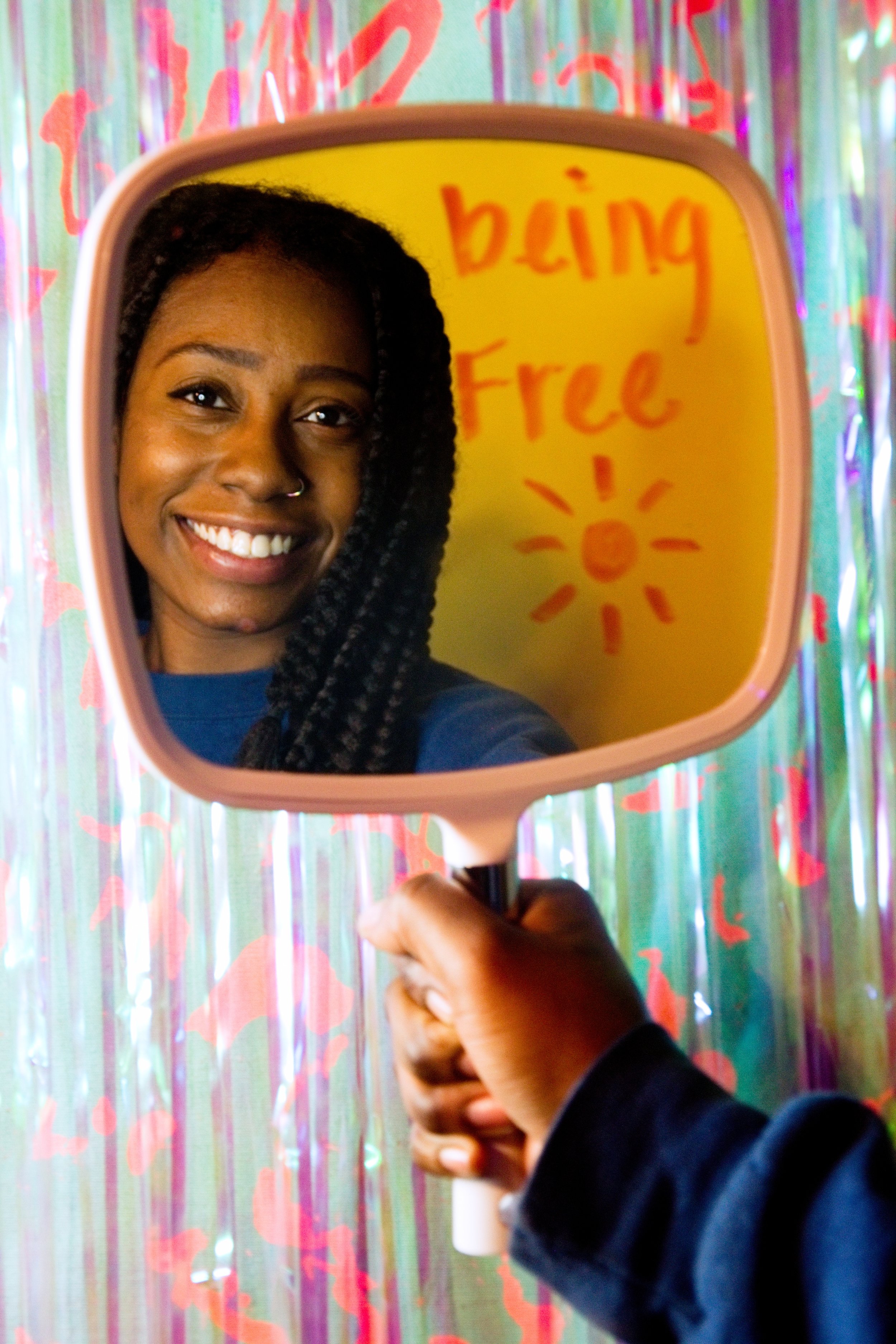
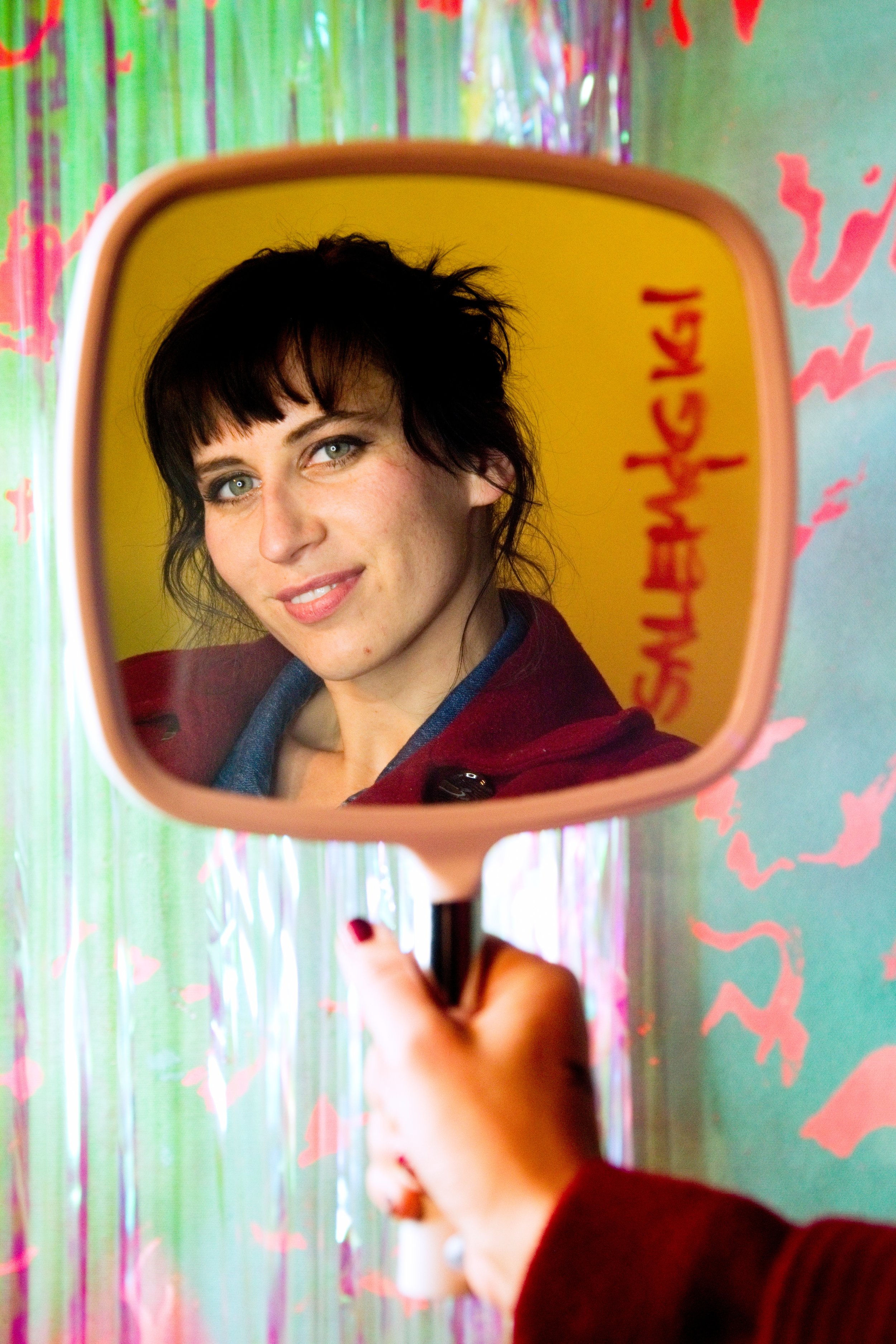
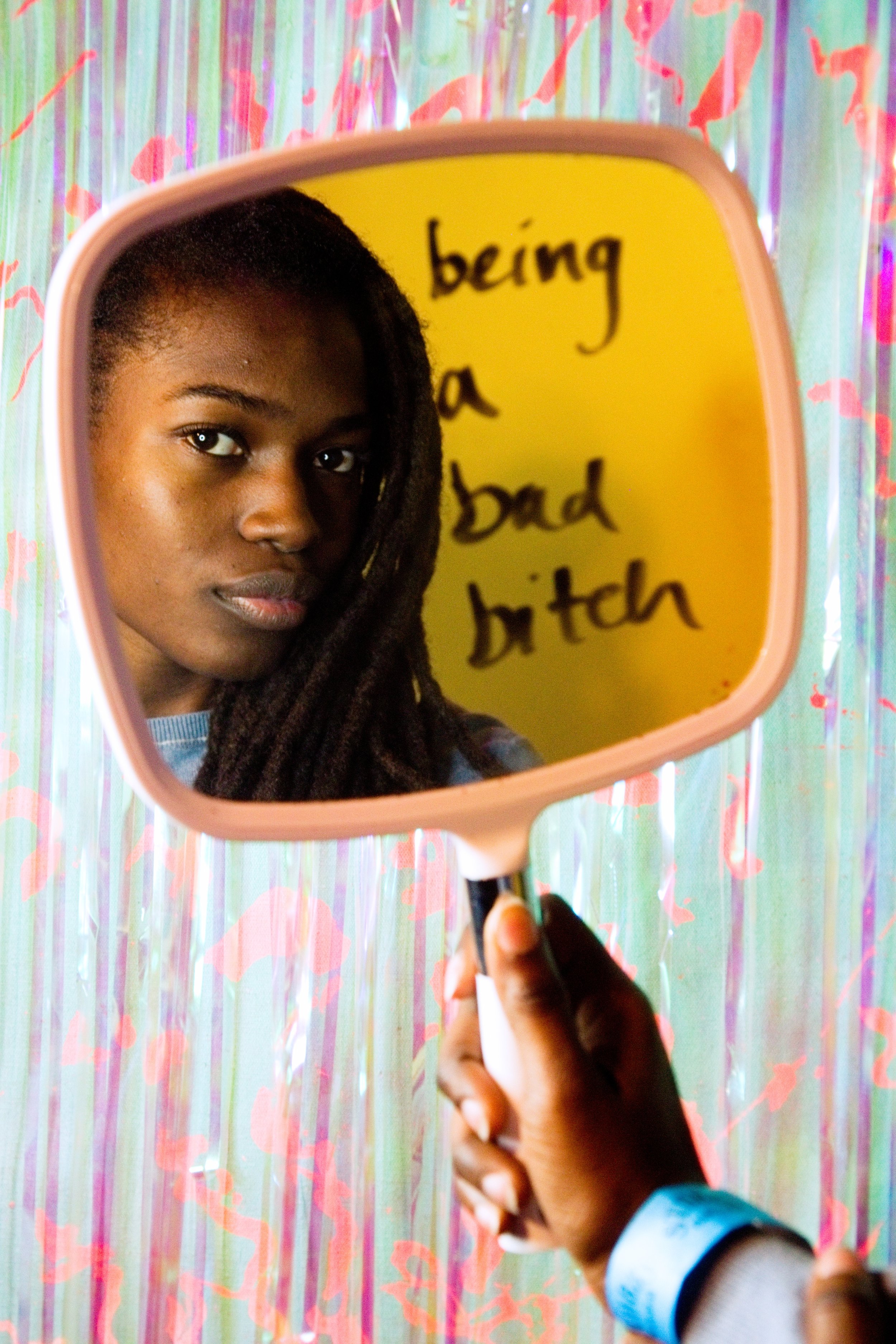
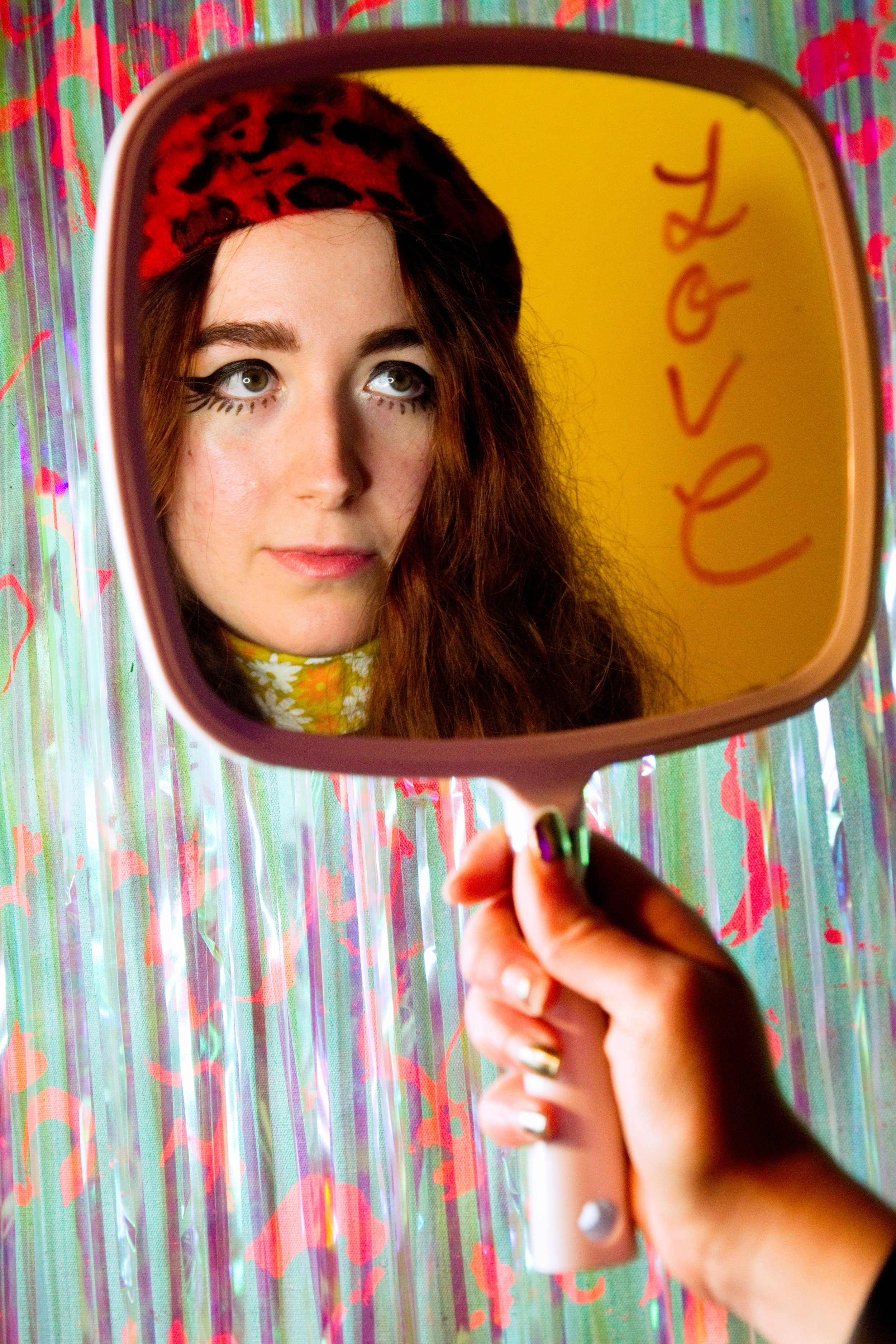
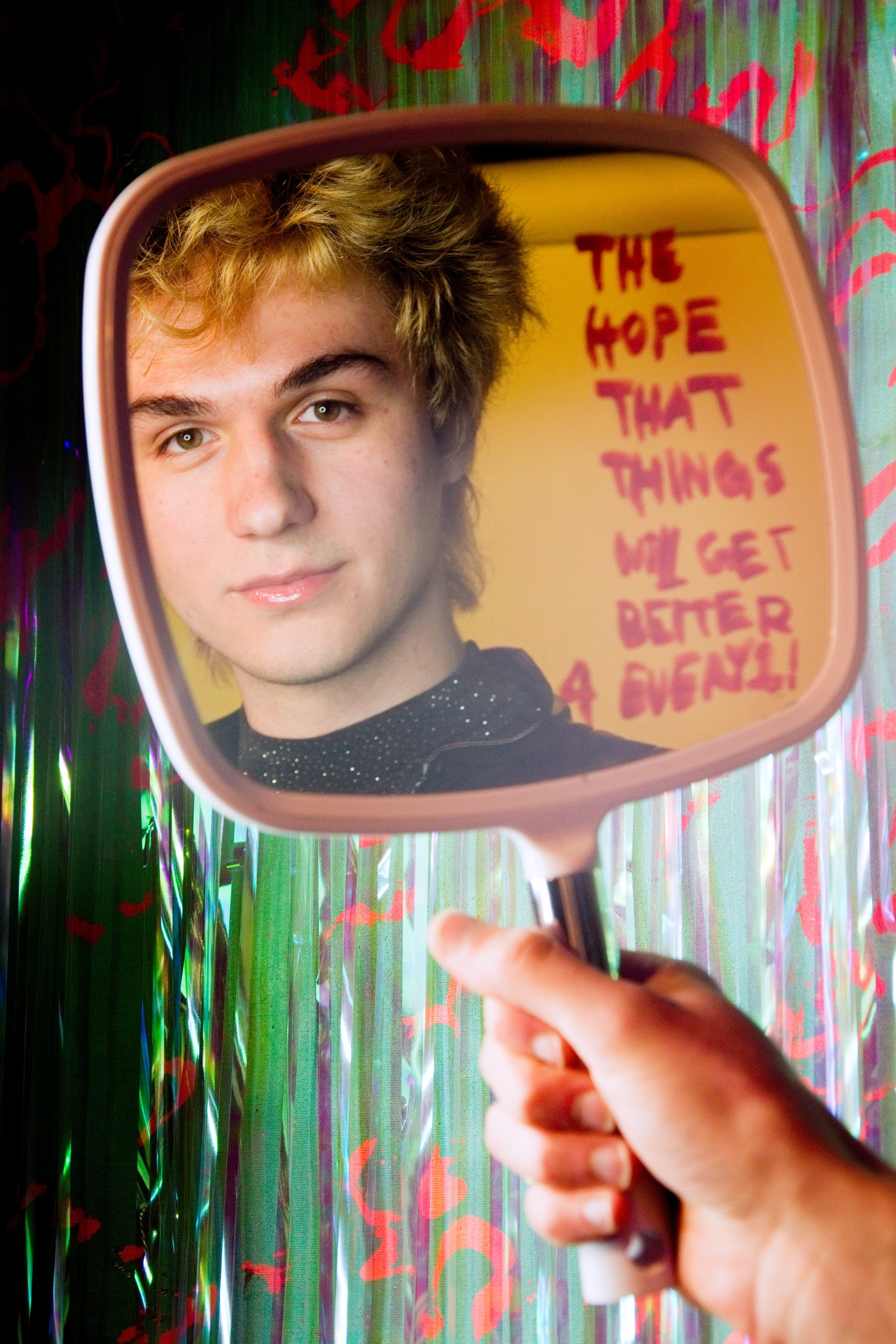
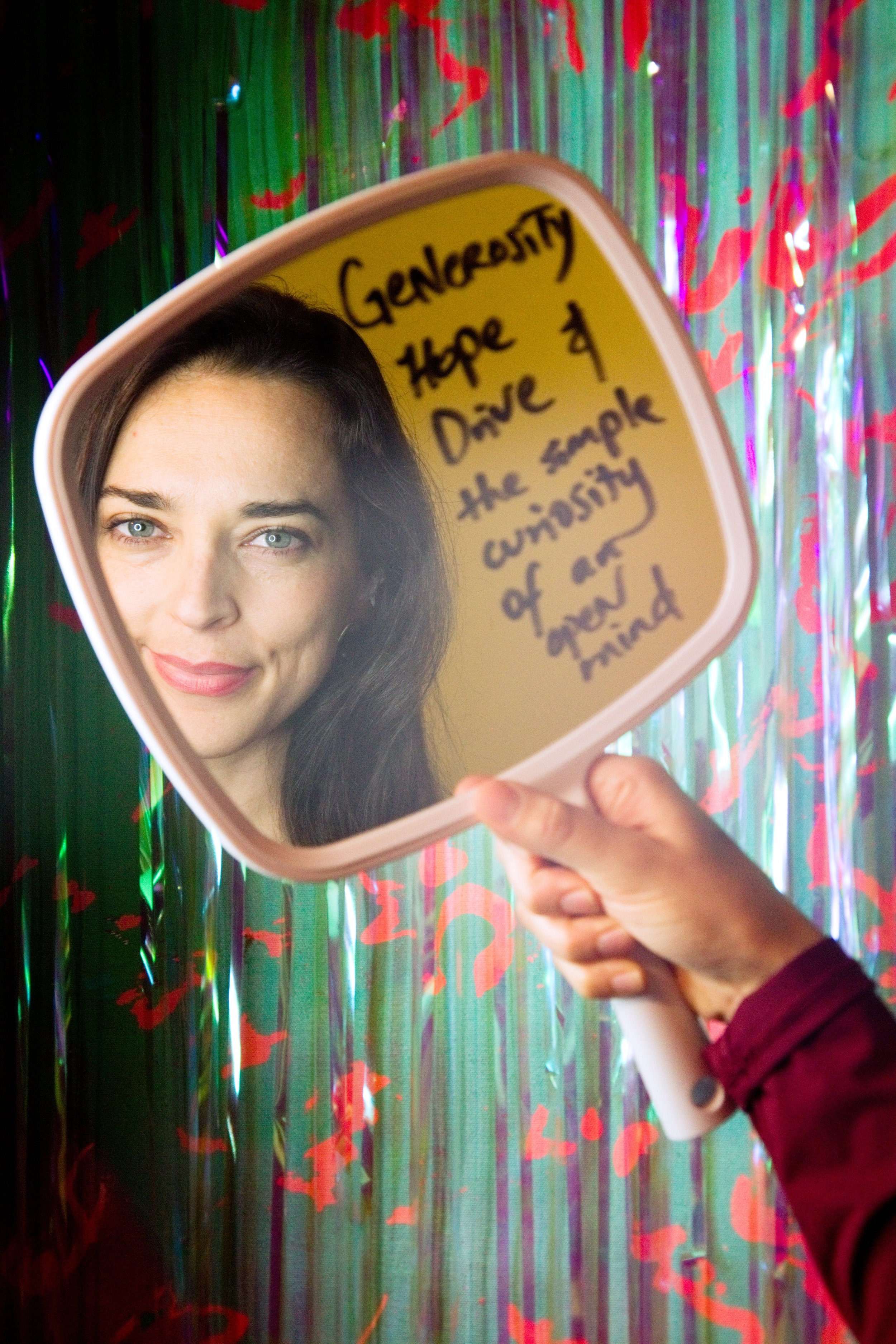
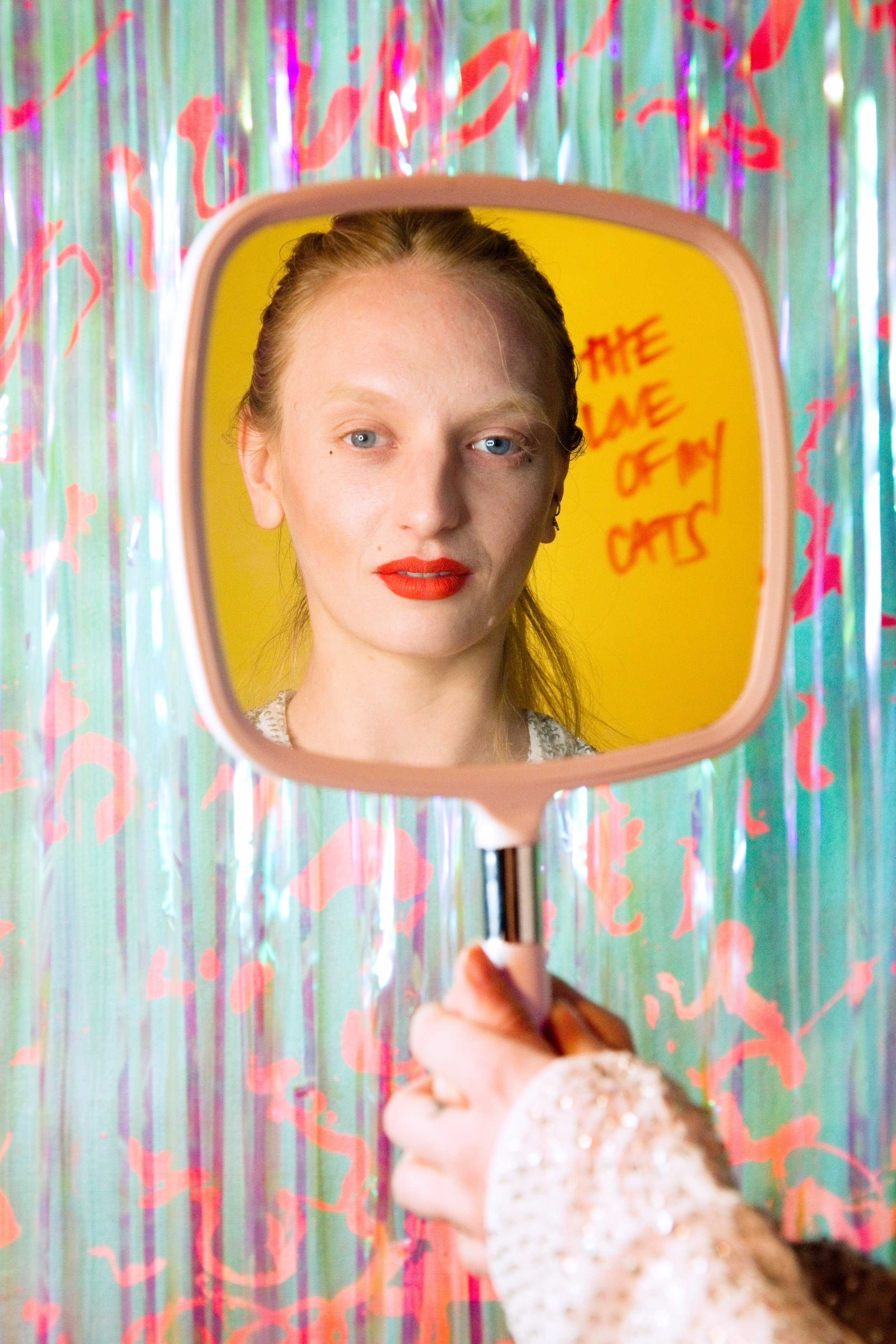
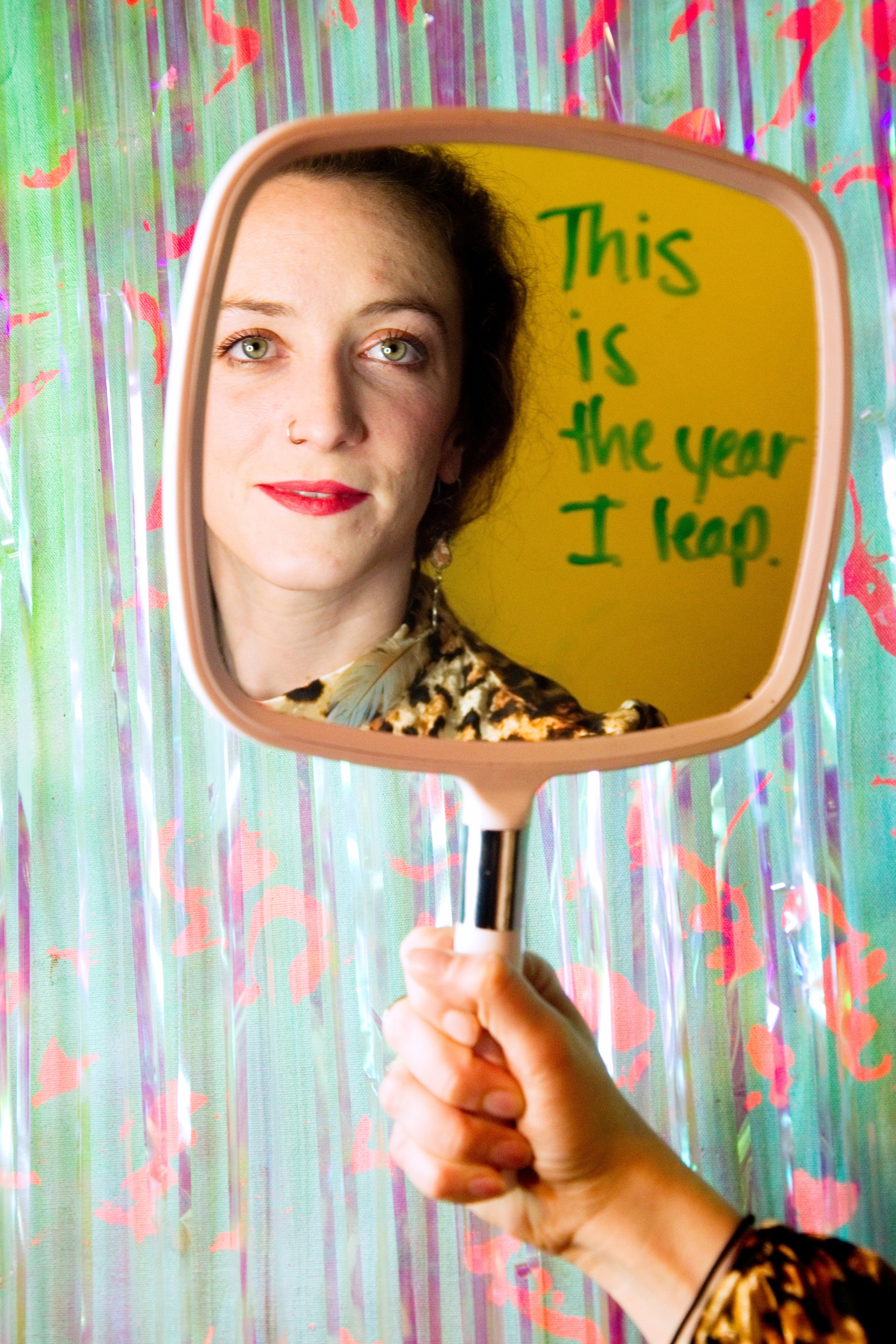
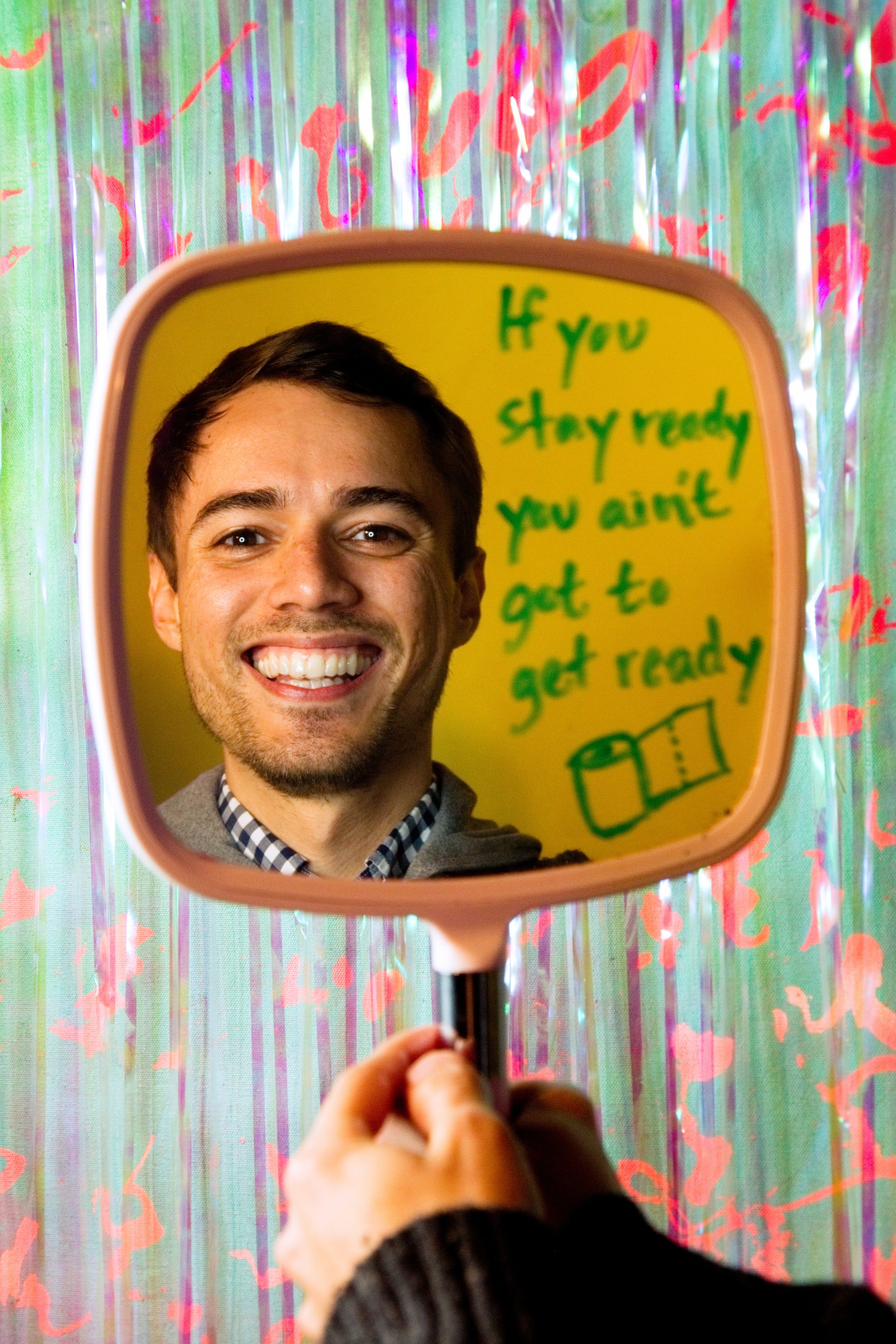
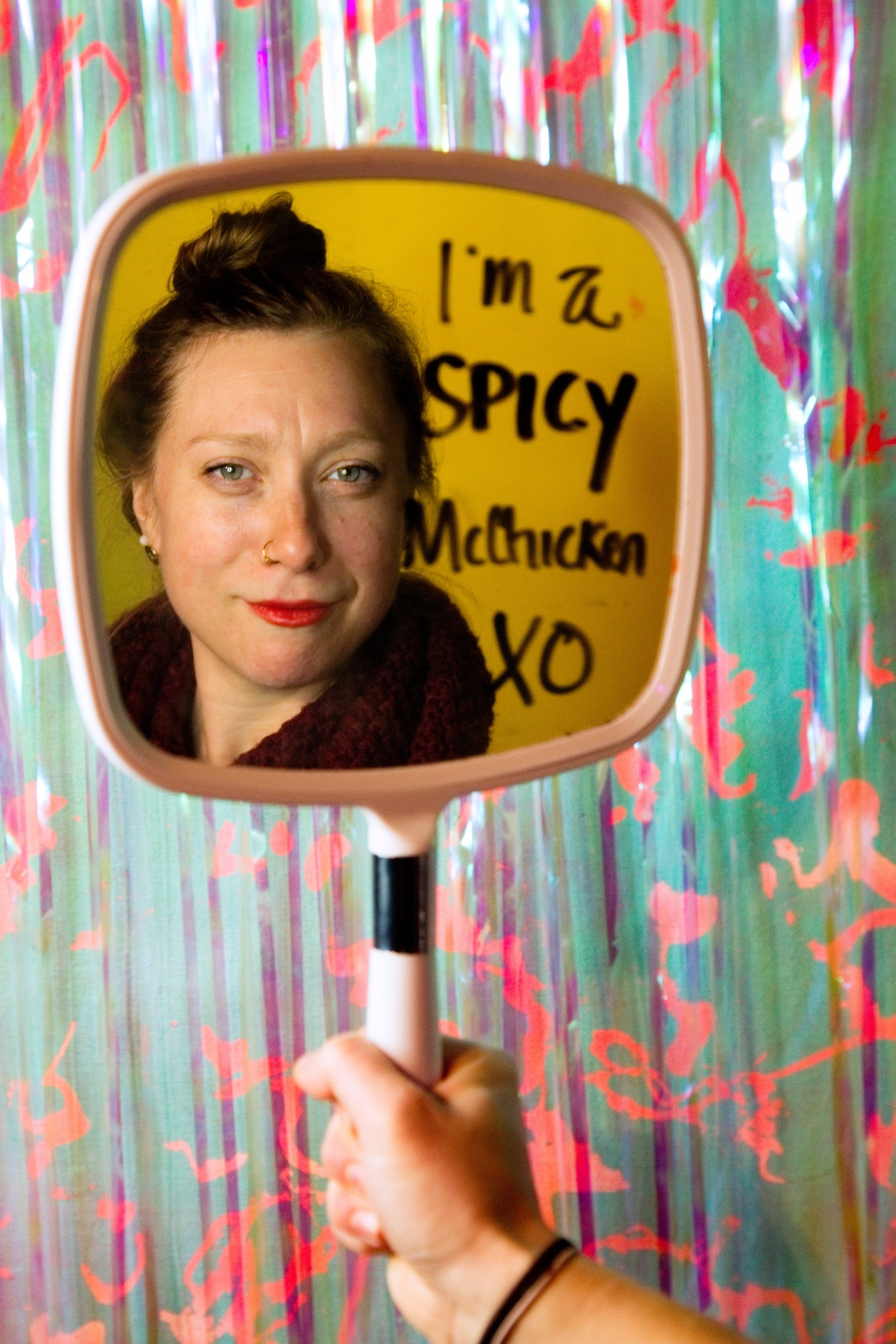
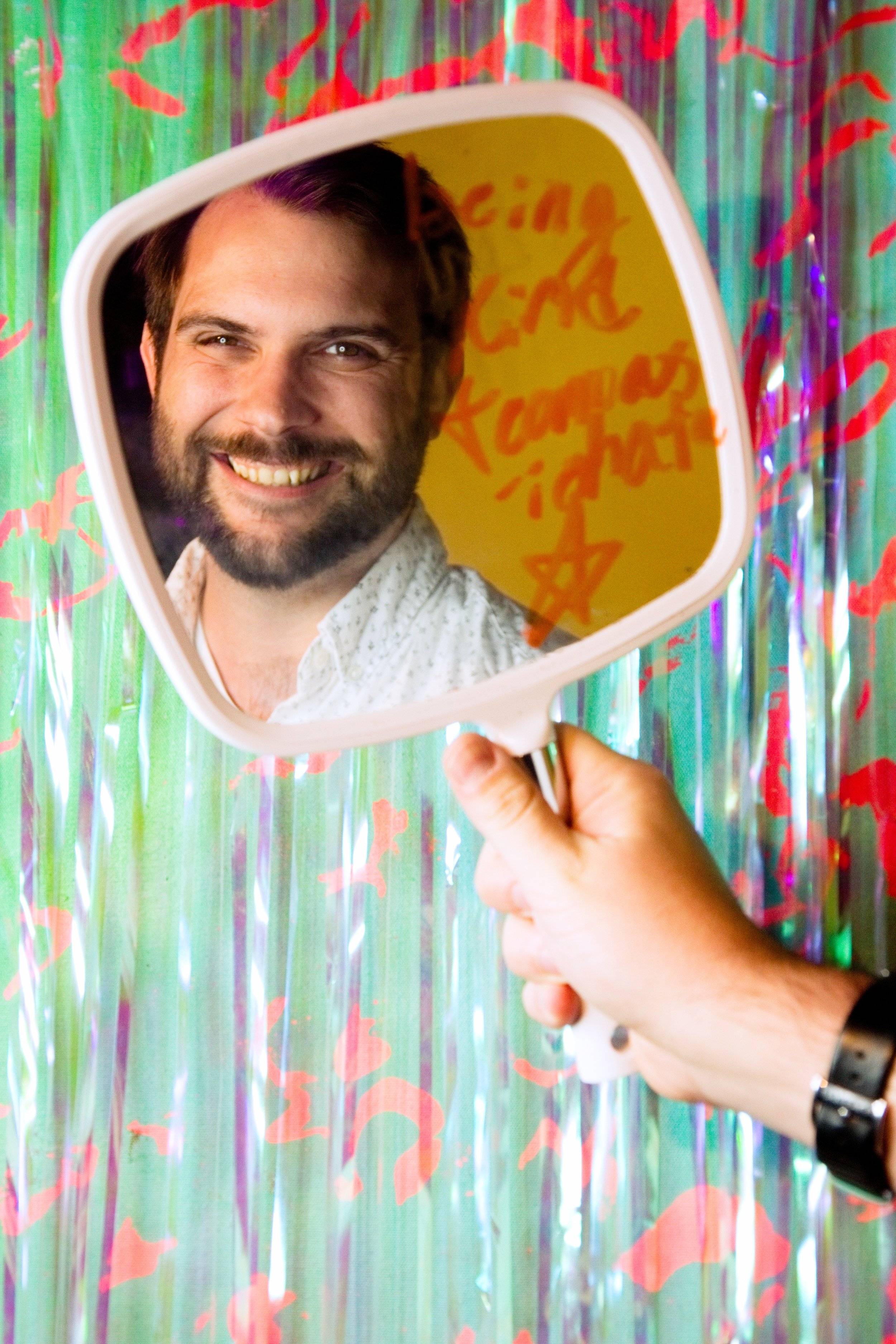
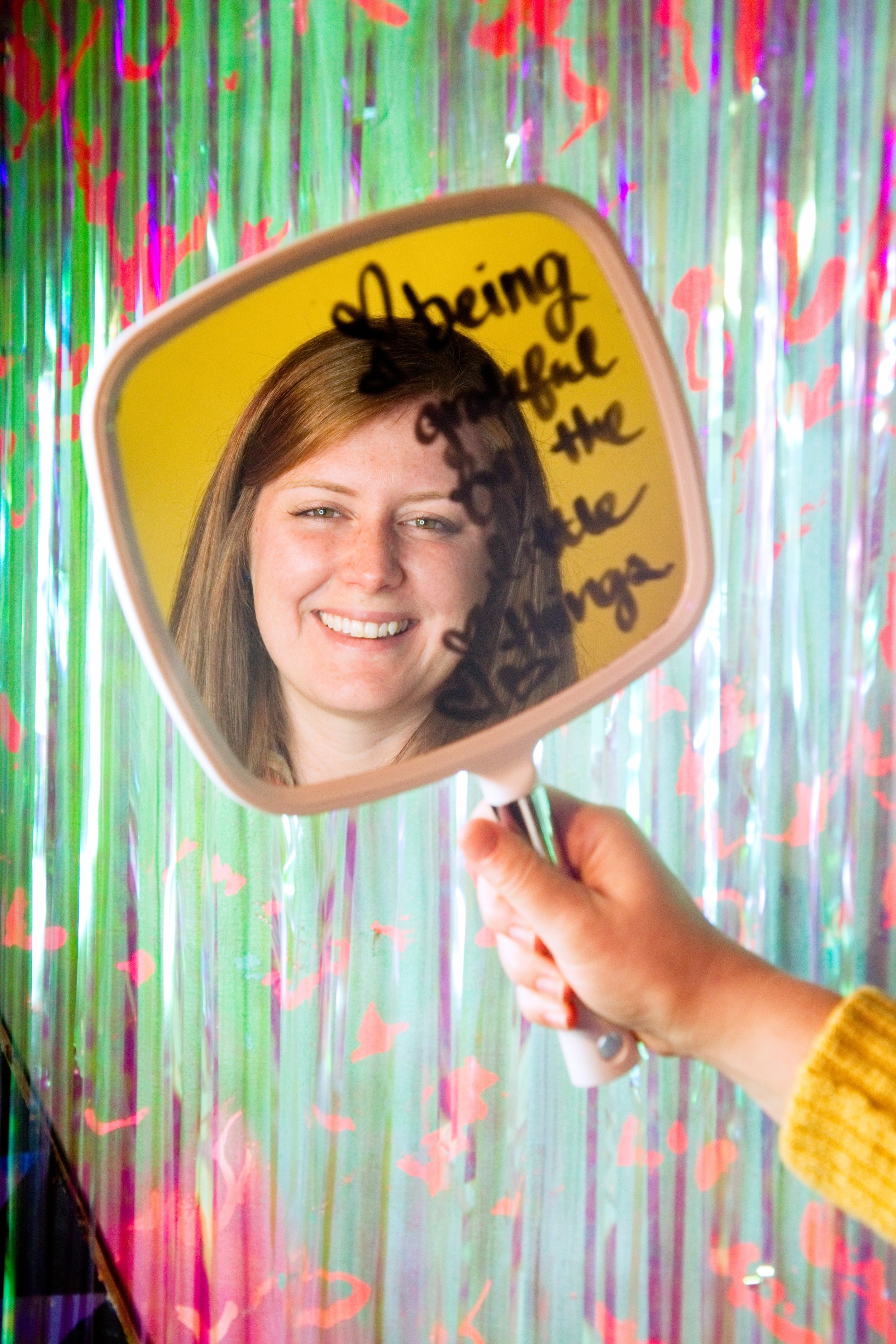
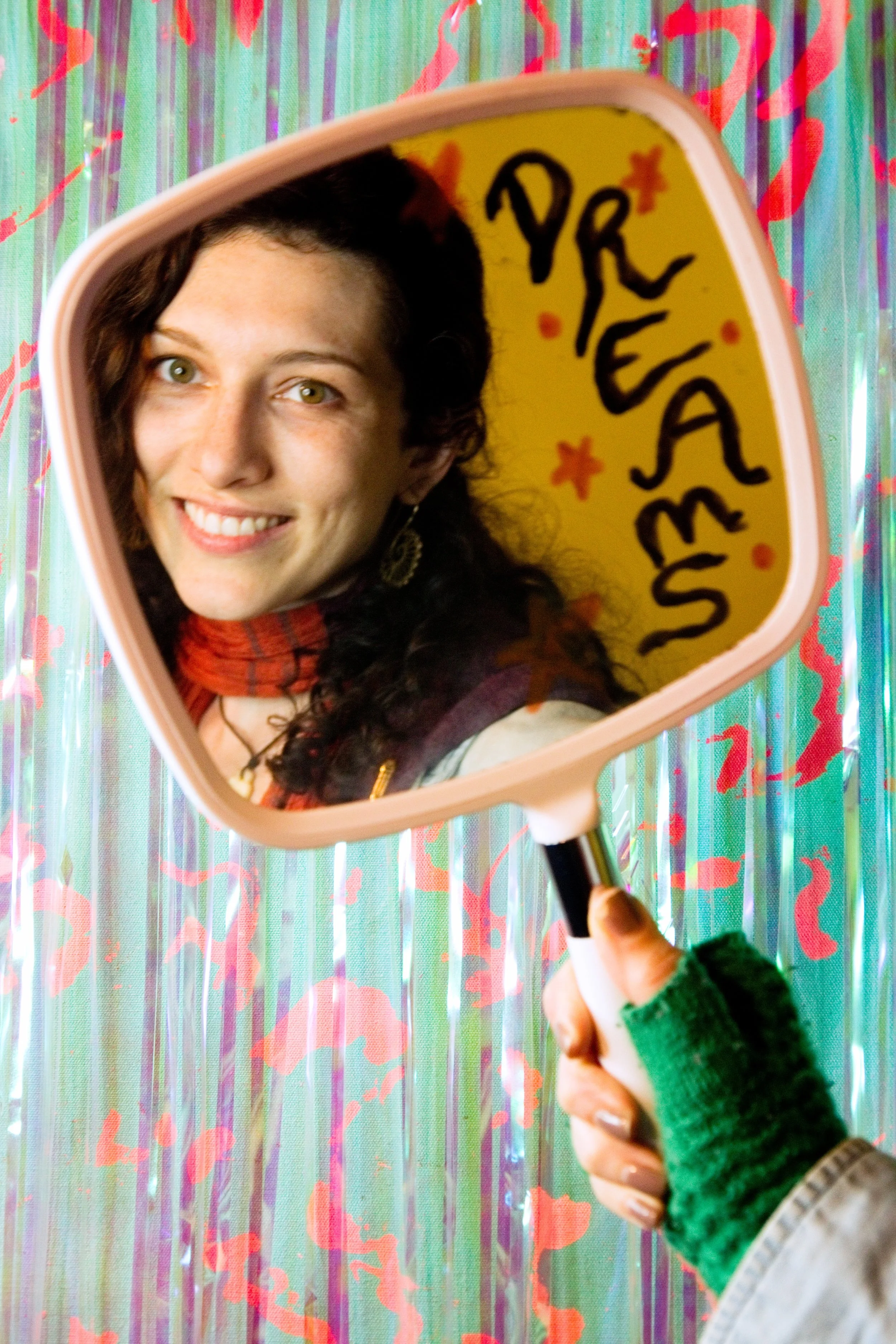
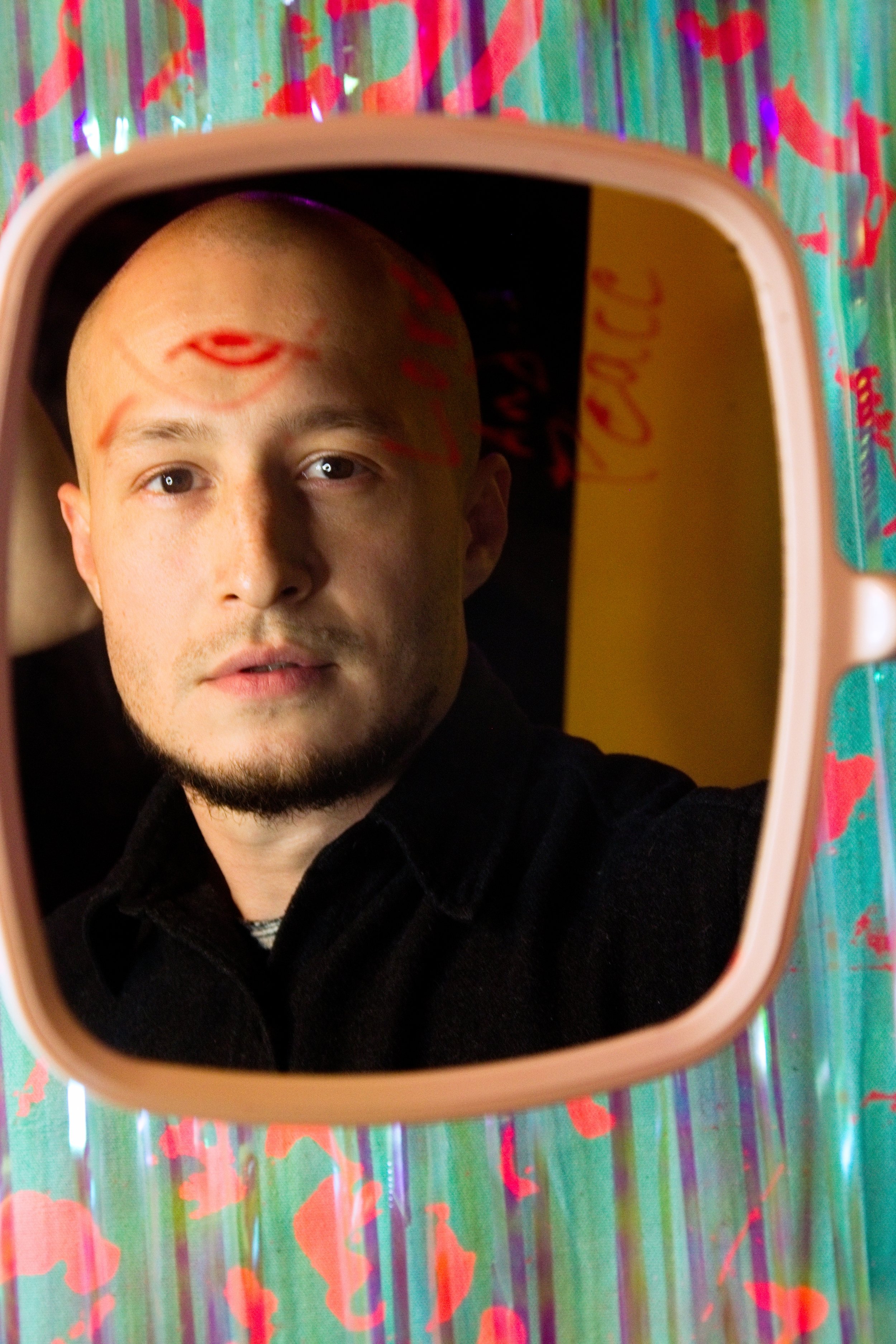
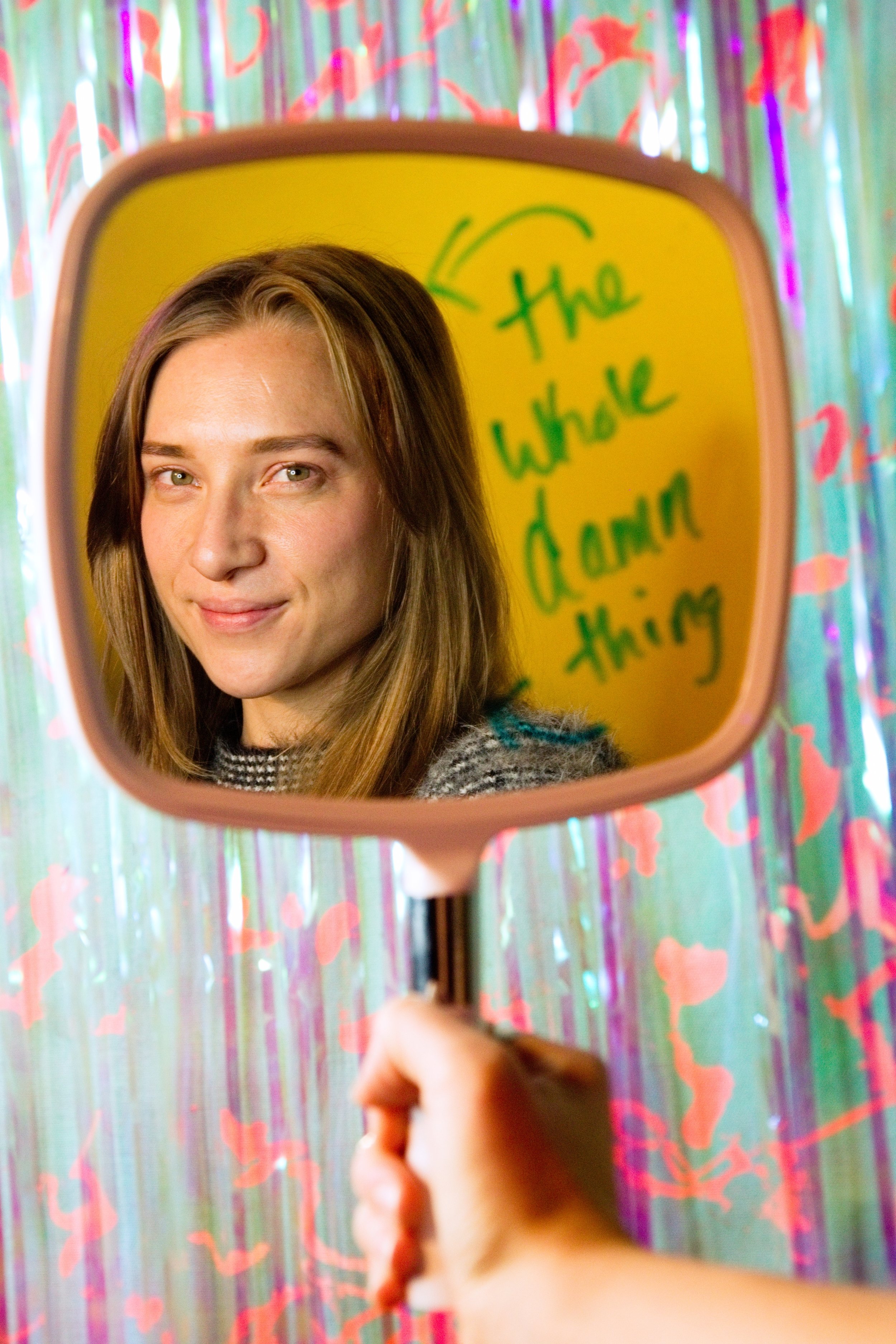
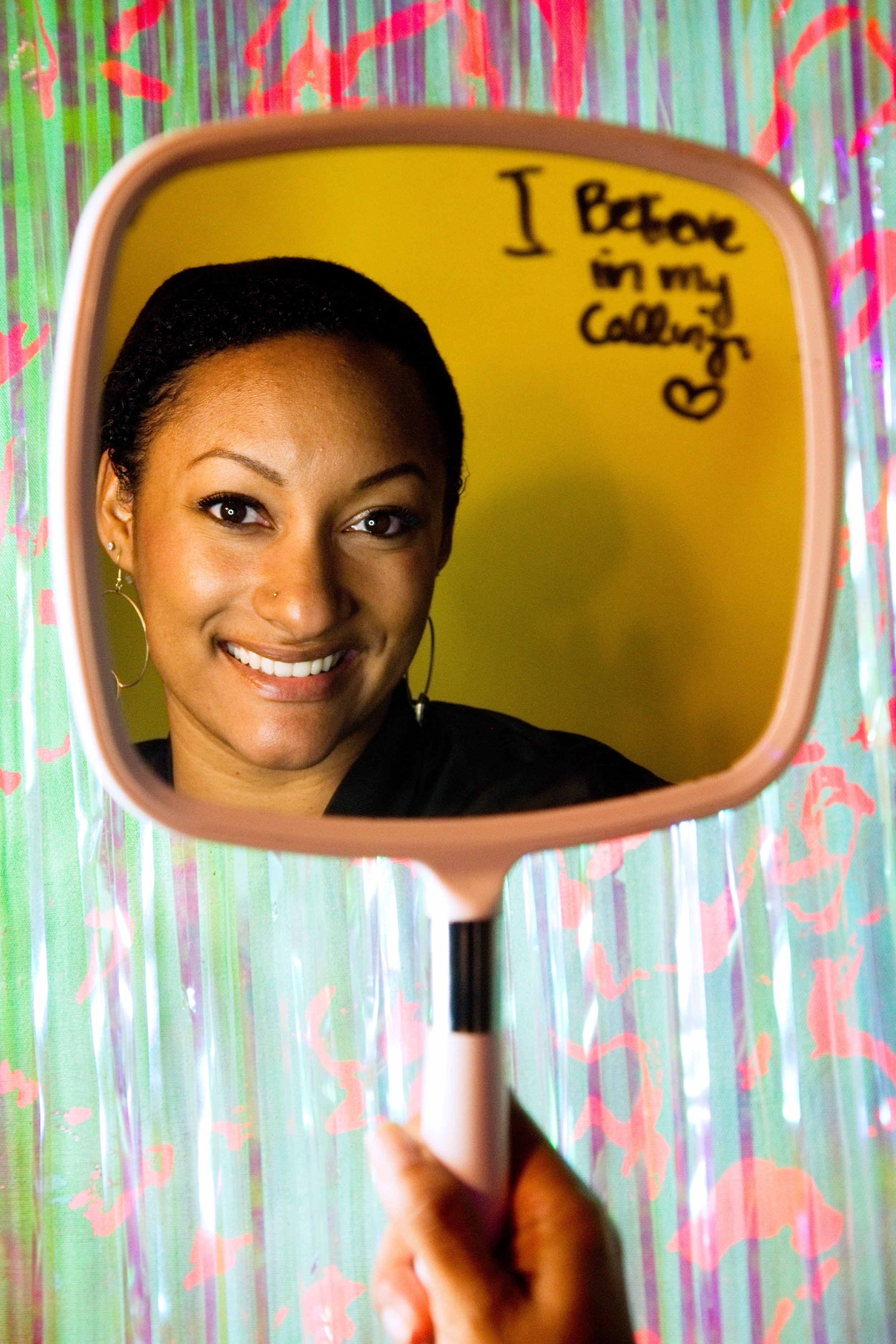
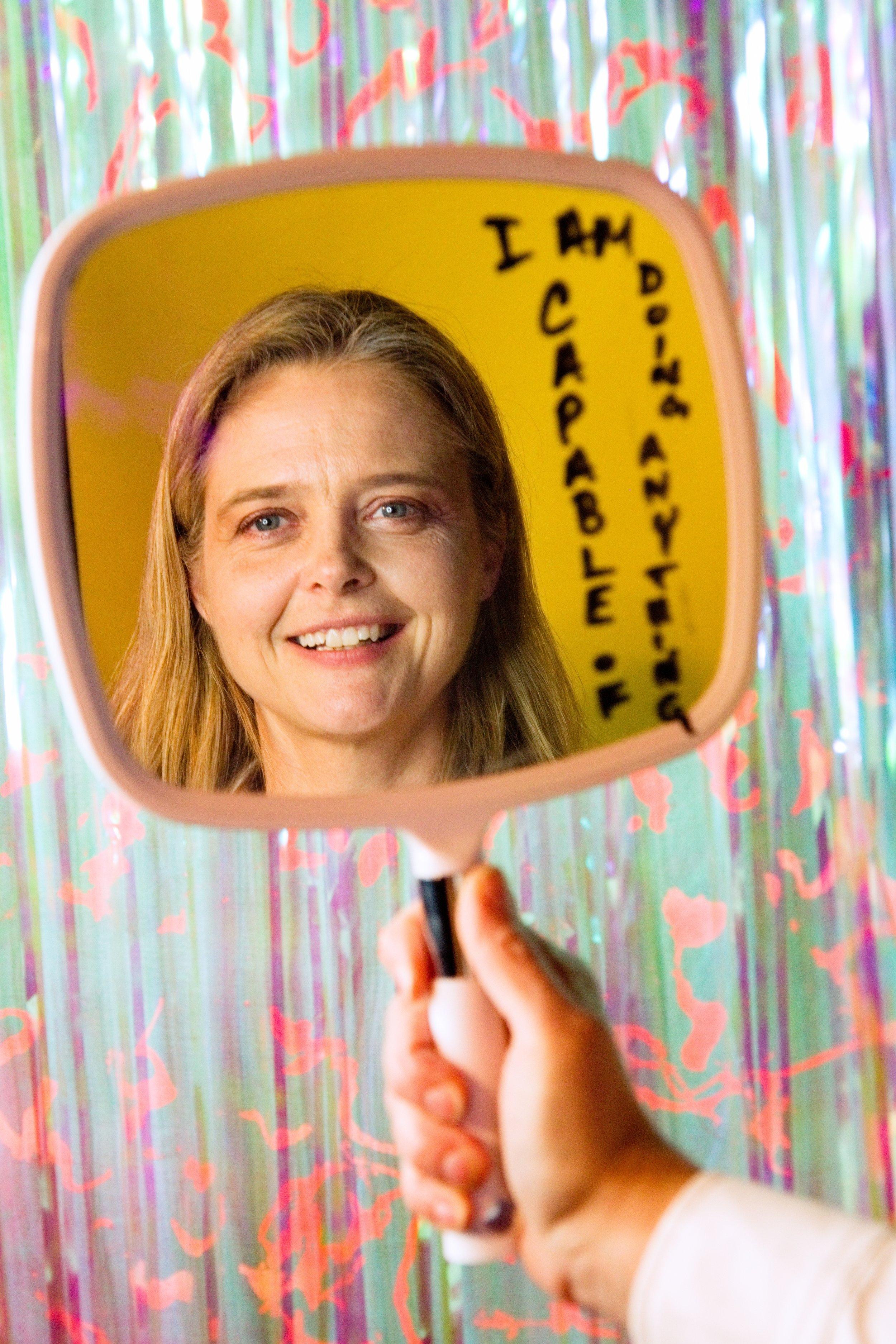
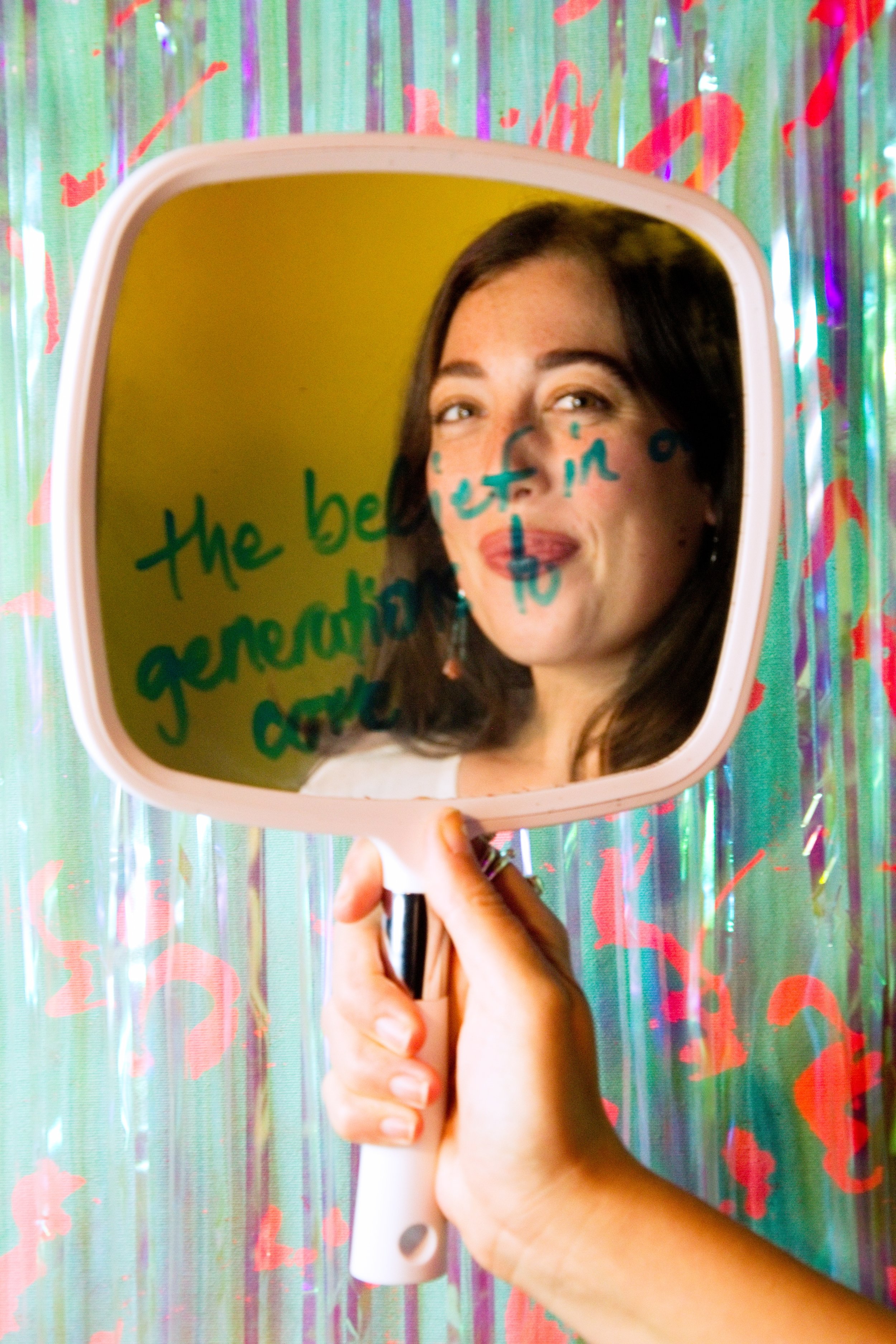
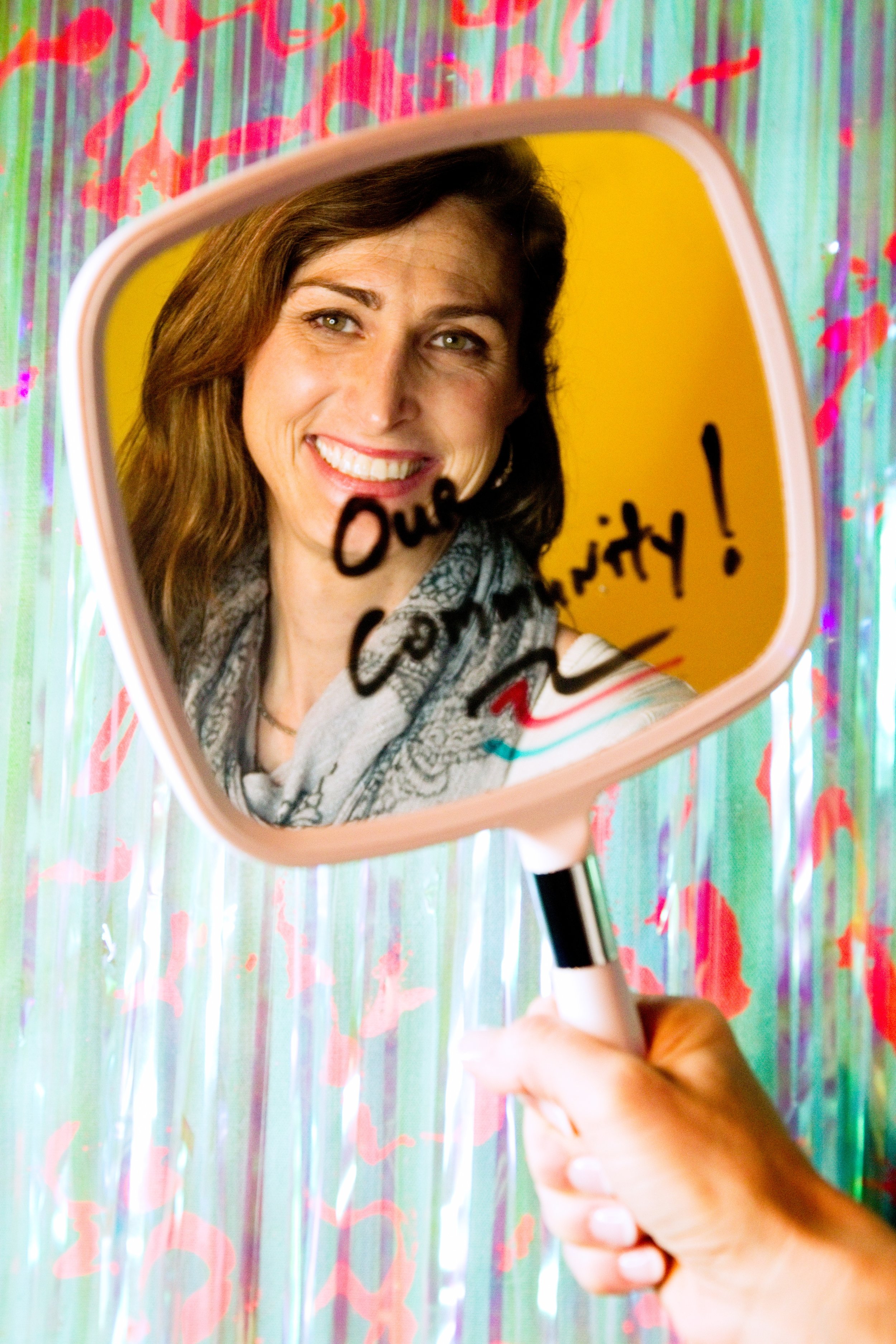
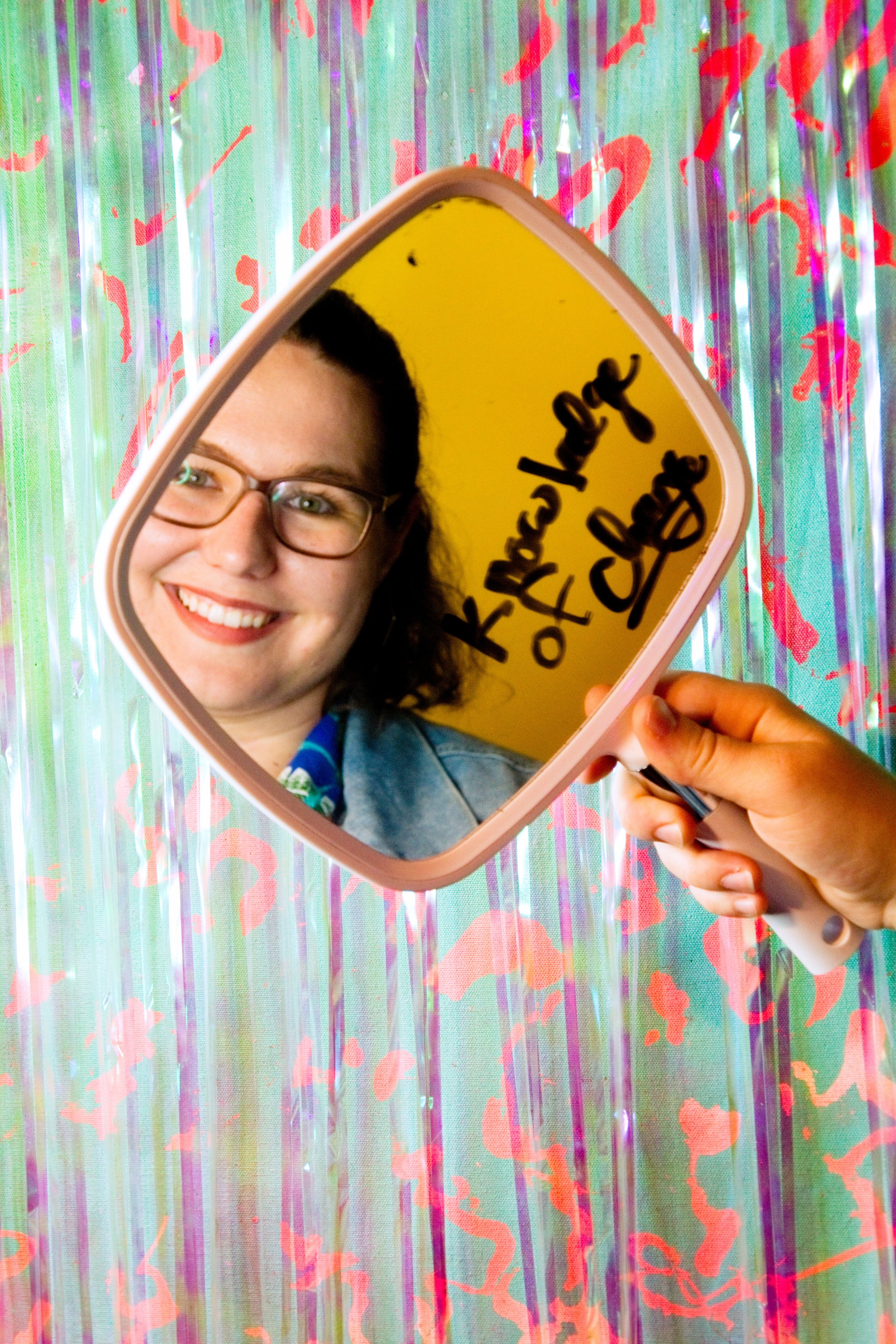
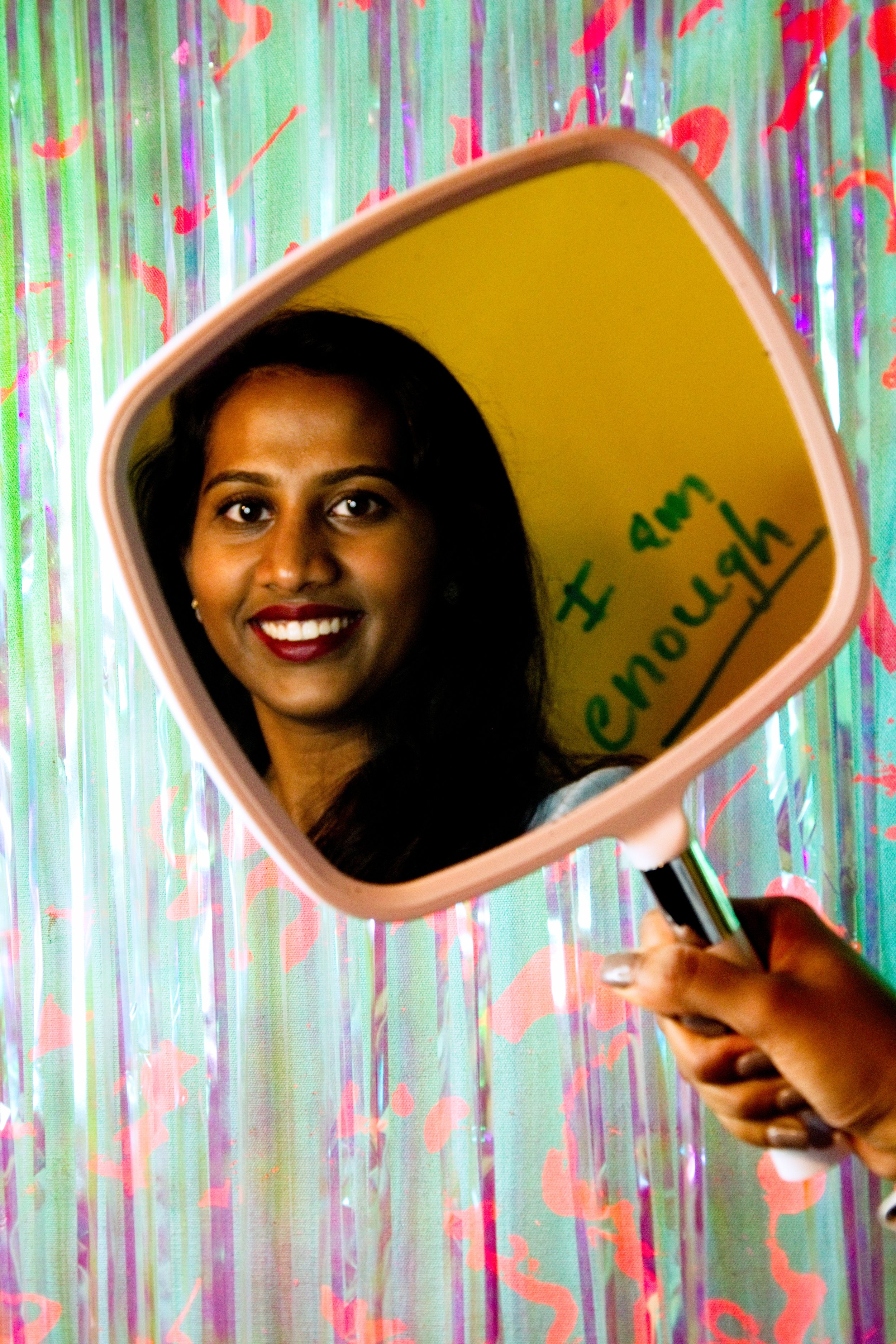
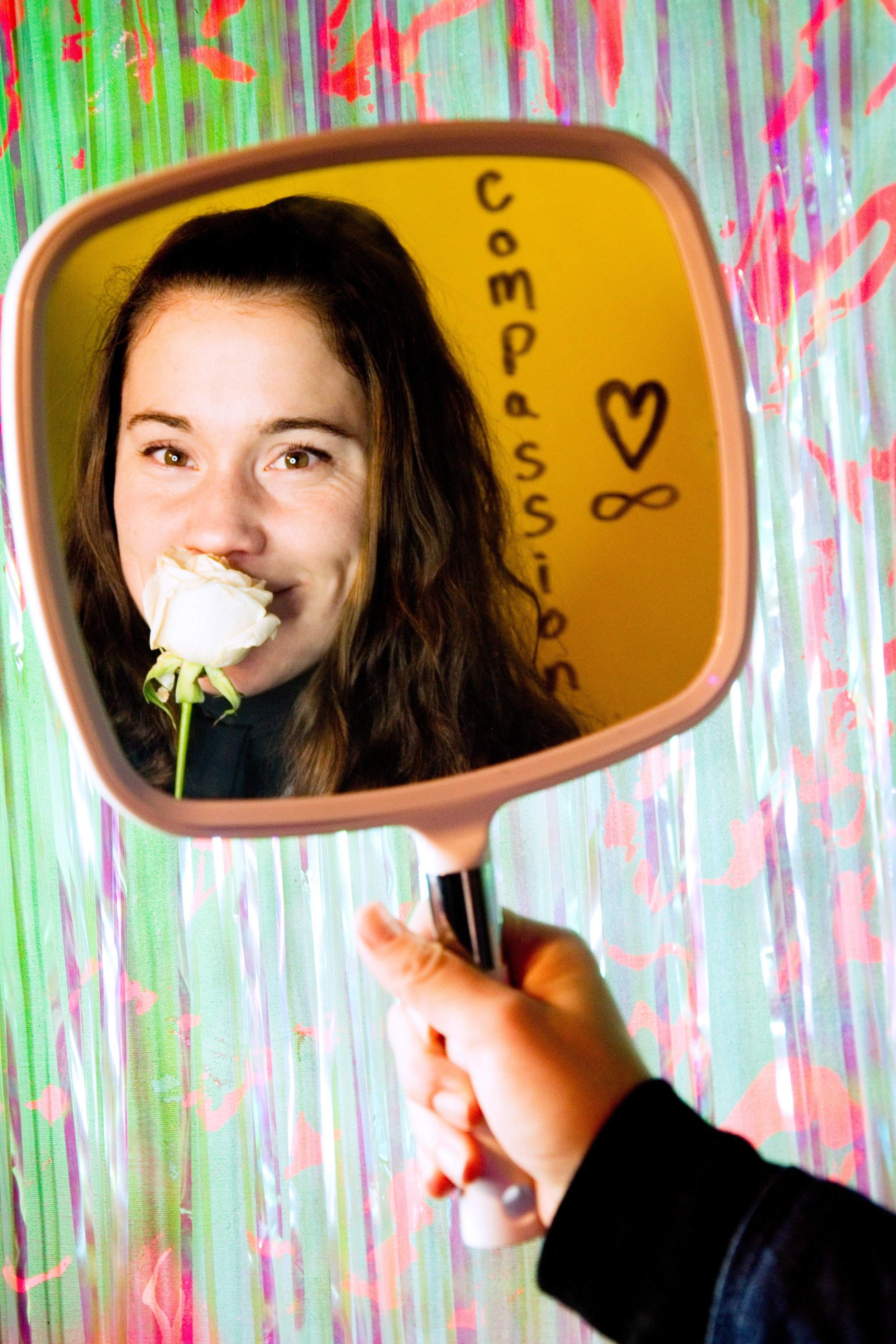
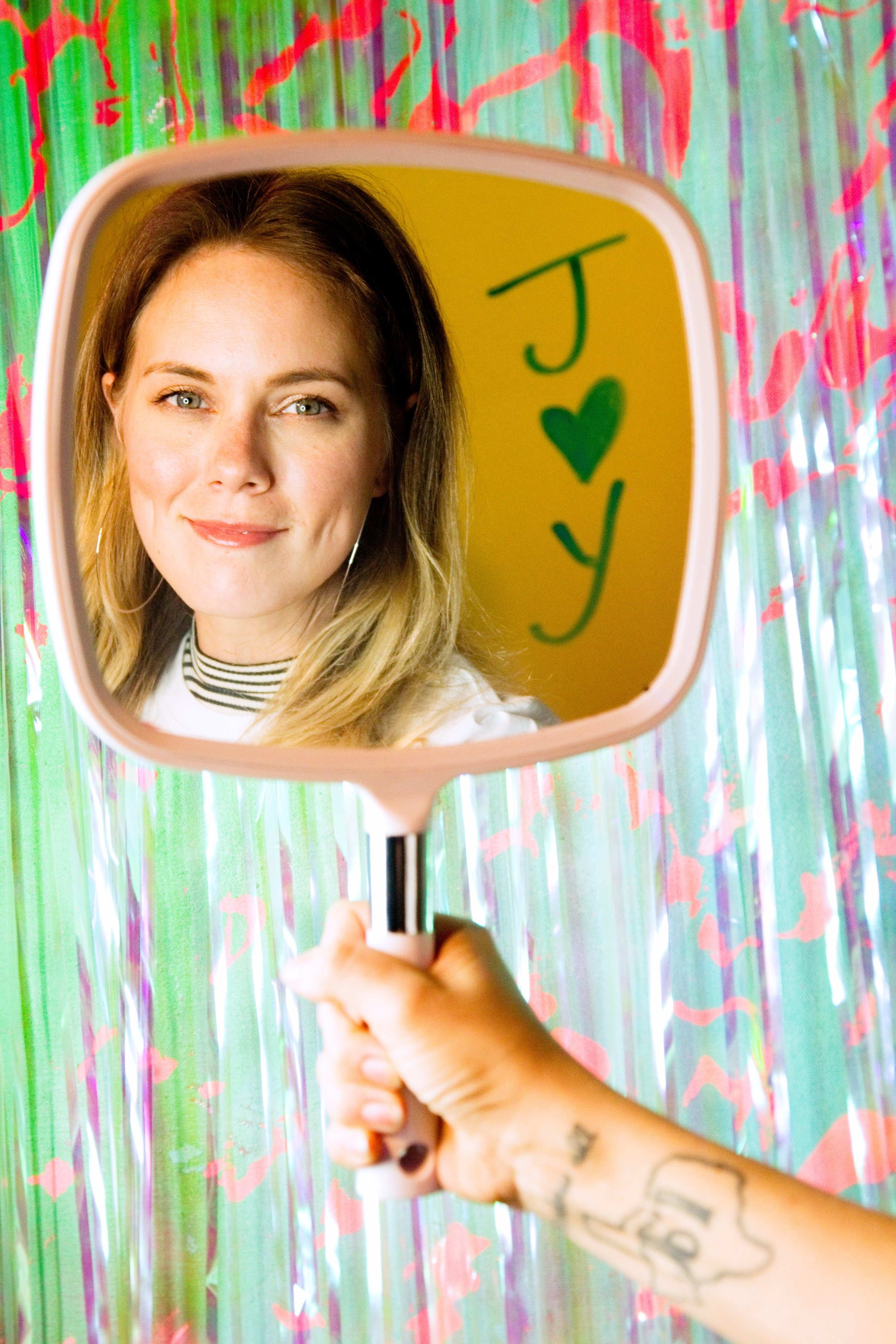
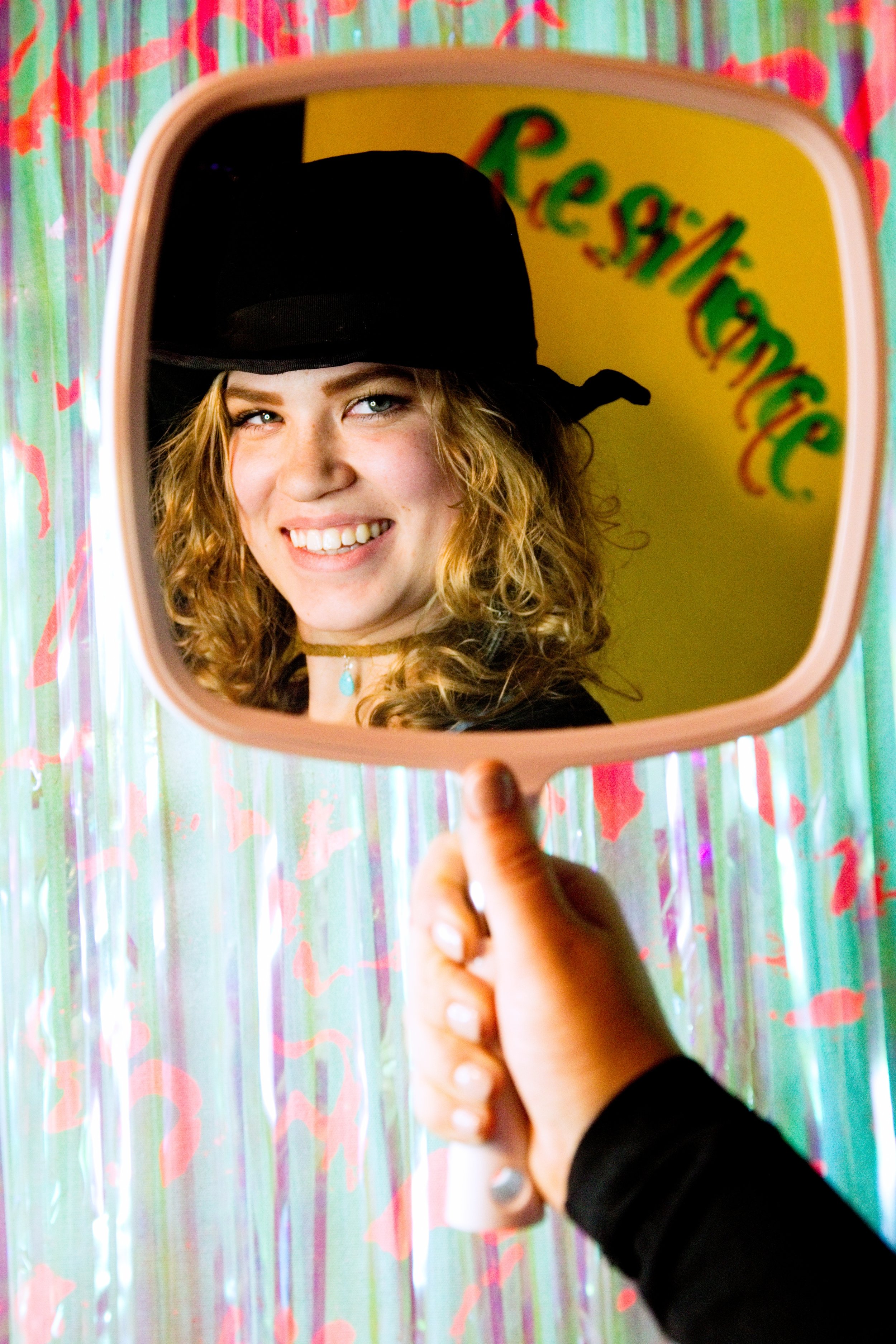
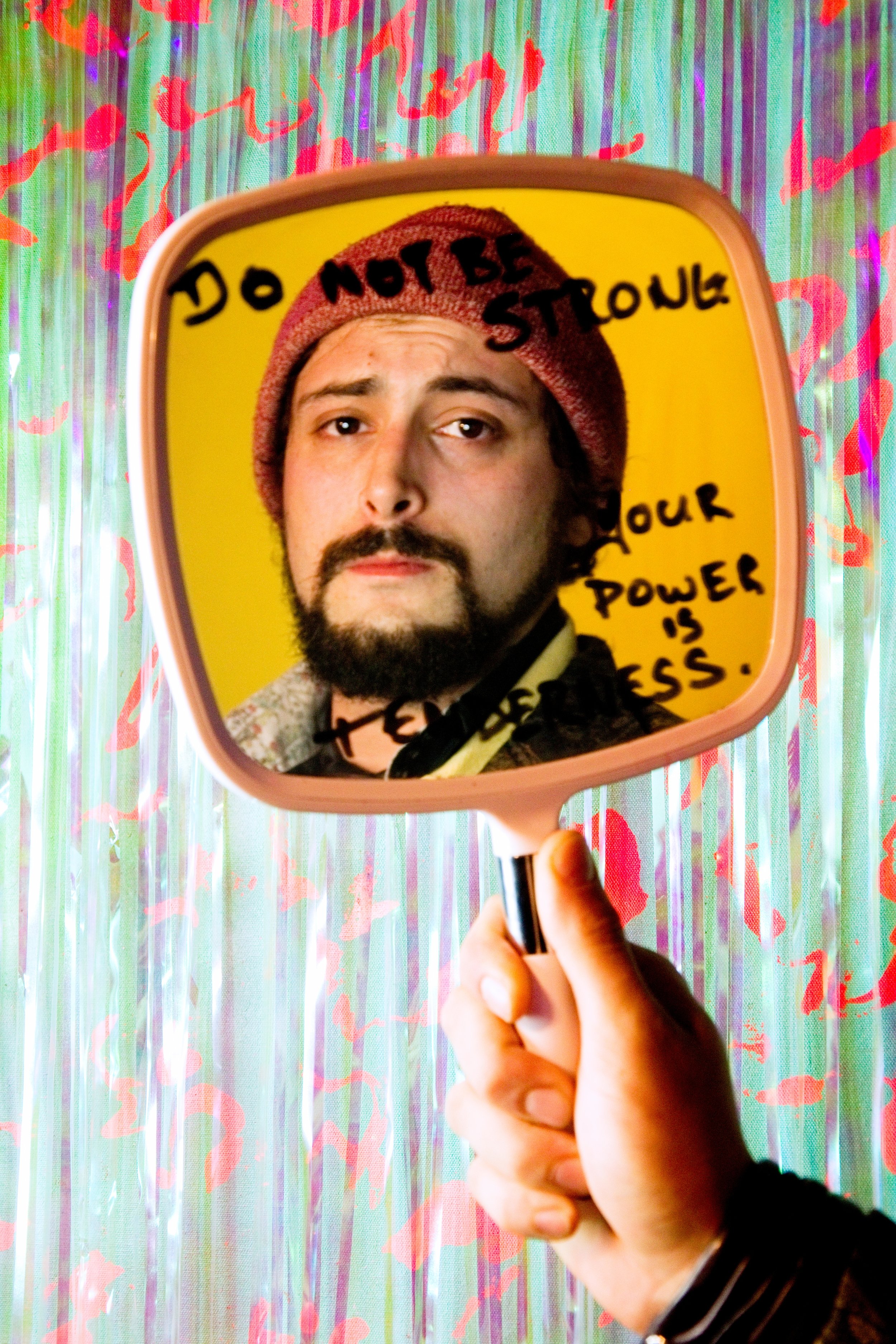
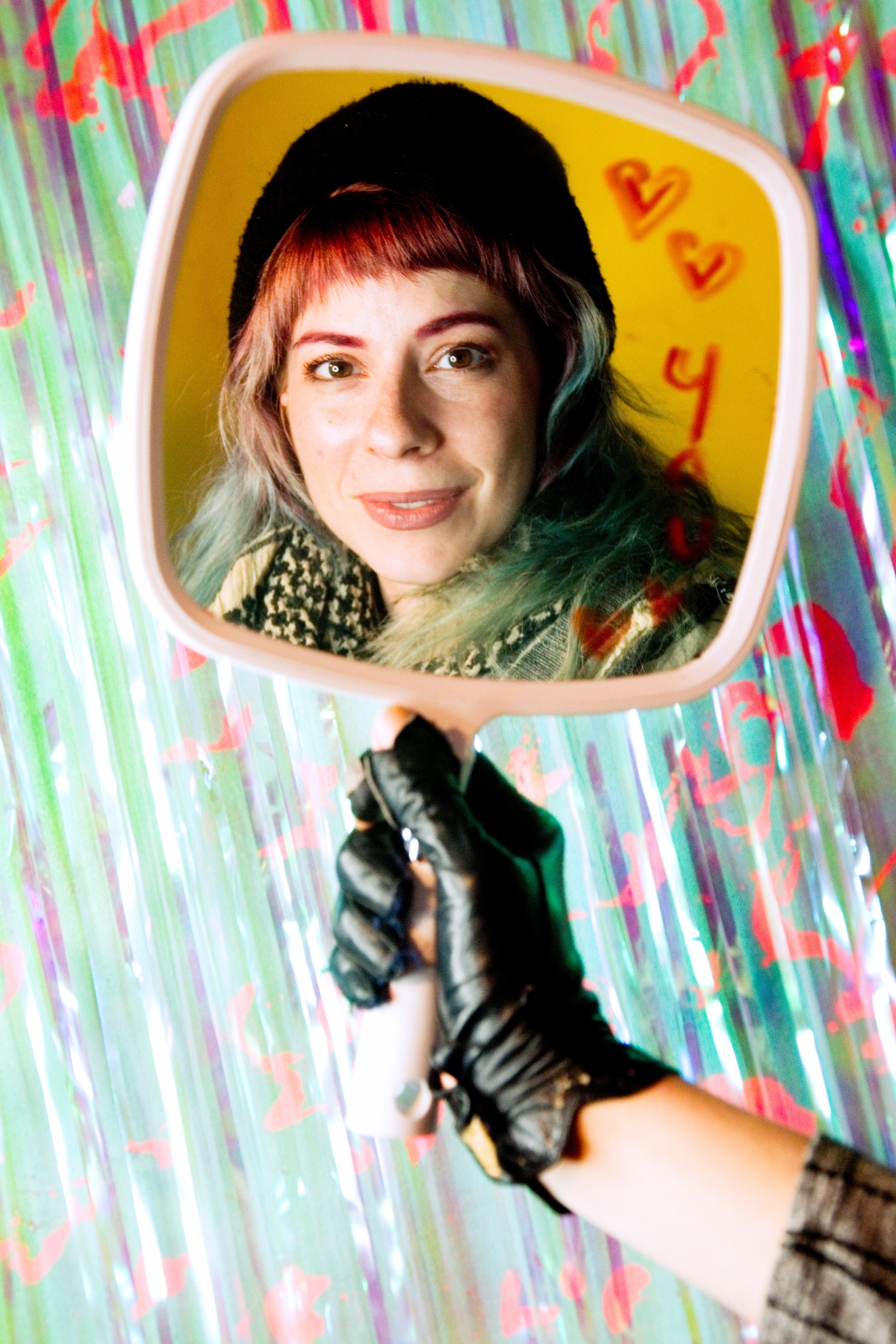
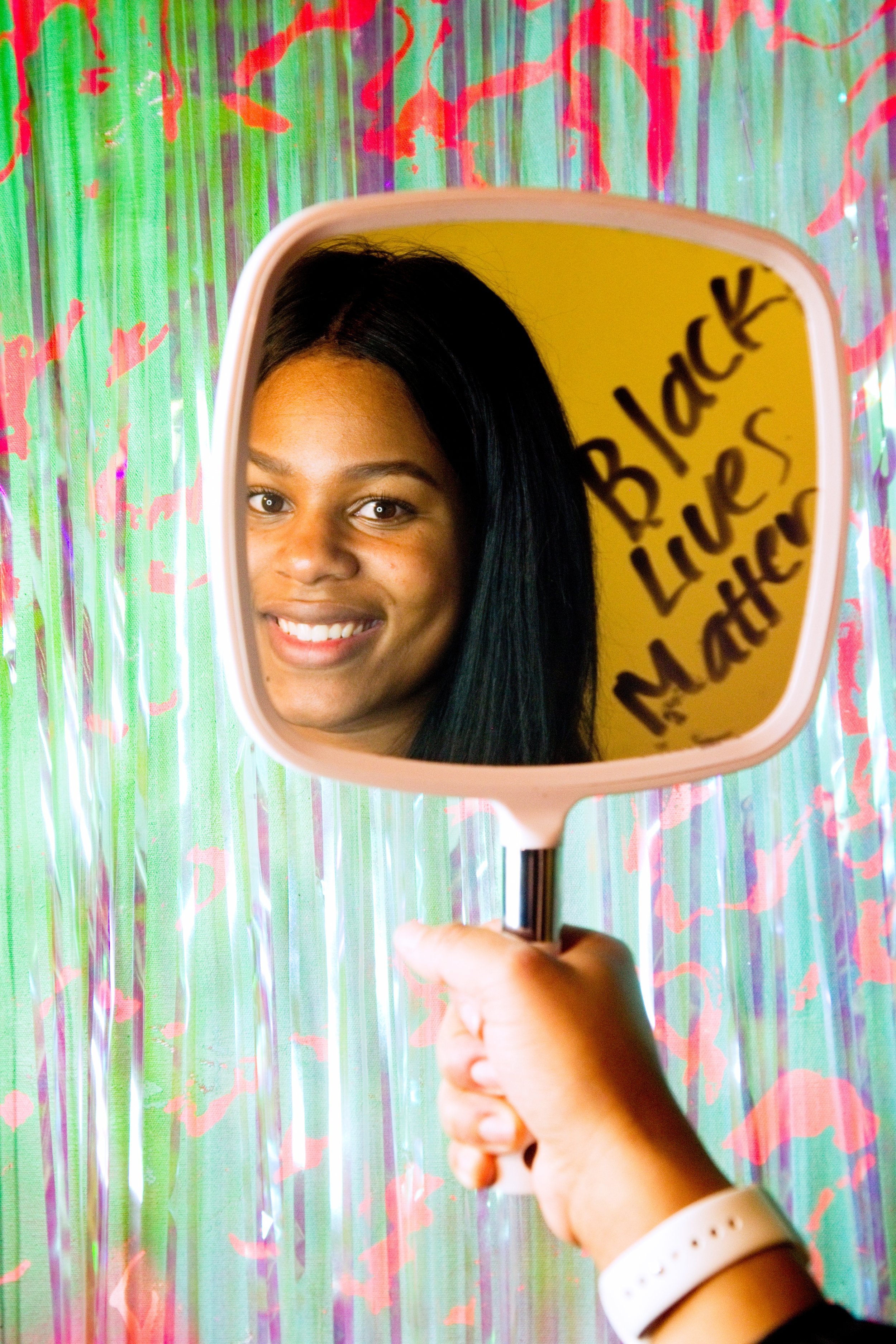
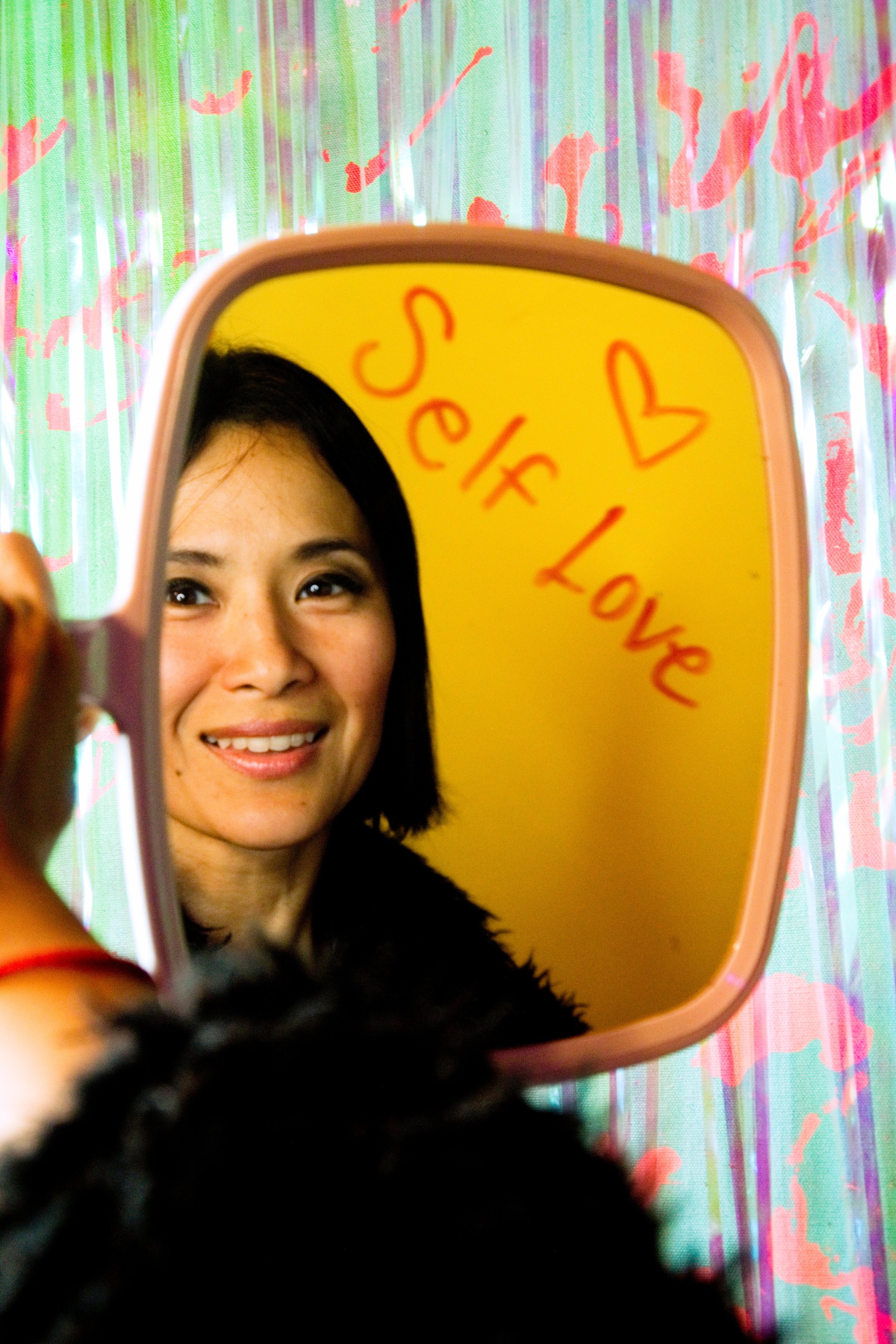
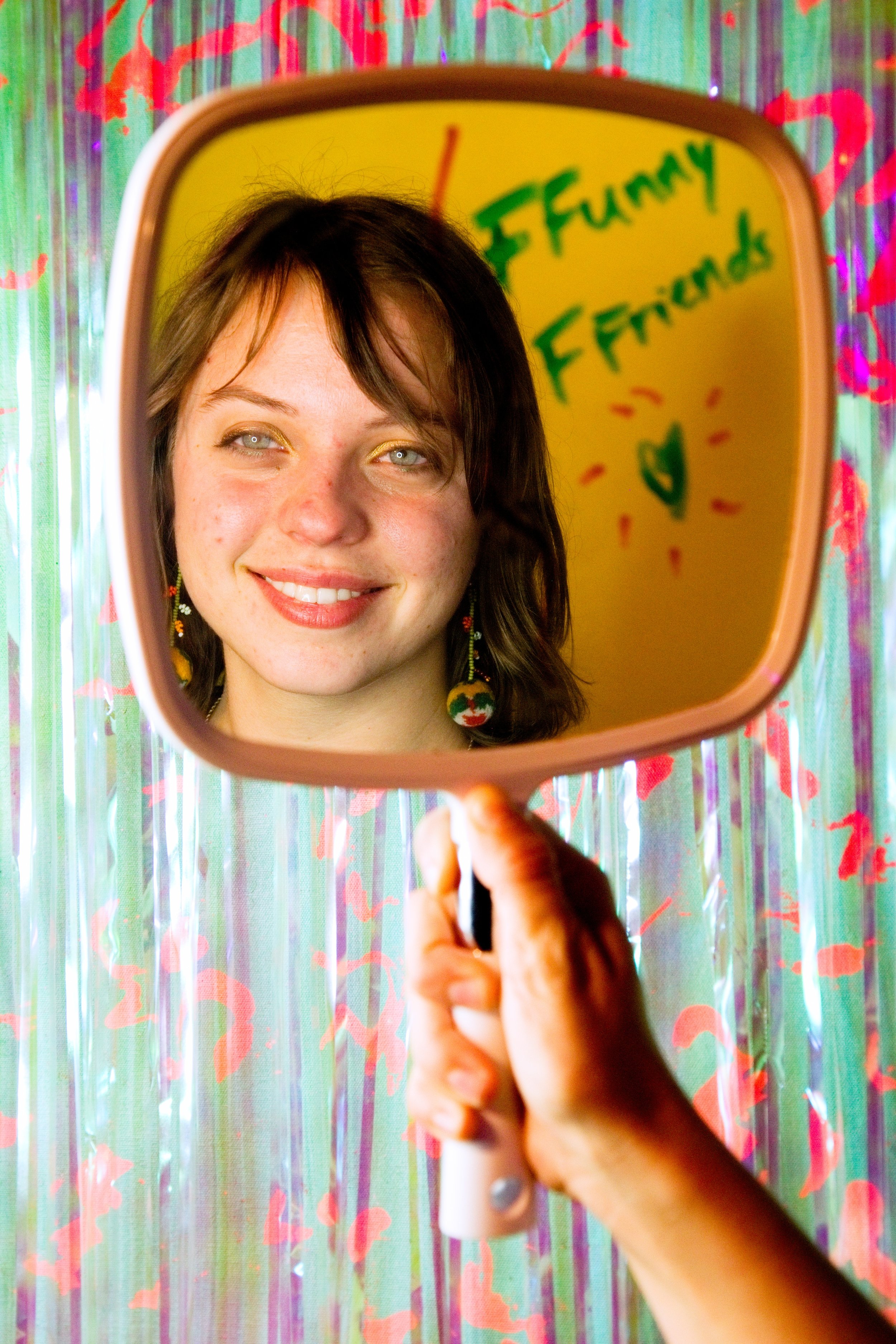
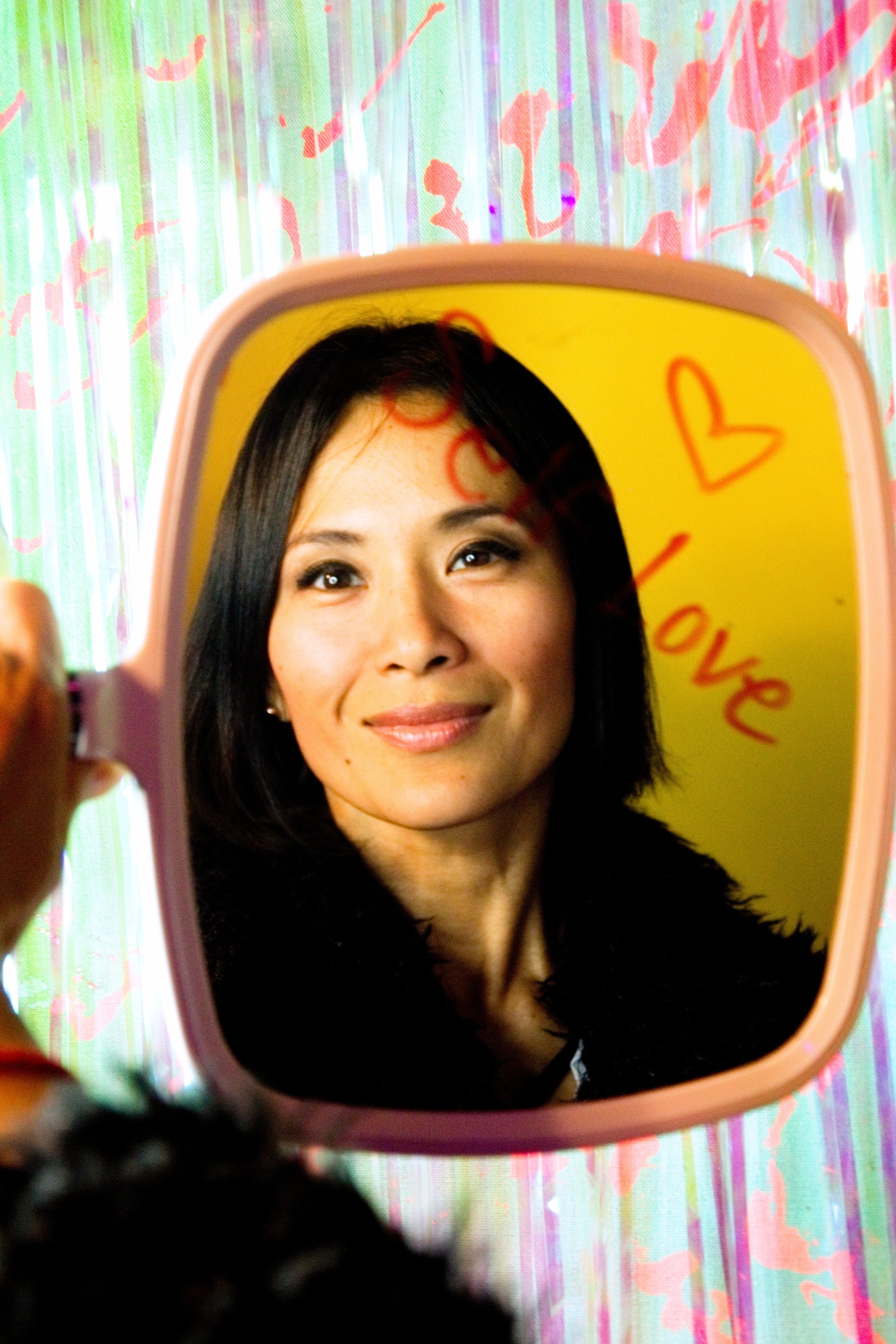
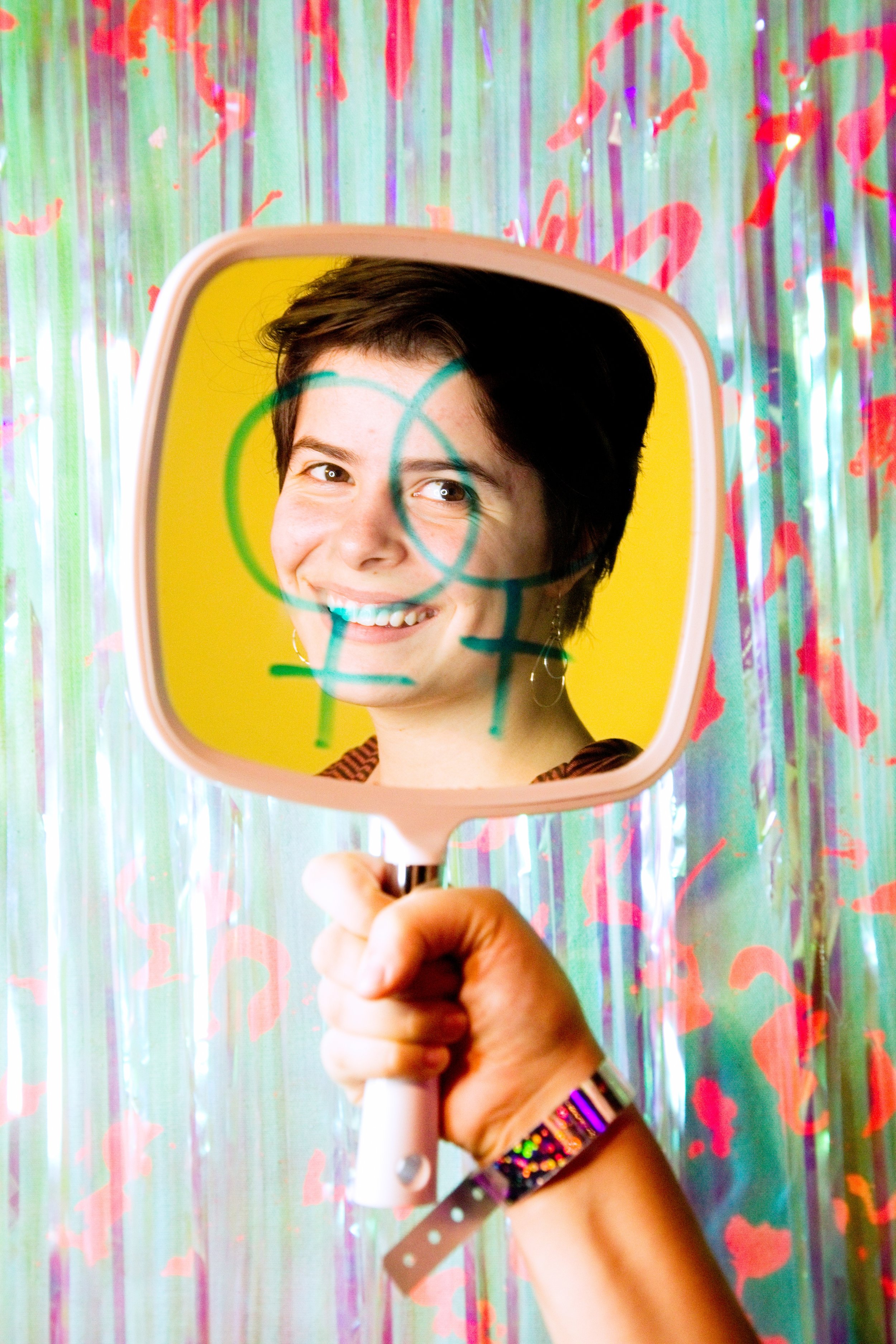
On January 25, 2019 we hosted our Third-Annual State of the Uterus, a fundraising party for reproductive justice and human rights. And during the party, one of our artists-in-residence, Jinni J, installed an interactive portrait station. Jinni J invited each attendee to create a motivational reflection of themselves, transcribing their answer to the question “What Makes You Resilient?” on a hand mirror.
On January 25, 2019 we hosted our Third-Annual State of the Uterus, a fundraising party for reproductive justice and human rights. And during the party, one of our artists-in-residence, Jinni J, installed an interactive portrait station. Jinni J invited each attendee to create a motivational reflection of themselves, transcribing their answer to the question “What Makes You Resilient?” on a hand mirror.
Today, we’d like to share the messages she collected with you. Explore the gallery below for inspiration, reminders of courage and an incredible exhibition of our community’s empathy, self-confidence and care.
What Makes You Resilient?

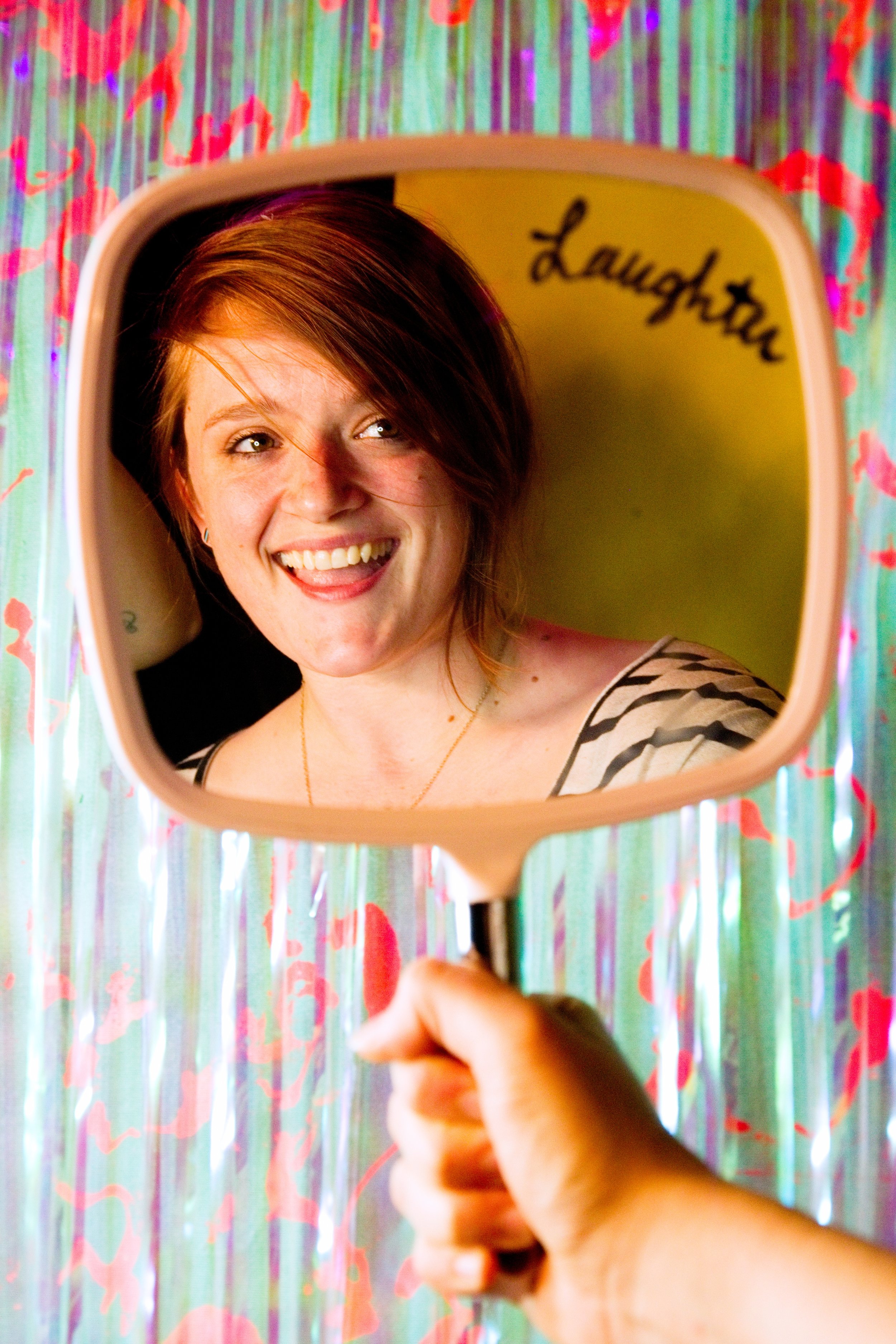
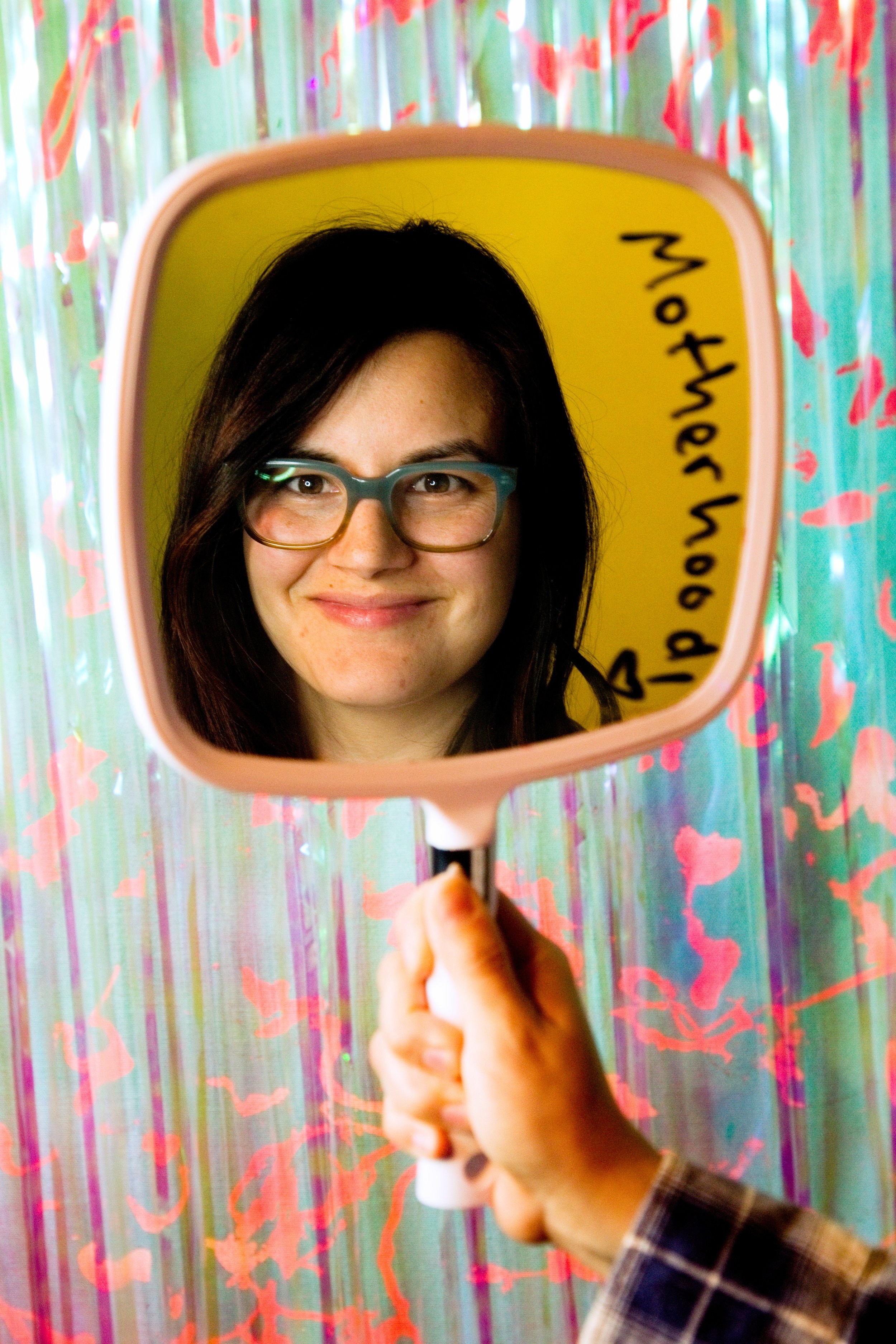
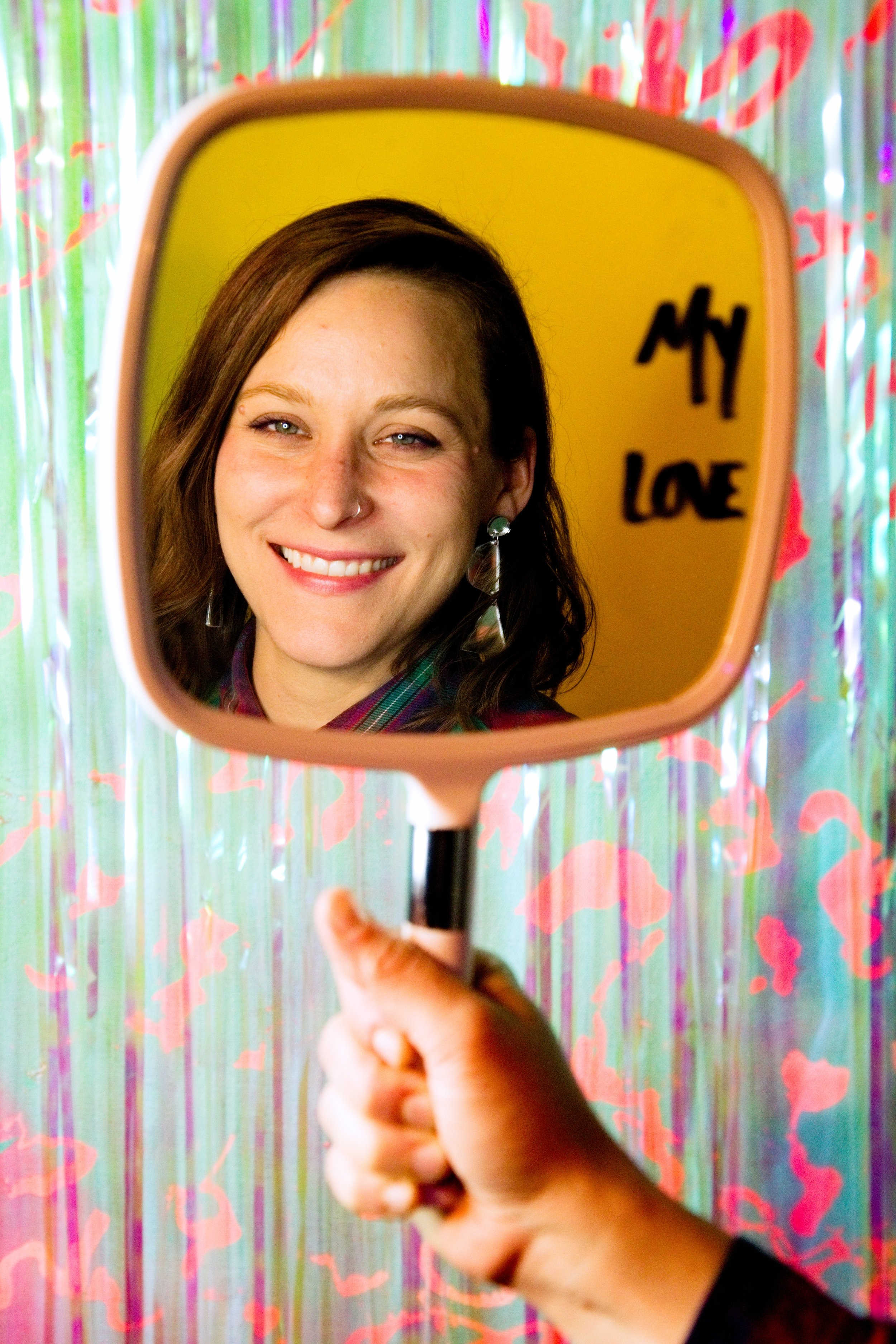
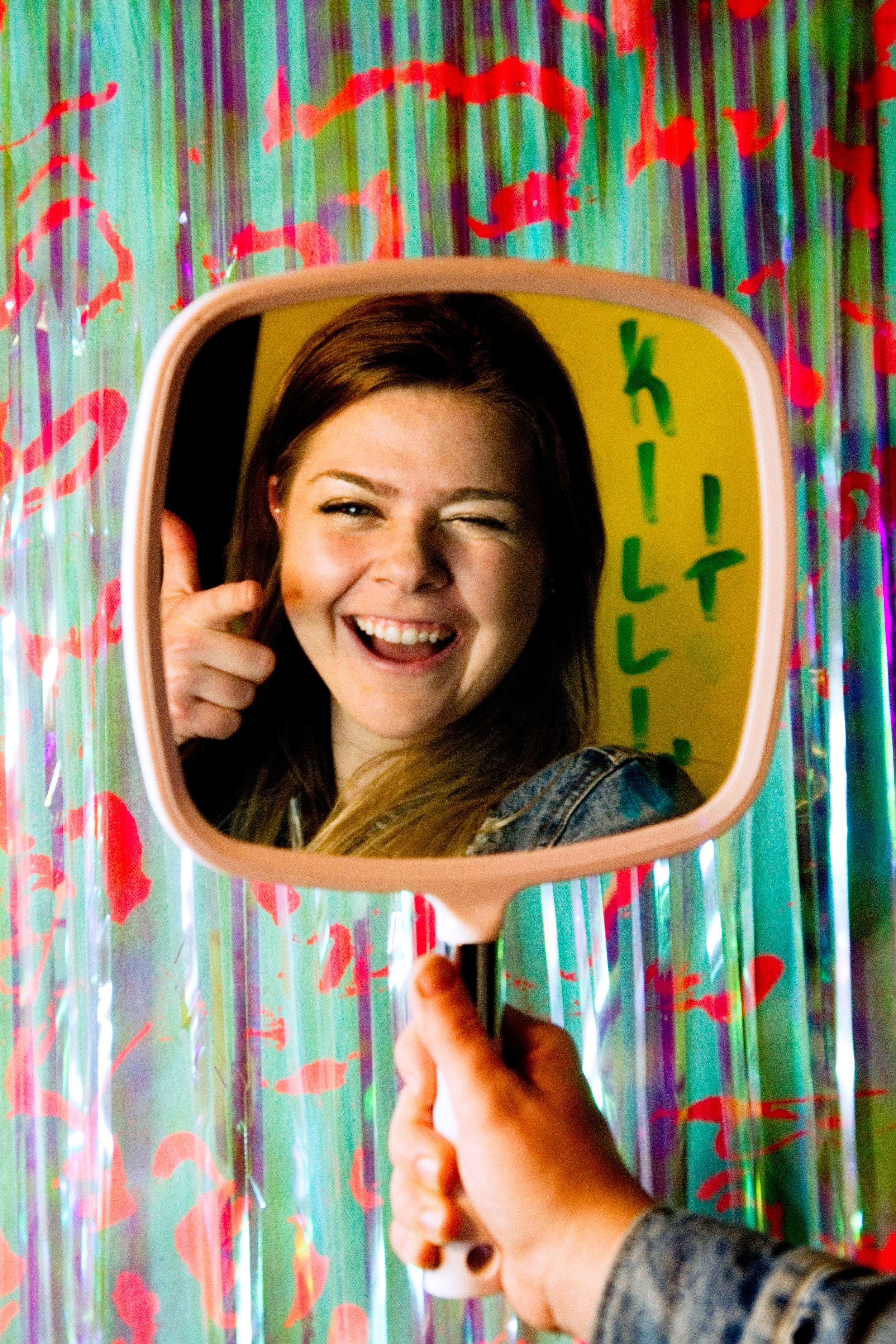






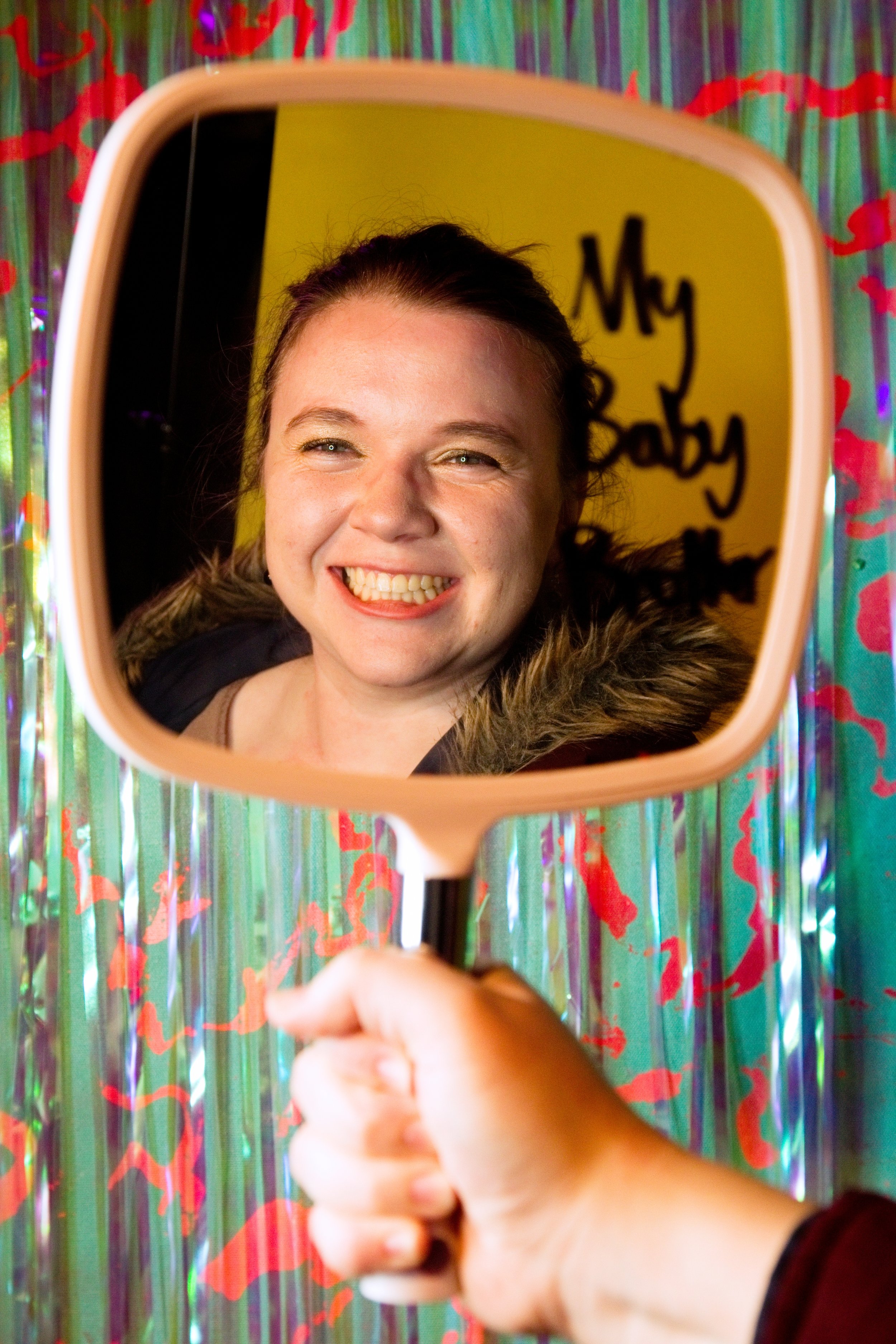
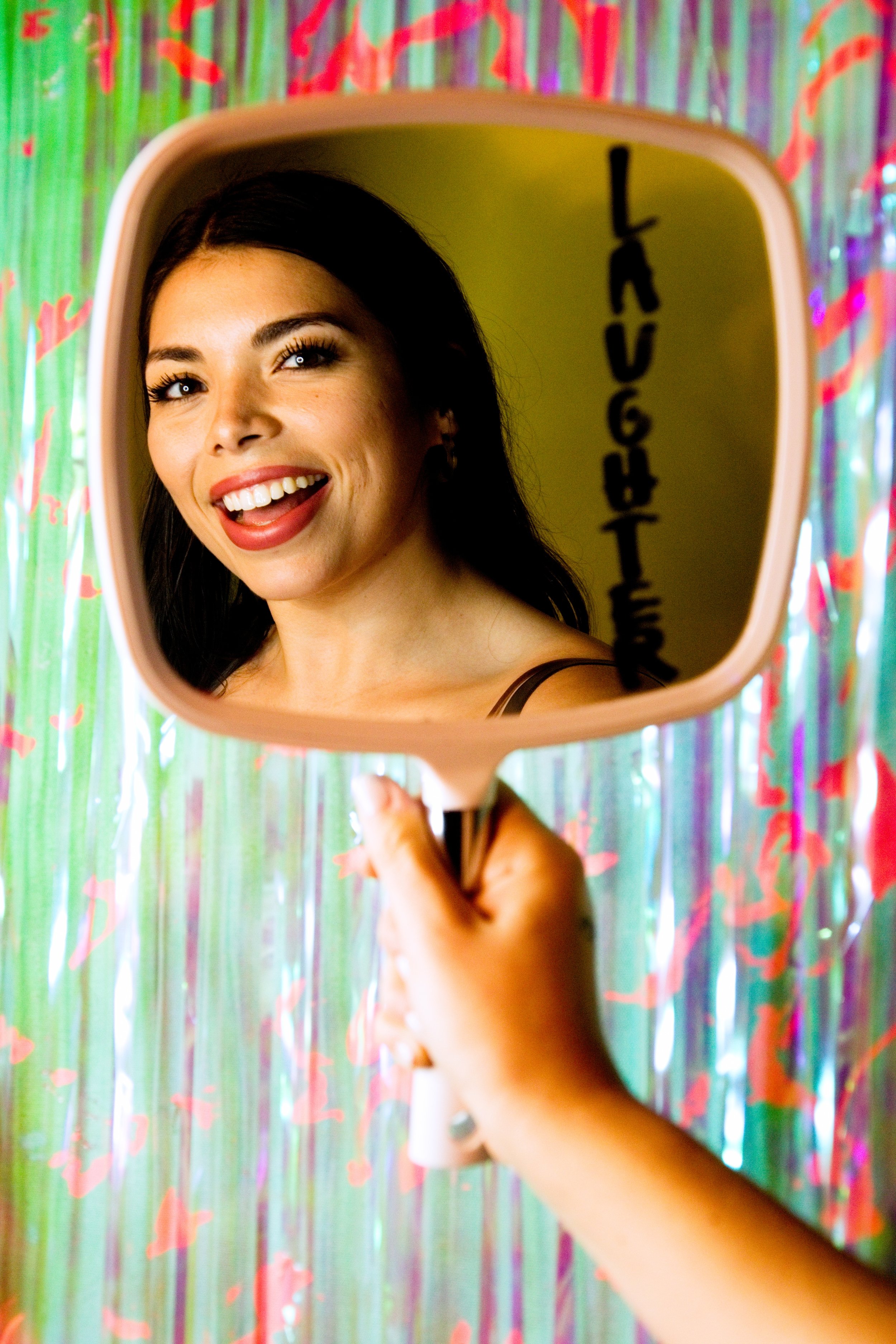

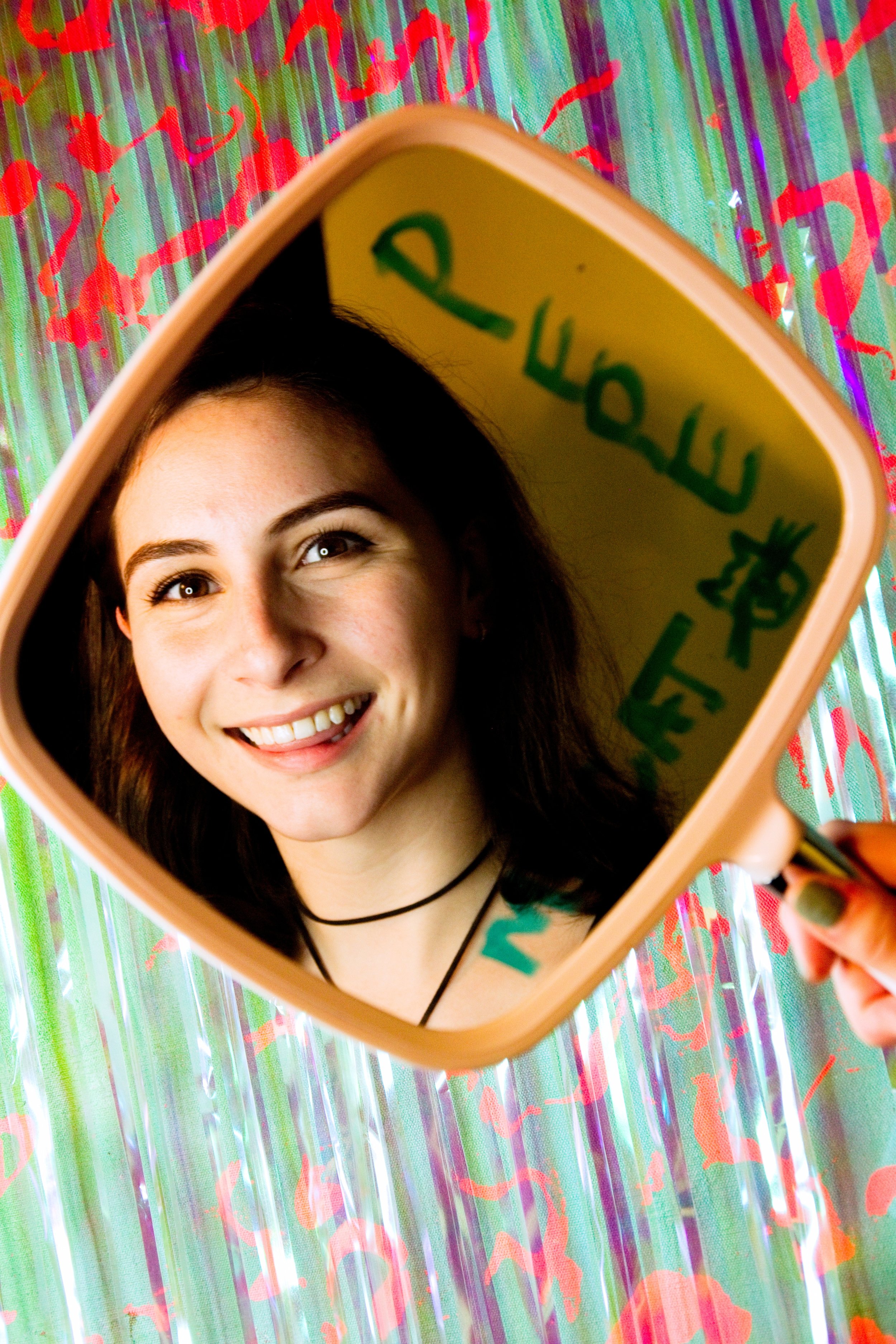
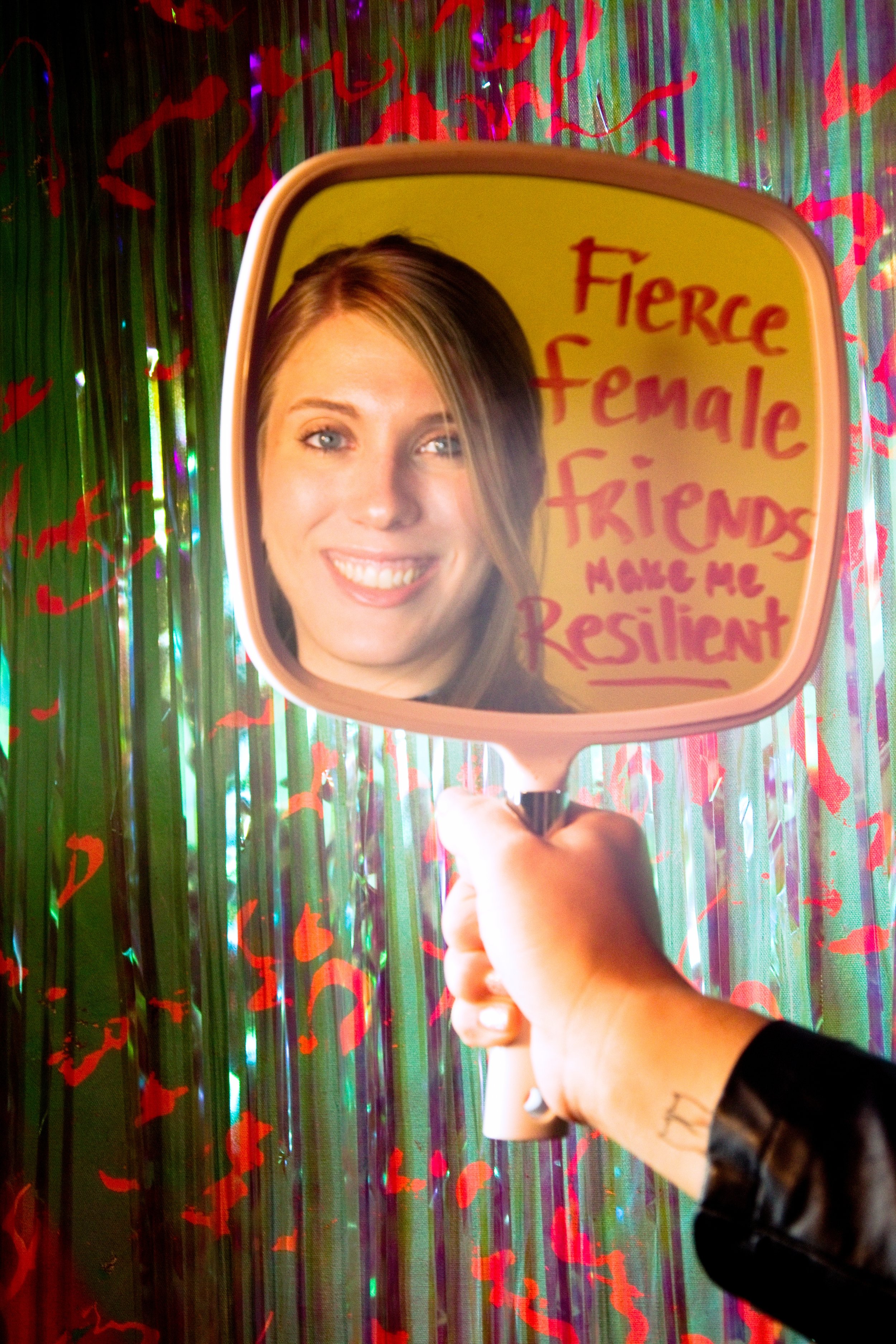

















About the artist Jinni J: Jinni J is a self-taught artist and entrepreneur living and working in Austin, TX. Her latest series “Body, A Love Letter”, on display the #bbatx headquarters, is an exercise in vulnerability and explores love and relationships, particularly with oneself. To learn more about our artist in residency program and our previous residency roster, click here.
This installation was produced during #BBATX’s Third Annual State of the Uterus. Curious about the program? Click here. Want to get involved in upcoming events? Click here.