
On Keeping It Moving: What Makes Us Resilient?
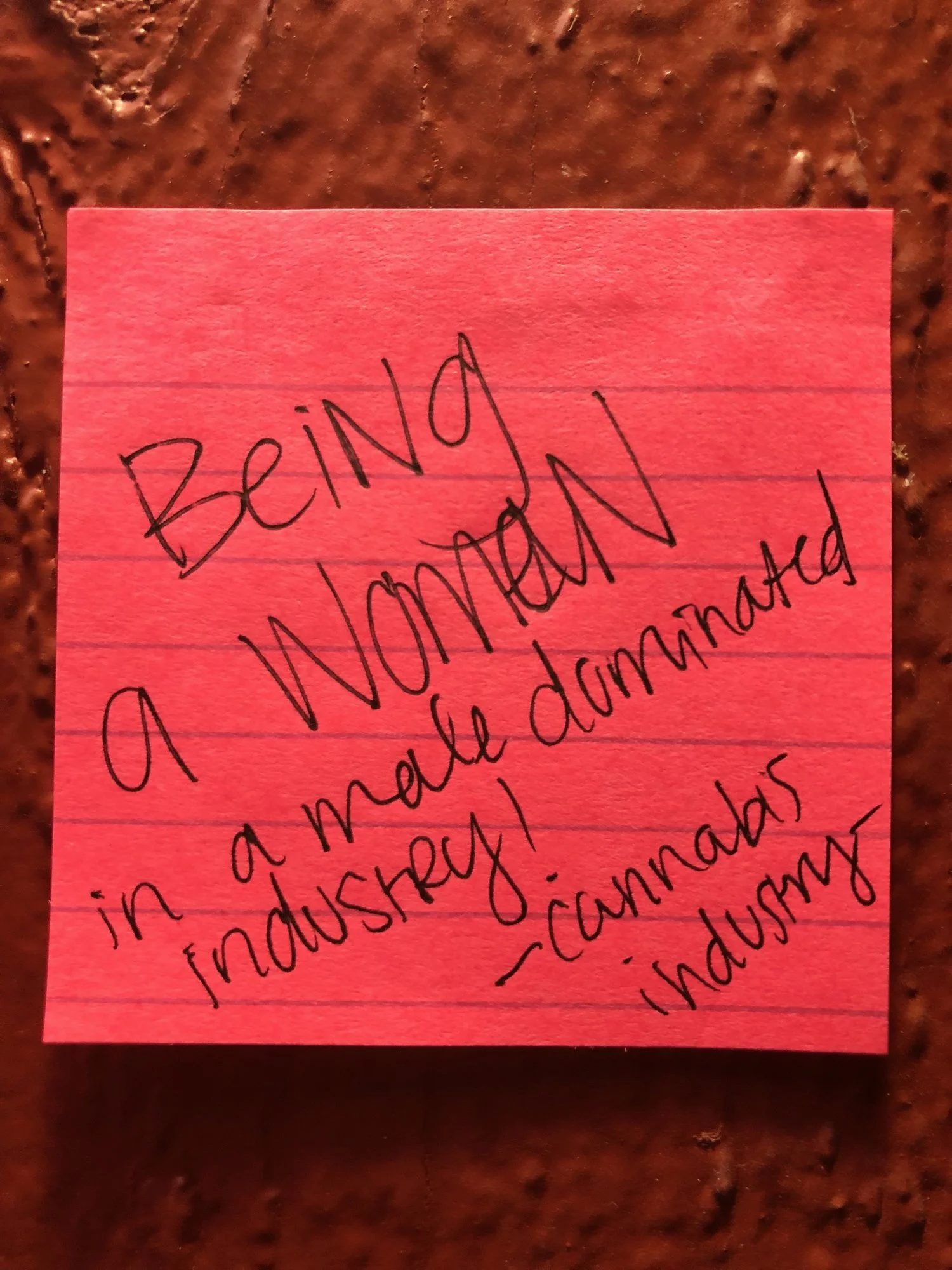
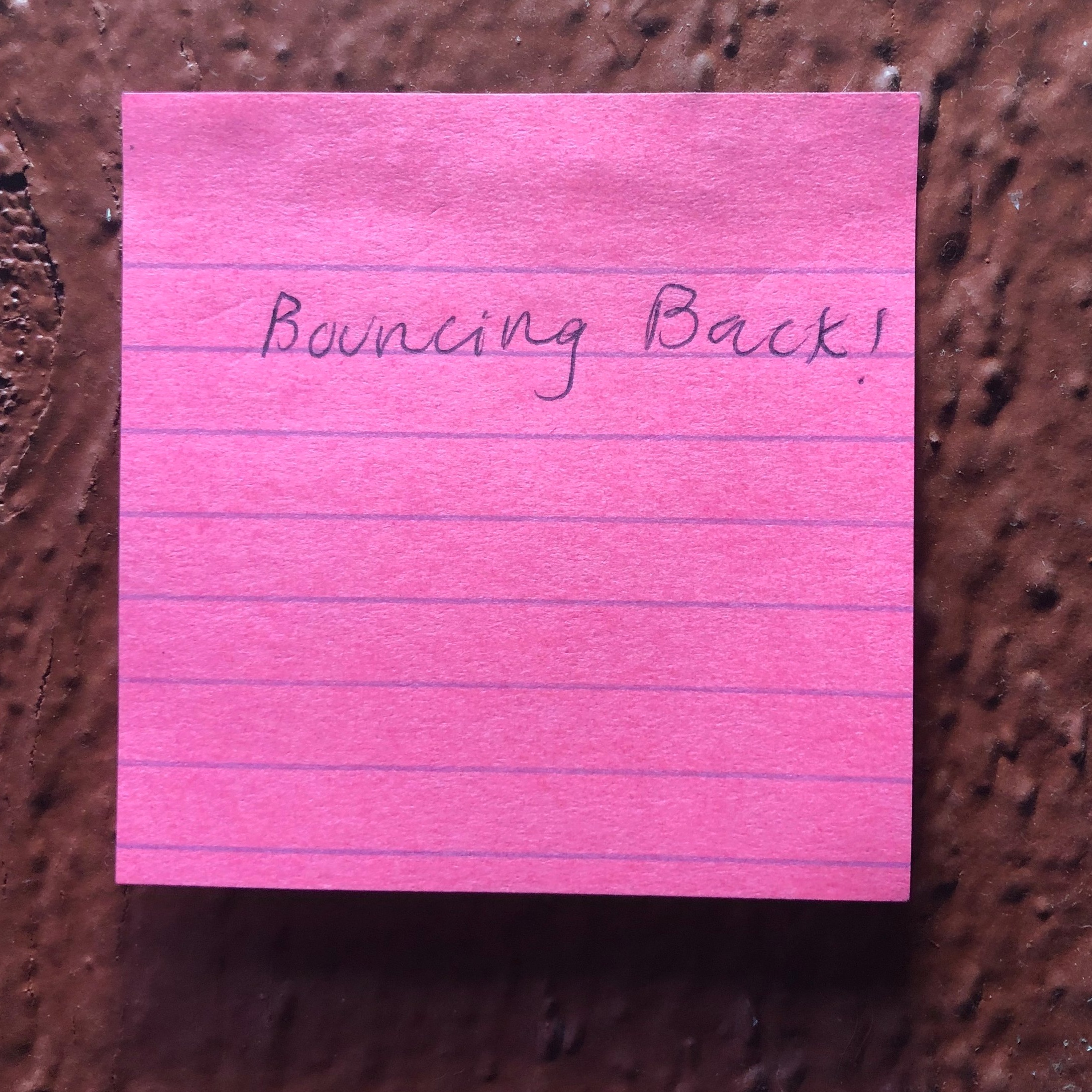
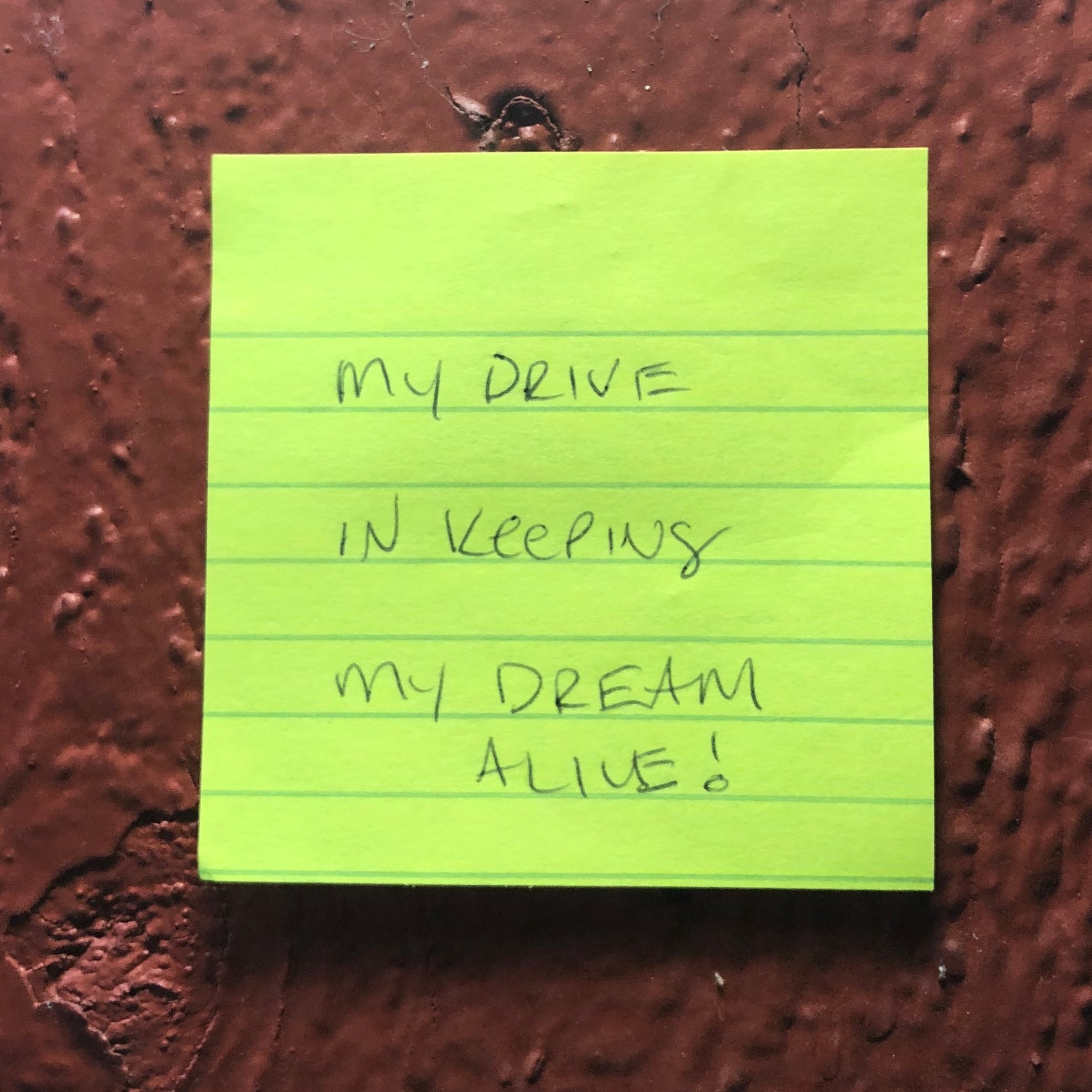
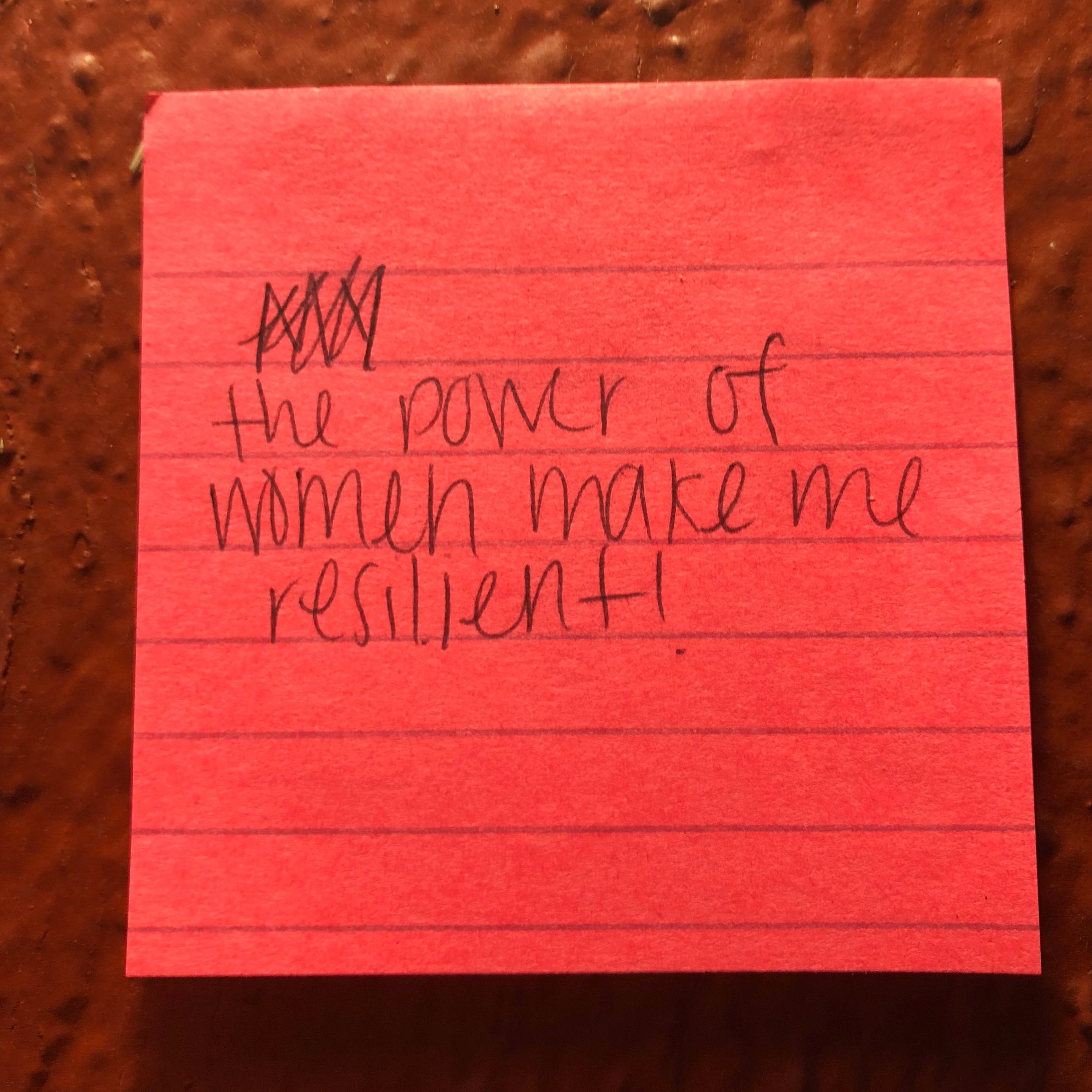
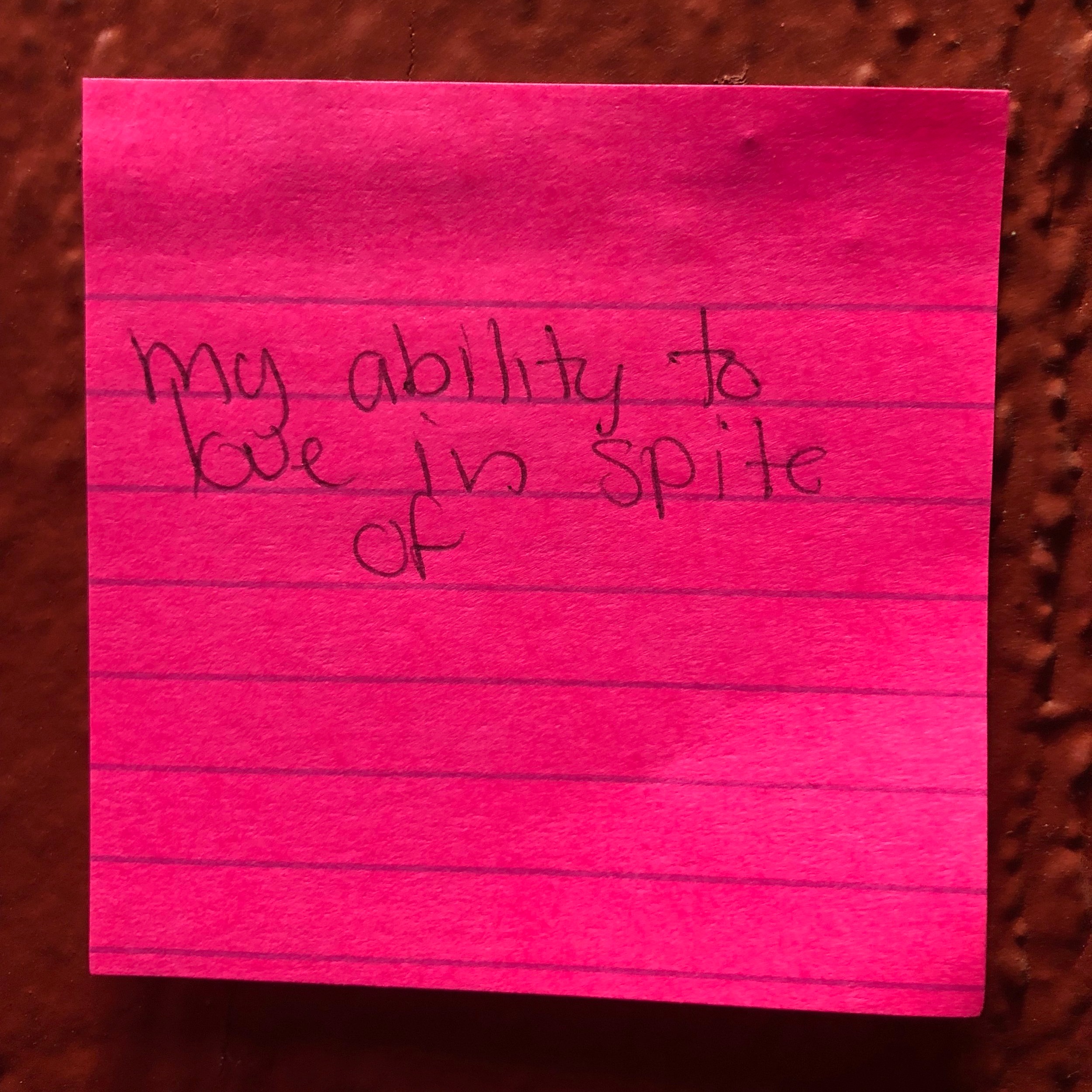
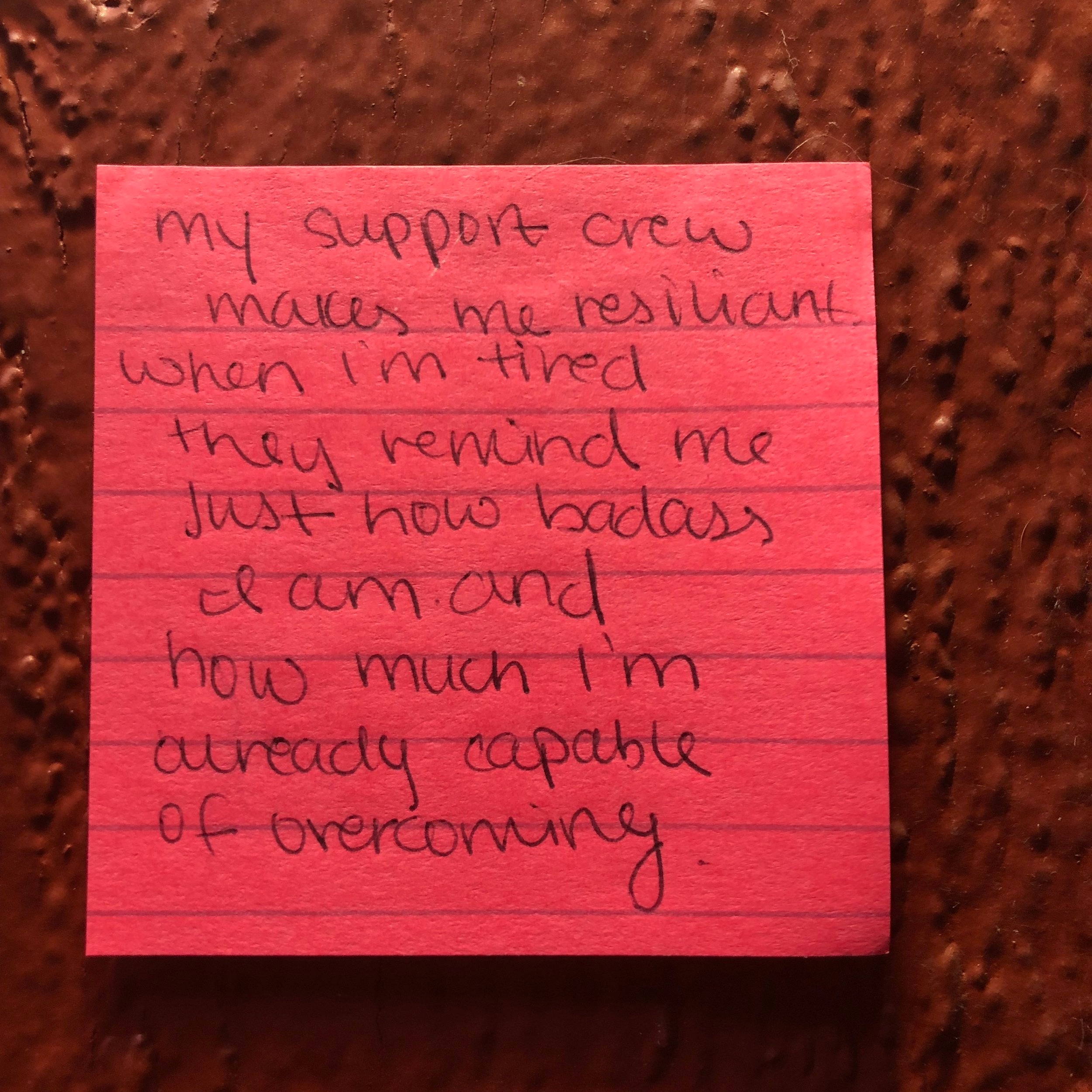
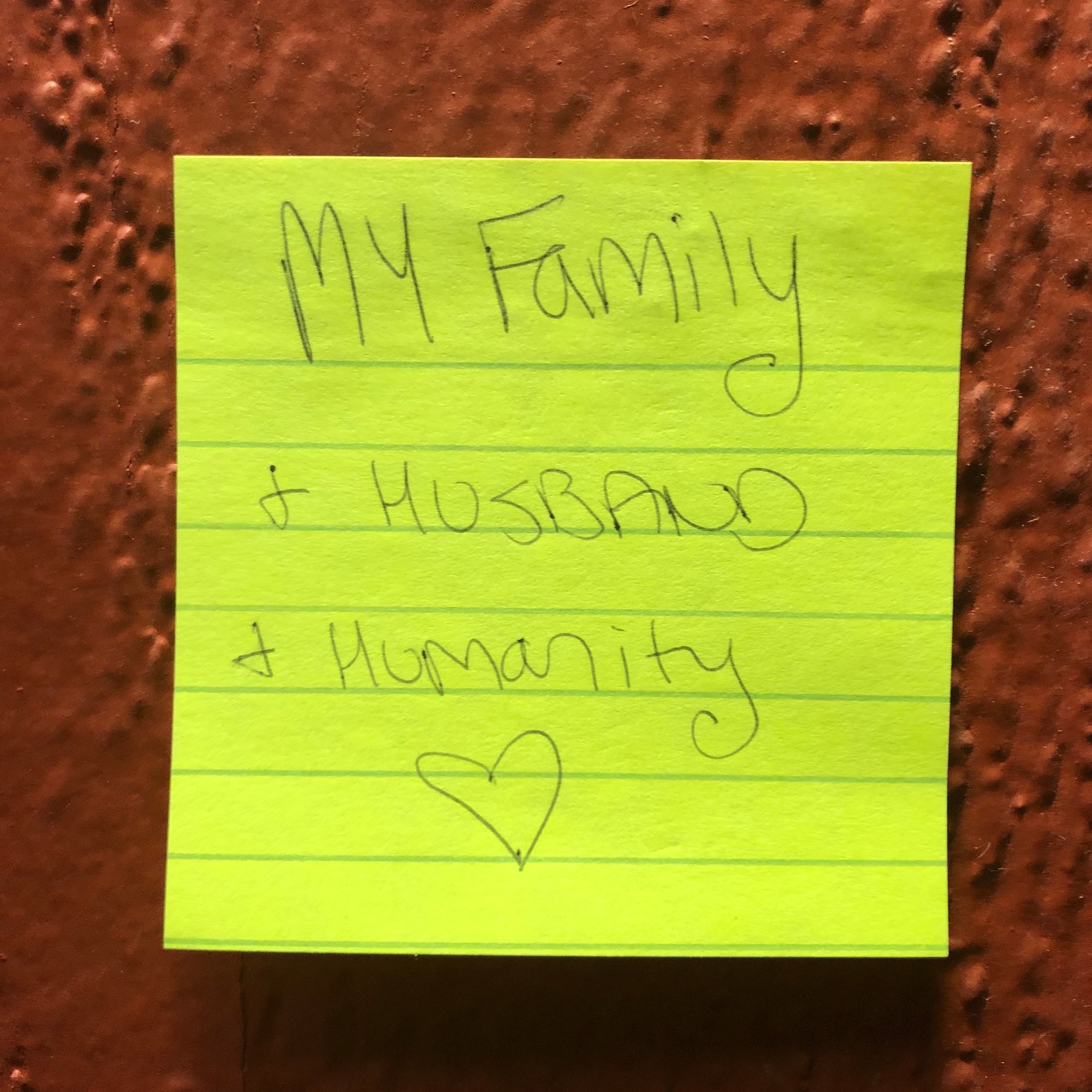
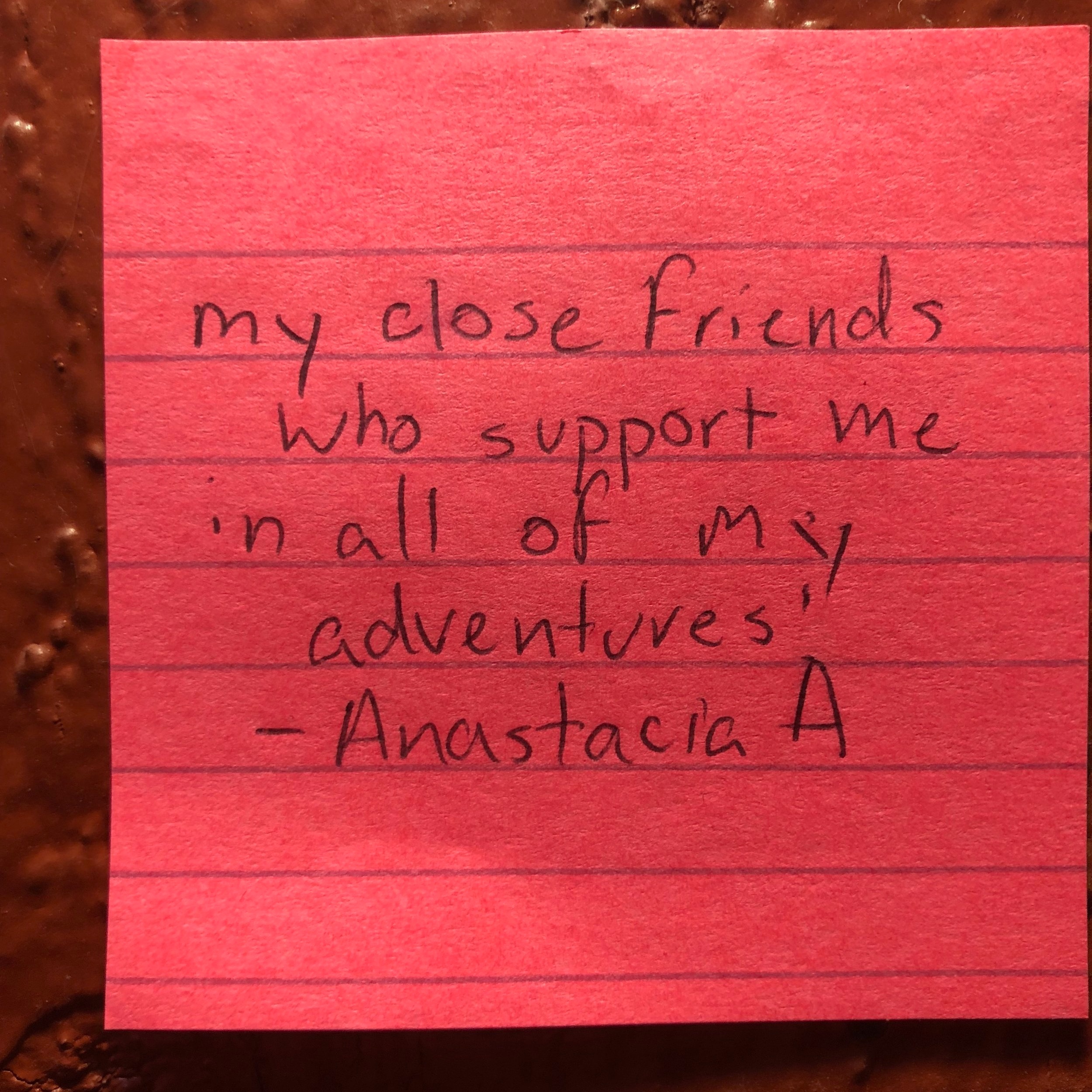
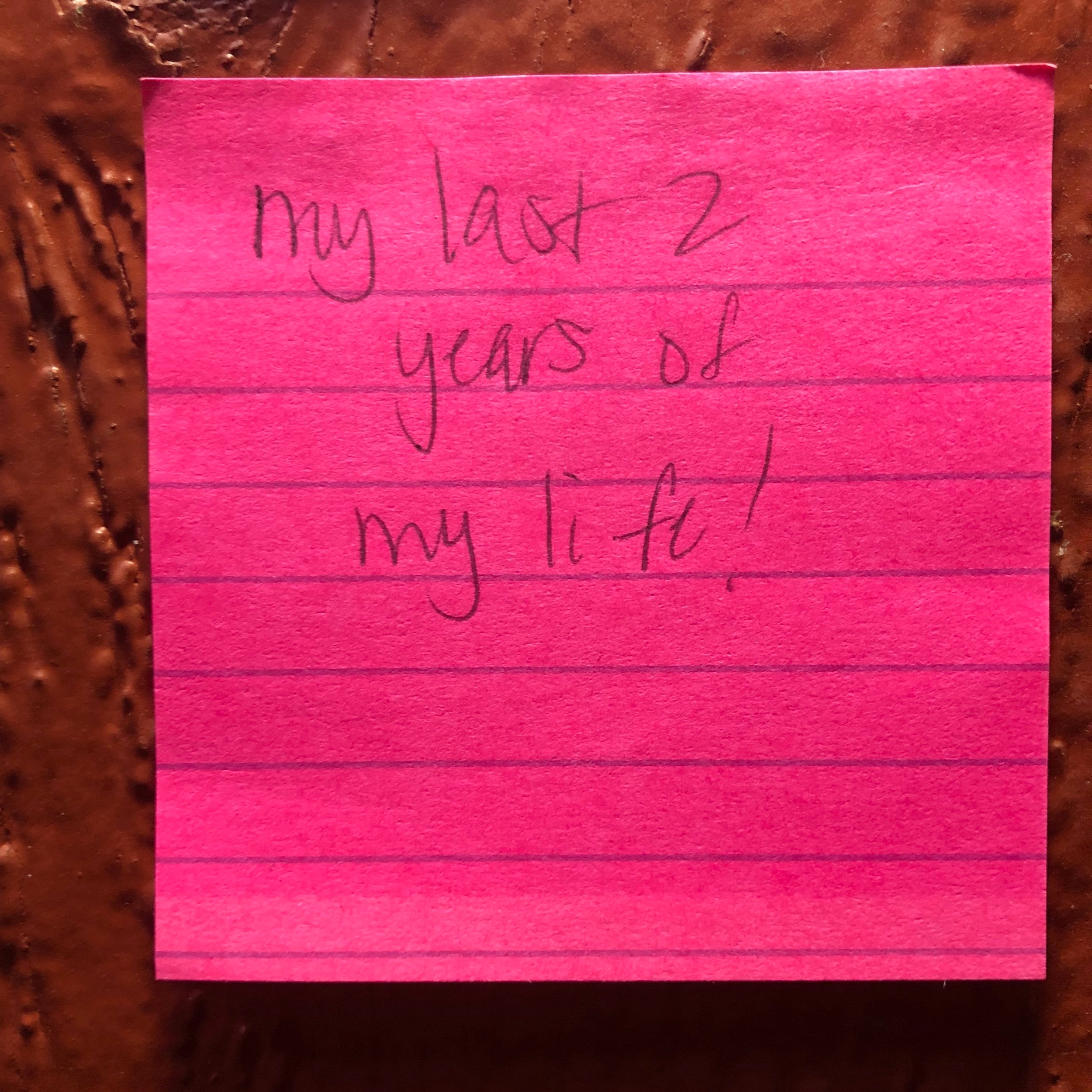
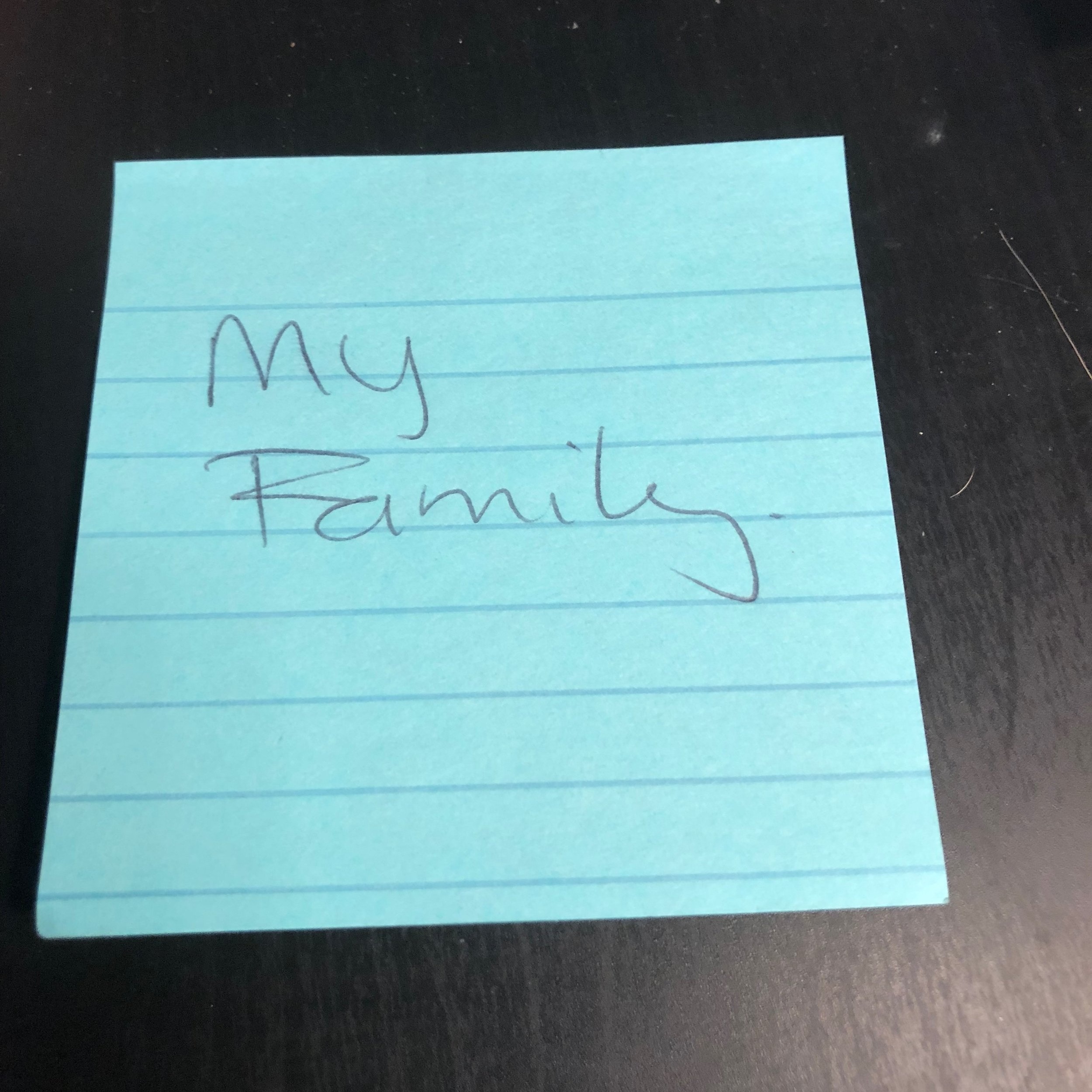
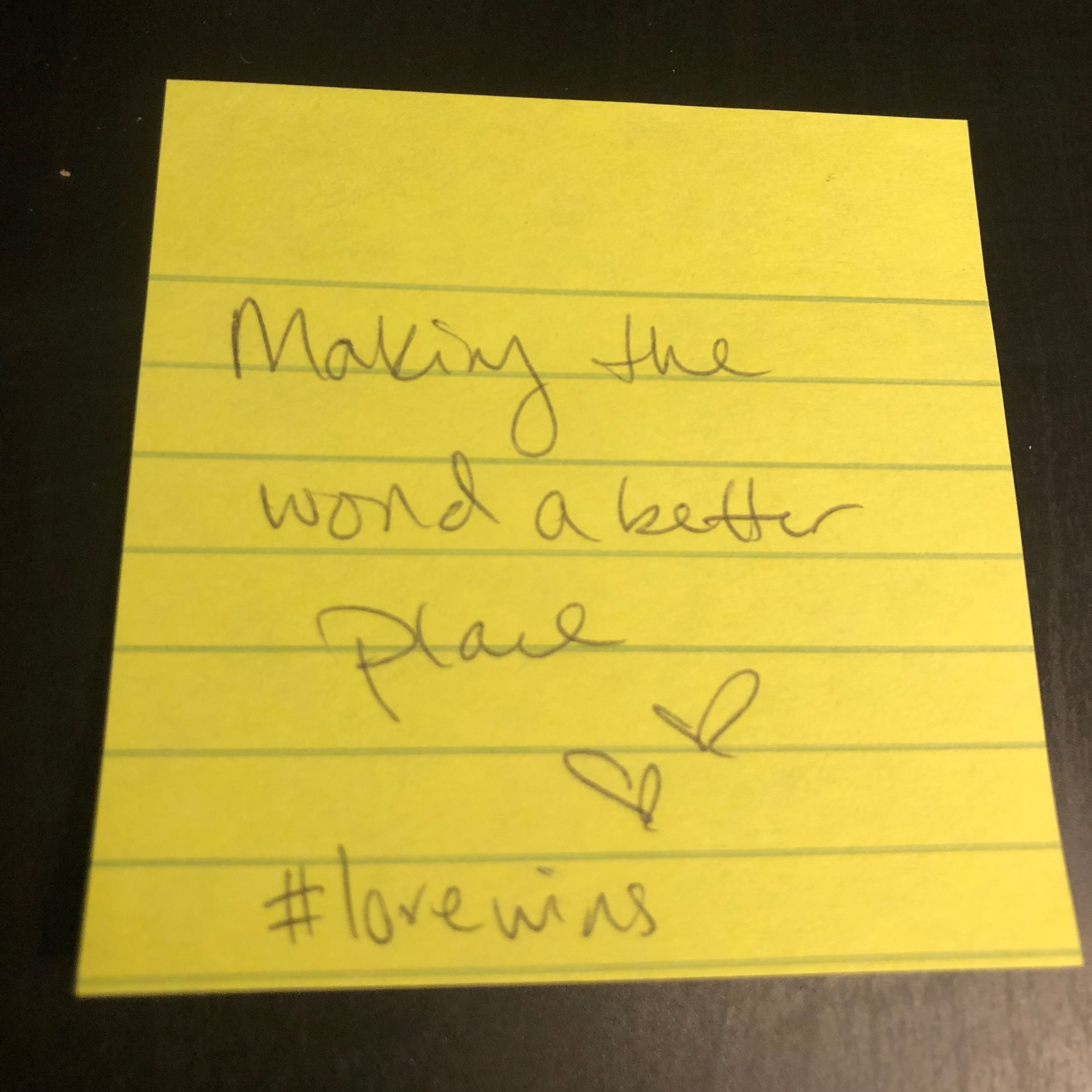
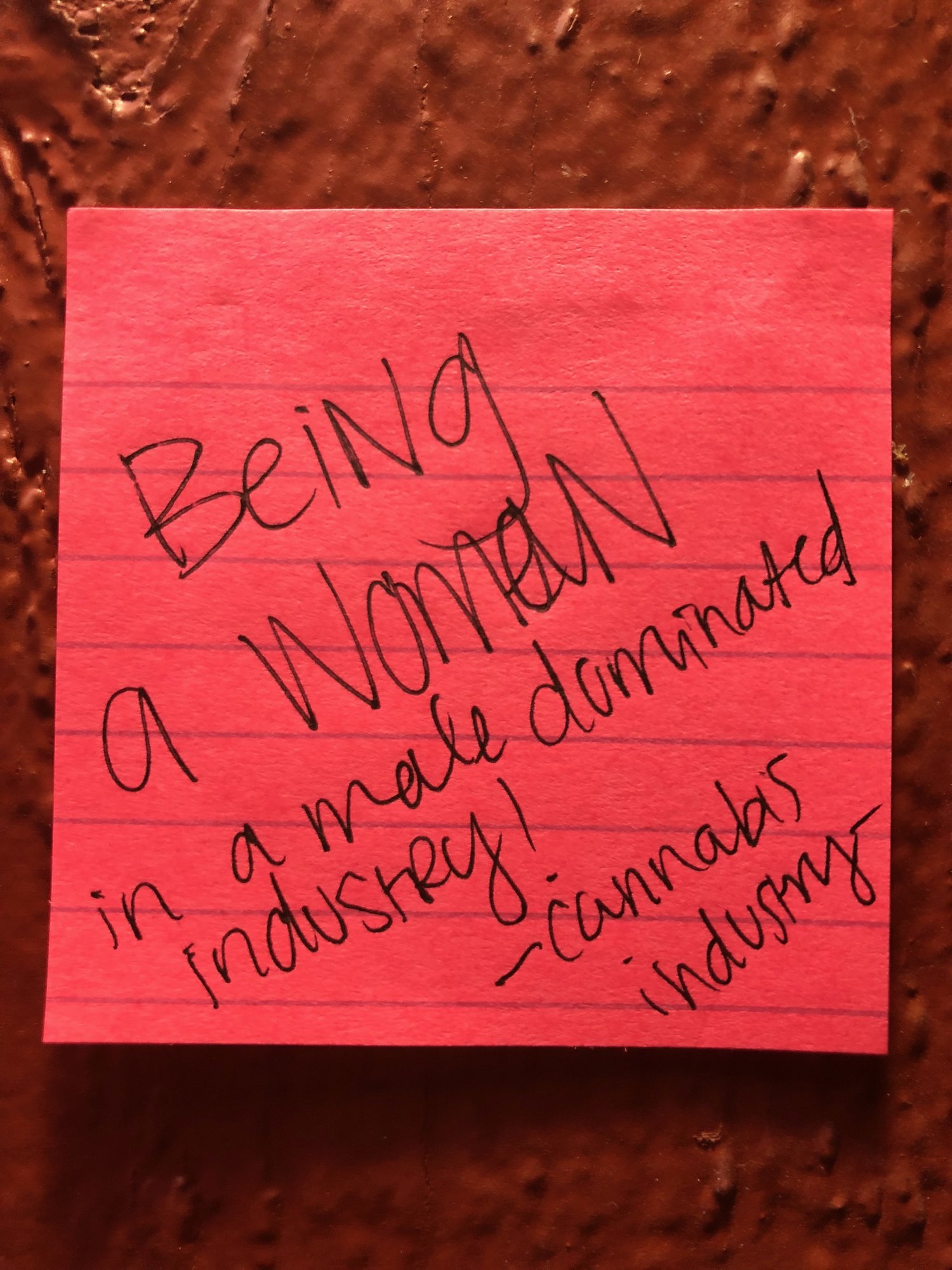
At our last community meet-up in Austin, Texas, we asked, “What makes you resilient?” And the answers were as inspiring as they come.
At our last community meet-up in Austin, Texas, we asked, “What makes you resilient?” And the answers were as inspiring as they come.
We heard from a spectrum of people about making the world a better place, the beauty of our intersections and what it looks like to succeed in a male-dominated industry. We've collected some of those answers below, and we hope they inspire you to keep it moving.
Written and compiled by A’nysha Fortenberry



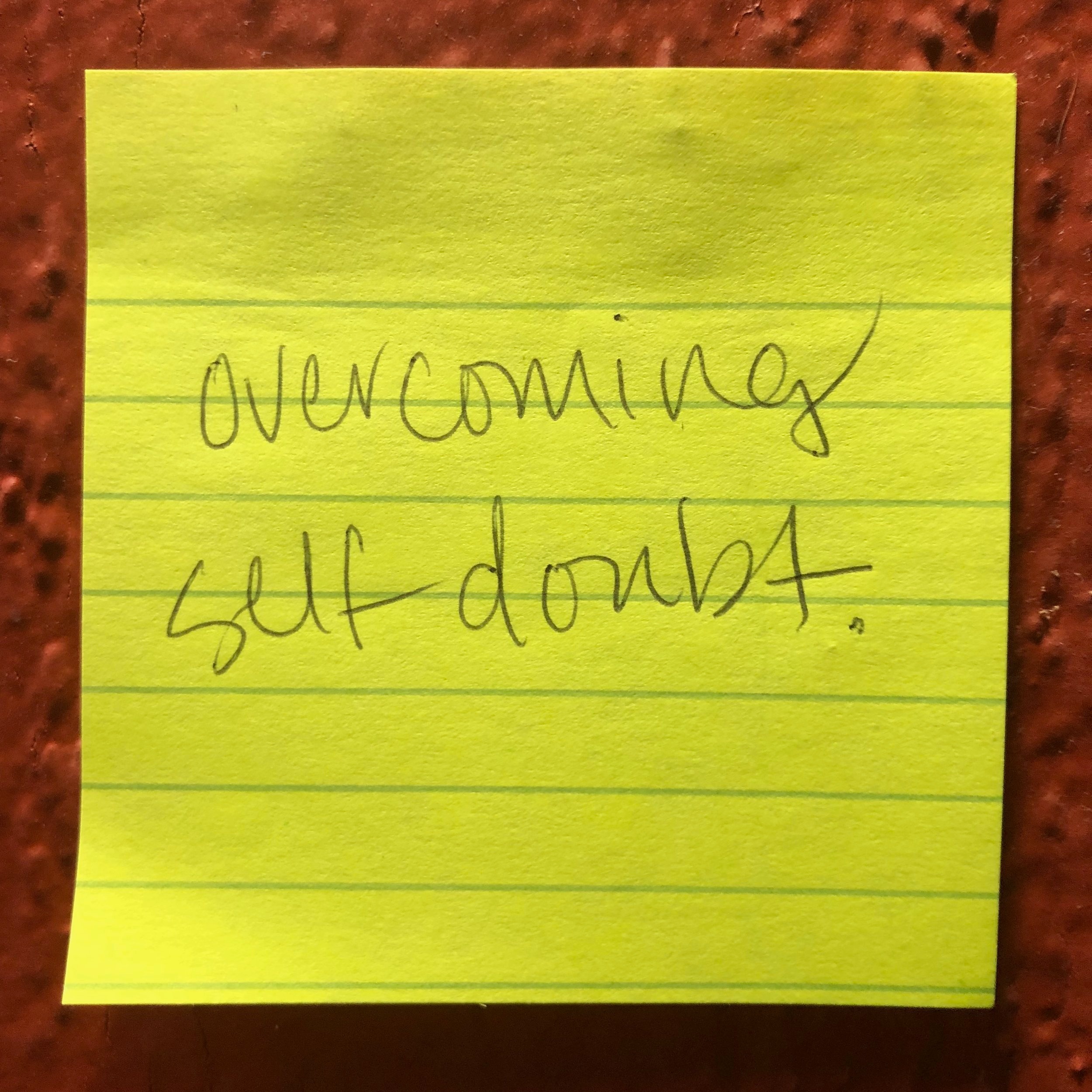
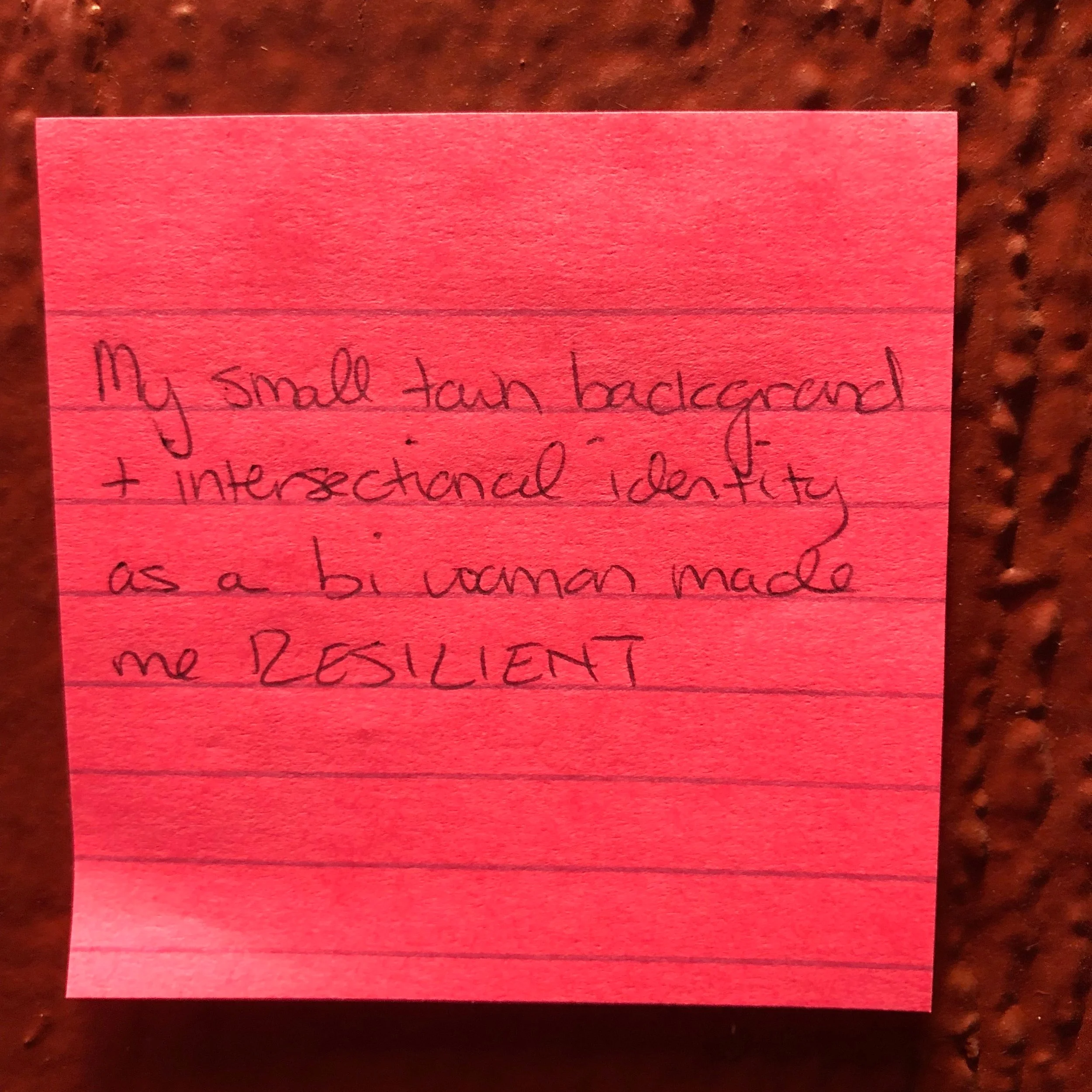
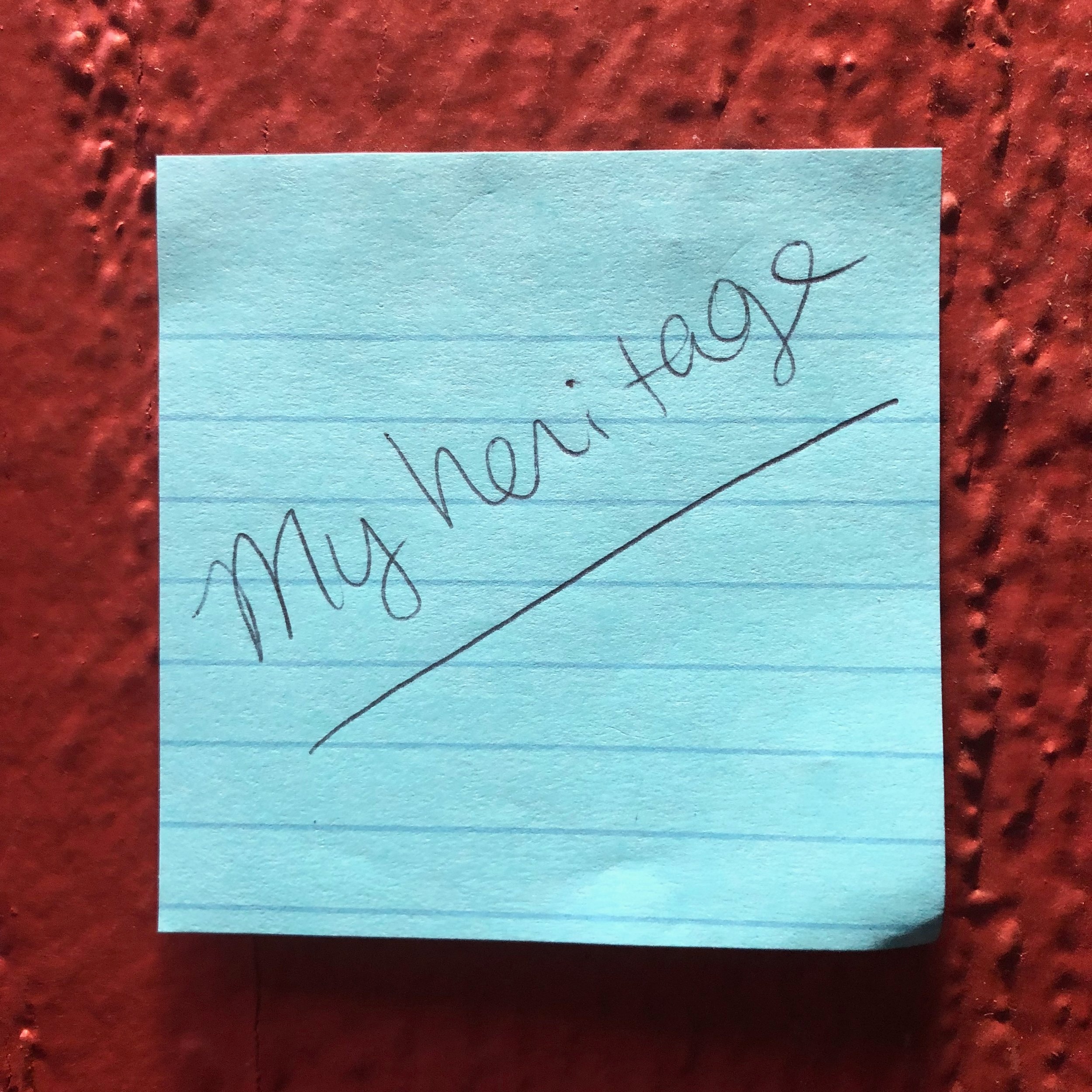
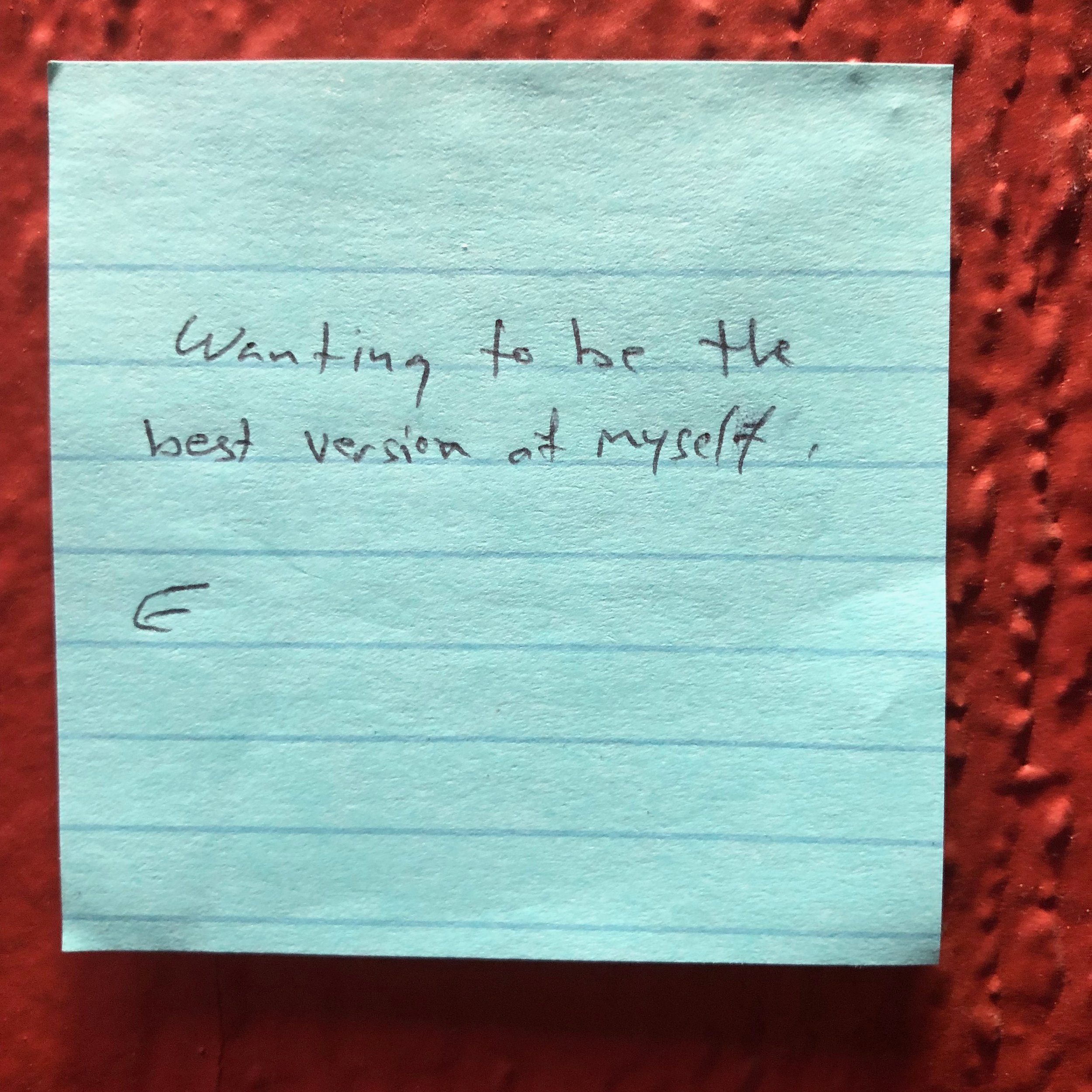


Would you like to get involved with #BBATX’s programs? Learn more about what we do here, and click here to select an upcoming event to attend.
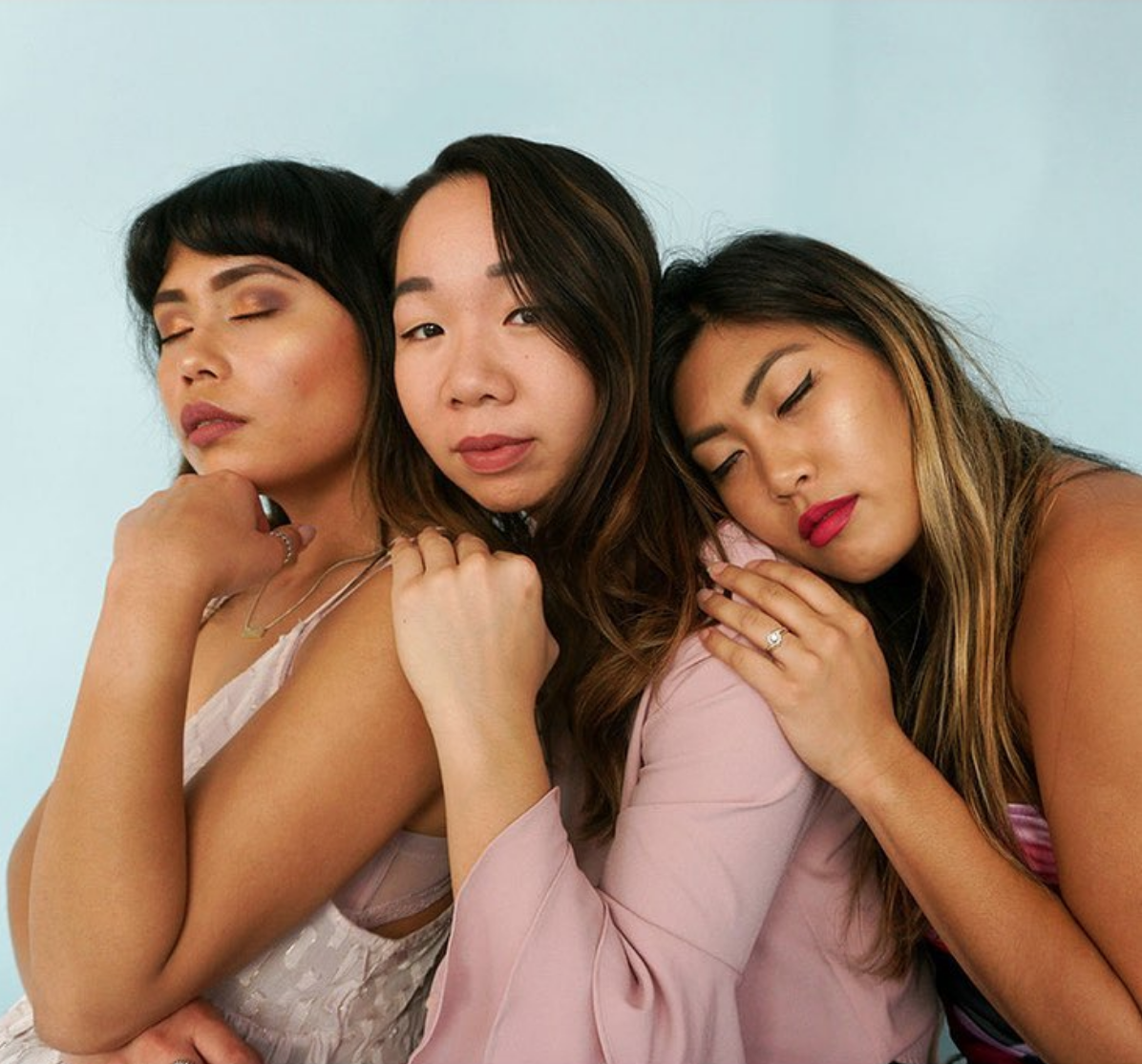
On Asian Identities, The Arts And Representation: The Women of Missfits Fest
In this Q&A with the producers of missfits fest—Kristina Gonzalez, Nina Q. Ho, and Regine Malibiran—we dig into the program’s creative influences, media representation and tangible ways to improve diversity in our communities.

Written By: A’nysha Fortenberry
This weekend, we’re lending our support to missfits fest, a one-day festival celebrating Asian-American, self-identifying women in entrepreneurship and the arts. Produced by women-led organizations collective blue and in bold company, the festival explores cultural visibility and highlights a range of artists and thoughts leaders, across a pop-up galler, an interactive storytelling booth, stand up comedy, panels and more.
In this Q&A with the producers of missfits fest—Kristina Gonzalez, Nina Q. Ho, and Regine Malibiran—we dig into the program’s creative influences, media representation and tangible ways to improve diversity in our communities.

Regine Malibiran (left), Nina Ho (center), Kristina Gonzalez (right)
Q: How would you describe yourself and what you do?
Regina Malibiran: It took me a while to get over the imposter syndrome to say this, but I am a writer and a strategist. I enjoy working on solutions to problems ranging from “How can we optimize our media campaign?” to “How can we address and dismantle toxic cultural norms?”
Nina Ho: I would describe myself as multidisciplinary creative and entrepreneur. I love everything related to telling stories from writing to visual design and photography. I also tend to have a bias towards action and am usually thinking, “Cool, so how do we make this real?”
Kristina Gonzalez-Saunders: I would describe myself as a Taurus rising, Capricorn Sun and Libra moon (just kidding, but not really). I’m a problem solver. I deal with logistics, problem-solve and plan in my sleep. I spend my days as the Project Manager for Party at the Moontower and my nights as a community connector.
Q: Walk us through some of your inspirations for missfits fest, what are you encouraging attendees to explore?
RM: The strongest inspiration and motivator for me is my personal relationships with the Asian-American women in my life. I’ve wrestled a lot with my identity. As a teenager my mother would not hesitate to tell me I was too American—too independent, too assertive—and not Filipino enough (read: quiet, conservative). However as an adult I now recognize that despite our generational friction, she’s always loved me and has sacrificed a lot to put me first.
That duality of wanting my mother to understand the value in independence and assertion and of respecting and admiring her and other women for quietly excelling even when no one else would care to acknowledge it really drives what I want to accomplish with missfits. I hope that attendees explore a similar duality, one where we can take the time to give each other our rightful credit and respect while also working to address issues in our culture and community to pay it forward to future generations.
NH: I think all three of us found inspiration, ironically, in our personal frustration. My thought process went along the lines of, “Oh, there’s not really any public conversations happening in our community about pursuing a creative career. Let’s have a panel on that!” We really just crafted this event to be what would be empowering, insightful, and fun for us—Regine, Kristina, and Nina. (We’re more excited than anyone to attend our own event!)
I hope what attendees take away from this event is a broader narrative of what if could mean to be an Asian-American woman. I’m constantly thinking about how, if 18-year-old Nina attended this festival and saw someone who looked like her being a tech founder, a DJ, a jewelry maker, a mental health professional, an event producer, an actress, how would that open the mental doors of what I thought was possible for myself?
KGS: missfits fest and our collaboration for producing the event came from connecting with each other. I had met Nina through mutual friends, we met up and started talking about what we thought was missing in our Austin community. I want our attendees to leave feeling inspired—to feel like they can truly relate to someone else because that’s what was always lacking for me. I really want to share these stories from our partners and I hope people find out they are not alone.
Q: Who and what were some of your influences while planning this conference?
RM: Nina and I definitely pulled a lot from elements that we thought were really effective and impactful from our previous events! When I was researching for our @missfitsfest account on IG, I took a lot of inspiration from ACL and BABES FEST.
NH: I think Regine and I looked back on our past collective blue events—from music showcases, vendor markets, to speaker panels—and were like how do we bring it all together in one event that specifically served us, a female Asian-American audience. Details-wise, we were definitely inspired by work from other local community orgs like #bossbabesatx and Almost Real Things.
KGS: With our promo shoot by Nina, we were inspired by Solange and Aluna George. I’m sure you can tell from the photos! We were inspired by pop culture in the U.S. for the names of our panels, too, and used a lot of what we knew to create this festival.
Q: This festival covers some serious topics, like mental health in the Asian-American and Pacific Islander community, sexuality and gender identity, media representation, and telling your parents you’re pursuing a creative career. Why did you choose these topics, and what do you hope they will expose within the Asian-American and Pacific Islander communities?
RM: A goal that’s really important to me regarding our panel topics is creating a space for Asian-American women to talk to each other openly about important issues in our community. Culturally, we have a tendency to shove things under the rug and prioritize keeping the peace and saving face. Growing up as a 1.5 generation immigrant, this tendency to bury any sign of negativity always bothered me. As a child I never understood why my family members would just keep quiet about things that obviously caused them and others pain and trauma. Our panel topics really resonated with me as issues that a lot of people in our community probably have an opinion about and have been wanting to discuss productively (read: not just address once and then ignore for decades; we’re actually going to unpack these issues) for a long time.
NH: I think these topics are the key issues in our communities today. These topics also hit home for us personally, too. We hope that while missfits fest celebrates the best parts of our cultural identities, it also brings to light important conversations that need to be had. Hopefully, we can start the process of unpacking this emotional baggage and trauma now so that we, and future generations, can travel lighter.
KGS: In 2018, there were two pretty big movies that started a larger conversation in Asian representation in the media, To All The Boys I’ve Ever Loved and Crazy Rich Asians. Those films sparked a lot of discussion amongst the Asian American community. I remember crying because I felt excited to see an Asian girl get the guy for once in a movie.
All of these topics are based off of what we thought should be discussed in our community. We hope that our community will stop sweeping things under the rug and start talking. Start sharing with each other. That’s where healing begins.
Q: What advice do you have for marginalized women, particularly women of color, who are looking to create their own seat at the table the way collective blue an in bold company have?
RM: Over the years, I’ve witnessed a really deep-seated fear of failure and a compulsion to be perfect in women of color, including myself. We carry so much weight on our shoulders that it can feel like every decision and mistake we make are mission critical. That fear and compulsion can be exacerbated by a tendency to neglect self-compassion.
My advice to other women of color is twofold: one, just do the damn thing. It doesn’t need to be perfect, and you’ll likely open new doors for yourself in the process (besides, our “average” is way above the norm anyway). Two, cut yourself the same slack and give yourself the same comfort you would your best friends. You’re a boss, you’re doing great work, and you deserve to believe that.
NH: Echoing what Regine said, just go for it! I think it’s valuable, especially for women who are usually held to unrealistic standards of perfection, to reframe the belief that your ideas have to be “perfect” from the get-go. You can only refine and improve them when they’re “live” and out in the real world. Greatness and impact comes from growing through feedback, challenges, and lived experiences—not from perfectionism and flawless execution, the latter doesn’t actually exist.
KGS: I agree with Regine. You just have to do it. Start it. We need your ideas. We need more women of color pushing the normal. Look at Congress right now!! Ayanna Pressley and Alexandria Ocasio-Cortez are women created their own seats at the table. Why? Because there are people out there who want you to have a say. They need you to be out there pushing those boundaries. When one of us gets a seat, it means we all benefit.
Another piece of advice to surround yourself with a good support system. Without my community, in bold company wouldn’t exist.
Q: One of your panel topics covers media representation. What are your thoughts on media representation for Asian-Americans today? How does this affect perceptions of one’s culture or identity?
RM: We made significant progress in 2018, but there’s still so much work to be done. For every Constance Wu there are like, 50 Scarlett Johansson’s that are just ready to undermine us for a check. Representation is already so hard to come by, and then you add whitewashing on top of all that? Come on. That sends a message that our stories are not worth telling unless they are being told by someone white.
Representation can seem like an “overrated” issue but the impact of seeing yourself accurately portrayed in popular media is literally life-changing. And I think that often times, people will cast East Asian leads and pat themselves on the back. We still need representation for the full spectrum of what it means to be Asian-American. Darker skinned Asians, LGBTQ+ Asians, complex Asians need representation, too.
NH: Something that’s been on my mind recently is the idea of narrative plenitude vs. scarcity by writer Viet Thanh Nguyen. He writes about how, when you’re in the narrative majority, individual stories or pieces of media are not commentaries on your community. However, when you’re in the narrative minority and have so few stories about your group (say Asian-Americans), each story becomes either a huge success or a huge failure that’s reflective of your entire community. While I think there have been some major wins recently for Asian-Americans in media, we still have a long way to go—there’s still a huge scarcity of Asian-American stories. (For example, only 1% of lead roles are given to Asian-American actors.)
I believe that positive, or even just realistic, portrayals beyond racist or model minority stereotypes can go a long way in helping someone appreciate their culture and identity and not internalize shame or self-hatred. It’s crazy to think about, but it took me 25 years before I saw someone who looked like me be the protagonist of a romantic comedy and not just the brainy or ditzy sidekick (To All the Boys I’ve Loved Before).
KGS: When I was researching information about Asian-Americans in the media, seeing the numbers that Nina mentioned was shocking, but not surprising, if that makes sense. I always knew I never saw anyone like me as the star of any movie or TV show. That’s why I clung to Selena so hard - she was one of the only brown women I saw in media.
As a young person, you look up to the media. Celebrities and artists are your idols. When you don’t see anyone that looks like you, one begins to wonder why. Is it because we’re not pretty enough? We’re not smart enough? What is it about me that’s not good enough? I spent a long time being insecure about the line I toggled between Asian and American.
Q: What are some tangible things we can all do to improve representation, diversity and inclusion in our communities?
RM: Support work and people that you believe in! Representation, diversity, and inclusion are all tough, uphill battles and it can be easy to become discouraged. Support from the community is invaluable in fueling the work. It’s also important for us to be self-aware and check on our own inherited biases so that in our journey to create progress, we don’t inadvertently exclude people in our communities.
NH: Support organizations and individuals who are doing the WORK. Whether it’s just a follow on social media or buying something from them, social and financial currency goes directly into their pockets and back into the community. Additionally, let’s start respectfully engaging in dialogue and pointing out problematic issues, while still being mindful of our emotional bandwidth in each situation. A tangible tool I like to use is to ask “why” questions that spark conversations. (For example, this ethical brand only has images of white women wearing the clothes and any person of color is an indigenous maker. Why is that?)
KGS: Support, support, support! Our event is inclusive. Yes, our main audience is Asian-American, but we want everyone there. We need each other and improving representation, diversity, and inclusion in our communities starts with understanding.
Hosted at Native Hostels on Feb. 10, missfits fest is a one day festival celebrating self-identifying Asian-American women in entrepreneurship and the arts produced by collective blue and in bold company. Tickets are $15 pre-sale and $20 at the door. Click here for more information.
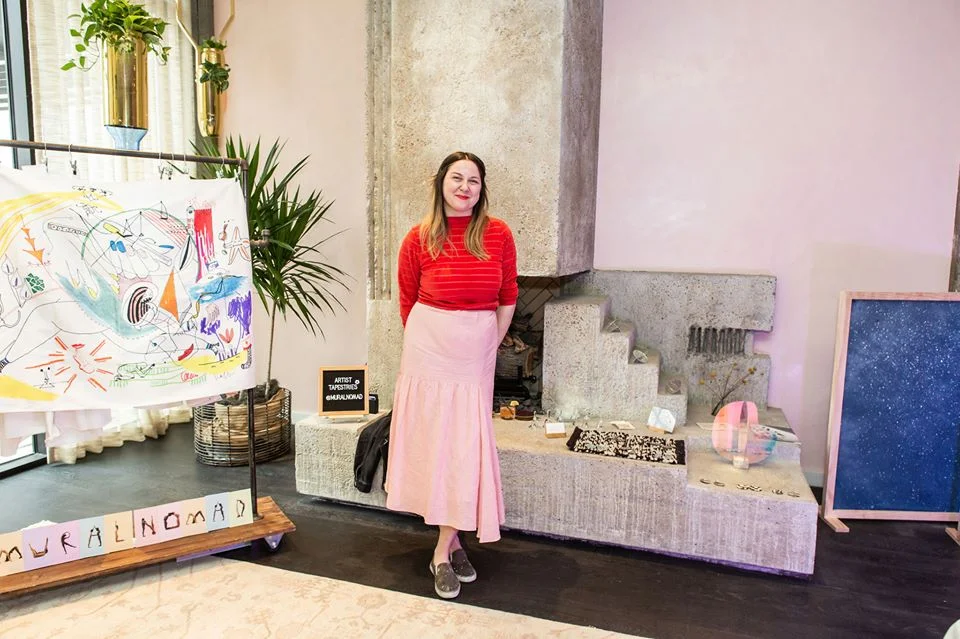
On Working With Materials, Subjects And Space: An Interview With Artist Amada Claire Miller
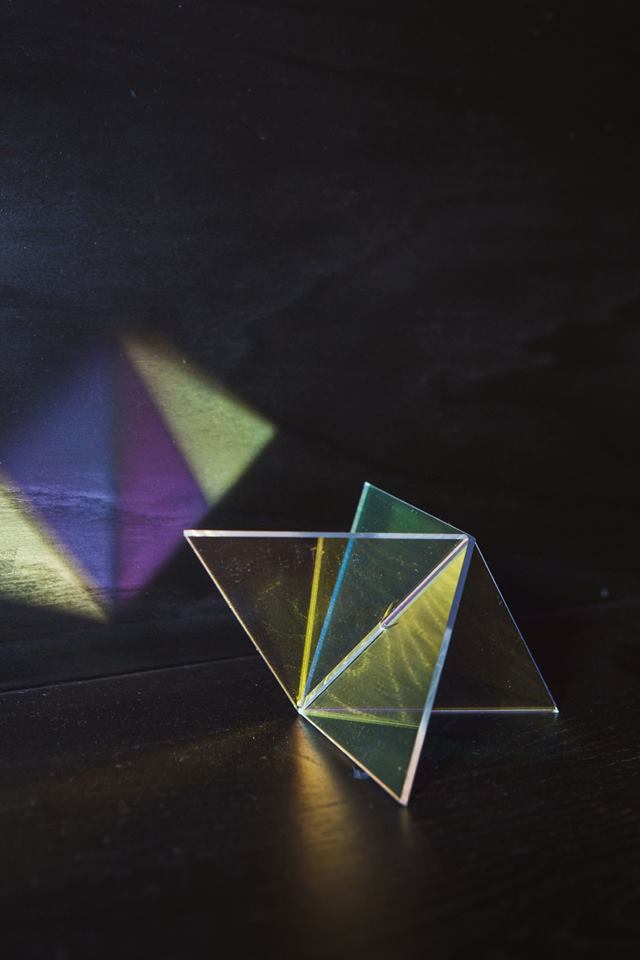
In December 2018, #BBATX partnered with The Line Hotel Austin to curate an art installation for the hotel’s lobby. We selected Amada Claire Miller—a Texas-based curator and artist, working with natural dyes and industrial materials to create sculptures, ceramics and textiles—to produce the installation. Throughout November and December, Miller collaborated with our staff and the LINE to create site-specific works that explored the ways light and shadows interact in the lobby, titled “The Strange Slant of Light.”
In December 2018, #BBATX partnered with The Line Hotel Austin to curate an art installation for the hotel’s lobby. We selected Amada Claire Miller—a Texas-based curator and artist, working with natural dyes and industrial materials to create sculptures, ceramics and textiles—to produce the installation. Throughout November and December, Miller collaborated with our staff and the LINE to create site-specific works that explored the ways light and shadows interact in the lobby, titled “The Strange Slant of Light.”
Today, in commemoration of this project, we have an interview with Miller on her process and the pieces she produced for this collaboration. Her current exhibit The Absurdity of the Fact of Us, on view at Sala Daiz through February 8, and you can find Amada’s work on her website and Instagram.
This interview was conducted by #BBATX Projects and Operations Coordinator, Natalia Rocafuerte. All photos by Jeanette Nevarez.

Q: How do you practice personal and professional curiosity?
Amanda Claire Miller: When I was about 8 or 9 I was so perplexed that there was space and material inside of the walls within my room that I cut small circles into the sheetrock to see what was in there. My mom generously describes my youth as not “fitting inside of anyone else’s box”. I was definitely a weirdo, I constantly talked about everything and nothing. I didn’t really understand science at that age except that it was a subject I was forced to learn about, but I liked the way stars sparkled and wondered why that was.
Curiosity is a way to slice through the darkness of a subject to reveal its entirety and from a very young age I have been approaching people and things with a curious mind. Lately, I’ve been working with scientists more, I find that most of them are incredibly selfless when it comes to their work and they love to share their research. I try to capture that energy and create work that can be shared with a broader audience. This leaves me casting a wide net, which makes being curious about subjects and materials a must. I was recently speaking to a scientist-friend who told me that I was a “genuinely curious person”, I think that was the best compliment I’ve ever received.
Q: Your materials range from natural dyes and textiles to Plexiglass and dichroic. How do you pick you materials?
Miller: I approach the subject before deciding on a material. My recent work is more rooted in research, science, origins of life, things that can translate into many forms. My research tends to not just be about subjects though, it’s also material based. I’m often on 3M’s website looking for new things, or even when I’m walking in my neighborhood, I pop into industrial material shops to see what kind of unusual things they might have in stock.
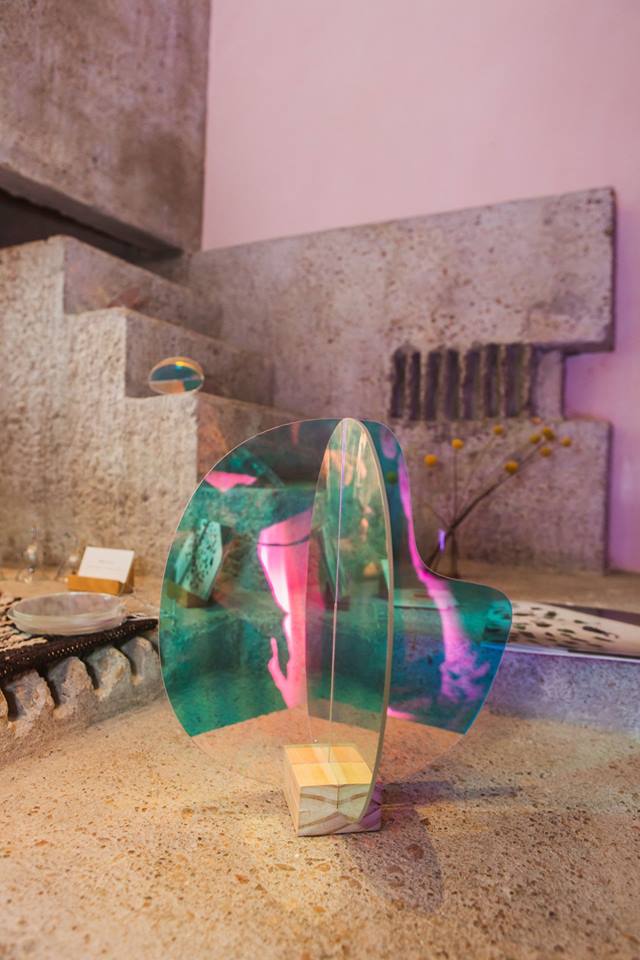
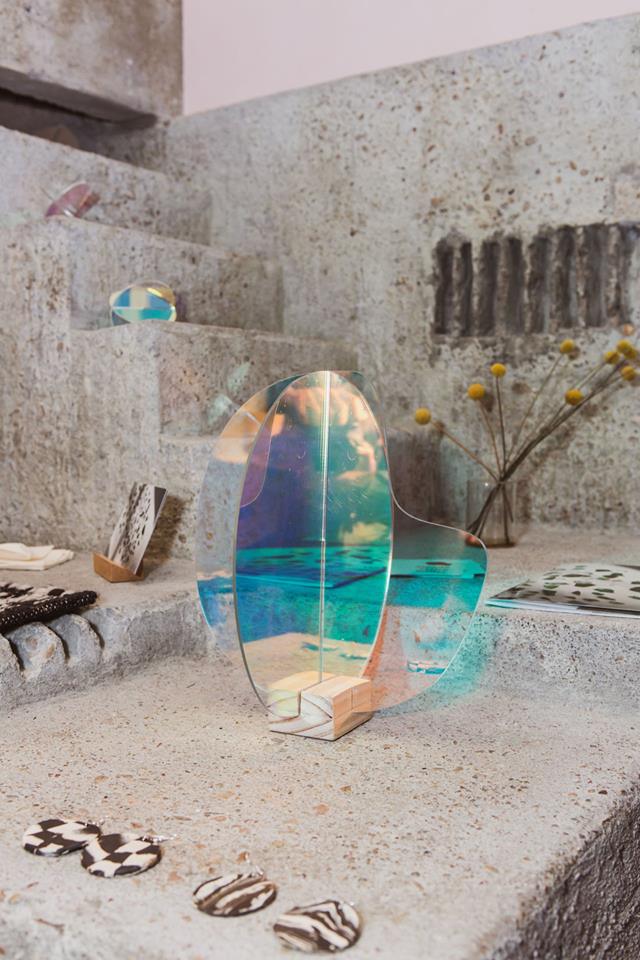
Q: Your holiday installation at The Line Hotel explores shapes and light (the pieces often taking different light forms throughout the day). What lead you to explore this new body of work?
Miller: With the ‘Strange Slant of Light’ series at the LINE Hotel I was looking at the way light fills a space and how it changes throughout the day as time passes. I had been researching the way the sun attends to the architecture in Ancient Egypt, illuminating and changing structures in a very thoughtful way. This type of architecture is magical and powerful and in Texas, the sun is something you cannot escape.
The dichroic film reacts with varying light sources and color immediately surrounding it, which cause it to change it’s tone almost every moment. At any angle you approach this work, you will see a very different piece. For me, this relates to the way time functions as an experience which varies greatly depending on your perception. It’s not quite the same anywhere and it is ever-changing.
Q: You have some pretty great art and exhibit titles. Your most current exhibit “The Absurdity of the Fact of Us” at Sala Diaz in San Antonio has a great title, what's your process for naming your work?
Miller: I try to jot down any thoughts or bits of a conversation, I think this is another case of being curious: reading a lot, listening intently, and recording your thoughts is a good way to keep a stock pile of exhibition titles. My notes app is bonkers.
Q: In “The Absurdity of the Fact of Us,” you have a work that intercepts science and fine art, could you tell us how you came to work with scientists and astronauts?
Miller: I began working with scientists in Berlin during a residency at the Kunstlerhaus Bethanien. While there, I became close with the Curator of Meteorites at the Museum fur Naturkunde. I had a studio in their building where I explored their archives and made casts of meteorites that had survived the destruction of their east wing in World War II. That experience afforded me more contacts in the science world and helped me feel more confident and comfortable reaching out the astronauts and scientist. I am now working with the European Space Agency’s Rosetta Mission Director on a series that will be featured in an exhibition this spring.
Q: Who are some other artists that inspire your work?
Miller: Cornelia Parker, Trevor Paglen and Dario Robleto.

Q: How has your work evolved from when you first began to present day?
Miller: Initially, I struggled a lot to find a medium that I felt encapsulated my practice. I was criticized for jumping around with materials and subjects. But that kind of criticism seemed very closed-minded to me and ultimately had the reverse effect. It hurdled me to where I am now, and helped me to embrace that side of myself. I don’t like to paint and I rarely draw, I definitely don’t keep a regular sketchbook or feel the need to stick to any particular lane when it comes to material. I’m always trying to dig deeper and move further than where I landed last time. I love exploring new subjects and I’ll keep doing that until I feel particularly drawn to something I can’t stop working on–if that ever happens.
Q: Do you keep constant themes?
Miller: Not really, I try to remain in constant motion when it comes to themes. For the show at Sala Daiz (which is open until February 8), the themes and research span from Ancient Egypt to how astronauts smell space and that is a legitimate reflection of my sporadic research of themes.

Q: What music plays in your studio and does it make its way into your work?
Miller: At the moment; Alice Coltrane, Moondog, Dorthy Ashby, T. Rex, Nino Ferrer, Captain Beefheart, Deniece Williams. I think everything informs everything, there’s always seepage. I’m currently making a record as an art project, perhaps this is my way of paying homage to an important part of my studio practice. Keeping a record player in the studio helps me step back from my work, refresh and reset my sights and continue moving with a larger picture in mind.
Q: What about space draws you to it?
Miller: To quote the late and great Gene Roddenberry, it’s the final frontier. No but really, there’s so much to learn out there and we’ve barely scratch the surface. To be fair, I’m also blown away by the human mind’s ability to comprehend space (or not). How did Einstein predict gravitational lensing–or conversely–how could someone possibly believe in a flat earth? These are the things that interest me and usually start an avalanche of research.
Curious about #BBATX’s arts programming? Learn more about how we collaborate with artists here and keep up with exhibitions, installations and openings at bossbabes.org/events.
On Self-Love, On Self-Worth: A Portrait Series By Photographer Jinni J
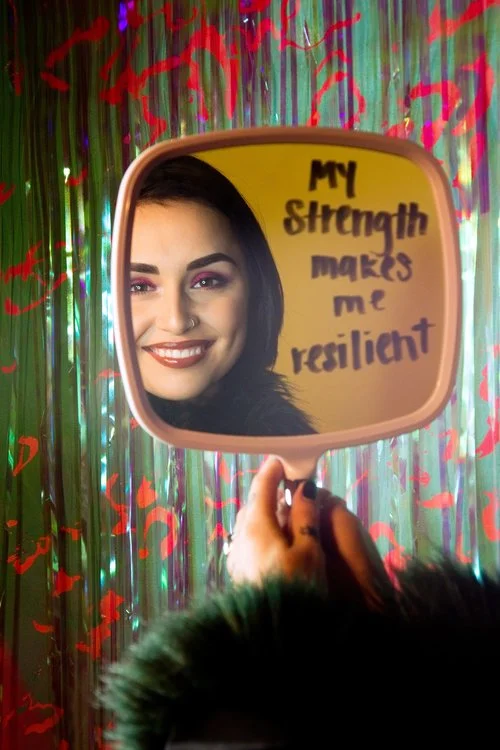
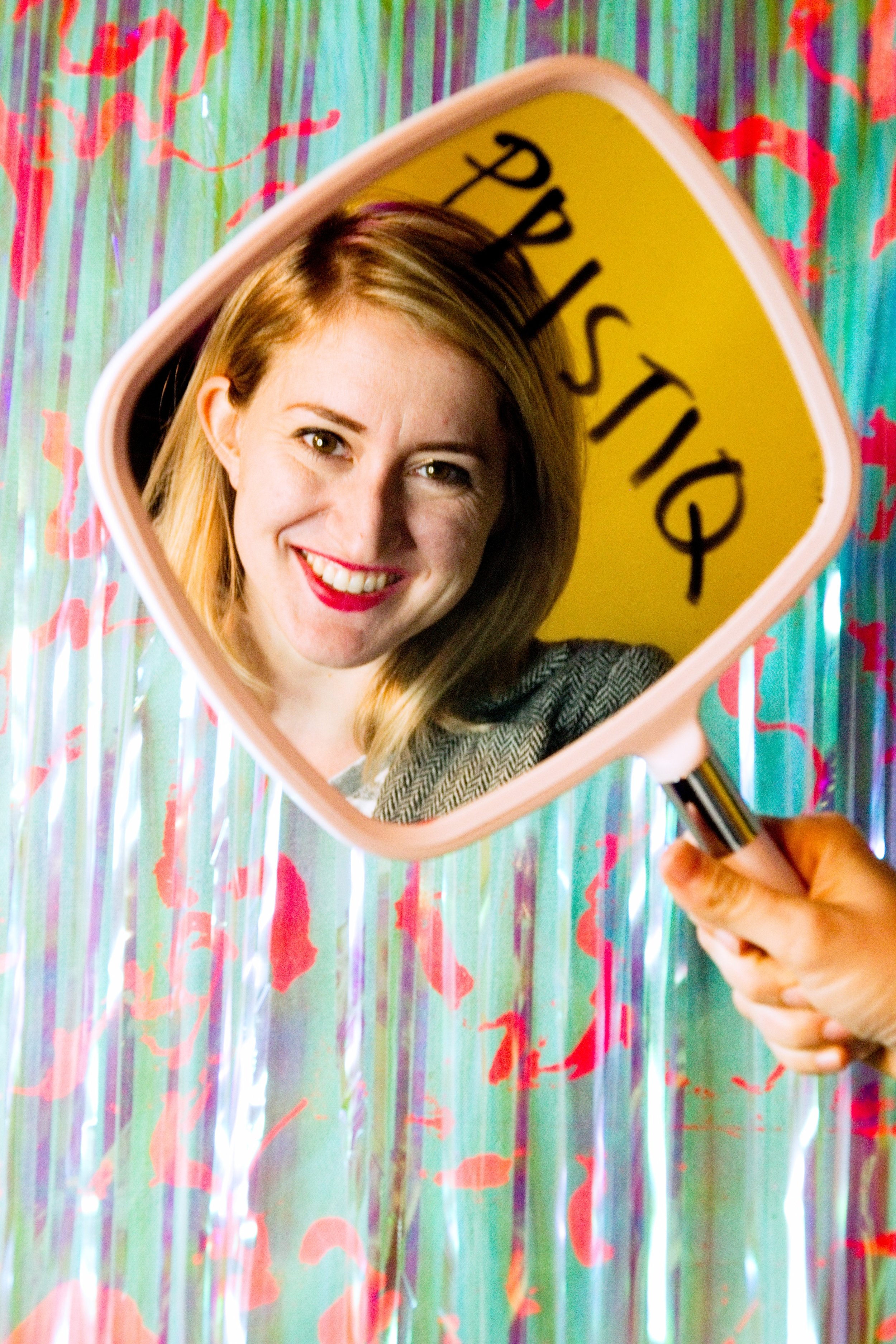
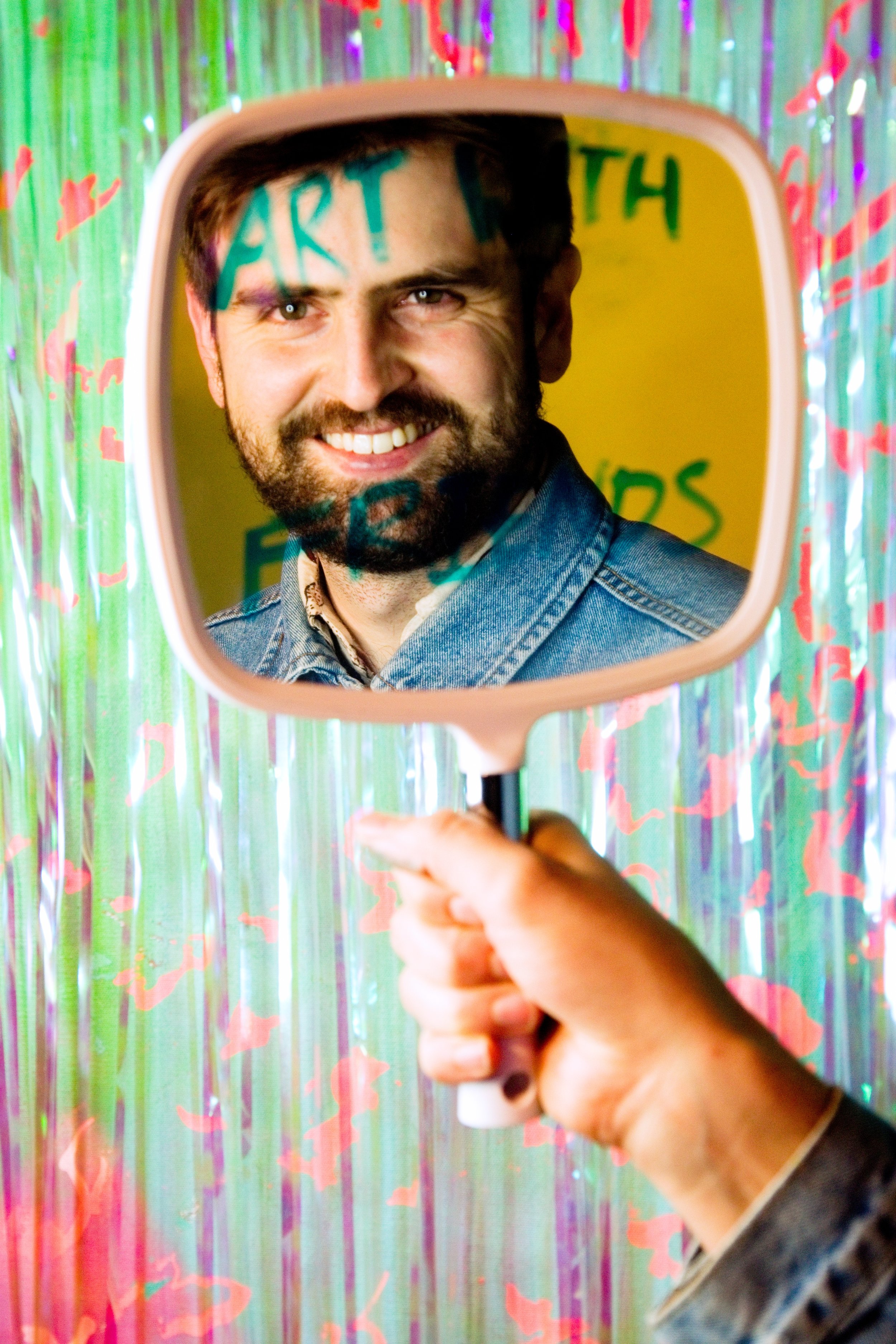
On January 25, 2019 we hosted our Third-Annual State of the Uterus, a fundraising party for reproductive justice and human rights. And during the party, one of our artists-in-residence, Jinni J, installed an interactive portrait station. Jinni J invited each attendee to create a motivational reflection of themselves, transcribing their answer to the question “What Makes You Resilient?” on a hand mirror.
On January 25, 2019 we hosted our Third-Annual State of the Uterus, a fundraising party for reproductive justice and human rights. And during the party, one of our artists-in-residence, Jinni J, installed an interactive portrait station. Jinni J invited each attendee to create a motivational reflection of themselves, transcribing their answer to the question “What Makes You Resilient?” on a hand mirror.
Today, we’d like to share the messages she collected with you. Explore the gallery below for inspiration, reminders of courage and an incredible exhibition of our community’s empathy, self-confidence and care.
What Makes You Resilient?

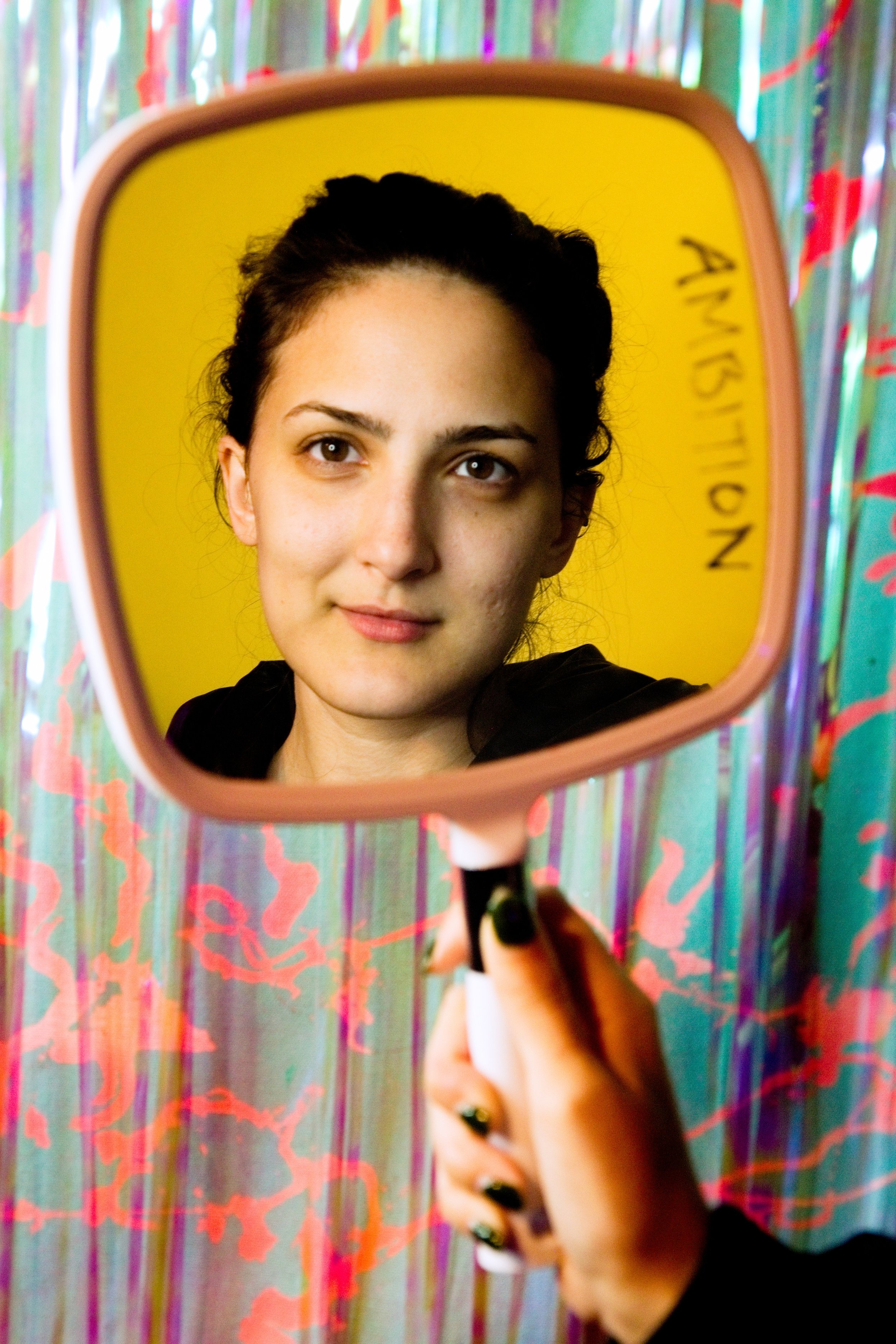
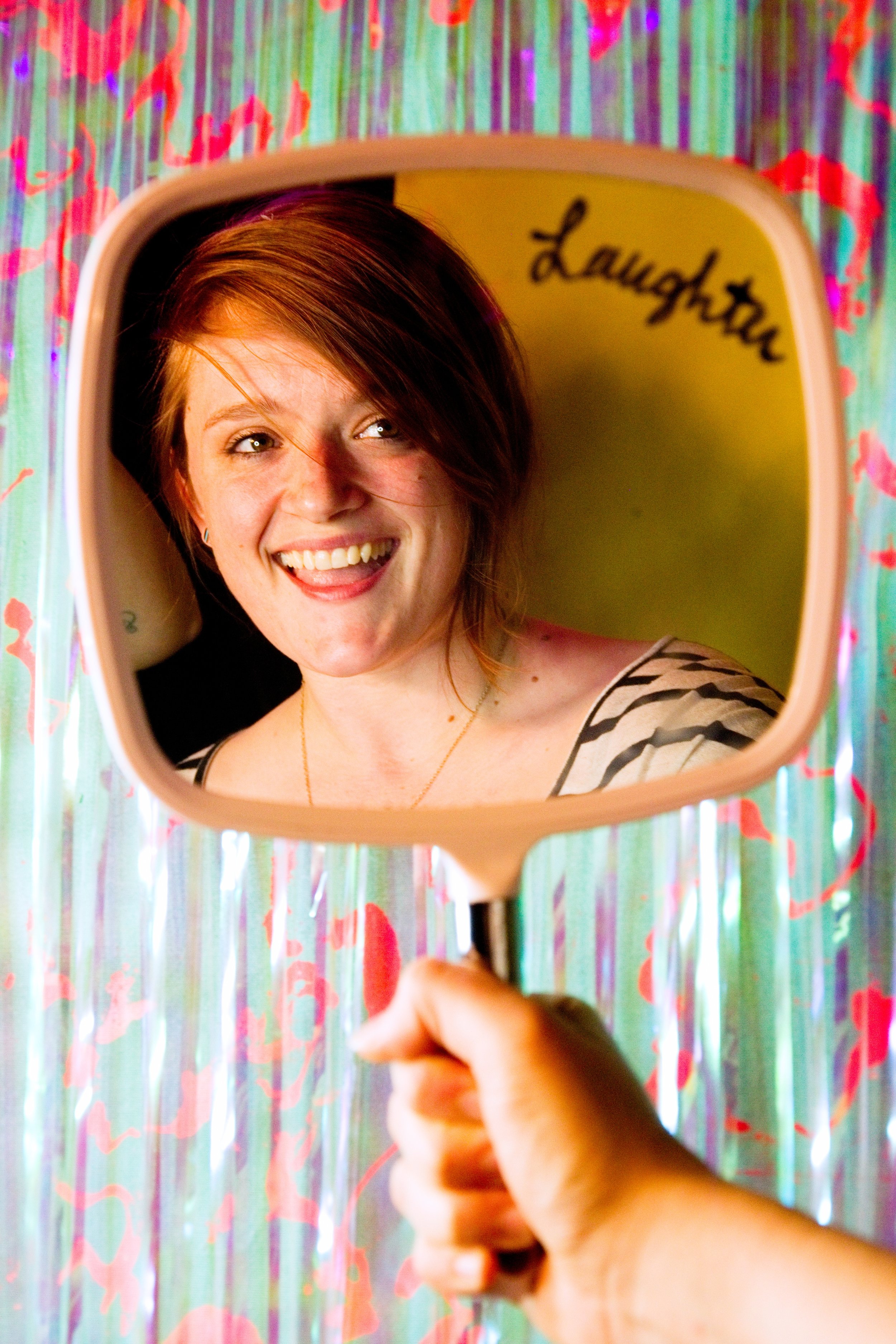
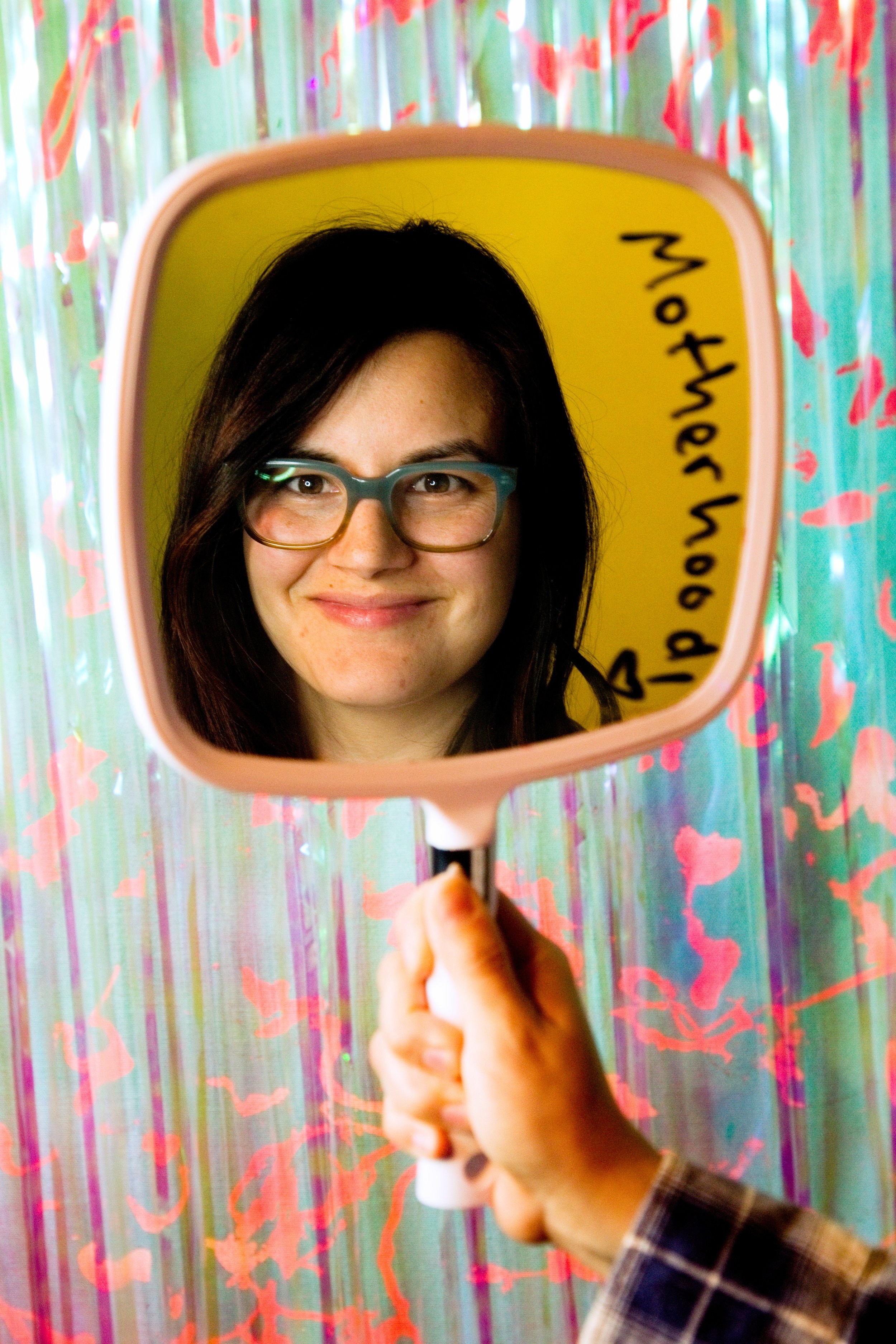
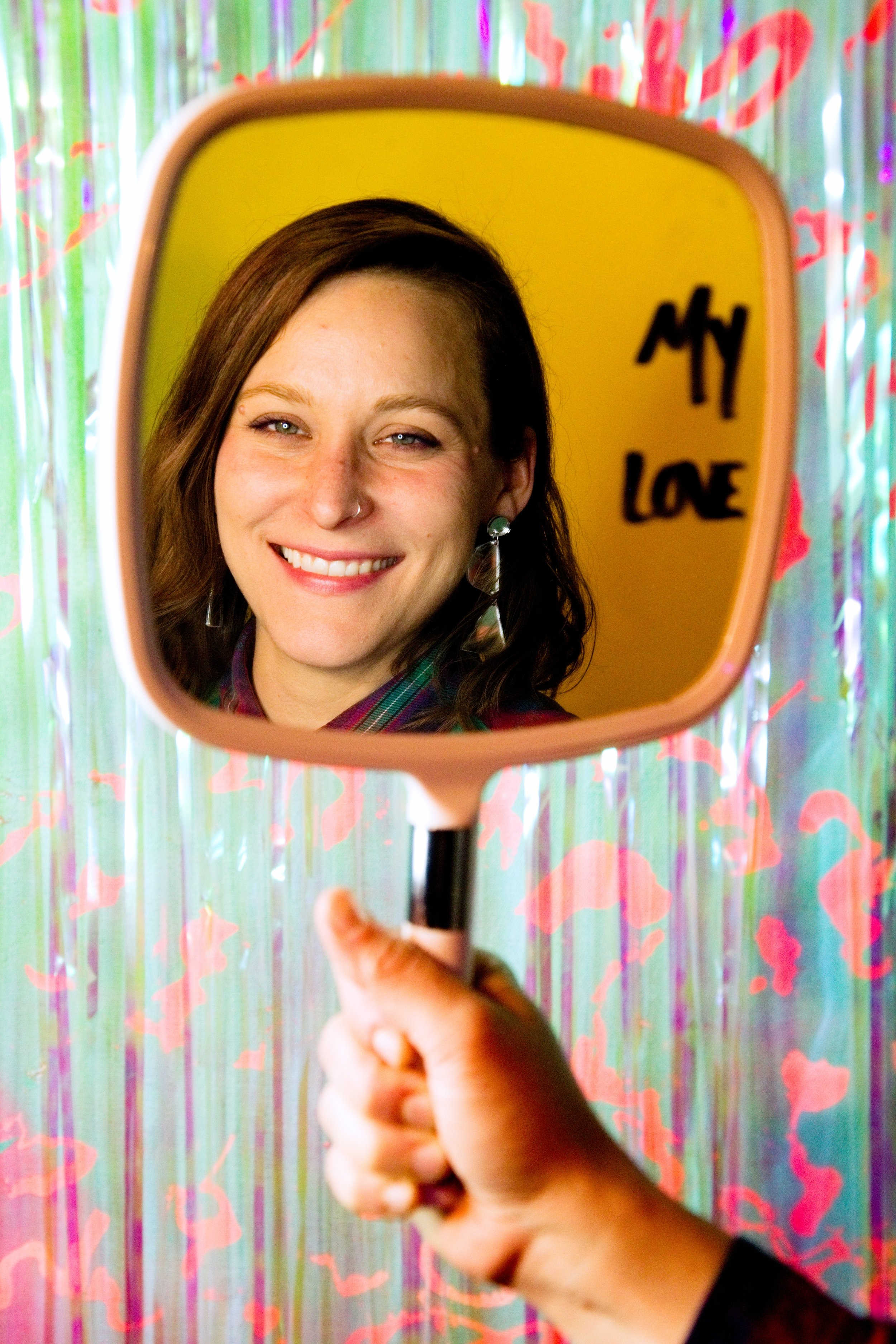
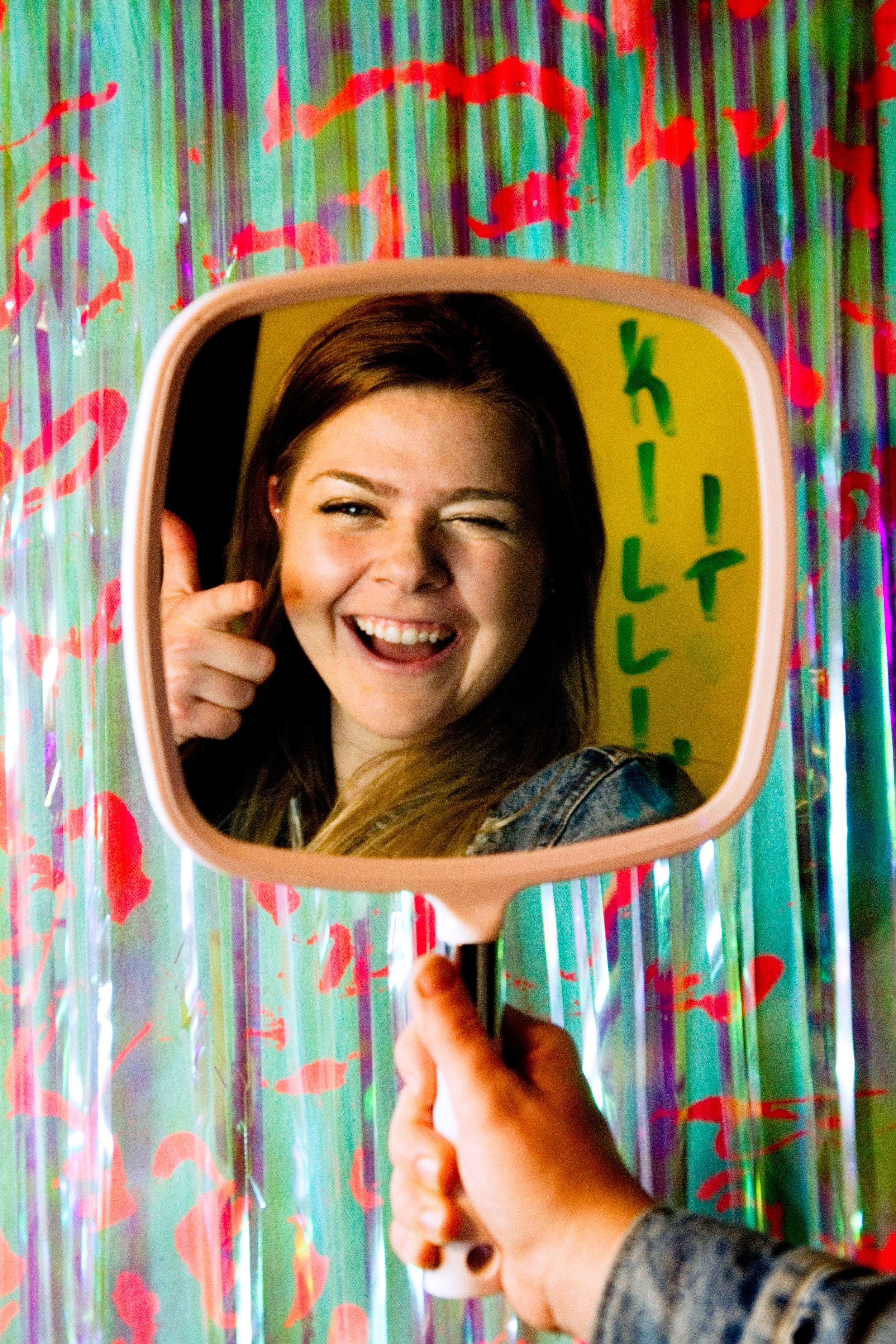
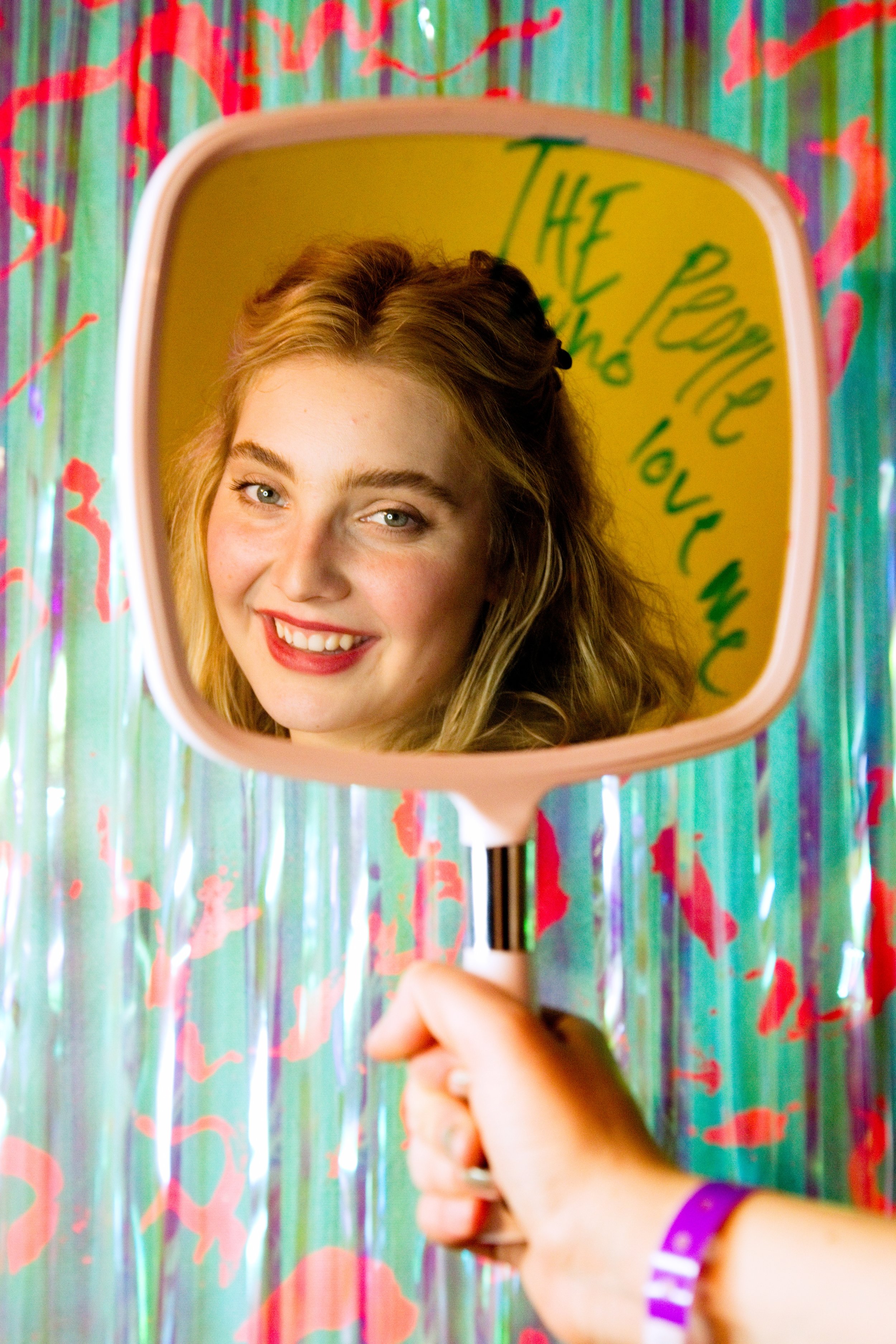

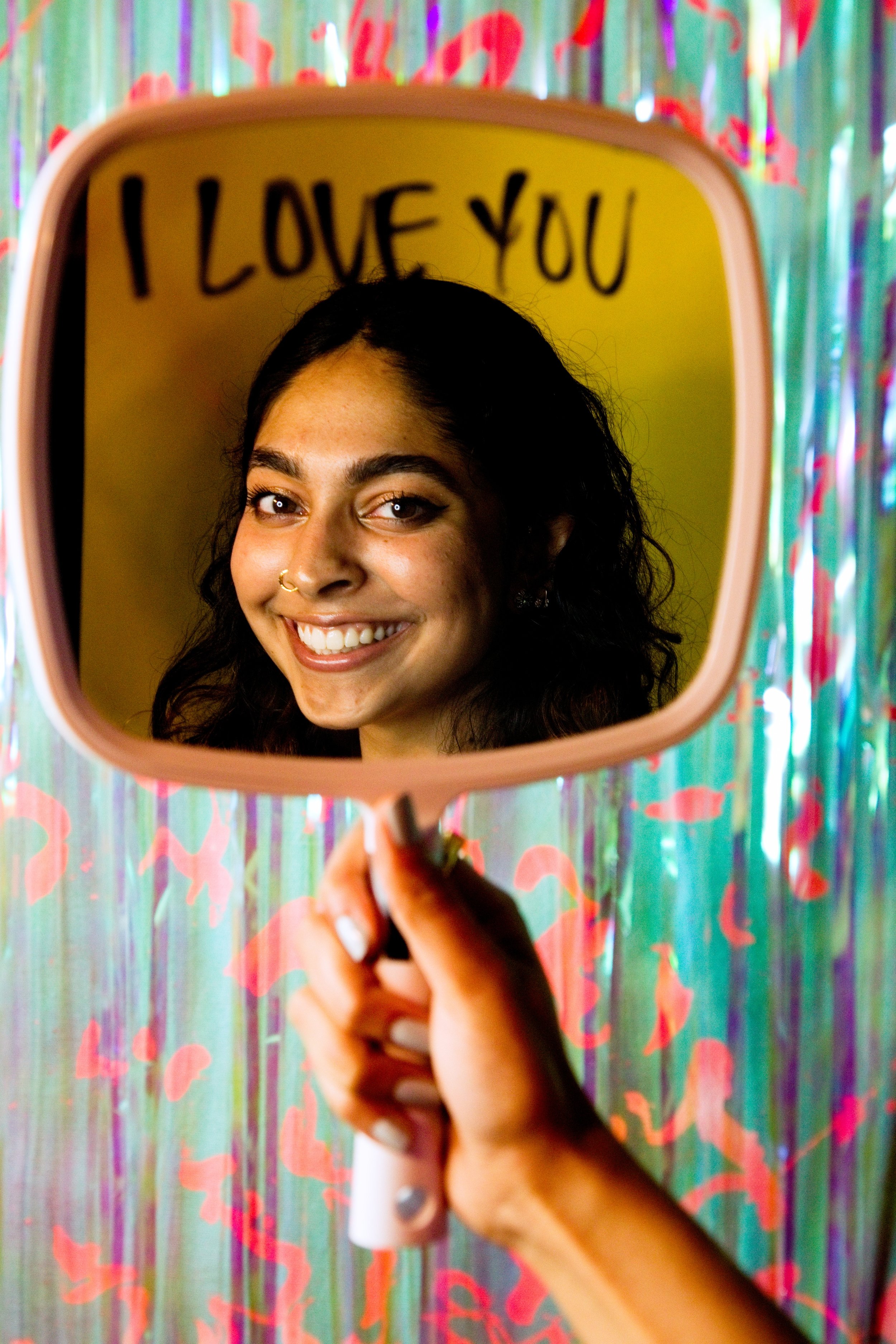


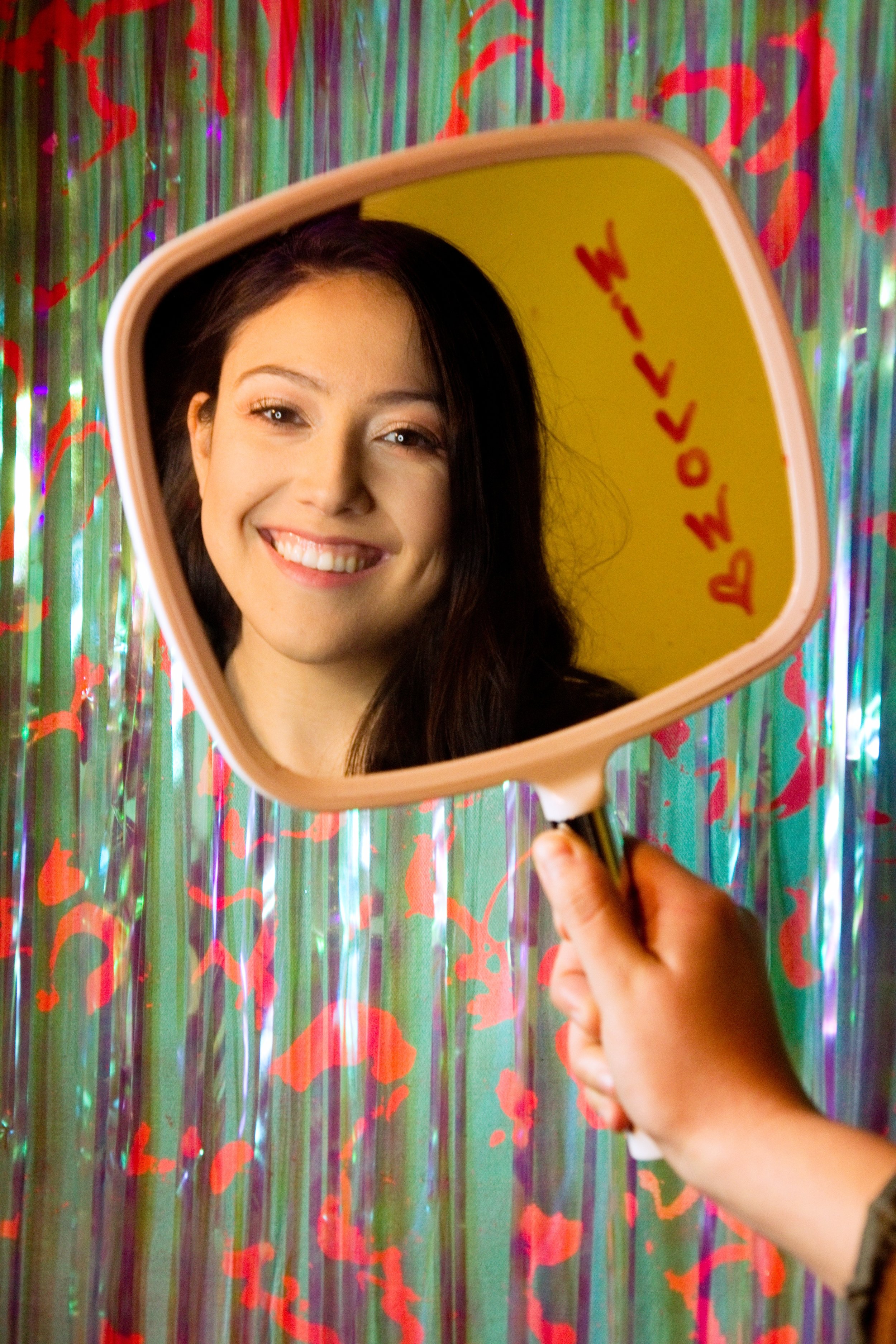


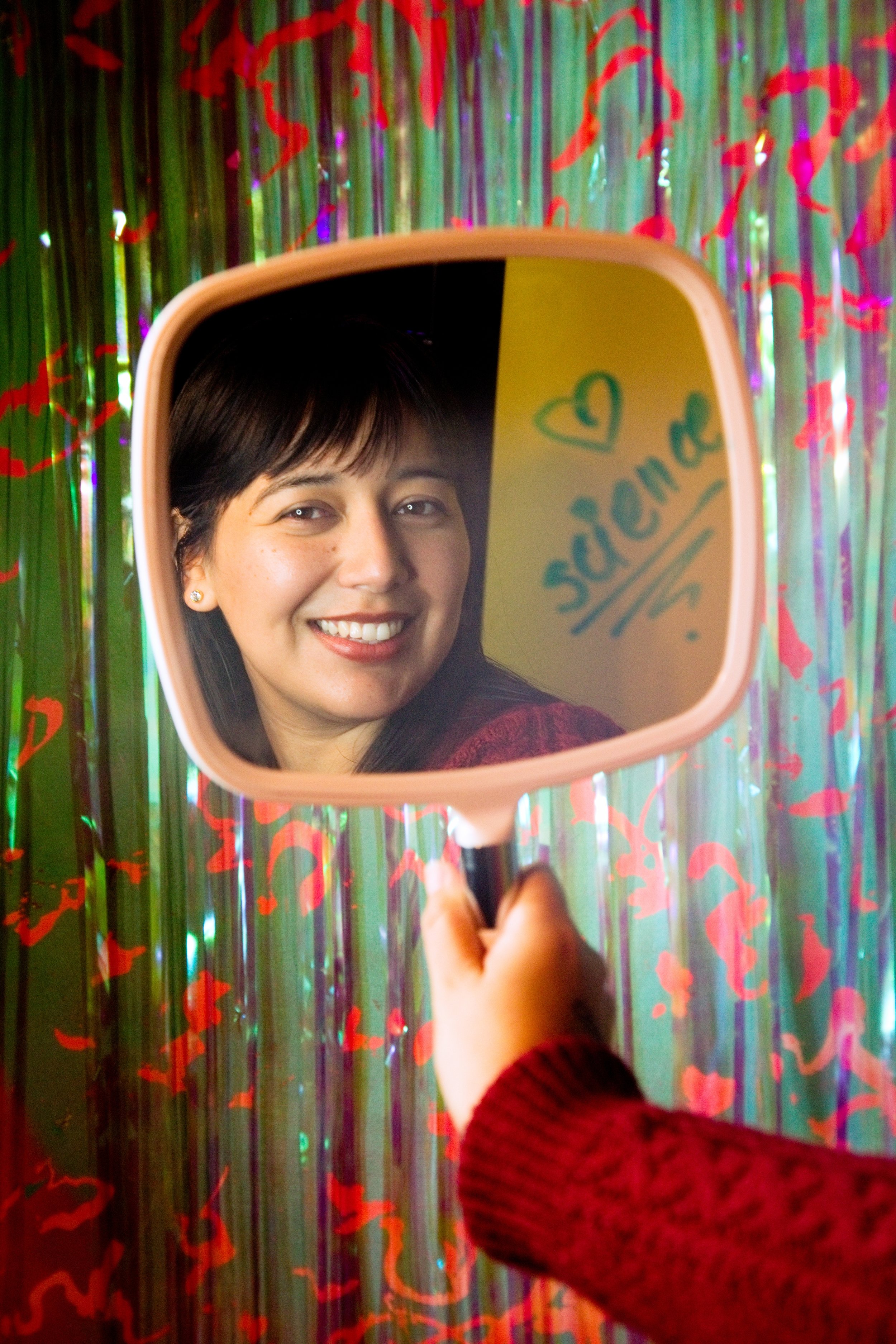
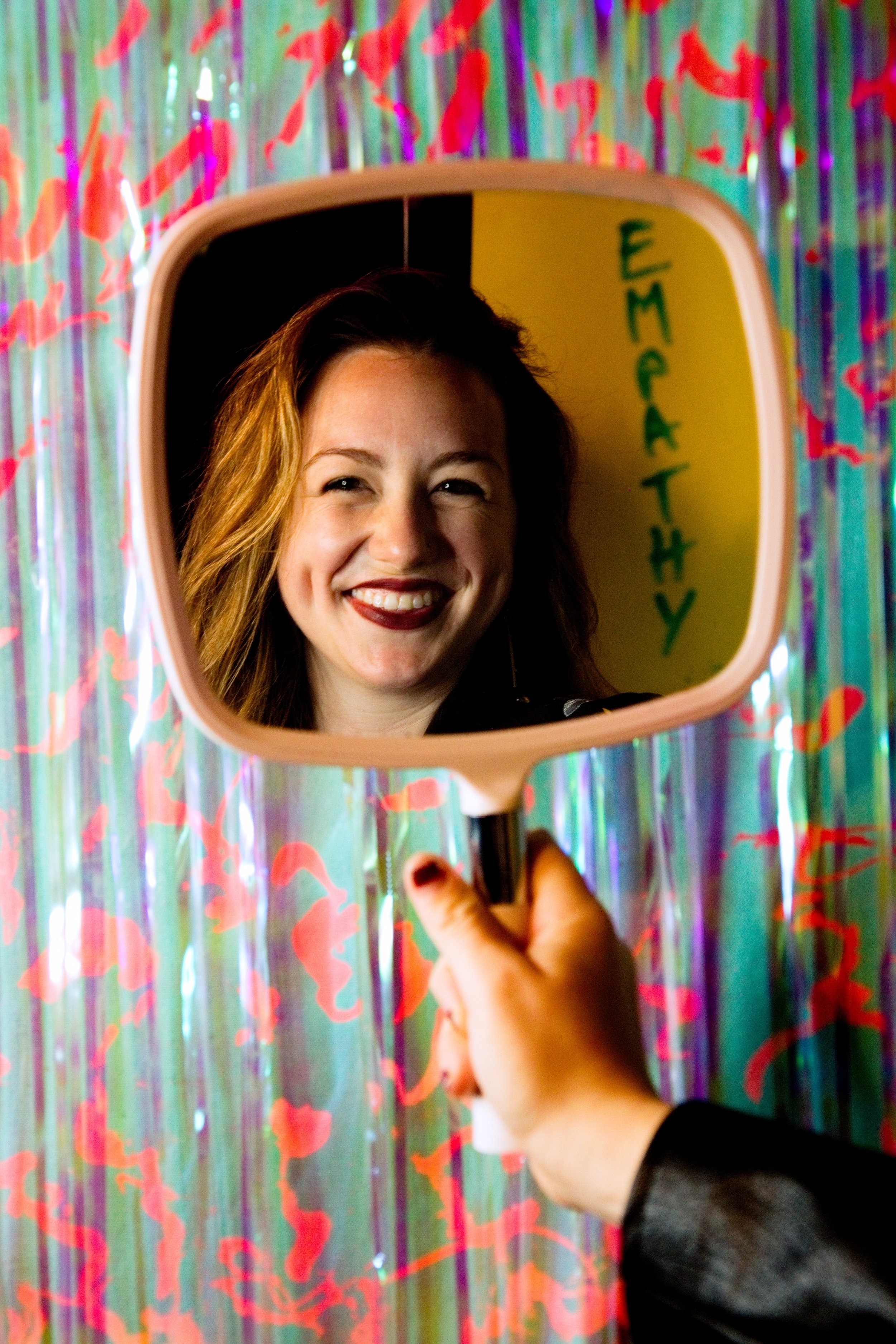

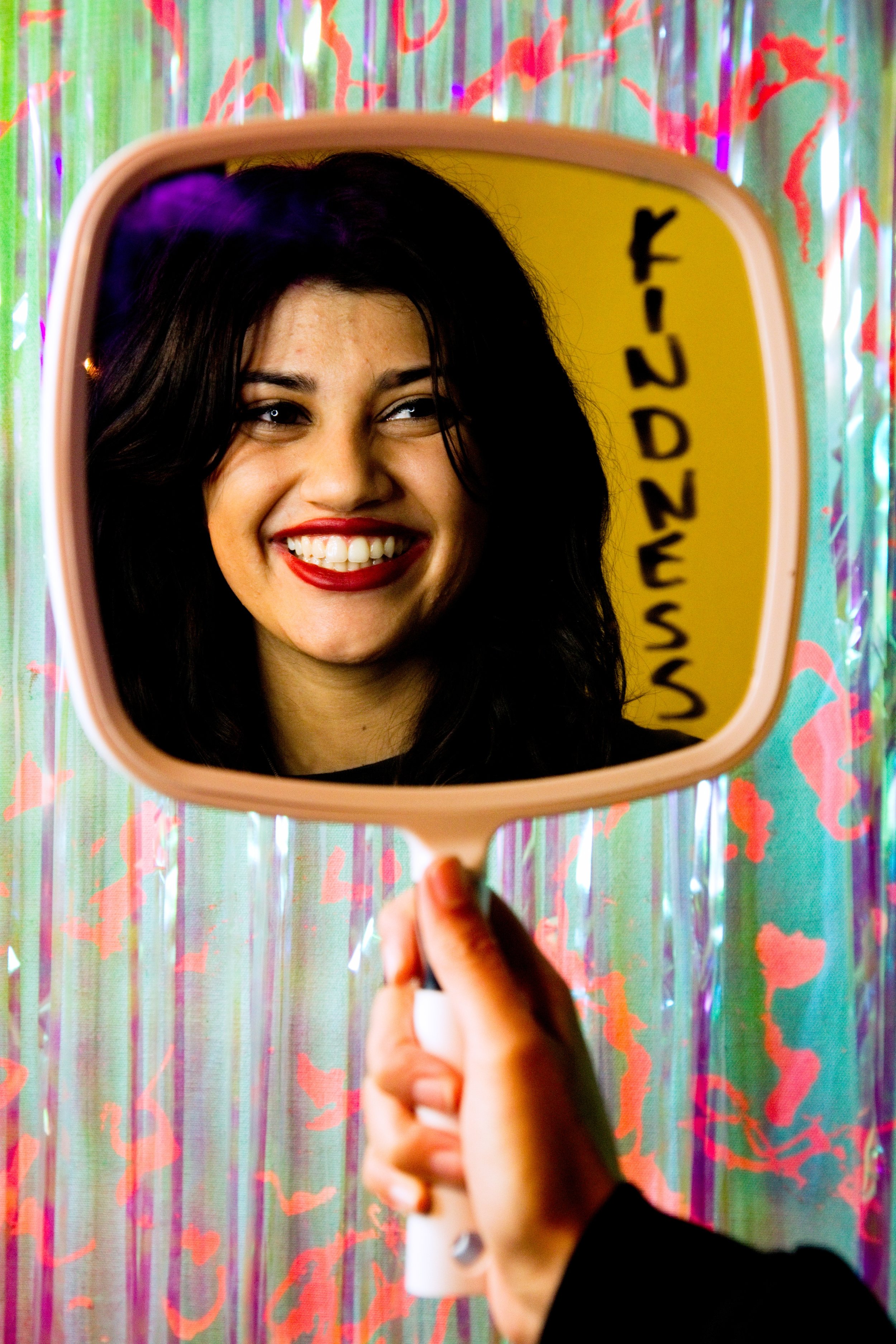
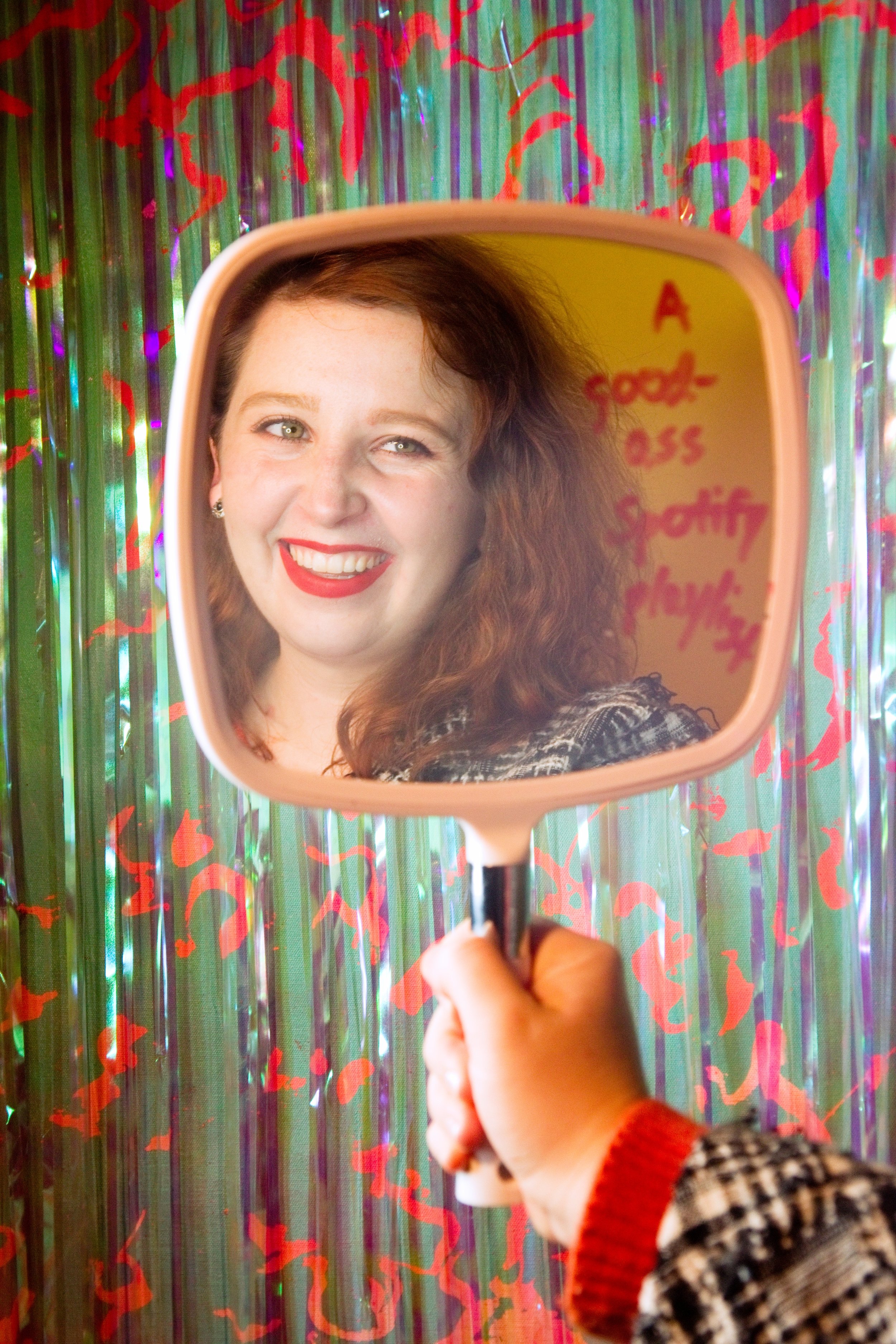
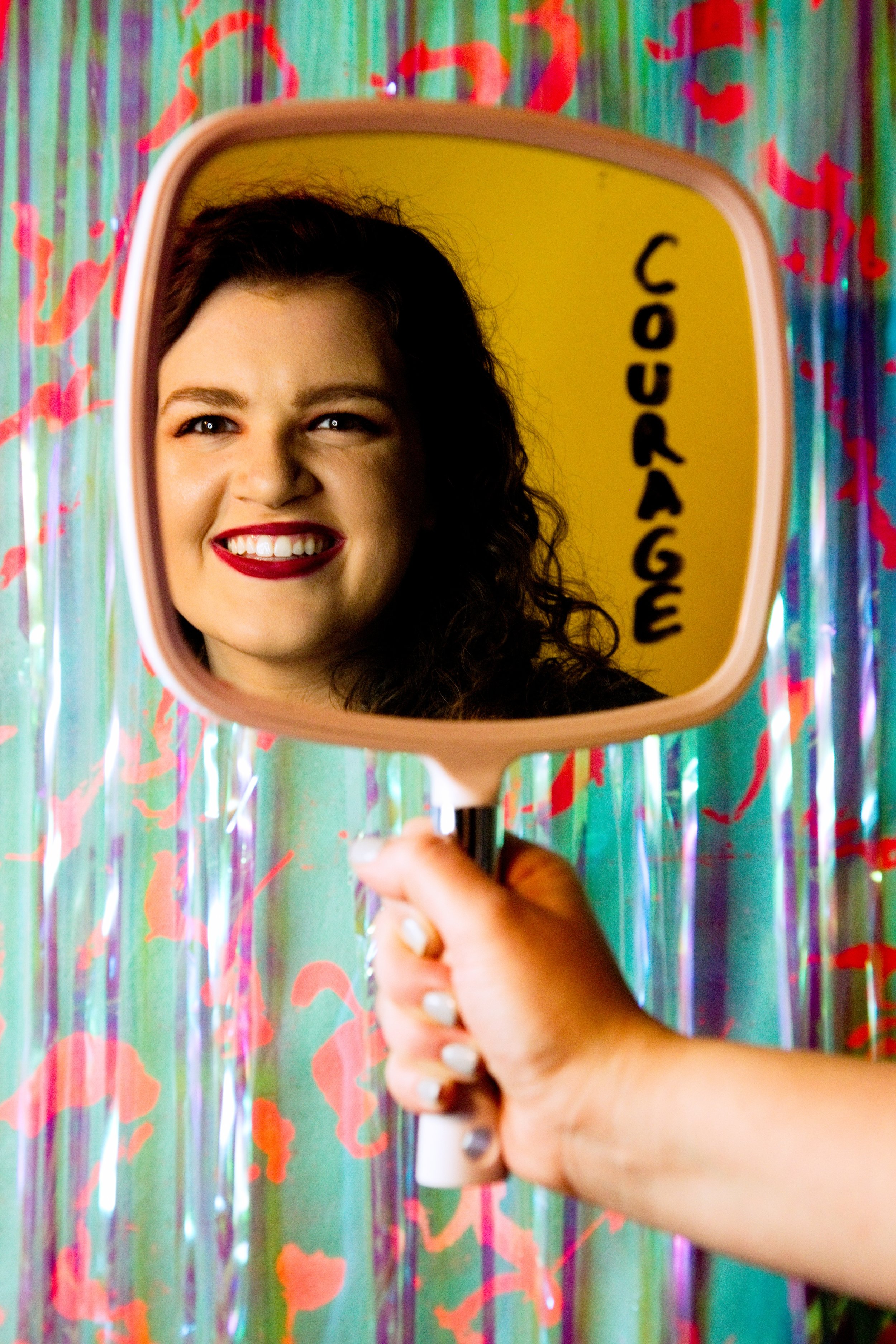
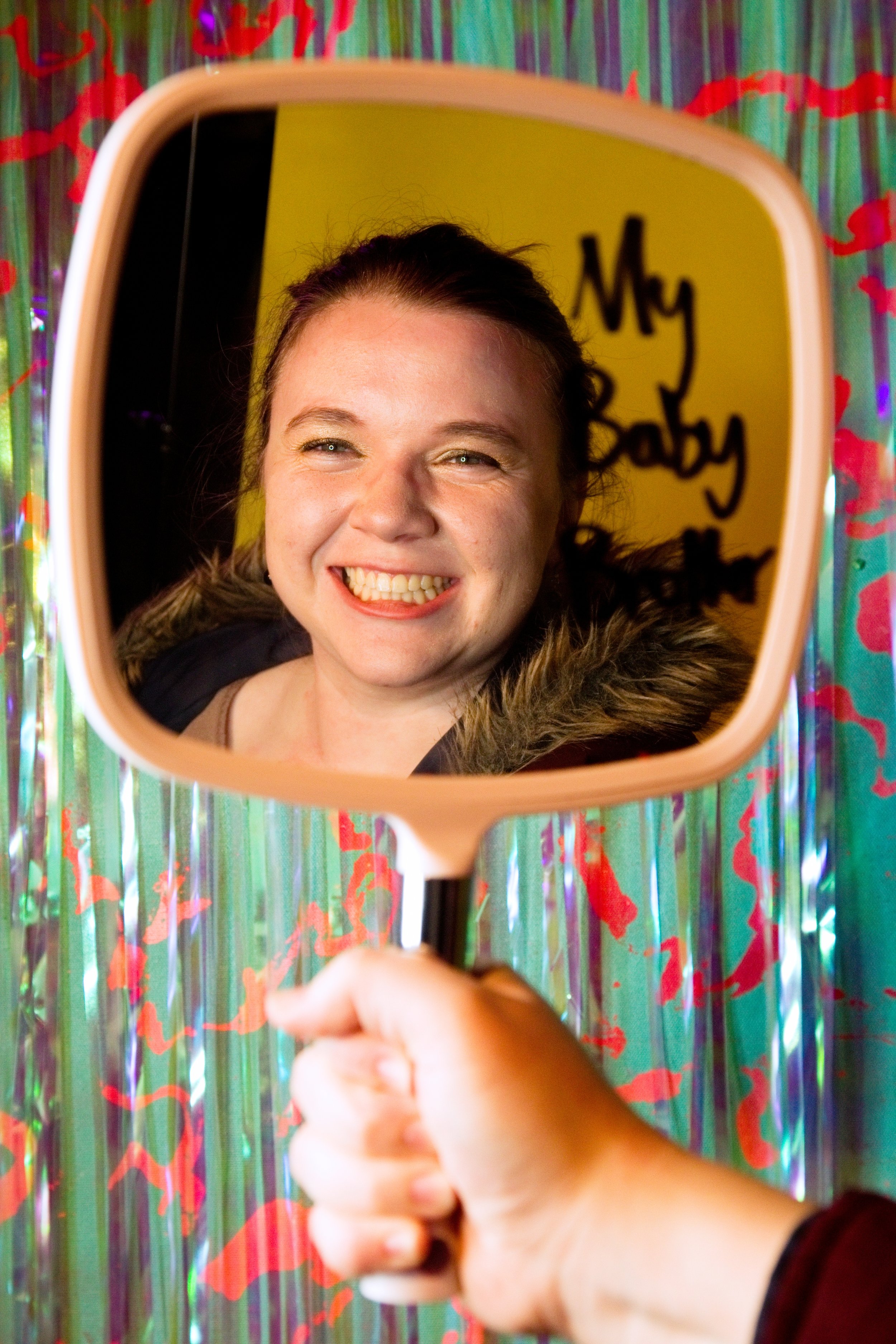
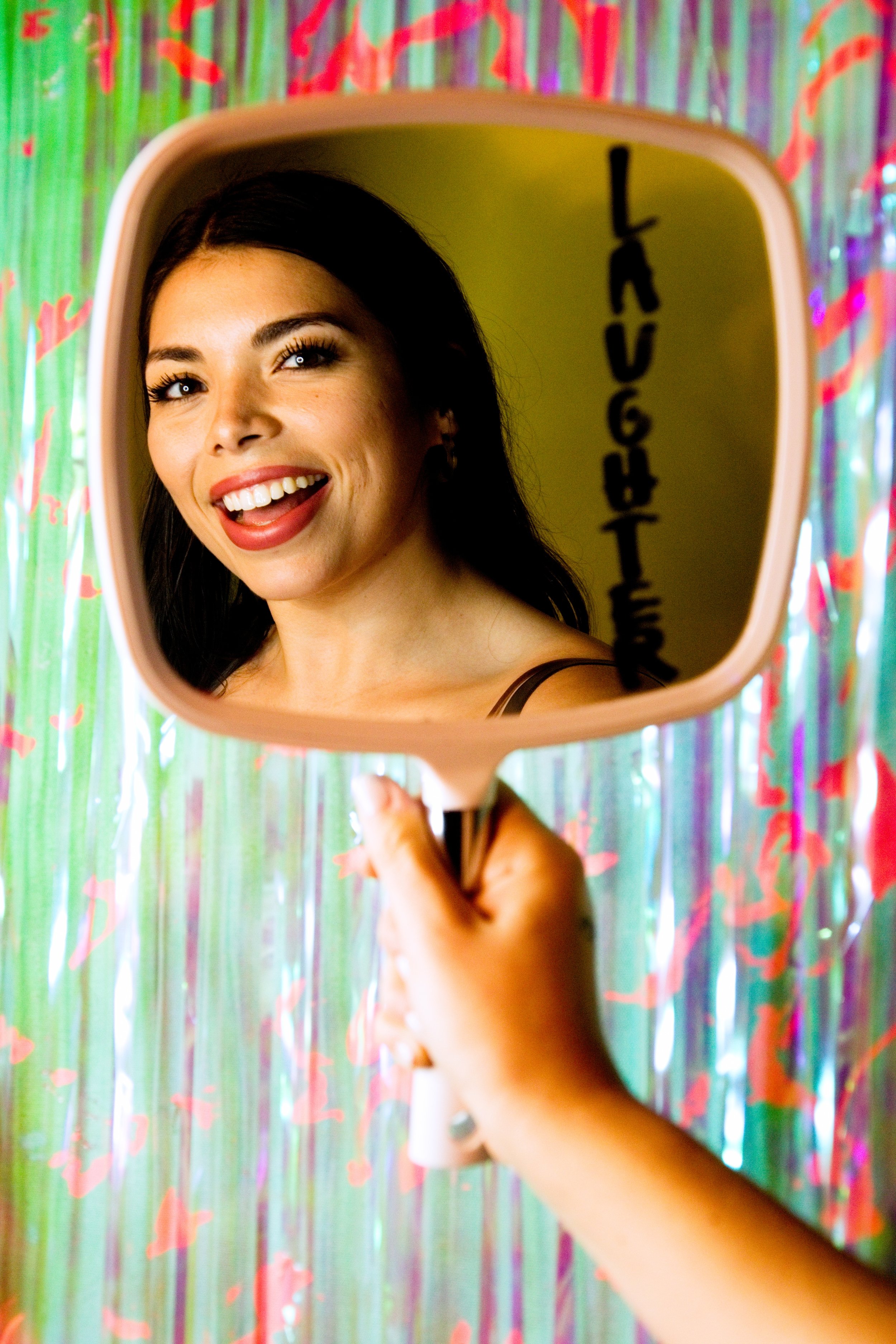

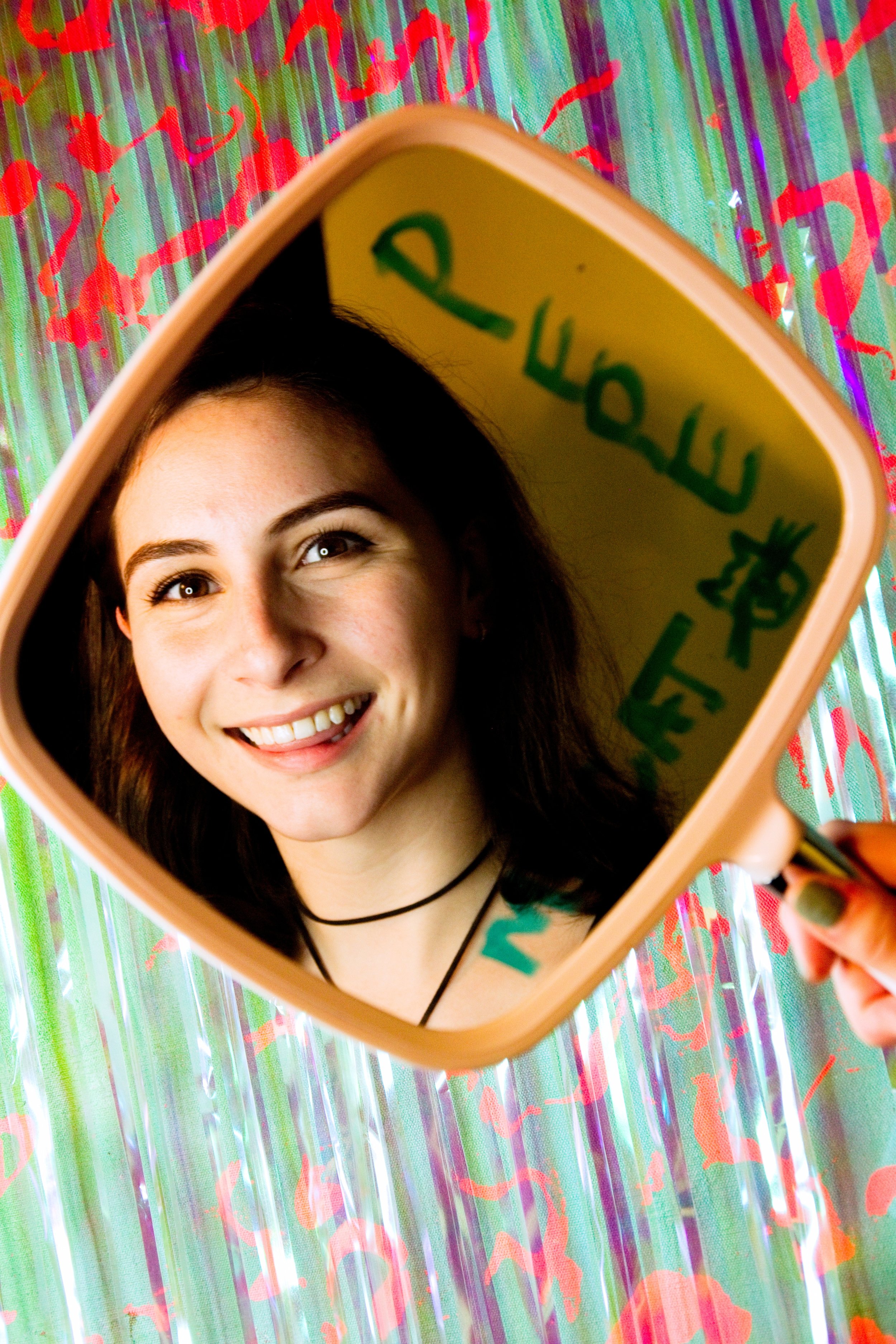
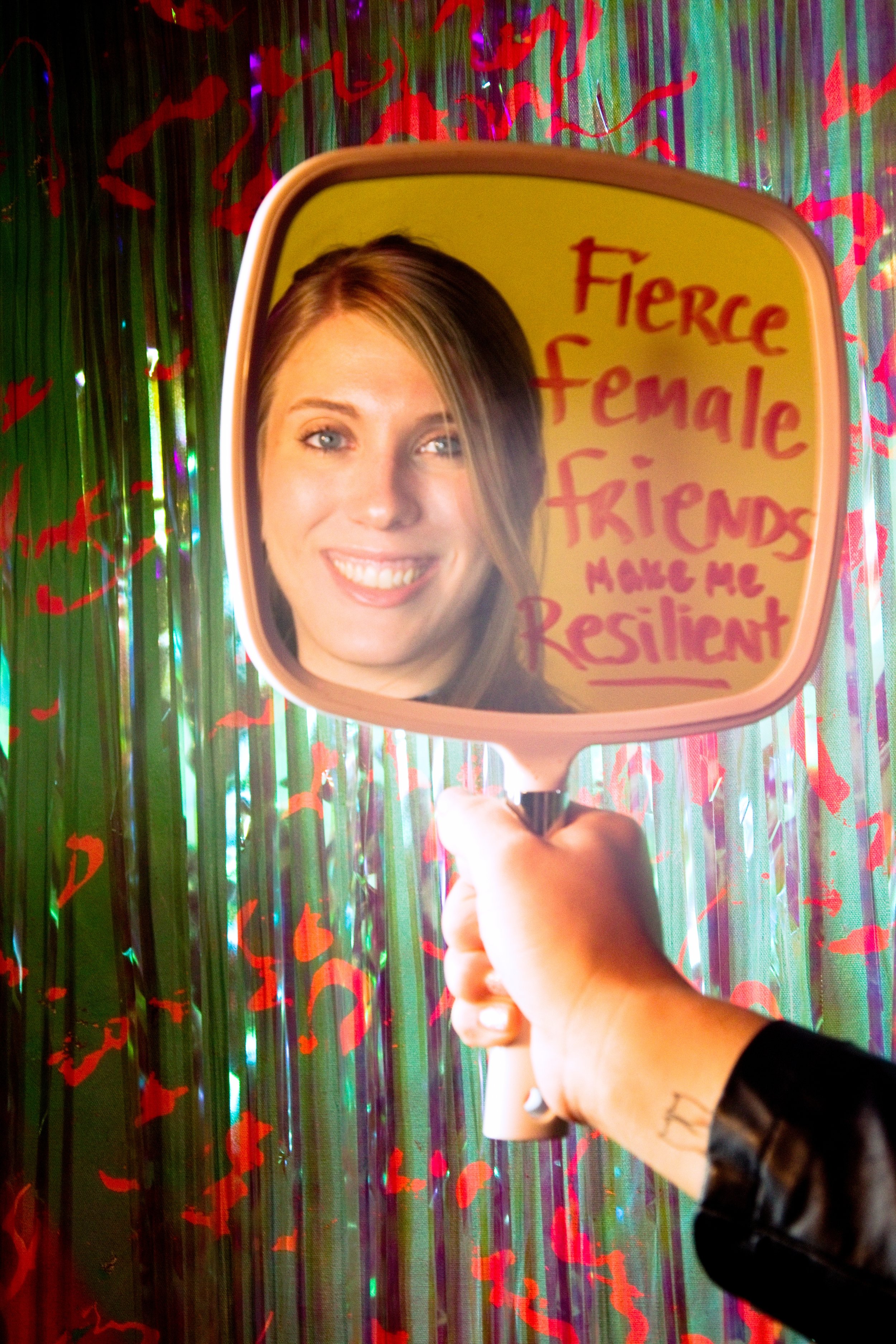
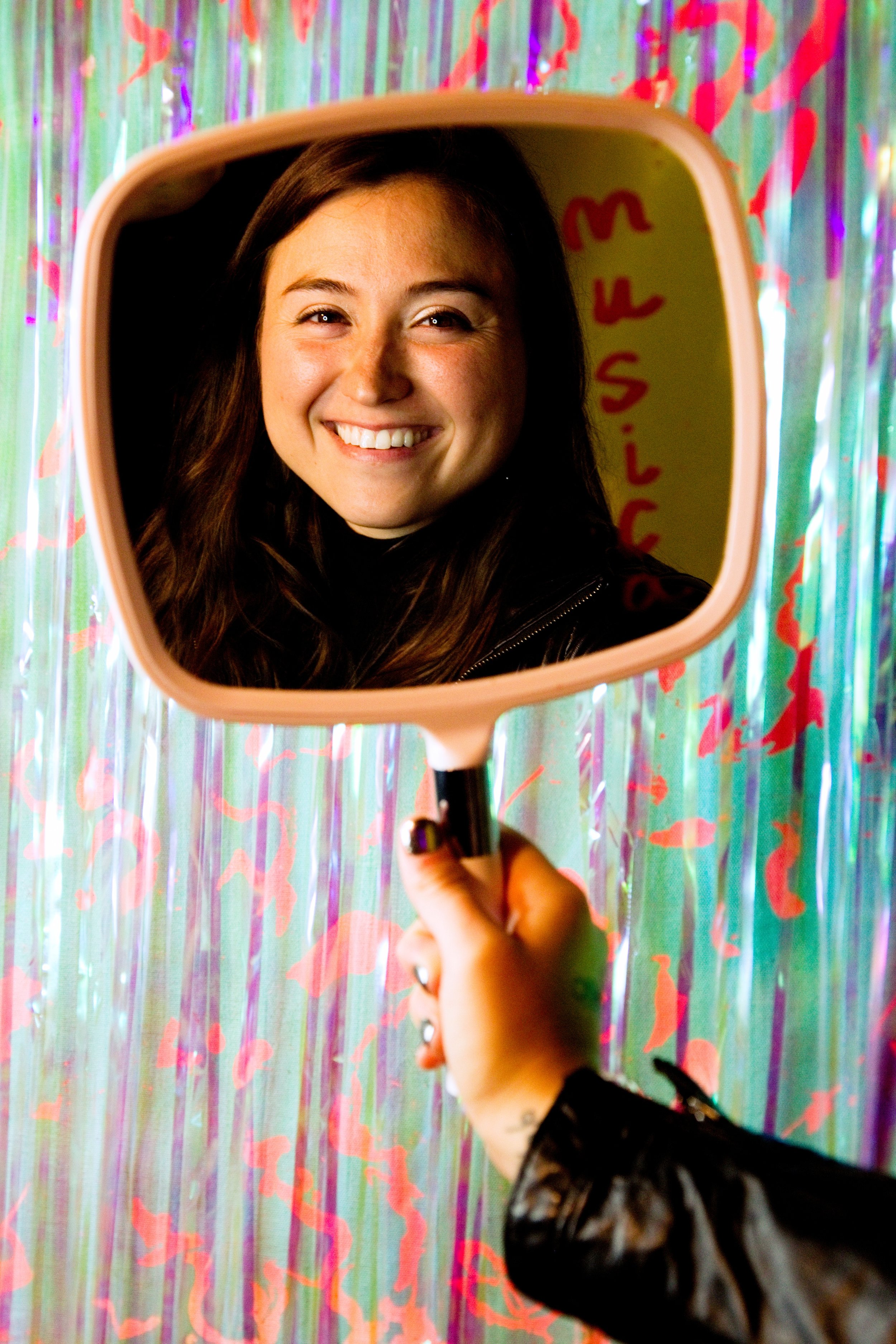
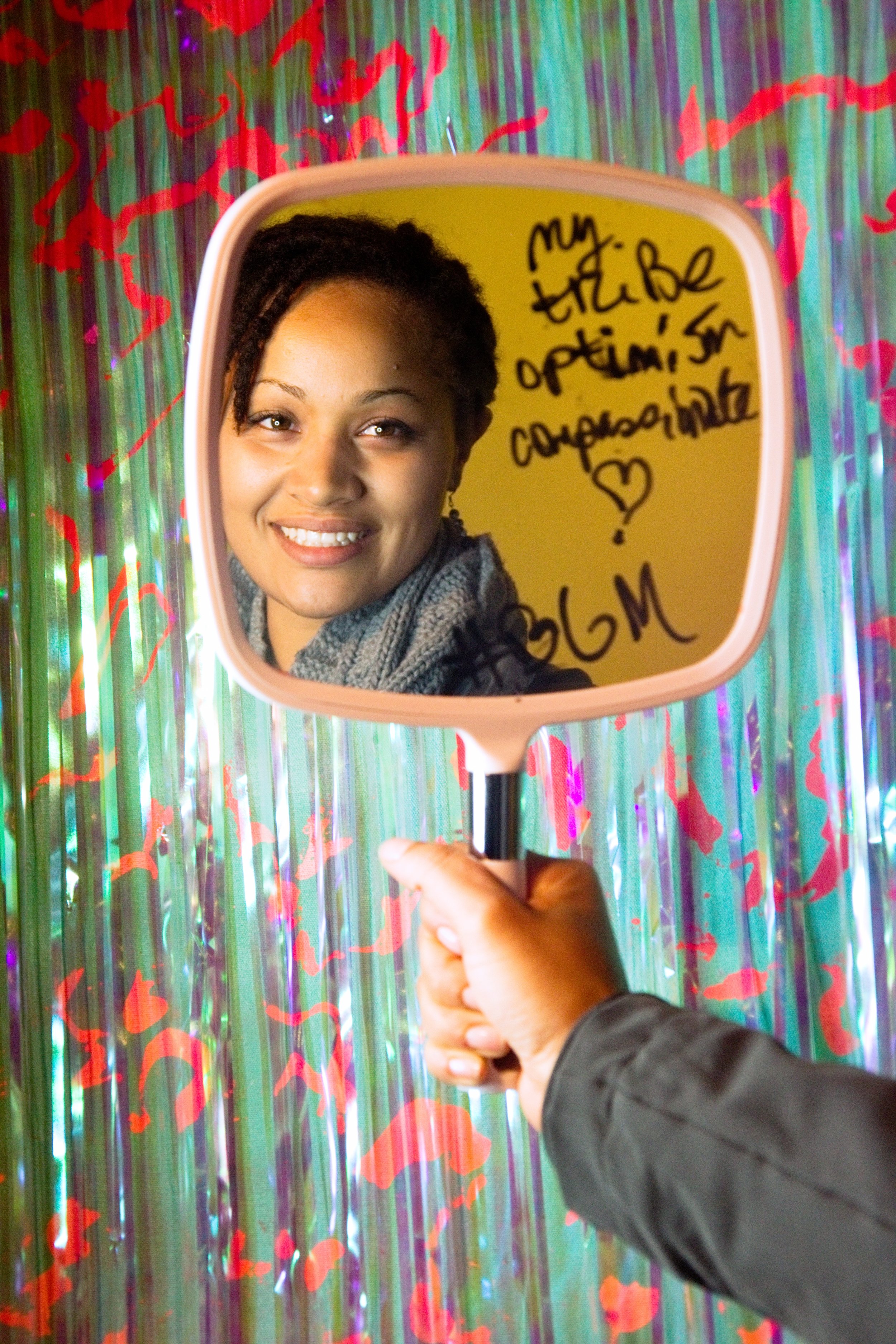
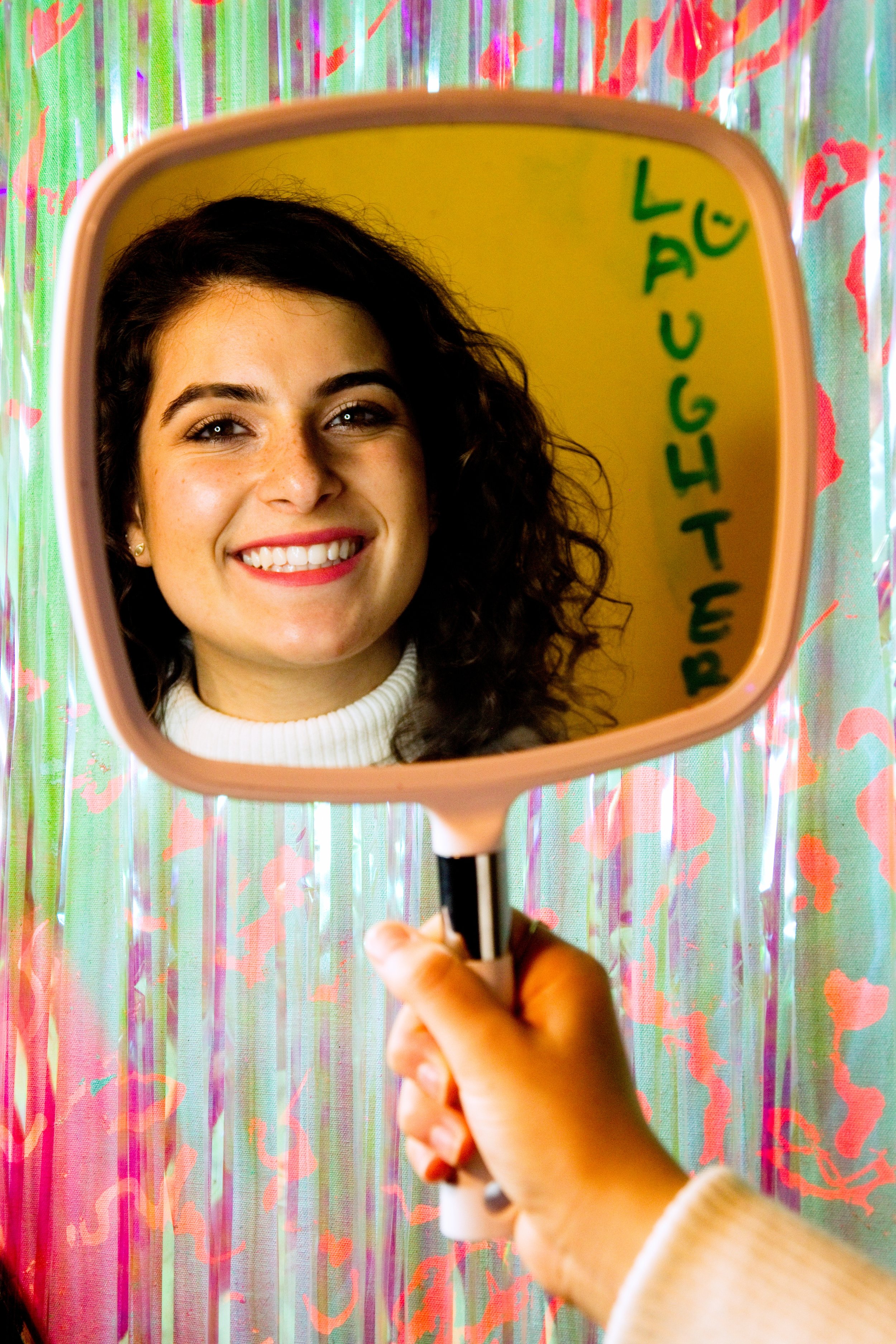
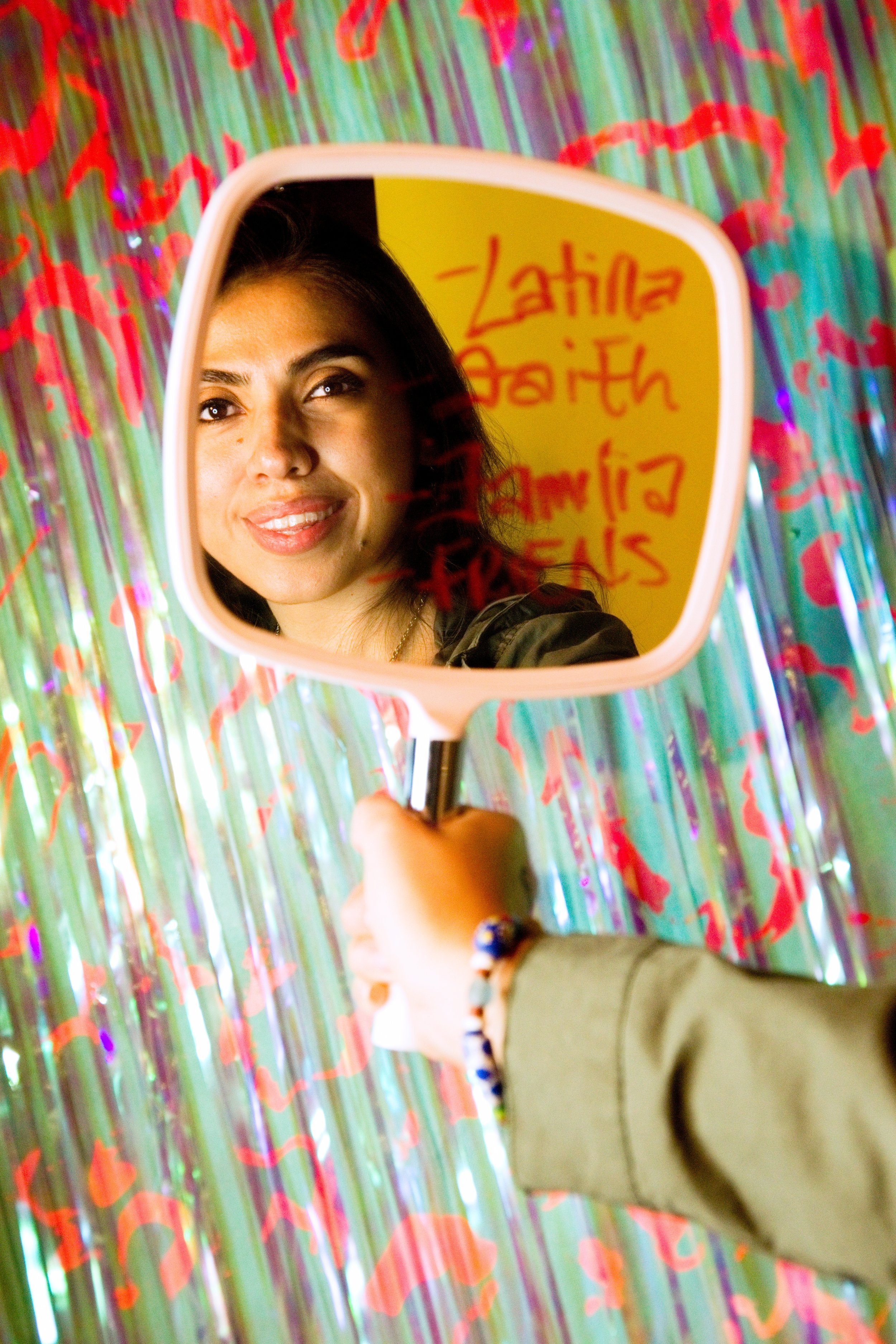
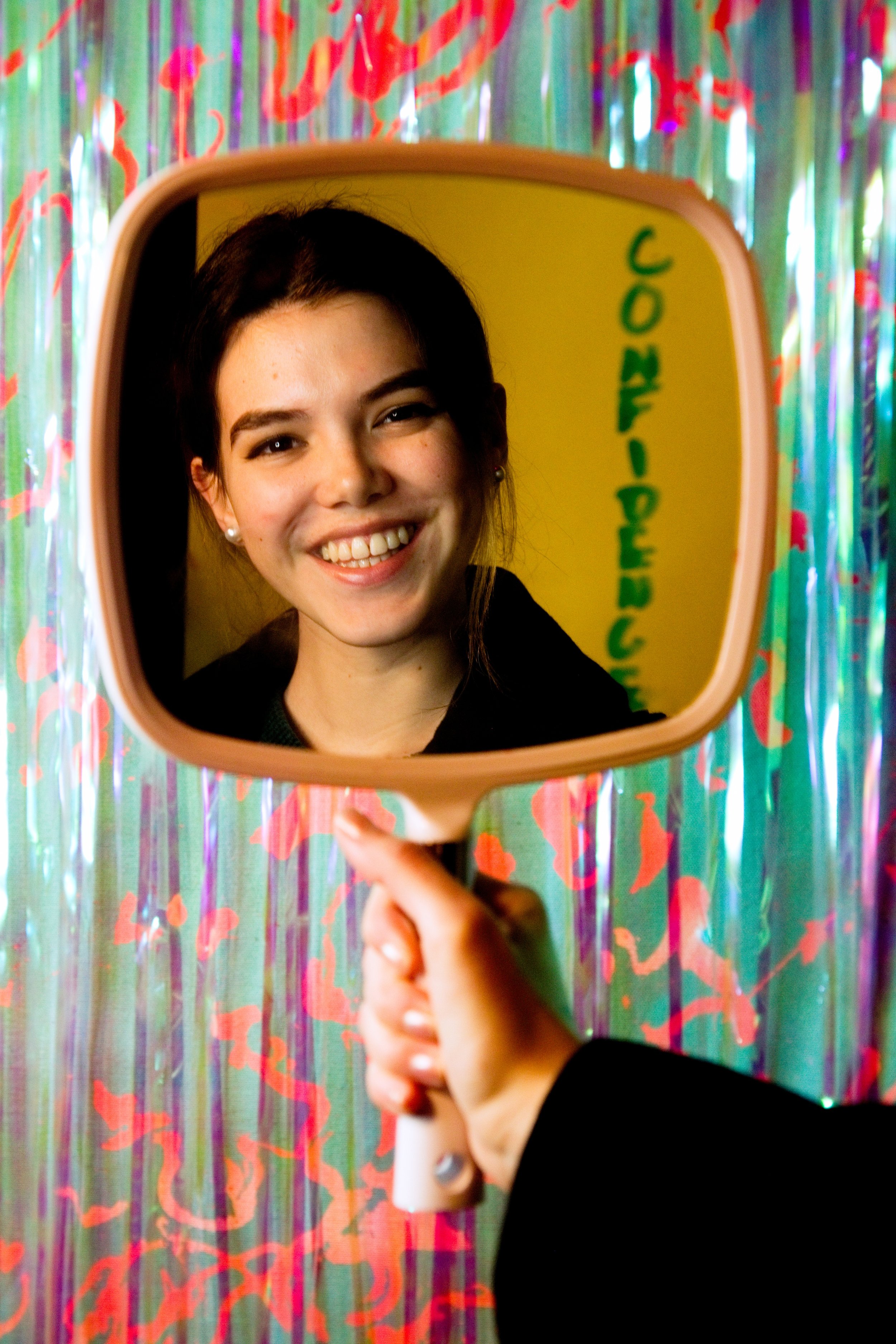
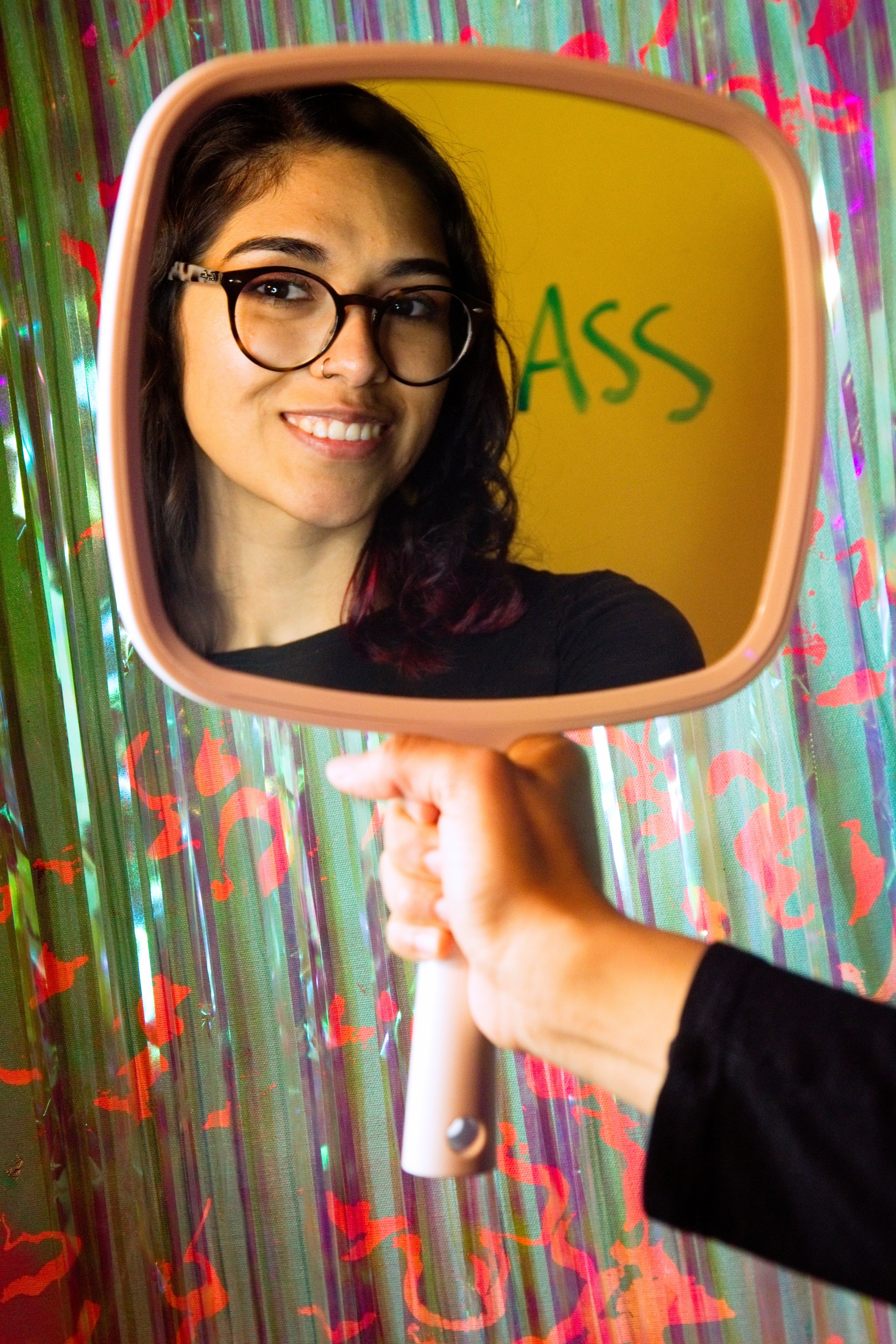
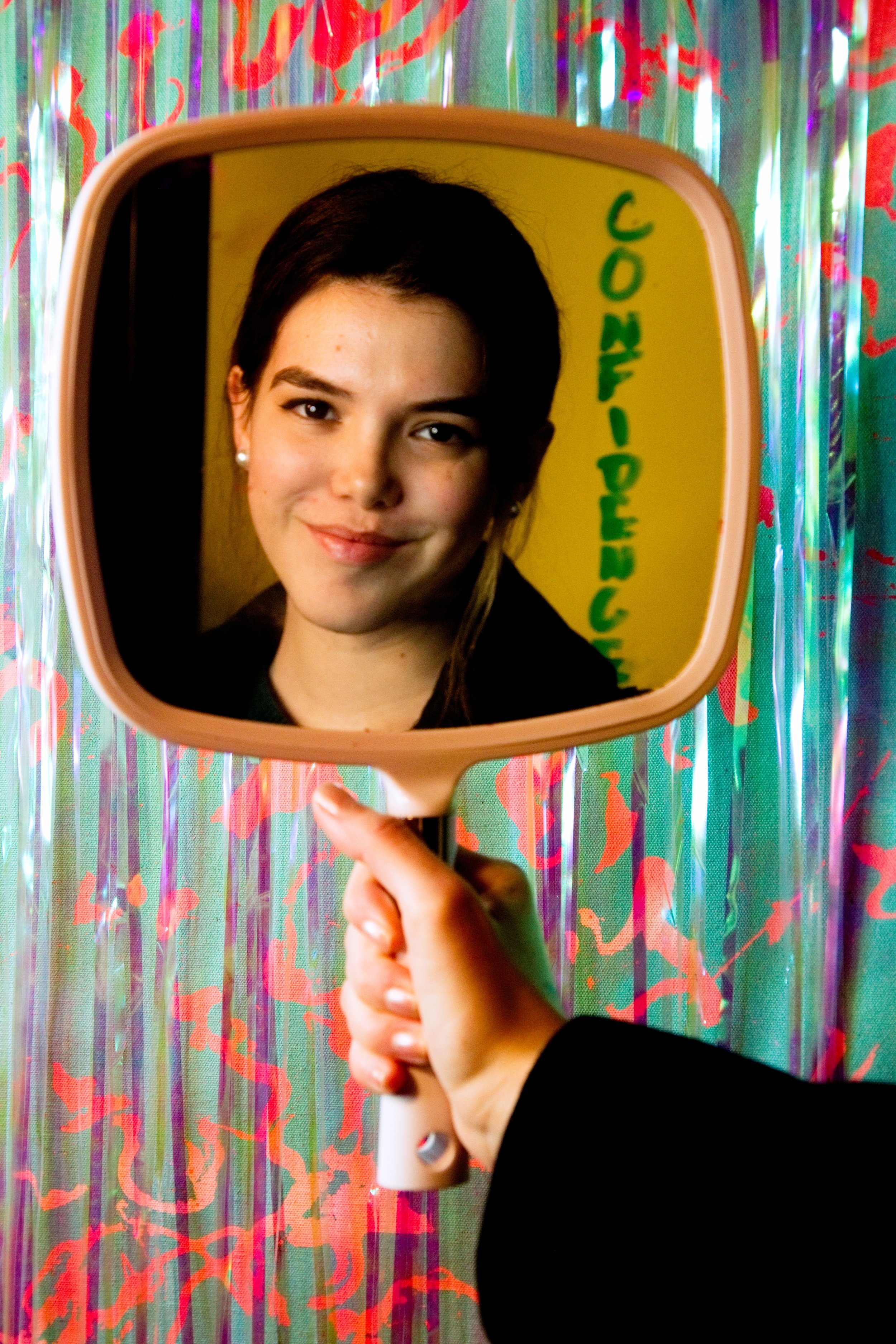
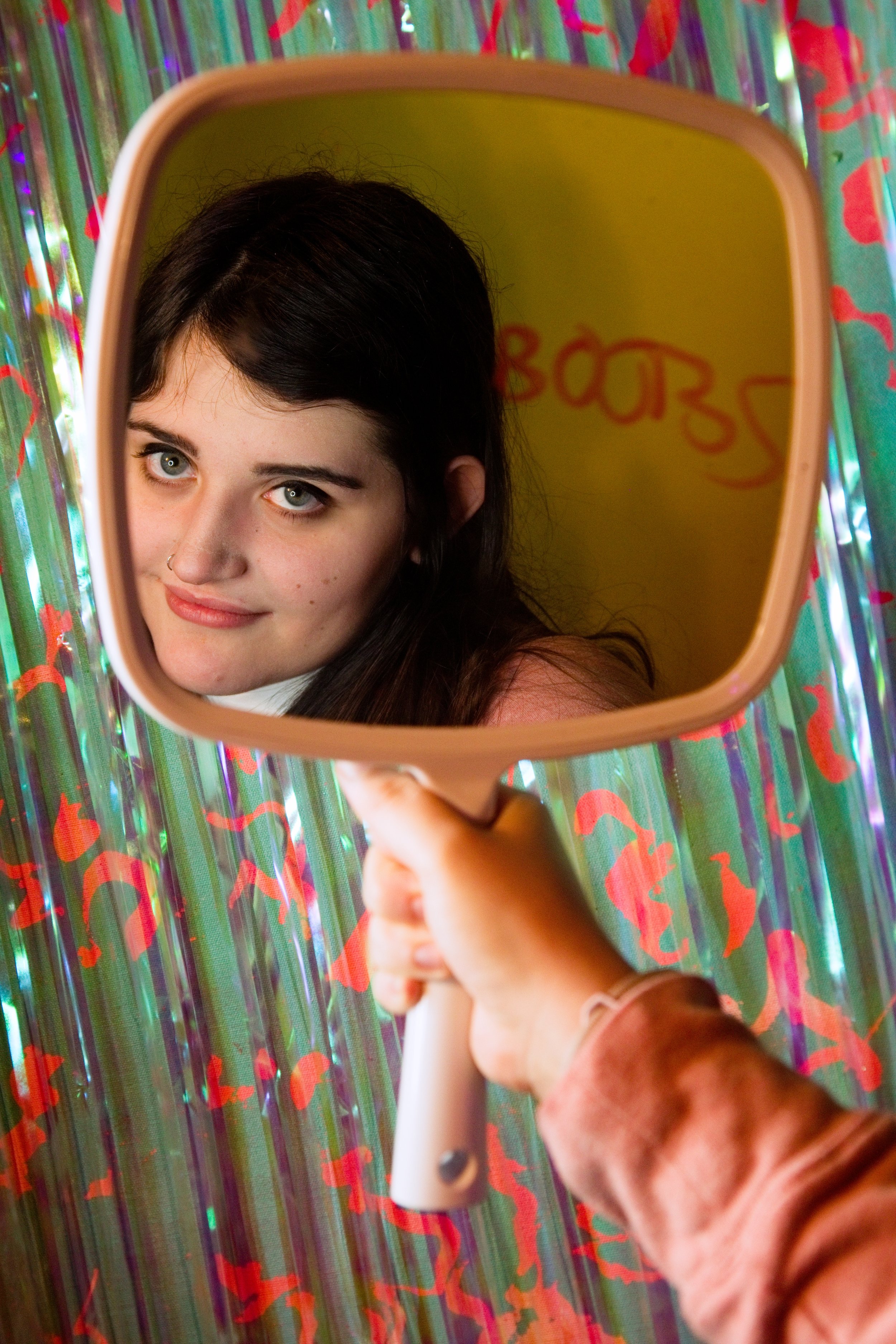
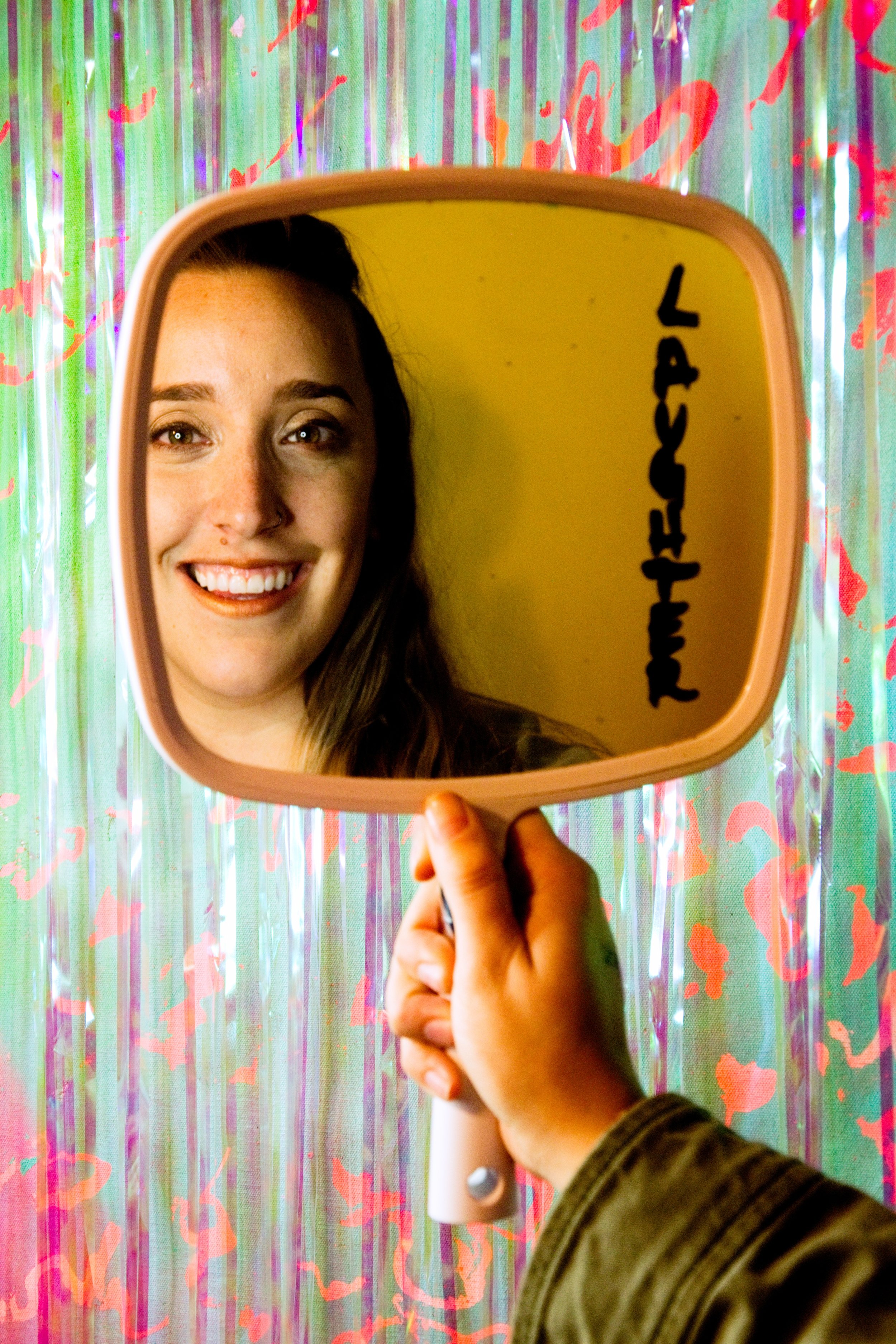

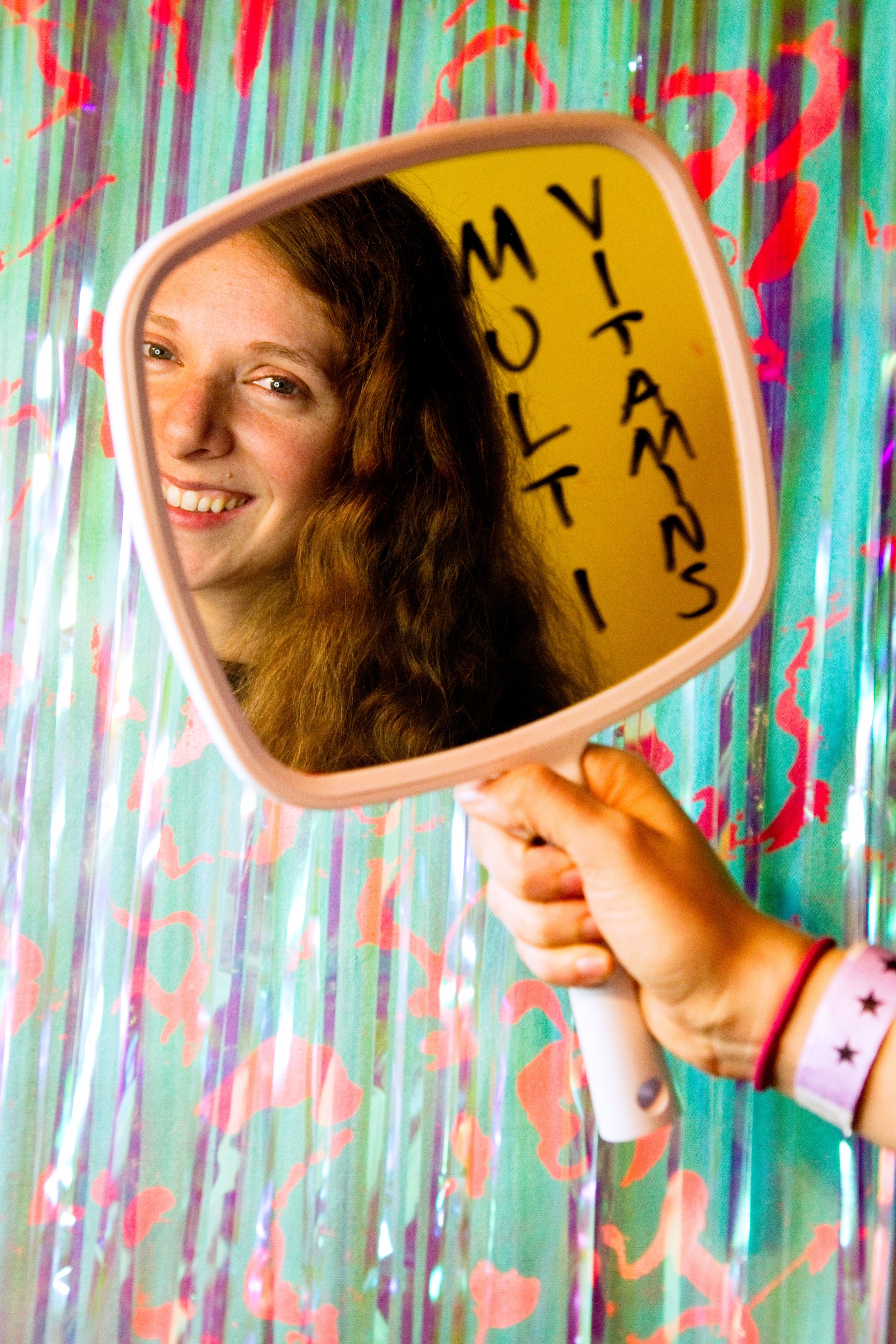
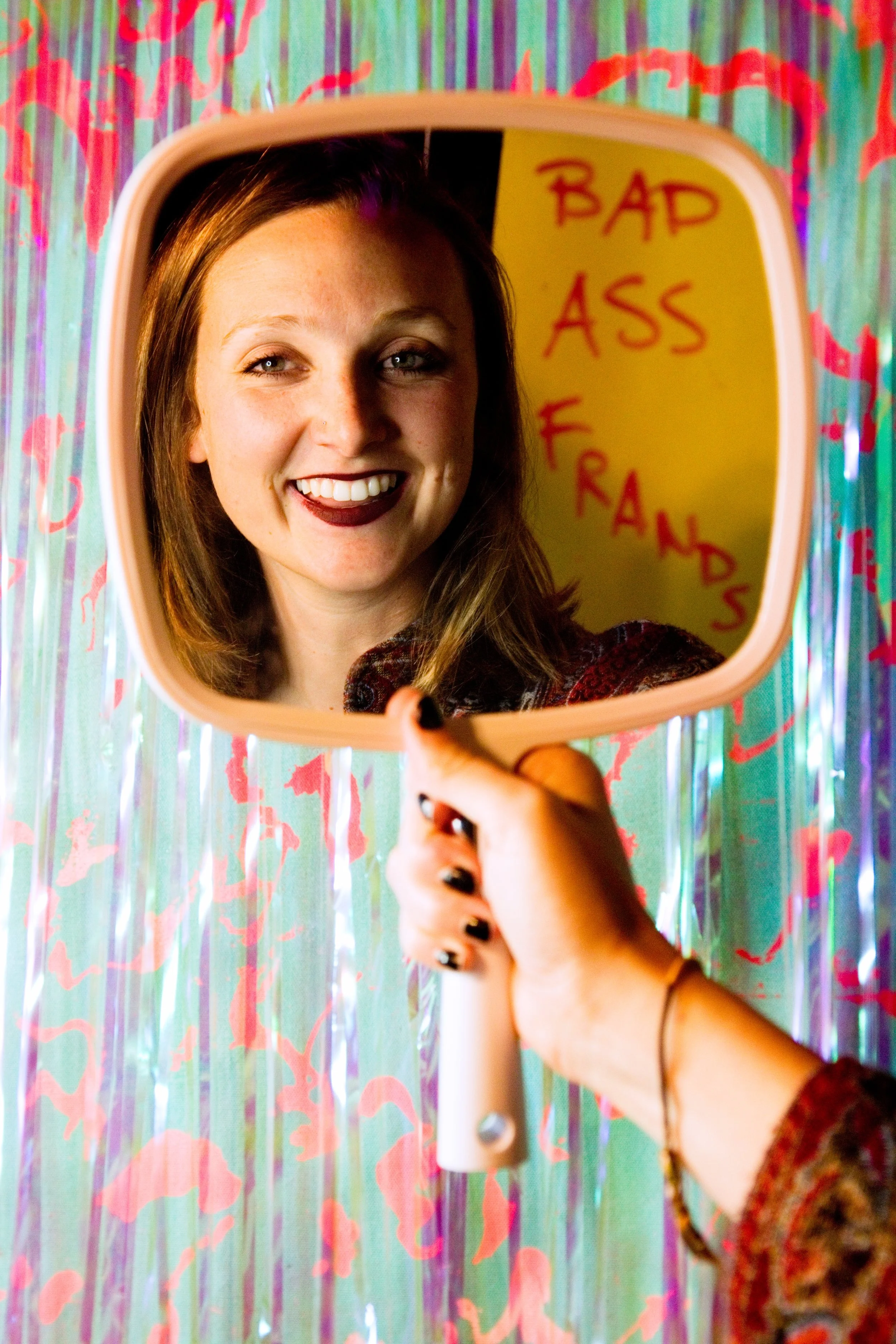
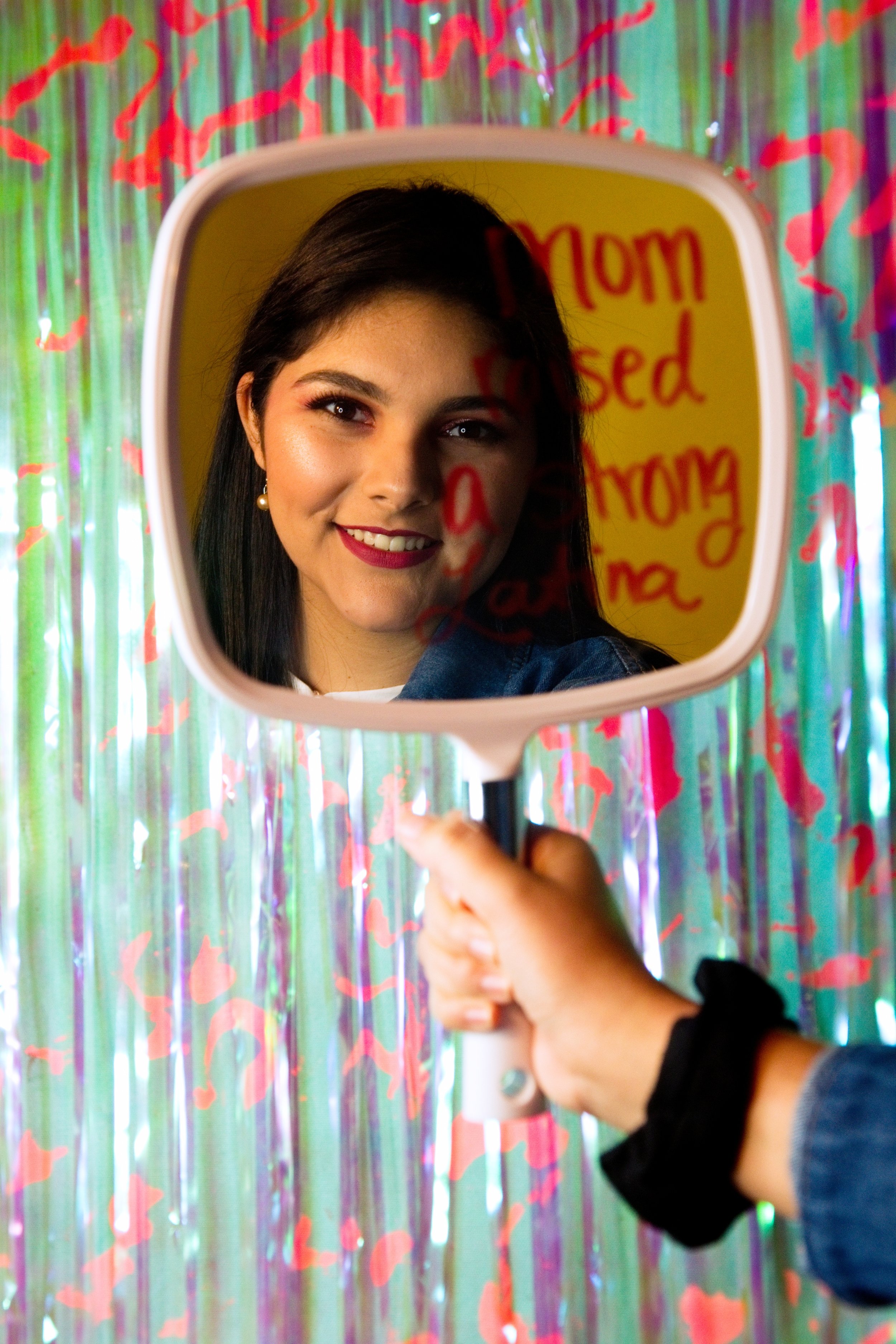
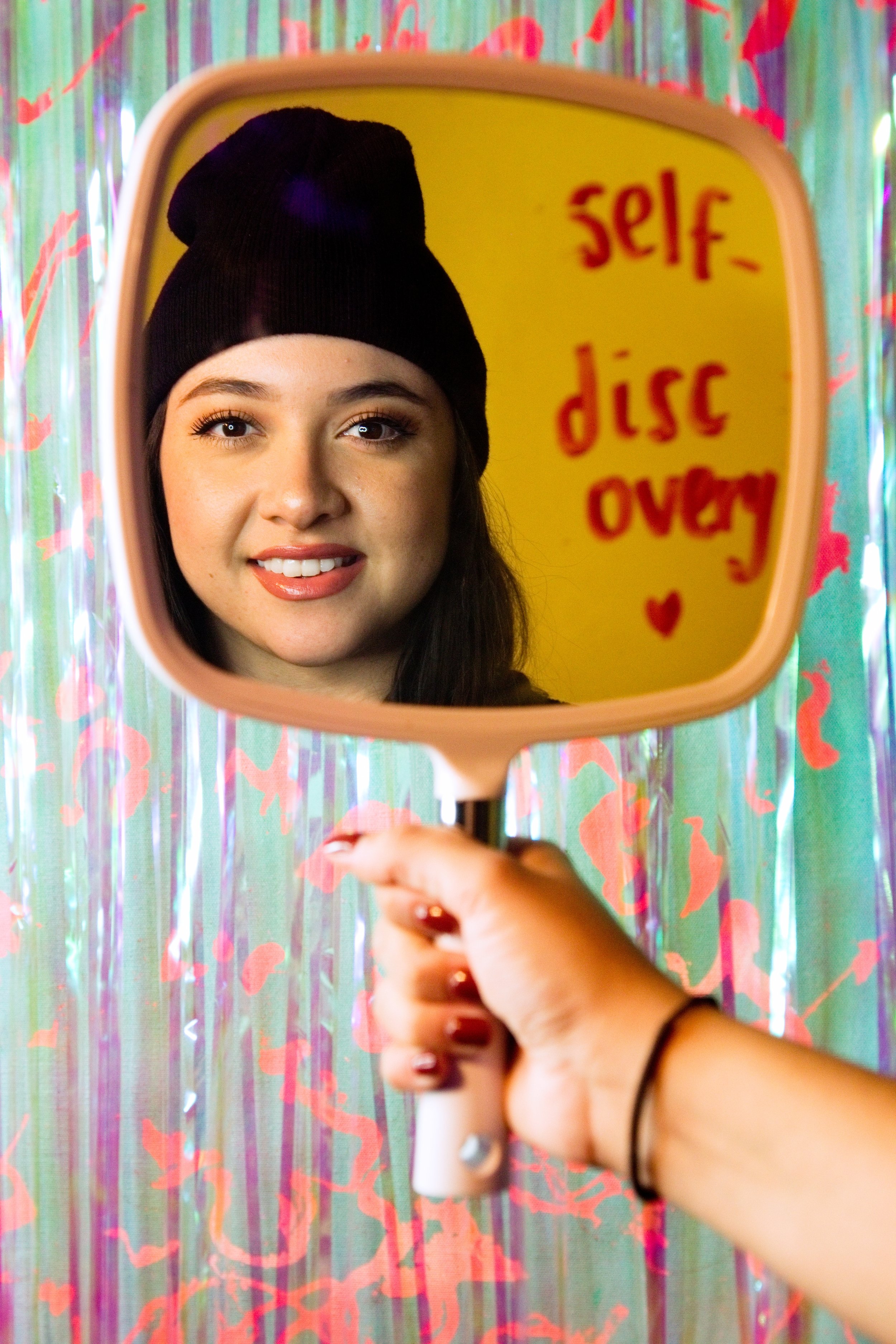

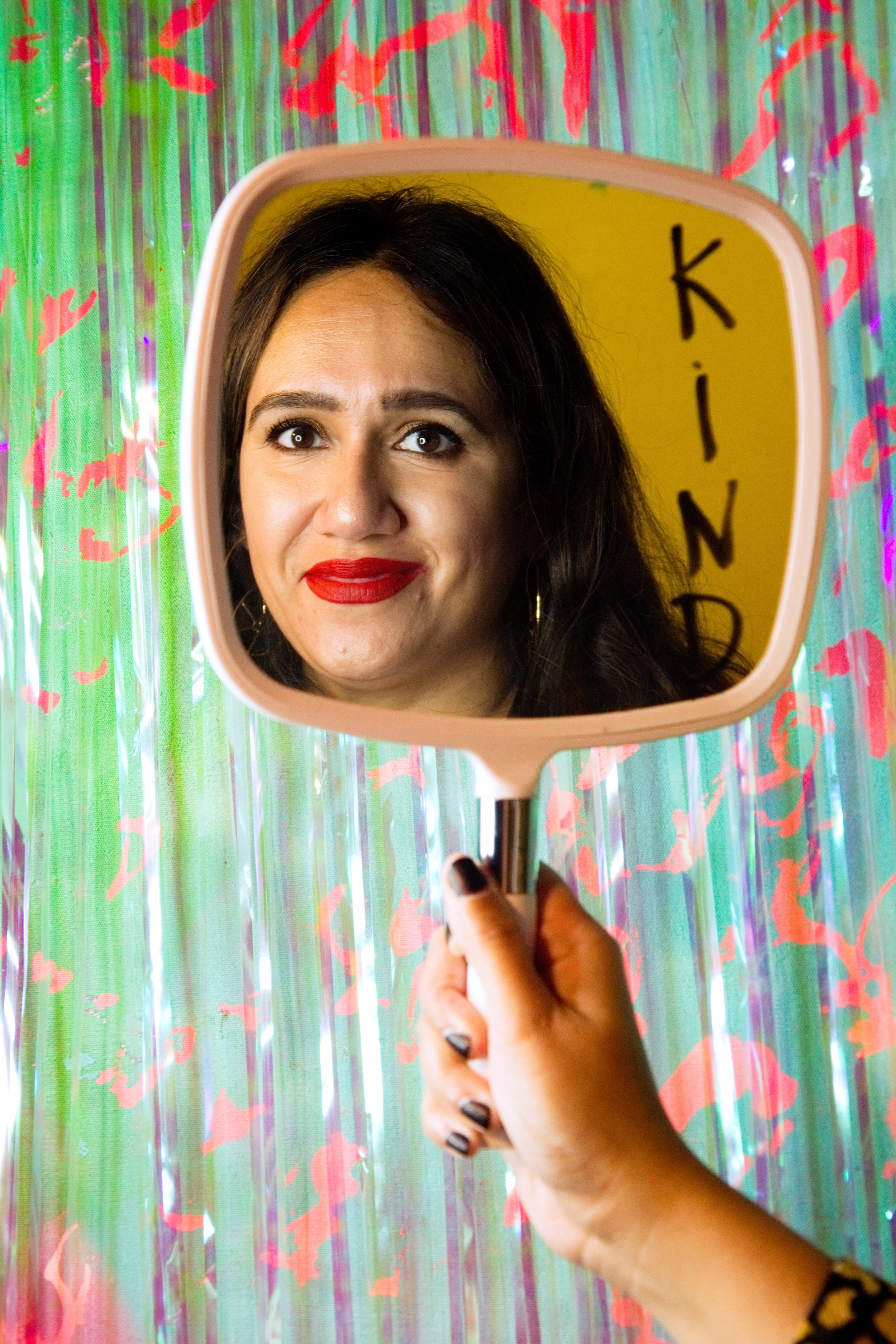
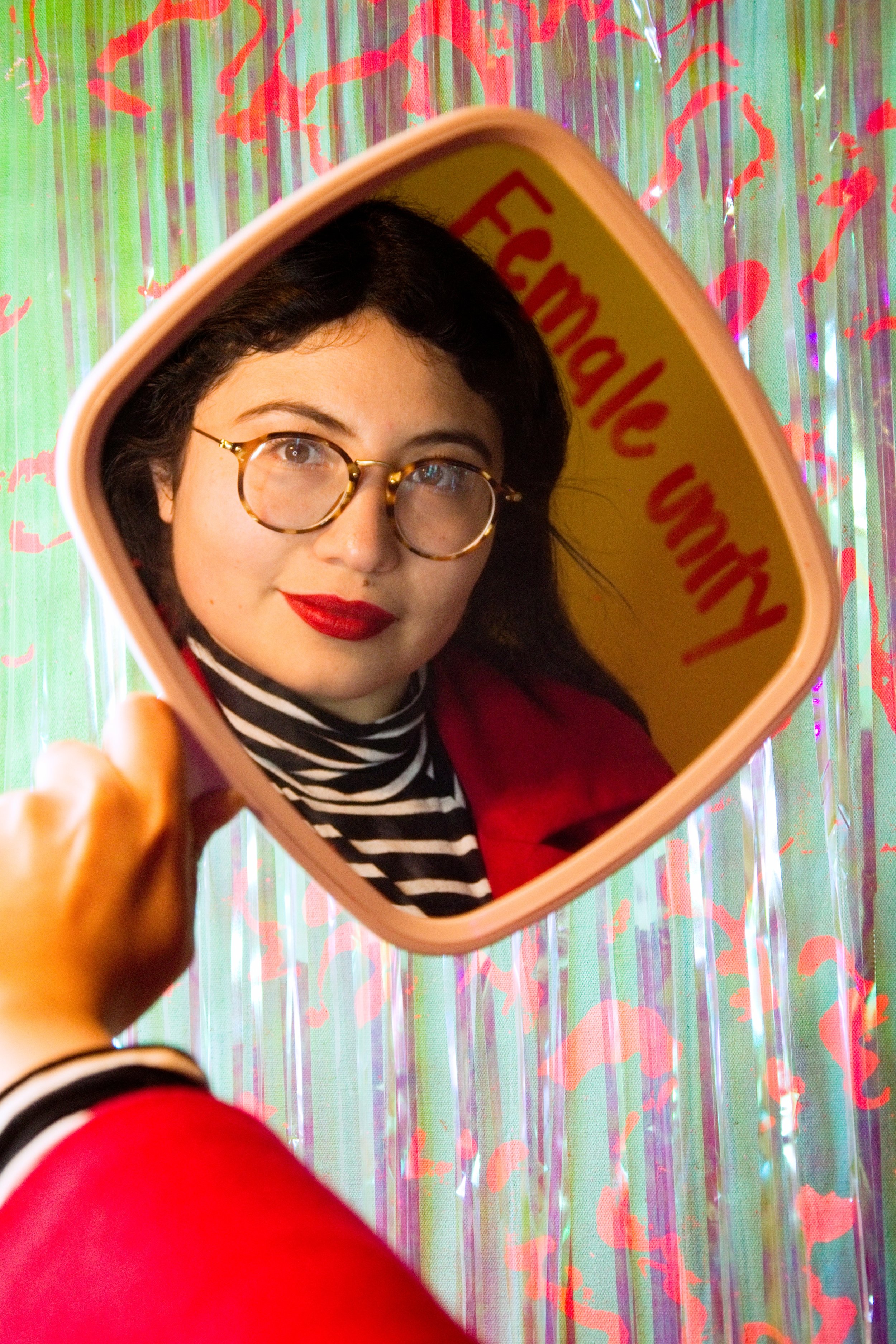
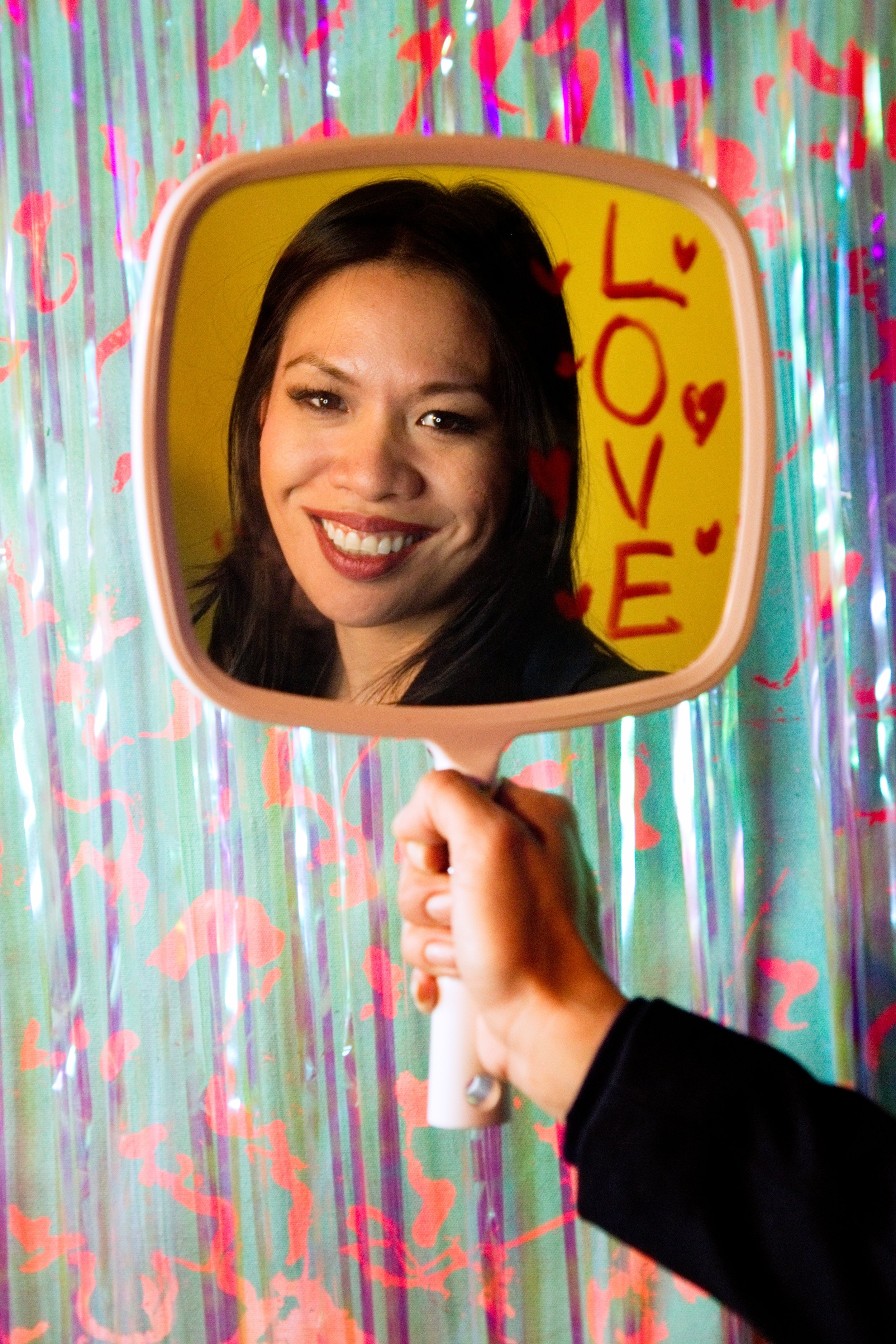
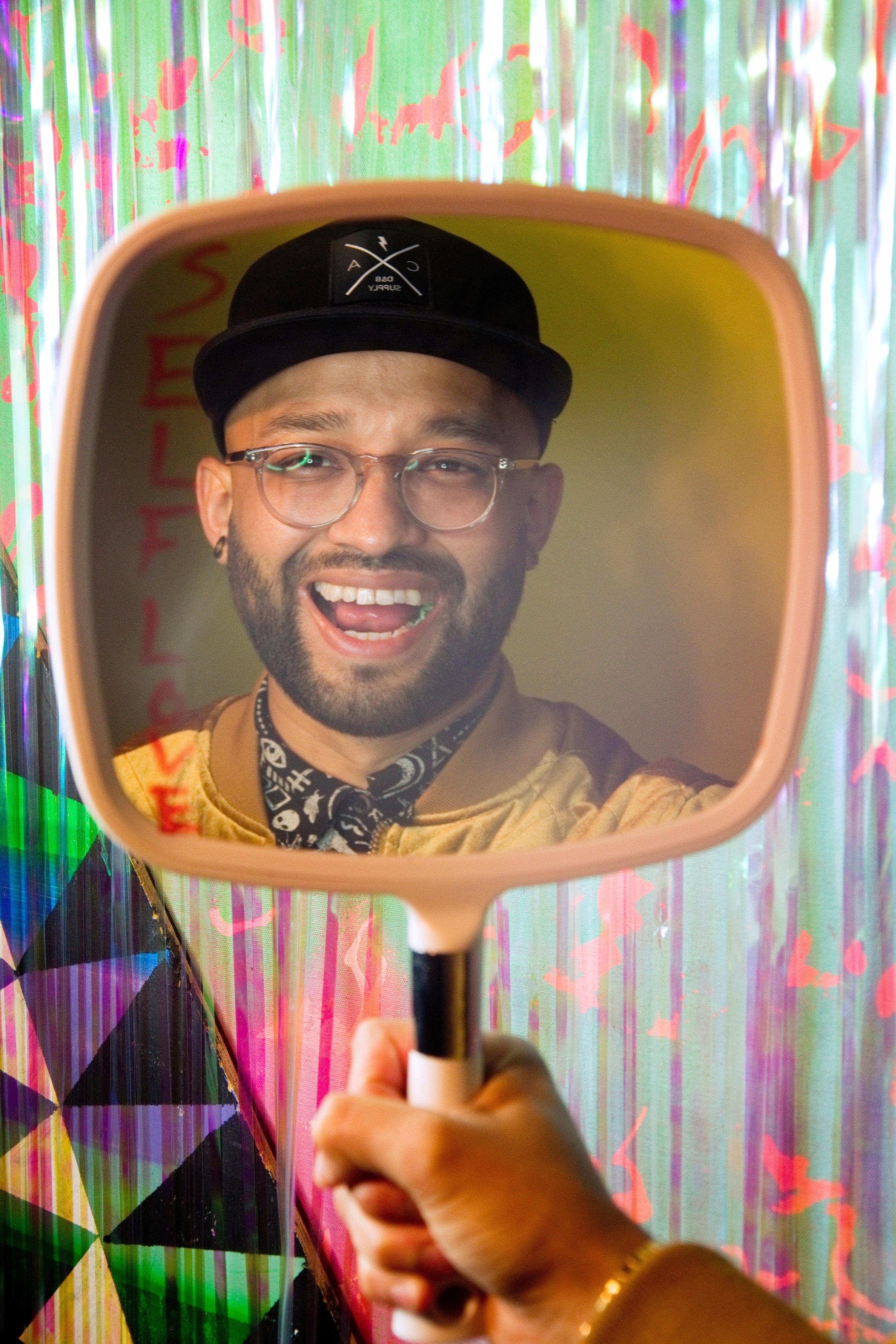

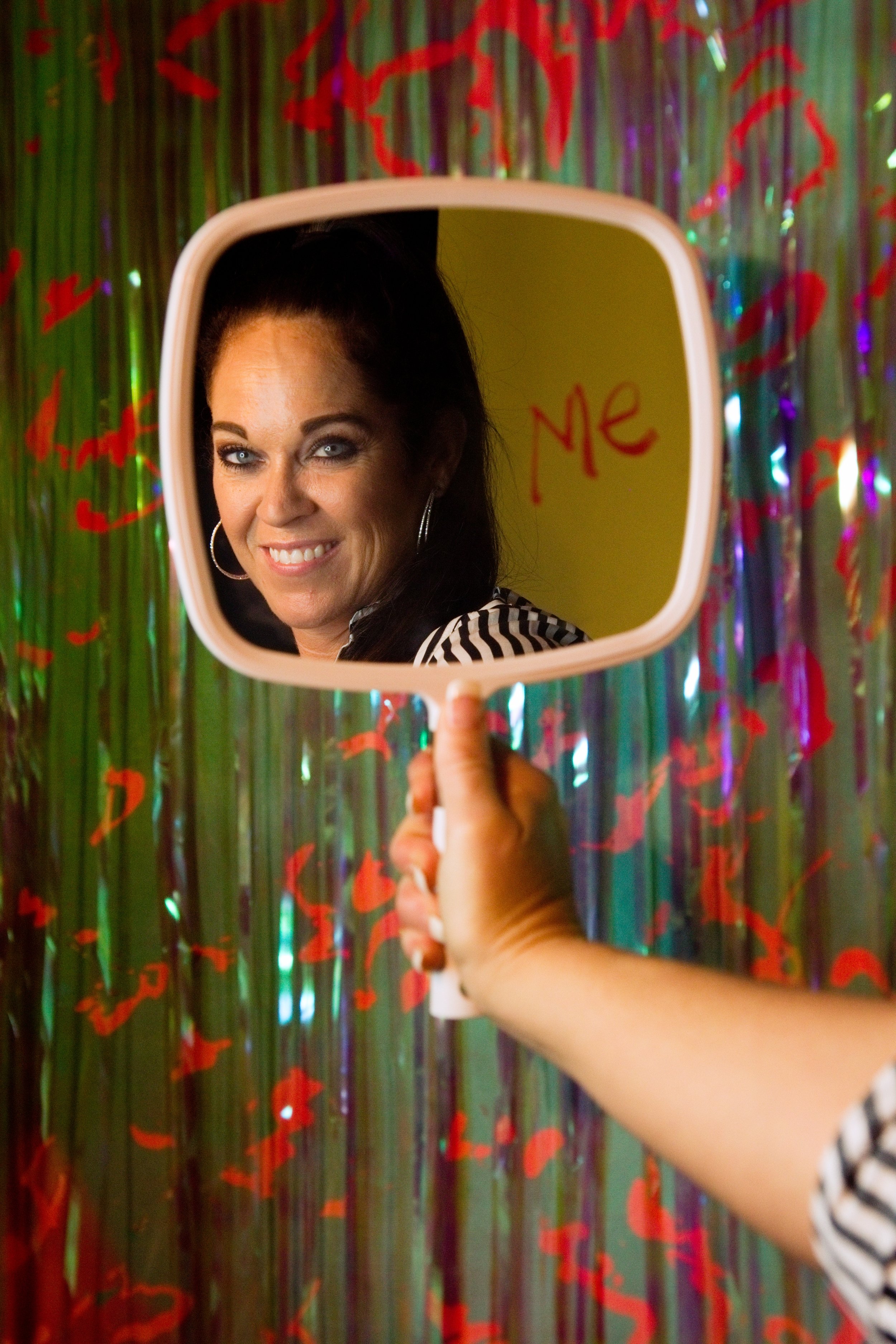

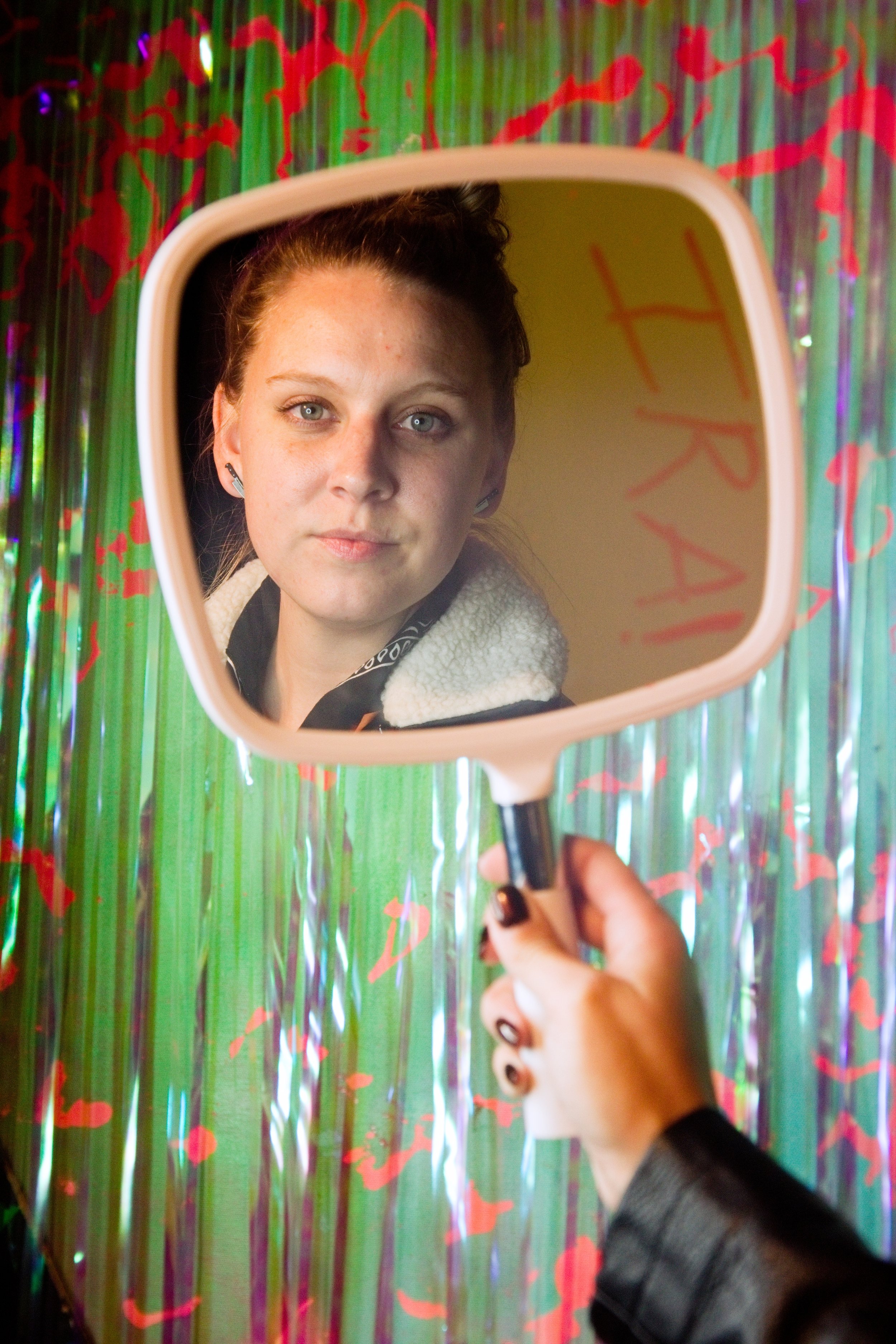
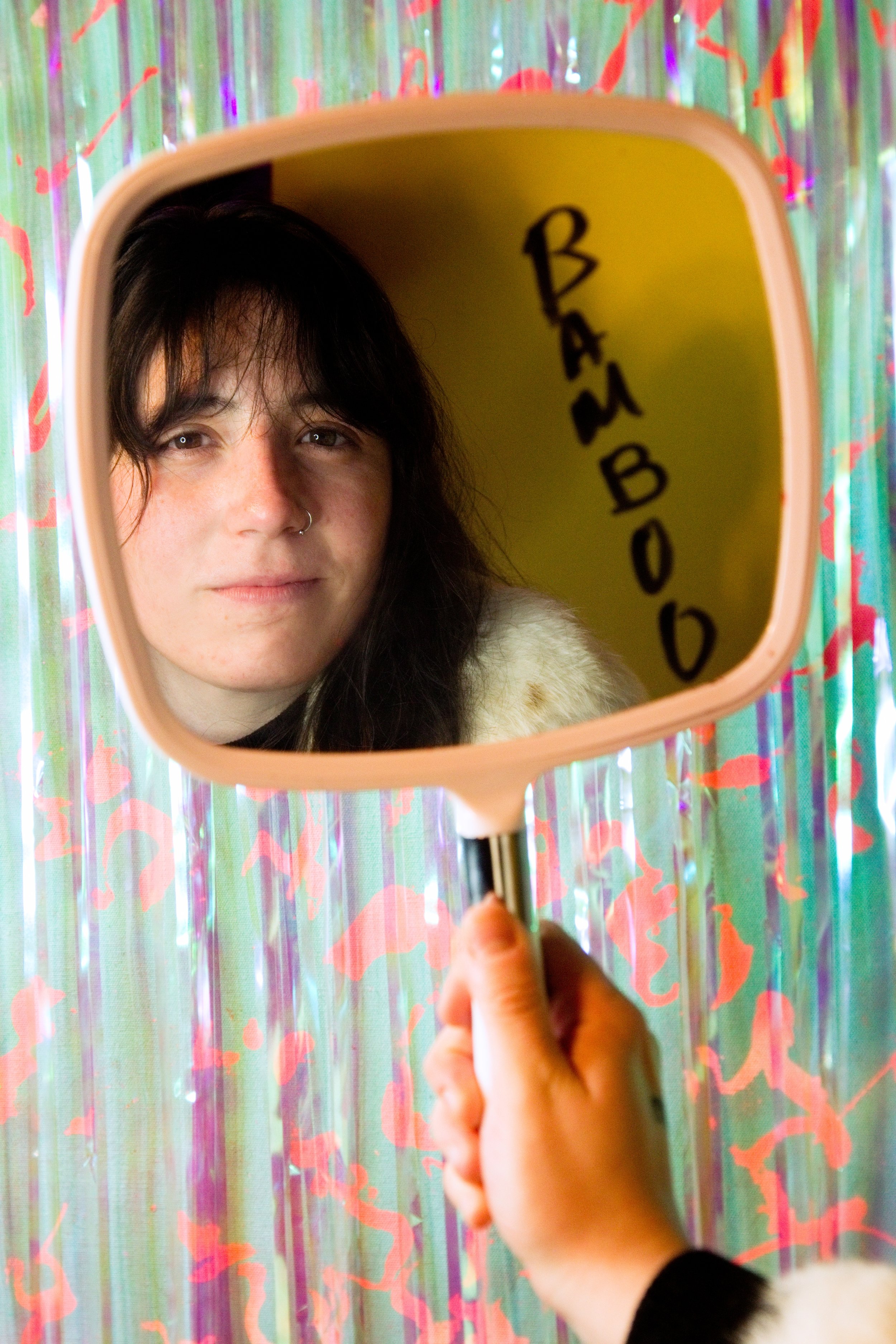
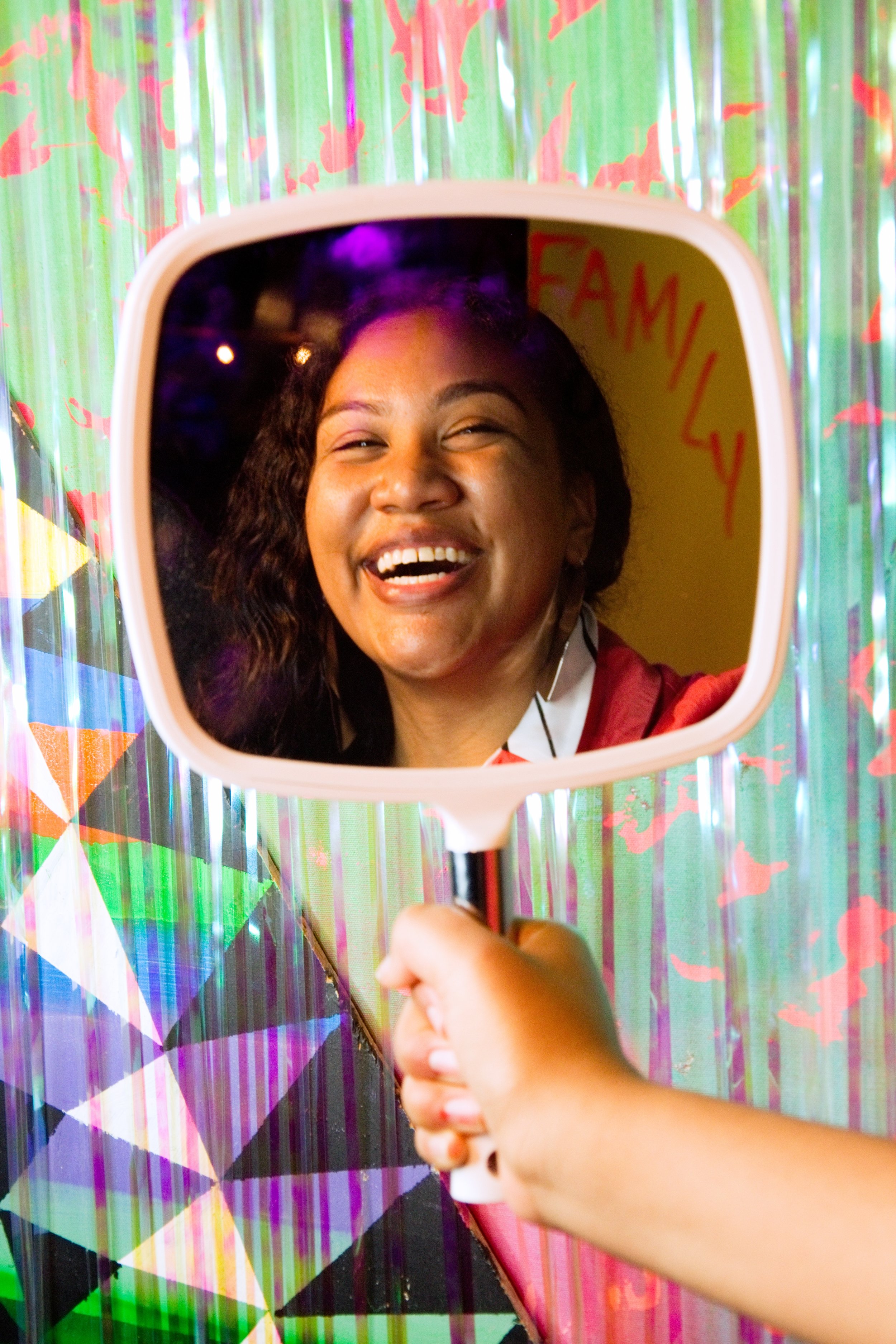
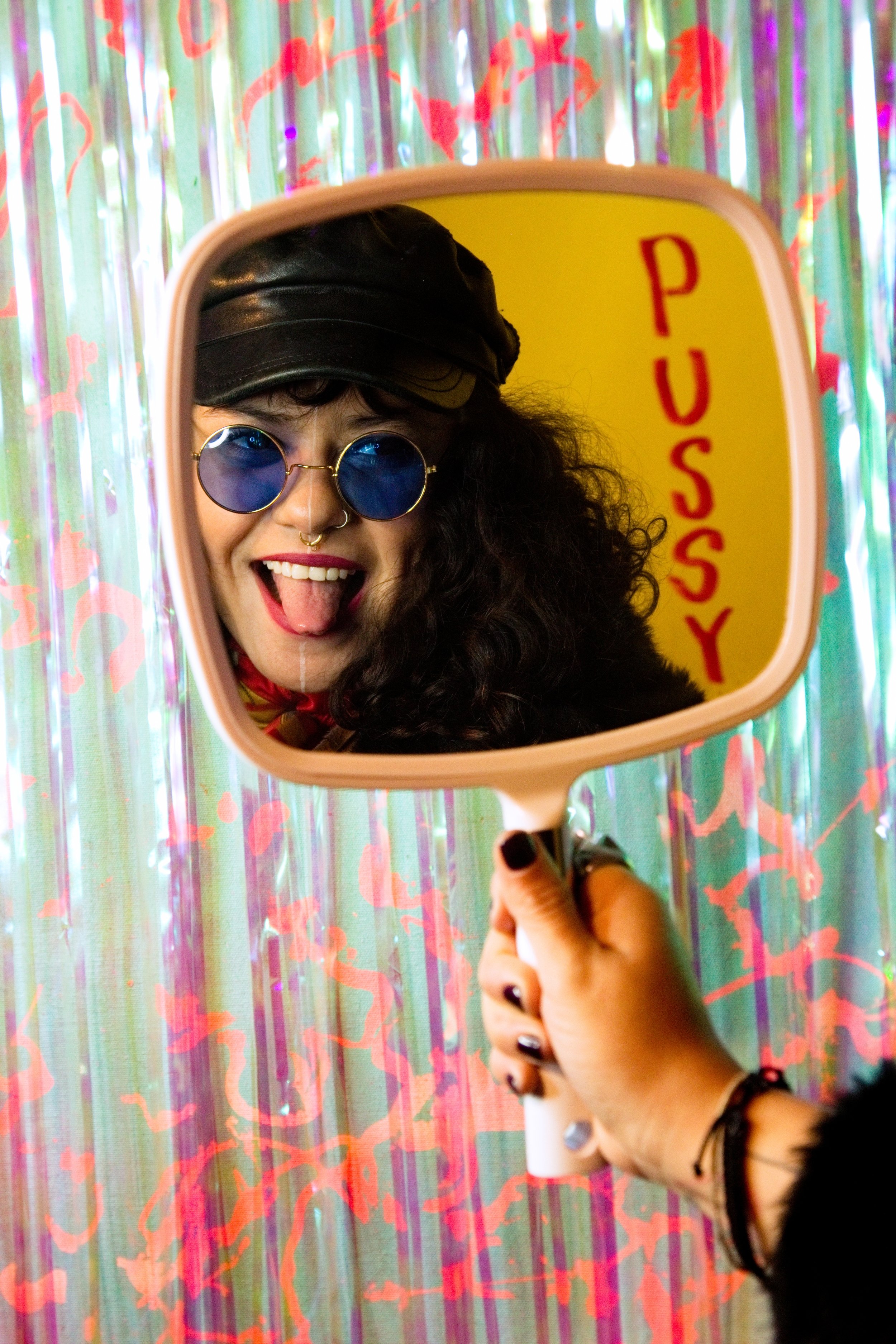
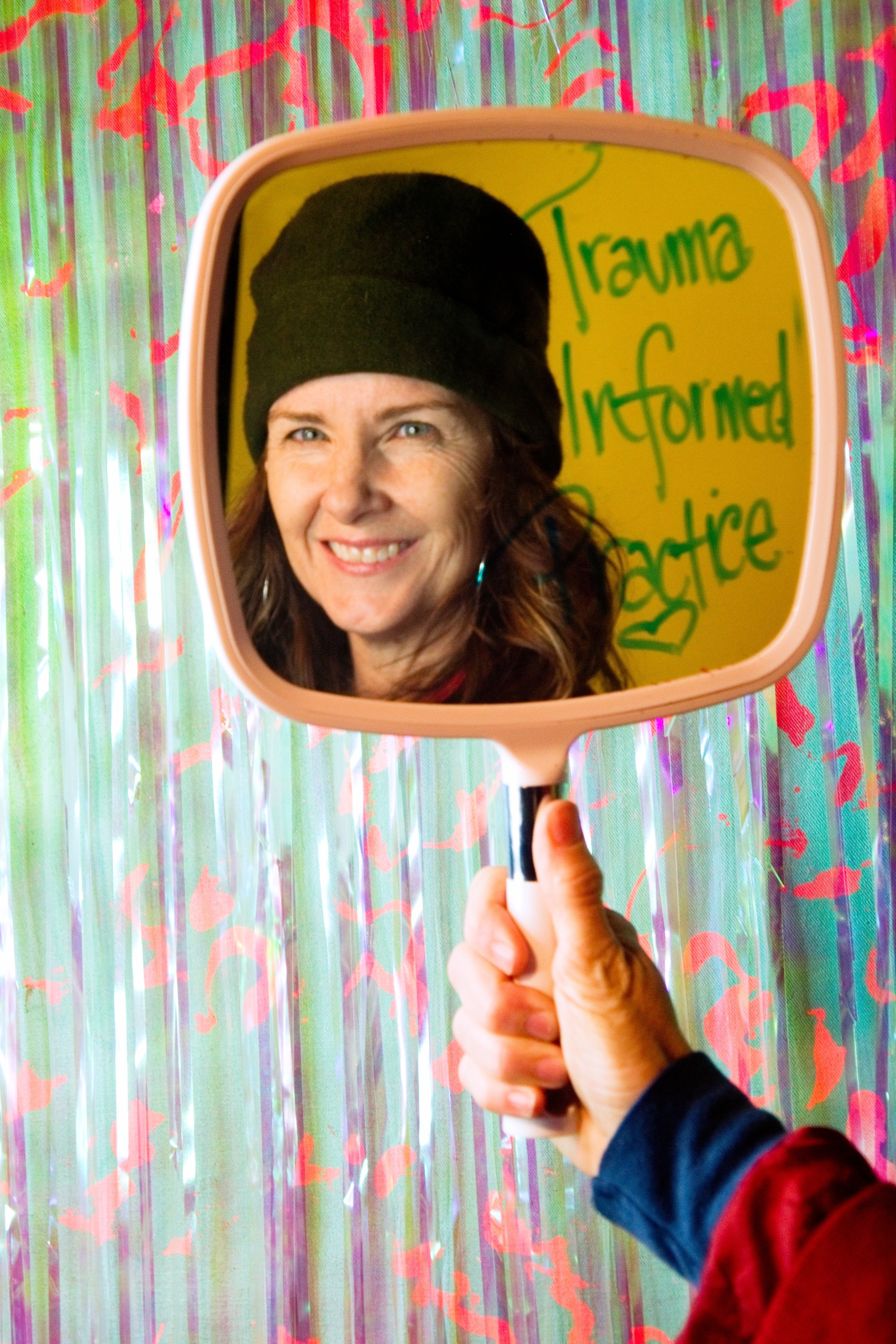
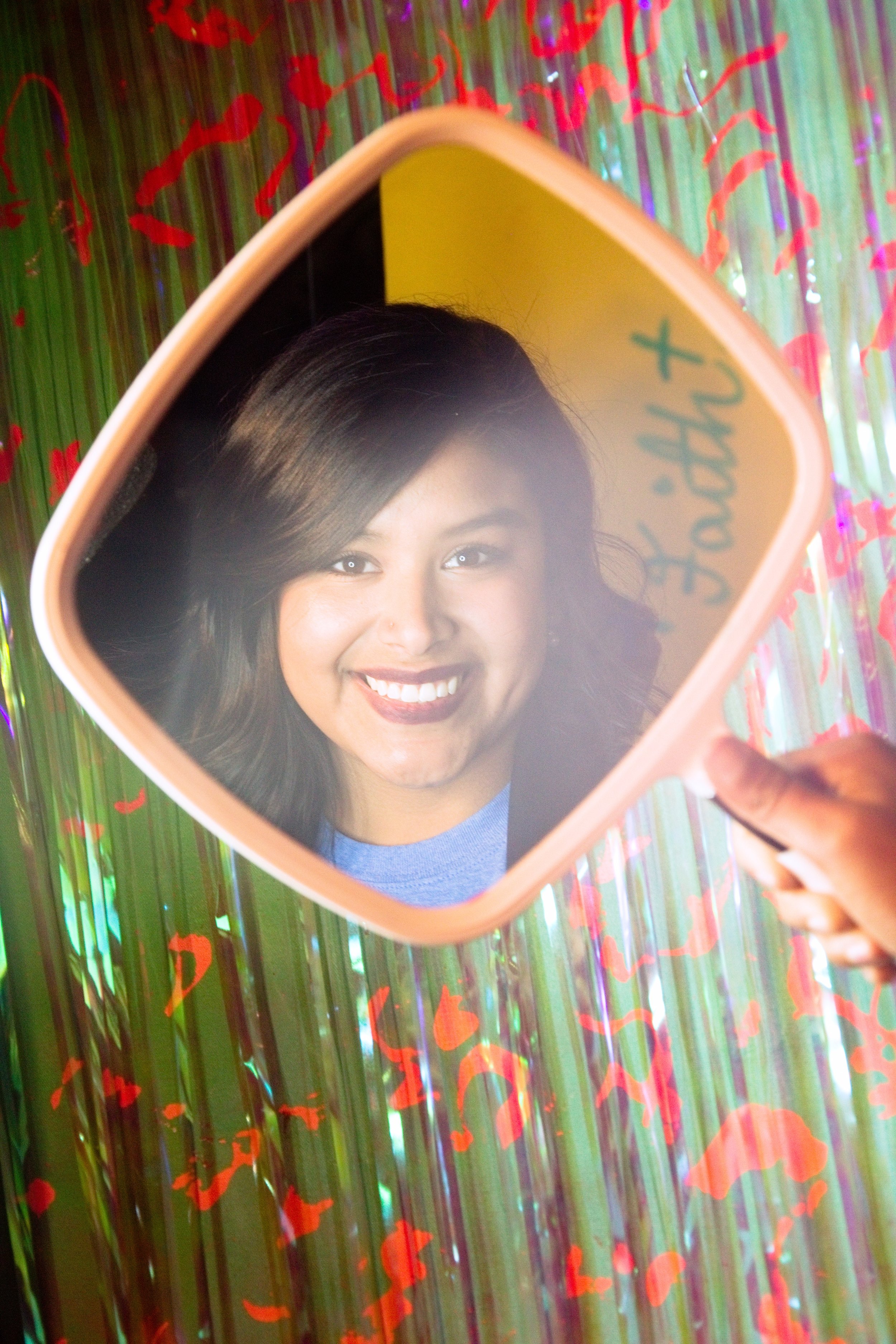

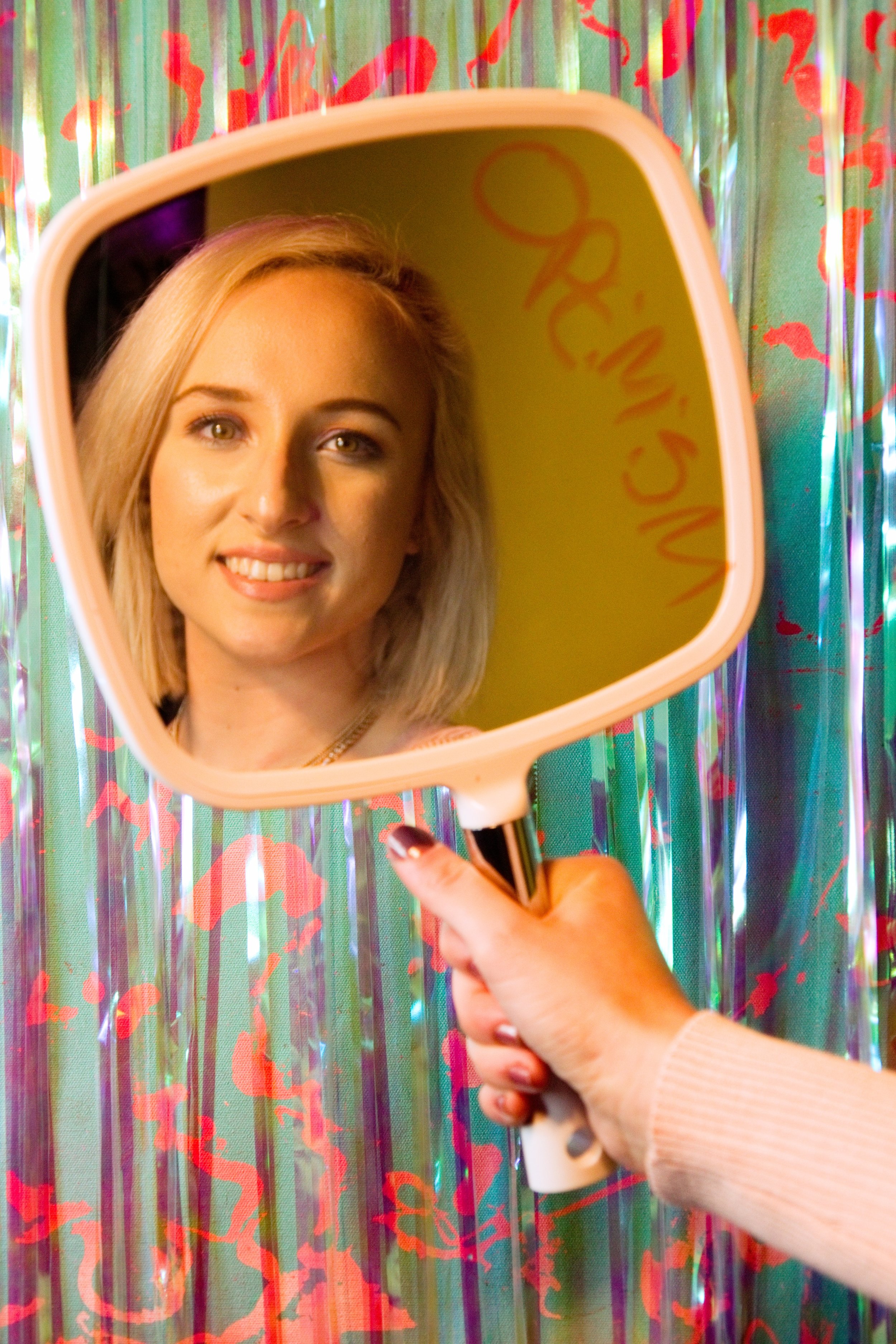
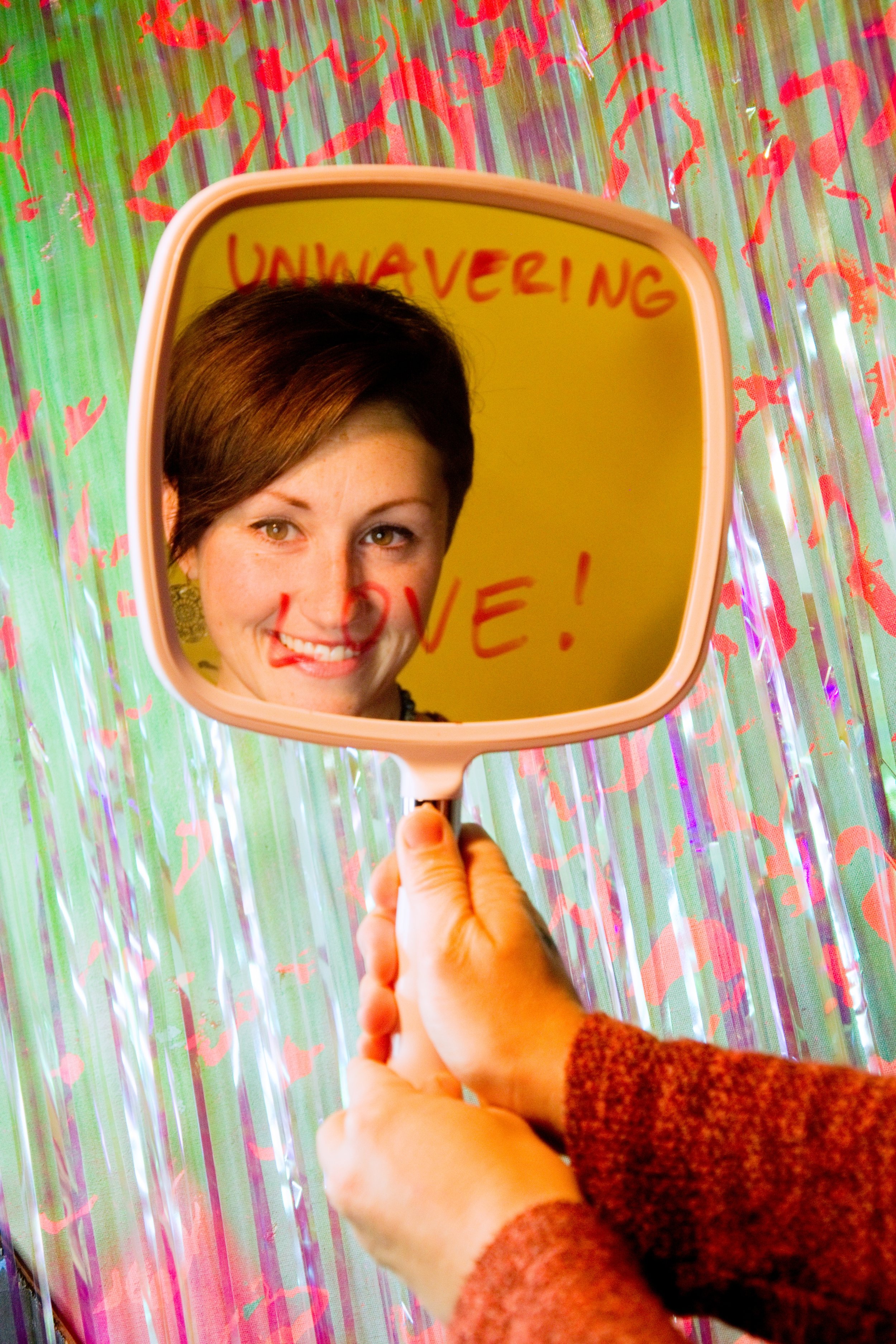
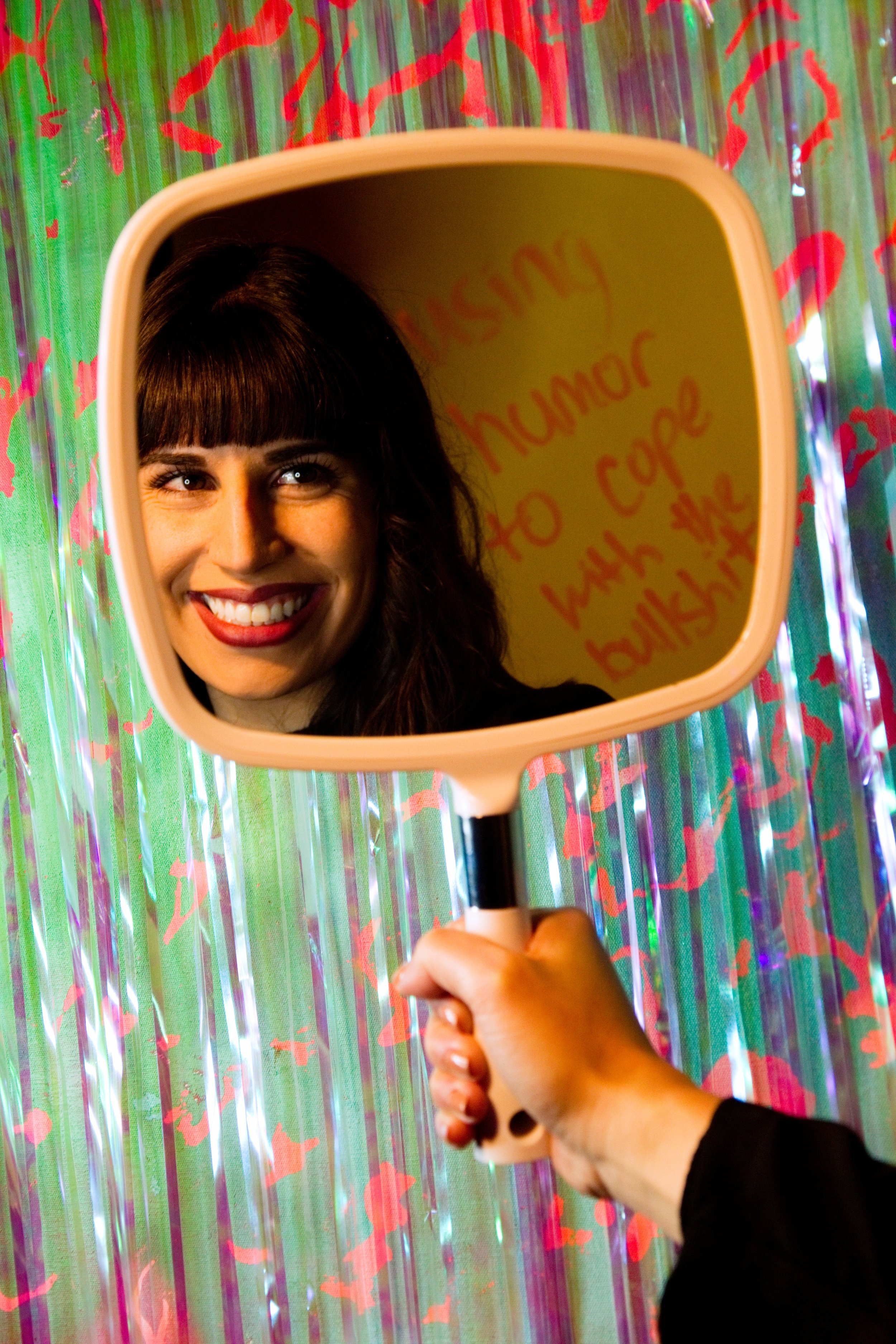
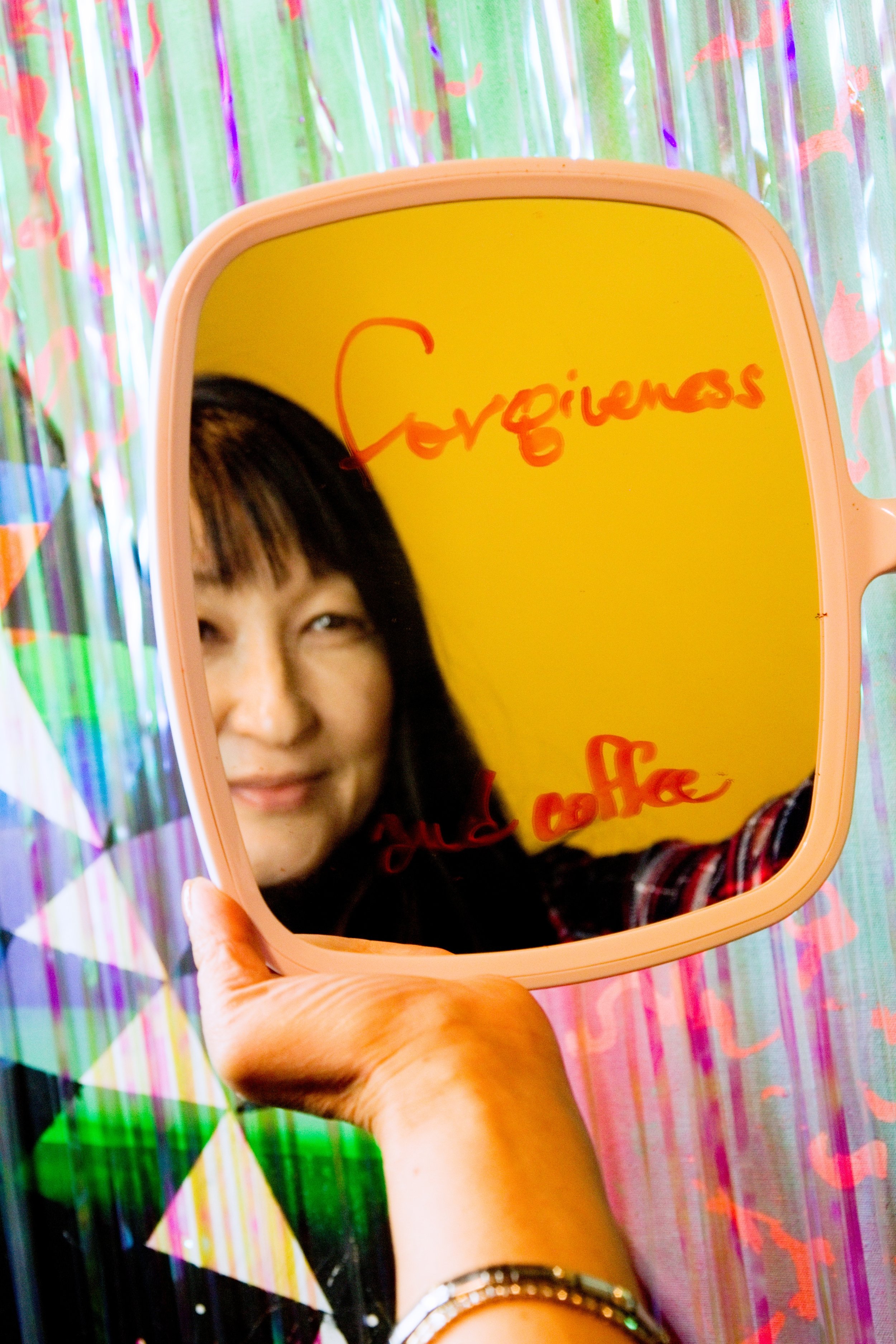
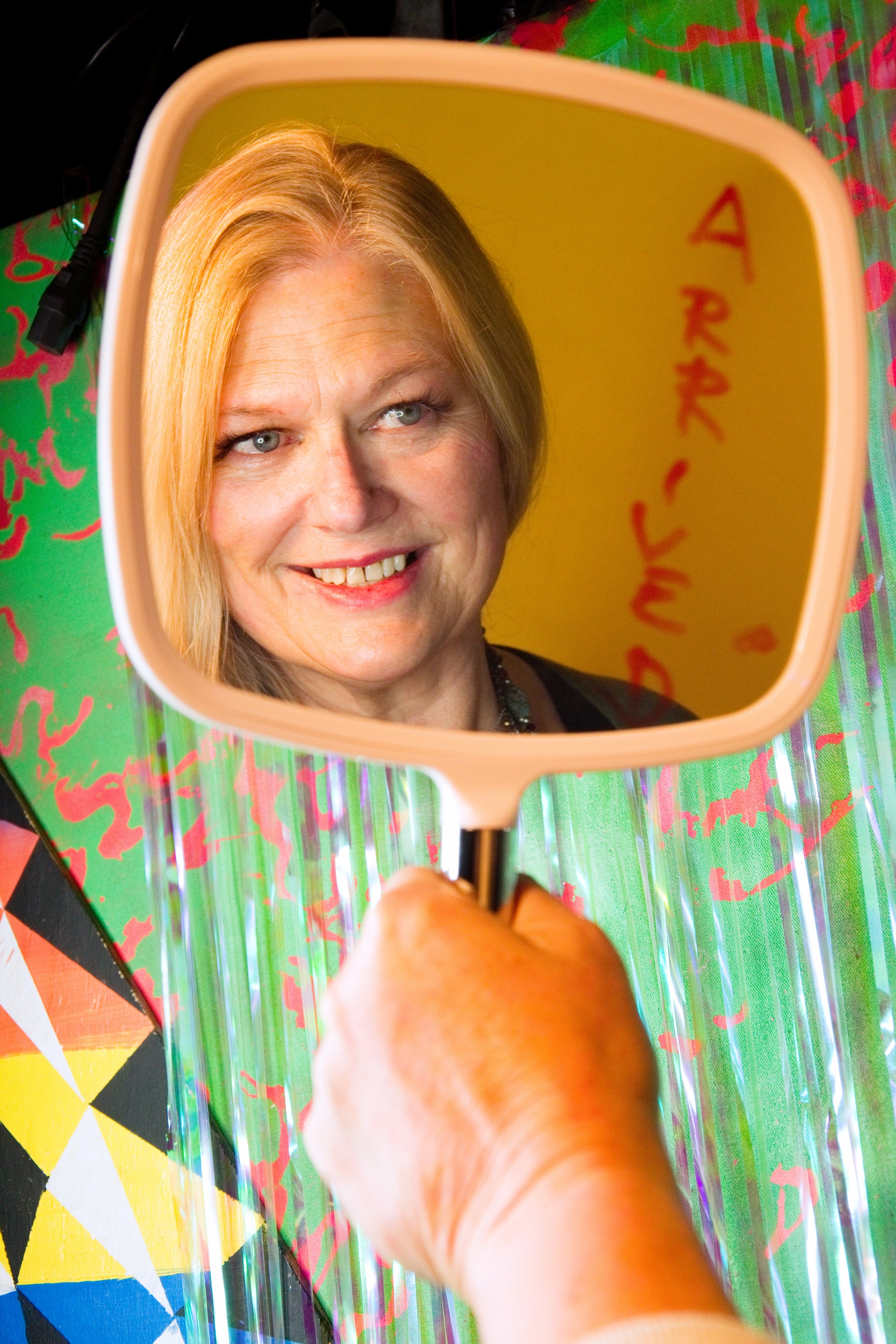
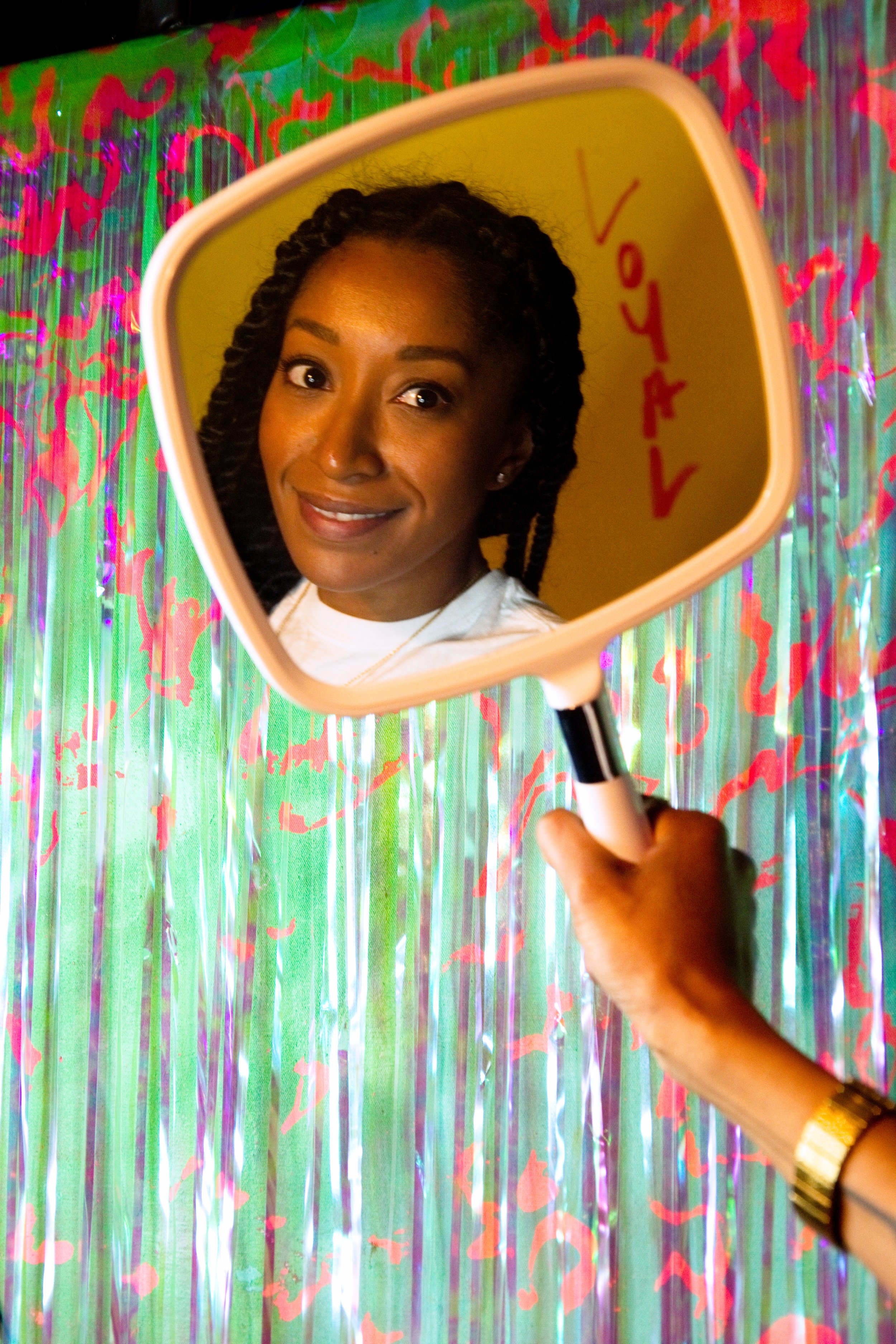
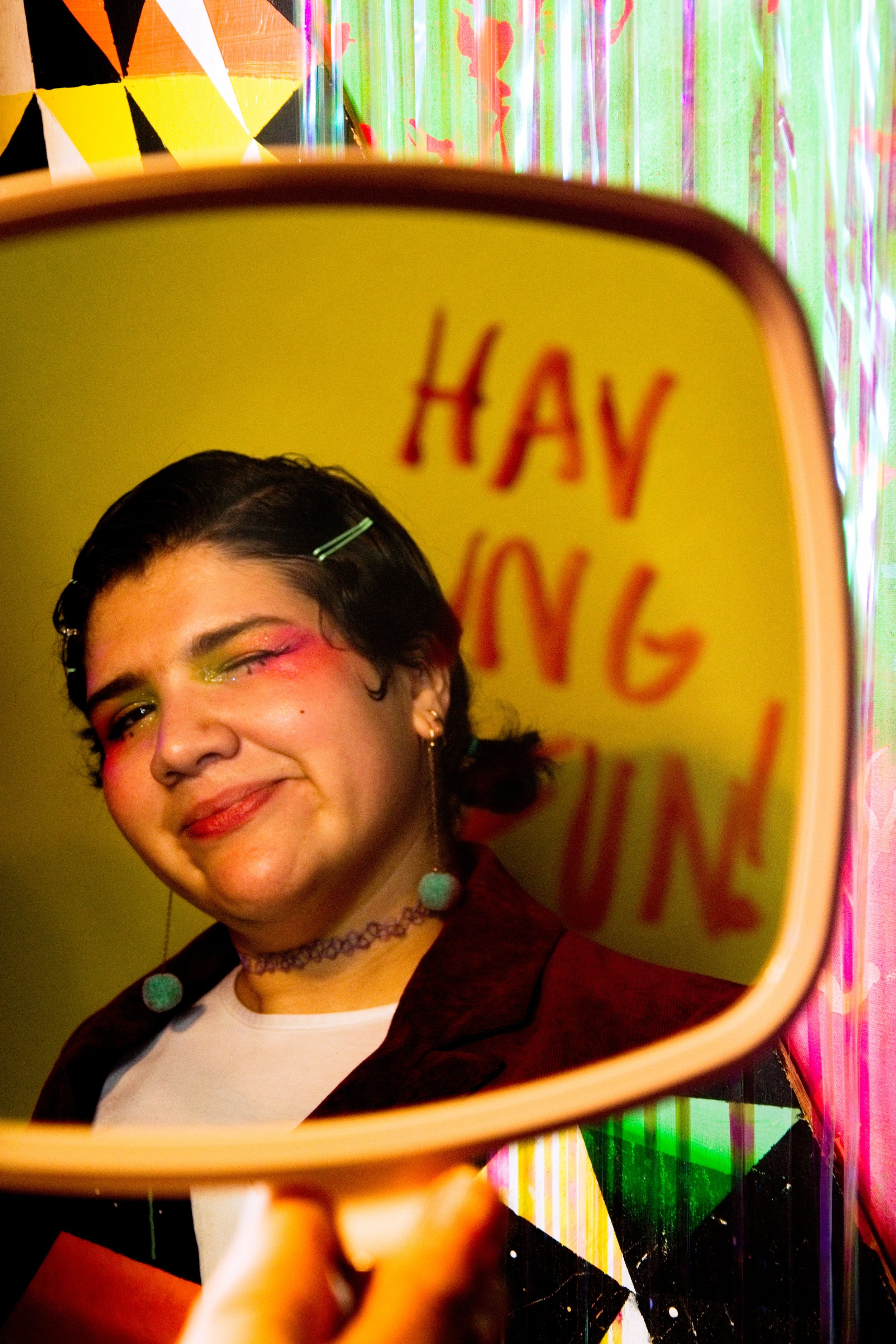
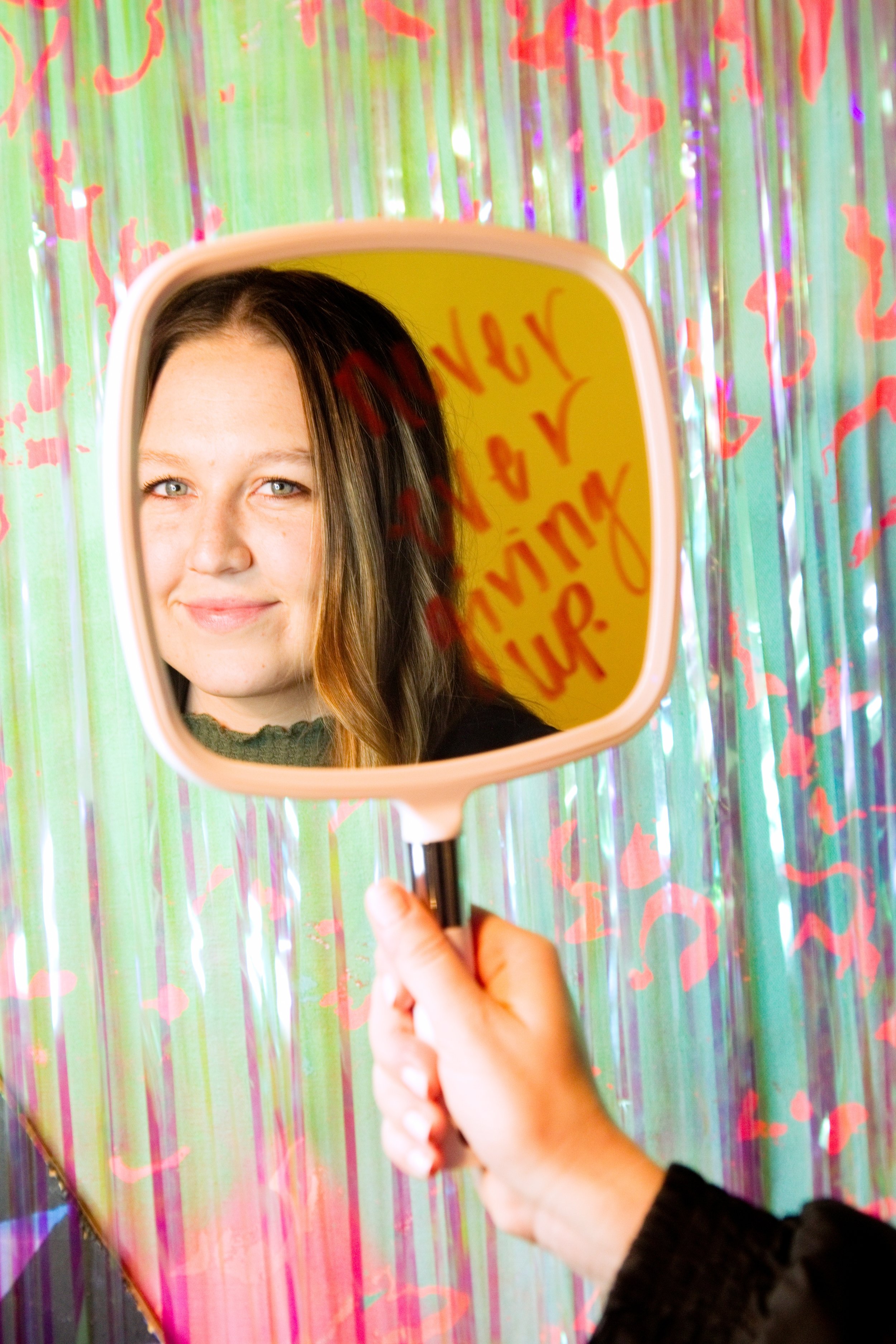
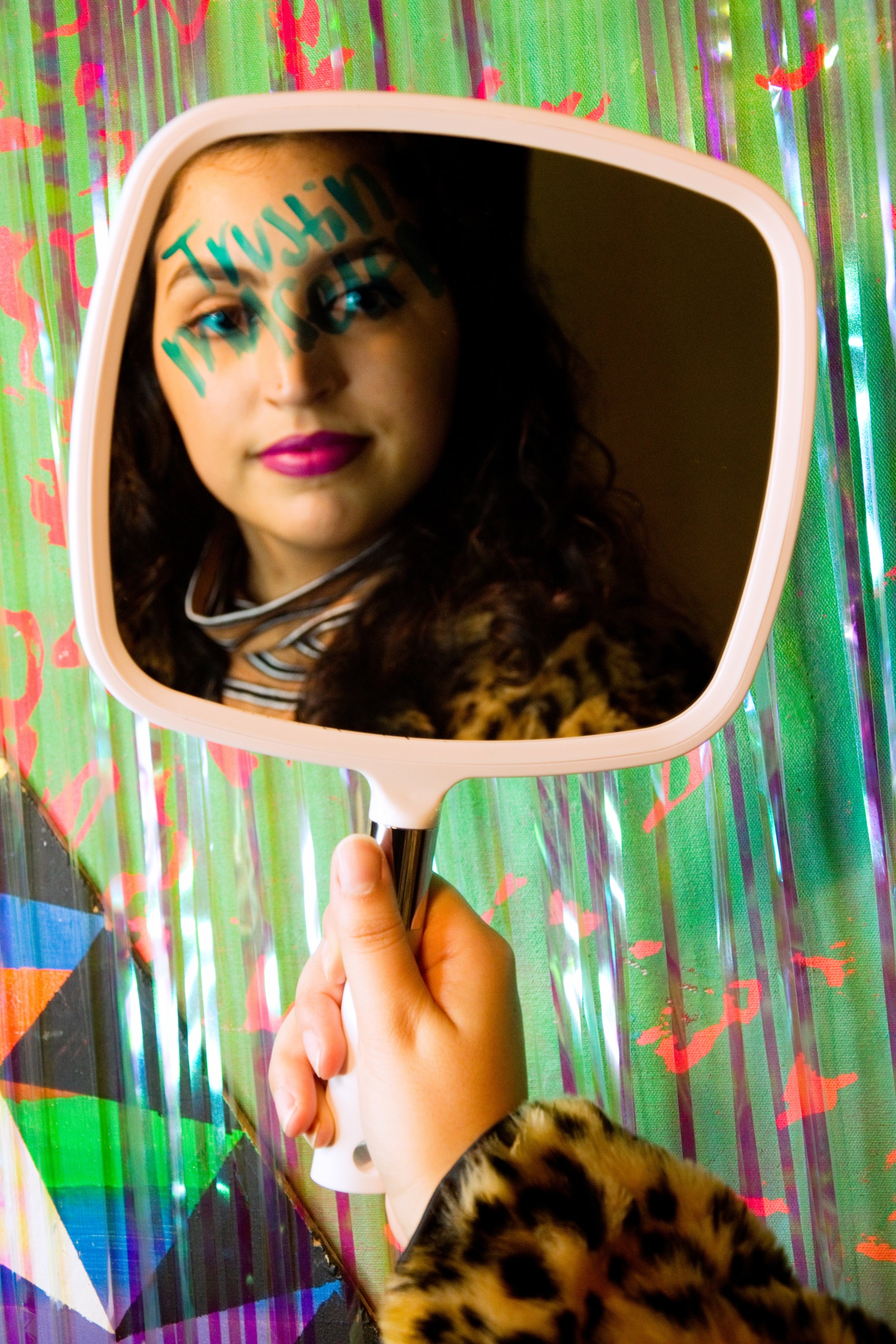
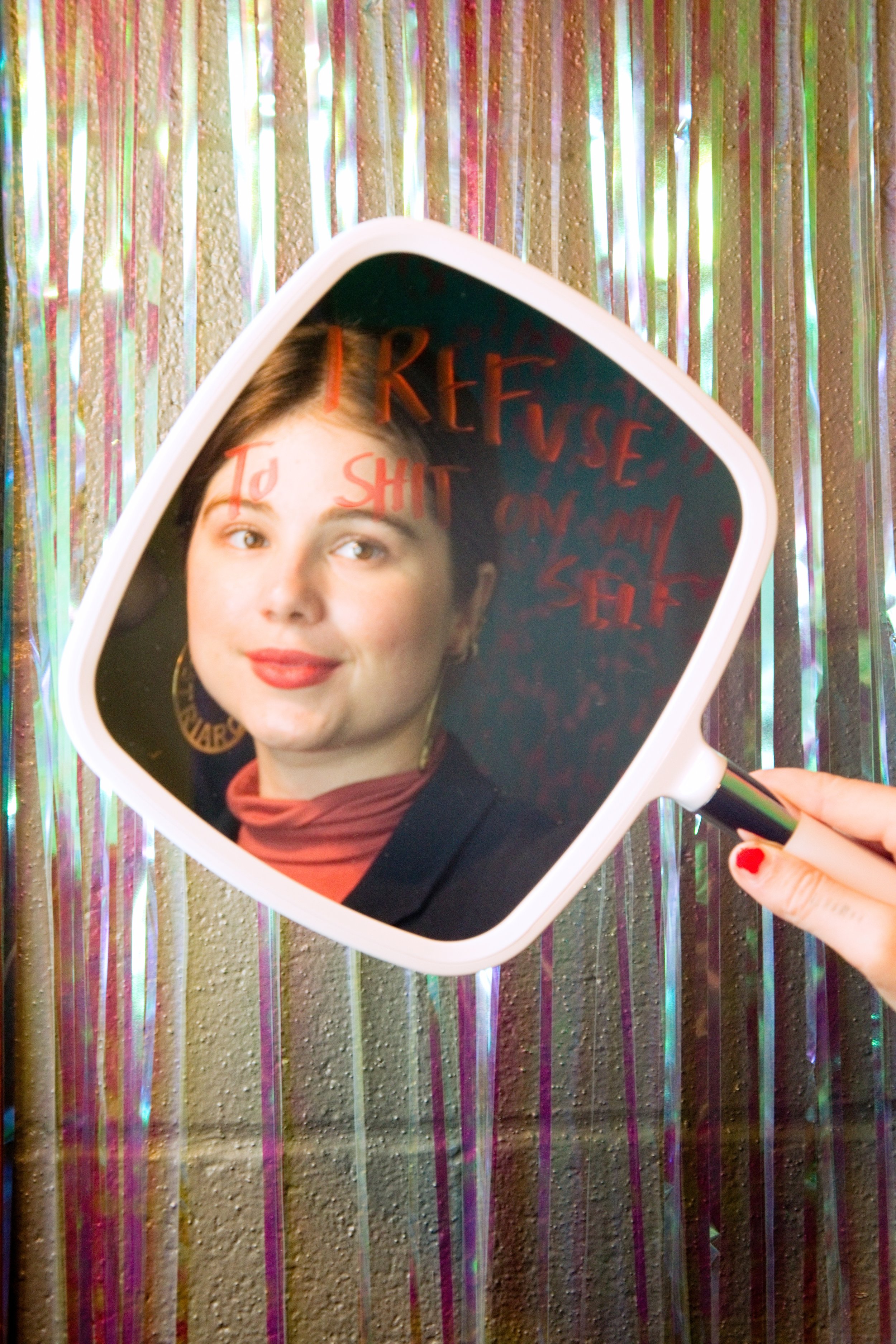
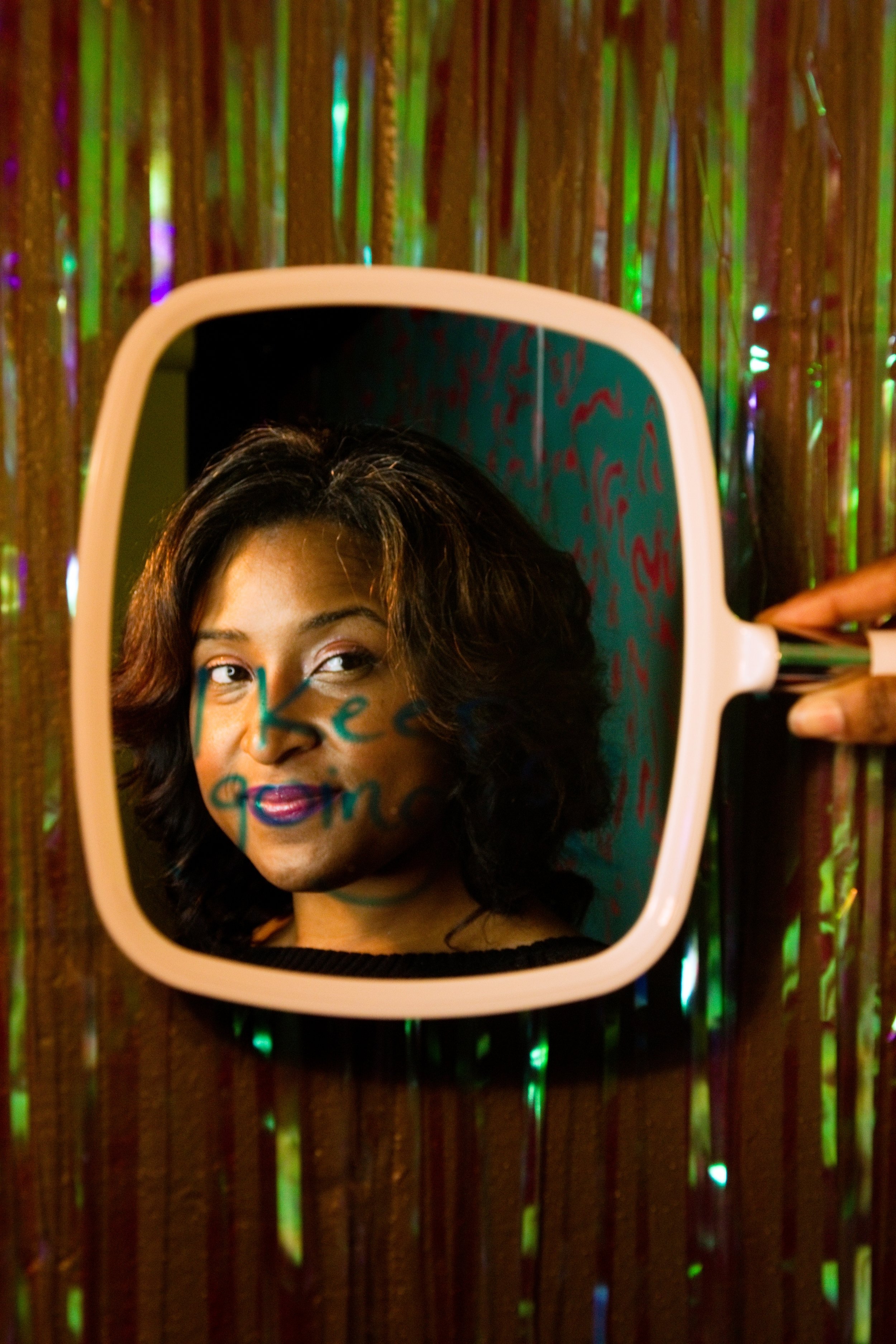
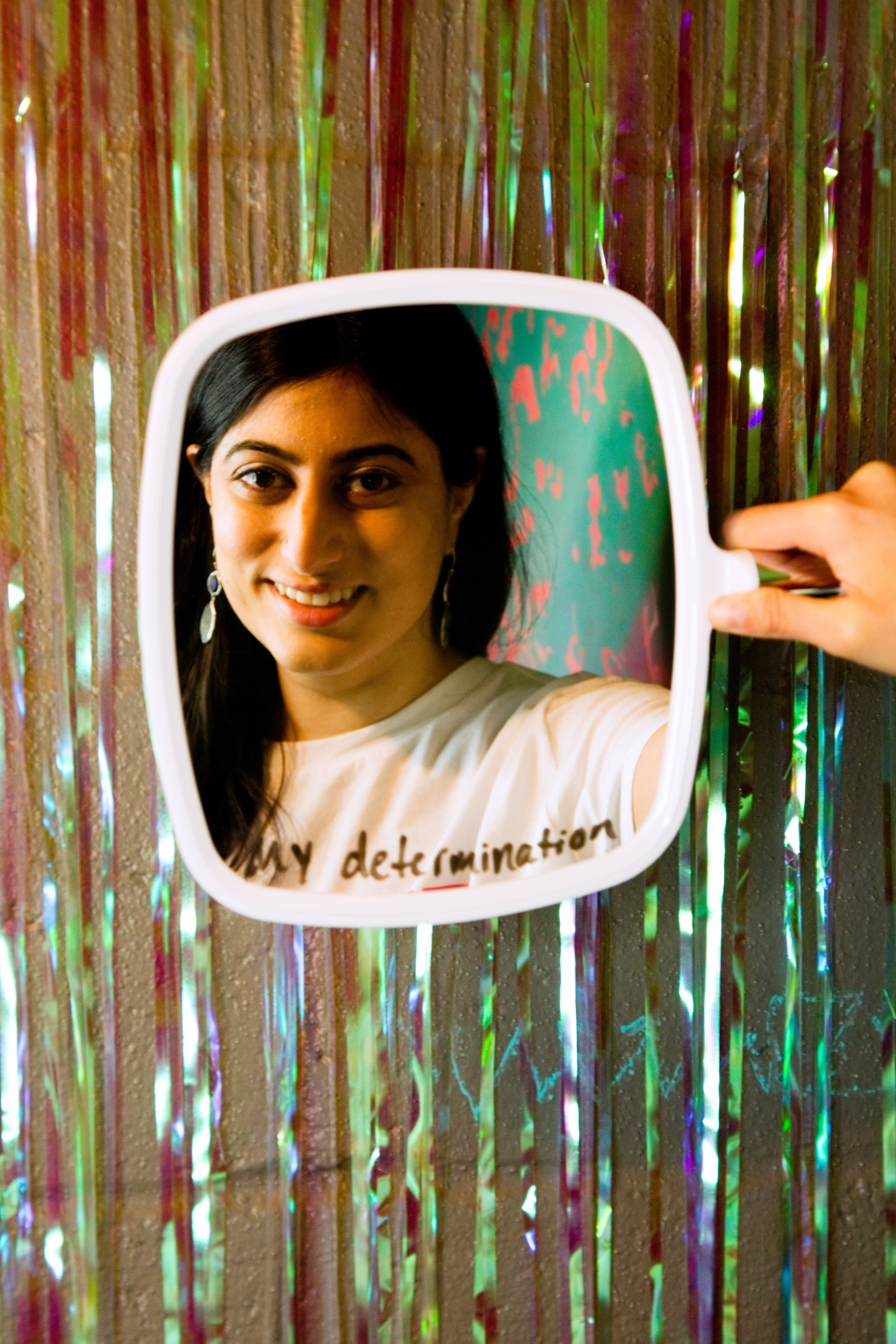
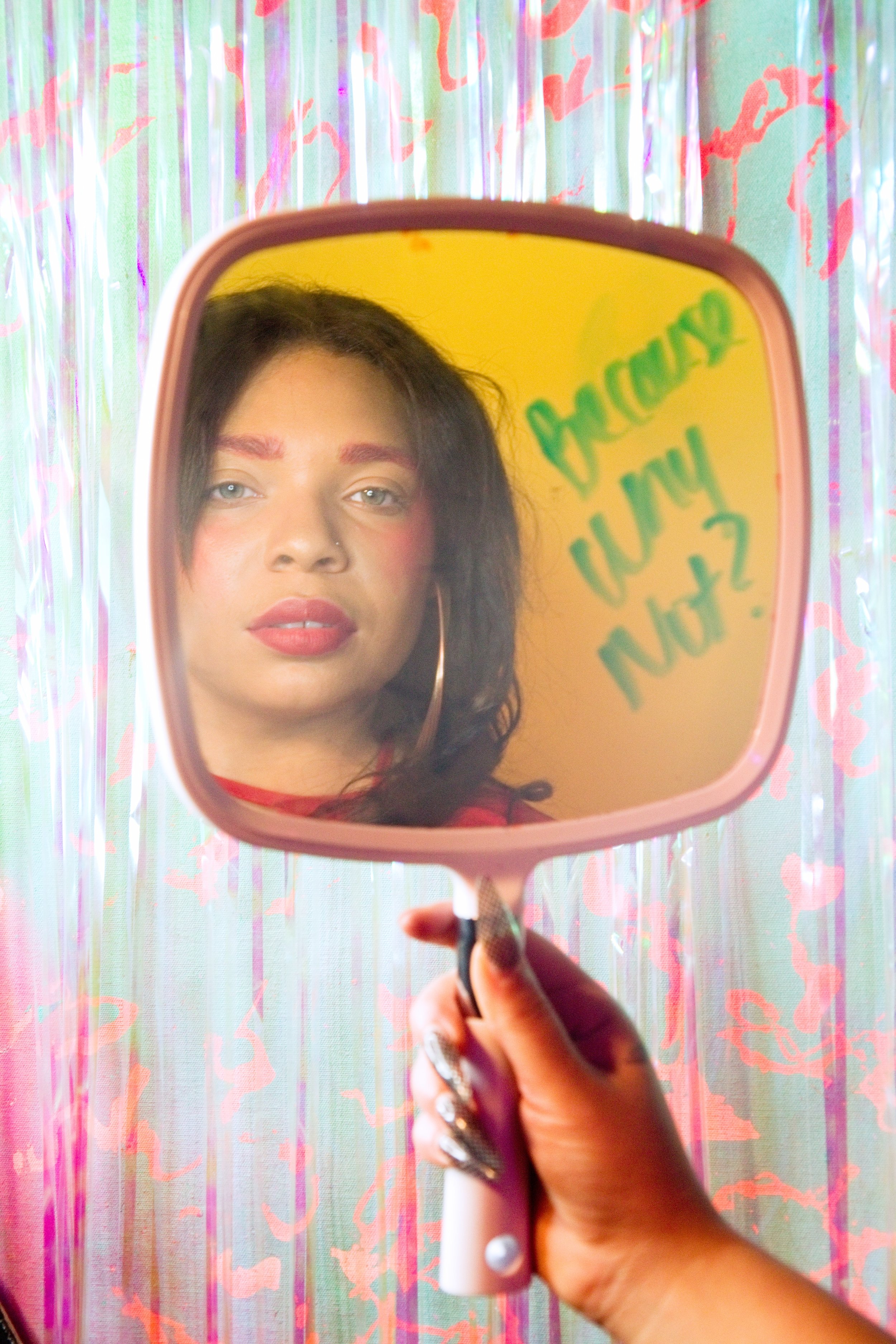
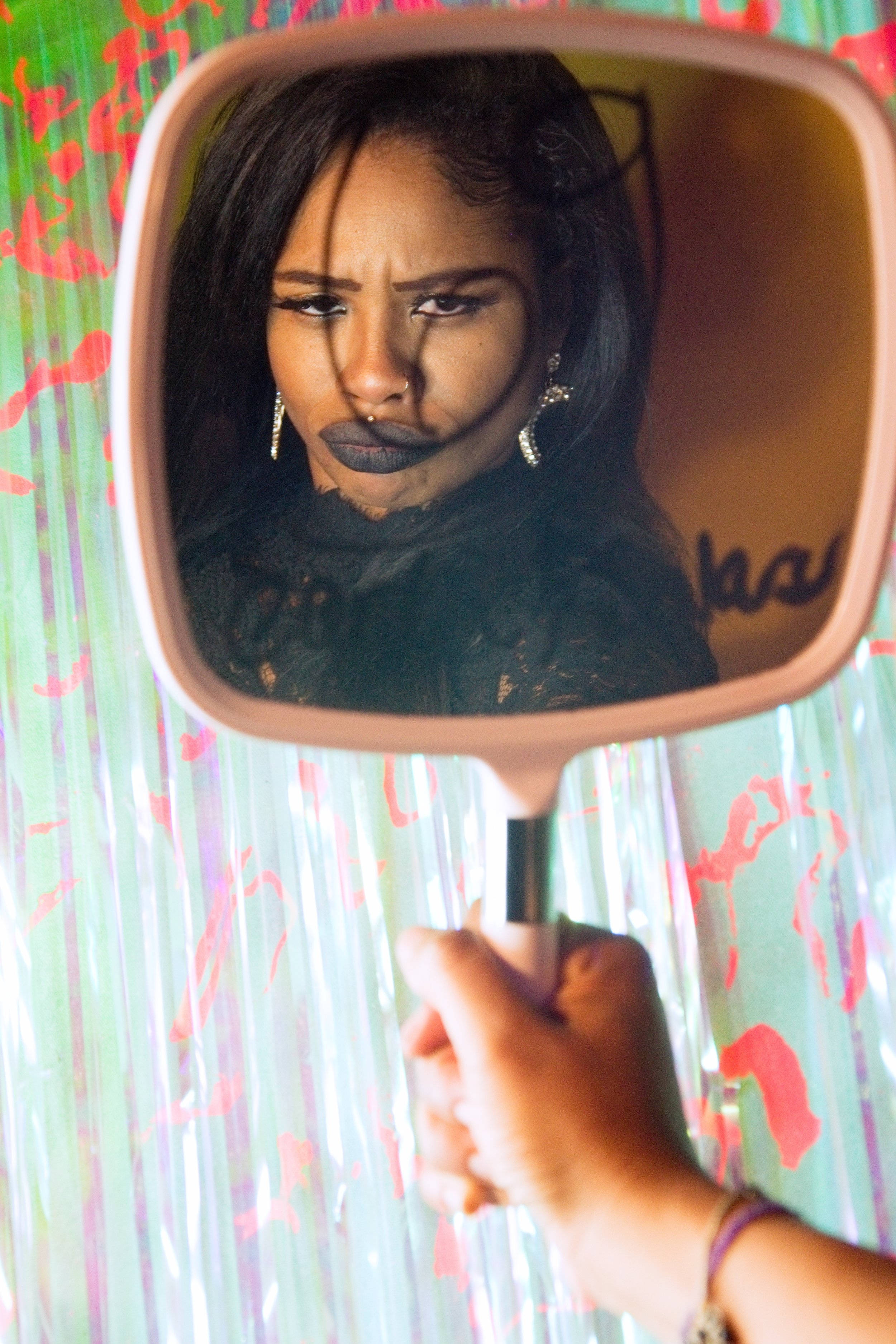
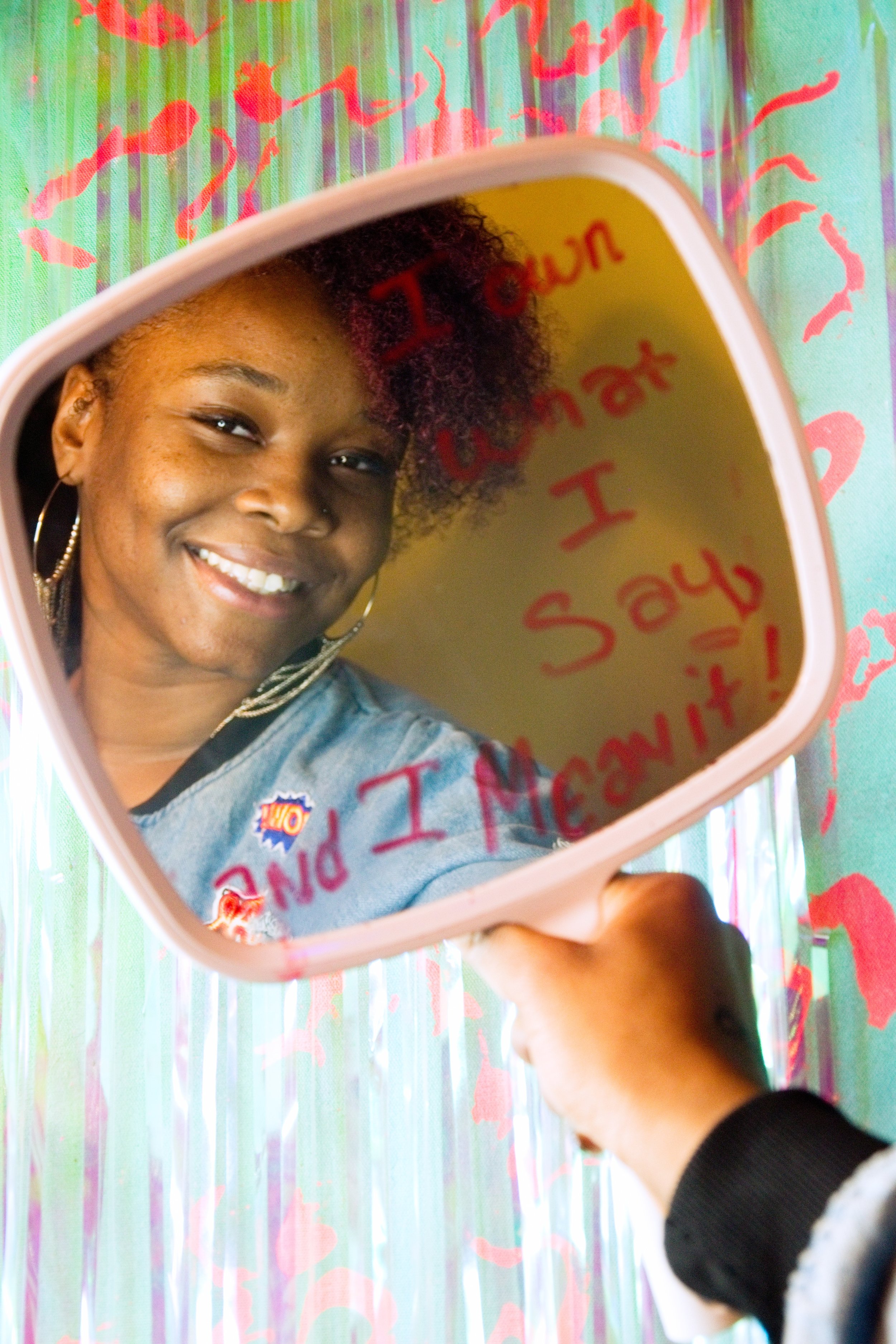


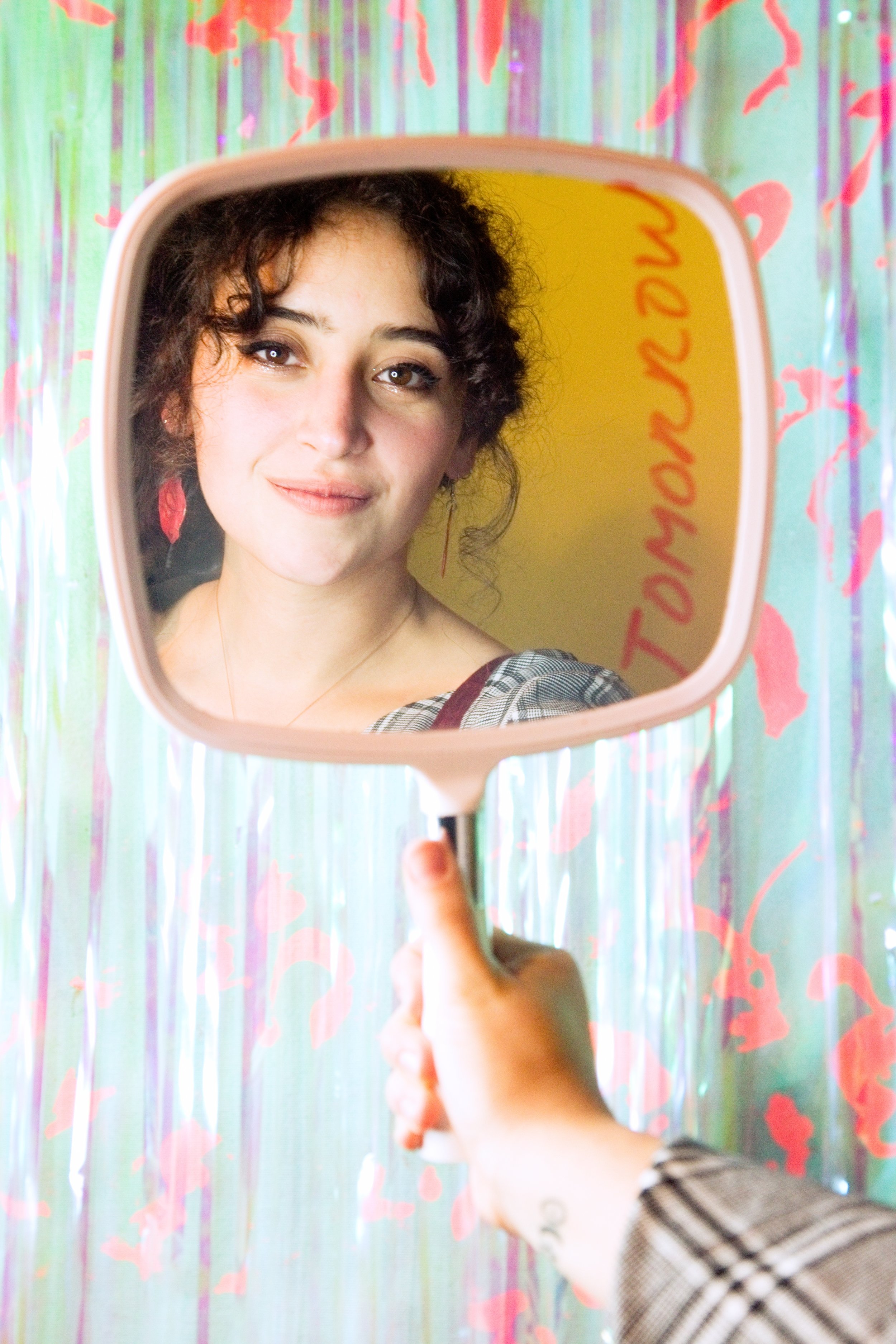
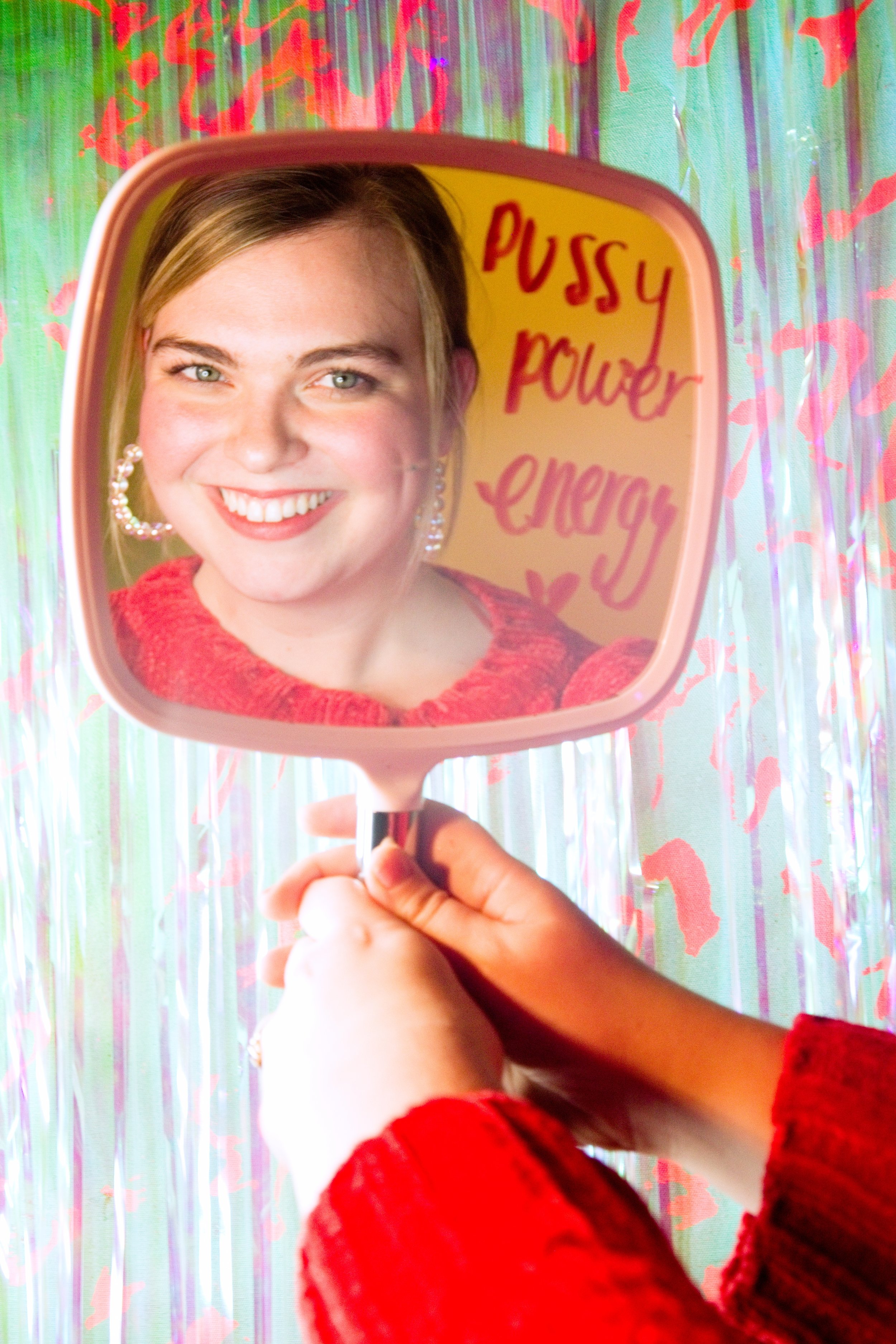
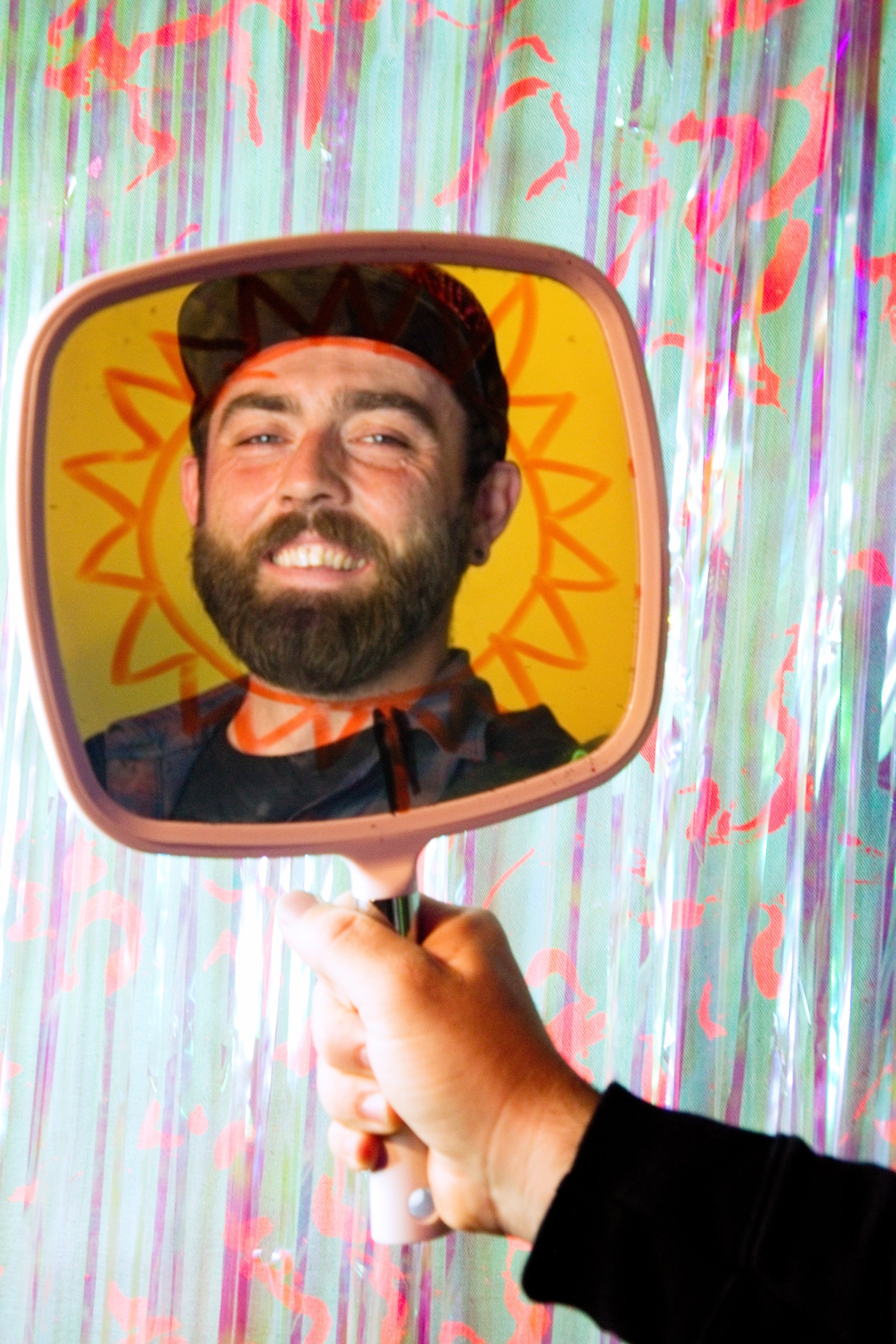
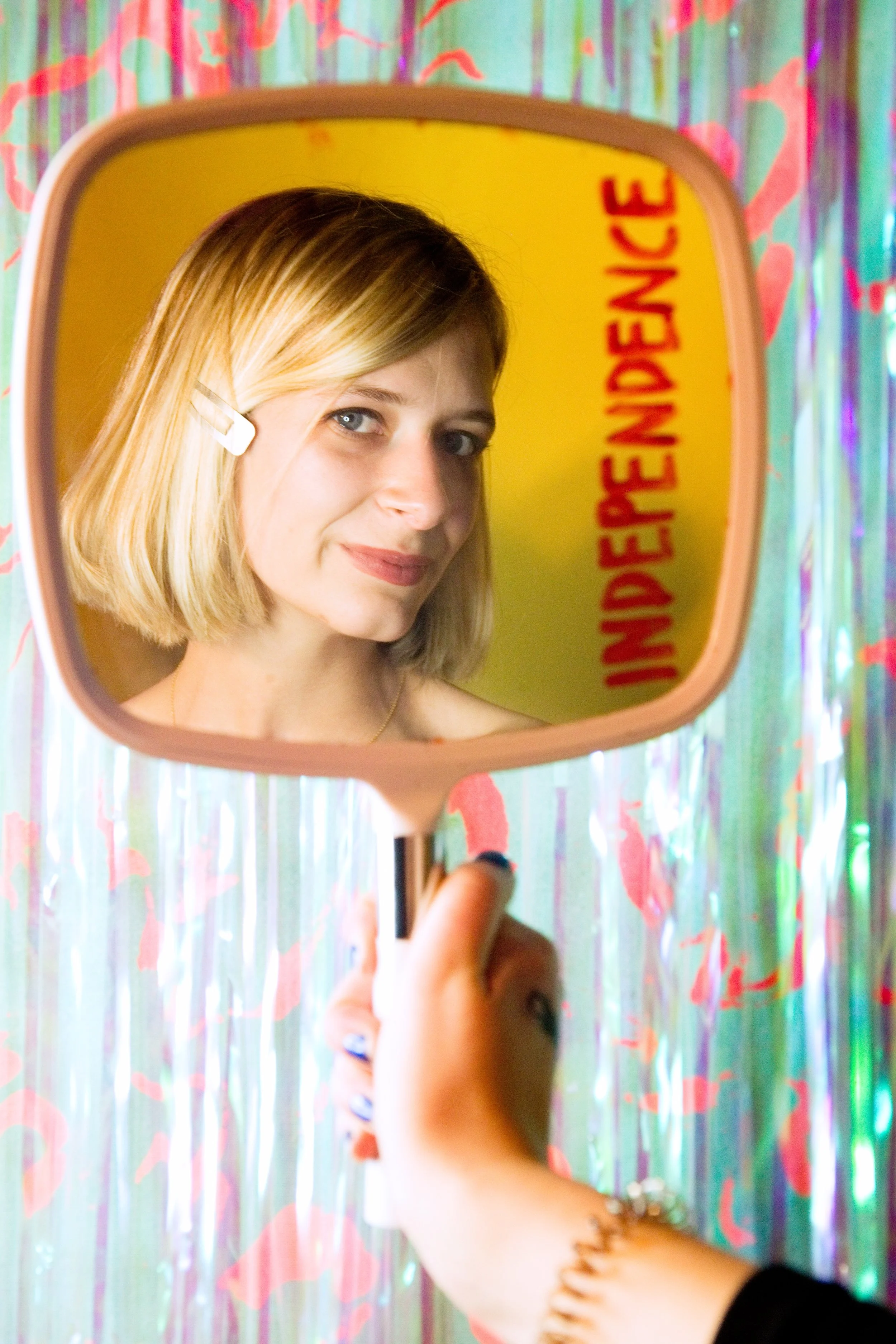
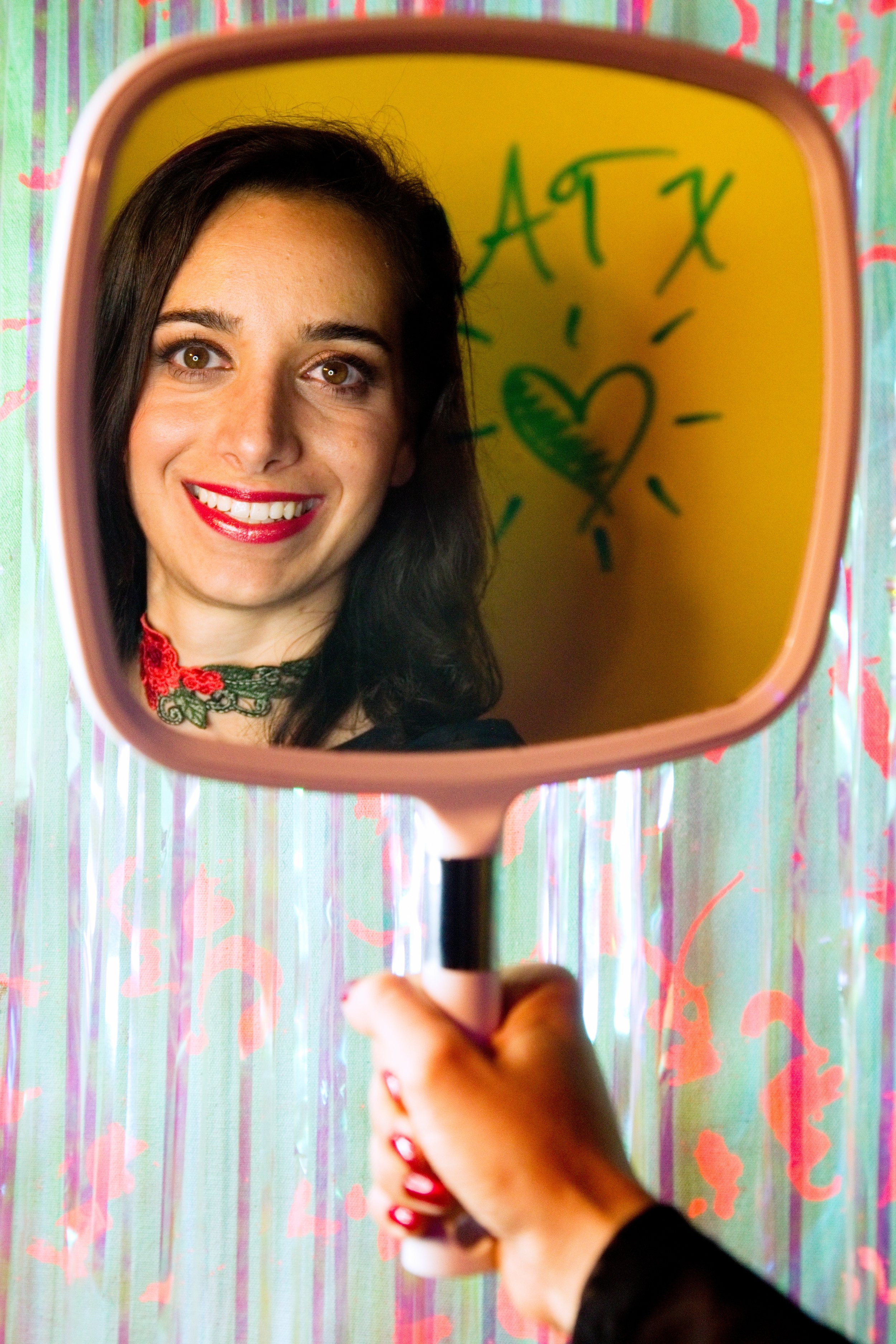

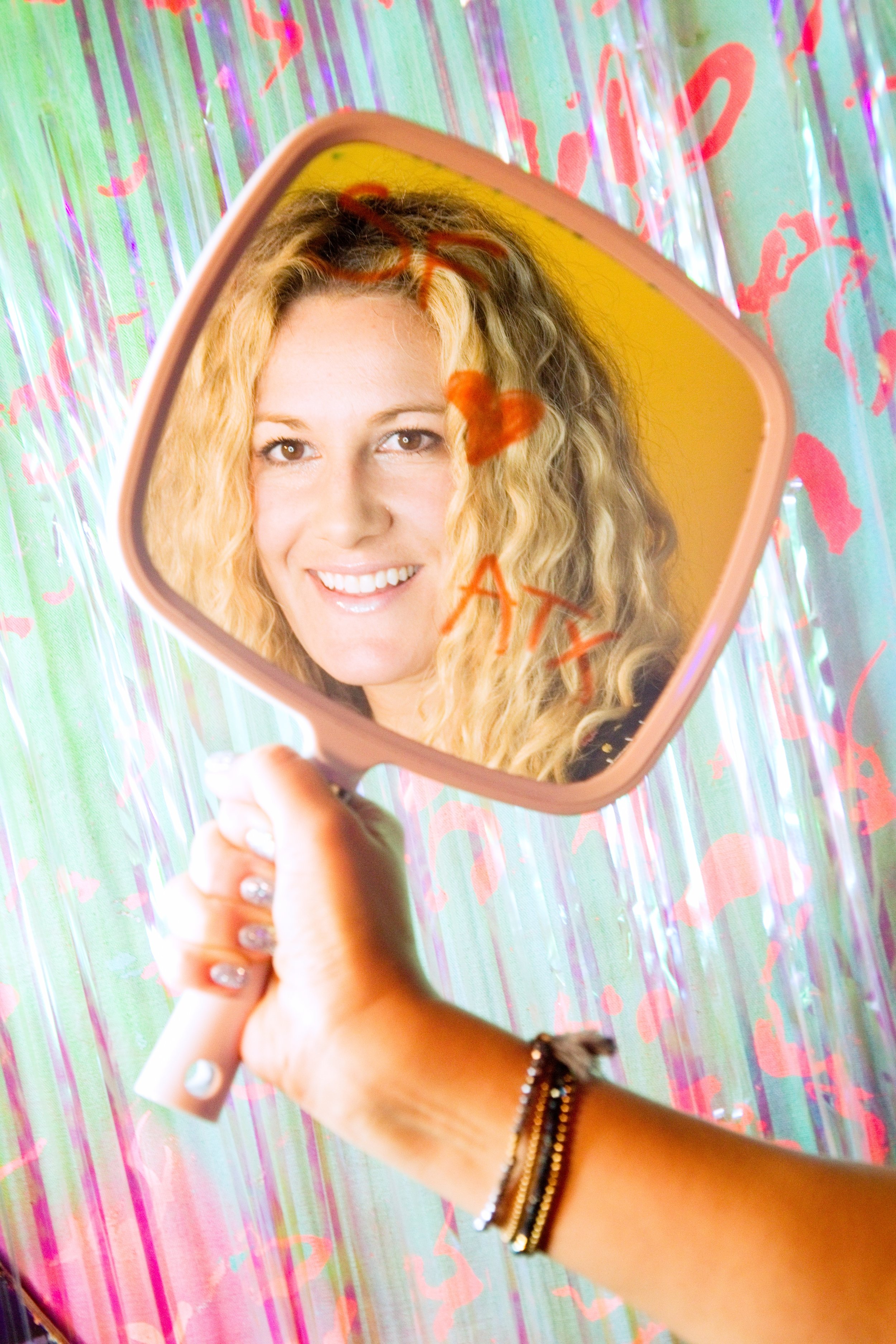
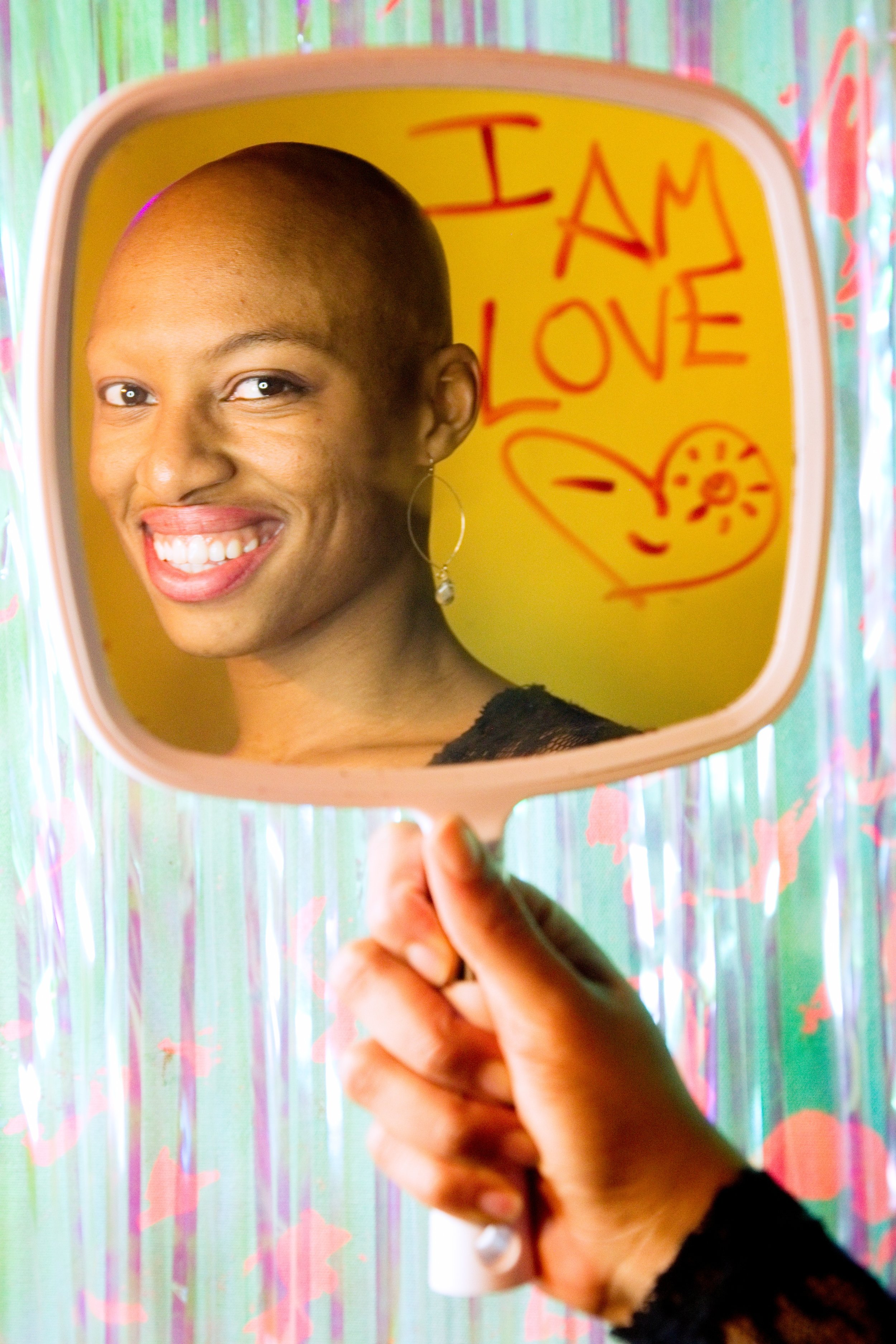
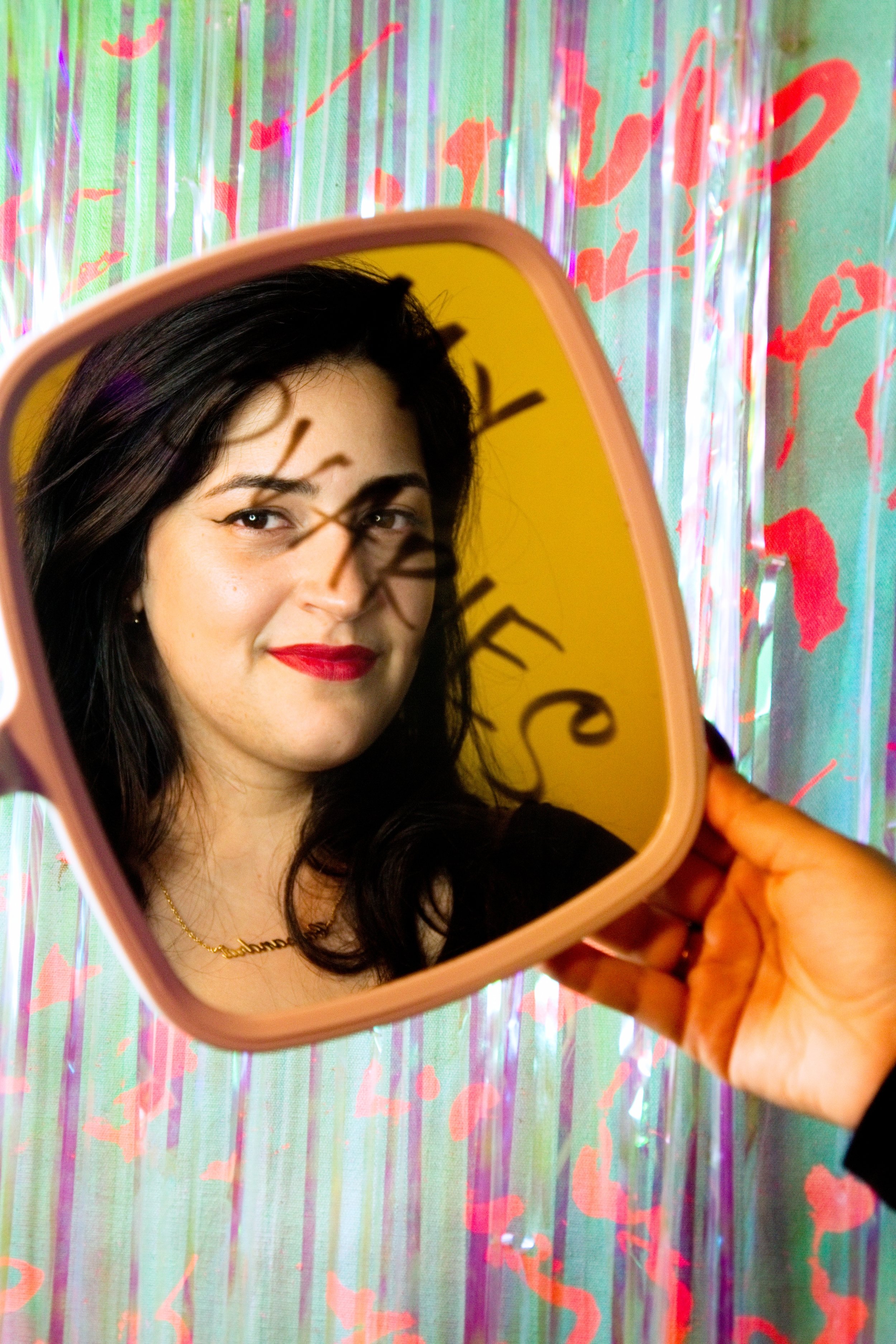
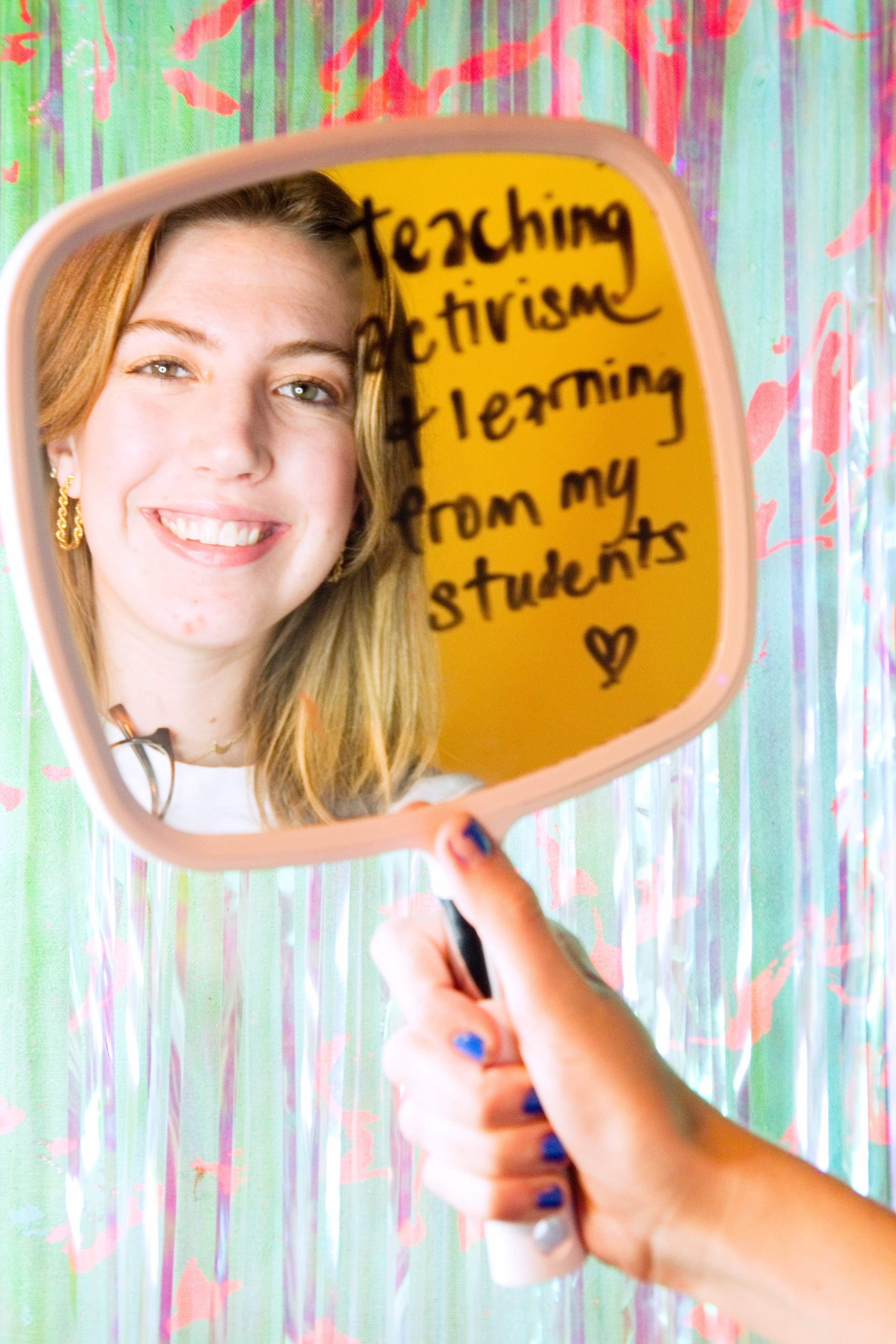
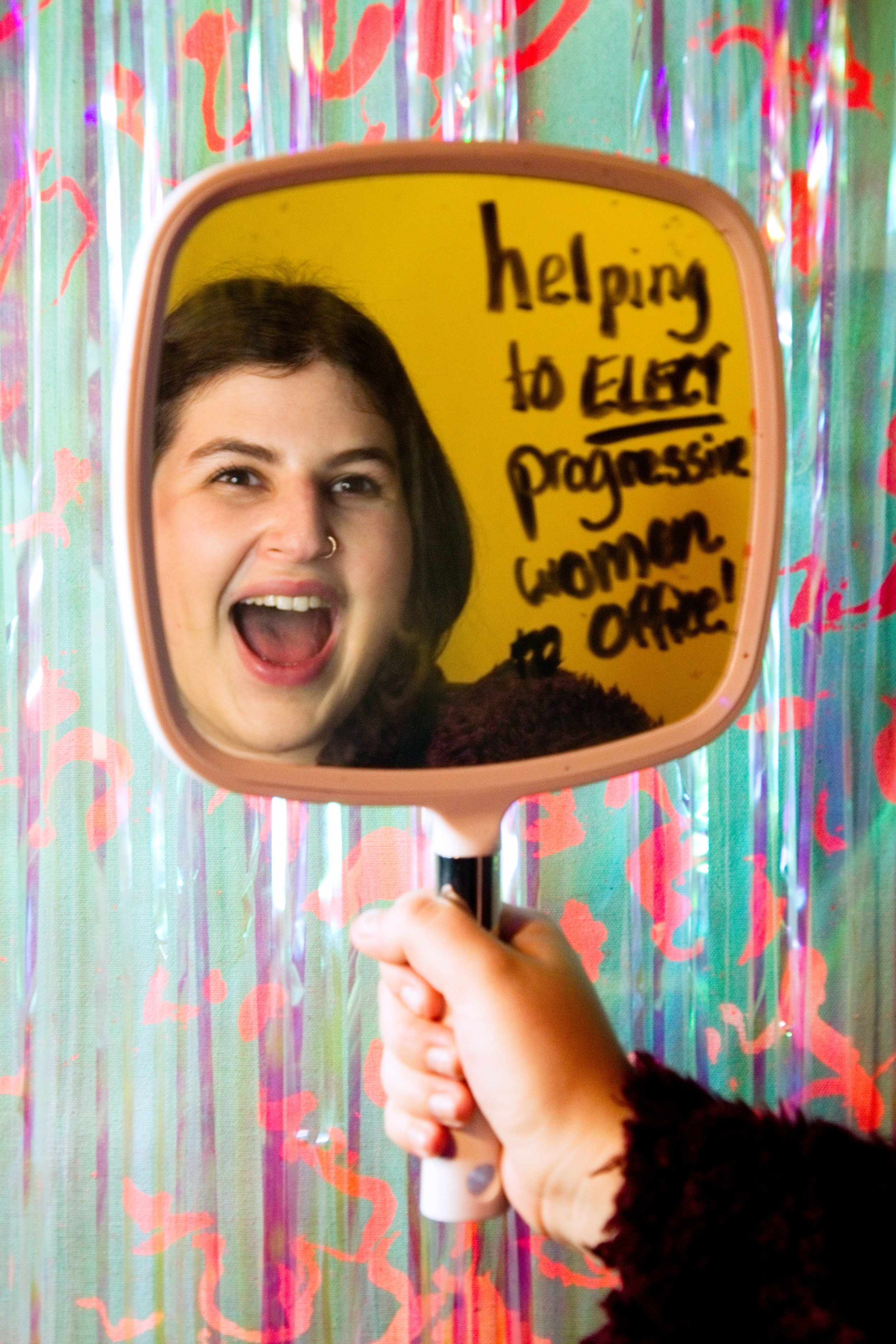
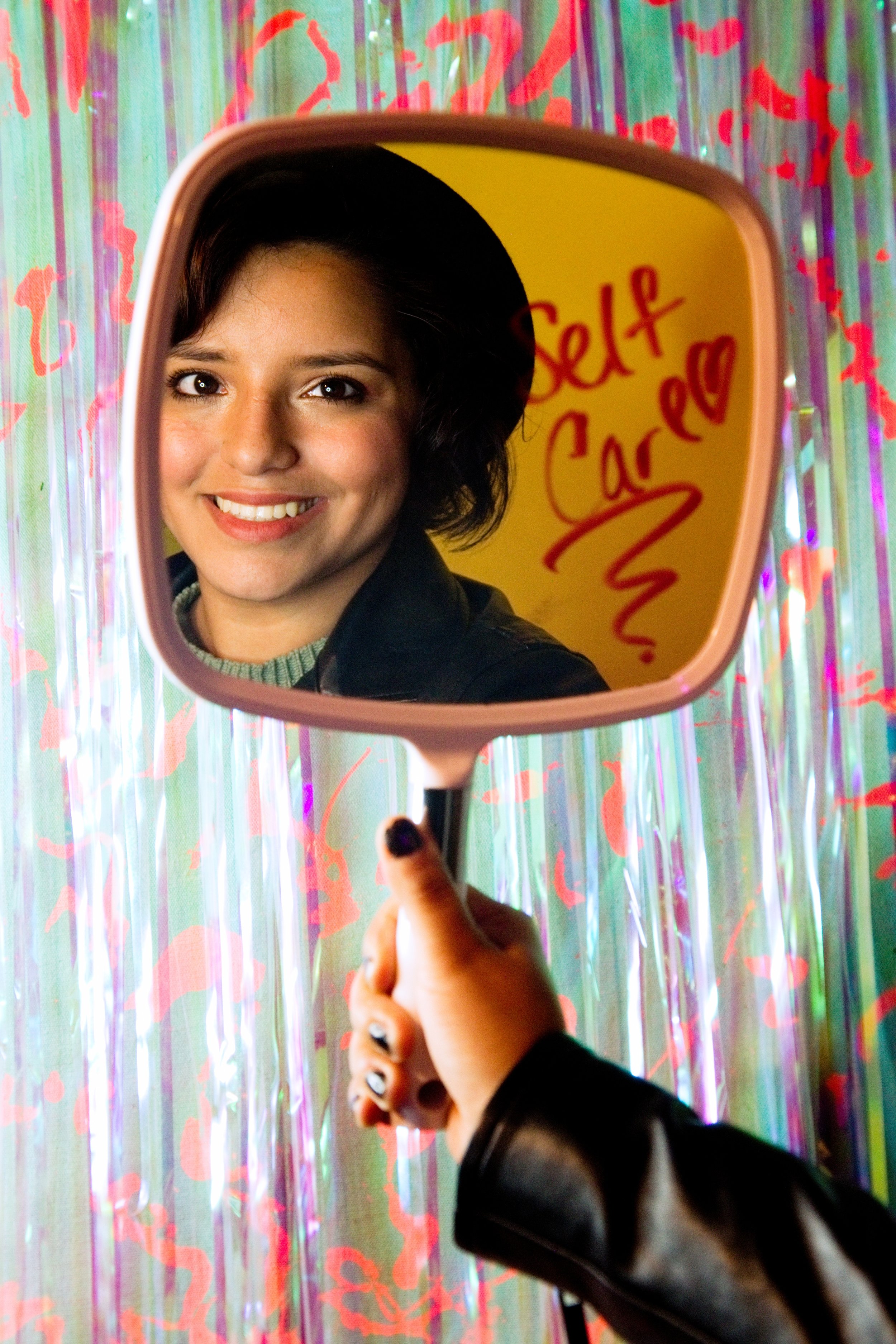


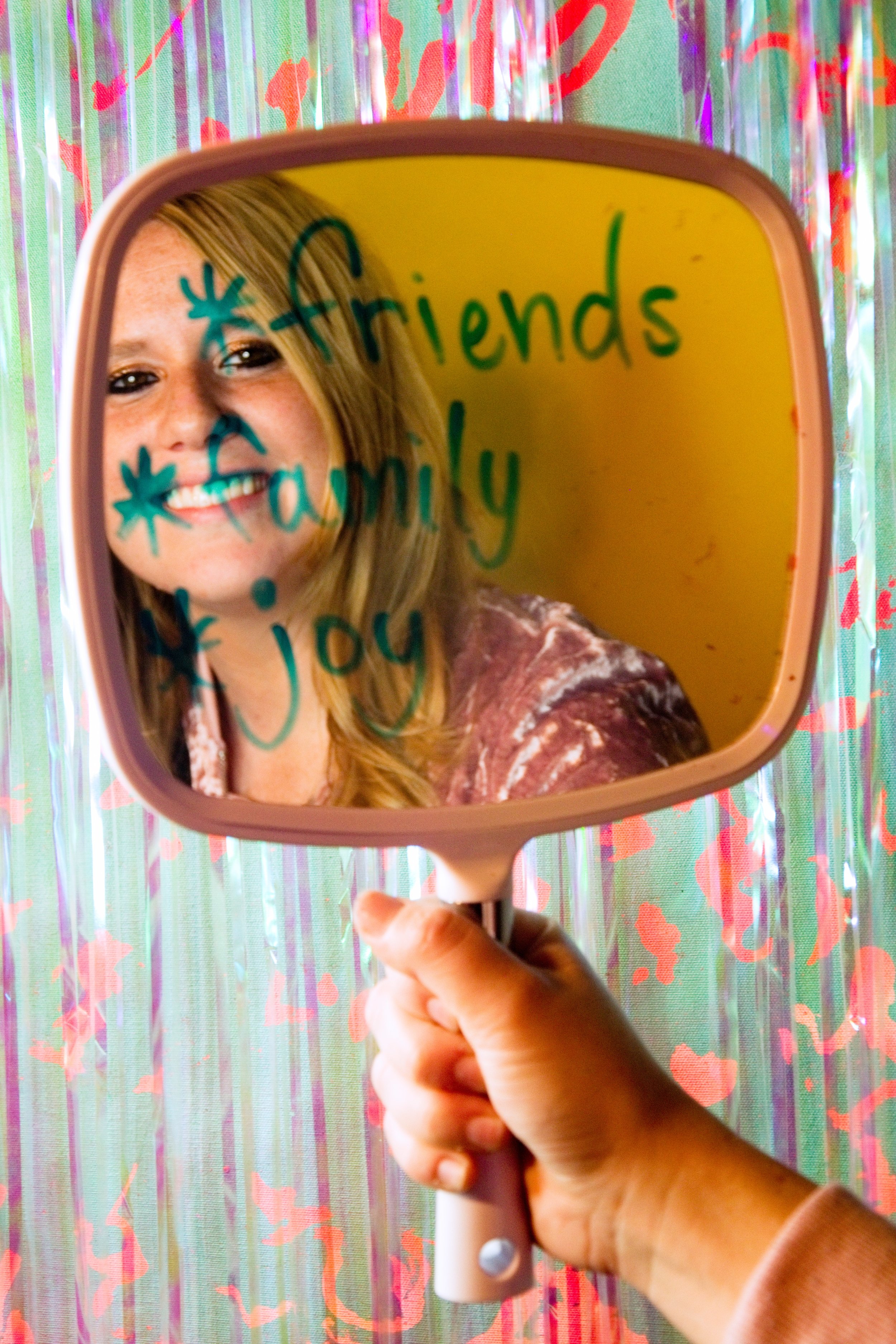
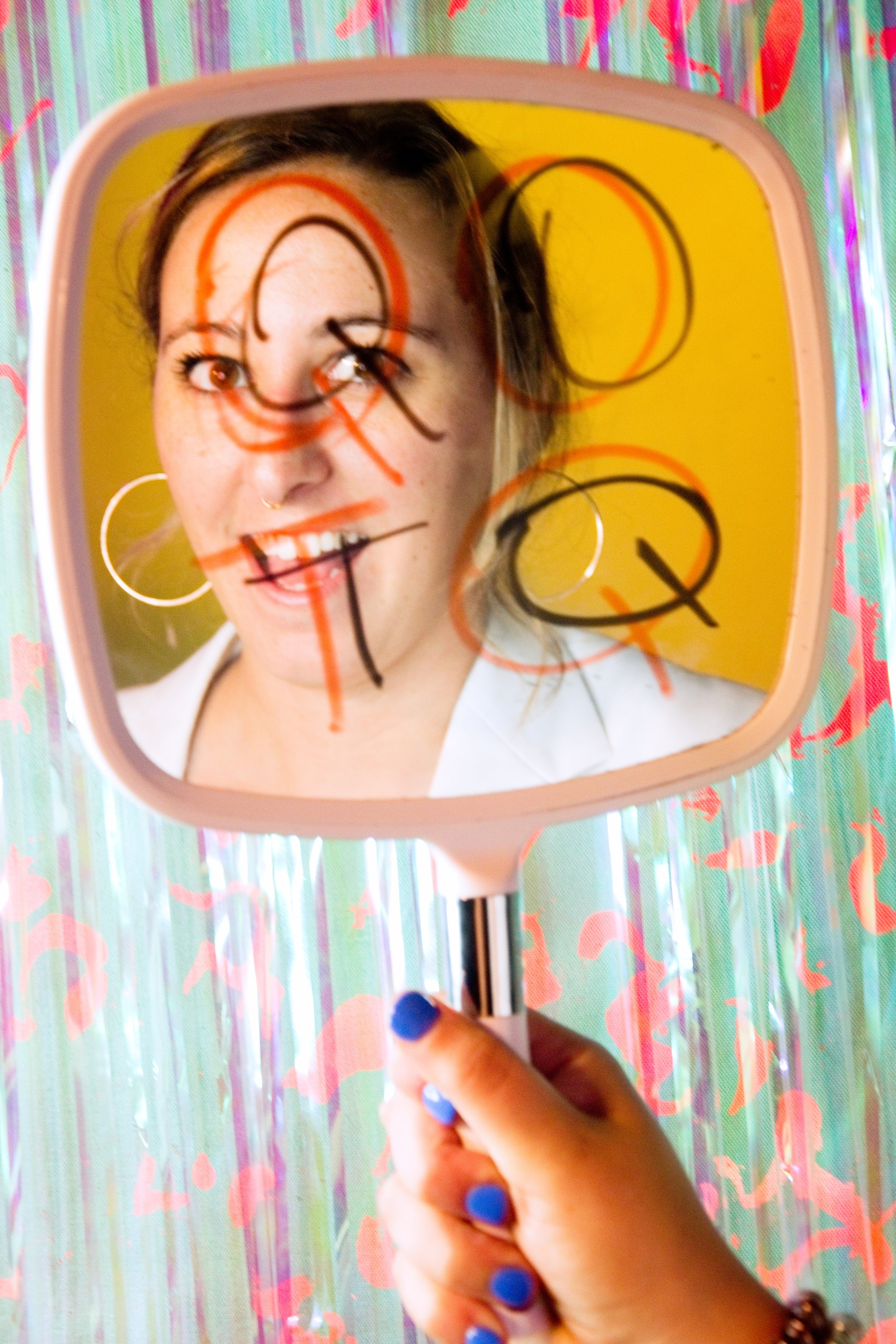
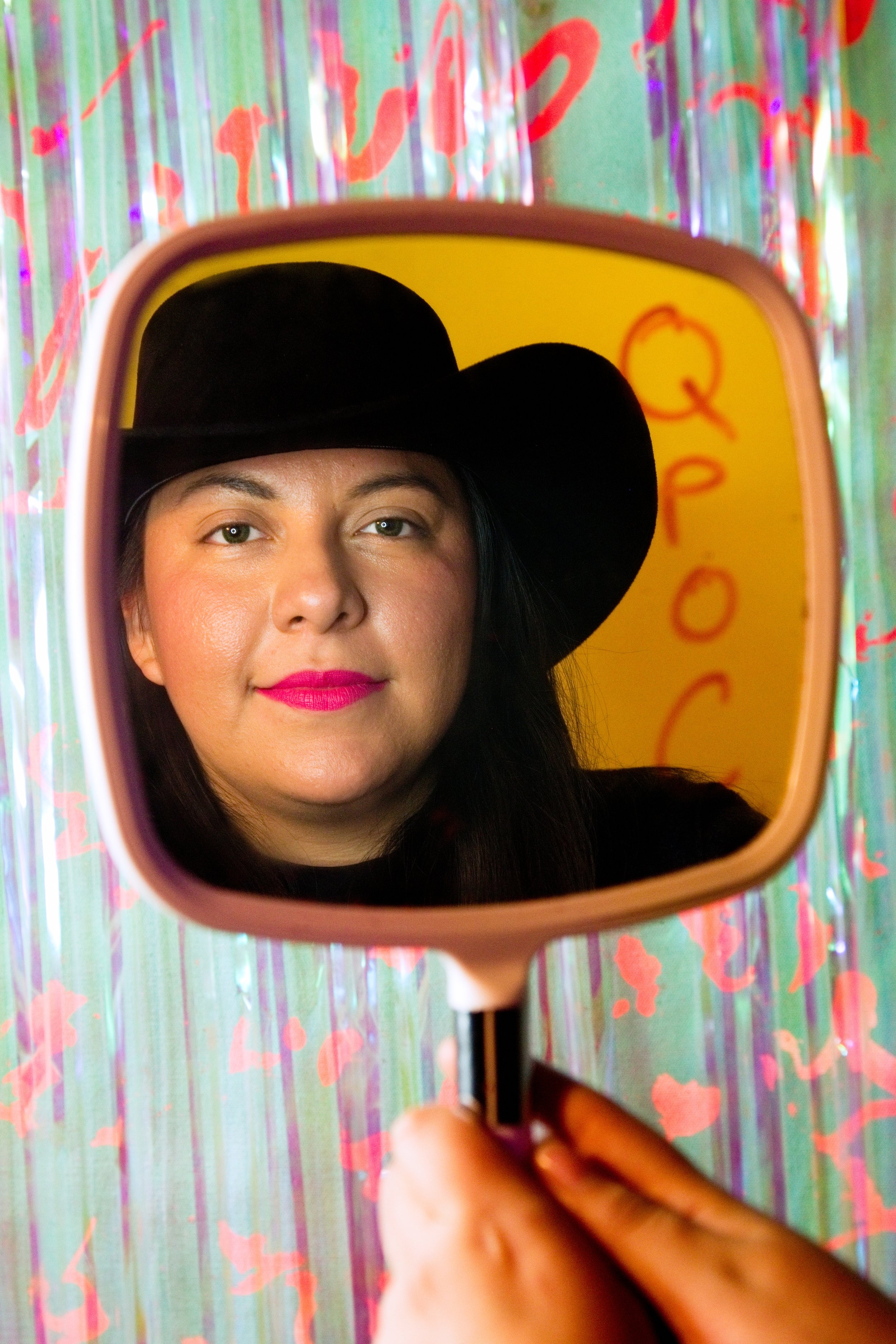
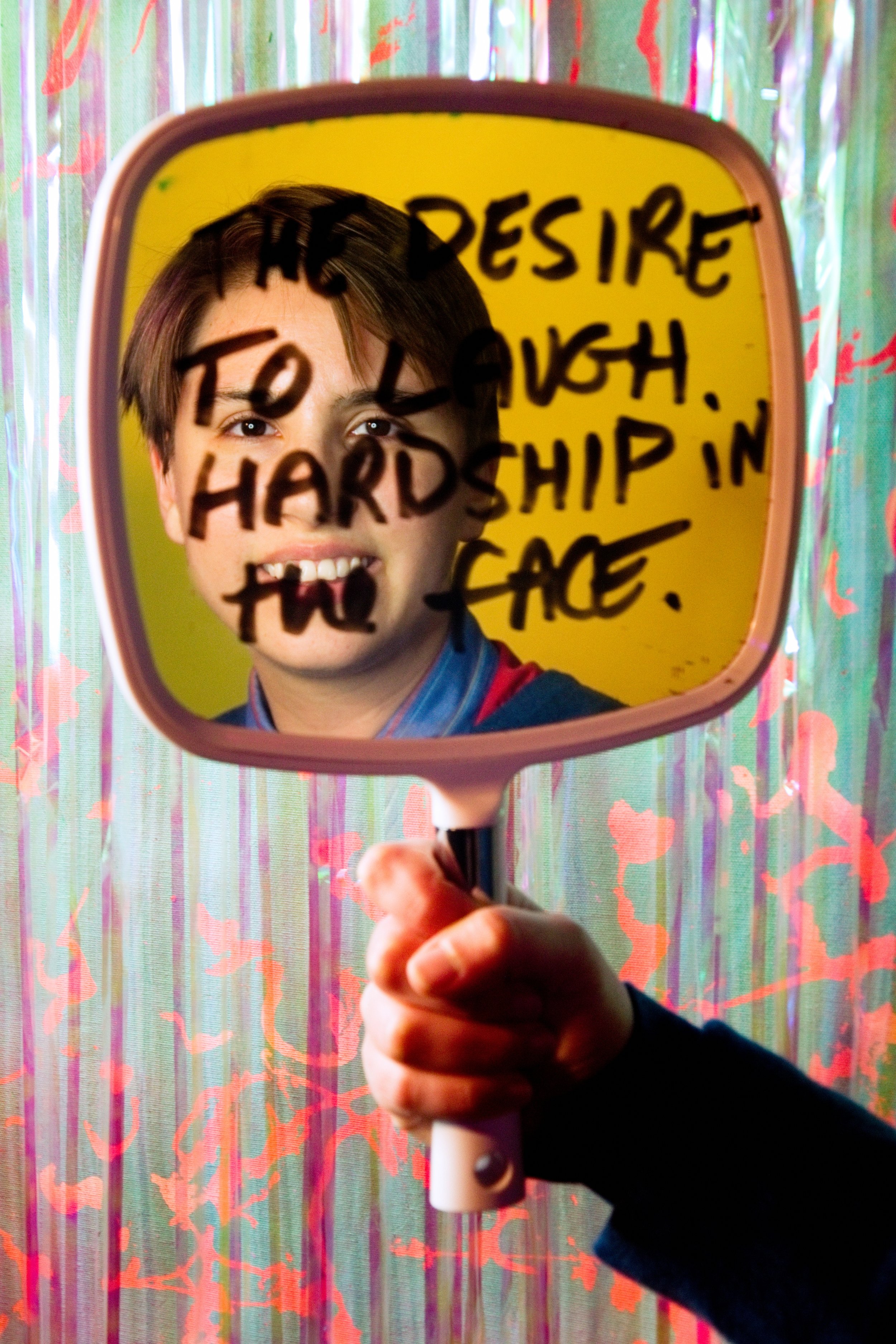

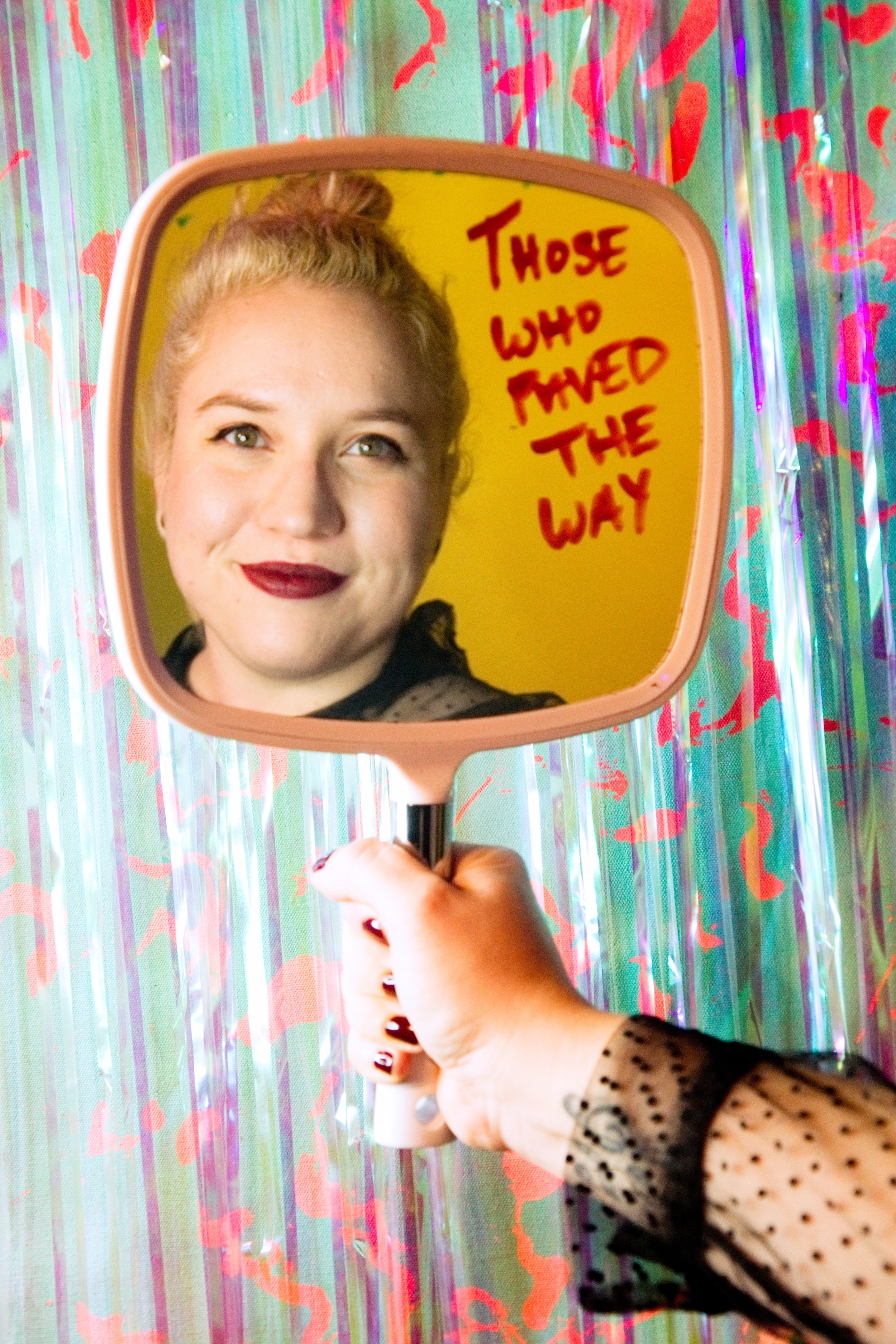
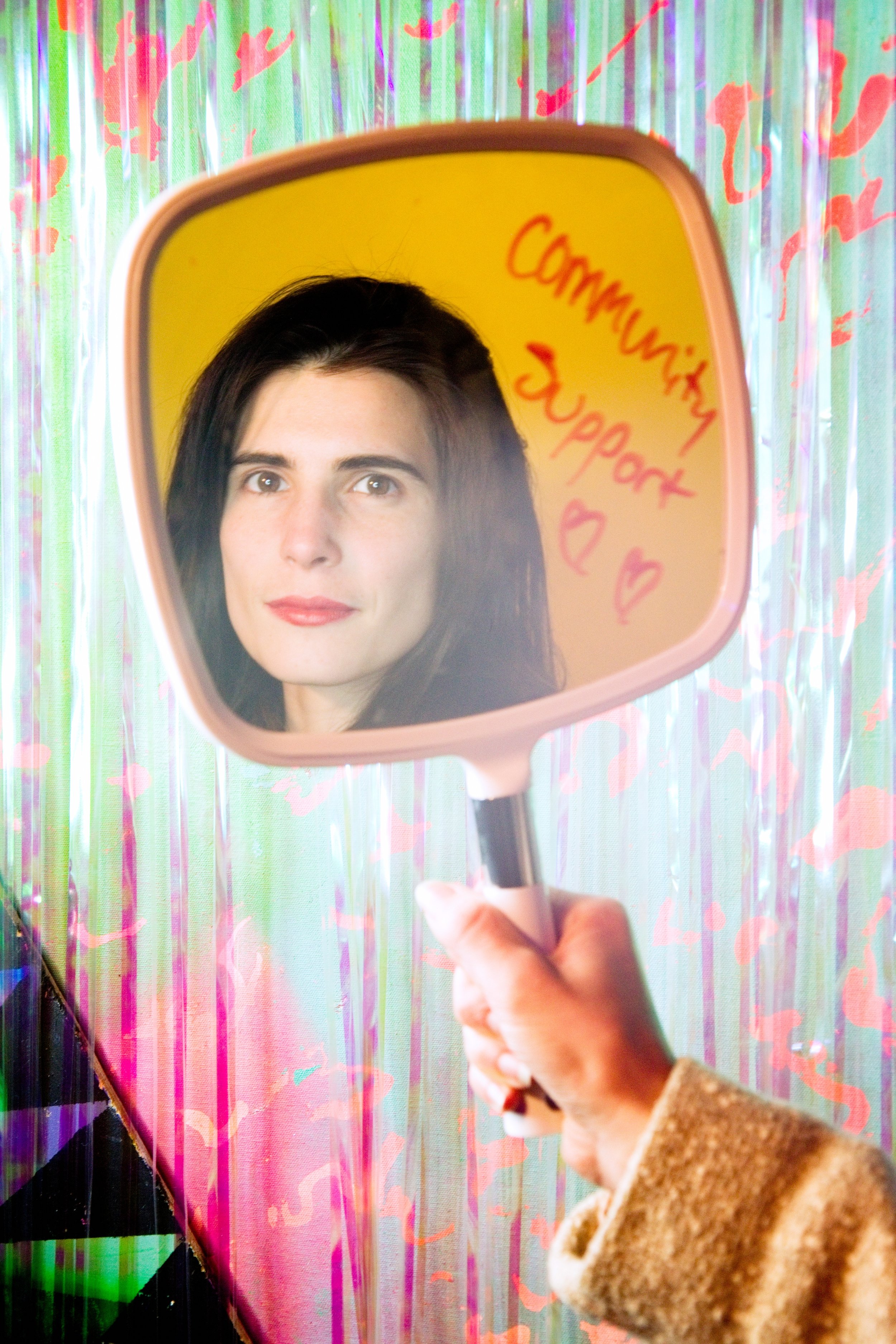
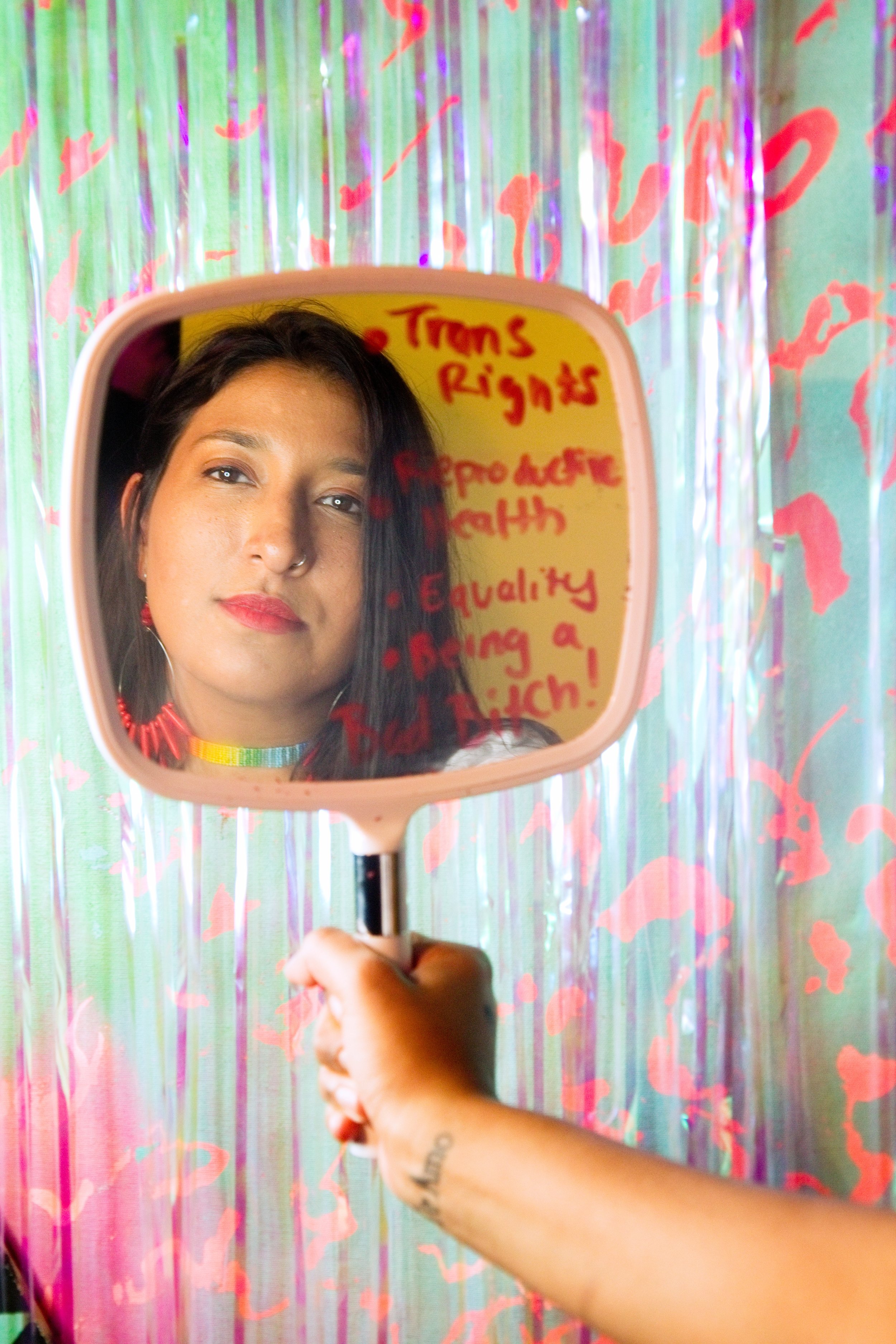
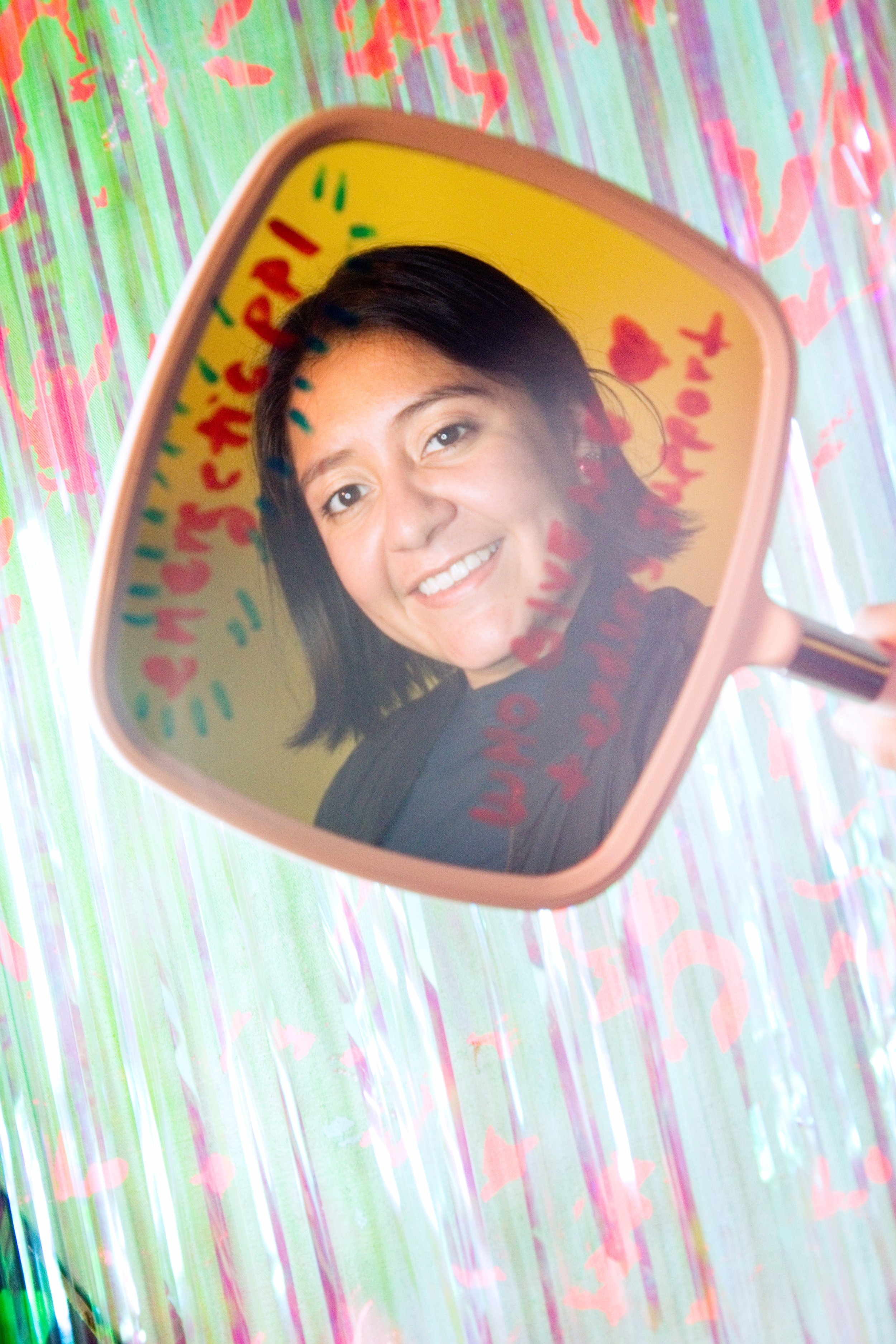
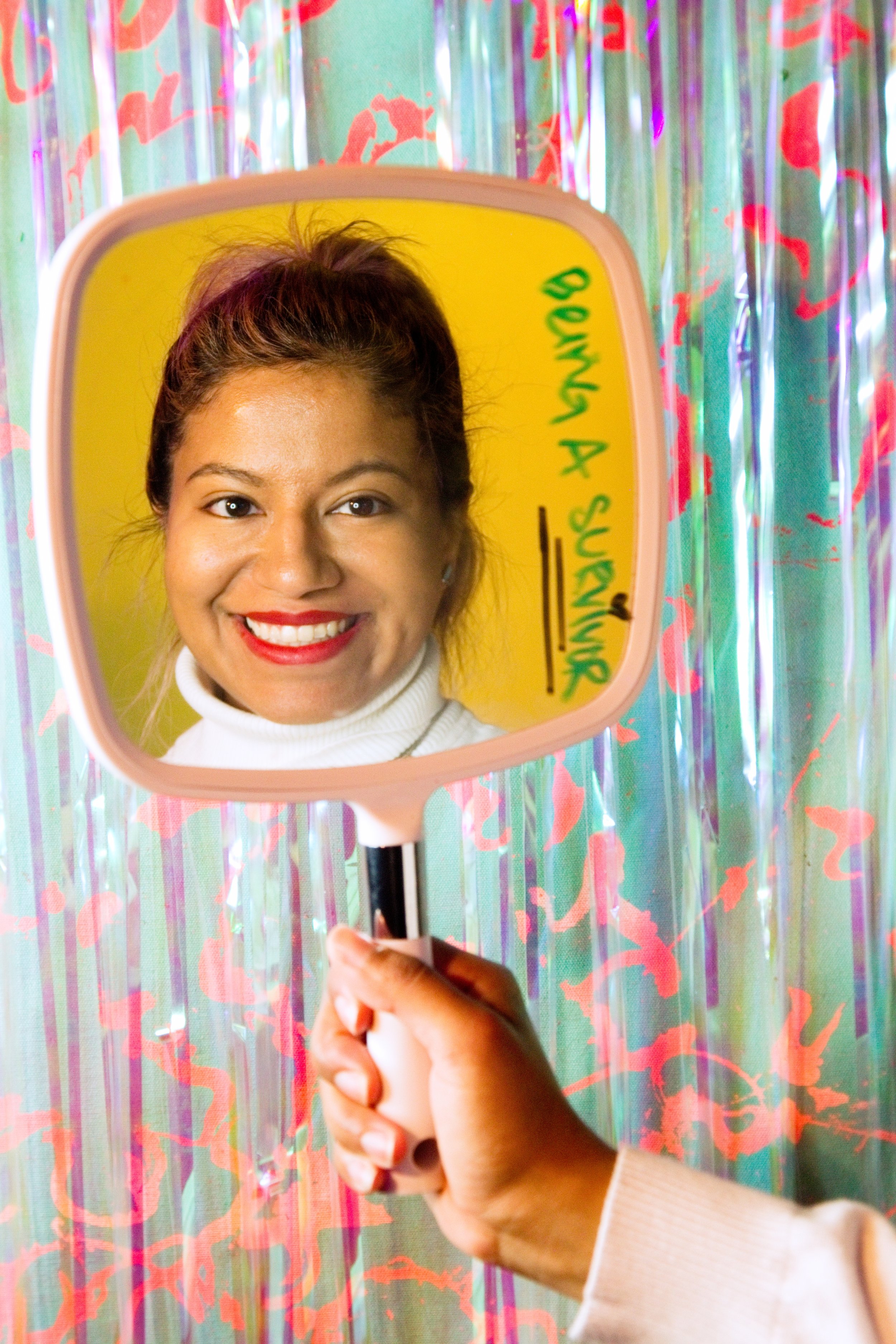
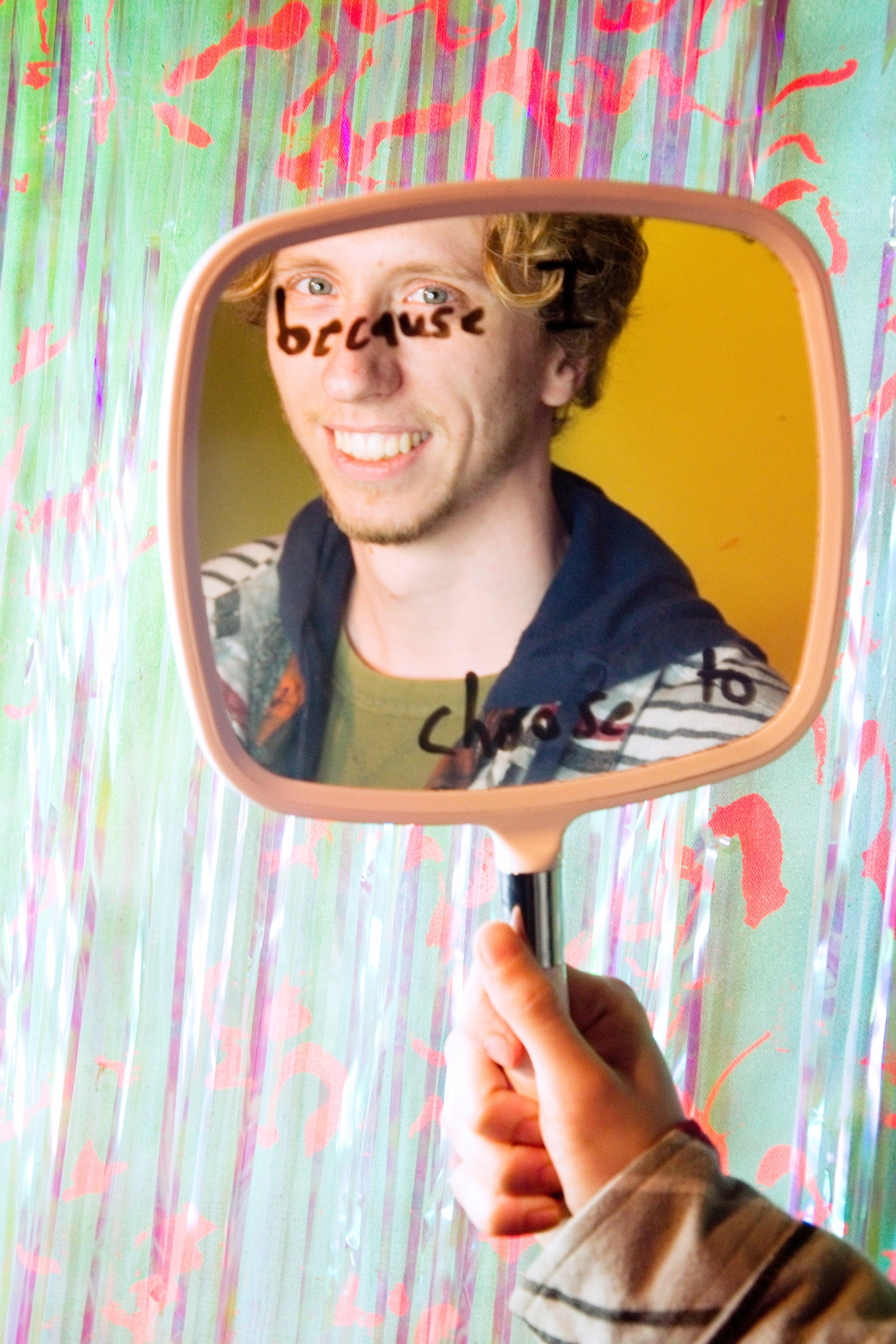
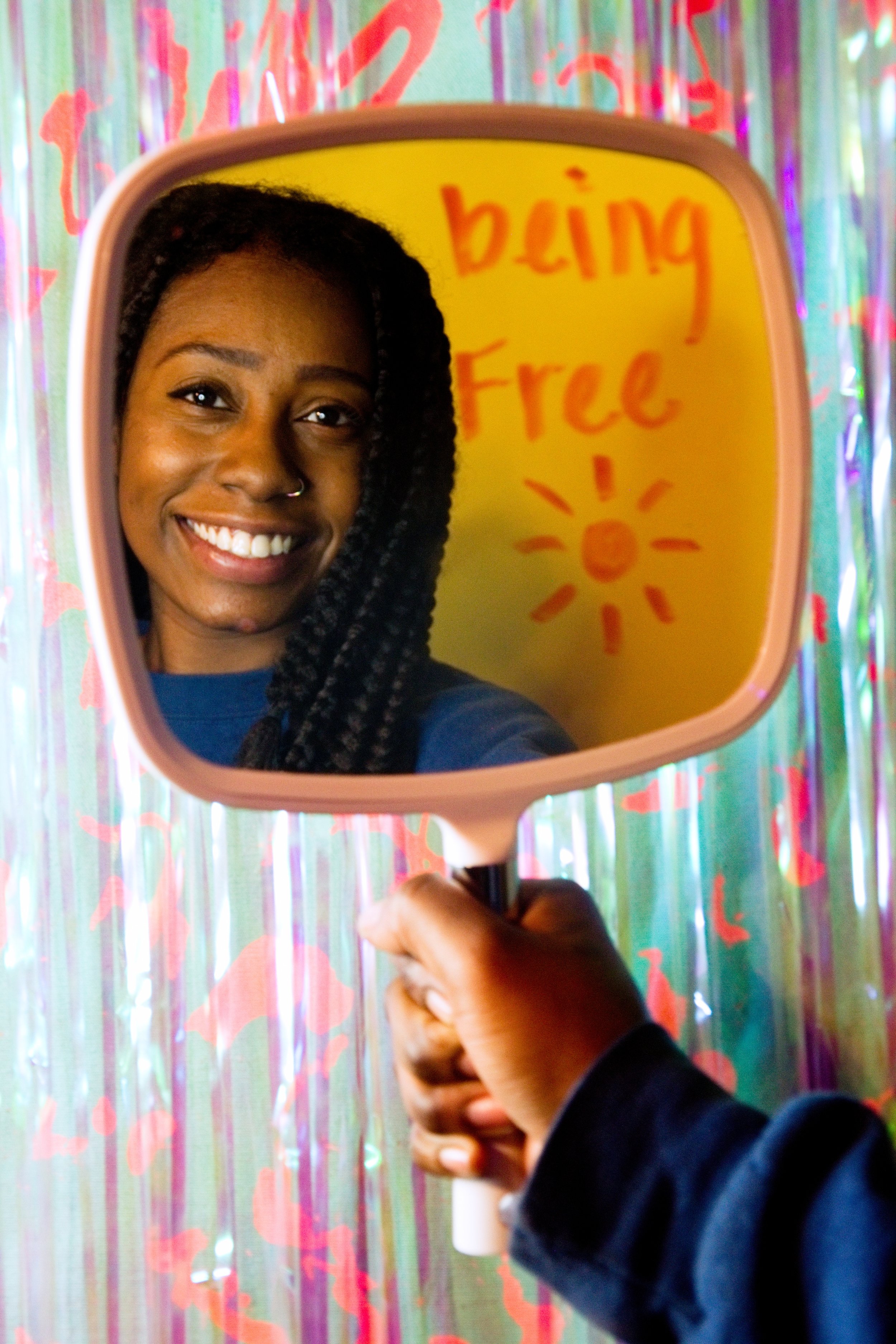
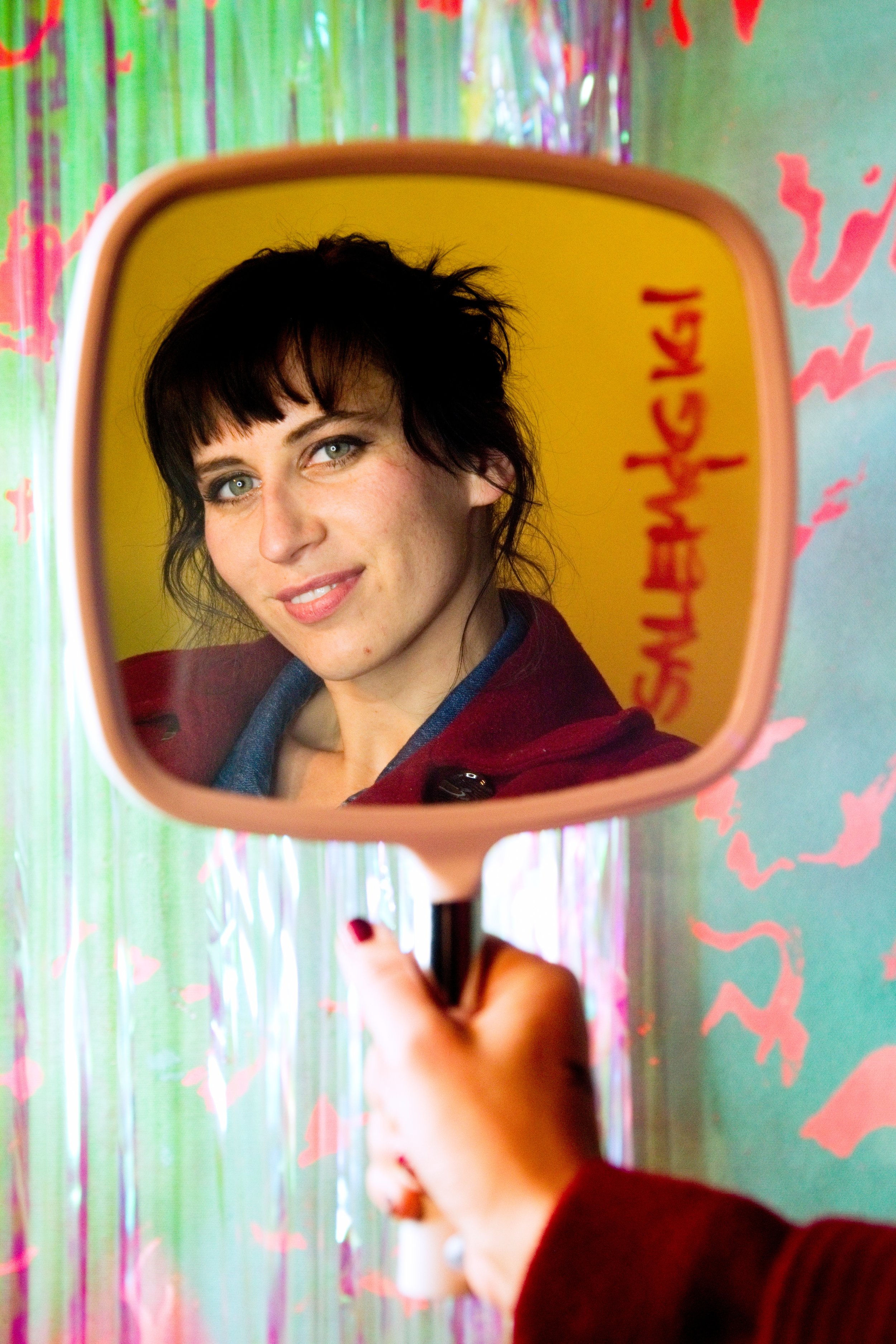

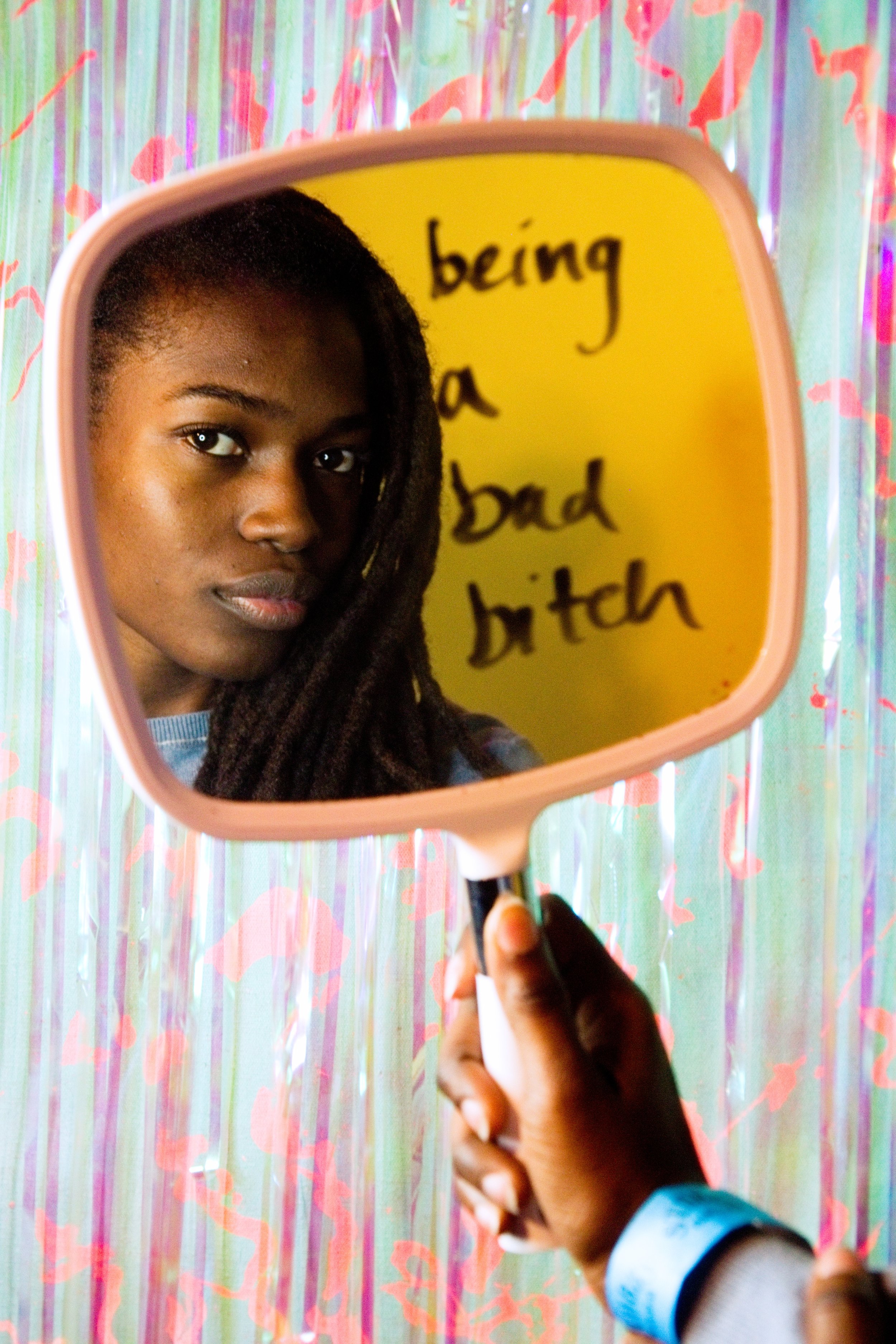
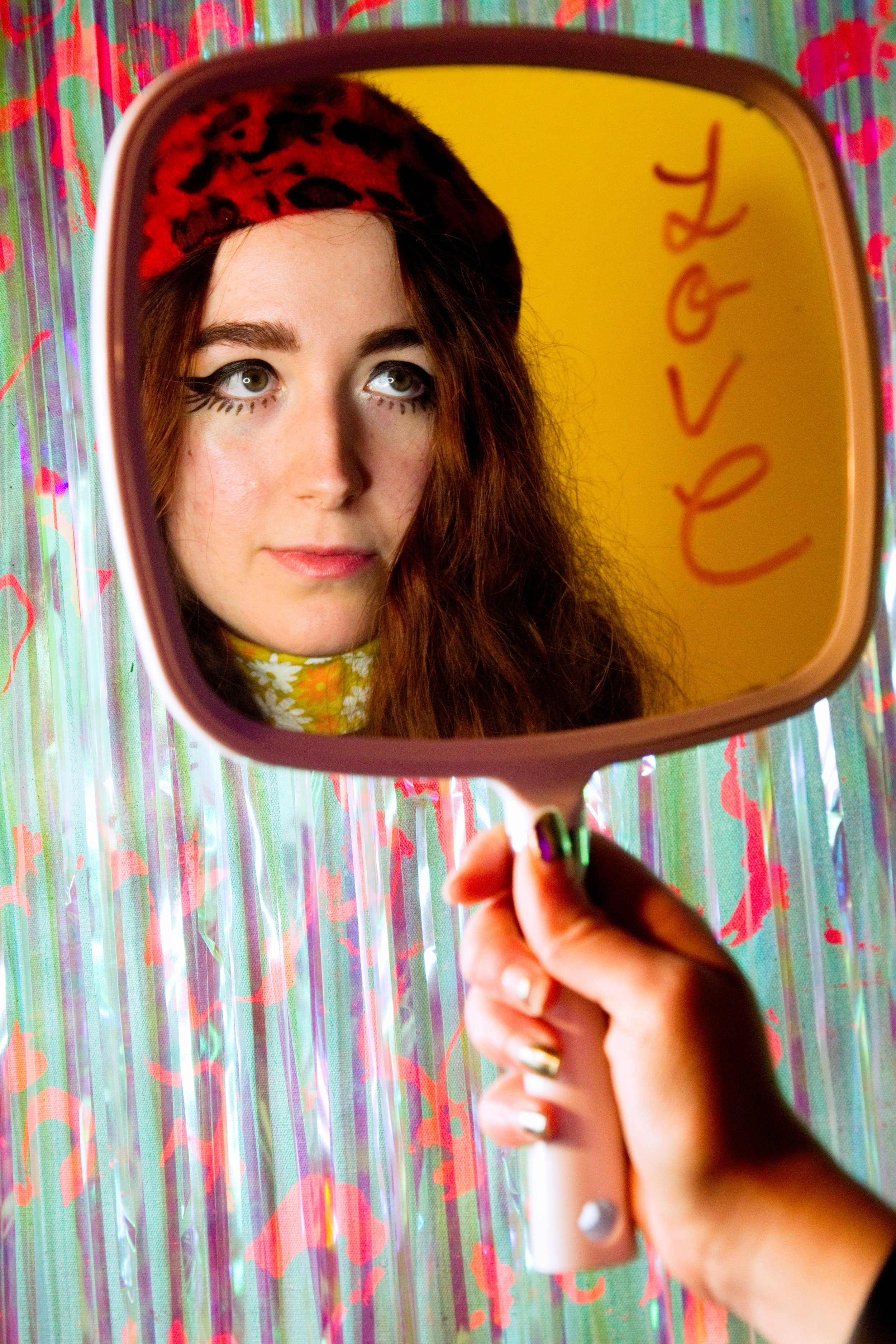
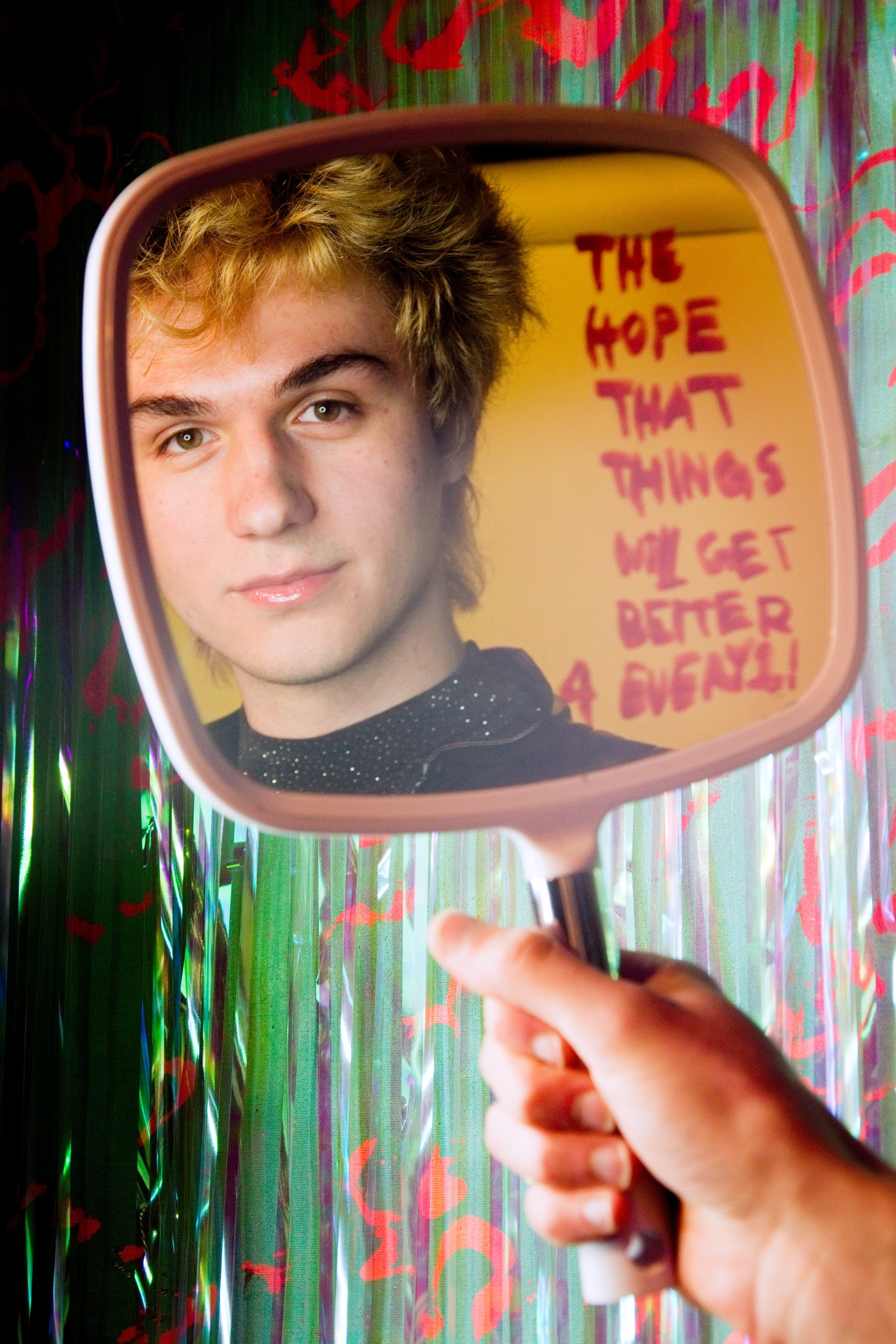
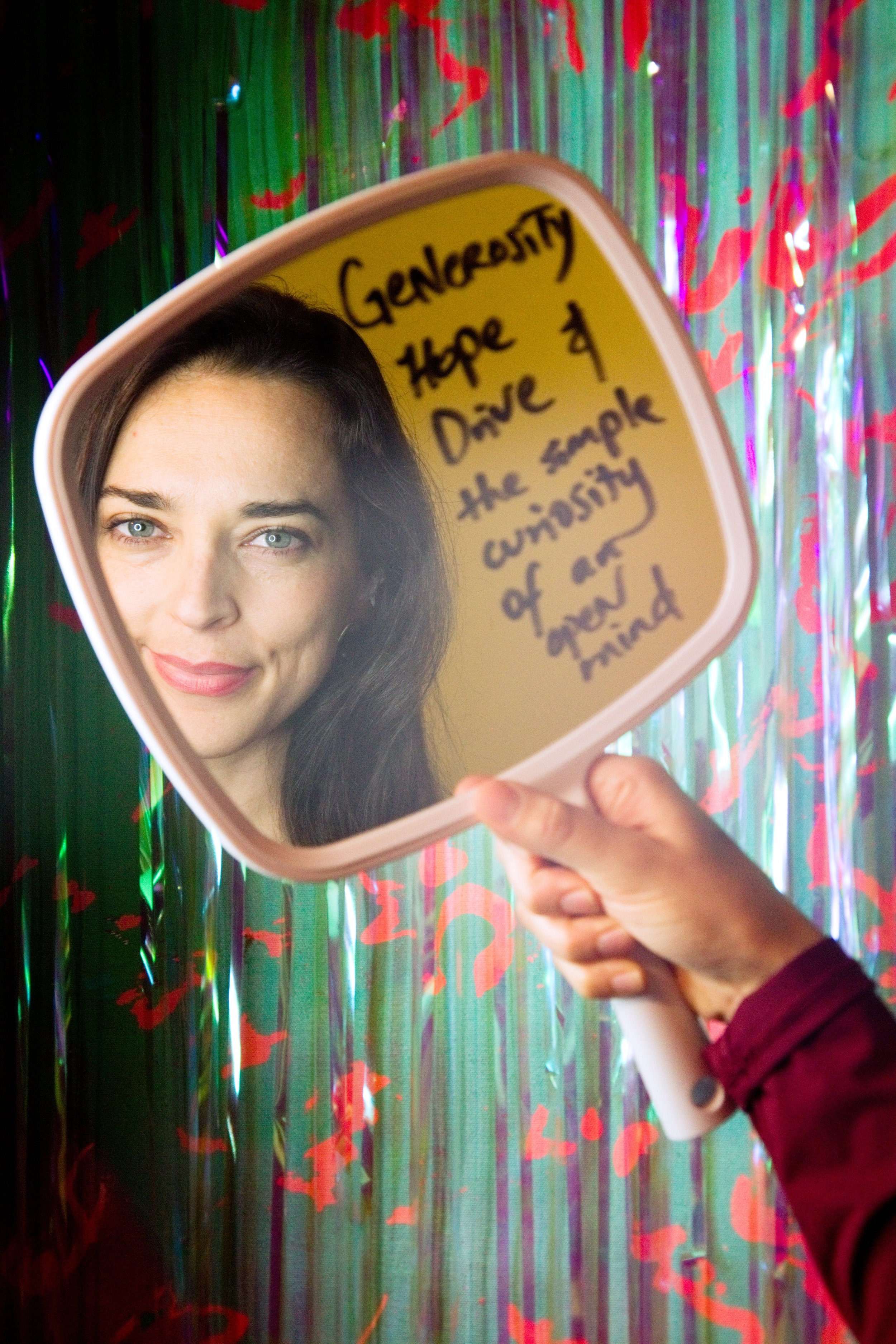
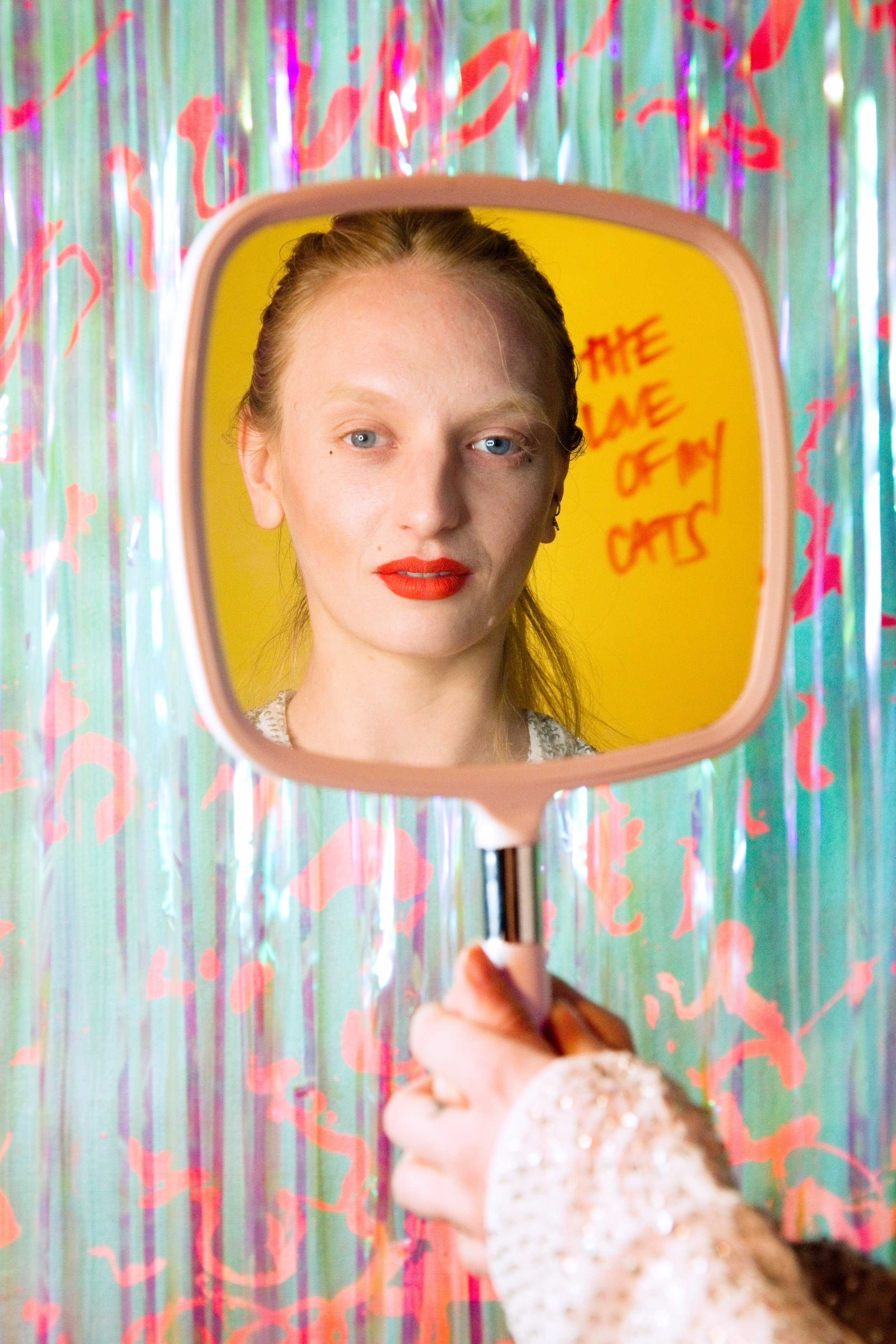
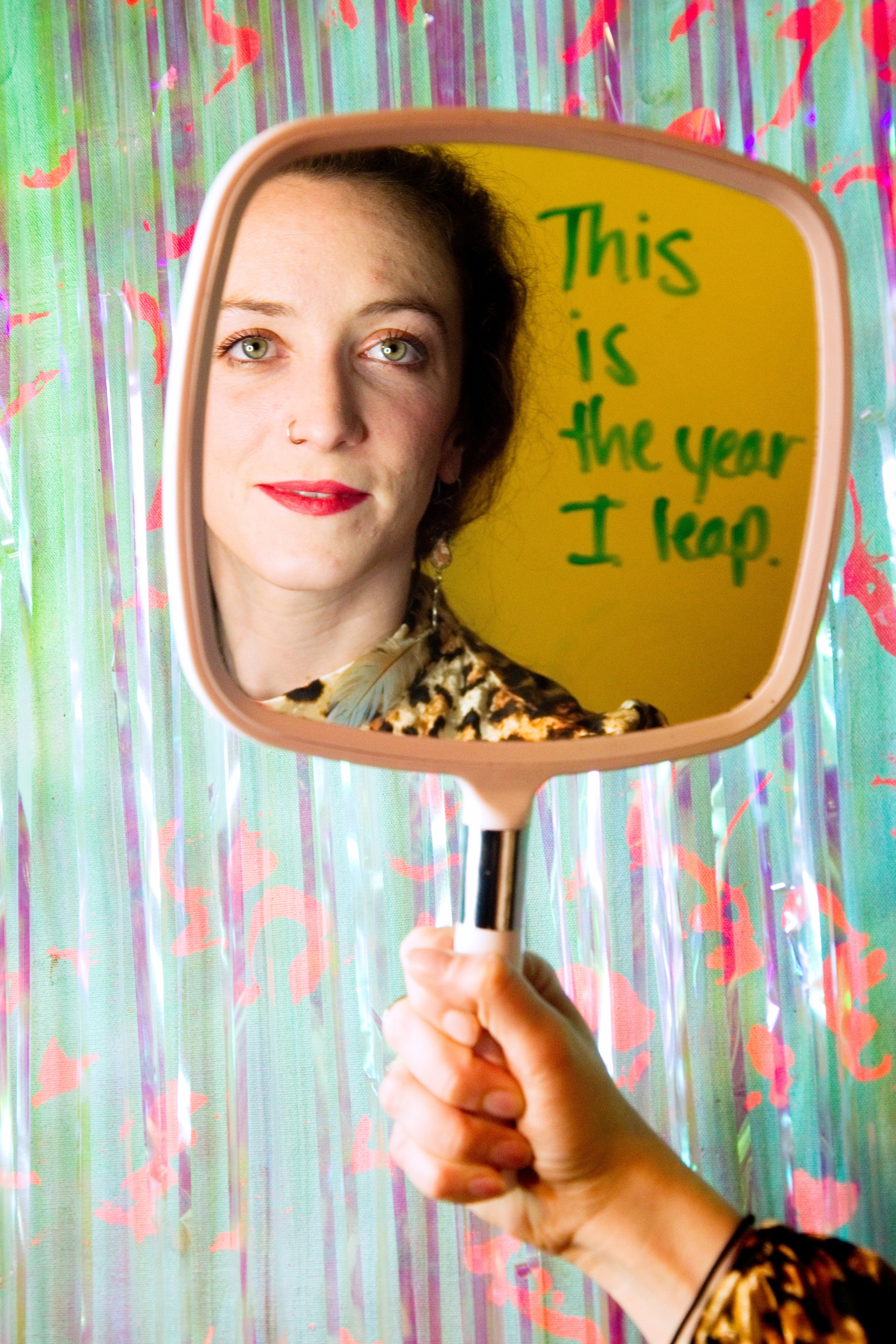
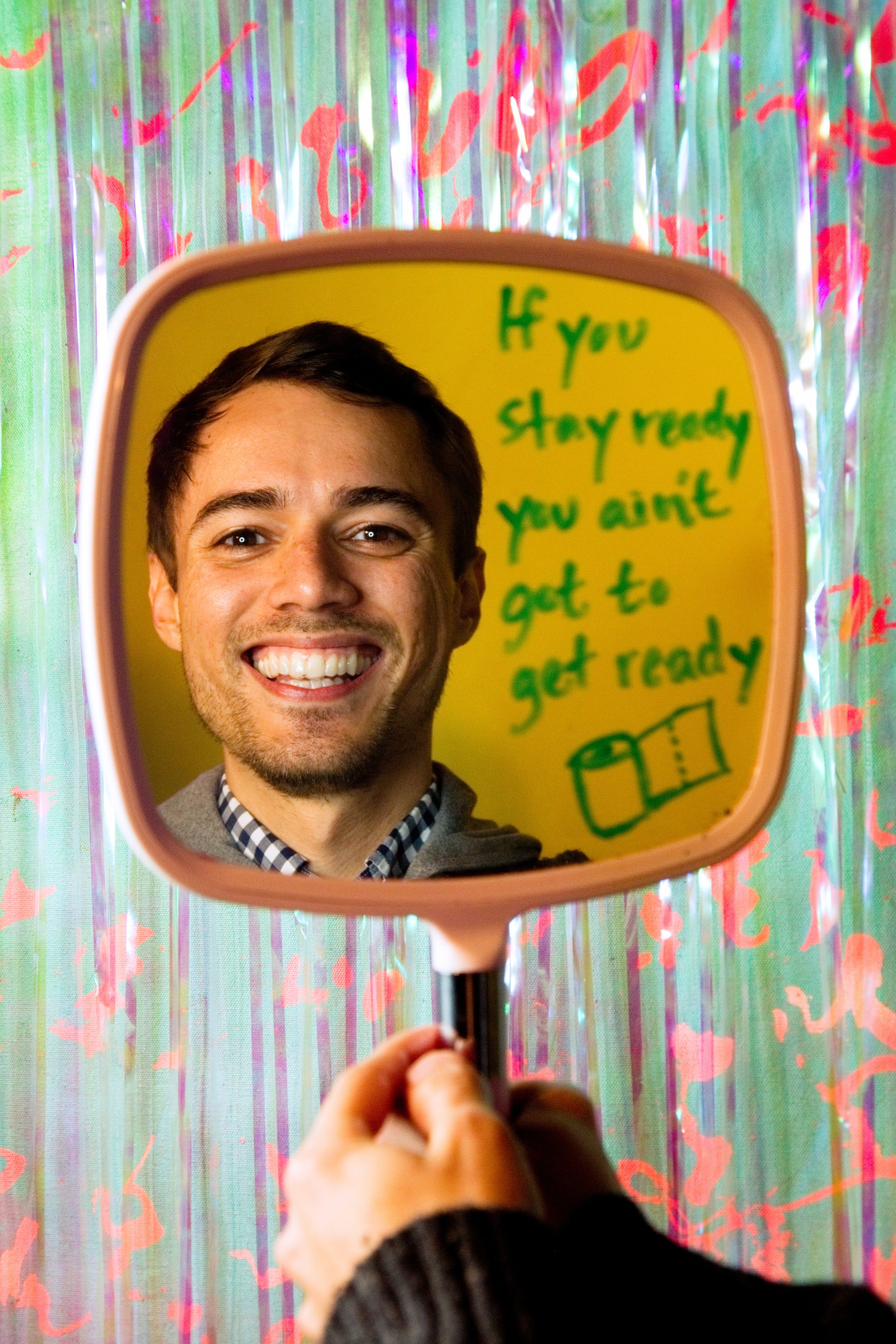
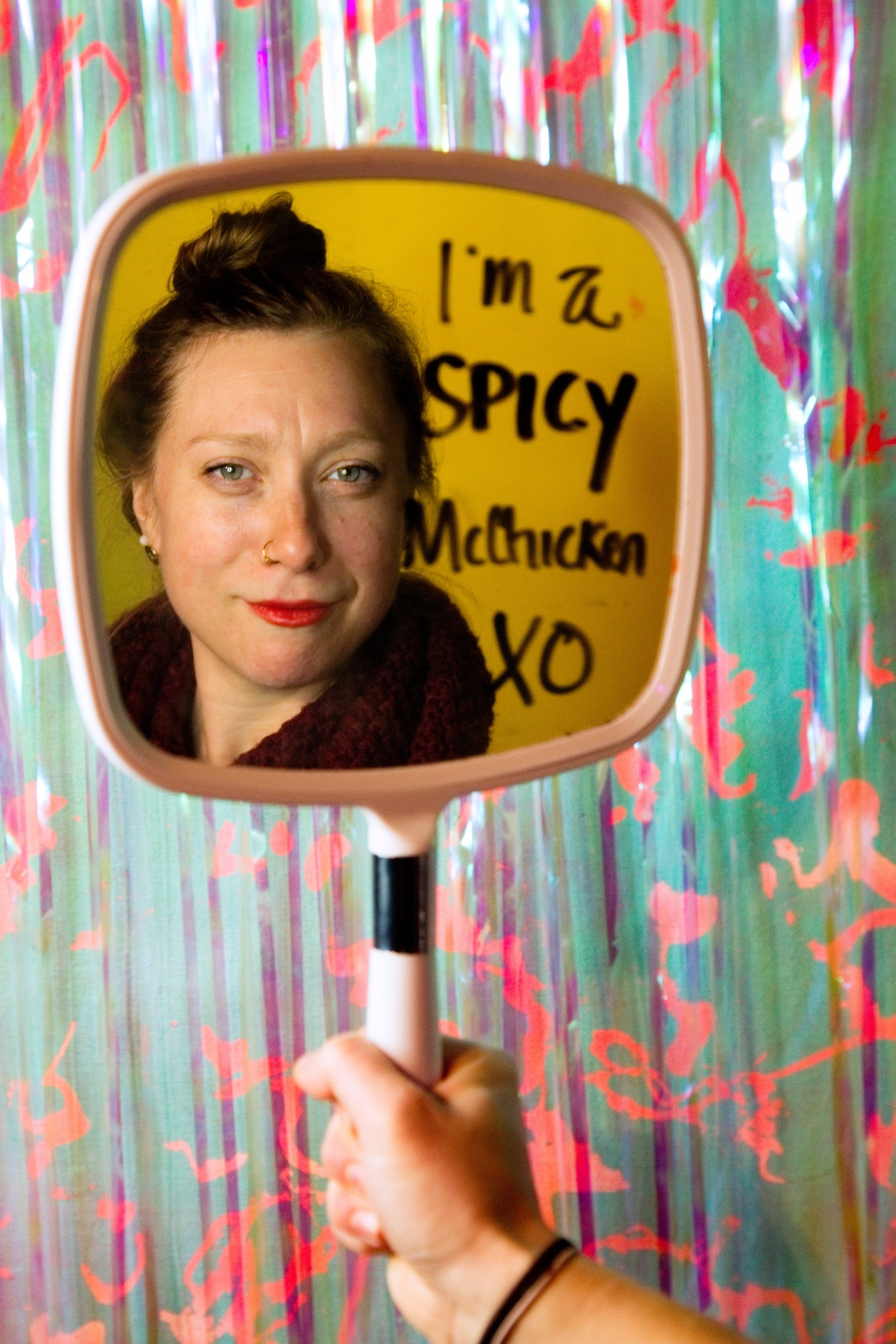
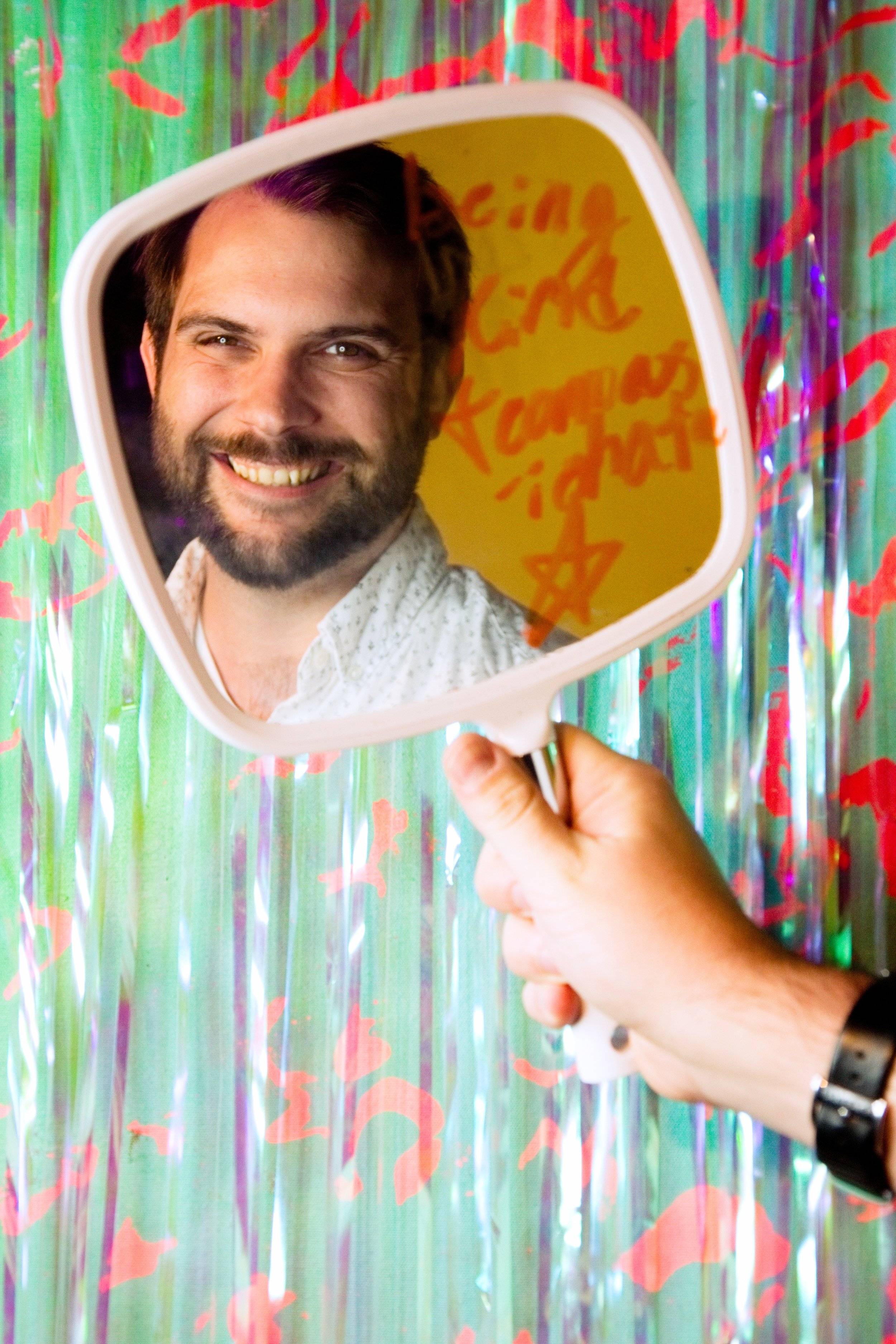
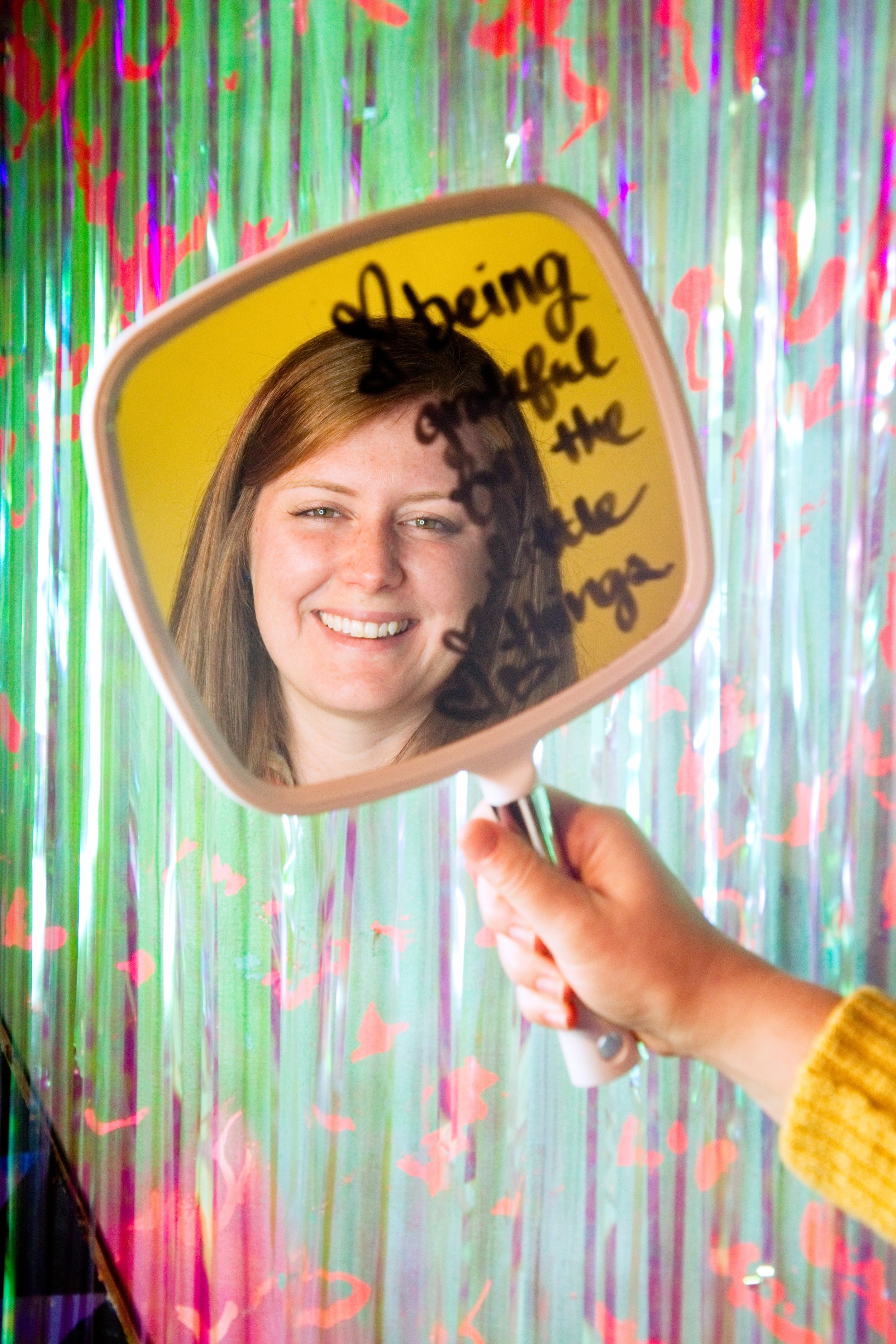
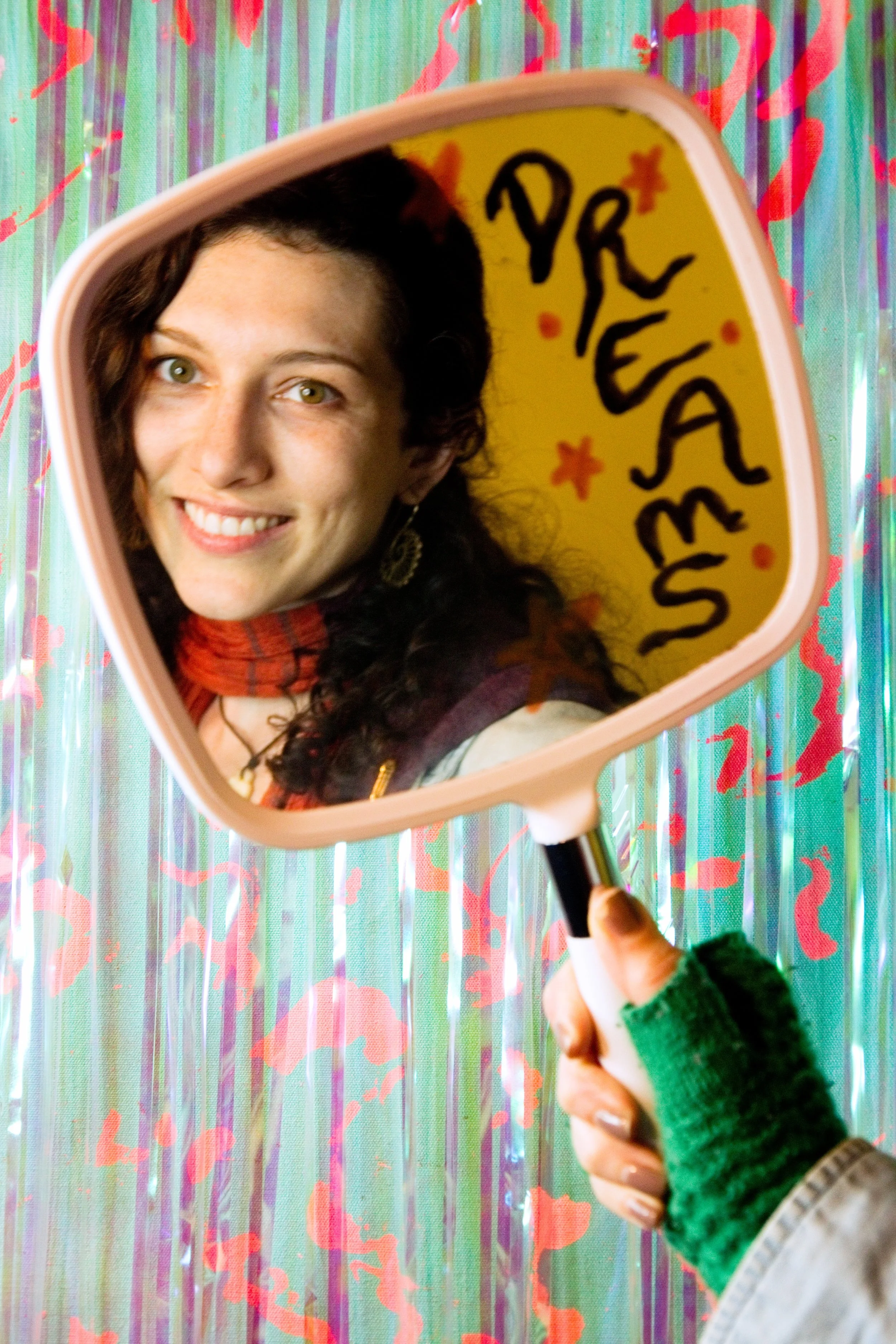
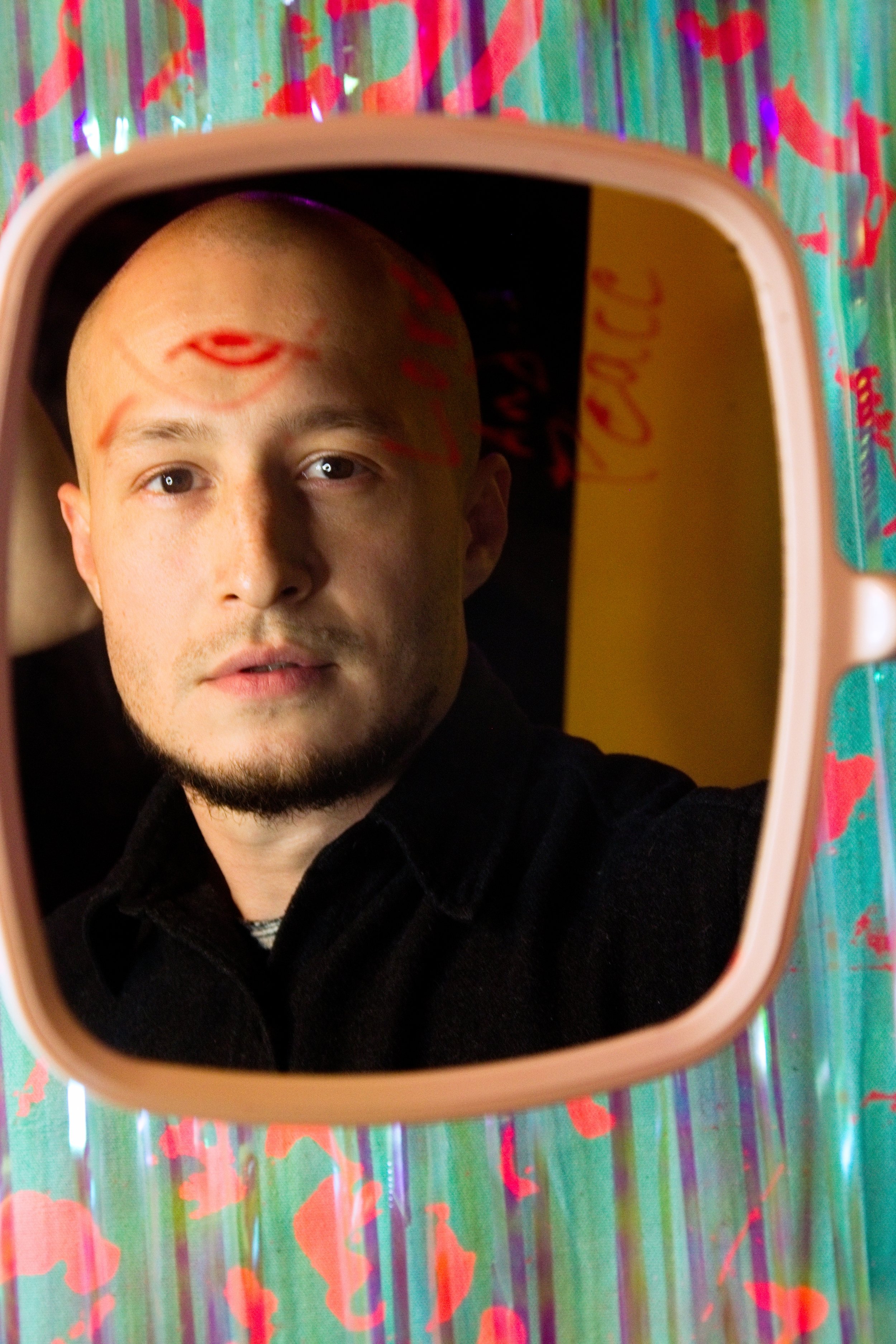
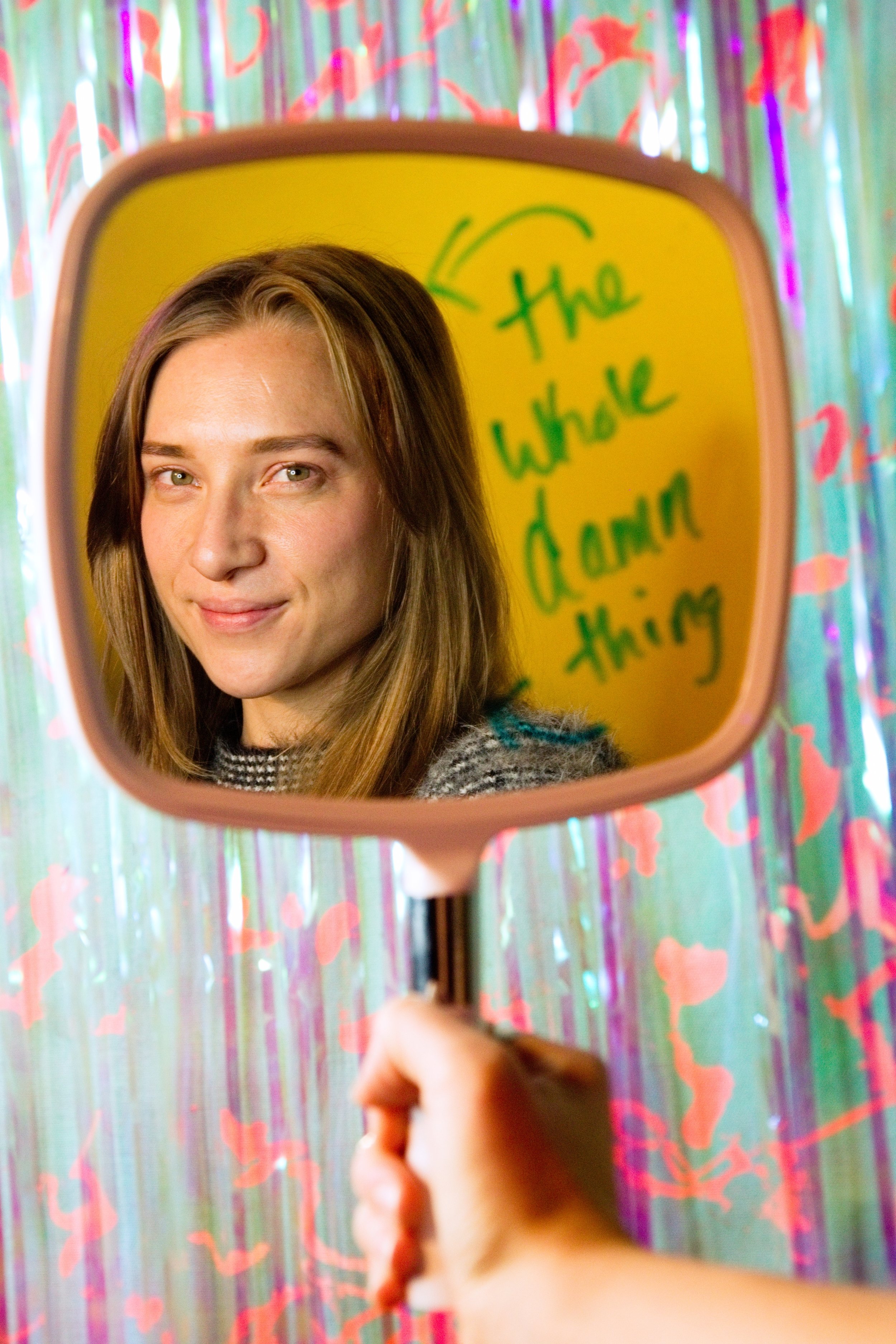
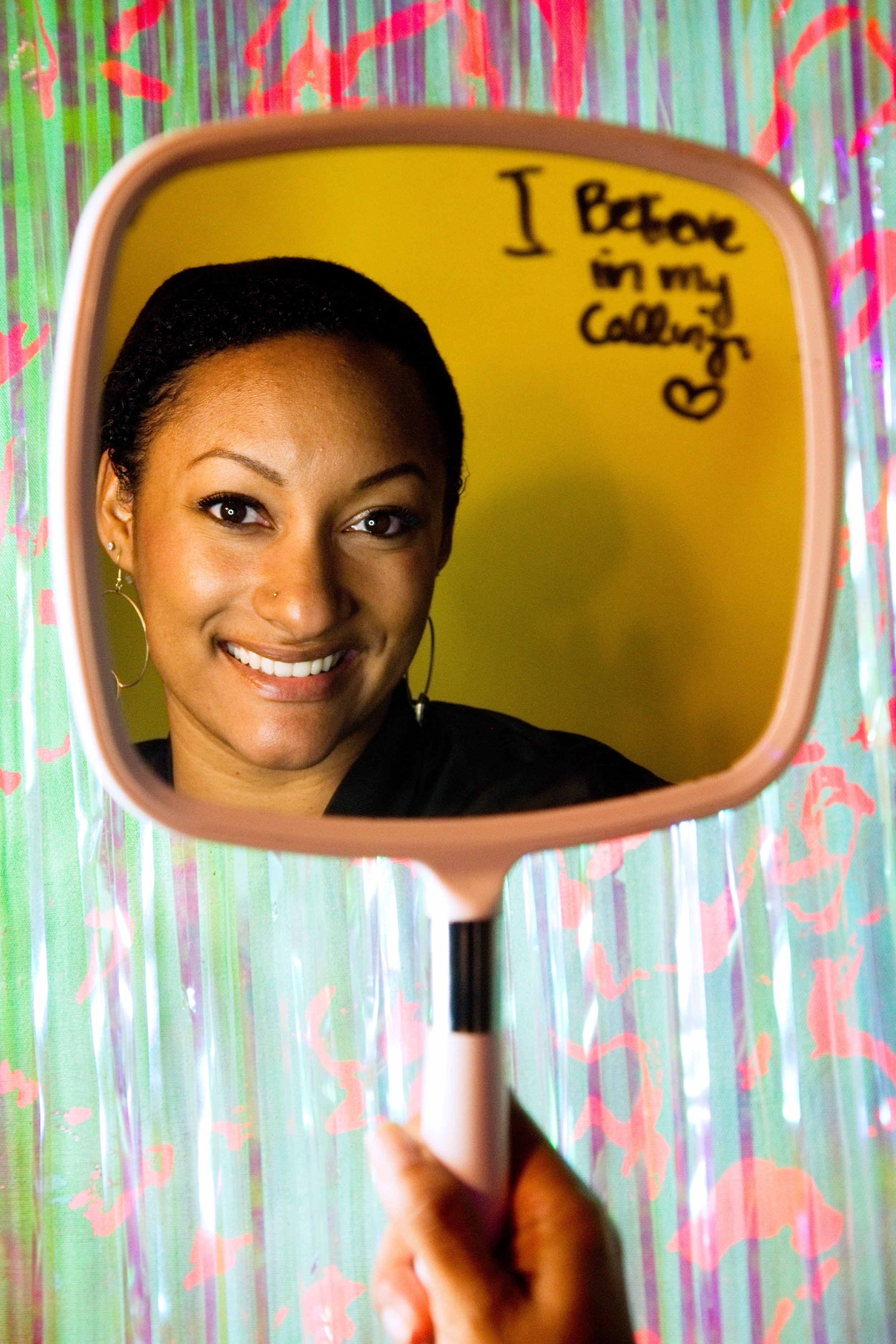

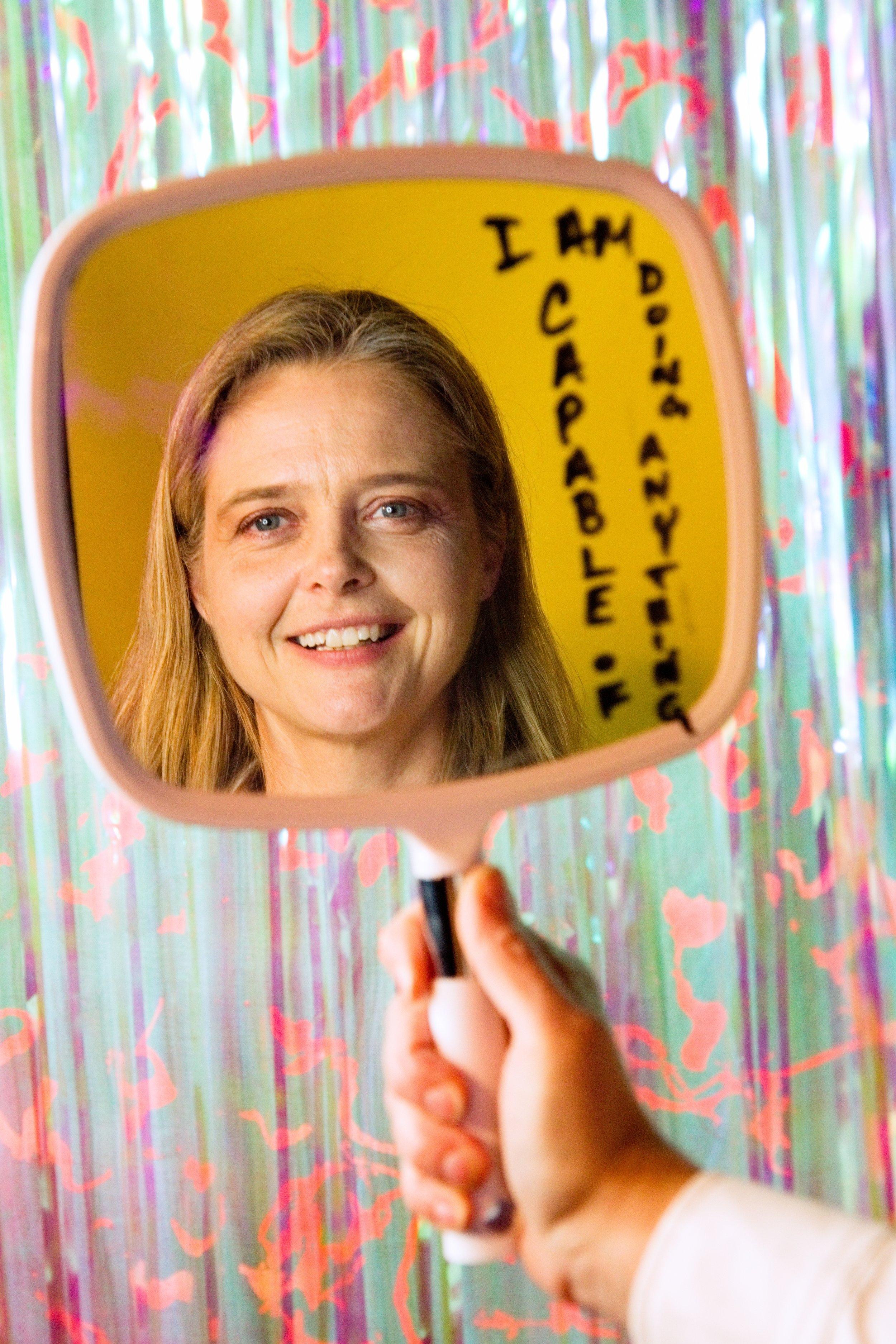
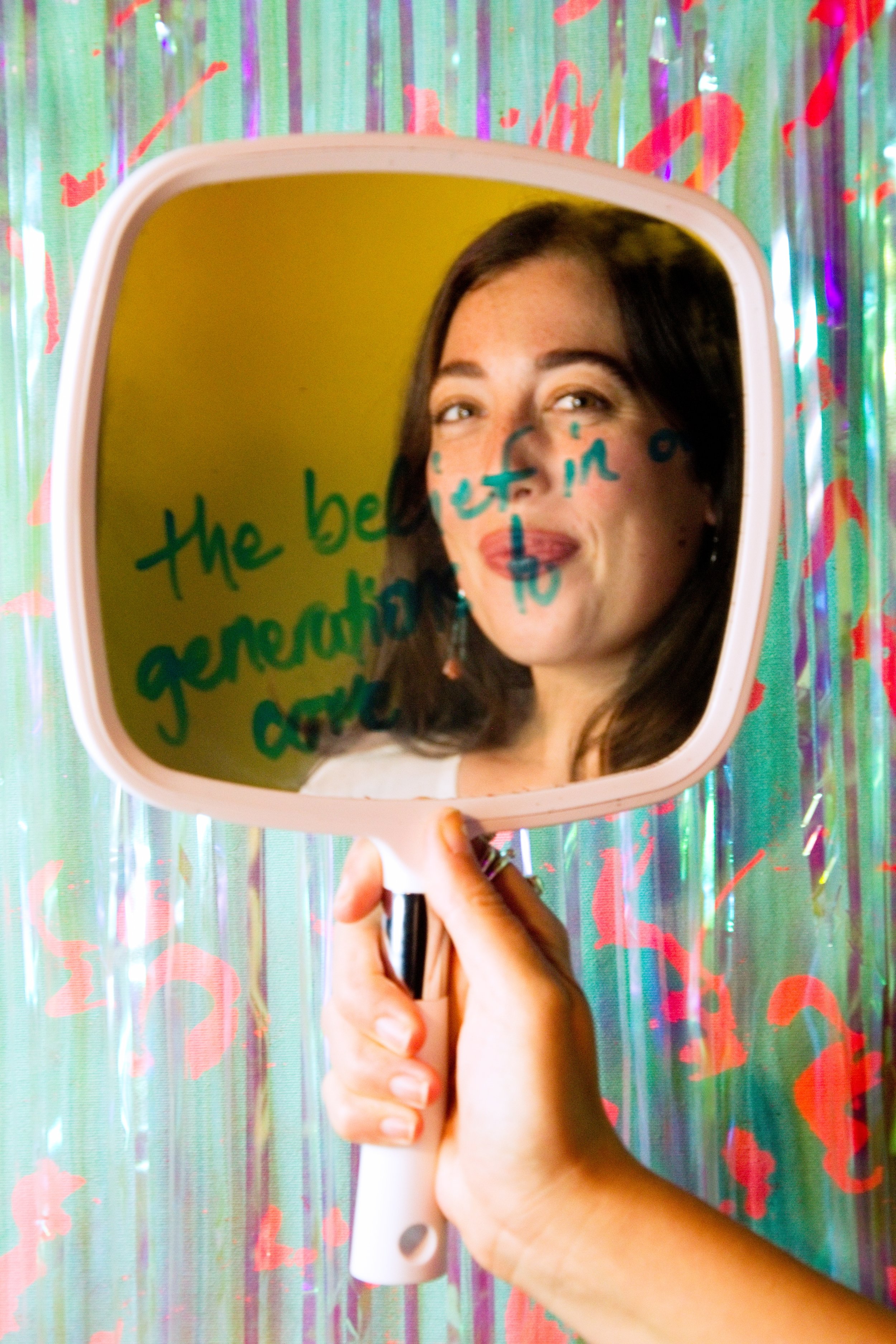
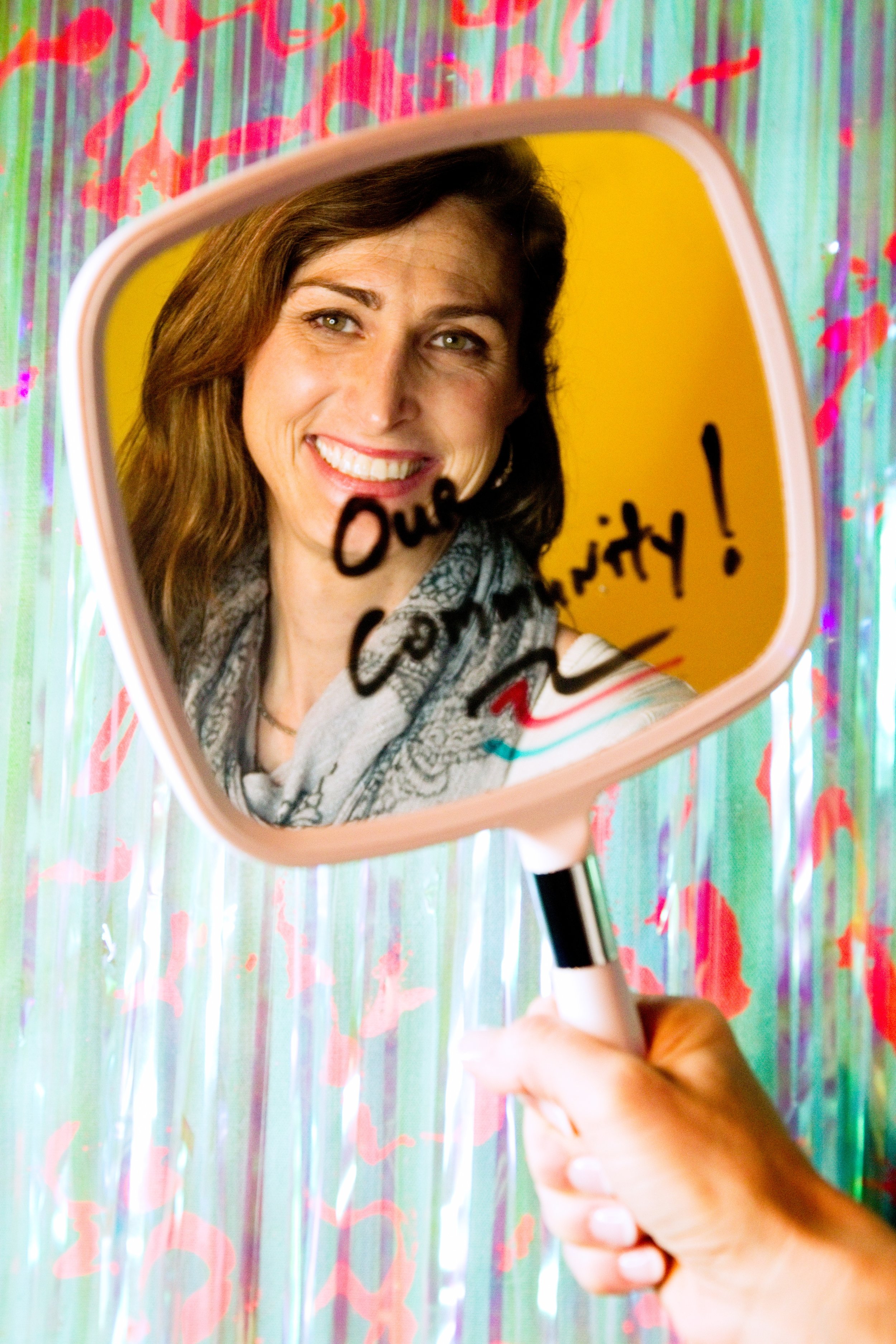
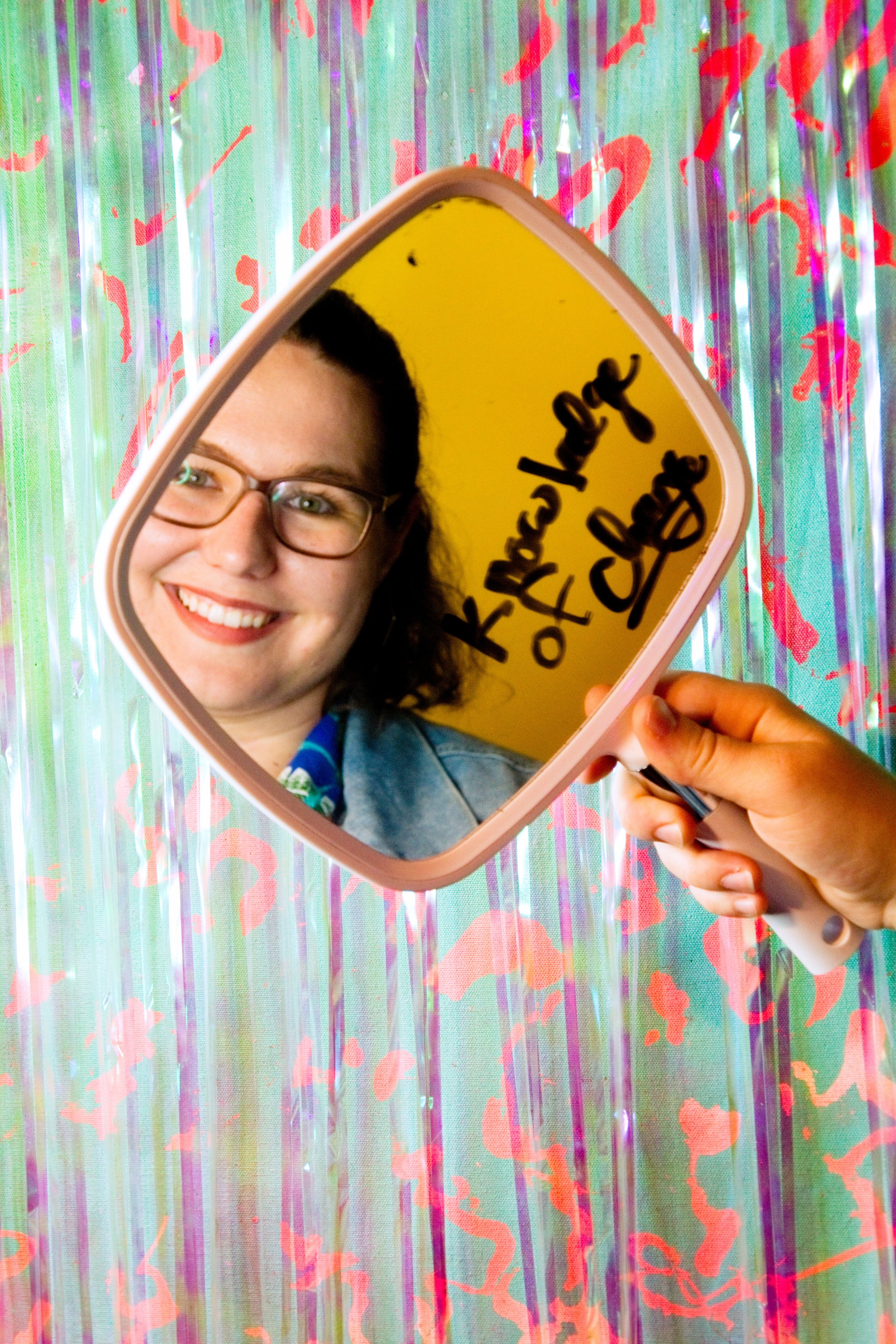
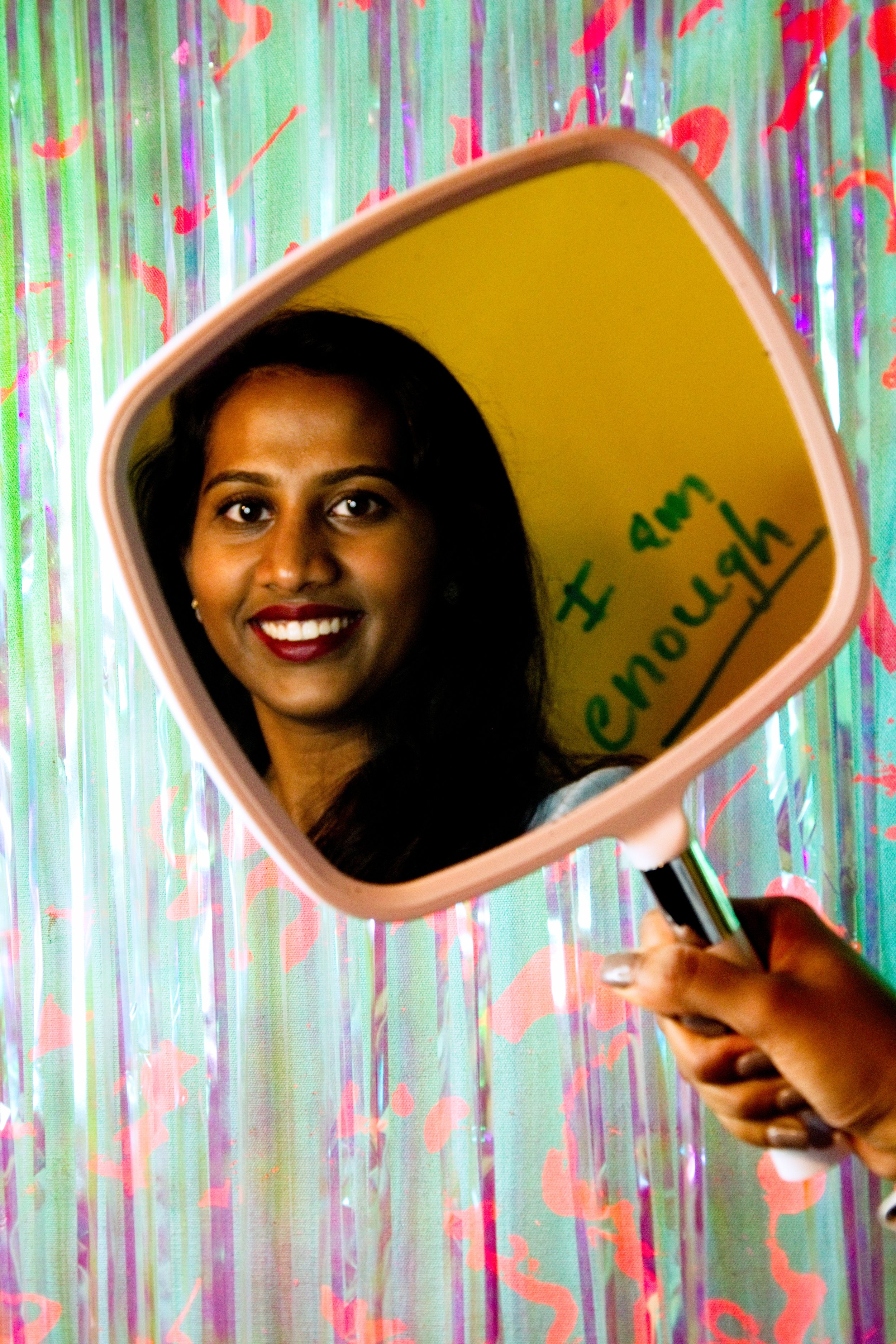
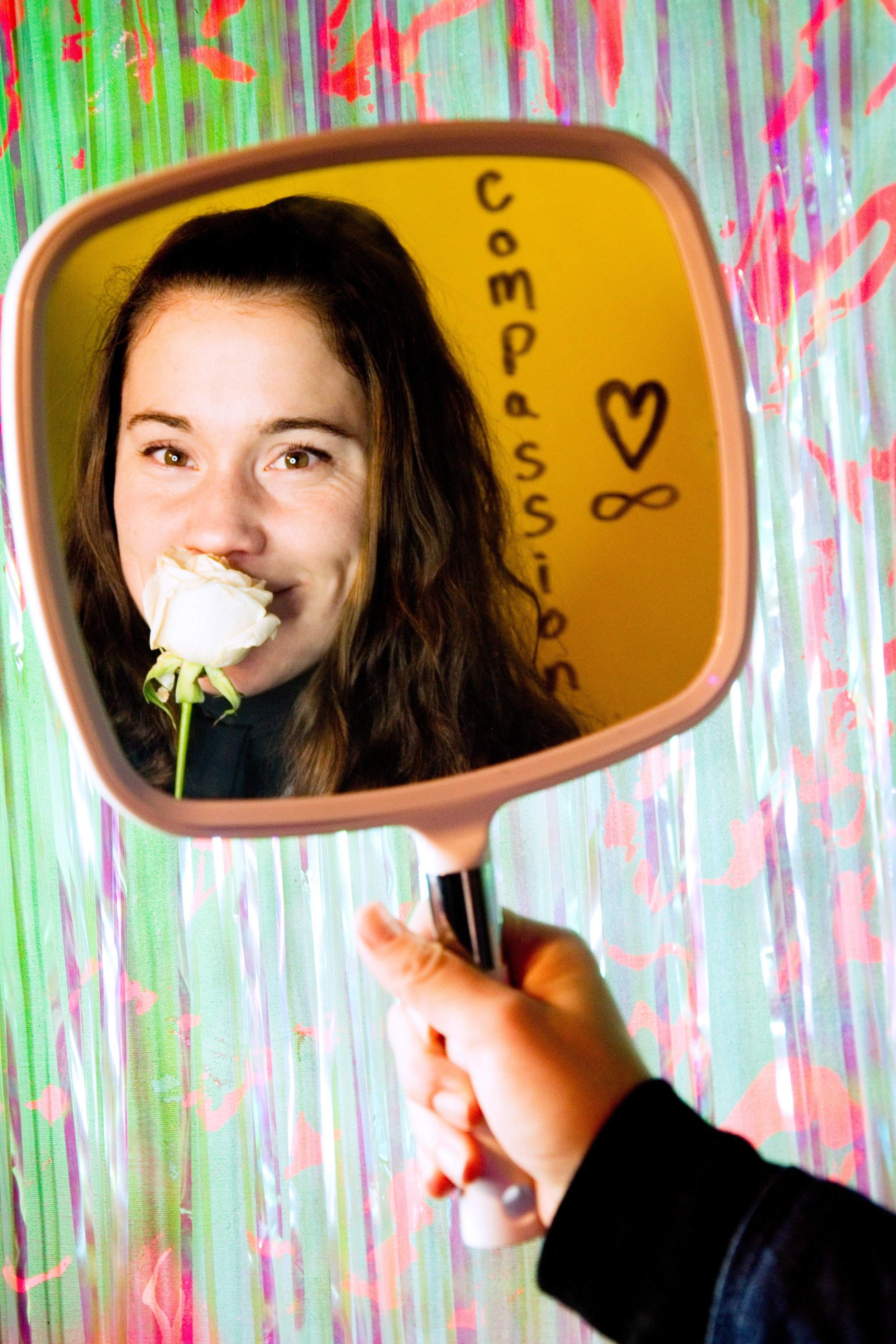
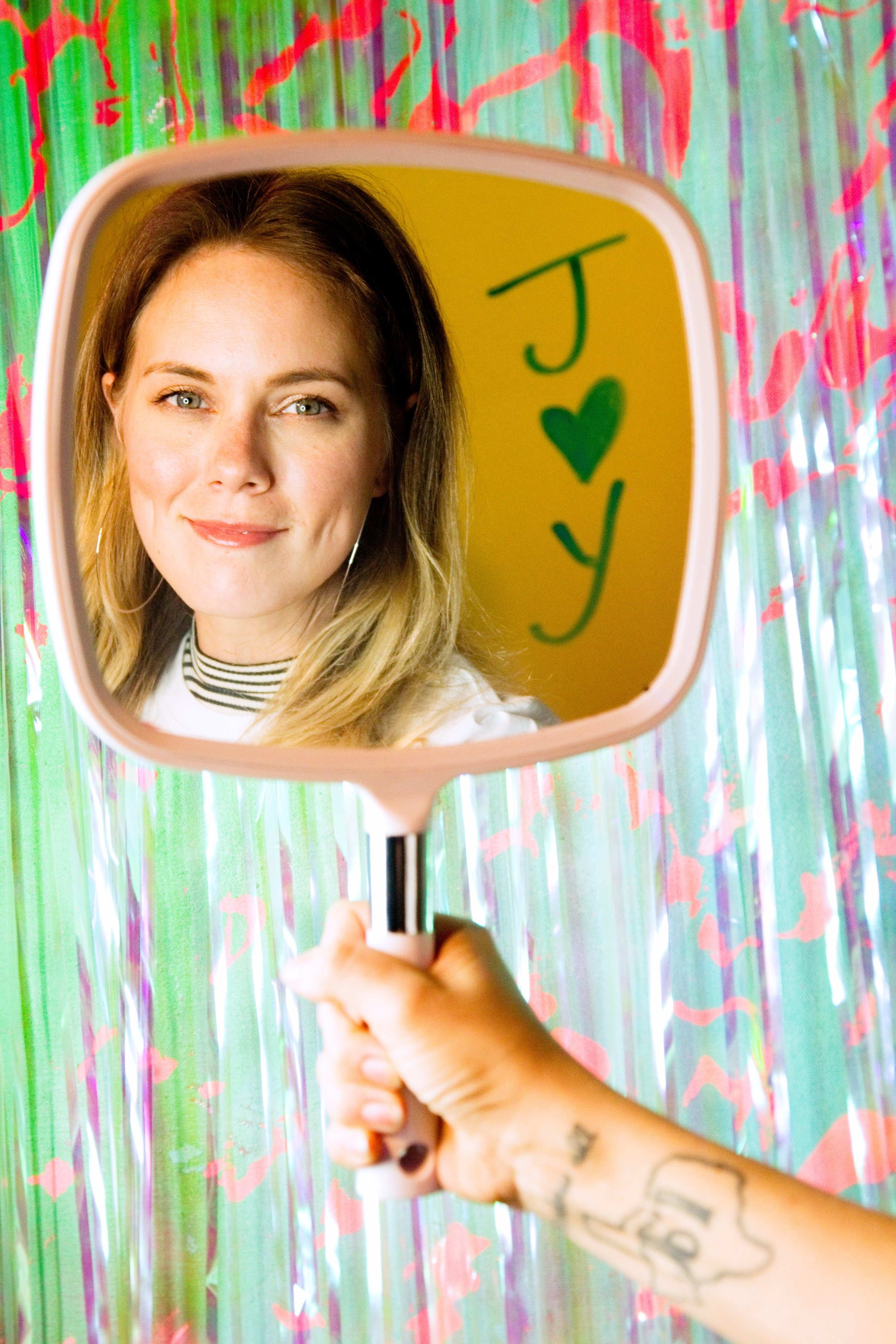


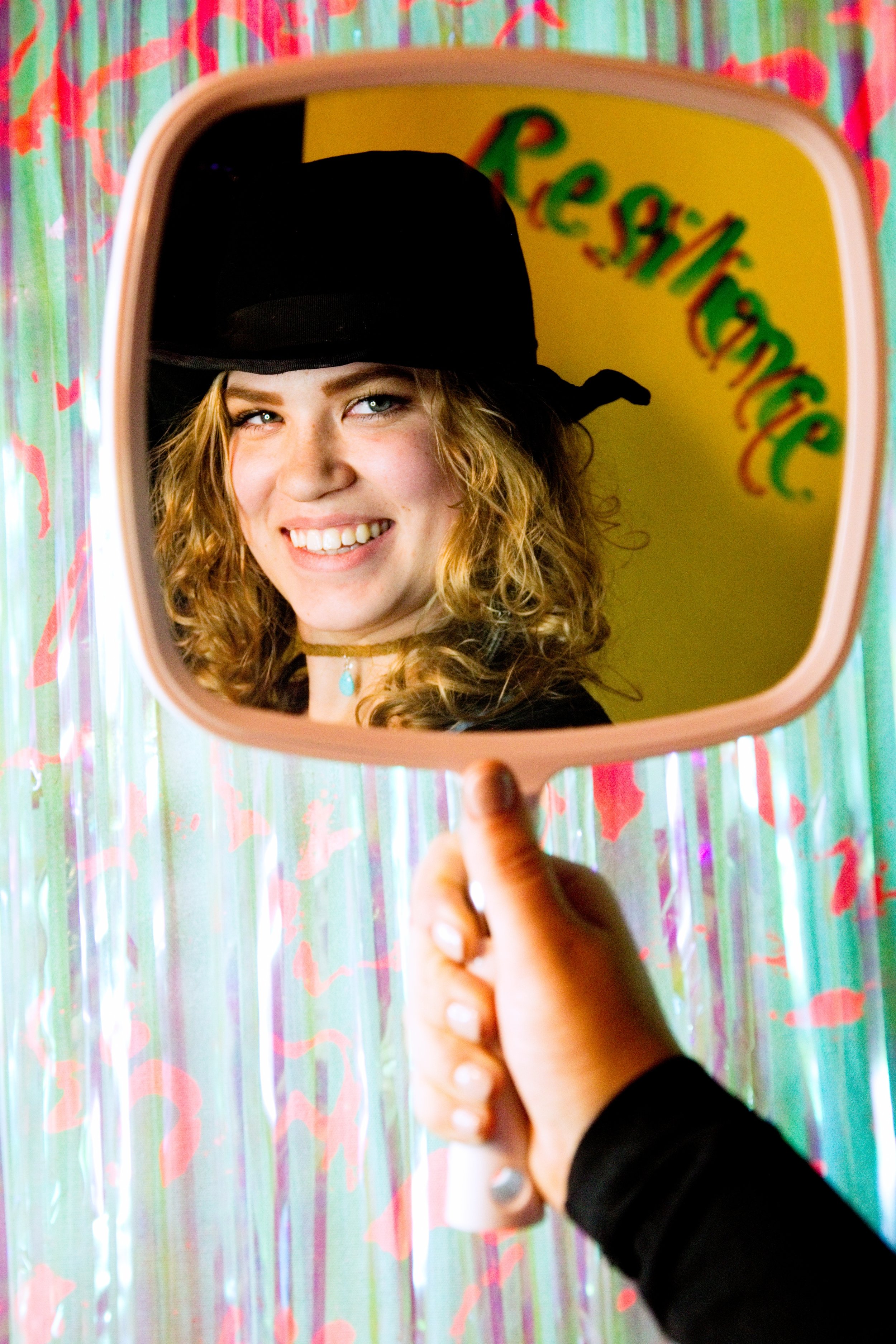
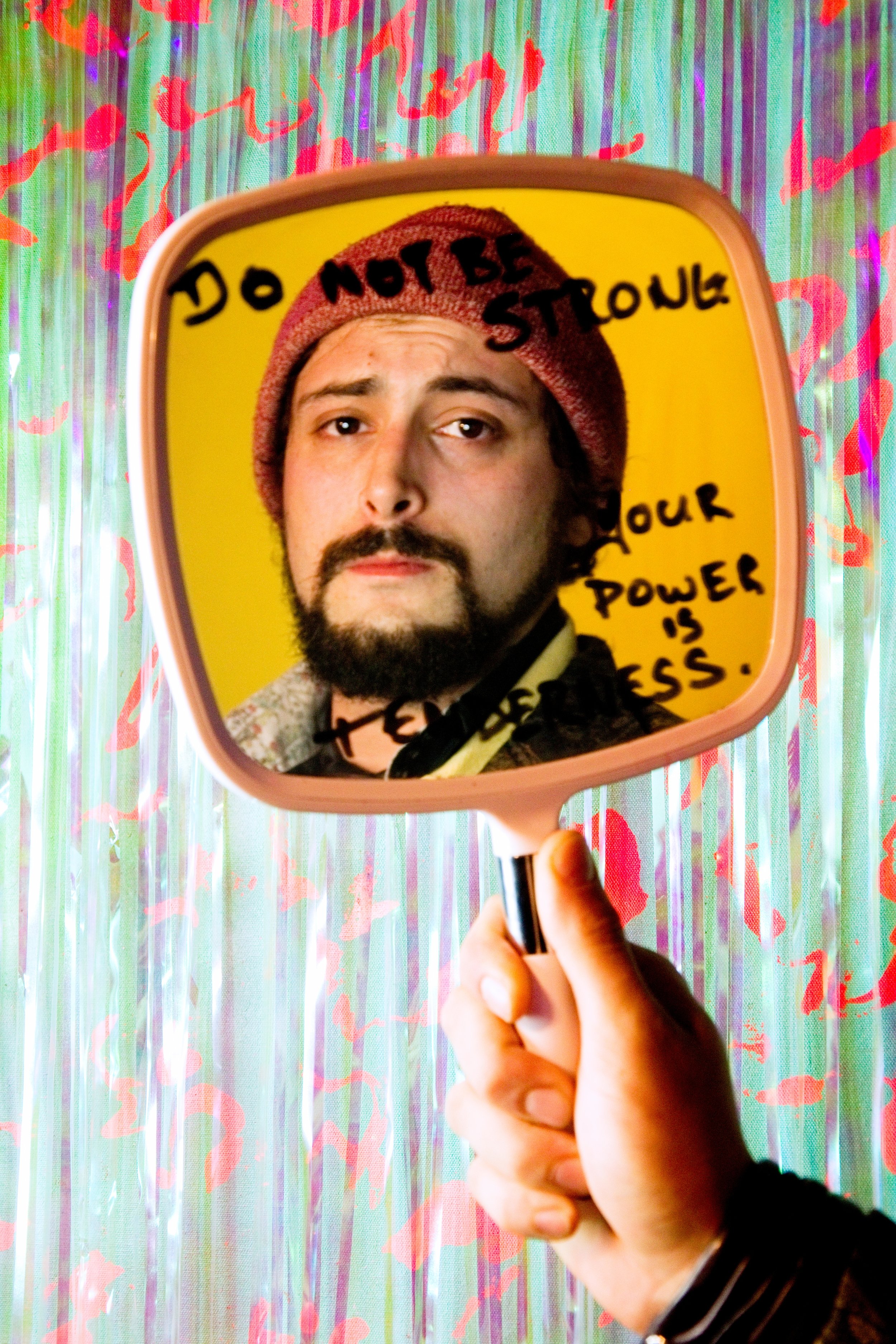
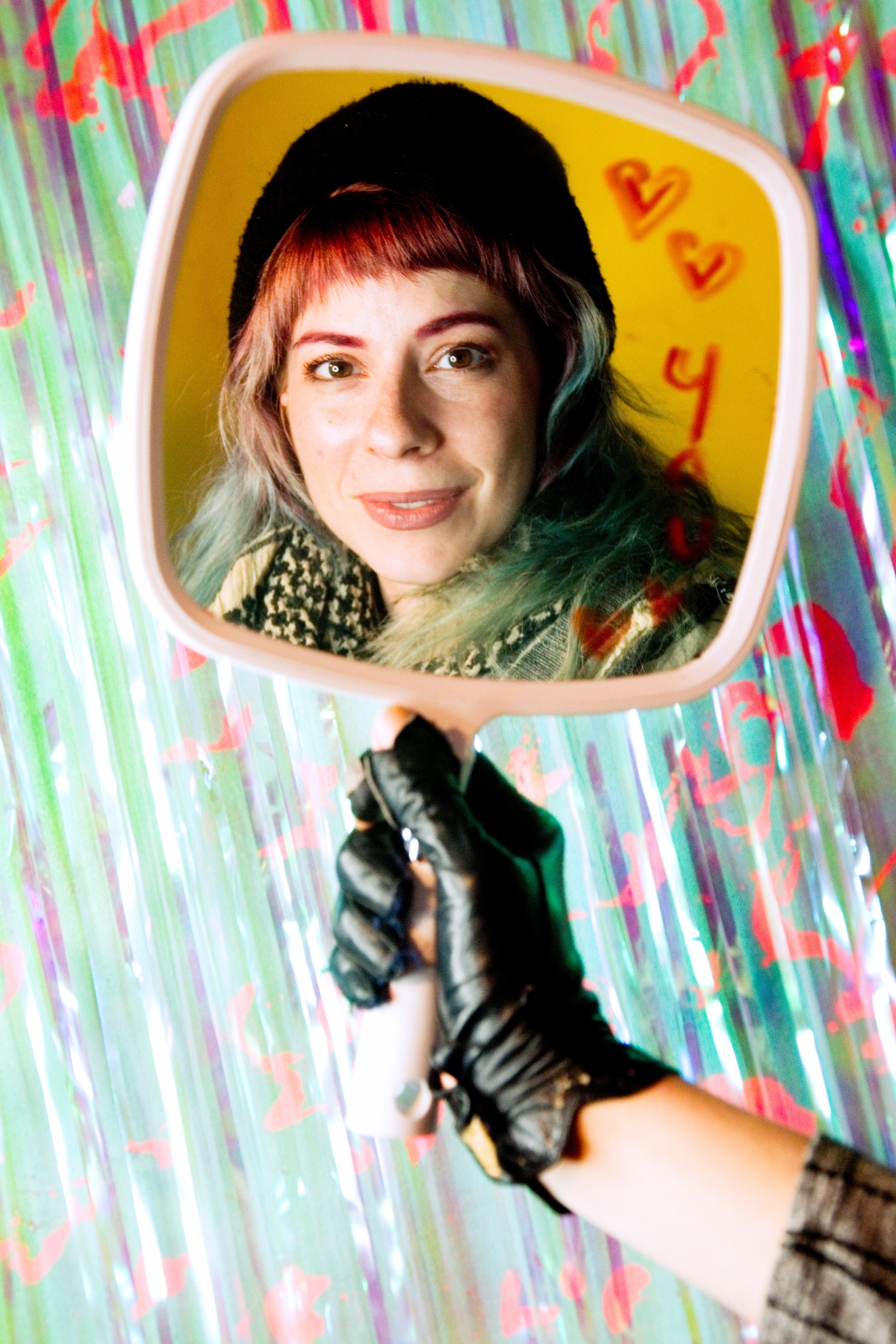
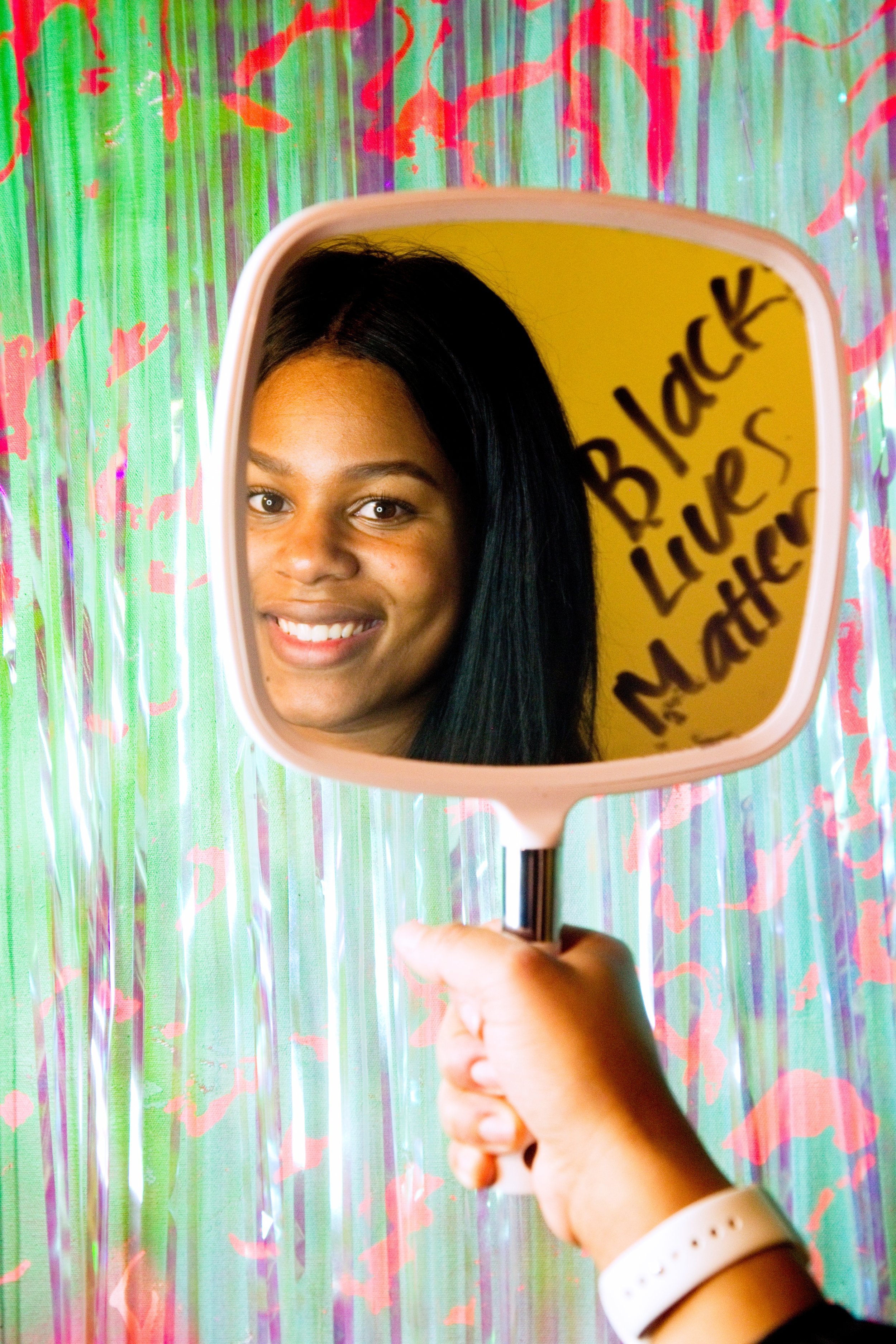

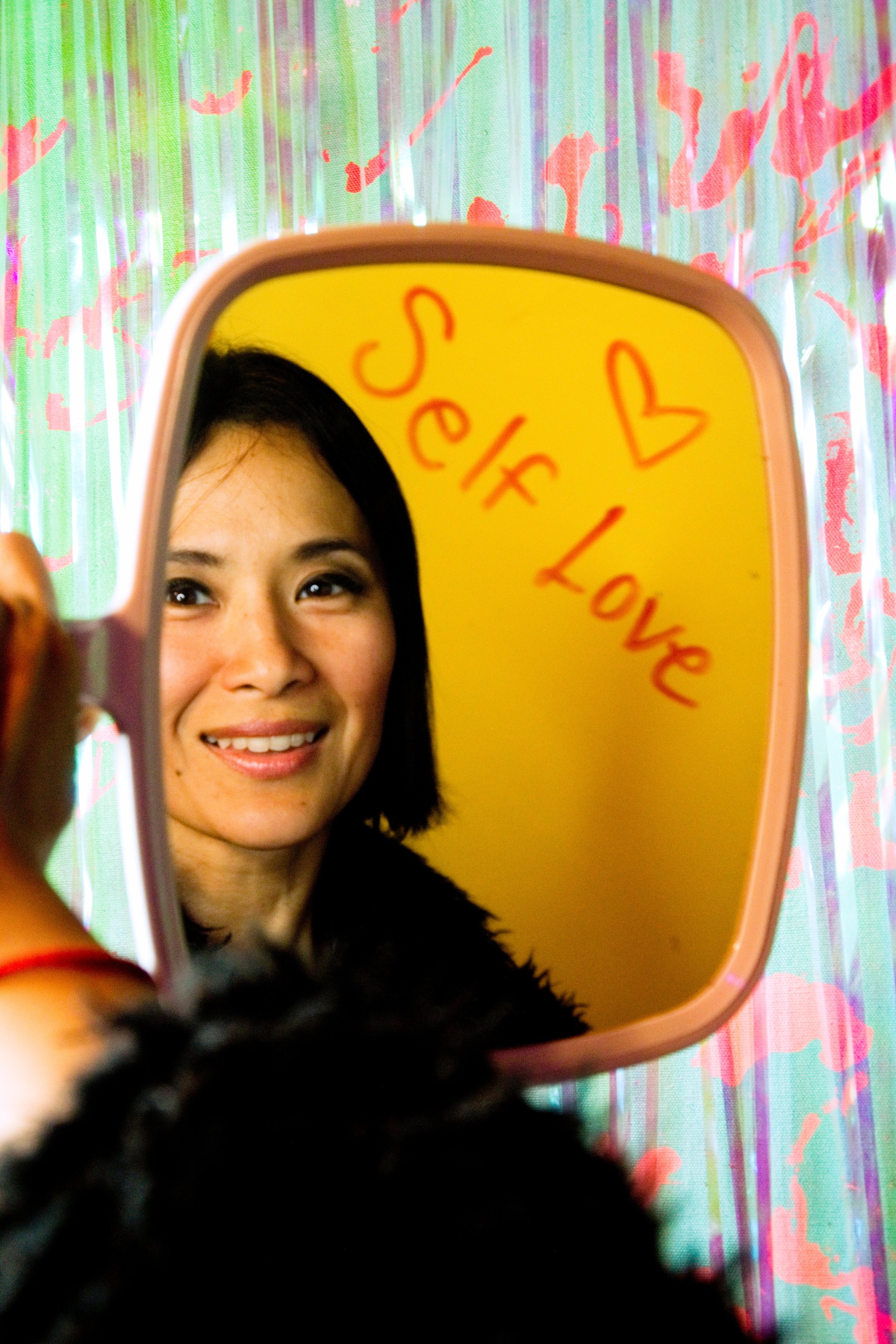
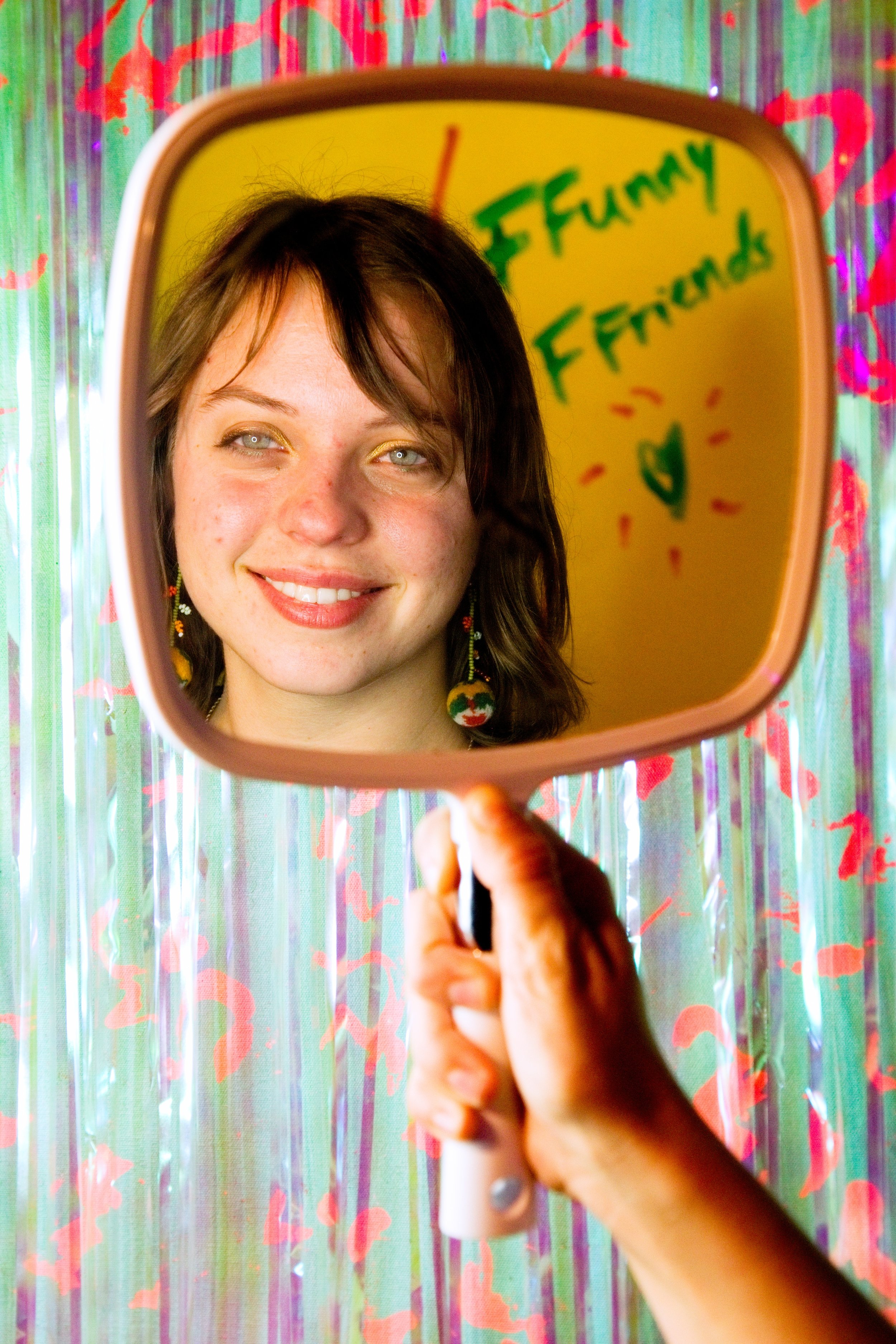
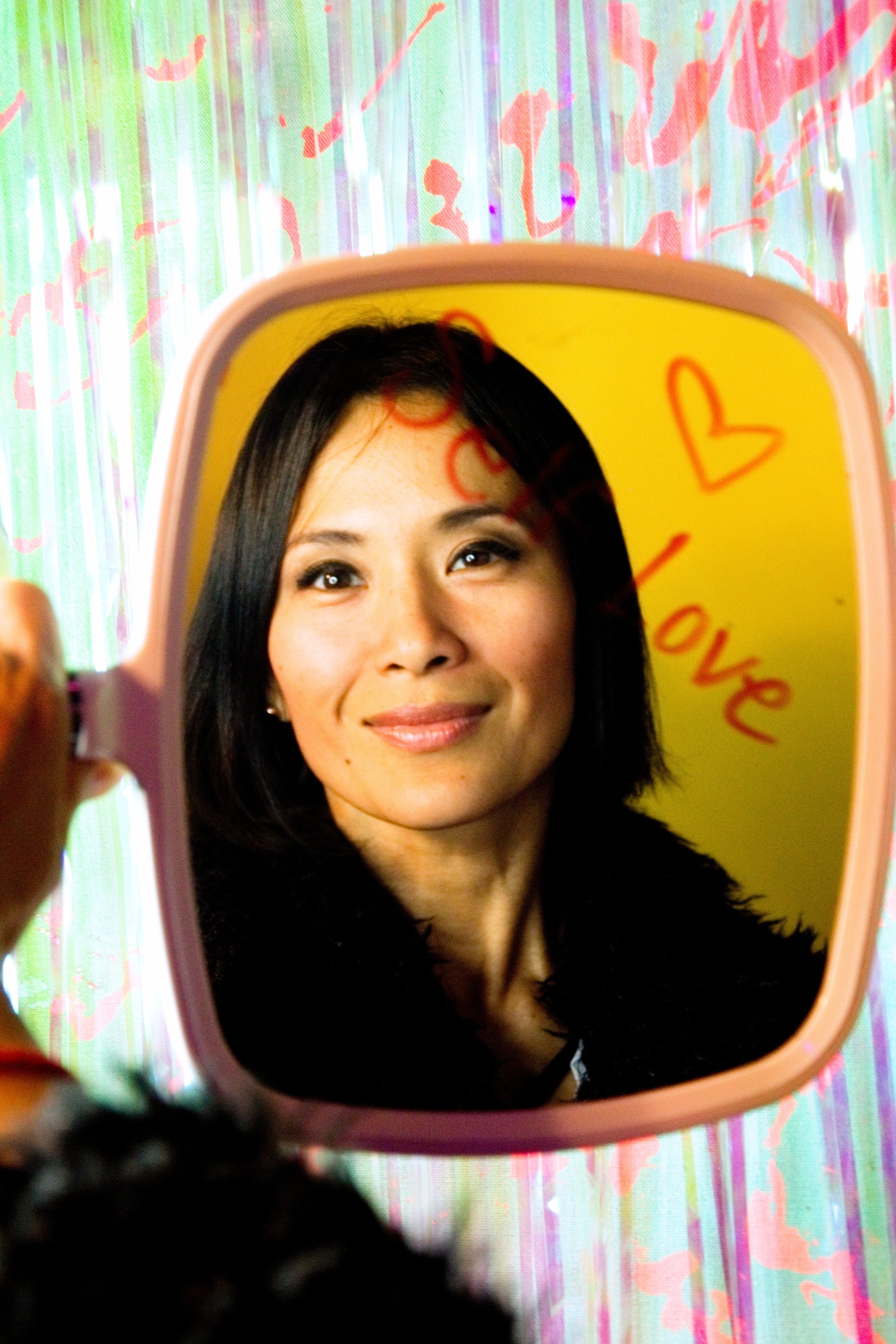

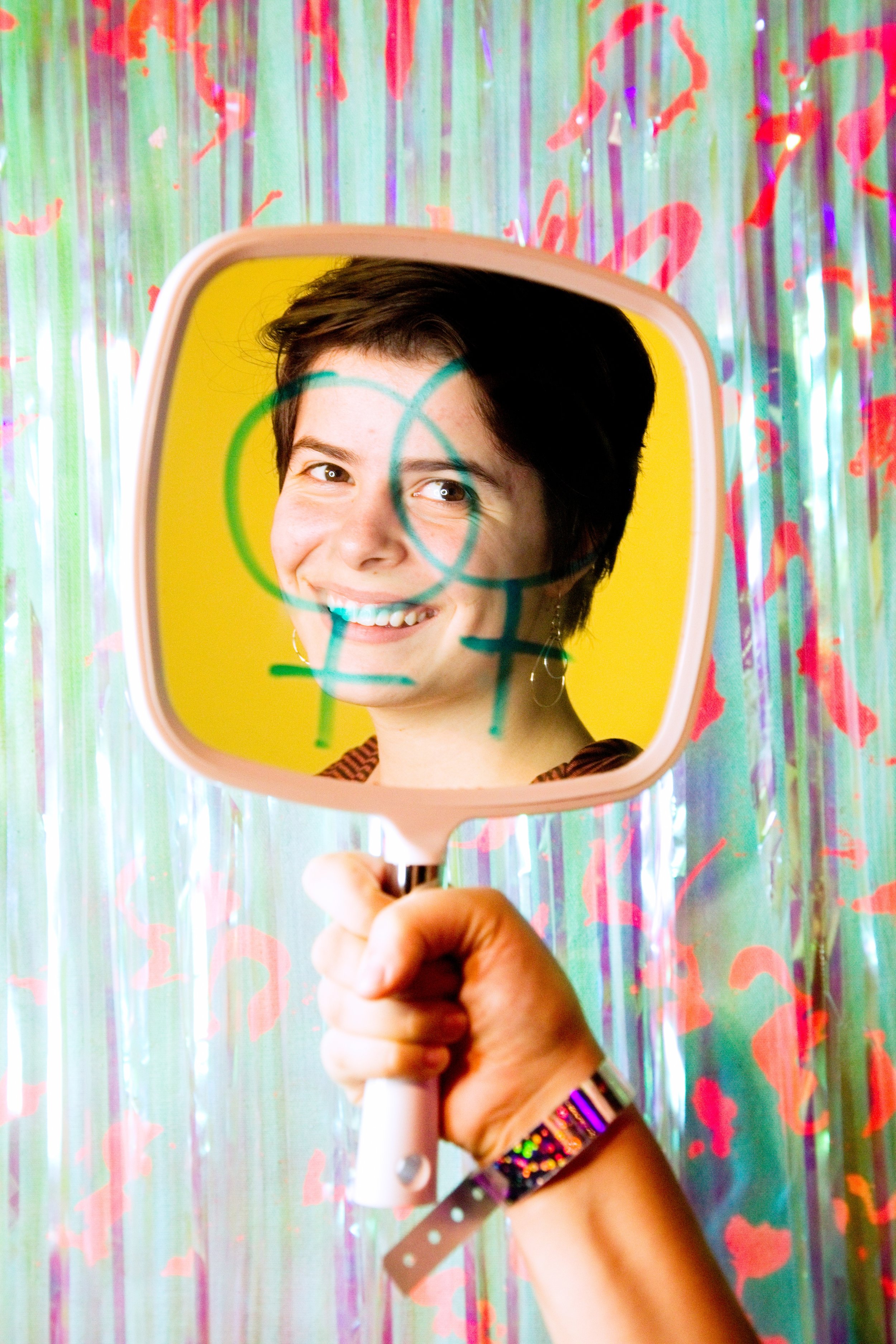
About the artist Jinni J: Jinni J is a self-taught artist and entrepreneur living and working in Austin, TX. Her latest series “Body, A Love Letter”, on display the #bbatx headquarters, is an exercise in vulnerability and explores love and relationships, particularly with oneself. To learn more about our artist in residency program and our previous residency roster, click here.
This installation was produced during #BBATX’s Third Annual State of the Uterus. Curious about the program? Click here. Want to get involved in upcoming events? Click here.
On Society's Treatment of Survivors: A Not So Sorry Poem By Nina Rose
Today and every day, we have the choice to speak up, and we must do so even when it’s unpopular or risky. We have nothing to be sorry for. In that spirit, we’d like to share a piece of writing by one of our committee members, Nina Rose Bailey.
In light of this weekend’s not-so-new news surrounding recording artist R. Kelly’s unchecked pedophilia in the documentary “Surviving R. Kelly,” our team’s feeling a little frustrated (perhaps you do, too).
In 2000, recording artist R. Kelly was exposed for abusing multiple women by the Chicago Sun-Times. It’s 2019 and the survivors of his pedophilia still don’t have their due. Over the last two decades, despite the presentation of factual evidence and the email chain whispers, he has been supported and applauded by an industry who claims to separate the “art” from the “artist.” 💡There have been many activists (including members of our team) who have criticized him and the people who have continued to book him for years. There have been many people who have stood up both publicly and privately to hold him accountable, but no reckoning came. There are many Black women whose lives were threatened and demeaned as a result of this willful ignorance and system of protection around one abuser.
We are ultimately not surprised when society (i.e. ourselves) works to preserve abuse of power, instead of challenge it. Today and every day, we have the choice to speak up, and we must do so even when it’s unpopular or risky. We have nothing to be sorry for. In that spirit, we’d like to share a piece of writing by one of our committee members, Nina Rose Bailey.
A note from Nina on the motivation behind this poem: “I wrote this poem after being pissed off by comments on sexual assault and sexual abuse towards young women, especially during this fucked up R. Kelly documentary. Current Mood: SOCIETY IS TRASH.”
My Apologies (An Apology From A Victim)
I want to apologize to my babysitter who was responsible for my care,
You were doing a favor for my parents, so it was only fair.To that family member that I trusted, it wasn’t your fault.
You were a victim, too, shit was bound to happen by default.I want to apologize to the two men on the day I skipped school.
Who was I to be acting fast, like I was above following rules.To my high school “friend” who’s home I went to for comfort.
That was my fault not telling you “no” in a drunken slumber.
Who was I to call you out on your shit, after you took time out your day to bring me ginger ale,
because you had a “feeling” I was sick.My bad to the boy I dated in high school, who I confided in about my sexuality.
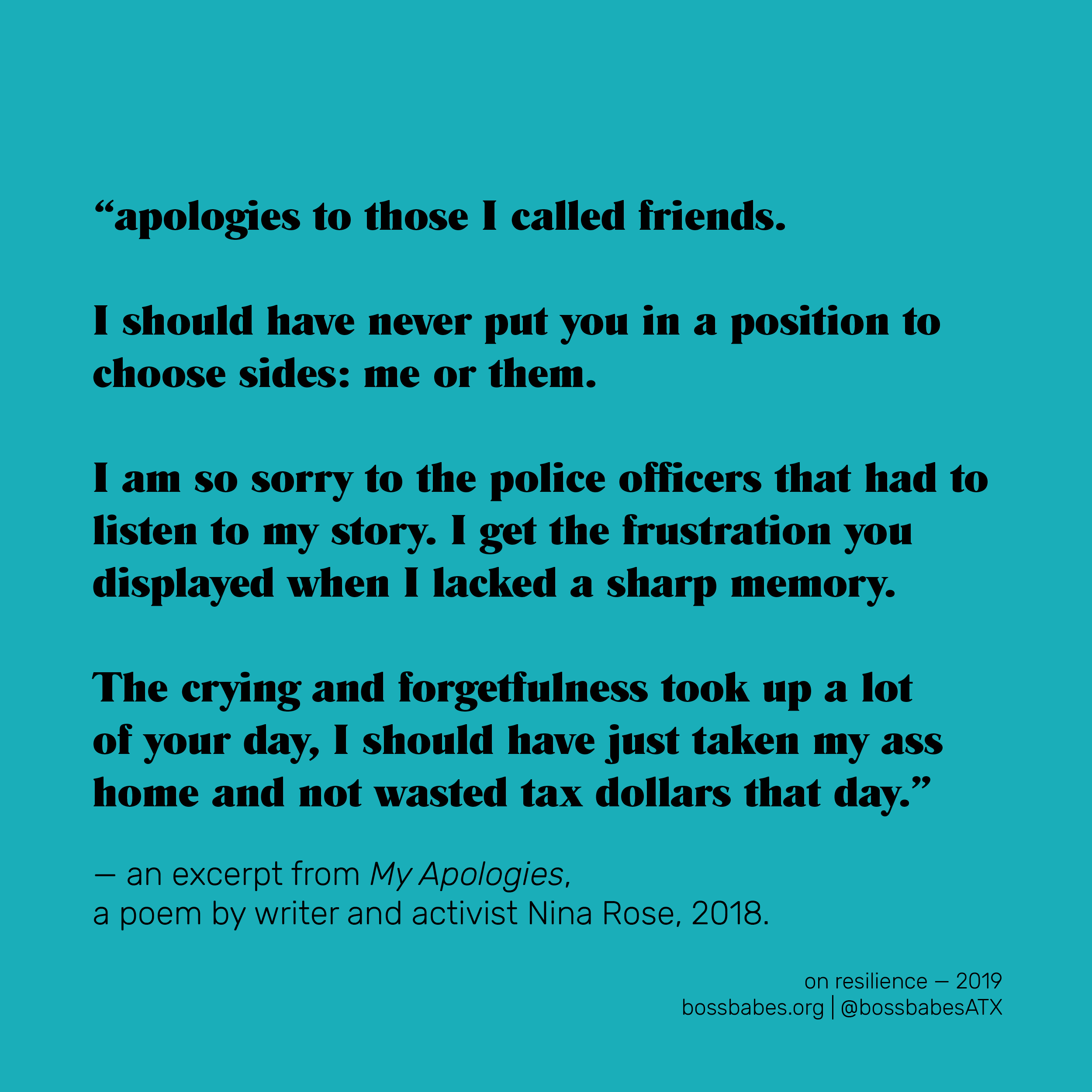
You were a top ranking ball player, I should have known to be fragile with your masculinityApologies to those I called friends.
I should have never put you in a position to choose sides: me or them.I am so sorry to the police officers that had to listen to my story. I get the frustration you
displayed when I lacked a sharp memory.
The crying and forgetfulness took up a lot of your day, I should have just taken my ass home
and not wasted tax dollars that day.Last, I want to say I am so fucking sorry to society.
Who the fuck do I think I am learning love through trauma and debauchery.I get it… I’m the problem. I’m the issue. So please accept my apology as I genuinely give you this big “FUCK YOU.”
— writer and activist Nina Rose, 2018.
About the author, Nina Rose Bailey: Originally from Detroit, MI, Nina moved to Austin four years ago from New Jersey after realizing she had a strong dislike for snow. Nina previously received her degrees in Psychology and Criminal Justice. She has been in the field of working with underserved youth and families for in her free time, and started her own program named The R.O.S.E. Project (Recognizing Our Strength and Excellence) while also working at The National Domestic Violence Hotline as an advocate.
Behind VOLUME: A Collection Of Influences On Texan Women And Nonbinary Artists
In 2018, #bossbabesATX and Chulita Vinyl Club collaborated to present VOLUME, a collectively built library of vinyl, zines and prints from the communities intersecting women and nonbinary artists.
written by Jane Hervey and Xochi Solis, all photos (unless otherwise indicated) by Illyana Bocanegra
You give your hand to me
And then you say hello
And I can hardly speak
My heart is beating so
And anyone can tell
You think you know me well
But you don't know me (no you don't know me)
― Cindy Walker, Lyrics to You Don’t Know Me. Monument Records, 1964.
In 2018, #bossbabesATX and Chulita Vinyl Club collaborated to present VOLUME, a collectively built library of vinyl, zines and prints from the communities intersecting women and nonbinary artists.
Hosted within the Center for the Study of the Southwest (CSSW) and the Center for Texas Music History (CTMH) at Texas State University, VOUME originated as a way to contribute to the preservation of regional women's histories in Texas.


view the VOLUME collection
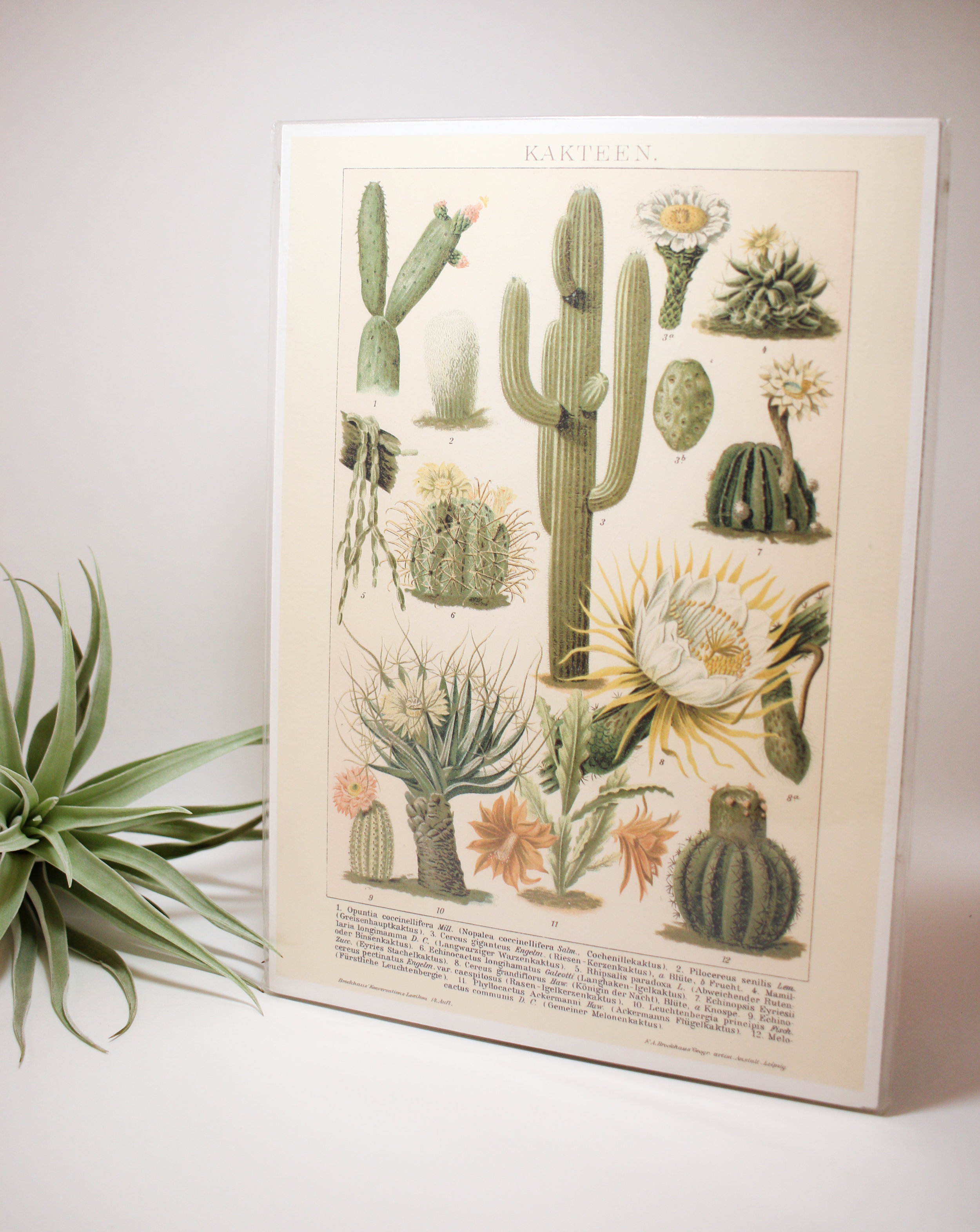
From September to December 2018, the exhibit’s curators Xochi Solis (of Chulita Vinyl Club) and Jane Hervey (of #bossbabesATX) gathered vinyl, zines, books, and artist prints from the intersecting communities of women artists and Texas music. Filled with native Texas plants, bright furniture and stacked books and vinyl records, Solis and Hervey turned the Texas State University Brazos Hall gallery into a space prompted by queer Chicana poet, writer, and feminist theorist Gloria E. Anzaldúa's essay "Geographies of Selves.”
Our bodies are geographies of selves made up of diverse, bordering, and overlapping “countries.” We’re each composed of information, billions of bits of cultural knowledge superimposing many different categories of experience . . . As our bodies interact with internal and external, real and virtual, past and present environments, people, and objects around us, we weave (tejemos), and are woven into, our identities.
― Gloria E. Anzaldúa, Excerpt from essay Geographies of Selves, 2015.
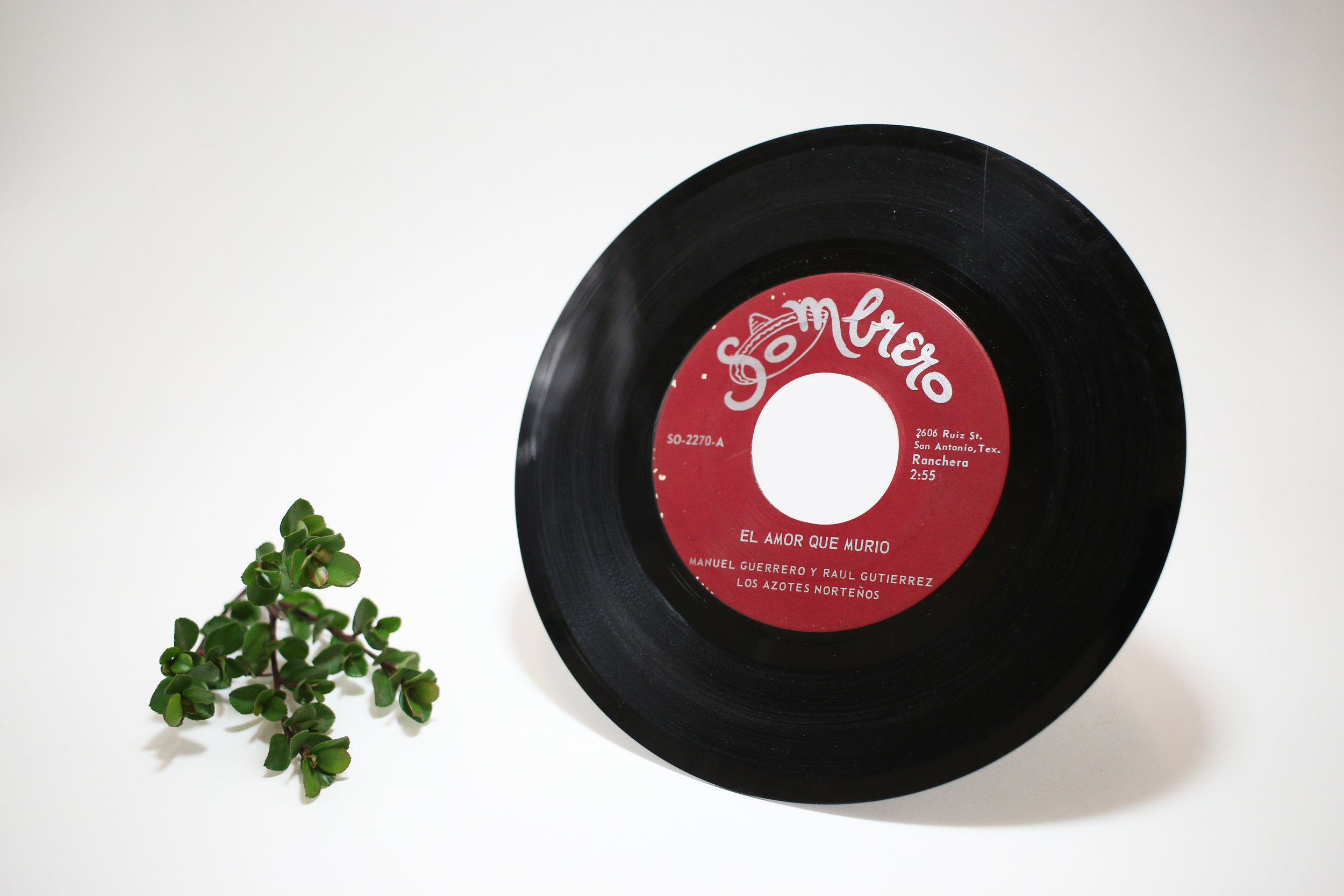
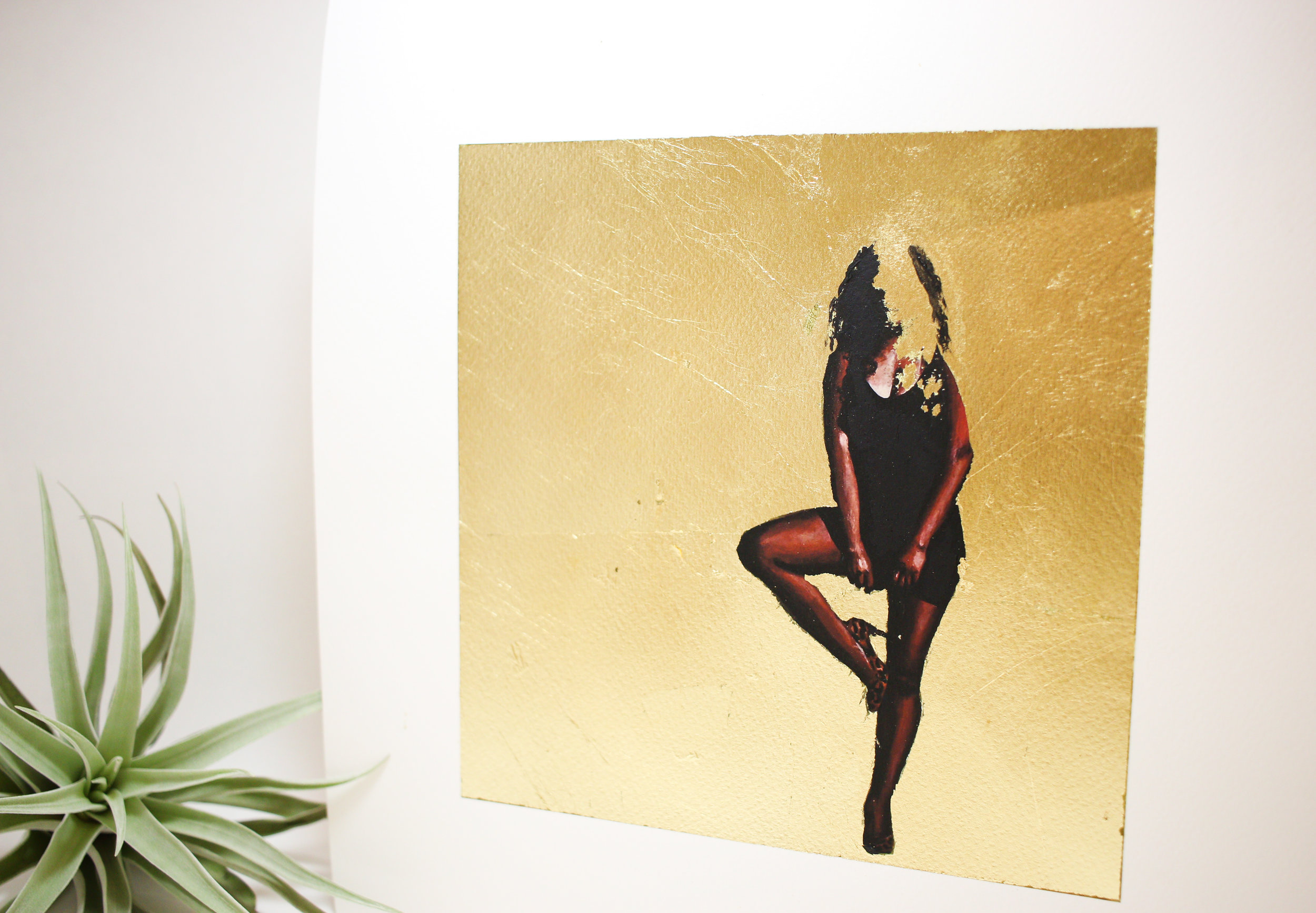
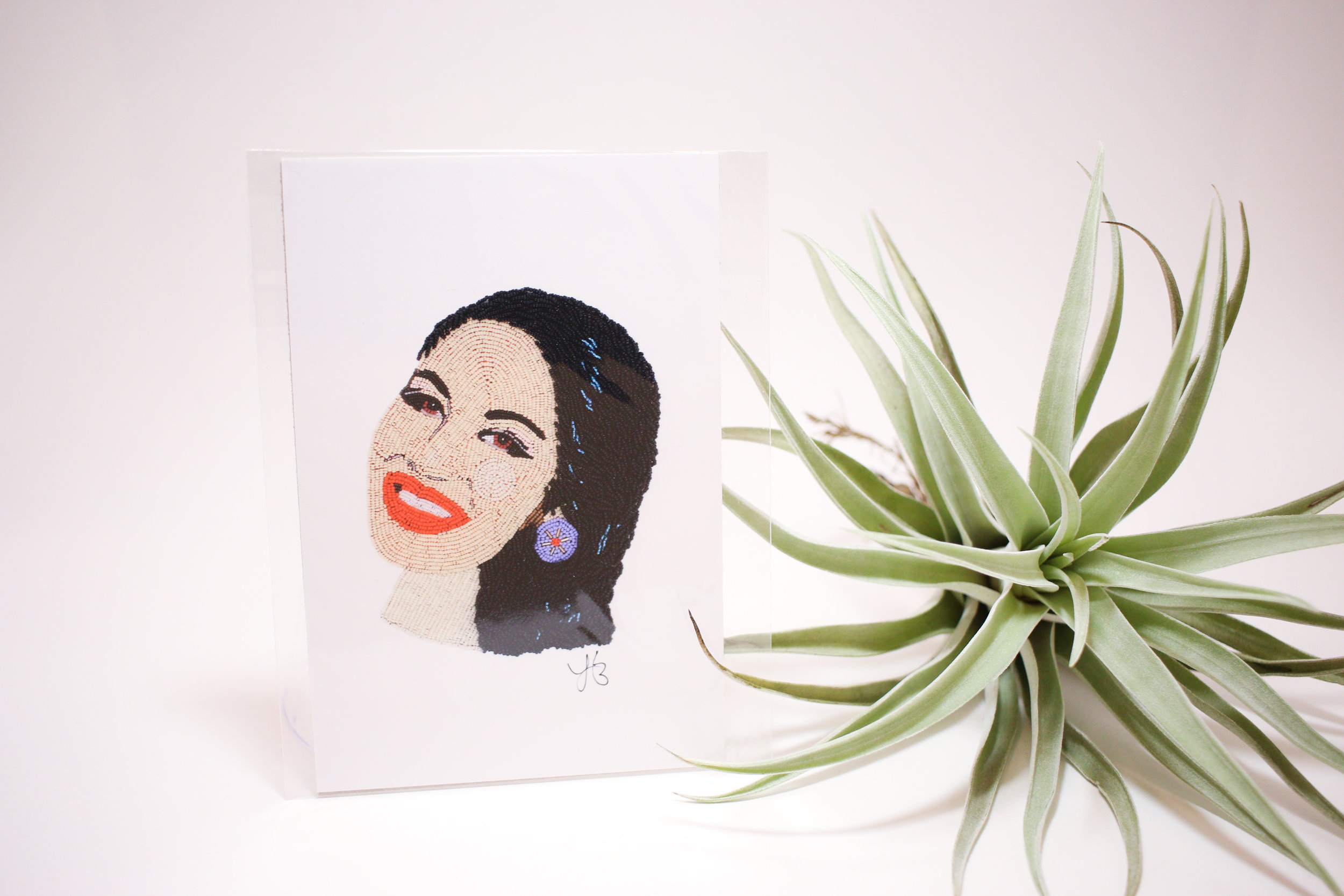
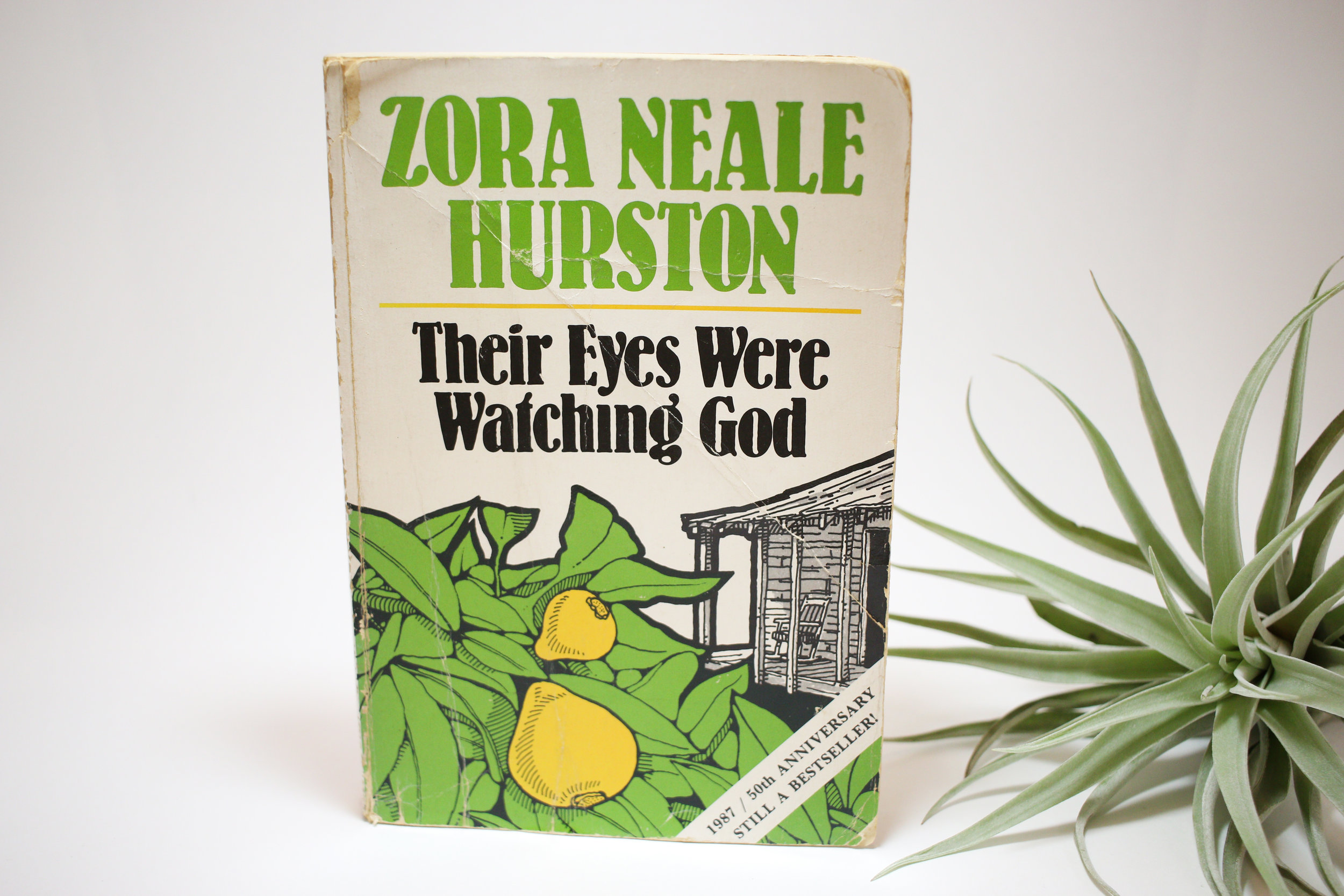
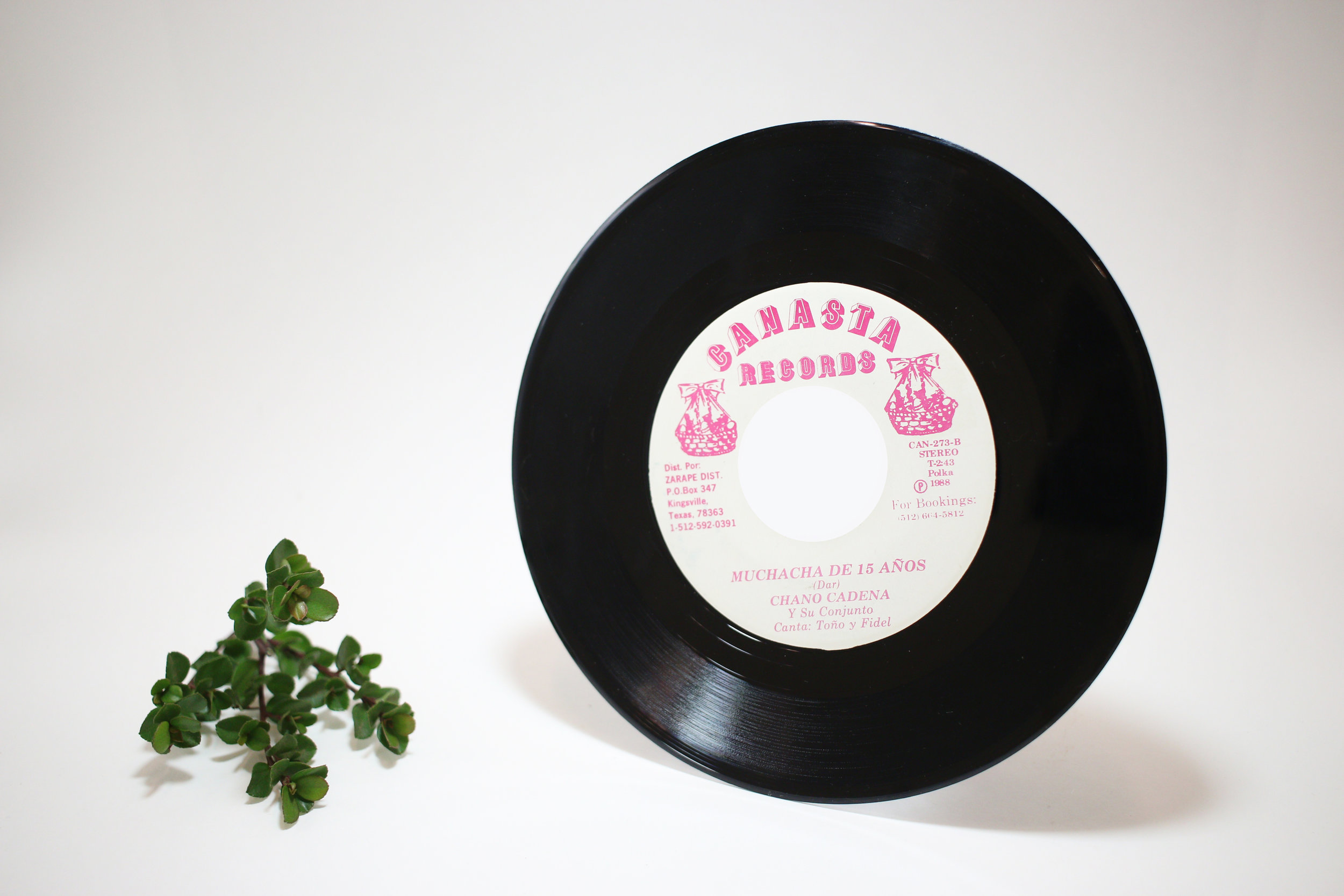
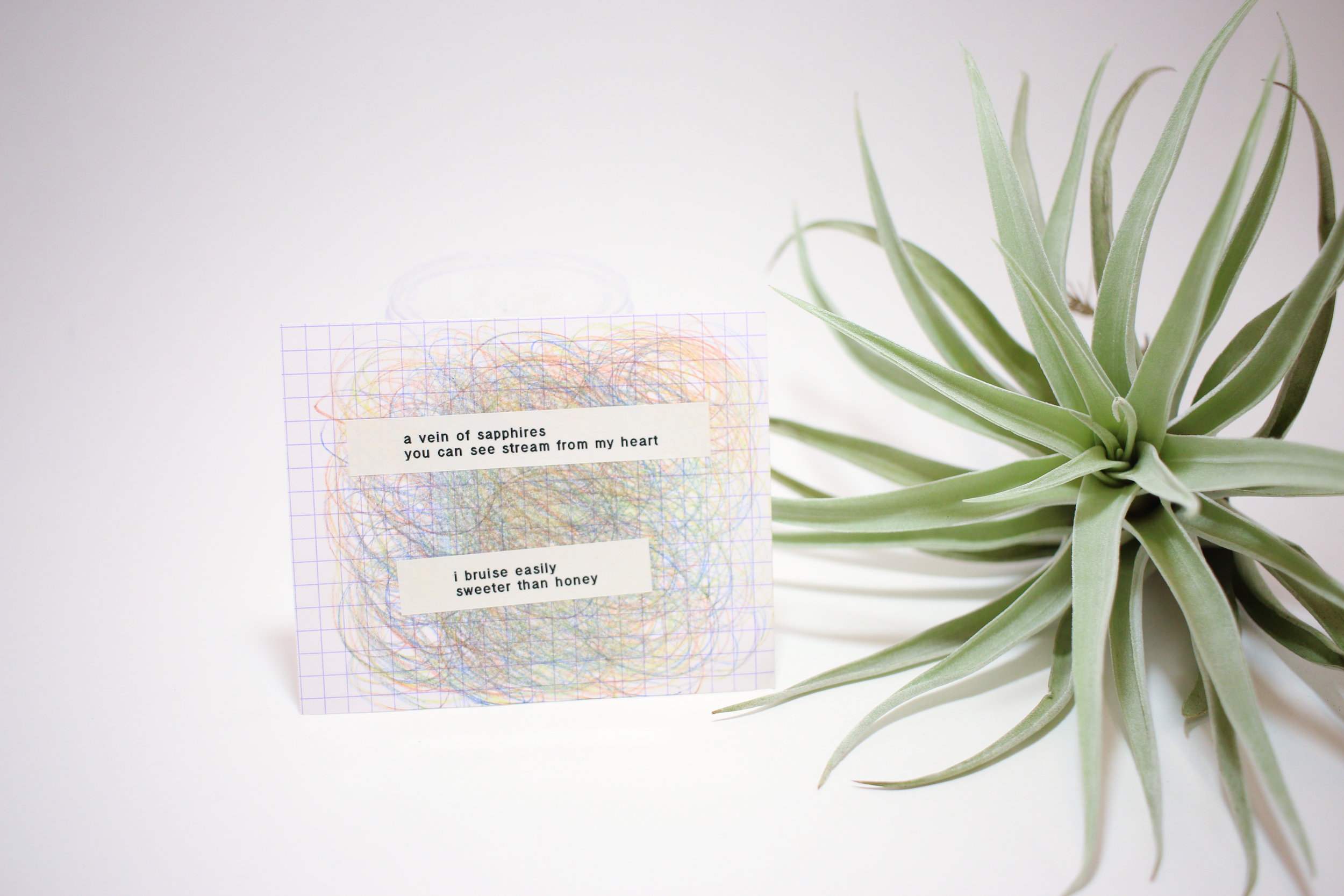
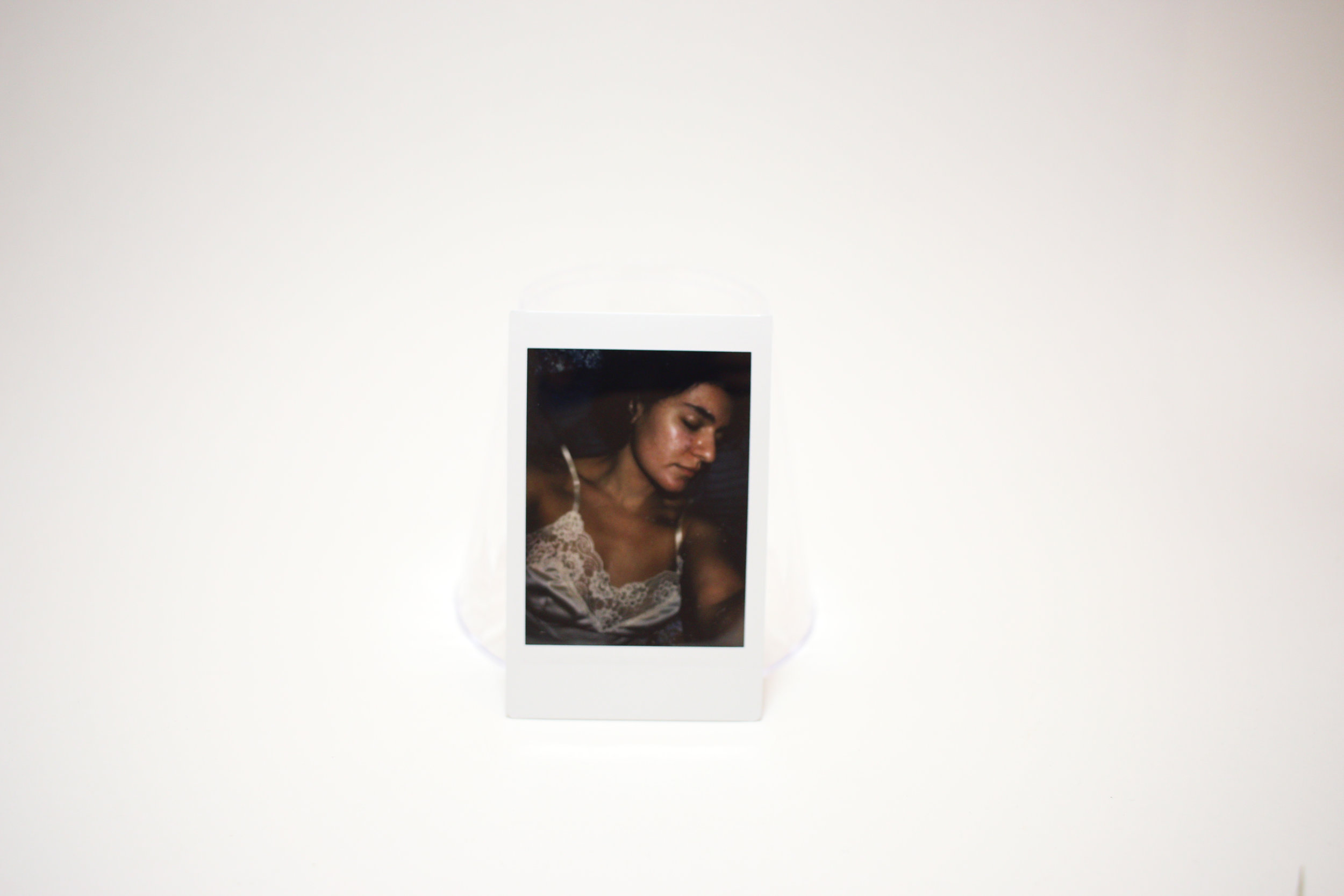
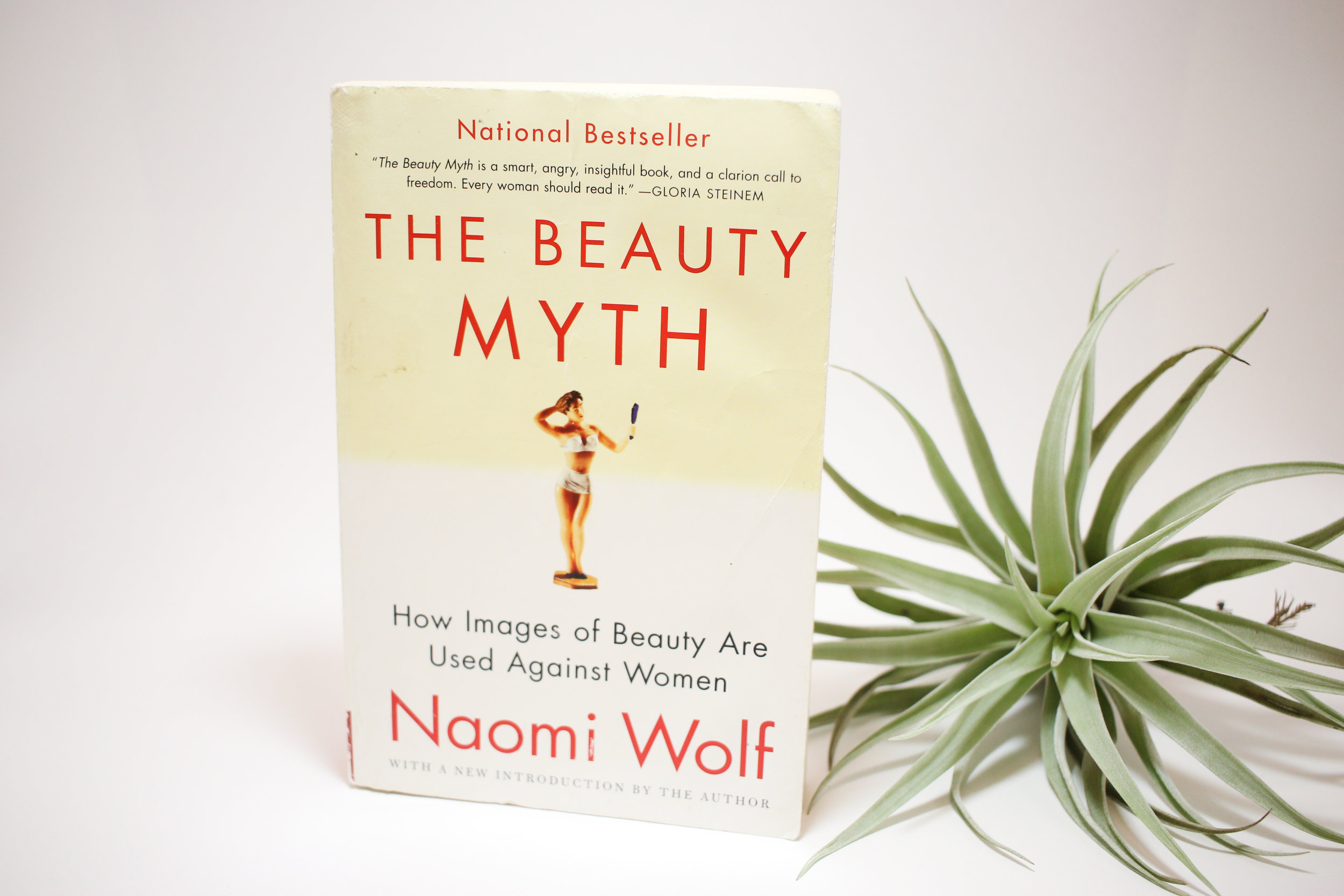
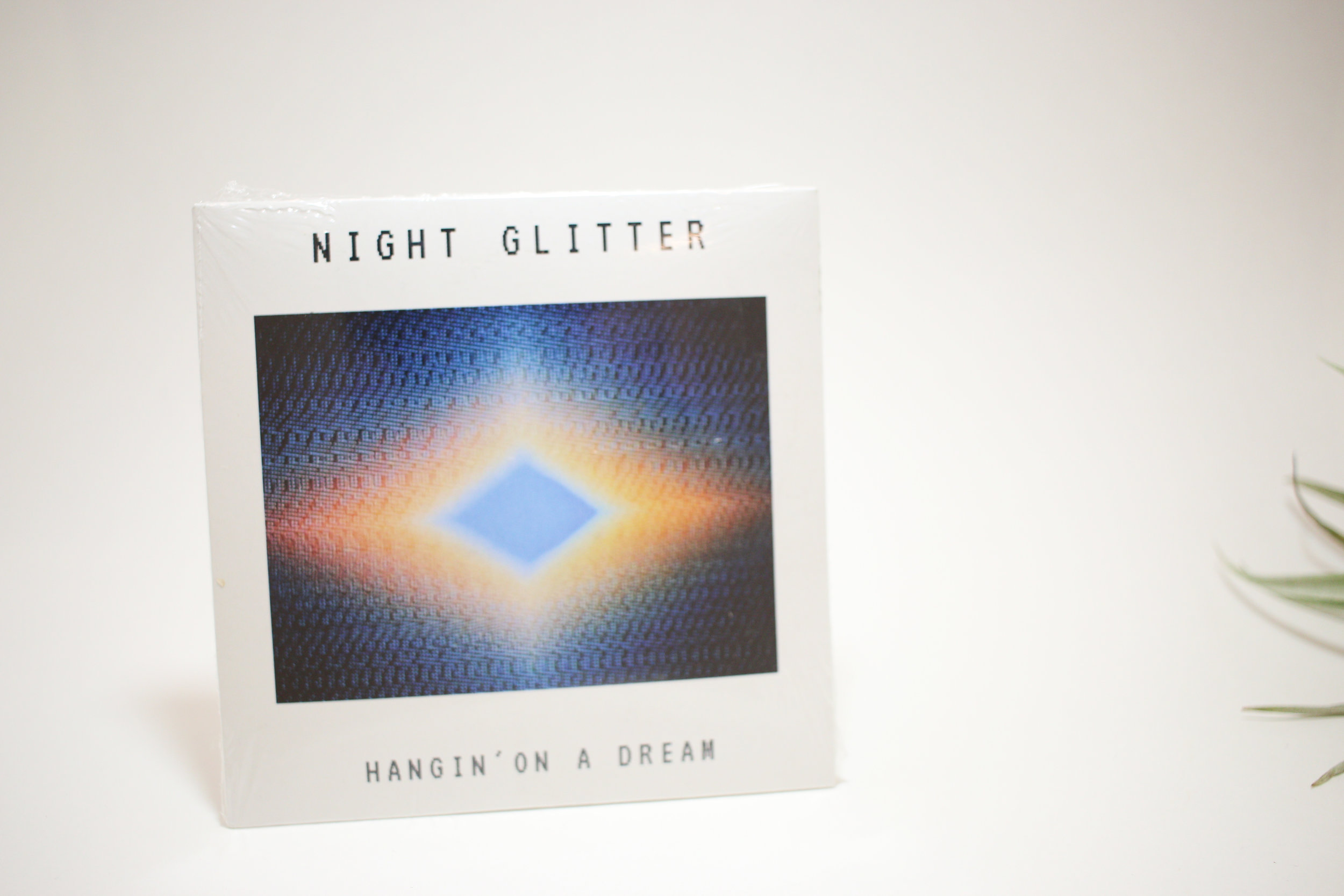
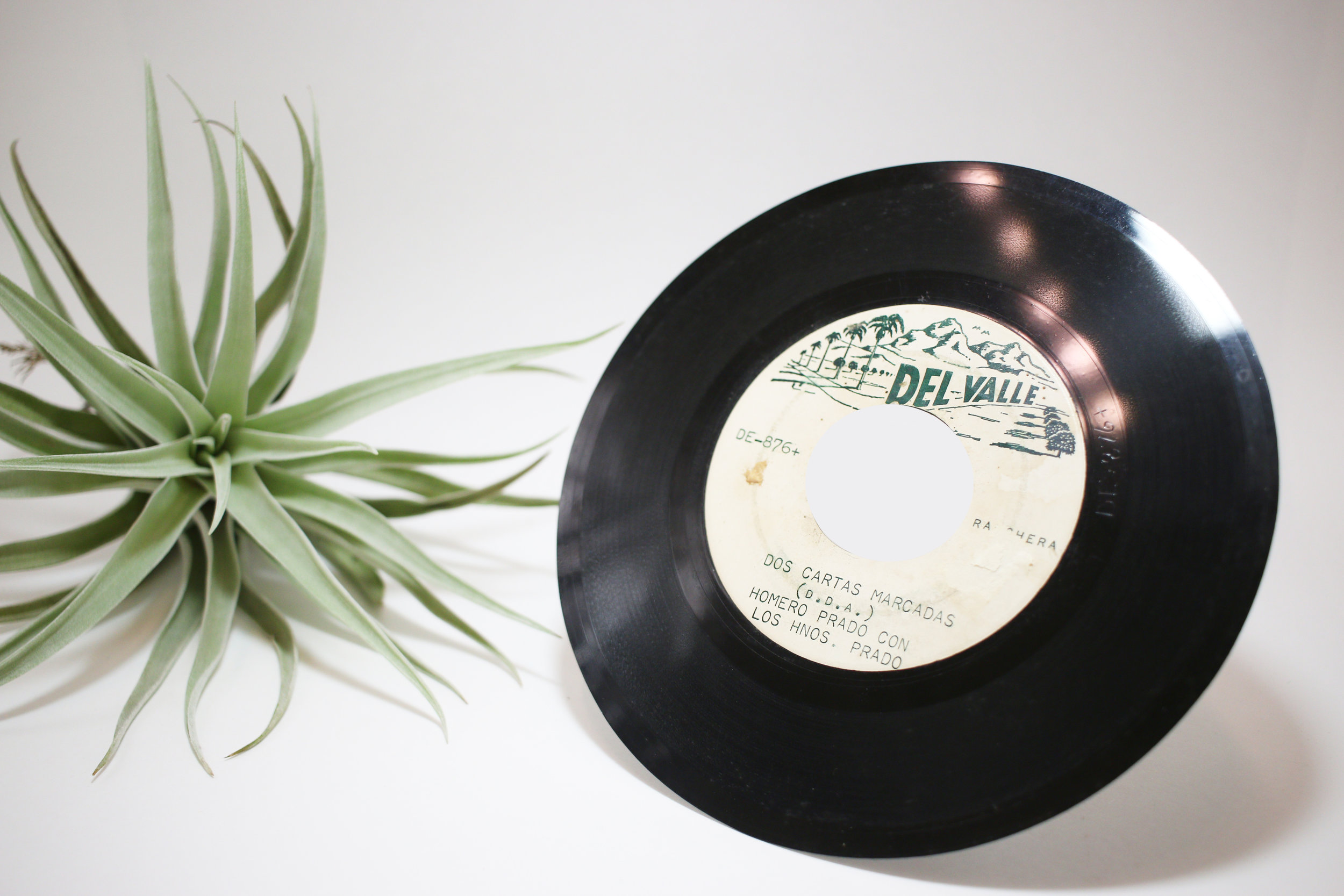
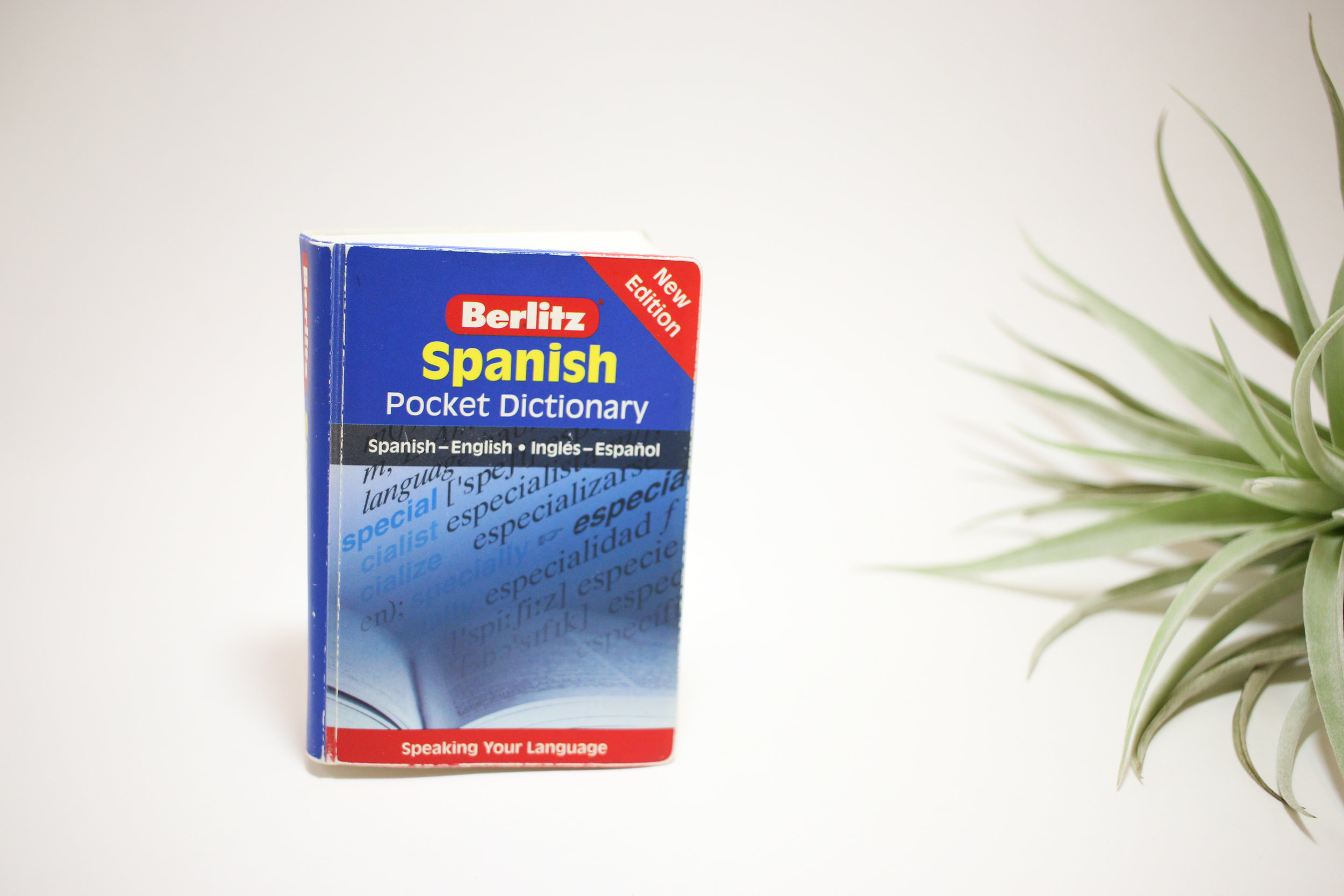
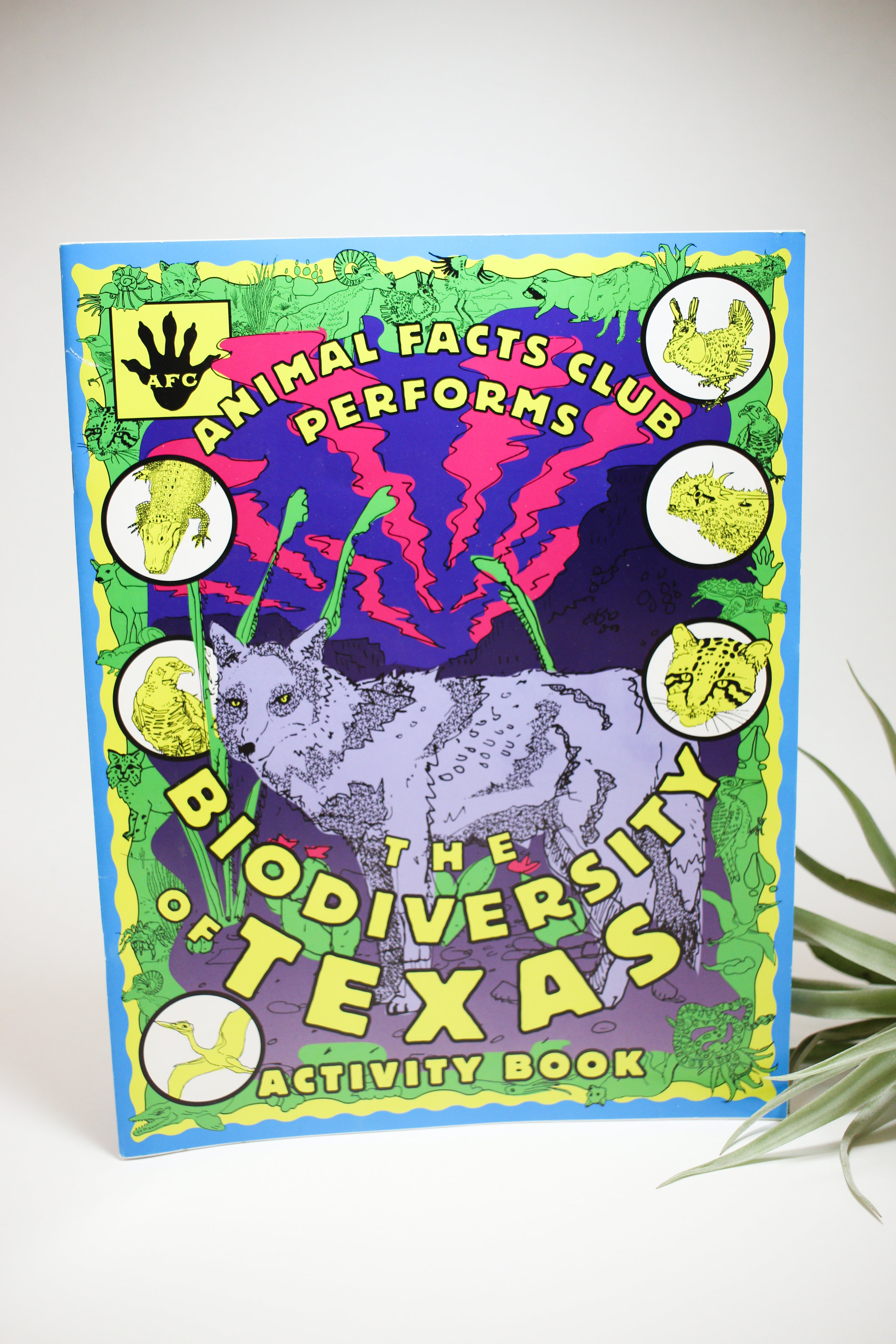
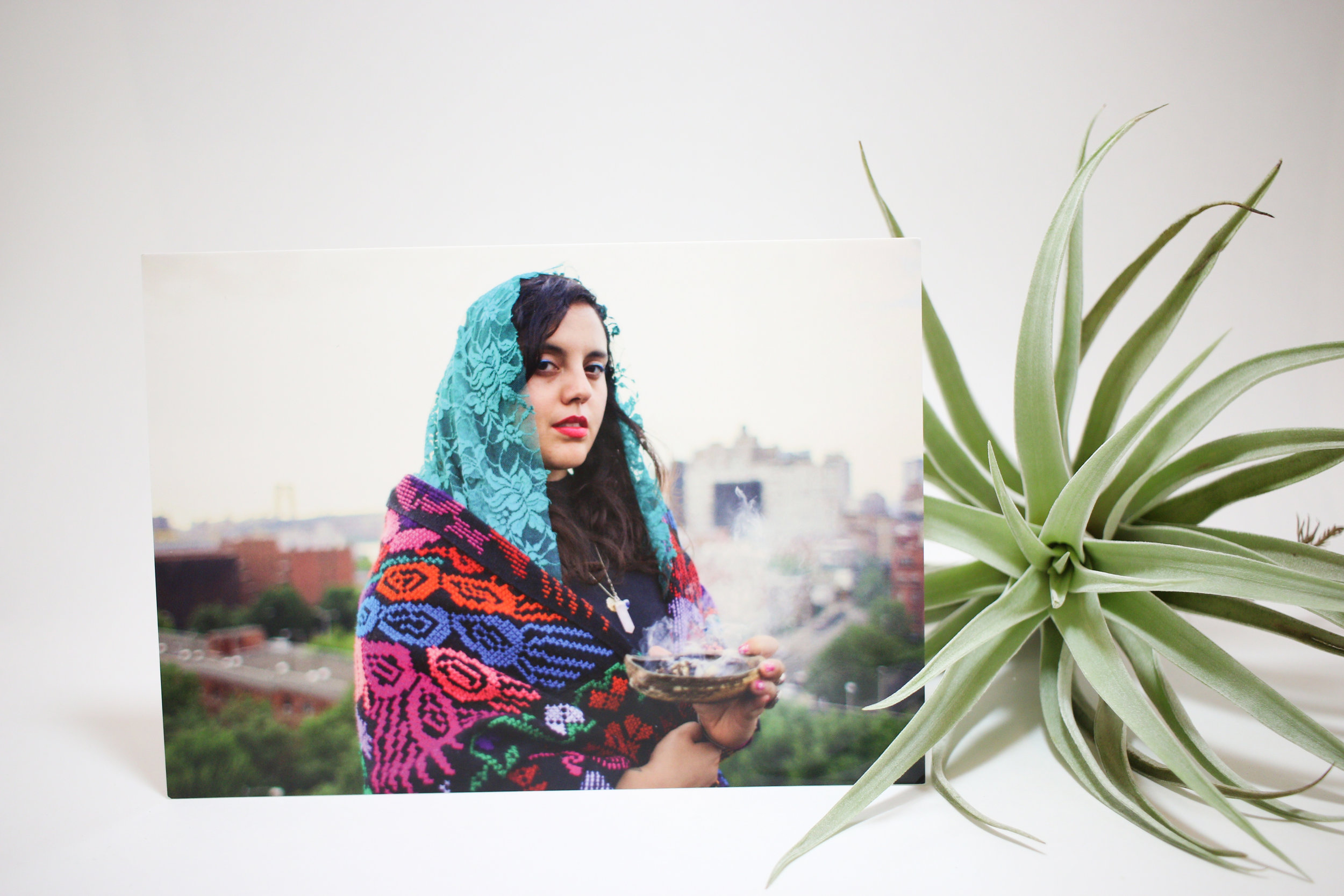
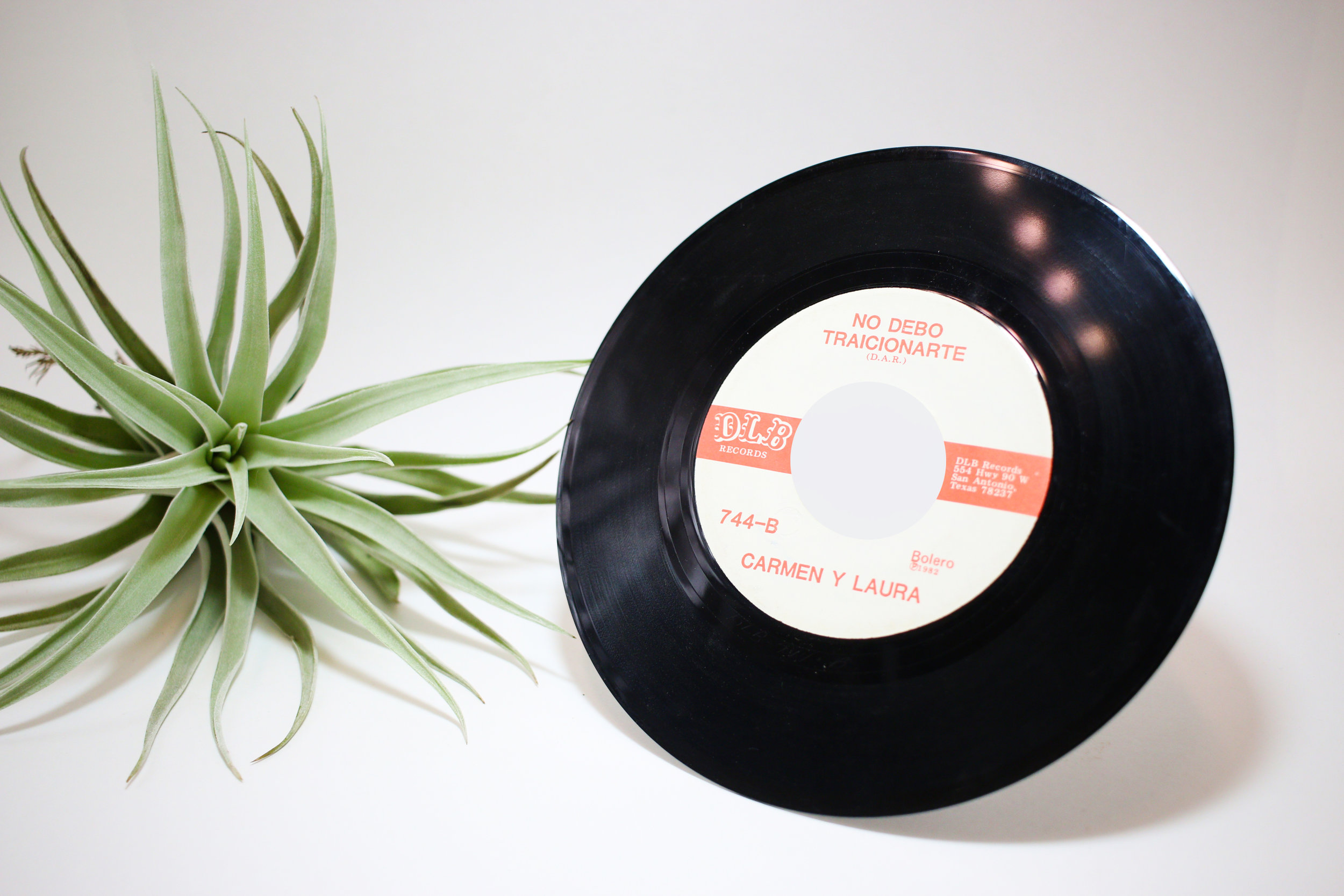
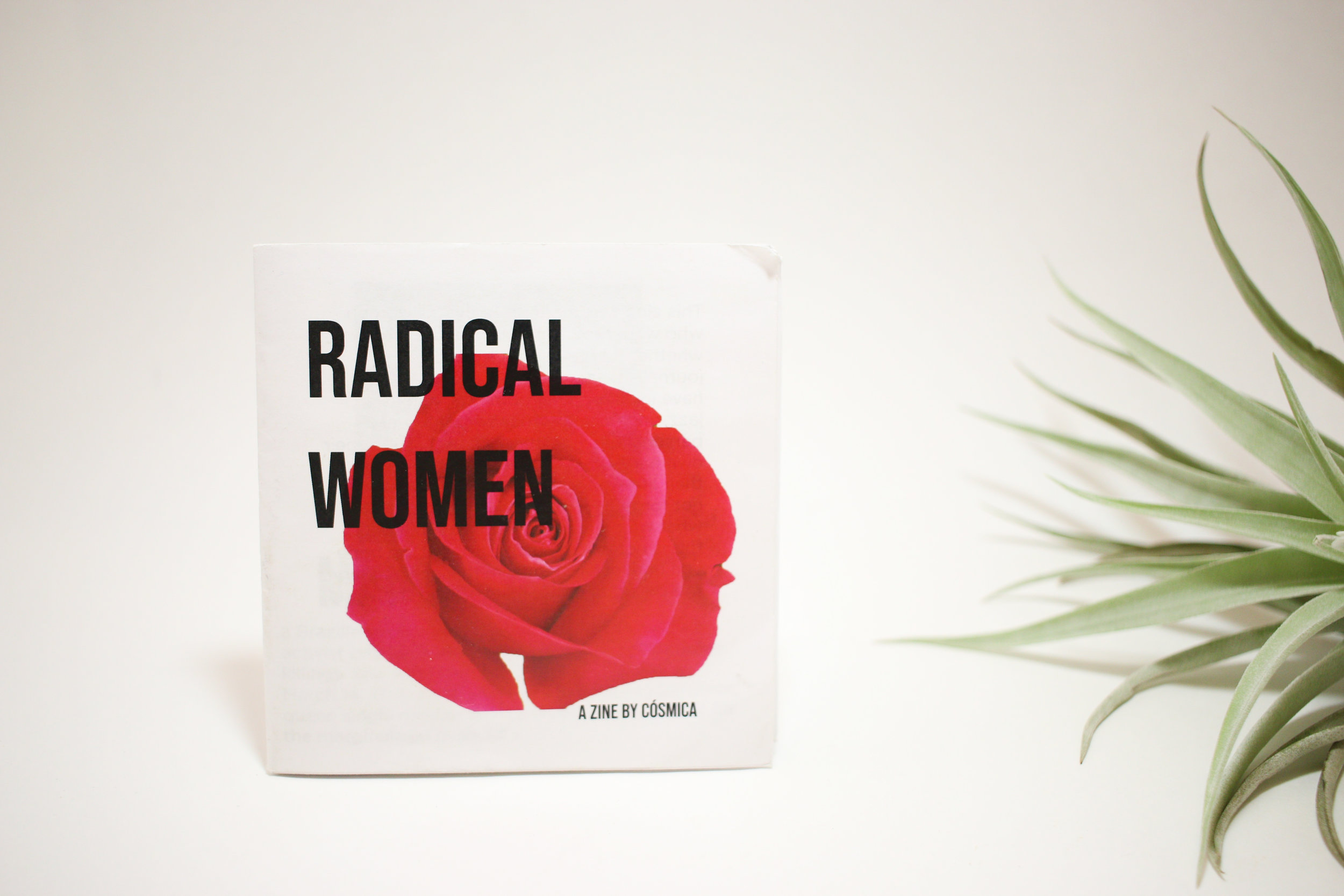
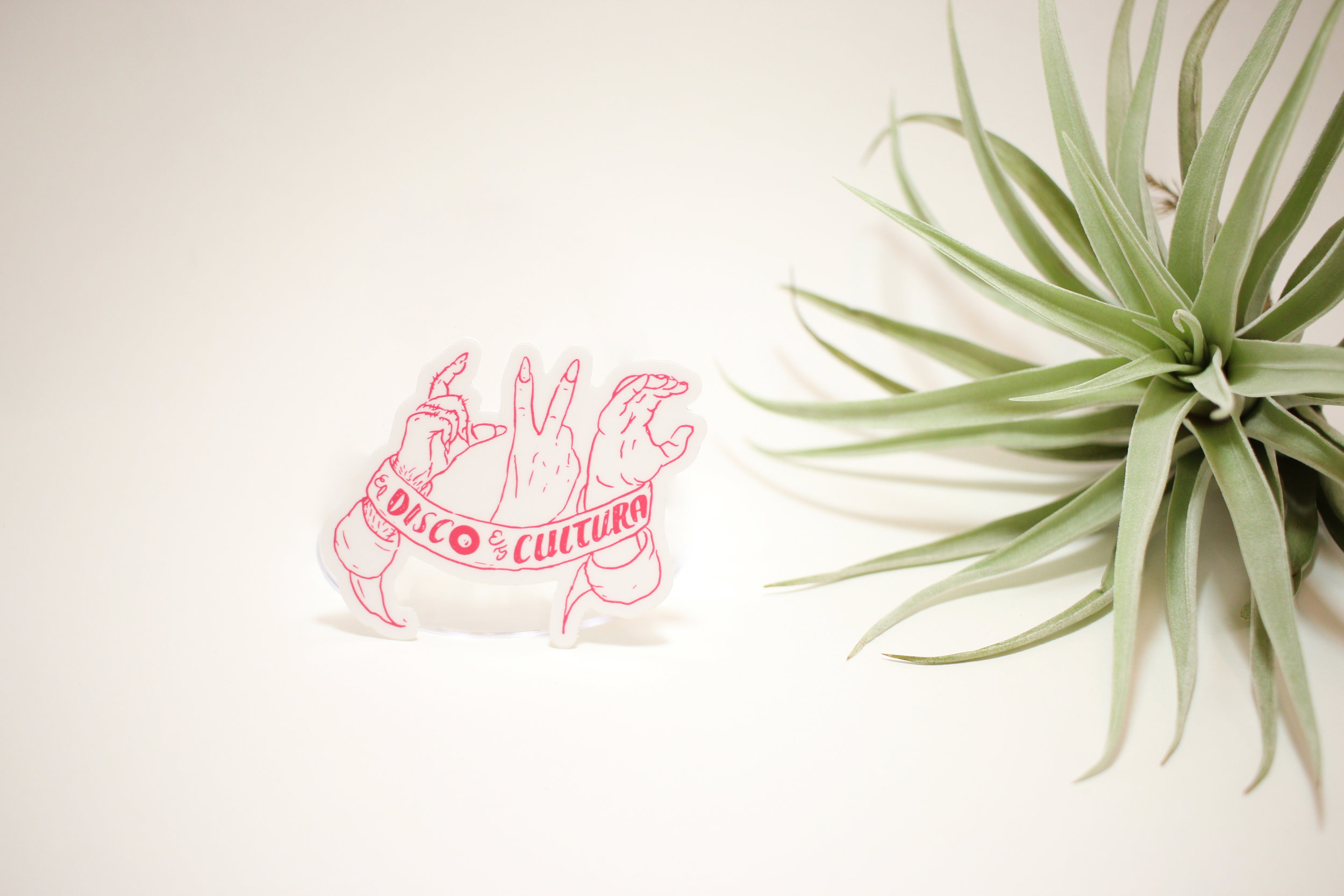
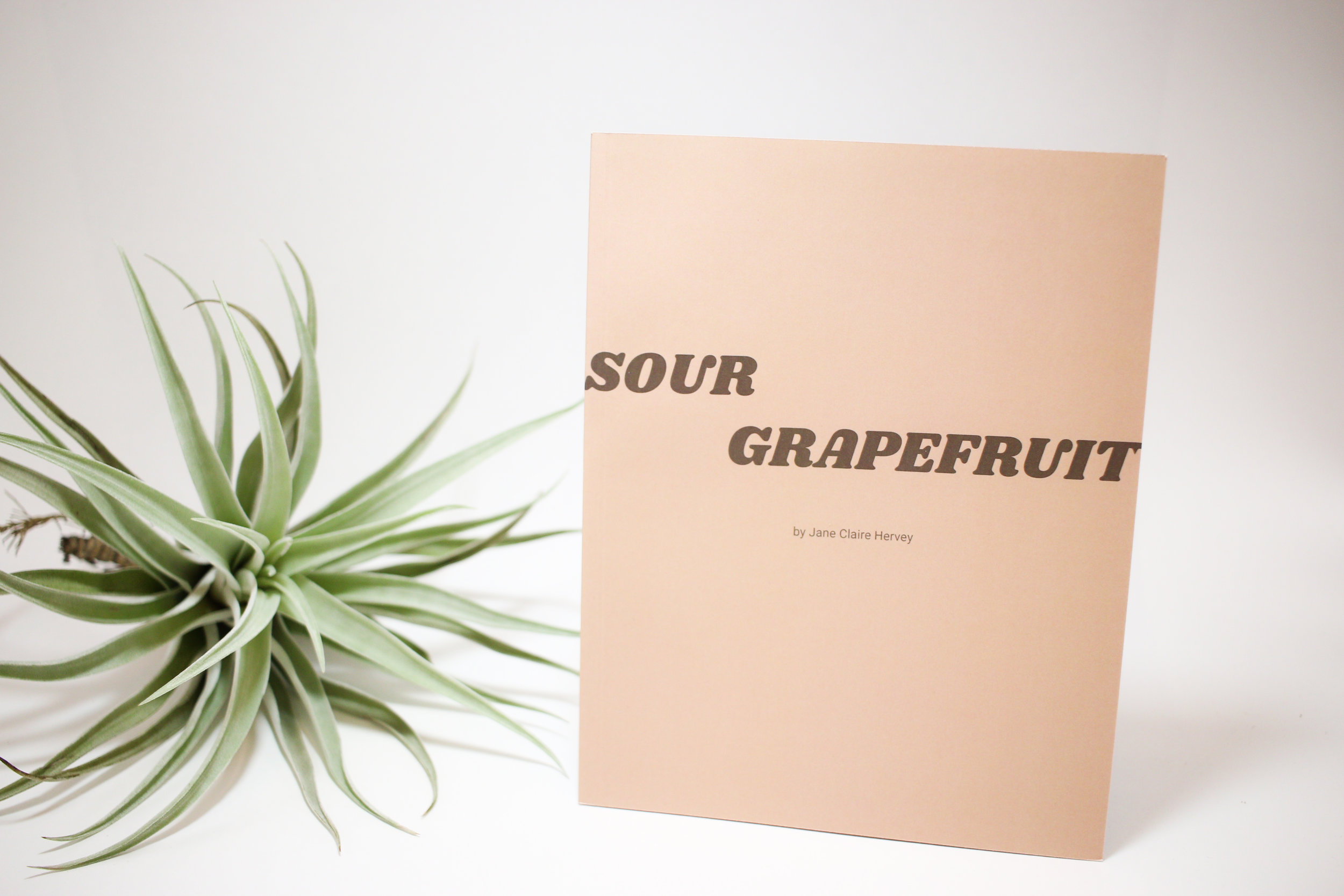
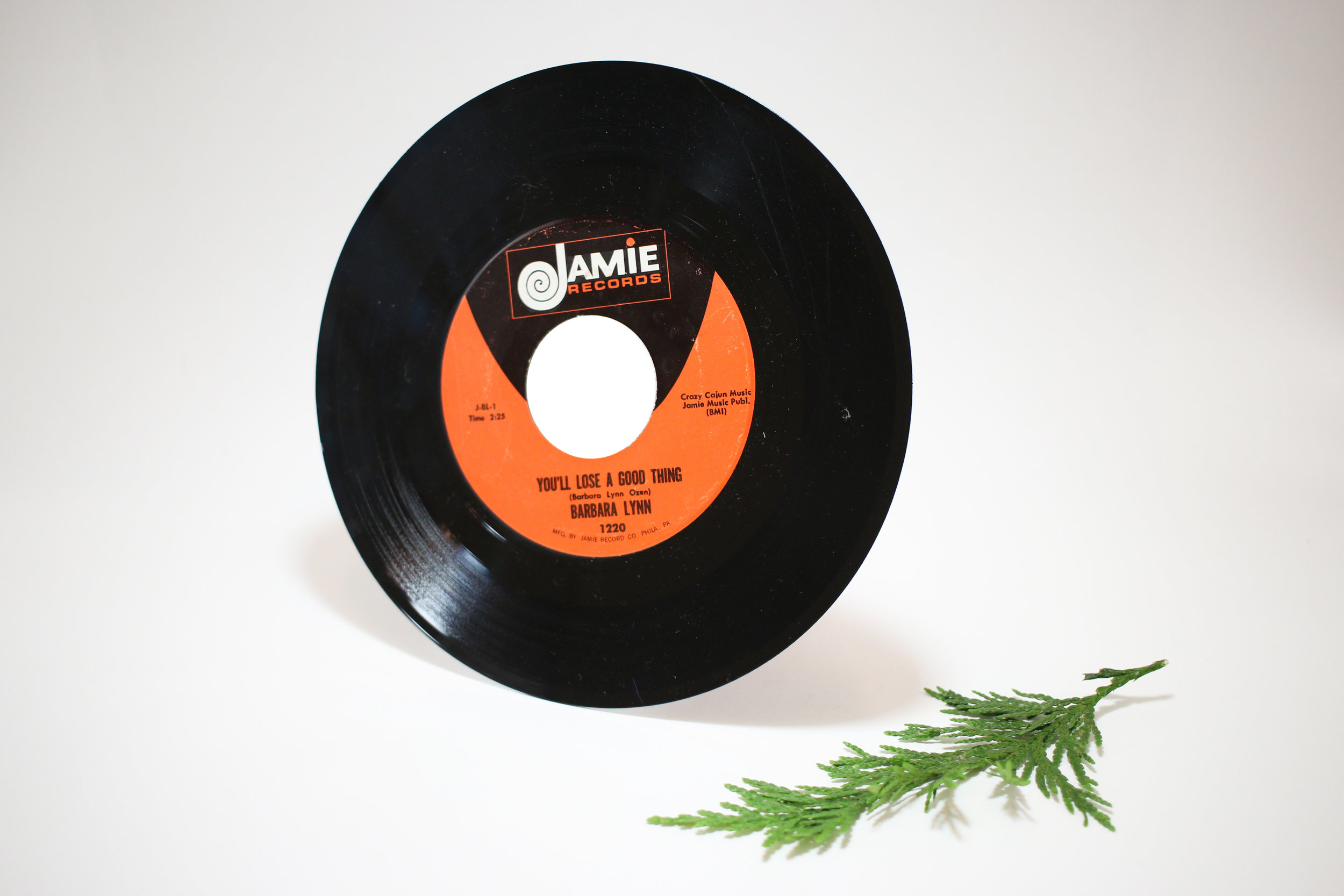
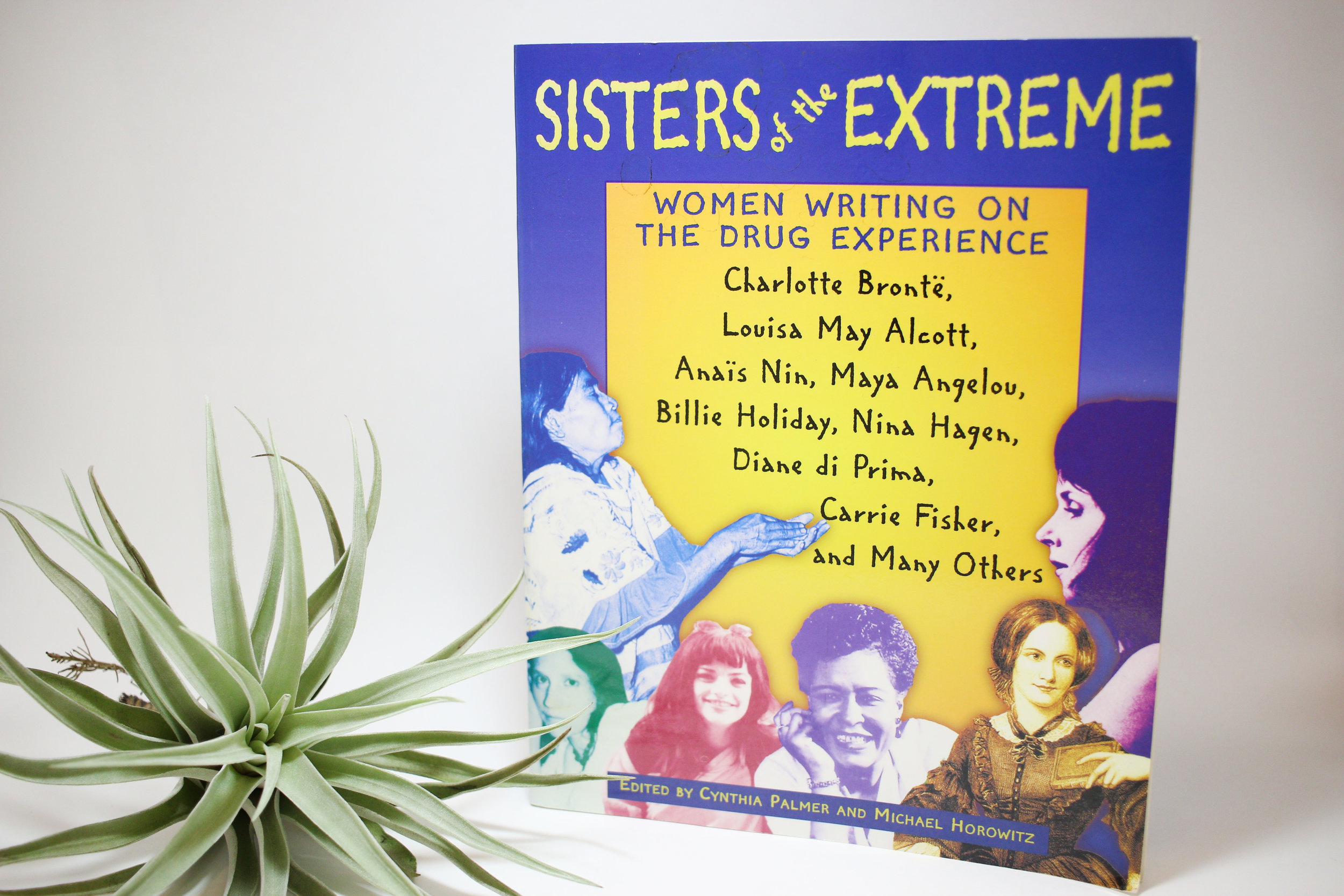
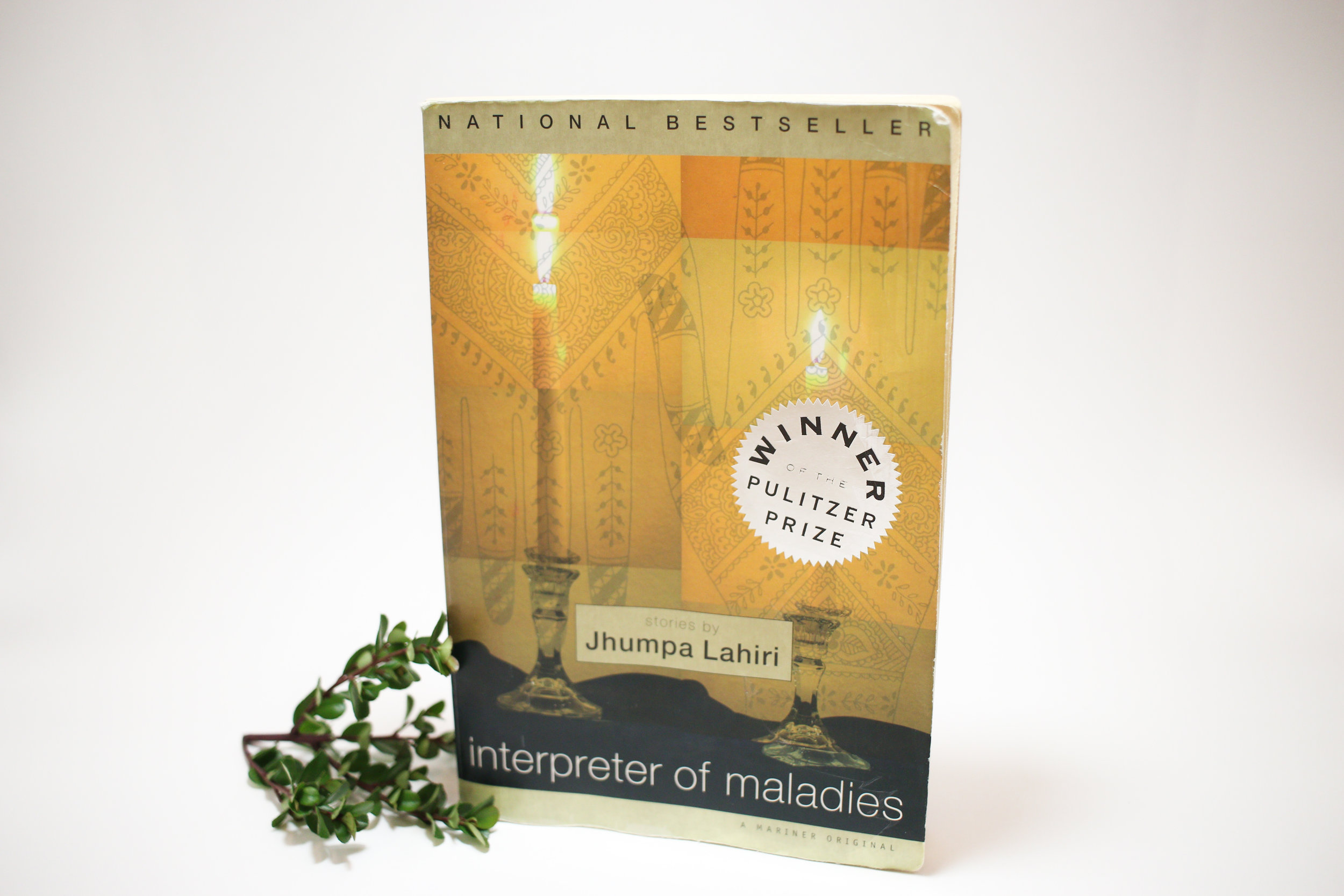
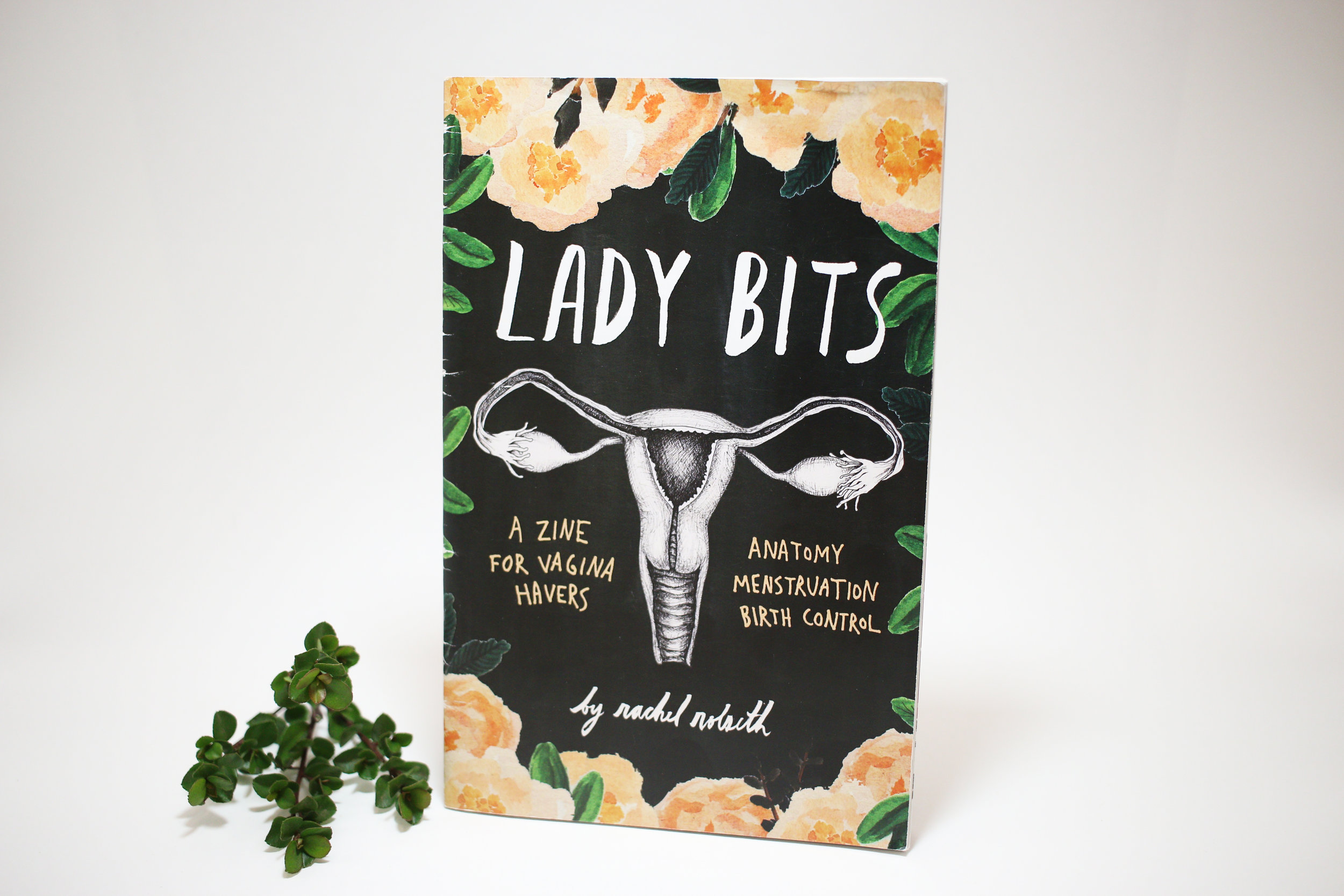
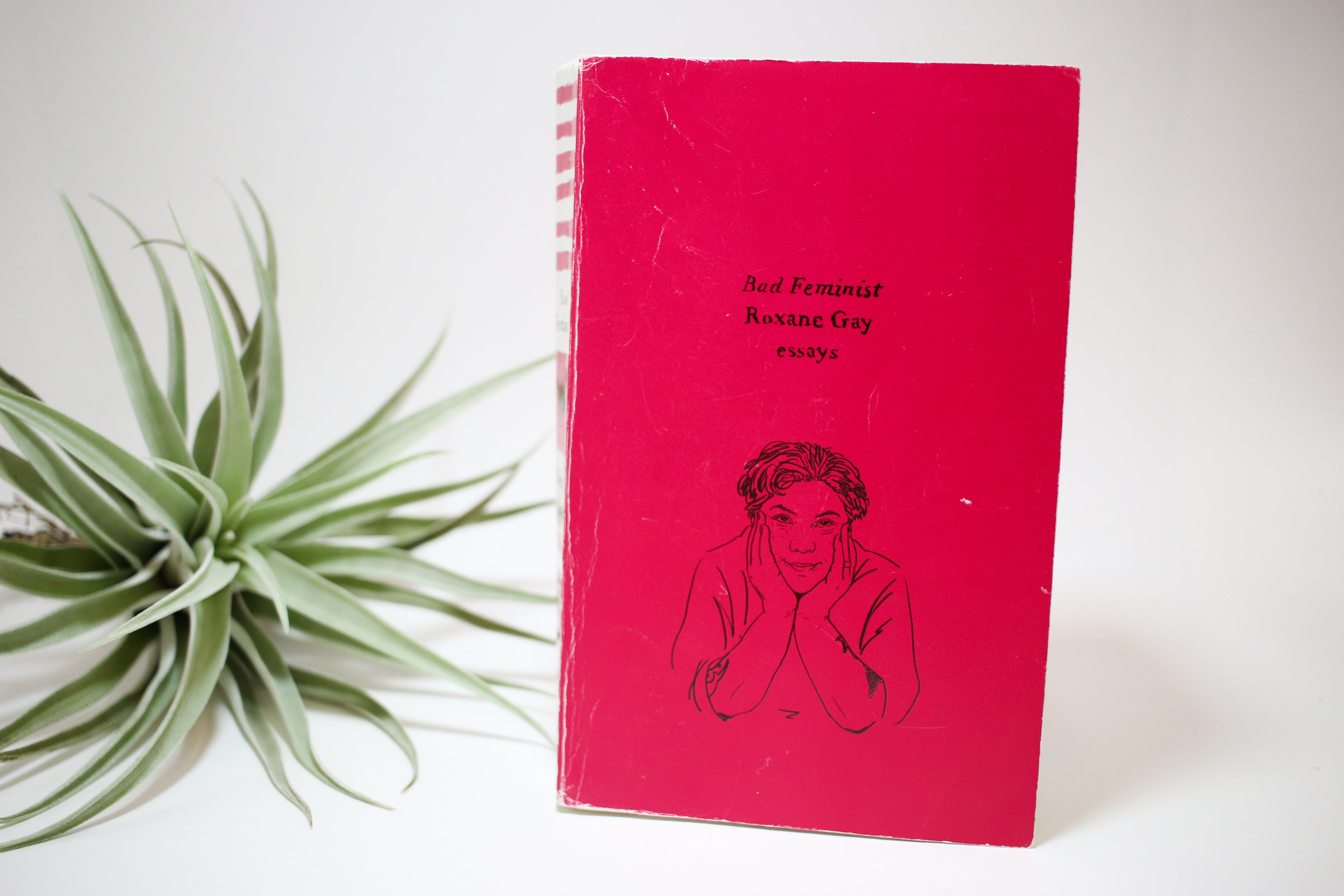
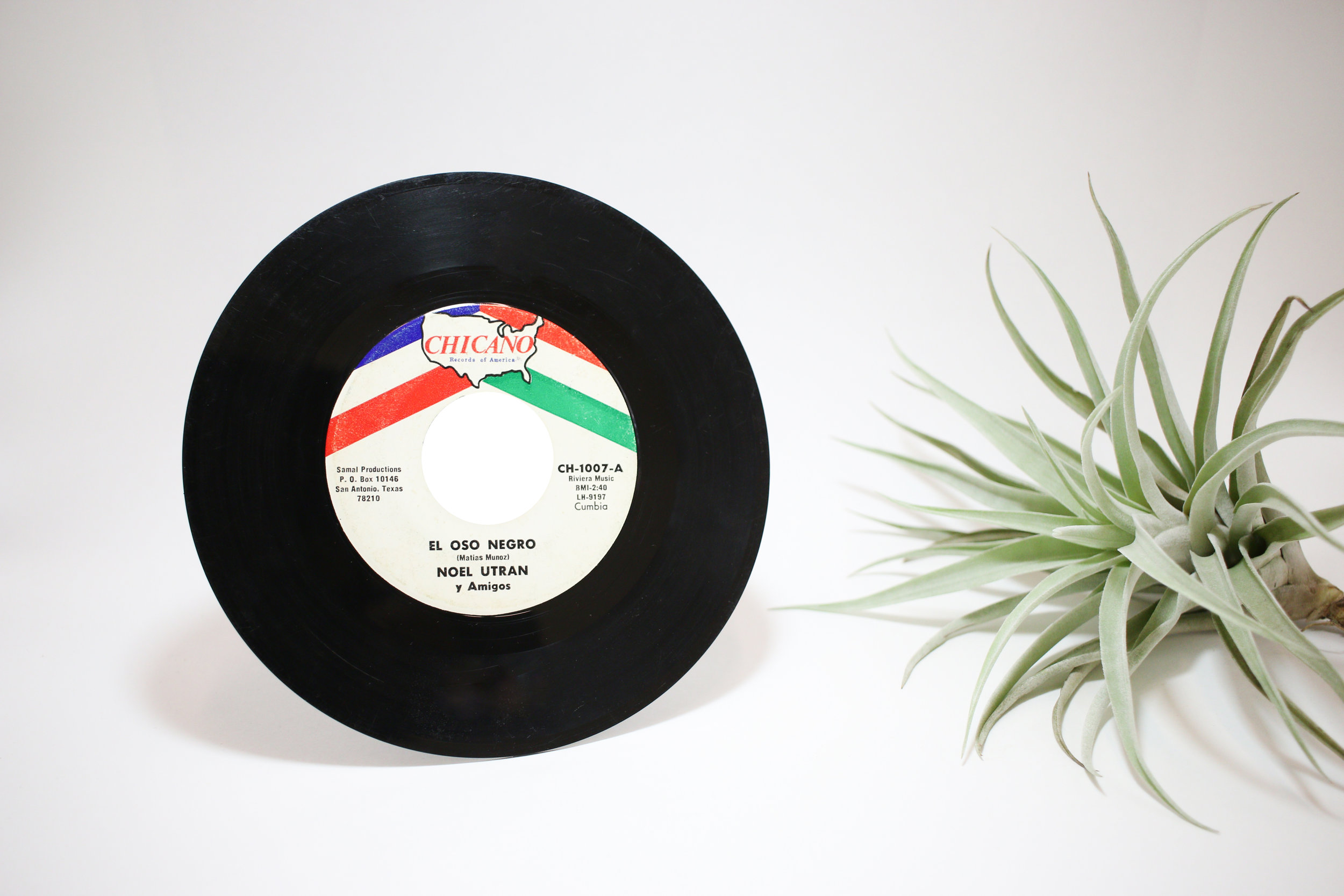
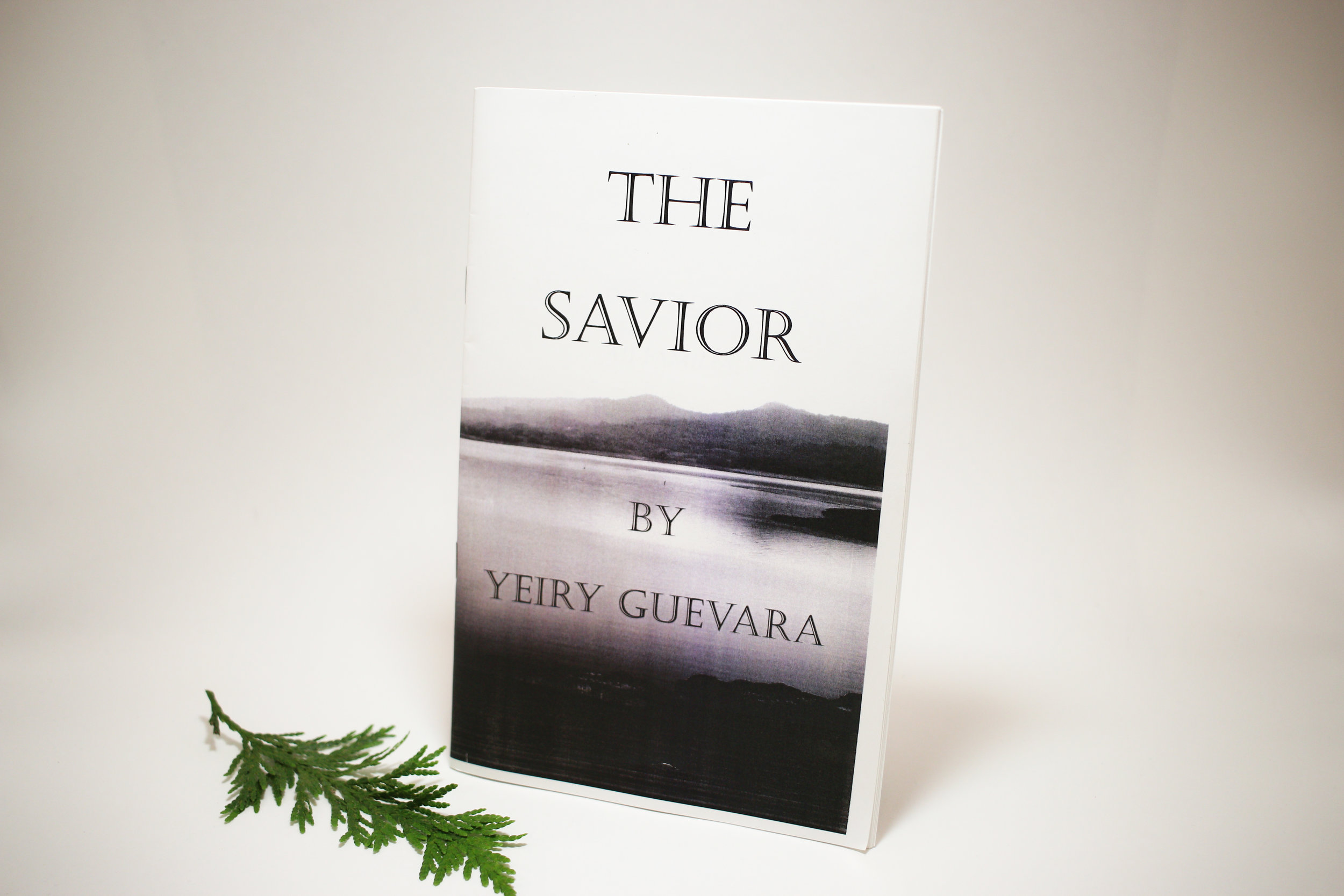

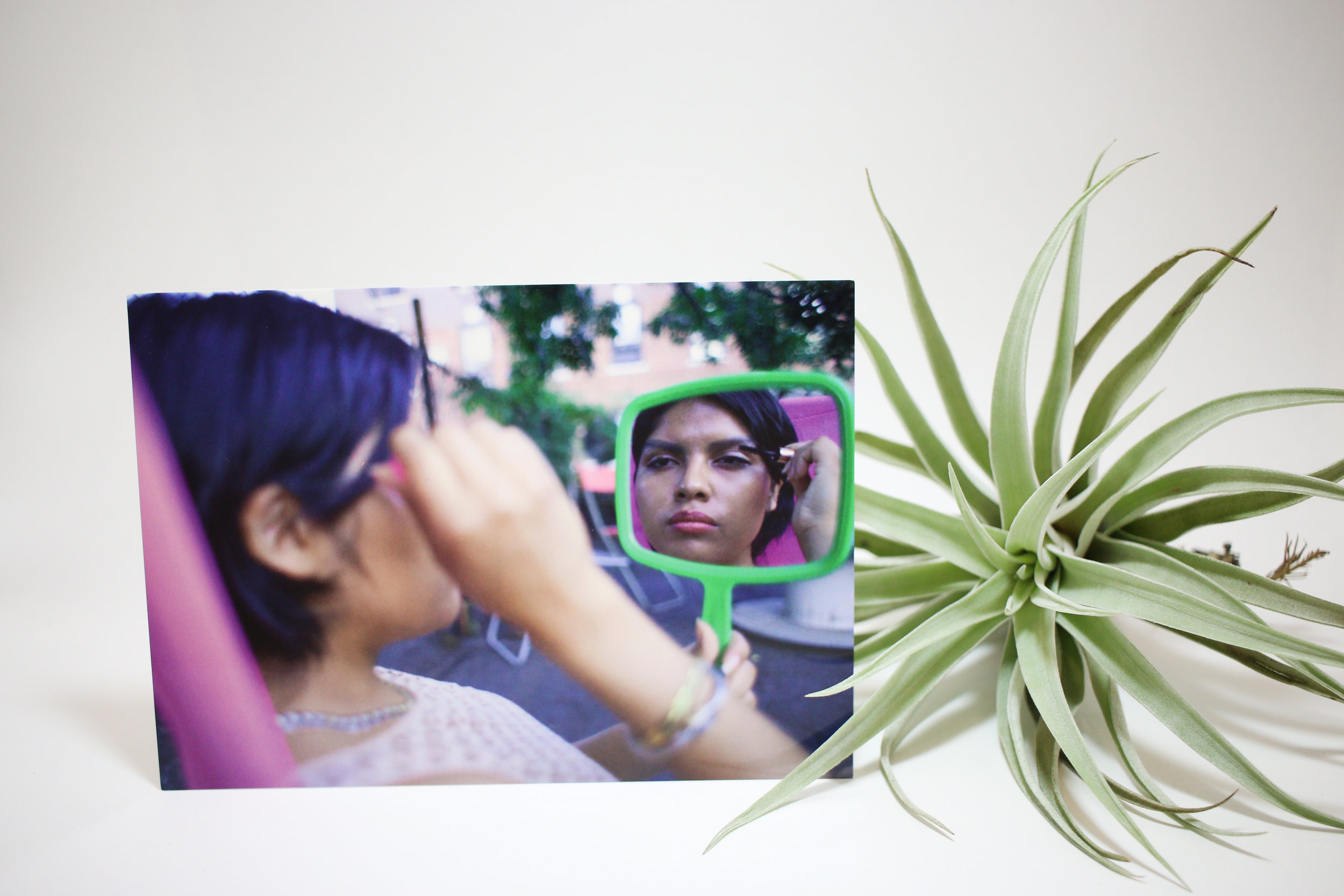
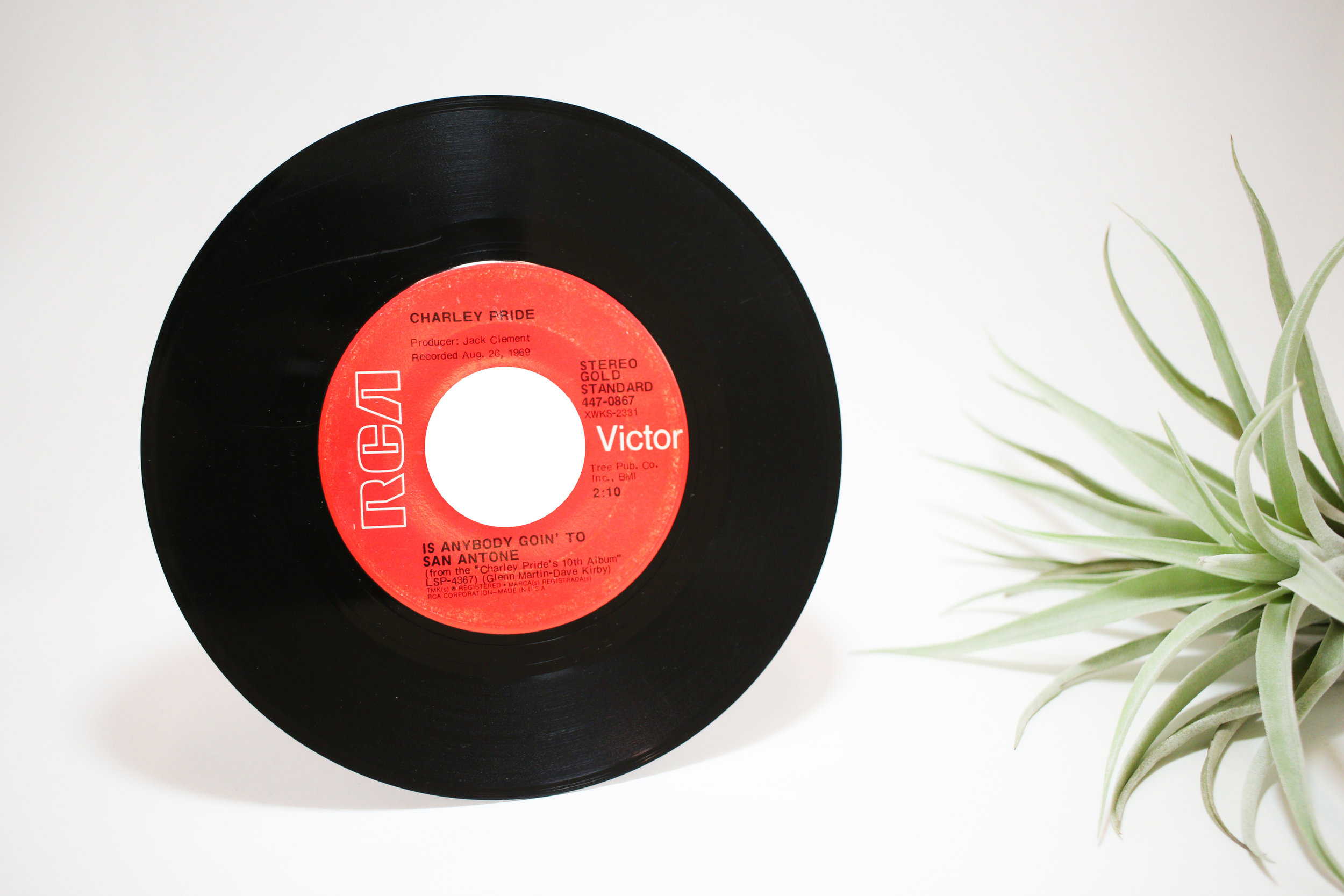
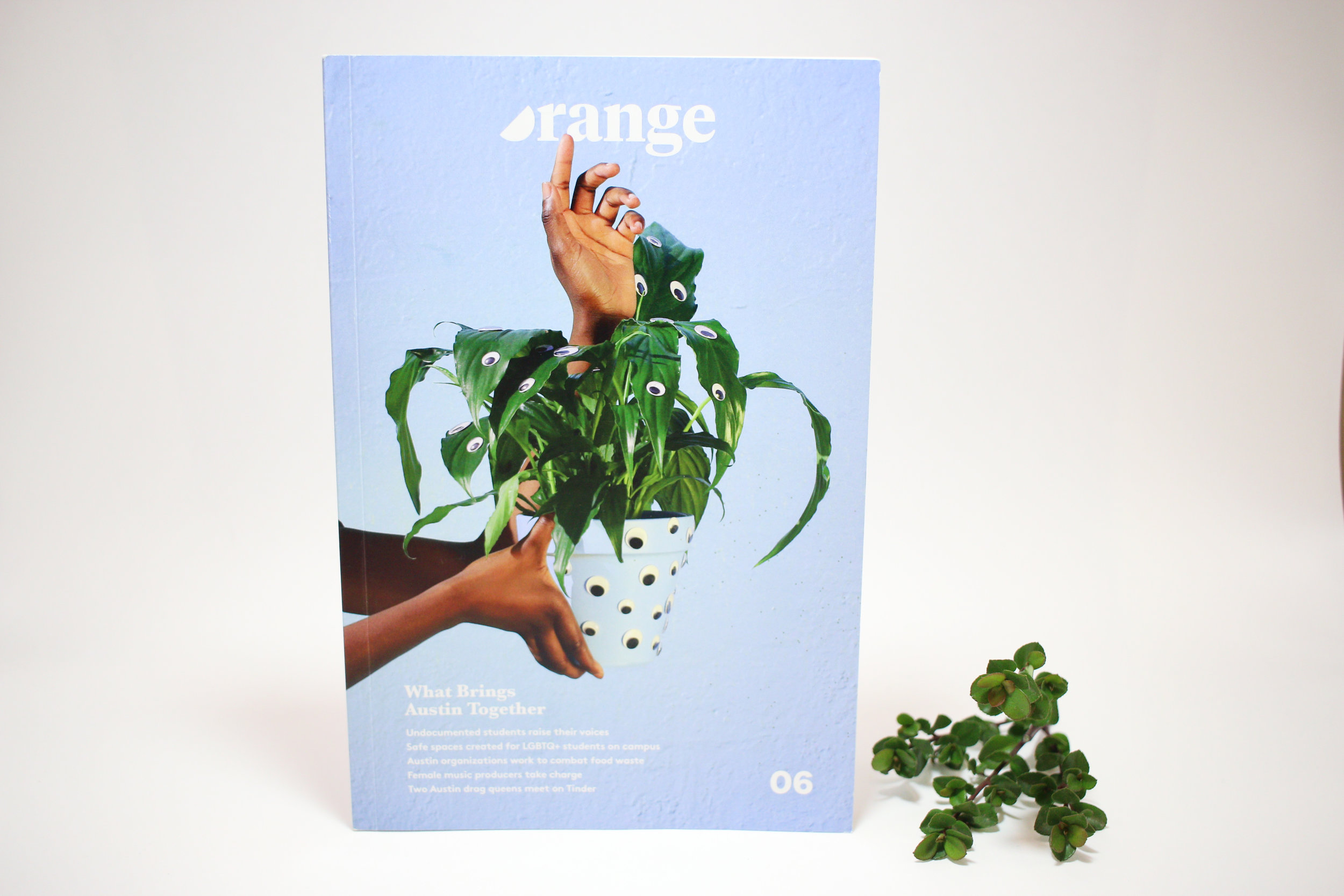
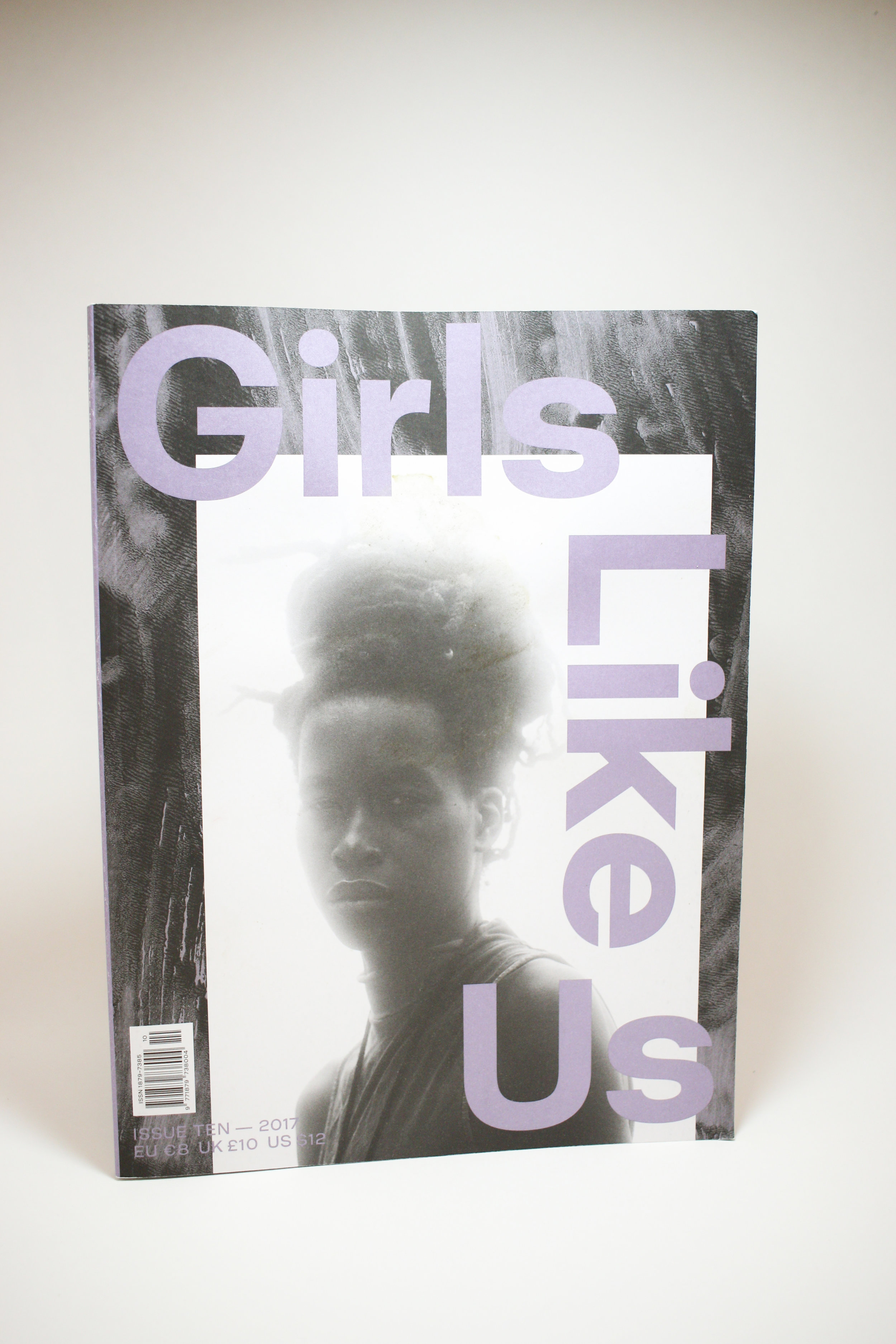

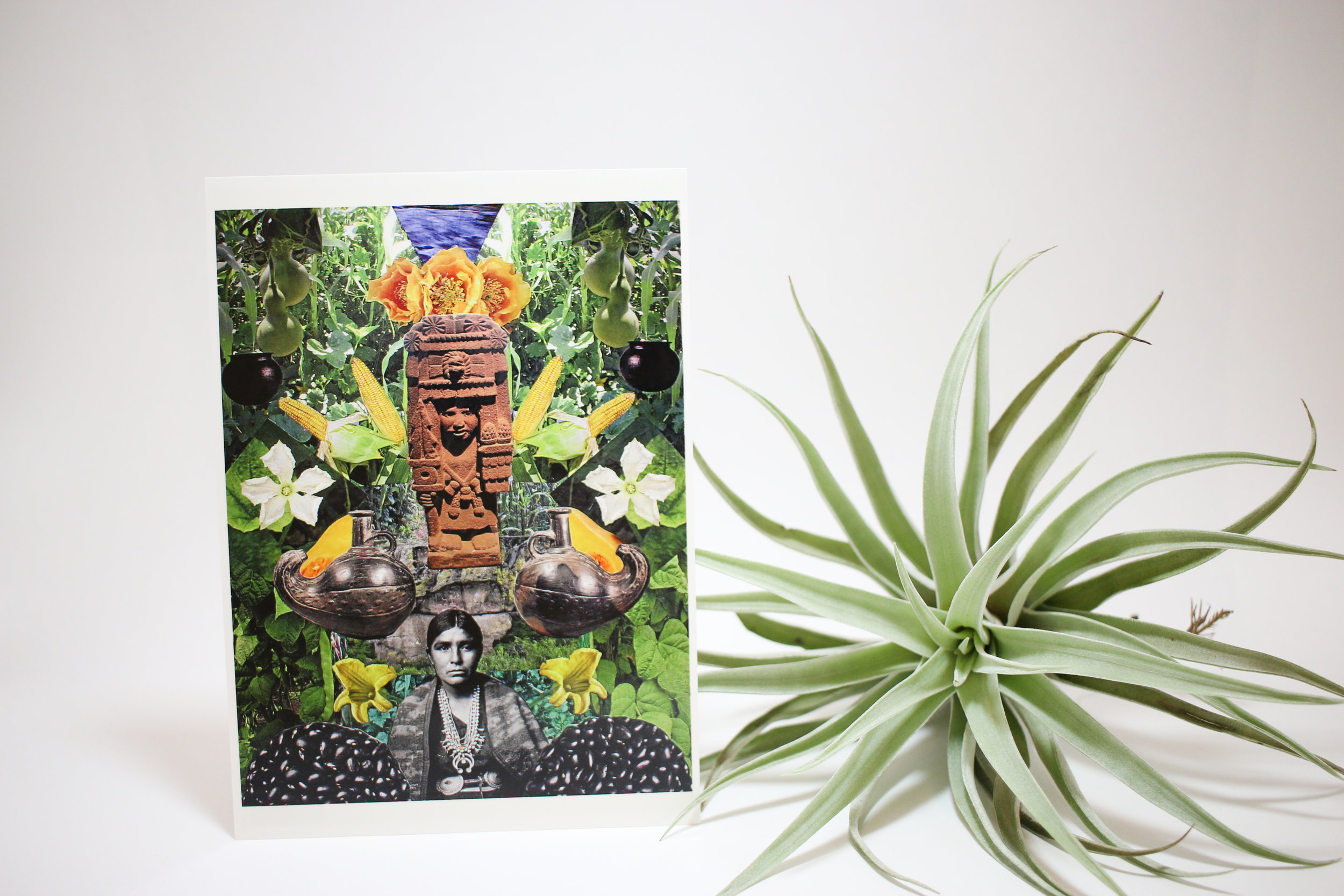
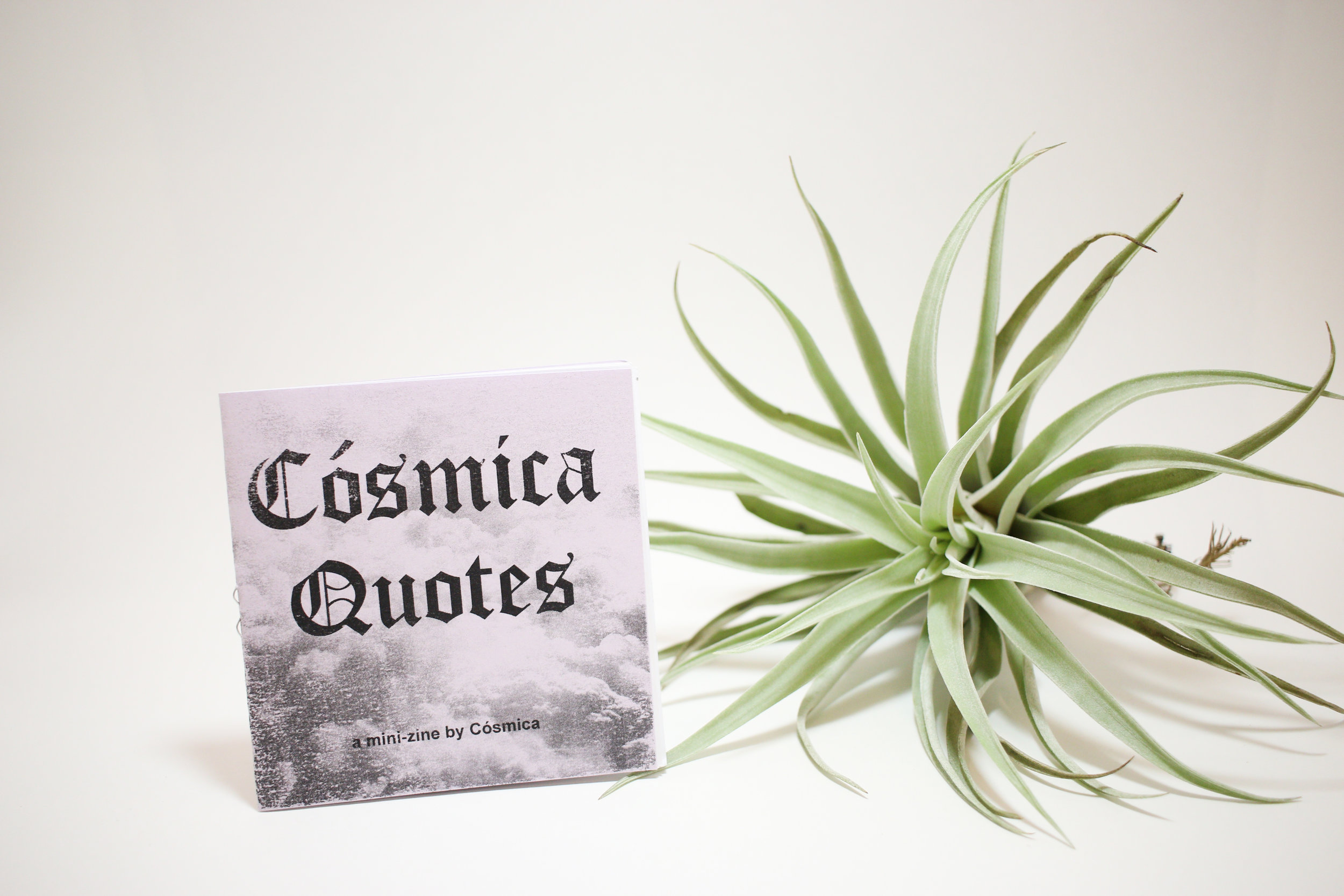
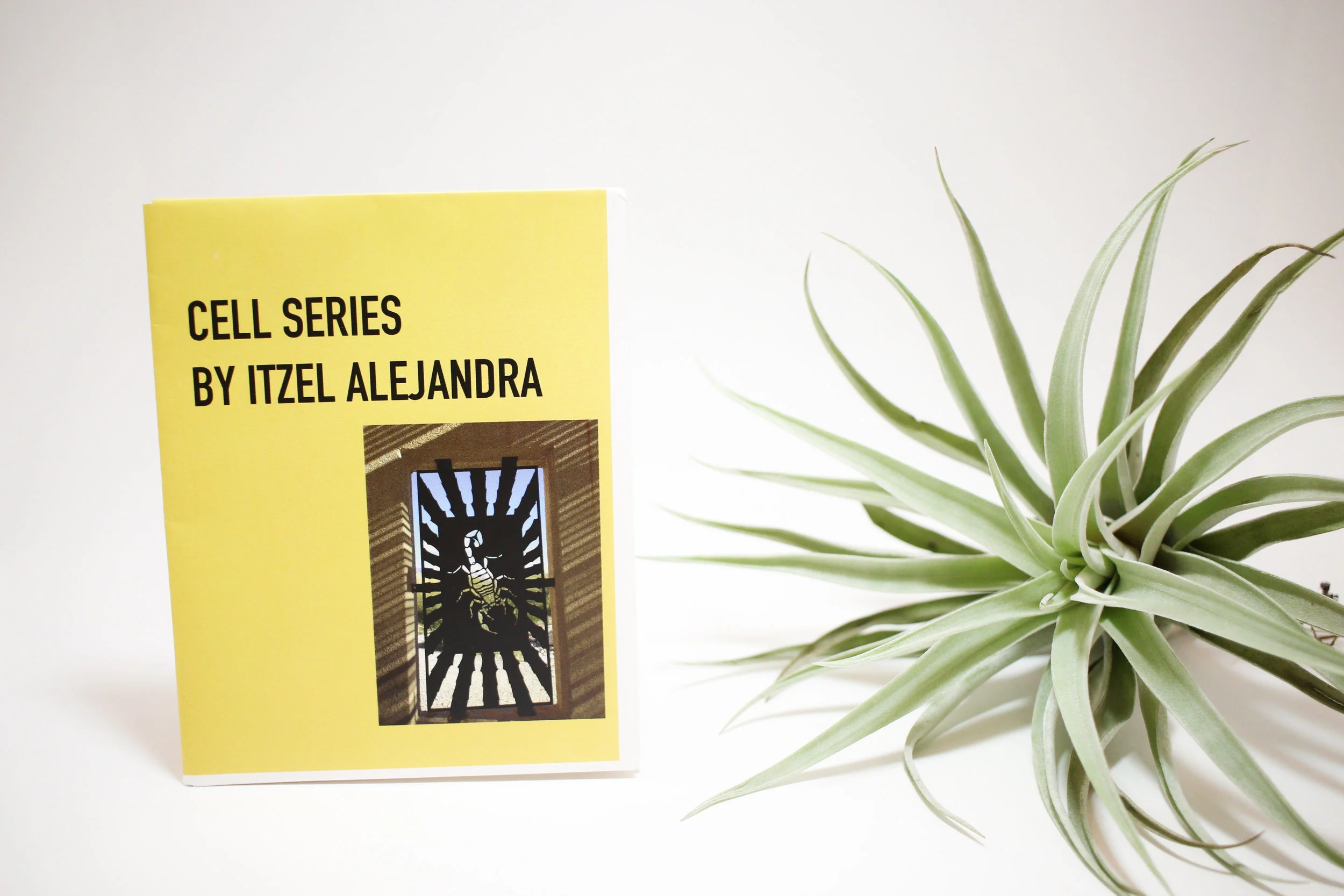
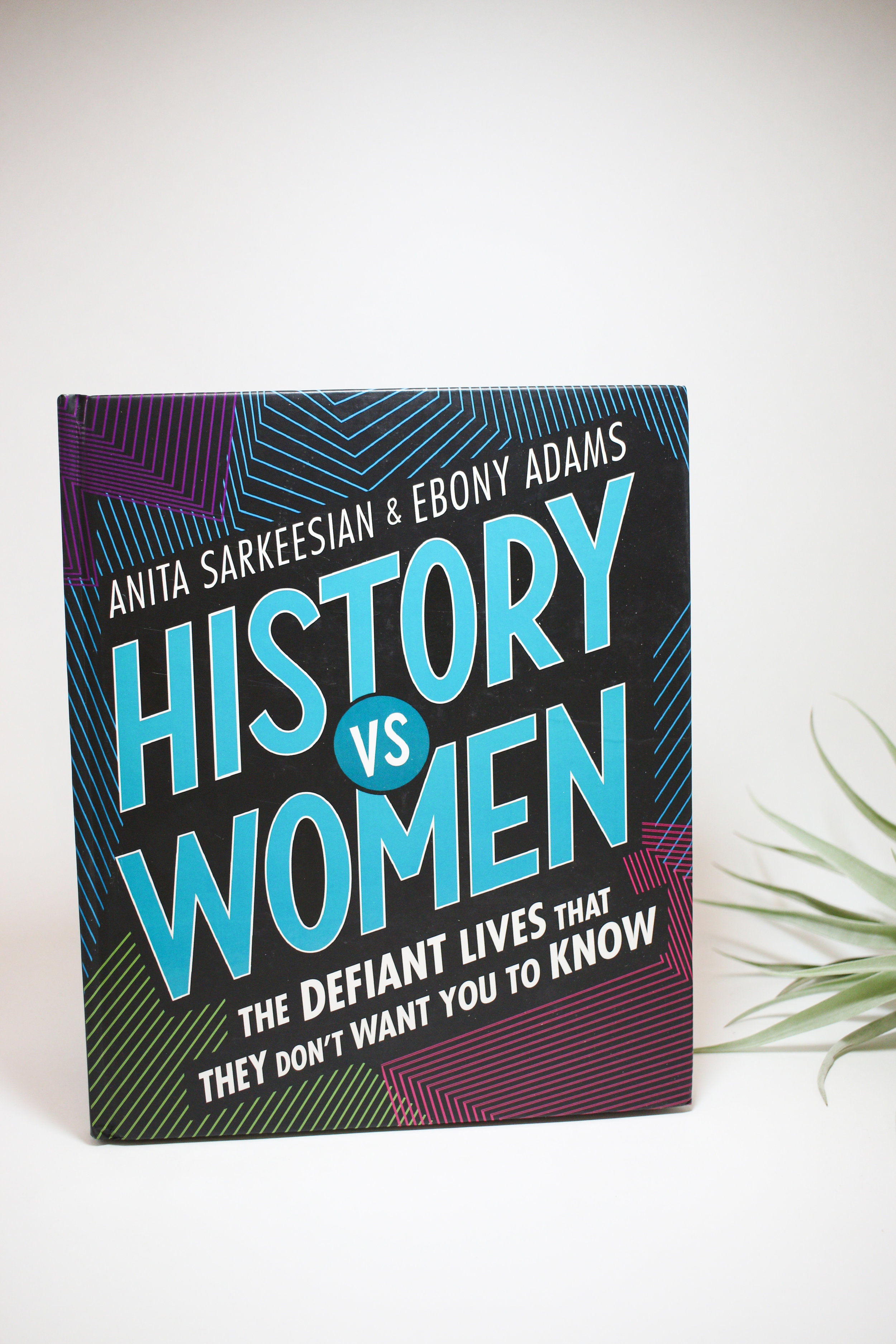
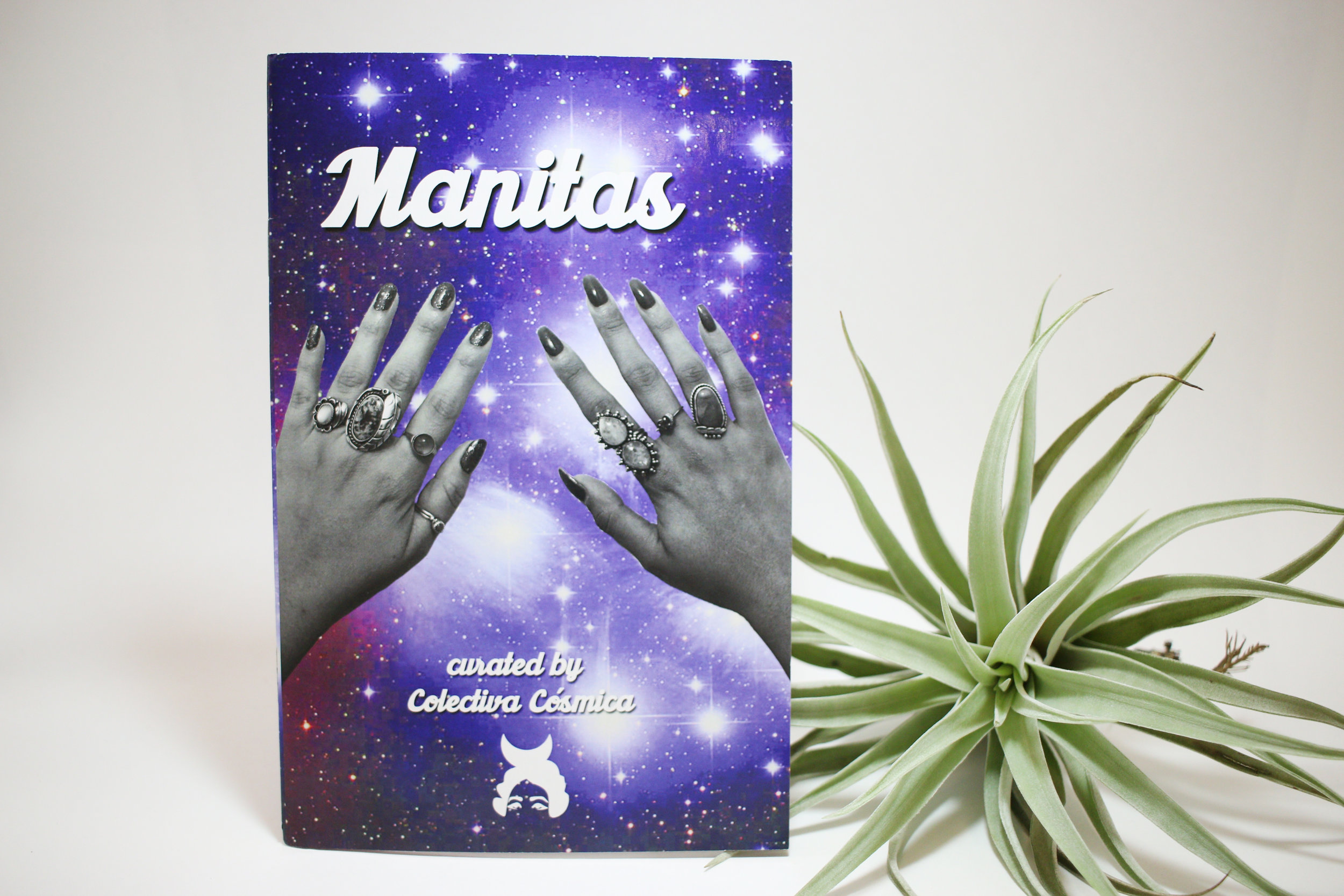

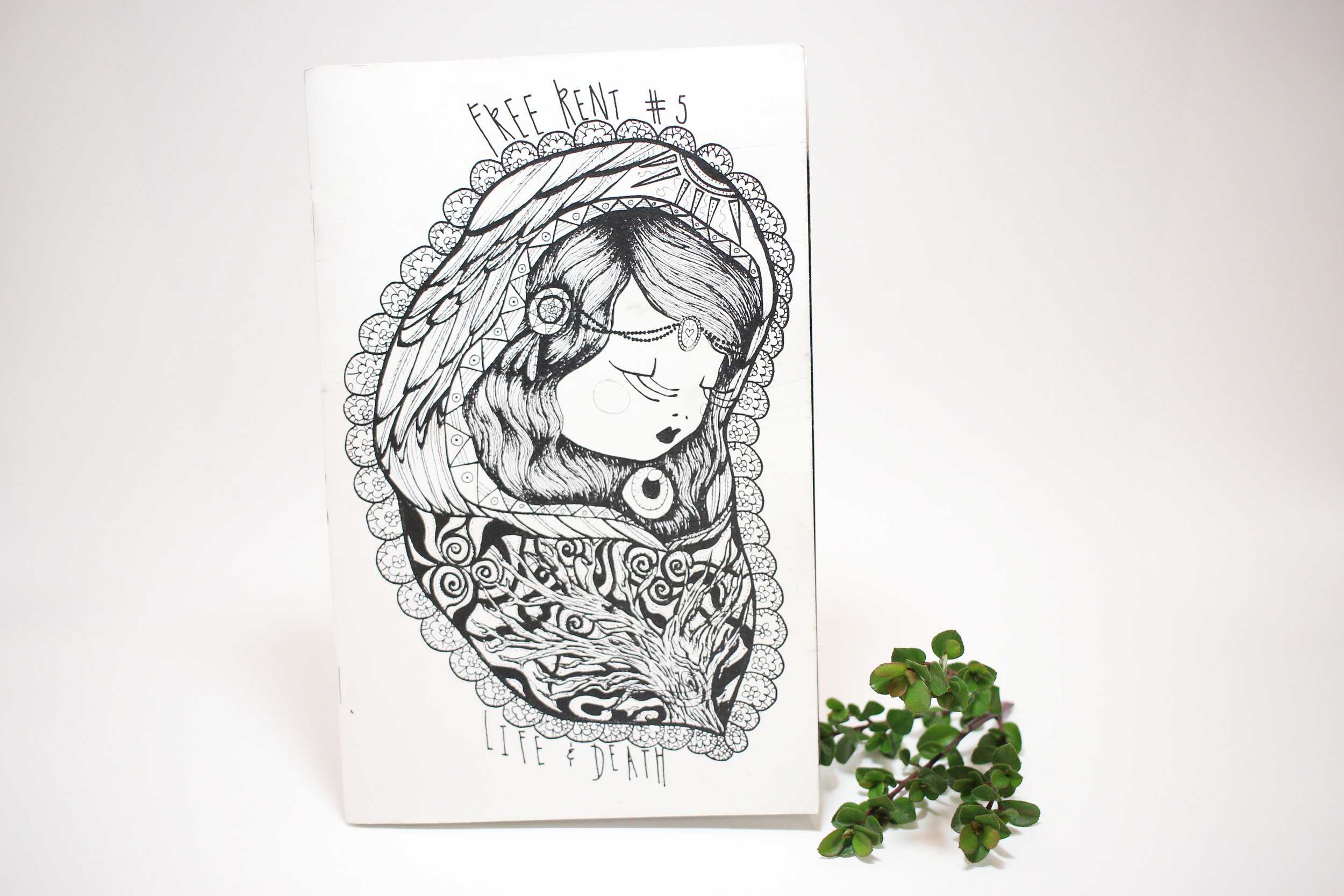
From Solis and Hervey: “Beyond collecting prints, zines and vinyl, this evolving collection recognized the power of choice and the reward of reciprocity. We are motivated by the possibility of coming to know ourselves, our many identities, and the worlds we occupy deep within the heart of Texas. Through this collection of materials, we encourage a new generation to become their own agents of cultural awareness. We hope to openly share the tools, tracts, sounds and visions accessed from our current and future ancestors with each other while building this library.”
meet volume’s exhibiting print artists
On the walls of the “VOLUME” exhibit, Solis and Hervey also installed works by eight Texan visual artists, including: Bodega Visual (Austin, Texas), Jasmine Brooks (Austin, Texas), Elizabeth Chiles (Austin, Texas), Anne-Lise Emig (Austin, Texas), Good Snake (Austin, Texas), Katy Horan (Austin, Texas), Ashley Elaine Thomas (Corpus Christi, Texas), Whitney Noel Devin (Austin, Texas).
Read on for a few words from those artists on the pieces they chose to contribute, as well as their own collections and practices.

Pelt, 2014. Gouache and flashe on paper (original). Katy Horan.
Katy Horan is an illustrator and fine artist with a BFA in Illustration from the Rhode Island School of Design (2003). Her work has exhibited throughout the United States and in Canada. It has been published in a number of books including Fantagraphic's Beasts! and The Exquisite Book (Chronicle Books) and Dark Inspiration II (Victionary), as well as in numerous publications such as Juxtapoz Magazine and New American Paintings (no. 90 & 120). She has completed two painting residencies at The Vermont Studio Center and was a finalist for the 2015 Hunting Art Prize. She is also the illustrator of Literary Witches: A Celebration of Magical Women Writers , written by Taisia Kitaiskaia and published by Seal Press. Katy is represented by Adriann Ranta Zurhellen at Foundry Literary and Media. She lives in Austin, Texas with her husband, daughter and two dogs.
Q: What do you want future generations to know about and why?
I am really interested in folklore, particularly that of the Appalachian and Ozark regions. Folklore isn't just little stores, it encompasses the home remedies, superstitions and magic of a region, and Appalachia has so many strange and rich traditions and beliefs. Those areas are so isolated by hills, mountains and culture that their lore is already little known. It would be nice to see it kept alive in the future, if even a small amount
Q: Do you collect anything personally? If so, what and why?
I collect several things: old paperback about witchcraft and the Occult, old photographs called cabinet cards and art when I can afford or trade for it.

Untitled Form In Space, 2018. Digital Illustration. Jasmine Brooks.
Jasmine Brooks (Jas) is a Graphic Designer and Visual Artist based in Austin, Texas, by way of Oakland, California. She specializes in Branding, Illustration, and Photography that she enjoys fusing together whenever she can. Jas creates illustrations that encapsulate vivid colors and dynamic shapes. Her photography skills and eye for portraiture help set the scene and often serve as the initial inspiration she builds off of to create composition that doesn't typically exist in reality. As an artist that is still growing and learning each day, Jas is constantly thinking of ways to improve her practices, better her skills and continue to be creatively engaged while exploring new art forms that help her best express herself and/or execute a project. Her inspirations include Keith Heiring, Mike Perry, and Paula Sher whose styles all tend to be reflected in her work and creative thinking.

Pick Three, 2018. Digital Illustration. Good Snake.
Good Snake is Kayla Fritz and Hannah Epelbaum. While Kayla is genetically predisposed to sign painting (thanks, Grandma!), she also has a practical background in typography, illustration, and design. Hannah's expertise is information design, with a background in intercultural communication. With their powers combined, they apply modern design tools and classical techniques to promote accessibility of spaces for everyone, to use their work to enhance the sense of place within physical spaces, and to help their favorite businesses get their message across through good design.
Q: What do you want future generations to know about and why?
Not sure about how much this'll interest future generations, but our minds are currently being blown by the book "Everybody Lies: Big Data, and What the Internet Can Tell Us About Who We Really Are" by Seth Stephens. We're inspired by artists who are able to continually produce rich and diverse types of work that appear unrelated, but somehow make perfect sense both on their own and combined, like Lizzo, who is a master flautist, an amazing dancer, and a powerful poet, or Sammus, who is a rapper, activist, and also a PhD student.
Q: Do you collect anything personally? If so, what and why?
Kayla has held onto some of her late grandmother's artwork, she keeps some good vintage lettering brushes, and she also always appreciates a nice sticker to slap onto her ladder.

La Familia Es Primero, 2018. Bodega Visual. Bodega Visual is the creative studio of Claudia Gizell Aparicio Gamundi. Why Bodega Visual…The word is a cognate, which works great because she was born and raised in Monterrey, NL, Mexico and now resides in Austin, Tejas, USA. A bodega is basically a place where you can find anything, she feels that plays well with what she does. You can also catch her curating sounds with Chulita Vinyl Club and Mosaico X, art making with Puro Chingøn Collective, on the board of directors for Design Ranch or creating programs & content for Nepantla, USA, a gallery and DIY space she co-founded.

Night Palm, 2017. Photographic collage. Elizabeth Chiles.
Elizabeth Chiles graduated from Columbia University with a BA in Art History. She then worked as a registrar at Barbara Krakow Gallery in Boston and after moving to San Francisco earned an MFA in Photography from San Francisco Art Institute and worked as associate director at Fraenkel Gallery. In 2007 she returned to her home state of Texas, moving to Austin to pursue her work as an artist. She works primarily in photography, and also in video, installation, drawing, and language. Her work lies at the intersection of immaterial aspects like time, light, consciousness and perception, and the materials that hold them. She has had numerous solo exhibitions and been a part of various group shows, including, Over Time, a solo exhibition at Pump Project nominated for best solo show in Austin 2015/16, 15 to Watch at the Austin Museum of Art in 2011, The Texas Biennial in 2011 and in 2013 with the collective she helped found, Lakes Were Rivers, and The Collector’s Guide to New Art Photography, put together by Humble Arts in New York at the Chelsea Art Museum.
Q: What do you want future generations to know about and why?
I think future generations will have their own voices to pay attention to. As I see it, the people I love now, for example Rebecca Solnit, may not be as broadly read in 50 years, but the authors that will be, will be reading her and so her voice will continue to influence for many, many generations. There are chains and dialogues that spread like rhizomes and that is important to me.
Q: Do you collect anything personally? If so, what and why?
I haven't thought of myself as a collector but I guess when you have more clothes than fit in your closet, more art that can go on your walls and more books that can fit on your shelves, you might be a collector of these things. In books, art and clothes, I find inspiration and personal expressions. Words, color, texture and pattern come together in my work. I also have hundreds of plants, but most of them have found their home my garden.

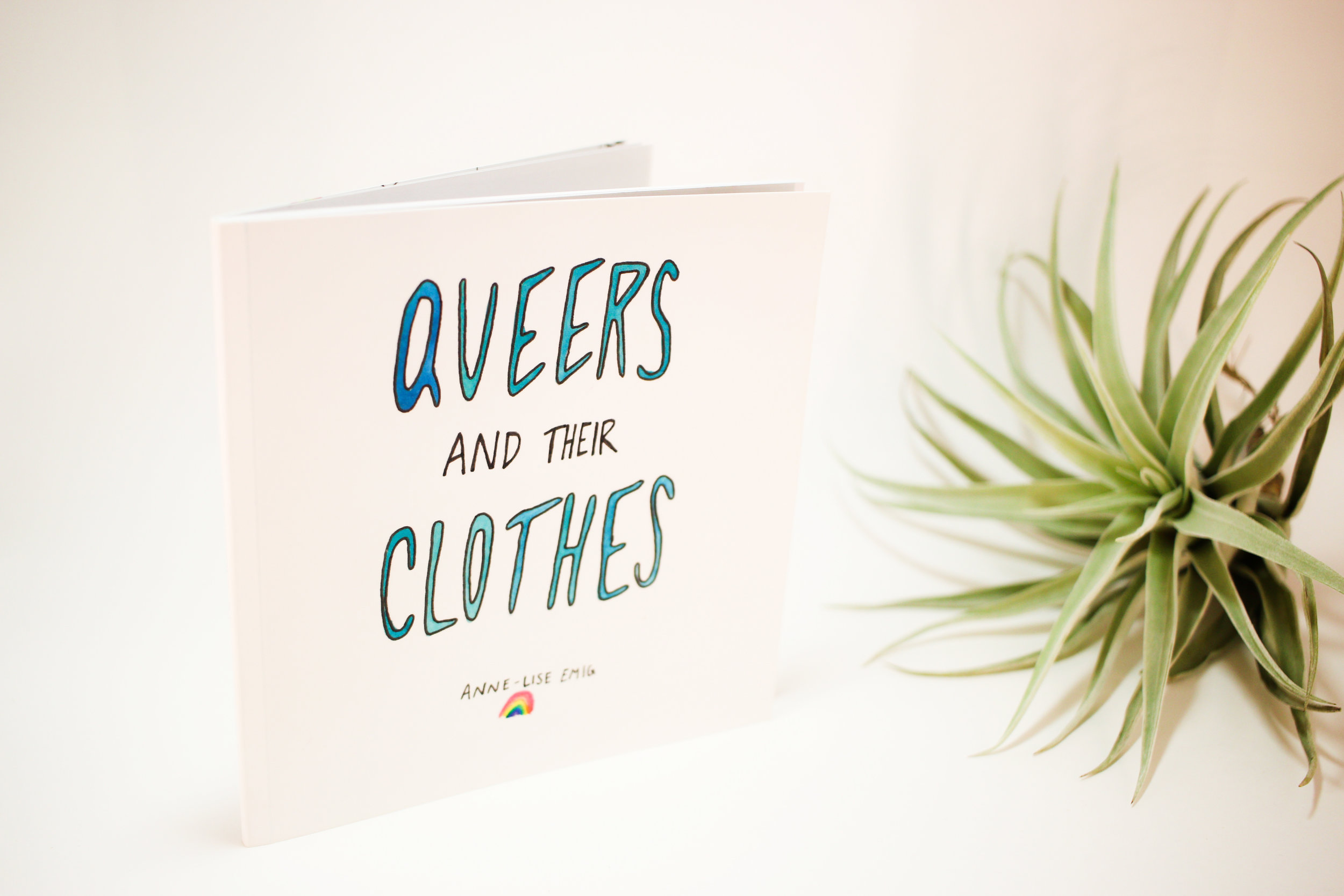
Queers and Their Clothes, 2018. Digitized watercolor painting. Anne-Lise Emig. Anne-Lise Emig is a lesbian artist, chemist, and educator living in Austin. Her work explores the experiences of queer communities and the beauty of the natural world. Queers and Their Clothes is a collection of drawings of LGBTQIA+ people’s clothes, along with their words on what makes the items significant. The work celebrates the diversity of expression and experience in queer communities, and shows that there are infinite ways to look and be queer.

Tulia, Texas. July, 2016. Whitney Noel Devin. (Through her project Tulia, Whitney explores identity, privilege, and belonging in her father’s hometown.)
Photographer Whitney Noel Devin creates visual narratives in her personal, editorial, and commercial work with an intuitive approach that results in simple yet insightful moments. She is inspired by finding the familiar in the unfamiliar and invites viewers to consider new perspectives. Whitney has a foundation in documentary storytelling, community advocacy and marketing. She holds a B.A. in Latin American Studies and is based in Austin, Texas.
Q: What do you want future generations to know about and why?
I hope future generations are able to enjoy the environment like we can now. I'm not a really outdoorsy person but I find so much clarity and inspiration while in natural spaces. It would be so unfortunate if folks didn't have the same kind of access in the future. There’s obviously work to be done.
Q: Do you collect anything personally? If so, what and why?
Old postcards that were never written on (especially photo-based cards from the Southwest and Mexico) and vintage vacation photographs. I love seeing how landscapes and vacation scenes are captured, the color palettes, the surprise of what the caption says, and the idea that something intended to be personalized and sent away has survived in its original form.

Sconce, 2018. Graphite on paper (original). Ashley Elaine Thomas. Ashley Elaine Thomas is a visual artist whose work memorializes everyday overlooked objects through large-scale graphite drawings on paper. She received an MFA from the School of the Art Institute of Chicago in 2011, and currently teaches drawing and design at Del Mar College and Texas A&M University-Corpus Christi.
meet the collaborators
#bossbabesATX (Austin, TX) amplifies and connects women and nonbinary creatives, entrepreneurs and organizers through nonprofit event series, showcases and personal/professional development programs. They create intersectional, interdisciplinary programs and initiatives that catalyze multi-industry coalitions, share crafts and provide the community with practical and emotional resources. Currently their programs provide a platform of visibility, outreach and financial opportunity to 1000+ emerging women and nonbinary creatives, entrepreneurs and organizers per year. On top of that goodness, more than 10,000+ community members per year attend their showcases, markets and dialogues—and in the last three years, their programs generated an additional $1million for the Austin economy. @bossbabesATX / bossbabes.org
Chulita Vinyl Club (TX & CA) launched in 2014 out of Austin, TX with the context of providing a space for empowerment and togetherness as an all-girl, all-vinyl club for self-identifying women of color. Now a national movement, they believe identity markers can sometimes be limiting, and while their priority is maintaining the mission of fostering a safe space for self-identifying women of color, they also aim their focus on highlighting those of mixed-heritage and those that identify as part of a marginalized community combining narratives to speak crucially about intersectional identities. Each Chulita identifies with their own identity. They are not to be classified as one nationality or culture; they can present as brown, black or white and all shades in between, and come in a wonderful variety of shapes and sizes. Within CVC they individually identify with the following: Latinas, Tejanas, Chicanas, Xicana, Afro-Latina and many more. The unifying denominator is that they come together over the belief that EL DISCO ES CULTURA and they believe that is worth preserving and perpetuating. Through their performances nationwide, they have established a strong coalition deliberately choosing to only play vinyl with the goal of activating a musical archive that might not otherwise be shared in the age of digital DJs. @chulitavinylclub / chulitavinylclub.com
The Center for the Study of the Southwest at Texas State University (San Marcos, TX) engages faculty and students in the richness and diversity of Texas, the Southwestern United States, and Northern Mexico via curriculum development, public outreach, and research that give focus to intercultural studies through examining the region's people, institutions, history, art, and physical and cultural ecology. txstate.edu/cssw
The Center for Texas Music History at Texas State University (San Marcos, TX) is a unique program focusing on the preservation and study of Texas and Southwestern music history. With an emphasis on how Texas music reflects the rich history and tremendous cultural diversity of the Southwest, the Center for Texas Music History offers graduate and undergraduate courses, along with a variety of research and publishing projects all aimed at helping Americans better understand our unique and diverse cultural heritage through music. @ctrtxmusichistory / txstate.edu/ctmh
Interested in future #bbatx installations and exhibitions? Keep up with our program The Residency, and its projects, here.
On Resilience: Three Affirmations For 2019
As we step into 2019, our team has three affirmations of resilience in mind. Feel free to hold yourself accountable to these mantras, too (and if you attend any of our upcoming programs, share your musings on them with us in-person!).
As we step into 2019, our team has three affirmations of resilience, each inspired by this community. Feel free to hold yourself accountable to these mantras, too (and if you attend any of our upcoming programs, share your musings on them with us in-person!).
affirmation no. 1: you are doing big work.
We often convince ourselves to be small. We let the world tell us we are not enough. We let the world tell us we are too big, too much and too soon. We reject this notion.
Our smallest works are grand gestures. Our tiniest cries are worth hearing. Our mere existence is resistance.

Image designed by Jane Hervey
affirmation no. 2: you are not required to be all of yourself at once.
Some parts of us may flourish this year, while other sides lie dormant. We will not shame our seasons of growth, repair, retrospection, anger and discovery. We will give things that need time, time. We will challenge and explore the parts of us that scare of us most. We will give others the space to be who they need to be, too.
We will be proud of who we are now and who we have yet to become.

Image designed by Jane Hervey
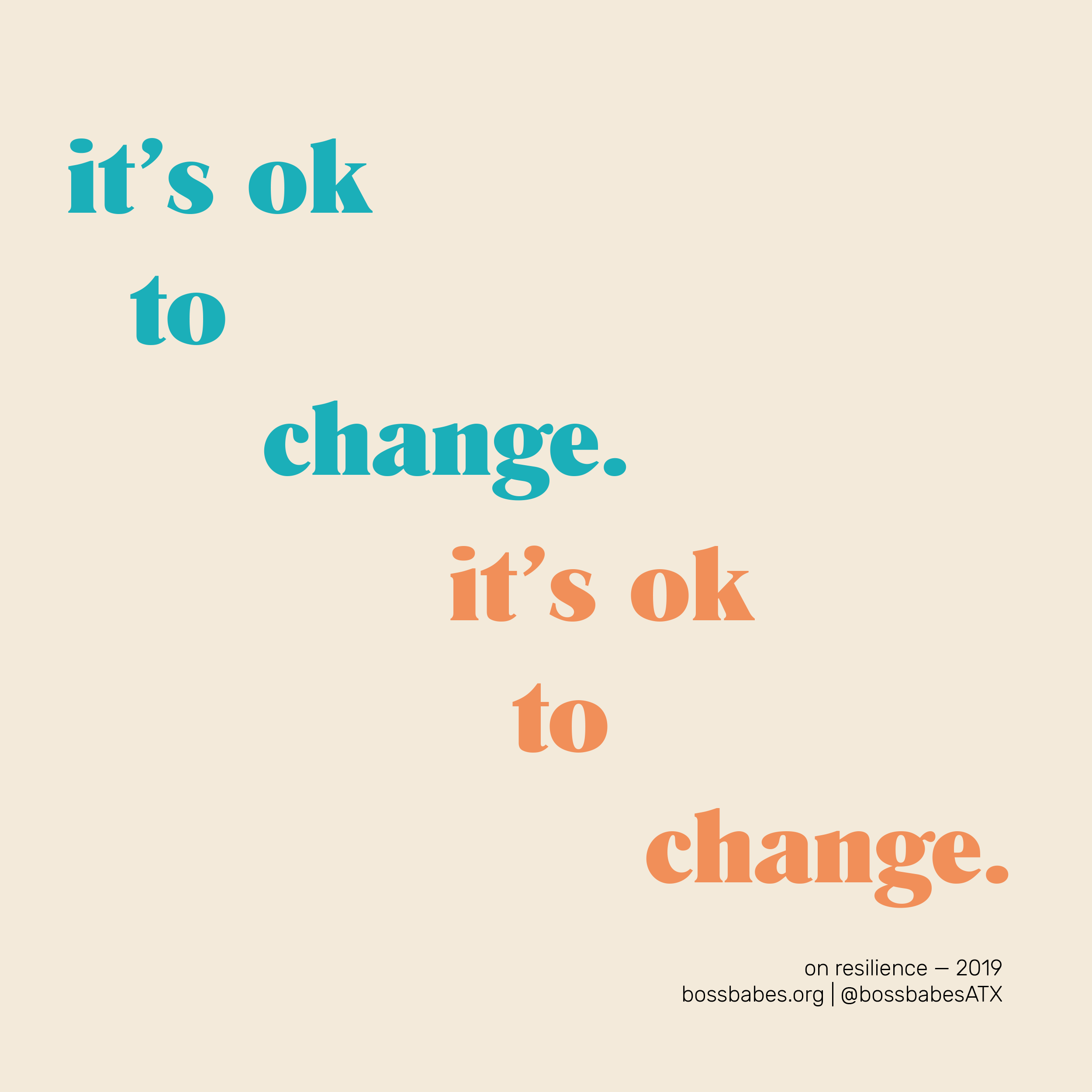
affirmation no. 3: it’s ok to change.
We are not our yesterday. We are curious, thoughtful and learning.
We are allowed to change. We are allowed to adjust. We are here to adapt.
It is OK to do something new. It is OK to try something you have never tried before. It is OK to fail. It is OK to change.

Image designed by Jane Hervey
behind our winter ‘19 theme: resilience
resilience (n.): the capacity to recover quickly from difficulties; toughness.
We are creative risk-takers. Strong and capable decision-makers. Bold and powerful makers. Which means we bounce back. We push forward. And when we fail, we try again.
Through February 2019, our programs will center women and nonbinary thought leaders, artists, creatives and business-owners who demonstrate a soft power—an unmatched toughness—in both their failures and successes. Together, we’ll learn from their stories and redefine what it means to recover, reclaim and remain standing.
On Making Africa: A Continent Of Contemporary Design
Exclusively for women of color, this look at “Making Africa” featured a guided, private tour from the exhibit’s Associate Curator, Claire Howard, as well as an intimate discussion between Doyin Oyeniyi, journalist for the Texas Monthly and co-creator of Austin While Black, and Mercy Emelike (a #bbatx volunteer and community member).
This post was written and compiled by Natalia Rocafuerte, with photos by Whitney Devin.
In Winter 2018, we partnered with the Blanton Museum to preview and tour “Making Africa,” their newest multidisciplinary exhibit exploring the complexities of African design (spanning a massive collection of photography, furniture, sculpture, clothing, videos and more).
Led by and for women of color, this look at “Making Africa” featured a guided, private tour from the exhibit’s Associate Curator, Claire Howard, as well as an intimate discussion between Doyin Oyeniyi, Texas Monthly journalist, and Mercy Emelike, a Future Front curator and collaborator.

Photo by Whitney Devin.
Behind the Exhibit
Curated by Amelie Klein, Curator at the Vitra Design Museum, with Consulting Curator Okwui Enwezor and the Guggenheim Museum Bilbao, the exhibit took two years to curate. In its entirety, the collection showcases a mix of 120 designers, artists, researchers, architects, gallerists and art curators and exhibits functional artwork to video installations.
Hosting interviews in various major African cities, and consulting over 70 working art, research and design professionals, the exhibition is also accompanied by a 352-page publication, which offers ”a first-ever comprehensive overview of African contemporary design.” This narrative behind “Making Africa” is meant to challenge the myth of Africa’s homogeny and the common stereotypes of antiquity and tradition associated with African culture, exports and technology.
To articulate this vision of Africa current, the exhibit is divided into four different sections, Prologue, I and We, Space and Object and Origin and Future. Each section explores a different visual language around the continent and its cultures, aiming to exemplify the diversity in African design and thought. The exhibit also hosts its own website where you can find interviews of artists and major voices in the project and where it has also traveled to across the world. (Click here to view the site.)
Behind Our Tour
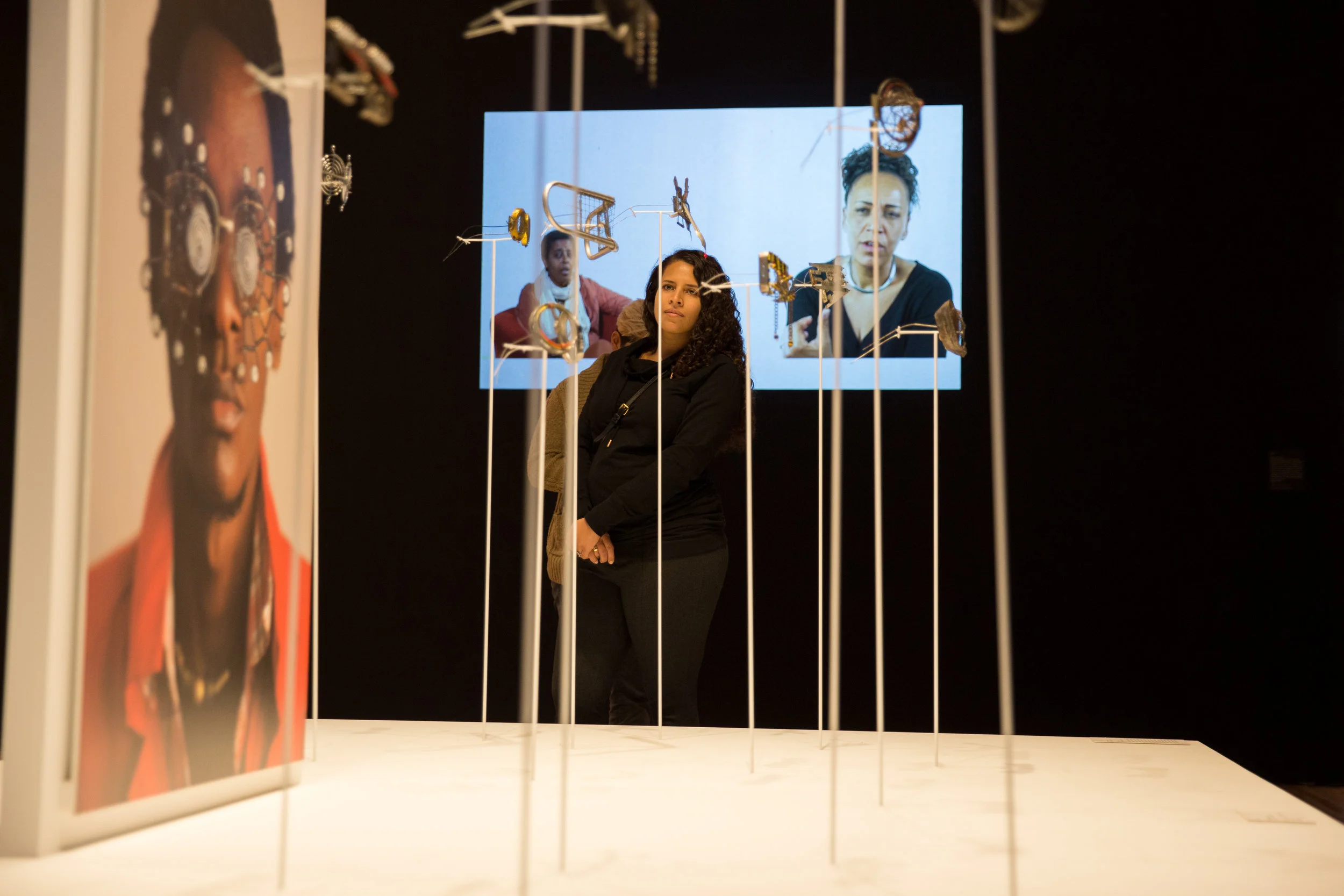
First, Howard walked us through Prologue, which examines the limited (and often Western) views of Africa. When walking into the exhibit you’re fittingly greeted by Cyrus Kabiru The C-Stunners series, a pair of art-glasses that filter attention to a “restrictive perspective.”
Next, we ventured into I and We, which evidences that design is an effective tool for artists and designers to communicate and portray social and cultural developments in Africa. Captivating photography works by Mário Macilau, Omar Victor Diop and vintage DRUM magazine covers fill the room, while a wearable garment with the popular wax print, entitled Waxology by MISWudé and photographer Fabrice Monteiro, stands entirely self-aware. (Wax print fabric, often associated with African designers, is actually a Dutch import to Africa and merely another symbol mistaken for African origin. Several pieces in the exhibit use wax fabric as a material to challenge this myth).
The third section of the exhibit entitled Space and Object focuses heavily on the immediate environment, technology and sculpture, mostly focusing on cities and the use of materials. The exhibit then ends with Origin and Future, a contemporary collection of objects and artifacts displaying the now of Africa.

Associate Curator Claire Howard and visitors discuss Fabrice Monteiro and MISWudé, Waxology, No. 1, 2014.
Photo by Whitney Devin.

Photo by Whitney Devin.

Doyin Oyeniyi (middle) and Mercy Emelike (far right) lead the discussion. Photo by Whitney Devin.
Exhibit & Tour Takeaways
After the tour, Mercy Emelike opened the floor: ”The exhibit recognizes the impossibility of talking about Africa with one voice and the danger of a single story, while it also grapples with how to show the diversity within Africa while being a cohesive show. The questions the exhibit raises for me is: Can we 'design' an identity? And if so, how? And who has the power to do so?“
With that prompt in mind, we launched into a discussion of our own identities within the context of “Making Africa,” as well as the exhibit’s limitations and triumphs. How do we frame Africa without using the West as an anchor? How do we frame ourselves without colonization as an anchor? What do we unlearn and what do we need to learn as we create images of ourselves and each other?
Jasmine Sudarkasa, a attendee of the tour and discussion, mentioned that the show included forward-thinking works that imagined a future for Africa/African in Western terms. Jasmine Robinson, a Future Front committee member, also highlighted that Western society is not necessarily aspirational for Africa, and we need to be able to see a future for Africa without reference to the West.
With these comments in mind, we’ve determined it’s always time to reflect on how art and design play a vital role in the visual language we use to communicate our identities—especially in their authenticity. We must always ask: Whose stories do we choose to tell? Whose stories do we preserve? Whose stories do we keep? What images do we use? Who determines the future?
Our hope is that intersectional & curious minds resiliently lead the way.
We’re excited to create more spaces for discussions and collaborations highlighting women and non-binary folk creatives’ needs and ideas.
Many thanks to Mercy Emelike (for scheming up this discussion), Doyin Oyeniyi for her wisdom, The Blanton Museum for their generosity and all those who attended to explore with us.
Opening at the Blanton in 2018, “Making Africa: A Continent of Contemporary Design” is on view through January 6, 2019.
Stay tuned for more collaborations with the Blanton Museum, as our community explores this exhibit in different capacities here.
On Deviant Undertones, Creating Queer Spaces For Expression And Drag: An Interview With Ruby Knight
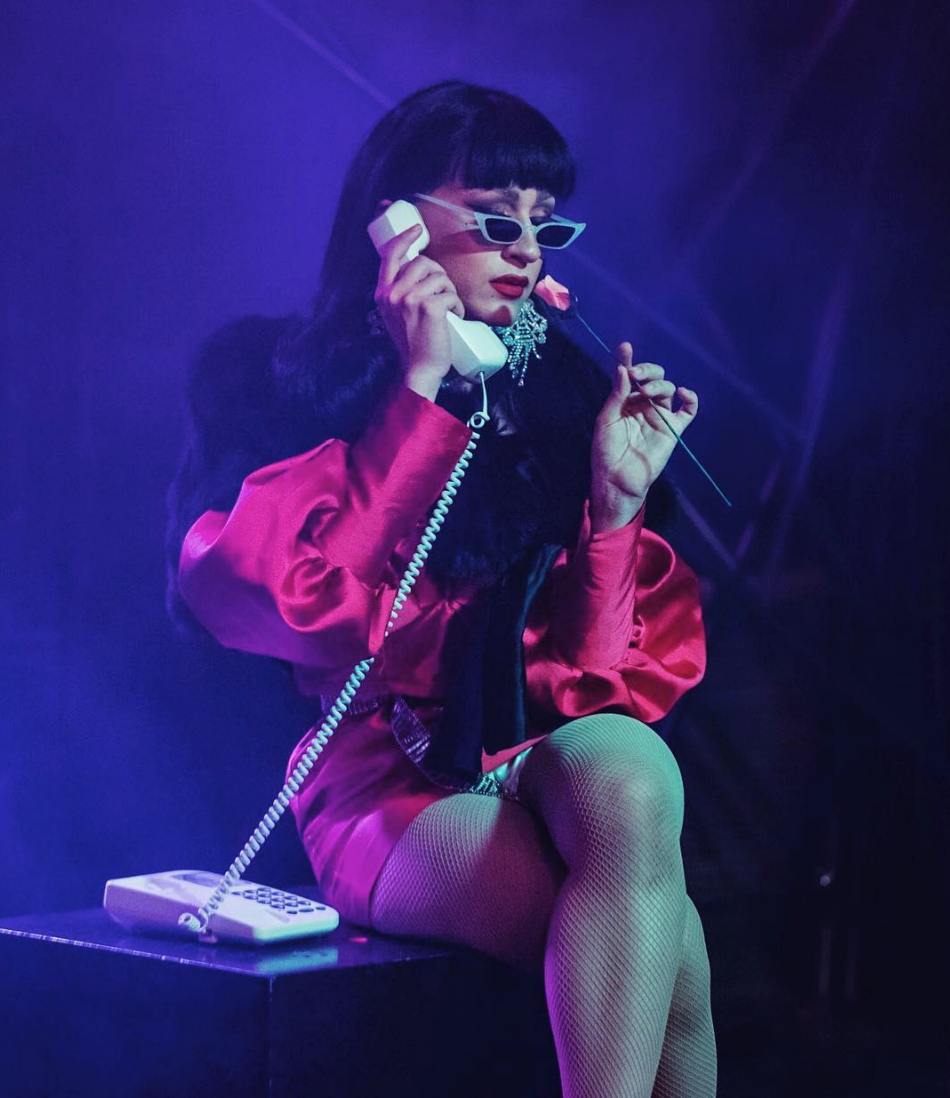
Meet Austin-based creative and drag artist, Ruby Knight.
In December 2018, #BBATX is partnering with Unbounded Agency, Thank You For Sweating and Red Bull Music to highlight some of the incredible performers in their upcoming showcase, Equal Axis.
Today, we’re happy to introduce you to one of the evening’s artists, Austin-based creative and drag artist Ruby Knight. Knight is a drag performer and creative in Austin, Texas, who currently co-hosts the show SAD GIRLS ONLY (which pops up next at Sahara Lounge on December 17—you can find Ruby Knight on Instagram , and Twitter.)
This interview was conducted by #BBATX Projects and Operations Coordinator, Natalia Rocafuerte.

Q: How would you define your creative practice and approach to drag as a performance?
Ruby Knight: It’s an opportunity to connect with the audience—share a little piece of myself. I often focus on portraying myself as young and playful, but with a dark side, as well. Usually with a deviant undertone, I perform with as much energy as I can, to get a reaction from the crowd and hope they feel something. Whether it’s joy, fear or sorrow, I want to create such a sensation onstage that it translates to the spectator.
Q: What do you look for in creative collaborators?
Ruby Knight: Someone else who understands the importance of details. Of course the big picture will always be important, but I’m a die-hard perfectionist. If you can keep up with not only the vision but making sure all the pieces are just as refined, then we can find a way to blend our ideas. It’s important to come across as mindful and intentional as creatives. So I enjoy fine-tuning the creative process, so the result is even stronger. I work with people who are trying to be as fully realized as I’m trying to be.
Q: What are you looking forward to? in your own career? or perhaps in the industry, at large?
Ruby Knight: I’m looking forward to pushing my own desires deeper into my practice. I’ve only scratched the surface with my love for makeup and fashion. Getting to incorporate music that I love is a great part of drag, too! But I’m realizing that drag is now my medium and I want it to embody all of my obsessions and interests. I think that’s how I can push the boundaries of my drag and drag, in general. I’m thinking of creating new ways to interact with people’s lives. Drag is really limited to a handful of spaces (i.e. bars, clubs), but I’d love to see it in new spaces. Or even become part of our daily spaces, which I’m actually working on hatching right now.
Q: How do you set goals and boundaries for yourself as an artist?
Ruby Knight: Well I’m not the best at setting boundaries, but my goals are usually driven by what’s inspiring me. Sometimes the goal is just the next show I’m performing at. Sometimes the goal is bringing to life a vision and breaking it down into pieces. Like when me and my drag sister, Hentaii, started Violent Fem. That began as us wanting to create a show we had not seen before, but wished was part of the Austin drag scene. Learning how you work is important, too, with others or by yourself. I work best slow and steady and once I figured that out, it became easier to create realistic goals and timelines for myself.
Q: What currently inspires you (could be people, places, things, Instagram accounts—you name it)?
Ruby Knight: Right now, I’m really inspired by @makeupbymario and @gordgeorge on Instagram, Poppy’s new album ‘Am I A Girl?,’ Robyn’s new album ‘Honey,’ Marc Jacobs’ Spring 2019 collection, all things Rihanna and just badass women, in general.
Want to dance all night with Ruby Knight? Head over to Redbull Presents: Equal Axis on Saturday Dec. 15 from 10 PM to 4 AM at 607 Neches St. Austin, Texas. Austin collectives, Unbounded Agency and Thank You For Sweating, have teamed up to create this incomparably unique event featuring local multidisciplinary DJs, performance and visual artists, running the spectrum of humanness. Equal Axis will be host to artistic contributions from POC, queer, gender non-conforming and non-binary creatives as well as allies, using the event as a platform for visibility around queerness through expression, performance, activations and installations, as well as Maya Jane Coles' Texas debut. ALL ARE WELCOME, just be yourself, bring yourself, and your dancing shoes. Tickets are only $10 and available now. Click here.

On Creative Entrepreneurship: A Guide For Side Hustlers From Two Women Artists
Understand your work and its value, as well as your own expectations, resources and needs.
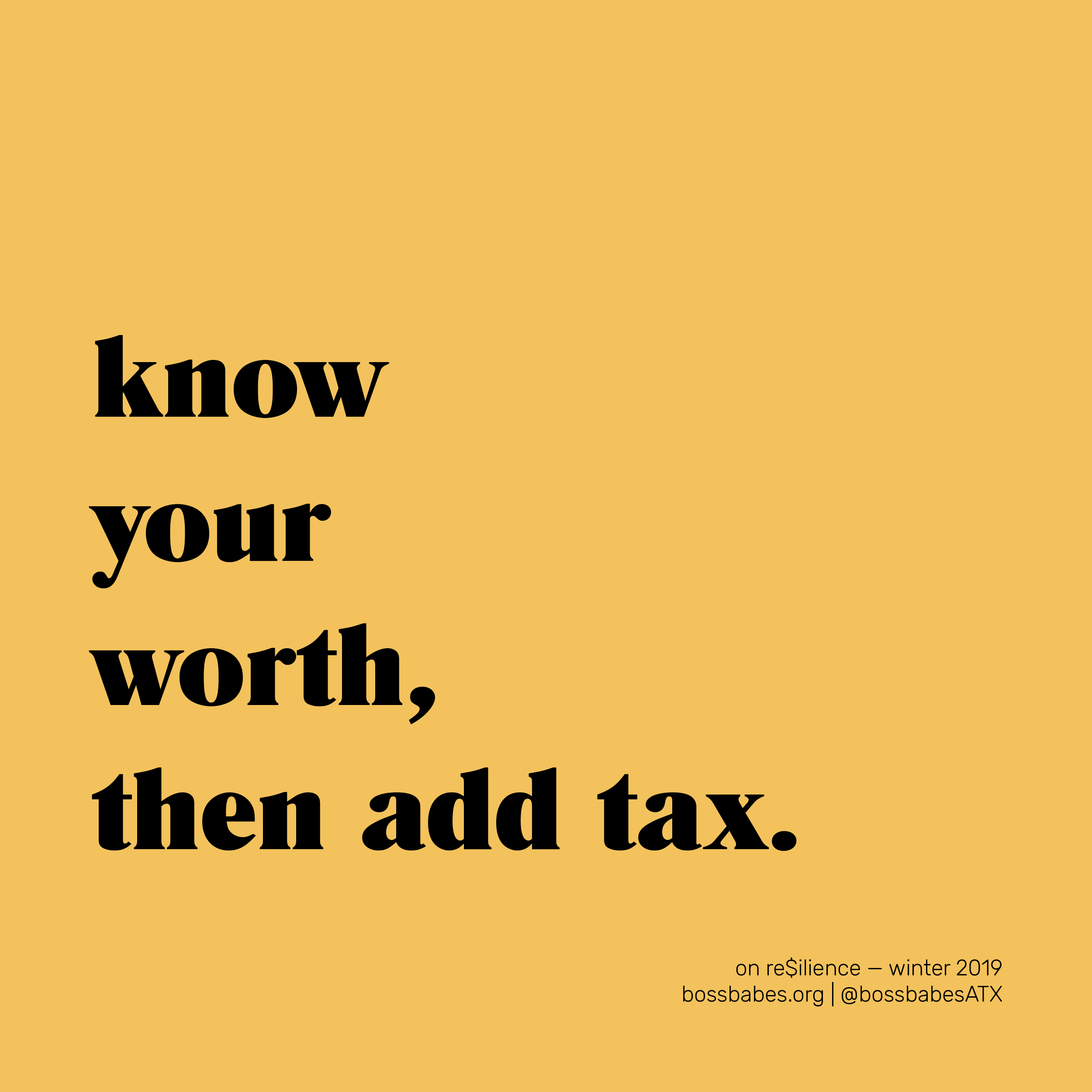
Whether you’re a side hustler, solo artist, freelancer or small business-owner, you’re always a full-time creative. No matter where your revenue comes from, it’s good to understand your work, its value and your own expectations, resources and needs.
In this little guide, artists Xochi Solis and Alie Jackson share some tips, strategies and tools for side-hustling creatives and entrepreneurs looking to make a sustainable income from their work. (For context, Solis is an Austin-based painter DJ and cultural producer, and Jackson is a full-time Art Director and freelance illustrator, animator and augmented reality designer.)
ON FUNDING AND FINDING CUSTOMERS FOR YOUR WORK
You should bring the same energy and individuality to creating funding strategies as you do to creating your work, keeping in mind striking a balance that works best for you (i.e. you are your own model.) There are countless ways to fund one’s work in the creative industry and continuous changes in the field. Part of our job as an artist is to understand the climate in which we work.
ON NAVIGATING YOUR NEW INDUSTRY AND NETWORKING
When it comes to navigating your industry, determining where to find resources and fostering successful collaborations, building relationships is key.
Be generous with what you have, things have a way of coming back to you
Be gracious and acknowledge credit where credit is due.
SAY THANK YOU! A small note, text, phone message helps foster healthy giving relationships
Ask for feedback and be open to criticism
ON INVESTING IN YOURSELF AND YOUR NEW SKILLS
Take it upon yourself learn new skills even if they have nothing to do with your current practicE. If you are strapped for cash and find a class or workshop you really want to attend, contact the organizer and see if they offer payment plans, scholarships or work/trade. The public library and free, online blogs (start googling!) are also great resources.
Don’t be afraid to learn on the job. Offer discounted work or trade with clients and be transparent with them about your intentions and the stage of expertise you feel you’ve reached.
ON DETERMINING YOUR INITIAL FEES/PRICES
Creatives, artists, service-based business-owners and freelancers, etc. are not always paid a traditional fee, but it is important to predetermine what your time is worth and how that can be clearing communicated to your funder, client, etc. Expressing your worth and expectations at the start of any professional relationship, sets the groundwork for a more enjoyable working scenario. Whether or not you are asked for a budget by your client, MAKE ONE! Never generate one that leaves your artist fee out.
Here are a few methods to determine your fees:
By the cost of your labor per hour and your cost of materials (WAGE is an excellent resource for determining your cost per hour.)
By the month. (Say you have a one-month project coming up with 10 hours a week. You know you need $4K to live on monthly and you are marking 25% of your total work hours to the project. Voila! The project needs to pay you at least $1K a month.)
By the budget. If you really want to work with a client or offer a particular service or product (or even offer something discounted for friends, collaborators and nonprofits), figure out how much you need from other sources to justify the time or resources you spend doing free/discounted labor. If you can’t justify it, it may be good to say no for now.
ON BALANCING CLIENT WORK, EXPERIMENTATION AND PERSONAL WORK
When you’re just starting out as a new entrepreneur/side hustler, it can be difficult to determine where to spend all of your time (especially when you’re creative and have a million and one ideas). Here are some suggested strategies to make balancing your interests a little more feasible:
Figure out your own workflow to to prevent creative burnout/fatigue
Know when to take or turn down a project based on personal beliefs/morals
Don’t feel guilt for taking on client work that pays really well. You have to pick your battles to pay the bills
When looking for work or customers, seek out companies/audiences that align with your personal beliefs and interests to keep the feeling of “selling out” to a minimum
ON FINDING DIFFERENT SOURCES OF SUPPORT
Self-Subsidy: As a creative, you are often your own biggest financial supporter. It’s OK to have a “day job,” or take out loans, live off of investments, etc. to get your dream off of the ground. Whatever method you pursue that funds your ability to work creatively and autonomously is best.
Fellowships: There are many entrepreneurial and creative fellowships, as well as artist residencies, out there that offer financial support and opportunities to take time to focus on a specific project, travel to conduct research. Do some research around what fellowships exist in your industry and explore where you might apply.
Project Grants: If you’re launching a project, business or artistic endeavor, seek out grants that may be able to fund your work! These may be offered locally through your city or through the state, or even through other businesses, organizations and institutions. Head to your local grants library or start researching / talking to people about grants at networking events. (They’re out there, y’all.)
Corporate Support: Depending on your business or project, you may be able to strike a partnership/sponsorship with a corporation that could be looking for advertisment/visibility through your work.
In-Kind Goods and Services: Ask for donations, barter, trade—just go for it. There may be many resources at your fingertips.
Earned Income for Services: Find different ways to sell your services to different target markets. (For example, if you’ve launched a small accounting firm and you need to find new clients around tax season, perhaps you also begin marketing Intro to Accounting workshops, etc.)
Earned Income for Goods: This goes without saying, but spend time honing in on what you provide, make and sell. Identify your mission, target customer and start marketing those products, honey!
ON BUDGETING AND CREATING POSITIVE CASH FLOW
To create products and services that actually generate revenue, you should be designing your business with a budget in mind (more on how to design budgets here). If you want to have a sustainable cash flow (i.e. your bank account never hits zero and you cover all of your expenses each month), Xochi and Alie say to:
Be realistic about your expenses
Diversify your portfolio so your income streams are varied and you are not solely relying on one way of making money.
Remember that your worth is not measured by how much is in your bank account. There are going to be floods and droughts—know that.
Be open to exploring something new. If boundaries and expectations are expressed early on, you can navigate these new projects with grace.
Prioritize building an operational toolkit for your business. Create templates for invoicing, build a website that you can easily update (or if you hate doing that type of stuff budget to hire someone). Utilize professionals to support your craft (i.e. photographers, lawyers, CPAs) this will make you more grounded.
Make friends and mentors in your field. Join organizations for artists or art organizers that strengthen your connection to the creative community.
Remain curious about yourself and how you can grow your business and your investment in yourself.
Looking for additional creative entrepreneurial resources? Try out #BBATX’s biannual WORK Conference on Jan. 19, 2019.