

The 2020 Impact Report: A Year Of Showing Up
Thanks to you, thanks to this community and thanks to our resilient as hell team, we are still here. In 2020, we supported $40,000+ in commissions and grants.
In 2020, we were collectively tasked with the work of reimagining our worlds.
And you showed up. You connected to us, to each other and to the communities we serve. And that energy made what we do possible. We hope you have stayed safe, well and as supported as you can. Continue reading for a recap of our impact (aka your impact) this year.
Here are three things you made possible for bbatx this year:


Our organization had some major growth moments in 2020, thanks to you, too:
We stepped up our approach to advocacy and community-care. Our team distributed year-long anti-racism resources, partnered with Art+Action to get the word out about the 2020 Census and teamed up with the City of Austin to distribute $3.5 million in COVID-19 grants with the Creative Worker Relief Grant.
We launched The Creative Future of Texas micro-fund with our friends at Tito’s Handmade Vodka.
Our team officially expanded to four staff members, and our new Board President, Xochi Solis, stepped into her role. We also worked to restructure our budgets and ensure that all staff members received 100% free health care through bbatx in 2020.
We partnered with therapist and social worker Sandra Olarte-Hayes to connect 24 racial justice community leaders with pro bono therapy support in August and September 2020.
We worked with 15 Texas women and nonbinary artists in our digital residency to produce work online and off—including a dynamic installation with Aimée M. Everett at The Line Hotel.
We moved into our own headquarters and are working to open the location to the public in 2021.
We transformed our store to better support the community, with the introduction of new initiatives like THE CRAFTHER BOX.
We put out our first-ever data-informed study on supportive leadership environments, What We Need To Do Our Best Work. You can grab a copy here.
You can also read our full impact report, quarter over quarter, here.
As you can see — your support, attention, time and energy make a huge difference.
We would like to thank our 2020 staff, board and committee members for their support. We are also grateful to our partners and friends—particularly Tito’s Handmade Vodka, Giant Noise, the Texas MSTC and MBA Programs, the Stand With Austin Fund and Bumble—for their continued collaboration.
Together, we are increasing the number of opportunities for women and nonbinary creatives, entrepreneurs and leaders in Texas to find support, share their work and grow.
Do you want to get involved in 2021?
Become a member or donate to our end-of-year fundraiser. You can also explore all of the other ways to contribute here.


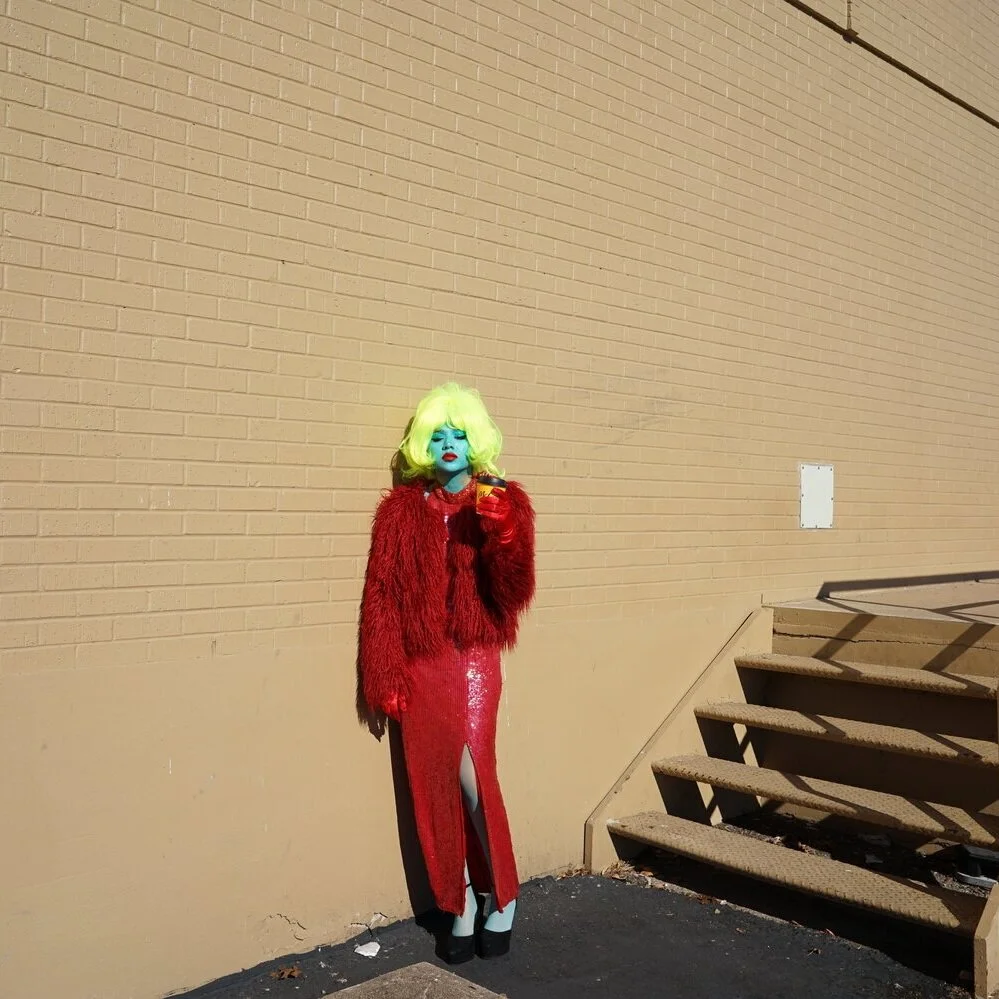
On Finding Your Creative Voice: Andie Flores
Read our recent interview with Austin-based writer, comedian, and performance and visual artist, Andie Flores.
As part of our ongoing digital residency, we’re spotlighting our recent interview with Austin-based performance artist, writer and comedian Andie Flores.
In conversation with bbatx committee member Liz Whitington, Andie chatted with us about how she goes about navigating collaboration, the value creative residencies can be of to artists, and how she combines comedy, performance art and drag in creating her work.


ABOUT Andie Flores:
Andie Flores is a writer, performance and visual artist, clown and comedian based in Austin, Texas. Her work (often site-specific) investigates messy, extravagant, delinquent bodies loudly stumbling toward some sort of Latinx queer futurity. Her most recent explorations include live-streaming an in-character performance at various public sites of high-pedestrian traffic, subject/object glitch character experiments, and home video archival research in search of present-day artist narration. Last summer, she was an artist-in-residence for MASS Gallery’s Hotbox 2019 residency with one of her artistic partners, Cindy Popp. Early next year, she'll have her first solo show at Presa House Gallery in San Antonio. Flores’ ongoing central artistic question is one of audience, loneliness, excess, and legacy. She is a second year PhD student in the department of Mexican American Latinx Studies at the University of Texas at Austin.
Can you tell us a little about your background and how you got into performance, writing and comedy? How did you get to where you are now?
I have always been performing and have always had the personality for it (AKA I’m a ham). I’ve been performing in front of people at least since the sixth grade, and then from then through almost the end of college, I did the speech and debate team, which is essentially competitive performance and speech writing. After I graduated college in 2013, I discovered a whole other world of performance that I did not know about and began to experiment with different performance styles and ideas on variety shows like The Encyclopedia Show in Arizona. Then I just did weird, dumb stuff on a handful of different comedy shows in Austin when I moved here. I’ve spent the majority of my time in Austin (about six or seven years) trying to find my voice and format, and lately that’s meant interweaving comedy, drag, protest and performance art.

Photo courtesy of Andie Flores.

Photo courtesy of Andie Flores.
What compelled you to pursue a PhD, and how have your studies impacted your work?
For me, school was initially about getting excited about living in Austin for a few more years, and I also wanted to provide myself with options for new art career paths to take. School has given me a new approach to the city and I'm trying very hard to do it alongside regular performance work, which is great and keeps me incredibly busy. My program is Mexican American Latinx Studies, so I’m getting to merge my artistic pursuits with my community and scholarship about things I love.
You mentioned that you love to collaborate. How do you go about finding collaborators, and what does that collaborative process look like?
I really love working with other people. I think that’s because I see myself as less of an artist and more of an adult who likes to play. I’m drawn to other people who like to play, too and who believe in the wild, vast potential and power of play. Collaborating with someone else makes me figure out how to work with not only my artistic anxieties and energies but also how to be productive alongside theirs. It gives me space to narrow in on what I do best in the collaboration so I can hyper-focus on my work, which is a nice challenge.
What motivates or inspires you as an artist?
Music plays an important role in my creative/inspiration process, but I’m also continuously fueled by the ongoing experimentation of my favorite artists and performers. The work of artists like Xandra Ibarra, Shaboom!, Jibz Cameron/Dynasty Handbag, Lorelei Ramirez, Victor I. Cazares, etc. all motivate me energetically.
What themes does your work explore, and are there new themes you want to focus on?
I’m always interested in out-of-context performances, questions of online legacy and identity, frantic humor meets strange glamour, little kid sensibilities and poetry.

Photo taken by Jagan Cortez.

Photo courtesy of Andie Flores.
You’ve been a resident artist before with other creative institutions. How do residencies impact your artistic work?
My first official residency was last summer at MASS Gallery with my ongoing clown collaborator, Cindy Popp. The residency provided us with a studio/gallery space, freedom, and the opportunity to showcase our work in a show at the end of it all. To have time and space to create like that in a place like Austin is usually expensive or only comes with being seen as a more established artist. I enjoy that residencies often come with loose restrictions or boxes that are fun to play with, and I like seeing how I can work within those constraints to grow my practice. The best thing a residency can do is provide space, resources and access that I would not normally have.
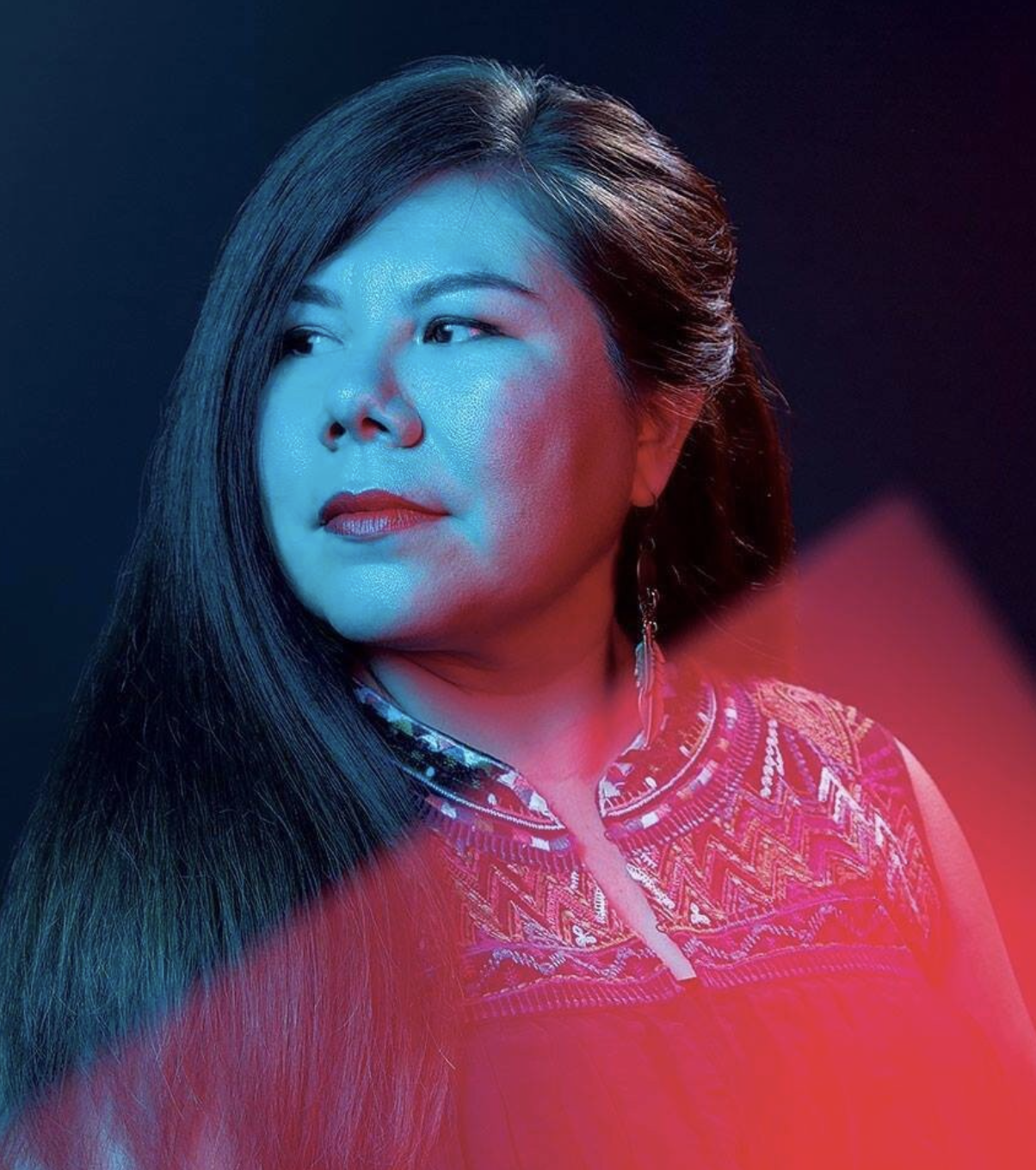
Meet The Filmmakers Featured in Creative Medicine
Meet the six filmmakers featured in our Creative Medicine virtual film showcase, plus learn a little about the local filmmakers to keep on your radar.

In place of this year’s BABES FEST, we recently launched our Creative Medicine Series. :) As a series of virtual and open-air events, Creative Medicine is our slow response to a rapidly changing world.
On November 6, you can tune in from anywhere for three hours of independent film from six women directors in the Texas South, curated by us.
Screening a combination of shorts and feature films, the night’s showcase will span from experimental to comedic to documentary—and this year's featured filmmakers include Chelsea Hernandez, Meghan Ross, Chinwe Okorie, Evelyn Ngugi (Evelyn From The Internets), Brittany Reeber and Emily Basma. Read on to learn more about them, their work and featured films in Creative Medicine.
MEET THE FEATURED FILMMAKERS:


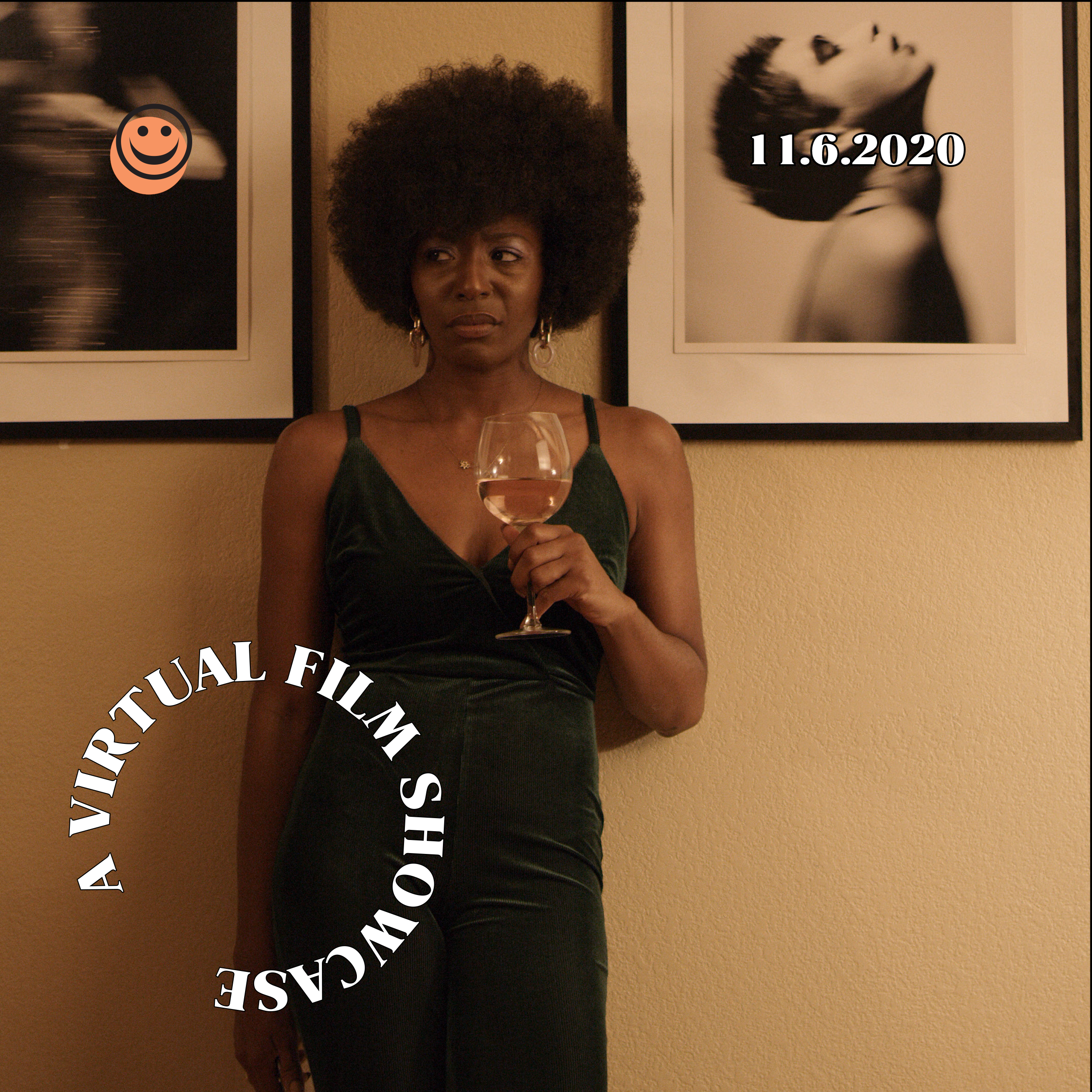
WHO: Chinwe Okorie
Chinwe Okorie is a Nigerian-born writer, director, and editor in Austin, TX. At age six, she immigrated to the United States and watched her first film, Titanic. It was then that her love affair with cinema began. In college, her student-run TV station Topper TV received The Rising Star Award, and Study Breaks magazine featured Chinwe as their Next Big Thing in 2014. After college, Chinwe went on to write, direct, and edit short films including her most recent film, Lovebites, which is currently distributed by Issa Rae Presents.
Chinwe’s Featured Film: LOVEBITES—currently distributing with Issa Rae Presents—follows one disorienting day in a young Black woman’s relationship with her boyfriend. The arthouse film employs split screens and a chilling audiovisual environment to raise questions about the nature of modern dating culture. The film depicts a Black twenty-something who just can’t seem to stay on the same page as her boyfriend, or even herself. Cat (Khali Sykes) has a mission to accomplish, and the audience is left to find out what it is until the very end of the film. Ukairo Ukairo stars alongside Sykes as her boyfriend, Chidi.
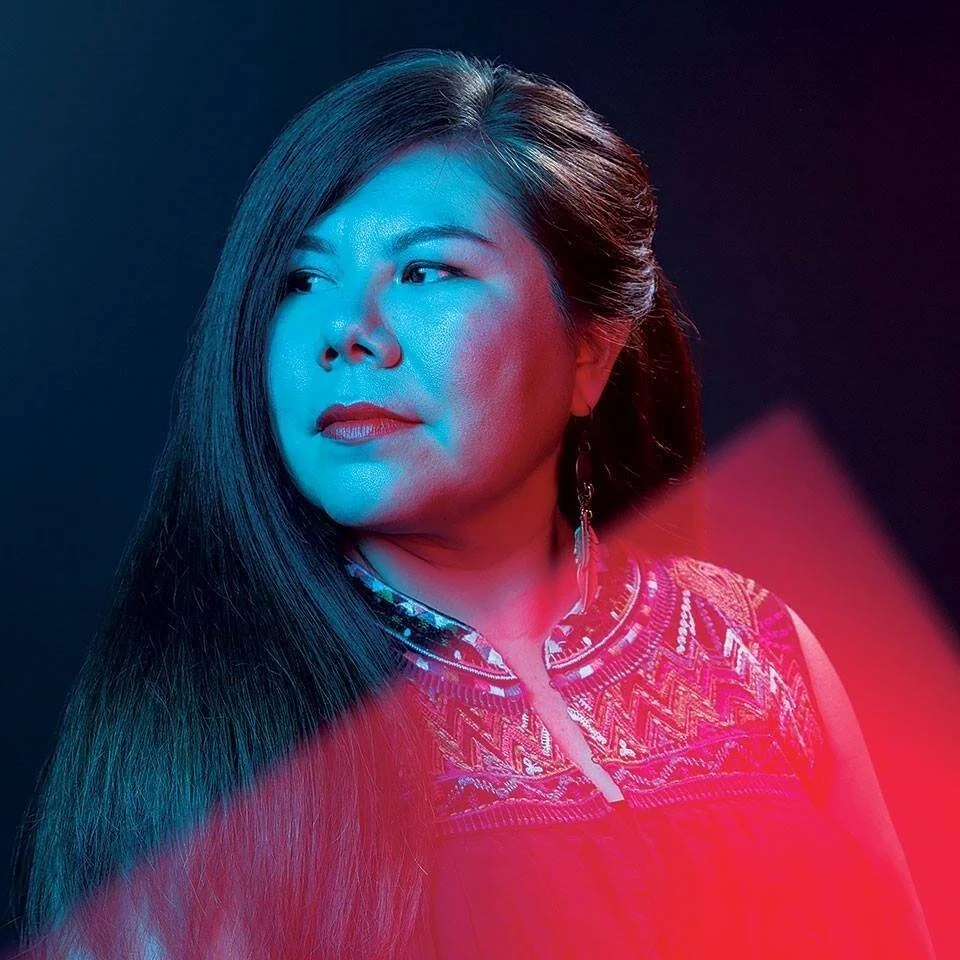
Photo by Bill Sallans.

WHO: CHELSEA HERNANDEZ
Chelsea Hernandez is an 8-time Emmy winning director, producer and editor in the Lone Star region. She has worked in television since the ripe age of nine, hosting and co-producing a children's educational TV program with her mother. Recently, Chelsea completed her first feature documentary, Building the American Dream which premiered at SXSW and was financially supported by the Ford Foundation | JustFilms, Latino Public Broadcasting, Tribeca Film Institute, Firelight Media, Marcy Garriott, City of Austin Cultural Arts Division, Bay Area Video Coalition, Seed & Spark, and Austin Film Society. The film had its television broadcast debut on PBS on September 15, 2020. In 2019, Chelsea was selected as a Line Hotel / Big Medium Artist in Residence and lived and worked at the Line Hotel on a student debt art exhibition and podcast. She is currently in development on a feature documentary and fiction film, along with co-producing the New Orleans South Pitch Runner-Up short film IN TOW, directed by Sharon Arteaga.
Chelsea’s Featured Film: BUILDING THE AMERICAN DREAM is a feature documentary that follows three immigrant families who are rising up to seek justice and equality in an industry rife with exploitation. Across Texas, an unstoppable construction boom drives urban sprawl and luxury high-rises. Its dirty secret: abuse of immigrant labor. Building the American Dream captures a turning point as a movement forms to fight widespread construction industry injustices. Grieving their son, a Mexican family campaigns for a life-and-death safety ordinance. A Salvadorian electrician couple owed thousands in back pay fights for their children’s future. A bereaved son battles to protect others from his family's preventable tragedy. A story of courage, resilience and community, the film reveals shocking truths about the hardworking immigrants who build the American Dream, from which they are excluded.
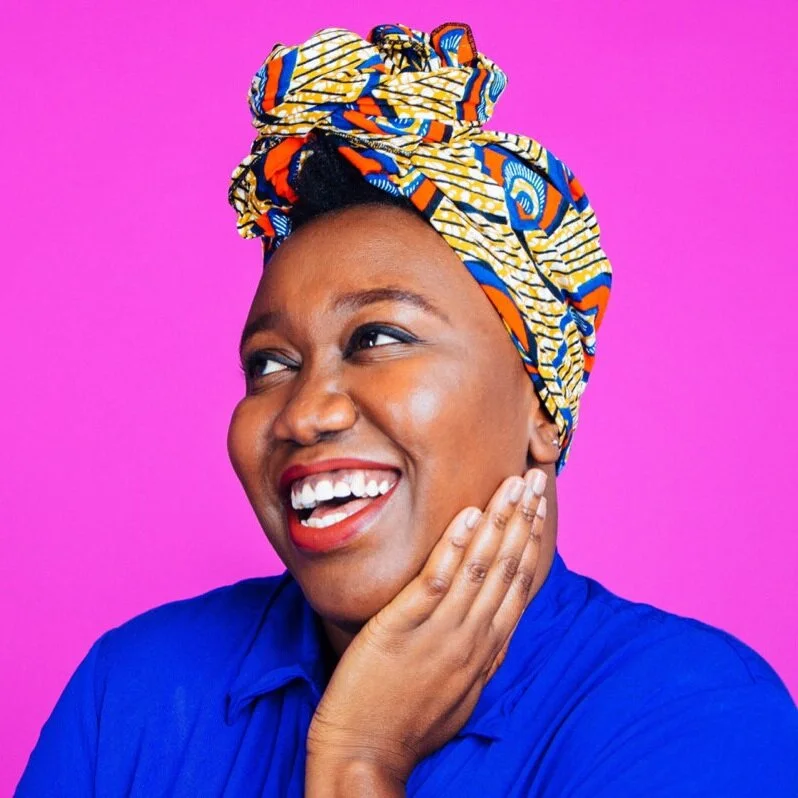
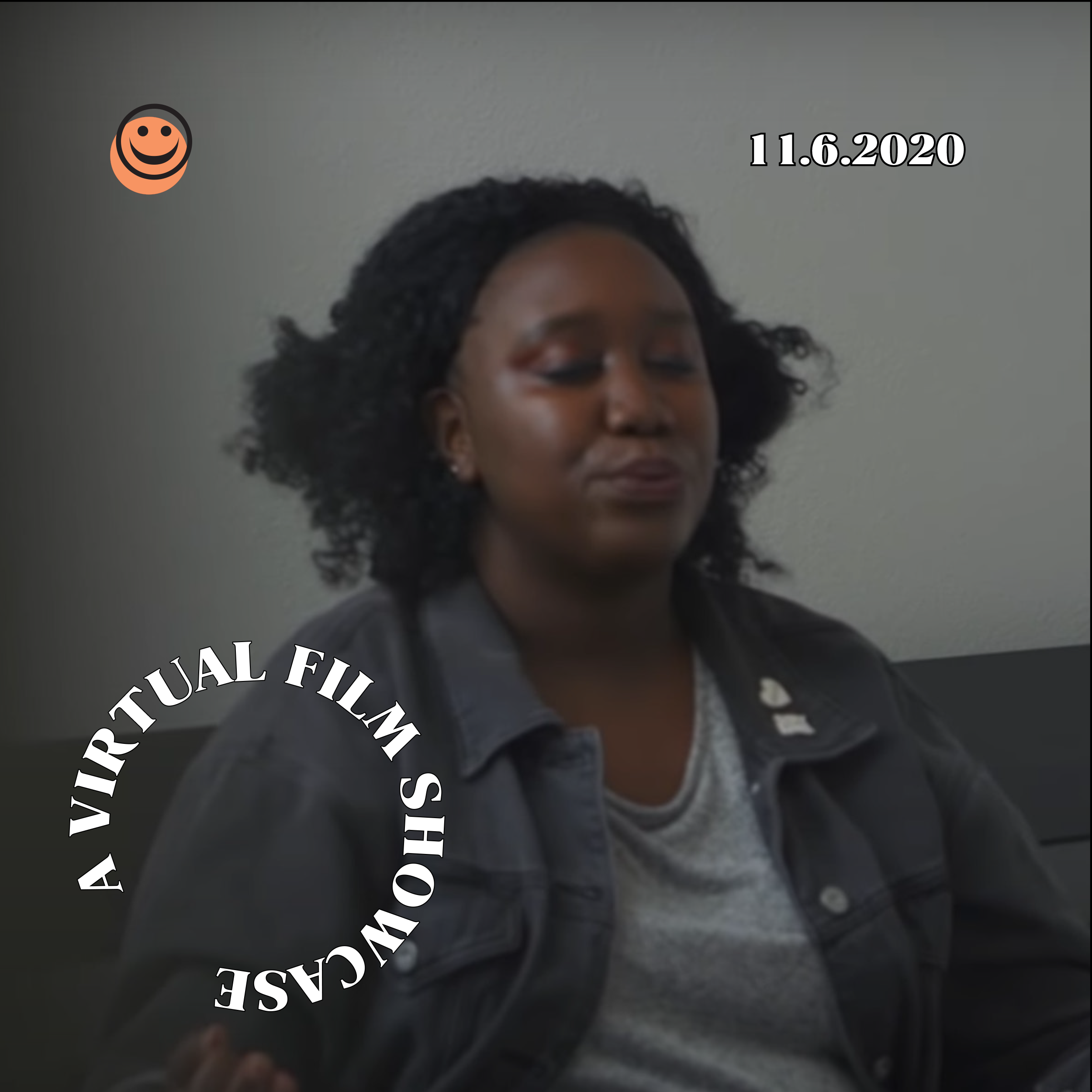
WHO: EVELYN NGUGI
Evelyn Ngugi aka Evelyn from the Internets is a humor writer, digital storyteller, producer, and speaker based in Austin, Texas. She joined YouTube back in 2008, and today her channel has about 13 million views and 205,000 subscribers. She makes a grab bag of content, from travel vlogs and silly beauty guru-esque tutorials to funny first generation American stories and Black pop culture commentary. In 2017, she was a YouTube Creators For Change fellow, and received a grant to produce positive content that makes our world a better place. Naturally, she chose to talk to a puppet and wear a wig. She currently co-hosts and writes Say It Loud, a PBS Digital Studios show about Black histories and cultures. You can follow her on Instagram at @evelynfromtheinternets.
Evelyn’s Featured Film: HELLO, TIM chronicles a young woman participates in a documentary to explain the cautious relationship she has with the government agent she believes is tapping her devices. Hello, Tim premiered at Buffer Festival 2019 in Toronto, Canada and won the "Excellence In Comedy" award. You can watch the trailer for Hello, Tim here.
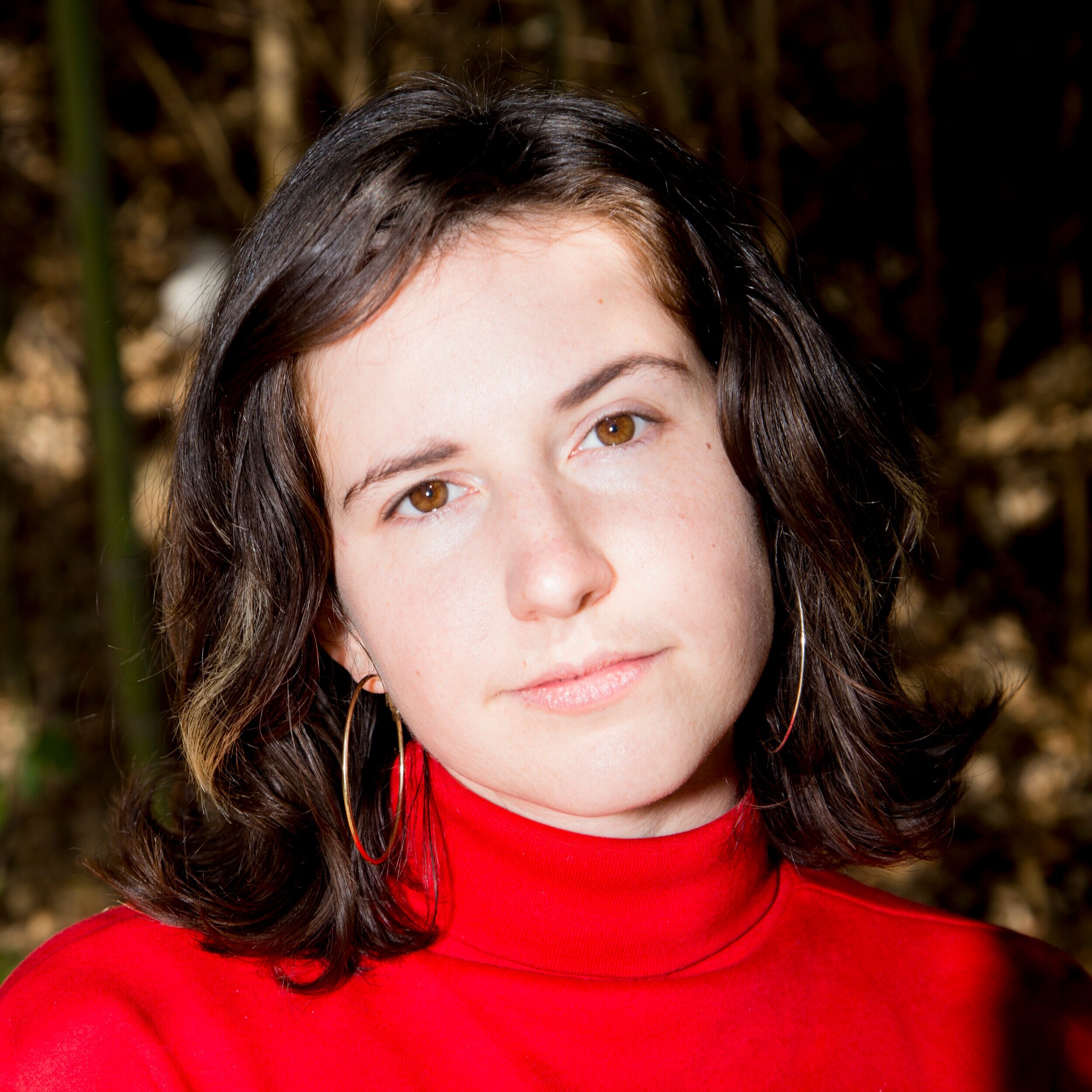

WHO: BRITTANY REEBER
Brittany Reeber is an award-winning filmmaker and producer. Her work encompasses music videos, projection, performance and short films in both documentary, narrative and something in-between. Originally from Florida, she is endlessly inspired by the Sunshine State and the ways in which it reflects the best and worst parts of humanity and our precarious relationship to the natural world. Her films are dark, funny and occasionally incorporate a choreographed dance routine.
Brittany’s Featured Film: THE CHEAP SEATS, a film by award-winning filmmaker and producer Brittany Reeber, is currently screening virtually around the country. Funded by the Austin Film Society, Kodak and American Documentary, it explores a real life psychic community in central Florida through a narrative approach that blends fact with fiction. Donna thinks psychics are just out to get her money, but she begrudgingly agrees to take Julianne to Cassadaga, Florida, the self-proclaimed “psychic capital of the world” where her skepticism is put to the test in this docu-narrative short starring Laura Cayouette (Queen Sugar, Django Unchained, Kill Bill Vol. 2) and a real-life Cassadaga medium, Nellie Conner. You can watch the trailer for The Cheap Seats here.
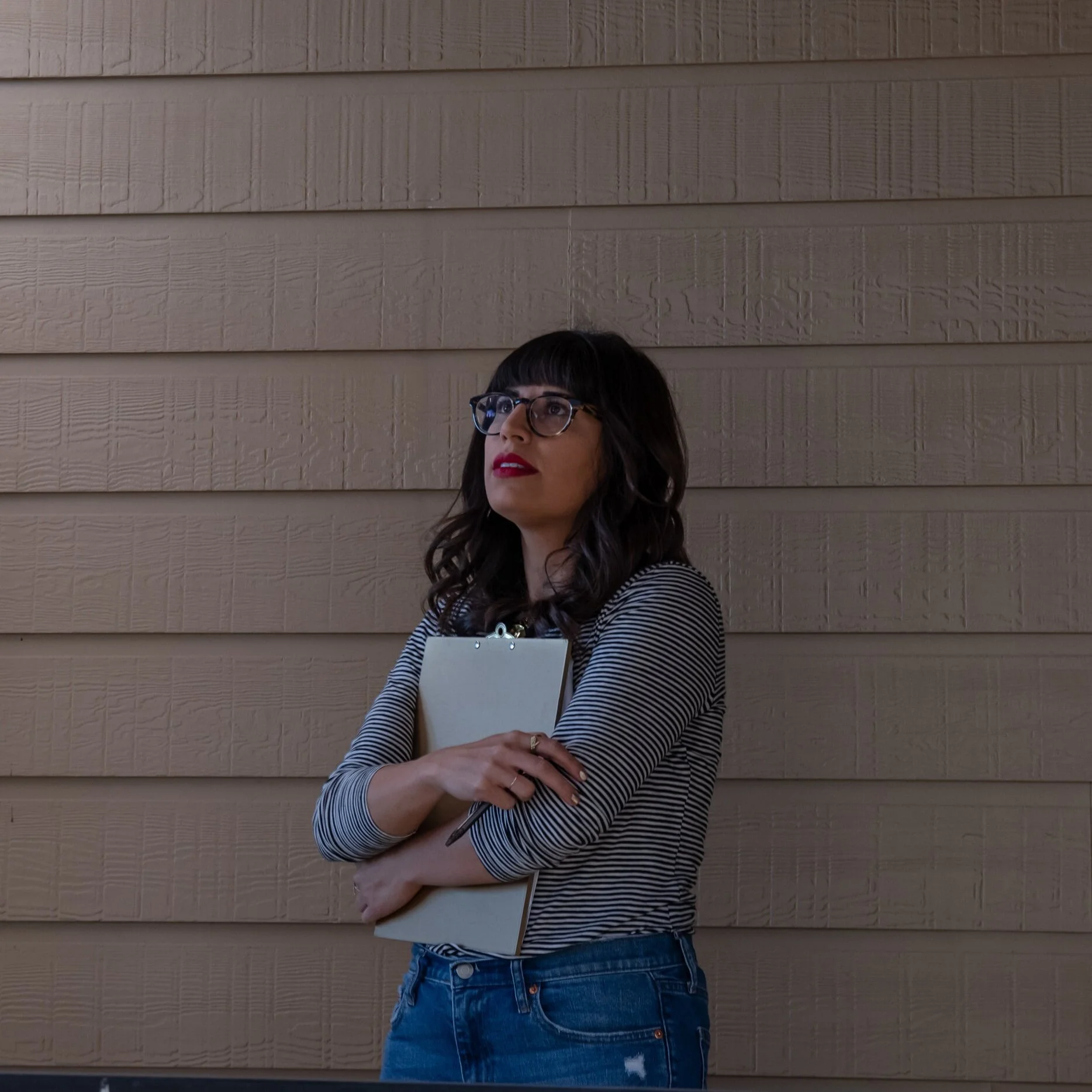
WHO: MEGHAN ROSS
Meghan Ross is a writer, producer, director, comedian, and activist. She’s the host of the all-women and non-binary late night show, That Time of the Month, as well as the weekly Instagram Live series No One Asked For This. Her first short film, An Uncomfortable Woman, premiered at Hollywood International Diversity Film Festival and her latest short film, If You Ever Hurt My Daughter, I Swear to God I’ll Let Her Navigate Her Own Emotional Growth, premiered on The New Yorker, featuring voiceover by Jon Hamm. Her writing has appeared in VICE’s Broadly, Reductress, The Toast, IFC, and Slackjaw.
Meghan’s Featured Film: AN UNCOMFORTABLE WOMAN is a dark comedy short film about Dylan, a 33-year-old woman experiencing a transitional period of her life. After the sudden death of her mother followed by the end of her long-term engagement, Dylan becomes obsessed with a foreboding thought: Don’t all bad things happen in threes? Sensing another tragedy lurks around the corner, Dylan must navigate her fear of being alone, the male species, and an unwanted house party, all while armed with questionable yet endearing support from her childhood best friend. (This screening will mark An Uncomfortable Woman’s Texas premiere.)
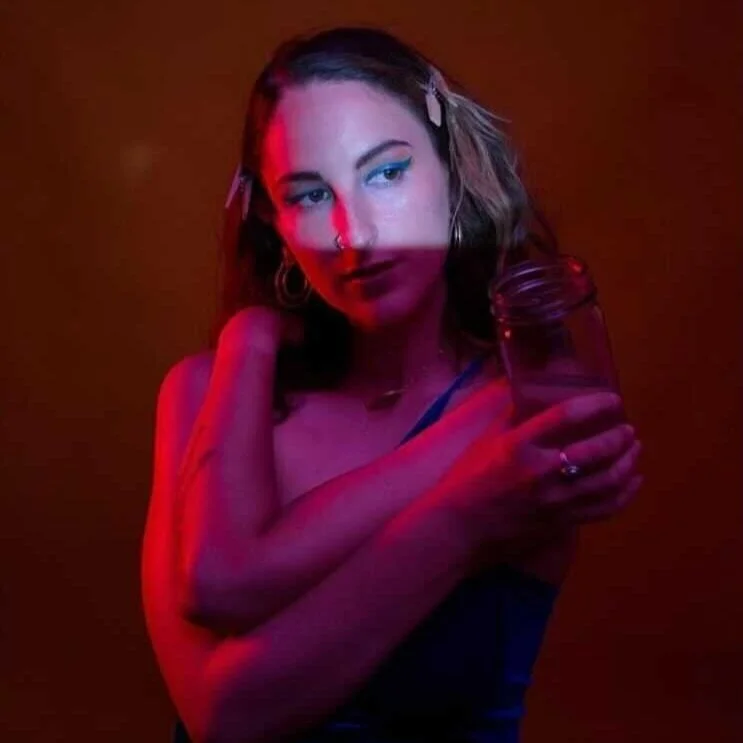

WHO: EMILY BASMA
Emily Basma is an Austin based photographer and filmmaker who explores myth, folklore, and iconography through a feminine gaze. Emily loves creating beautiful and atmospheric filmscapes that hopefully reminds the viewer of their most pleasant dreams.
Emily’s Short Film: SEEDS is a 16mm debut short film retelling of the Greek myth of Persephone through the lens of an American Tall Tale. The focus of the story is shifted to Persephone, allowing her the autonomy to decide her own fate.
LOOKING FOR MORE? Meet some of the Filmmakers-to-Watch in OUR NETWORK. :)
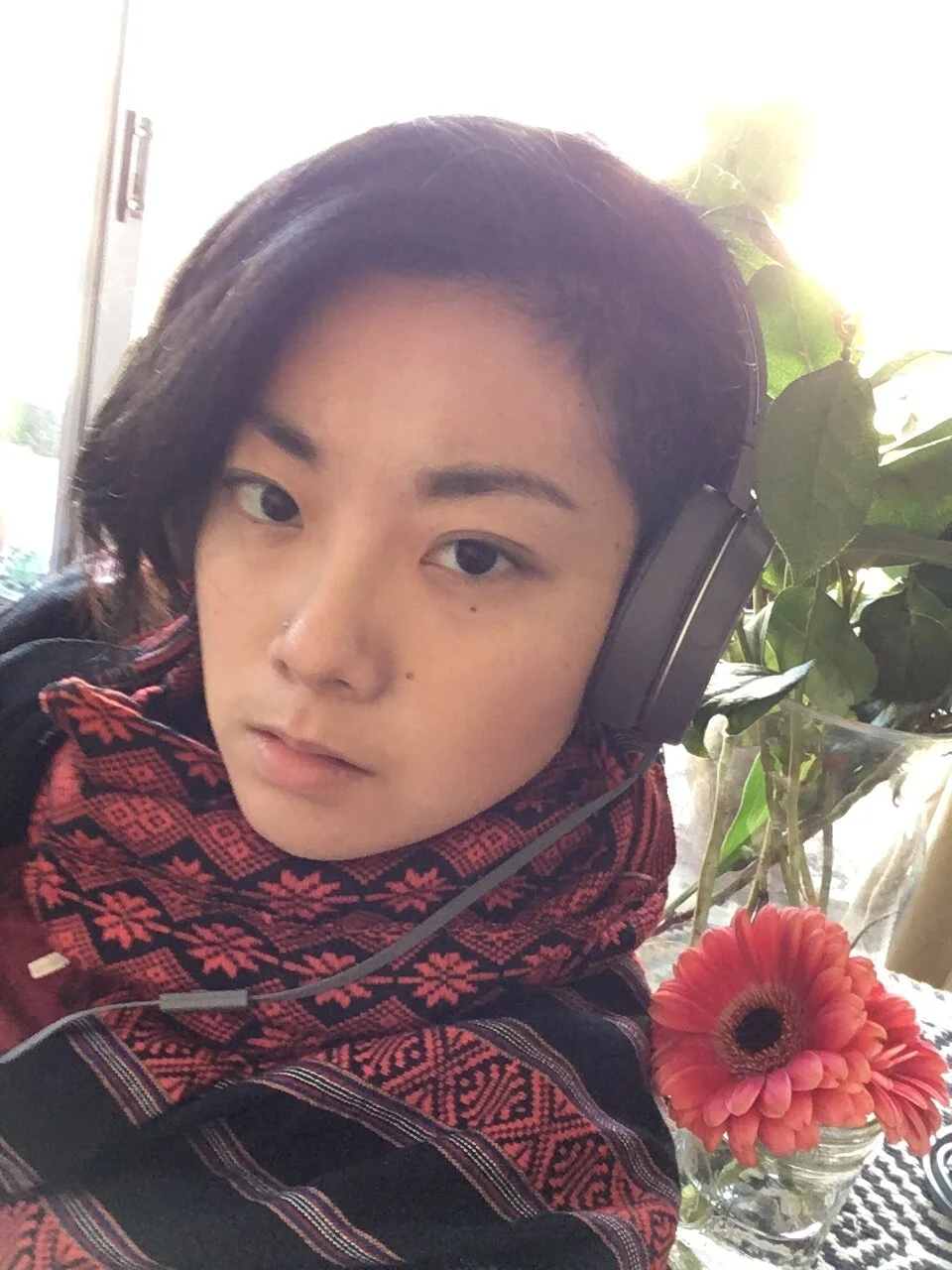
WHO: ERA MING
Era Ming is an agender queer of East Asian descent who currently resides in California. They are a genre writer who is interested in marginalized/neurodivergent characters searching for the truth, and they just finished a TV pilot about bringing back the dead to do good. You can follow Era on Twitter at @waxinglight.
Era’s short film, Tincture, is a magical realist thriller and an ode to queer longing, redemption, and the emotional memory of sacred objects.
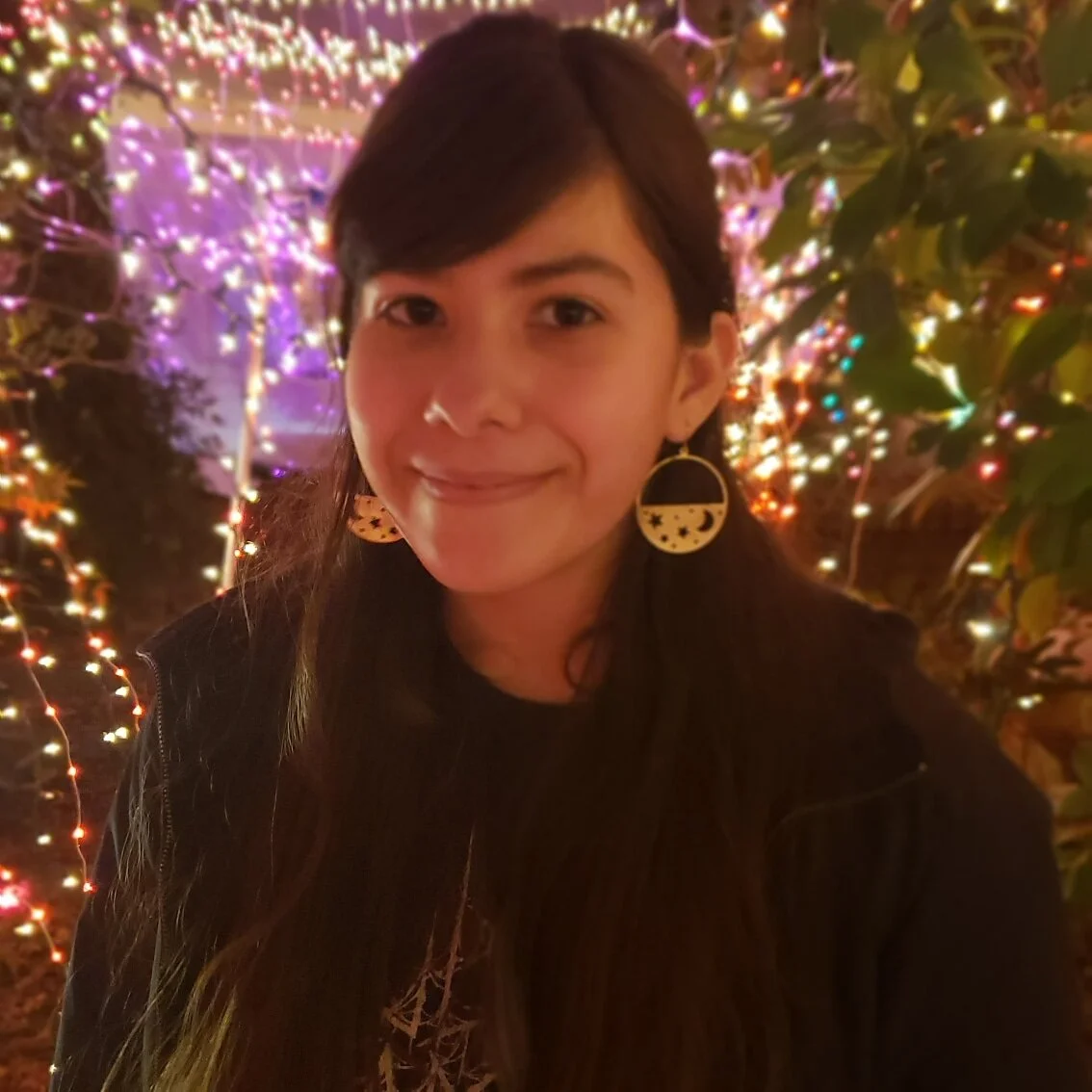
WHO: Valarie Gold
Valarie Gold is a filmmaker born and raised in Austin, Texas. She received her undergraduate degree in film where she did a variety of editing and producing roles on short narratives. Nowadays, her film work focuses on telling stories through symbolism and experimental mediums. One thing that she’s recently acknowledged is that filmmaking does not have to be for an audience. Be yourself and create art because it's an expression that is worth expressing— it doesn't have to be anything more than that. Valarie is currently a graduate student at UT Austin, getting her Masters in Media Studies and her secondary English Teacher Certification. Her goal is to focus on youth agency through media production and literacy in public education.
Valarie’s latest project, Limerence Sucks You Dry, is a short reflection on toxic relationships. She made this film as an emotional release, with the intent of healing and finding internal growth. Plus, Super 8 cameras and film are fun to work with.
WANT TO ATTEND CREATIVE MEDICINE?
You can RSVP for the virtual film showcase here. To find out more about Creative Medicine and the events within the series, head to bossbabes.org/creativemedicine.

On Performing, Passion And Staying Paid: DJ La Moon
In conversation with bbatx committee member Diamond Hawkins, bbatx resident artist DJ La Moon chatted with us about her passion for music and performing and what her day-to-day looks like as a performer, DJ and business owner.
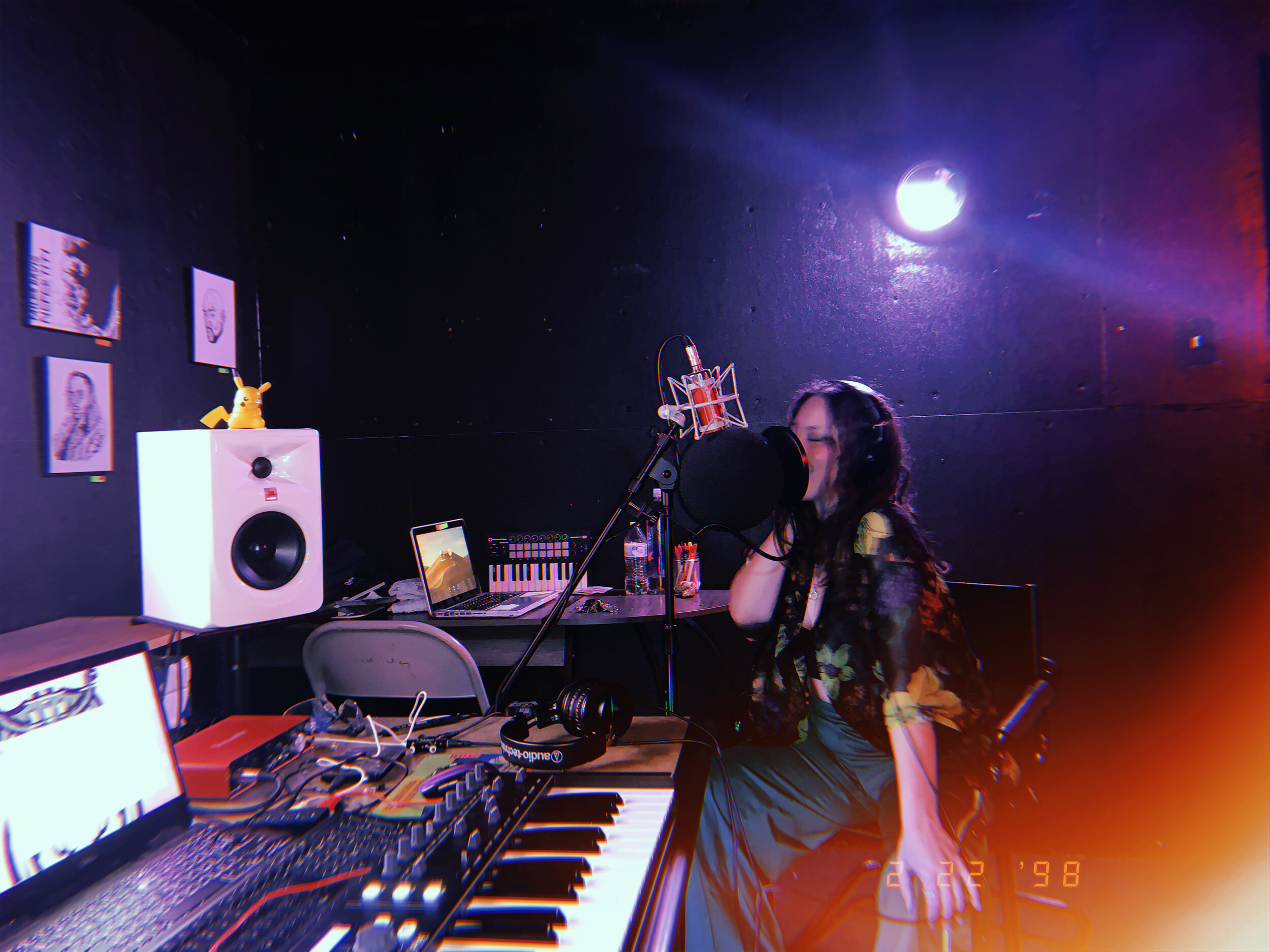
As part of our ongoing digital residency, we’re spotlighting our recent interview with La Moon, an Austin-based recording artist, DJ, radio personality and co-owner of Night Owl Studios.
In conversation with bbatx committee member Diamond Hawkins, La Moon talked with us about her passion for music and performing, how she draws the most inspiration from other women, and what her day-to-day looks like as a performer, DJ and business owner.

ABOUT DJ LA MOON:
La Moon is a recording artist, DJ, radio personality and co-owner of Night Owl Studios in Austin, Texas. Originally from San Juan, Puerto Rico, La Moon has loved music since she can remember.
In 2012, she started DJing every weekend at a popular club in Old San Juan and has performed in Miami, Colombia, New York, California, New Jersey, Chicago and more. La Moon’s goal is to perform and have her music heard around the world.
Her supporters gave her the title "La Reina del Perreo" because they love her explosive Reggaeton/Perreo DJ Sets.
In 2019, La Moon started releasing original music in Spanish and singing live. Her popular songs are "Lunática", "Violenta" and "Algo Sexual"—some real sexy dancing bops. She really enjoys collaborating and creating with other like-minded individuals, and she strives to provide a comfortable, professional, creative, good vibes recording studio called Night Owl Studios with her fianceé and two great friends. You can keep up with her on Twitch every Tuesday from 7 to 8 PM CT and during her “Cafe y Perreo” morning DJ sets.
Tell us a little bit about yourself. :)
My real name is Kristiany and I'm originally from San Juan, Puerto Rico, but I moved to Austin. I love music—I DJ, I sing, I’m the co-owner of a music studio here in Austin, and I work on the radio. I like to do everything that has to do music, entertaining, creating and having a good time. That’s usually what La Moon does.
Let’s start with your stage name. Where did it come from?
Well, I've always been known by my real name, Kristiany, but then after the hurricane [Hurricane Maria] happened, I moved to New York because I was trying to leave the island. So, I moved to New York, and I would notice that Uber drivers wouldn’t know how to say my name. No one knew how to say my name! Literally that first weekend, almost instantly, I was like, I need to change my name, because no one’s going to book me. No one’s going to remember me if my name's this complicated.
I wanted to do something in Spanglish because I do things in English and Spanish. Spanglish is another language that I really speak, so I decided on La Moon! Because I'm a night owl! “La” in Spanish and “moon” in English. Anyone can say it in any language or accent.
What inspires you to create?
I just love expressing myself. I love being in good vibes. I love being relaxed. I like setting a mood, and I like to set that mood for other people. I just like people in general, so I make music for them. I like to express myself, but I also think about my demographic and who's going to listen to it.
I usually get inspired by women and our stories—us having fun, us being sad, us trying to get over stuff. You know what I mean? Us being badasses! Women always inspire me. Every time a woman compliments me, it means a little bit more than if a guy does it for some reason. Drake could tell me that my song was the bomb, but if some 17-year-old-girl told me, “Oh my God, you're the bomb,” I would be like, “Oh my god, a girl liked it!” I would feel so good.

What does your day-to-day look like?
Honestly, it depends on the day of the week. Monday through Friday, I'm at the radio station (Enchufe Radio Digital). I do a 30-minute DJ set, and then the night before, I have my listeners vote between two songs, and they choose which song they want. So, I have to think ahead of time about the songs they’d want to vote for and if it’d be a hard battle. Stuff like that. That’s me with my radio stuff.
If I'm at the studio, my daily schedule might change. If it's the studio I co-own, then we’re thinking of services, how to bring people in, things like that. If it's me creating my own songs in the studio, I pretty much try to create every second I can because when it hits you, it just comes. You just live life and things come to you at any time. So I’ll be listening to beats, getting some lyrics in… some feels. Whenever I know there's no clients, I'll try to record. I make music, and then if I have to DJ at the club, I use that time to practice and create stuff. Usually when I'm on the radio live on air, I’ll be practicing deejaying five times a week, plus on the weekends. I'm deejaying almost everyday. I do love it, but I love making music more. Performing—being live in front of people—is my favorite.
I love it because I hate waiting. I feel like I'm very patient and zen, but I'm actually so freaking impatient. Every time I perform, I don't know… for some reason, at least in the past, I always fight. I always get into an argument with others every time I have an event. I just feel like we [performers] give so much love, but at the same time, we know we deserve the love.
That's pretty much it for my day-to-day. But sometimes, everything goes crazy. I would get a message saying, “Oh, we want to do this today.” I'll go, but I also have to prepare for other things. I’ll have to go to the studio because something's happening, or we have a meeting at the studio. It can be very hectic, but I like it because it keeps me occupied, and honestly, I like making money. We’re hustling here, you know? So right now, I'm just trying to do everything I can. I don't have a studio here [at home], so I can't make music. Everything's in the studio, but the building it’s in is currently closed.
What do you do when you wake up in the morning? Do you have a specific routine?
For my best self, I definitely need to meditate for twenty minutes. Ten minutes is not enough anymore. I actually got that from J Balvin. He does it for twenty minutes a day, so that encouraged me to take that step since ten minutes wasn’t doing it for me anymore. I used to meditate for ten minutes without guidance, but then I did it for the first time guided, and I feel like it helps to make the time pass by quicker and get me to where I want to be mentally, you know—uplifted, relaxed and everything's beautiful. It makes me feel really good, and it really makes a difference. I also have to walk my dog, and she just makes me so happy. My baby girl!
In the morning, I like to drink water with lemon and lime. I’ll have friends over, and they’ll be like, “Why are you so bougie with your lemon-lime water at your house?” I'm like, “What's wrong with you? Just let me be!”
After that, I usually like to take a shower. Well, the first thing I do is brush my teeth, but then I'll take a shower, do my makeup, and listen to music while I'm doing that. (My morning mix is about 90% Bad Bunny.)
Then, I go off and do what I have to do. The first thing I do is usually go to the radio station, but I have to meditate, though. To me, it’s about patience. You know how many times things change in a day? Something last-minute usually happens to me. I’m used to it—that's part of life. All I can change is myself and how I deal with it.

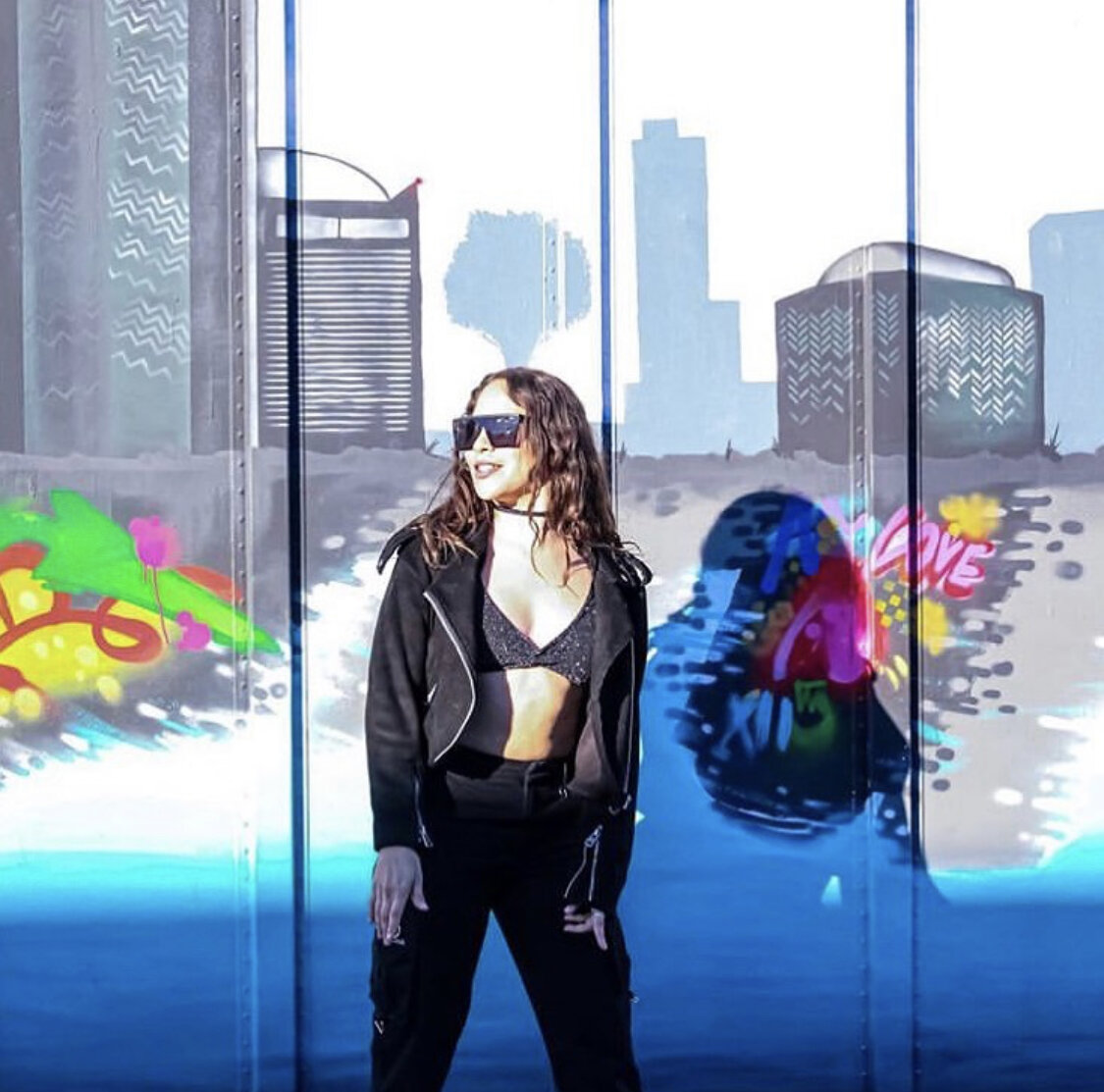
What sparked your interest in your craft?
I've always loved music. I was that girl in every talent show, you know what I mean? I just did that all the time, but I never pursued it as a career until I graduated from college.
I studied kinesiology while I was living in Puerto Rico. What I wanted to do was do a boot camp on the beach once or twice on the weekends and have a DJ playing. So, we’re all on the beach looking cute, and it’s kind of like an obstacle course. People run it about ten times, all that stuff. So, I started doing that, but then if I was trying to book a DJ, they were like $100 or $150. I was just like, You know what? That's too expensive. Like, I'm not going to book you. You're not going to make more money than me.
So, I got the equipment, and then I learned through YouTube. I made the mix really simple because it's workout music. It's not like club music. It's much simpler. I just have to put on the banging songs. I premixed it, got my friend to fake being the DJ, and that was it!
Then, one of my friends from high school owned a bar there, but she had a really bad DJ, so I suggested she let me DJ there! The DJ would be playing techno, and no one in Puerto Rico wants techno. They just want Reggaetón, hip-hop and salsa. I told her that no one was coming to her bar because of the DJ playing techno. She didn’t want to cancel him because he was her brother's friend, and I understood that. But then one day, he got booked to do something else, so I told her to let me do it. And she said OK! I had one or two days to prepare. I have a lot of friends because I went to high school and college there, and it's a tiny Island. Everyone pretty much knows each other. I told people that I was going to DJ there, and it ended up being packed. There was a line at the side of the bar, and that really convinced her to drop that guy because, like, it's good money. No one was coming in for the month that she had it open, and I just told her that it was because she just needed someone that puts on what people actually want to listen to.
What was that experience like?
It was so lit! Because I was young—I was out of college, but I was like, what, 22? Like, lit years, you know what I mean? Now I'm 34, so that's what I'm saying. You know the song “Champagne Showers” by LMFAO? I got my friends on the bar making champagne pop! We made it like a Miami club.
How do you get through creative mental blocks?
I never write a full song. I just write emotions or one verse or something. Then I go to the studio, and whenever I'm on the mic I say other stuff or take in more ideas. I've noticed that I get roadblocked when I'm on a deadline. In my mind, I’m saying what I have to do and what I have to finish instead of just going in and chilling, because of the time limits. That's why I want a studio in my house. That’s the next thing I'm doing.
If you could tell something to your younger self, what would you say?
I feel like I was way more confident when I was younger. I would do whatever. I wouldn't even think things through. That could have been a good thing, could have been a bad thing. I just feel like I shouldn’t have listened to other people’s opinions and just have listened to my own. That's why I studied kinesiology in college, because my parents were really against me doing anything in music. If I didn't listen to them, I would've just studied music and been this boss and probably would have been different. I graduated, and then I had to study and learn again. It felt like I did eight years of learning.
But at the same time, maybe that made me more hungry, more driven. That's probably why I do, like, ten things at once. It's hard to have friends that understand me, because they have their nine-to-five job and they come back home and they're like, “When are we brunching? Where are we shopping?” And I’m like, I need to get booked for a DJ gig at the brunch. I'll see you there. That's how I think—money, money, money.

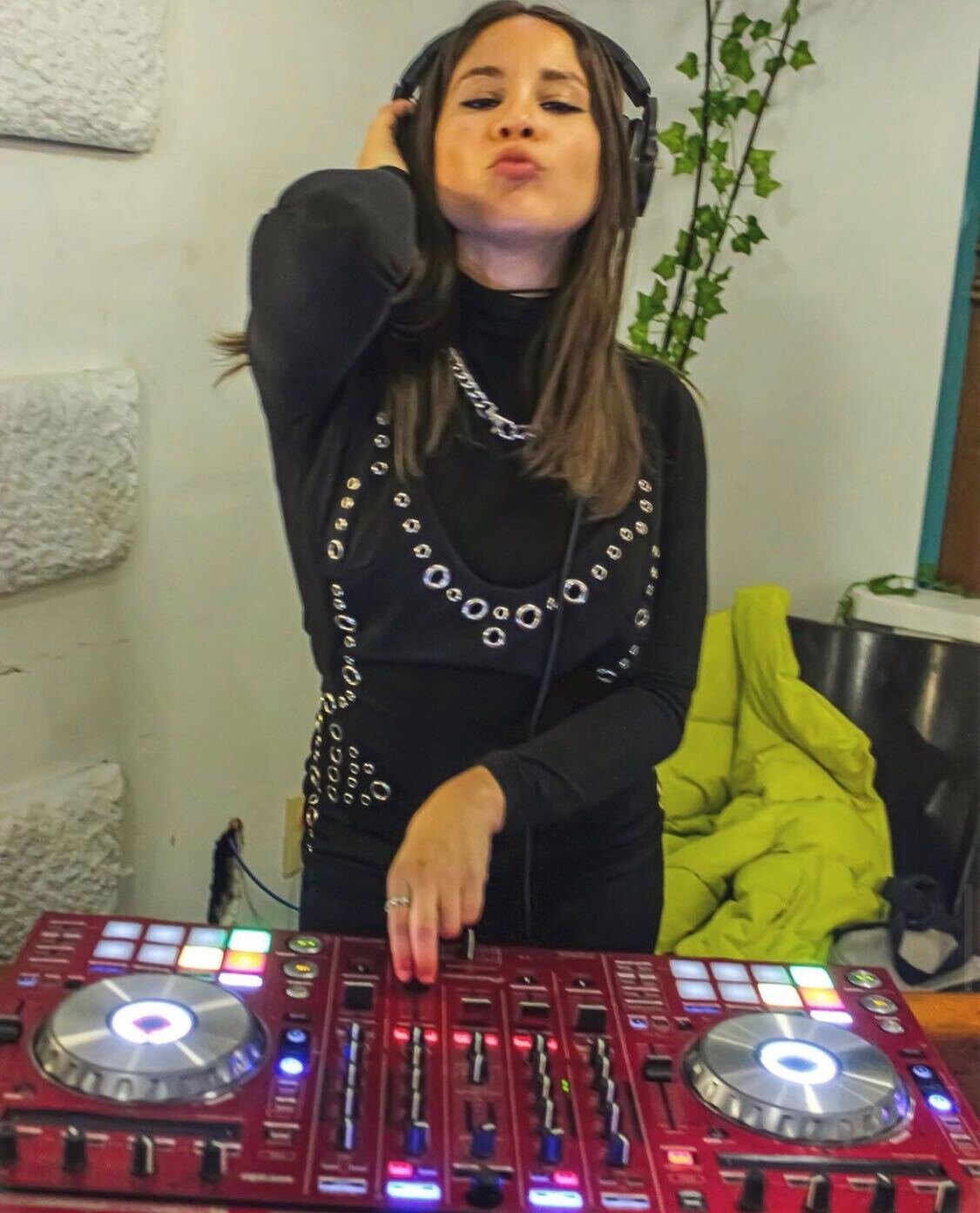
LISTEN TO DJ LA MOON’S BABES FEST RADIO MIX. :)
About This Mix:
This mix by DJ La Moon will get you amped and feeling fierce. Let yourself go in this ultra hype set of eclectic rhythms and bouncy beats. Featuring exclusive and unreleased tracks by Las Mas Violenta. You can tune in to DJ La Moon's livestream show every Tuesday at twitch.tv/djlamoon.
TRACKLIST:
1. W.E.R.K (edit)
2. Justice - D.A.N.C.E. (Fruity Set Jersey Style)
3. TNGHT & M.I.A. - BAD GOOOORLS (BAVR RMX)
4. La Goony Chonga - Claro Que Si (Perreo Mix)
5. Cesar Mannix x Hernande2 x Neddo - COSITA
6. Saweetie - Tap In (MarkCutz Multi Beat Blend)
7. Muy Caliente Versano Laroz x Mc V.e.g.a Dancehall
8. Sak Noel X Salvi X Franklin Dam - Tócame (Hater Perreo Del Sucio Remix)
9. Ducky - Work__ EMPYREAN TEARS REMIX (dembow edit)
10. Rosalía - A Palé (PAPITO PEACE EDIT)
11. Princess Nokia - I Like Him (Olzhas Serikov & Niceskeik Remix)
12. Dj Karaca feat. Truth Hurts - Addictive (2016 remix)
13. Tragame - Salon Sandunga feat. Ayotamz
14. Ms Nina - Rico Rico (Prod Beauty Brain)
15. Give It To Me - Nouriginal
16. Cardi B - WAP (feat. Megan Thee Stallion) (OAKK Bootleg)
17. BURN THE DISCO - Afterparty
18. IZDA - B.T.$.U.
19. Baby Work It (Ramuro Diaz Remix)
20. Missy Elliott - Work It (acapella)
21. Tove Lo - Disco Tits (HARD HABITS EDIT)
22. Gypsy Woman (Gafacci Remix)
23. Bambaataa Drip
24. Callaita (GC og Edit)
25. NO PONY edit
26. Satisfaction (Gafacci Edit)
27. Vamos A Jugar En El Sol - MËGA & Airsoft
28. Space Jams - Move Ya Body (TMB Edit)
29. drill my name (Λ N N Λ B E L flip)
30. Ayo Tamz x DJ la Moon - Aye Papi (Las Mas Violenta unreleased)
31. DJ La Moon - La Villa
32. Ayo Tamz x DJ la Moon -Trakate (Las Más Violenta unreleased)
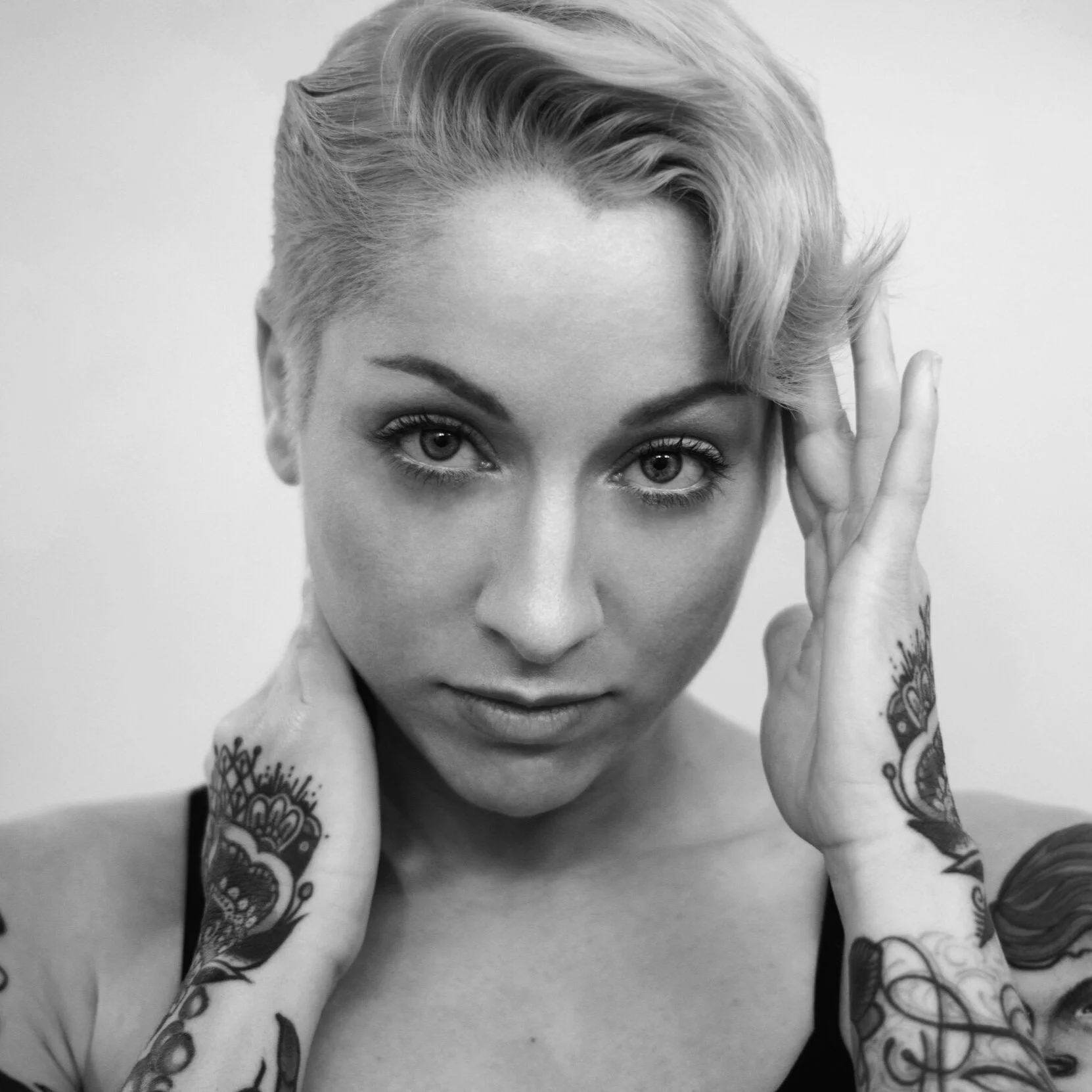
On Setting and Achieving Goals: An Interview with Bragglights
Enjoy our interview with bbatx resident artist Bragglights.
Every year, bbatx curates a monthly residency highlighting the work of 10 to 15, Texas-based women and nonbinary visual and musical artists that create work and perform in our programs. As we move to take our programs online, we’ve partnered with Bumble to launch a digital version of The Residency. From now through November 1, 2020, you can tune in for weekly mixes, visuals and workshops from 16 women and nonbinary artists and DJs.
Today, we’ve got an interview with Jenna Herrington, an electronic music DJ better known as Bragglights. In conversation with bbatx committee member Diamond Hawkins, Bragglights discusses how Texas and California have influenced her music, manifesting her next moves, and how she’s learned to silence self-doubt.
ABOUT BRAGGLIGHTS:
Bragglights is an experimental techno/dance music project produced & performed by the artist, Jenna Herrington. Cast as a black sheep during her childhood in Southeast Texas, her creative direction derives from the “Lights of Saratoga” aka “Bragg Lights” which are most famously known as mysterious lights that wander the forests & railroads of her homeland.
Tell us a little bit about yourself. :) how you DID YOU GET into making MUSIC? WHO ARE SOME OF YOUR MUSICAL INFLUENCES?
My name is Jenna Herrington. I’m 33 from southeast Texas, a small rural town. I grew up in a very close-minded area, but at the same time, there was also some culture. Then I moved to southern California, and I feel like I’ve kind of lived two different lives, maybe even more. I’ve been back and forth between California and Texas multiple times. I think my childhood made me that way. Sometimes I want to be in Texas, and then I’m feeling the city and I’m ready to move.
I’ve always been an artsy person. Creating music helped me get out of a hole. About ten years ago, I had a wave come over me. I was a pretty lost person, but then I really began to think about making music. I bought a drum machine and I had no idea what to do with it. But I bought it and just started pressing the buttons. Then, years later I got Ableton 6—it was so raw, and I had no idea what I was doing. I just started messing around and getting myself familiar with it. That’s kind of my process for how I do a lot of things. I just experiment and I have to get my hands on things to figure it out. Once I hit a barrier, I’ll do more research—look up Youtube videos, stuff like that.
Also, growing up, music was really big for me. I wanted to be Timbaland so bad. I really loved him and his beats. I more or less studied him, but I didn’t really get into making music until I was 23. Growing up in the ‘90s, it was almost as if he produced every song. And then there was Missy Elliott. She was so out there. Remember “I Can’t Stand The Rain?” She has like, a trash bag on! I think it was a really cool time to grow up in because it was a whole new kind of funky. MTV was actually cool back then. It was just MTV and VH1, and MTV was always killing it. I realized that I watched a lot of MTV, I watched a lot of BET. I was really into hip hop. I would watch The Basement and Hits From The Street. Hip hop and rap were really big influences in my life, and it was just starting to really get big then. Musicians like Outkast and their song “Bombs Over Baghdad.”
Speaking of Missy Elliott and Timbaland creating a whole new culture, I’m getting really into J Balvin right now. He just came out with his new album called Colores, and all of his videos remind me of the super dope videos that I used to watch growing up. I’m so into it right now. I’m trying to learn Spanish so that I can rap along. For two hours last night, I was just yelling his lyrics trying to learn it. I’m getting a new wave of inspiration.
As for electronic music, when I was in California I dated someone who was really into Aphex Twin, goth music, and industrial. I learned a lot about music from them. I learned how to use synthesizers, MIDI, the basics. And then after we split, I continued to nerd out on things. And now, I really love techno. I was living in Lisbon for three months because I was cutting hair out there (I cut hair, too.) I was going to these underground techno shows. It was so sick. I just like making really dark, kinda raw stuff. For my music, I imagine people in a warehouse, making out, sweating, dancing, taking their clothes off. That’s just how I feel. So, maybe I just have a lot of sexual energy I’m trying to get out!
That’s where I am right now. I try to dive into different sub-genres of electronica. I haven’t released it yet, but it’s going to be called Ghost. I like to conceptualize my albums. It helps me write. I use more eerie, ambient sounds, but it leans more toward warehouse dance. But the newer stuff that I’m writing is kind of similar to Crystal Castles indie.


HOW DO YOU USE YOUR CRAFT TO MOVE OTHER PEOPLE?
I started putting out stuff in 2017, so three years ago, and it was really hard to get my first show. I created my first show on Red River. I met these nerdy guys and was like, “let’s play a show,” and I decided that I was going to be the headliner. I kind of just kept doing that. I had these goals: I was going to play Nite School at Cheer Up Charlies and then Exploded Drawing, and I got both of those shows within a year.
I’m starting to connect the dots here. When I was playing these shows, regardless if it was a coffee shop, Cheer Up Charlies or Nite School—I want to make these people dance. If I can get straight-laced, plain-old people to dance, it makes me feel as if I’m doing something right, because I know that they have it inside of them. [Here in Austin] It’s just indie music all the time, and I’m like cool, you can play your guitar. But that’s not what I’m trying to do. I’ve got rage! I want to shuffle! When people go to Coachella, they go buck wild. I know they’re listening to EDM, techno, hip hop. So I’m trying to bring that at a local level. That’s not my main mission, but I like writing dance music. At this point where I’m at, I’m only playing at a local level, but I want to bring it.
BEING A WORKING MUSICIAN HAS A LOT TO DO WITH OPPORTUNITY. HOW DO YOU REACT TO SUDDEN OPPORTUNITIES OR CHANGES AS THEY MAY ARISE?
A few years ago, I was flown out to Bonnaroo by Red Bull Music. They picked 20 people—I still don’t know how I got it. I met so many bomb people, but the guy that ran it lives in Miami and told me I needed to go to see what it’s like. So I ended up going. We woke up at seven in the morning, got dressed and we went to this club called Club Space Miami on Fourth of July. We were on stage on the DJ booth with these hot, sexy people, dancing and drinking, and it was packed. It’s like that all the time. You don’t know who’s been up since four in the morning, you don’t know who just got dressed and showed up. Once I felt that, I knew that I was at a point in my artistry where I needed that. I need that energy. I find myself being more shy and quiet here in Austin. I feel bashful all the time. I’m just ready to be around people where I can just bop my head everywhere I go.
I’ve been doing a lot of personal work, and I’m just realizing that we become the story that we make up in our head. I have this curiosity to move to Miami, and then my ego says no. But no. Now, I’m at a point where I’m like, “you need to get serious about writing music.” I’m at this point where I can actually see myself becoming a professional musician. Austin’s a good place to incubate, and that’s what I’m finding out. It was a really good place for me to make my own show. You can start anything in Austin, but now I need to feel something else.
The coronavirus has been interesting because it’s not a vacation, and I know a lot of people have been hit really hard by it. But I’ve actually been seeing this time as being really beautiful for me. I saved around $7,000 to keep myself afloat, and I’m not balling by any means, but now I have a whiteboard on my wall, and last night I wrote, “I am going to move to Miami.” It’s been an interesting time for me, if I’m being honest.
WHAT WOULD YOU TELL YOUR YOUNGER SELF?
I wish I could revisit myself when I was 14, depressed and had a broken up family. The first time I ever experienced depression, I wish I could’ve grabbed my own hand and shown myself that what I’m experiencing here and now is possible. I didn’t have guidance, I was just blind. Being female, growing up with a mom that has two jobs, two kids and married an alcoholic—man, I rebelled so much. Isn’t it crazy to be triggered as an adult and see how embedded that shit is in you? You get to a point when you’re already on the path to recovery and changing and you see people not be able to do it. I feel like I’m just barely starting to grow up, and I’m 33. I wish I could’ve grabbed my hand and shown myself the other side of the world.


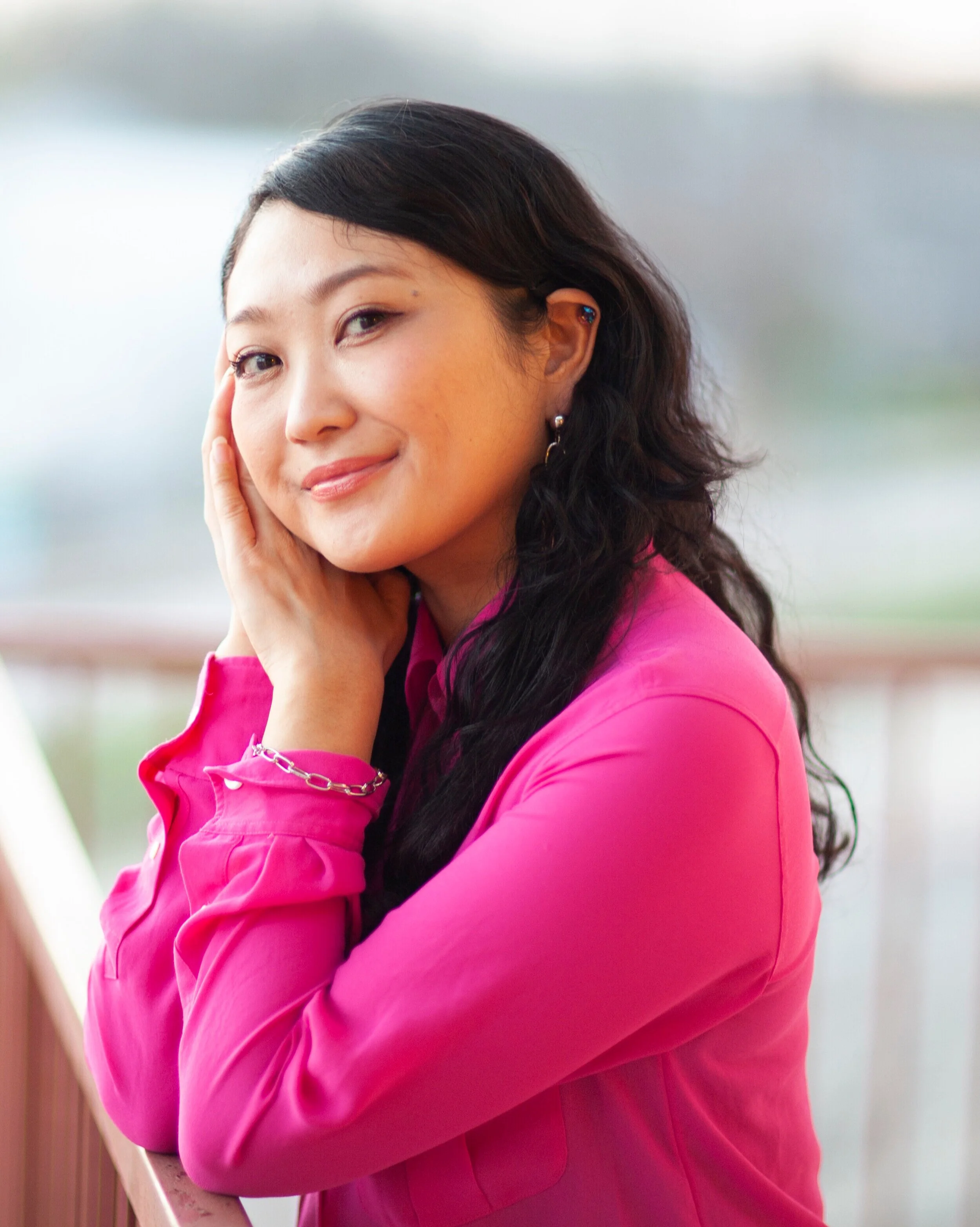
On Experimentation and Self-Expression: Misa Yamamoto
In conversation with bbatx committee member A’nysha Aileen, resident artist Misa Yamamoto talks with us about her creative origins and her work with Austin-based visual arts collective, Essentials Creative.
As part of our ongoing digital residency, we’re spotlighting our recent interview with Misa Yamamoto, a graphic designer and art director for Essentials Creative. In conversation with bbatx committee member A'nysha Aileen, Misa discusses how she began collaborating with Essentials, the biggest inspirations behind her art, and how her perspectives on creating have evolved over time.

ABOUT MISA YAMAMOTO:
Misa Yamamoto is a graphic designer and art director for visual arts collective, Essentials Creative, based in Austin, Texas. Essentials incorporates multi-faceted disciplines such as photography, fashion, graphic design, video, projection, animation, music and installation. Although a single image may include many Essentials members, there is always a unified vision of experimentation, fluidity, and diversity.
Tell us a little bit about your background. :)
I am from Tokyo, Japan. I grew up there, and my family is in Japan. I went to a private girls school. They had many restrictions, and I felt trapped in Tokyo, so I wanted to explore the rest of the world. So I applied and became an exchange student in a small town, Fredonia, KS. It was a culture shock, and everything was different. I was almost the only person of color there. But, I enjoyed feeling free there without restrictions.
I decided to study art in the US after I finished high school in Japan. My dad is an aerial photographer, and my mom studied fashion design. My parents are both creatives, and it was natural for me to do something with art. My mom always told me to not be a photographer because she knows about the hustle. But my sister became a photographer, and I married a photographer, Fabian Villa. I studied communication design at Texas State University. I pulled so many all-nighters and made creative friends. At school, I met Sixto-Juan Zavala, and he introduced me to Essentials Creative, and I started collaborating with the team, Fabian Villa and Steven Casanova.
What prompted the creation of your visual arts collective, Essentials Creative?
Before working in the visual arts, Essentials started in San Antonio as a DJ night with Daecos, VJ Sixto, and event photography by Fabian and Steve. For the flier designs, they collaged photos of the guests.
When I first met Essentials, they had moved into a massive warehouse for low rent and focused on fashion photography, and I started work with them doing set design and graphics. Fashion photography is very collaborative with models, makeup artists, stylists, art directors, post-production people like graphic designers and retouchers.
I had been living in Austin, and Essentials decided to move up here for more opportunities. We shared a home for the first three years, and we started working on more art installations. One of the first installations, YLA 21, was at the Mexic-Arte Museum. After that, it made sense for us to focus on visual art and site-specific installations. We started collaborating with Holodeck Records, City of Austin, Big Medium, Pump Project, Fusebox and now BBATX!
What do you want people to take away from the things you create?
Essentials is my passion, a place to express myself, be free and experiment. We create what we want to see, and if people enjoy it and get it inspired to be creative, then it's successful.
What is your favorite creative medium, and what mediums do you hope to explore in the future?
My main interest is in graphic design and art direction. I would like to do more in digital arts like animation, photography and video, and also incorporate handmade arts and crafts into our digital imagery.
Do you have any advice for up and coming visual artists?
I am very social media-shy, but I am learning from Fabian. If you want to talk or collaborate with people, reach out. Social media makes it easy to ask or get advice from other professionals you admire. Go to art openings or stop by their event, and post on your story and tag the artist. It will help you start conversations with the artists or people you admire.


Who or what inspires and informs your work?
The visual culture around us inspires our work, especially art, music, fashion and studios like M/M Paris and ShowStudio. The following artists really inspire me:
Belkis Ayon
Yayoi Kusama
Maya Deren
Betye Saar
Rashaad Newsome
Adam Pendelton
Francis Bacon
Shigeo Fukuda
How have your projects grown and changed since you started?
In Essentials Creative, I can be more expressive, experiment and collaborate. I am working with others whom I trust, and getting feedback helps me to have different perspectives and expand my vision. I learned personal egos don't help collaborations make the project better. Each project has a different outcome, but everything is part of the learning process. Also, it is ok to do things and not get likes or sell art—as long as it makes you feel good. The most important part is to keep creating, and I think balance is essential.
Can you describe your creative process? What is the first thing you do when you start a project?
I love to research the subject first. I work next to the Fine Arts library, so I check out different books for research and get some inspiration. I also love going to museums! When I travel, I have to go to art museums.
How do you embody our Recent theme, revitalize?
I always felt like an outsider in Austin because of my language and culture barriers. But I am living here now, and my reality is that I am an immigrant woman of color in the arts community, and I must stand up and help dismantle institutional racism and always support BIPOC. At Essentials Creative, we have been collaborating organically with artists and models coming from marginalized communities. But now, we need to continue our practice and be more intentional about it. Who we represent, who we cast, who we work with, and who we support is Essentials.
BBATX is such a great community to connect, learn, and support others. Austin is pretty lucky to have this organization. I am super honored to be part of this residency program!


Take a peek at Misa’s work in creating our Small Business Support Guide. :)
For our recent craftHER Market Week, we collaborated with Misa in having her design our How to Support Small, Support Local and Show Up guide. Take a look at Misa’s work below, and read a digital version of the guide here.


On Seeking Liberation Through Art: Paloma Mayorga
In conversation with interdisciplinary creative Vera Claeys, bbatx resident artist Paloma Mayorga shares the way her creative process has positively affected her identity and self-image.
As part of our ongoing digital residency, we’re spotlighting an interview with artist and curator Paloma Mayorga. In conversation with interdisciplinary creative and writer Vera Claeys, Paloma talks about transitioning from painting to photography, the first time she ever exhibited her scans and how her creative process has changed her idea of self-image.
Interview conducted and written by Vera Claeys, April 2020.

ABOUT PALOMA MAYORGA:
Paloma Mayorga is an interdisciplinary artist and independent curator based in Austin, Texas. She uses unconventional forms of photography to document the body and other natural objects, creating intricate self-portraits that beg the viewer to consider the subtleties of touch.
A note from Vera Claeys: I was introduced to Paloma Mayorga’s work in the Spring of 2010. I was visiting Southwestern University for admitted students day and had the pleasure of seeing her senior art show at the Sarofim School of Fine Arts. For an 18-year-old kid visiting from Mission, Texas, I felt like I was floating. Liberated and confused. Comforted, yet weary. Her work was like taking an ice bath I didn’t know I needed. Since then, I’ve had the pleasure of seeing her repertoire evolve in a riveting dance between still life and lucid scans.
Vera Claeys: I want to start by thanking you for taking the time to share your ideas with us today. I also would like to mention that when I first met you and saw your work, you were focusing on an entirely different medium, and that was painting. What was the precedent for that shift?
Paloma Mayorga: Thank you, Vera, for taking the time to interview me and letting me share a little more about what I do! Indeed, I had been working on oil paintings when we first met right after I finished university, where I studied painting. After graduation, I spent a lot of time with myself and became fascinated by self portraits, specifically the idea of people creating an image in their likeness, subtly revealing their innerworkings, experiences, emotions.
Around that time, I began getting to know the work of contemporary photographers who focused on photographing people, many of whom I actually met through you. I feel like I became emotionally invested in their aesthetics, and I began experimenting with a camera myself -- creating more self portraits because I was too shy to photograph others. My mind was constantly racing with images and ideas, and photography seemed to be the only medium that could keep up.


Vera: I imagine you were eager to present your scans to the public after a generous time of introspection and developing your new works. What was the first exhibit you had that was centered on your scans, and when did you decide to present them after being a painter for so many years?
Paloma: I believe it was about a year after I started creating in that medium that I showed them publicly for the first time. I was working on a portrait-based exhibit at the Women’s Community Center of Central Texas in 2014 titled Cruelty Free that dealt with the negative self-talk that too-often is in our vocabulary as young women. I included the first six portraits I ever took of other people, along with three 8 x 10 inch prints from my scan series. Up until that point, I had been painting on large canvases, so printing these works small-scale just didn’t cut it. I wanted for people to get lost in the details that captivated me so much and made these works worth seeing. Emotions.
Two years later, I was invited to have a solo exhibit at the Emma S. Barrientos Mexican American Cultural Center composed almost entirely of my scans. I had to fill a vast space in a short period, and the open layout of the gallery and tall ceilings allowed me to show these works the way I had always envisioned—giant! The textures and colors of the plants become more intricate and nonrepresentational when you enlarge the photos. It’s almost painterly. This was precisely what made me feel comfortable with making the transition between exhibiting paintings to focusing mostly on the scans.
Vera: Since then, has your identity as a woman evolved moving from painting self portraits to putting your physical self on display via scans? I assume with painting there’s a lot more time and space to alter the state you’re in versus taking a scan of your natural form.
Paloma: There is definitely an aspect of time in the works that changed once I shifted from one medium to another. When painting self portraits, I capture different moments in time, each filled with their own state of being, that all conclude in one comprehensive image. In some ways, painting forced me to look at myself a lot more, allowing for both experimentation and criticism of my physical body. In comparison, the act of scanning is instantaneous, and doesn’t allow my eye to linger in the creative process. The size of the scanner bed also makes it so that I can’t observe or capture my full body in one image. I’m limited to seeing my body as isolated parts—hands, lips, ear, breast, etc—making it a much more controlled way of documenting the body. I think this has made me interpret my body and self as another component of nature, much like the flowers and plants I work with in my scans. There is a wonderful sense of liberation that comes with learning to recognize my body in this way. It’s not something that has to be altered to conform to societal standards of beauty, it’s simply something that just is. Because of this, I look at my body in a much more tender way and value my individual identity as a woman.

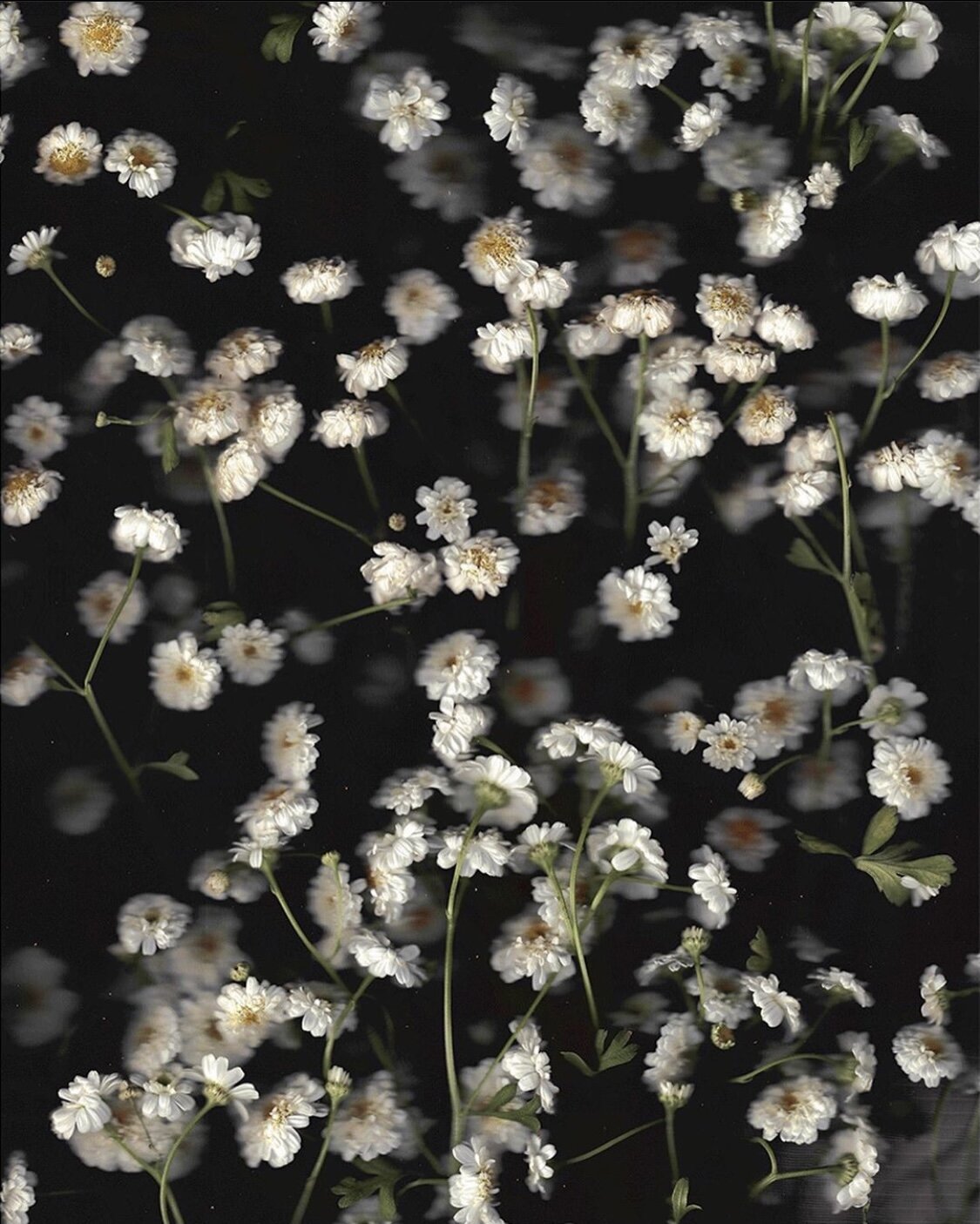
Vera: I appreciate that through the lack of distortion, your scans allow clarity of your self image. I know that you have some upcoming projects in the works. I’m curious to know how COVID-19 along with shelter in place restrictions have altered the work you’re creating and future collaborations.
Paloma: It’s certainly pushed back many of the projects I had planned for this summer, including my [in-person] bbatx residency, and a group exhibition at Artpace curated by Annette Carlozzi that I am really looking forward to. The shelter-in-place restrictions, and more so people’s resistance to comply, has made me look at some of my most recent works in a new light. In the gelatin series that I created during my Crit Group residency at The Contemporary Austin last year, I play with the idea of boundaries and our desire to touch. It’s interesting to see how some people struggle with the restrictions, while others accept and work hard to respect them, knowing that our individual actions affect others. This concept is definitely something that I want to explore further and will remain in the forefront of my mind with any future collaborations.
Vera: The first time I saw your gelatin pieces, I definitely wanted to try one. That’s what I enjoyed the most, having to find the balance between desire and restraint.
Paloma, thank you again for looking inward and sharing your ideas and future plans with us. I hope we get to do this again sooner than later. I’m looking forward to seeing your new projects this year!


ABOUT THE WRITER: Vera Claeys is an interdisciplinary creative, currently based in Berkeley, California. Her work has been published in Nasty Magazine and The Normal School Magazine, and her recently published zine, Cool, Calm, and Rejected has been distributed internationally. To learn more about Vera’s work, visit veraclaeys.com.
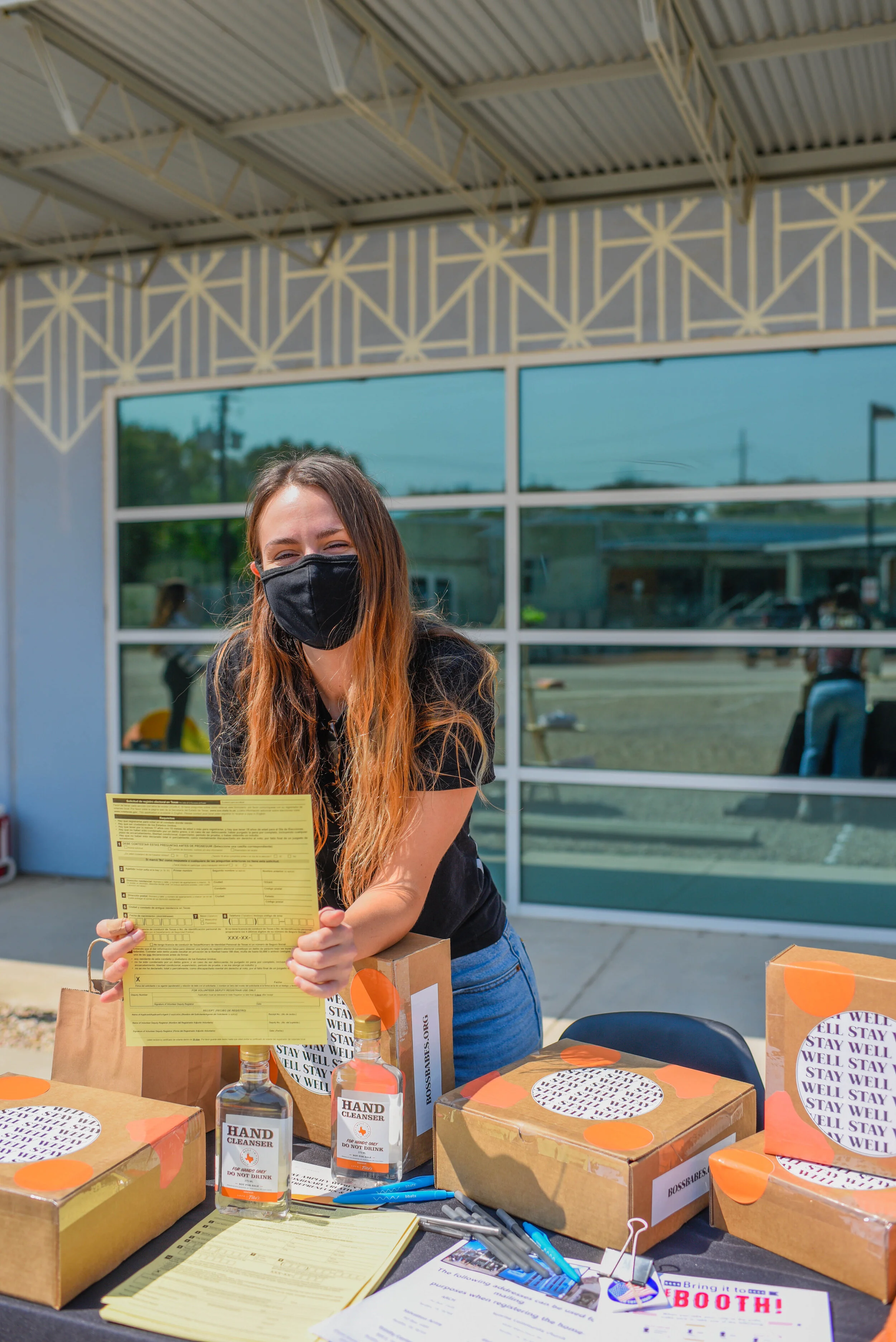
A Texan Feminist's Guide To First-Time Voting
There’s a lot at stake with this upcoming Presidential election. So, in order to make sure our voices get heard (and our votes get counted), we've pulled together three of the most reputable and credible voter education resources in our network to make sure we (and you!) get informed, involved and properly prepped for the polls.

Mural created by Nathan "SLOKE" Nordstrom as part of the Austin Common’s collaboration with the HOPE Campaign.
Election Day is less than a month away—and on November 3, the future of our country will quite literally be in our collective hands.
Although we can’t tell you how to vote, we can help you stay informed, involved and properly prepped for the polls.
So, in order to make sure our voices get heard (and our votes get counted), we've pulled together three of the most reputable and credible voter education resources in our network. If you have yet to craft your November 3 voting plan, read up!
the three foundations for a solid voting plan:
1.) Figure out when and where you’re voting on November 3.
Once you’re registered to vote (you can check your registration status here), you’ll want to figure out your day-of voting plan. Which poll booth is nearest your home? Or workplace? Are you prepared to vote in a way that’s COVID-safe? How much time do you need to set aside in your schedule to vote?
You can start making your plan for Election Day by entering your address here. Also, if you’re busy on November 3 or can’t make it physically to the polls, we recommend learning about early and absentee voting options (click here to see what your state allows).
2.) Fill out your ballot in confidence. The League of Women Voters can help you determine which candidates to vote for.
There are quite a few races for this election (you’ll be voting for more than the presidency), so it’s important to know who’s who on the ballot—and which issues matter most to you.
You won’t be able to bring your phone into the voting booth with you, either, so we recommend setting aside time to create your ballot cheat sheet. On The League of Women Voters’ website (which is available in both English and Spanish), you can find non-partisan election information, candidate statements, as well as a personalized sample ballot based on your address to help you get started.
In Texas, voter guide translations of State and Federal elections will be made available in English, Spanish, Chinese and Vietnamese, with online versions of the Chinese and Vietnamese translations becoming available online this Friday, October 16. If you live in Travis, Williamson or Harris County, the state will be offering language translations of local city and county races, too.
If you live in the Austin area, you can pick up a free copy of their Voters Guide featured in the October 16 issue of the Austin Chronicle.
Never heard of The League of Women Voters? They encourage informed and active participation in government, work to increase understanding of major public policy issues and influence public policy through education and advocacy. You can learn more here.
You can also follow the steps in this series of graphics from our friends at missfits fest:
Graphics designed by Ivy Phan for missfits productions’ #FreshOffTheVoteTX campaign.
3.) Do more than vote. Stay involved at the local level. If you’re in Austin, we recommend The Austin Common.
Beyond voting, there are many ways for you to show up for the issues and causes that matter to you most. No matter what form of activism resonates with you, we recommend finding your long-game strategy. If you’re not sure where to begin, you can start by staying informed, not overwhelmed.
In Austin, we recommend keeping up with The Austin Common. As a nonpartisan news site, they regularly publish coverage surrounding civic engagement and sustainability. They’re also well-known for their easy-to-understand, how-to graphics.
For example, here’s their latest on HOW TO VOTE by mail in Texas.
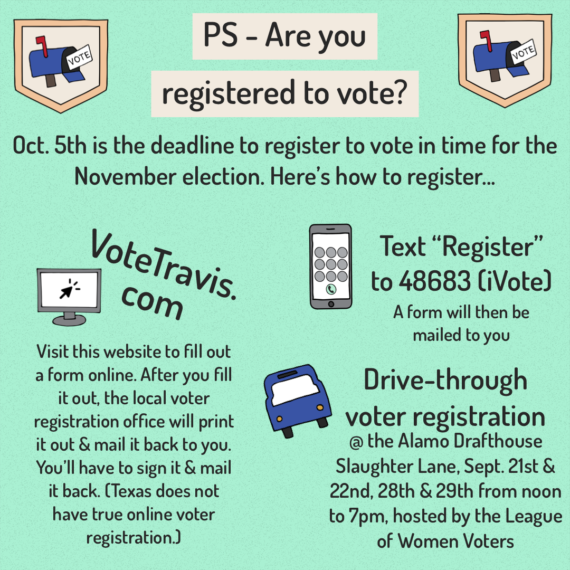
Above graphics designed by Kourtney Elaine for The Austin Common.
YOU NOW HAVE EVERYTHING YOU NEED TO create a VOTING PLAN. SEE YOU ON NOVEMBER 3!
This blog post has been made possible in collaboration with our community partners, missfits productions and the League of Women Voters. To find out more about missfits’ #FreshOffTheVoteTX campaign (which supplied many of the graphics used within this guide), head to their campaign website.

On Claiming Space with Sound: Mireydi
In conversation with bbatx committee member Amanda Vaughn, bbatx resident artist Mireydi aka Pos Guau talks about how she got her start DJing with Chulita Vinyl Club, the story behind her DJ name, and some of her favorite records.
Every year, bbatx curates a monthly residency highlighting the work of 10 to 15, Texas-based women and nonbinary visual and musical artists that create work and perform in our programs. As we move to take our programs online, we’ve partnered with Bumble to launch a digital version of The Residency. From now through November 1, 2020, you can tune in for weekly mixes, visuals and workshops from 16 women and nonbinary artists and DJs.
Today, as part of the series, we’ve got an interview with Austin-based DJ and artist Mireydi, also known as DJ Pos Guau. In conversation with bbatx committee member Amanda Vaughn, Mireydi chatted with us about how she got her start DJing with Chulita Vinyl Club, the story behind her DJ name, and some of her favorite records.

ABOUT MIREYDI:
Mireydi aka Pos Guau is a Mexican-Austinite producer, DJ and artist. Pos Guau’s rowdy, deeply rooted live sets reflect her experience of attending too many quinceañeras & bodas and her recent influences of disco, house, pop and anything in between.
How did you start DJing? We’d love to hear about your first gig, what inspired your name, at what point you branched out more… whatever you’d like to share. :)
Individuals who I was surrounded by were DJing, and I was intrigued but never felt like I had the guts to actually do it. I moved to Mexico City and started compiling mixes out of heartache, or more like an outlet. Then, I was accepted into Chulita Vinyl Club—that was the moment where I felt like I could come back to Austin. CVC offered a place of being welcomed, and honestly, they were the ones (along with bossbabesATX) who made me feel welcome back into Austin all over again. CVC truly taught me how to DJ with vinyl. Then, I transitioned to a controller in trying to play a bit more recent music. I remembered being so nervous at my first live DJ event, but I had a kind gentle fellow Chulita, Simone, who taught me how to transition and how to feel the song rhythm and BPM. Simone was there for me. When I was nervous letting that record go, she encouraged me to continue transitioning. Even when I messed up and drew an awkward pause, she was like, “It’s okay. Move on.” DJing has always been in that fashion—let's continue growing, recording and moving on in a sense. So my DJ name is derived from that. “Pos Guau” is a Spanish form dictated unenthusiastically—Pos Wow. This phrase is essentially after someone is not impressed but wants to make you feel better. I started branching out after spending time in Mexico City and wanting to expand in a digital format with no vinyl, but in a way capturing the rush of going next after someone who has dropped a tremenda cumbia and you have to follow that.
Why do you DJ?
The simple answer is to take up space with the tracks I play. Perhaps it’s not something that people are used to, but I’m in a way attempting to fuse my Austinite heritage (my father’s) along with a very rooted Mexican culture (my mother’s) of who I am in spaces that perhaps take either or blend them. I’m attempting to blend what I grew up dancing to and listening to and seeing the bigger picture of what the masses accept. I DJ to introduce songs that my Mexican village has danced to in a Baile and see the interaction with the same song at Cheer Up’s. I DJ to rebel and to see what people sway their bodies to or not.

Where do you buy records? What is your favorite record and why?
OOF that’s hard. I inherited my records from my grandfather, and that was my original introduction. I buy records everywhere, but I love buying them while traveling throughout Mexico. My favorite thing is to buy a record with a great cover art and not play it—just purchase it. Here are some of my favorite records:
Future Sounds of Buenos Aires
Captain Planet - Mystery Trip Vol. 2
La Sonora Dinamita - 16 Exitos
Beyoncé - Lemonade
Fleetwood Mac - Rumours
Classixx - Hanging Gardens
Xandao - ¡Un Saludo! Mexican Soundsystem Cumbia in LA
How do you build your crates? How do you transport all that vinyl?
It definitely depends on the mood and length of the event. When building a set with CVC, I feel most welcome to bring in records that inspire me or that I wanted to experiment with on the dance floor. As I've been branching out, it's nerve-wracking knowing you are responsible for someone's X amount of time. I’ve kept the same attitude in bringing about new tunes that perhaps people haven’t listened to and adjusting to the set time.


Last season at bbatx, we explored the theme of RISE. What does that mean to you, and how do you find rise in your DJ practice?
I rise in my DJ practice in learning along the way. With the struggles comes tranquility in perfecting the craft of DJing little by little.
What are you listening to now?
During these trying times, I’ve been listening to A LOT of 90s pop music, Third Eye Blind, Dolly Parton and Dua Lipa.
LISTEN TO DJ POS GUAU’S BABES FEST RADIO MIX. :)
About This Mix:
This mix by DJ Pos Guau (@soymireydi on SoundCloud) includes some of the songs that blast from her neighbors techo (rooftop) while quarantining in Querétaro, Mexico. Constantly being inspired by the gentleness of everyone she's met during this time, DJ Pos Guau wanted to create an uplifting dance mix after five months of businesses being shut down and the city finally opening up.
TRACKLIST:
1. Amalucan - Orihuela M.S.S. (Yelram Selectah Remix)
2. Mister Cumbia - Pinche Cumbión Bien Loco
3. Super Grupo G - La Inconforme
4. El Combo Loco De Mike Rodriguez - Baila Conmigo
5. Karol G, Nicki Minaj - Tusa
6. ROSALÍA, J Balvin - Con Altura (ft. El Guincho)
7. DJ Caution - Donna Summer (ft. Fito Olivares)
8. Selena - On the Radio
9. Dua Lipa - Don’t Start Now (LA Live)
10. The Sacados - Ritmo De la Noche
11. Robyn - Love is Free
12. Joswa In Da house - Ella Quiere Cualto
13. Sergio Mendes - Magalenha
14. MULA - Nunca paran
15. Bad Bunny - Si veo a Tu Mamá

Meet The Artists Behind Come To Your Census, Texas
We’re partnering with Art+Action this month to call on our community to fill out the 2020 Census.

Image courtesy of featured artist Sarah Bork.
Texas, it’s time to come to your Census.
We’re partnering with Art+Action this month to call on our community to fill out the 2020 Census. Completing the Census this year is a big deal, as the data will determine how our government invests in our communities over the next ten years. And when you fill it out, you play a direct part in bringing resources, political power and potentially $20,000 in funding to your community.
To spread the word about the Census, Art+Action commissioned six Texas artist to erect billboards across the state. In this post, you can meet them all, and if you’re here to fill out your Census, please click here.
MEET THE TEXAS ARTISTS BEHIND COME TO YOUR CENSUS:

WHO: Sarah Bork
Sarah Bork lives in Austin, TX, with her husband and two daughters. Her ongoing projects include: Liquid Love – a photographic study of reflections on the surfaces of swimming pools, Legacy – an examination of silverware, Heritage & The Hereafter – a series of quilts constructed from post consumer fused plastic and GIRLS GOTTA EAT – an exploration of the grocery shopping and eating habits of drag queens.

WHO: Armando Aguirre
Armando Aguirre received his Bachelors Degree in Visual Arts from the University of Texas at Dallas. Armando’s artwork is informed by his Mexican American background and reflects his interests in Mexican Muralist, Chicano culture, graffiti colors, and Aztec Mythology.

WHO: Andy Benavides
Andy Benavides is a native of San Antonio, TX. As an active contemporary artist, and entrepeneur he utilizes his knowledge of art mediums to explore, discover and translate his personal feelings into responsive art. His intention is to engage his viewer. He and his wife (Yvette) and son (Agusto) together run their arts complex which is also their home. The location is where they operate their two creative service businesses (Benavides Picture framing and Benavides Studio Inc.). Their warehouse also functions as an arts incubator in San Antonio where they house 15 professional art studios as well as their arts education non-profit (smartsa.org). Collectively, their ventures have been building community through the arts for 30 years to date.

WHO: Kim Bishop
While Kim Bishop is currently a San Antonio-based artist, her roots are in Austin, Texas, where she was raised and graduated from High School. She received her BFA in Commercial Art from Southwest Texas State University and her MA in Gifted and Talented Curriculum and Instruction from Texas State University in San Marcos. After thirty years of working in the Art Education field she is currently working on completing her MFA from the University of Texas at San Antonio. Bishop has maintained a full time studio practice in San Antonio for over fifteen years. Her extensive nationally recognized exhibition record reflects her focus on community engagement through the arts. She is co-founder of Art to the Third Power, a large-scale industrial street print press, Bishop & Valderas LLC, a creative group and 3rd Space Art Gallery. She is a part of several permanent collections like the City of San Antonio Library, the University of Texas San Antonio and A&M Kingsville along with many private collections. At present she instructs drawing at Southwest School of Art.

WHO: Caroline Ryan
Caroline Ryan was born and raised in Houston, Texas. She graduated from the University of Houston with a BFA in Painting, a BS in Psychology, and a minor in Art History. Her work consists of mainly figurative work done using acrylic paint, gouache and watercolor. Ryan uses photographs as the references for her paintings; these photographs are a mix of photos she has taken and old family photos, along with found photographs. Ryan references these photos to reflect on the relationship between photography and painting, and the ways that the two capture memories. Her work has shown in a variety of galleries including the Asian American Resource Center in Austin, Texas, Beeville Art Museum in Beeville, Texas, the Lawndale Art Center in Houston, Texas, and Project Row Houses in Houston, Texas, among others.

WHO: Xavier Schipani
Xavier Schipani born in Washington DC, lives and works in Austin. He got his BFA from Maryland Institute College of Art in 2009, with a concentration in Illustration and Painting. He has continued his painting practice participating in exhibitions all over the country, as well as abroad and created several public works as well. His work is heavily influenced by his identity as a member of the LGBTQIA+ community using his personal as a political intersection between art and activism. The subject of the trans masculine body and its portrayal are essential to him, the goal being to represent them and their undeniable existence. He believes that Art can be used as a tool for agitation, to keep reminding people that there are several ways to look at something without defining it, to keep seeing it as it evolves.
LOOKING FOR MORE?
To find out more about bbatx, check out everything we’re doing virtually for women and nonbinary creatives and leaders (plus the people who support them) here.
To fill out the Census, head to 2020census.gov to complete the nine question, ten-minute survey—you have until September 30!