
On Creating Inclusion Riders: An Interview with Cultural Producer Sarah Rucker
What’s an inclusion rider clause? Essentially, it’s a piece of language for artists and creatives to add to their contracts with producers, bookers and clients that holds them culturally accountable. Rucker argues that artists and creatives have the right to demand diverse and inclusive workspaces—just like anyone else.
What does it look like to make creative work inclusively?
Today on the blog, A’nysha Fortenberry interviews Austin-based cultural producer Sarah Rucker about her development of an inclusion rider clause.
What’s an inclusion rider clause? Essentially, it’s a piece of language for artists and creatives to add to their contracts with producers, bookers and clients that holds them culturally accountable. Rucker argues that artists and creatives have the right to demand diverse and inclusive workspaces—just like anyone else.
Keep reading to learn more about Rucker’s work and how to create an inclusion rider for yourself.

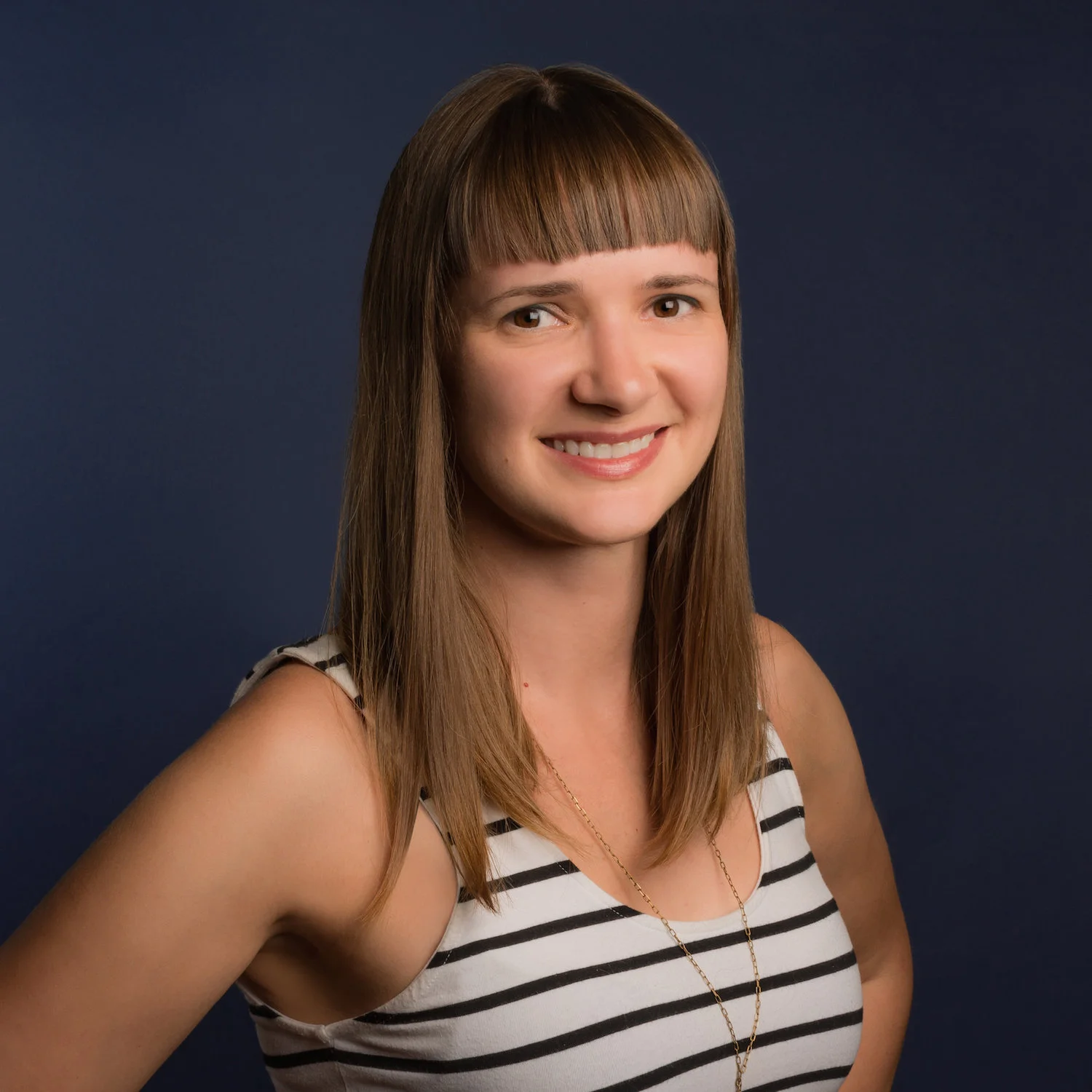
Sarah Rucker (pictured)
who:
Sarah is a lifelong arts lover and advocate with 13 years of experience in arts research, programming and presenting. She is the founder of Full Gallop, which offers creative event production and community outreach and engagement services. Full Gallop strives to bridge cultures and connect communities through creative collaborations and programs. She has a personal mission to help increase equity in the arts, especially in Austin, where she recently started the Inclusion Riders Initiative ATX. She was also a founding board member of Austin Emerging Arts Leaders from 2012-2019.
Can you tell us a bit more about your work and what you currently do?
Rucker: My work is predominantly in the field of event production with a specialty in arts programming and community engagement. For over 12 years my career has been in both the music business and the nonprofit arts sector while also building skills in corporate and private event production. I love helping with events and programs from concept to completion.
How would you define an inclusion rider? What is it and how can people use it?
Rucker: An inclusion rider is an addendum or clause added to a contract with a content creator that stipulates the contractor’s need to work in a well-represented team. It first came about in the film industry to try and achieve a storyline and cast that more closely resembles the audience and population it was serving and depicting. It’s now been proven as a versatile tool in letting any employer or collaborator know inclusion and equity are vital to your work as a contractor.
How did you come across the concept? Where have you seen it implemented?
Rucker: I first heard about it like many others , while watching the 2018 Oscars when Frances McDormand said “I’ve got two words for you: inclusion riders.” Before that night, the legal language was being perfected by lawyer Kalpana Kotagal and writer/actor Fanshen Cox DiGiovanni after years of studies at the Annenberg Inclusion Initiative at USC with Dr. Stacy Smith. Since then, it has been implemented by Pearl Street Films, with Olympic swimmer Simone Manuel and Michael B. Jordan with Warner Brothers Media.
How did you arrive at the inclusion rider you’ve created?
Rucker: I would looking for a version that my colleagues in the arts and music business could use in any contract with any situation be it music festival, arts nonprofit, or other creative endeavor. Austin attorney, Alyce Zawacki approached me after BABES FEST 2018 and helped write this version that I feel works for a wide variety of contracts.
How can artists in the #BBATX network implement the inclusion rider? How can it be used as a tool?
Rucker: Any artist can now access the rider at bit.ly/FullGallopEquityClause. I recommend letting your employer or collaborator know by email or conversation that you have an additional clause you’d like to include in your contract to allow a dialogue and chance for questions if they don’t understand the concept. You can modify it for your own use to work out a process for discussing inequitable situations should they arise and what the “satisfactory outcome” would be on behalf the hiring party to reconcile any inequitable practices.
What sorts of conversations have arisen out of creating this Inclusion Rider and attempting to implement it / create community buy-in?
Rucker: The panel discussion at last year’s BABES FEST brought some great realizations for me, that there are many creatives in Austin looking for tools to better represent themselves and their communities. Since then, I’ve spoken at two other national conferences about the concept and have seen other versions used in the arts. I’ve used the clause twice myself with my contracted projects and have heard from other Austin freelancers that they also used it and feel empowered after getting it added to their contracts. The City of Austin Arts Commission started a working group on Cultural Equity as a result of my presentation and has now hired a consultant to evaluate all of their grant practices to further their work to become more accessible and more inclusive to all Austin arts communities.
What sorts of road blocks have you run into with this concept? Where are the ethical gray areas and difficult conversations around what an Inclusion Rider means for artists’ rights and the arts industry’s evolution?
Rucker: The most common road block for myself and likely others in using an equity clause or inclusion rider is that amending contracts and invoking legal rights to do so can make some nervous. However, the process in going over a contract sent to you and making recommendations to enhance and cater to one’s liking can be very empowering and can break a cycle of saying yes to entering situations without expressing your ethical beliefs and needs.
I’ve read that you think this concept is more effective than a quota system—can you describe where you think the quota system is lacking?
Rucker: Yes, the question of the difference between inclusion riders and quota systems has been asked of me as well as many others trying to implement the concept and from the perspective of the women who wrote the inclusion rider “something is perpetuating invisible quotas to type cast,” in the film industry for instance, and inclusion riders are a tool to slow down the process, be more thoughtful and counter the biases that are already in place. The goal of inclusion riders is to create a work environment that more closely resembles the community that organization or project is serving, however, quota systems often miss the outreach element of connecting with community and instead get hyper-focused on hitting the mark, I find.
What changes in the industry are you seeking from a better and more widespread use of Inclusion Riders?
Rucker: I started this conversation specifically with the Austin arts industries with the hope to see more of our arts communities represented in a variety of ways: arts funding, music fest lineups, nonprofit boards and staff hirings, etc to make public programming accessible to all Austinites and make access to funding and bookings for all artists more inclusive.
Bonus Q — What does personal and professional synergy look like for you?
Rucker: Synergy and collaboration are essential to the work I do and what I believe in personally. Without input from others and collaboration between individuals and organizations, the arts become less relatable and negate what I believe to be their sole purpose, to enhance the quality of life. Inclusion Riders ATX is a perfect example of synergy for me and I thank my close friends and colleagues that have helped promote the concept and to #BBATX for their support.
Curious about #BBATX’s personal and professional development programs?
On Teaching Social Justice: An Interview With Minh Ha
For our second feature with Brown State of Mind, Vittoria Criss spoke with Minh Ha, Vietnamese-American community organizer and instructor of Brown State University’s class Counterculture America and the Vietnam War.
Local organization Brown State of Mind is fully committed to creating space in Austin for people of color, by people of color. In the second installment of its award winning Brown State University, Brown State of Mind is bringing together local artists, business owners, scientists and activists to provide accessible education to the Austin community. In partnership with Brown State of Mind, we are highlighting two of their members to explore the themes of culture and diversity, and dig deep into their creative process and personal motivations.
For our second feature I spoke with Minh Ha, Vietnamese-American community organizer and instructor of Brown State University’s class Counterculture America and the Vietnam War.
This post was written by #BBATX committee member Vittoria Criss.

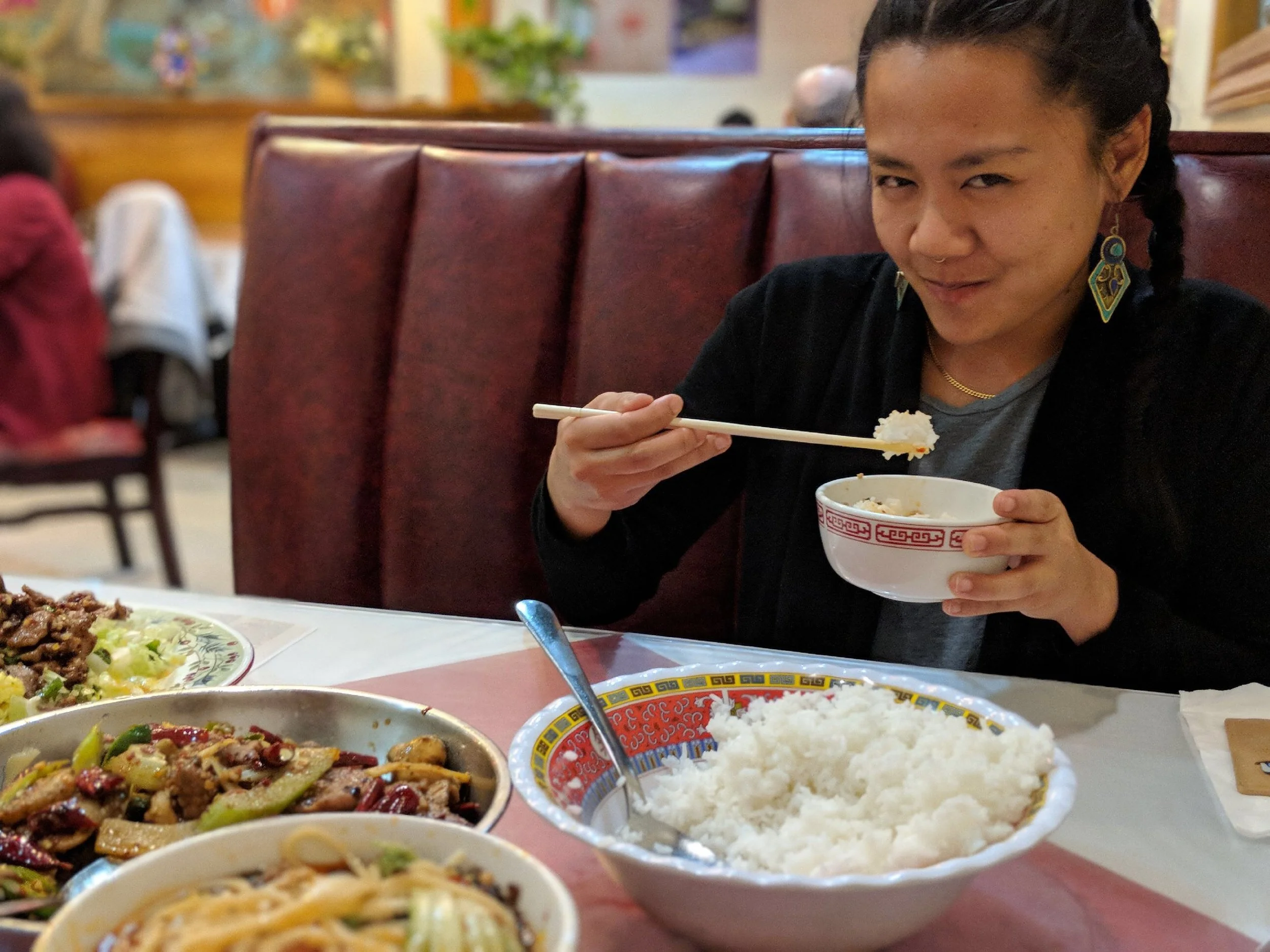
Photo of: Minh Ha
You’ve moved around quite a bit, what originally brought you to Austin?
Mihn Ha: I grew up in Denver born and raised, then I went to school just outside of Boston, then moved to Portland, Oregon, and I moved here in early 2015. I was working in politics and just got burned out and wanted to try something new. I have a really short attention span! So I ended up getting a software job here like every other yuppie. Austin was a pretty strategic choice. I knew that I wanted to be here to watch Texas turn blue. I knew the demographics were changing, and there was a cultural shift that was happening here. I just wanted to reconnect with my identity, and experience new things. Portland is really really really white. That mindset was not healthy.
How did you make the switch from working in software to a nonprofit?
Ha: I worked at a nonprofit when I was in Portland, so I kind of knew that life. Working in politics and working at a nonprofit are the two places that experience burnout faster than any other industry. So when you combine those two when you’re 23, they’re going to work you to the bone. I wanted to see what it was like to get paid a living wage for once, and I learned so much. But I wanted to be more community-oriented, and I wanted to find something that brought me back to a more intentionally socially oriented space.
Did You see a lot of similarities in the cities you’ve lived in?
Ha: Like Denver, Boston and Portland, Oregon, Austin definitely makes me feel like I stand out. I joke that I'm on my hipster tour of America, living in yet another city where the population is still predominantly full of fair-skinned folks and rapidly gentrifying. They're also all extremely proud of their liberalism, so much so that sometimes I feel like it stands in the way of the true potential of progress—where communities can come together to solve some of those bigger challenges like families getting pushed out of their homes—because we're too busy reminding new transients that "Austin is blue." Austin is also home to the capitol building where some of the strangest policies pull us back and is the most racially segregated city in the country. It's also the convergence of where hella brown communities from San Antonio, Dallas, Houston and beyond across Texas can come together. It can be all those things, but I think we have to acknowledge all of those aspects rather than be selective.

Photo of: Minh Ha
What does being Brown mean to you? How has the Brown experience shaped you?
Ha: For me, being brown is how I choose to acknowledge all the labels that the world has put on me. It's really interesting from a Vietnamese perspective, because my parents always talked about us having yellow skin when I was a kid, which I don't identify with at all. I get mistaken for Filipinx a lot, and in a way that I don't quite understand, I feel really connected to my Flip homies. While brown means one thing to me, it means something completely different to my college best friends who are South Asian, and the same goes for others in Brown State of Mind. I like that "brown" can mean all those things all at once.
What kind of impact do you envision Brown State of Mind having on communities of color in Austin in the future?
Ha: When I talk about Brown State of Mind's impact, I always go back to our founder Adrian's words: "I just wanted to create a safe space for PoC." That's at the heart of what I want to see us achieve, and everything else that we accomplish in addition is icing on the cake for me. In Portland, I have a chosen family that I miss and think about every single day, but it was so isolating to walk around that city and not just feel like I stand out but isolated and alone. At least because of Brown State of Mind, navigating Austin has made me run into fellow homies that are brown and/or down with brown that make me feel like I belong. Isn't that what everyone ultimately wants? To feel like they belong?
What can people expect from your class?
Ha: A lot of social justice language. But that’s just one piece of it. For me it’s more about tying history to movement and art specifically. I think that artistic expression is so related to whatever turbulent time we’re experiencing in our communities and our societies. I think one of the most beautiful things being a child of immigrants from a Communist country, the thing that you learn to appreciate so much about the United States, for all of its faults, is that freedom of expression. And out of that freedom, and that basic inalienable right, it has allowed for so much beauty to come to light and so many avenues for people to come together. I want everyone who comes to that class to be able to understand how tied that is to what we are experiencing on a political, historical and sociological level—to feel those connections to what’s happening today. People can probably expect a lot of inner turmoil, to feel personally connected, to feel something passionate enough to express themselves however they choose to.
You work in a really emotionally charged field. Do you have any routines or rituals you do to combat that feeling of burnout?
Ha: I’m naturally a person who will take care of everyone in my life before I take care of myself. And the thing that I naturally do is watch out for other people. When I got hired where I work now, the CEO asked me “Why are you doing this? Where do you want to be in 10 years?” And I don’t ever have an answer to that question. Mostly because I grew up in political rebellion. But also the only thing I’ve ever cared about is making it easier for other brown women to break down the barriers of whatever it is that we’re trying to do. So my only goal in life is to make it easier for whomever looks like me that comes after me. A lot of what I do to take care of myself is to make sure that I’m taking care of that community. Because that is what nourishes me. That is what replenishes me.

Photo of: Minh Ha. Instagram: @guan_minh
Curious about Minh Ha? Keep up with her work here.
Curious about Brown State of Mind? Keep up with their community events and learn more about the organization here.
On DJing In the Live Music Capitol of the World: 2019 Resident Artist DJ Shani
In May of 1998, DJ Shani created & produced a Deep House radio show coined “The Groove Temple®” on WLUW-88.7FM that filled a void for the most prominent, yet canceled house music radio station, WBMX. She has a humble, personal & realistic outlook about the DJ craft.
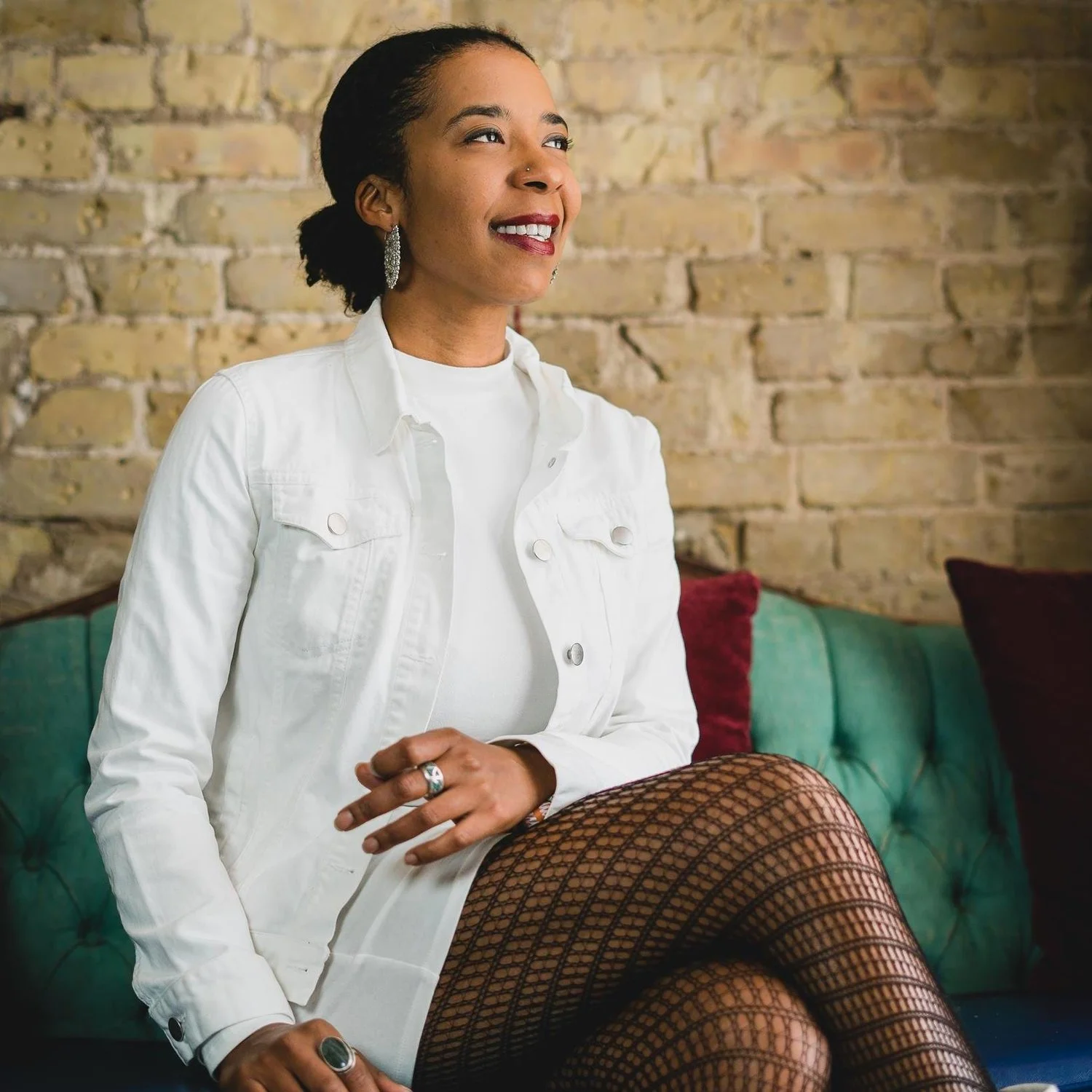
Shani Hebert is a DJ in #BBATX’s 2019 Residency. In this interview, she talks about her journey from Chicago to Austin, the historical roots of house music, and how she supports the creative community as a tax preparer.
This interview has been condensed from a conversation with #BBATX committee member Tess Cagle.

ABOUT THE ARTIST
Heavily influenced by the soul, funk & jazz scenes of Chicago’s south side, DJ Shani has always been enveloped by music. Throughout her childhood, her family taught her the roots of her sound (Zydeco, Blues, Jazz, Reggae, Funk, Soul), while the radio (Energy 88.7fm, B96, WGCI) taught her the future of her sound. After a few years in the rave scene, first as a patron then as a promoter, she noticed that the energy was inviting, but it was missing something. While she was a junior at Loyola University - Chicago, she set in motion what would be her biggest contribution to the House music scene to date.
In May of 1998, DJ Shani created & produced a Deep House radio show coined “The Groove Temple®” on WLUW-88.7FM that filled a void for the most prominent, yet canceled house music radio station, WBMX. She has a humble, personal & realistic outlook about the DJ craft.
Cagle: Tell us about your background. When did you become a DJ? How did you get to where you are now?
DJ Shani: I went to my first warehouse party the night of my 17th birthday and I was hooked! I’d never seen so many interesting looking people, grooving to the most interesting music I’d never heard before. I ended up throwing parties with three crews as a senior in high school. I realized something was missing. It was missing soul. When I started college at Loyola University Chicago, I signed up for the college radio station, WLUW 88.7FM. They called me back and I presented a proposal stating that I knew so and so and had been to this club and that club. In reality, I only knew three DJs and one club. I didn’t realize that I was manifesting at the ripe age of 20 and ended up playing at many clubs and knowing professionally and personally every DJ I mentioned. The Groove Temple aired May 14, 1999. I was the executive producer, host, sound engineer, marketing contact; I was everything!
In the fall of 1999, I started working at the world famous, Gramaphone Records in Chicago. In 2004, I moved to Paris to study French and temporarily gave my show to fellow trustworthy DJs. While there, I went to La Sorbonne Paris IV, worked at a bar in Bastille and DJ’d with Les Nubians’ DJ, DJ Wamba. I returned to the States and started producing, hosting, and DJing my show again and even wrote a song with Glenn Underground. I’d come back with so much new and different music and a new outlook on what house music and deep house could be. It was great! I then moved to Southern California for about three years, then moved to Austin.
In my travels I always kept The Groove Temple running, as an executive producer. Now, I’ve returned to my roots of not only being the executive producer, but also the host. The Groove Temple airs on Soundwave Radio 92.3FM (London) Tuesday nights 10p-midnight. Since moving to Austin, I wanted to bring pieces of my musical experiences to my new home. I brought Chicago house legend Ron Trent to Austin for the first time with an amazing crew. I also produce an annual Black History Month event. The fourth was this past February featuring I Wanna Be Her, myself and the headliner, Blue Nefertiti (Les Nubians). I also play every Friday at Halcyon for “Freedom Fridays” which is an exploration in Black Music where I play everything from Reggae, to Soul to Disco and, of course, deep house.

Cagle: Since you're not originally from Texas, what was the transition like from Chicago to Austin? Were there any growing pains or discrepancies between the two music industries?
DJ Shani: It took a few years for me to remember that I wasn’t on vacation after moving here. Austin weather is amazing, even in the winter. In terms of the difference between Austin and Chicago’s music industries, it is still a bit of a shock that Austin isn’t further along than I thought it would have been. The Live Music Capitol of the World, I learned, only spoke to bands. It was disheartening that DJs weren’t even considered musicians partly because we don’t have to lug our drum kits to our shows. But we do have to lug our DJ equipment to our shows sometimes, must know the mechanics of each song, and figure out how to curate a musical experience from the thousands of songs we own.
I noticed that DJs here are sometimes considered human jukeboxes. Of course, it depends on where you play and who you play for, but it’s a bit of a shock to hire someone to want to hear the same music you’ve always heard, can sing along to, etc. Another growing pain is to accept the fact that people don’t know about deep house. Most people that I mention the word to equate it to EDM. EDM is more geared towards a younger crowd; not many vocals, melodies or harmonies. To make it simple, it’s more techno (Detroit) based and not house (Chicago) based. Please understand I’m not snubbing EDM. I used to freak out for Happy Hardcore and Acid House is still one of my all-time favorites.
It’s still amazing to me that people also didn’t know that house music comes from the Black community, more specifically the Black Gay community. Now the younger generation has an idea of where it came from with “Pose” and “Paris is Burning”, but in Austin when I first arrived, house music seemed very whitewashed and uninformed. I’m glad to say that things are changing for the better because people are a lot more openminded in Austin and they are willing to listen to things they haven’t heard of before. Any music industry in any city can be a bit intense, but my experience here has been that people are more open.
Cagle: You are also an accountant. How do your two career trajectories complement one another?
DJ Shani: I’m not an accountant, but a tax preparer. I worked for H&R Block for seven years first as a tax professional, then a bilingual co-instructor, then an instructor, then a manager. I never liked to blend my DJ life with my corporate life, until I realized that my colleagues had no idea what questions to ask the creative clients that came into their offices. Because the self-employed usually don’t have W-2s or ‘normal’ jobs, only some wouldn’t think to question a client’s receipts for four packs of guitar strings because she went on tour. The other offices referred their clients to wherever I was, and I started to have a following. I realized that I had a niche market and wanted to try doing it on my own, so I started Hebert Tax Consulting, LLC.
HTC is a tax preparation firm that specialized in the creative individual, freelancer, LLC & S-Corps. I was trained in doing taxes for people that were employees, sold/bought stock, had rental properties, etc. but my specialty has always been the independent contractor, the self-employed and people that need multiple years done. Taxes are like one humongous Sudoku board to me and I freakin’ love puzzles! I’ve have presented free tax workshops at the Carver, Dub Academy and Brew & Brew. I’ll be having more free tax workshops this summer.

Cagle: What advice would you give to a new DJ wanting to carve out a space for themselves in the local music industry?
DJ Shani: My advice to anyone that wants to be a DJ here in town is to first work on their craft. Whatever you use (turntables, controllers, CDJs), practice at least weekly. Don’t give up! Your favorite DJ sounded terrible at some point in their DJ careers—never forget that. Record your sets and listen to them. With practicing, you’ll be able to understand what your style is. I’ve been doing this for 21 years and just in the last four to six years have I truly felt like I’ve found my sound. After you think you have an idea, do your research on what Austin digs. Go to the places that play what you’d like to perform at the venues that perform it. Key tip—don’t immediately go to the manager and ask for a night. Pull back and observe. You’ll probably see things that you’d do differently or things that you’d never thought of that you want to do. Remember your reputation is key and don’t appear distraught.
Cagle: Do you remember the first piece of music that really affected you?
DJ Shani: The first record that completely touched me is called “I Fight For What I Believe” by Ron Trent featuring Sonti.
Cagle: What's your dream gig? Dream collaborator?
DJ Shani: My dream collaboration is to DJ for the Special/Paralympics. Six years ago, I was diagnosed with Relapsing Remitting Multiple Sclerosis. After my diagnosis, I learned that people viewed me and spoke to me as if I was an enigma. At the core, the mobility-impaired are just like abled bodies: We still like to laugh, see a great film, have a delicious meal and make love. I’d like to be the ‘face’ of the disabled (in a media setting) that shows the world that we may not be able to run, but we can definitely make you boogie!
My dream gig is at least one per continent, except Antarctica—I really don’t like cold weather.
Cagle: What one thing you think anyone should know about you to really understand "who you are?"
DJ Shani: There’s always more than meets the eye with me.
Cagle: What are some mini or monumental objects or opportunities that you consider a key part of who you are today — i.e.: what films, books, artists, places, etc., have been most influential in shaping you?
DJ Shani: The 4 Agreements, Varadero, Cuba, and my grandmother’s recipes.
About #bbatx's The Residency: We annually work with 10 to 15, Texas-based women-identifying and nonbinary visual and musical artists to produce site-specific work, commissions and exhibitions throughout our programming and events. Through these residencies, we invite the public to learn more about their process, approach and sustainability of their practice. Click here to meet this year's artists.
Meet Her Hands: Maribel Falcón
"I do things that I’m inspired by. Doing things that I enjoy helps me nurture my creativity. I also focus a lot on taking care of myself... that also makes me be a better, more creative person.” —Maribel Falcon
Meet Her Hands is a collaborative exhibition series, produced by #bbatx and the Elisabet Ney Museum every summer, featuring three Texan women artists. This season, we're proud to host photographer Karen Navarro, artist Maribel Falcón and artist duo Big Chicken & Baby Bird. Each artist will showcase work within the Elisabet Ney's collection for two weeks, and throughout the summer we'll explore sculptor Elisabet Ney's legacy, while writing a new history of women in the arts.
The second exhibition in Meet Her Hands, by artist Maribel Falcón, opened on June 27. Thank you to our collaborators at the Elisabet Ney Museum, our drink sponsors Austin Cocktails, our volunteers and partners for making this show possible.

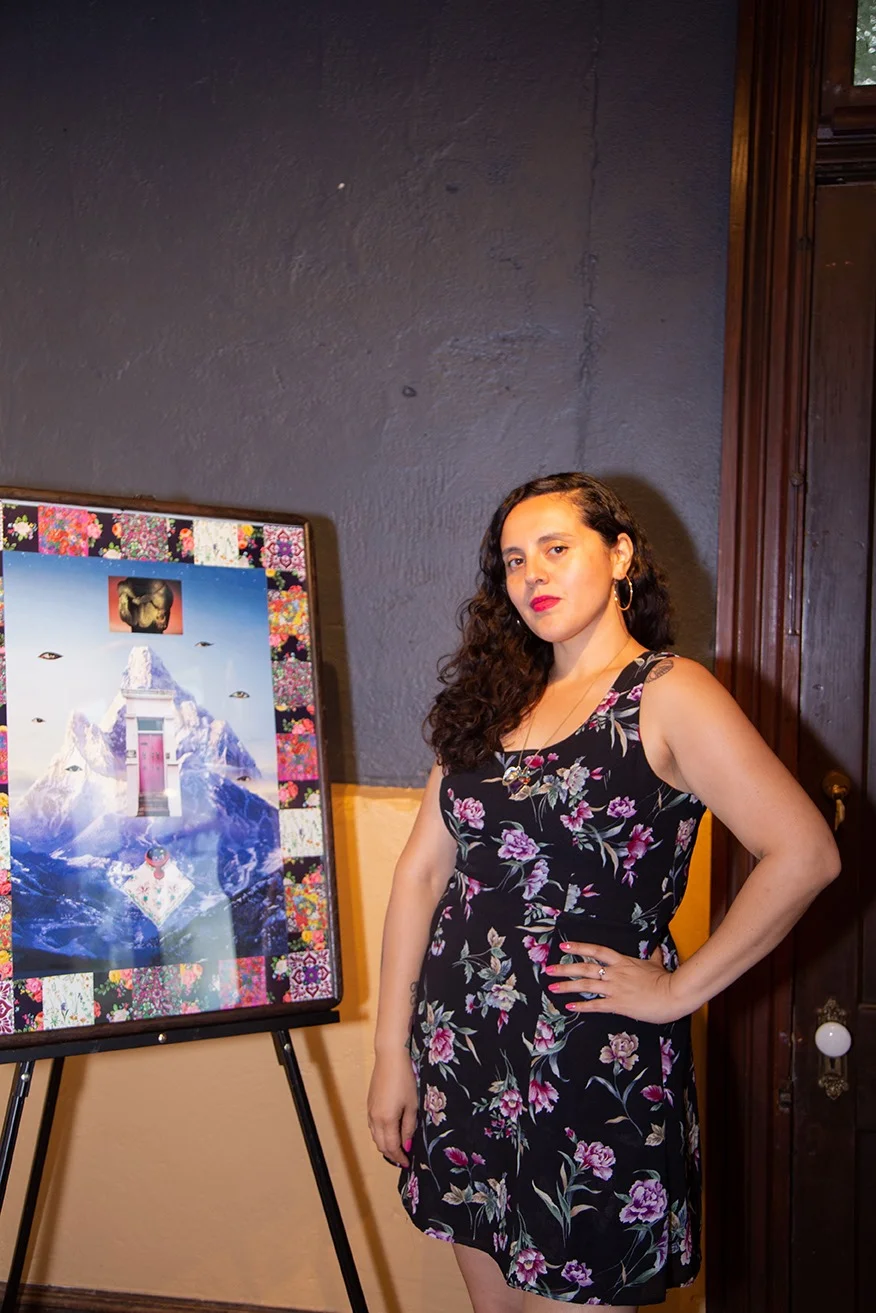
Photo by Jinni J.
MEET THE ARTIST BEHIND "Memoria”
Maribel Falcón is an Tejana creatrix based in Austin, TX. She works with analog and digital collage as a medium, and her art focuses on political messages and indigenous-based spiritual practices. She is co-founder of Colectiva Cósmica,an art collective of mujeres who make art, teach workshops, and publish zines. Her work has been featured in Remezcla and Bitch Magazine.
"I do things that I’m inspired by. Doing things that I enjoy helps me nurture my creativity. I also focus a lot on taking care of myself... that also makes me be a better, more creative person. I also think is important to work with a deadline. I believe that having a goal in mind can help you push through and get me close to my completing my work. That’s why having this opening was so helpful.” — Maribel Falcón
ABOUT THE SHOW:
Hosted within the guest artist space at the Elisabet Ney Museum, Memoria by Maribel Falcón is a collection of collages in various sizes depicting ethereal imagery, revolutionist women and water. Maribel Falcón is an Tejana creatrix based in Austin, TX. She works with analog and digital collage as a medium, and her art focuses on political messages and indigenous-based spiritual practices. She is co-founder of Colectiva Cósmica,an art collective of mujeres who make art, teach workshops, and publish zines. Her work has been featured in Remezcla and Bitch Magazine.
Here are a few notes from BBATX Committee Member Cara Cate and Maribel Falcón’s opening reception artist talk.
On creating art:
I did not grow up around art. I did not go to school to study art, in fact my degree is in sociology but I had always been very hungry for art and the scene in Austin really inspired me to become an artist. Now that I look back, women in my family were all artists I just did not know. My aunts, grandmother used to work a lot with fabrics and textiles but since that was, I guess normal and always part of my home, I never saw them as artists. I remember I used to play with their fabric paints but It was not until later in college where I realized I would spend a lot of time decorating my notebooks and finding the right images that I thought would fit the thematic of my classes. I never thought of myself of being an artist, so that’s why I choose collage and analog as a medium because it is so accessible to anybody. I always find myself at thrift stores buying paper, old pieces of advertisements, and any kind of paper (I have recycled beautiful paper from trash cans!). I think of paper as a respected medium because opposed to digital, paper is harder to trace but also is special to keep. I mean, a lot of people keep paper because it’s beautiful and that’s what I like about it.I also like working on zines, they’re great for exchanging information and is a form of publication that is not regulated. I love it, I don’t have to worry about rights and the traditional conventions of publishing houses.

On starting a collage:
A lot of times is just phrases, concepts, or just themes (a lot of them political charged!) but for sure it takes a lot of time to visualize and conceptualize my thoughts into a new work.
On what inspires her:
The Mexic-Arte Museum is a great place that everyone in Austin should go see...I’m not going to ask you to raise your hand to see how many of you have not been there yet, but really, you need to go see it! I also enjoy visiting my friend’s galleries, and so many other things in the city...I do not know. I like watching outdoor films in Austin, I really enjoy visual arts.
On managing work and creativity
I do believe that the era of working for someone else and building an empire for anyone other than you is over! Nonetheless, I chose to have a job for a paycheck because it allows me to be freely creative and not to worry about making art to sell. I wouldn’t want to rely on my creativity or ability to produce art, especially in a scale where I would have to count on it to live. When I’m not doing art I work at a library and I really love it there!
How she named the show
To be honest “Memoria” was the name of my great-grandmother and I wanted to dedicate my first art show to her. So, that’s how I came up with the name!

Photo by Jinni J
WANT TO ATTEND A MEET HER HANDS EXHIBITION?
You can view Maribel Falcón’s Memoria through July 10, 2019 at the Elisabet Ney Museum during museum hours. Our next exhibition in the series featuring works by duo-collective Big Chicken & Baby Bird, will open on July 11 from 6:30 to 9 PM. Click here for details.
On Identity In Austin: An Interview With Photographer Dahlia Dandashi
Born in Houston to a Lebanese and Syrian family, Dahlia is a multidisciplinary artist who grew up in Dubai.
Local organization Brown State of Mind is fully committed to creating space in Austin for people of color, by people of color. In the second installment of its award winning Brown State University, Brown State of Mind is bringing together local artists, business owners, scientists and activists to provide accessible education to the Austin community. In partnership with Brown State of Mind, we are highlighting two of their members to explore the themes of culture and diversity, and dig deep into their creative process and personal motivations.
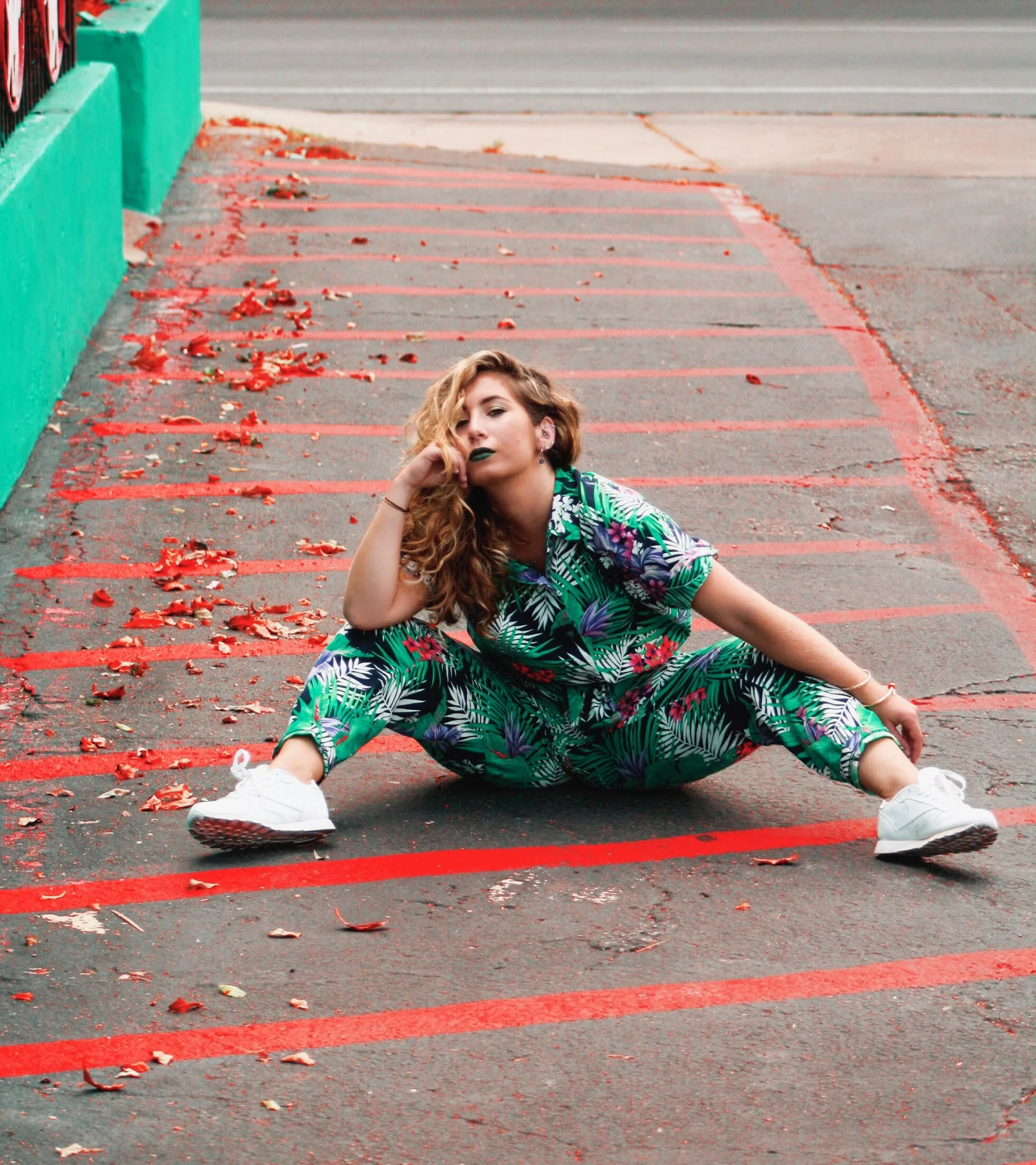
For our first conversation, I sat down with Dahlia Dandashi, instructor of Brown State University’s class Poetry in the Middle East. Born in Houston to a Lebanese and Syrian family, Dahlia is a multidisciplinary artist who grew up in Dubai.
Interviewed by #bbatx Committee Member Vittoria Criss.

Pictured: Dahlia Dandashi Photo taken by Jesus Acosta.

Criss: In Austin it seems like there’s a lot of people of color who feel isolated from the rest of the city. But there’s also lots of small pockets of people who are out there trying to create a community for us.
Dahlia Dandashi: There’s a lot of amazing communities in Austin that are doing this. #BBATX is great, Brown State of Mind, In Bold Company—these are essential. It’s amazing that these things are coming to light and they’re happening now. And honestly our generation is really woke. It sounds stupid but we really are!
I ended up quitting my job and almost moved to New York, and I thought well should I move back to Austin? I have a community there, and I have friends. Or should I try something else and build a community elsewhere? A big part of it was because I definitely identify as American, I’m happy I live here.
But at the same time, I’m really Arab. My parents immigrated here and they stuck to their values. They would speak Arabic at home, we grew up Muslim, my parents fast. So now that I’m getting older, in my personal writing I talk a lot about identity, and navigating it, and being confused. Because it was always “we want you to be American, but not too American. You still have to be Arab.” When I lived in Dubai, I never really thought about it. Then I came here, and that’s when I started to question my identity. If I don’t move back to the Middle East, I at least want to help people in my community. These spaces were built for a reason—there was a need for it. Austin is shifting, though. I feel instead of becoming a more diverse city, it’s becoming more homogenized.
Criss: Part of the reason I stayed in Austin was that I hoped it would become more diverse with time. It’s definitely moving in the opposite direction.
Dandashi: Yes, and I will say that your experience is different than mine because I’m white passing. But then I have conversations with people and they find out where I’m from. I’ve been told “people that are from where you’re from are oppressive.” There’s a lot to unpack, and people assume things. I’m all about having conversation, but a lot of times I feel either they’re really ignorant, or they’re not asking the right questions, or they don’t believe what I’m saying. I love Austin, and I feel that you can be part of a community here, since it’s well connected. But what does diversity feel like? When you go talk to someone at a bar or a restaurant, what is your experience? Are you meeting someone that is different than you?
Criss: Even within those of us that identify as “brown” we all have a lot of similar experiences, but we’re also from so many different backgrounds. What has your experience been like as someone who identifies as brown, and how has it influenced your work?
Dandashi: Brown is such an encompassing word, it’s also a word that’s packed with a lot of things. Physically, I don’t look brown, and I’m aware of that. When I go back to the places where my parents are from, people look at me differently. When I speak Arabic, people say, “You’re not from here, you dress differently, you talk differently.” It’s so weird because I always found myself wondering where do I fit in?
I’m not 100% American. I have a lot of American values, but I grew up culturally Arab. Since I moved back to the States, I’ve always struggled with my identity. As I’ve gotten older, the identity crisis has ebbed and flowed. It’s always going to be a challenge for me. It’s getting better for me to navigate now, and I think a big part of that for me was writing. I was feeling all these things and it was all pent up inside, so I started writing a lot the last few years. Last year I wrote a zine and just put it on the internet. It was all about identity and womanhood and understanding yourself as an individual. I’ve written a lot about things that remind me of home and my culture. And recently, with photography, I’ve tried to start collaborating more with artists of color or Arabs who are creatives. Because really in our culture Arabs don’t do art. You’re either a doctor or a lawyer or an engineer. I took the LSAT and didn’t go to law school and that was a big disappointment for my parents. It’s starting to get better now.
Social media is crazy, too. I just did a project with a guy that I never met—he’s Jordanian and lives in Tunisia. I took photos and he did Arabic calligraphy with the photos. I’m trying to do more of that. We’re putting our brains together and making art that matters.
Criss: Do you think your parents are becoming more open to what you do as a creative?
Dandashi: My parents are becoming better listeners, especially my Mom. They don’t really get it which is fine; I’m not going to force them to understand why I want to be a person that has a creative career. But it is getting better. The things that I do now are quite new. Social media wasn’t really a thing until recently. Photography has been around for ages, but it’s more accessible now. If you do it properly it’s something you can make your life’s passion if you want to. So it’s explaining to my parents that these are careers that people actually have. I appreciate my parents’ sacrifices, and living here has also given me different perspectives that make me who I am.
Criss: I think it’s easy to forget that our parents are kind of experiencing the same thing we are. They’re also in two different cultures, and we’re learning together.
Dandashi: It’s a process that doesn’t really end! I think the idea of putting yourself in a box is a horrible thing. Break the box and just stand! Observe, take notes, and take chances as well. Being a child of an immigrant is being able to say that you can not just accept everyone, but be able to connect with them on some level.
Criss: You do so many different types of creative work, but there is definitely a uniting theme in all of it. Where did that come from?
Dandashi: I always wrote a lot and did photography since I was young. As I got older, I started to know myself more. My style keeps refining itself. But the cool thing about style is that style can change. Tomorrow I can do something else. I think a lot of it has to do with color. Part of it is that my mom always wore a lot of crazy colors. She would wear matching orange suits with fake flowers on her chest, or sequins, just crazy shit I remember as a kid. So I think that’s part of it unconsciously. And part of it was growing up in Dubai on the beach—I loved being outside, I love water and swimming and sun. That attributes to life for me. It’s something that’s so prevalent in my work that happened on accident.
Criss: How did you become interested in poetry, and what made you want to teach about Middle Eastern poetry?
Dandashi: I’ve been writing since I was probably in elementary school. I had endless amounts of diaries. So writing has always been a big part of my life. I found that poetry was a way that I could express my identity and talk about struggles I was having after I moved back here when I was 18. I grew up reading a lot of Sylvia Plath and Anne Sexton, and poetry like Rumi and Nizar Qabbani. Also the Arabic language is very poetic. A lot of Arabic songs will last 10 minutes where the singers are belting their heart out. It’s a very lyrical language. Even the way it’s written—Arabic calligraphy I find is very beautiful. The reason I was writing was because I was trying to figure out how to talk about my feelings and experiences. I was really obsessed with confessional poetry, so my stuff was very confessional, too.
Jason from Brown State of Mind asked me to teach a class, and he had already picked the poets. He picked Hafez and Rumi, and Nizar and Kahlil Gibran. Rumi and Hafez are Persian writers. Nizar and Kahlil Gibran are pretty famous in the Arab poetry world. I already knew a lot, but this has been a really big growth process. I thought it would be a fun experiment for myself to learn about these poets that I read from a lot, but also to share the experience with people that I don’t know. The funny thing is, Rumi is the most read poet in America, but he was born in Afghanistan. There’s a reason why Middle Eastern poetry is so unique, how did these people have such a big influence on this side of the world? Let’s talk about it.
Want to keep up with Dahlia Dandashi? Follow her on Instagram or browse her portfolio.
Curious about Brown State of Mind? Keep up with their community events and learn more about the organization here.
On Taking Care of Yourself: Thoughts From the #BBATX Community
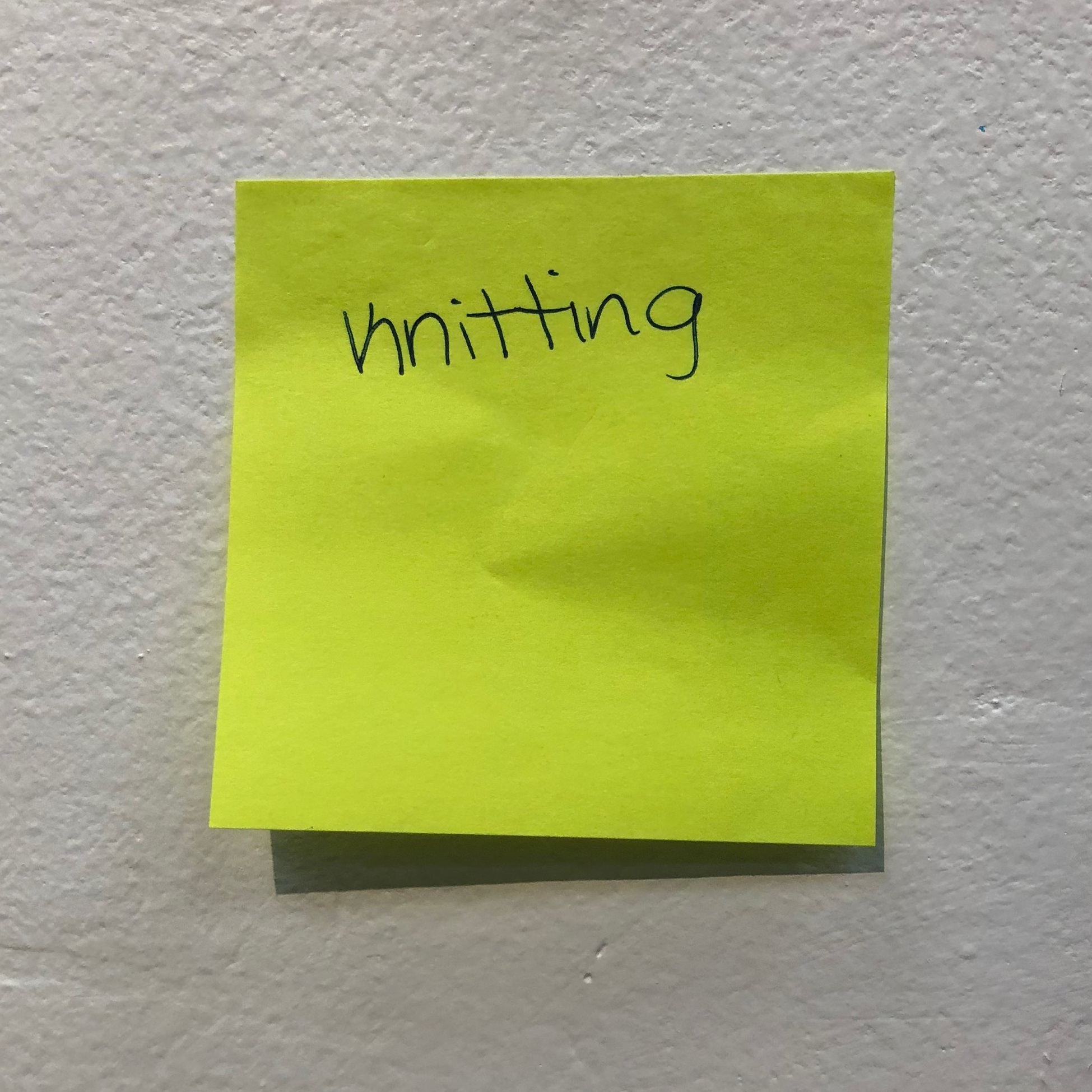
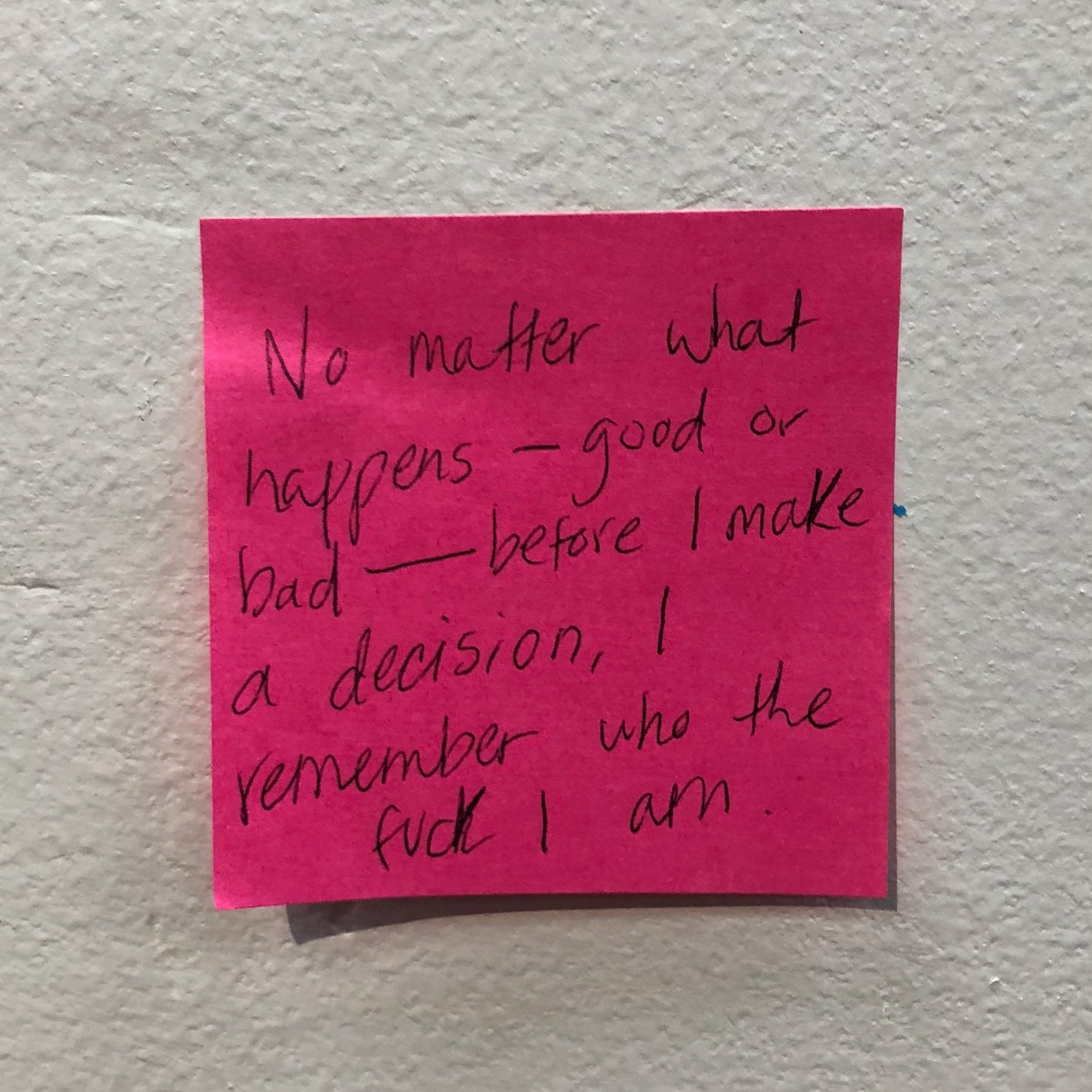
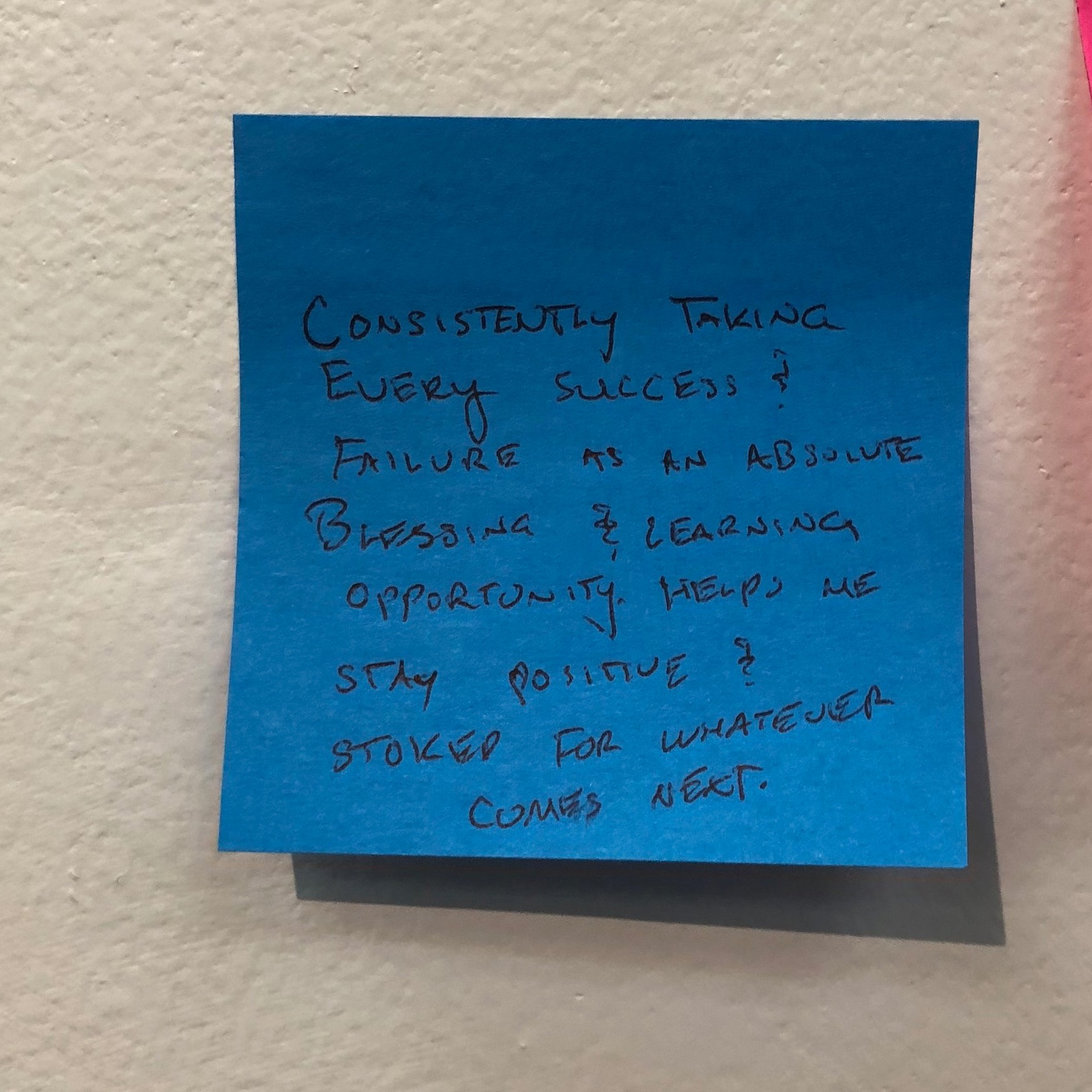
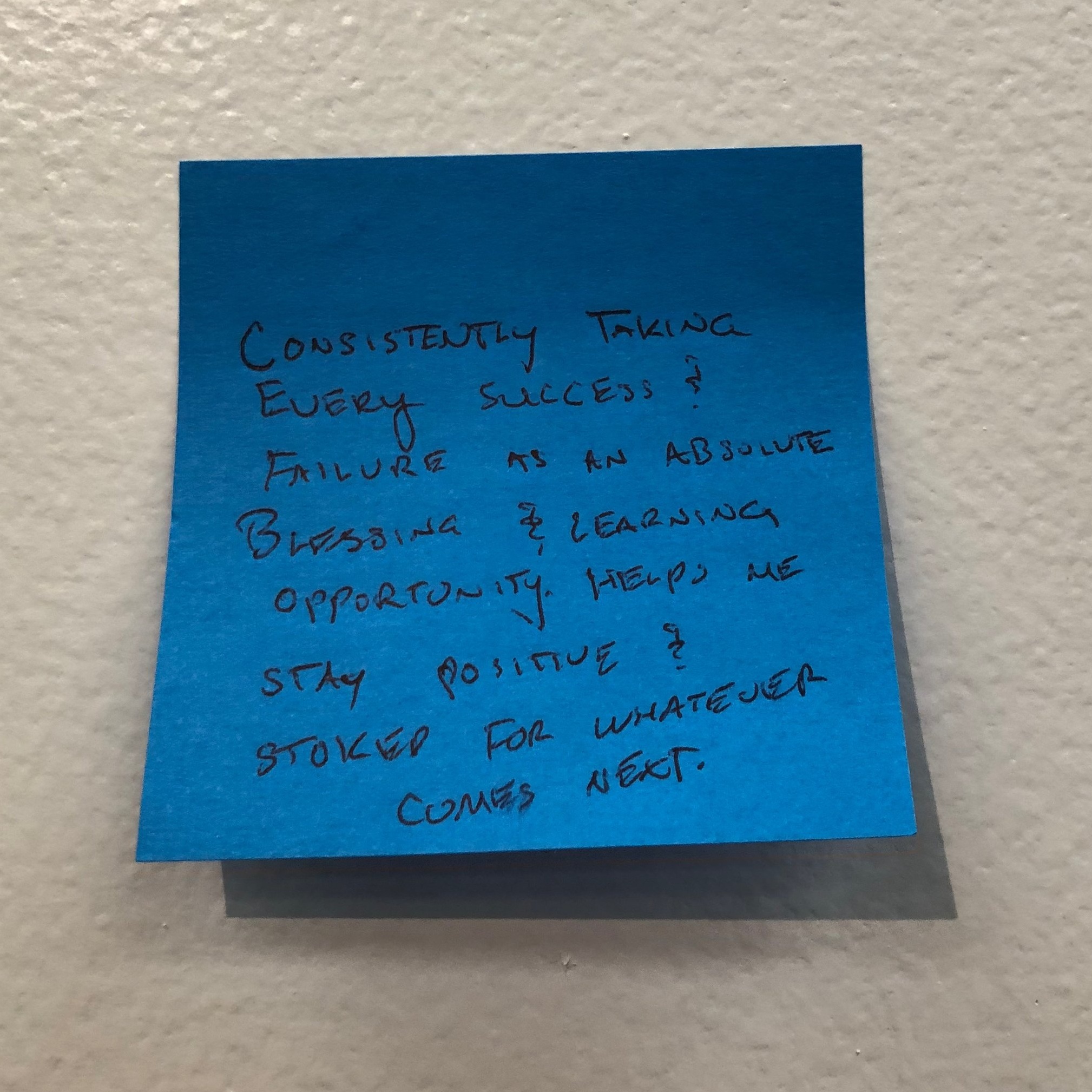
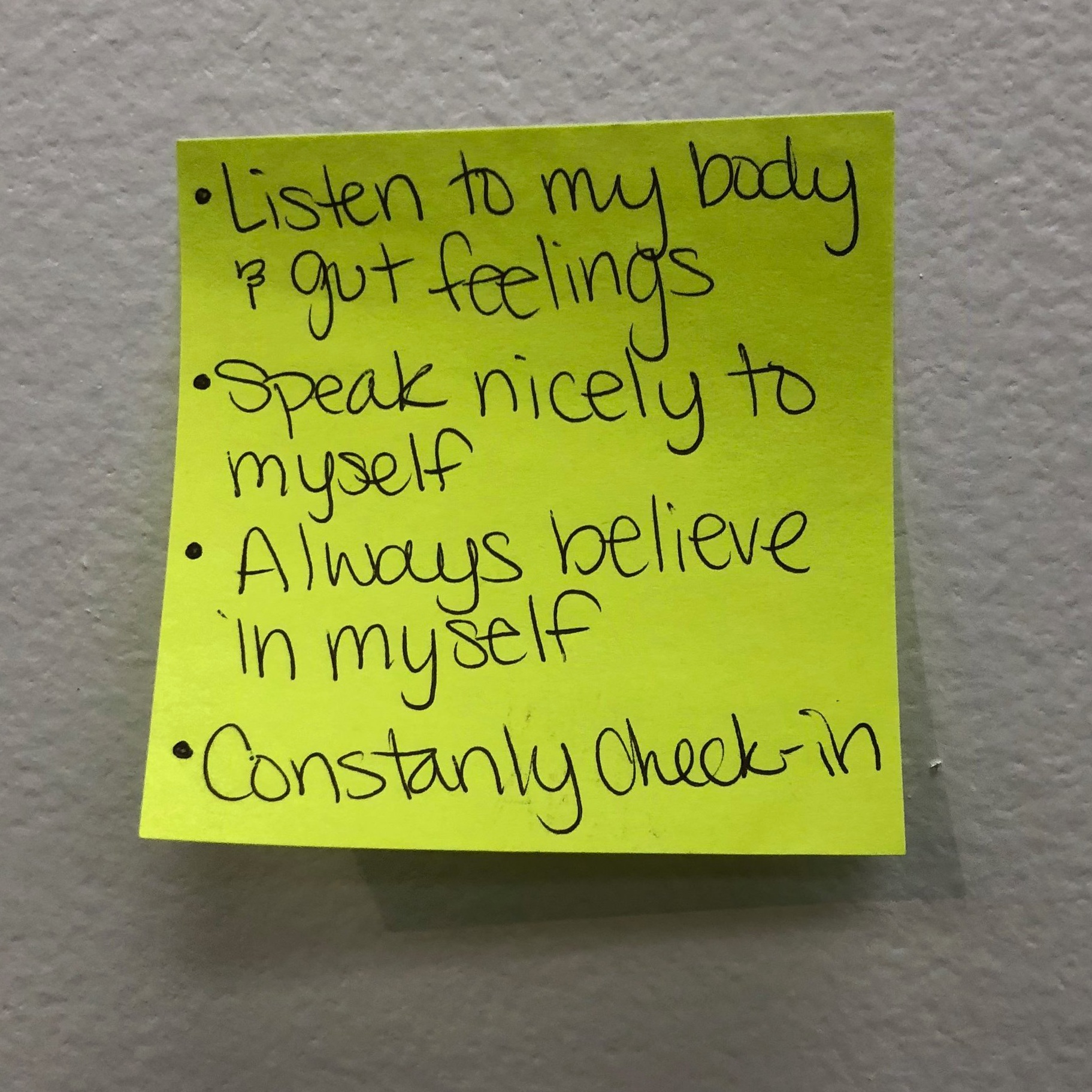
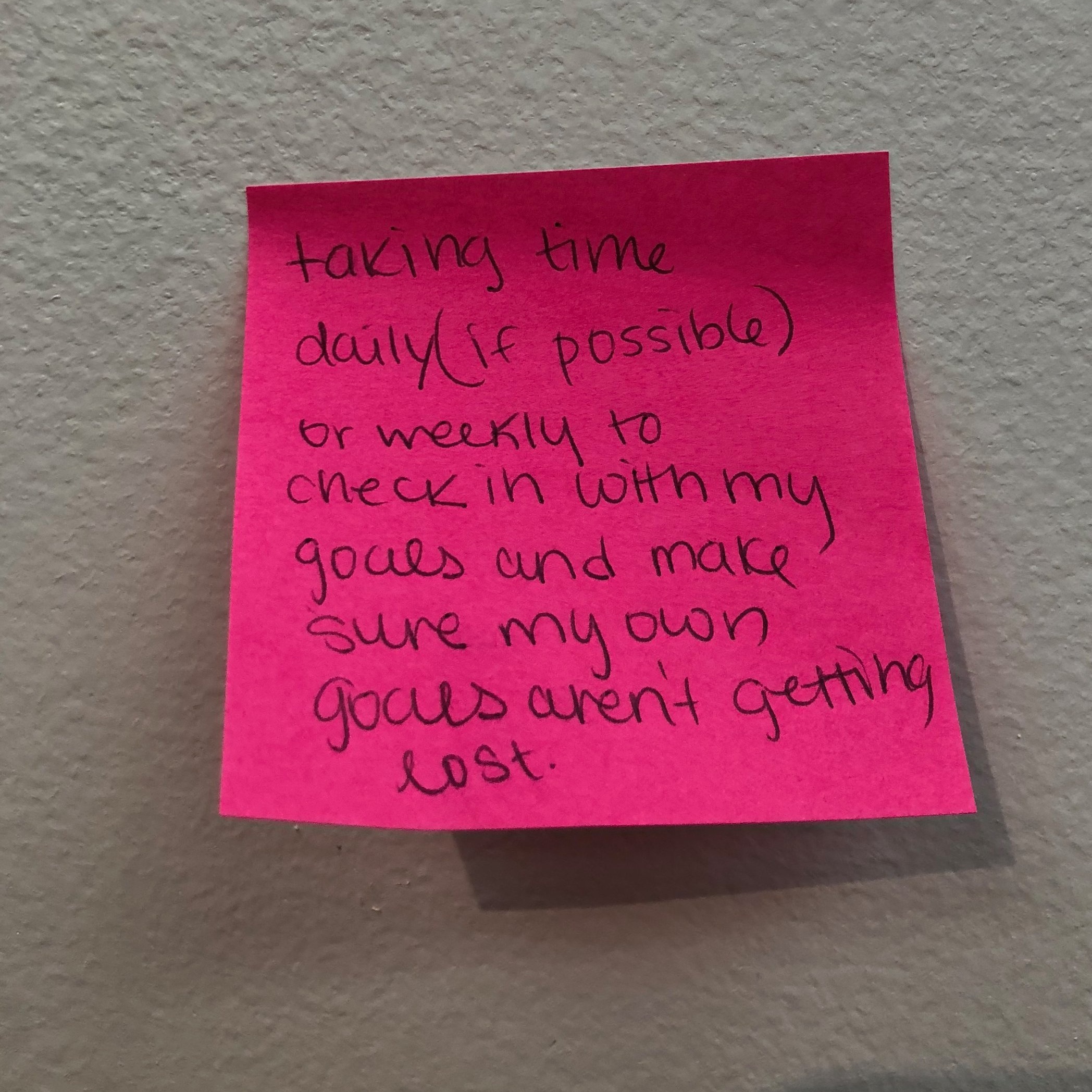
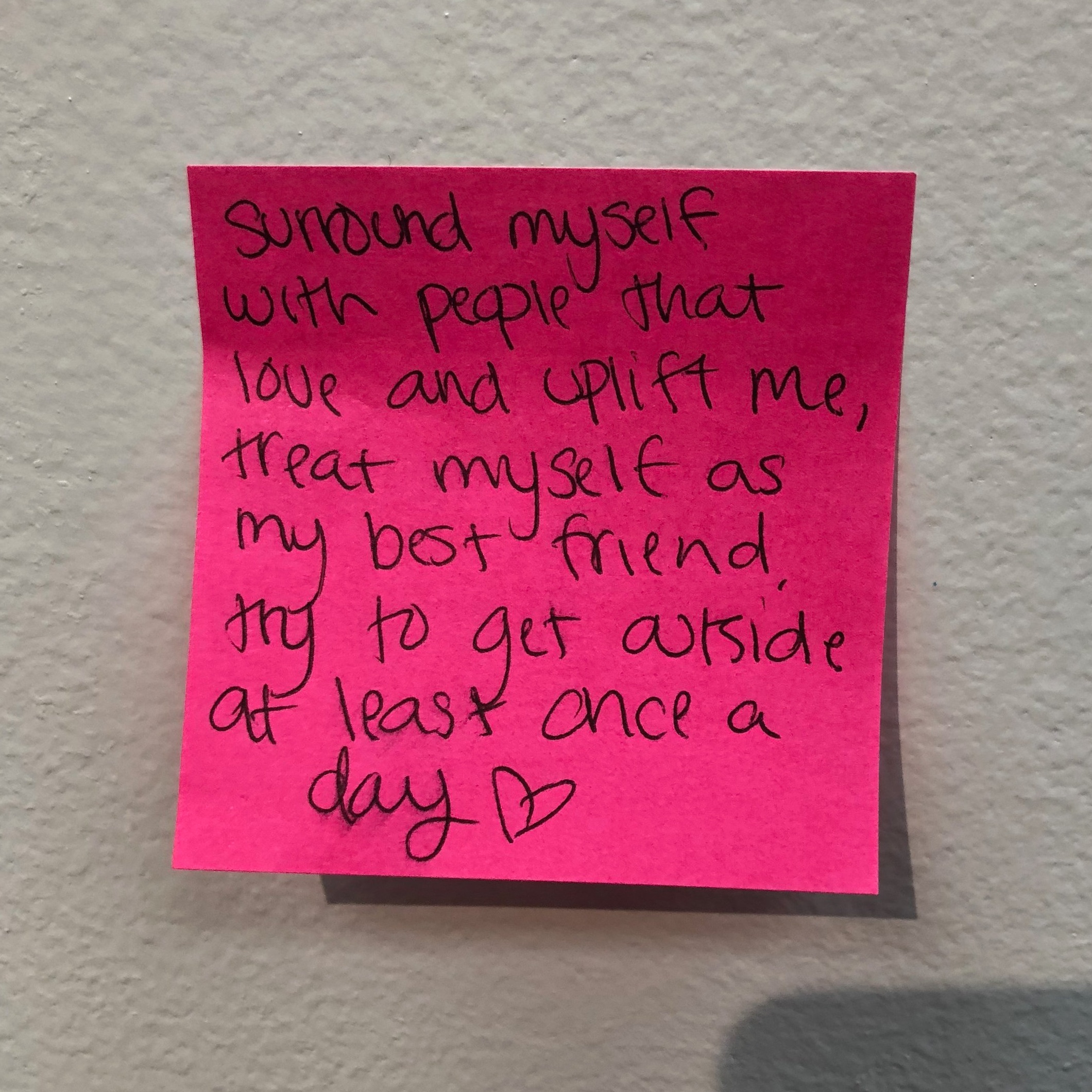
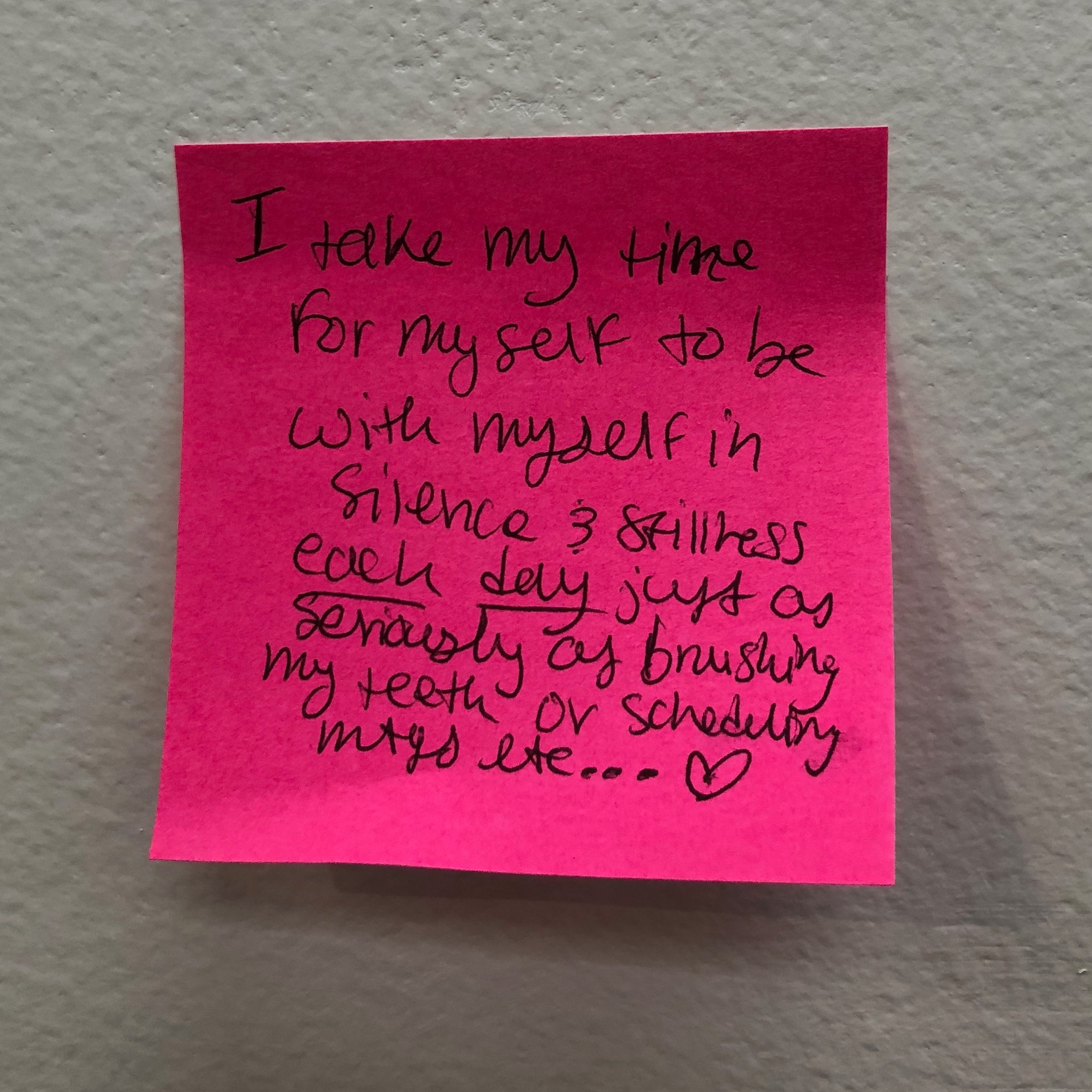
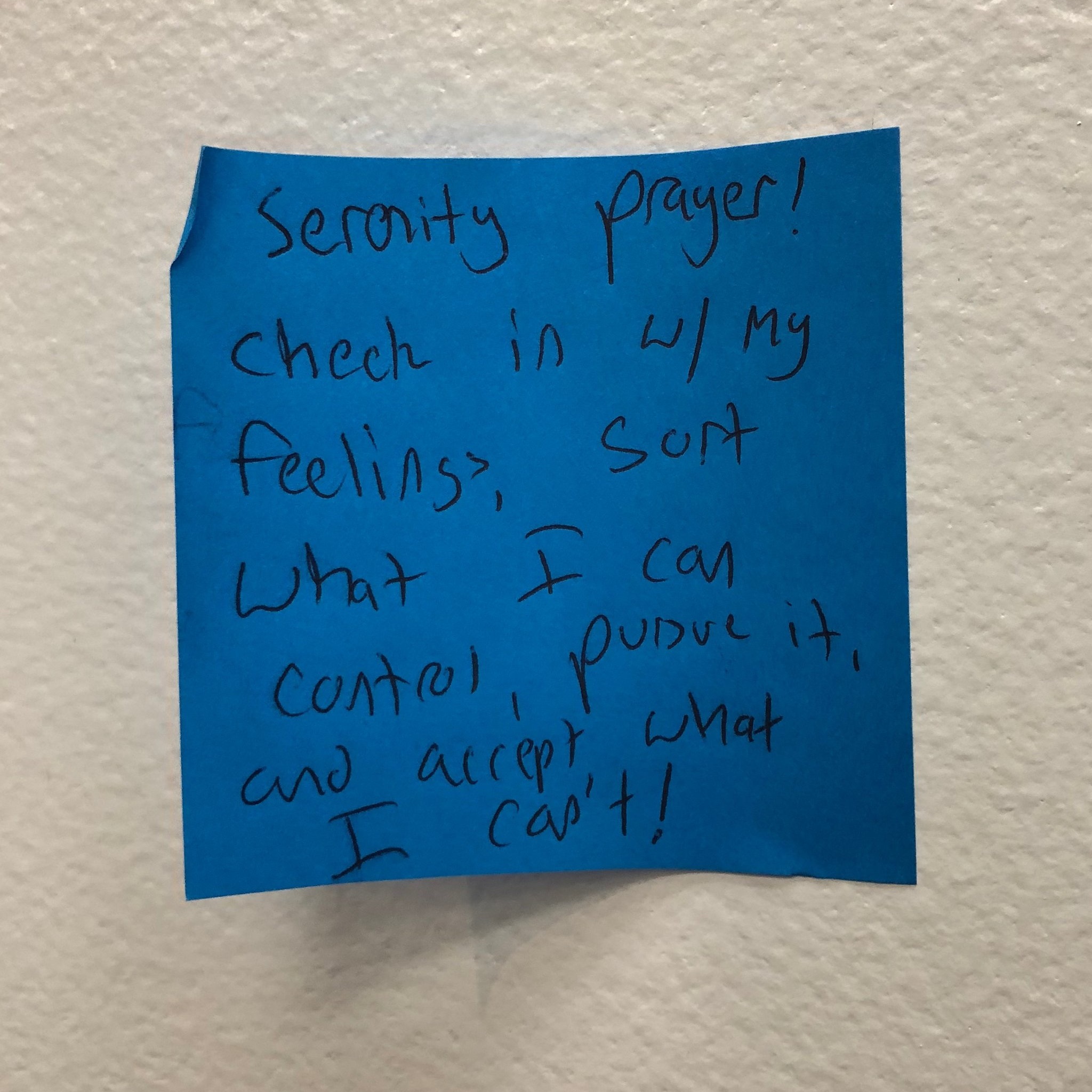
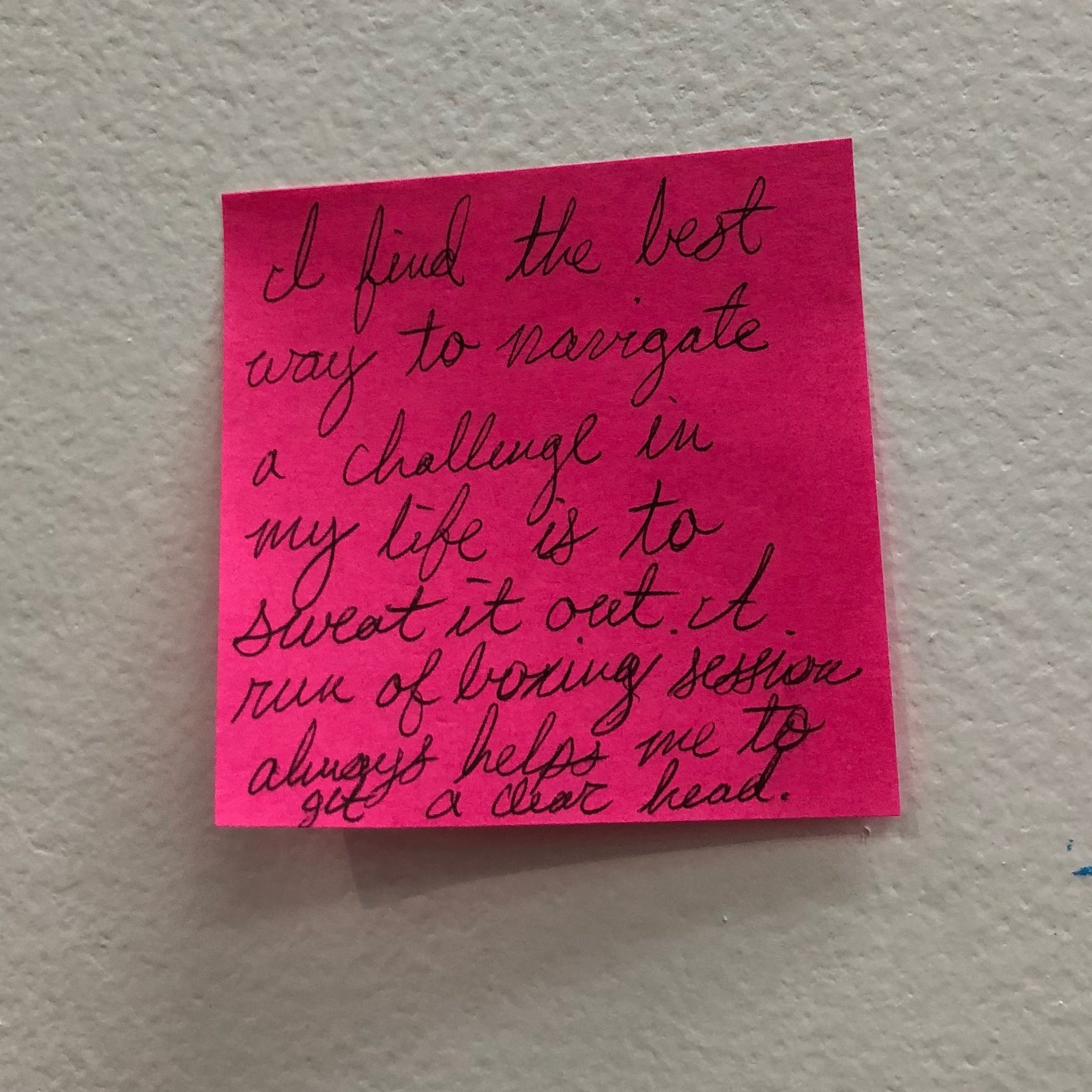
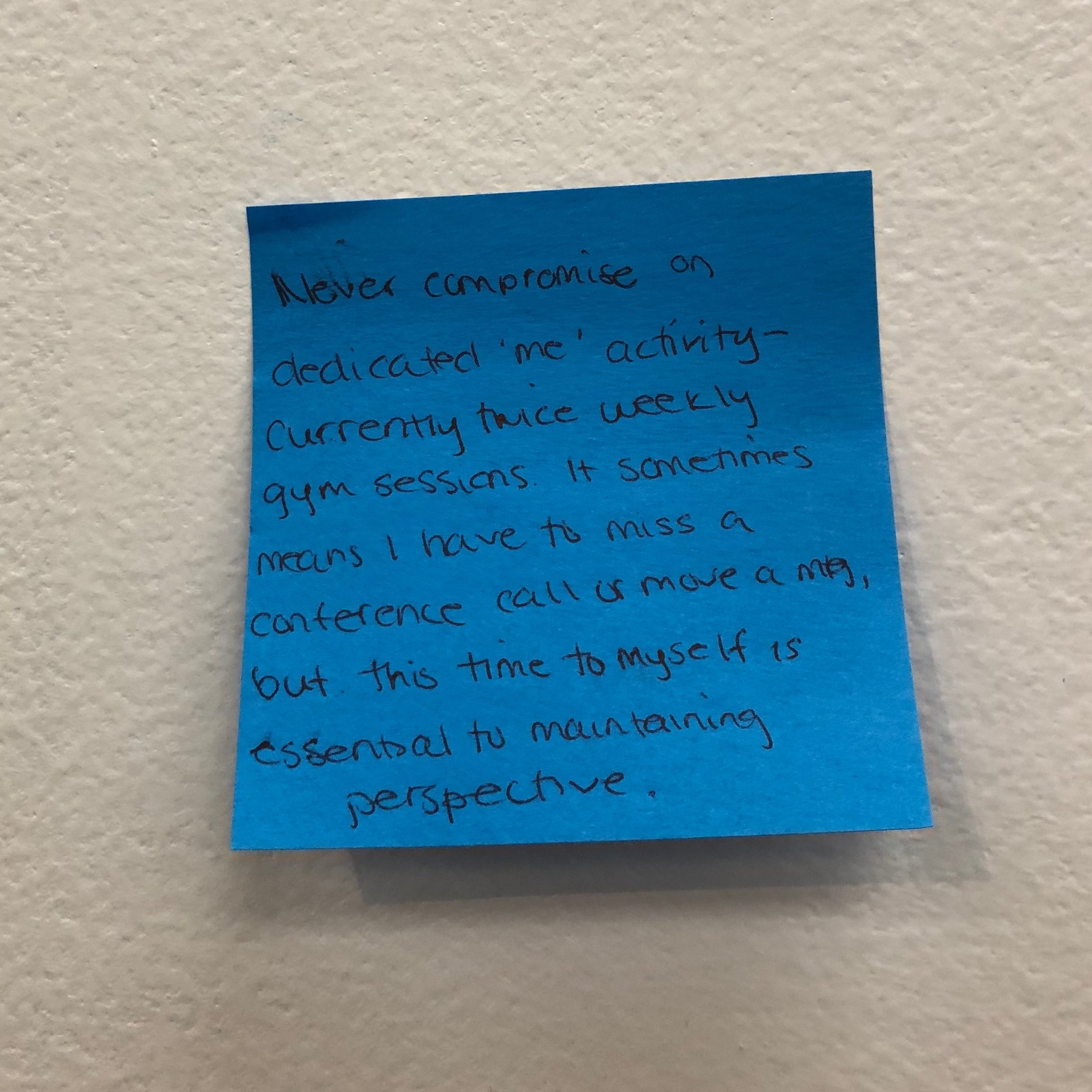
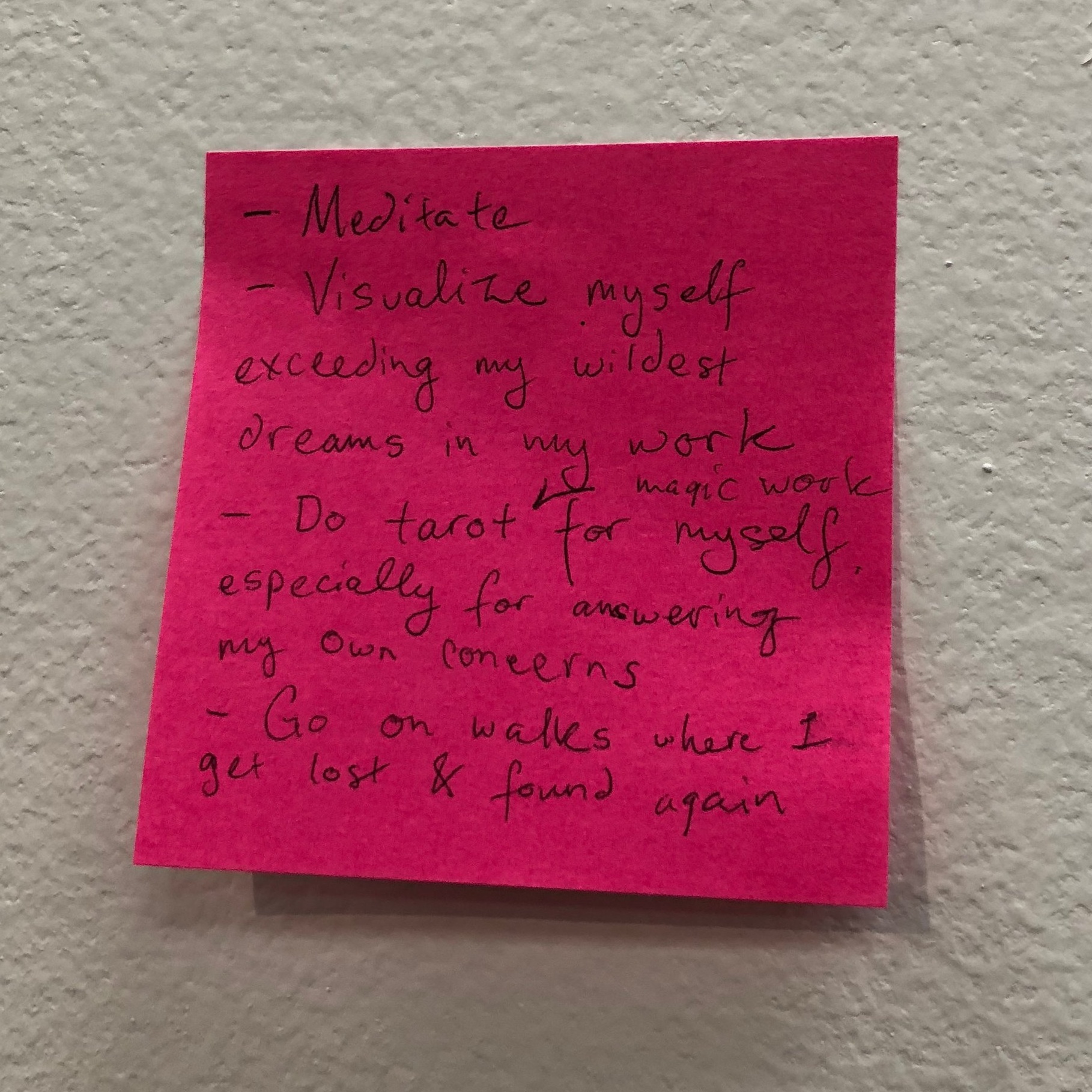
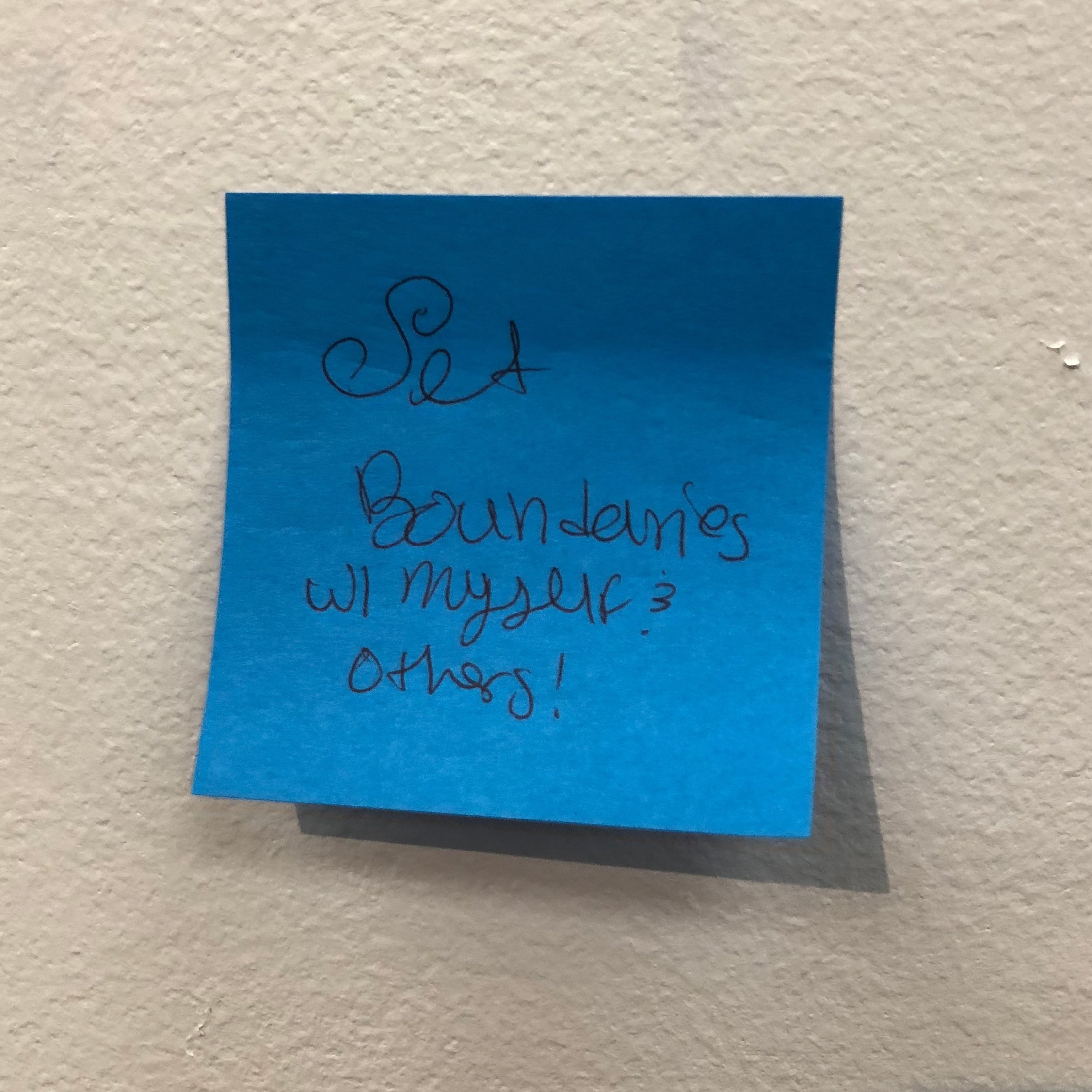
At our last community meet-up in Austin, Texas, we explored themes of synergy. We asked those who attended to contribute their answers toward the question: “How do you take care of yourself as you navigate opportunity, success and failures?”
At our last community meet-up in Austin, Texas, we explored themes of synergy. We asked those who attended to contribute their answers toward the question:
“How do you take care of yourself as you navigate opportunity, success and failures?”
And we heard from a spectrum of people about their own self care practices — from listening to their body to being very thoughtful about the people they surround themselves with. We've collected some of those answers below.
WHAT THE COMMUNITY HAS TO SAY:
want to attend a #BBATX meet-up?
Our next community meet-up is on August 14 at Native Hostels Austin. Learn more about how to join us here.
Meet Her Hands: Karen Navarro
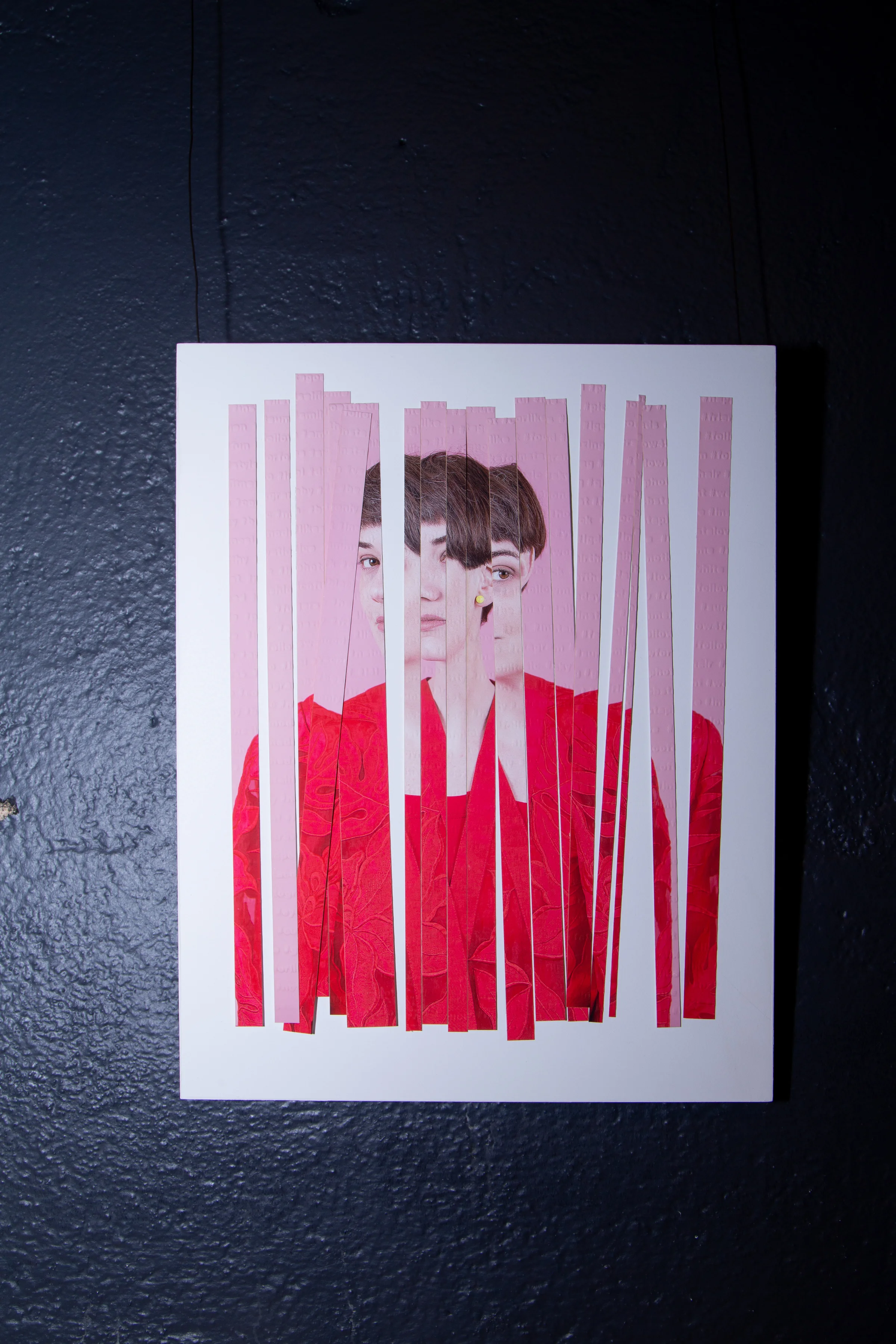
"In my work I explore themes related to personal and social identity and, femininity as a cultural construct. It expresses self-referential questions that connect in a much larger scale to these ideas of construction of identity, societal expectations and the understanding of the being. The work prompt a discourse about our subconscious will to comply with the contemporary societies' canons when these are in fact misleading.” — Karen Navarro
Meet Her Hands is a collaborative exhibition series, produced by #bbatx and the Elisabet Ney Museum every summer, featuring three Texan women artists. This season, we're proud to host photographer Karen Navarro, artist Maribel Falcon and artist duo Big Chicken & Baby Bird. Each artist will showcase work within the Elisabet Ney's collection for two weeks, and throughout the summer we'll explore sculptor Elisabet Ney's legacy, while writing a new history of women in the arts.
The first exhibition in Meet Her Hands, Belonging in Modern Times by artist Karen Navarro, opened on June 13. Thank you to our collaborators at the Elisabet Ney Museum, our drink sponsors Austin Cocktails, our volunteers and partners for making this show possible.

Photo by Jinni J.
MEET THE ARTIST BEHIND EXHIBIT ONE, "EL PERTENECER EN TIEMPOS MODERNOS (Belonging in Modern Times)”
"In my work I explore themes related to personal and social identity and, femininity as a cultural construct. It expresses self-referential questions that connect in a much larger scale to these ideas of construction of identity, societal expectations and the understanding of the being. The work prompt a discourse about our subconscious will to comply with the contemporary societies' canons when these are in fact misleading.” — Karen Navarro
ABOUT THE SHOW:
Hosted within the guest artist space at the Elisabet Ney Museum, Belonging in Modern Times by Karen Navarro is a study of self-portraiture, social media and belonging. Here are a few notes from BBATX Committee Member Kaia Adams and Karen Navarro’s opening reception artist talk:
On what led her to the work she does today
“I would say that I grew up surrounded by an artistic environment, my grandmother was a dressmaker and my grandfather, who I didn't get the chance to meet, liked to draw. I remember spending my childhood days with my grandmother in her atelier. And, I think that was what led me to study fashion design. While I was in my final year of college in 2014, my husband, who was not my husband at that time, got transferred to Houston. And, after a few trips back and forth to The States I decided to stay with him and eventually we got married.
For various reasons, I decided not to pursue fashion design any further. Instead, I decided to enroll in a certificate program at the Houston Center for Photography. I was very fortunate that everything came organically. I found a passion for photography and a medium that allows me to express myself in a way where I can create my own worlds with no restrictions, norms or rules to follow. Nonetheless, I found myself wanting to experiment more- to create work that is made with my hands- which is the work I am making today. I feel that my journey in experimentation haven't ended yet. In the future I would like to experiment with sculpture.”
On rebuilding oneself in a society that imposes many expectations, roles, and identities
“I have approached this journey of rebuilding myself by focusing in myself. For me it's a journey of acceptance and self-love, of recognizing and understanding yourself. Accepting that we are just humans, and that we all makes mistakes. That is why self-kindness is also very important. I had to challenge myself to believe that I was worth enough and that I was capable of doing whatever I want regardless what other people may think. I know it’s hard but life is short. So why don’t try to overturn all these wrong ideas about how we should live, how we should act, etc?
Besides all that, I also try to be very grateful for every little thing. I take time to look at the sky and appreciate nature. Life can get hectic, but it's important to be present.”
On tapping into her creativity
“Usually, how I do approach a new piece it's very different from one to another. It could start with a color that I saw on the streets or lighting and shadow that inspired a mood. It could be a self-referential question, a philosophical idea, or something in what I believe in and I want to share. Photography for me is about creating conversations, making relevant a topic that may be only relevant for me. It's about inviting people to question along with me. My work doesn't offer answers because I don't believe in absolute truths. And, in the in-between of this dichotomy of not believing in absolute truths and having an opinion at the same time is where I position myself every time I approach I new body of work. Inviting you, seducing you through a highly stylized image to reflect on topics that challenge our social notions that some may want to avoid.”
On advice for aspiring artists within our #BBATX community
“I would say, work hard and work smart. Do your thing, follow your guts. Don't worry about the trends, just be you. Because when the work is genuine it gets through and everything will come organically. BELIEVE IN YOU! Be patient, be perseverant, in the art world, as in many others, everything takes time. Always try to be the best you.”

Photo by Jinni J
WANT TO ATTEND A MEET HER HANDS EXHIBITION?
You can view Karen Navarro’s Belonging in Modern Times through June 25, 2019 at the Elisabet Ney Museum during museum hours. Our next exhibition in the series, Memoria by Maribel Falcón, will open on June 27 from 6:30 to 9 PM. Click here for details.

How To Network Like A Human Being
We deserve to meet people without feeling the pressure to perform.

This summer, we’re exploring flow. How can we practice personal and professional patience with the things we’re working on? How can we honor our ebbs and flows?
So today, we’re talking networking. We know we need community to survive—especially if we’re trying to launch a business, do good within our communities or build a professional network of support. But networking can feel awkward and uncomfortable. And for those of us who are introverted? Downright scary.
We deserve to meet people without feeling the pressure to perform. So, we asked our friends at Bumble Bizz for their best, introvert-friendly networking tips. How can we approach meeting new people in a way that feels more manageable? Keep reading for answers.
Editor’s Note: This article was written by Jessika Roth for a collaboration between Bumble Bizz and #BBATX. Bumble Bizz is one of #BBATX’s supporting partners in 2019.
If the mere thought of interacting with a group of people is exhausting, it’s no surprise that getting fired up about networking feels like a challenge. Putting yourself in the spotlight among dozens of strangers? You might be asking, “Why would I?”
Well, for a few good reasons.
No matter your Myers-Briggs personality type, Carl Jung, the psychiatrist who popularized the terms introversion and extroversion, says we’re all a blend of the two. How you’re specifically wired determines how you respond to social stimulation as well as what recharging looks like for you. If you’re more introverted than extroverted, you shouldn’t avoid networking at all costs. Instead, you’ll benefit from methodically planning for the amount of stimulation you can handle and how to best unwind afterwards.
In fact, as an introvert, your unique strengths already make you a strongly-equipped networker. Former Google executive Karen Wickre covered this topic in depth with her book Taking the Work Out of Networking: An Introvert's Guide to Making Connections That Count. Wickre explains that introverts are great listeners and observers, as well as being inherently curious about others. This gives them the advantage of making a few meaningful connections rather than trying to shake every hand in the room.
So trust us when we say the benefits of networking extend well beyond multiplying your professional connections. Growing your circle means setting yourself up for the inevitable next steps: changing jobs, moving up in your career, or perhaps even relocating to a new city or state. The more people you meet outside your immediate circle, the easier it will be to find new opportunities when you’re ready for them.
Here are a few tips for becoming more comfortable in social situations that are geared toward networking and meeting new people:
1.) Know your intention.
What are you looking for at this point in your career? Are you looking for a new role, a new company, a new industry, experts in your field, a mentor, or a mentee? Knowing what you’re looking for and why will help narrow your search for networking opportunities and will help shape your conversations.
2.) Discover relevant groups.
Since not all networking events are created equally, it will be much easier to connect with attendees if you have more in common than your city, industry, or job title. What else are you interested in? Local art, food, wine? Events that incorporate more than one interest will give you much more to discuss — and look forward to.
3.) Know your mental and physical needs.
Set yourself up for success by seeking out scenarios that make you feel most comfortable. Identify your best time of day to socialize (morning vs. evening events), your ideal setting (indoor vs. outdoor, e.g.), and even the type of event where you feel your best (fancy at a bar vs. casual in the park).
4.) Attend events solo.
You won’t have a safety net to depend on when attending events alone, which is precisely the reason it’s important to go solo. If your plan is to meet new people, a wing -man or -woman will distract you from taking the initiative of talking to those around you.
5.) Make one to three new connections.
Give yourself the mission of making three new professional connections, and your time frame is instantly set—once you’ve collected all three, or whatever number you choose, it’s time to split. Knowing this from the start will guide your interactions and help you find small wins along the way.
6.) Take breaks between conversations.
Just because the goal is meeting people doesn’t mean you have to interact the entire time. Take steps away from the crowd as needed to find some mental space. Who knows, you may even bump into fellow introverts (or your next connection) while taking a breath at the snack table.
7. ) Celebrate your victory.
Congratulate yourself on showing up and pursuing the intention that propelled you there. In the end, it doesn’t matter how many people you meet, but having the confidence to put yourself out there is a win on its own. Celebrate by unwinding in your favorite way—reading in the tub, anyone?
Ready to meet new people? Download the Bumble Bizz app to meet online connections in your professional community, or explore #BBATX’s upcoming meet-ups and events to mingle in-person (we highly recommend our WORK conference!).
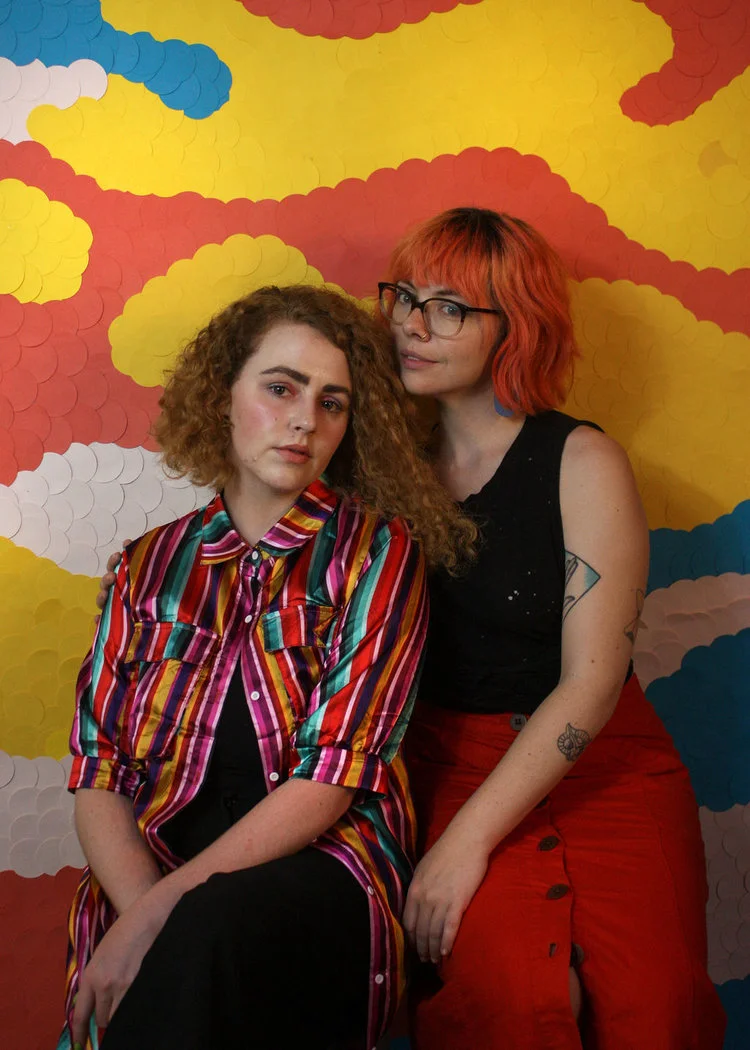
On Big Synergy: A Series of Portraits by Bailey Dieckman
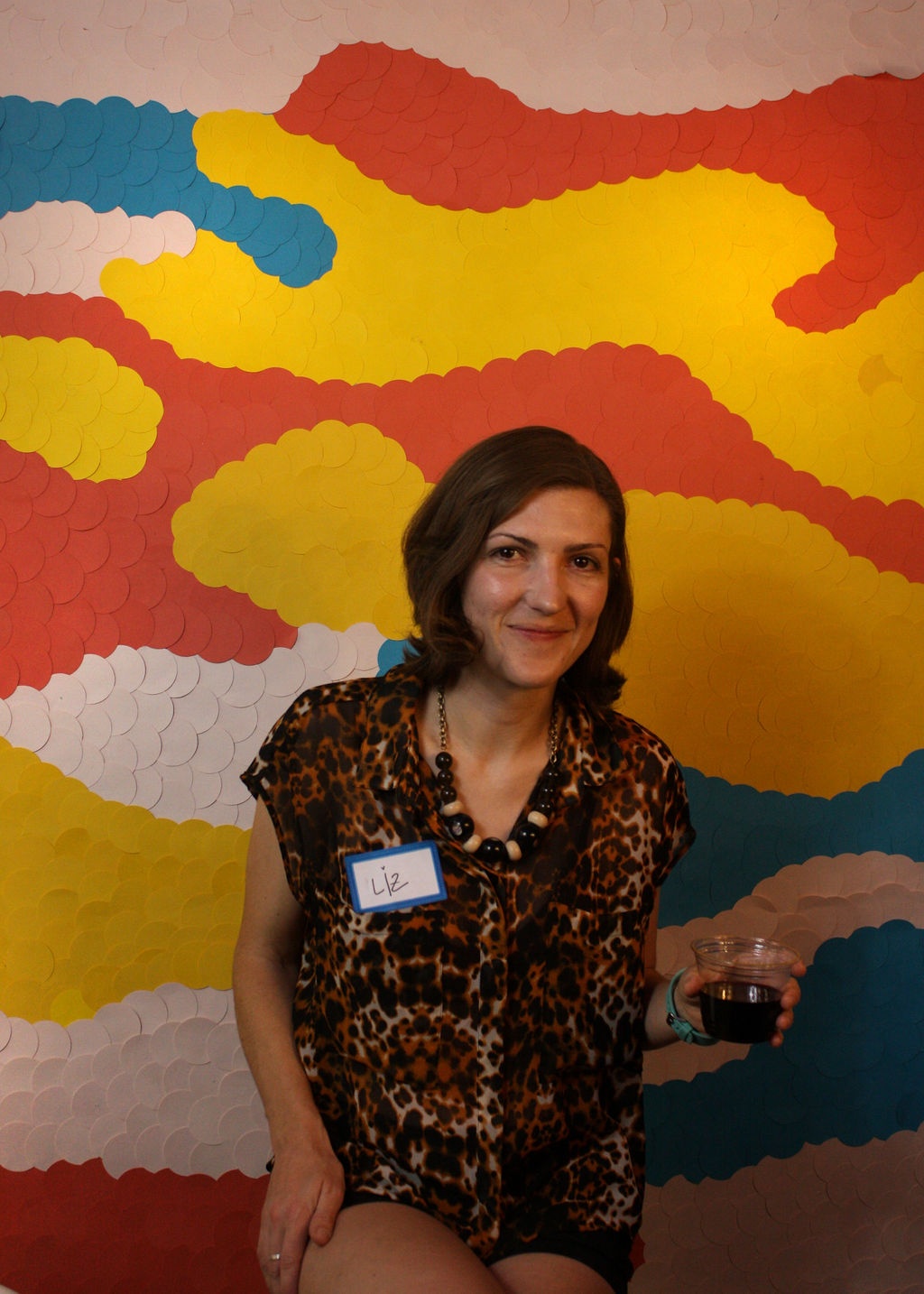
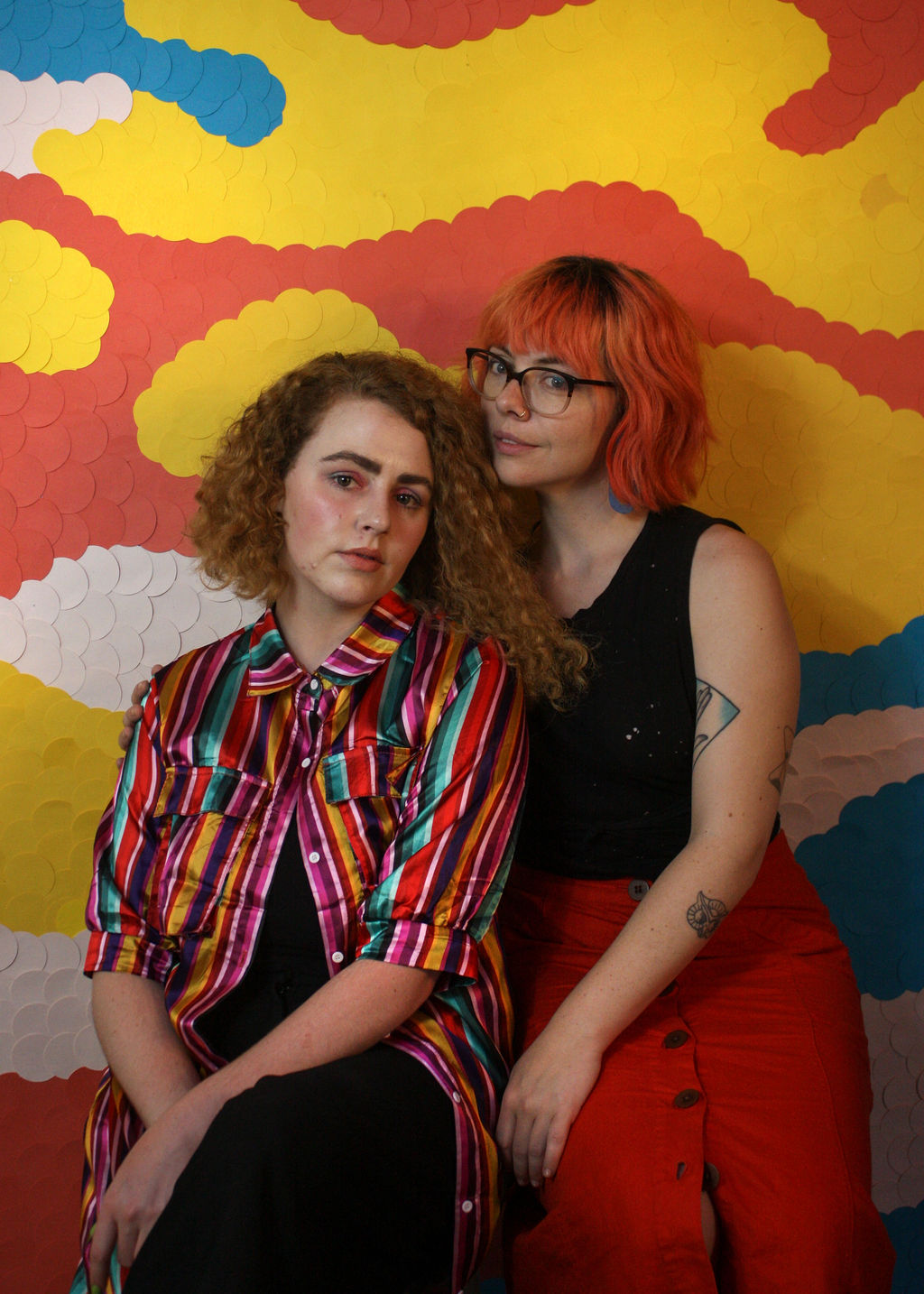
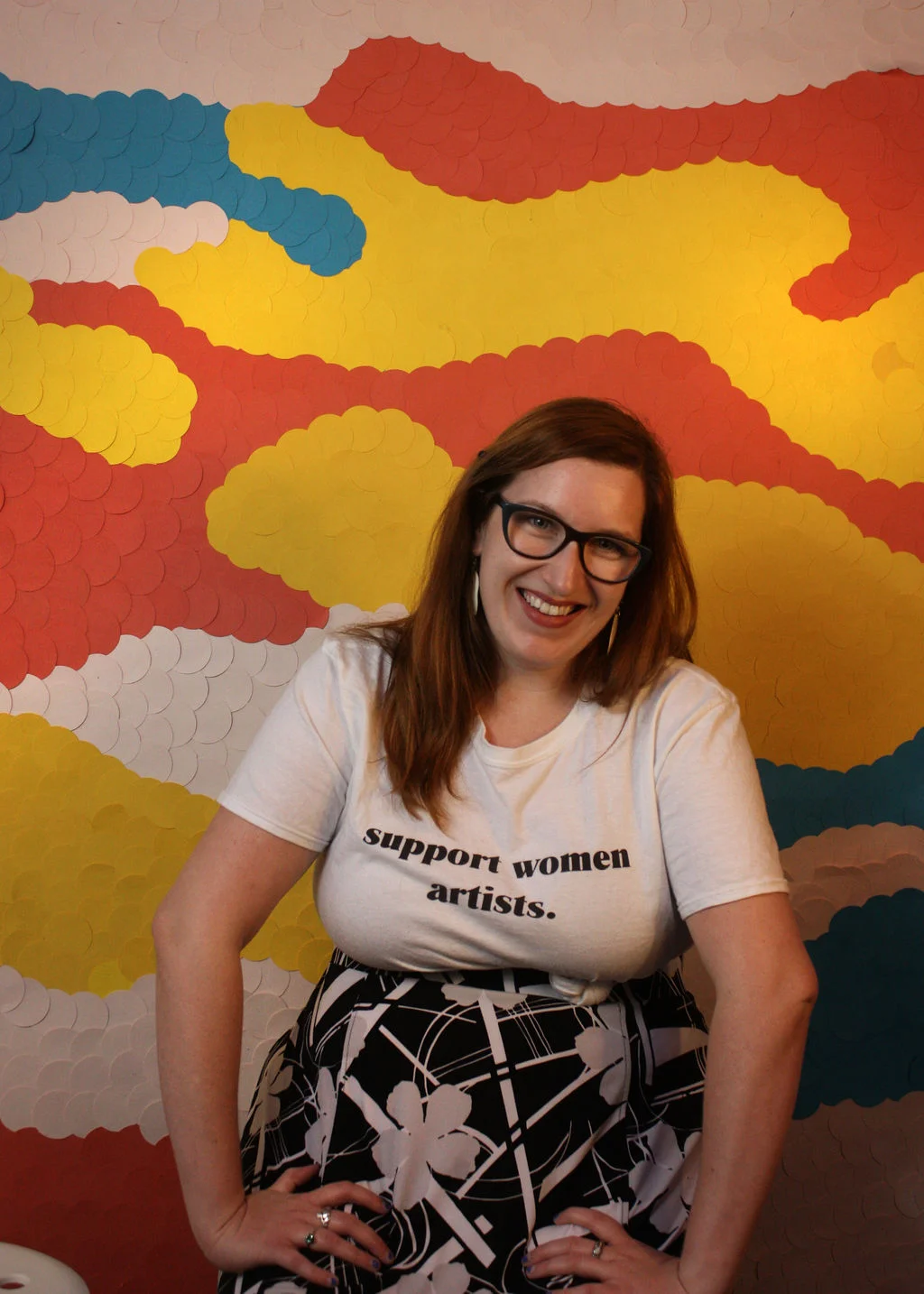
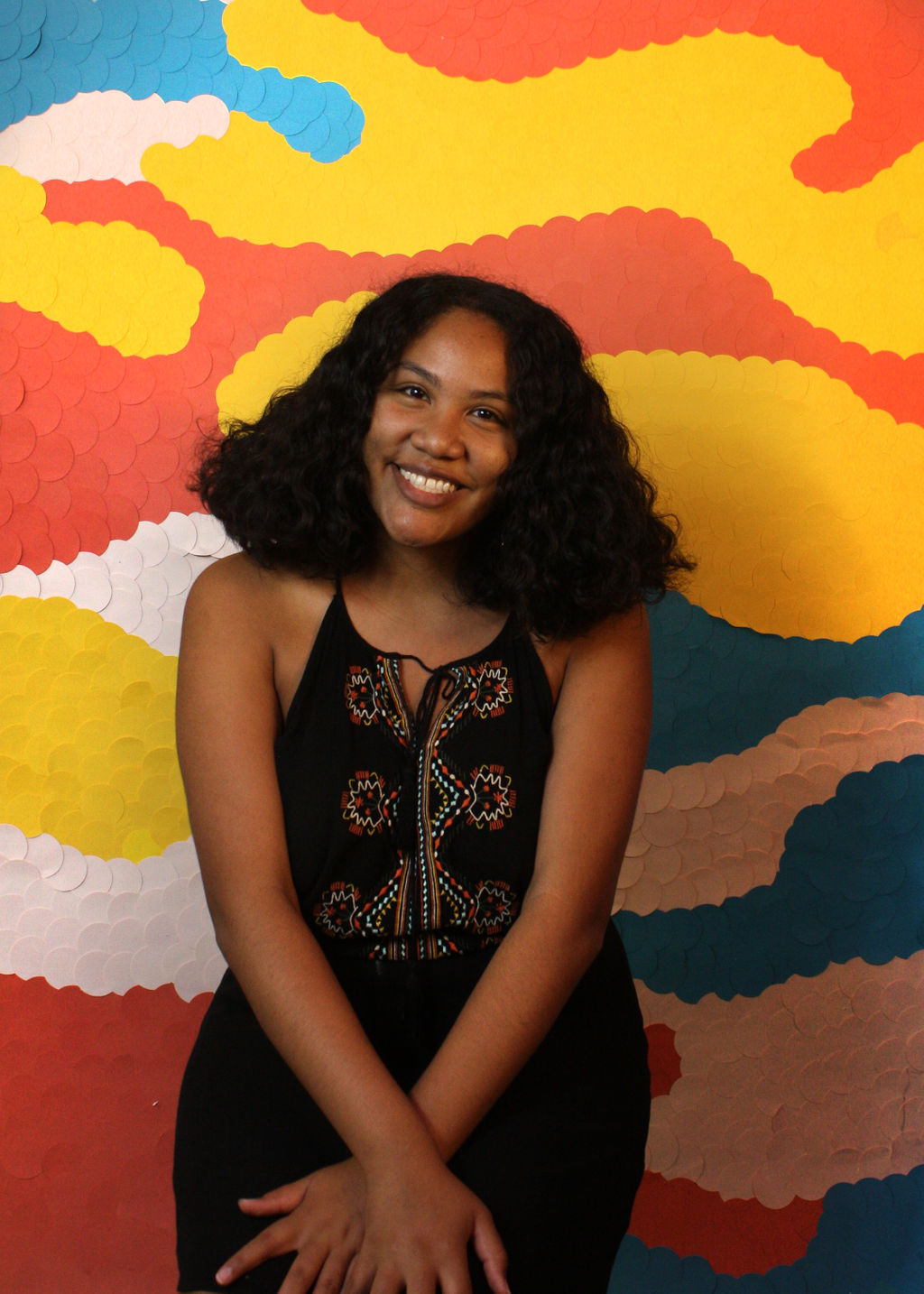
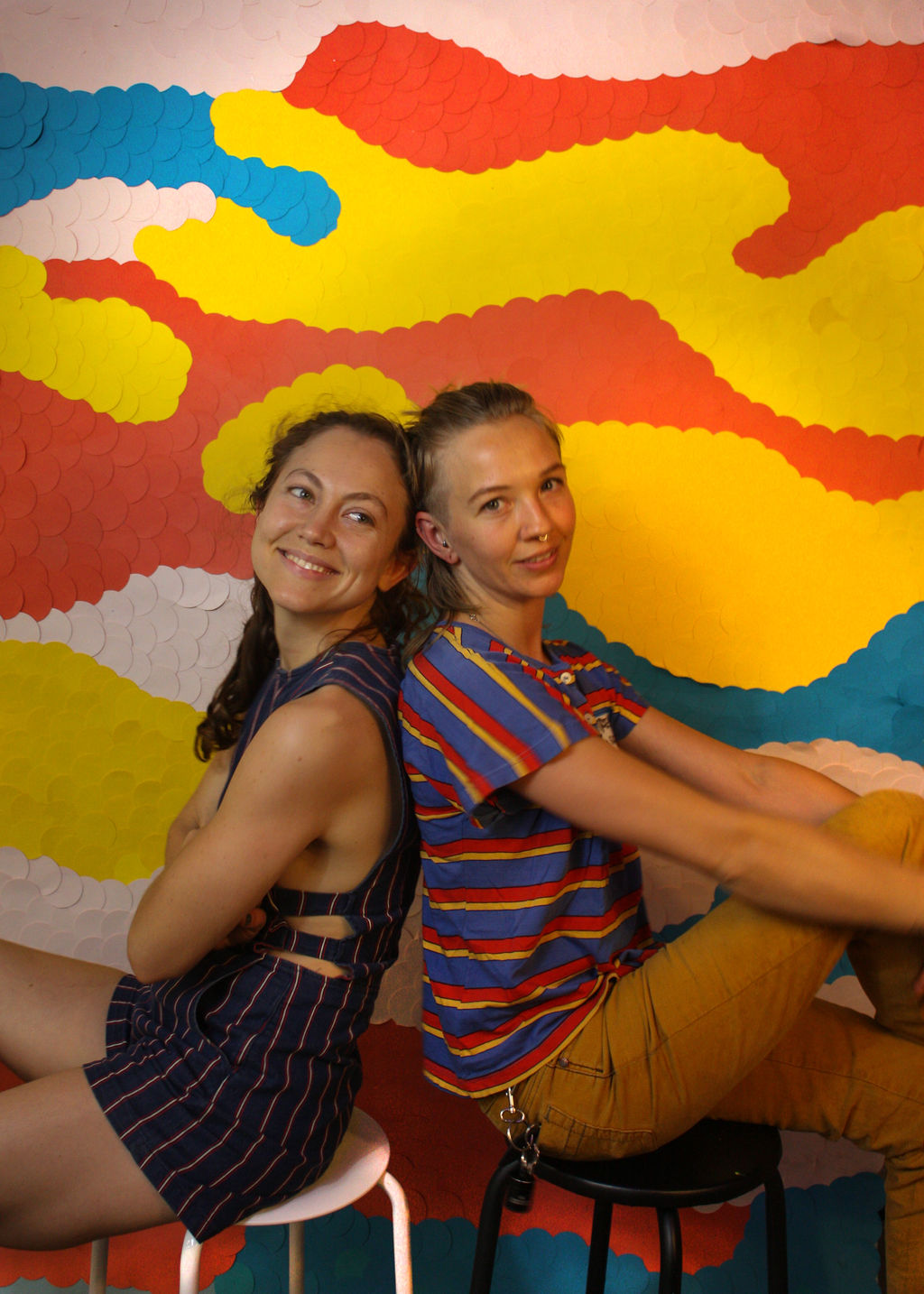
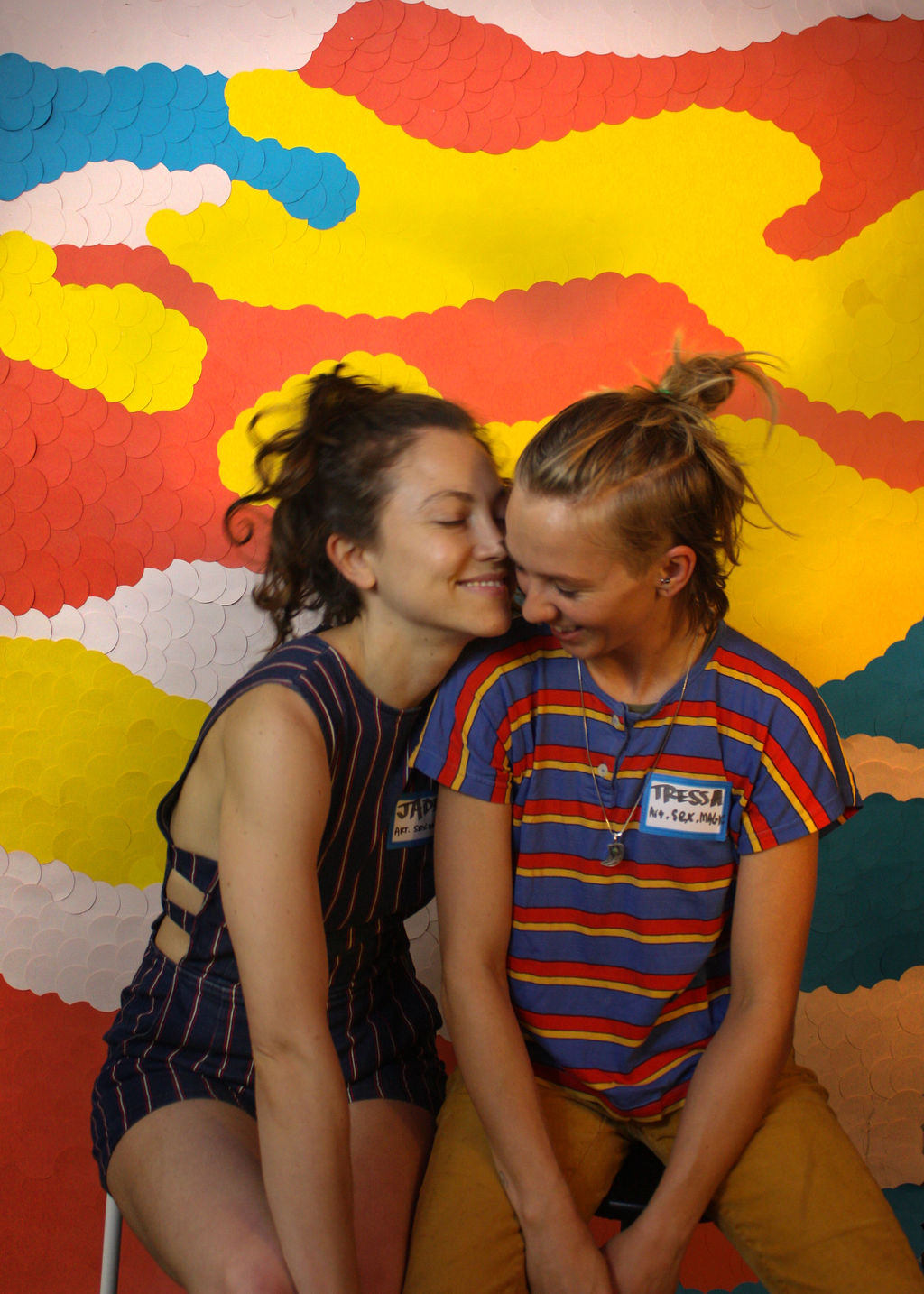
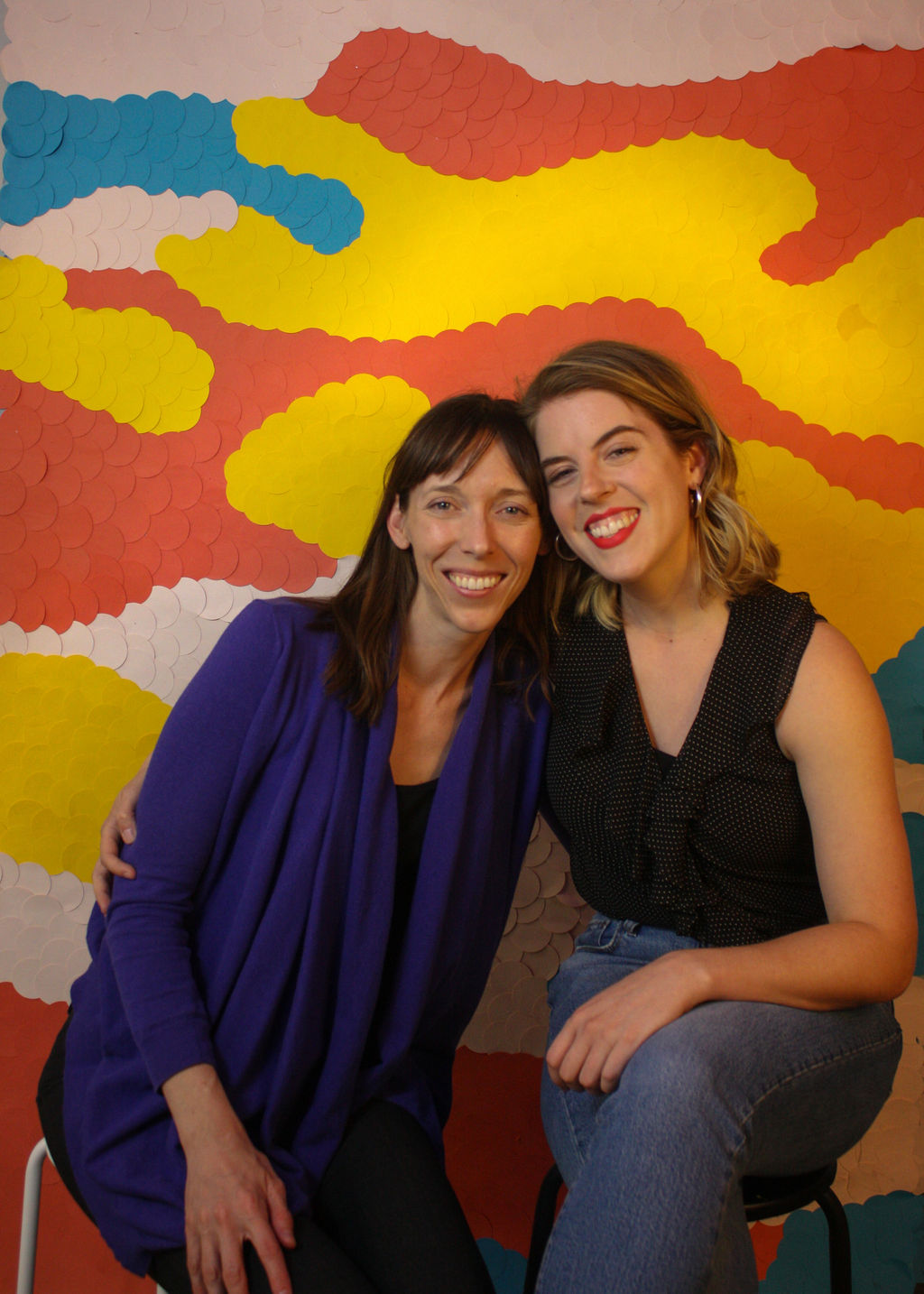
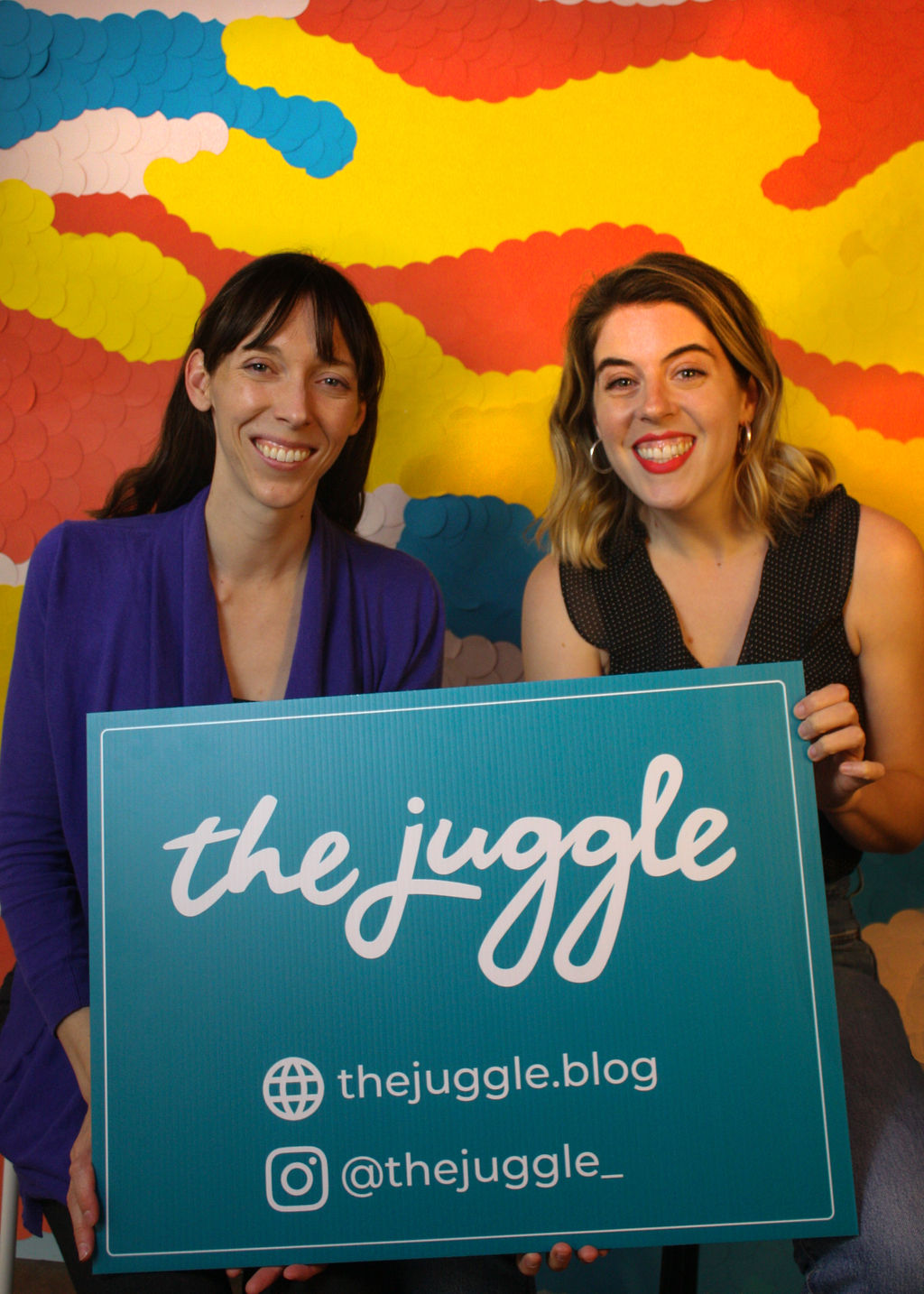
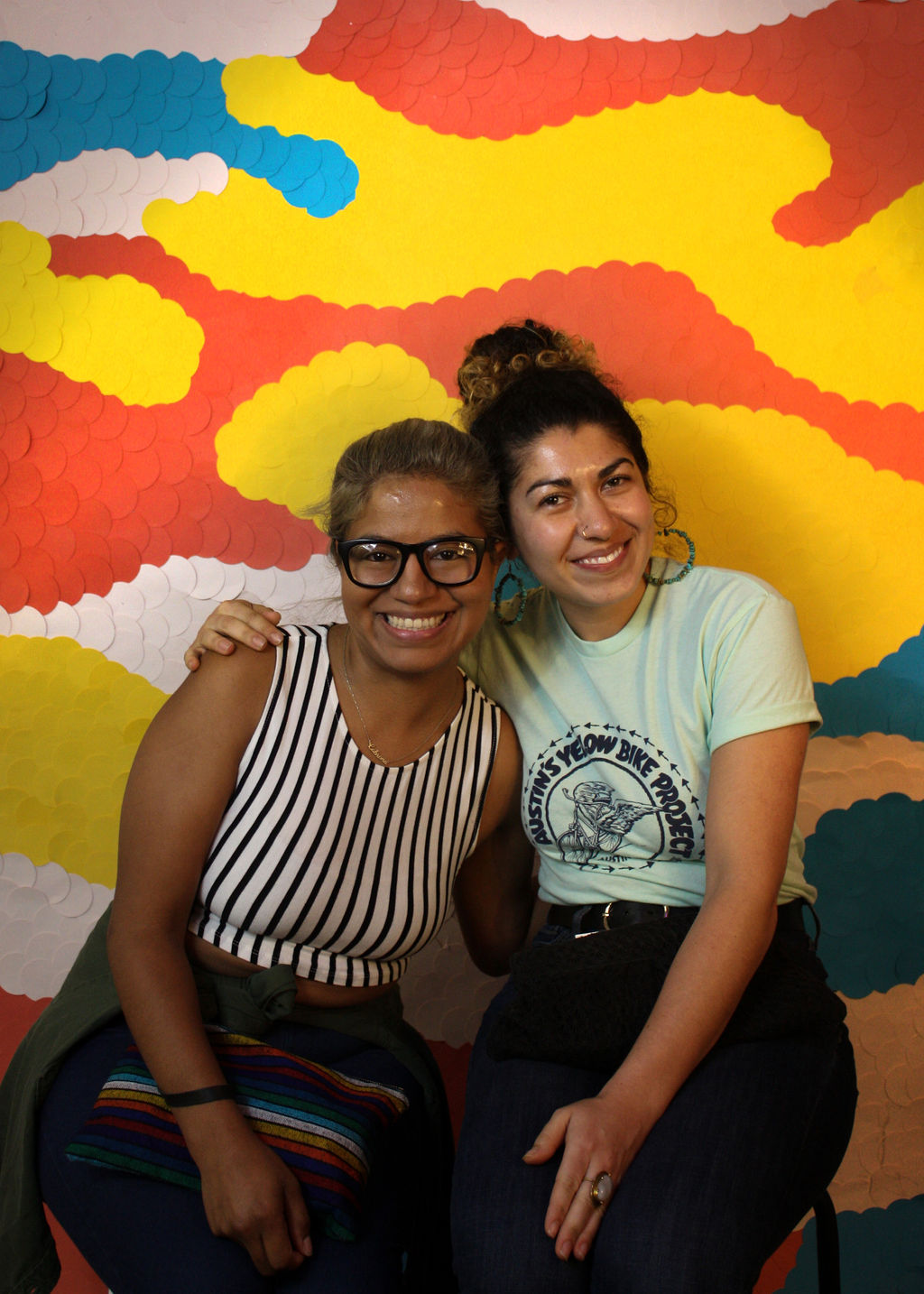
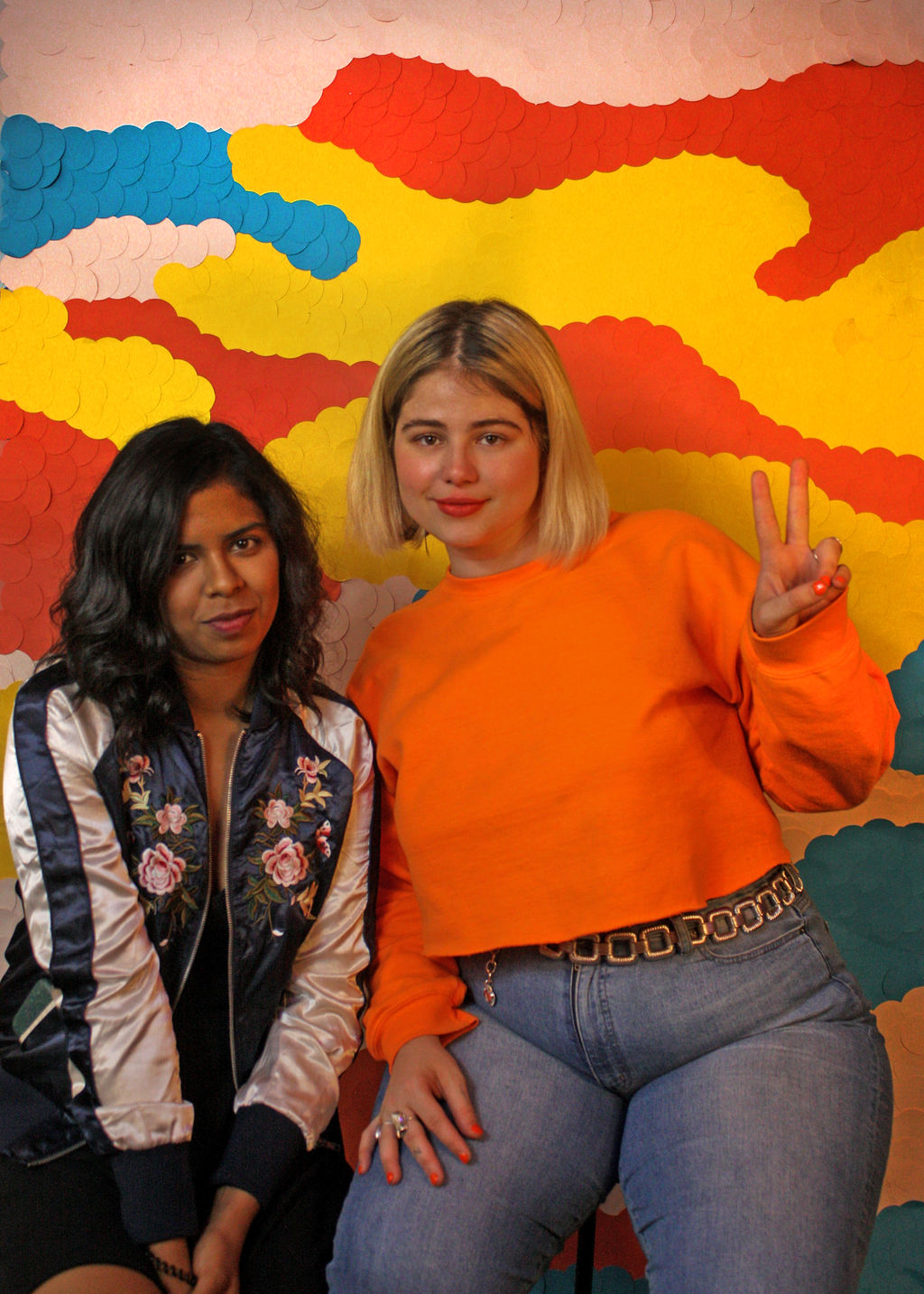
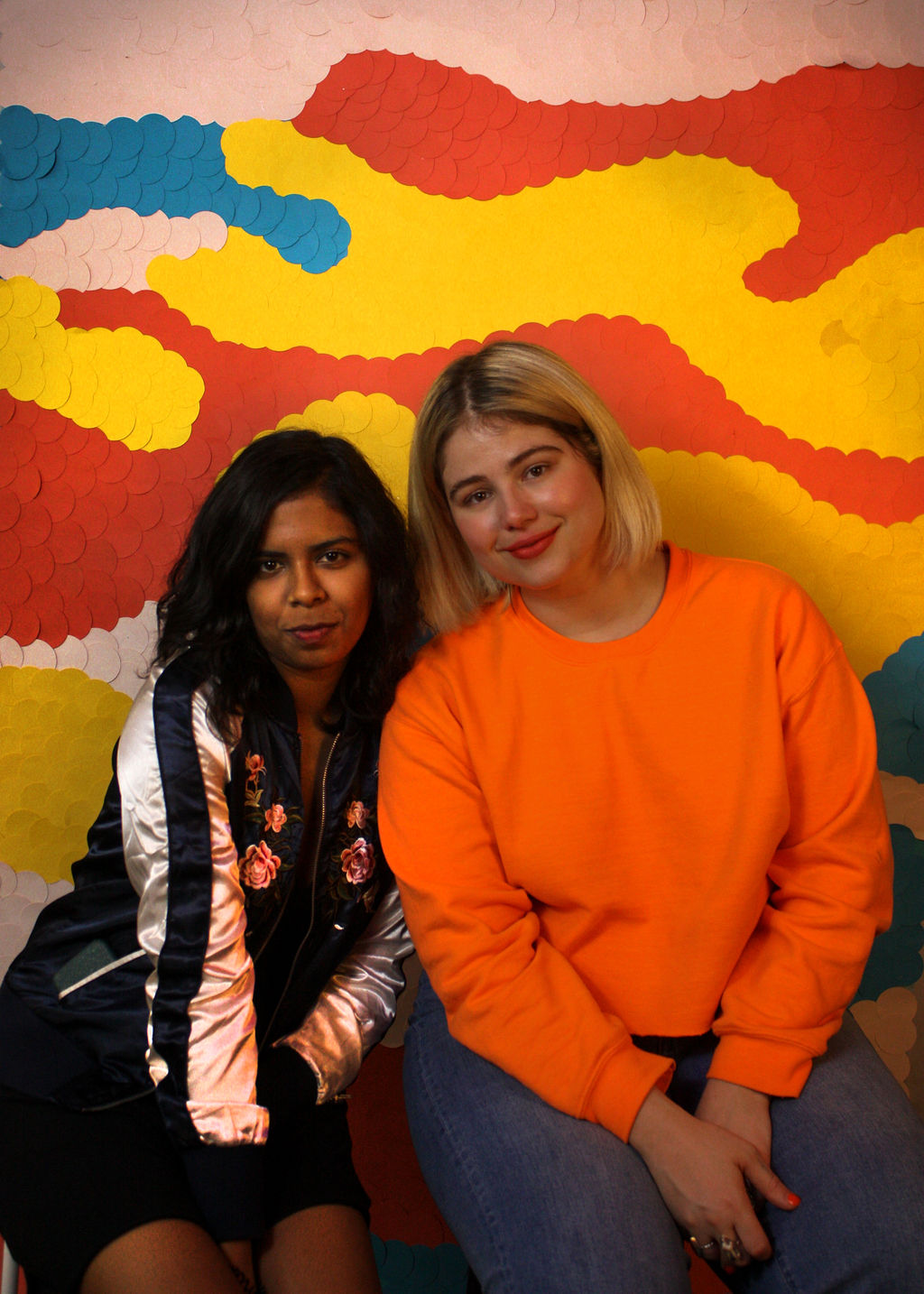
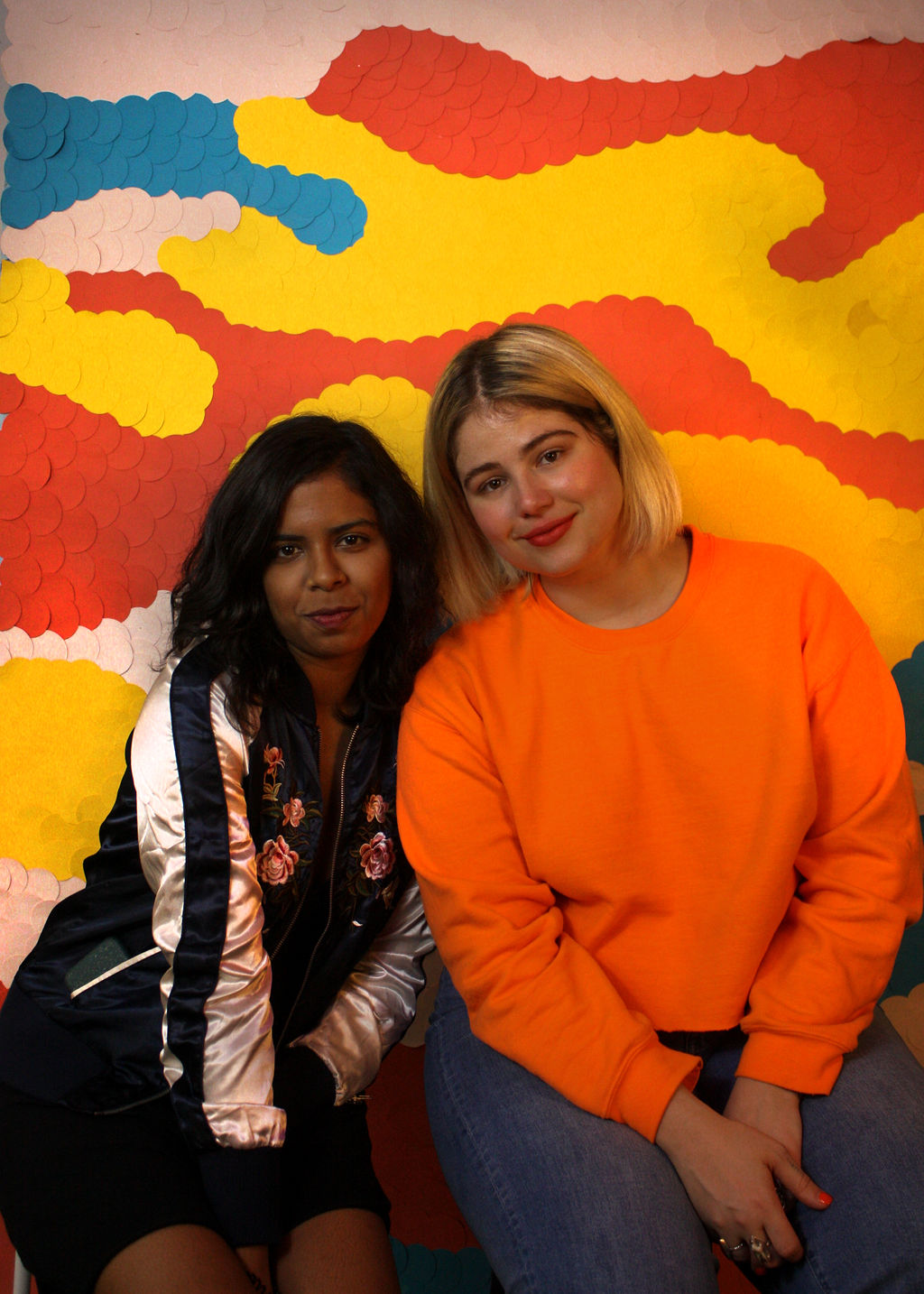
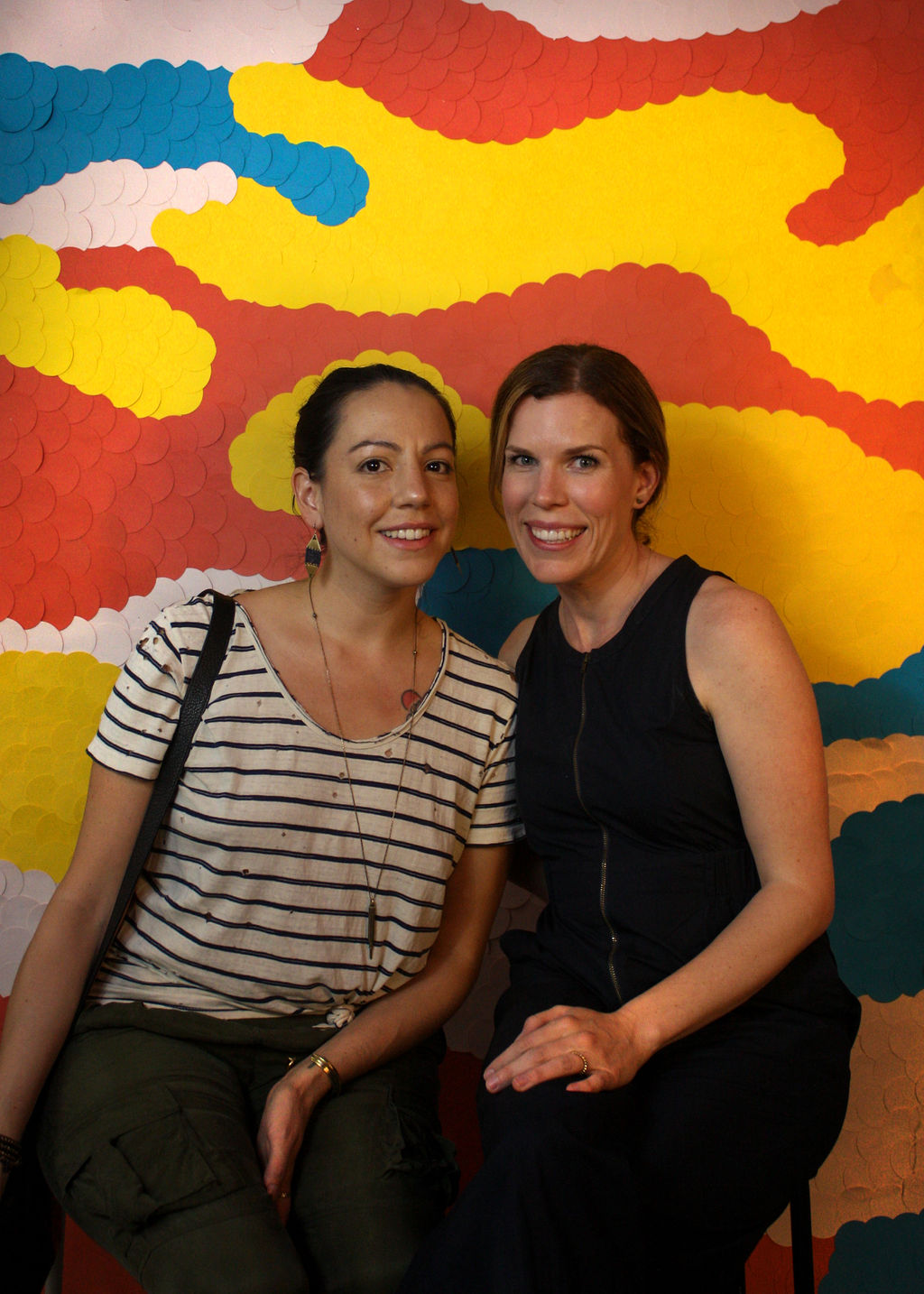
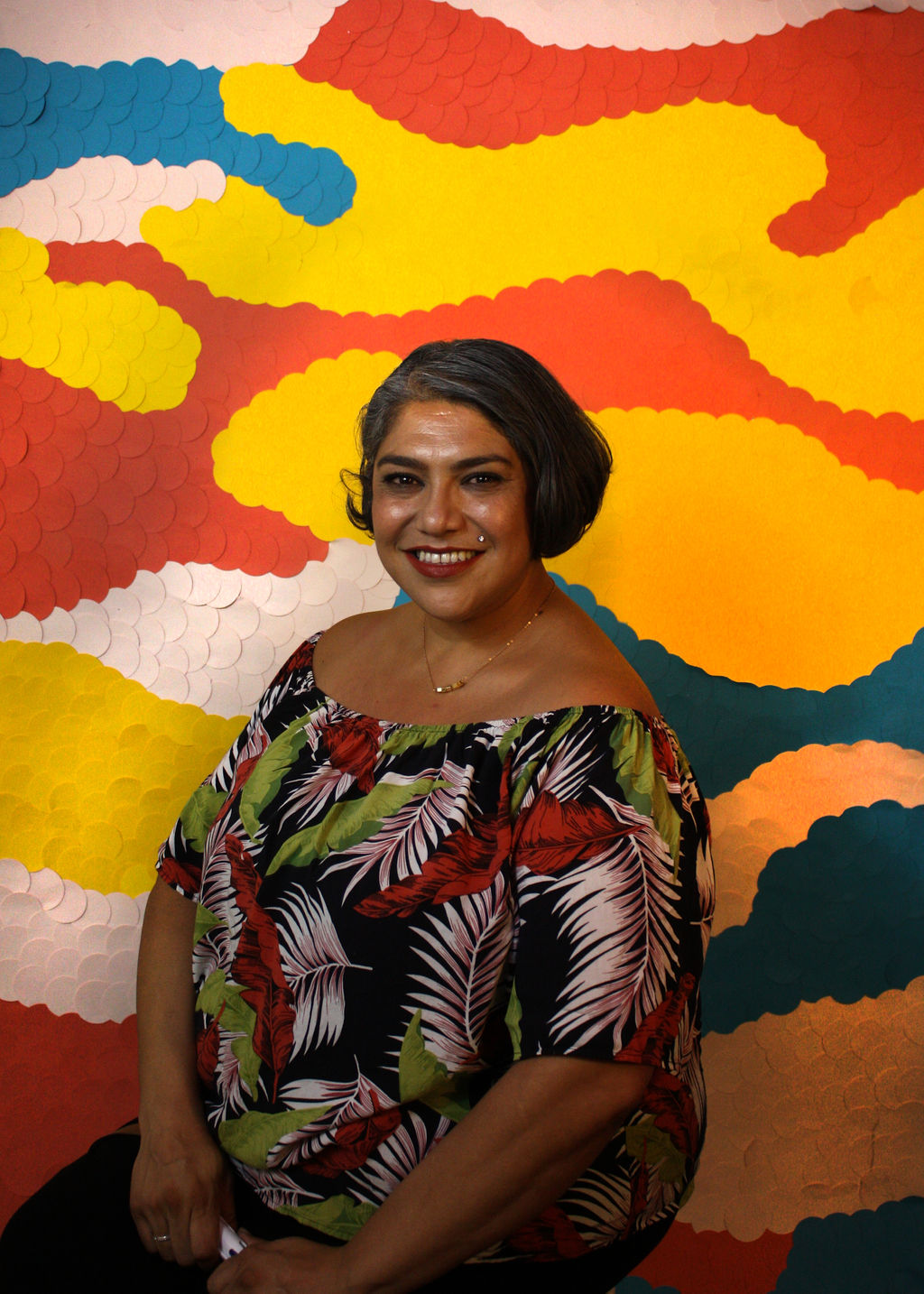
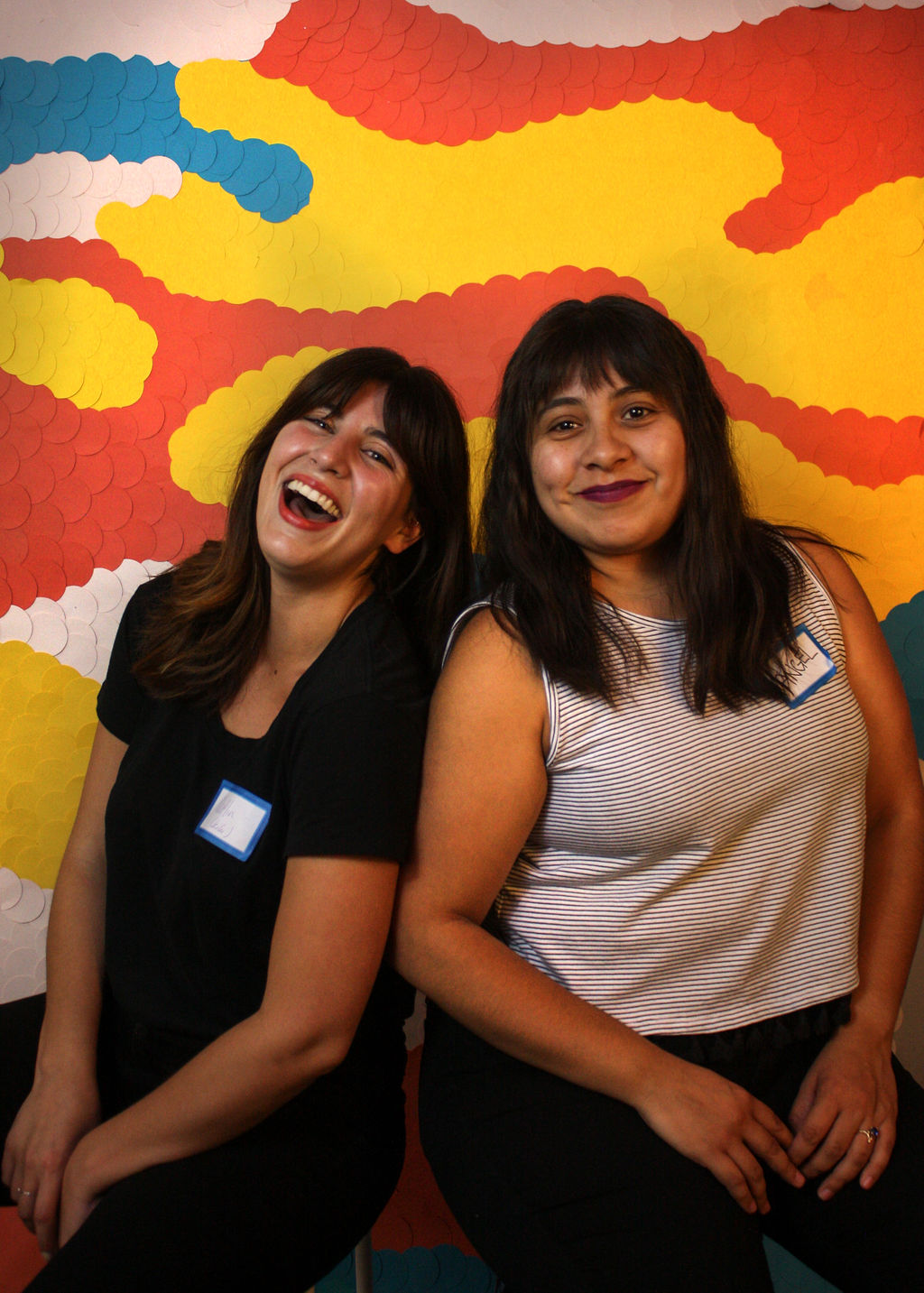
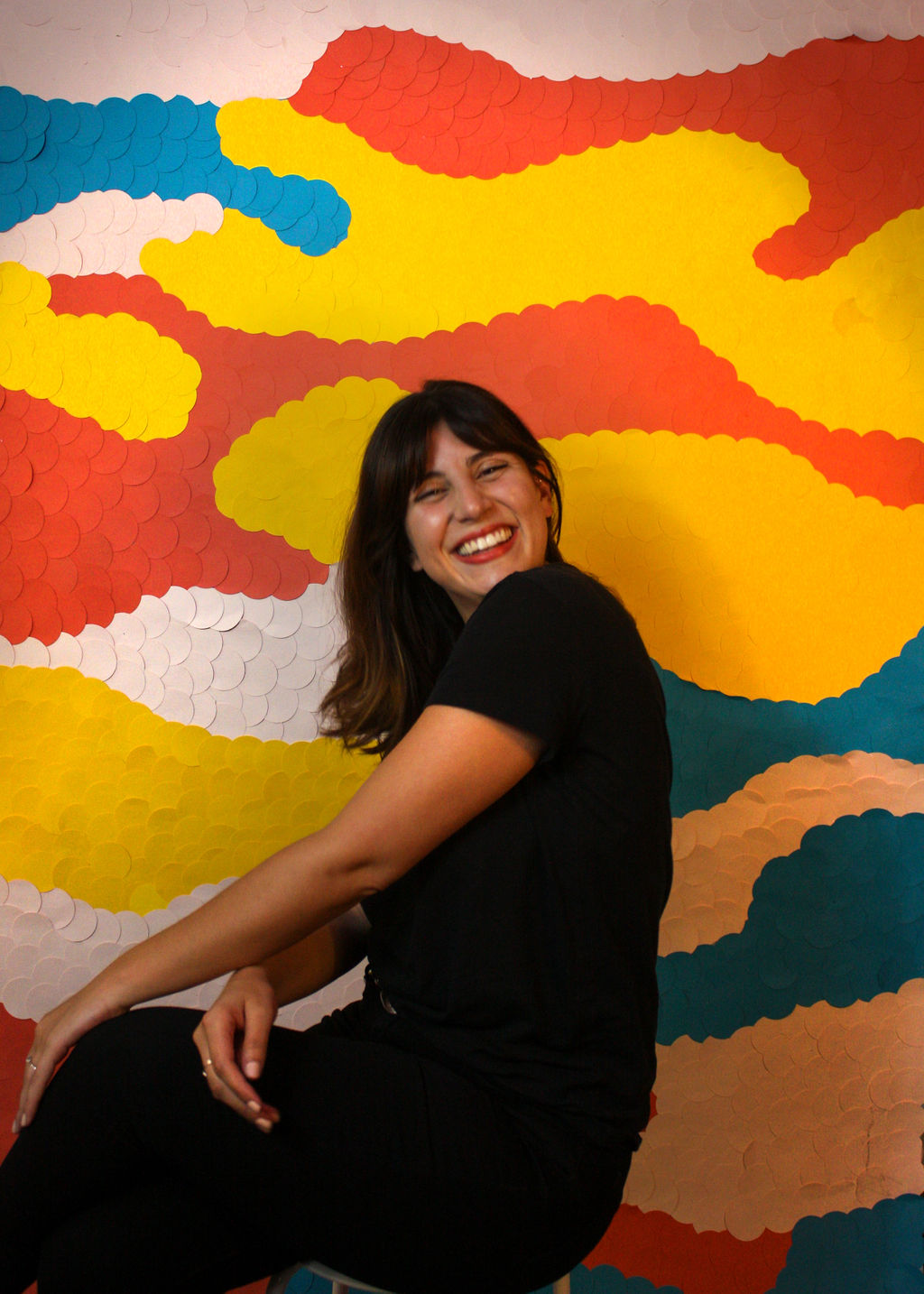
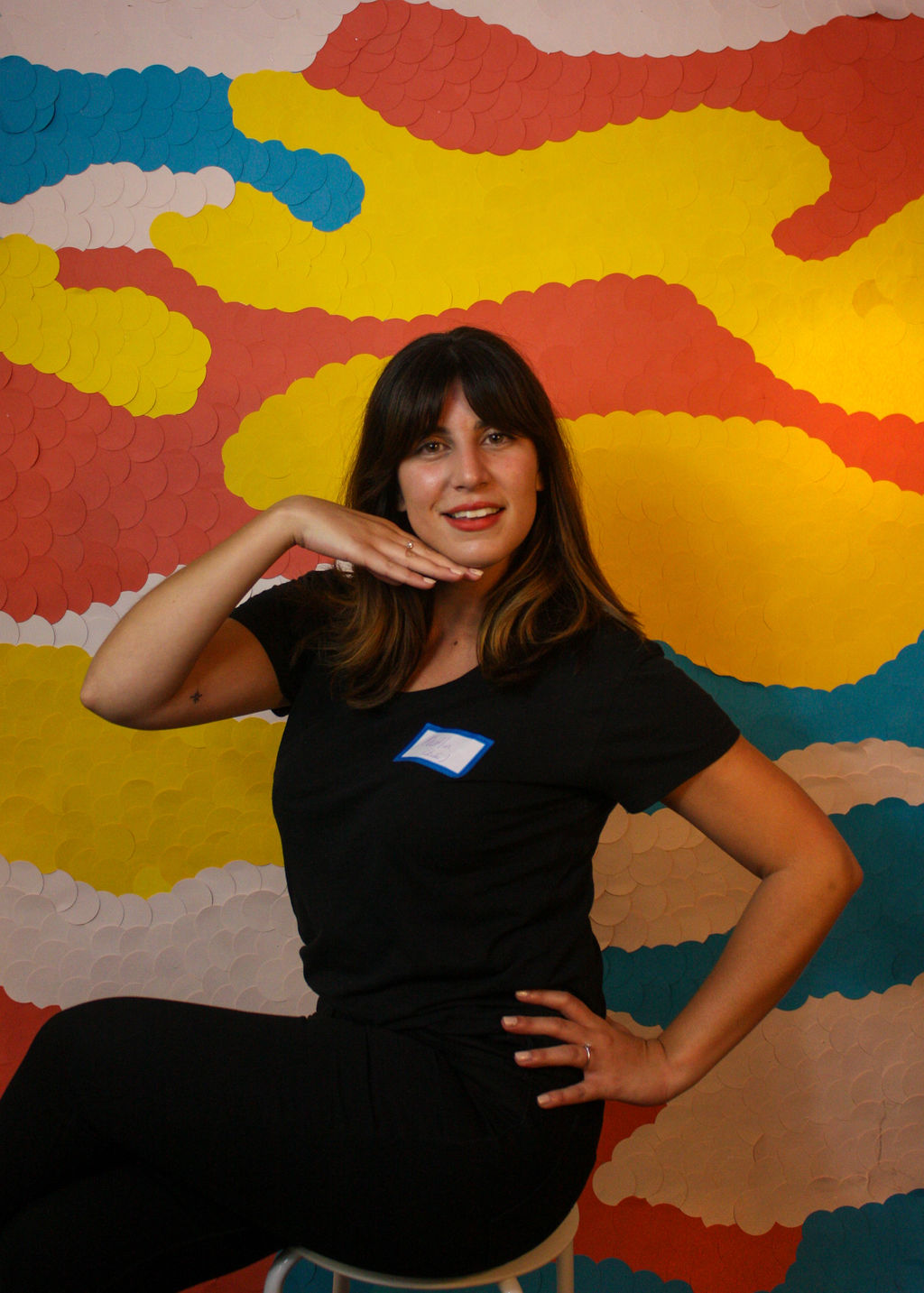
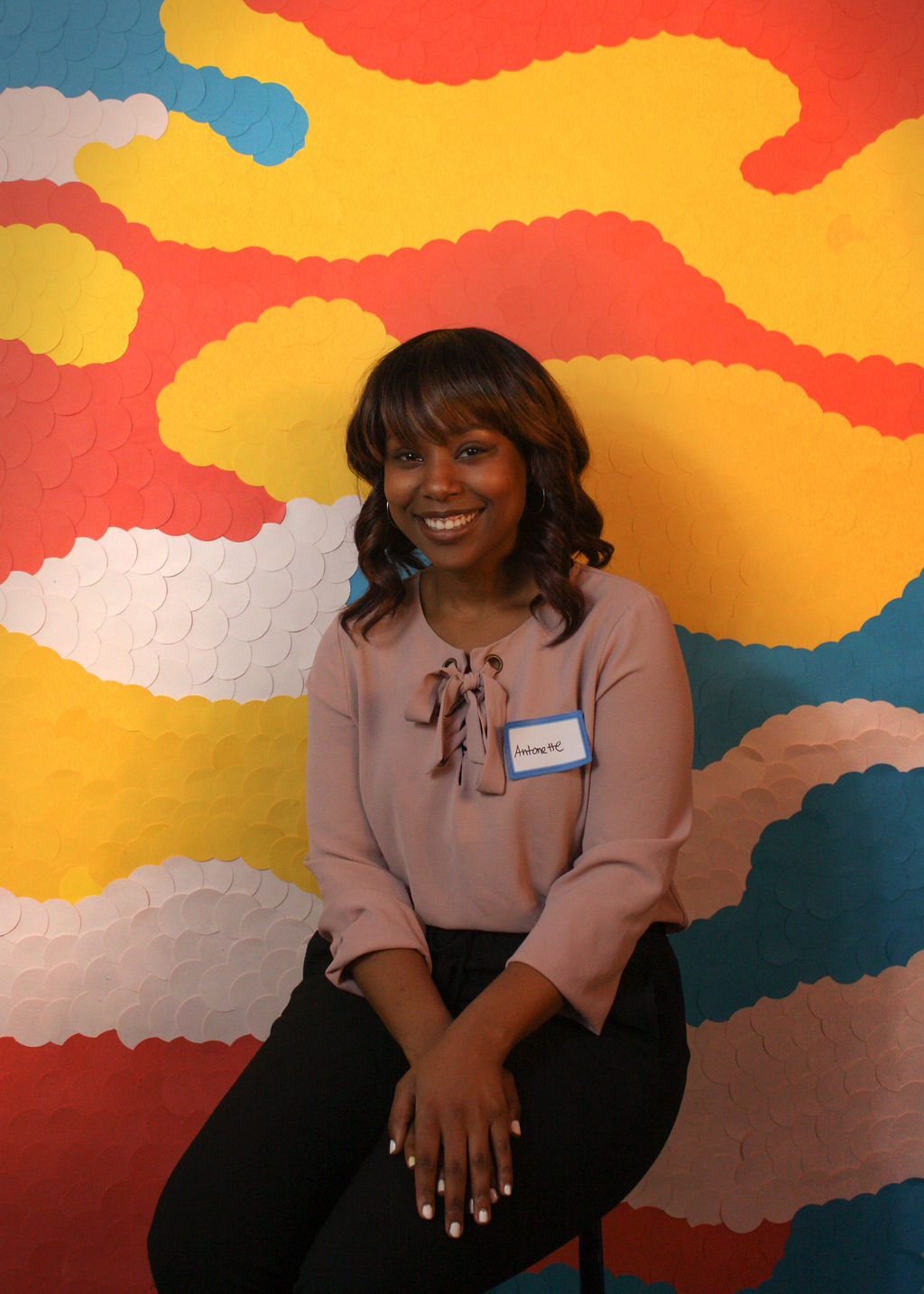
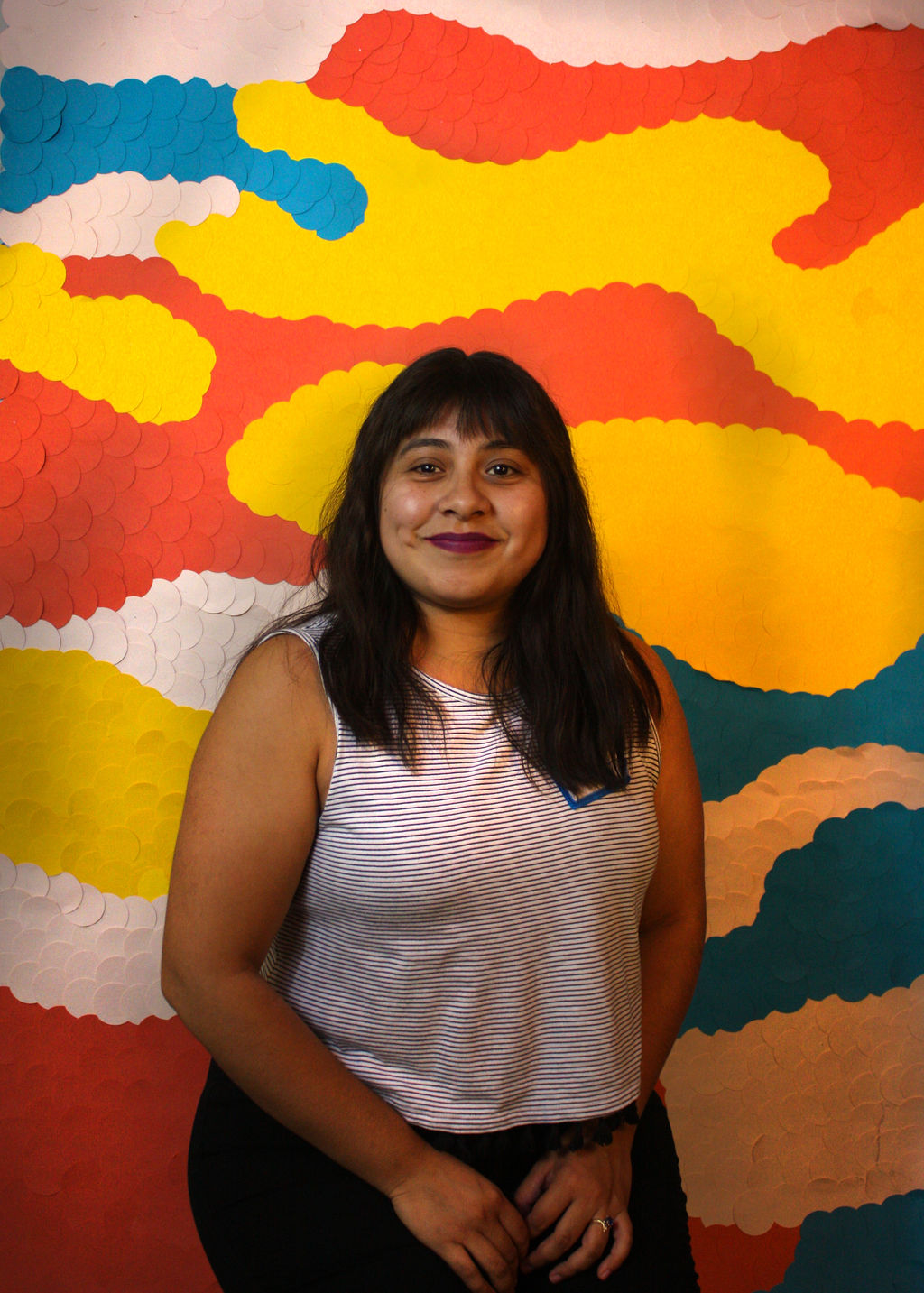
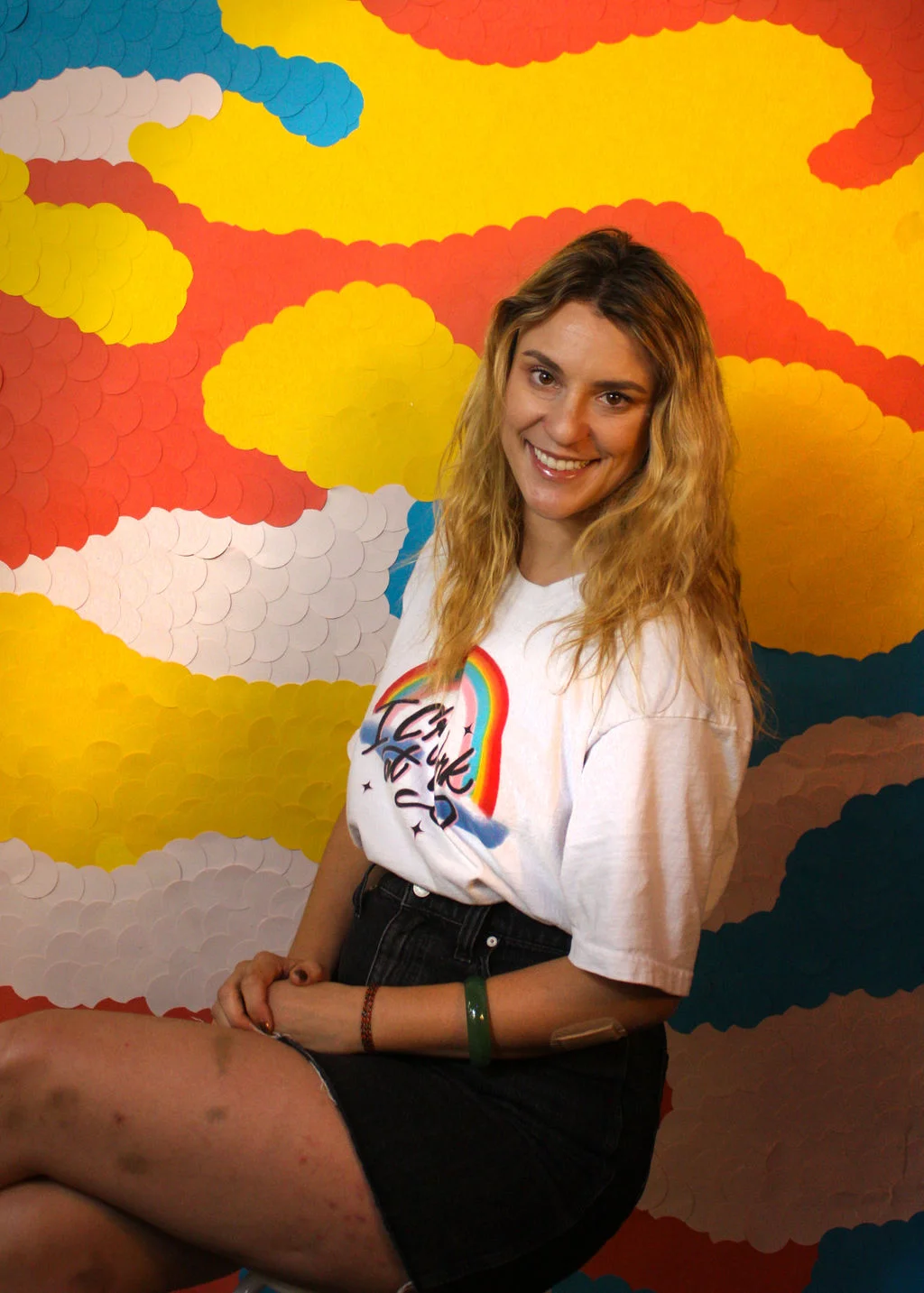
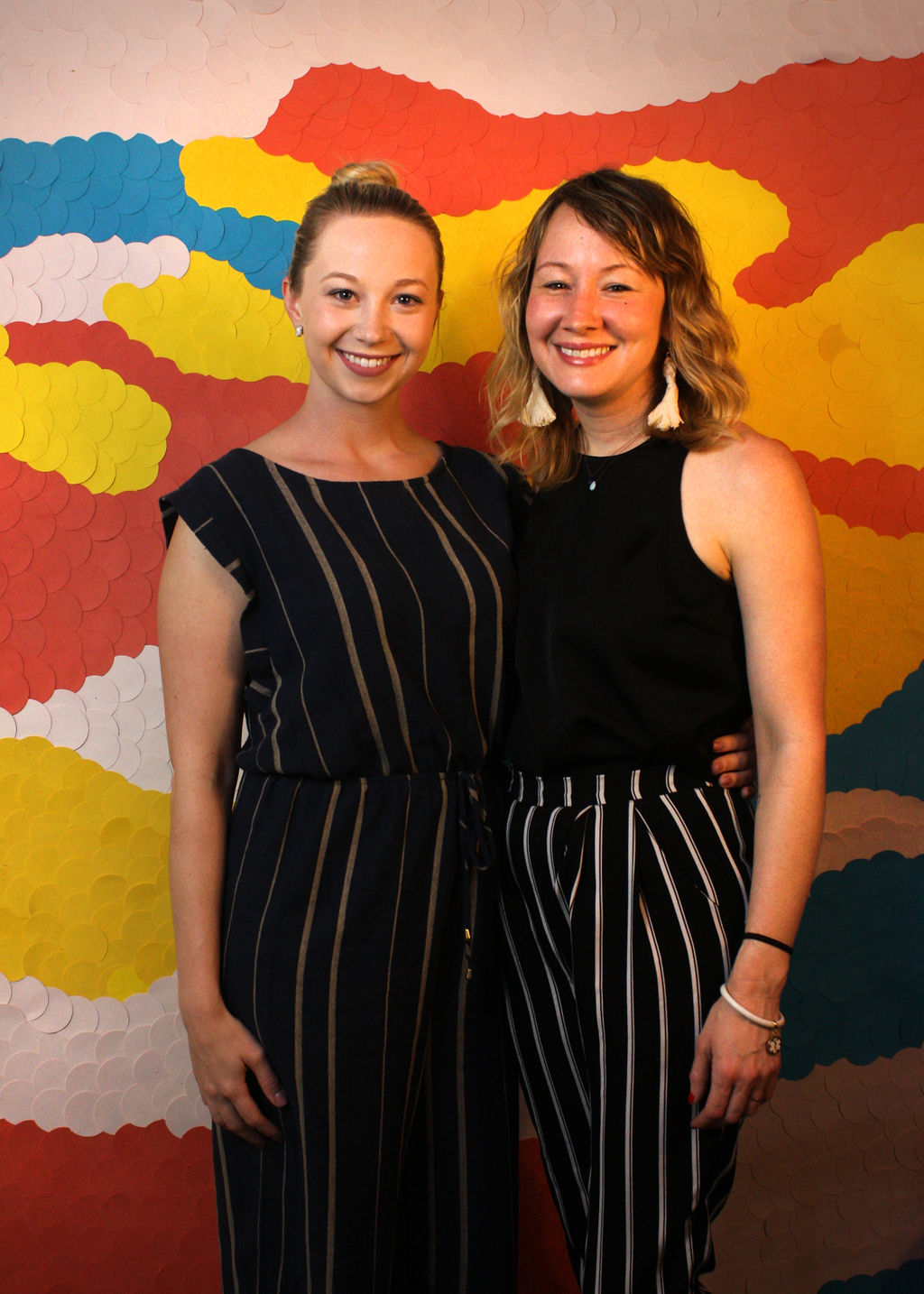
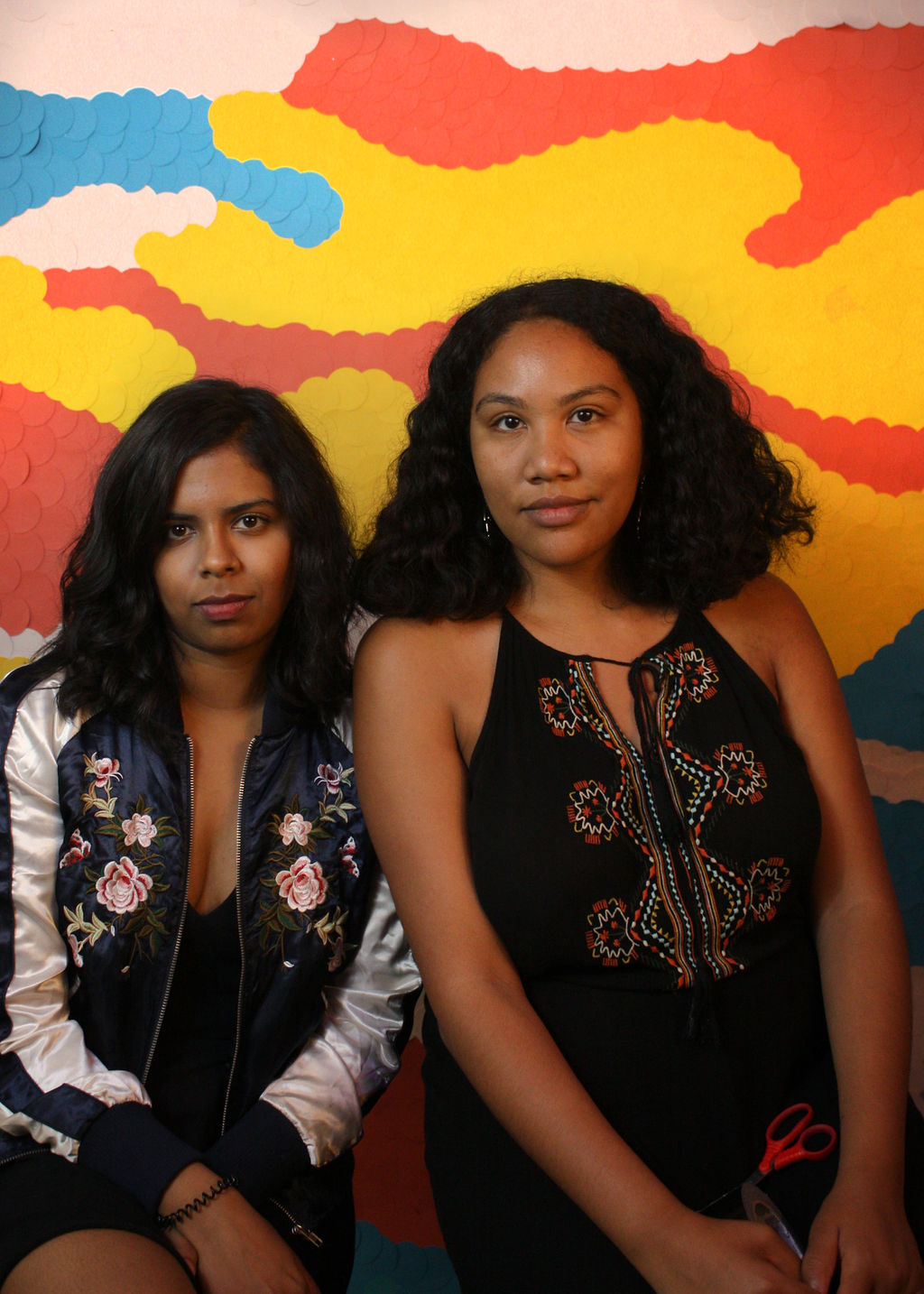
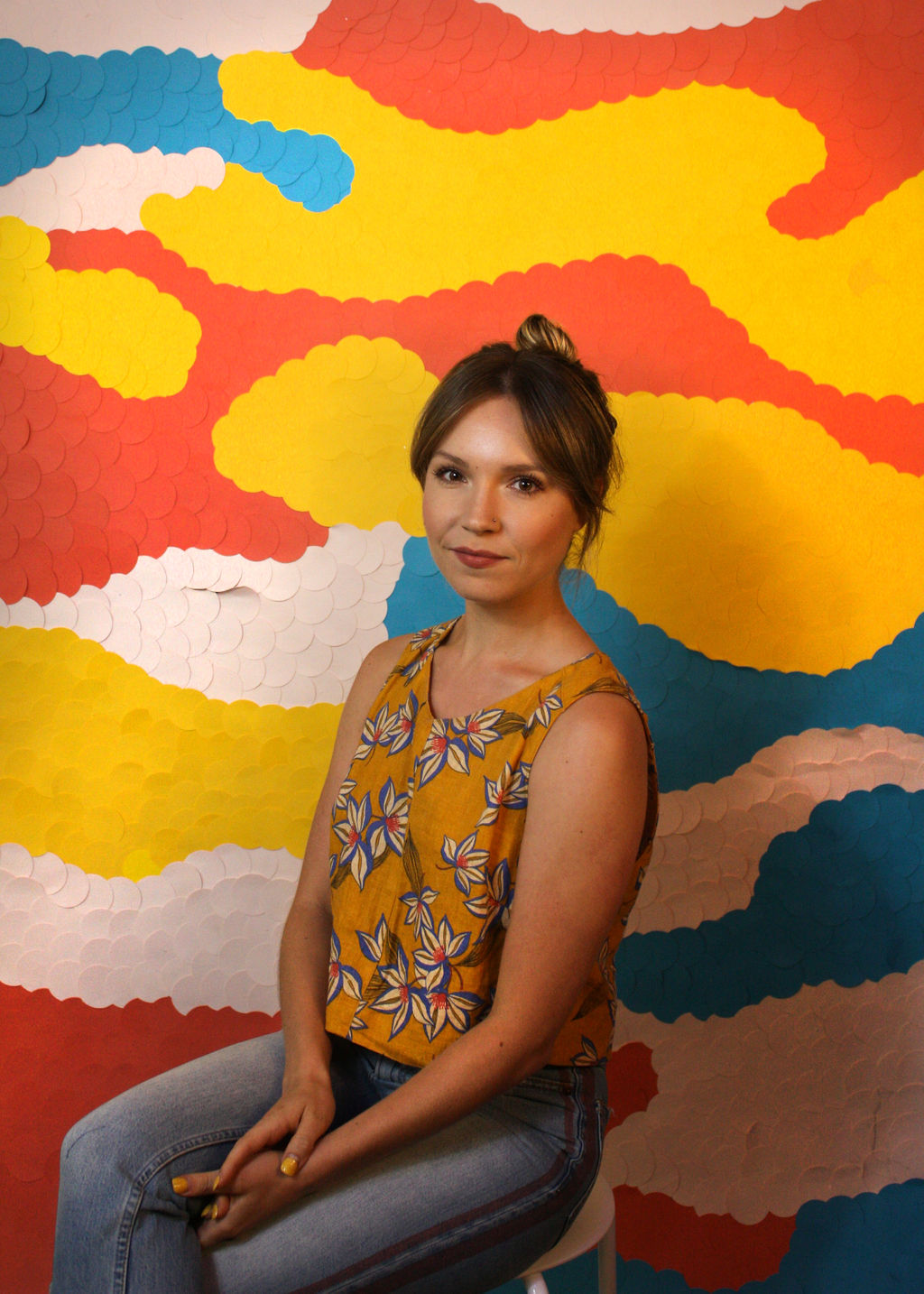
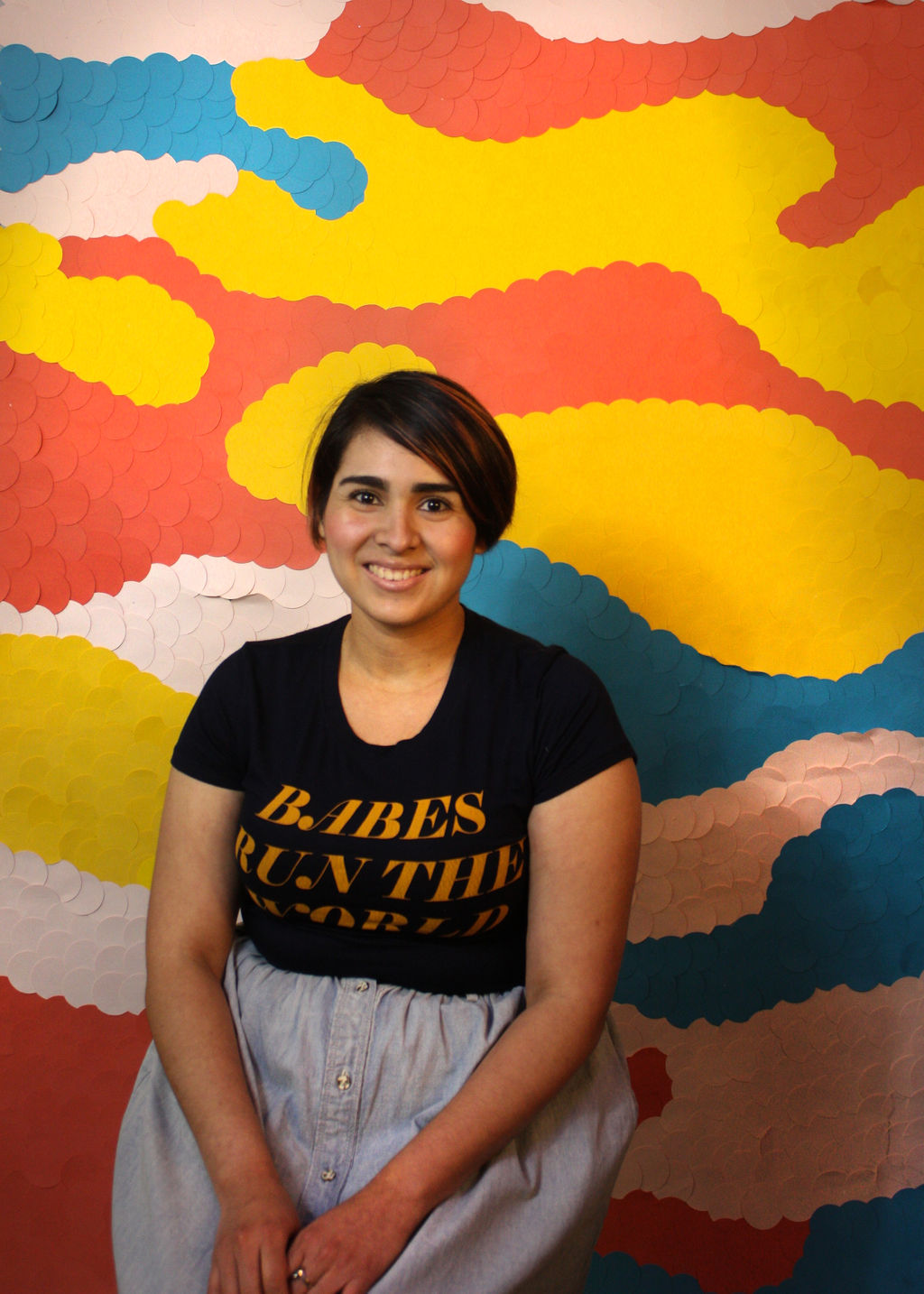
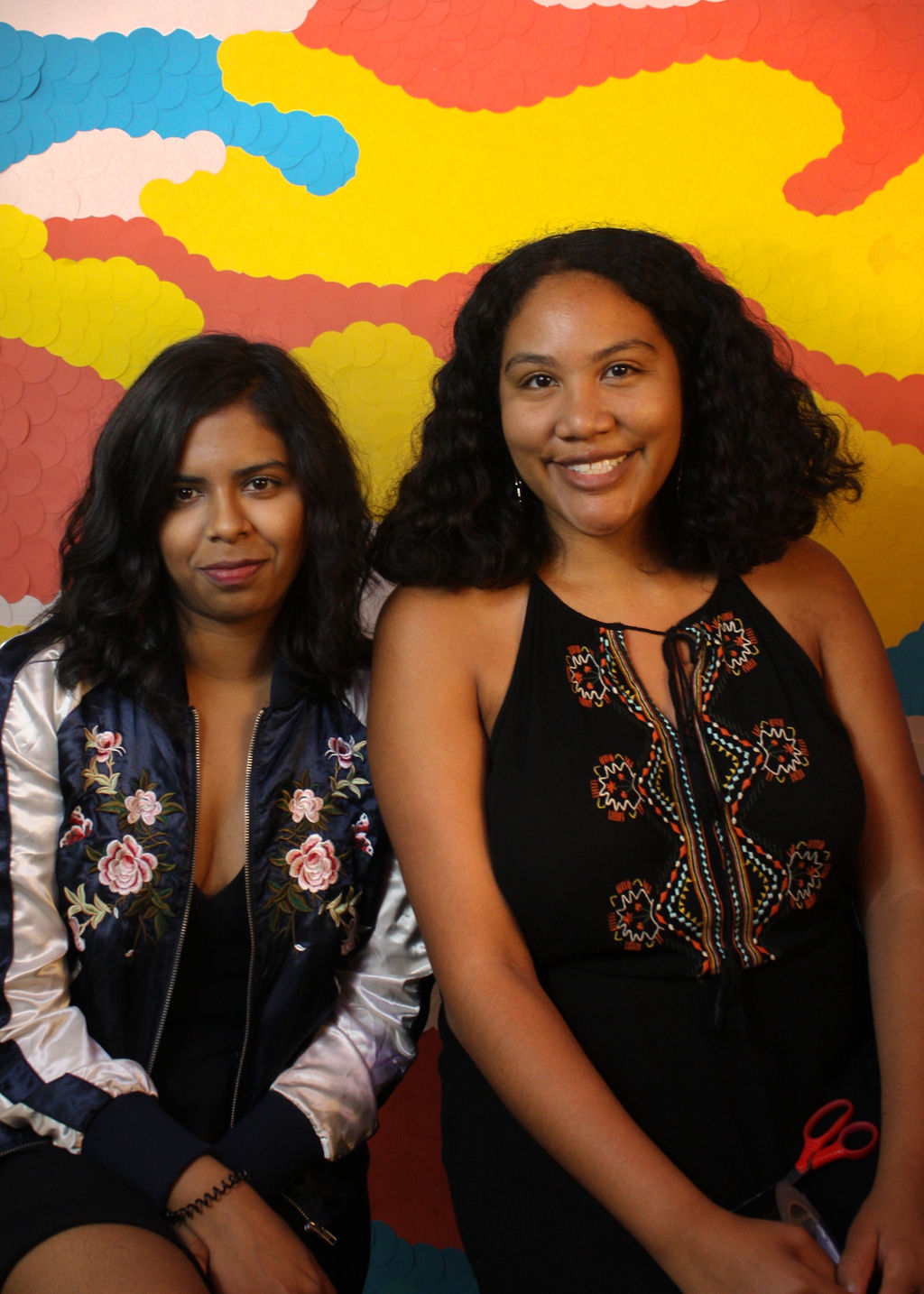
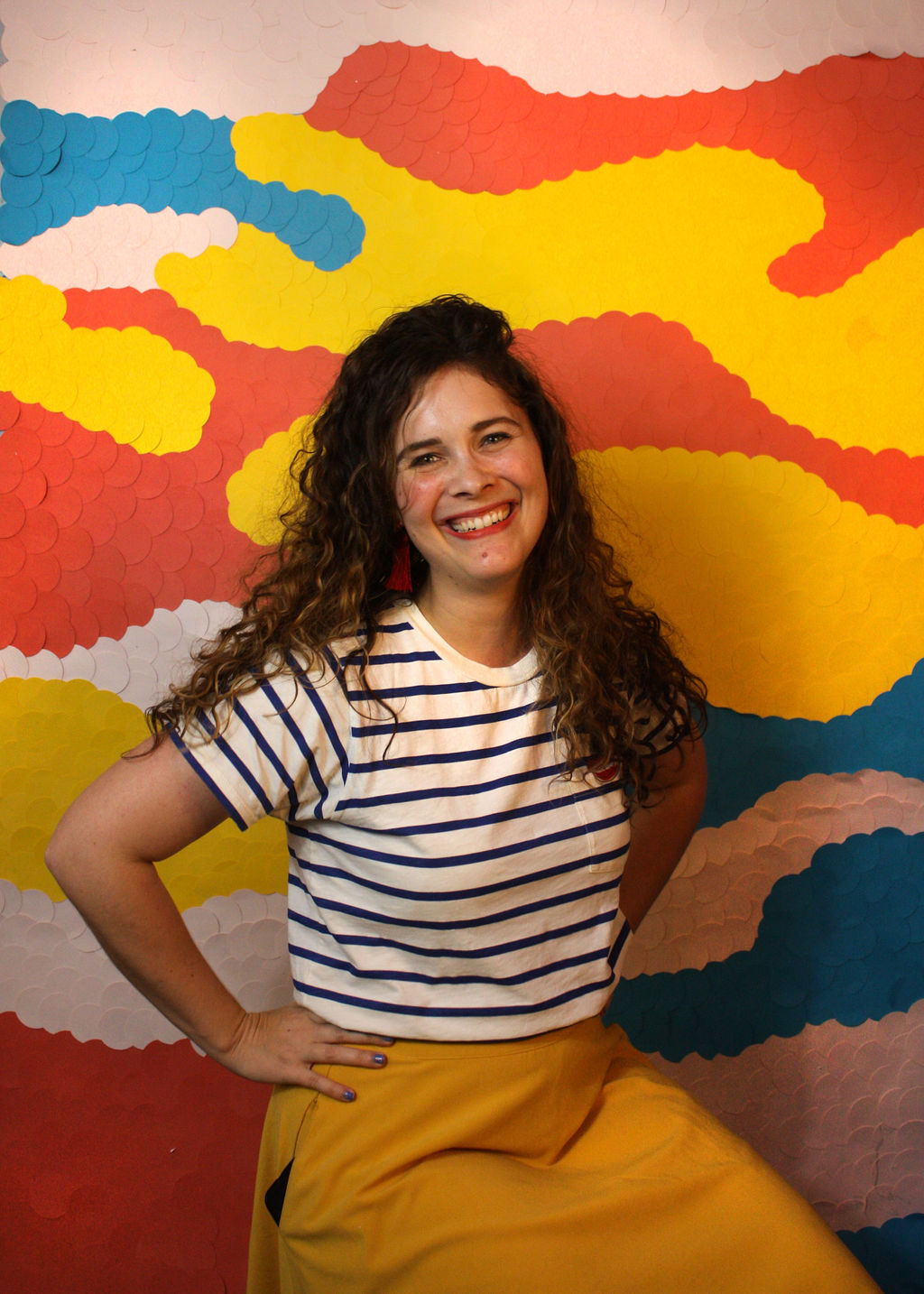
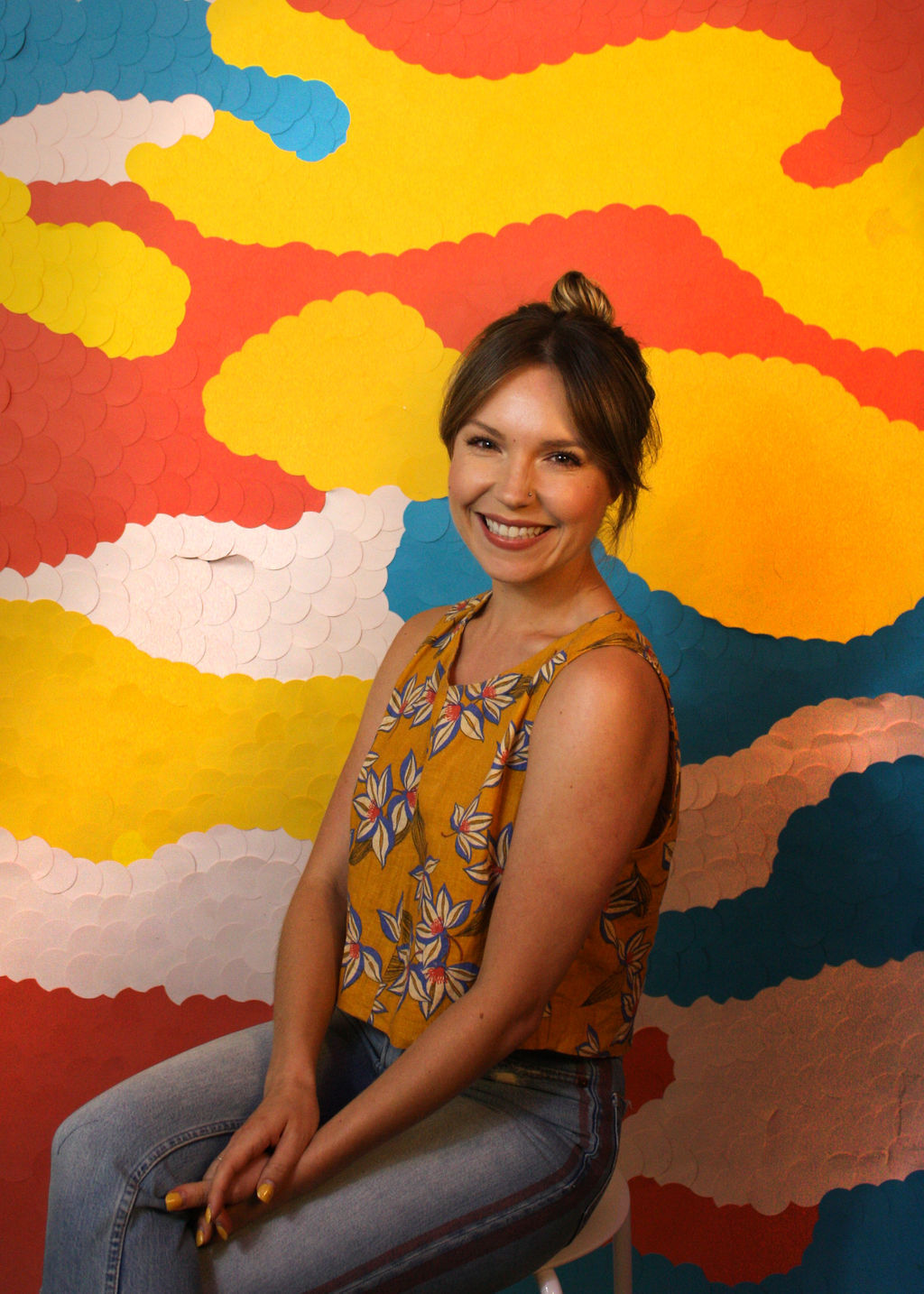
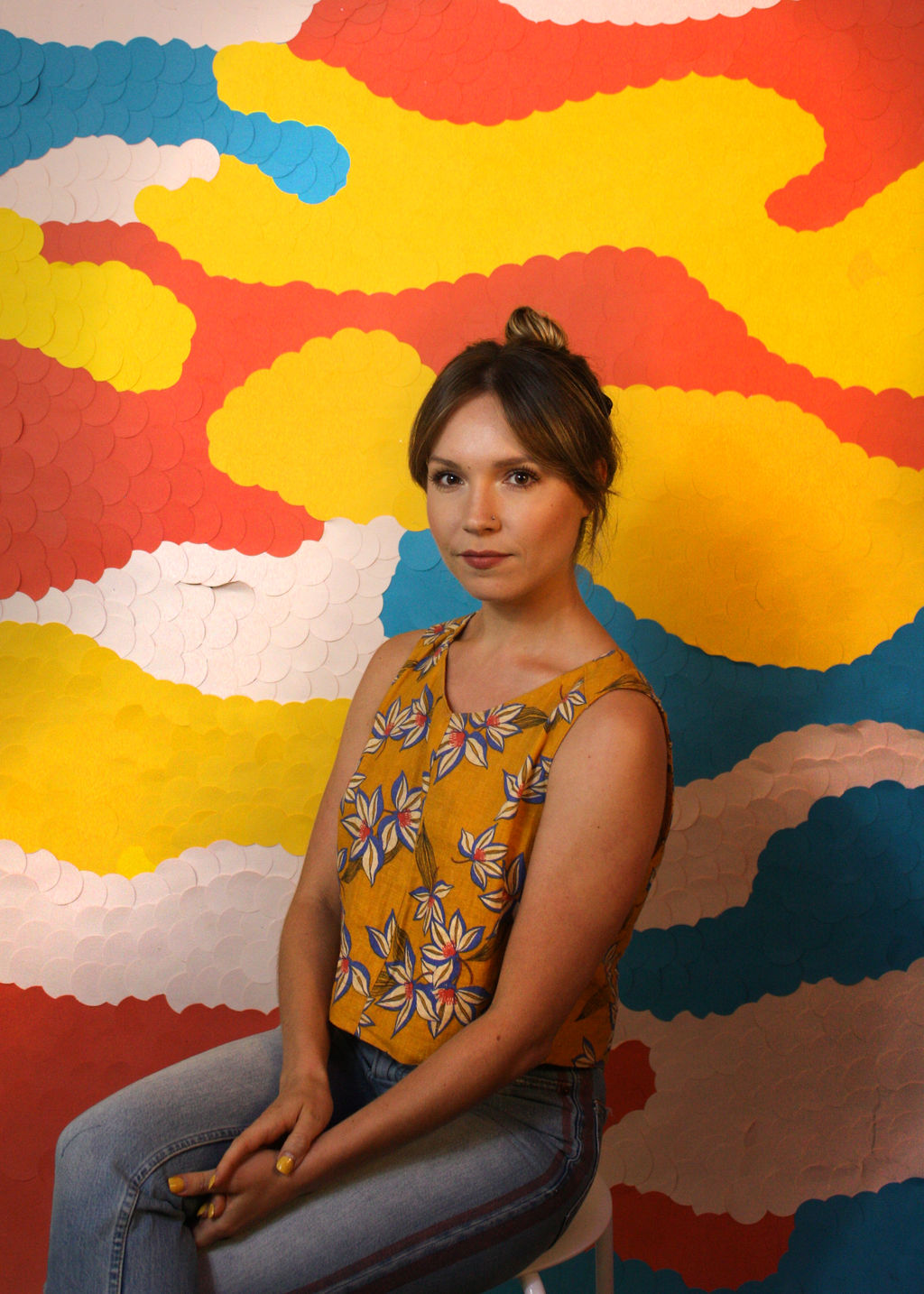
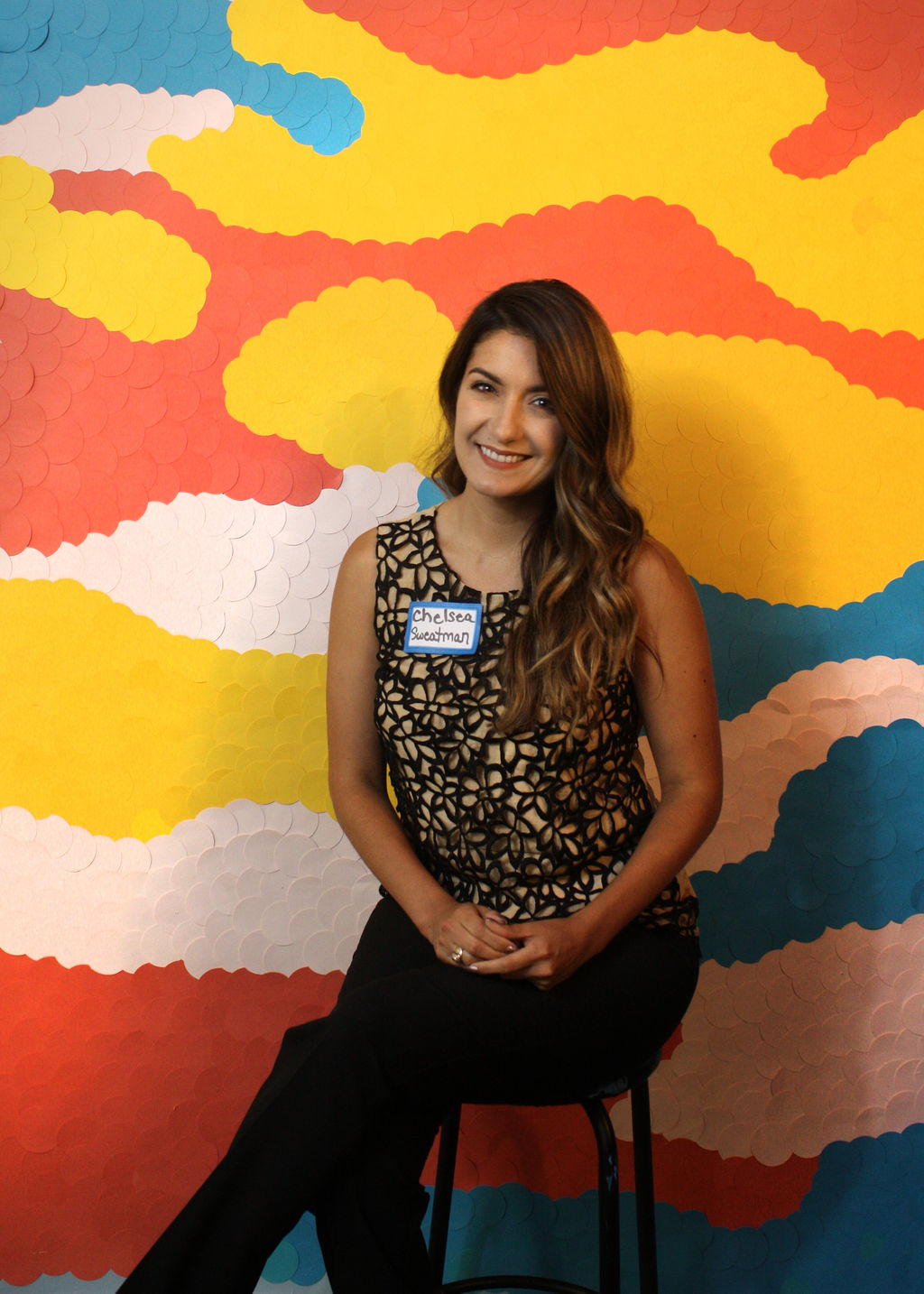
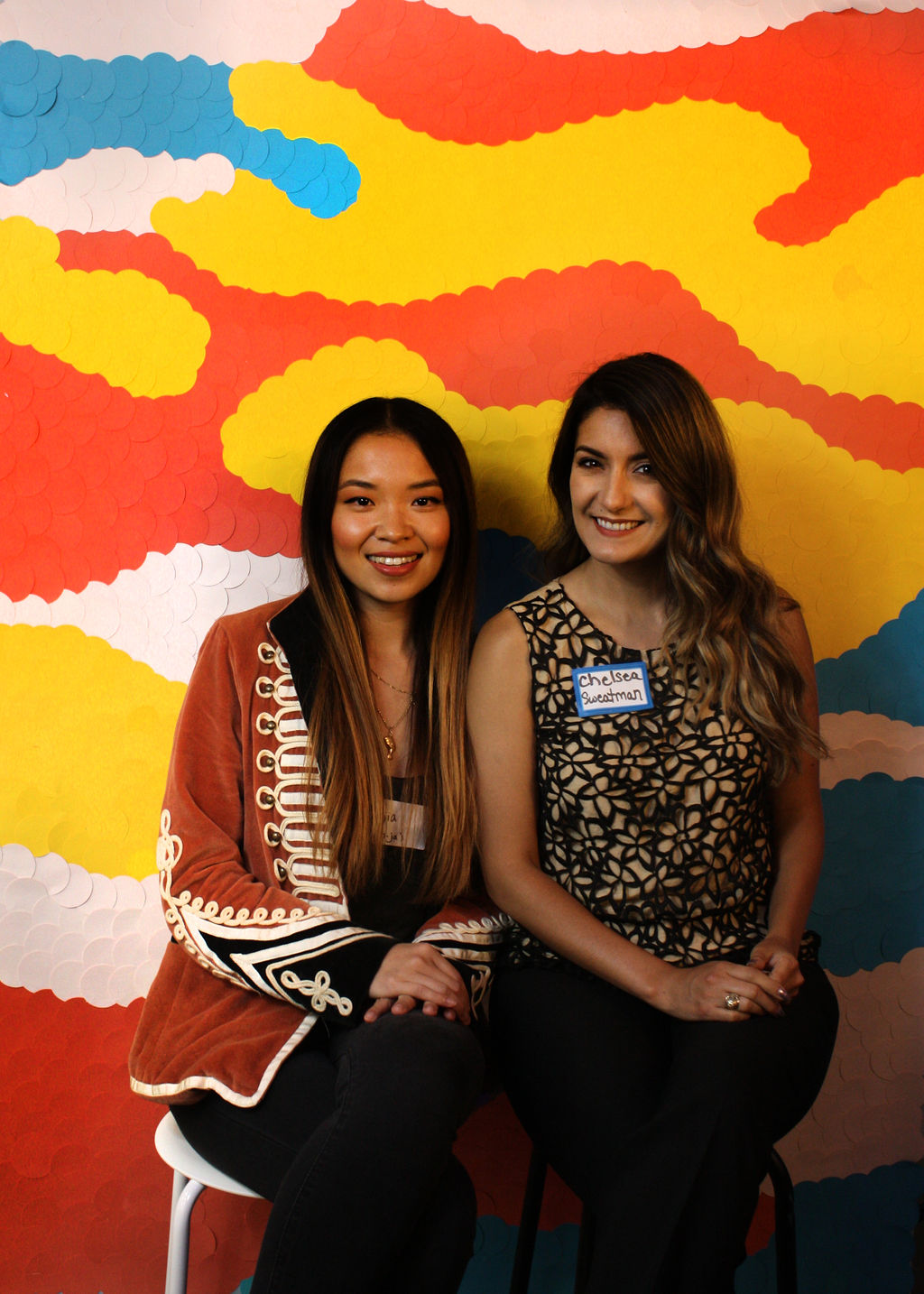
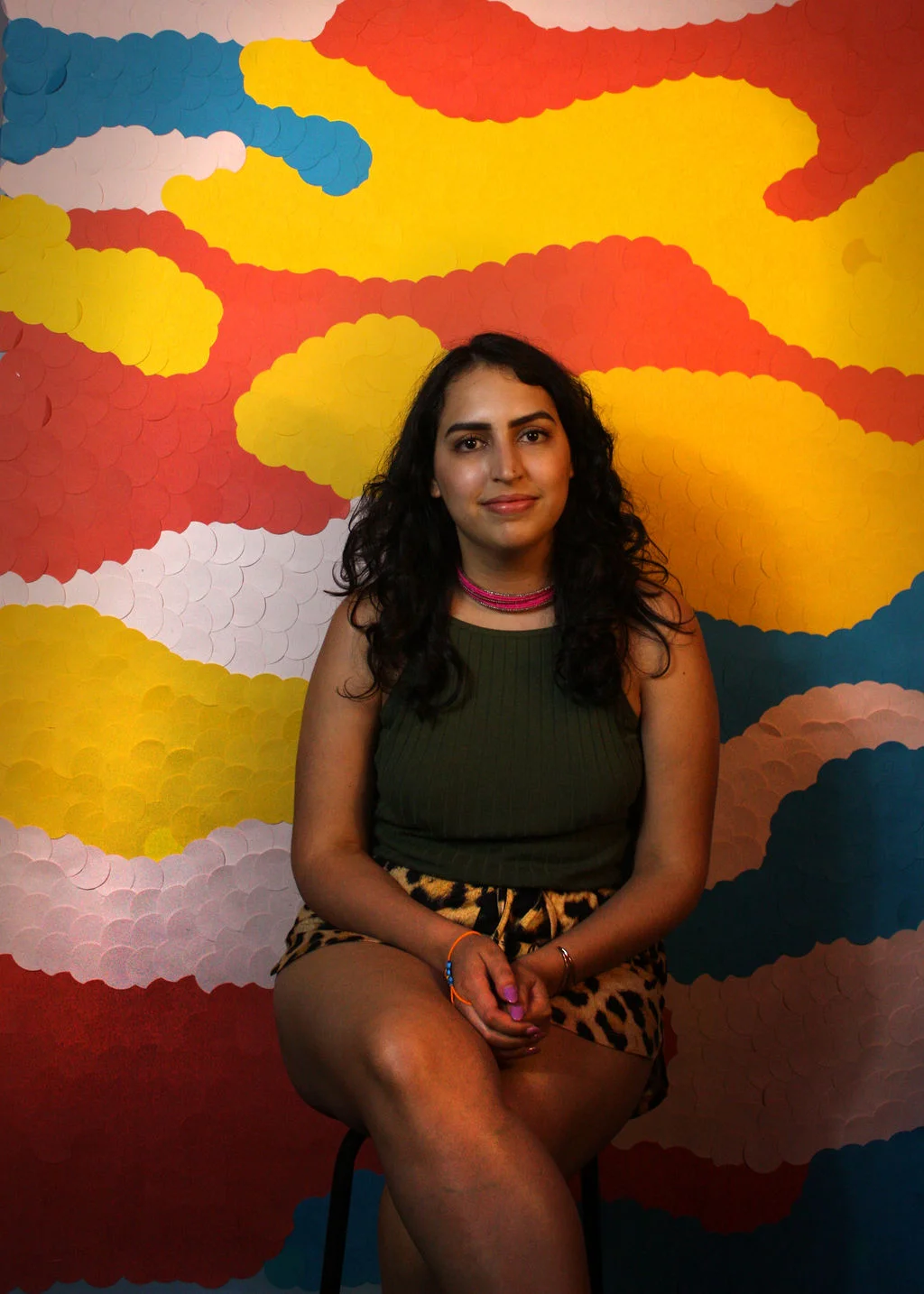
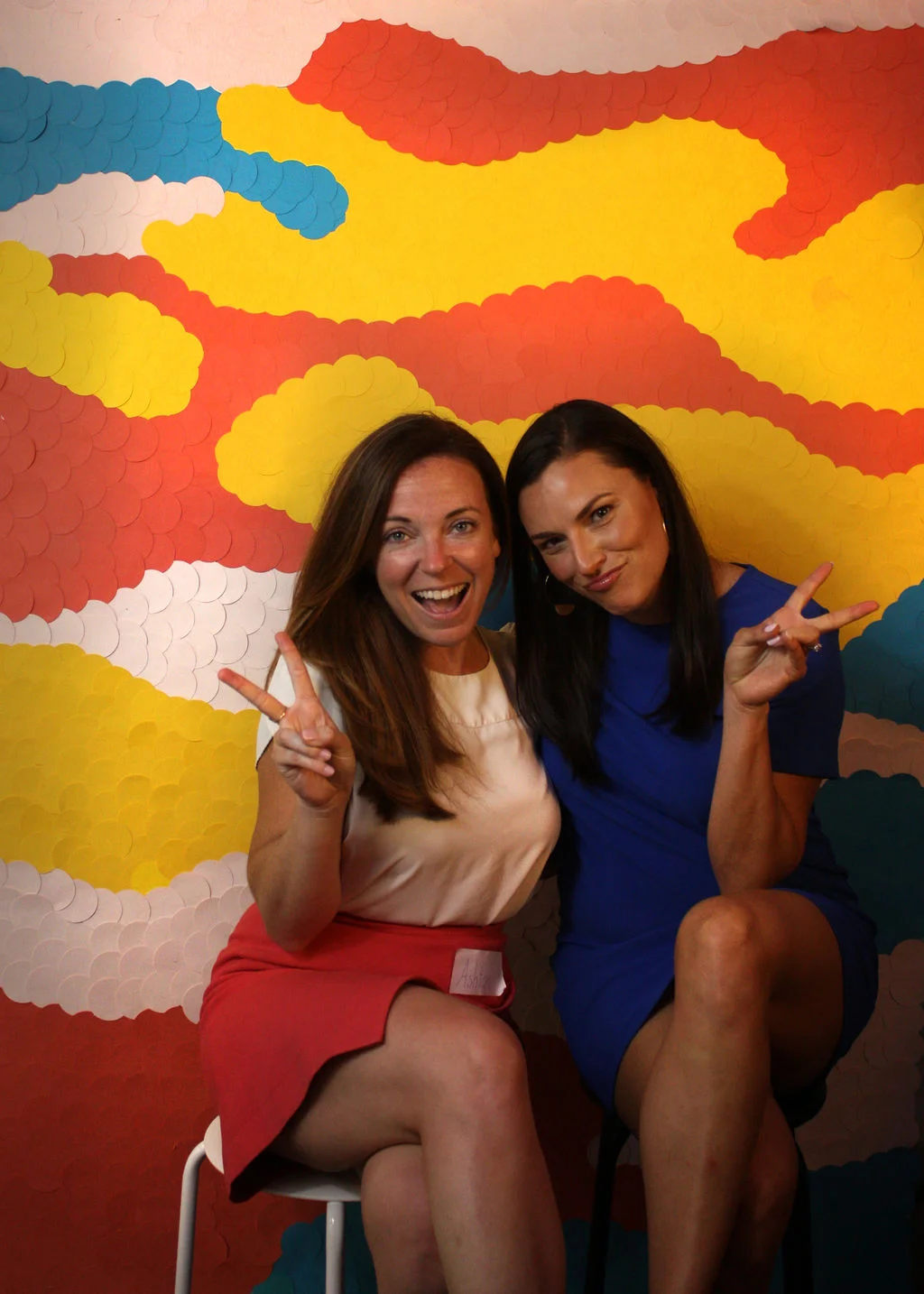
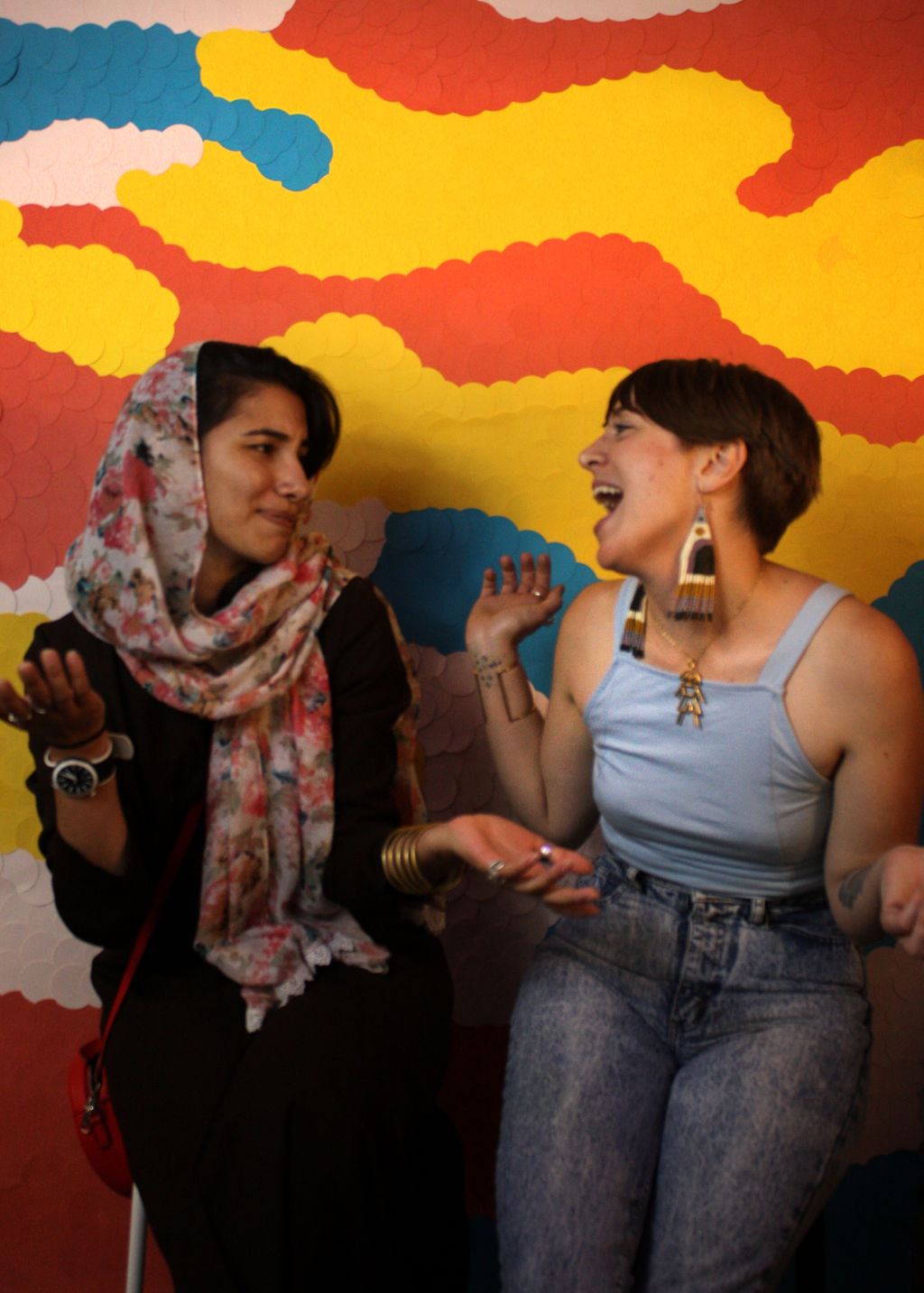
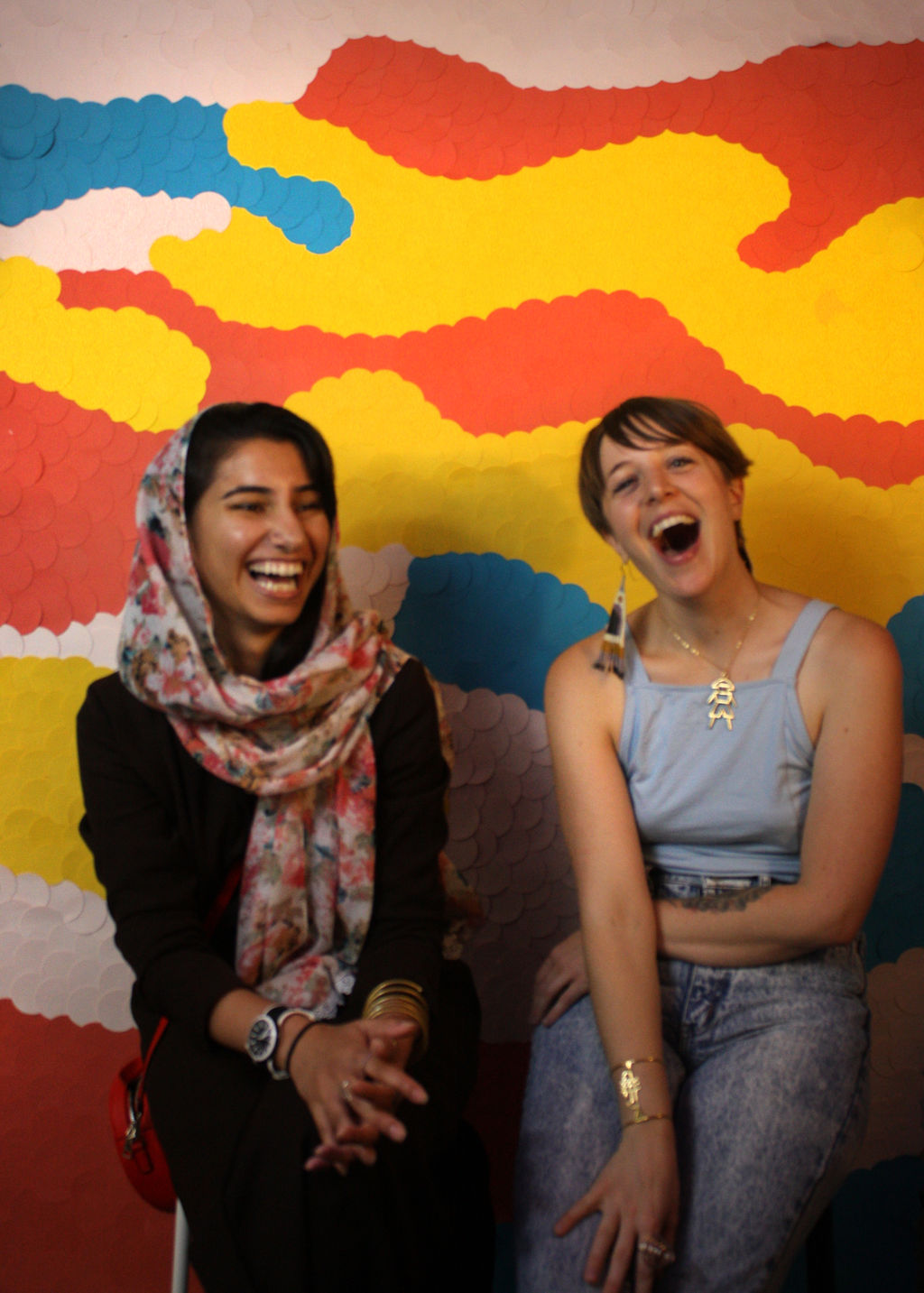
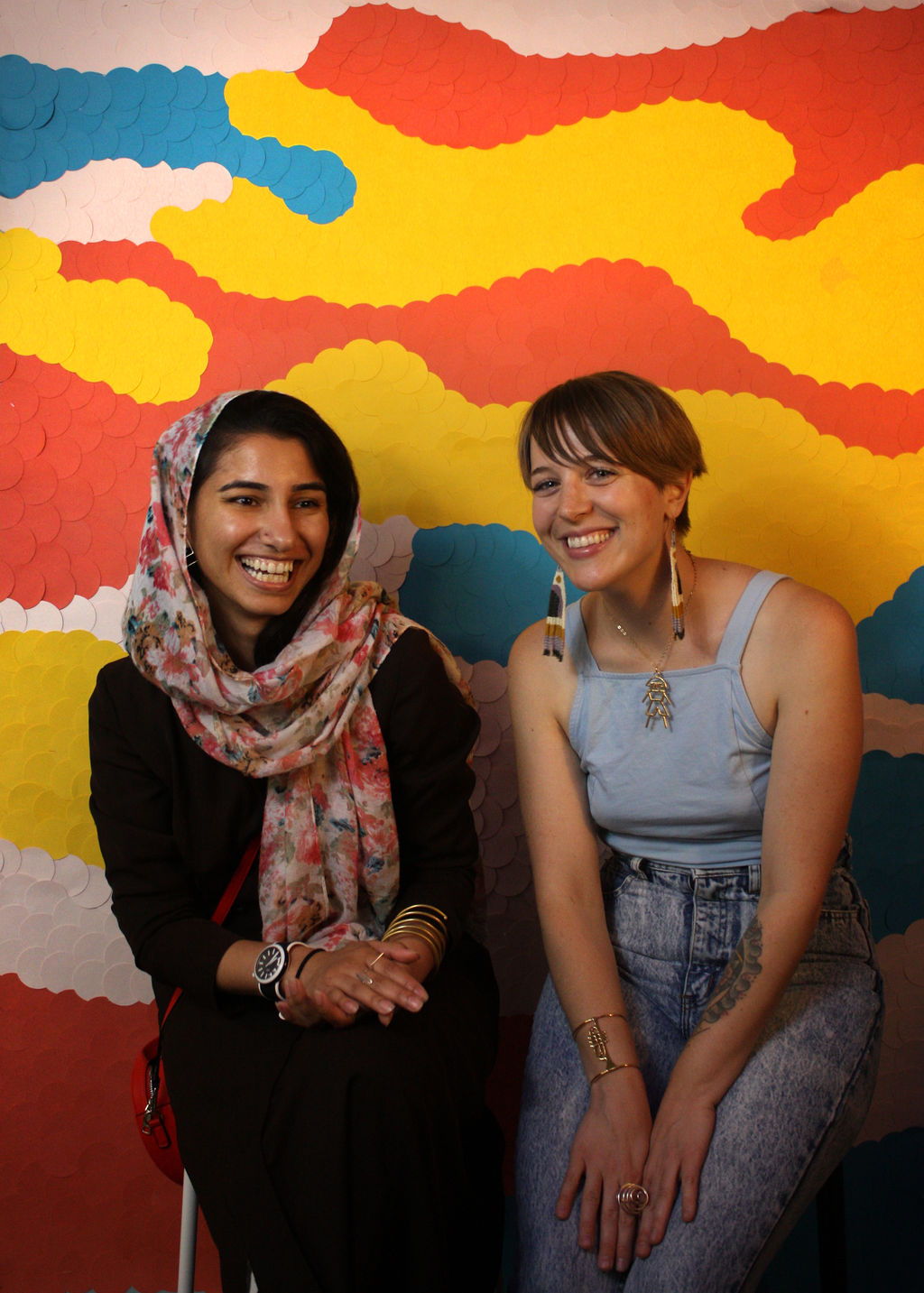
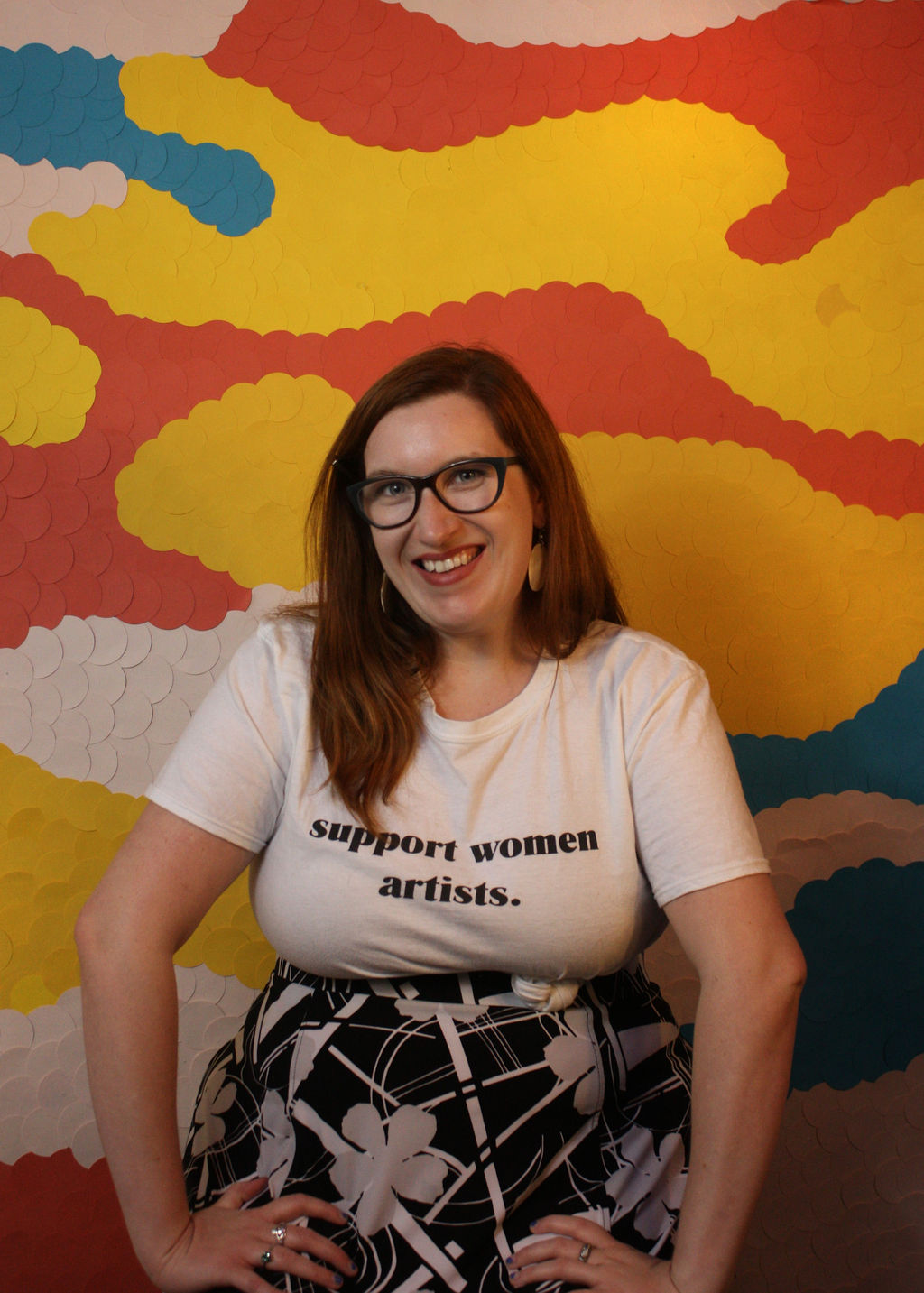
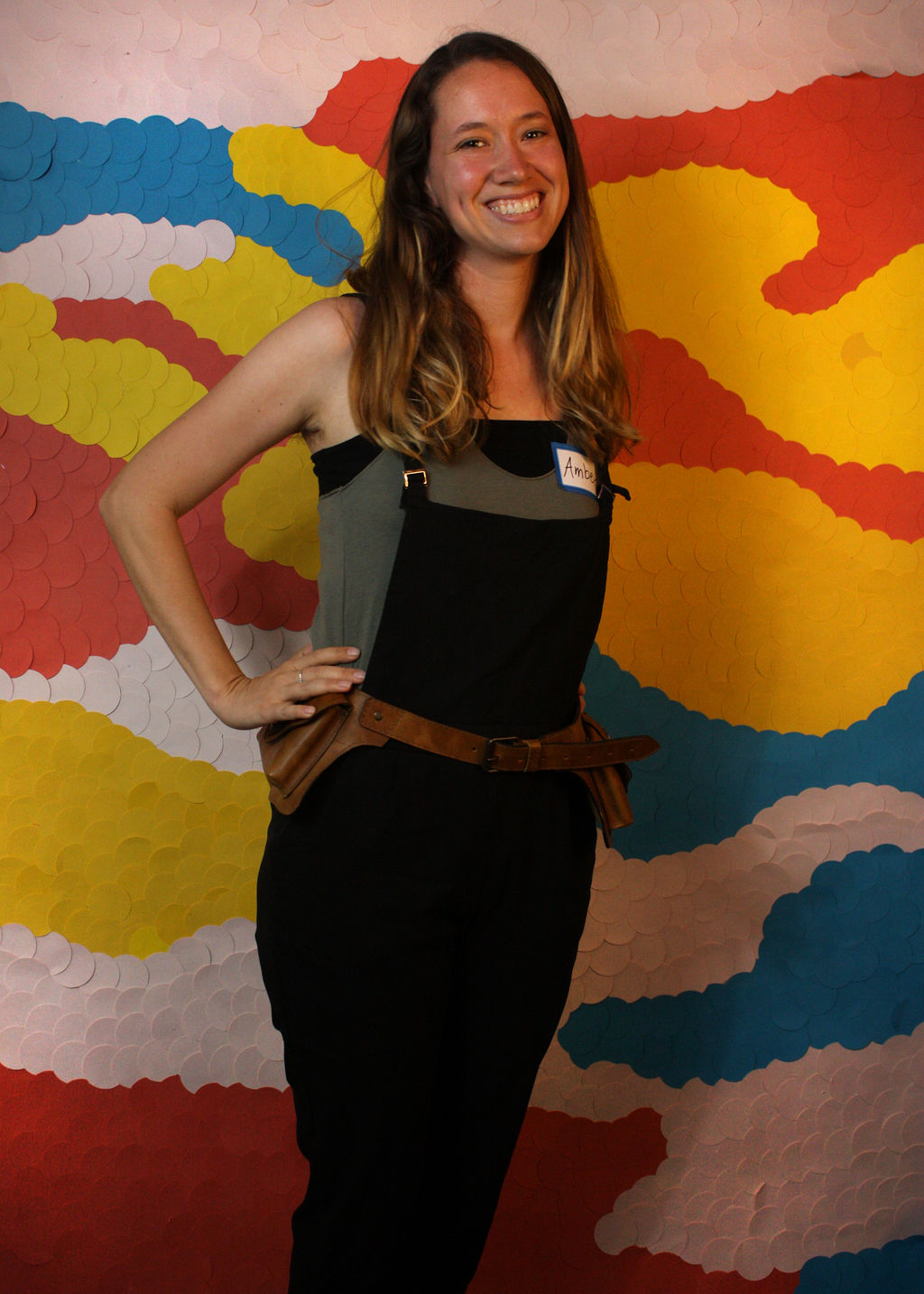
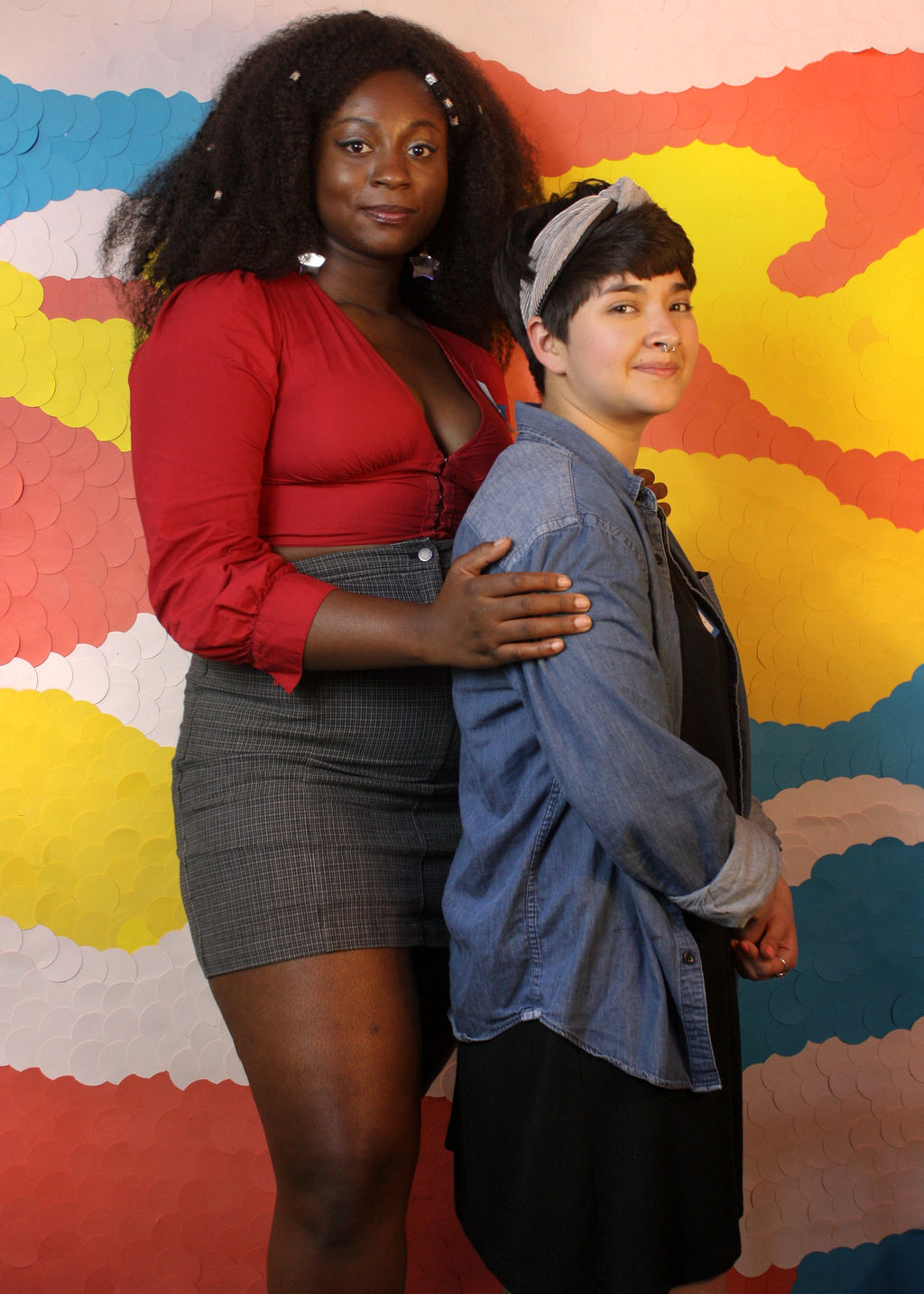
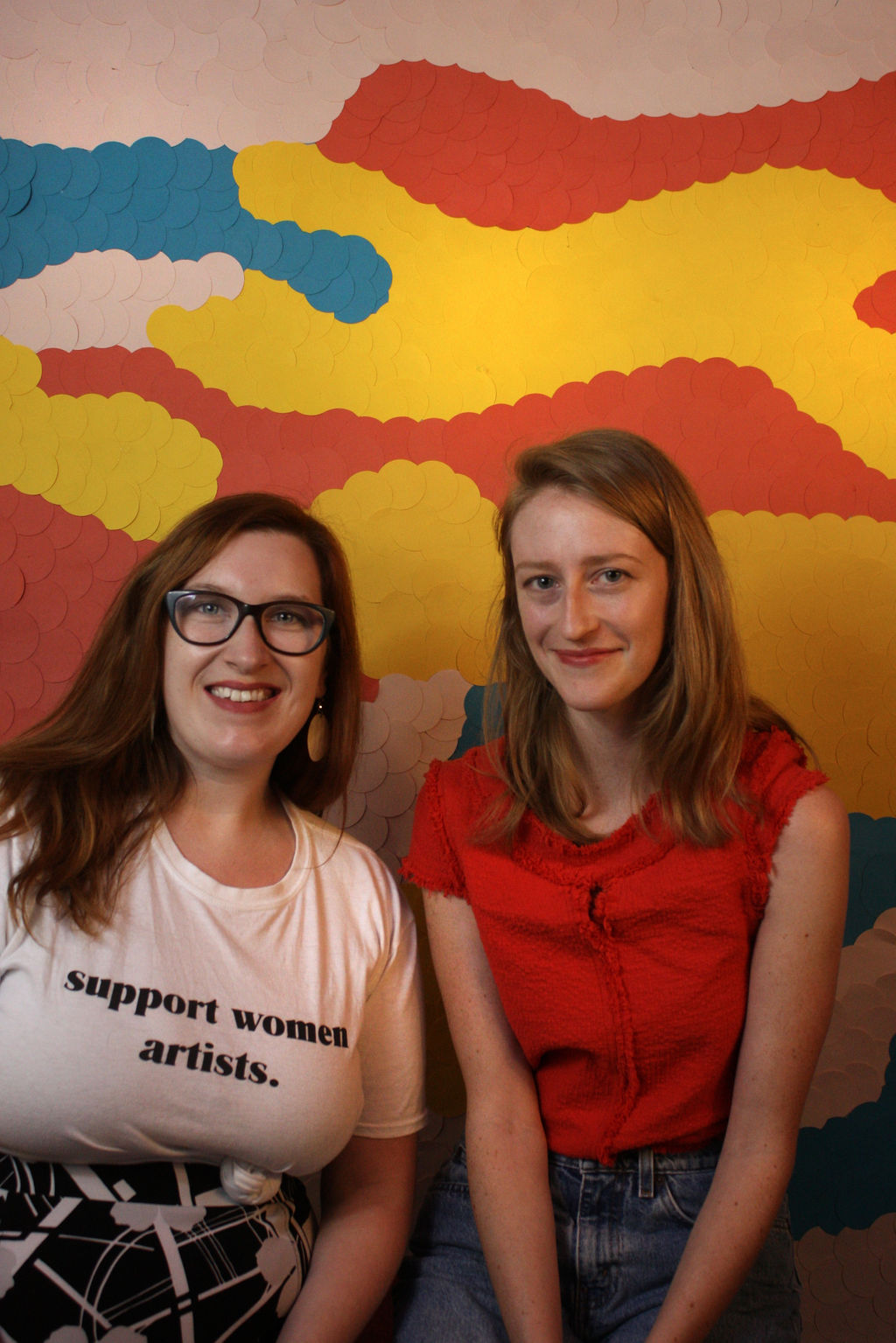
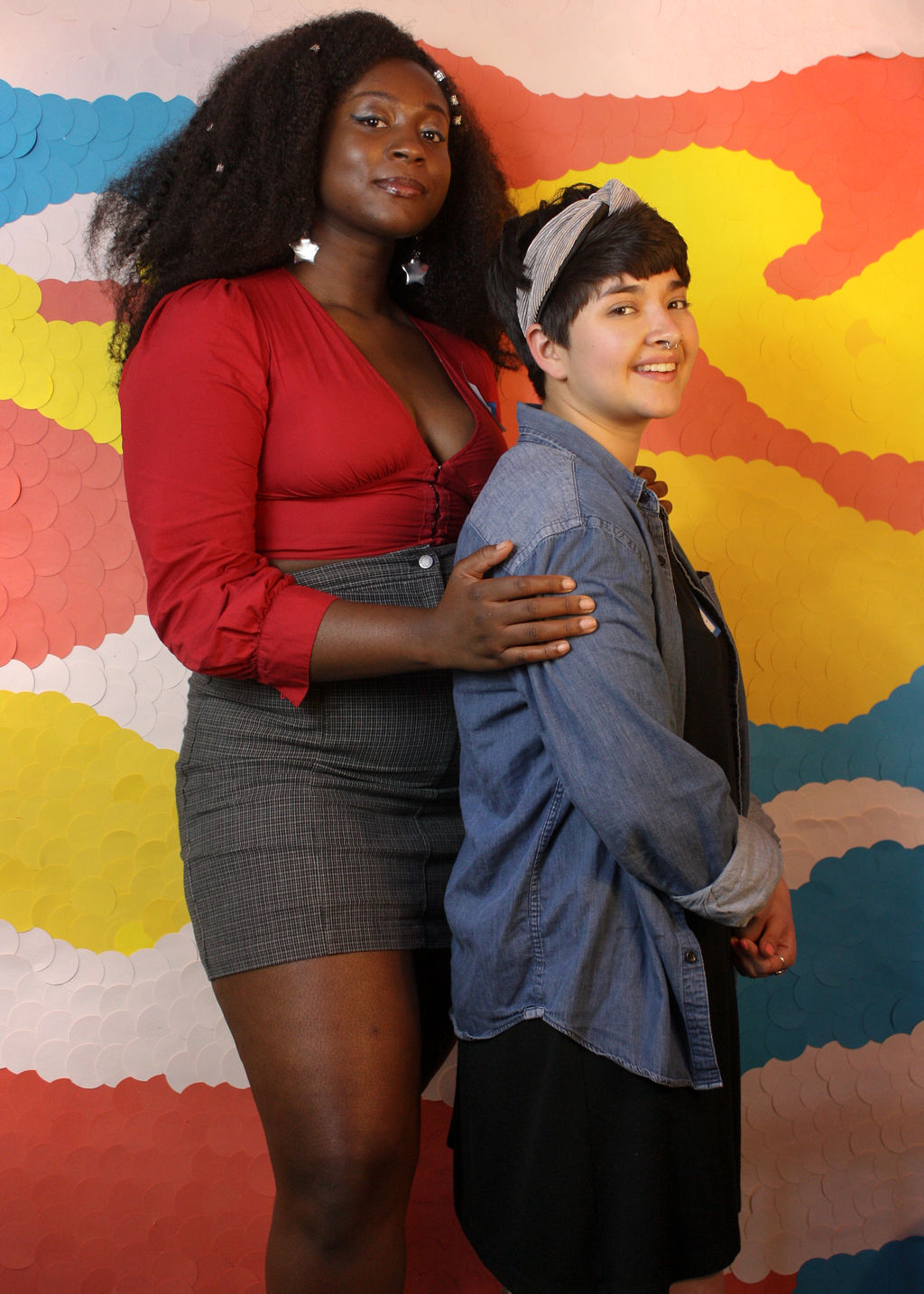
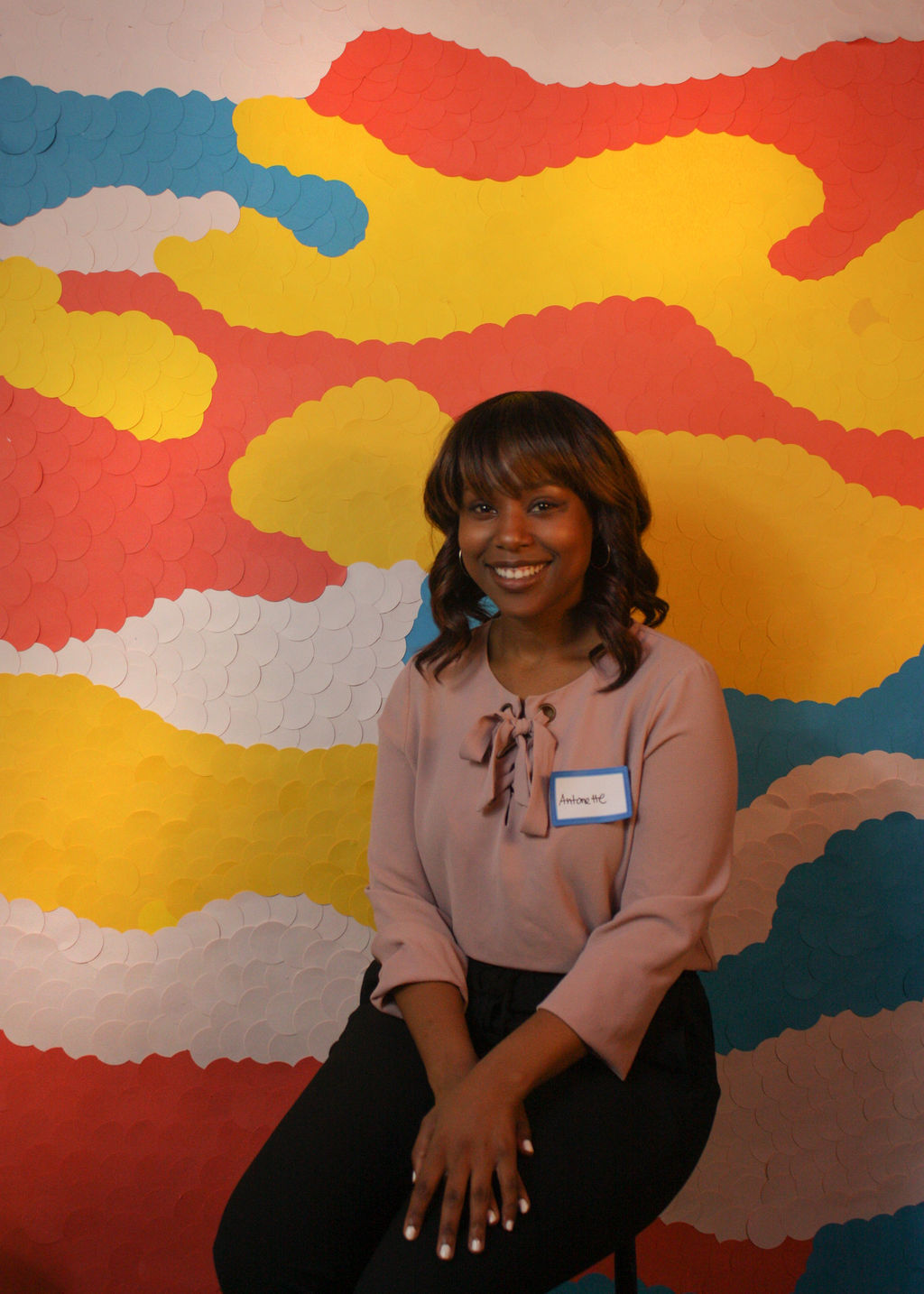
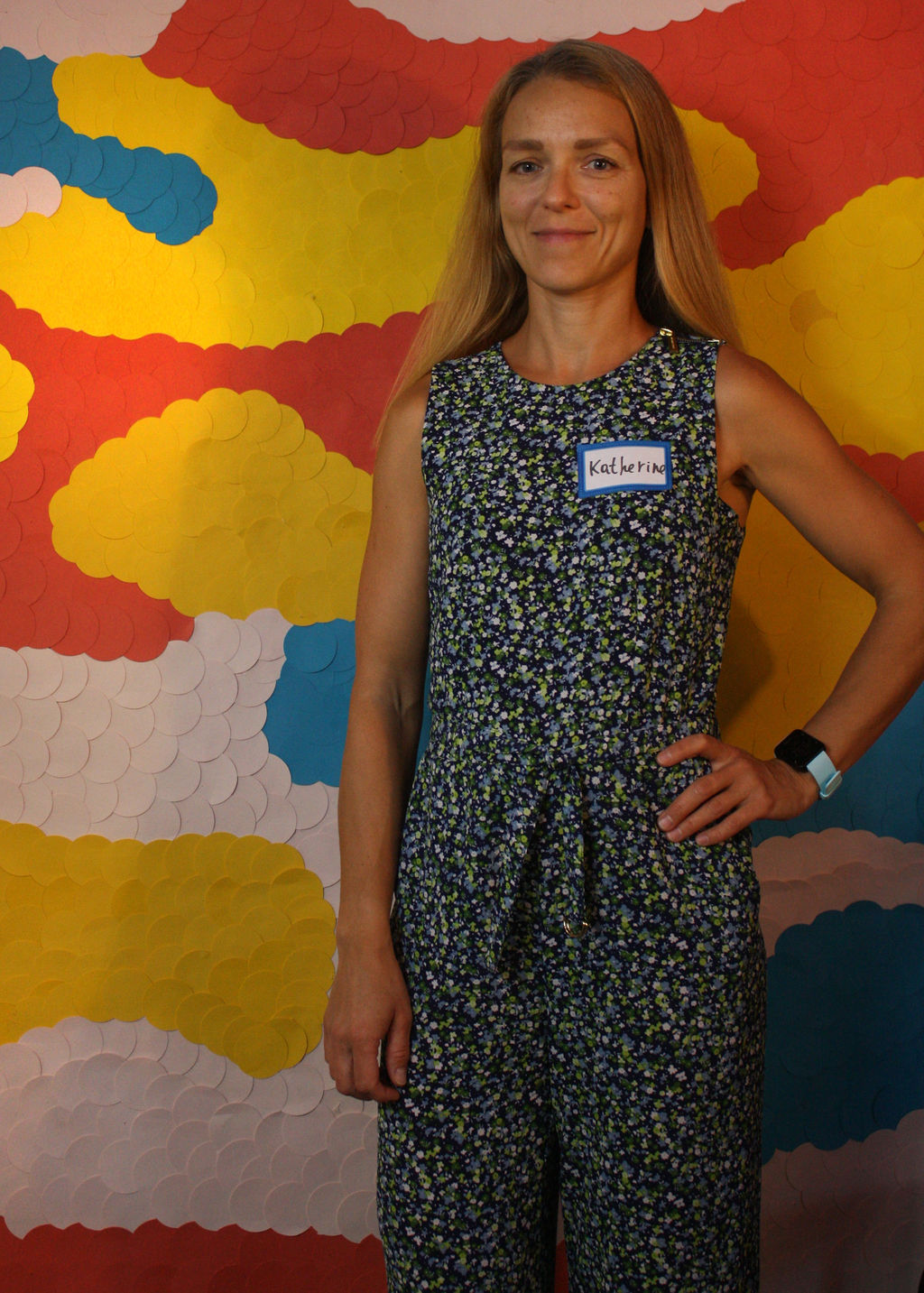
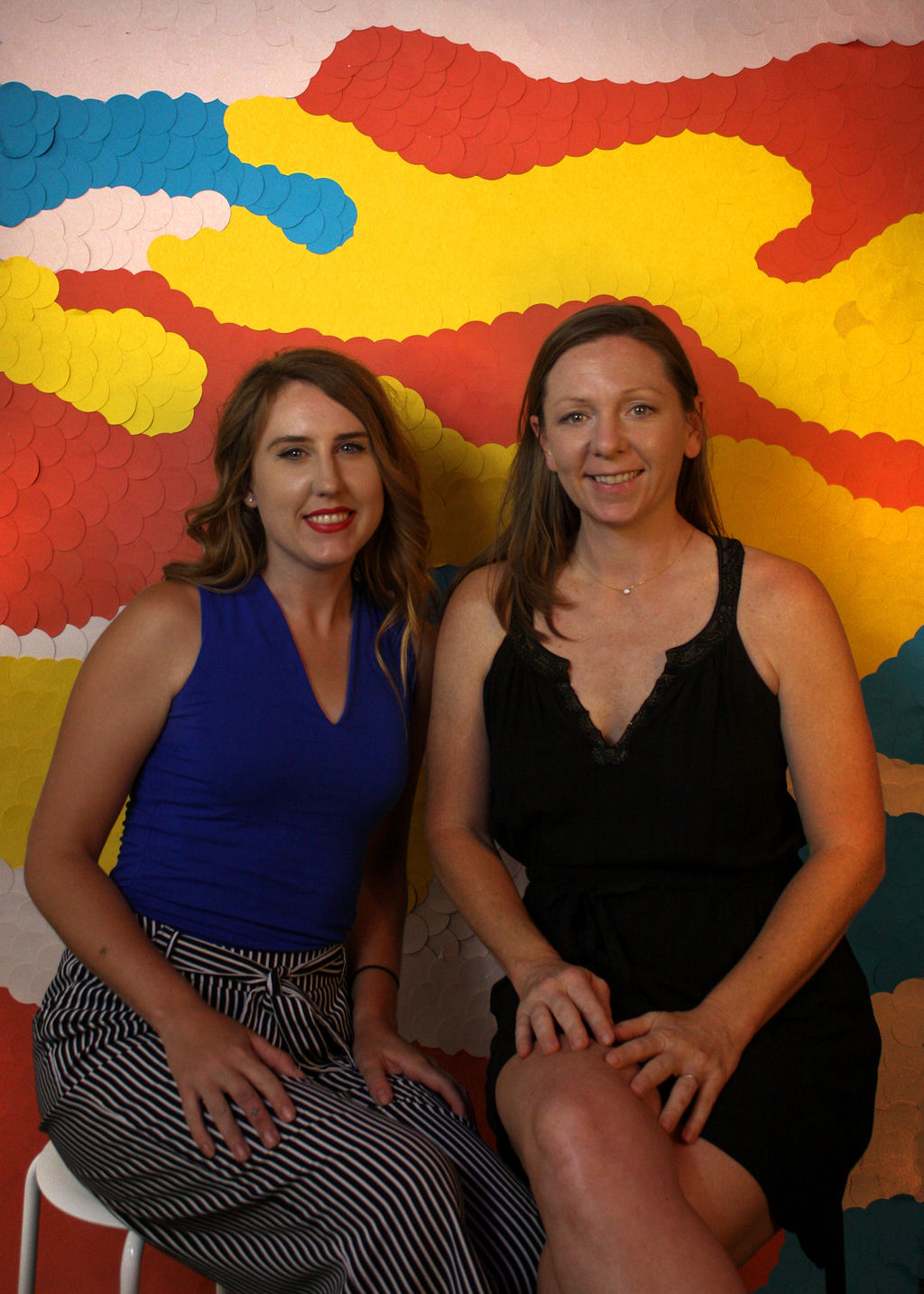
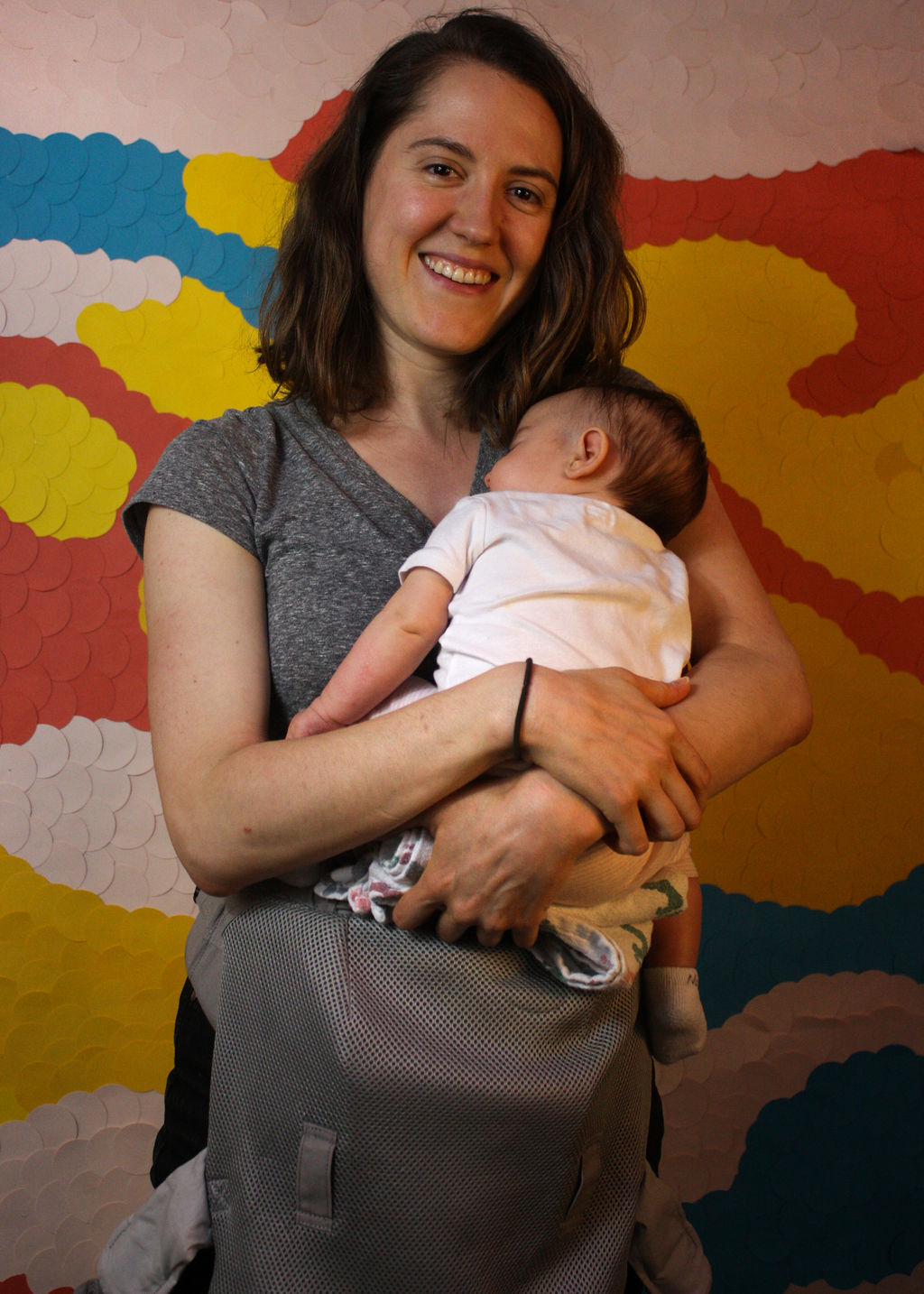
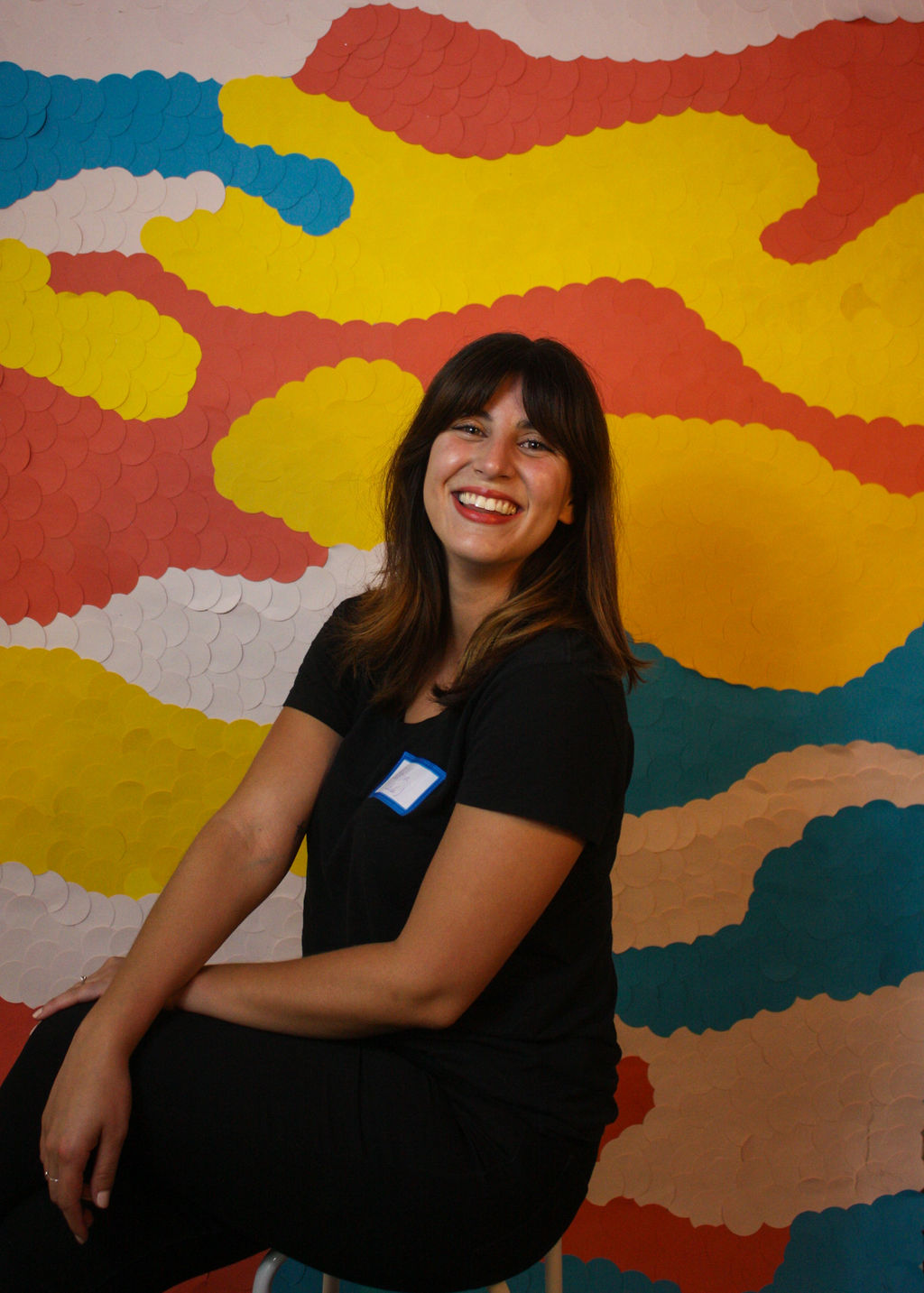
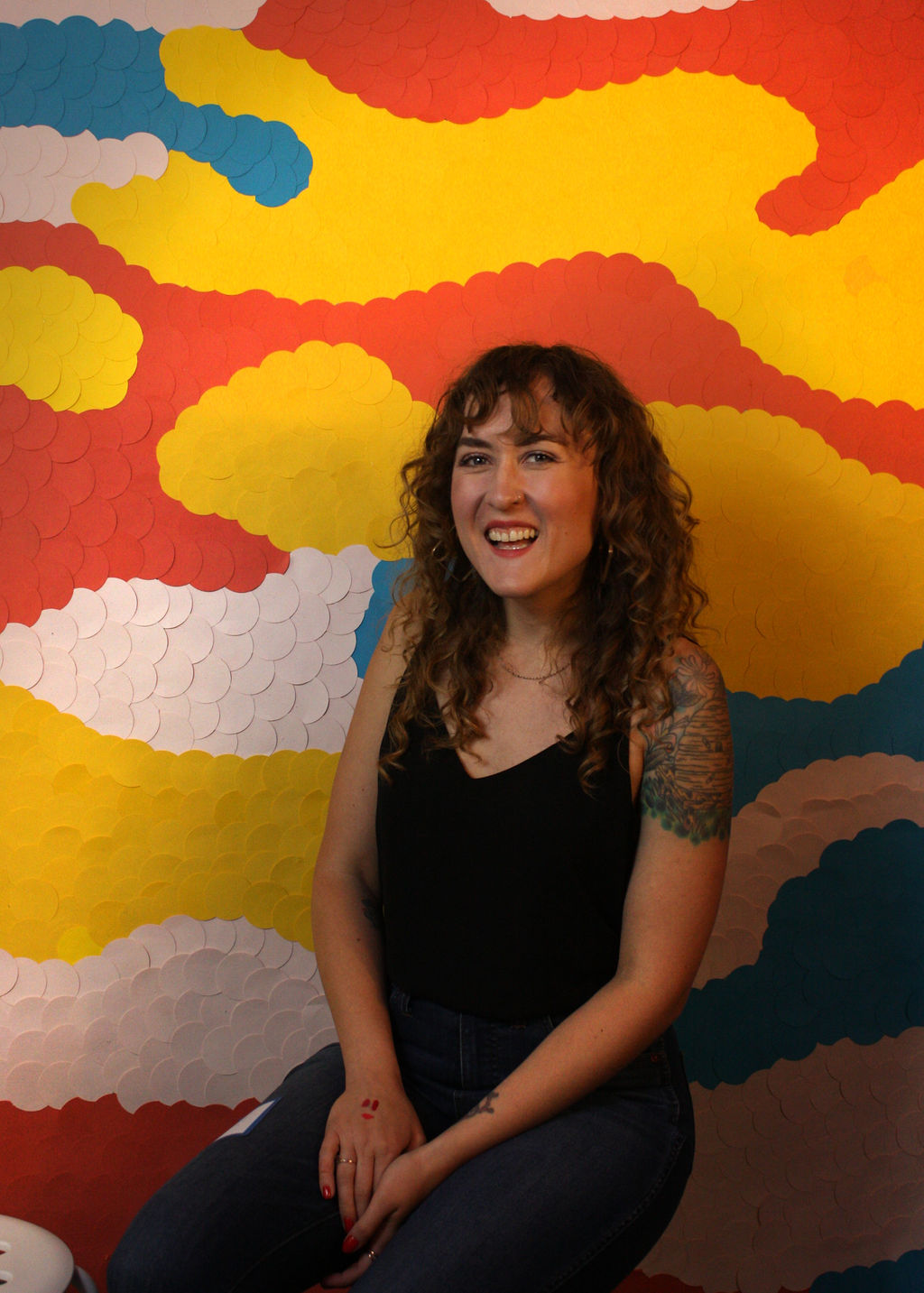
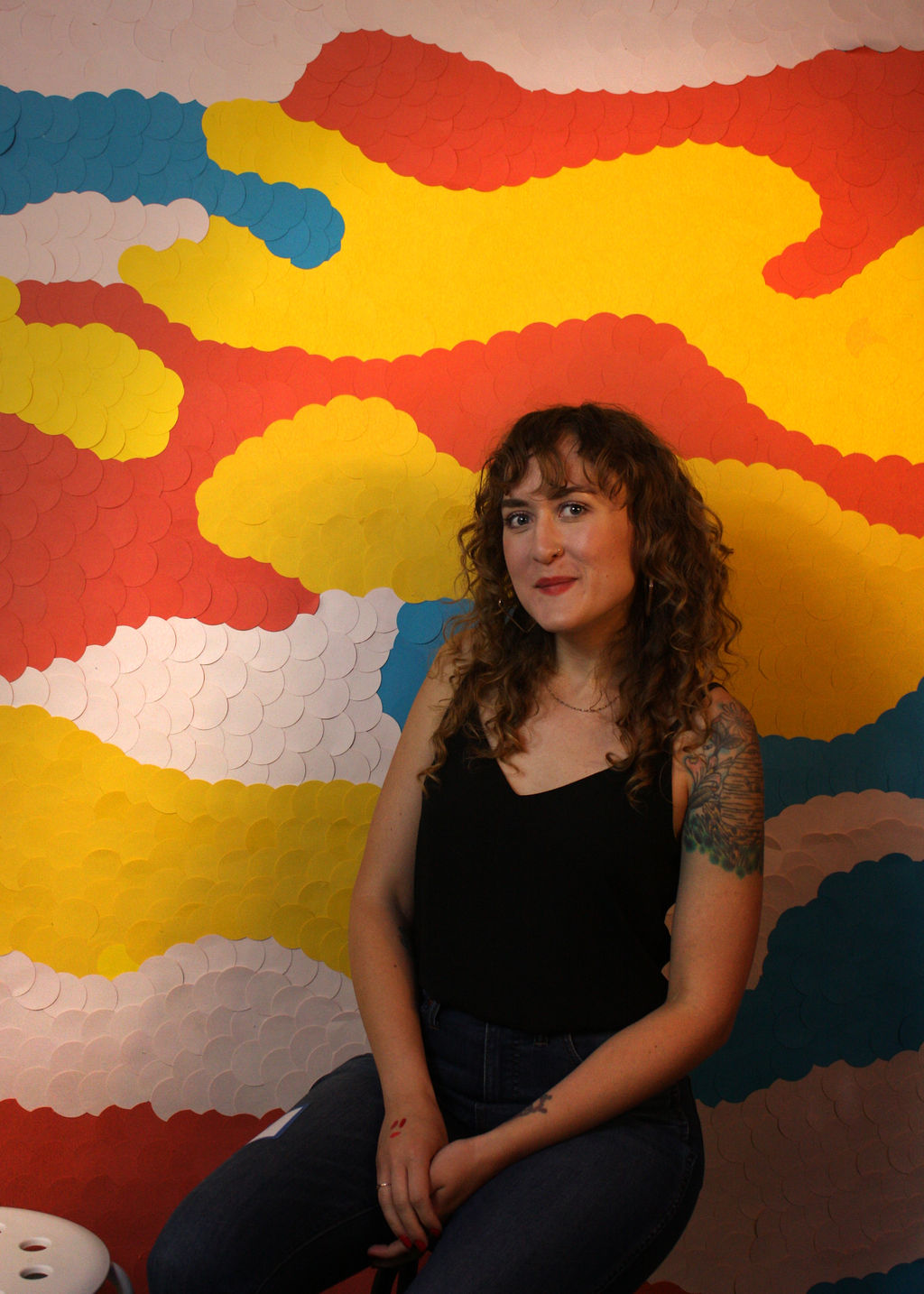
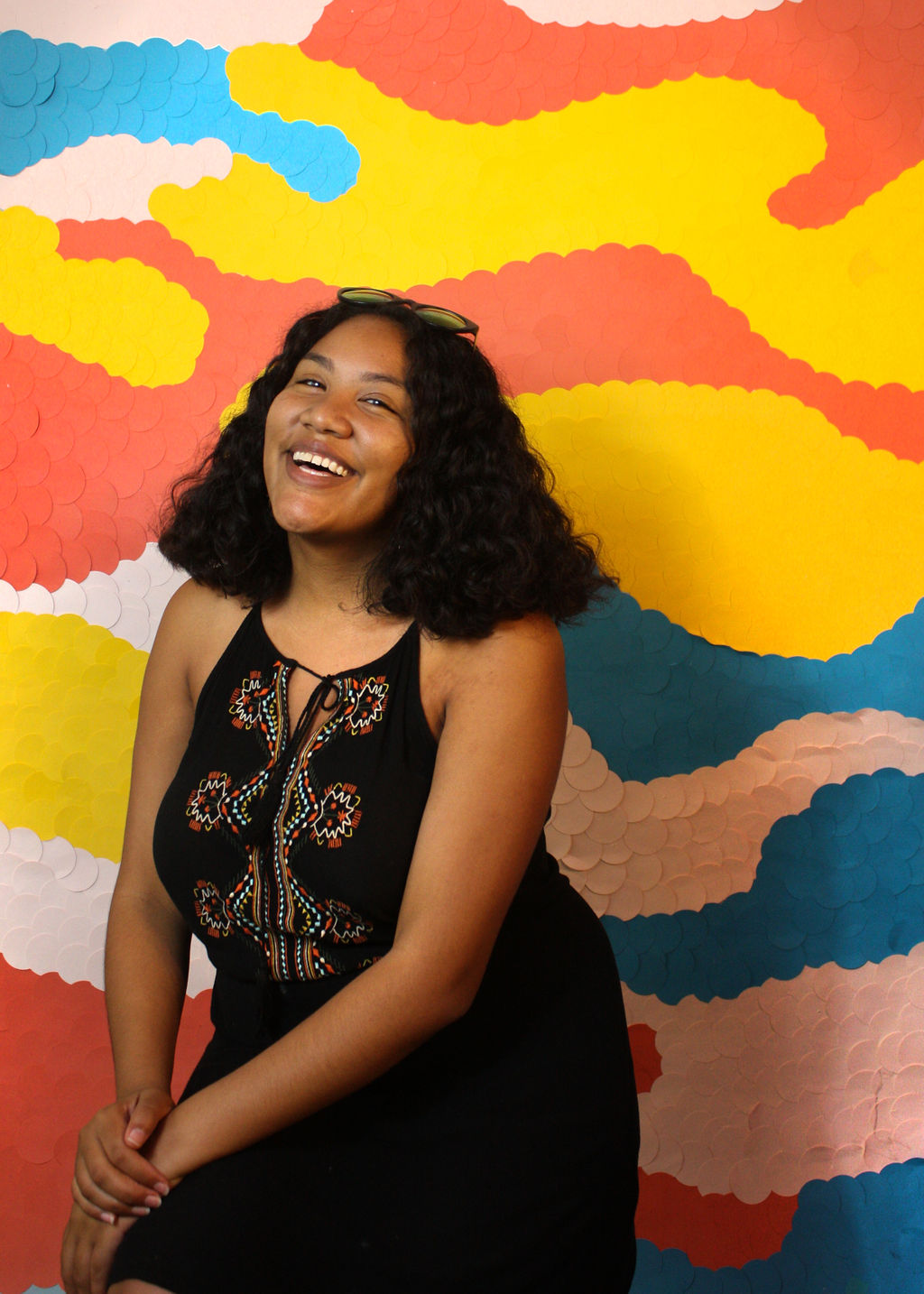
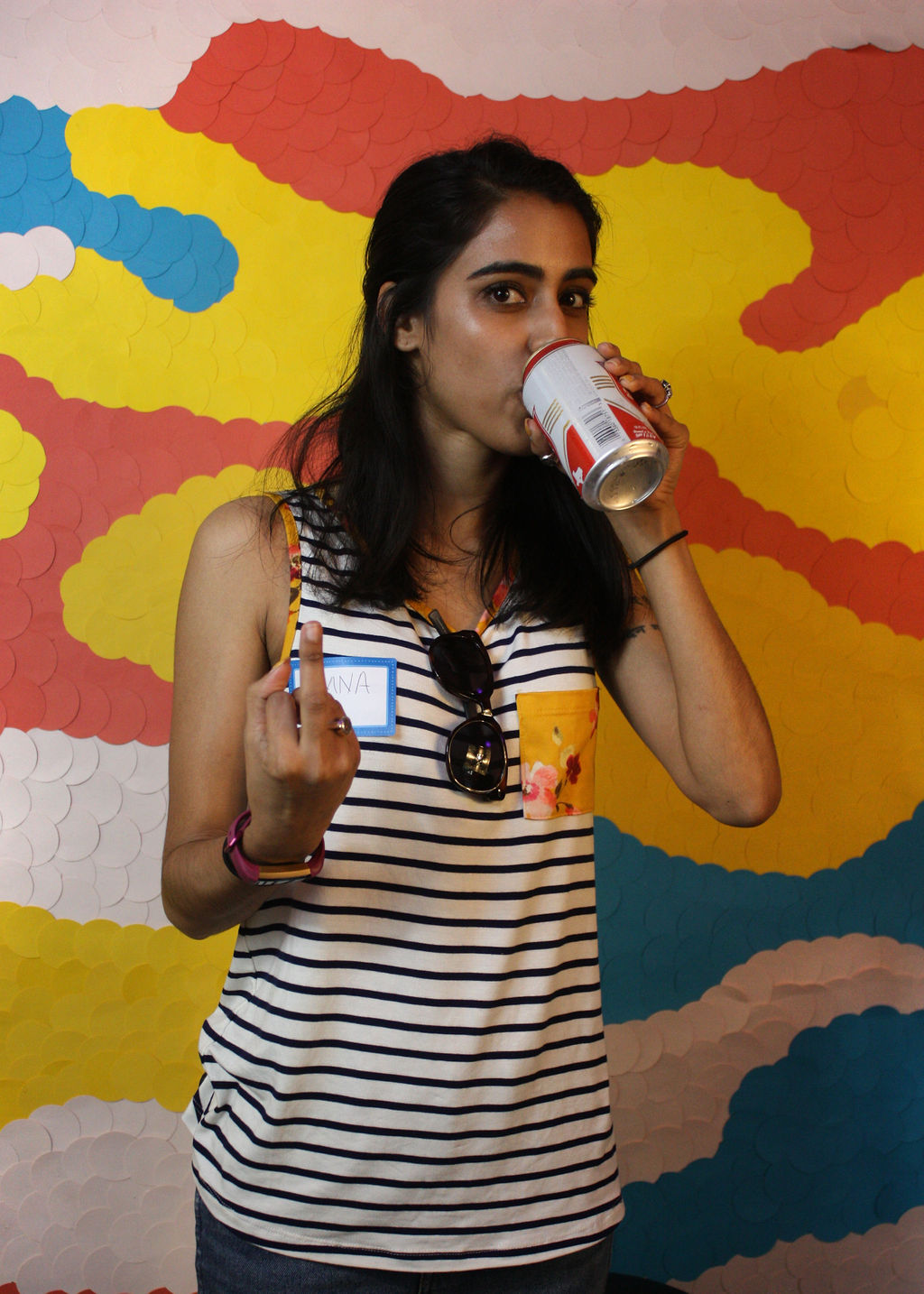
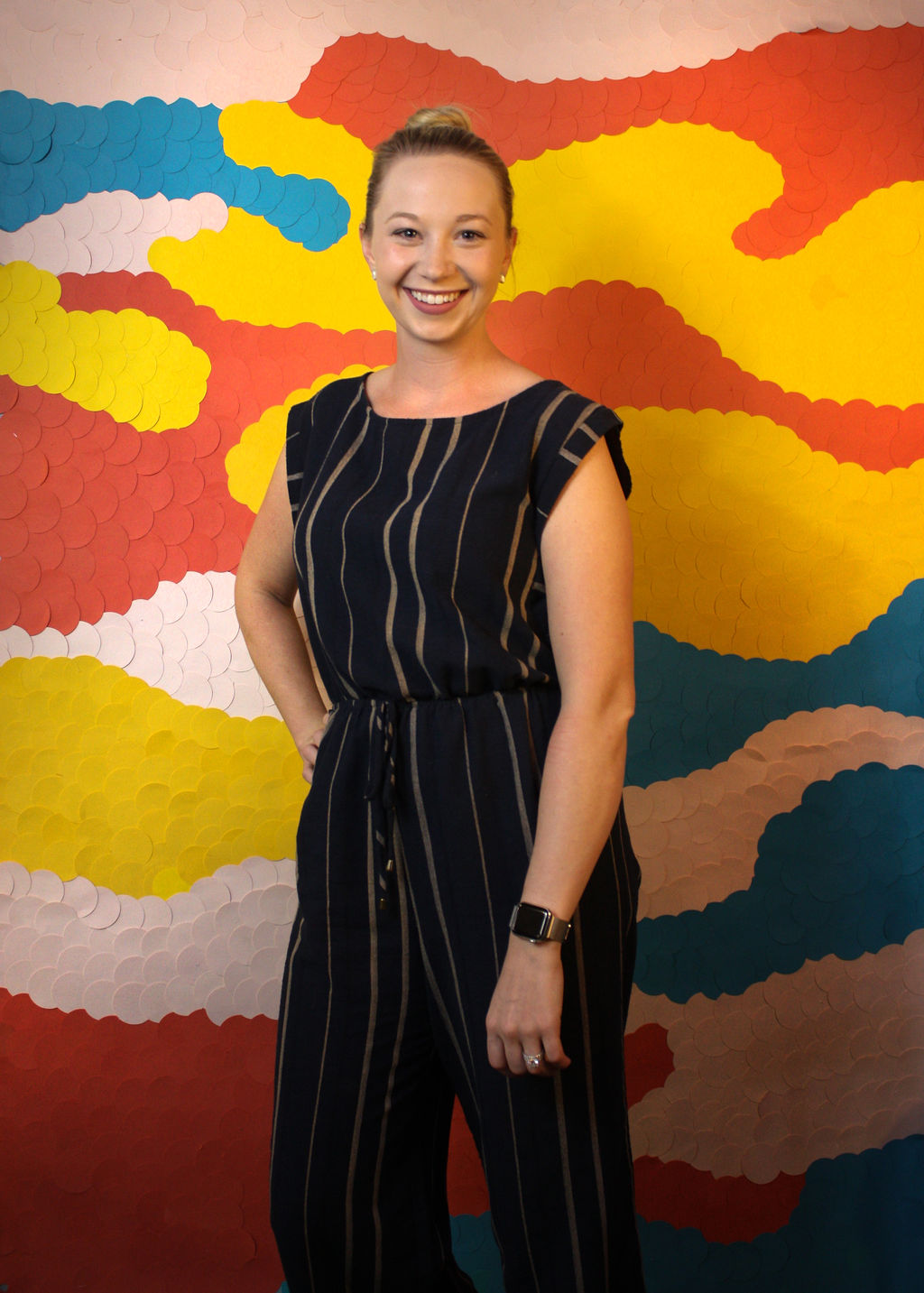
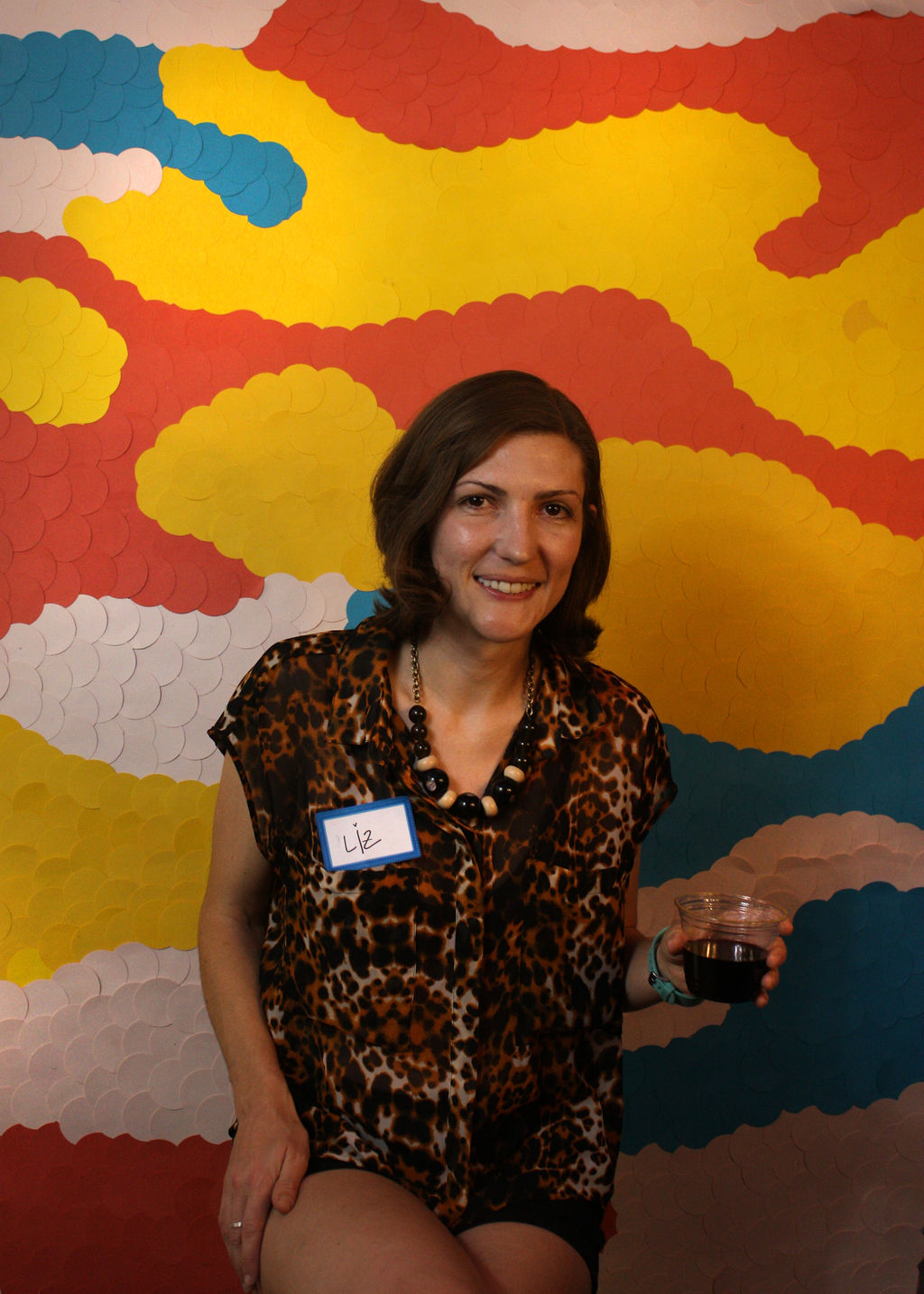
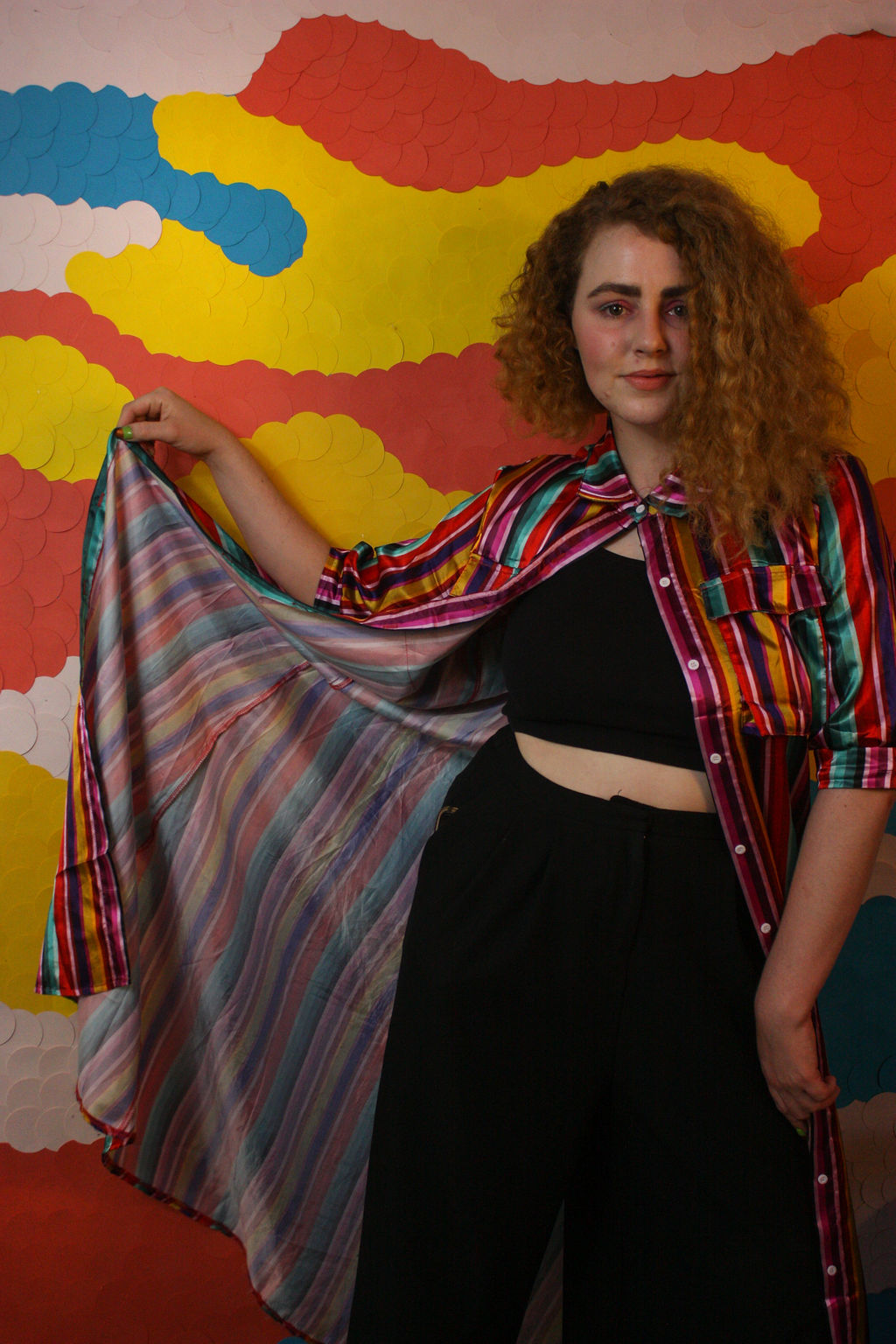
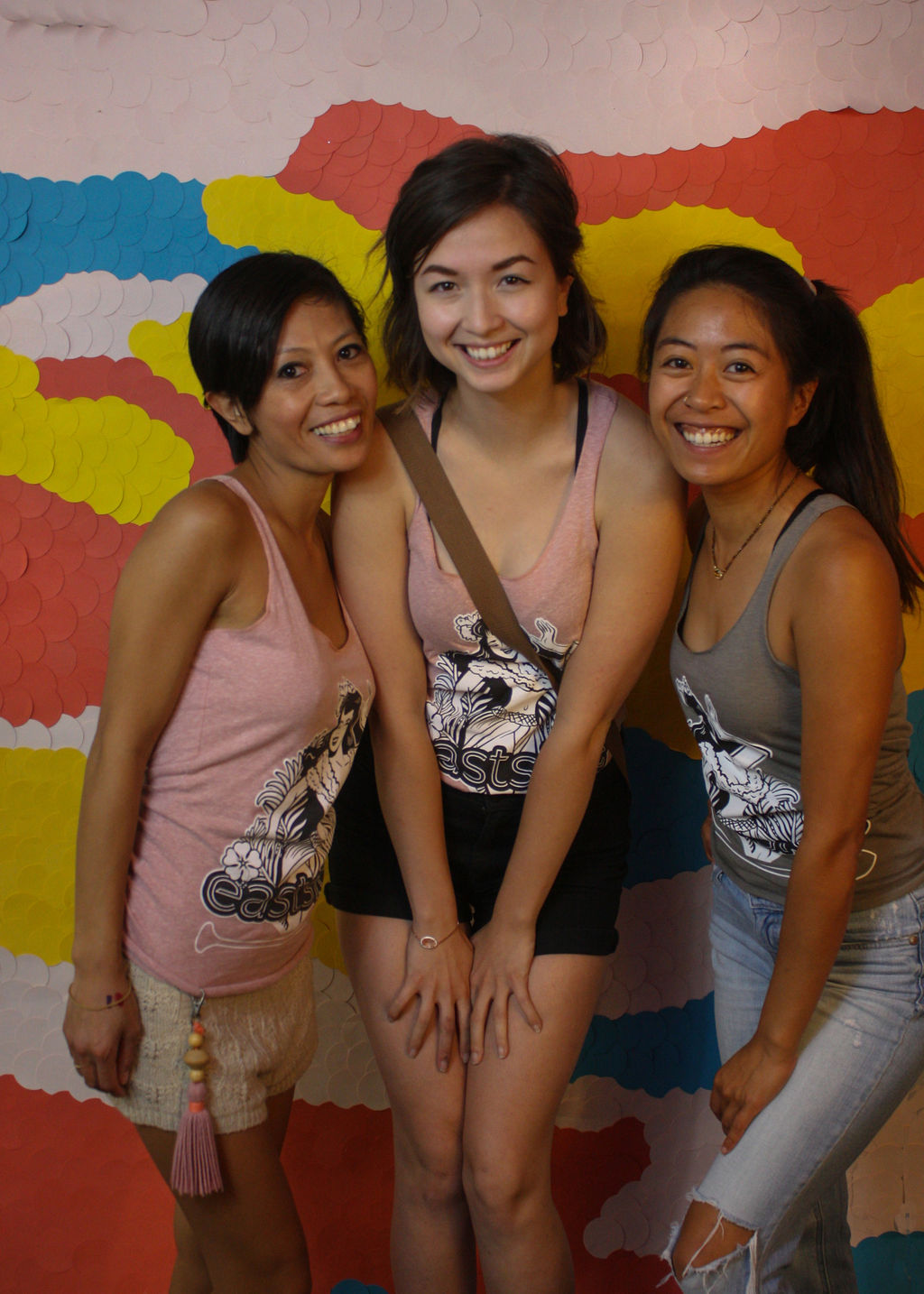
At our meet-up in May 2019, local photographer and artist Bailey Dieckman hand-crafted a photobooth demonstrating the ebbs and flows of synergy.
Our quarterly meets (held in February, May, August and November) are a space for people to meet the crew behind #bossbabesATX and members of our community. At our meet-up in May 2019, local photographer and artist Bailey Dieckman hand-crafted a photobooth demonstrating the ebbs and flows of synergy.

ABOUT THE ARTIST
Bailey Dieckman is a multimedia artist living in Austin, Texas. As someone who often feels like she’s waiting for her next adventure, she frequently draws inspirations for her artworks through everyday experiences and works towards creating joy and humor in otherwise mundane routines. She’s also interested in the use of color and creating works and installations of diverse mediums that allow the viewer to interact with these new forms of color. You can email here about collaborations and commissions at dieckman.bailey@gmail.com.
Want to attend the next meet-up?
You can attend our next meet-up on August 14, 2019. Click here for details.

On Finding Flow: Three Reminders For Personal And Professional Patience
This summer, our programs will amplify women and nonbinary creatives, business owners and leaders who are exploring ways to find flow within their work, projects, causes and collaborations. As you move through our events for the next three months and hear their stories, we encourage you to keep the following three reminders in mind.
A flow state, also known as “being in the zone,” is the mental state of operation in which a person performing an activity is fully immersed in a feeling of energized focus, full involvement and enjoyment.
In life and in business, we face ebbs and flows. It’s natural and normal to go through stages of decline and regrowth, as technology, the market, or our own vision changes. But sometimes this growth can be frustrating. We feel rushed and too slow—not enough, yet too much . So, how can we exercise patience with ourselves as we grow? How can we better honor our natural rhythms for learning and change? How can we find focus and enjoyment in the present?
This summer, our programs will amplify women and nonbinary creatives, business owners and leaders who are exploring ways to find flow within their work, projects, causes and collaborations. As you move through our events for the next three months and hear their stories, we encourage you to keep the following three reminders in mind.
This post has been written by #BBATX Founding Executive and Creative Director, Jane Hervey.
reminder no. 1: give yourself space and time to think.
The world moves fast these days. So, when we’re feeling creatively spun out or overcharged, it can be difficult to center our attention in one direction. It can feel like we don’t have the time, nor the privilege, to determine our next moves, solve the problems we’re facing, or celebrate our successes.
You deserve to pause, slow down and catch up with your thoughts and your desires. Create space and time to find your flow state. Whether you build it into your morning routine, set aside two hours to “think” on your Google calendar or block off a weekend for alone time, you’ve got every right to sit in the present.

Image designed by Jane Hervey
reminder no. 2: it’s ok to say no.
Your attention is a resource. Your attention can transform, heal and create worlds, relationships, new businesses, people, places and things. It’s OK to be mindful of how you spend it.
It’s OK to opt out. It’s OK to experience FOMO. It’s OK to focus on you, your community, your family, your projects and the things that you care about.

Image designed by Jane Hervey
reminder no. 3: don’t hate on your ebb. don’t hate on your flow.
Sometimes, sustained focus on the things we want to achieve is rough. It can warp our sense of fulfillment and leave us feeling frustrated or upset when we don’t immediately achieve the results that we want.
Remember—busy is not better. Constant productivity is not sustainable. Part of finding your flow is respecting the moments when your excitement, passion or focus ebbs. Let yourself recharge without judgment and shame.

Image designed by Jane Hervey