
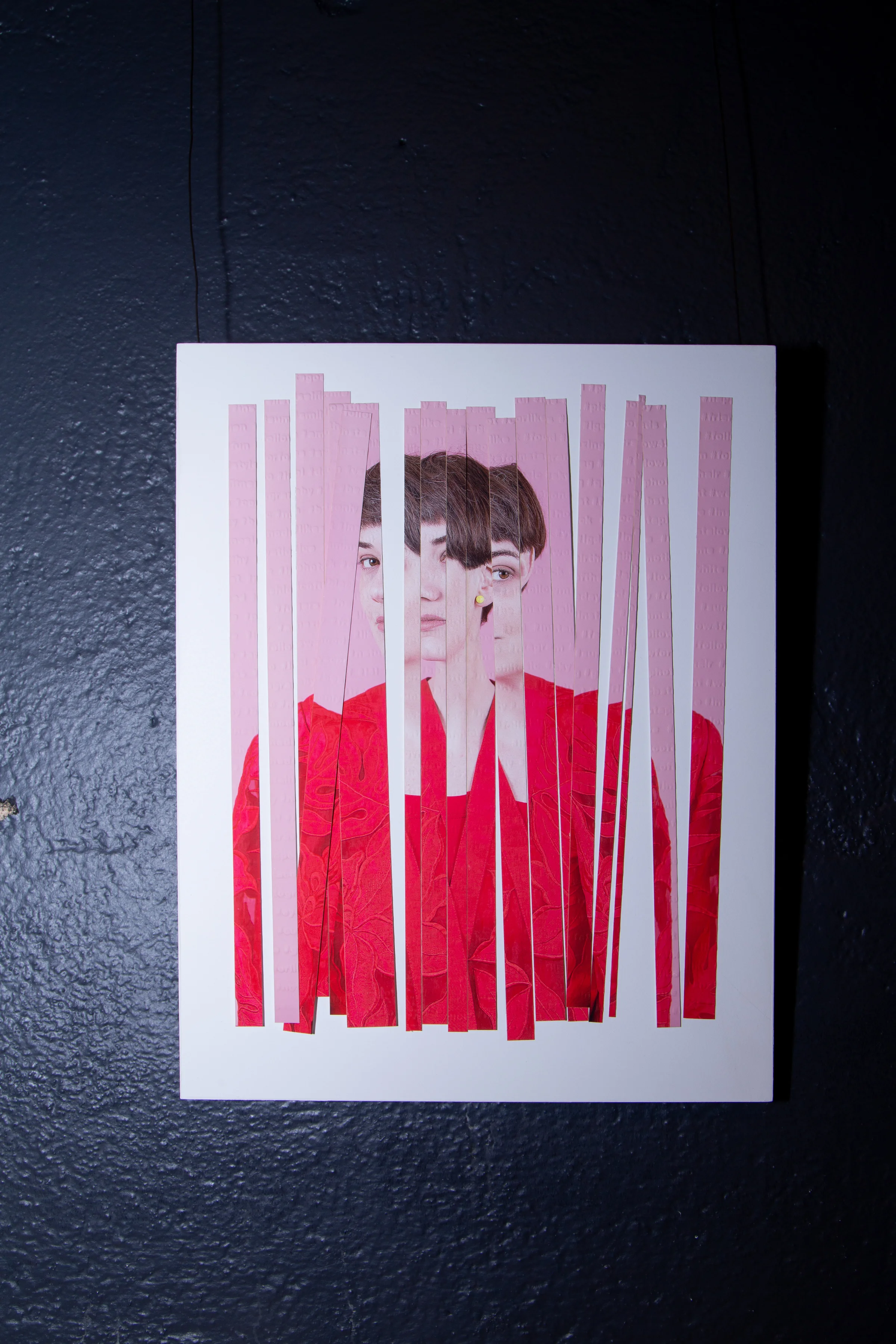
Meet Her Hands: Karen Navarro
"In my work I explore themes related to personal and social identity and, femininity as a cultural construct. It expresses self-referential questions that connect in a much larger scale to these ideas of construction of identity, societal expectations and the understanding of the being. The work prompt a discourse about our subconscious will to comply with the contemporary societies' canons when these are in fact misleading.” — Karen Navarro
Meet Her Hands is a collaborative exhibition series, produced by #bbatx and the Elisabet Ney Museum every summer, featuring three Texan women artists. This season, we're proud to host photographer Karen Navarro, artist Maribel Falcon and artist duo Big Chicken & Baby Bird. Each artist will showcase work within the Elisabet Ney's collection for two weeks, and throughout the summer we'll explore sculptor Elisabet Ney's legacy, while writing a new history of women in the arts.
The first exhibition in Meet Her Hands, Belonging in Modern Times by artist Karen Navarro, opened on June 13. Thank you to our collaborators at the Elisabet Ney Museum, our drink sponsors Austin Cocktails, our volunteers and partners for making this show possible.

Photo by Jinni J.
MEET THE ARTIST BEHIND EXHIBIT ONE, "EL PERTENECER EN TIEMPOS MODERNOS (Belonging in Modern Times)”
"In my work I explore themes related to personal and social identity and, femininity as a cultural construct. It expresses self-referential questions that connect in a much larger scale to these ideas of construction of identity, societal expectations and the understanding of the being. The work prompt a discourse about our subconscious will to comply with the contemporary societies' canons when these are in fact misleading.” — Karen Navarro
ABOUT THE SHOW:
Hosted within the guest artist space at the Elisabet Ney Museum, Belonging in Modern Times by Karen Navarro is a study of self-portraiture, social media and belonging. Here are a few notes from BBATX Committee Member Kaia Adams and Karen Navarro’s opening reception artist talk:
On what led her to the work she does today
“I would say that I grew up surrounded by an artistic environment, my grandmother was a dressmaker and my grandfather, who I didn't get the chance to meet, liked to draw. I remember spending my childhood days with my grandmother in her atelier. And, I think that was what led me to study fashion design. While I was in my final year of college in 2014, my husband, who was not my husband at that time, got transferred to Houston. And, after a few trips back and forth to The States I decided to stay with him and eventually we got married.
For various reasons, I decided not to pursue fashion design any further. Instead, I decided to enroll in a certificate program at the Houston Center for Photography. I was very fortunate that everything came organically. I found a passion for photography and a medium that allows me to express myself in a way where I can create my own worlds with no restrictions, norms or rules to follow. Nonetheless, I found myself wanting to experiment more- to create work that is made with my hands- which is the work I am making today. I feel that my journey in experimentation haven't ended yet. In the future I would like to experiment with sculpture.”
On rebuilding oneself in a society that imposes many expectations, roles, and identities
“I have approached this journey of rebuilding myself by focusing in myself. For me it's a journey of acceptance and self-love, of recognizing and understanding yourself. Accepting that we are just humans, and that we all makes mistakes. That is why self-kindness is also very important. I had to challenge myself to believe that I was worth enough and that I was capable of doing whatever I want regardless what other people may think. I know it’s hard but life is short. So why don’t try to overturn all these wrong ideas about how we should live, how we should act, etc?
Besides all that, I also try to be very grateful for every little thing. I take time to look at the sky and appreciate nature. Life can get hectic, but it's important to be present.”
On tapping into her creativity
“Usually, how I do approach a new piece it's very different from one to another. It could start with a color that I saw on the streets or lighting and shadow that inspired a mood. It could be a self-referential question, a philosophical idea, or something in what I believe in and I want to share. Photography for me is about creating conversations, making relevant a topic that may be only relevant for me. It's about inviting people to question along with me. My work doesn't offer answers because I don't believe in absolute truths. And, in the in-between of this dichotomy of not believing in absolute truths and having an opinion at the same time is where I position myself every time I approach I new body of work. Inviting you, seducing you through a highly stylized image to reflect on topics that challenge our social notions that some may want to avoid.”
On advice for aspiring artists within our #BBATX community
“I would say, work hard and work smart. Do your thing, follow your guts. Don't worry about the trends, just be you. Because when the work is genuine it gets through and everything will come organically. BELIEVE IN YOU! Be patient, be perseverant, in the art world, as in many others, everything takes time. Always try to be the best you.”

Photo by Jinni J
WANT TO ATTEND A MEET HER HANDS EXHIBITION?
You can view Karen Navarro’s Belonging in Modern Times through June 25, 2019 at the Elisabet Ney Museum during museum hours. Our next exhibition in the series, Memoria by Maribel Falcón, will open on June 27 from 6:30 to 9 PM. Click here for details.

How To Network Like A Human Being
We deserve to meet people without feeling the pressure to perform.

This summer, we’re exploring flow. How can we practice personal and professional patience with the things we’re working on? How can we honor our ebbs and flows?
So today, we’re talking networking. We know we need community to survive—especially if we’re trying to launch a business, do good within our communities or build a professional network of support. But networking can feel awkward and uncomfortable. And for those of us who are introverted? Downright scary.
We deserve to meet people without feeling the pressure to perform. So, we asked our friends at Bumble Bizz for their best, introvert-friendly networking tips. How can we approach meeting new people in a way that feels more manageable? Keep reading for answers.
Editor’s Note: This article was written by Jessika Roth for a collaboration between Bumble Bizz and #BBATX. Bumble Bizz is one of #BBATX’s supporting partners in 2019.
If the mere thought of interacting with a group of people is exhausting, it’s no surprise that getting fired up about networking feels like a challenge. Putting yourself in the spotlight among dozens of strangers? You might be asking, “Why would I?”
Well, for a few good reasons.
No matter your Myers-Briggs personality type, Carl Jung, the psychiatrist who popularized the terms introversion and extroversion, says we’re all a blend of the two. How you’re specifically wired determines how you respond to social stimulation as well as what recharging looks like for you. If you’re more introverted than extroverted, you shouldn’t avoid networking at all costs. Instead, you’ll benefit from methodically planning for the amount of stimulation you can handle and how to best unwind afterwards.
In fact, as an introvert, your unique strengths already make you a strongly-equipped networker. Former Google executive Karen Wickre covered this topic in depth with her book Taking the Work Out of Networking: An Introvert's Guide to Making Connections That Count. Wickre explains that introverts are great listeners and observers, as well as being inherently curious about others. This gives them the advantage of making a few meaningful connections rather than trying to shake every hand in the room.
So trust us when we say the benefits of networking extend well beyond multiplying your professional connections. Growing your circle means setting yourself up for the inevitable next steps: changing jobs, moving up in your career, or perhaps even relocating to a new city or state. The more people you meet outside your immediate circle, the easier it will be to find new opportunities when you’re ready for them.
Here are a few tips for becoming more comfortable in social situations that are geared toward networking and meeting new people:
1.) Know your intention.
What are you looking for at this point in your career? Are you looking for a new role, a new company, a new industry, experts in your field, a mentor, or a mentee? Knowing what you’re looking for and why will help narrow your search for networking opportunities and will help shape your conversations.
2.) Discover relevant groups.
Since not all networking events are created equally, it will be much easier to connect with attendees if you have more in common than your city, industry, or job title. What else are you interested in? Local art, food, wine? Events that incorporate more than one interest will give you much more to discuss — and look forward to.
3.) Know your mental and physical needs.
Set yourself up for success by seeking out scenarios that make you feel most comfortable. Identify your best time of day to socialize (morning vs. evening events), your ideal setting (indoor vs. outdoor, e.g.), and even the type of event where you feel your best (fancy at a bar vs. casual in the park).
4.) Attend events solo.
You won’t have a safety net to depend on when attending events alone, which is precisely the reason it’s important to go solo. If your plan is to meet new people, a wing -man or -woman will distract you from taking the initiative of talking to those around you.
5.) Make one to three new connections.
Give yourself the mission of making three new professional connections, and your time frame is instantly set—once you’ve collected all three, or whatever number you choose, it’s time to split. Knowing this from the start will guide your interactions and help you find small wins along the way.
6.) Take breaks between conversations.
Just because the goal is meeting people doesn’t mean you have to interact the entire time. Take steps away from the crowd as needed to find some mental space. Who knows, you may even bump into fellow introverts (or your next connection) while taking a breath at the snack table.
7. ) Celebrate your victory.
Congratulate yourself on showing up and pursuing the intention that propelled you there. In the end, it doesn’t matter how many people you meet, but having the confidence to put yourself out there is a win on its own. Celebrate by unwinding in your favorite way—reading in the tub, anyone?
Ready to meet new people? Download the Bumble Bizz app to meet online connections in your professional community, or explore #BBATX’s upcoming meet-ups and events to mingle in-person (we highly recommend our WORK conference!).
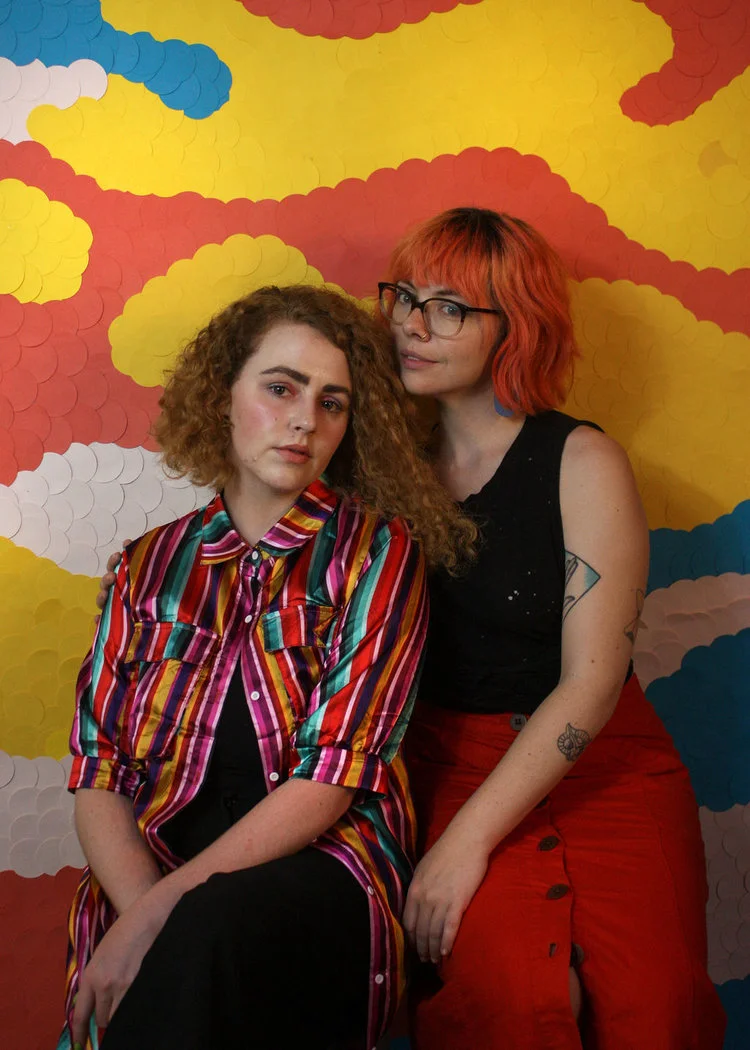
On Big Synergy: A Series of Portraits by Bailey Dieckman
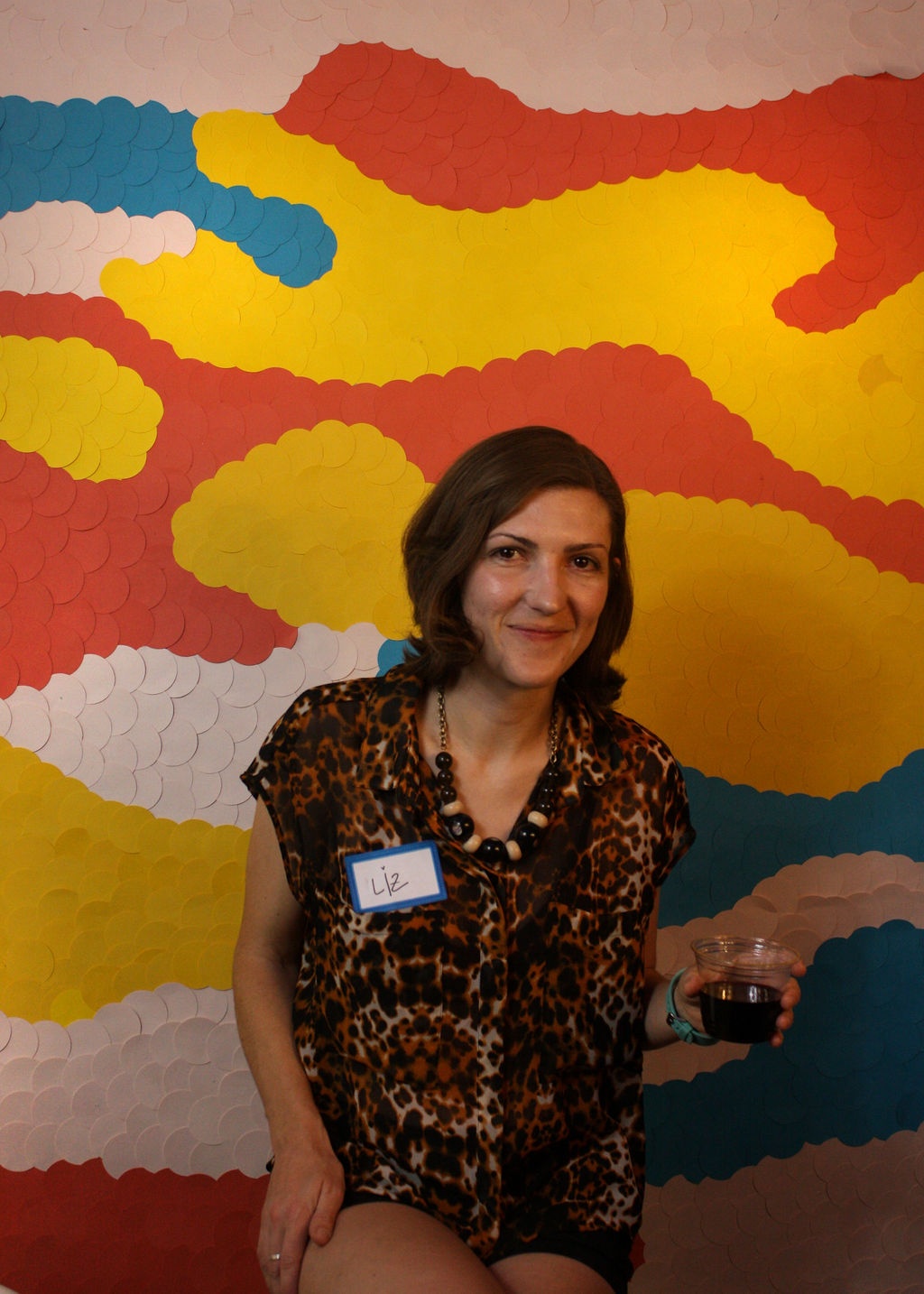
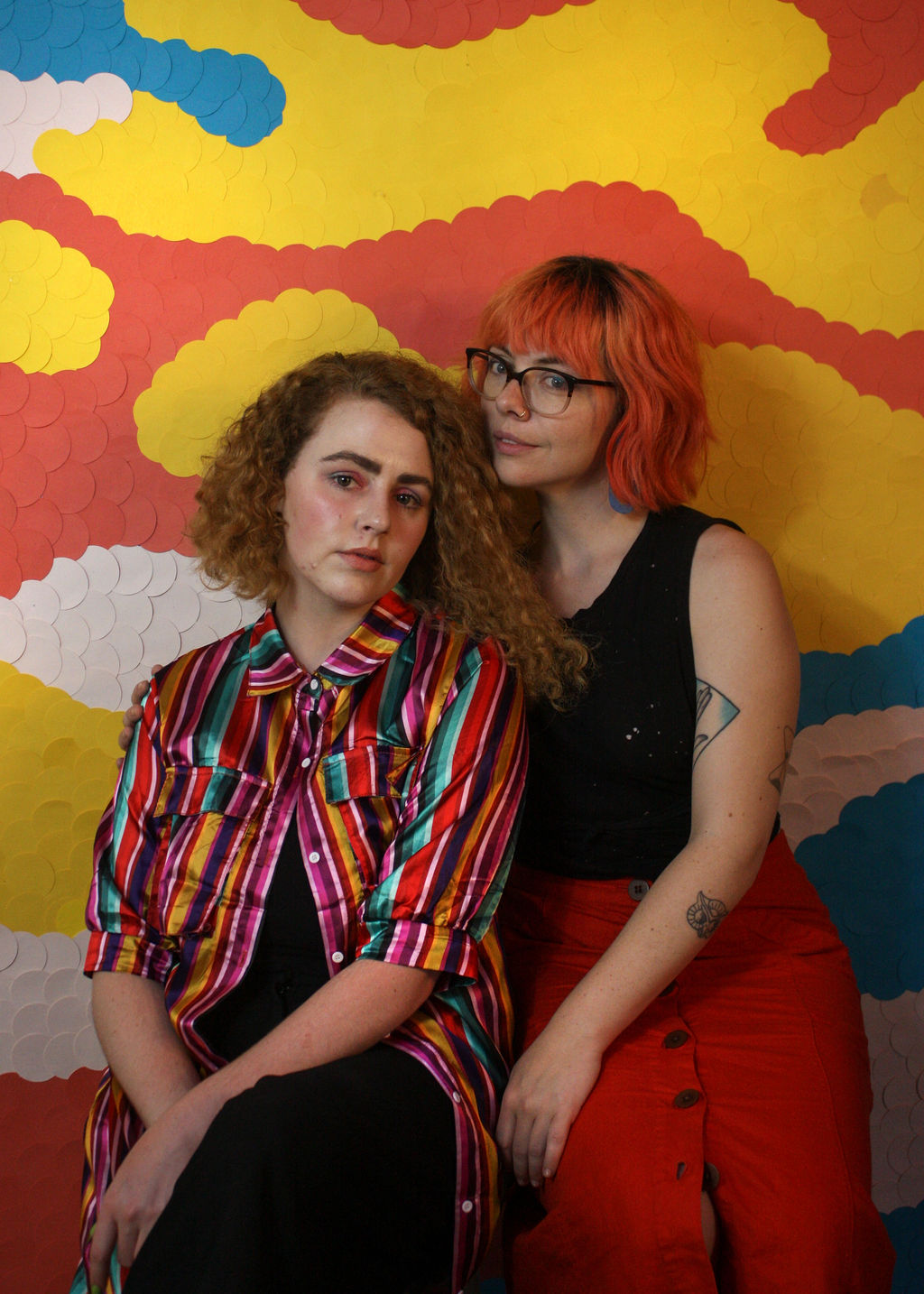
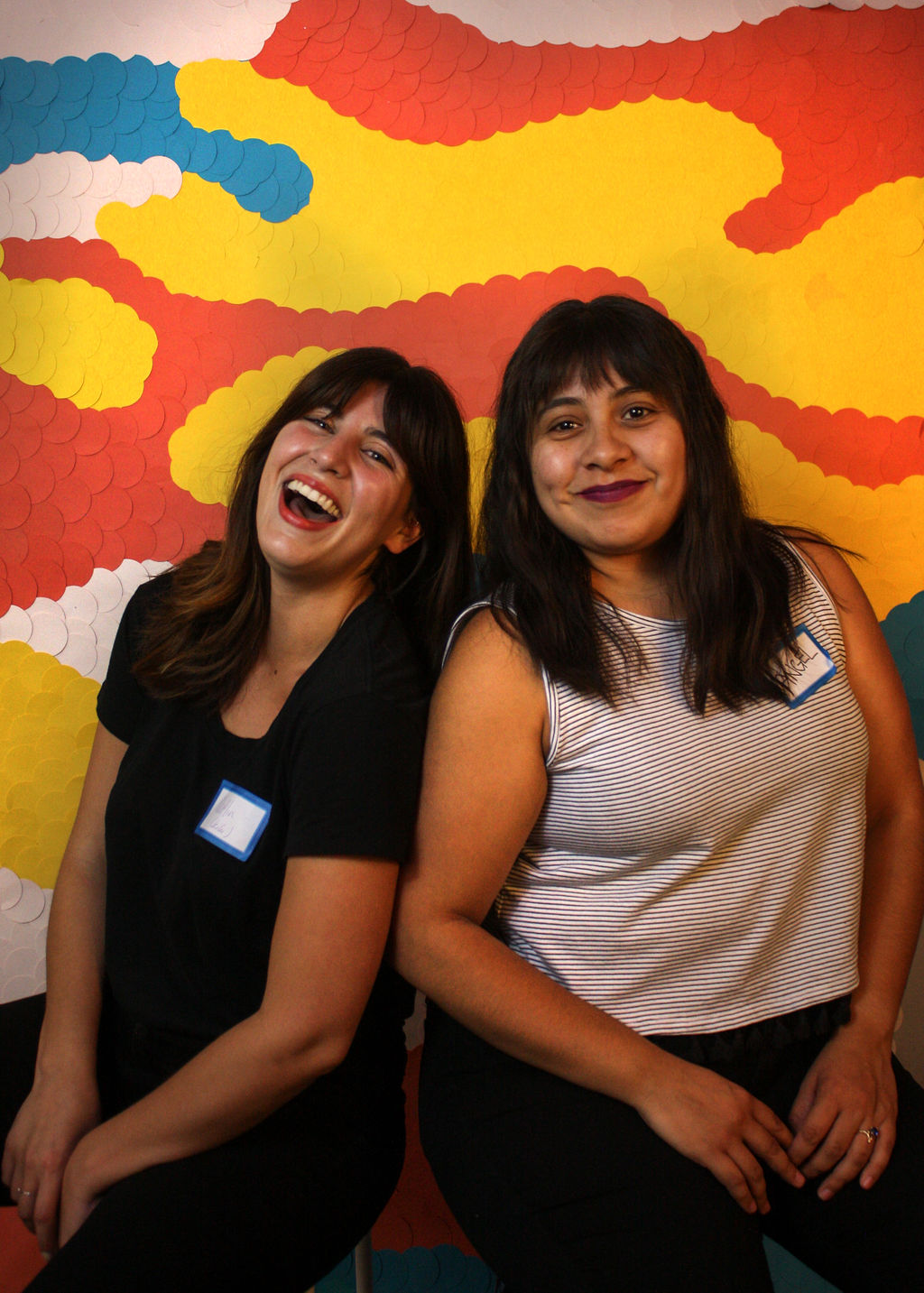
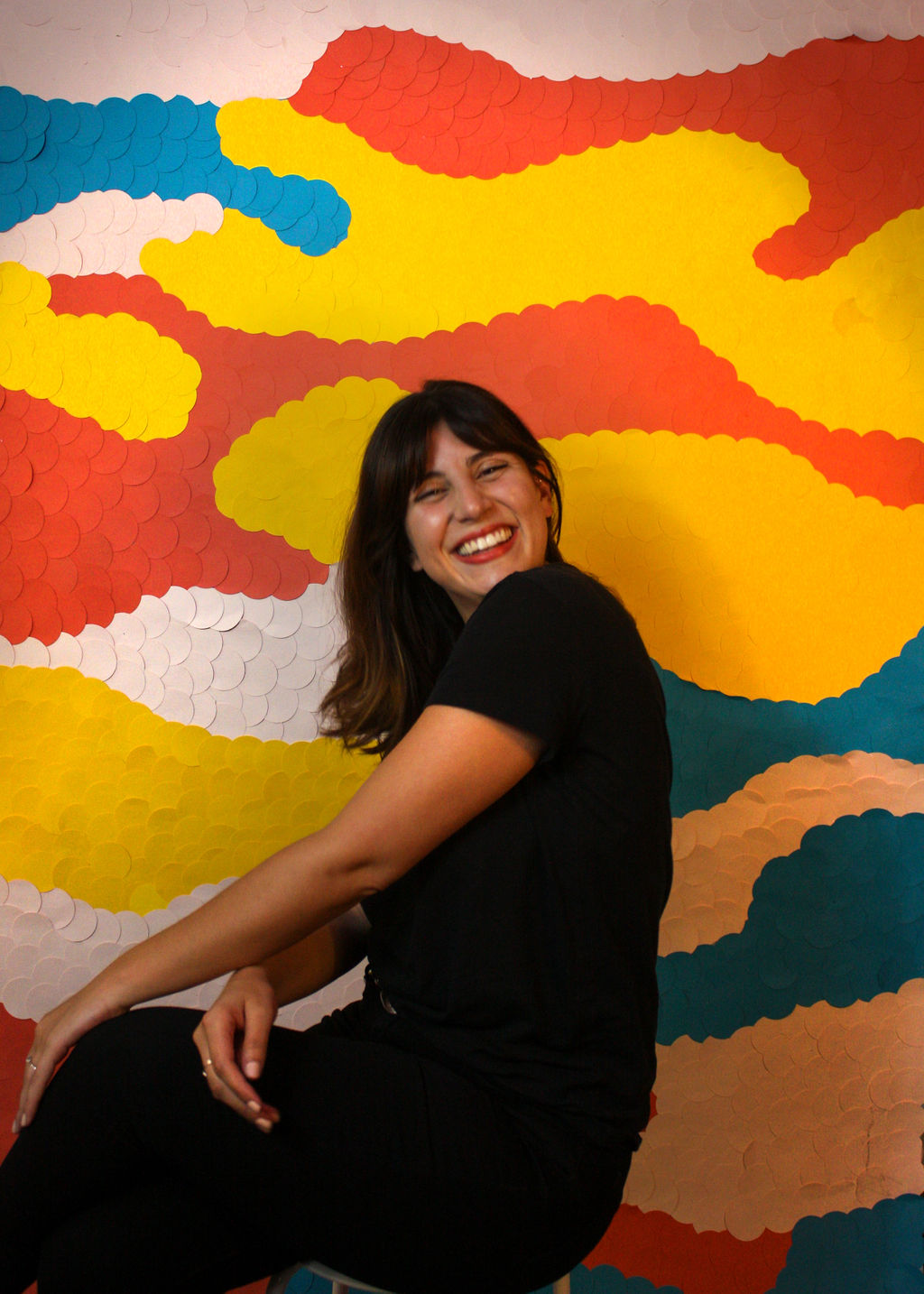
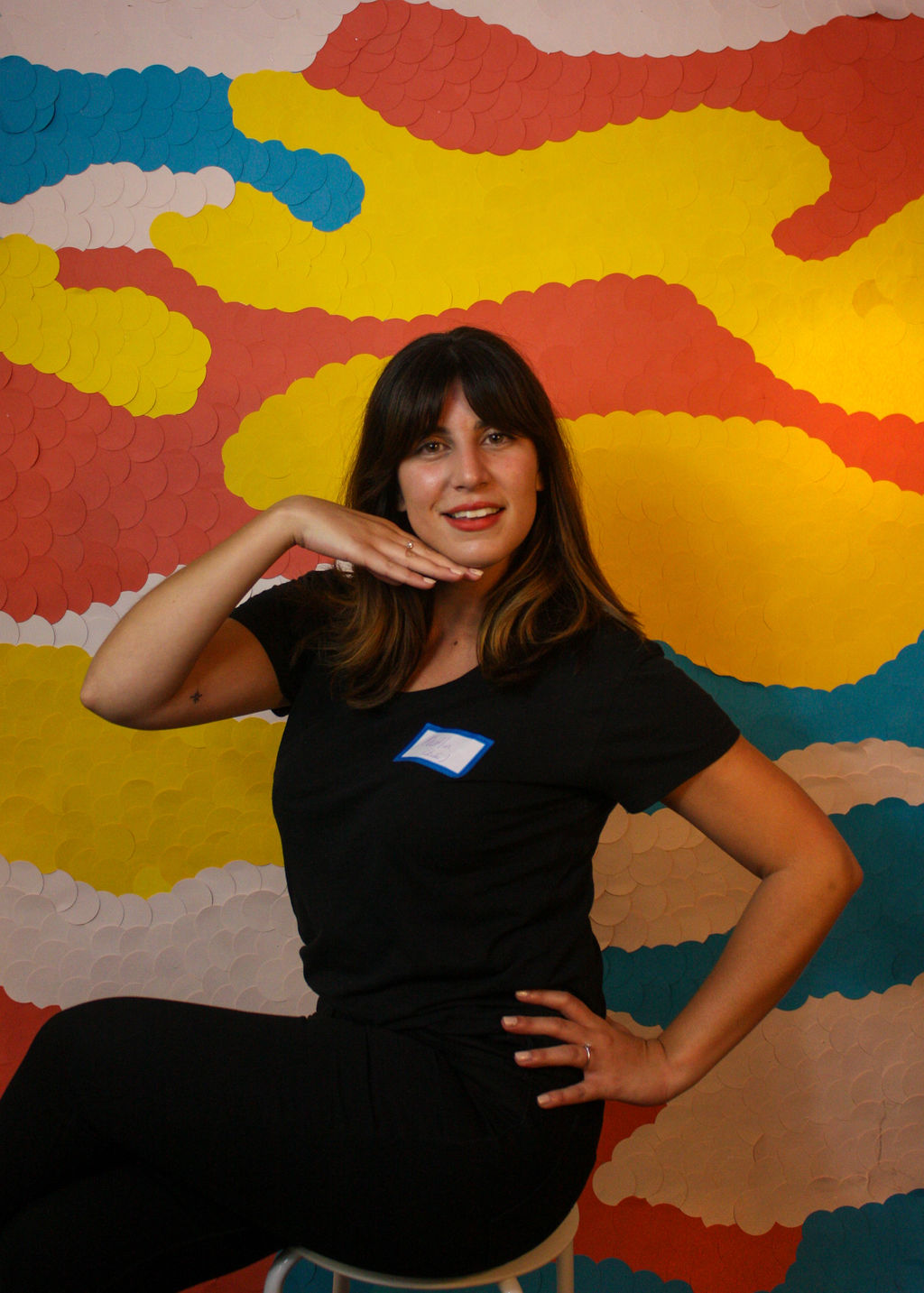
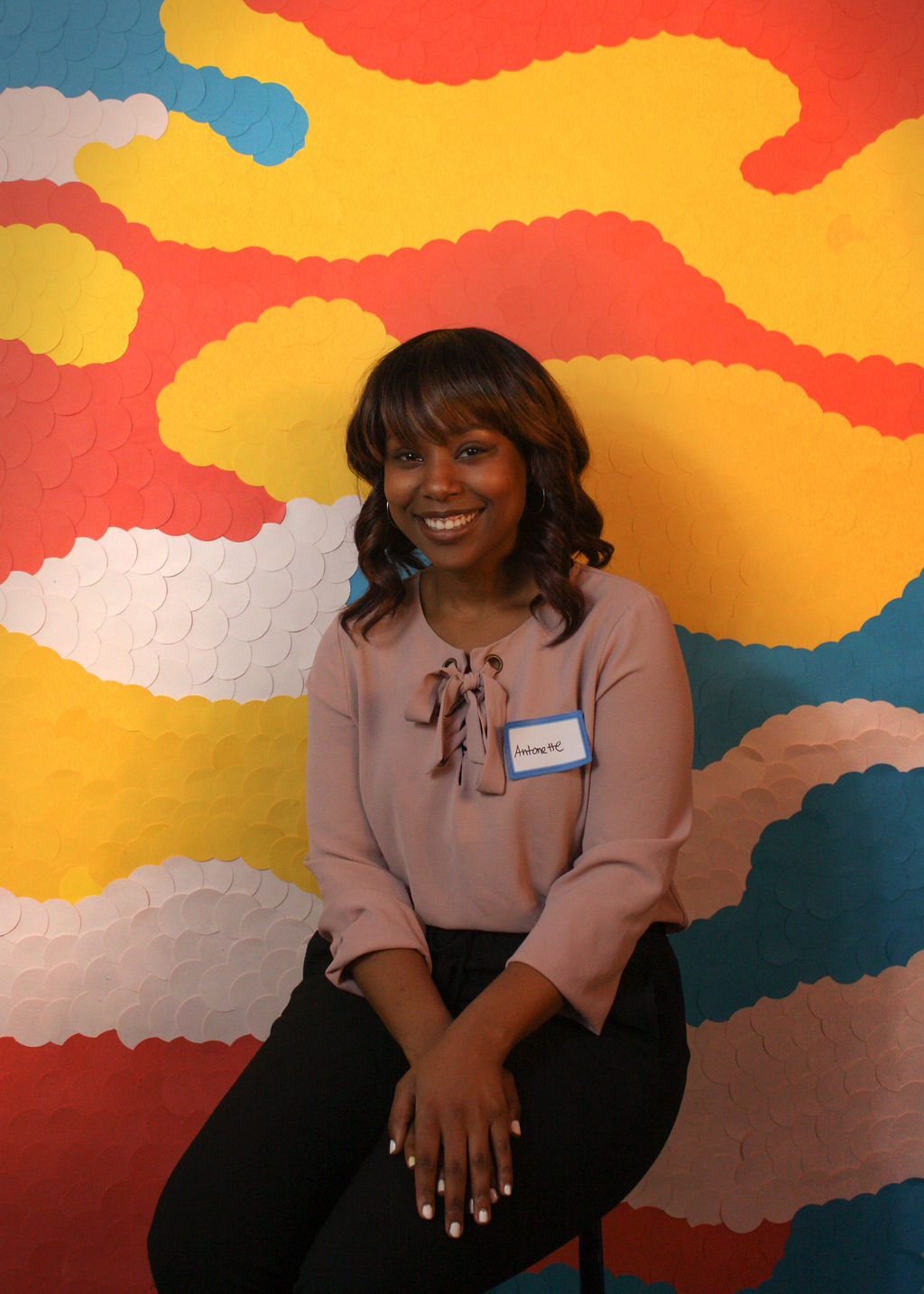
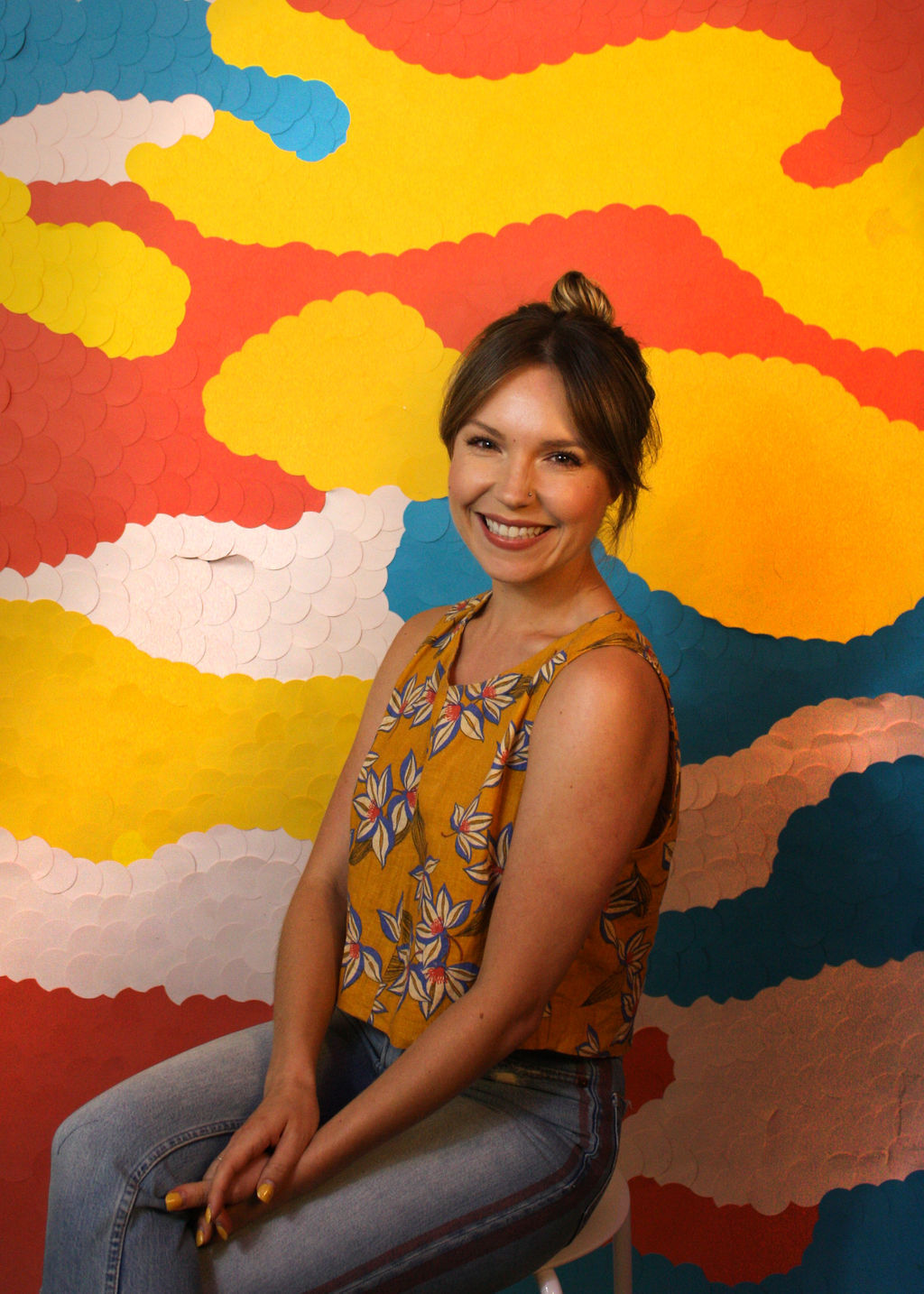
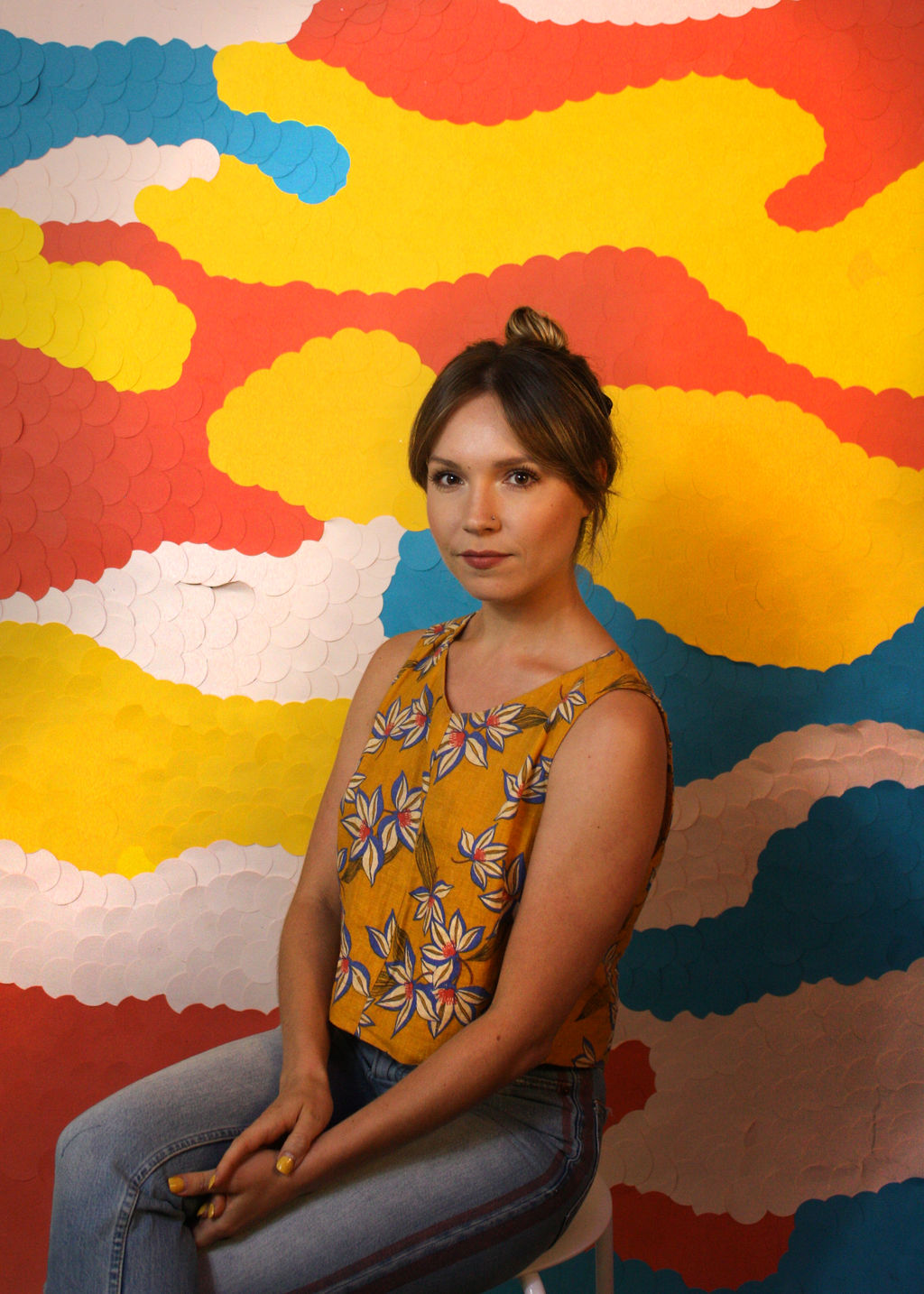
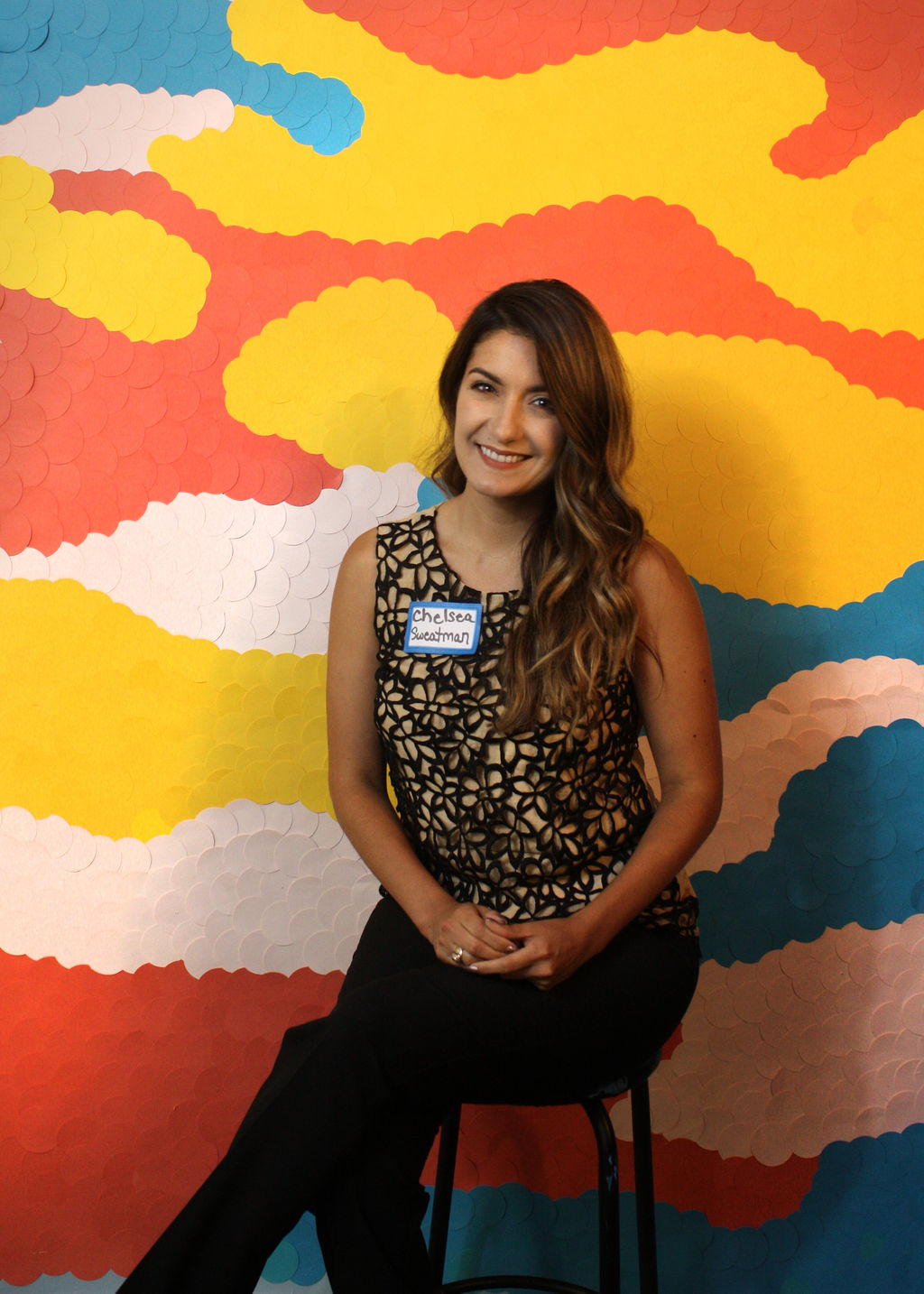
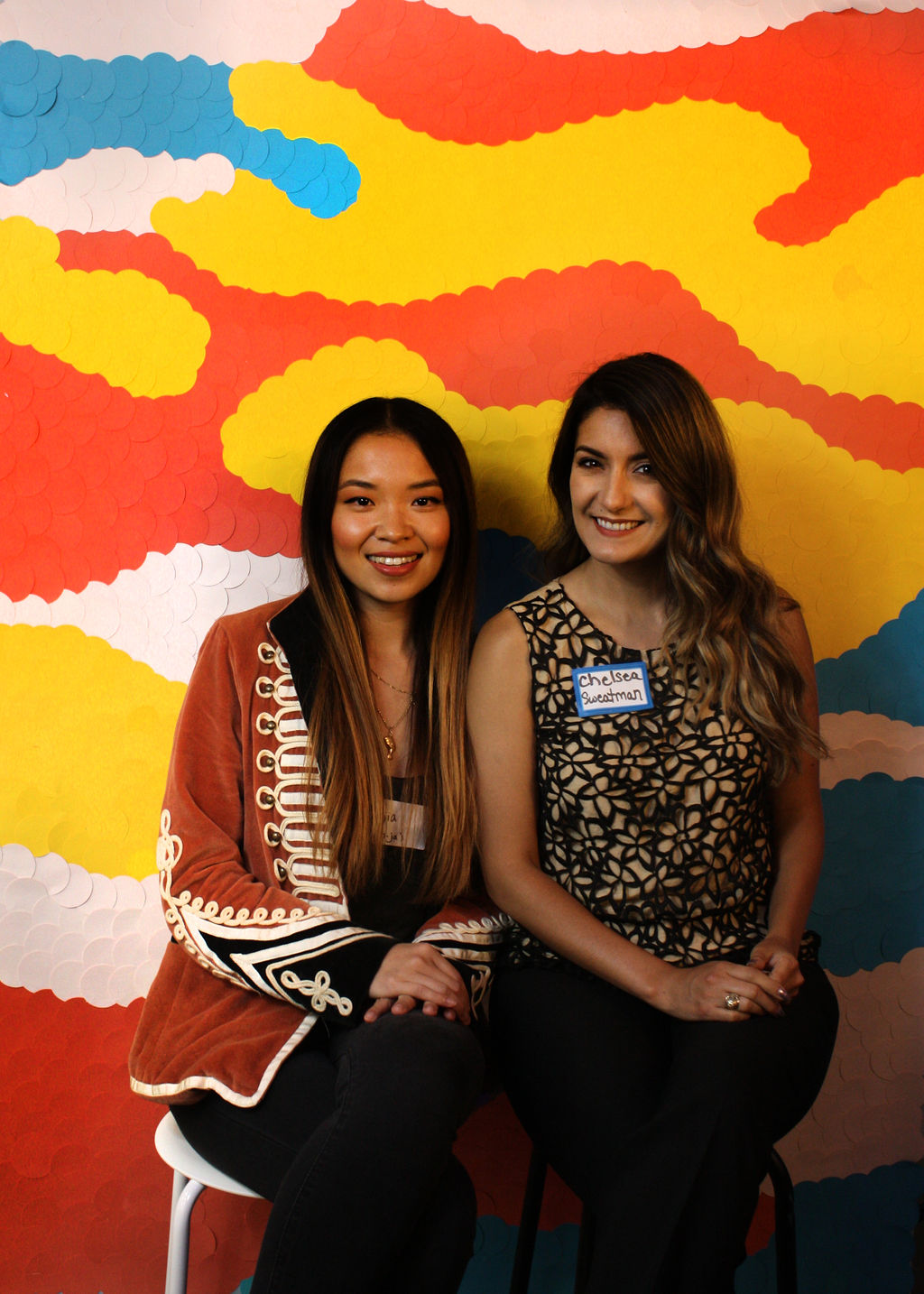
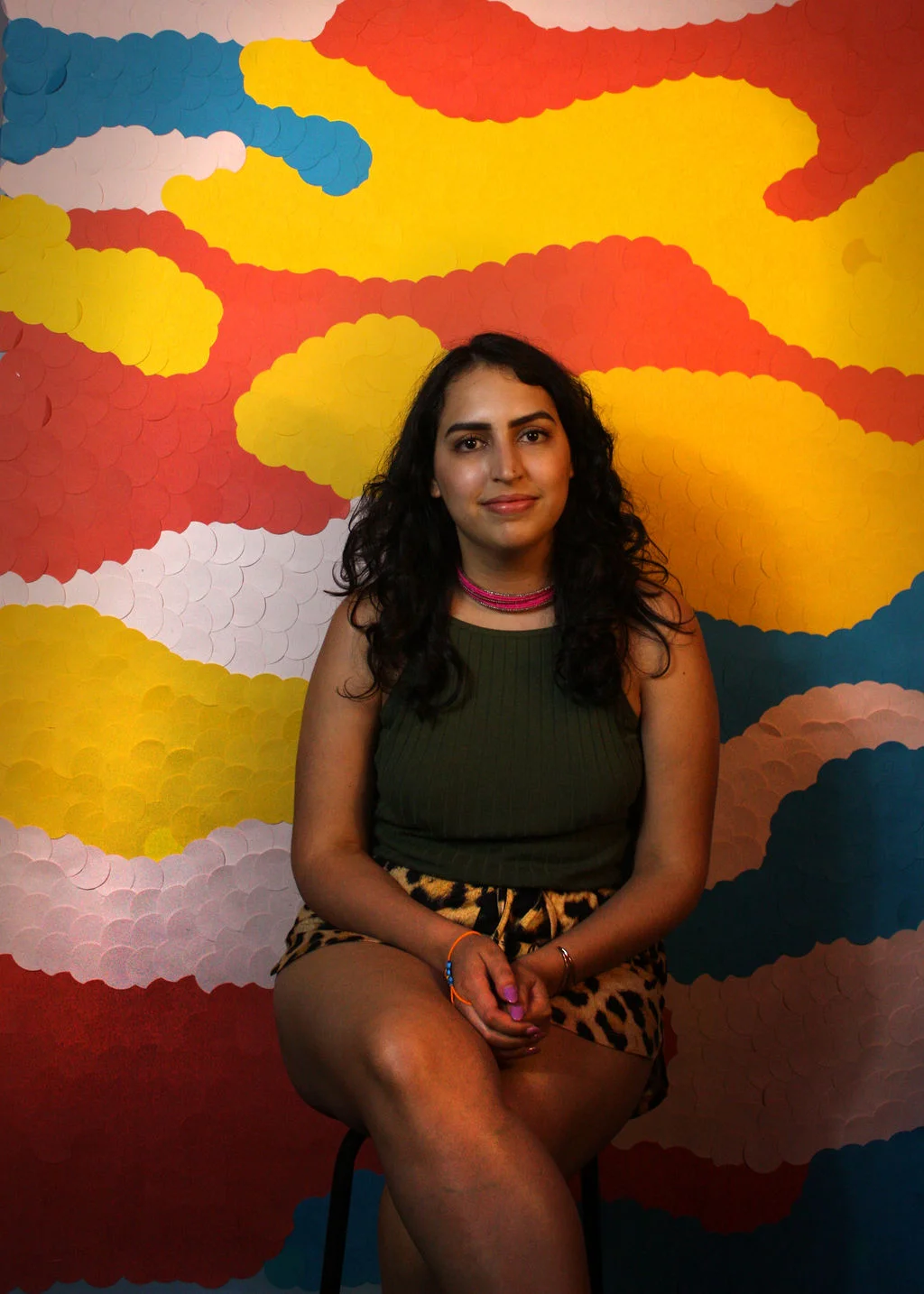
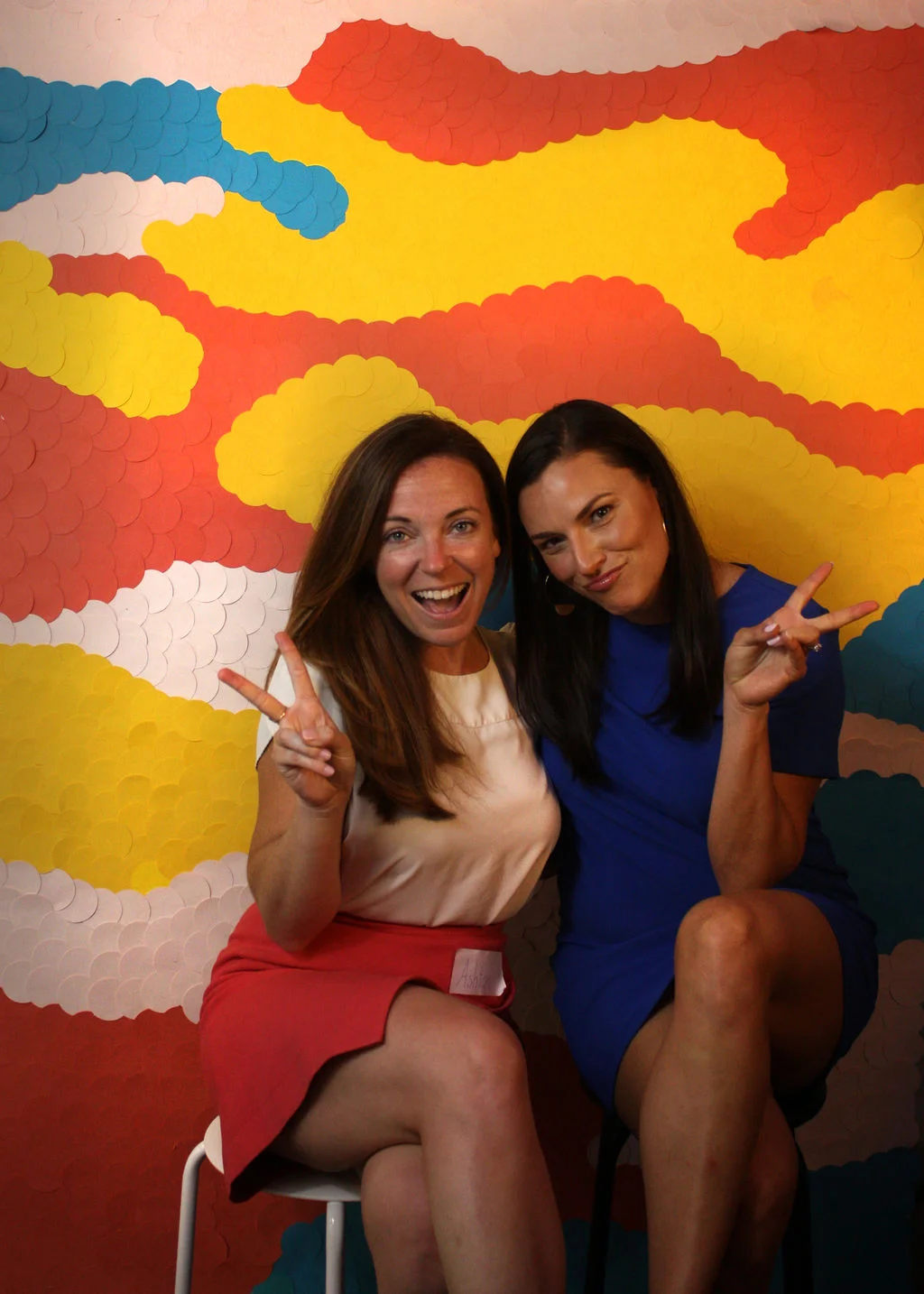
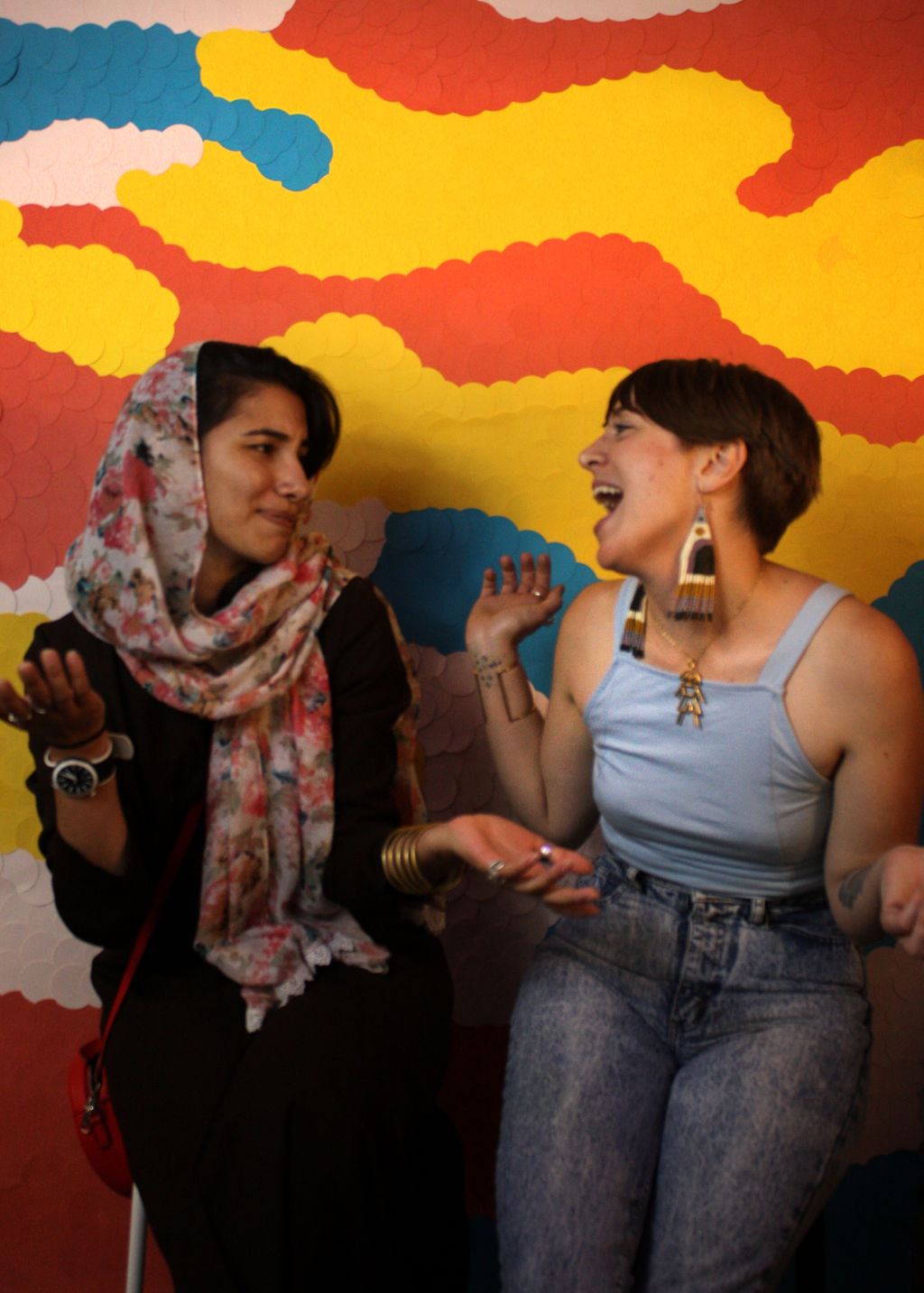
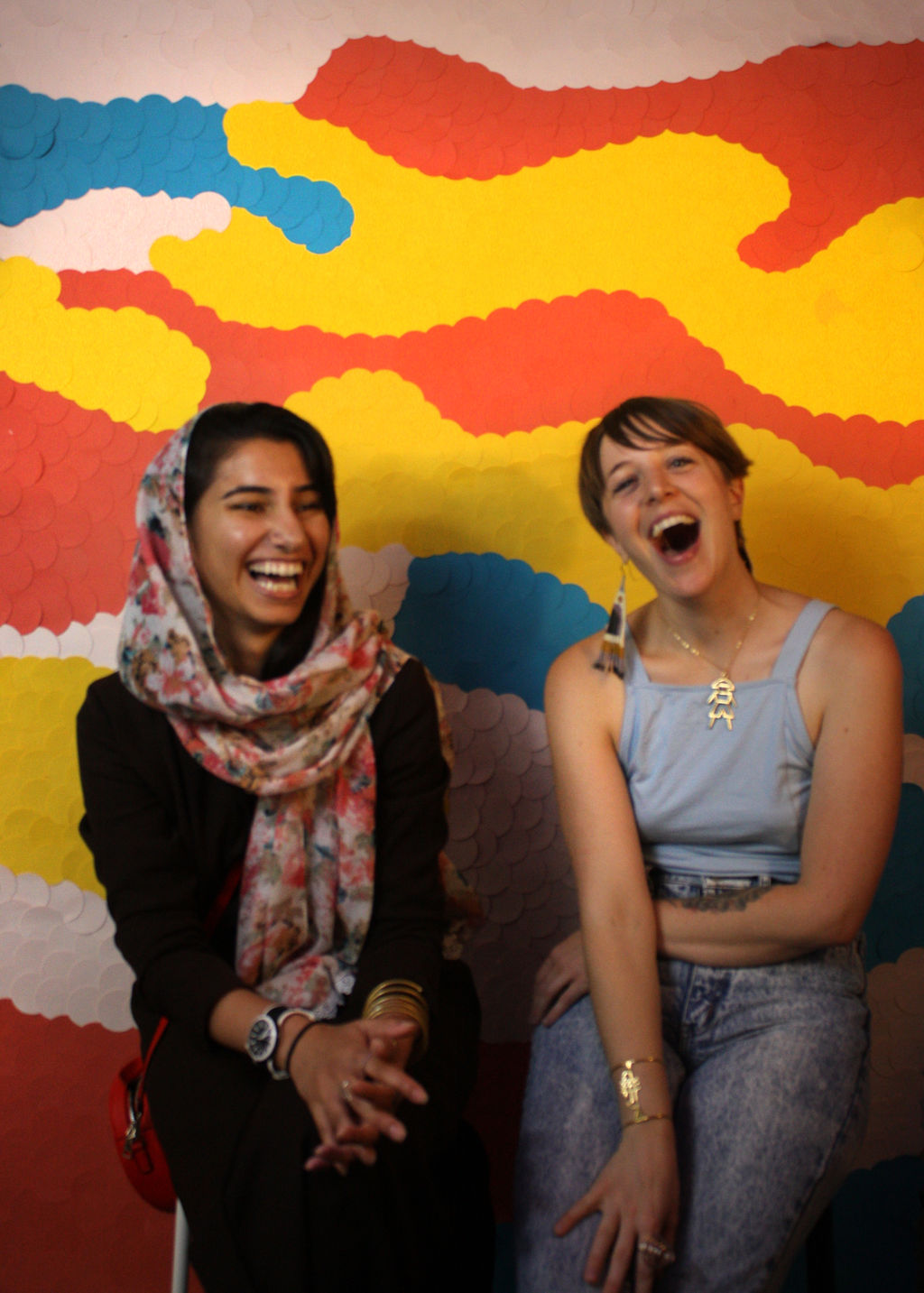
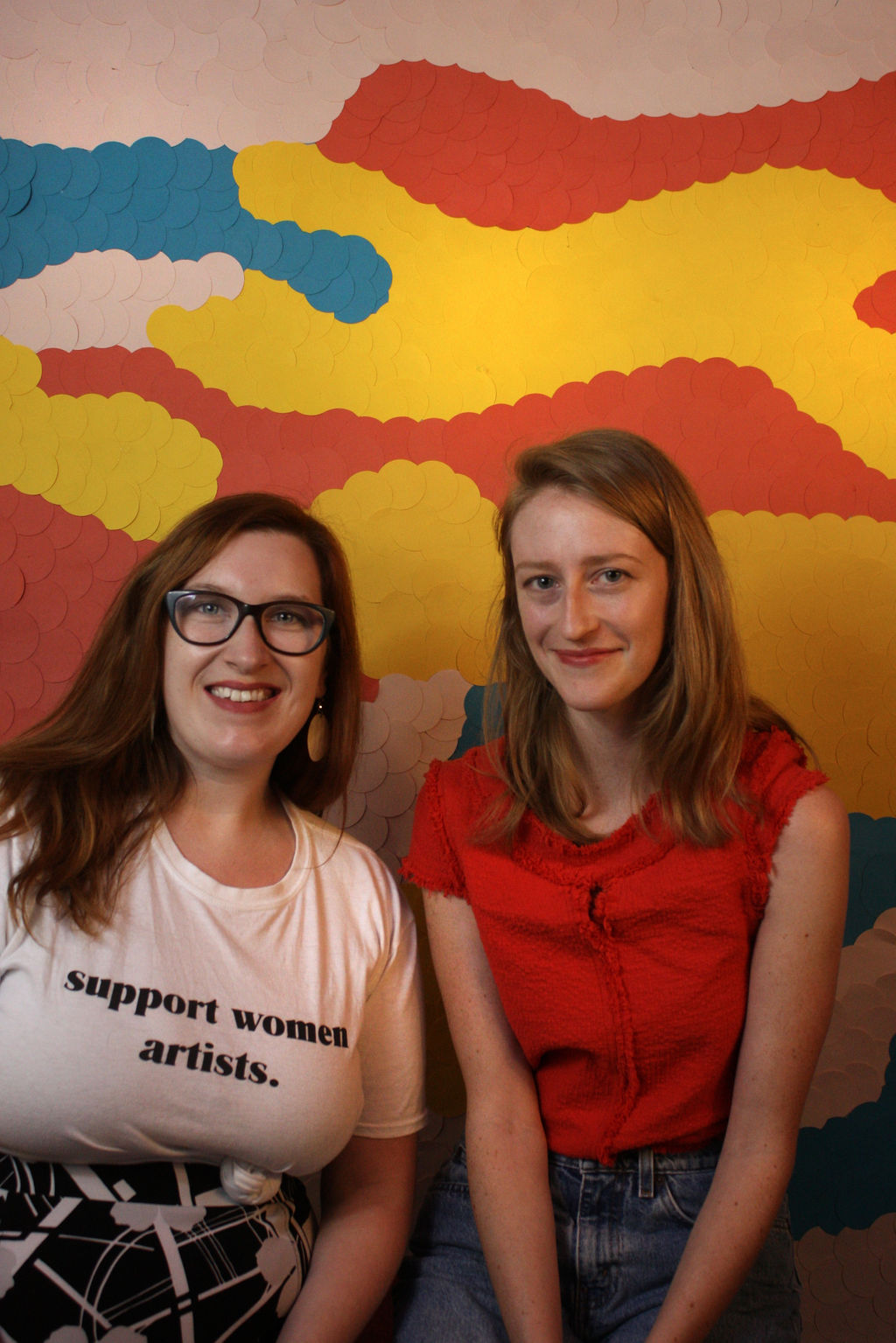
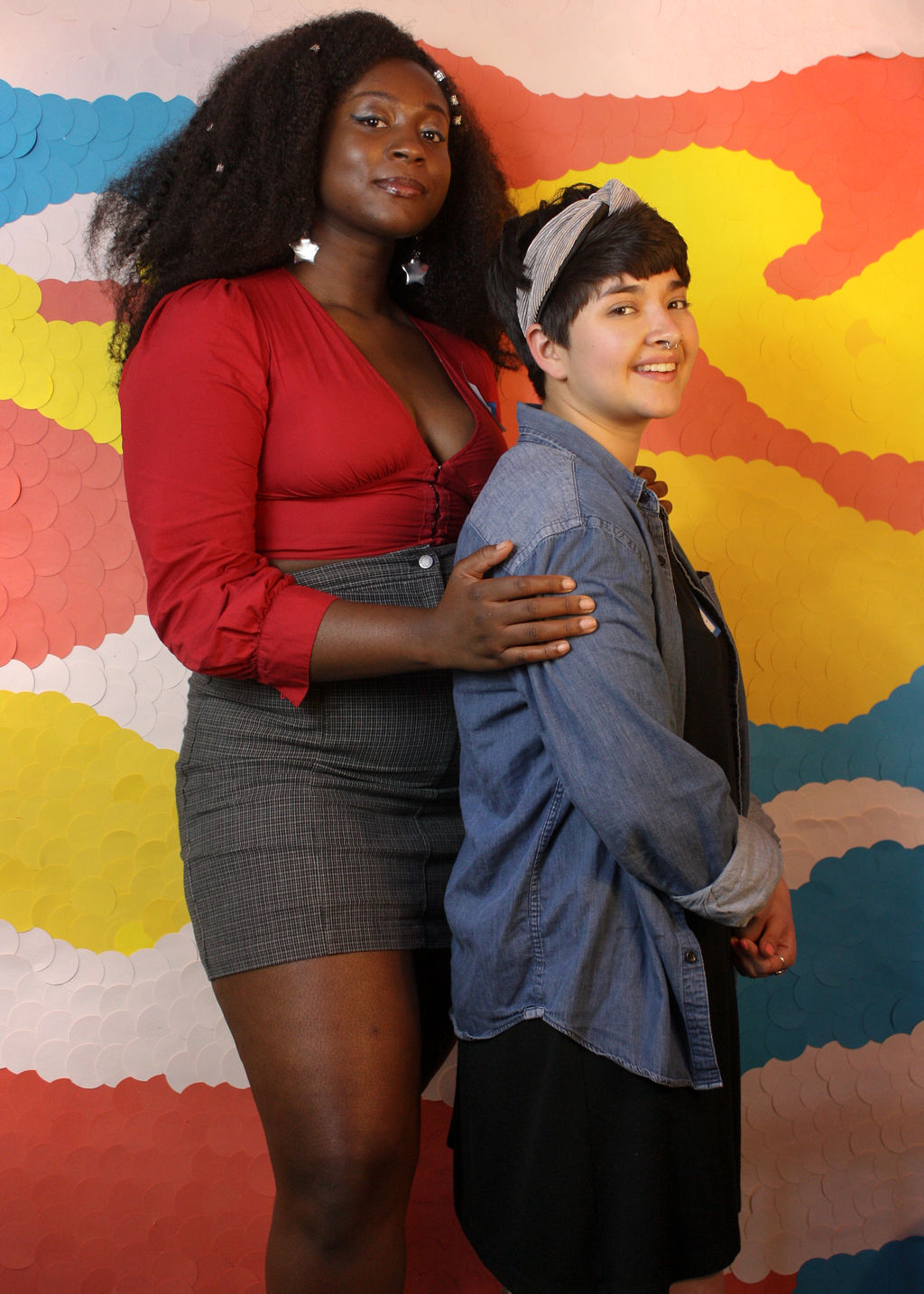
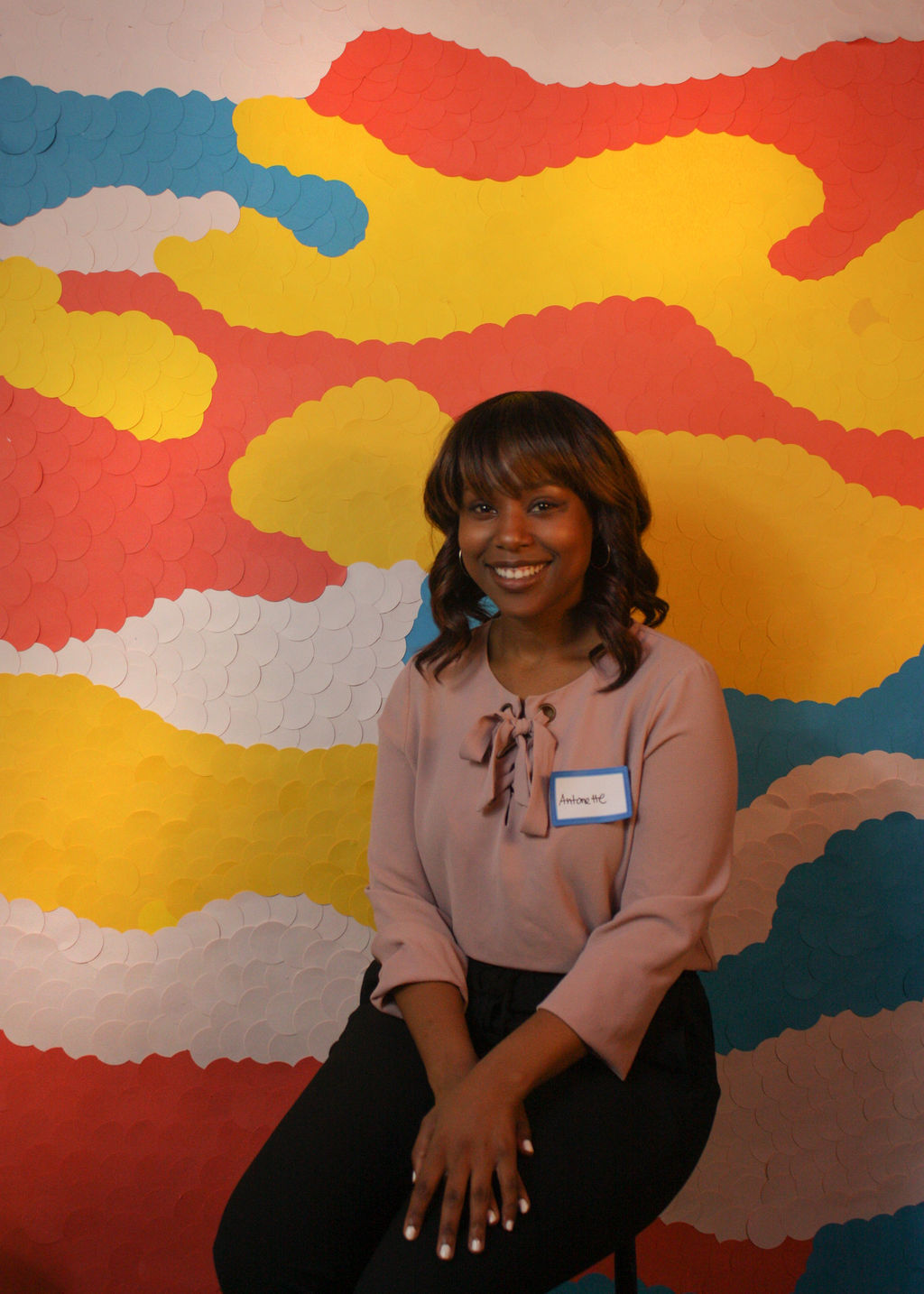
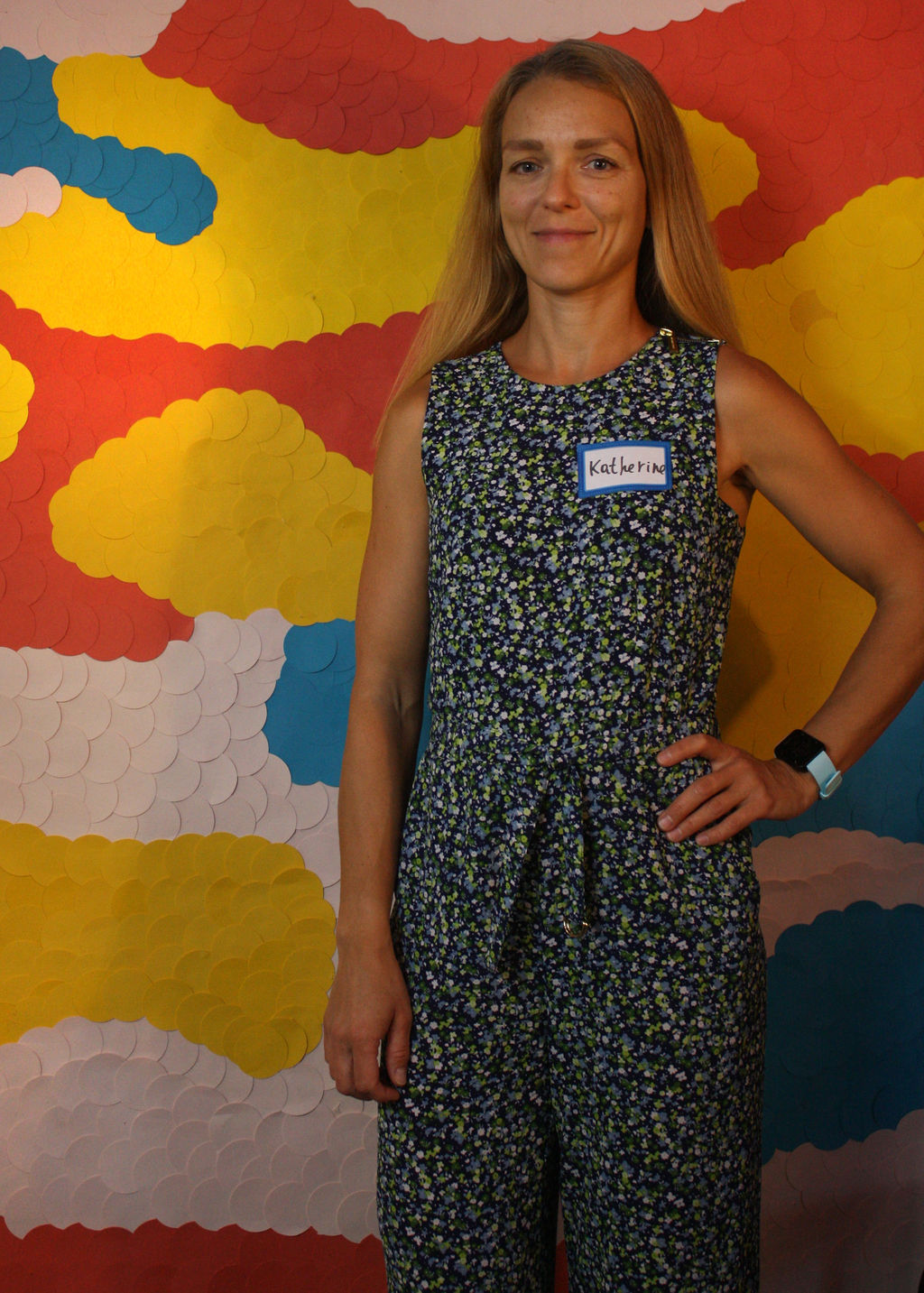
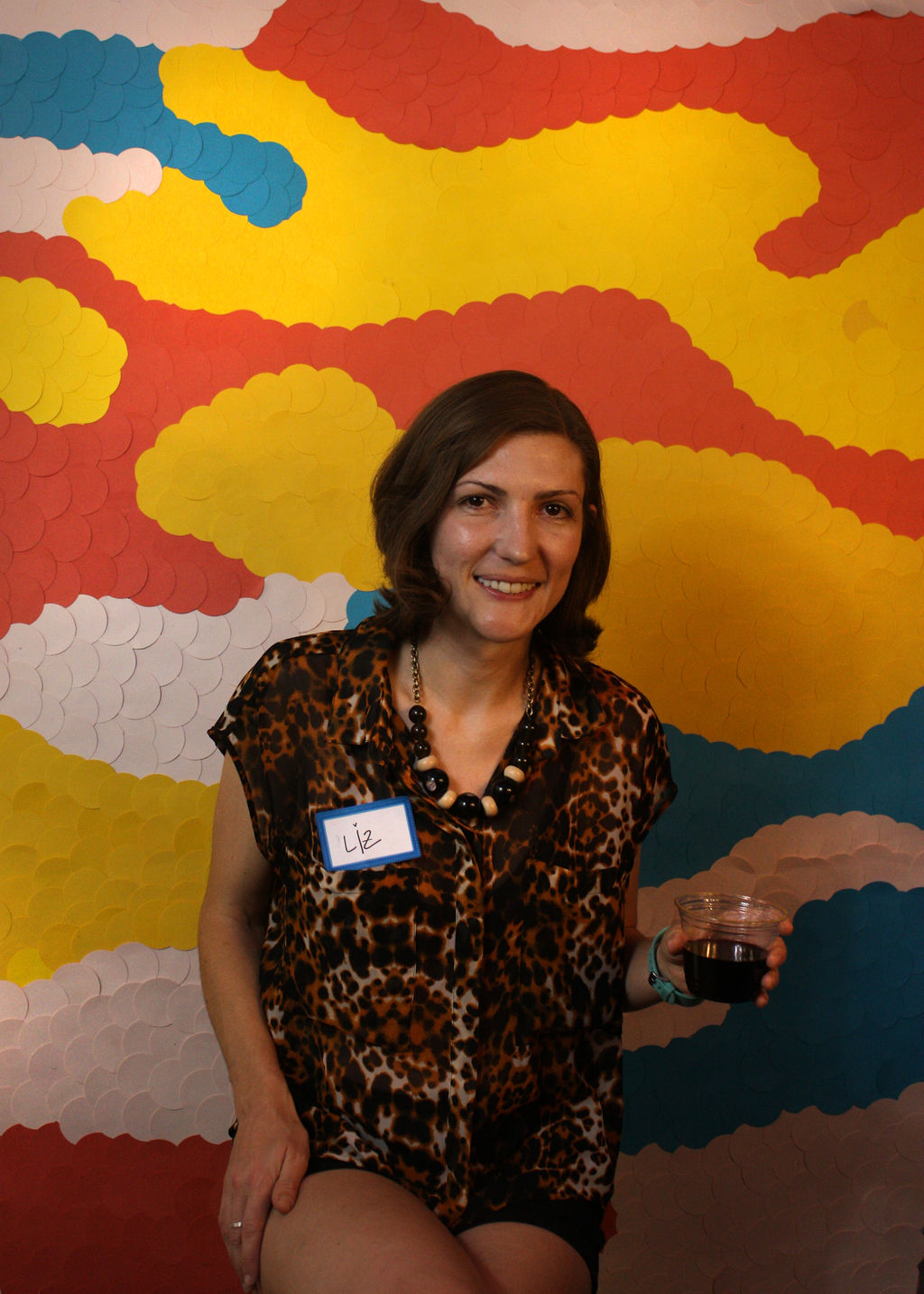
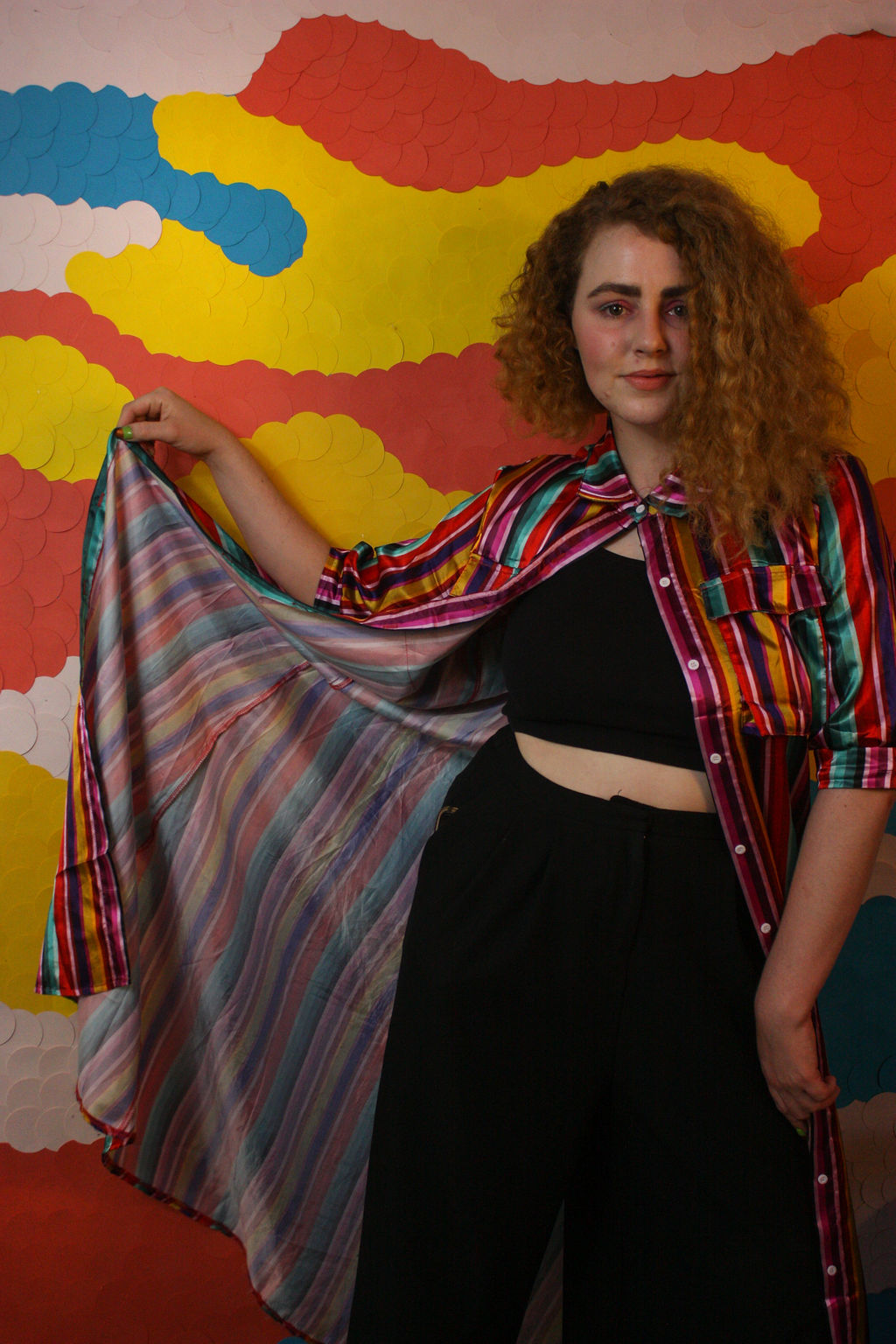
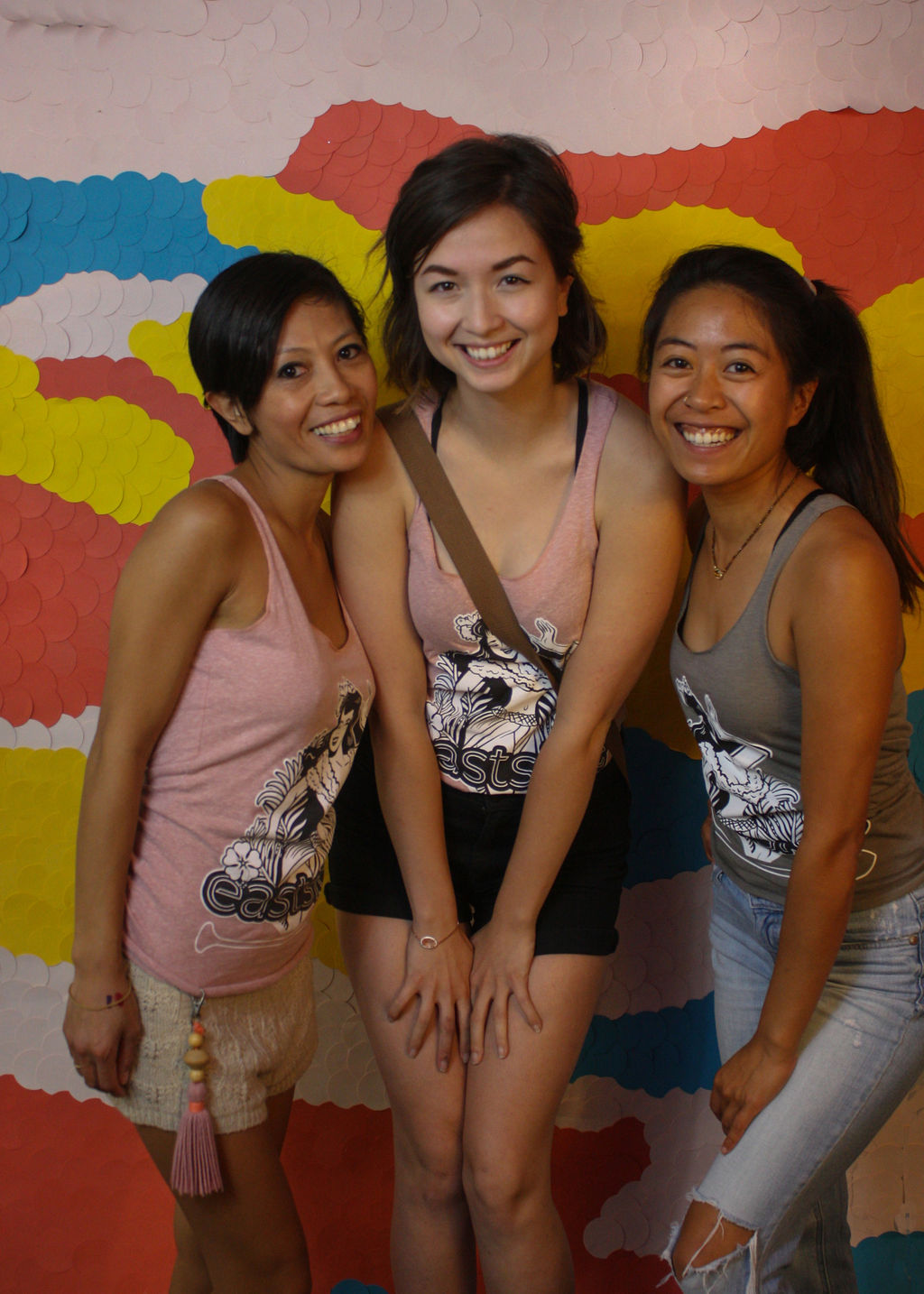
At our meet-up in May 2019, local photographer and artist Bailey Dieckman hand-crafted a photobooth demonstrating the ebbs and flows of synergy.
Our quarterly meets (held in February, May, August and November) are a space for people to meet the crew behind #bossbabesATX and members of our community. At our meet-up in May 2019, local photographer and artist Bailey Dieckman hand-crafted a photobooth demonstrating the ebbs and flows of synergy.
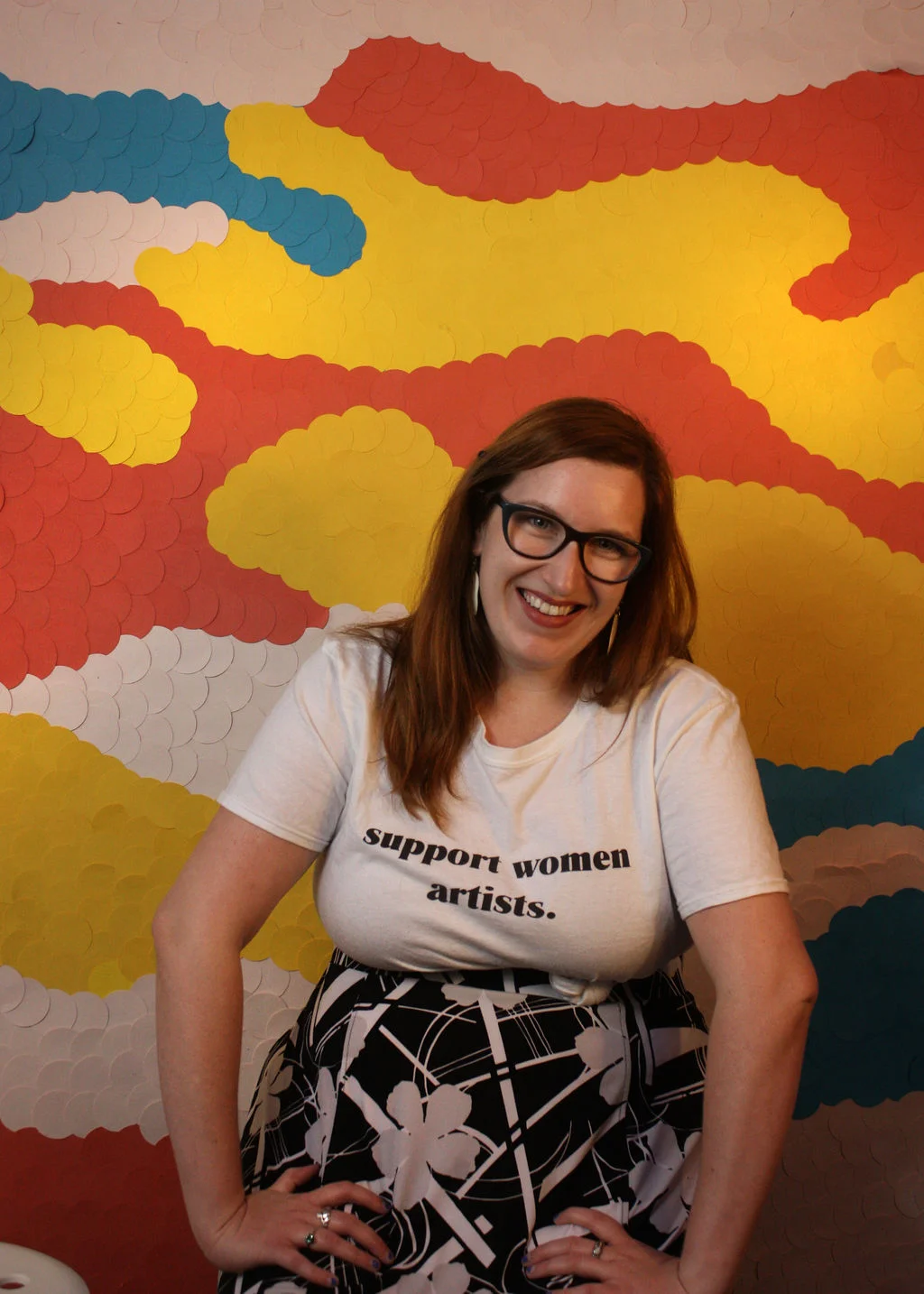
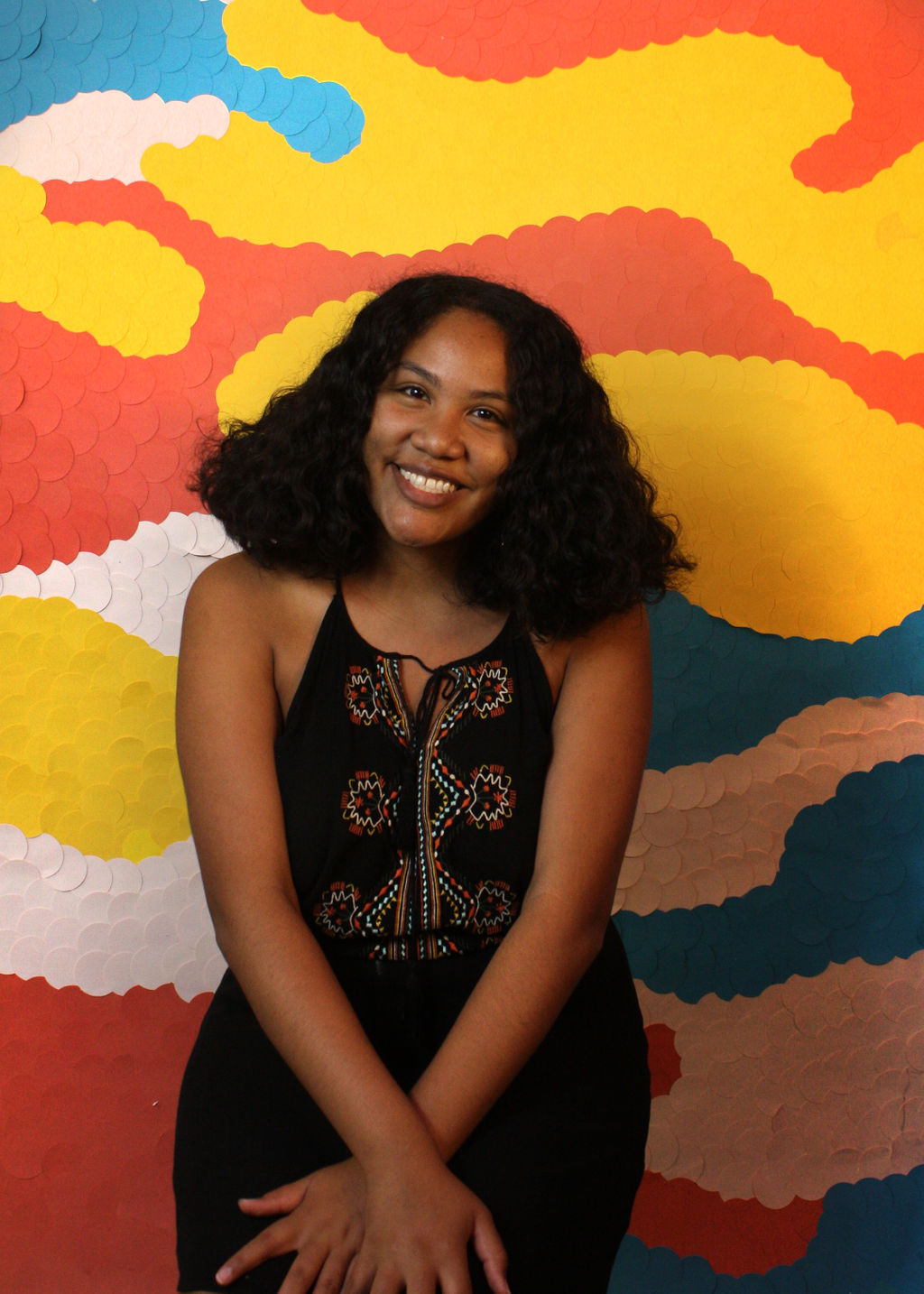
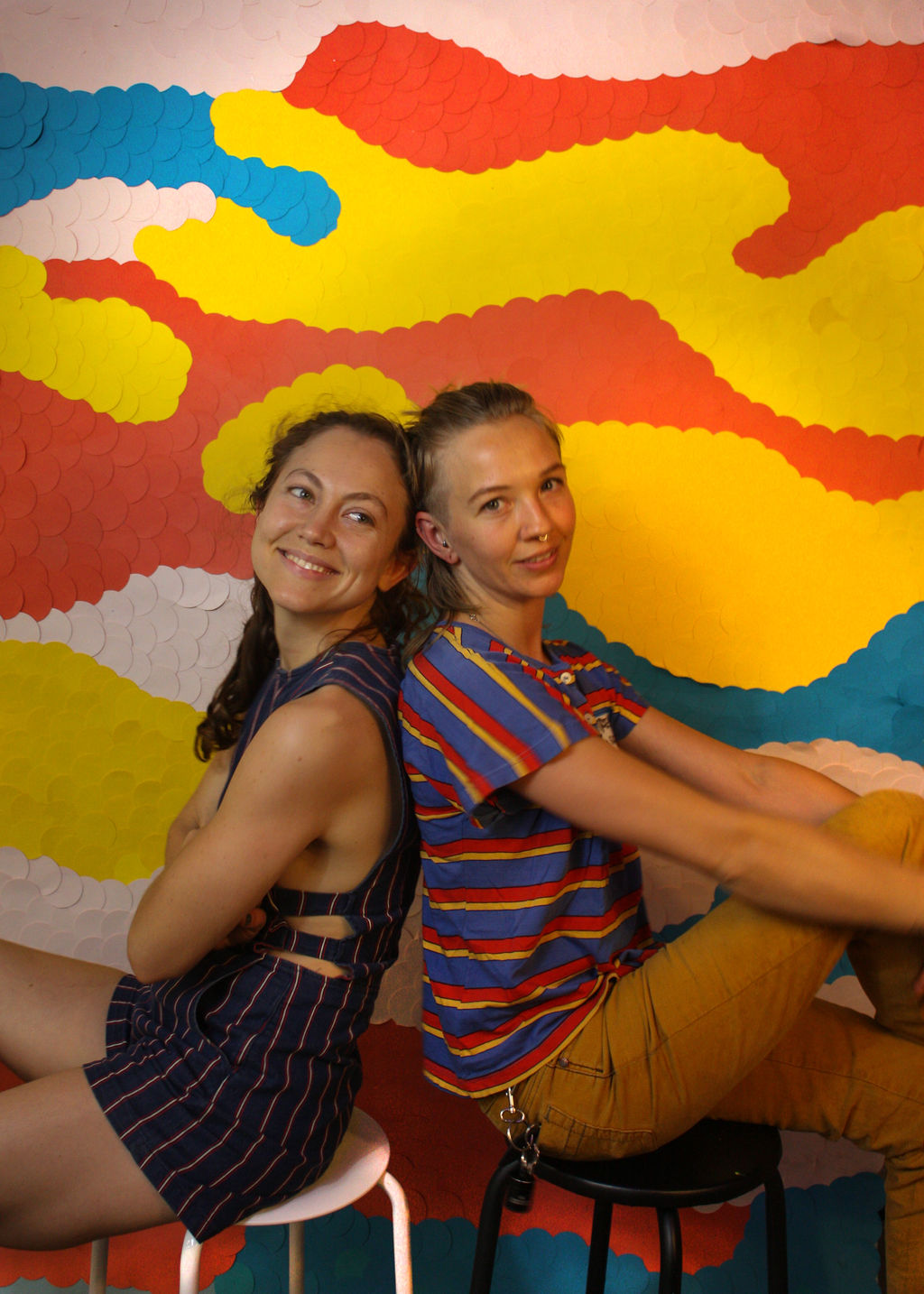
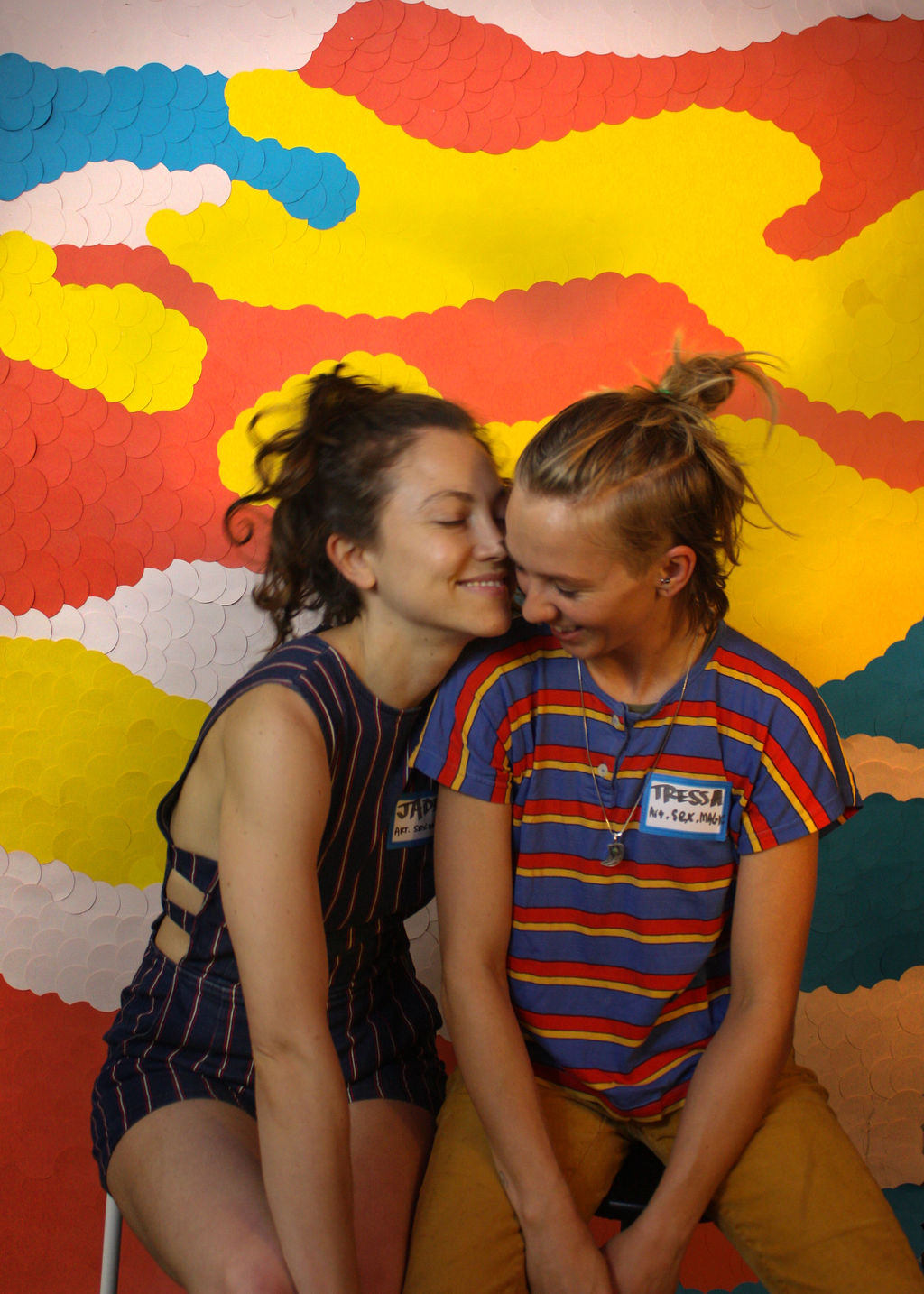
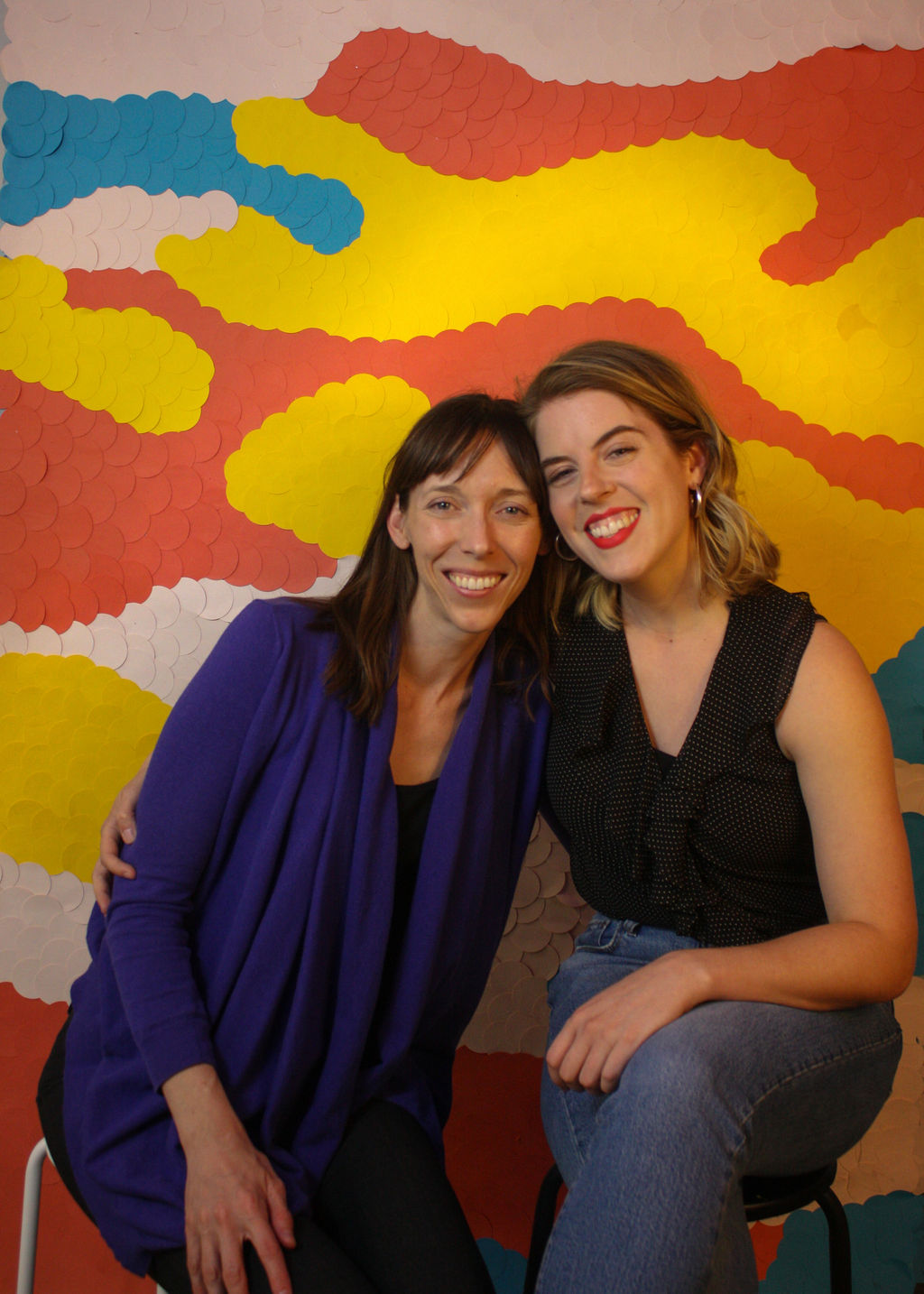
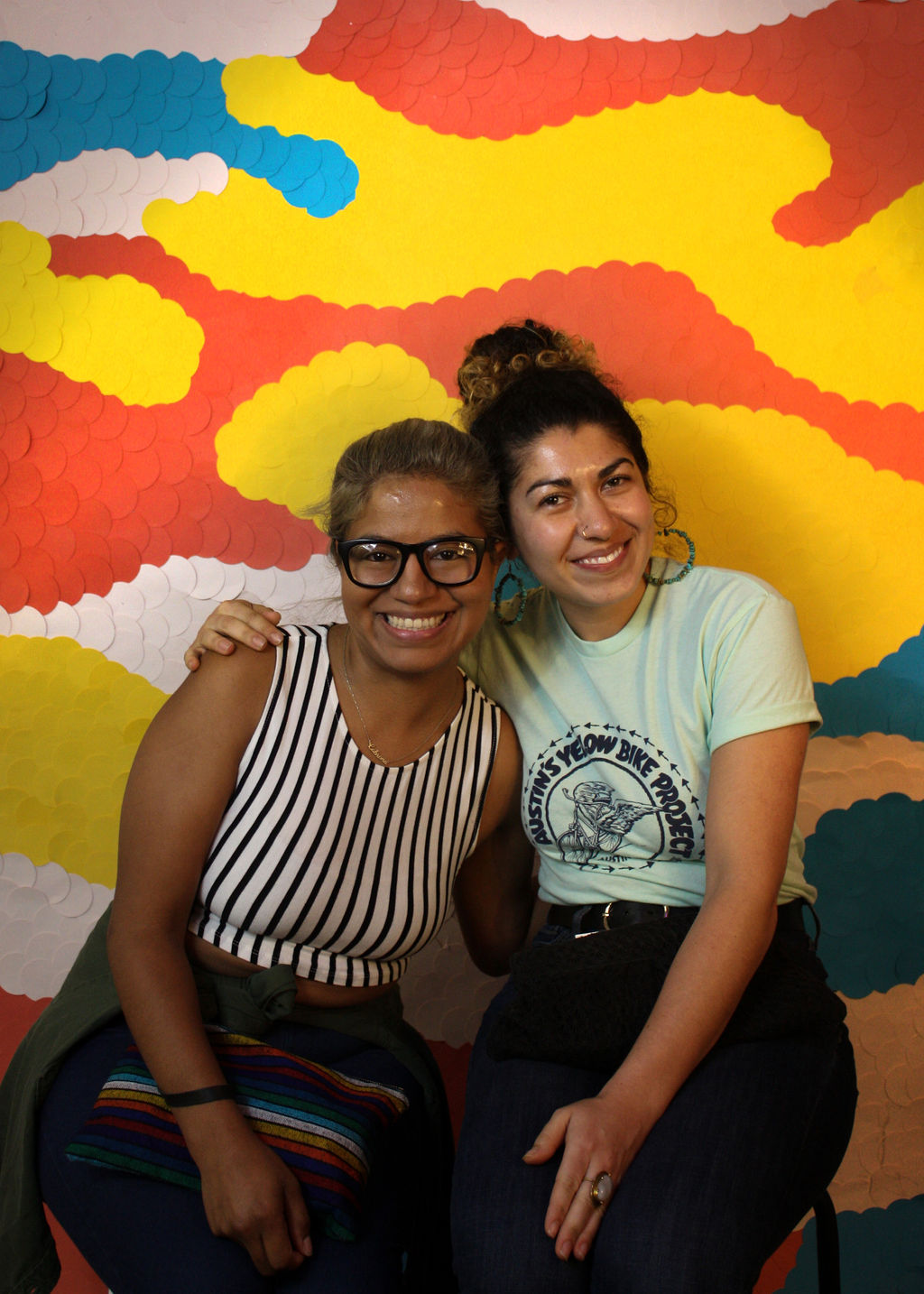
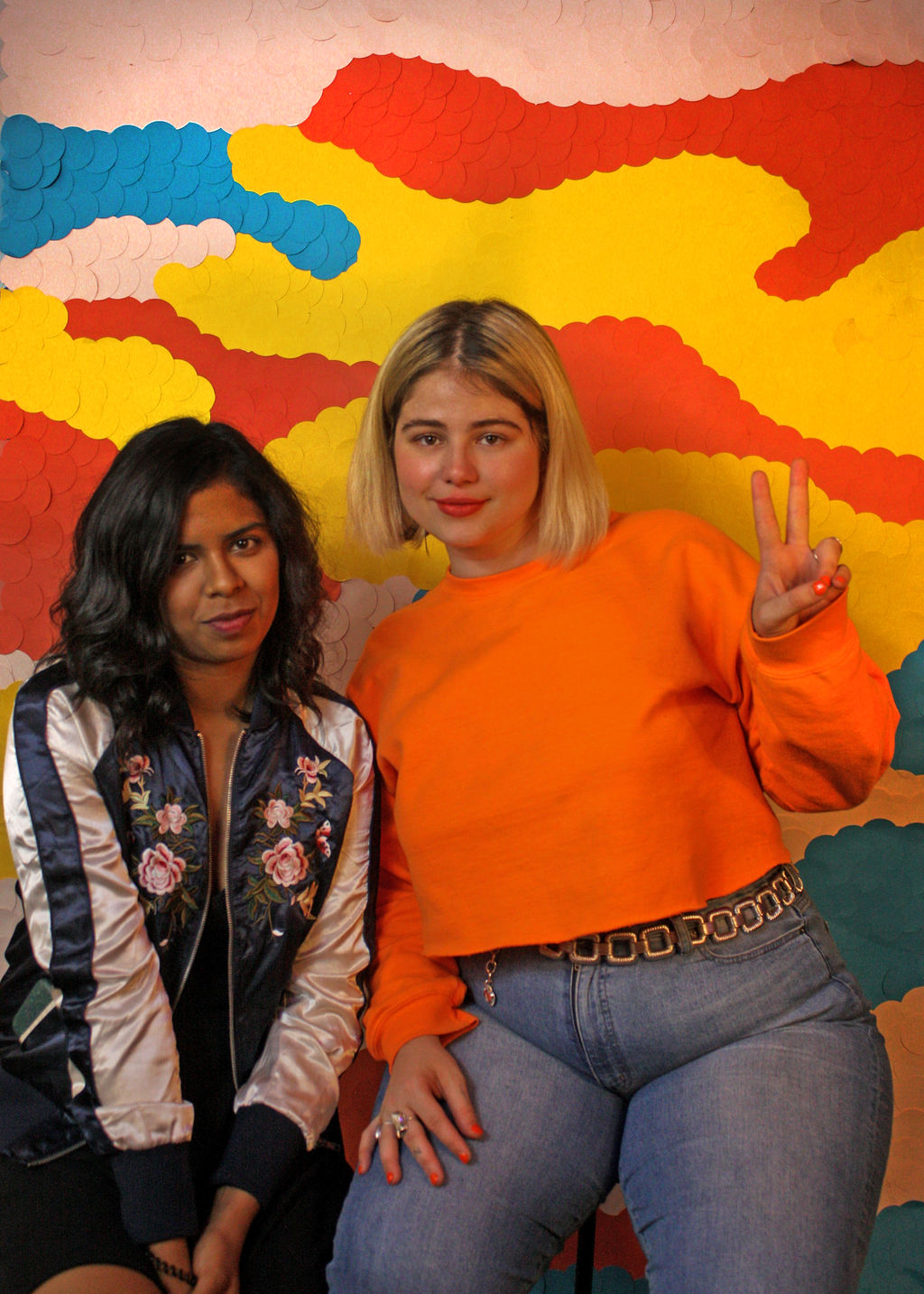
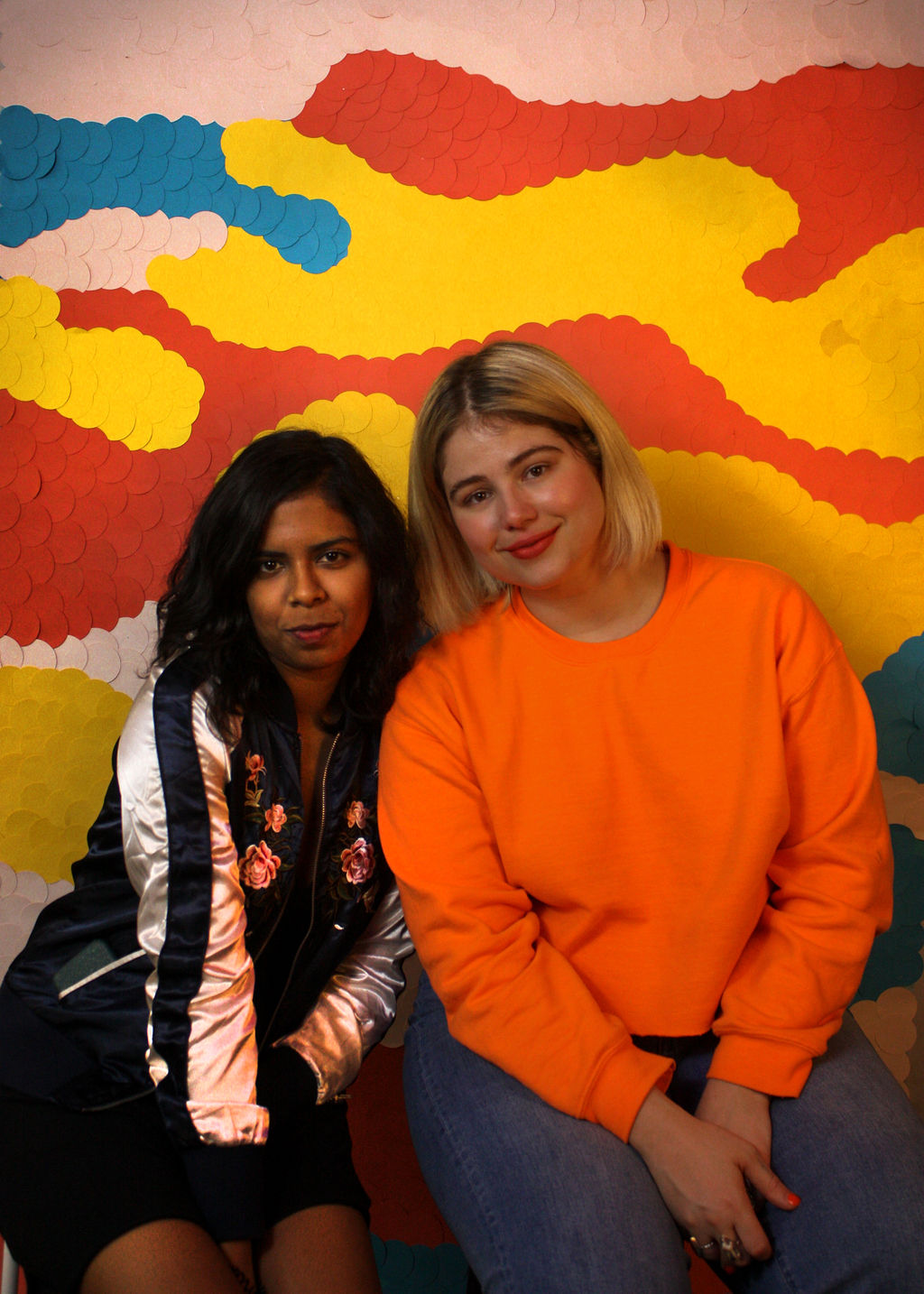
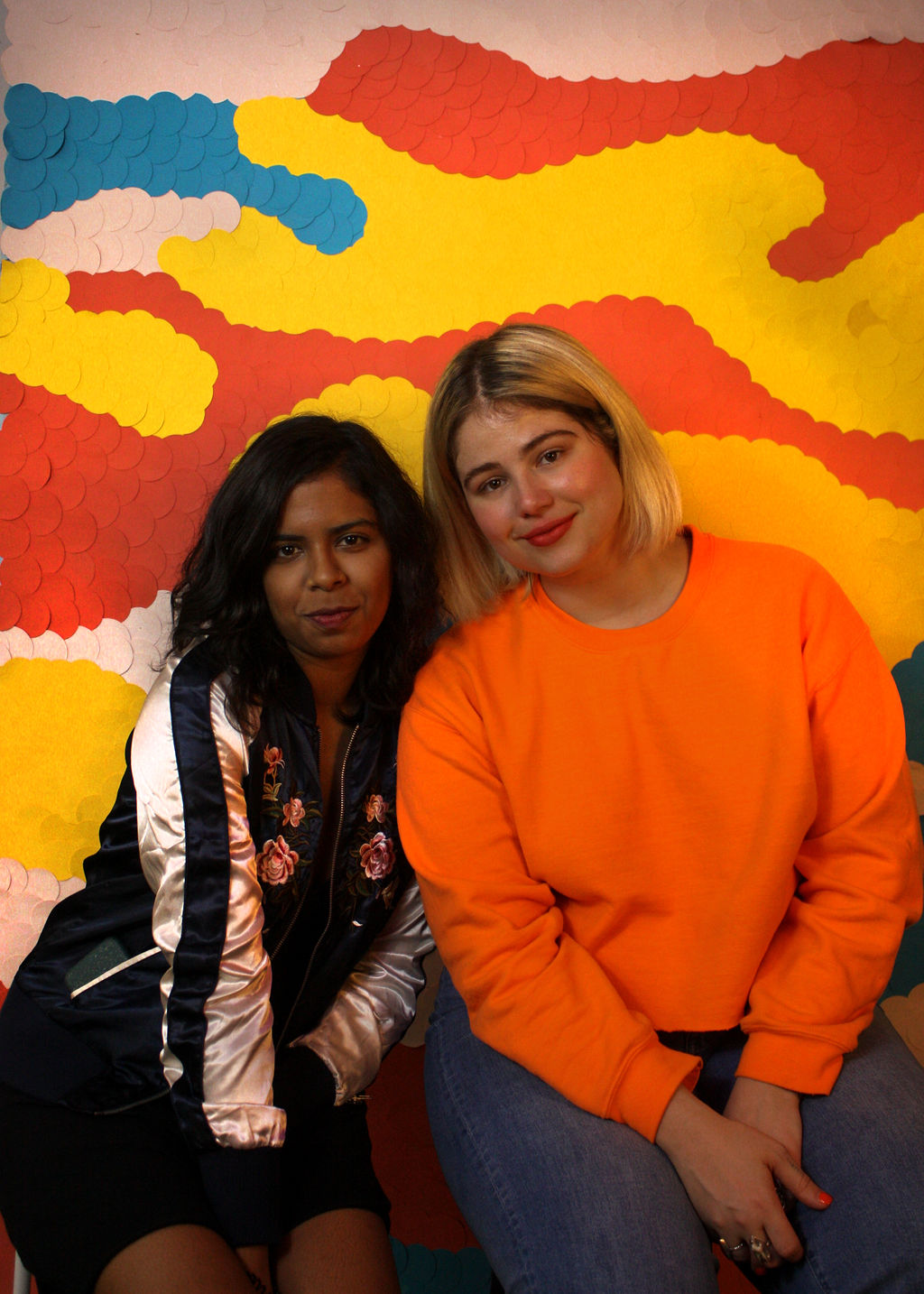
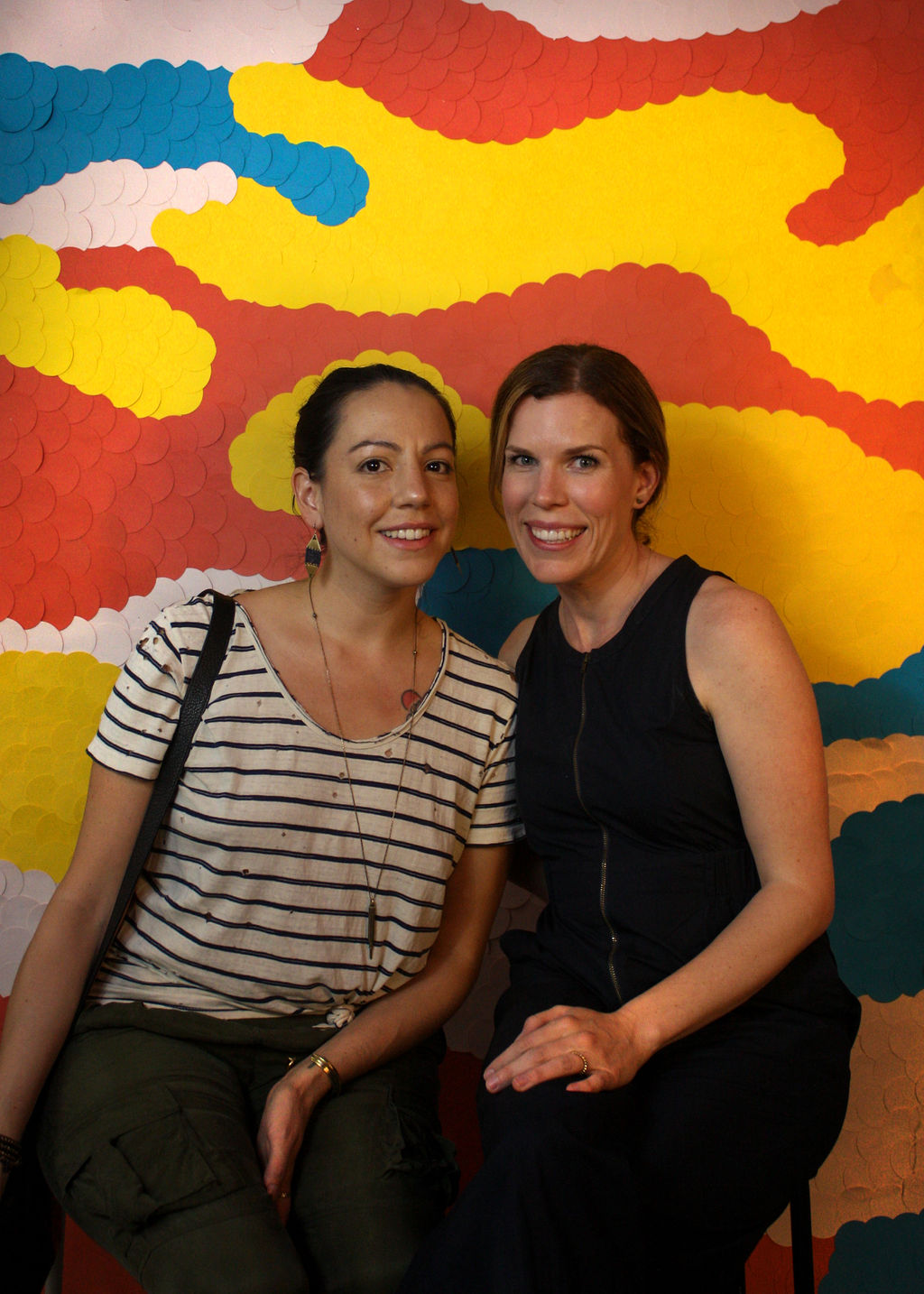
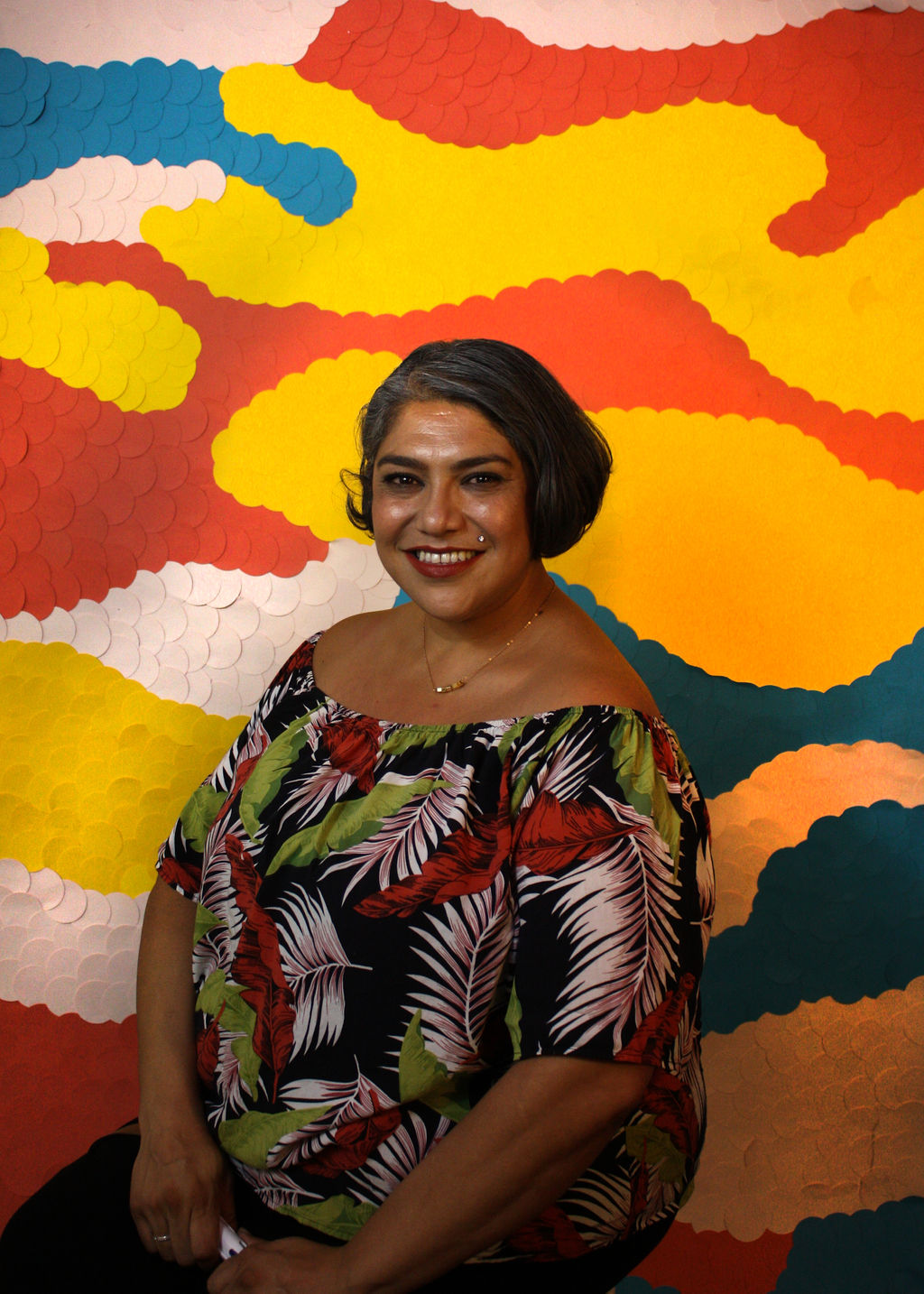
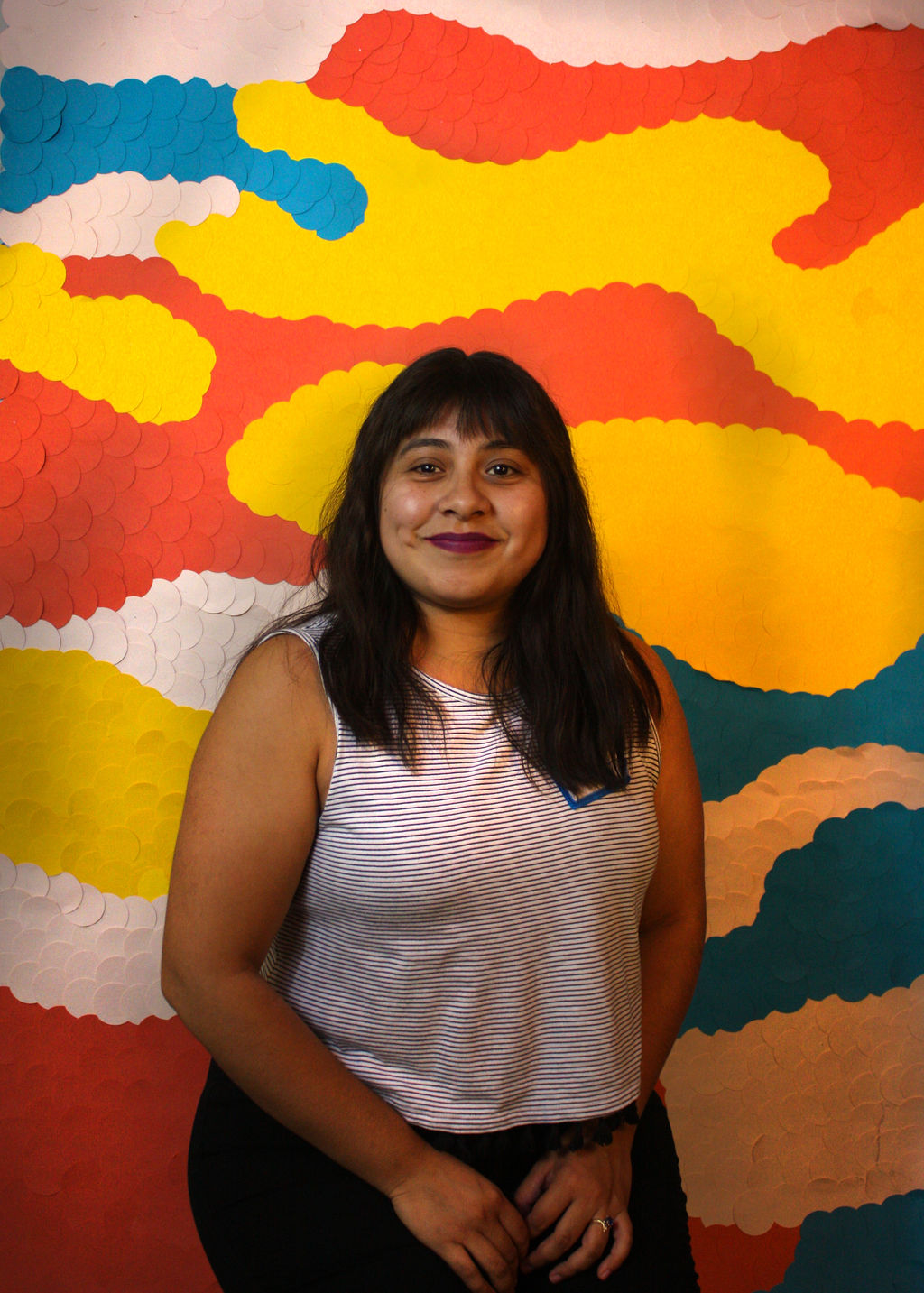
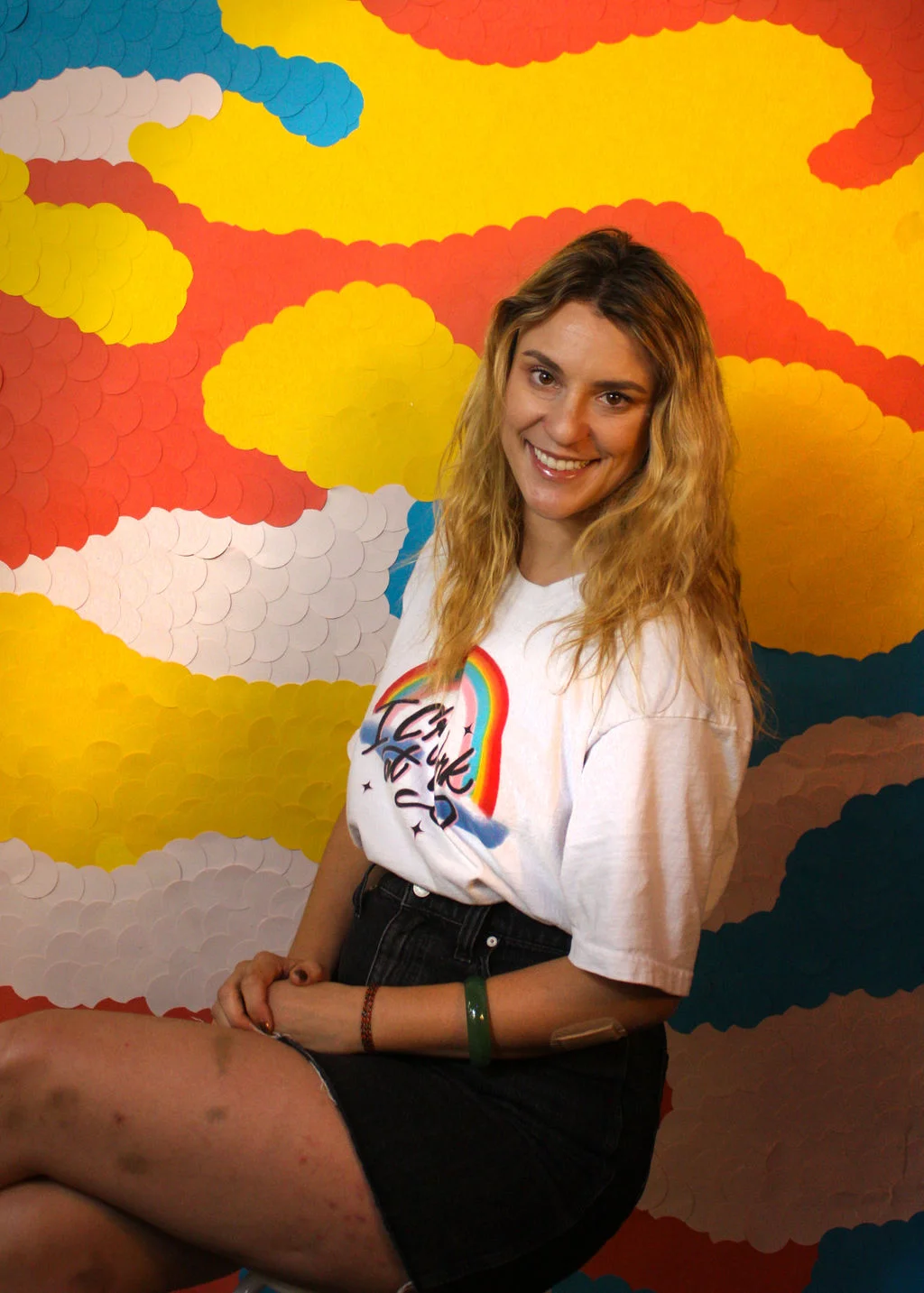
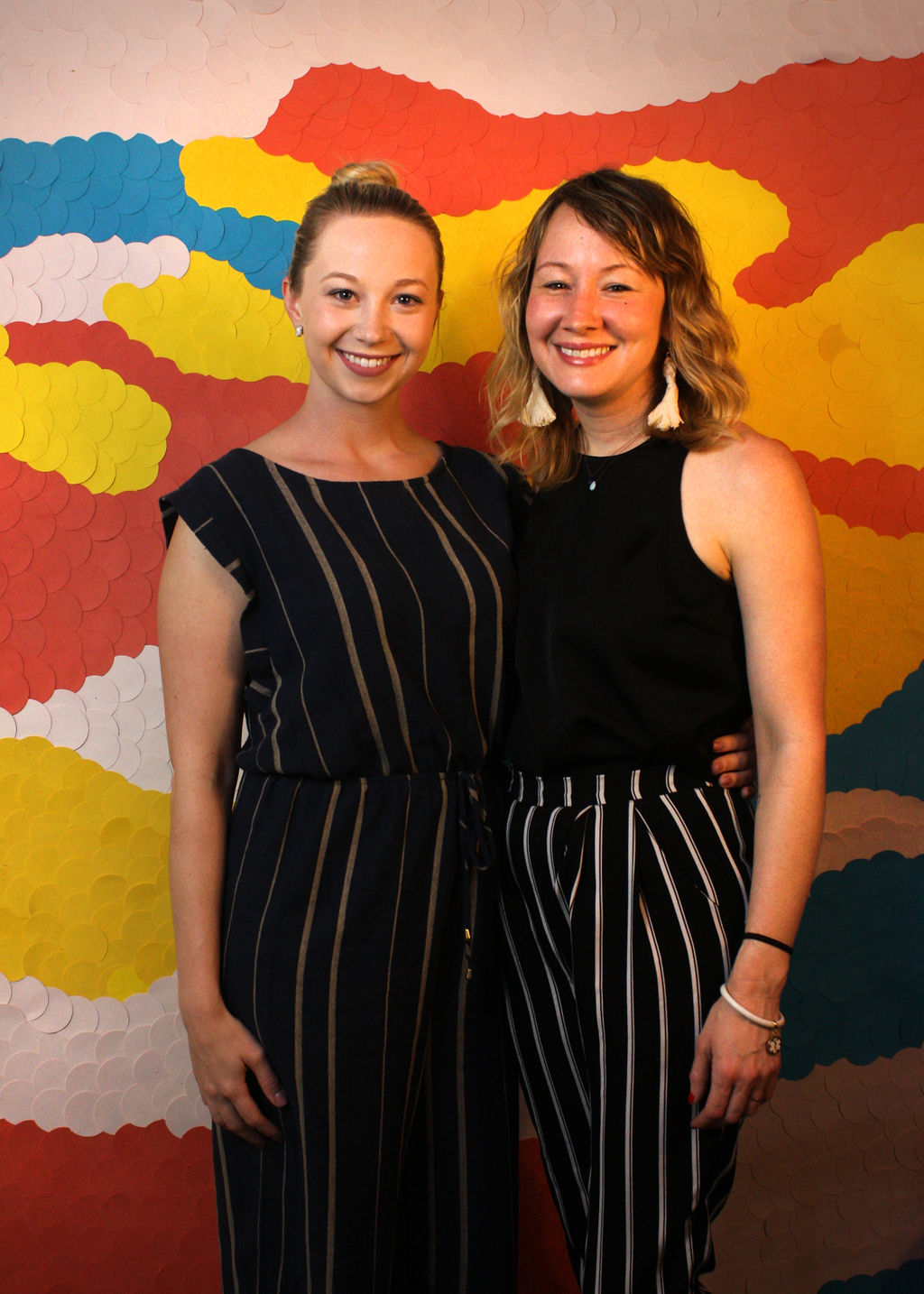
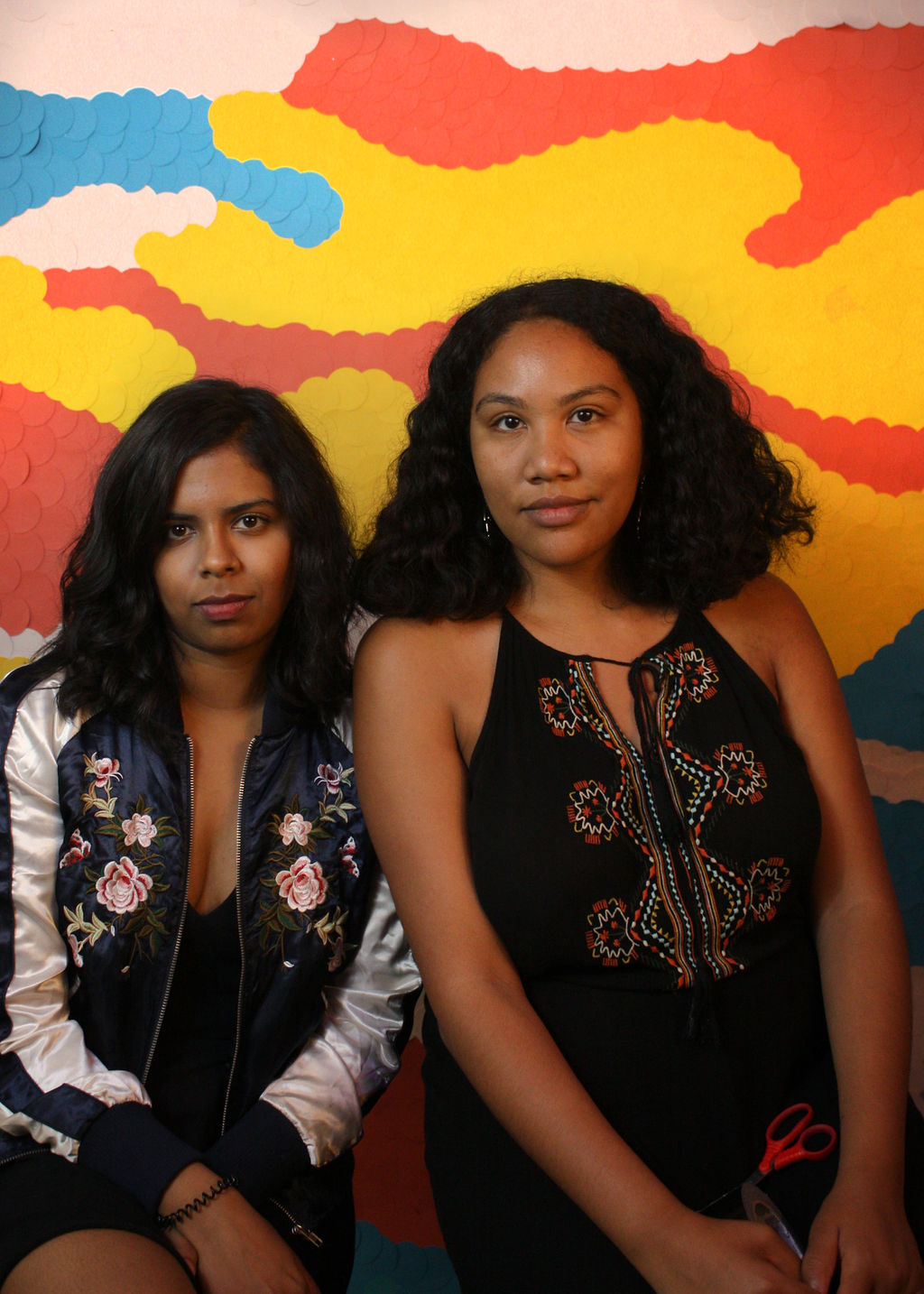
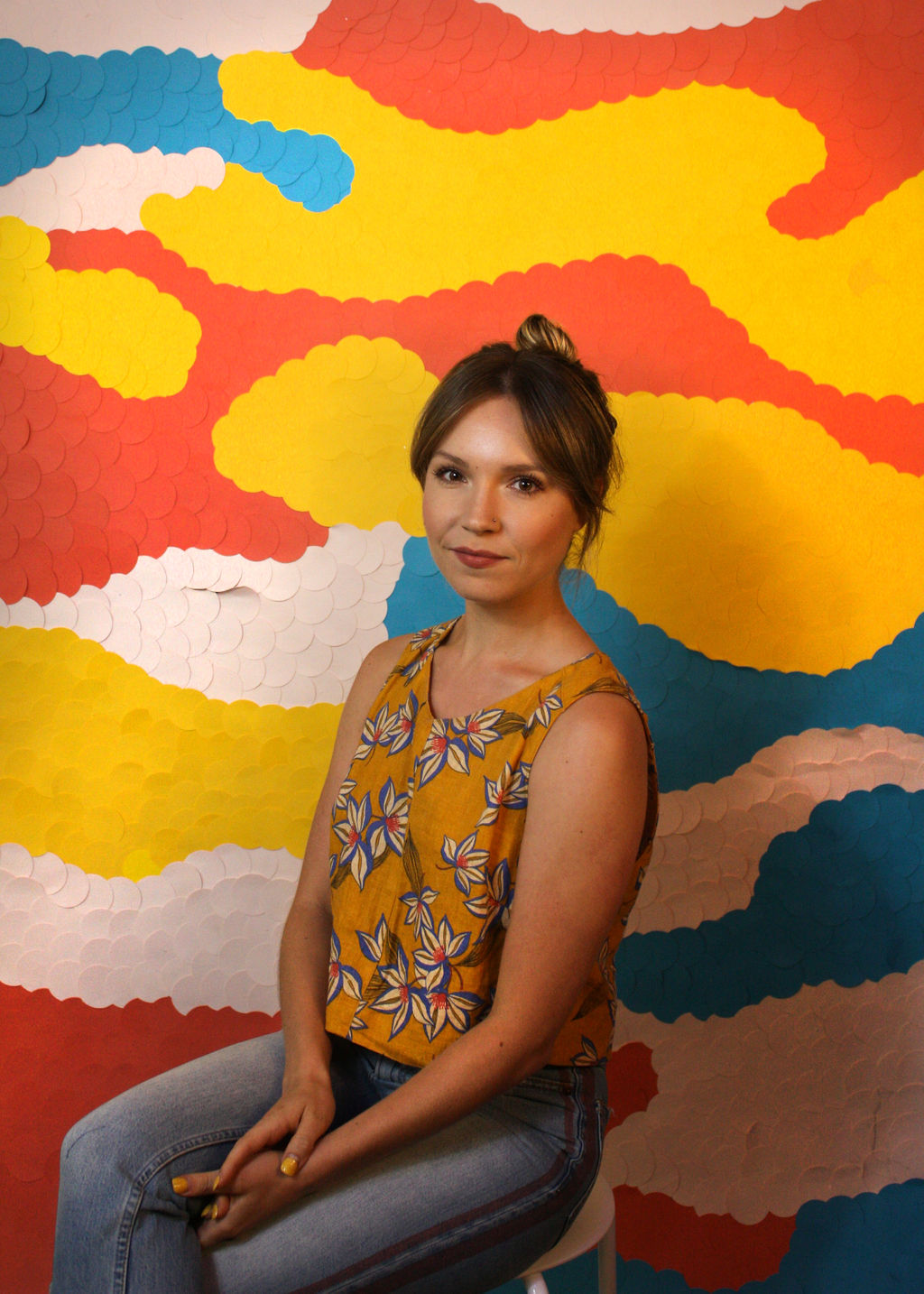
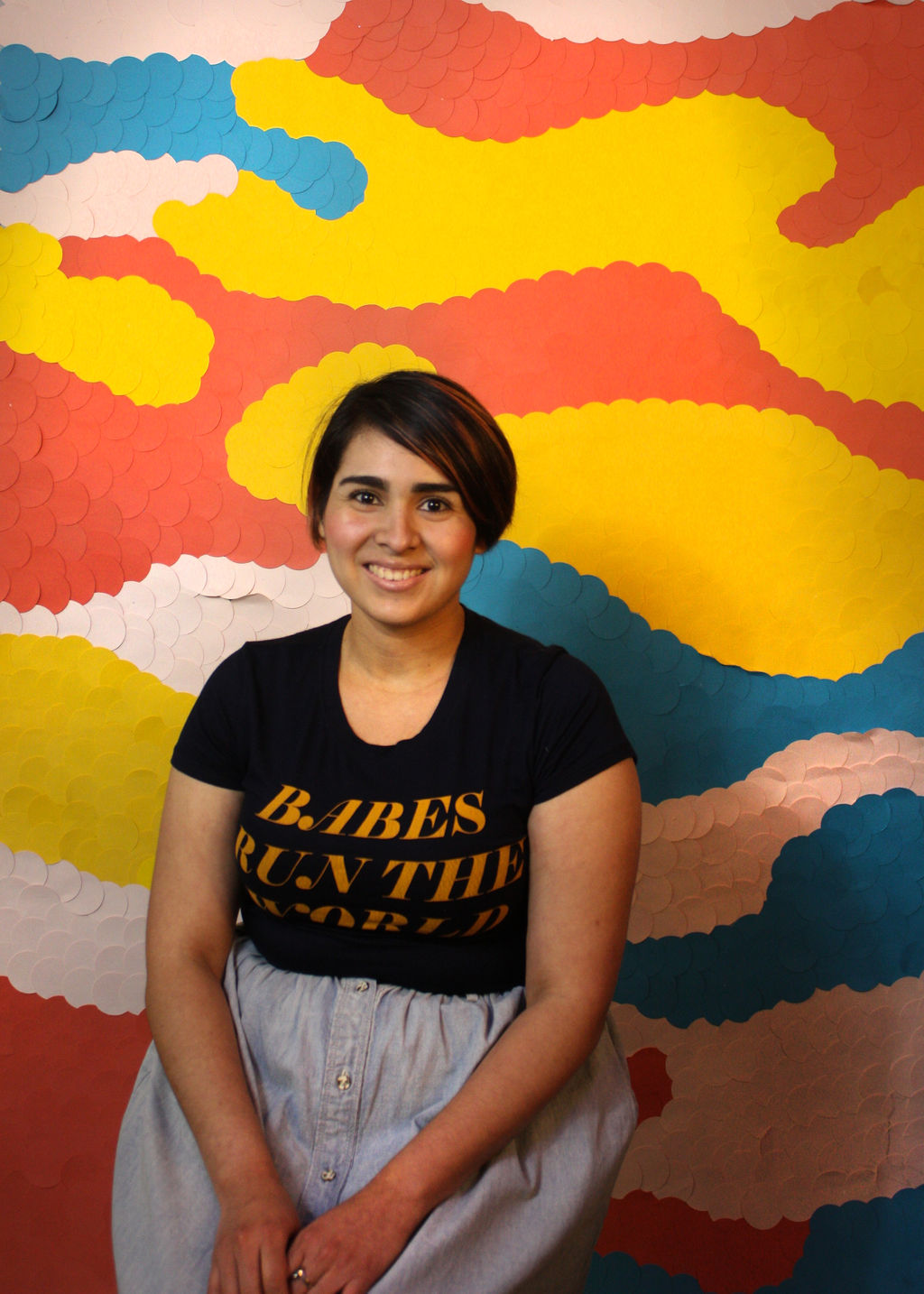
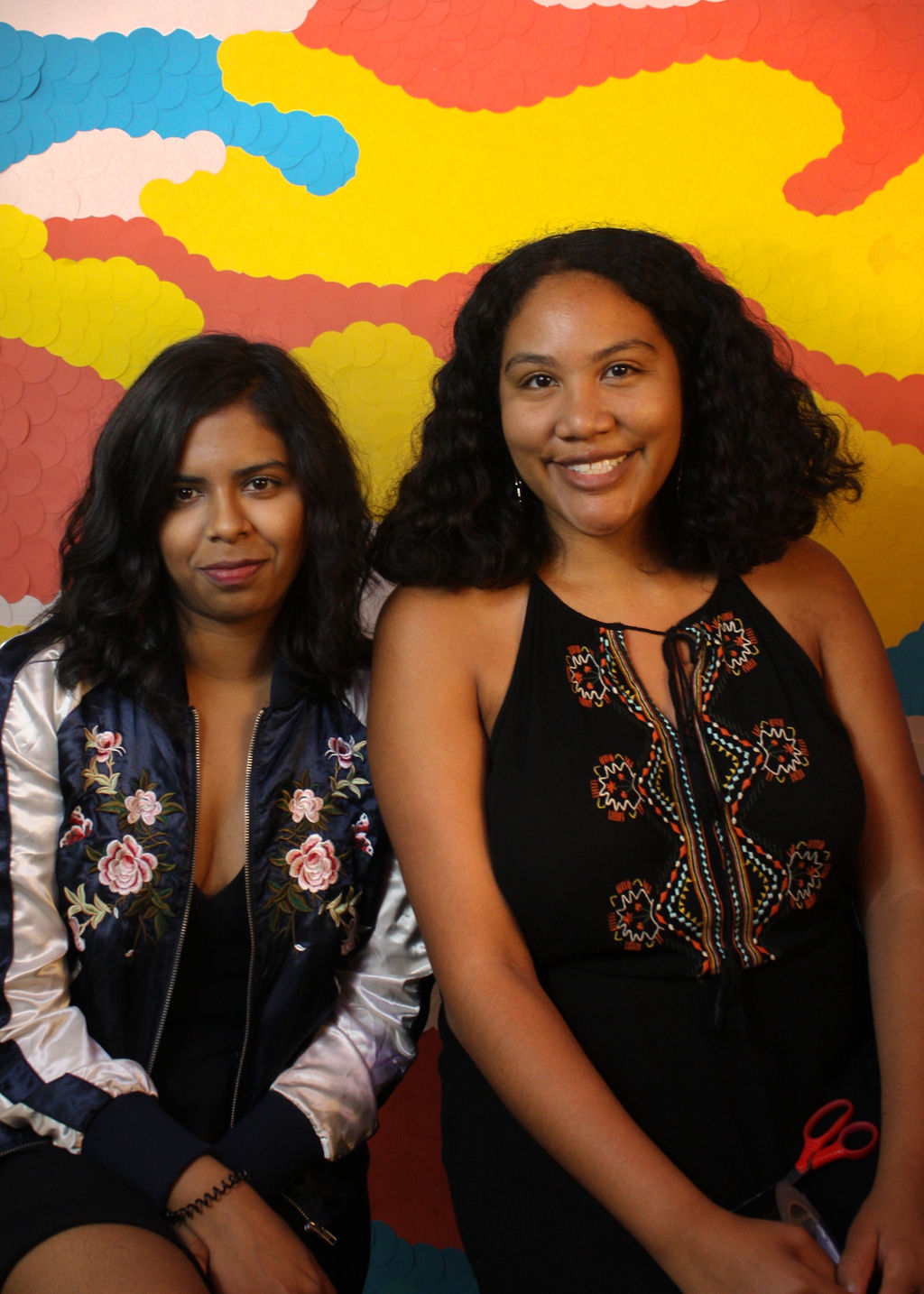
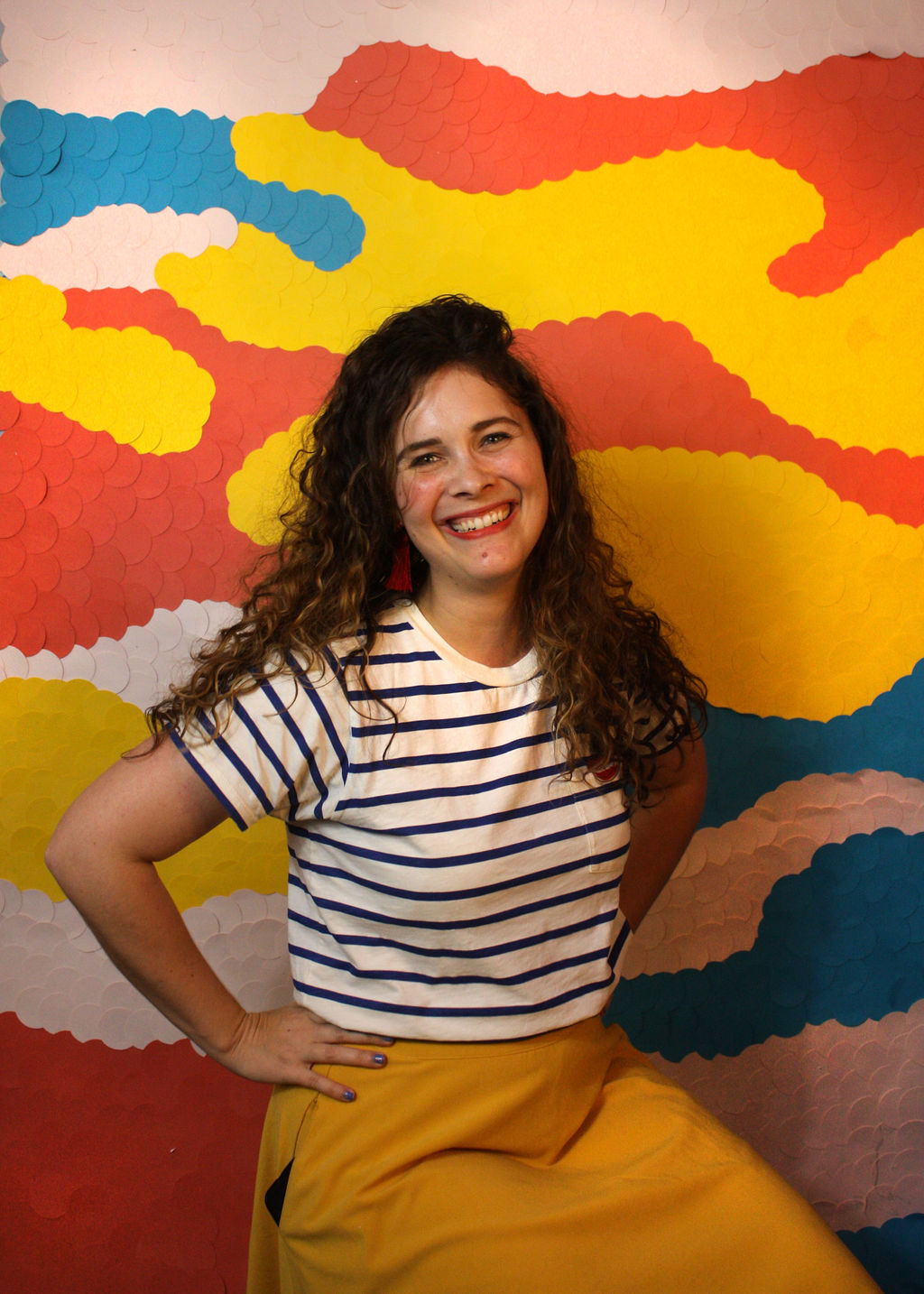
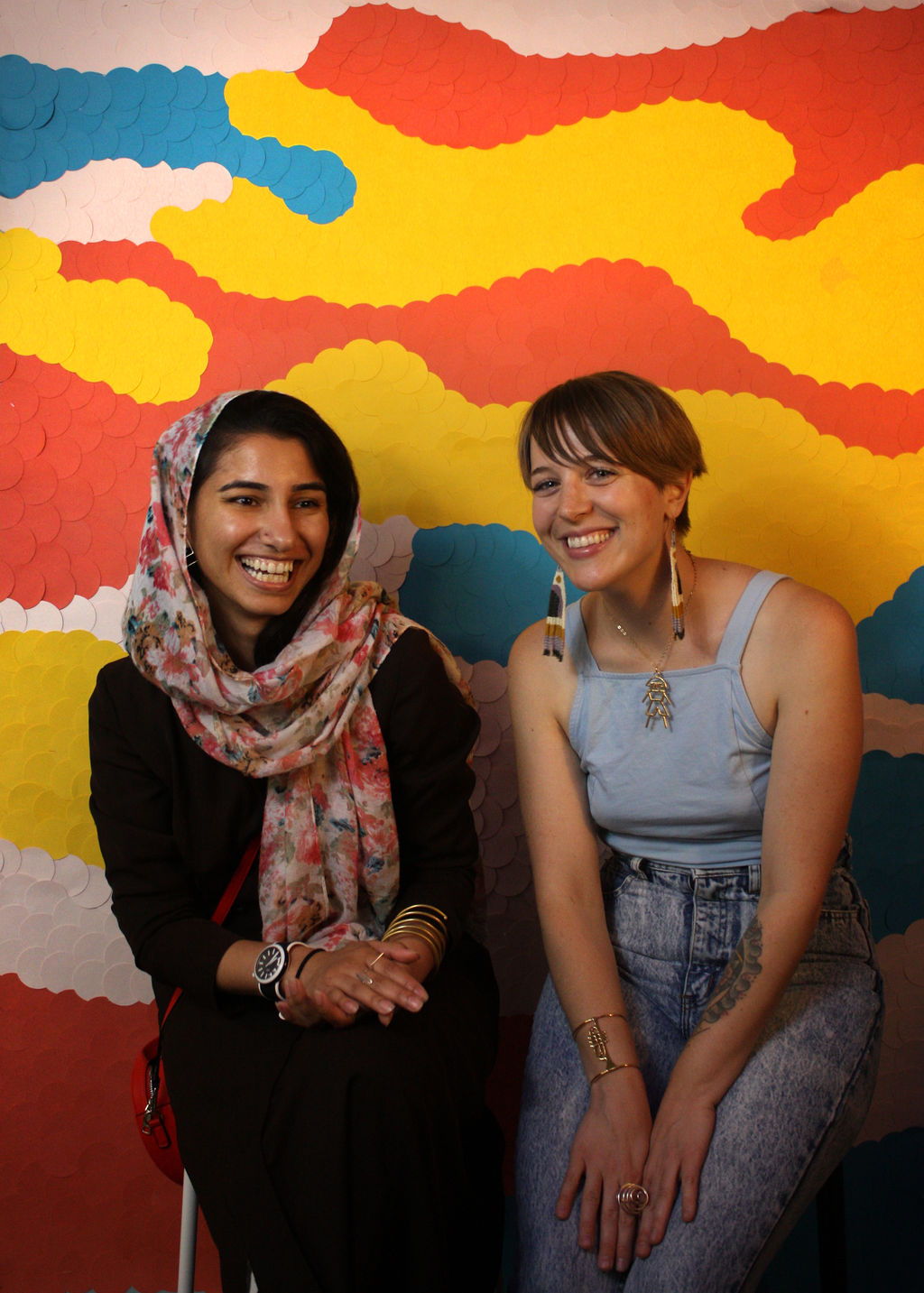
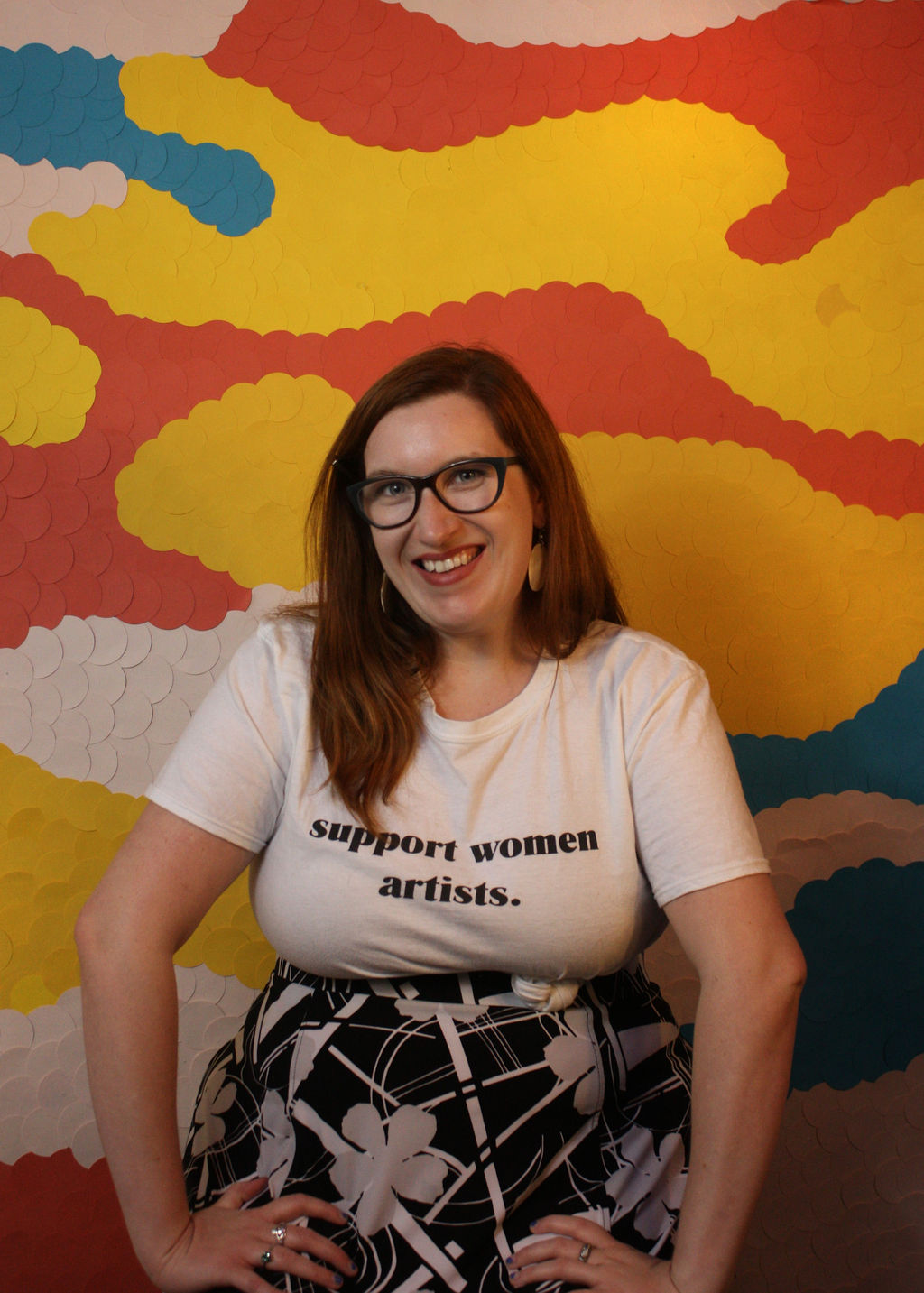
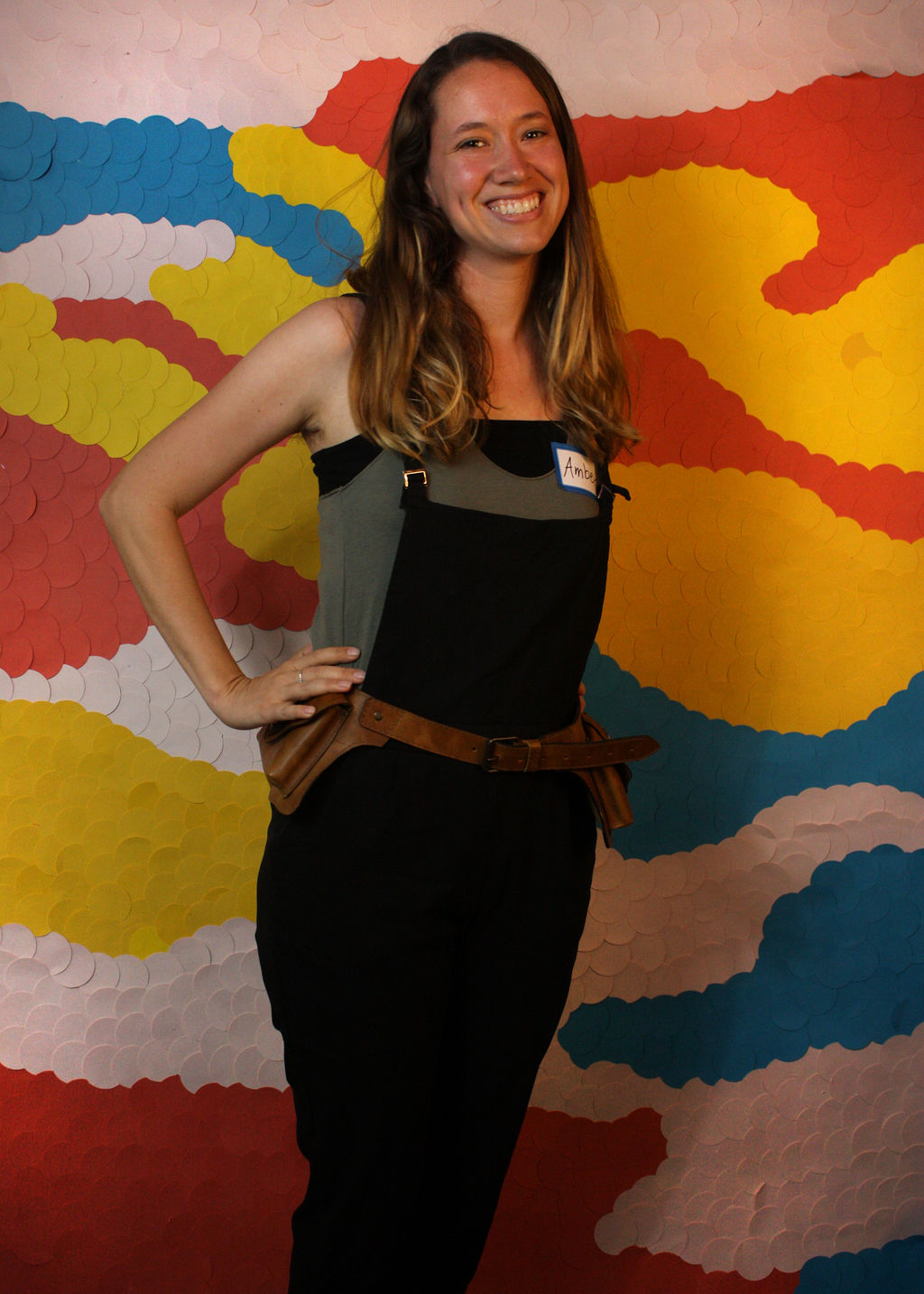

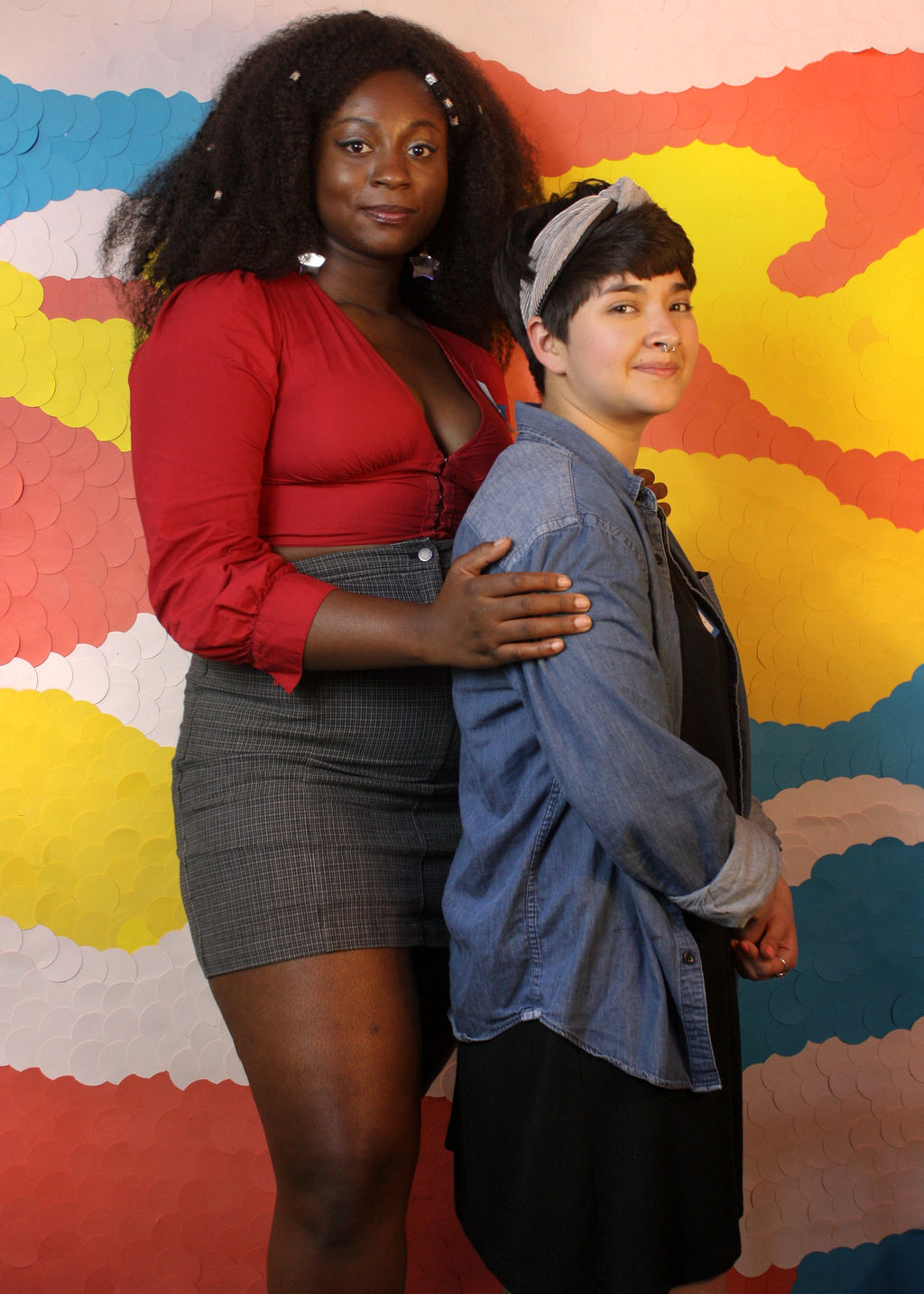
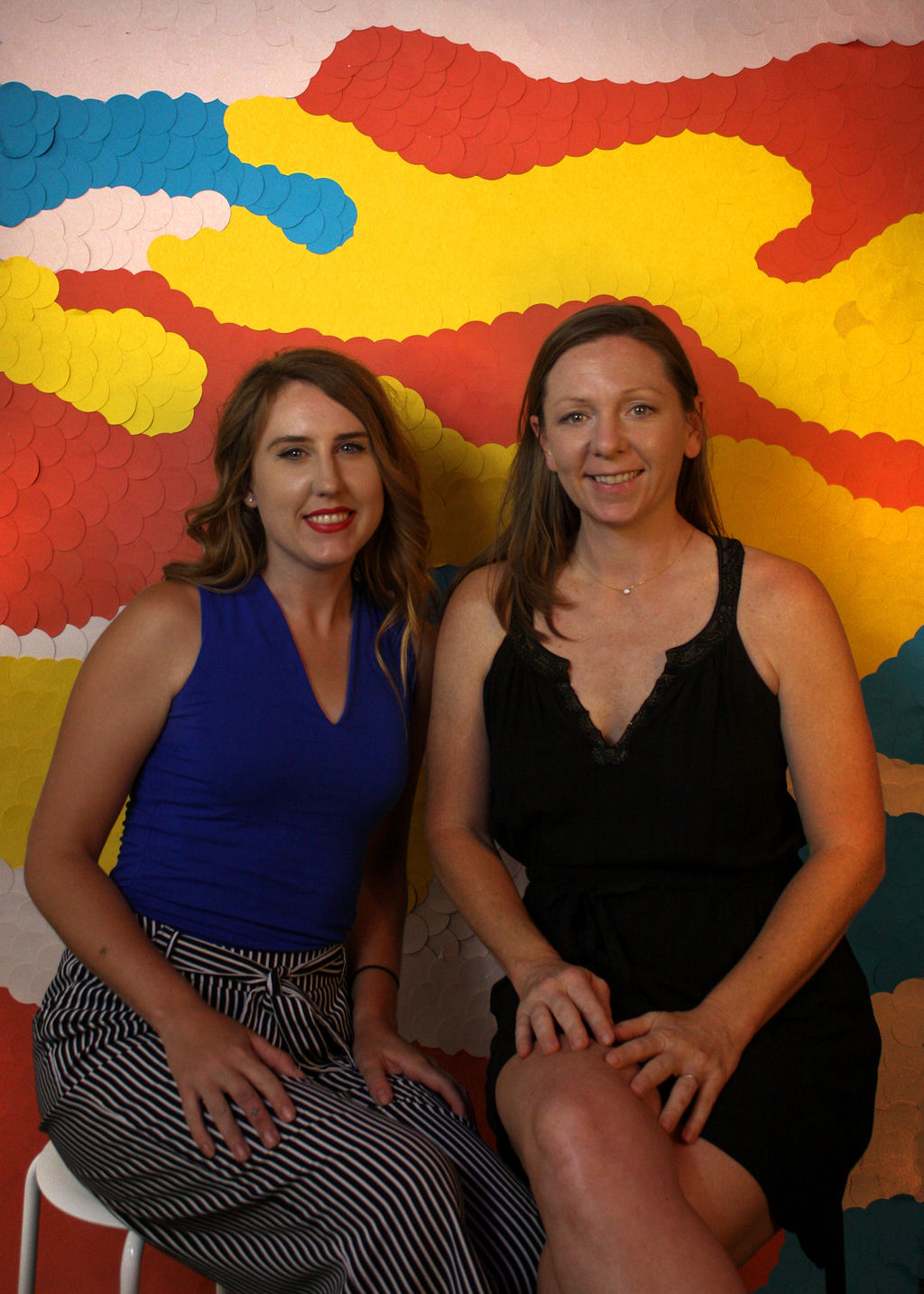
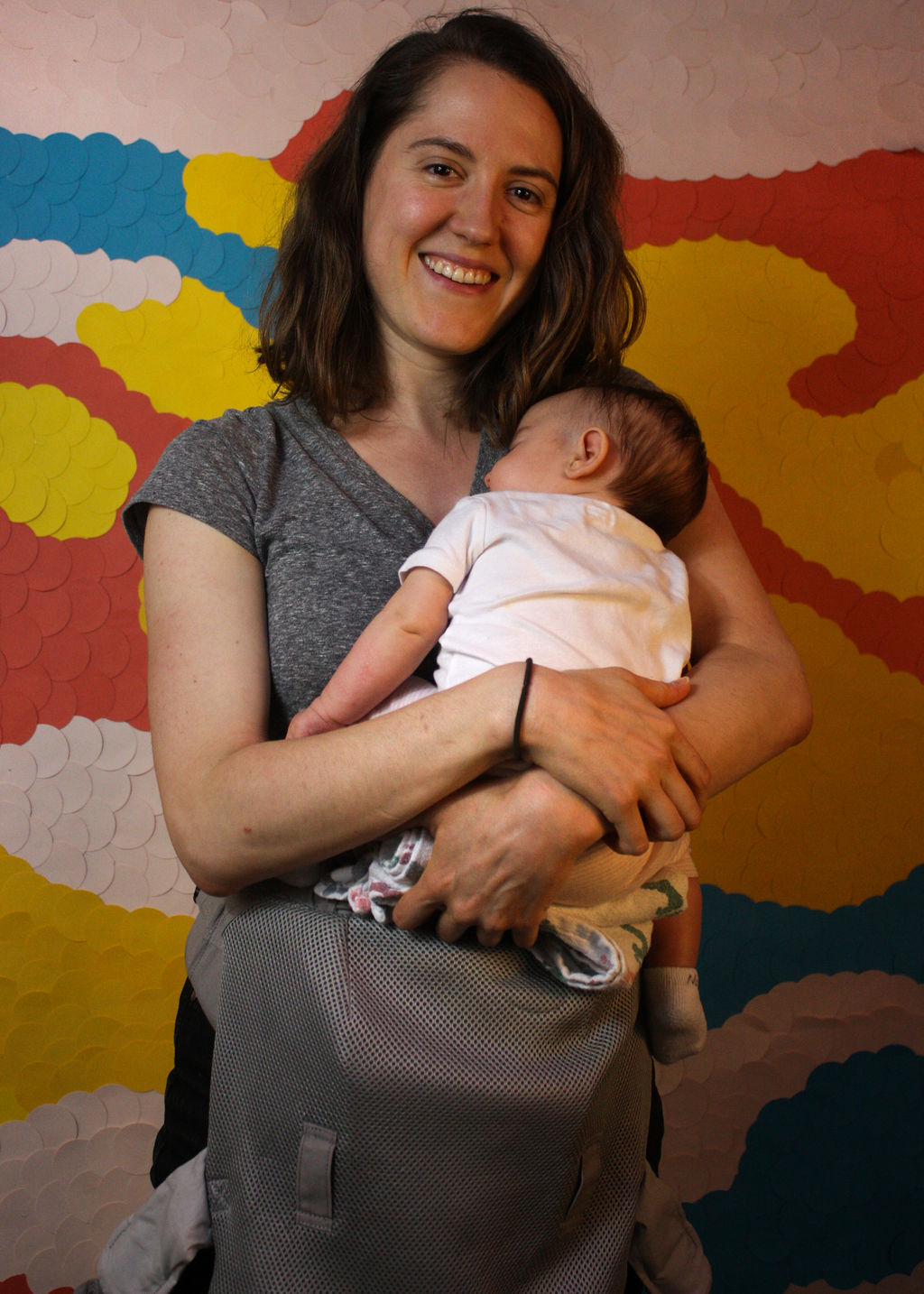
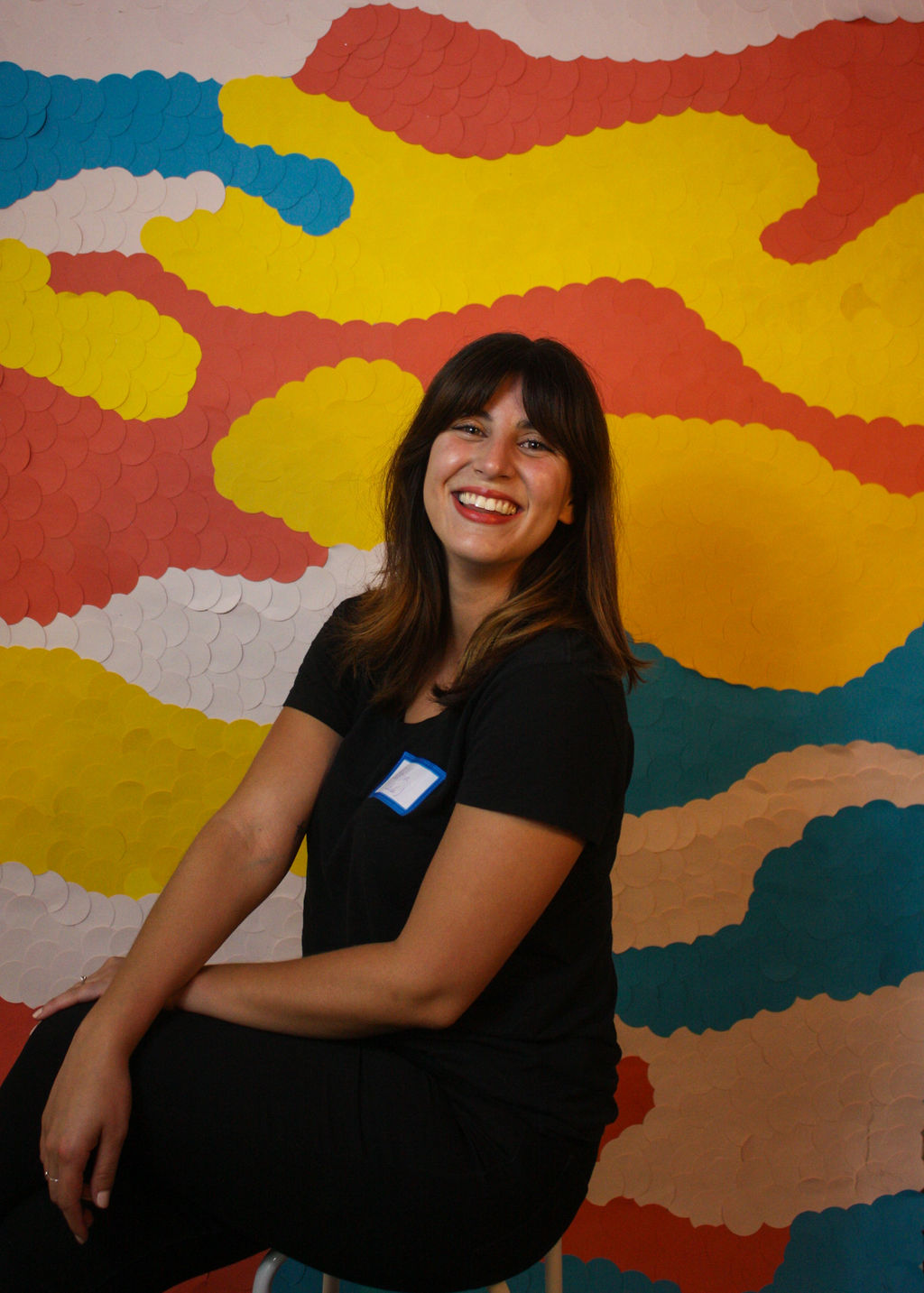
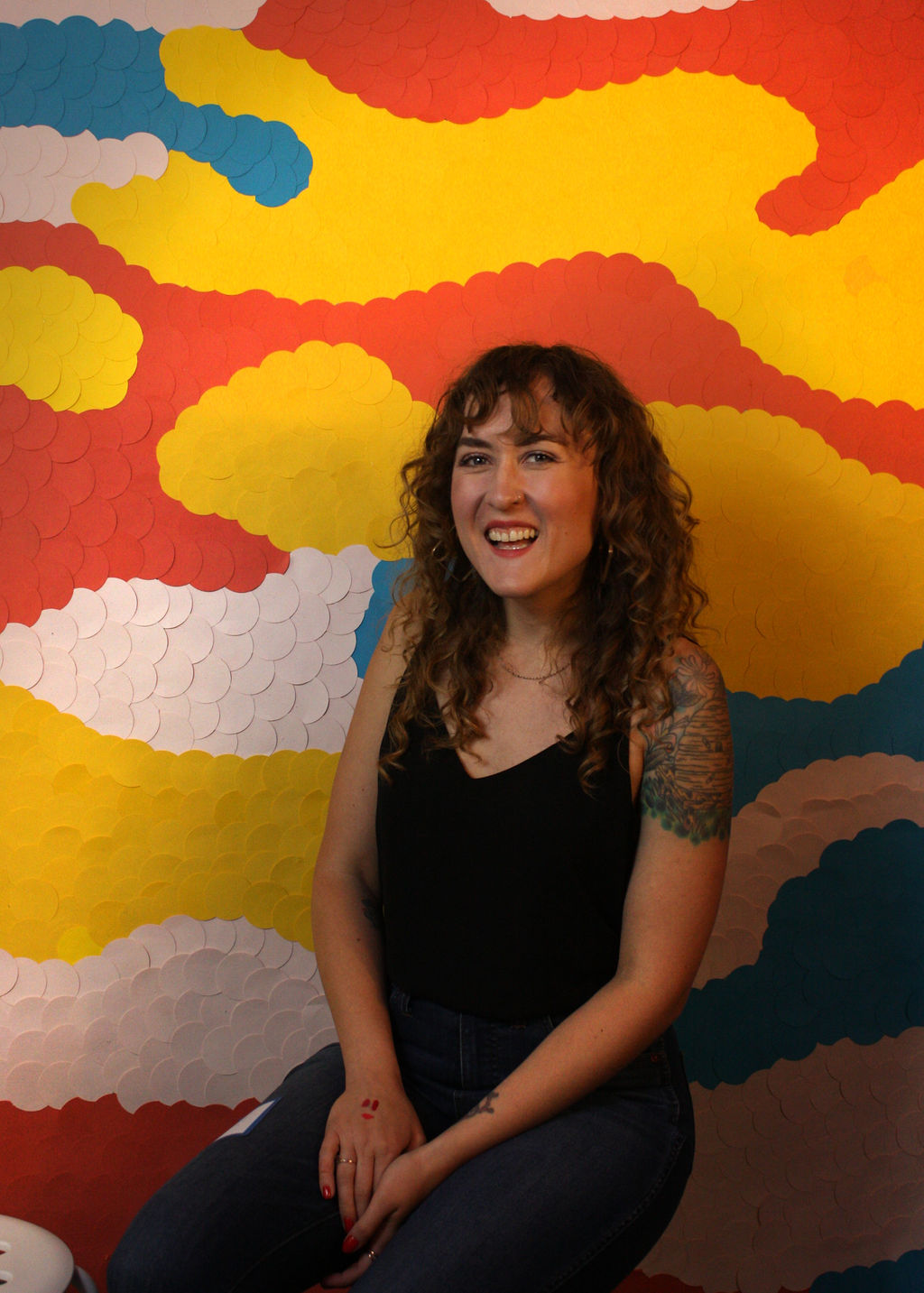
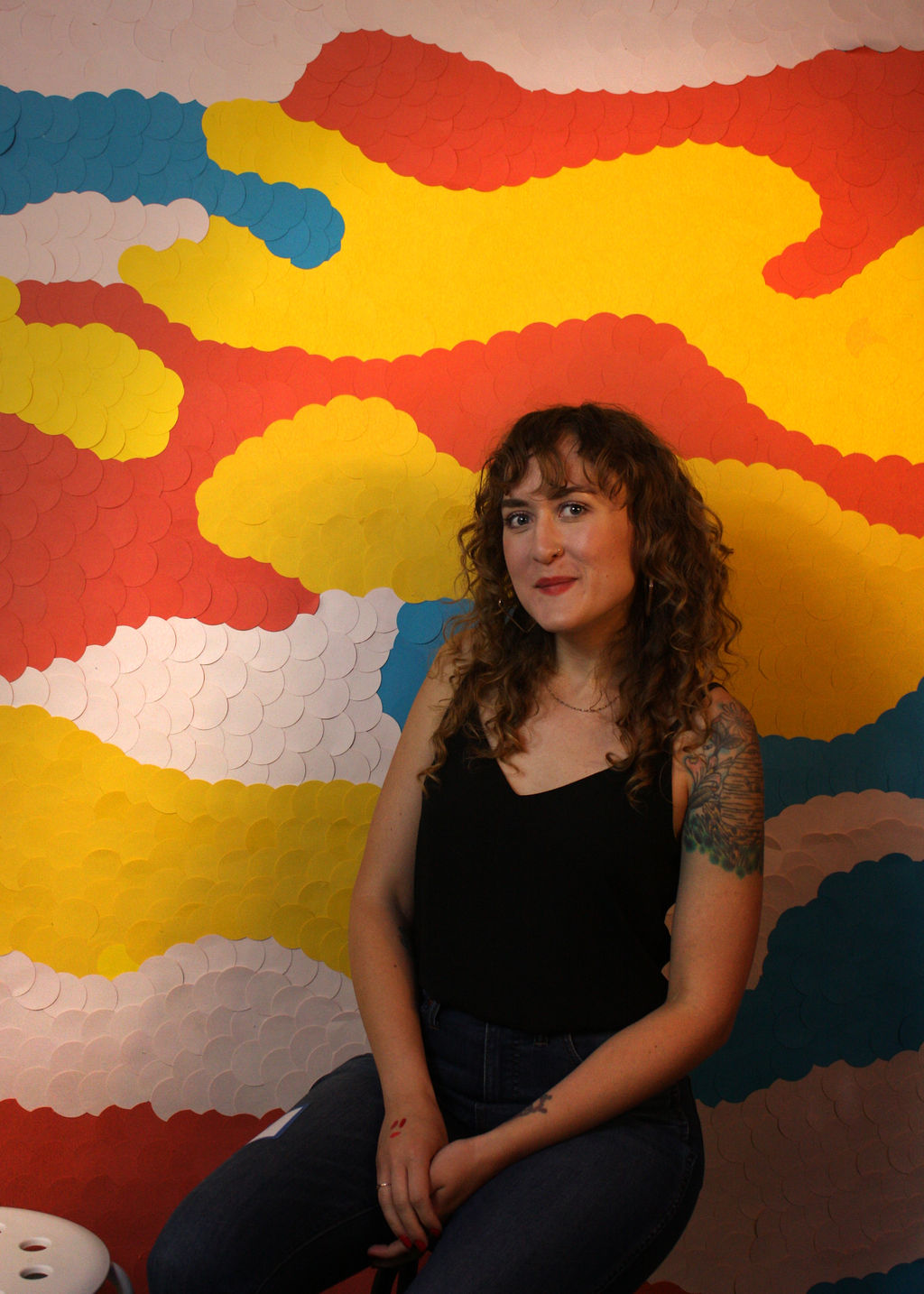
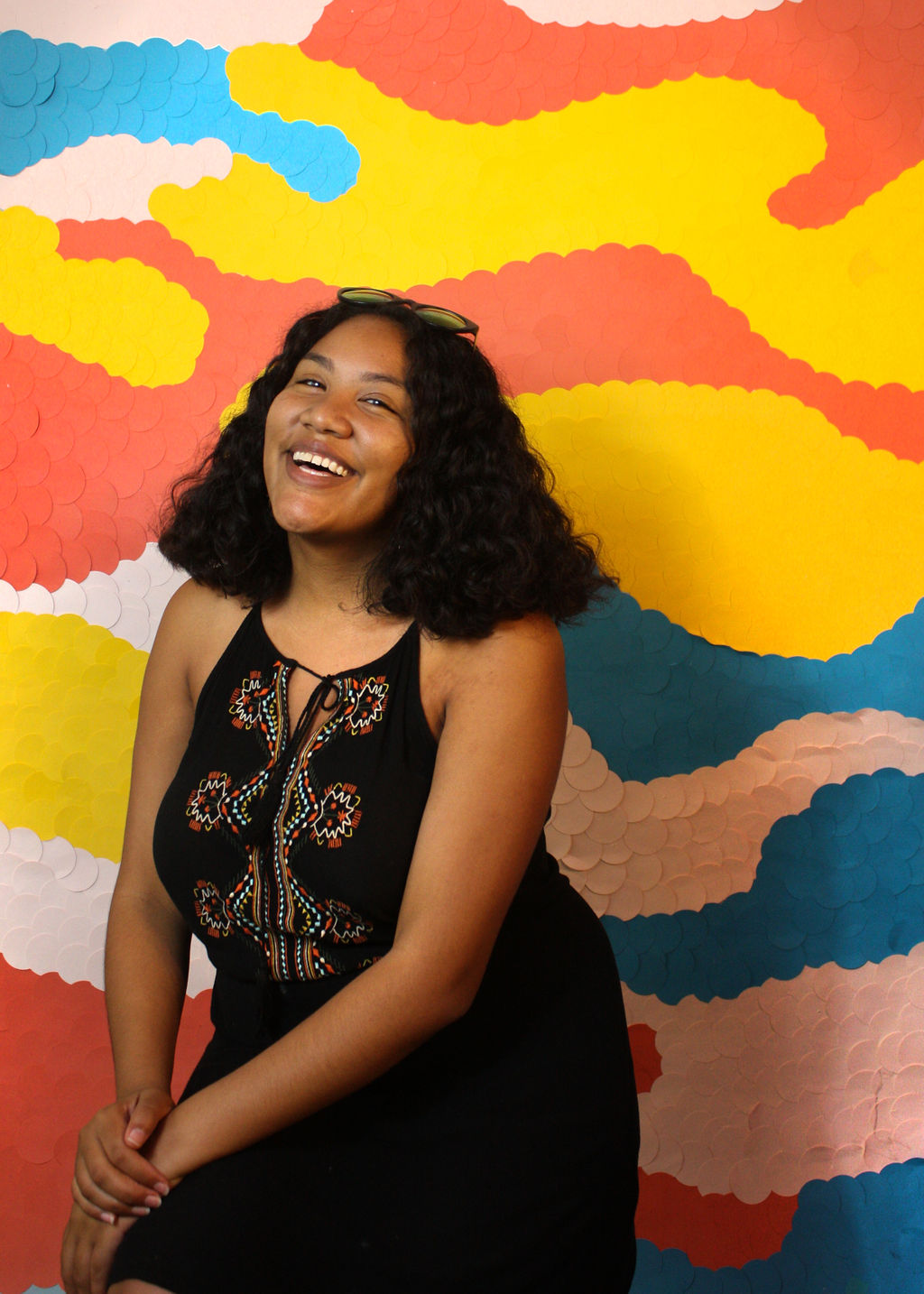
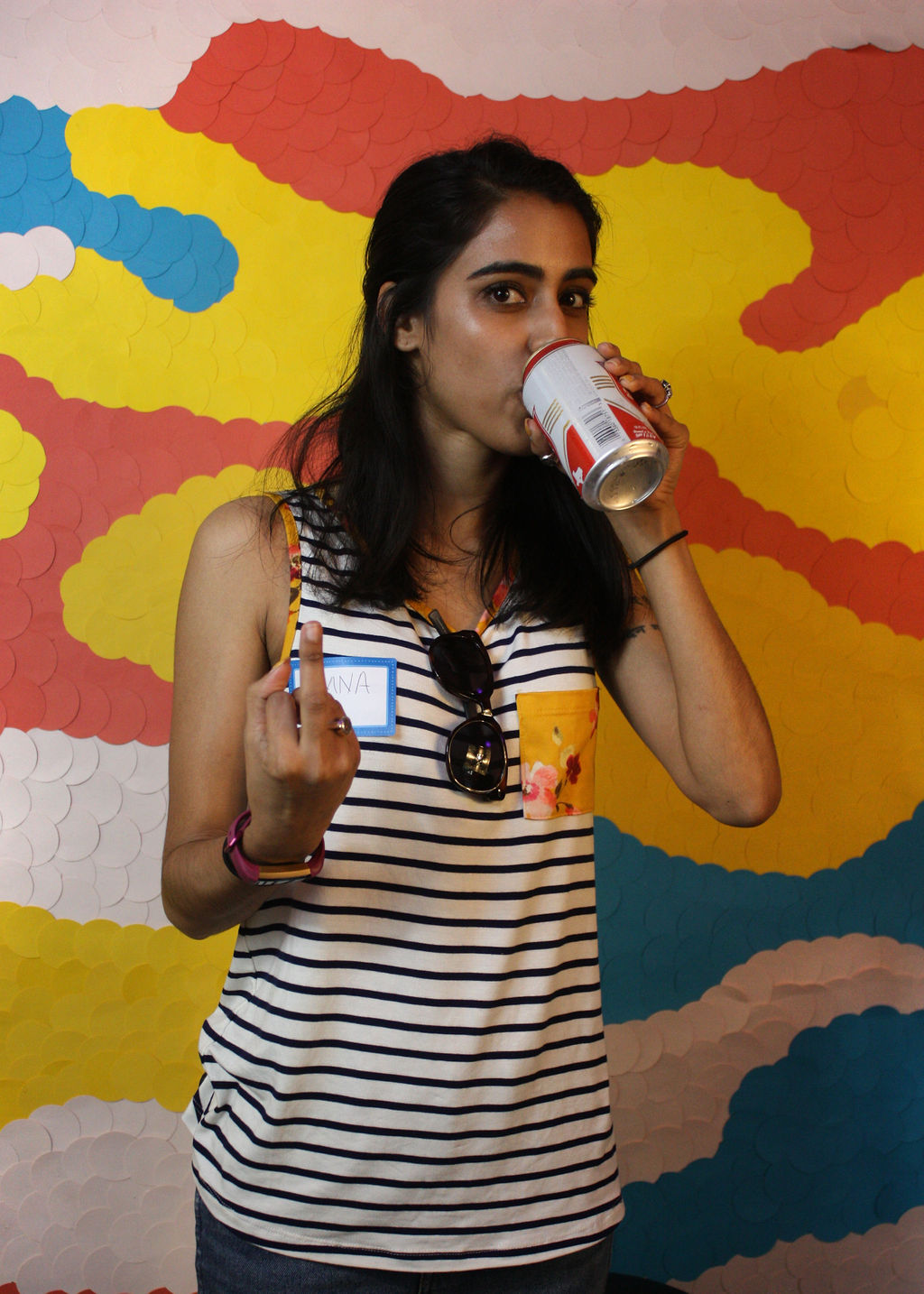
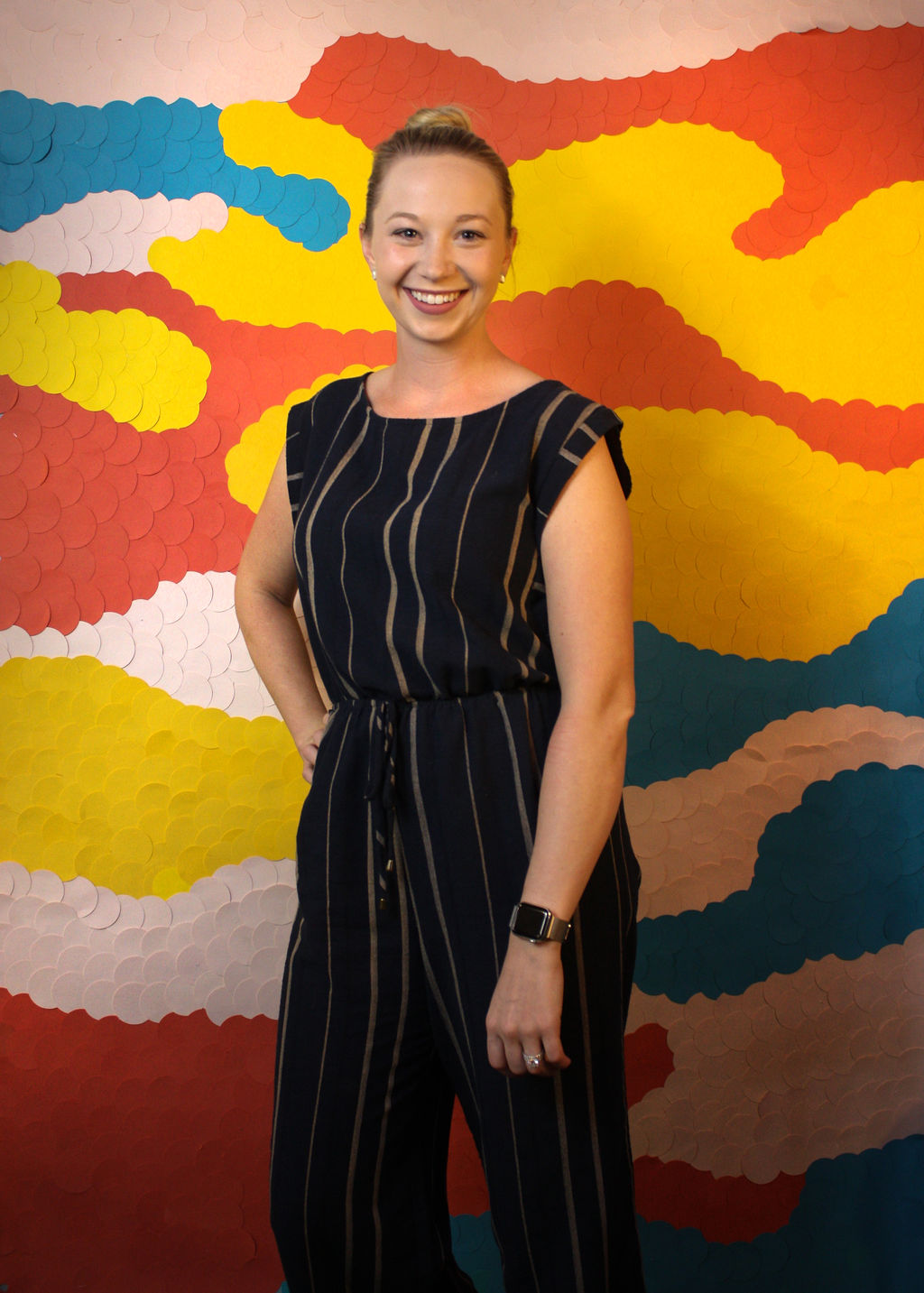
ABOUT THE ARTIST
Bailey Dieckman is a multimedia artist living in Austin, Texas. As someone who often feels like she’s waiting for her next adventure, she frequently draws inspirations for her artworks through everyday experiences and works towards creating joy and humor in otherwise mundane routines. She’s also interested in the use of color and creating works and installations of diverse mediums that allow the viewer to interact with these new forms of color. You can email here about collaborations and commissions at dieckman.bailey@gmail.com.
Want to attend the next meet-up?
You can attend our next meet-up on August 14, 2019. Click here for details.
On Finding Flow: Three Reminders For Personal And Professional Patience
This summer, our programs will amplify women and nonbinary creatives, business owners and leaders who are exploring ways to find flow within their work, projects, causes and collaborations. As you move through our events for the next three months and hear their stories, we encourage you to keep the following three reminders in mind.
A flow state, also known as “being in the zone,” is the mental state of operation in which a person performing an activity is fully immersed in a feeling of energized focus, full involvement and enjoyment.
In life and in business, we face ebbs and flows. It’s natural and normal to go through stages of decline and regrowth, as technology, the market, or our own vision changes. But sometimes this growth can be frustrating. We feel rushed and too slow—not enough, yet too much . So, how can we exercise patience with ourselves as we grow? How can we better honor our natural rhythms for learning and change? How can we find focus and enjoyment in the present?
This summer, our programs will amplify women and nonbinary creatives, business owners and leaders who are exploring ways to find flow within their work, projects, causes and collaborations. As you move through our events for the next three months and hear their stories, we encourage you to keep the following three reminders in mind.
This post has been written by #BBATX Founding Executive and Creative Director, Jane Hervey.
reminder no. 1: give yourself space and time to think.
The world moves fast these days. So, when we’re feeling creatively spun out or overcharged, it can be difficult to center our attention in one direction. It can feel like we don’t have the time, nor the privilege, to determine our next moves, solve the problems we’re facing, or celebrate our successes.
You deserve to pause, slow down and catch up with your thoughts and your desires. Create space and time to find your flow state. Whether you build it into your morning routine, set aside two hours to “think” on your Google calendar or block off a weekend for alone time, you’ve got every right to sit in the present.

Image designed by Jane Hervey
reminder no. 2: it’s ok to say no.
Your attention is a resource. Your attention can transform, heal and create worlds, relationships, new businesses, people, places and things. It’s OK to be mindful of how you spend it.
It’s OK to opt out. It’s OK to experience FOMO. It’s OK to focus on you, your community, your family, your projects and the things that you care about.

Image designed by Jane Hervey
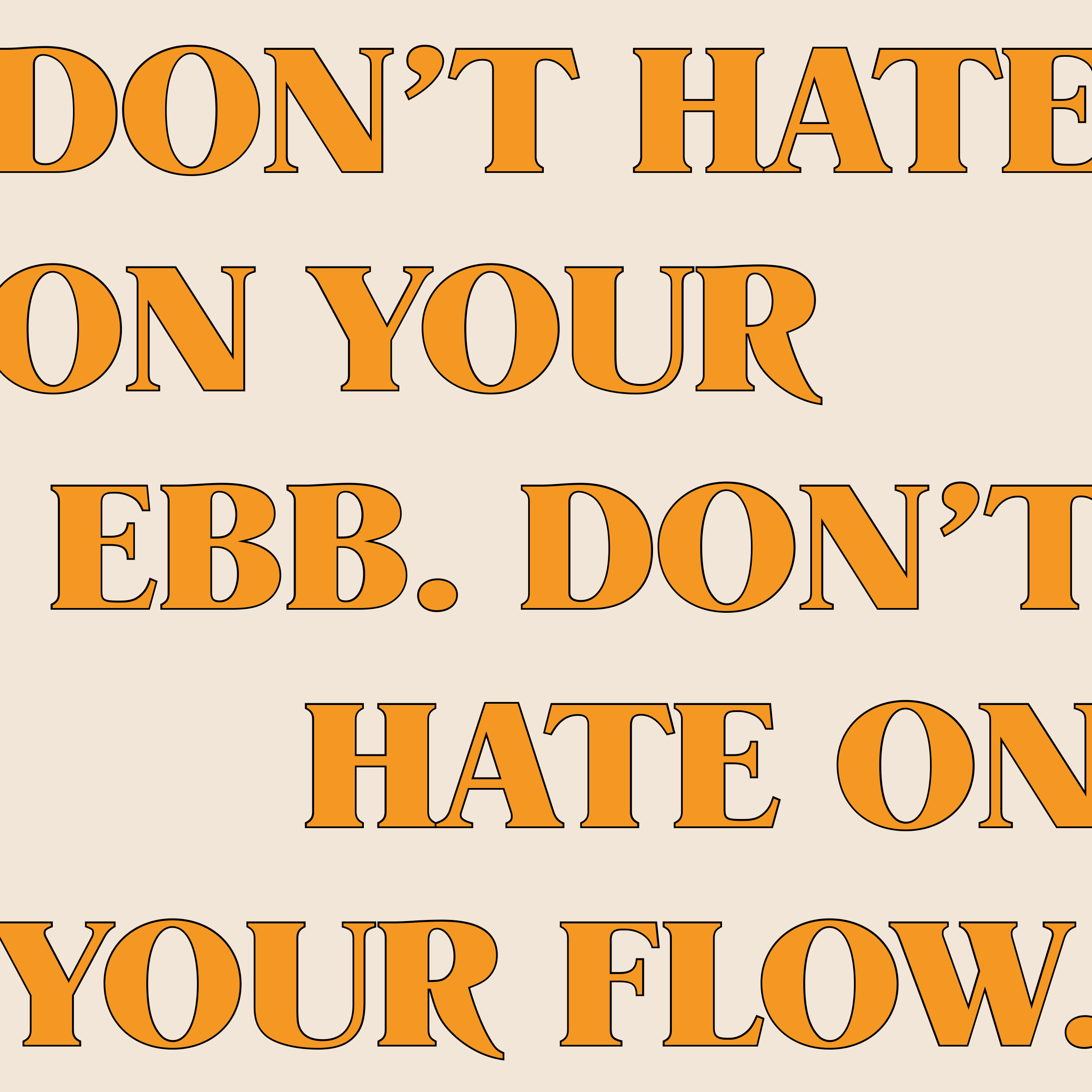
reminder no. 3: don’t hate on your ebb. don’t hate on your flow.
Sometimes, sustained focus on the things we want to achieve is rough. It can warp our sense of fulfillment and leave us feeling frustrated or upset when we don’t immediately achieve the results that we want.
Remember—busy is not better. Constant productivity is not sustainable. Part of finding your flow is respecting the moments when your excitement, passion or focus ebbs. Let yourself recharge without judgment and shame.

Image designed by Jane Hervey
curious about our programs and this theme?
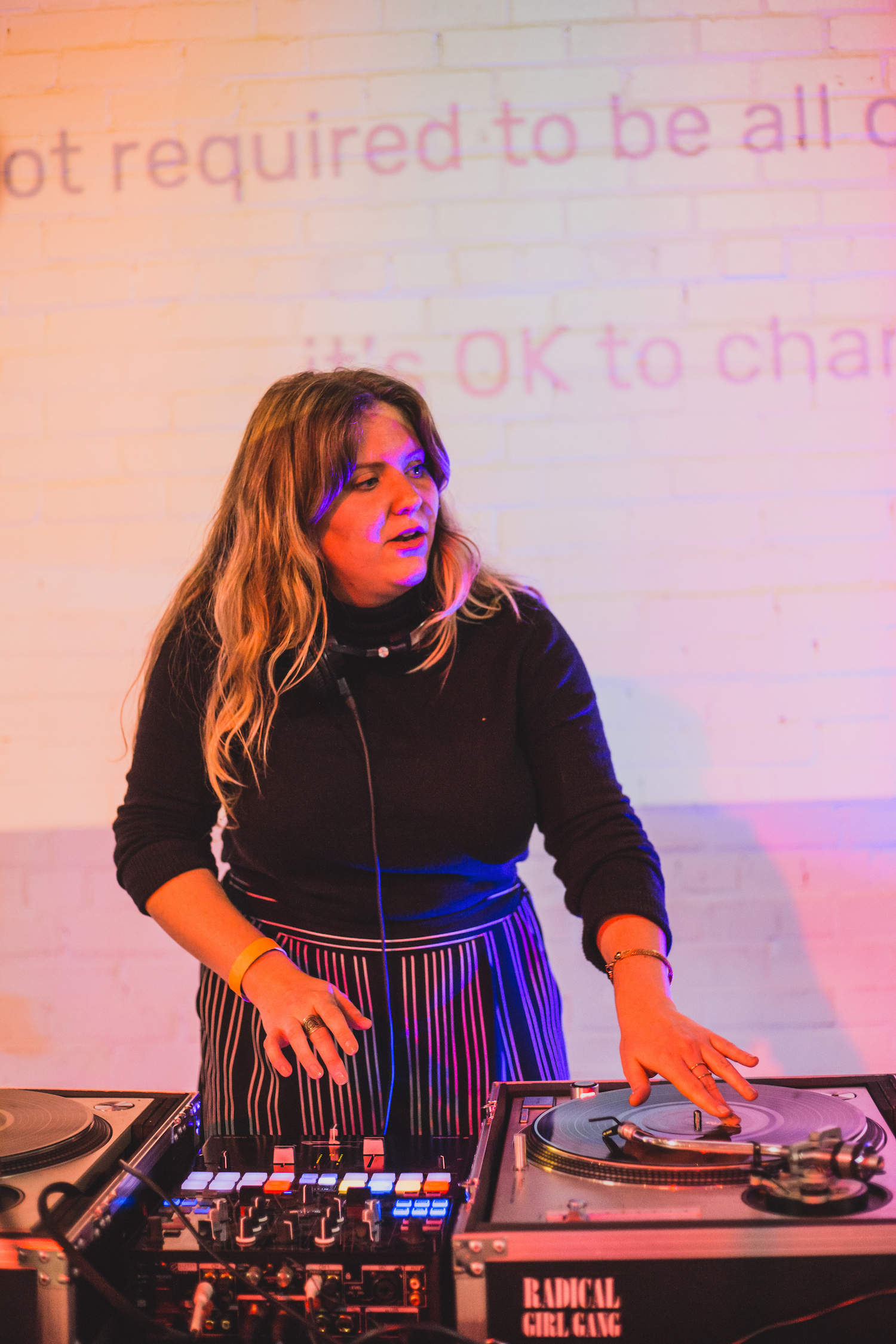
On Making Time For Yourself: 2019 Resident Artist DJ CASS&RA
Cassandra Shankman (a.k.a DJ CASS&RA) is a DJ in #BBATX’s 2019 Residency. In this interview, she talks about finding balance in a busy schedule, making time for mental health care and carving out her own space in the music industry.
Cassandra Shankman (a.k.a DJ CASS&RA) is a DJ in #BBATX’s 2019 Residency. In this interview, she talks about finding balance in a busy schedule, making time for mental health care and carving out her own space in the music industry.
This interview has been condensed from a conversation with #BBATX board member and committee member Jen Rachid.

ABOUT THE ARTIST
Cassandra Shankman is a composer and DJ (CASS&RA) recognized for her work with film, apps, musicals, and music therapy technology. As a pianist, she’s played with musicians such as jazz trombonist Wycliffe Gordon at Lincoln Center to DEVO’s frontman Mark Mothersbaugh. As a DJ, she creates the perfect sets for movement for clients like Soul Cycle and Wanderlust Yoga to Bumble and Lyft. Cassie’s also the world’s leading composer for Biomedical Music™ – music integrated with biomedical devices for rehabilitation. As a proponent for music education, she is a co-founder for the music theory web app Picardy Learning, and serves on the Grammy Education sub-committee. She is a graduate from The University of Texas with a degree in music composition and a secondary focus in film studies.
First off, damn—you are very busy! I'm always curious about the highly effective entrepreneur and how they do it all! Tell us a little bit about your morning and night routine.
CASS&RA: Well, I wish I had a steadier routine, but it honestly varies from day to day depending on gigs and deadlines. Sometimes I’ll sleep in until 10 a.m. and stay up until 4 a.m. I am still learning how to be effective and productive to the best of my ability, so I’m constantly changing my routine. But right now my dream routine that I’m trying to implement includes waking up early and doing a workout class in the morning—yoga at wanderlust, boxing at knockout, spinning at SoulCycle, and training with Gustavo Padron—and eating a healthy breakfast (or meet a friend for breakfast) and walking my dog. Then, getting to work on emails, general admin work, strategic planning, sets for gigs, and some music composition projects. I also teach piano and composition lessons on some days, so I’ll end my day doing that and then unwind reading, watching a Netflix show, playing piano, or talking with family and friends. I do say I am constantly working a little too much, I generally spend a lot of time marketing (social media-ing), so I’m trying to have a better routine about that.
It seems like you're successfully carving out your own space. What advice do you have for someone going into the DJ world?
CASS&RA: It’s not what you have, it’s what you do with what you have. Don’t wait for a gig to be handed to you, you have to work hard and it will be a grind, but it’s a fun grind that pays off for sure. I said yes to so many things—music and non-music opportunities—so I highly recommend not being one-track-minded with being just a DJ. You have to be open to so many kinds of music opportunities and gigs that may not be what you initially think will “pay off” but in the long run, it will.
Also, it’s okay to have many jobs. I not only DJ, but also teach, work on Picardy, write music, and so many other wild avenues. It’s all about who you know as well. Even though it’s really easy to meet people online today. It makes a difference getting out and doing it in real life.

Do you remember the first piece of music that really affected you?
CASS&RA: I listened to a lot of classical and jazz and film music growing up, so I actually was pretty affected by a lot of music—I don’t think I can remember or pick just one! But I will say in high school I had to transcribe Bill Evans’ solo for “waltz for Debby” and that completely transformed how I interacted with music.
What is your dream DJ gig? Is there anyone or any event you're dying to DJ?
CASS&RA: I’m dying to do more international gigs, I also love DJing weddings and conferences, and I’d absolutely love to play outside of Texas some festivals. And I’d love to work with LP Giobbi!
A dream gig would be to be a music supervisor or work on set as a music director. I recently worked on a TV show as an on-screen live music consultant, where I had to work with the props department, music department, directors, and actors to teach the actors how to look like they were really playing their instruments. I deconstructed the song that they were going to be performing on camera and told the props department what sound and music gear to get, then set it all up, and rehearsed teaching the actors how to perform the song. It was the coolest thing to watch unfold on screen in front of the camera. So much energy and I’d love to do that again! It blends my passion for music, film, and teaching all in one.

One piece of business advice to wisen us up?
CASS&RA: Focus on your mental health. Things can get really tough running your own business and you can definitely get burnt out. So make sure to focus on your health and mental health. Take vacations; take breaks. It inspires, refreshes, and makes your relationships with yourself and others and your work so much better. I need to take this advice more too!
Anything else you want to share about upcoming events or projects?
CASS&RA: I am super excited to be part of this residency and really excited to be DJing for wanderlust’s summer sunset series, and for a wedding in Baja Mexico soon. And so much more —I love what I do!
I believe in music education and Picardy has been a company that I’ve gotten to help co-found to provide music theory and musicianship skills to everyone through a web application. I’ve learned so much about running a business and collaborating with others; it’s been amazing and I’ve gotten to experience so many incredible events and meet brilliant music educators, theorists, and musicians from all over the world.
WHAT DJ CASS&RA HAS BEEN LISTENING TO RECENTLY:
Go-to jam right now?
Right now I’m in Spain, so I’m listening to a lot of flamenco guitar music, but I’d say truly anything disco—and definitely Beyoncé’s “Before I Let Go” is just always on repeat. Anything Anderson paak. Tune-yards. Jacob banks. Kimbra.
Underrated song/musician?
Such a hard question!! I think my friends in this group Emme; they build such beautiful vocals over gorgeous harmonies and I’m obsessed!
Discover anyone new or old recently that you're excited about?
India.Arie
Song for a breakup?
“Set Down Your Glass” by Snow Patrol
Song for a workout?
“The Future” by Motez
Song for Shopping?
Anything Bomba Estero
Song for making-love?
Anything D’Angelo
Song for making dinner?
I love listening to KUTX, I’m always surprised by by what new music and artists I hear on that station.
Song for cleaning the house?
I don’t listen to music cleaning, its very meditative for me, so I listen to the sounds I’m making!
Song the reader of this should listen to after?
“Motiv8” by J Cole
About #bbatx's The Residency: We annually work with 10 to 15, Texas-based women-identifying and nonbinary visual and musical artists to produce site-specific work, commissions and exhibitions throughout our programming and events. Through these residencies, we invite the public to learn more about their process, approach and sustainability of their practice. Click here to meet this year's artists.
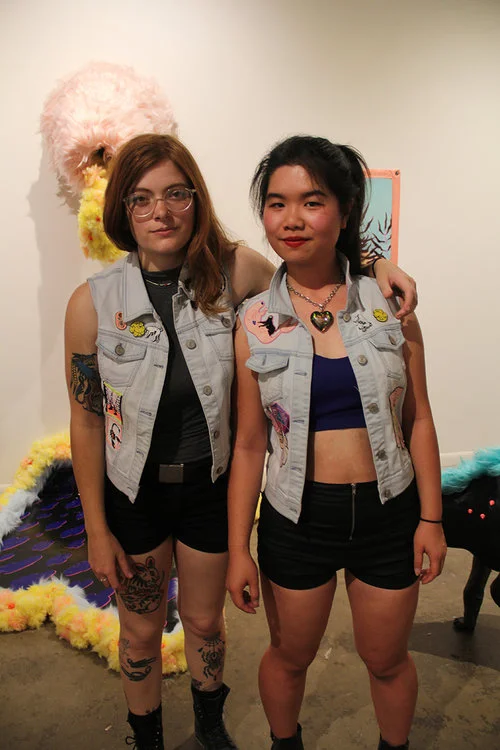
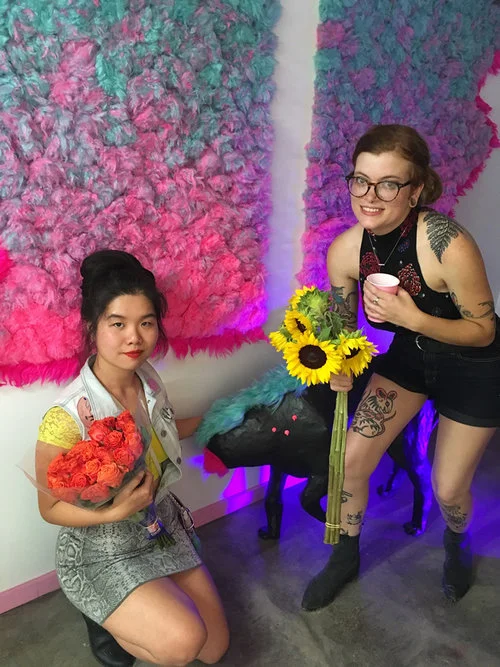
On Finding Community And Comfort In Collaboration: 2019 Resident Artists Big Chicken and Baby Bird
Nat Bradford and Tsz Kam (a.k.a Big Chicken and Baby Bird) are a two-person collective and artists in #BBATX’s 2019 Residency. In this interview with #BBATX committee member Jen Rachid, they discuss how and why they became collaborators, as well as the inspiration behind their art.
Nat Bradford and Tsz Kam (a.k.a Big Chicken and Baby Bird) are a two-person collective and artists in #BBATX’s 2019 Residency. In this interview with #BBATX committee member Jen Rachid, they discuss how and why they became collaborators, as well as the inspiration behind their art.
This interview has been condensed from a conversation with #BBATX committee member Jen Rachid.

ABOUT THE ARTISTS
Nat Bradford and Tsz Kam are a two-person collective, pair of birds, and dynamic duo currently living, working, and dying in Austin, TX. Their work centers around the experience of shifting between girlhood and womanhood within the ambiguity of gender. Their work stages fantastical scenes of domestic comfort in which objects and figures become characters with inevitable roles to play in seduction and repulsion. They have been collaborating since 2015. Both studied at and received their BFA from The University of Texas at Austin (the Lamborghini of public schools).
Tell us about your backgrounds:
Tsz Kam: I was born in Hong Kong. My grandfather who came from a wealthy family had all his family money taken away by the communists. He escaped to Hong Kong, which was a British colony at the time. He was always strongly anti-communist China and wanted me to have an American education. I moved to Houston for high school when I was 13, stayed with my relatives and got into UT Austin. I’ve been more or less on my own ever since. I never went back. I am almost 26 now, so I have spent half my life in Hong Kong and half my life in Texas. I got into UT as an engineering major, but I switched out on the first day. My grandfather passed away right before my high school graduation and I knew he would have wanted me to go to college to pursue a field I am passionate about. I had no knowledge about the art world or galleries at the time. I had a very typical public school art education. As I progressed through the undergraduate art program, I learned more and more and I knew it was something I want to do for the rest of my life.
Nat Bradford: I’ve always lived in Texas, I grew up running around in the junkyard my dad ran when I was a kid. I saw my family working with their hands often; dad working on cars, mom made a shit ton of crafts with me, my grandmother has been running a business doing plants for office buildings, and my mother helps with that. I spent the past five years working with plants and realized I’m the third generation in my family doing that sort of work. I had the weird queer-teen-growing-up-in-Texas-suburbs experience. I’m not really visibly queer now but my experiences attached to that aspect of myself still influence how I live. I think Tsz and I share that and are able to express it in our work together.
How did y’all meet? Was it a match-made-in-heaven right away?
Kam: We both attended the undergraduate art program at UT Austin. I was a junior when I met Nat. We had painting together and I quickly found out how talented Nat is as an artist. I also really admire her work ethic. We weren’t making collaborative work at the time; we wouldn’t start that til two years later. I would say it’s more of a gradual process of coming together. My hobby in college was to bother other people when they worked on their art late at night at the studio. The UT art building was still open 24/7 back then and people would stay really late, or even sleep in the building. We were both doing that a lot.
Bradford: We are both smokers so we also hung out at the picnic table while smoking outside in between and during class. That’s how we became familiar with each other at the beginning.
Kam: I remembered purposefully seeking her out, because there’s something about Nat that was very attractive to me.
How did y’all start working together? Do y’all fill in each other’s gaps?
Kam: We applied for the Co-Lab Summerskool the year right after I graduated. We made some collaborative sculptures and installations.
Bradford: I was still at UT when we worked on that project, I had only participated in a few shows at the time and the prospect of a collaborative show was exciting. A lot of the work we made for that show was sculpture, so that was the beginning of Tsz and I getting into that realm. I didn’t super enjoy making sculptural pieces on my own but collaborating with Tsz brought actual enjoyment to the process. Tsz is good at making sure I don’t get in over my head logistically, but gets me out of my head when it comes to building concepts and making art. We took a break for a bit after that show, I was still finishing school but the others working on that show graduated.
Kam: The year that followed was tough for me. I didn’t like anything I was making. I felt embarrassed and I was having a hard time finding a full time job at the time due to my circumstance. I didn’t stop making but it took me a while to say, “forget the rules, just draw what I’ve always wanted to draw.” That’s when I came up with the macaroni themed paintings. I started having critique circles at my house and I invited Nat. We started hanging out and making work while hanging out, we still weren’t really collaborating at the time, but we talked about it. When Andrea Hyland invited me to be part of ArtBash in 2017, I asked to have Nat be in the show with me. That’s when we first started to experiment with more serious collaboration. I think being here without my parents since I was 13 has always given me a little bit of a co-dependent tendency. Being an artist seems like a one man show sometimes, and I figured why not do it with another person, so I can have someone to share my joy with.
Bradford: Yeah, and a lot of our new works deal with the idea of co-dependency so I feel that too. Growing up queer led to a lot of isolating myself when I was younger but holding on really hard to friendships that felt safe, I still live that way on some level and collaboration with Tsz is one of those comfortable spaces. Actually making the work doesn’t necessarily feel safe, I’m scared as hell when we start on something new, but it’s an exciting sort of shared fear I guess. Its nice to have another person there to stare at a blank canvas with.
What are some books, music, podcasts, people etc. that inspire your work?
Bradford: We listen to horror podcasts constantly while we work. I don’t know if we derive any inspiration from that regarding the work we make, but it’s become part of our collaborative ritual. I’ve been looking into alchemy and imagery in that for a bit, interested in the characters that have been given to the components of reactions. I think our work has some of those ideas in it too, we create a lot of characters that develop in the paintings narratively.
Kam: I think it’s ironic that we listen to so many horror themed podcasts while we work because our work space and relationship have so much love and care in them. I think in some ways, it’s because we feel safe with each other that we can face the fear of confronting these really difficult themes in our work concerning our gender and queer identities.
What is the story behind your collaborative artist name?
Bradford: Tsz started calling me a baby bird in college because they’d startle me often. Tsz always wore a purple velvet cape and was bold as fuck. When we did our first collaborative works together they made a huge embroidery piece that had the face of a chicken on it and that was settled. We have our respective titles but trade off being Baby or Big when we work. You’re the Big Chicken of whichever element in a piece you’re working on; I’ll be working on part of a painting and ask Tsz for verbal input as I go, “Is this yellow, yellow enough?” And Tsz will be doing the same from the other end of the painting.
Kam: The embroidery piece that gave us the idea for BIG CHICKEN was of a pawn shop sign. It’s a very common neon sign in the streets of Hong Kong. I made the whole sign look like a stylized chicken because the word “chicken” is slang for a prostitute in Cantonese. Big Chicken and Baby Bird is sort of a play on the big daddy / little girl trope.
What is the general mood of your art?
Bradford: When I’m working on something with Tsz I think we build more humor into it off of each other, the paintings are horny but don’t take their horniness too seriously. I think our collaborative work has more emotion built into it than my personal work, there’s a dialogue between us and that human interaction is important to the work.
Kam: I think our work is a bit moody. It’s a sort of gloomy humor.

THE DOOR BY THE GARDEN, 2018
For people that are looking for a creative collaborator what would your advice be for finding and maintaining that relationship?
Kam: I remembered making the effort to actually pursue Nat. I don’t think it’s because she’s particularly standoffish. I think most people are a bit shy when it comes to making new commitments. I communicated very clearly to her it is something I really want to commit to with her and I showed up and spoke with my actions.
Bradford: Yeah I’m shy, I had to convince myself someone liked what I do enough to want to work with me, especially when I really admired the work Tsz was making. But I think we both saw potential in what we could offer each other. And we both keep weird hours that other people aren’t happy to work in. We’ve always both been down to put in a full day-job-work-day and then meet up after, late, and then work on art even later. Weekends and free time are for art making; we both get our satisfaction from working too much. You really have to find someone with similar expectations and work ethic, that’s just as important as our work’s visual synchronicity.
Kam: Mutual respect and open communication are definitely very important for maintaining the relationship. I really admire Nat’s skills and talent, she’s better at certain things than I am, and I think we both take advantage of the other’s stronger suits. Every time we brainstorm for a project, I don’t really worry about getting my way or anything. I believe in her judgements when it comes to certain things that I am not as good at and I know she does the same for me. I just know that whatever we make will end up being great because we worked on it together. I am not a collaborative relationship guru, so I can only speak about my own experience.
What do you think people need to hear right now?
Kam: Don’t be afraid to talk to other people.
Bradford: You might just make a friend!
Tsz and Nat’s Current Hobbies include:
Kam: Transformers, fabulous, gay, gender-defying robots in disguise. I read a lot of Transformers fanfictions. They inspire me.
Bradford: Watching wrestling and watering my plants. I’m a tattoo apprentice right now, which isn’t a hobby but has me doing a lot of research in that realm in my free time.
Any projects or ventures you want to share ?
Kam: I have a solo show coming up in June in El Paso at the Galeria Cinco Puntos. The theme is fantasy and escape. Aside from my personal works, Nat and I are also collaborating on a series of chimera themed paintings right now, which will be shown for the first time at the Elizabeth Ney Museum here in Austin on July 11th.
Bradford: I’m currently running my Etsy shop (GNATandRAT.etsy.com) to keep food in me and a roof over me. I mostly sell pins and little paintings, I try to offer the kind of affordable art objects I seek out myself.
WANT TO SEE WORK BY #BBATX RESIDENT ARTISTS BIG CHICKEN AND BABY BIRD IN-PERSON?
The opening reception and artist talk for Big Chicken and Baby Bird's exhibition will be held on July 11 at the Elisabet Ney Museum. The exhibition opens at 6:30 PM with complimentary refreshments by Austin Cocktails, followed by a tour of the museum at 7:00 PM and an artist talk at 7:30 PM. The exhibition itself will be open through July 22. Click here to learn more.
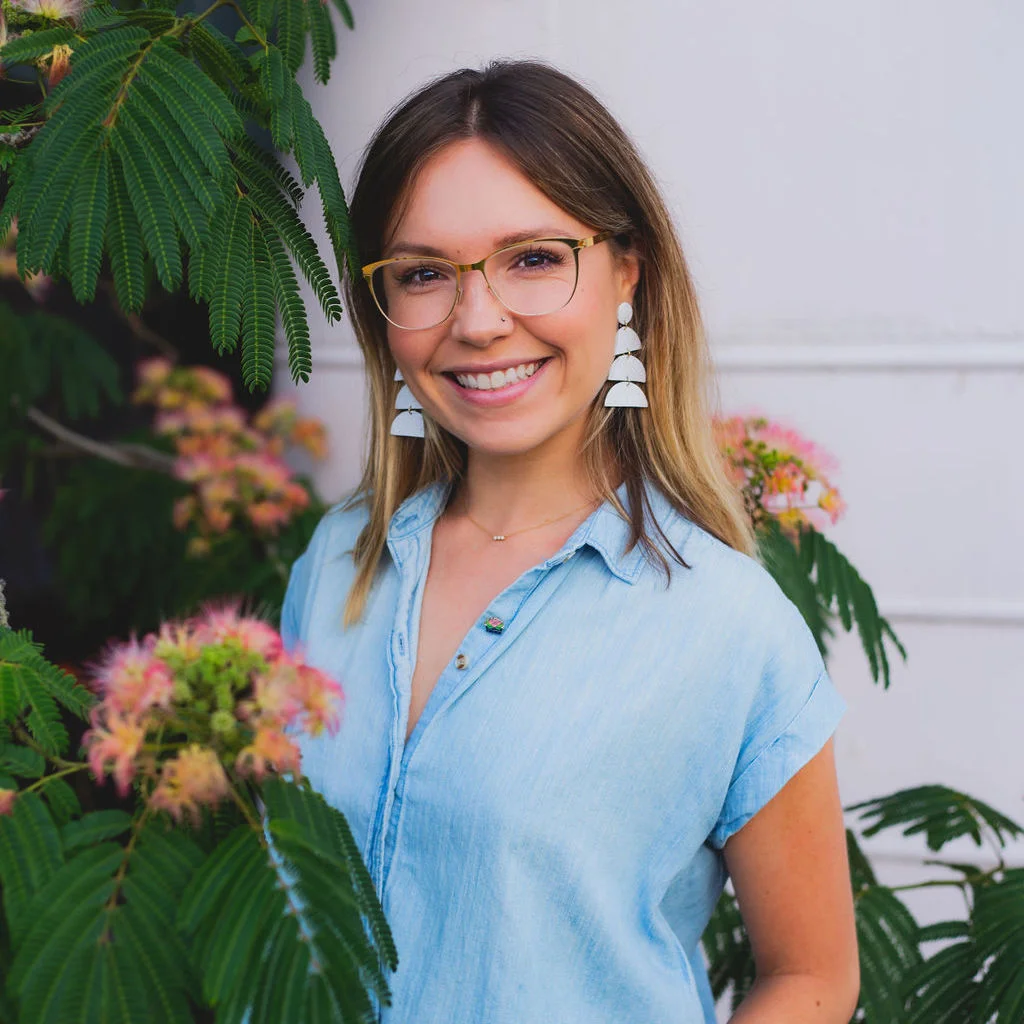
On Negative Self-Talk: Why My Self-Care Journey Started With My Inner Dialogue
“Once I looked inward (rather than outward) to find my own form of peace and happiness, I found that my inner dialogue carried a lot more weight. I had to start with self-talk and figure out what my language was like.”
Today on the blog, #BBATX committee member Kaia Adams walks us through her journey toward positive self-talk as a self-care routine.
Editor’s note: Our needs change based on what we go through and what we face in life—positive self-talk won’t solve trauma or struggles with depression and mental health. So, remember that self-care can also look like seeking help from a medical professional or seeing a therapist or making big, difficult changes within our lives.
I thought that as long as I followed what everyone else seemed to be preaching about self-care, I could be where I wanted to be. I did all the things—superfood-charged matchas, eat well, less social media, treat yourself splurges, regularly work out, oil pulls, dry brushes, nightly tea times, take all the baths, do all the face masks. The only thing this did for me was overwhelm me, become disappointed in myself when I didn’t follow through and successfully distract me from the work I really needed to be doing.
The more and more I experimented with the external factors of my self-care routine, I realized some of my negative thoughts and feelings toward myself actually began within me. I determined it was time to squash that pesky inner voice that tells me I can’t and I’m not enough.
Identifying My Negative Self-Dialogue
So, what is negative self-talk?
”Each of us has a set of messages that play over and over in our minds. This internal dialogue, or personal commentary, frames our reactions to life and its circumstances. One of the ways to recognize, promote, and sustain optimism, hope, and joy is to intentionally fill our thoughts with positive self-talk. Too often, the pattern of self-talk we’ve developed is negative. We remember the negative things we were told as children by our parents, siblings, or teachers. We remember the negative reactions from other children that diminished how we felt about ourselves. Throughout the years, these messages have played over and over in our minds, fueling our feelings of anger, fear, guilt, and hopelessness.” — Psychology Today
Once I looked inward (rather than outward) to find my own form of peace and happiness, I found that my inner dialogue carried a lot more weight. I had to start with self-talk and figure out what my language was like.
Was I speaking kindly?
Was I practicing patience and understanding toward myself?
Was I celebrating my small wins? My big wins?
If you’re answering ‘no’ to these questions like I did, you know what it’s liked to get in your own way and feel trapped. I needed to drop the judgment and practice kindness toward myself. But how? I had to take responsibility for where I was and the words I chose—then make some changes.
Was I taking ownership of my life and the direction it was headed? Had I been making excuses? Had I adopted a victim-oriented mindset? If I had the power to sustain unhappy narratives in my life, I had the power to remove them. End of story.
Approaching Self-Love
Realizing that I have a hand in my own emotional reality has empowered me and provided me with the tools to help clean my inner dialogue up. You can’t bash yourself into a life you love—you must support and uplift yourself with patience and understanding.
For me, this looks like practicing acceptance and flexing my self-love muscle. It meant accepting where I am and loving the hell out of it anyway. It’s being able to embrace who I am, flaws and failures included.
I learned to soften and be gentle with myself. I stopped telling myself I wasn’t enough and replaced those limitations with possibility. Practically, I started catching myself in negative thought patterns and made the conscious decision to speak with more intention until it became a habit. I now use empowering, positive verbiage until the negativity is crowded out. I also let go of that which isn’t serving my happiness and redirect my focus toward the things that do. Ultimately, I have been reconnecting with my intuition and becoming my own best friend.
So yes—a good bath and a face mask can absolutely make us feel good. It is, however, asking ourselves the difficult question of why we’re doing something that matters the most. If the answer is because it genuinely makes us feel good, refreshed and reset, then we’re golden. If the answer is because we think it’s what we’re supposed to be doing to help us achieve inner peace, then it’s time to make some changes and realign with the truth of how we feel.
(And let me tell you, that superfood-charged matcha tastes so much sweeter now.)

ABOUT THE AUTHOR
Kaia Adams is a 2019 #BBATX Committee member and an advocate for breaking the barriers of discrimination and inequity so that we can benefit from interconnectedness and cultivate a more just world. She obtained her BA in Global Studies and Spanish from Sonoma State University in 2014. Her studies and previous residence in Spain and Italy allowed her to gain an awareness of the international nature of contemporary social issues surrounding us and have prepared her to be an agent of change. Originally a San Diego, CA native, Kaia has lived and worked in Austin, Texas since 2015. Passionate about helping people feel their best, her upcoming ventures will explore her interests in coaching, women’s health, holistic skincare, and the power of positive psychology.
In honor of Mental Health Awareness Month, #BBATX committee members have been sharing their strategies for self-care and mental health. If you’re curious about what we do at #BBATX, you can learn more here.
On Loving Your Body (And Making An Oatmeal Mask): A Recipe For Self-Care Routines
In honor of Mental Health Awareness Month, #BBATX committee members have been sharing their strategies for self-care and mental health. In this post, #BBATX committee member walks us through her weekly routine of creating an oatmeal mask—and how this practice reminds her to take care of herself as a whole.
In honor of Mental Health Awareness Month, #BBATX committee members have been sharing their strategies for self-care and mental health. In this post, #BBATX committee member Cara Cate walks us through her weekly routine of creating an oatmeal mask—and how this practice reminds her to take care of herself as a whole.
This blog post and recipe has been written by Cara Cate. Graphics by Jane Hervey.

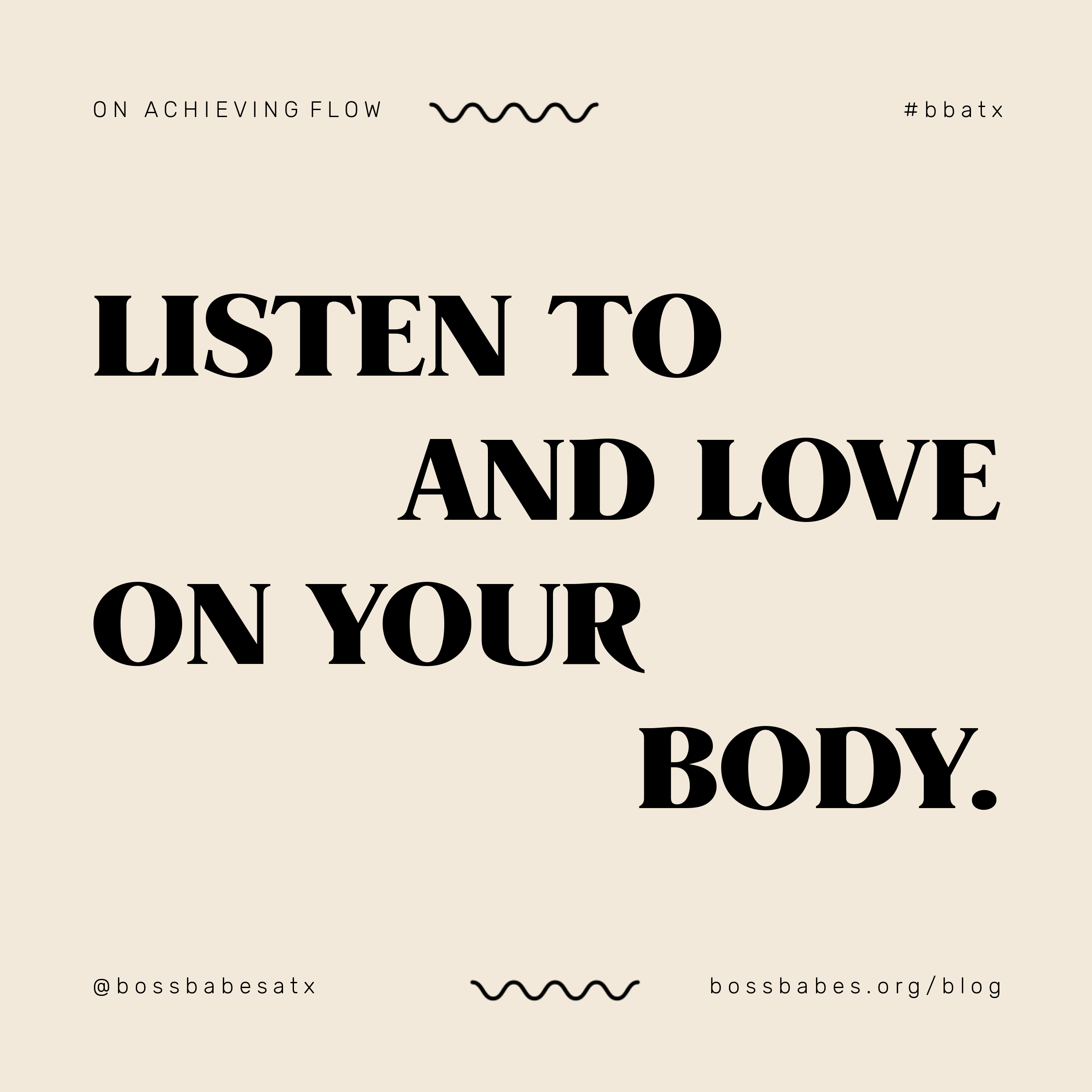
STEP ONE: listen to and love on your body.
In today’s fast-paced, digital world, it can be difficult to slow down and tune into our needs on a consistent basis. More often than not, we only realize we haven’t been taking care of ourselves when we start to feel it, and at that point it can be hard to pause and recalibrate. So, it’s important that we create routines and practices that provide us with the time and space to listen to and love on our bodies and our minds. If we take regular care of ourselves and slow down every once and a while, we’ll be more resilient in the long run.

STEP TWO: APPRECIATE YOUR RESOURCES.
Taking care of ourselves takes time and energy, but it’s life-giving and necessary. Although our modern concepts of self-care often conjure up imagery of massages and nails, loving on our bodies and minds must be a routine and a practice. So, we’ve got to make the most of our resources: What accessible forms of self-care exist around us? Self-care can be regular rest. It can be washing your hair. It can be moisturizing your skin. It can even be making an oatmeal mask.
my RECIPE FOR A HOMEMADE OATMEAL MASK
I like to set aside time for myself each week to treat my skin with an at-home facial. I typically make a “leftover facial” using things that I already have in my kitchen. Here’s what that looks like:
1.) Do I have: Oatmeal? Lemon? Honey? Grapefruit? Sugar? Coffee Grounds? Banana? The beauty of using what I have is that my mask will always be slightly different, plus it’s green. Typically, I use:
1 cup cooked oatmeal (day old)
Juice from one lemon
1 tablespoon of honey
2 tablespoons coffee grounds (from this morning)
2 tablespoons of sugar
1 banana
Some other alternatives to my ingredient list: If you do not have oatmeal, you can solidify your mask with banana. If you do not have banana, use a little more honey to make the consistency thick enough to stick to your face. You can also use olive oil as a last resort, but olive oil works better as a moisturizer. Coconut oil can be good for some skin types too, but keep in mind that coconut oil is a notorious pore-clogger. You can also get fancy and add an essential oil, or turmeric powder to your mask as well. I will warn you that turmeric can stain your face, so you might want to add that in only if you are doing a before bed mask. Cinnamon is also great for skin and acts as a micro exfoliant.
2.) I grab what I have and set it up in a large bowl.
3.) I usually use day-old oatmeal that is already cooked, but if you need to cook your oatmeal you can add hot water and let it sit for a couple of minutes to soften. A mask is easier to apply if you grind your oatmeal beforehand with a food processor, but I usually just go with it the way it is. (Sometimes, another part of self-care is letting go of what you cannot control.)
4.) I mix everything together, until I have a paste that will stick to my face. I like to mix with my hands because it's like a bonus mani, but the mixture just needs to be all wet. I usually end up with plenty to share (or I save the leftovers for a couple of days in the fridge).
5.) Before I apply the mask, I wash my face. (You probably should, too.)
6.) I apply the mask for 10-15 minutes.
7.) Then, I was off, pat and dry. (I then like to tone my face after with witch hazel and then I apply my moisturizer. I am currently using a vitamin E concentrate to reduce scars at night and rose hip oil during the day. After treating my skin, I also like to make sure that I am applying some level of SPF to protect my newly exfoliated skin from the sun.)
Your skin soaks up so much nutrition when you use natural ingredients. here are some of the benefits in the ingredients i shared:
Oatmeal is a humectant, which means that it helps your skin retain moisture. When used in conjunction with skin-hydrating ingredients (i.e.honey), oatmeal can help your skin take on a glowing, dewy appearance.
Honey has antibacterial and antioxidant properties, and is perfect for achieving that “glow” while fighting acne and nourishing aging skin. Honey also naturally opens pores.
Lemon contains antibacterial and anti-fungal properties to fight off acne and blackheads. Lemon juice contains citric acid that can help fade dark spots and acne scars. The juice can also help cut down on an abundance of oil. Lemon can sometimes burn if you have acne or sores, so just go slow until you know what makes your skin happy.
Grapefruit is rich in antioxidants and vitamins that can help tone your skin and fight free radicals.
Bananas contain good amounts of vitamin C that helps in maintaining the natural and youthful glow of the skin. Vitamin C helps get rid of dullness and reduces spots and blemishes. You can also rub the banana peel directly on your face to fight blemishes.
Caffeine stimulates blood flow and widens, or dilates, the blood vessels. This increases blood flow, which can help the skin to naturally tighten. Other compounds in coffee, such as chlorogenic acid, may also reduce inflammation around the eyes. I use a finer ground because a coarse ground can be rough on the face. A coarse ground is great for the rest of the body though.
Sugar contains glycolic acid, which encourages cell turnover for youthful-looking skin, and its small particles make a great exfoliant. The type, or crystal size, is personal preference. I usually use a finer grain because it’s softer on my face. Larger grain sugar, like turbinado, is good for a body scrub with olive oil.

STEP Three: honor your needs.
I try and spend some time with my skin at least once a week, outside of my daily routine. For me, it makes me slow down, get a good look at myself and spend some time with me.
But your routine may need to be different. So, ask yourself: What are my needs? Where do I need to create time to take care of those needs? How can I build routines and practices that help me take better care of myself on a consistent basis?
PS: Our needs change based on what we go through and what we face in life—a face mask won’t solve trauma or struggles with depression and mental health (if you find a face mask that can, holler). So, remember that self-care can also look like seeking help from a medical professional, seeing a therapist or taking medication. It’s OK!
Thanks for reading this! You’ve reached the end of the post. If you’re curious about what we do at #BBATX, you can learn more here.
On Freaking Out And Building Good Habits: An Interview with Simone DeAngelis
In honor of Mental Health Awareness Month, #BBATX committee member Vittoria Criss spoke with Simone DeAngelis, author of the upcoming book If You're Freaking Out, Read This: A Coping Workbook for Building Good Habits, Behaviors, and Hope for the Future and Community Engagement Specialist at Community First! Village, about our experiences confronting and managing our mental health diagnoses, while also helping others move toward a healthier life.
This op-ed and interview has been written by #BBATX committee member Vittoria Criss.
I had my first panic attack while grocery shopping. A routine task suddenly ended with me locked in a bathroom stall wondering if I was about to die. Like many women, I felt my symptoms were ignored and invalidated until I reached a breaking point. After years just surviving, I finally sought medical help, and got a diagnosis and treatment. Every day I wish I hadn’t waited so long.
In honor of Mental Health Awareness Month I spoke with Simone DeAngelis, author of the upcoming book If You're Freaking Out, Read This: A Coping Workbook for Building Good Habits, Behaviors, and Hope for the Future and Community Engagement Specialist at Community First! Village, about our experiences confronting and managing our mental health diagnoses, while also helping others move toward a healthier life.

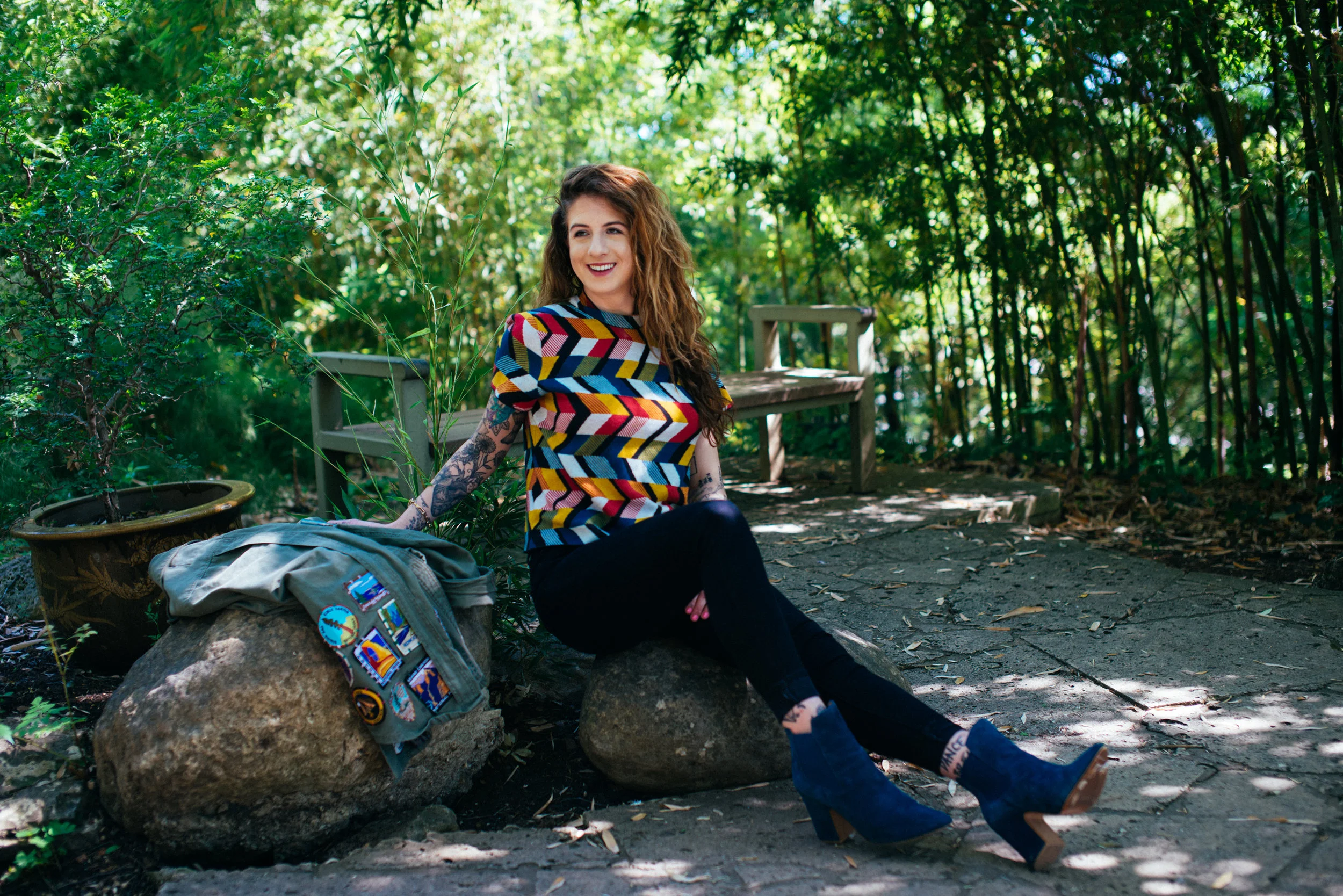
Pictured: Simone DeAngelis. Photo courtesy of Simone DeAngelis, taken by @alicerabbitshoots
Vittoria Criss: When I originally thought of who I wanted to have this conversation with I looked up traditional professionals—psychologists, therapists. The more I thought about it, I decided to shift gears to focus on someone in the community who, like me, has lived experience with mental health, and wants to reach others through their experience. What made you want to write your book?
Simone DeAngelis: I made a little booklet for myself for when I was having freak-outs—for future Sim. It was just 10 coping skills, and I kept it where it was visible to remind myself “Here are some coping skills that work for you in moments when you’re freaking out. You probably forgot right now, but you can go pick it up and do these skills.” A friend sent it to a publisher, and I signed a book deal within a week on 10 pages. They asked me to write 150 more pages, and now it’s a workbook. Each chapter is one of my coping skills. It starts with how to do that coping skill, then there are some essays and worksheets with expanding questions on how you can apply the skills to your life.

Criss: In public health work we talk a lot about access, some people just don’t have access to or awareness of resources that more privileged people do. What makes you so passionate, and why do you think sharing your experience is valuable for helping others?
DeAngelis: I have struggled with mental health for a long, long time. I’ve thought about why I’m more privileged than others and why we exist since I was a child. I’ve been grappling with how I handle the world, and if it’s different than other people do—does everybody ask these questions? I was trying to figure out what the boundaries are between what parts are because of my mental health, and what parts are just because I’m human. I’ve been in therapy for a long time, and in 2012 I spent 6 months in psychiatric care. A big reason why I’m excited about my book, and why I agreed to publish it, is because a lot of people can’t get access to things I learned from professionals. My book is for sale on a sliding scale. I’ve talked to a lot of professionals and gotten incredible care, and now my dream is to take those abstract concepts and make them into stuff that’s cool, and that people can understand.

Criss: I was reading your most recent blog post called “practice change, make progress,” and it resonated with me, but my first thought was “practice is hard.” How do you overcome the difficulties of doing work on yourself to make practice a priority in your life?
DeAngelis: I cannot operate when I’m in a dark spot, and it makes me feel really good to work hard and show up for my friends, and be able to really listen to them. There’s a lot on the line if I don’t do the work—there’s a lot to lose. Now that I’ve come so far in my journey deciding to stay alive, I really don’t want to go back to that dark spot as an option. I’ve gone through a period of depression in the last year. I’ve worked so hard on my mental health—and that’s not because I hope to never struggle with my mental health again. I’m setting up future me for success.
Criss: Along with your blog, you’re fairly active on social media. I think social media has been a great tool to de-stigmatize talking about mental health, but sometimes working on your mental health can be watered down into cool, superficial self care rituals like using a cute bath bomb or drinking a mushroom tea. How have you felt about publicly sharing difficult moments that aren’t in line with that effortless aesthetic?
DeAngelis: The other day it took me three hours to get out of my apartment. And when I finally got out, I was going to post a selfie on Instagram and share my struggles, but I didn’t. It can be tough because I don’t know if I can post a picture with a caption that can really convey to you that this is a dark-ass day. And if I do post a picture, people can say “Well it can’t be that dark, you’re posting on Instagram.” Sometimes I get frustrated with suggestions like “Feeling depressed? Go get your nails done,” because I don’t know if that person gets the full grasp of how I’m feeling at the time.
Criss: None of us have all the answers, but I think people like you who choose to be honest about your struggles is a great place to start. On your Instagram you call yourself a “self-compassion warrior.” What does that mean to you?
DeAngelis: I told my friend “You’re a self-compassion warrior on a mission of goodness.” And she said, “You said that to me because you’re too afraid to tell yourself that.” I’m just trying to be fearless in loving myself, and consistent. I spend a lot of my pie of what I think about on self compassion, because there’s a lot of self-loathing that can go on. When I get stuck in that cycle of self loathing I have a hard time believing in myself enough to write a blog post, or talk to a friend, or go out in public. When I can have the security of “I’m loving and nurturing you,” then it puts me in a much better spot of what I need to work on. I have all these self compassionate phrases that I can tell people because I memorized them because I use them all the time to combat the self-critical talk that’s going on in myself. And now it doesn’t last as long, and it doesn’t take such a strong hold on me, and I want to share that with others.
Criss: I wanted to talk a little about stigma and discrimination against people who have a mental illness, especially for women. What have your experiences been like with stigma since you have talked so openly about your mental health?
DeAngelis: It’s tough, especially in the professional field, when I’m trying to be taken seriously in my career because I’ve been so open about my mental health journey. People will say “I don’t want to put too much on your plate because you might get depressed, or you might have an anxiety attack.” I’m responsible for what’s on my plate, and what I take from the buffet line, and you can’t give less of the buffet line to those with mental illness. I’m going to put on my plate what I need to, and if it’s too much I’m going to have to take responsibility for it.
You can learn more about Simone DeAngelis, along with her blog and book, at thingsgetweird.com.
On Creative Entrepreneurship: 10 Takeaways from craftHER Market Spring '19
Another season of craftHER has come and gone, but the vibes of synergy and creative entrepreneurship have long stayed with us, and we’re stoked to carry some of the lessons we learned into our professional and personal endeavors into this summer season and beyond.

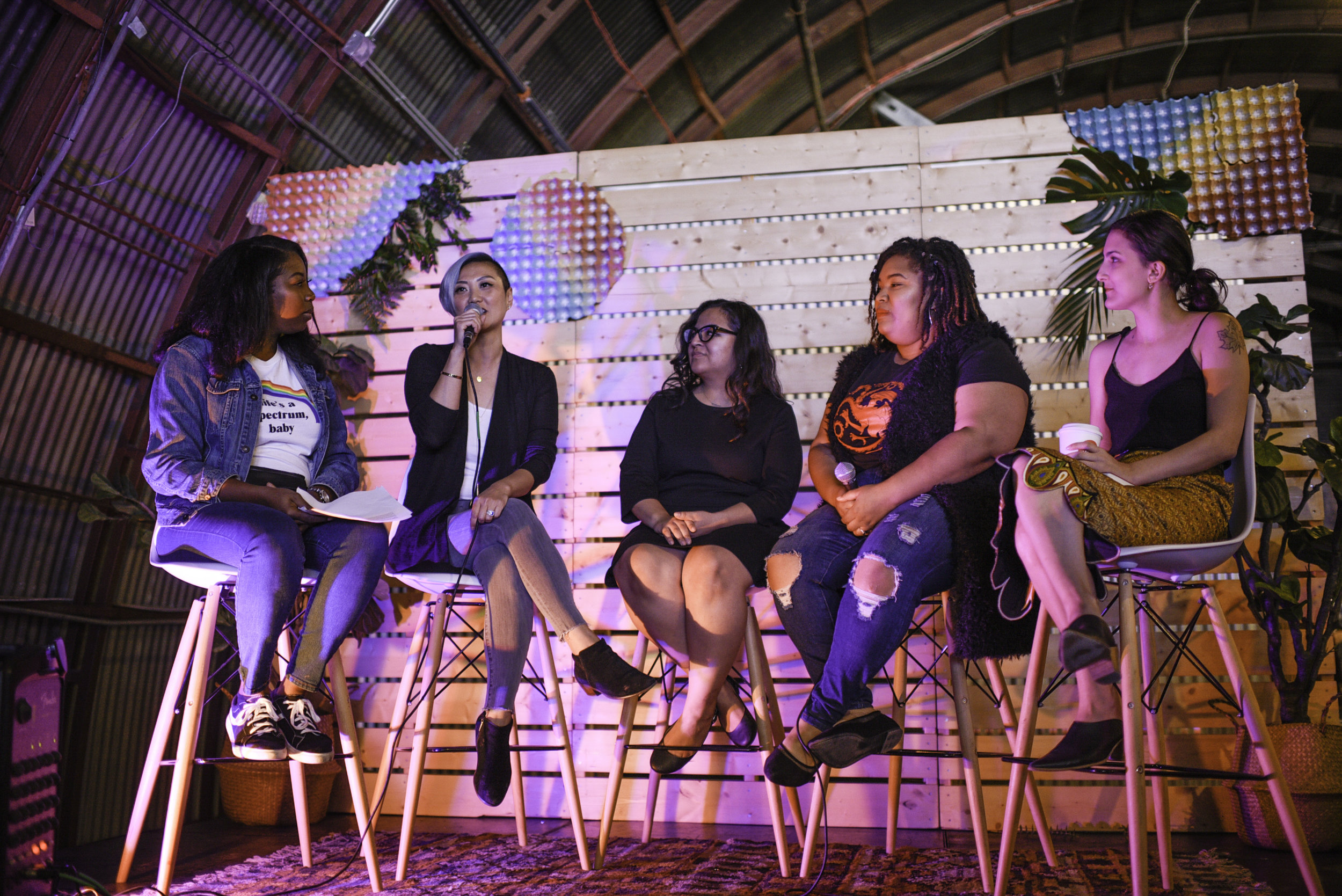
On Workflow and Family Life panel at craftHER Market Spring ‘19. Photo by Maya Coplin
synergy (noun): the interaction or cooperation of two or more organizations, substances, or other agents to produce a combined effect greater than the sum of their separate effects.
Another season of craftHER has come and gone, but the vibes of synergy and creative entrepreneurship have long stayed with us, and we’re stoked to carry some of the lessons we learned into our professional and personal endeavors into this summer season and beyond.
Last month, 3200 attendees filled Fair Market on Sunday, April 14 for our sixth installment of craftHER Market, and attendees walked away with more than amazing crafts. They left with knowledge about synergy and creative entrepreneurship from our craftHER panels, as speakers explored what alignment looks like in creative work, communication and collaboration. Here are the 10 takeaways from those conversations:
On Diverse and Inclusive Marketing
Curated and moderated by #BBATX committee member Isabella Toledo, this craftHER panel discussed diverse and inclusive marketing practices and how responsible are we for the audiences our projects and businesses attract. Here were a few standout lessons:
“When you don’t have diverse faces behind your brand, in your brand, then you’re telling people that they’re not included in your brand.” — Kelly Dugan, editor-in-chief of Peach Fuzz Magazine, on marginalized groups existing behind the scenes as staff and not just faces of your brand
“Diversity isn’t about looking for someone. It’s about who recognizing who isn’t here and how can I prioritize getting those people here AND feel comfortable.” — TK Tunchez of Las Ofrendas on finding and casting diverse models in your marketing.
“It’s more of what can I learn from you. Do we align? Do we have the same values? Do you bring something different to the table? It’s about an open dialogue.” — Adriana Arispe of Meerbra on how valuing diversity and inclusiveness in marketing plays a role in partnerships
On Staying Socially Responsible
Curated and moderated by #BBATX committee member Cara Cate, in this craftHER panel three members of our community discussed how they have upheld social responsibility within their brands and artistic practices. Here were a few standout lessons:
“Don’t be afraid to experiment. Don’t be afraid to be a little reckless. There is joy in being able to just see what happens and learn from that. Be fearless, authentic, passionate, surround yourself with people who aren’t afraid to challenge you but ultimately believe in you.” — Elie Wu, co-founder of the Mahala Project, on adding a philanthropic aspect to your brand
“Being conscious that there’s gonna be a deficit when you give so much of yourself to something that requires creative power. Building in time to recoup. Social responsibility starts with taking care of ourselves.” — Yvonne Keyrouz, an artist and collaborator of the The Seam Project, on practicing self-care when you need to balance your creative life
“Collaboration is a way to embody trust in others and amazing things will emerge from the project. You can’t predict what will happen when two or more people come together to produce something and that’s magical.” — Tina Sparkles of IMMEDIATE Fashion School on balancing social responsibility and community collaboration with your art/biz
On Comparison and Competition In Creative Entrepreneurship
Curated and moderated by #BBATX committee member Cynthia Muñoz, in this craftHER panel different creatives talked about their approach to competition and collaboration. Here were a few standout lessons:
“Where do I spend the majority of my time and resources? I try and balance the mentally straining part of my process. I break it down into little, more attainable parts.” — Sarah Castillo, a curator, gallerist, and artist, on managing having a day job outside of your creative practice
“What am I bringing that is different? I go back through my past content to find something I have already created that was unique. I look back at something that I have created and allow it to evoke something.” — Melanie Holst-Collins of Grow Your Lovespace on how to feel like a creative even if you aren’t necessarily proud of the work you’re making at that moment
“Sometimes we push ourselves to the point where we have nothing left to push. Set healthy boundaries for yourself.” — Monica Valenzuela of Decussate Magazine on identifying as an introvert and it affecting your networking/ability to share your work
“Comparison goes with admiration. A good collaboration reminds you who the fuck you are. It's best when both parties leave the collaboration feeling like they both learned something.” — Melanie Holst-Collins of Grow Your Lovespace on preserving your creativity and avoid comparison when you collaborate
Thanks to our craftHER sponsors Volusion and Tito’s Handmade Vodka, these panels were free and open to the public. Want to get involved in the next craftHER Market? Our next one is on October 12 and 13 at Fair Market in Austin, Texas. Sign up for email updates at the bottom of crafthermarket.com and stay tuned for our applications reopening on June 10, 2019.
This blog post was written and compiled by #BBATX committee member Sydney Greene.