
On Freaking Out And Building Good Habits: An Interview with Simone DeAngelis
In honor of Mental Health Awareness Month, #BBATX committee member Vittoria Criss spoke with Simone DeAngelis, author of the upcoming book If You're Freaking Out, Read This: A Coping Workbook for Building Good Habits, Behaviors, and Hope for the Future and Community Engagement Specialist at Community First! Village, about our experiences confronting and managing our mental health diagnoses, while also helping others move toward a healthier life.
This op-ed and interview has been written by #BBATX committee member Vittoria Criss.
I had my first panic attack while grocery shopping. A routine task suddenly ended with me locked in a bathroom stall wondering if I was about to die. Like many women, I felt my symptoms were ignored and invalidated until I reached a breaking point. After years just surviving, I finally sought medical help, and got a diagnosis and treatment. Every day I wish I hadn’t waited so long.
In honor of Mental Health Awareness Month I spoke with Simone DeAngelis, author of the upcoming book If You're Freaking Out, Read This: A Coping Workbook for Building Good Habits, Behaviors, and Hope for the Future and Community Engagement Specialist at Community First! Village, about our experiences confronting and managing our mental health diagnoses, while also helping others move toward a healthier life.

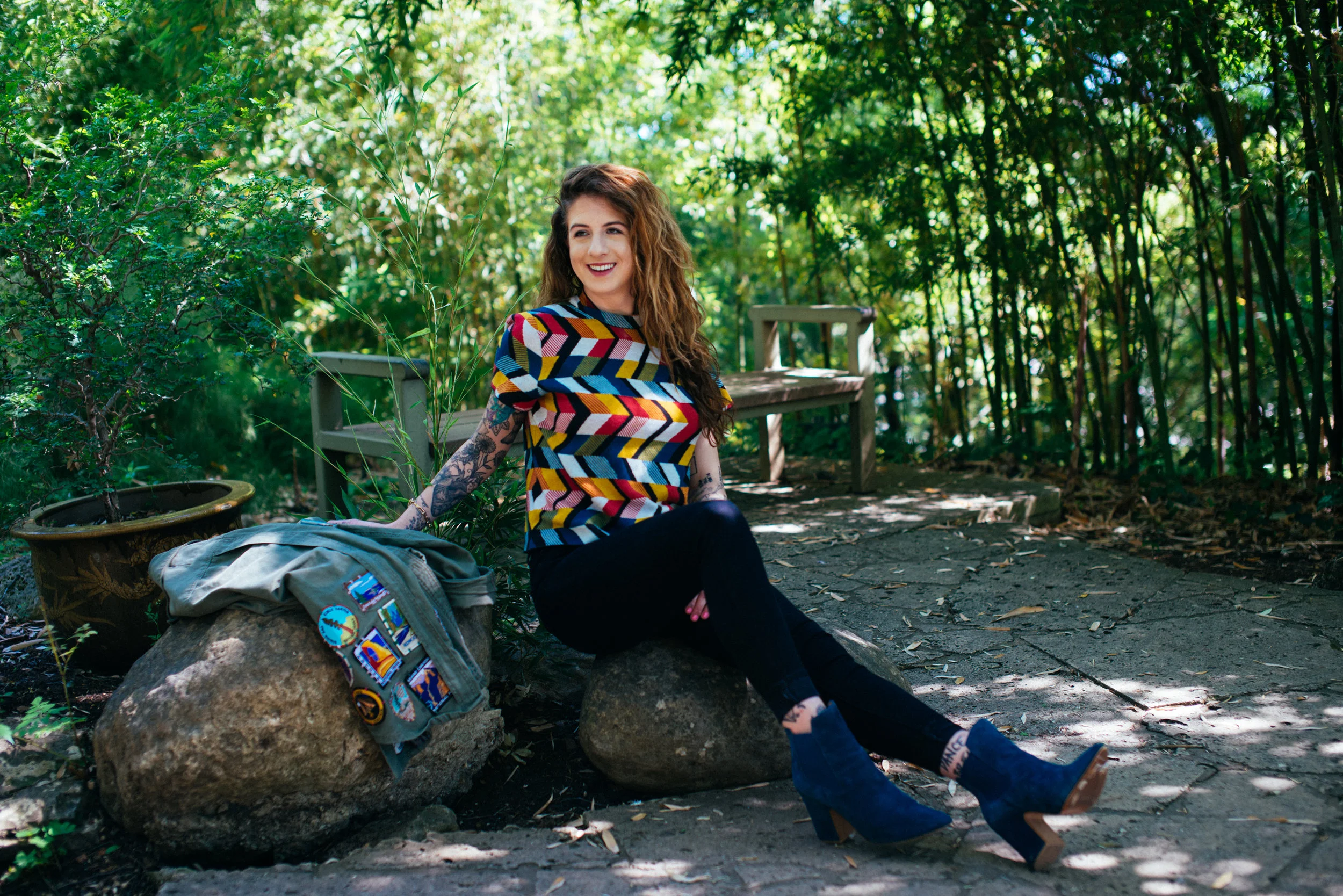
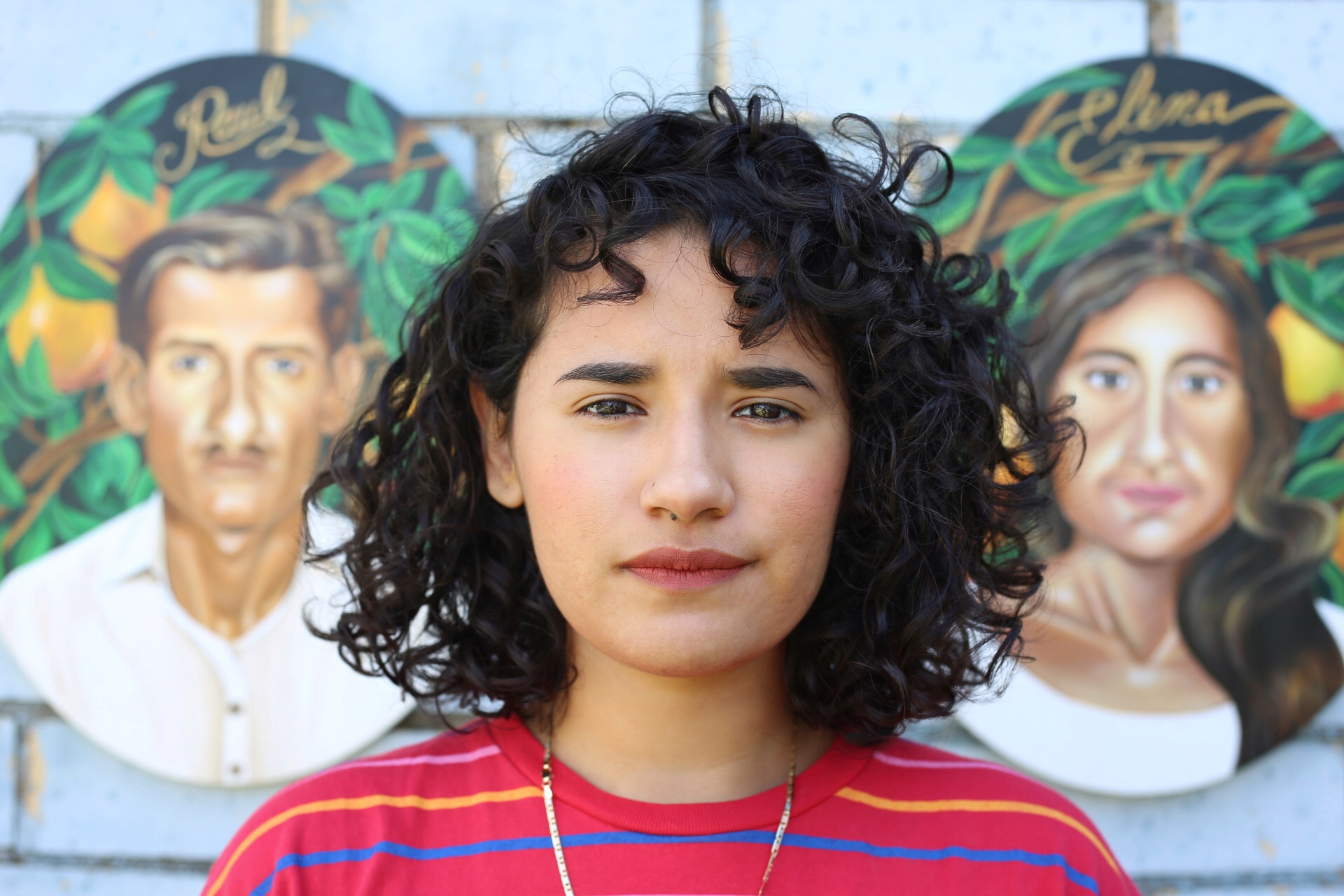
Pictured: Simone DeAngelis. Photo courtesy of Simone DeAngelis, taken by @alicerabbitshoots
Vittoria Criss: When I originally thought of who I wanted to have this conversation with I looked up traditional professionals—psychologists, therapists. The more I thought about it, I decided to shift gears to focus on someone in the community who, like me, has lived experience with mental health, and wants to reach others through their experience. What made you want to write your book?
Simone DeAngelis: I made a little booklet for myself for when I was having freak-outs—for future Sim. It was just 10 coping skills, and I kept it where it was visible to remind myself “Here are some coping skills that work for you in moments when you’re freaking out. You probably forgot right now, but you can go pick it up and do these skills.” A friend sent it to a publisher, and I signed a book deal within a week on 10 pages. They asked me to write 150 more pages, and now it’s a workbook. Each chapter is one of my coping skills. It starts with how to do that coping skill, then there are some essays and worksheets with expanding questions on how you can apply the skills to your life.

Criss: In public health work we talk a lot about access, some people just don’t have access to or awareness of resources that more privileged people do. What makes you so passionate, and why do you think sharing your experience is valuable for helping others?
DeAngelis: I have struggled with mental health for a long, long time. I’ve thought about why I’m more privileged than others and why we exist since I was a child. I’ve been grappling with how I handle the world, and if it’s different than other people do—does everybody ask these questions? I was trying to figure out what the boundaries are between what parts are because of my mental health, and what parts are just because I’m human. I’ve been in therapy for a long time, and in 2012 I spent 6 months in psychiatric care. A big reason why I’m excited about my book, and why I agreed to publish it, is because a lot of people can’t get access to things I learned from professionals. My book is for sale on a sliding scale. I’ve talked to a lot of professionals and gotten incredible care, and now my dream is to take those abstract concepts and make them into stuff that’s cool, and that people can understand.

Criss: I was reading your most recent blog post called “practice change, make progress,” and it resonated with me, but my first thought was “practice is hard.” How do you overcome the difficulties of doing work on yourself to make practice a priority in your life?
DeAngelis: I cannot operate when I’m in a dark spot, and it makes me feel really good to work hard and show up for my friends, and be able to really listen to them. There’s a lot on the line if I don’t do the work—there’s a lot to lose. Now that I’ve come so far in my journey deciding to stay alive, I really don’t want to go back to that dark spot as an option. I’ve gone through a period of depression in the last year. I’ve worked so hard on my mental health—and that’s not because I hope to never struggle with my mental health again. I’m setting up future me for success.
Criss: Along with your blog, you’re fairly active on social media. I think social media has been a great tool to de-stigmatize talking about mental health, but sometimes working on your mental health can be watered down into cool, superficial self care rituals like using a cute bath bomb or drinking a mushroom tea. How have you felt about publicly sharing difficult moments that aren’t in line with that effortless aesthetic?
DeAngelis: The other day it took me three hours to get out of my apartment. And when I finally got out, I was going to post a selfie on Instagram and share my struggles, but I didn’t. It can be tough because I don’t know if I can post a picture with a caption that can really convey to you that this is a dark-ass day. And if I do post a picture, people can say “Well it can’t be that dark, you’re posting on Instagram.” Sometimes I get frustrated with suggestions like “Feeling depressed? Go get your nails done,” because I don’t know if that person gets the full grasp of how I’m feeling at the time.
Criss: None of us have all the answers, but I think people like you who choose to be honest about your struggles is a great place to start. On your Instagram you call yourself a “self-compassion warrior.” What does that mean to you?
DeAngelis: I told my friend “You’re a self-compassion warrior on a mission of goodness.” And she said, “You said that to me because you’re too afraid to tell yourself that.” I’m just trying to be fearless in loving myself, and consistent. I spend a lot of my pie of what I think about on self compassion, because there’s a lot of self-loathing that can go on. When I get stuck in that cycle of self loathing I have a hard time believing in myself enough to write a blog post, or talk to a friend, or go out in public. When I can have the security of “I’m loving and nurturing you,” then it puts me in a much better spot of what I need to work on. I have all these self compassionate phrases that I can tell people because I memorized them because I use them all the time to combat the self-critical talk that’s going on in myself. And now it doesn’t last as long, and it doesn’t take such a strong hold on me, and I want to share that with others.
Criss: I wanted to talk a little about stigma and discrimination against people who have a mental illness, especially for women. What have your experiences been like with stigma since you have talked so openly about your mental health?
DeAngelis: It’s tough, especially in the professional field, when I’m trying to be taken seriously in my career because I’ve been so open about my mental health journey. People will say “I don’t want to put too much on your plate because you might get depressed, or you might have an anxiety attack.” I’m responsible for what’s on my plate, and what I take from the buffet line, and you can’t give less of the buffet line to those with mental illness. I’m going to put on my plate what I need to, and if it’s too much I’m going to have to take responsibility for it.
You can learn more about Simone DeAngelis, along with her blog and book, at thingsgetweird.com.
On Creative Entrepreneurship: 10 Takeaways from craftHER Market Spring '19
Another season of craftHER has come and gone, but the vibes of synergy and creative entrepreneurship have long stayed with us, and we’re stoked to carry some of the lessons we learned into our professional and personal endeavors into this summer season and beyond.

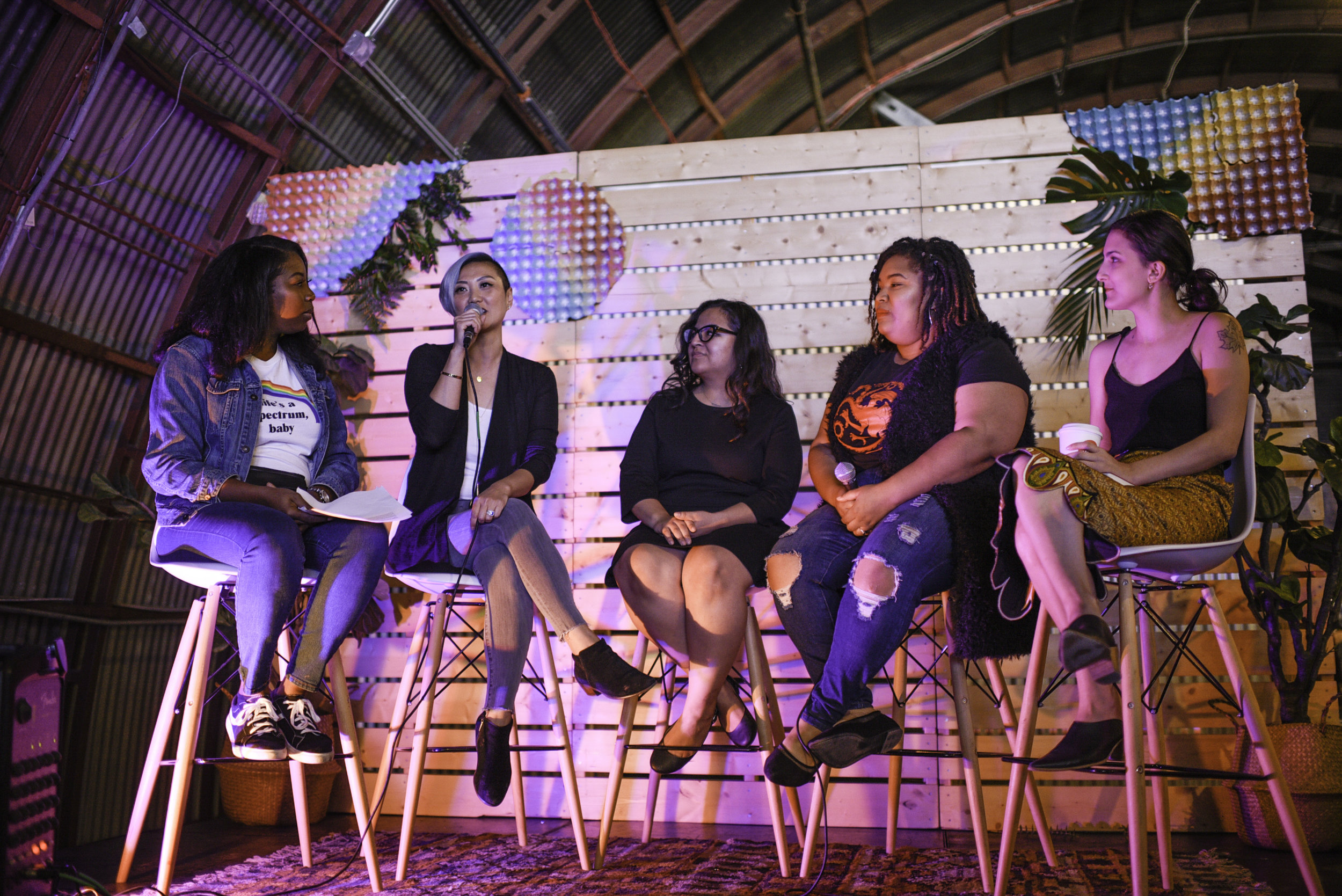
On Workflow and Family Life panel at craftHER Market Spring ‘19. Photo by Maya Coplin
synergy (noun): the interaction or cooperation of two or more organizations, substances, or other agents to produce a combined effect greater than the sum of their separate effects.
Another season of craftHER has come and gone, but the vibes of synergy and creative entrepreneurship have long stayed with us, and we’re stoked to carry some of the lessons we learned into our professional and personal endeavors into this summer season and beyond.
Last month, 3200 attendees filled Fair Market on Sunday, April 14 for our sixth installment of craftHER Market, and attendees walked away with more than amazing crafts. They left with knowledge about synergy and creative entrepreneurship from our craftHER panels, as speakers explored what alignment looks like in creative work, communication and collaboration. Here are the 10 takeaways from those conversations:
On Diverse and Inclusive Marketing
Curated and moderated by #BBATX committee member Isabella Toledo, this craftHER panel discussed diverse and inclusive marketing practices and how responsible are we for the audiences our projects and businesses attract. Here were a few standout lessons:
“When you don’t have diverse faces behind your brand, in your brand, then you’re telling people that they’re not included in your brand.” — Kelly Dugan, editor-in-chief of Peach Fuzz Magazine, on marginalized groups existing behind the scenes as staff and not just faces of your brand
“Diversity isn’t about looking for someone. It’s about who recognizing who isn’t here and how can I prioritize getting those people here AND feel comfortable.” — TK Tunchez of Las Ofrendas on finding and casting diverse models in your marketing.
“It’s more of what can I learn from you. Do we align? Do we have the same values? Do you bring something different to the table? It’s about an open dialogue.” — Adriana Arispe of Meerbra on how valuing diversity and inclusiveness in marketing plays a role in partnerships
On Staying Socially Responsible
Curated and moderated by #BBATX committee member Cara Cate, in this craftHER panel three members of our community discussed how they have upheld social responsibility within their brands and artistic practices. Here were a few standout lessons:
“Don’t be afraid to experiment. Don’t be afraid to be a little reckless. There is joy in being able to just see what happens and learn from that. Be fearless, authentic, passionate, surround yourself with people who aren’t afraid to challenge you but ultimately believe in you.” — Elie Wu, co-founder of the Mahala Project, on adding a philanthropic aspect to your brand
“Being conscious that there’s gonna be a deficit when you give so much of yourself to something that requires creative power. Building in time to recoup. Social responsibility starts with taking care of ourselves.” — Yvonne Keyrouz, an artist and collaborator of the The Seam Project, on practicing self-care when you need to balance your creative life
“Collaboration is a way to embody trust in others and amazing things will emerge from the project. You can’t predict what will happen when two or more people come together to produce something and that’s magical.” — Tina Sparkles of IMMEDIATE Fashion School on balancing social responsibility and community collaboration with your art/biz
On Comparison and Competition In Creative Entrepreneurship
Curated and moderated by #BBATX committee member Cynthia Muñoz, in this craftHER panel different creatives talked about their approach to competition and collaboration. Here were a few standout lessons:
“Where do I spend the majority of my time and resources? I try and balance the mentally straining part of my process. I break it down into little, more attainable parts.” — Sarah Castillo, a curator, gallerist, and artist, on managing having a day job outside of your creative practice
“What am I bringing that is different? I go back through my past content to find something I have already created that was unique. I look back at something that I have created and allow it to evoke something.” — Melanie Holst-Collins of Grow Your Lovespace on how to feel like a creative even if you aren’t necessarily proud of the work you’re making at that moment
“Sometimes we push ourselves to the point where we have nothing left to push. Set healthy boundaries for yourself.” — Monica Valenzuela of Decussate Magazine on identifying as an introvert and it affecting your networking/ability to share your work
“Comparison goes with admiration. A good collaboration reminds you who the fuck you are. It's best when both parties leave the collaboration feeling like they both learned something.” — Melanie Holst-Collins of Grow Your Lovespace on preserving your creativity and avoid comparison when you collaborate
Thanks to our craftHER sponsors Volusion and Tito’s Handmade Vodka, these panels were free and open to the public. Want to get involved in the next craftHER Market? Our next one is on October 12 and 13 at Fair Market in Austin, Texas. Sign up for email updates at the bottom of crafthermarket.com and stay tuned for our applications reopening on June 10, 2019.
This blog post was written and compiled by #BBATX committee member Sydney Greene.
On Using Art to Explain Science: 2019 Resident Artist Amanda Vaughn
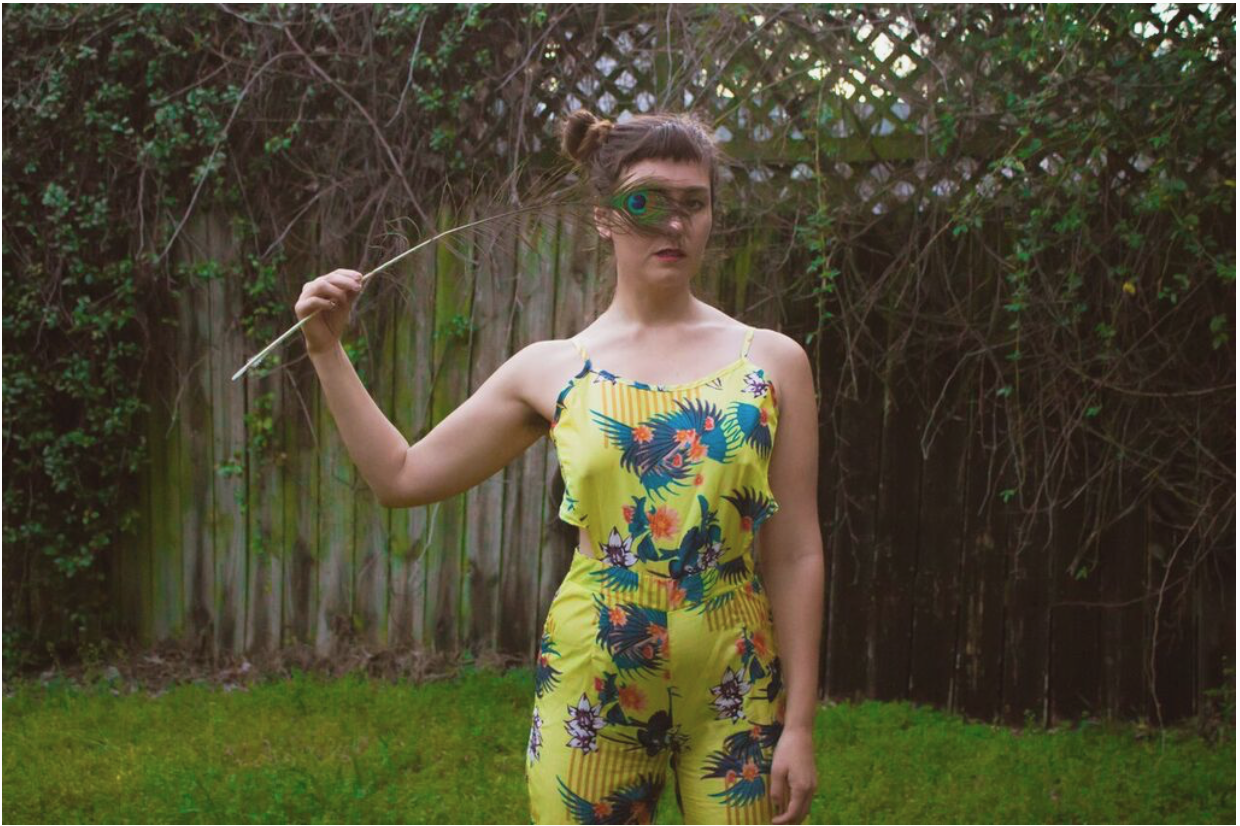
Amanda Vaughn is a DJ and visual artist in #BBATX’s 2019 Residency. In this interview, she talks making room for experiments, starting projects and her ideal meeting of the minds.
Amanda Vaughn is a DJ and visual artist in #BBATX’s 2019 Residency. In this interview, she talks making room for experiments, starting projects and her ideal meeting of the minds.
This interview has been condensed from a conversation with #BBATX board member and committee member Xochi Solis.

ABOUT THE ARTIST
As a zine-maker, DJ, and visual artist, Amanda Vaughn creates interdisciplinary and experimental work through the lens of a scientist. In her paintings she uses a robust palette to depict a world viewable only by microscope in mural-sized portraits of proteins and fantastical cellscapes. Vaughn has created nine volumes of BEARCAT, a zine which combines collage, scientific literature, and humor with a picture book aesthetic. Both performance and radio-based, Amanda’s DJ sets collage and mix vinyl from different eras, genres, and continents to create novel sonic environments. Keep up with Amanda’s mixes on Soundcloud and follow her on Instagram.
Tell us about your work and practice:
I moved to Austin in 2012 to begin work on my PhD at the University of Texas, and find it to be the perfect environment for those that want a good balance of work and play. I can hole up for three weeks working on experiments in lab, and then step into the brilliant Austin sunshine and go swimming or play music with friends. I’ve learned that I can’t be successful in the sciences without taking time to assimilate concepts through making art. Austin offers a vast range of venues to explore and share art in a community, which I have taken full advantage of in an attempt to balance out the isolating nature of doing research.
As an academic and social person by nature, I thrive on engagement with others. I like sharing ideas and sounds out of context, and encouraging people to make new connections between the subject and their personal experience. When I paint portraits of proteins a billion times larger than their actual size in nature, I want to portray that these nanoscopic and intricate particles of matter are larger than life, as they provide us with life. The most important part of that process is the connection that others can make with these images—the “aha" moment that inspires a new perspective on the particles that give us life. I use the same approach when I spin records; I want fringe artists from diverse eras, regions, and practices to be celebrated together. To connect with others throughout this process makes it all worthwhile and gives it meaning.

How does the urge to start a project begin? How and when does it end?
I work best with specific instructions and a deadline—I suppose I am an eternal student after spending seven years in Biochemistry grad school. I'll begin work on a project for specific shows or performances, and binge work on it until I come up with something that excites me. I keep a long list of project ideas for inspiration, but in order to feel completely motivated to work, I like to maintain focus on the context in which the work can be shared. If I have been studying a new protein in my research, I like to document that work by painting a portrait of it. Each project takes a different amount of time, but I’ve been known to cram and get things done quickly if need be. A mural I painted in 2009 took three months, but I’ve also pumped out a fresh zine the night before a zine festival. My large scale protein portraits are visceral and impulsive, which is intentional, and usually take about two days from start to finish.
Tell us something about yourself that many people might not know lies behind your creative passions.
Art is an amazing educational vehicle for esoteric subjects such as the sciences, and I use my art projects in science lectures I give to the community. I have given a couple talks at the Thinkery during community night and also recently completed an outreach teaching residency in an elementary school. Explaining complex and abstract concepts via art gives students an opportunity to make personal connections with scientific ideas, and in turn, understand them better. Inundating people with dense textbooks and nomenclature only makes them feel more removed from scientific theory, and therefore resentful and avoidant of it. One of my career goals is to design and teach a course on Science for Artists (or anyone passionate about both, for that matter).
What is your ideal gathering or meeting of the minds?
In full Renaissance fashion, I dream of a forum-like setting where art, music, science, and film are all active topics of discussion, and there is no need to be an expert in any of these fields in order to engage and participate. Science is something discussed interchangeably with the arts, and the open nature of these discussions only fuel further creativity and wonder. Without those interdisciplinary elements, we are reduced to computers that memorize facts and lack passion and curiosity.

FACES + PLACES MOST INFLUENTIAL TO AMANDA:
Gainesville, Madrid, Taipei, Bermuda, Sciacca, Halifax, Osaka
Joan Mitchell, Yayoi Kusama, Sophia Loren, Françoise Hardy, Elizabeth Fraser, Jane Richardson (biophysicist), Agnes Varda, Betty Davis, Isabelle Adjani
WHAT SHE’S BEEN LISTENING TO RECENTLY:
morio agata - morio agata flexi
saint etienne - avenue
eggplant - for you (i’d build a church)
mina - tintarella di luna
cranes - fracture
red sleeping beauty - cinema
the ecstasy of saint theresa - what’s
gaze - turquoise
orange cake mix - don’t let tomorrow get in your way
california☆roma - tarot garden
ata kak - daa nyinaa
the wake - crush the flowers
cassandra - thank you for the many things you’ve done
About #bbatx's The Residency: We annually work with 10 to 15, Texas-based women-identifying and nonbinary visual and musical artists to produce site-specific work, commissions and exhibitions throughout our programming and events. Through these residencies, we invite the public to learn more about their process, approach and sustainability of their practice. Click here to meet this year's artists.
On Serving Community With Art: 2019 Resident Artist Edith Valle
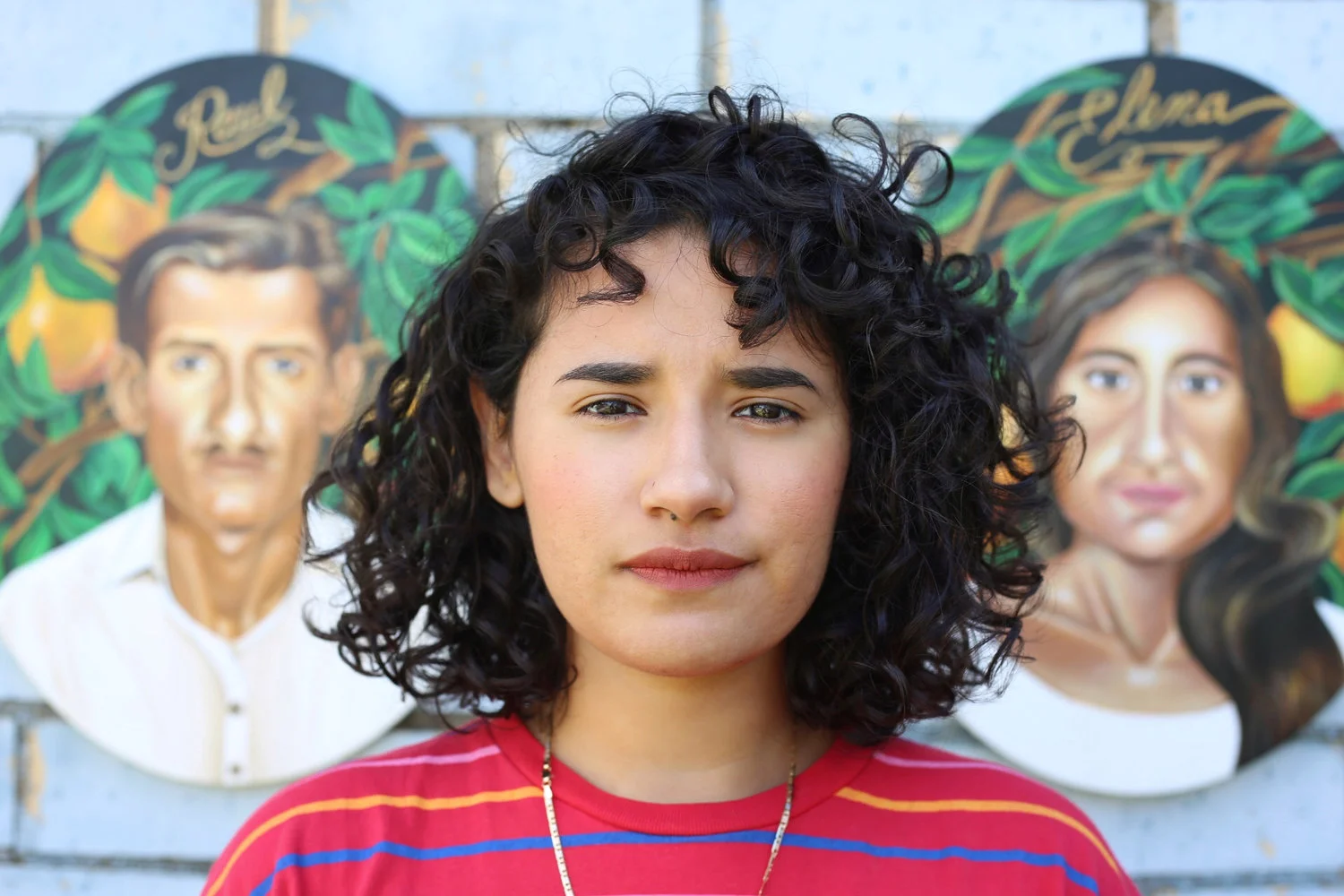
Edith Valle is a graphic designer and artist in #BBATX’s 2019 Residency. In this interview, she discusses her relationship to family and its influence on her practice and pursuits.
Edith Valle is a graphic designer and artist in #BBATX’s 2019 Residency. In this interview, she discusses her relationship to family and its influence on her practice and pursuits.
This interview has been condensed from a conversation with #BBATX board member and committee member Xochi Solis..
about the artist
Edith Valle is a graphic designer and artist who actively works to serve her community. Since graduating from St. Edward's in 2016, she has been involved in the local art scene painting murals, being involved in community art projects and organizing workshops and lectures about design and publications for the Austin public. She currently works at the non-profit Deeds Not Words working to engage young women through art and advocacy.

Vida de Oro, 2016
Tell us about your work and practice:
I was born in Austin. My parents immigrated from the region of “Tierra Caliente,” Michoacan, Mexico and ended up settling in Elgin, a small town just 30 minutes east of Austin. My family would travel back and forth from Elgin to Austin on the weekends to buy groceries and clothes, and visit my mom’s friends who primarily lived in North Austin. My parents had friends there and eventually my older siblings went to school there, and me soon after. I am propelled to continue making work here because I want to contribute to the culture of the city that I’m most familiar with. As a designer and artist of color, I want to continue making art that is authentic to my experience as a Mexican-American woman in Austin and also uplift other artists of color in the process.
Much of my art has come from collaborating with people that I volunteer with at nonprofits and nonprofits, in general. I think in those instances, it has been very important to know the people that are doing the work around whatever issue I’m making art for. Not only that, but I think it's important to have them involved in the process and make something with them rather than just for them. You can always tell when there is a disconnection with the people and the art when there is no collaboration with the communities the art is supposed to be serving.

Mariposas, 2017

Media Naranja, 2018
Tell us about your experience with creative burnout and where you find inspiration to make art.
Lately I’ve been kind of burnt out. I feel like I’ve been producing more than actually creating and really engaging with the process. I haven’t had an “urge” to do anything but take a break, if I’m being honest. If anything, as I answer these questions and talk about my family, I feel a spark and realize that's definitely something that inspires me. My paintings always start with me crying about something that made me sad and needing to channel that emotion. Most people don’t see me cry, so yeah—I’m a sad girl in disguise.
What is your ideal gathering or meeting of the minds?
My ideal gathering would be meeting with my ancestors and learning about my family history. Very little of my family history is documented, so I would love to hear stories about where we come from and how we got here.

Sol en Mi Piel, 2017
PLACES + MUSIC + BOOKS + ANIMATION MOST INFLUENTIAL TO EDITH
I come from a family of farmworkers stemming from the geographical region in southern Mexico known as Tierra Caliente. It is a region that comprises of some low-elevation areas of the states of Michoacán, Guerrero and Mexico. The region is super hot (as the name rightfully states) and it one of the most agriculturally rich areas of Mexico. My grandparents and many of my aunts and uncles still live there. When I visit, I witness what it looks like to truly live in community. Most of the food that they grow is shared with their neighbors and vise versa. Every few years that I visit, I learn something new from a place that hardly changes. I think about this a lot since I have the privilege of being able to go back to my family’s roots, and also see where our branches extend.
I’ve always been a huge fan of Calle 13. Their last two albums, Entren Los Que Quieren and Multiviral were very influential to me when I was in college. That was probably one of the first times I was challenged to think critically about my Latinx identity and I felt like those albums helped me explore what that meant. I can say the same about Cafe Tacvba. However, I’m not really into Residente as a solo artist these days.
A Thousand Splendid Suns by Khaled Hosseini is probably one of the only books besides Harry Potter that I constantly read over and over again. It’s a story about two women from different generations and how their lives are brought together by the sweeping wars in Afghanistan. They struggle to survive, raise a family, and find happiness. It goes back and forth from the perspective of each woman and I liked that I was able to see the story from both sides. The last time I read it was probably two years ago—I can’t really answer how it shaped me, but I will definitely read it again with that question in mind.
Avatar the Last Airbender is an anime that came out when I was in 5th grade. I’ve always loved the philosophy in this show. As a child, and as a grown up now that I own the dvds, it really motivated me to look introspectively and think about my mental weaknesses and how to combat them. The Legend of Korra which is the sequel to that show is just as good. Period.

Absorbiendo Mi Piel, 2017
About #bbatx's The Residency: We annually work with 10 to 15, Texas-based women-identifying and nonbinary visual and musical artists to produce site-specific work, commissions and exhibitions throughout our programming and events. Through these residencies, we invite the public to learn more about their process, approach and sustainability of their practice. Click here to meet this year's artists.
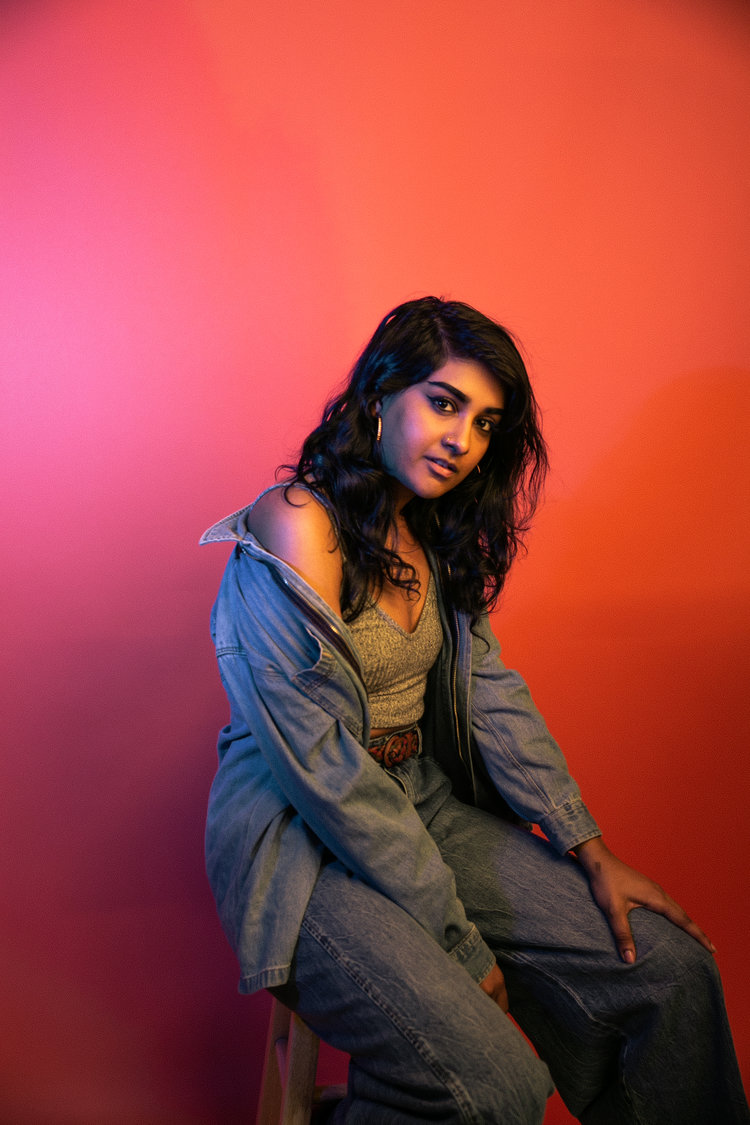
We Are Resilient: A Series of Portraits by Jeanette Nevarez
At our meet-up in February 2019, local photographer Jeanette Nevarez created a very special photo booth, documented the power and resilience of our community.
Our quarterly meets (held in February, May, August and November) are a space for people to meet the crew behind #bossbabesATX and members of our community. At our meet-up in February 2019, local photographer Jeanette Nevarez created a very special photo booth, documented the power and resilience of our community.
You can find the photo-booth outtakes here.
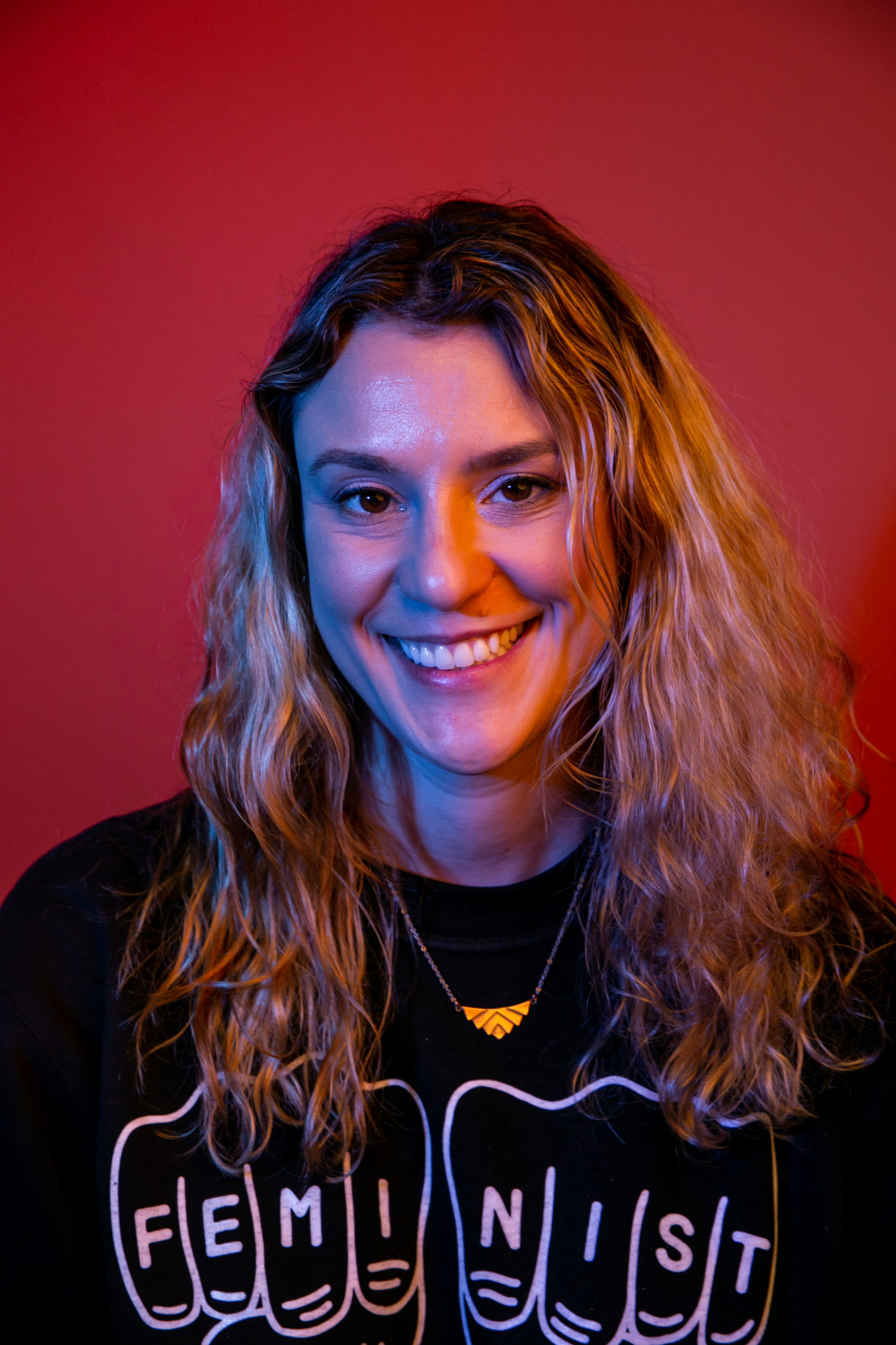
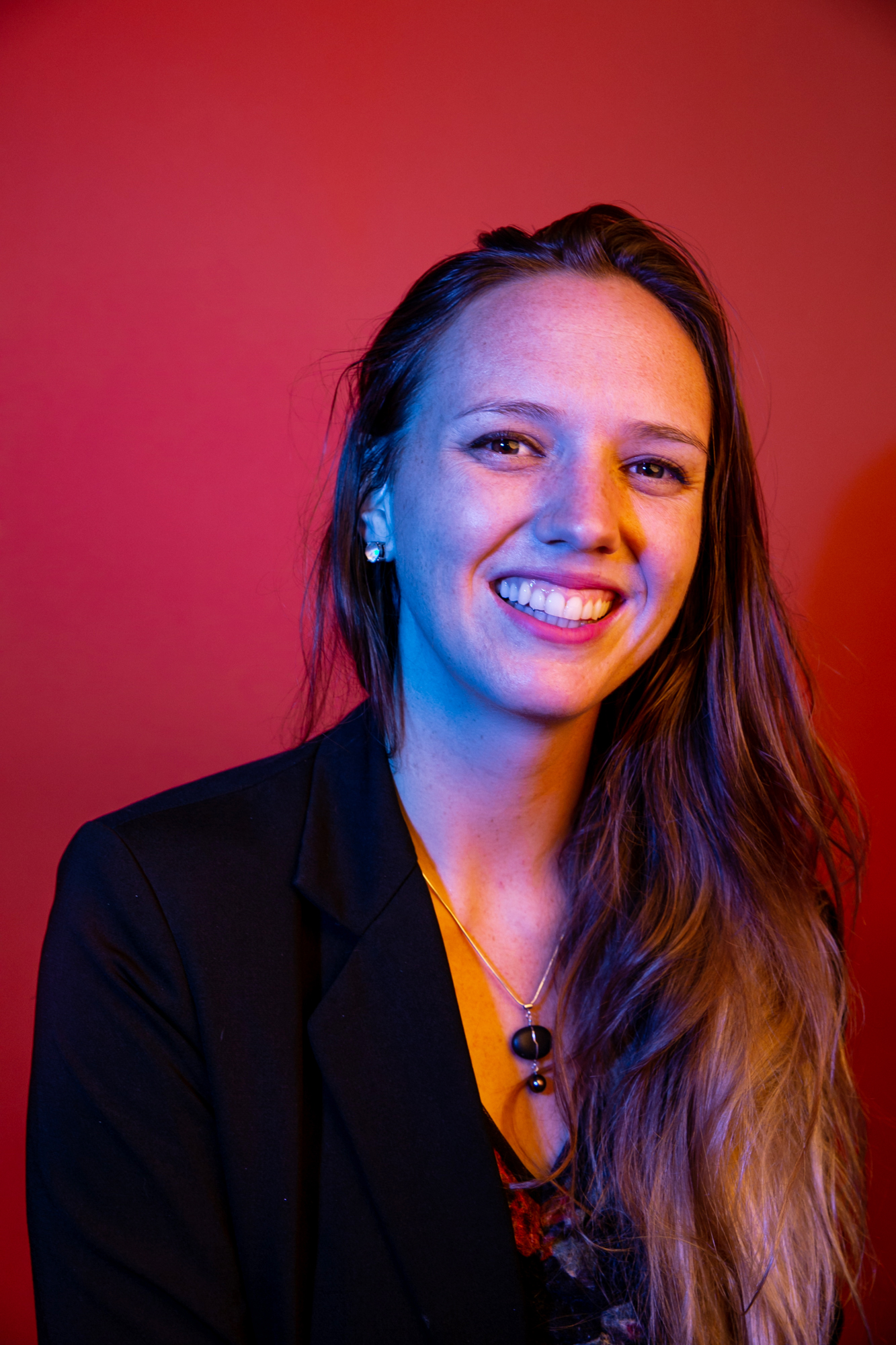
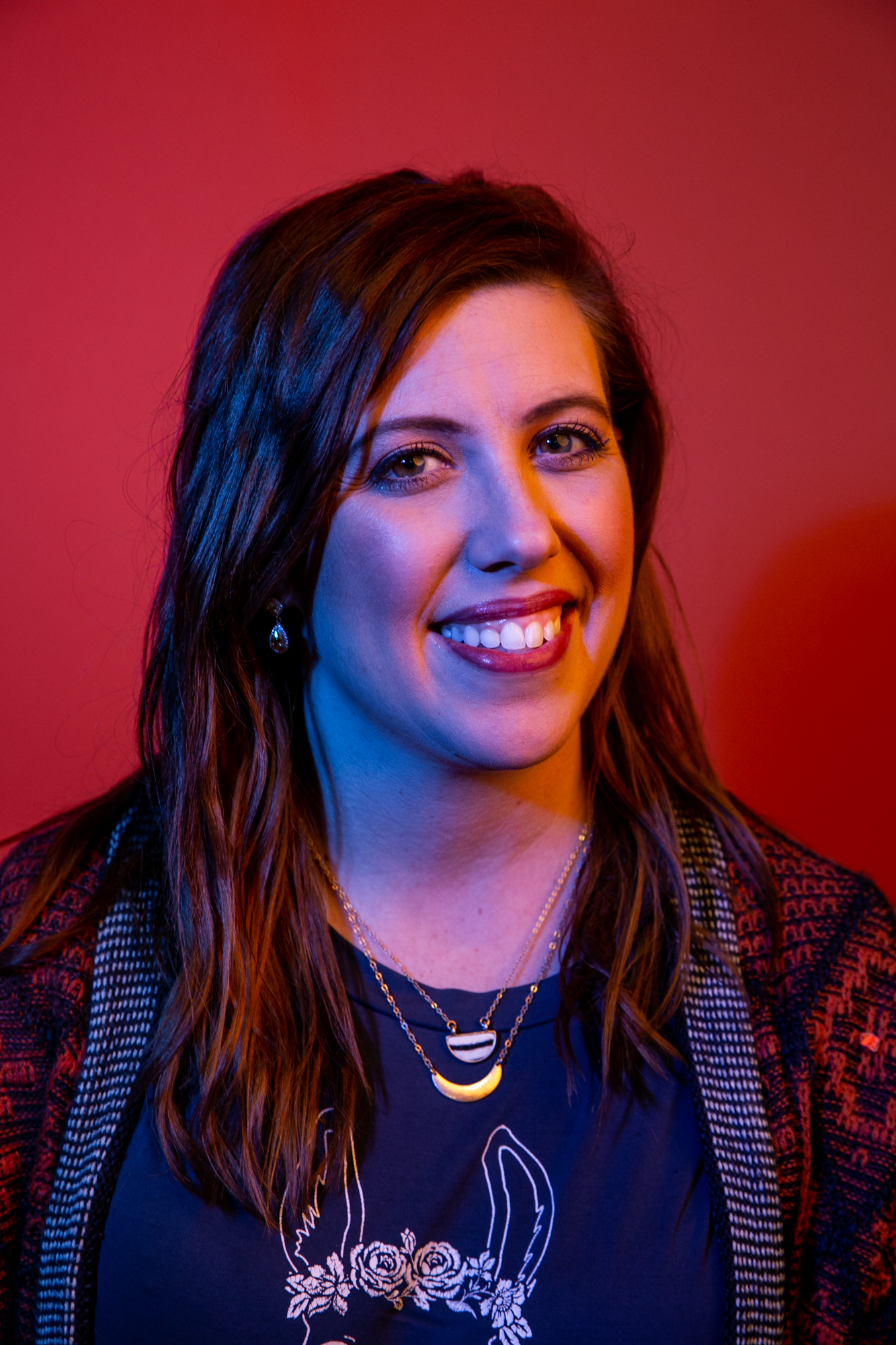
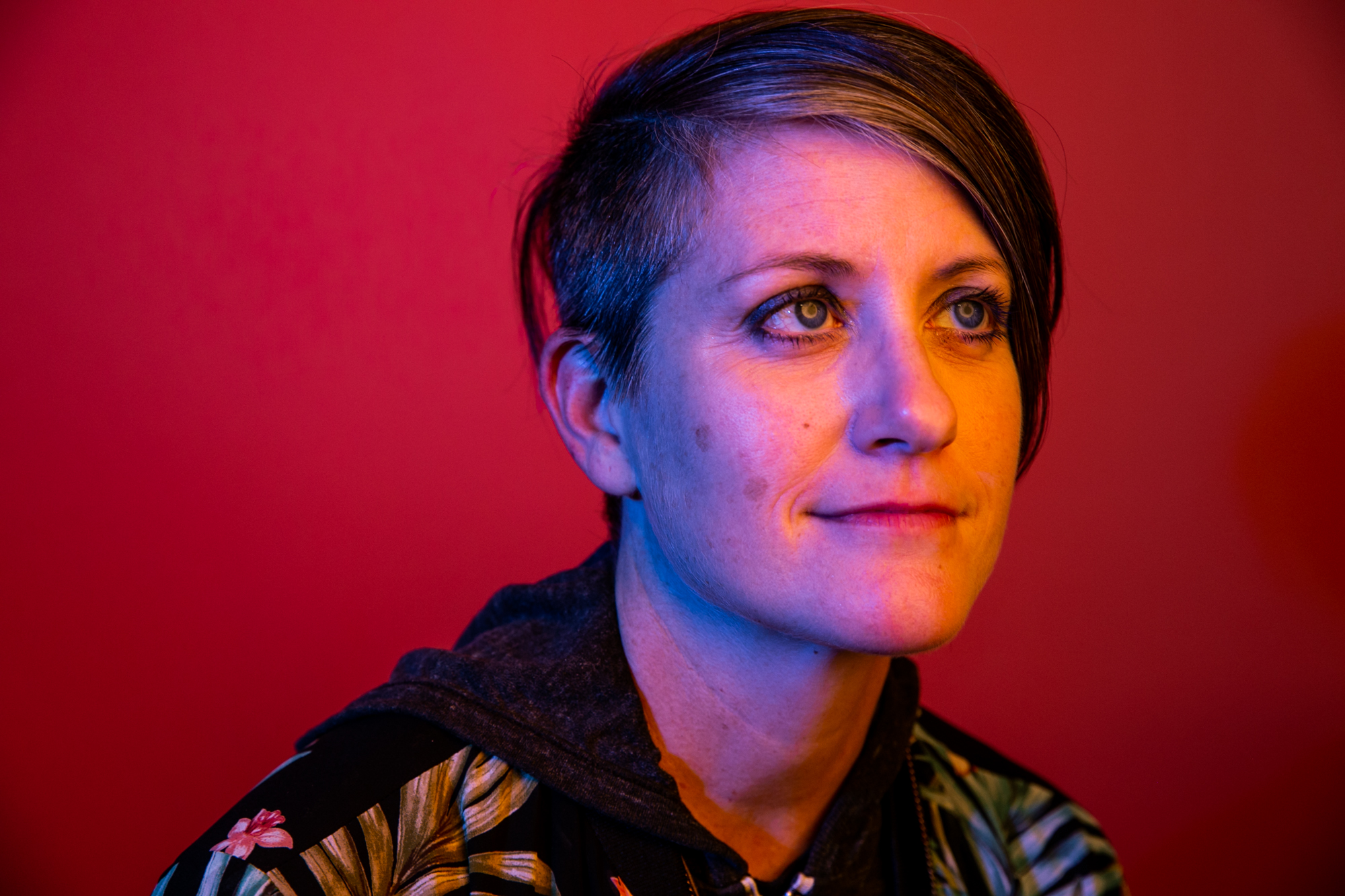
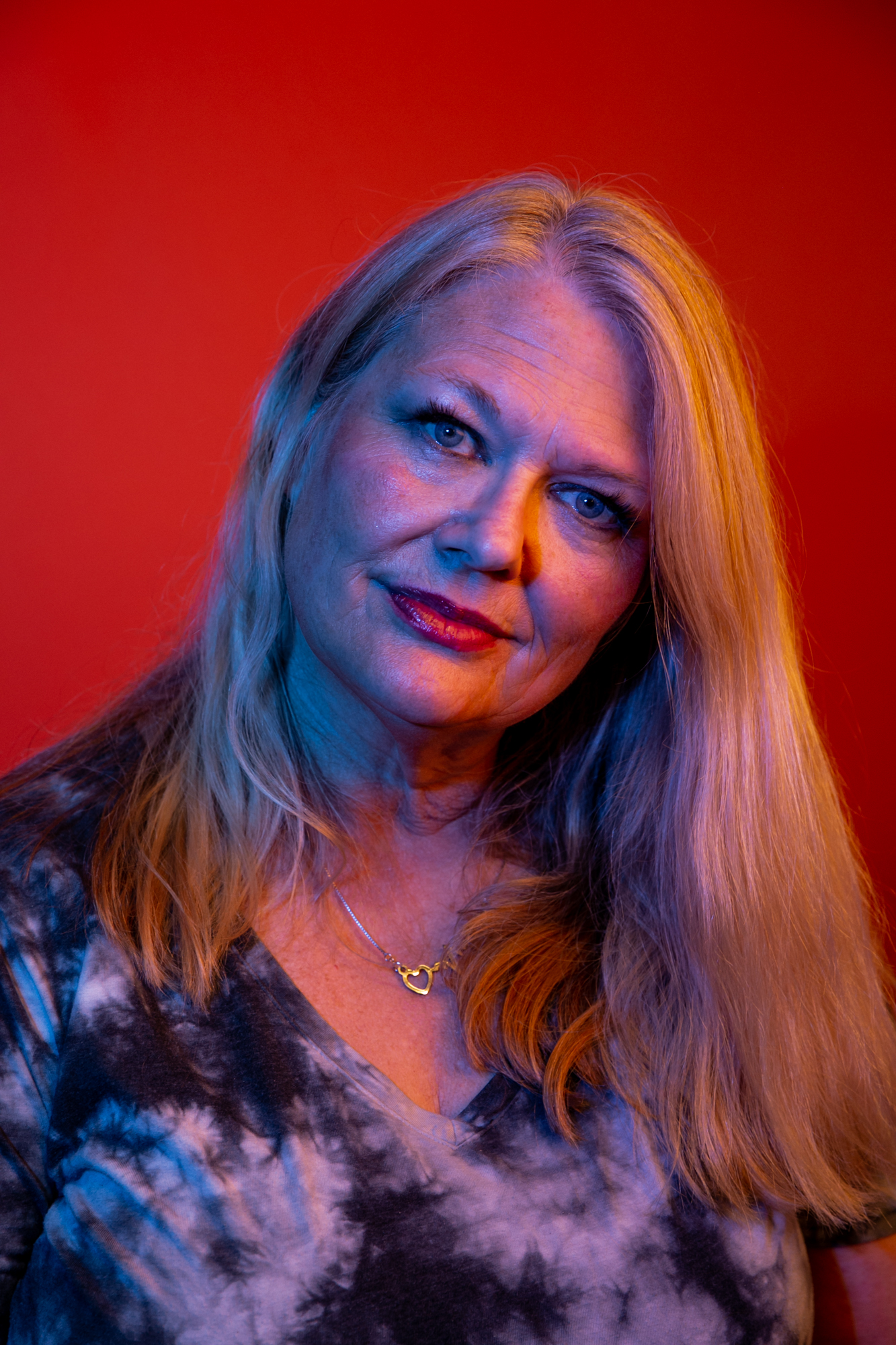
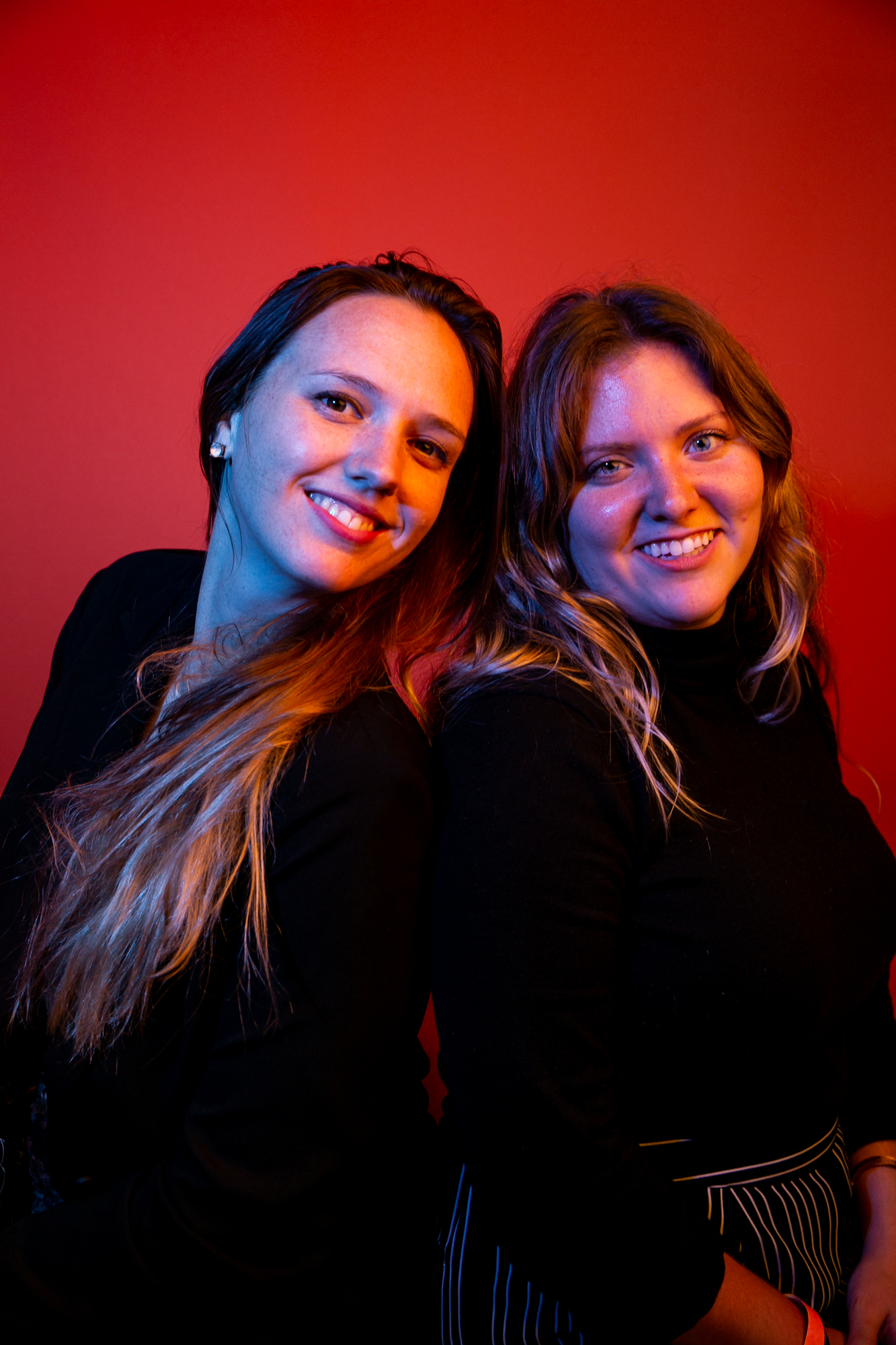
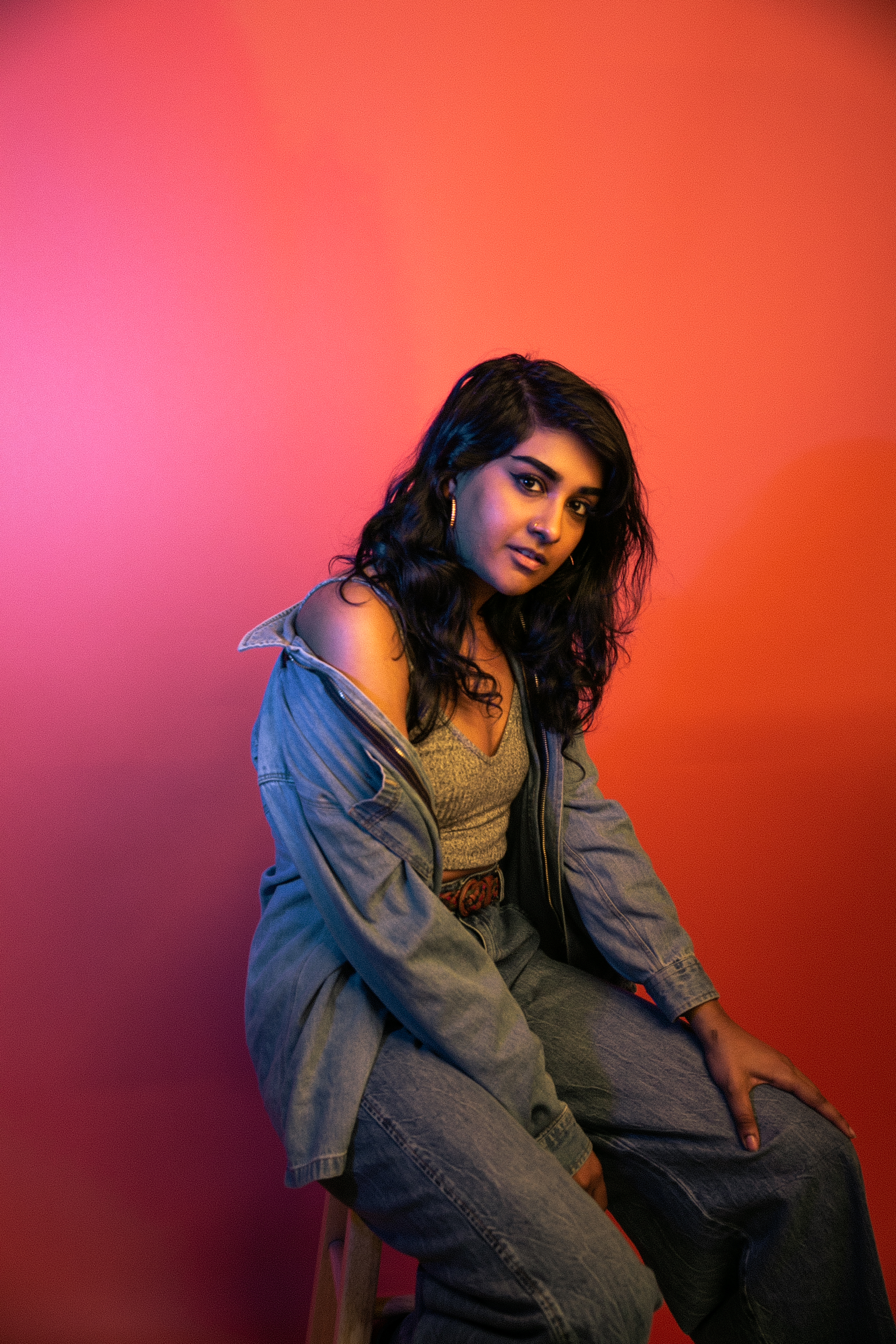
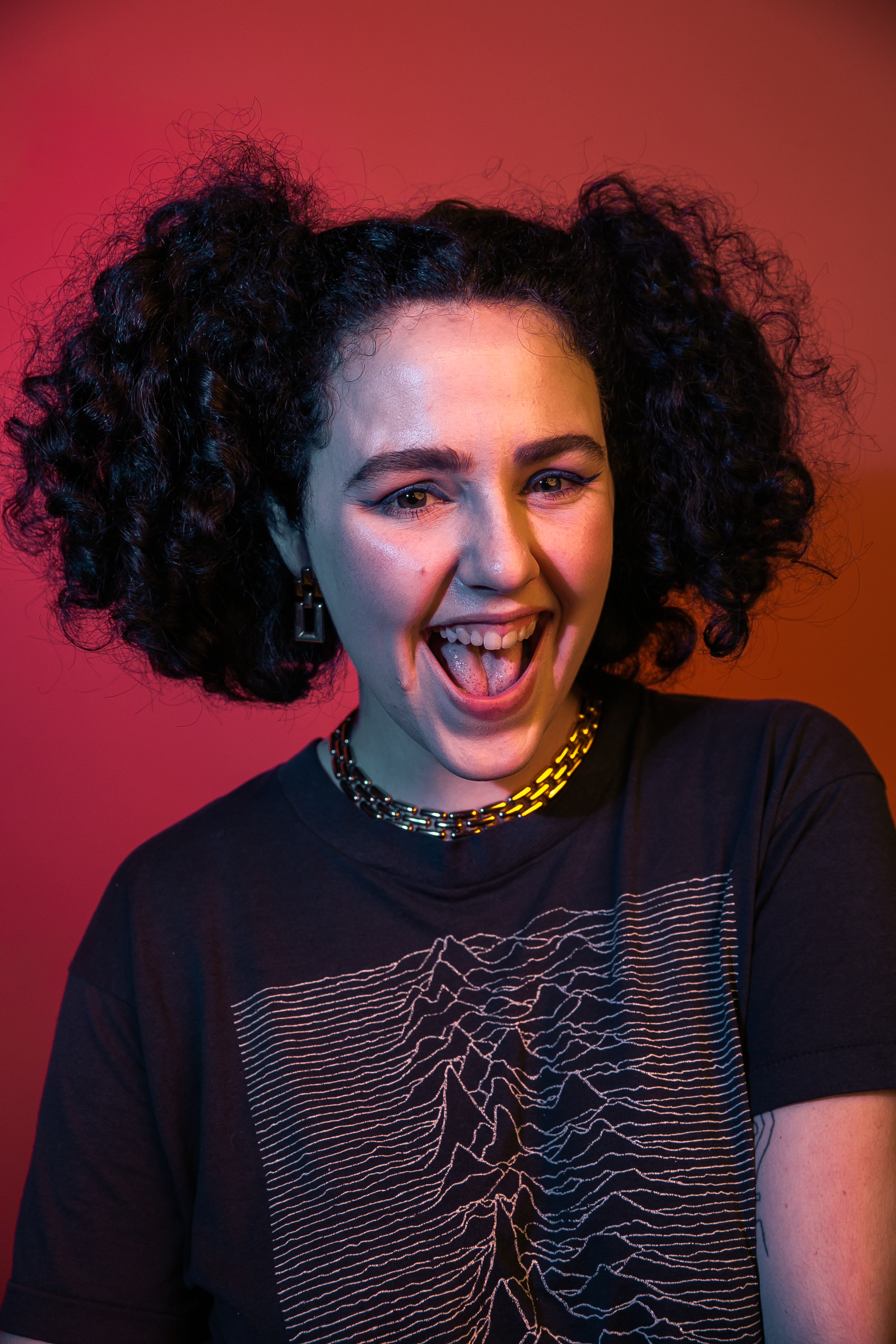
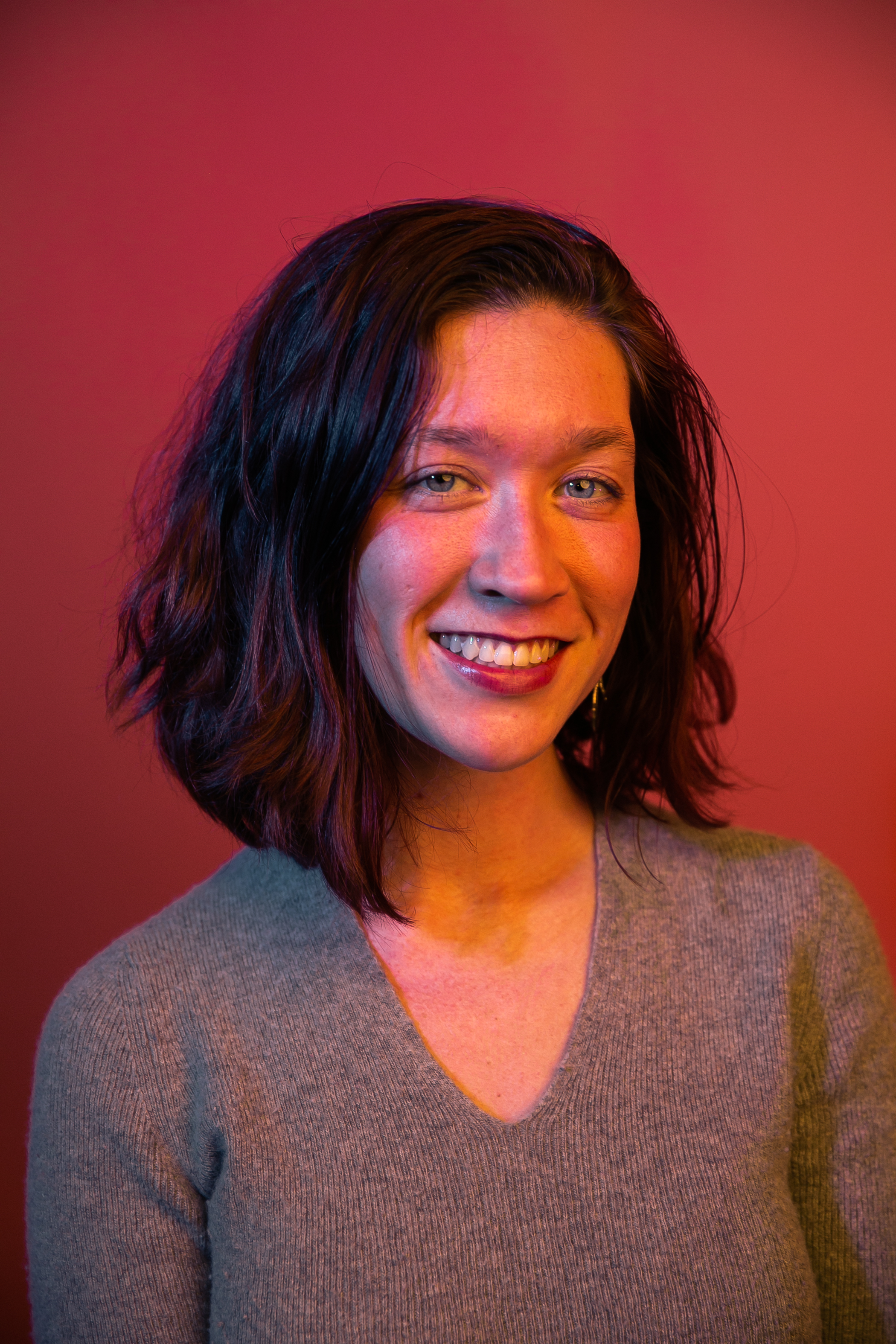
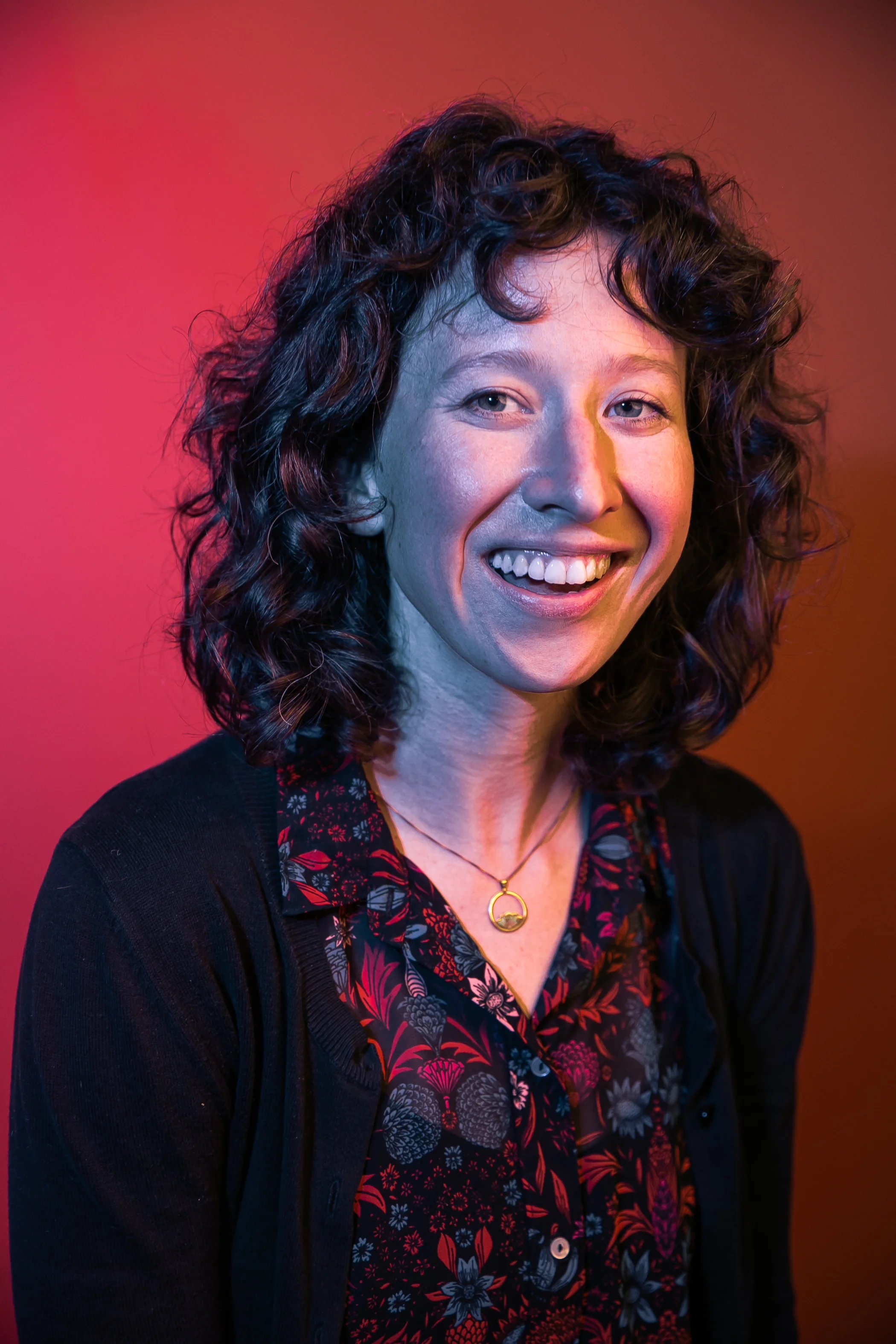
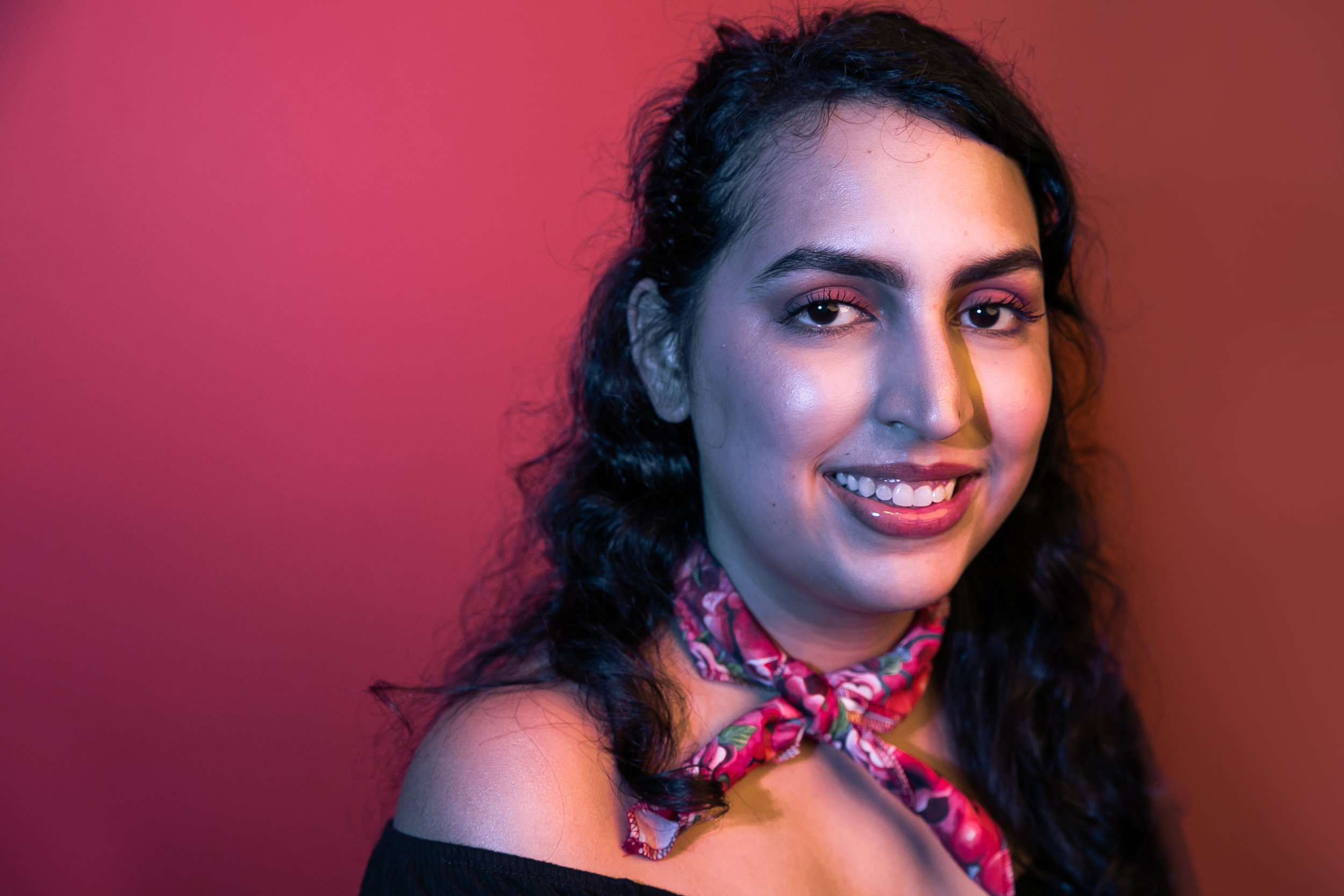
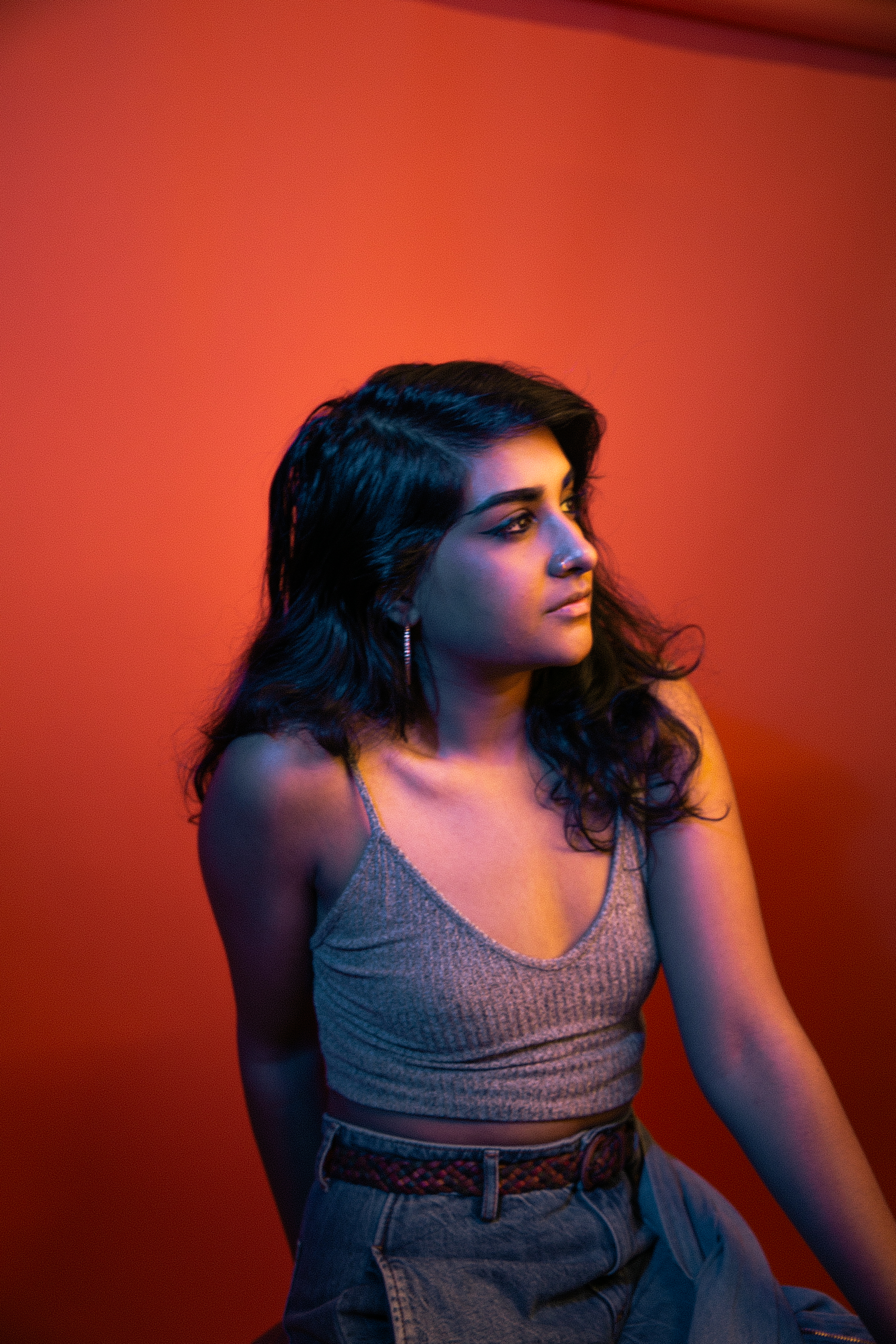
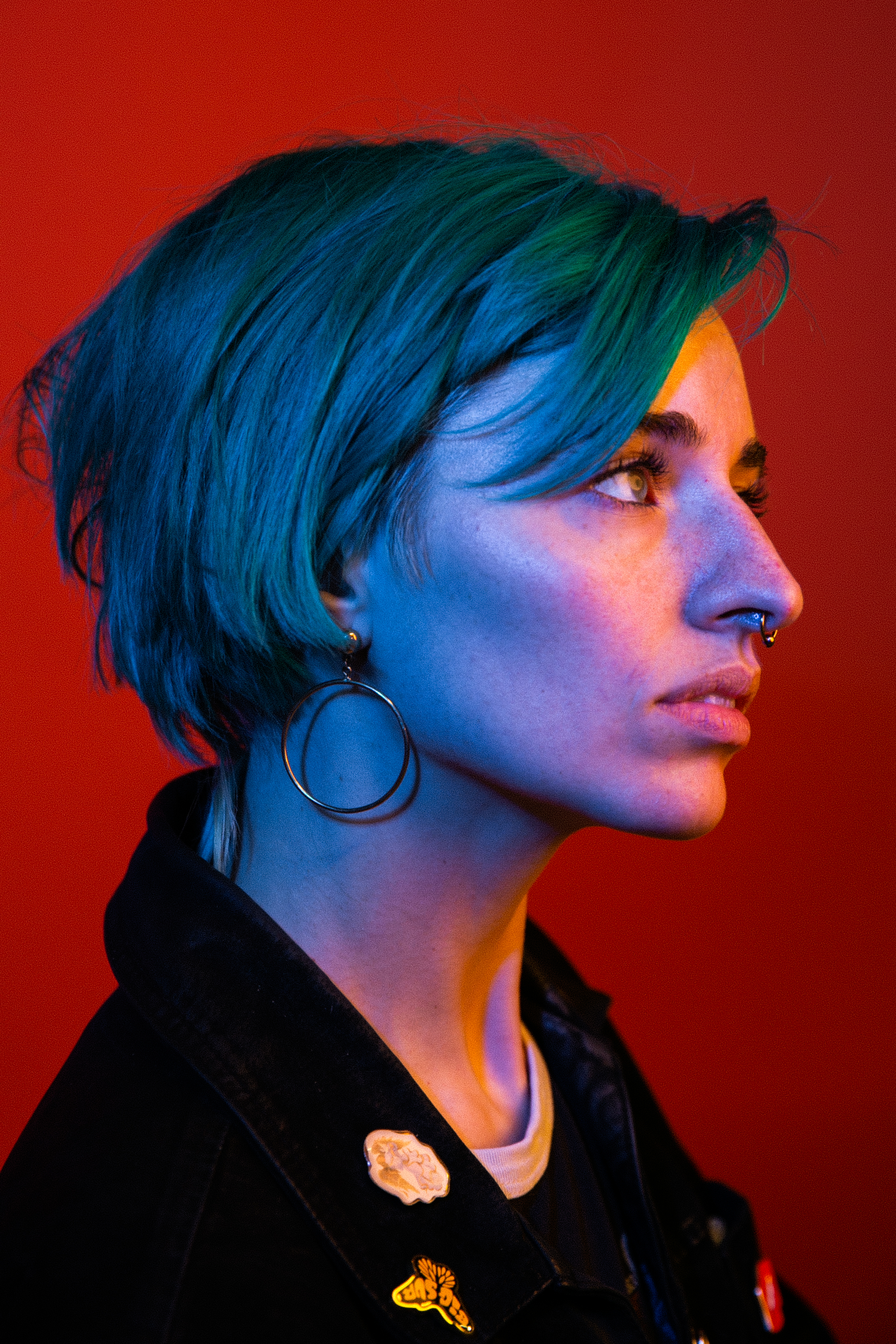
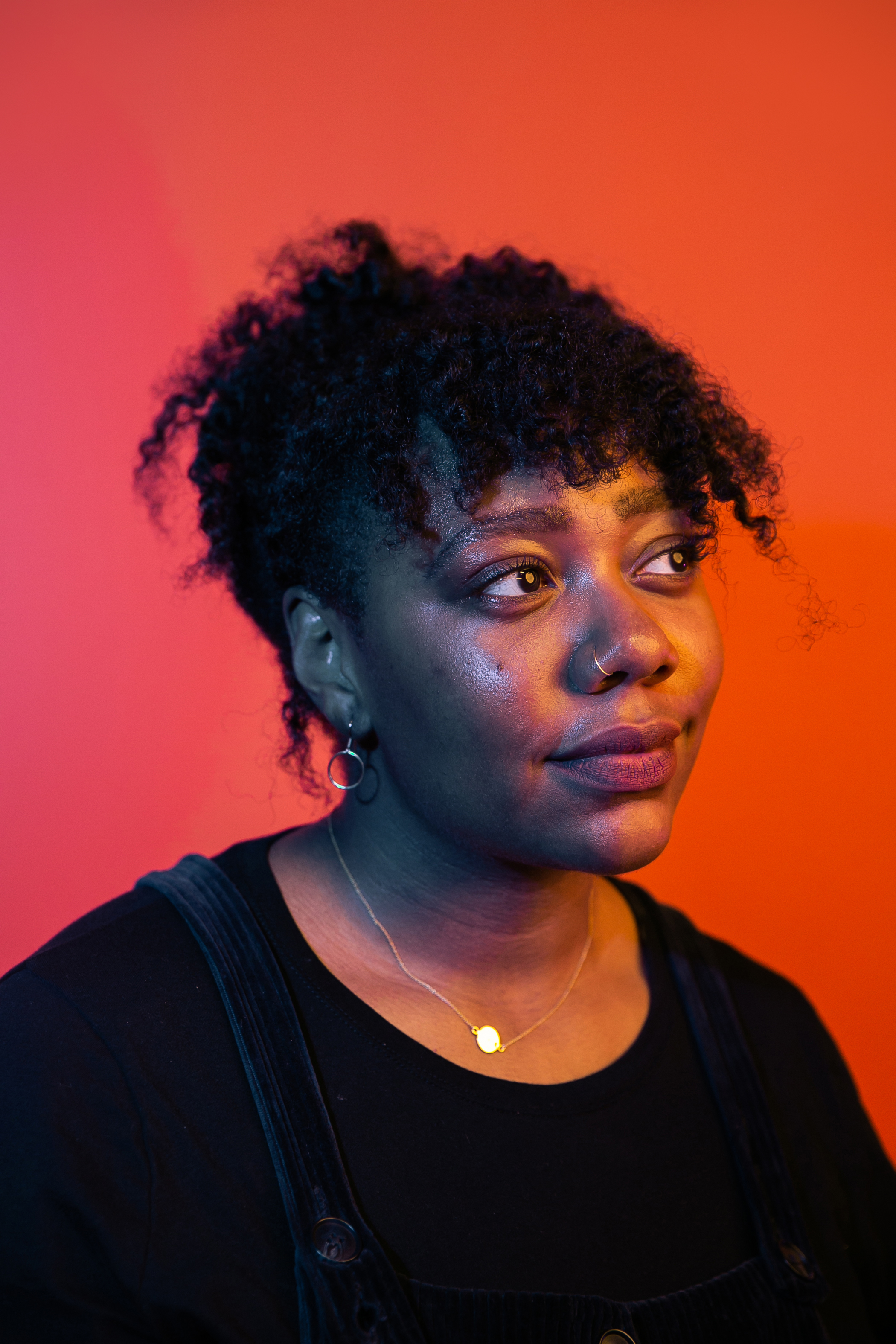
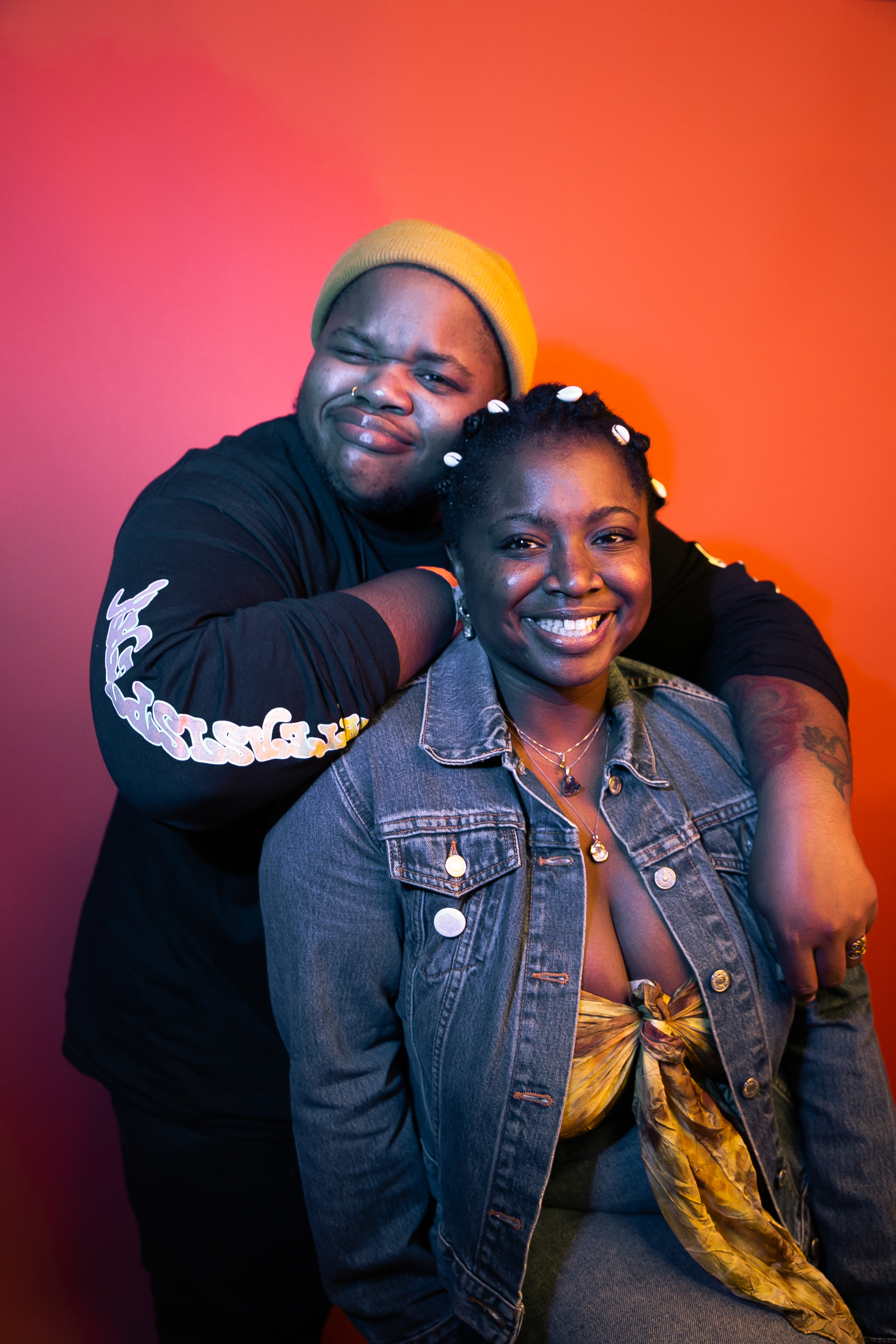
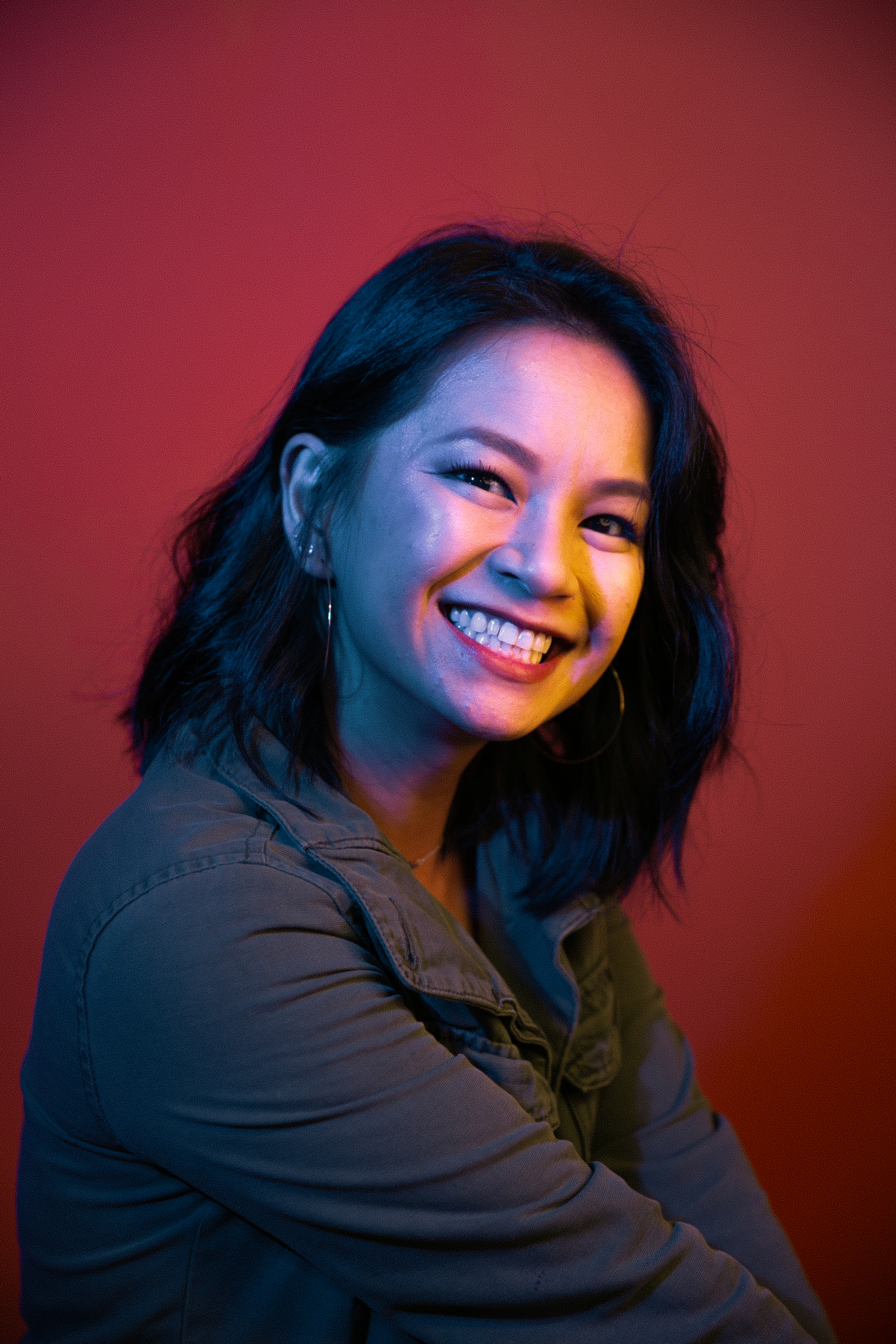
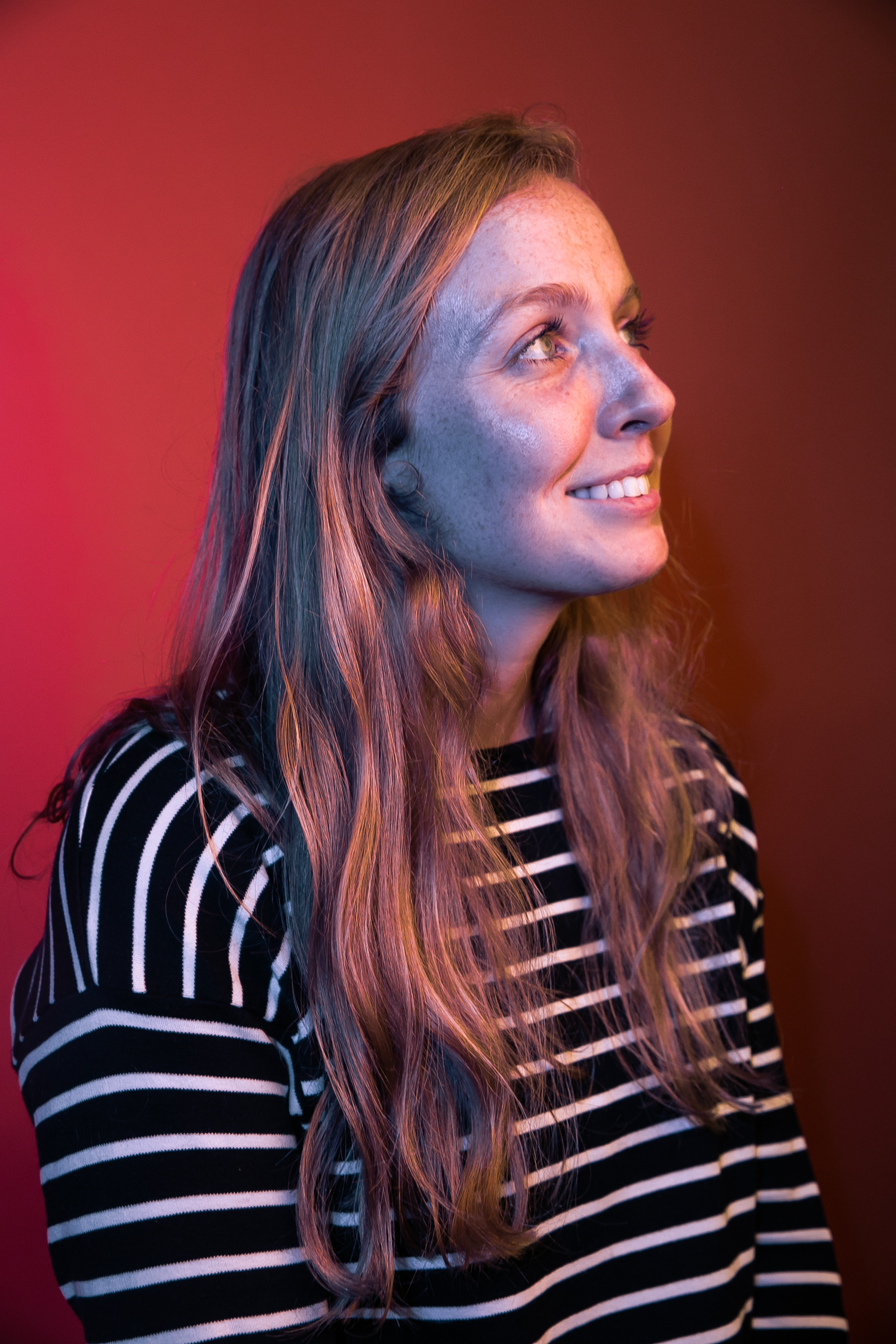
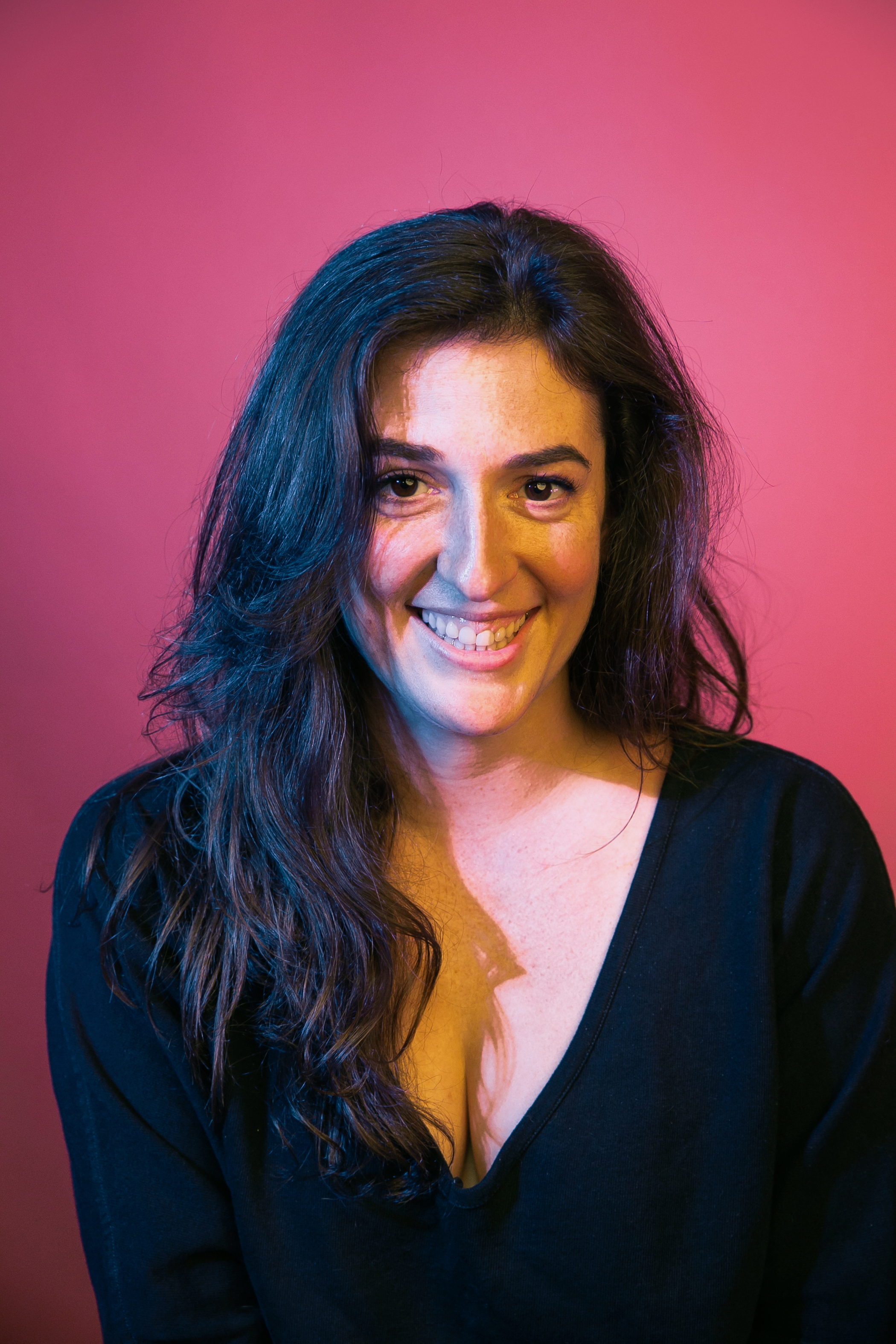
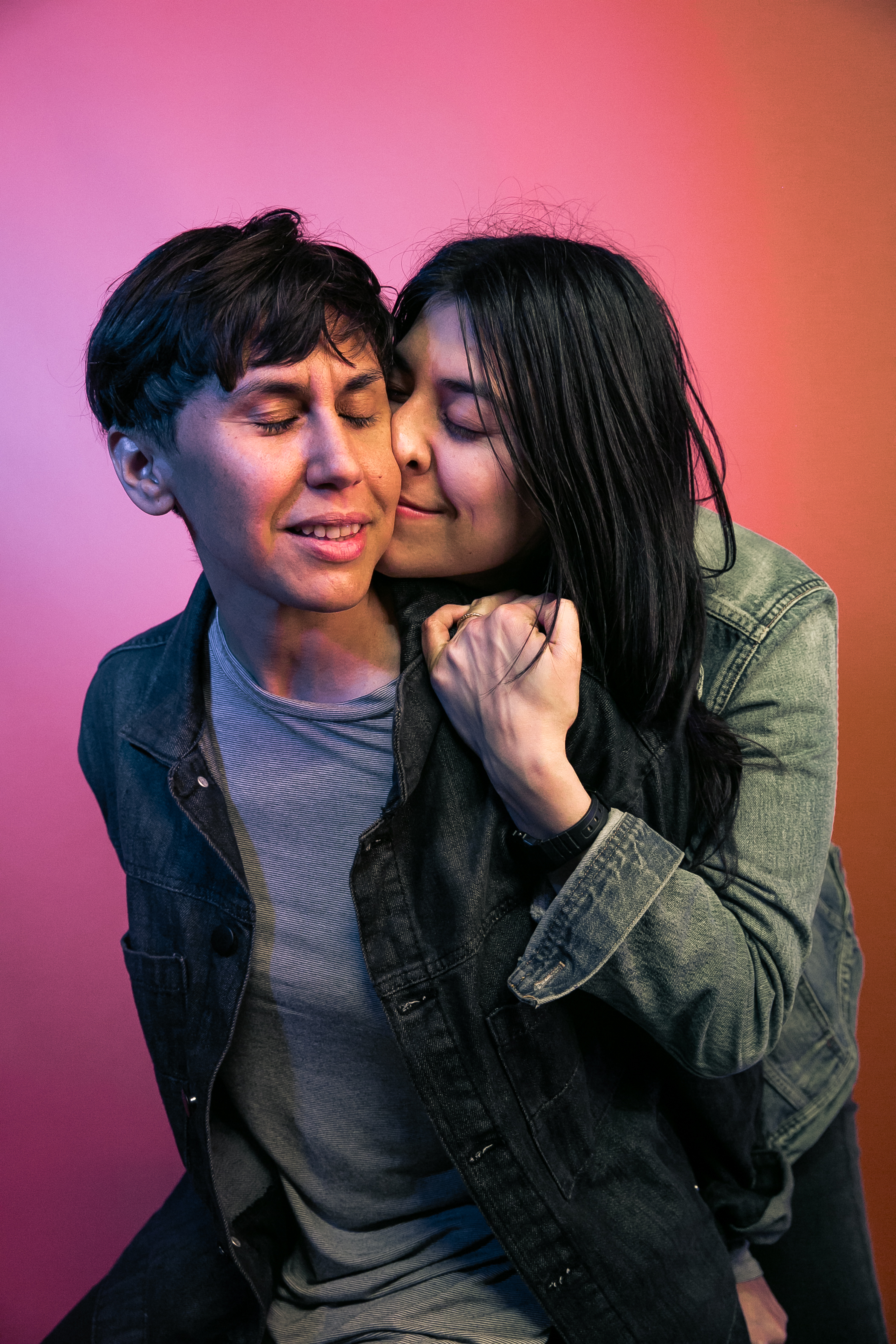
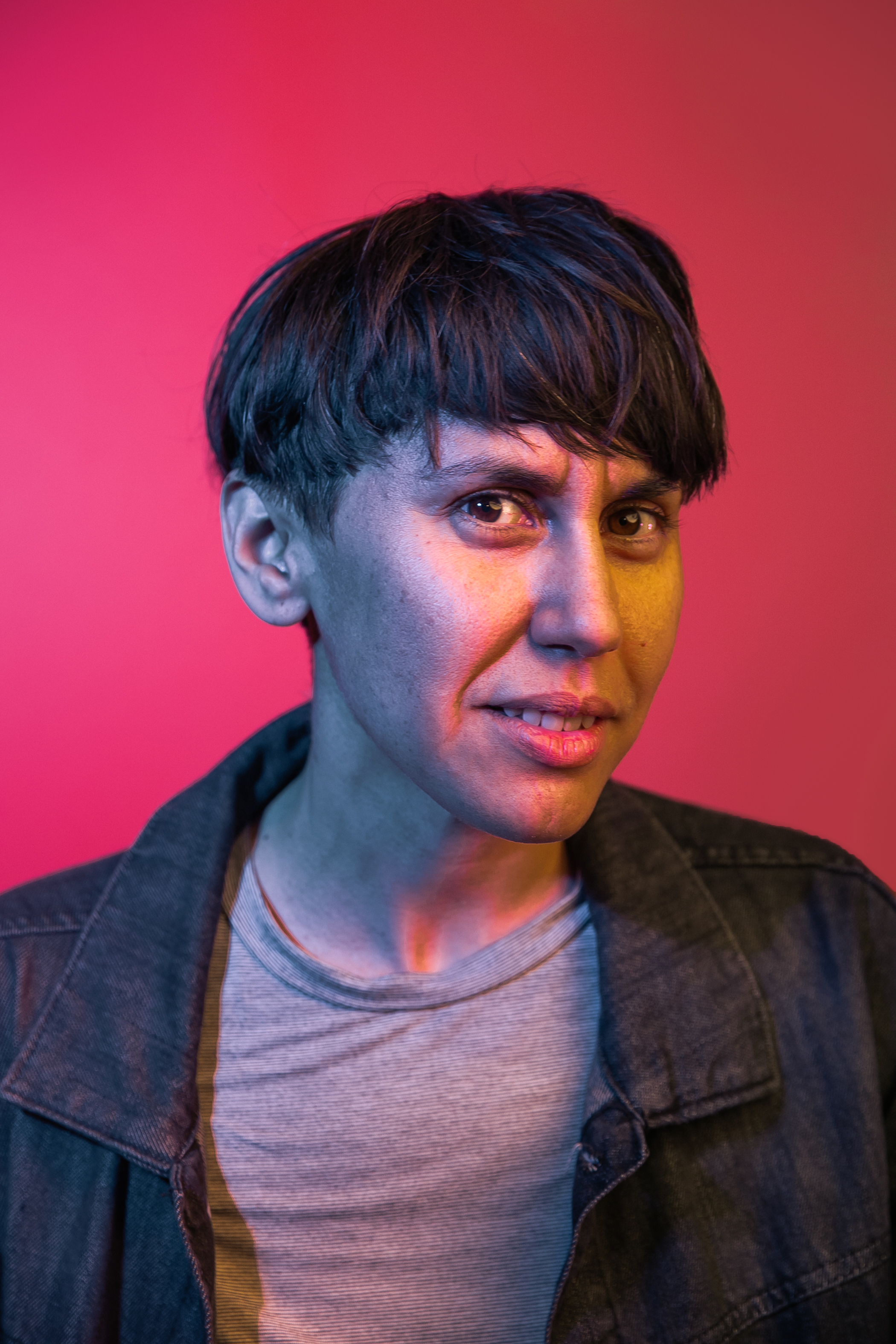
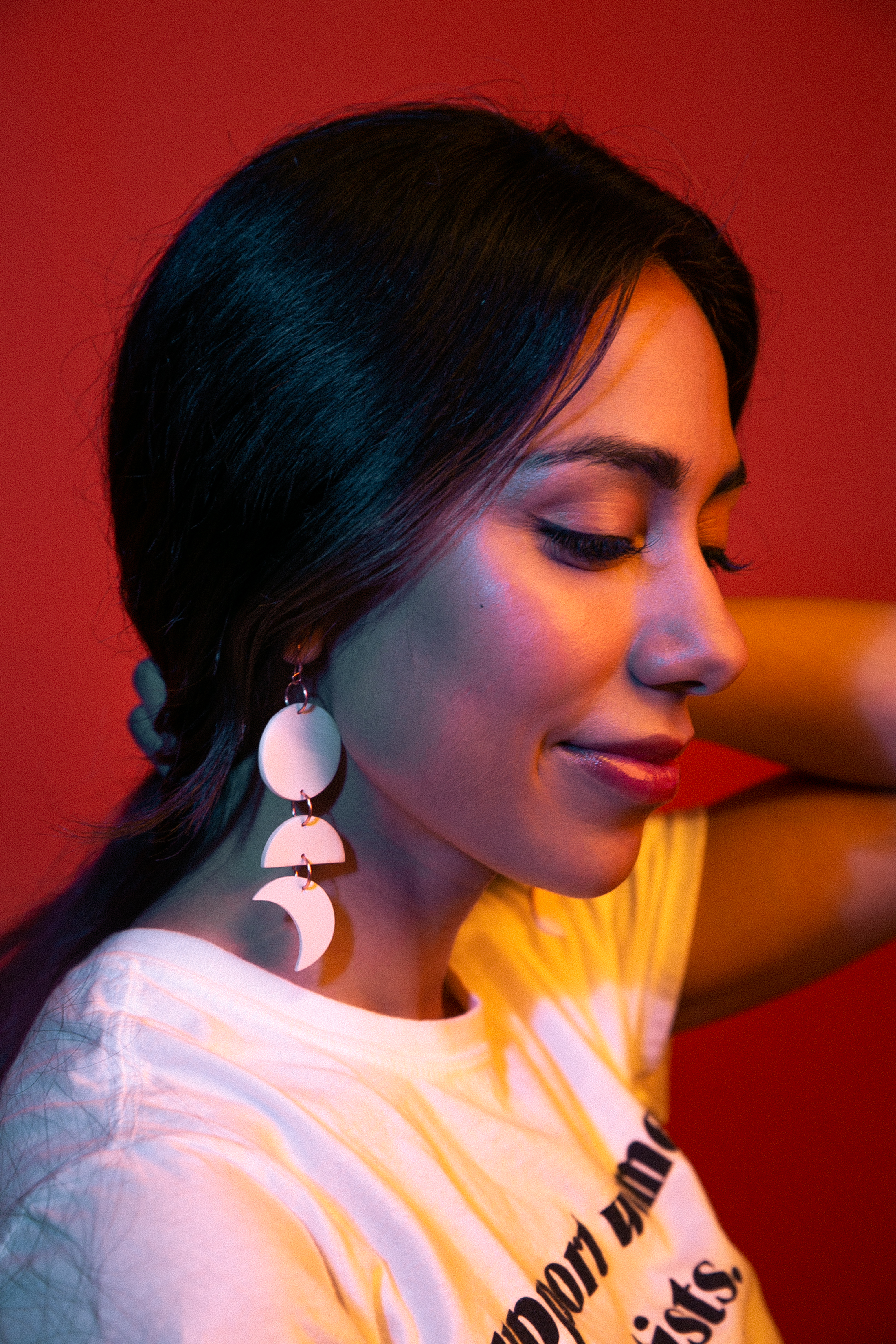
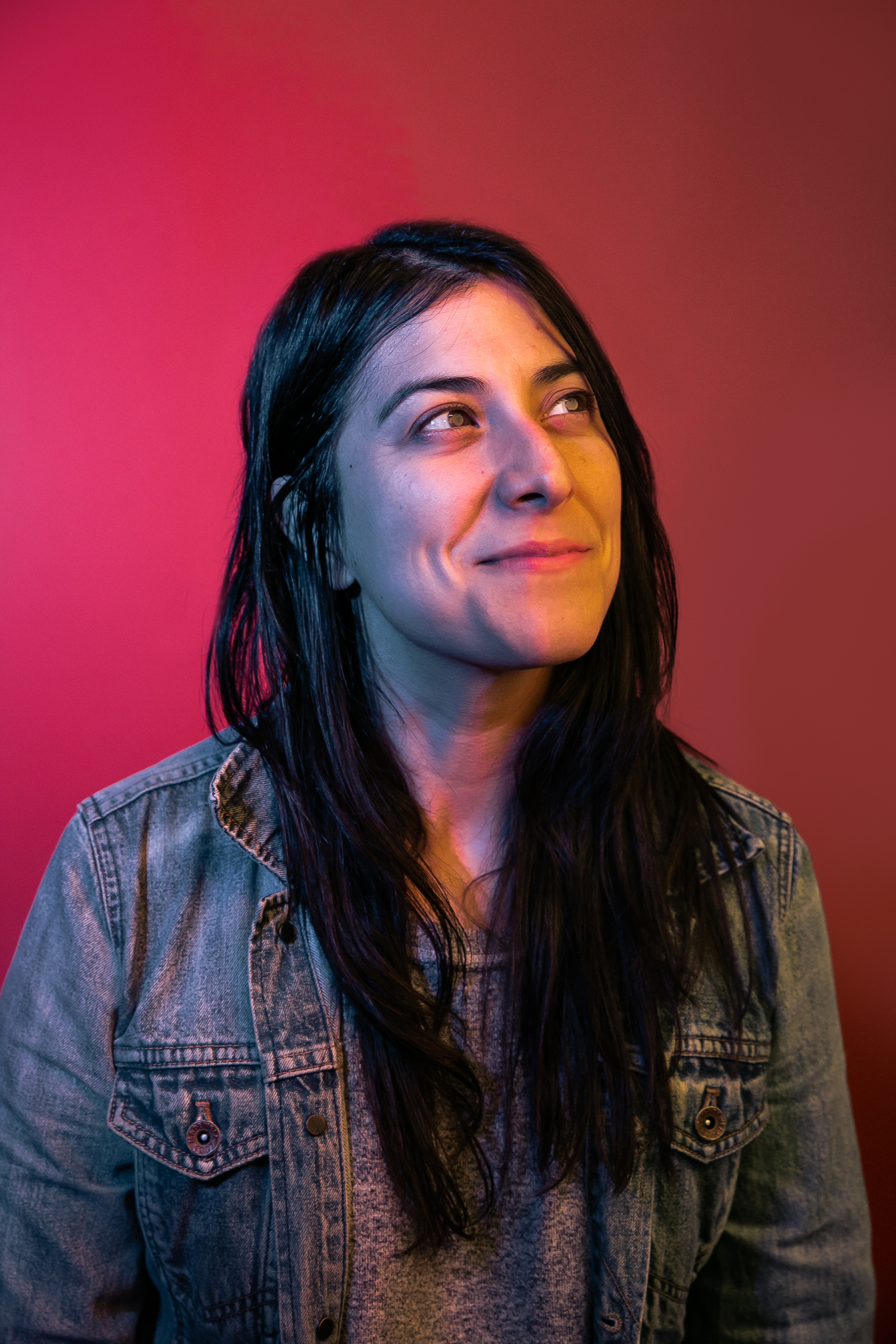
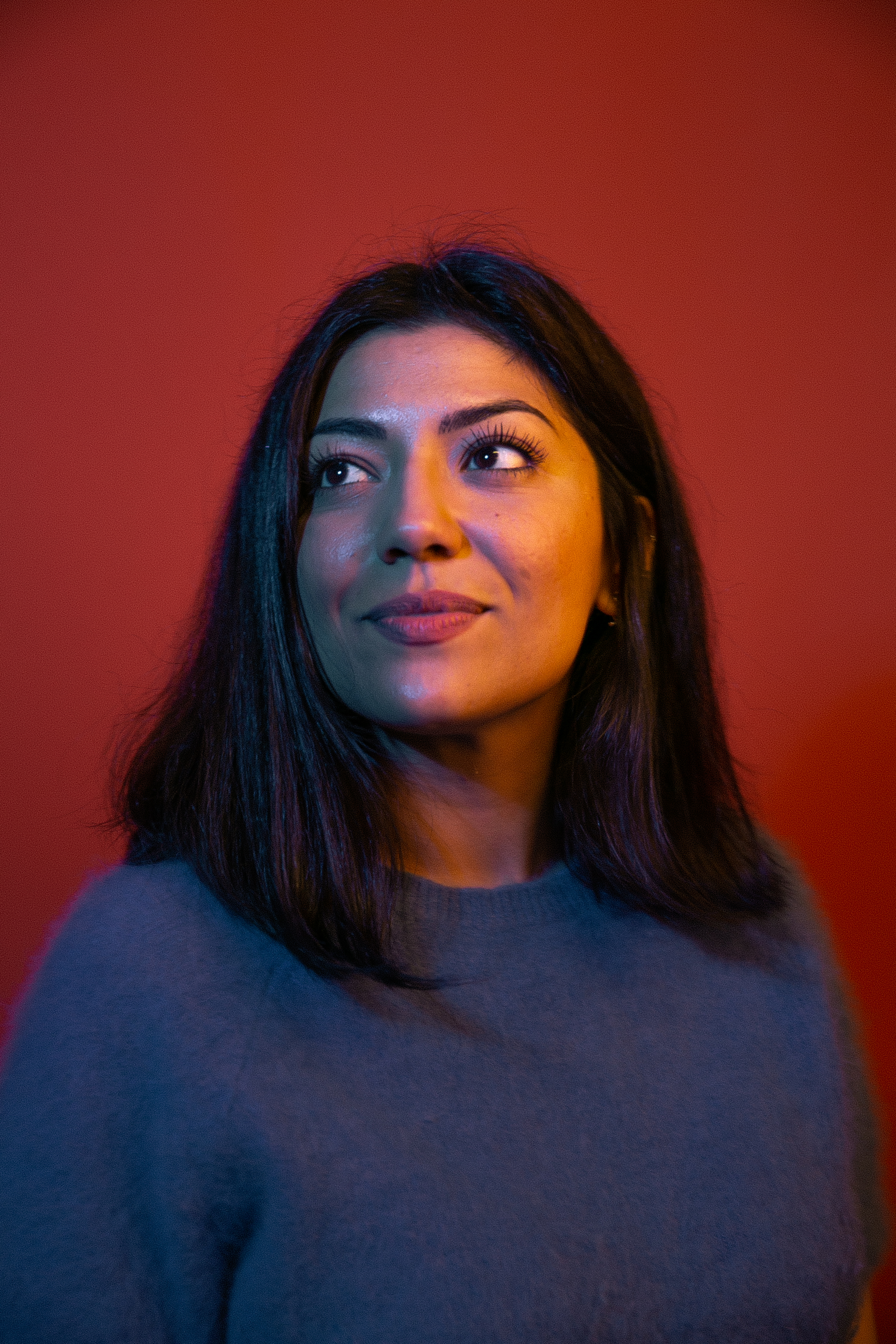
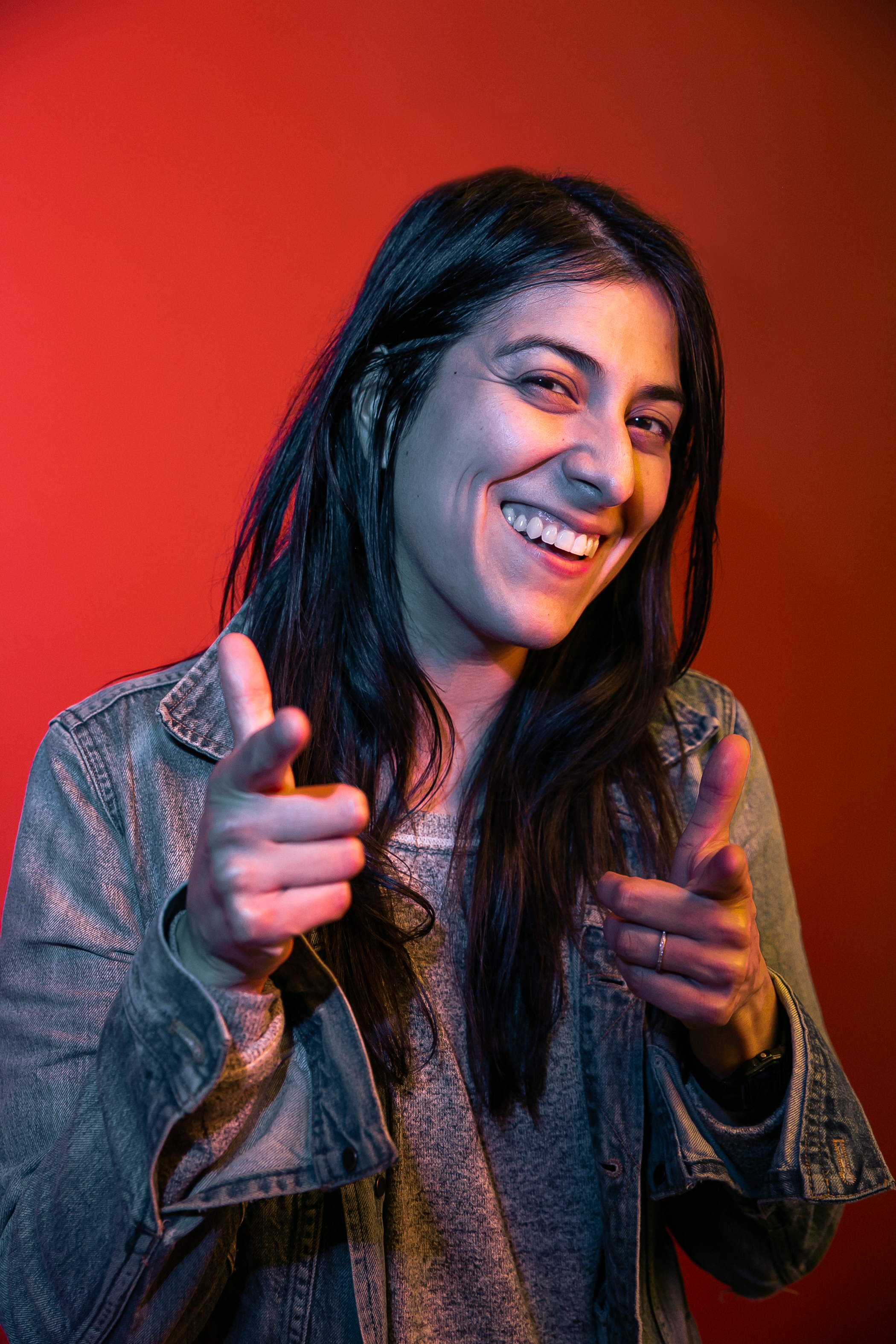
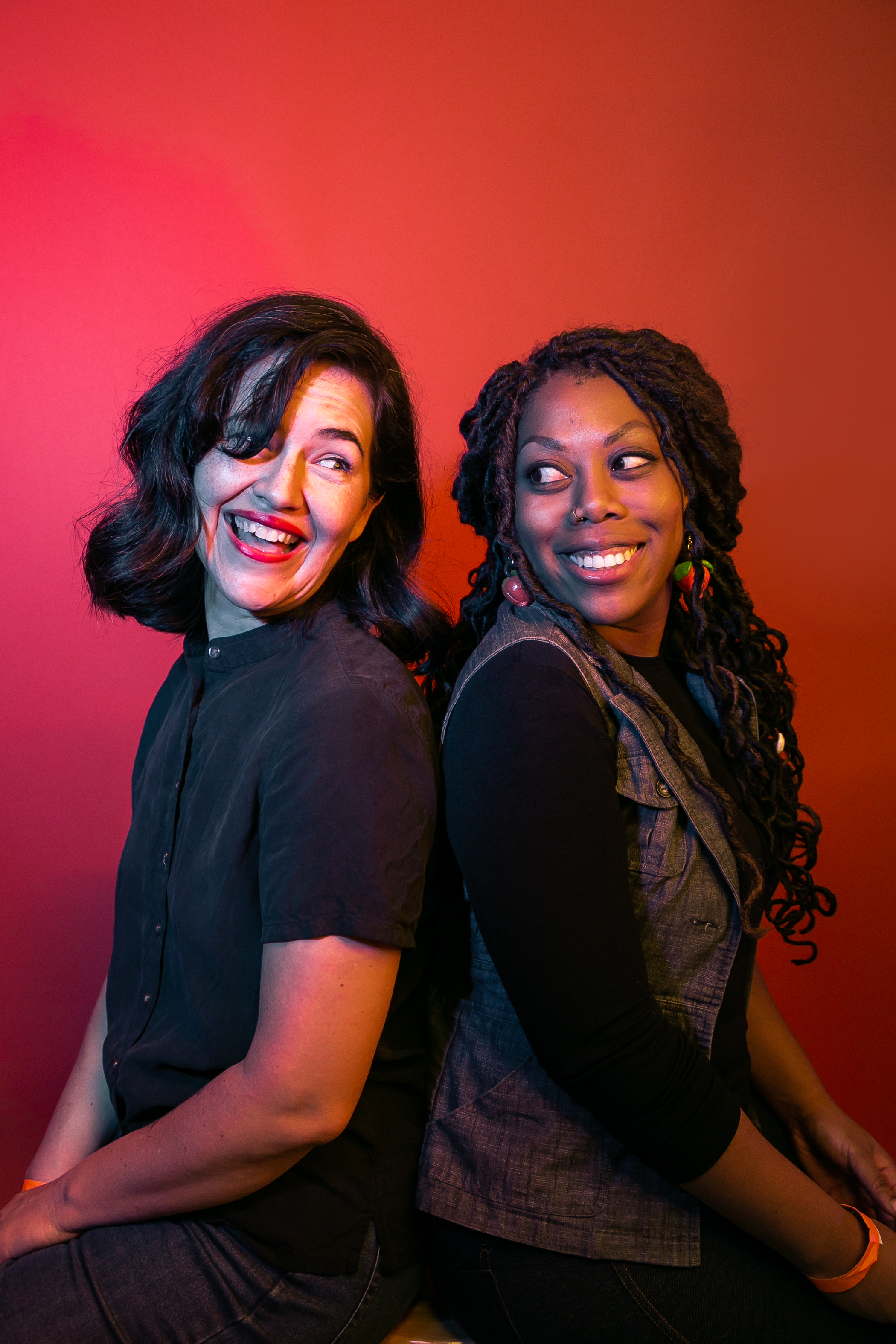
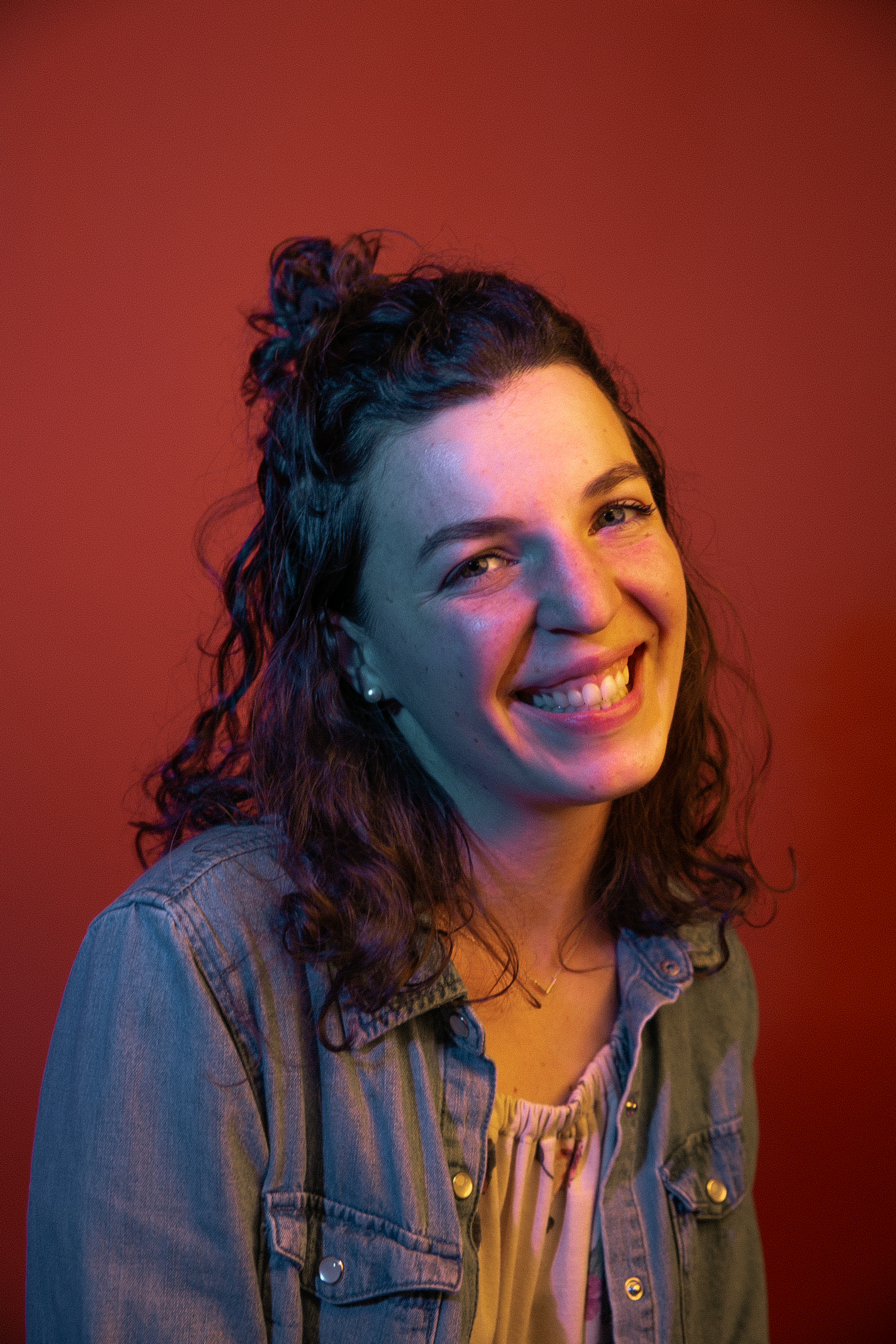
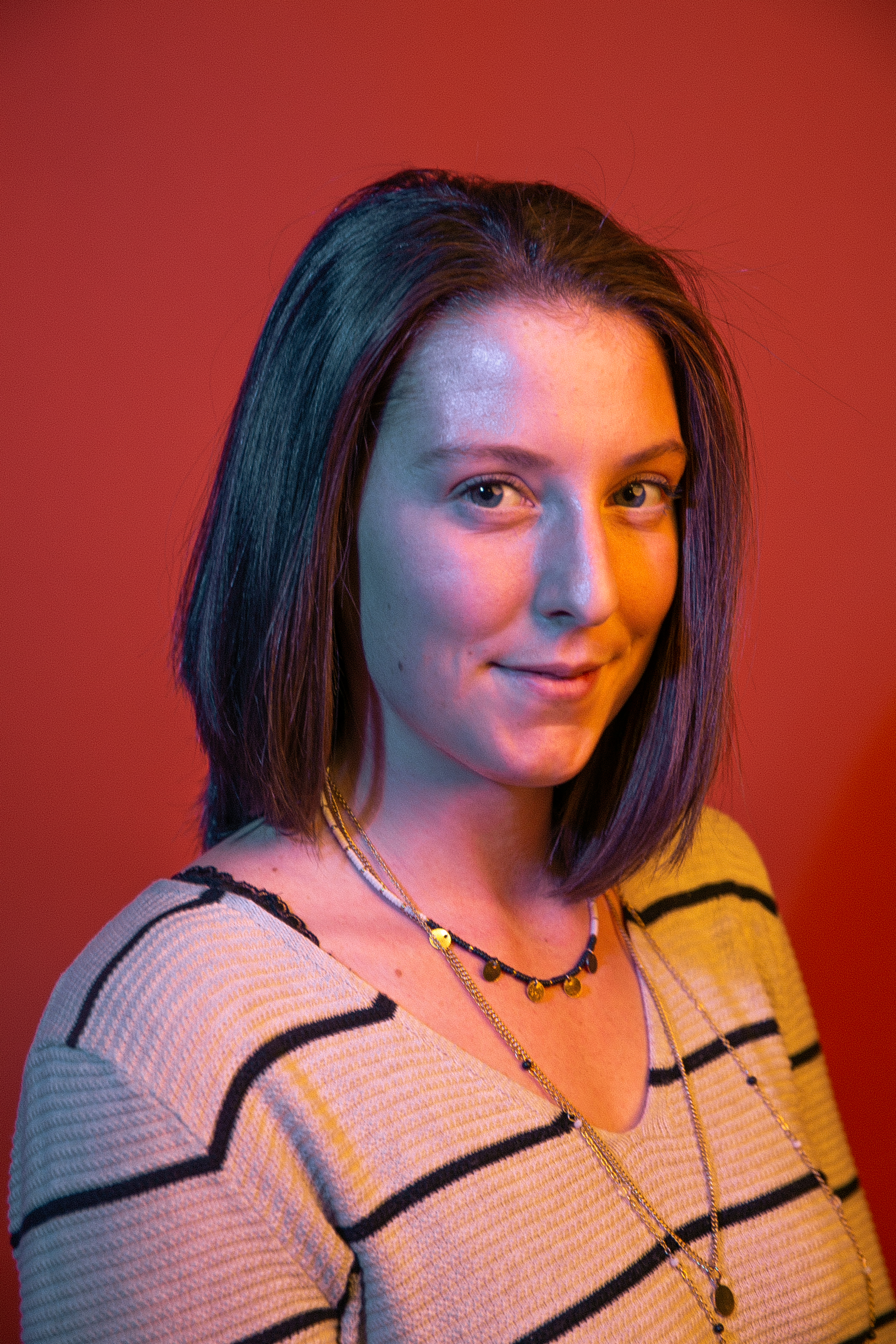
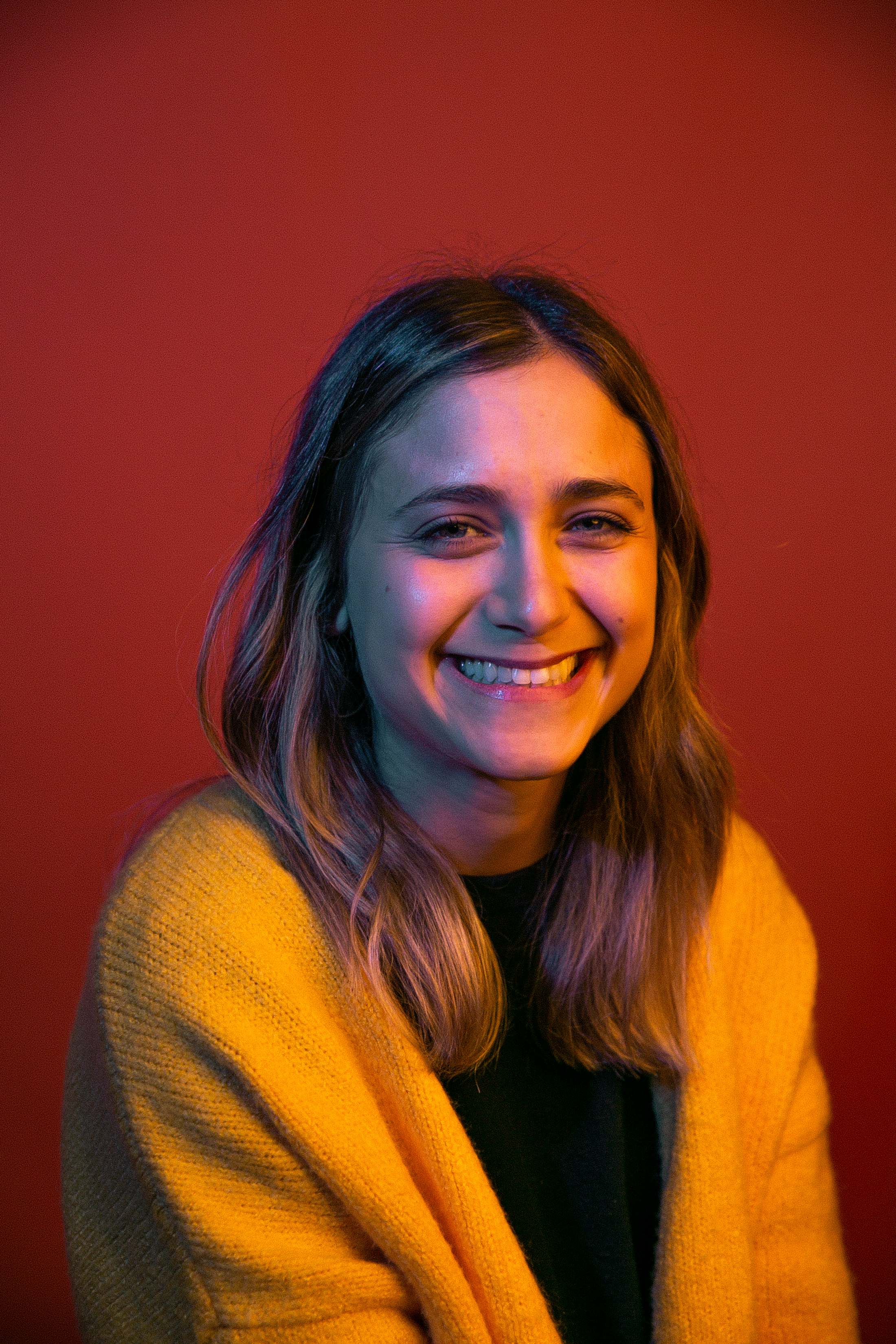
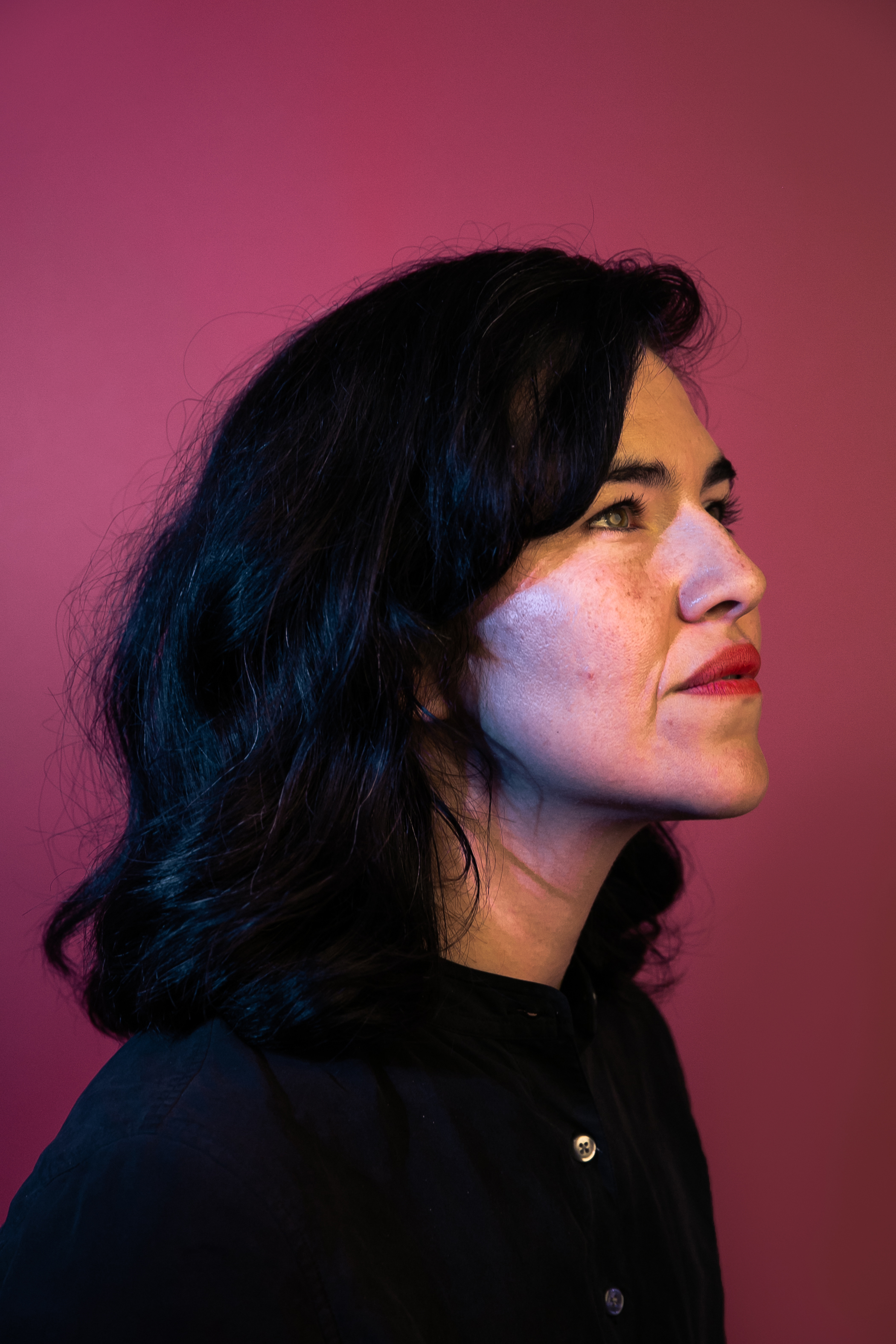
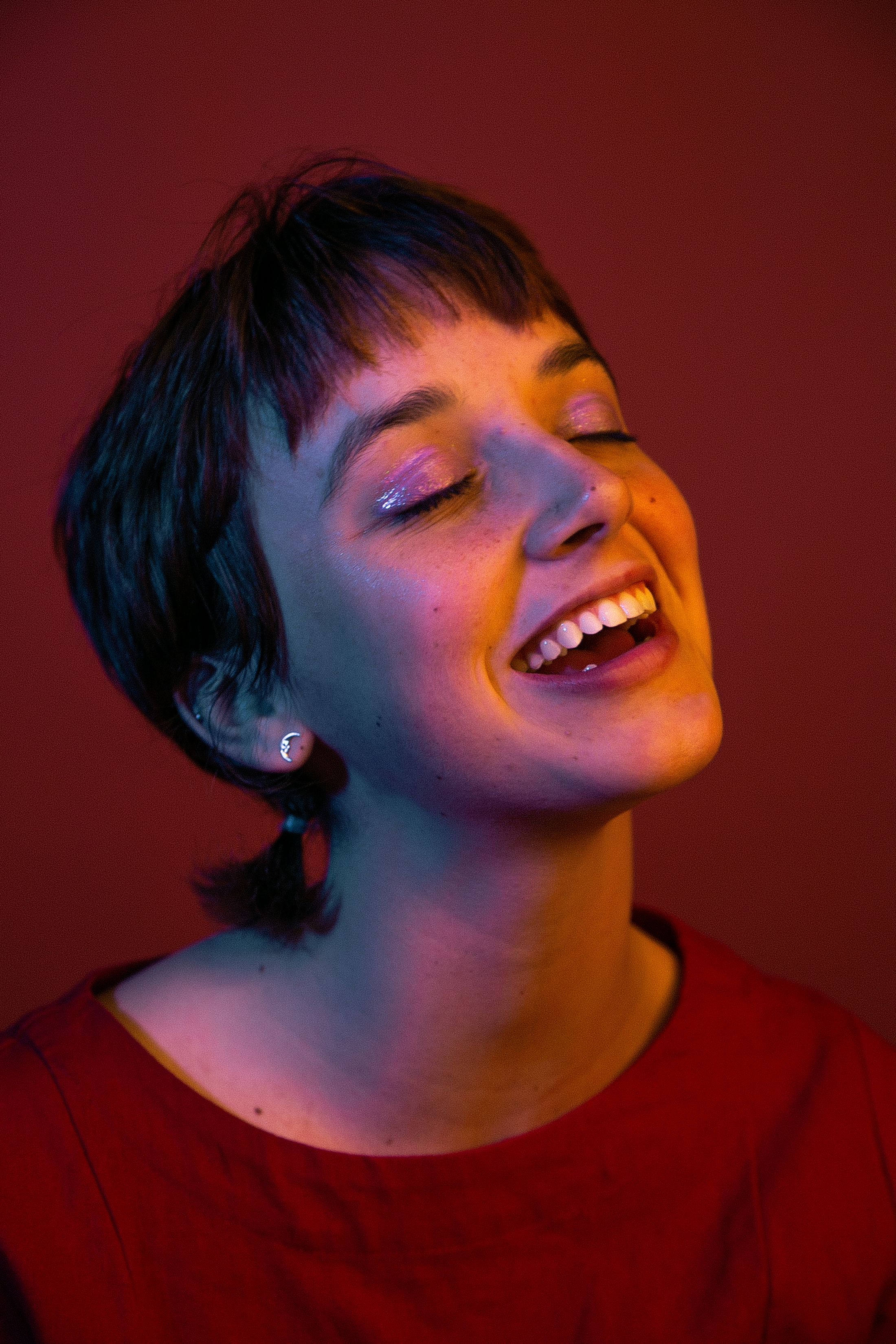
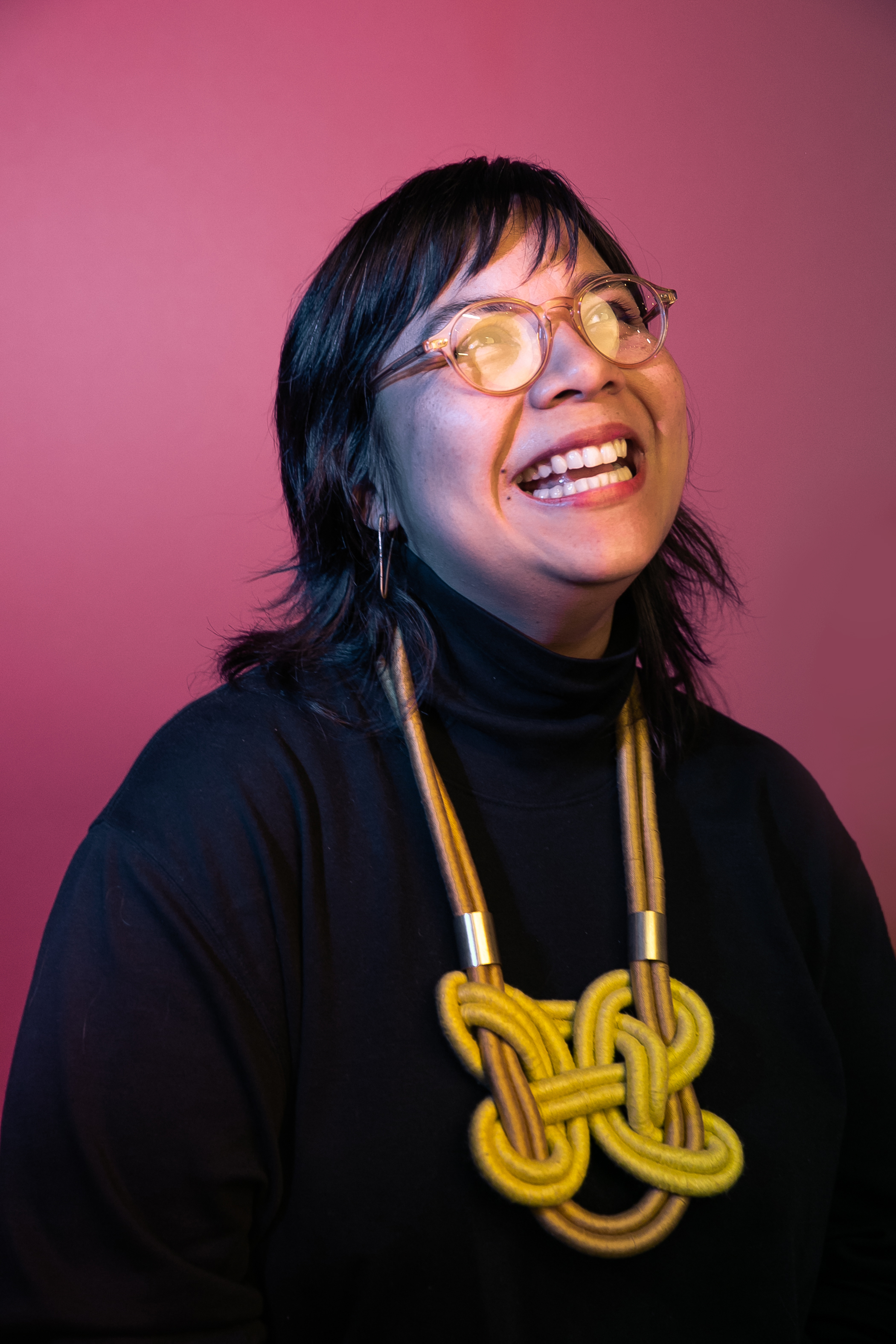
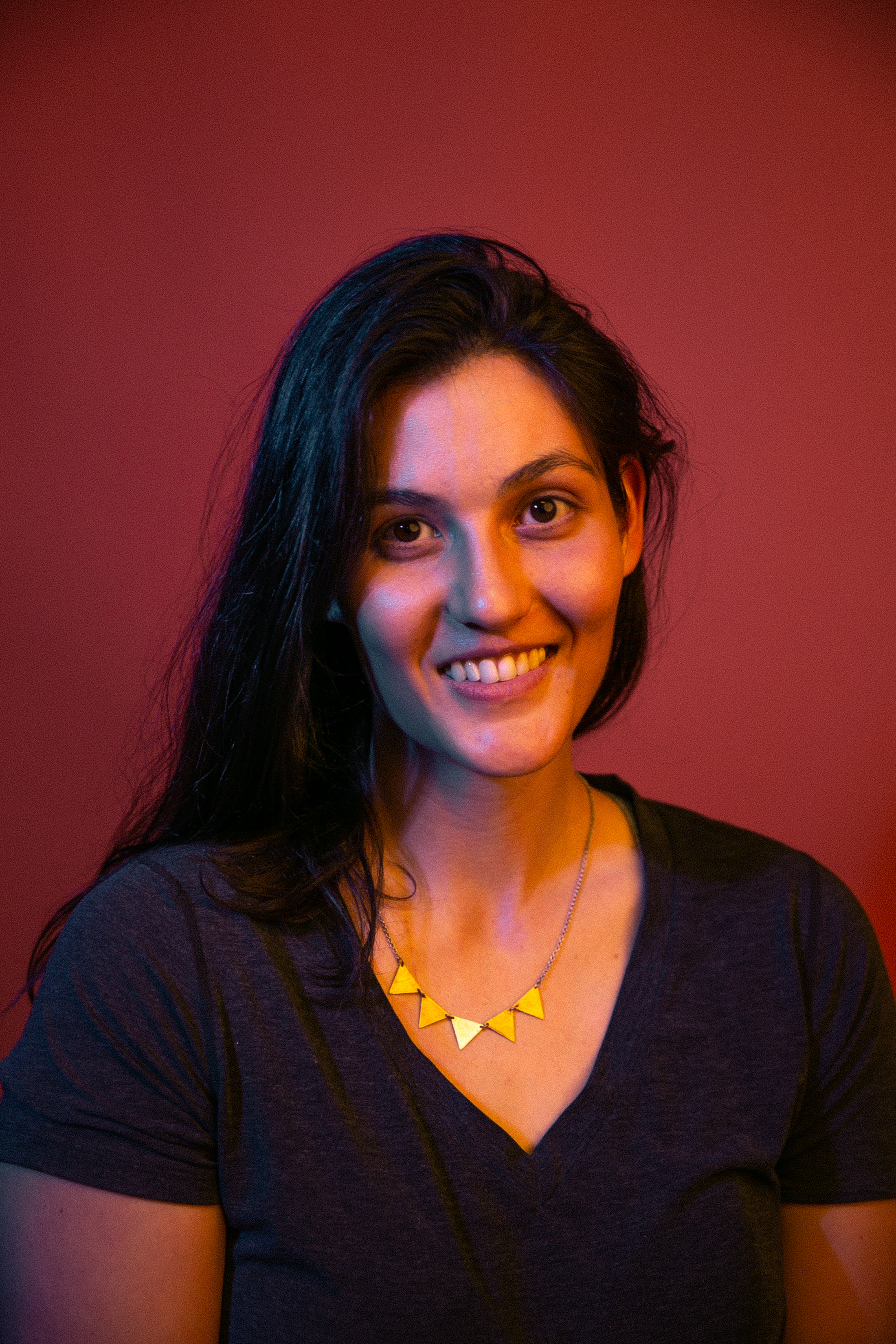
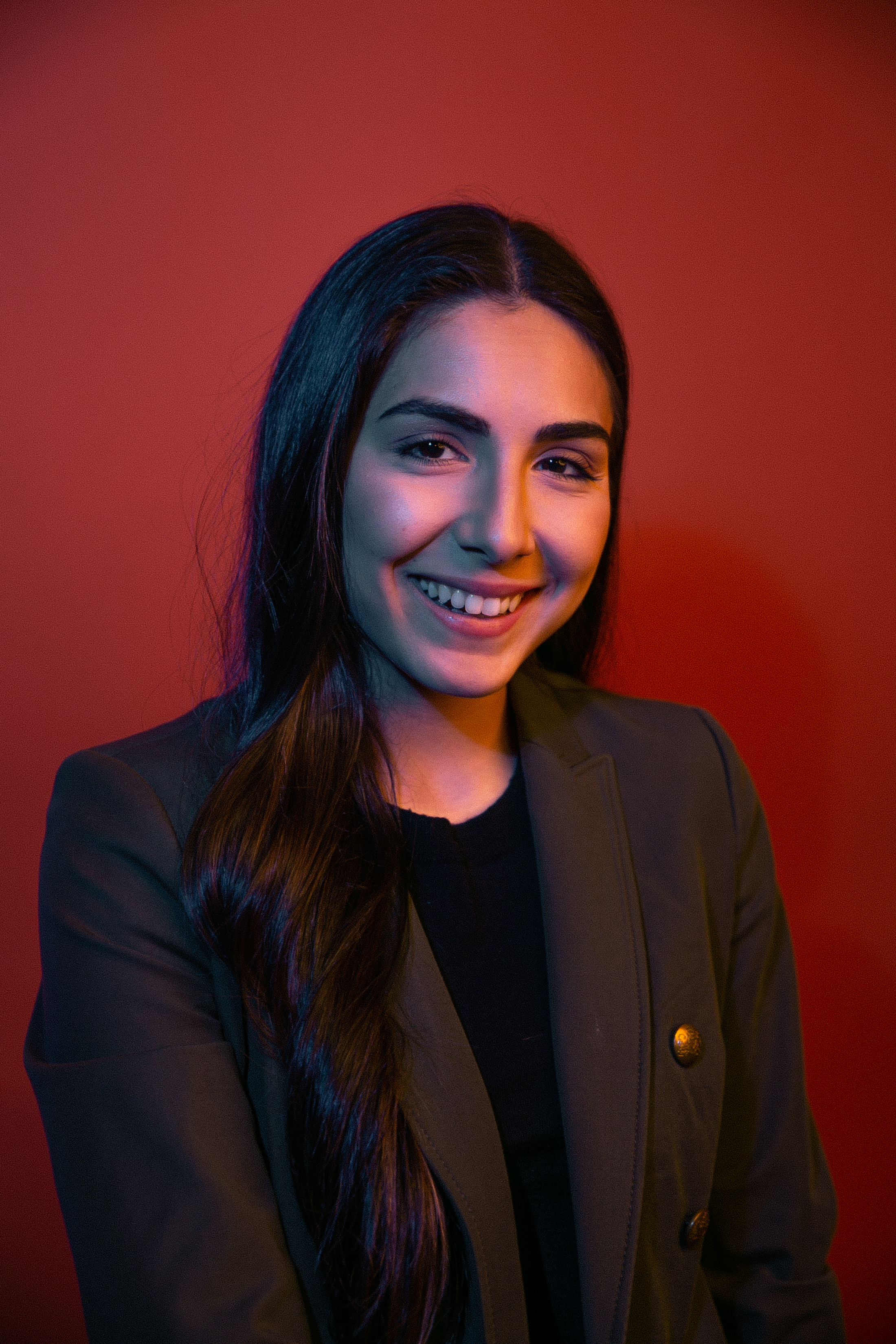
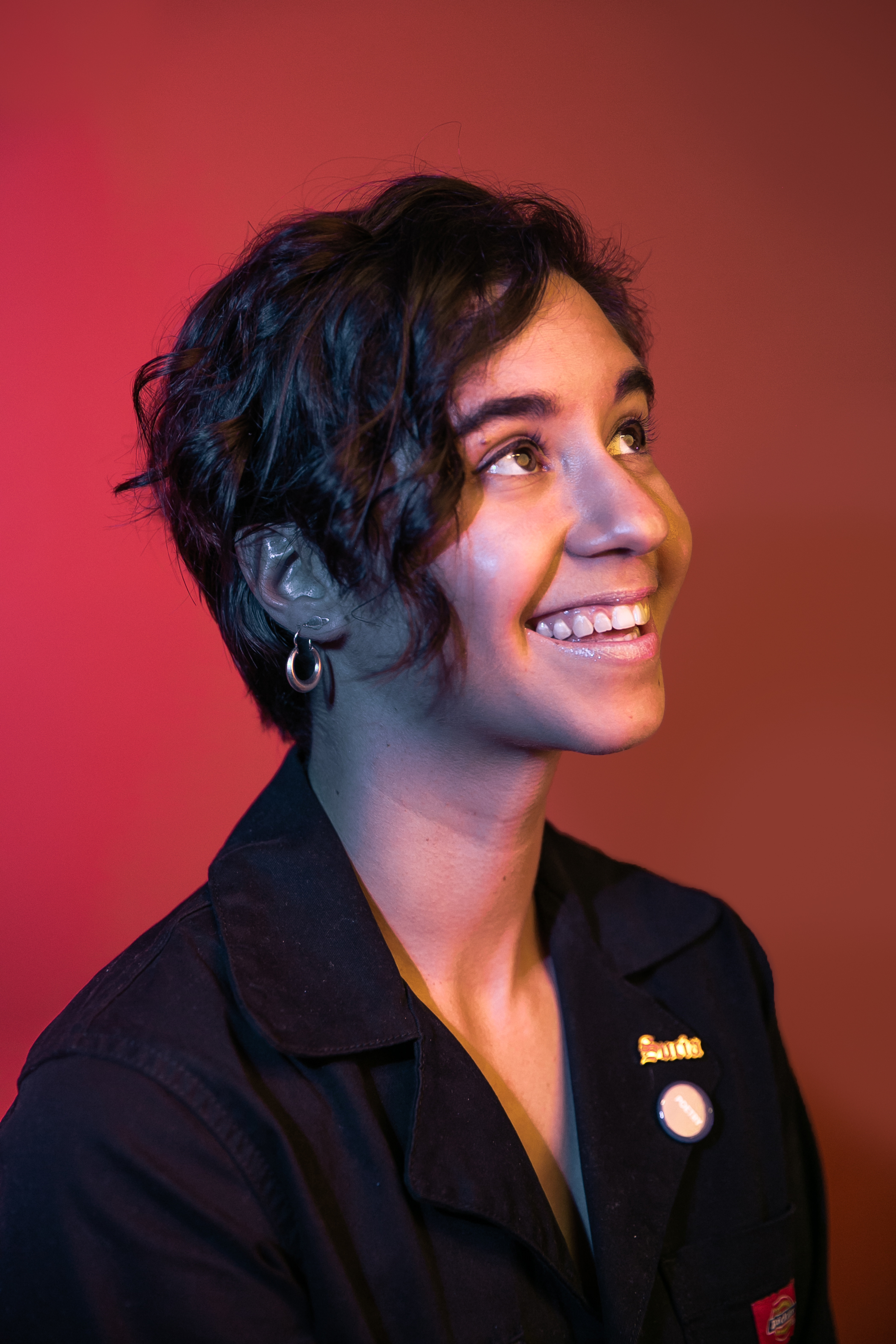

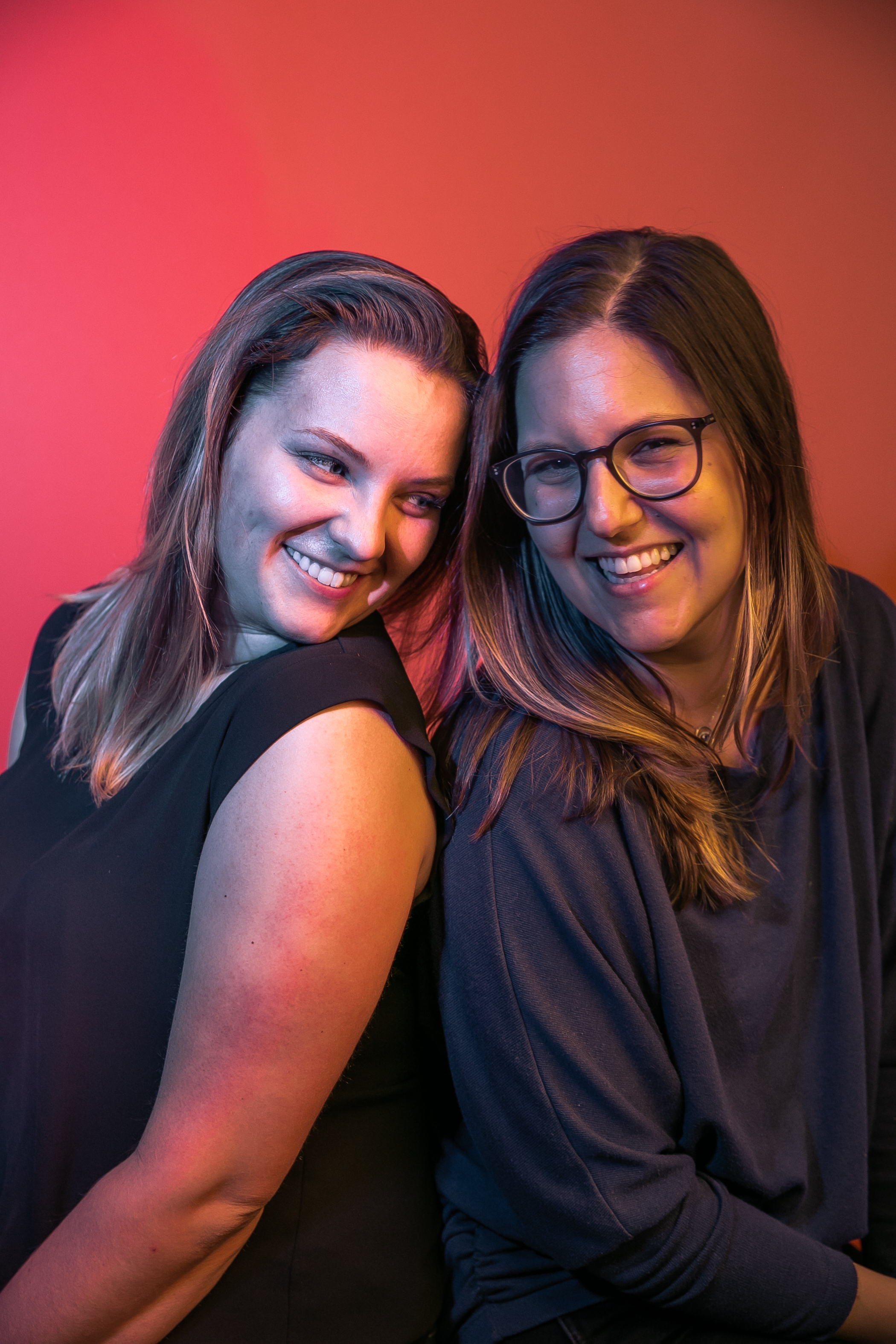
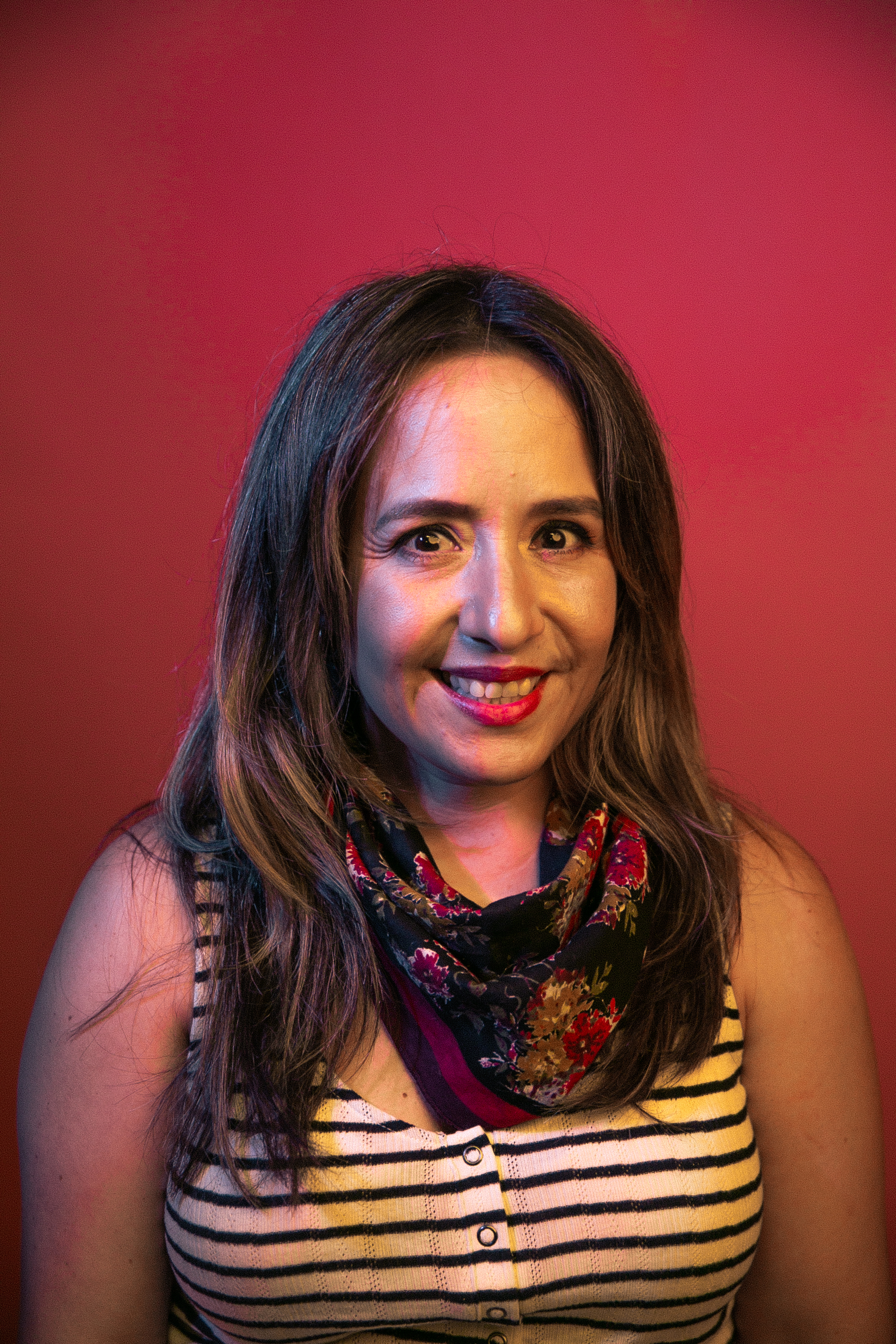
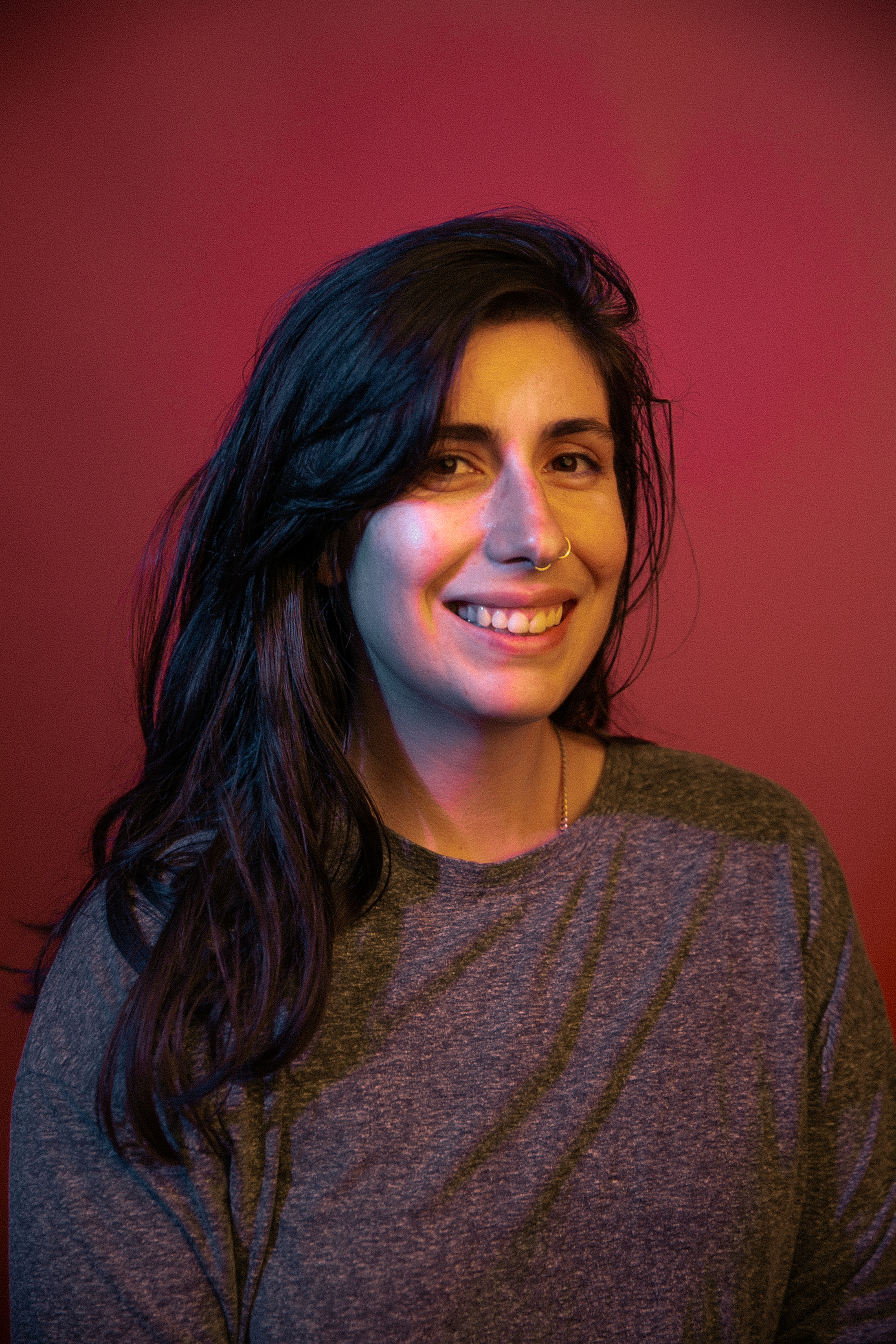
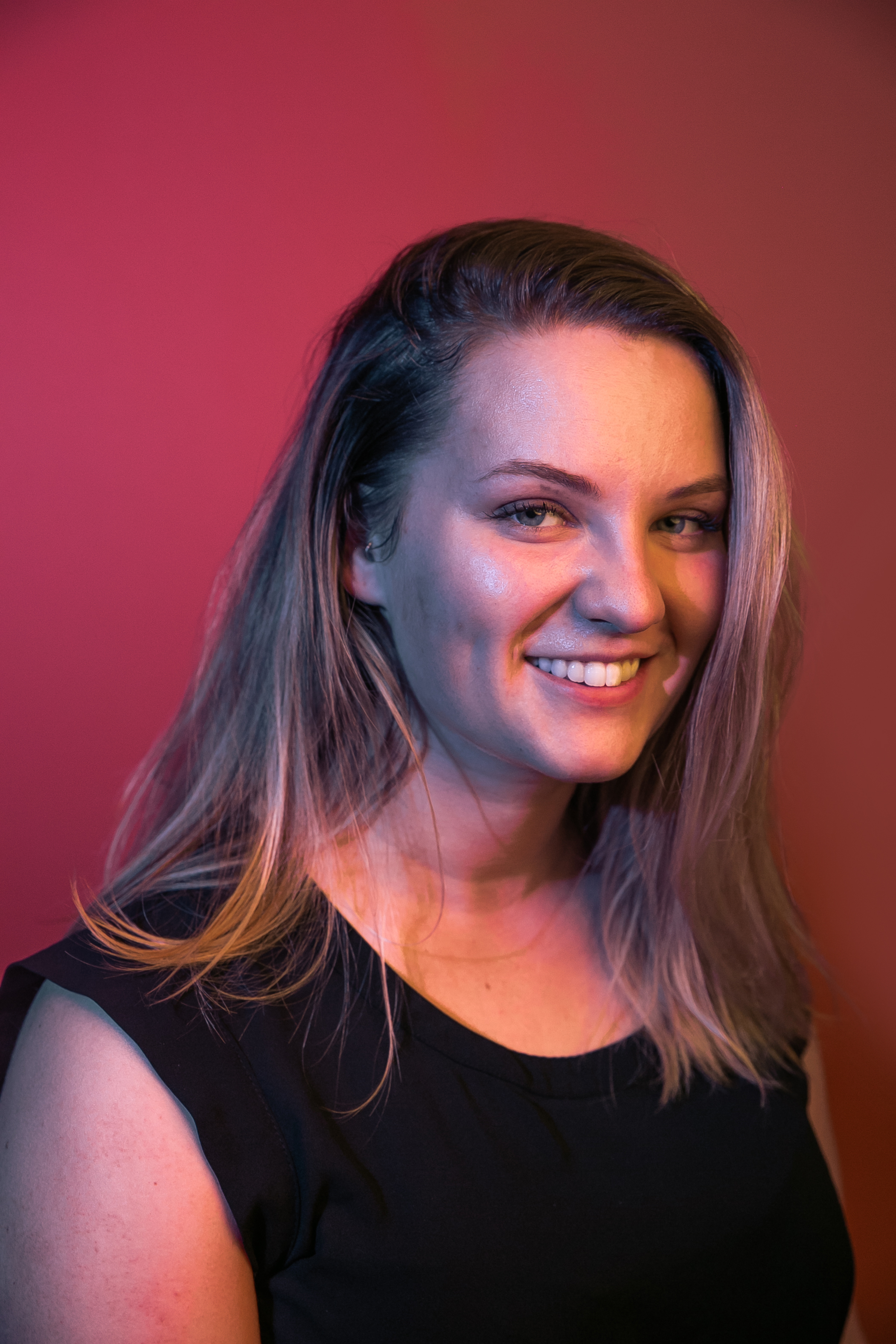
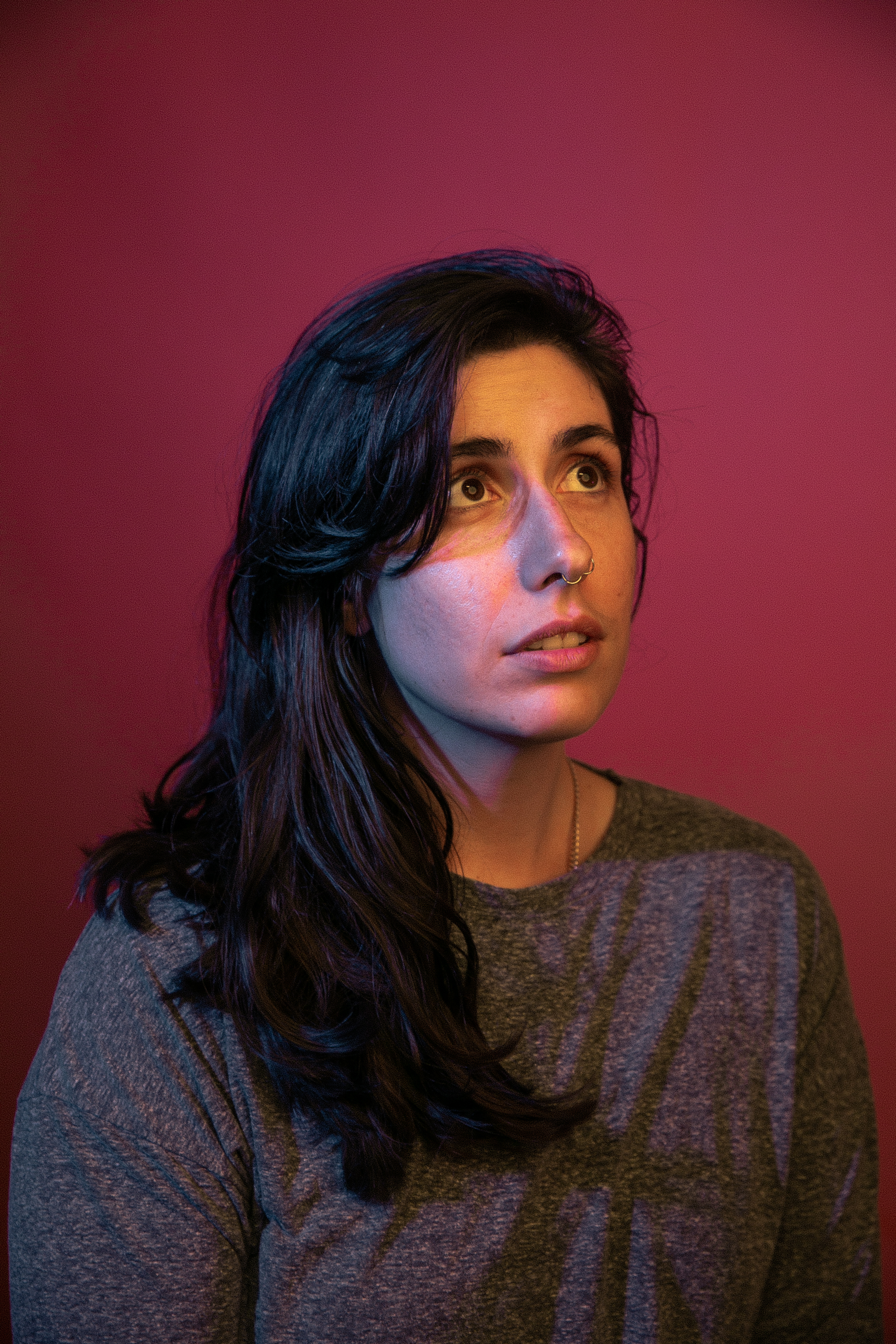
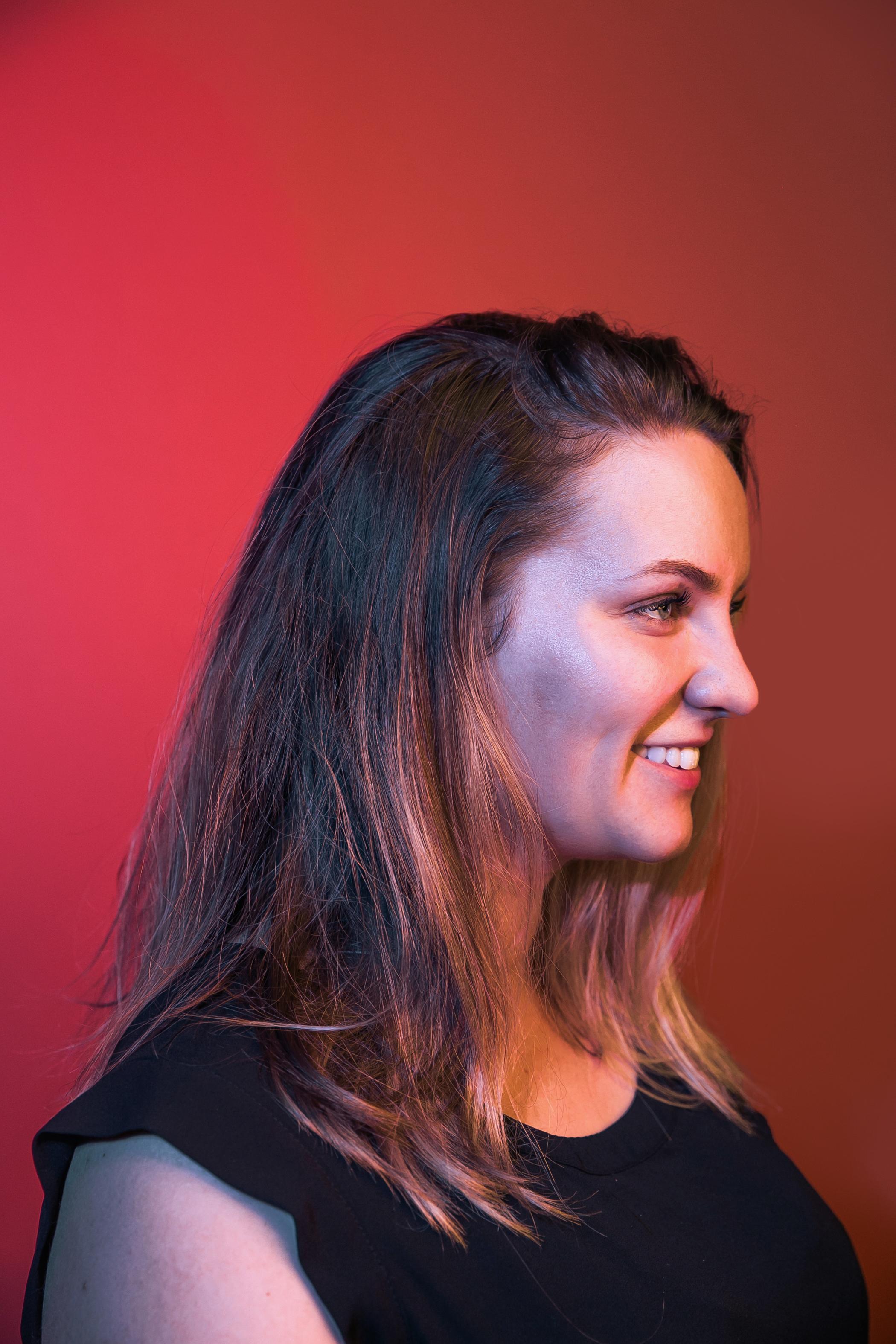
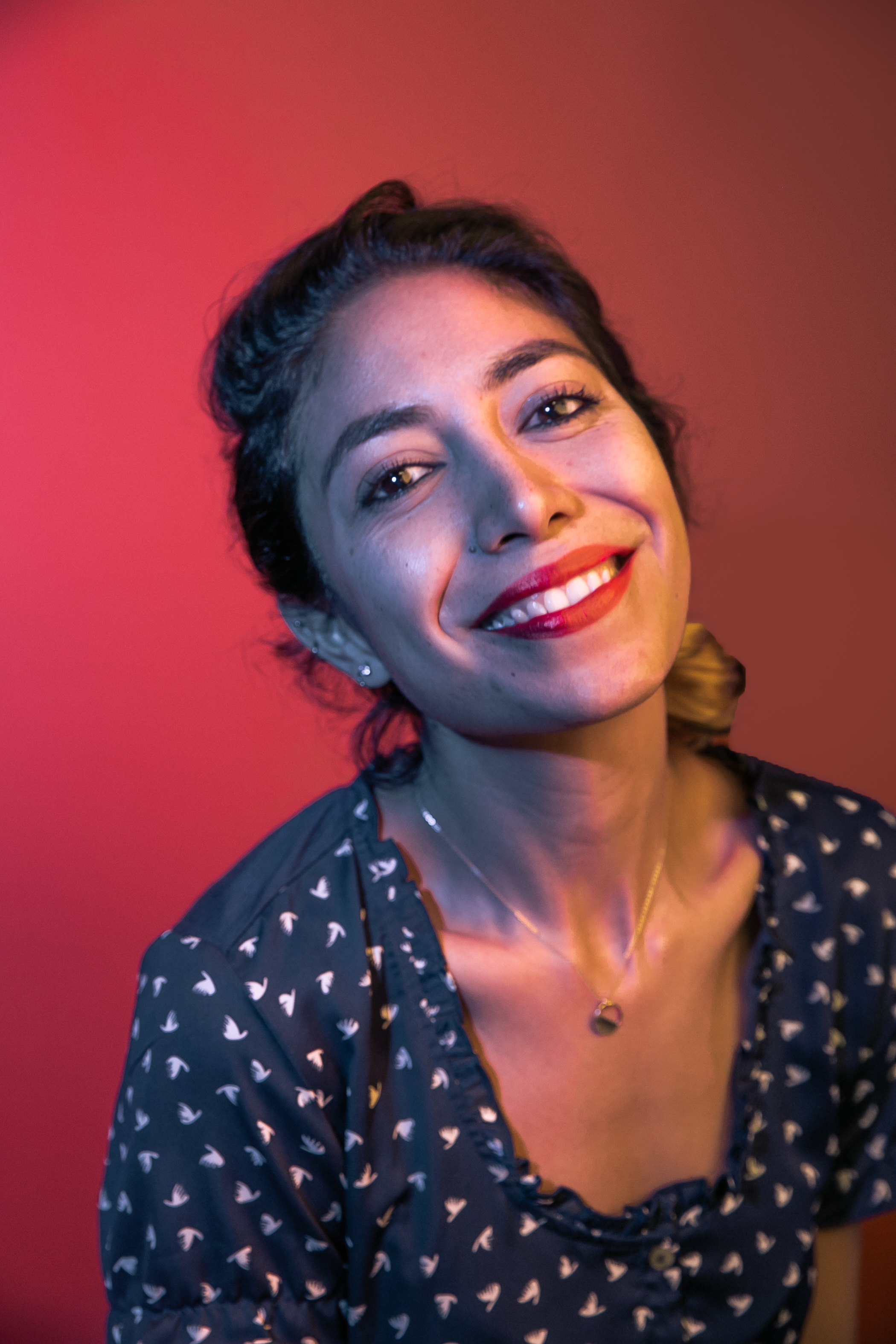
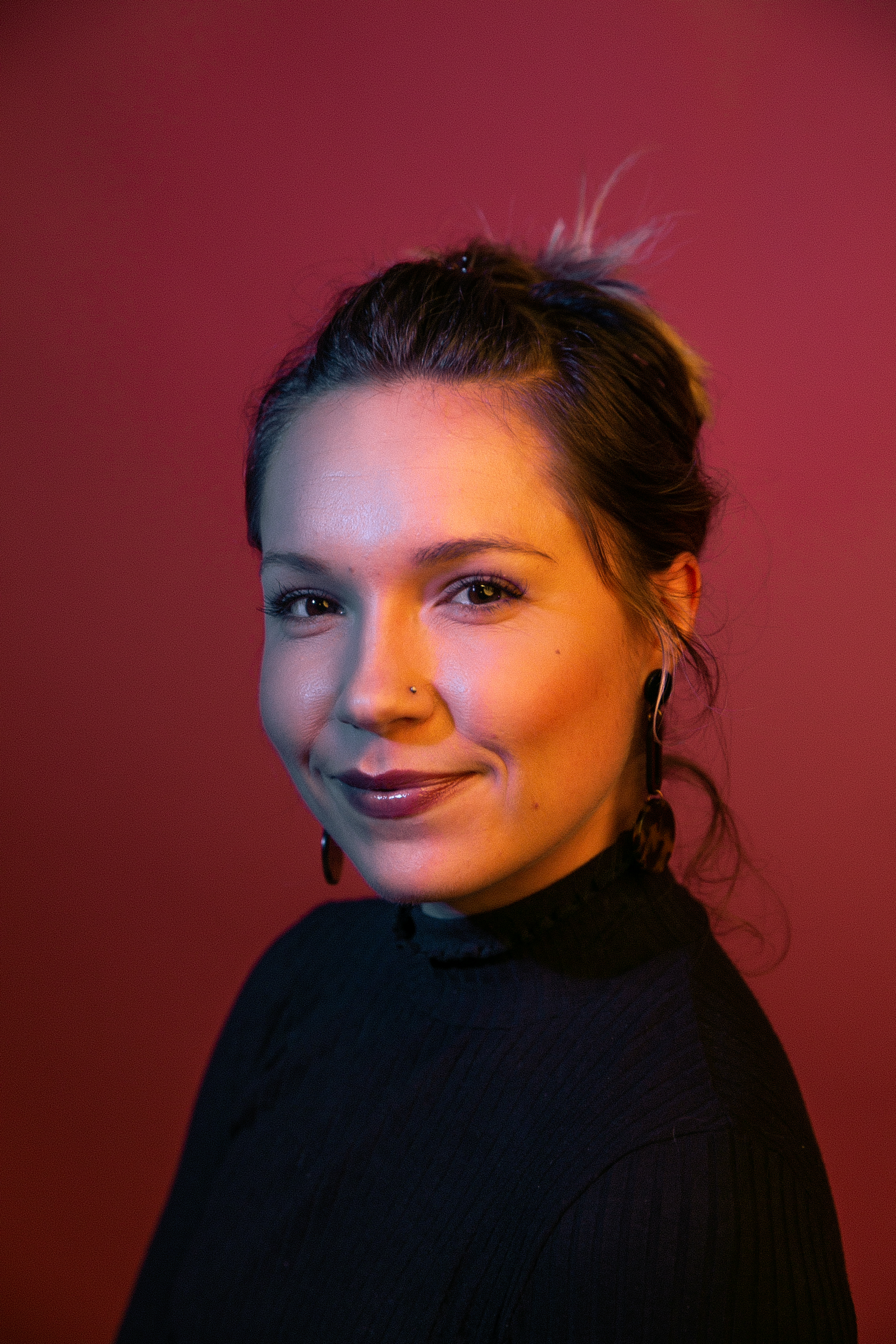
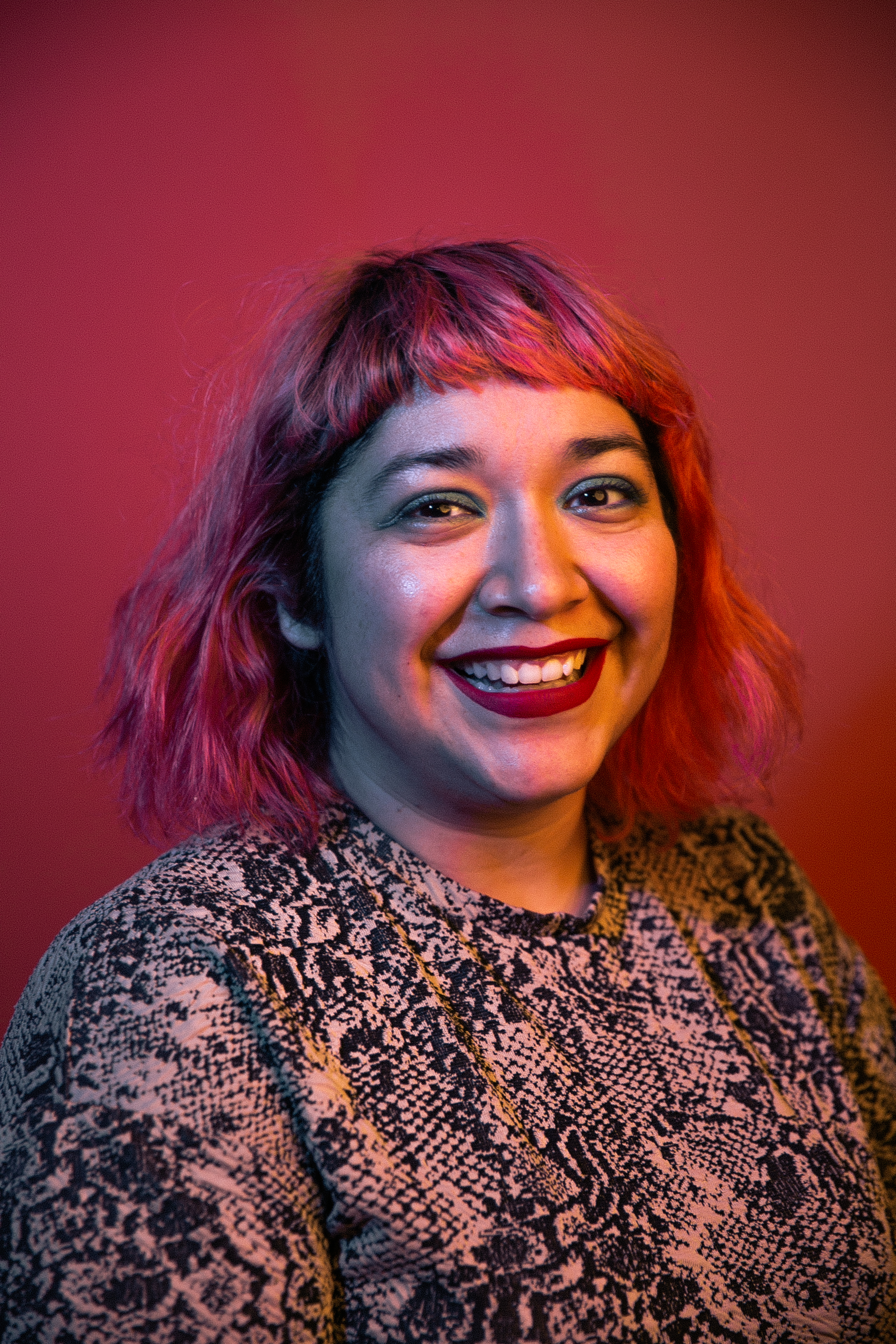
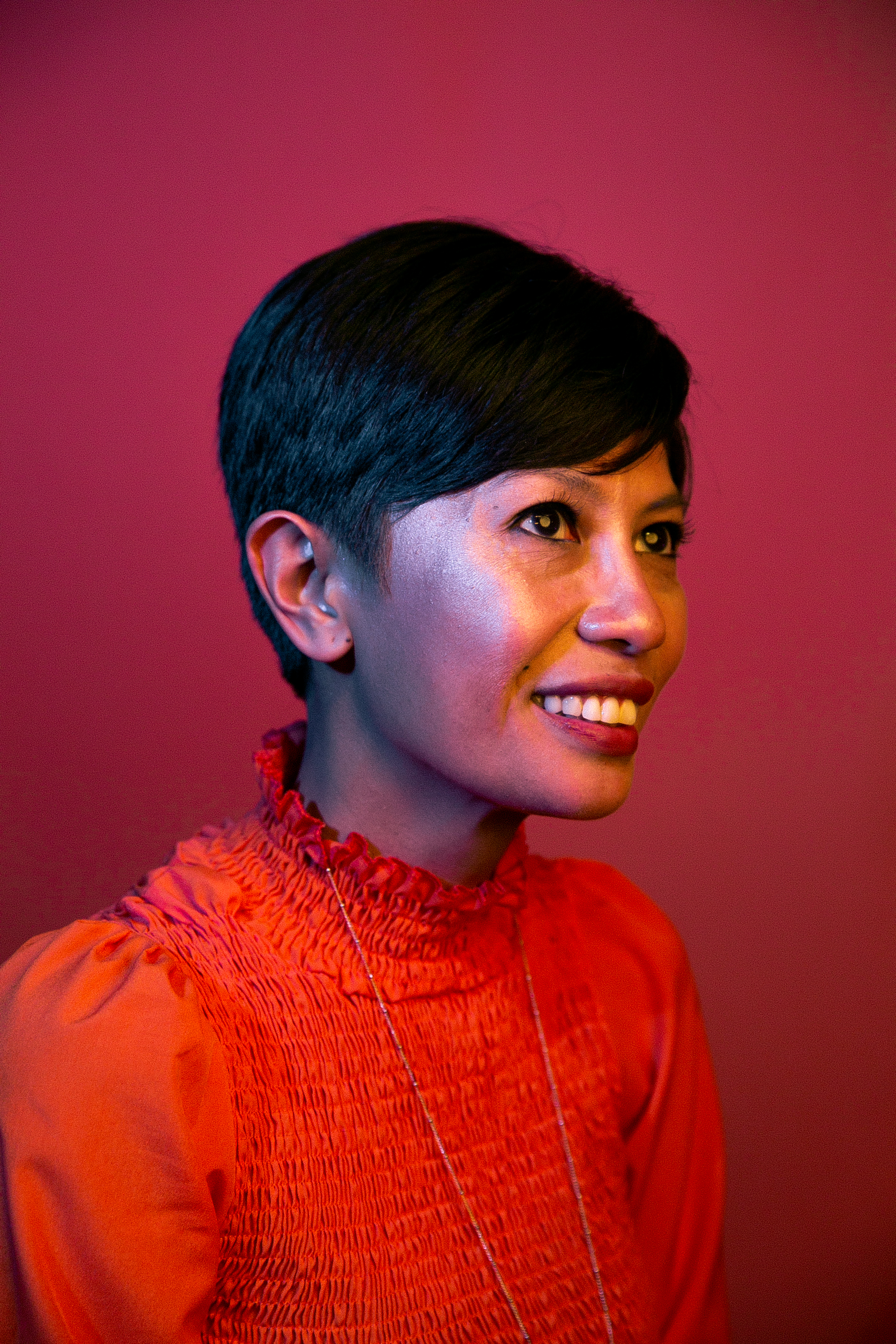
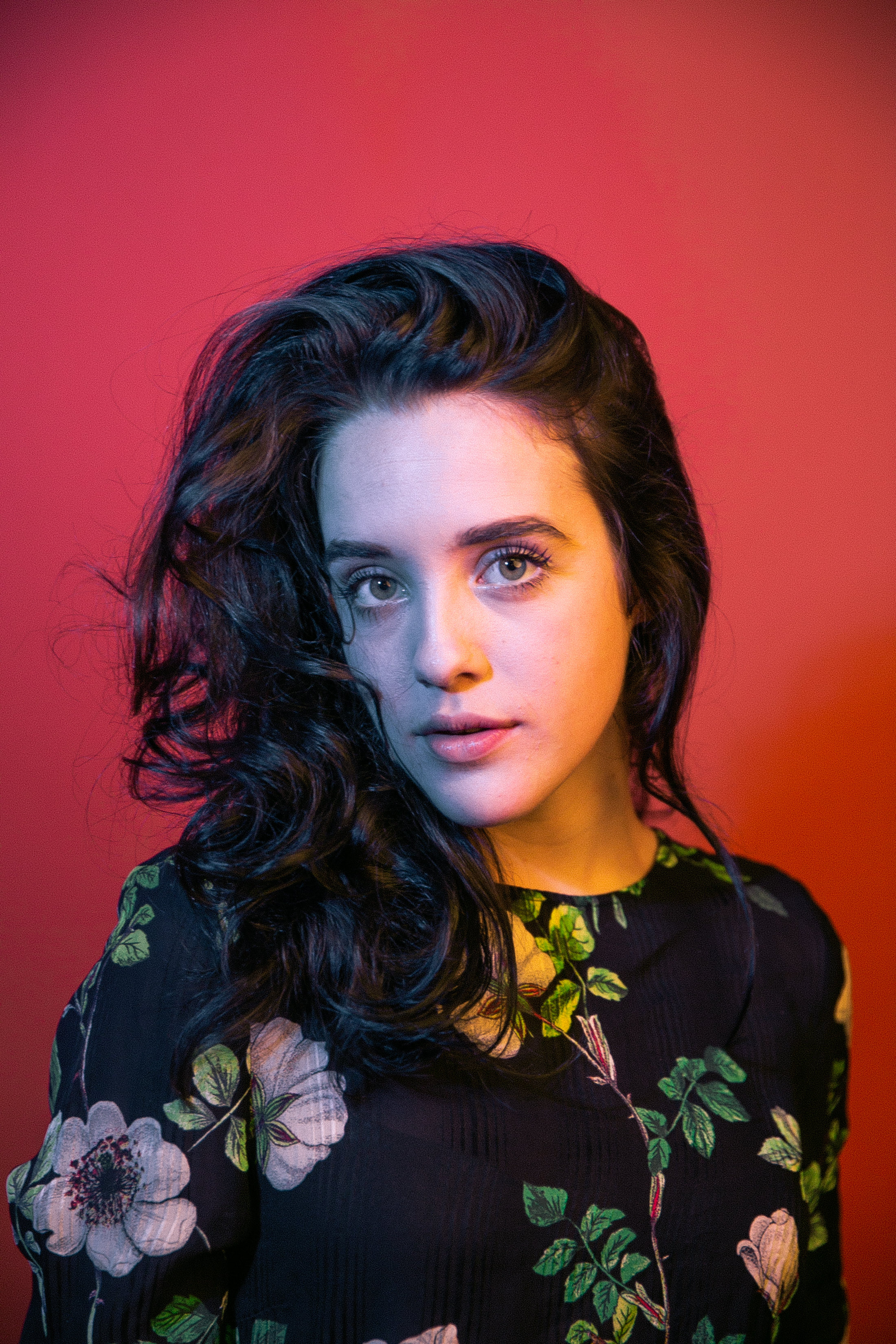
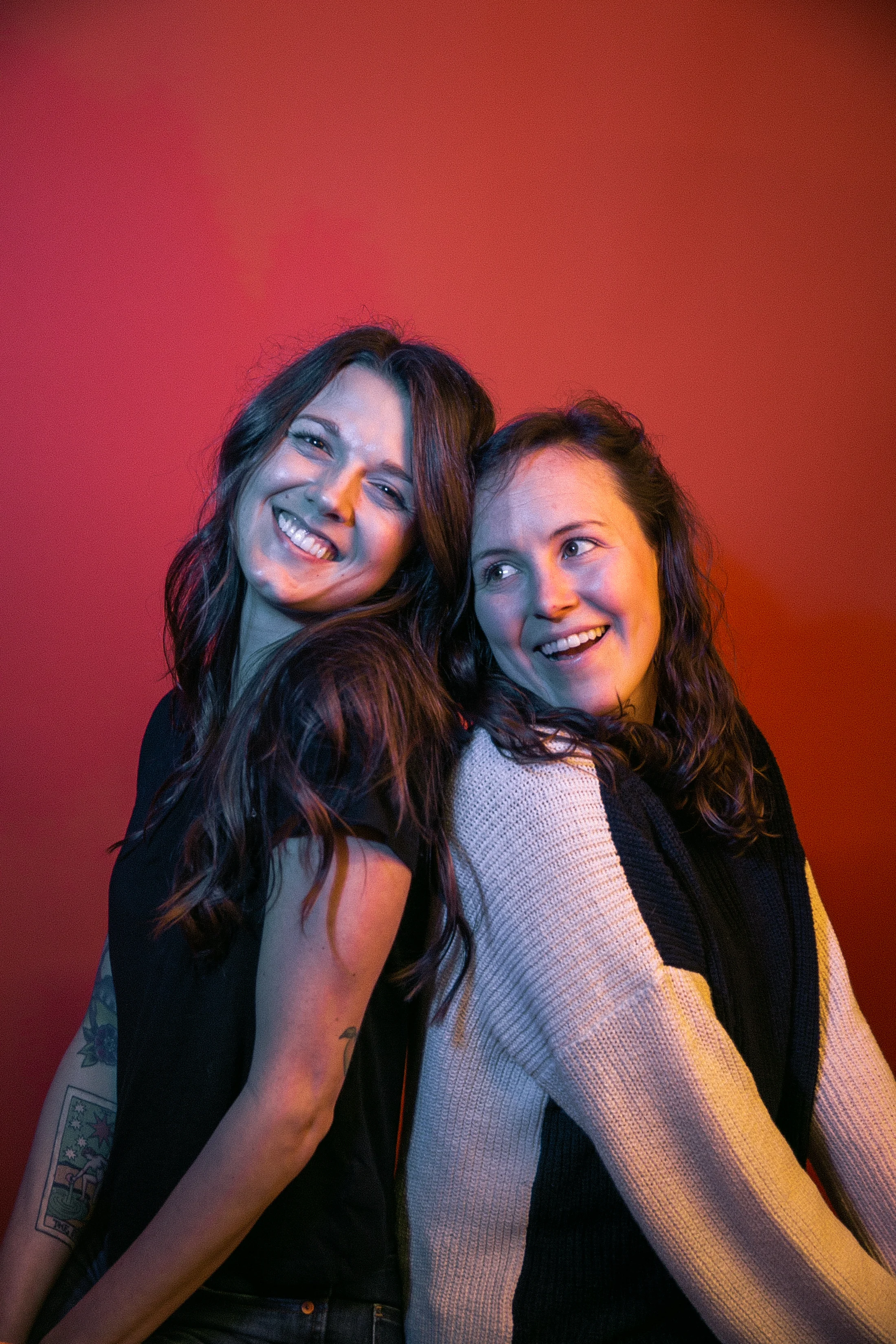
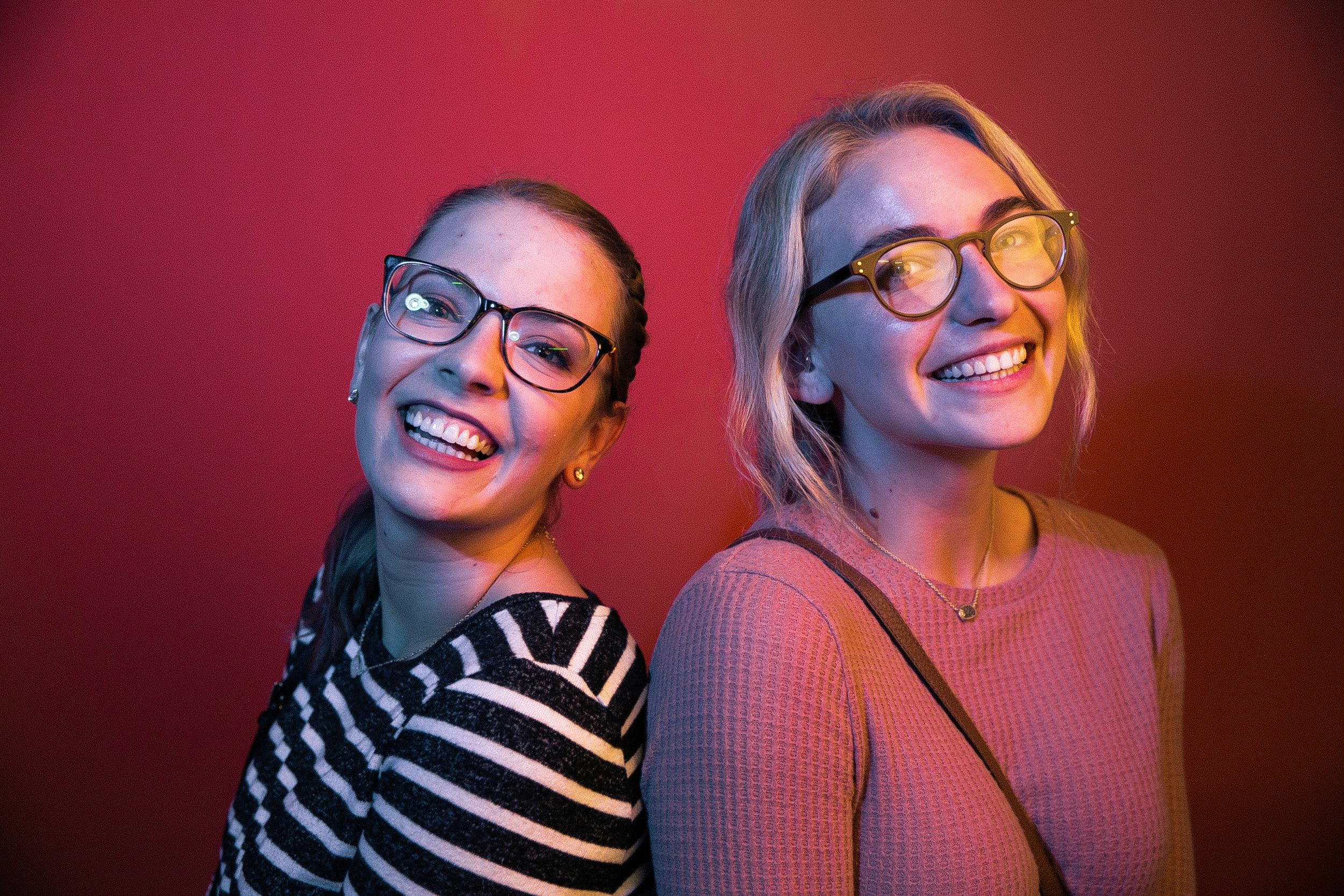
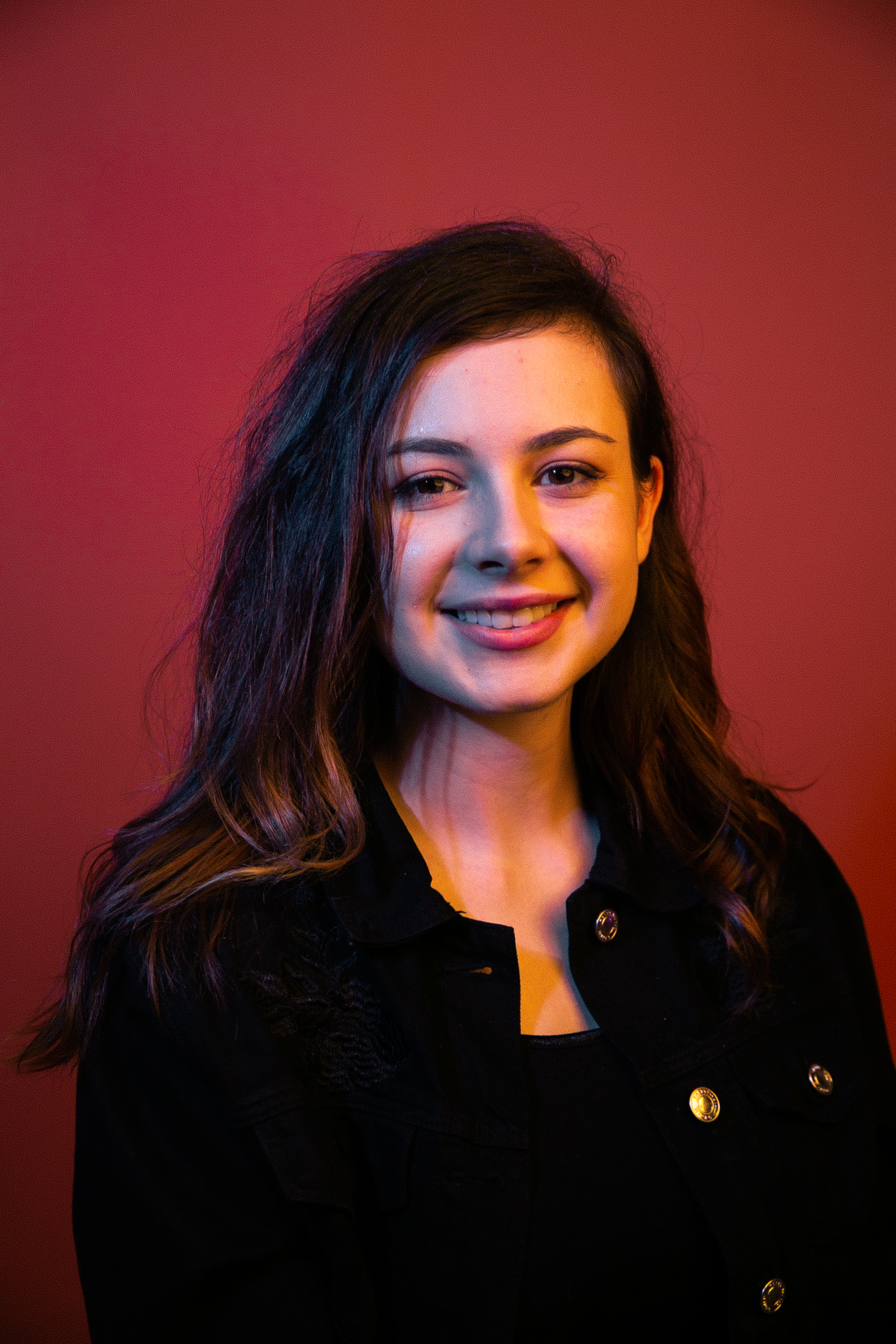
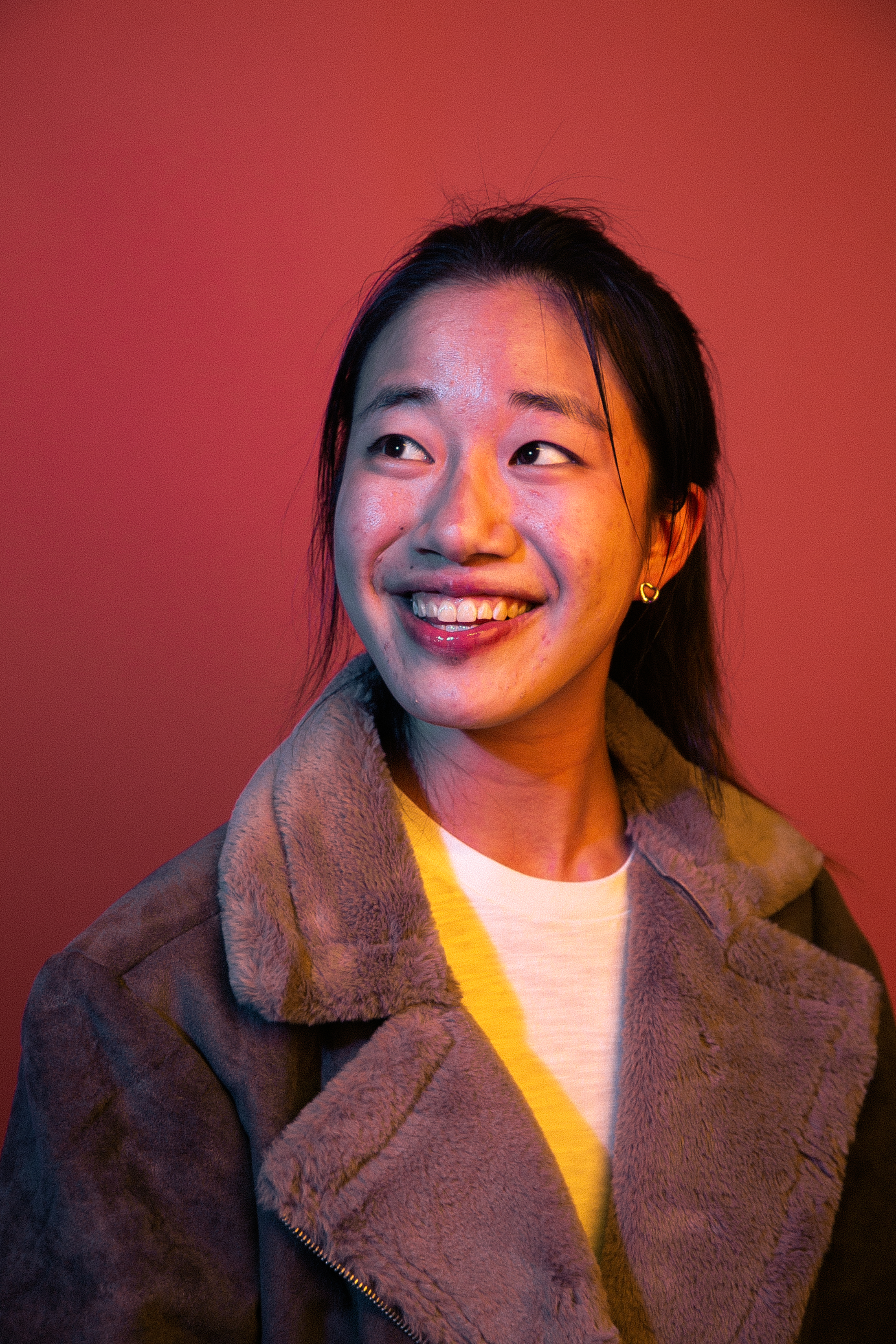
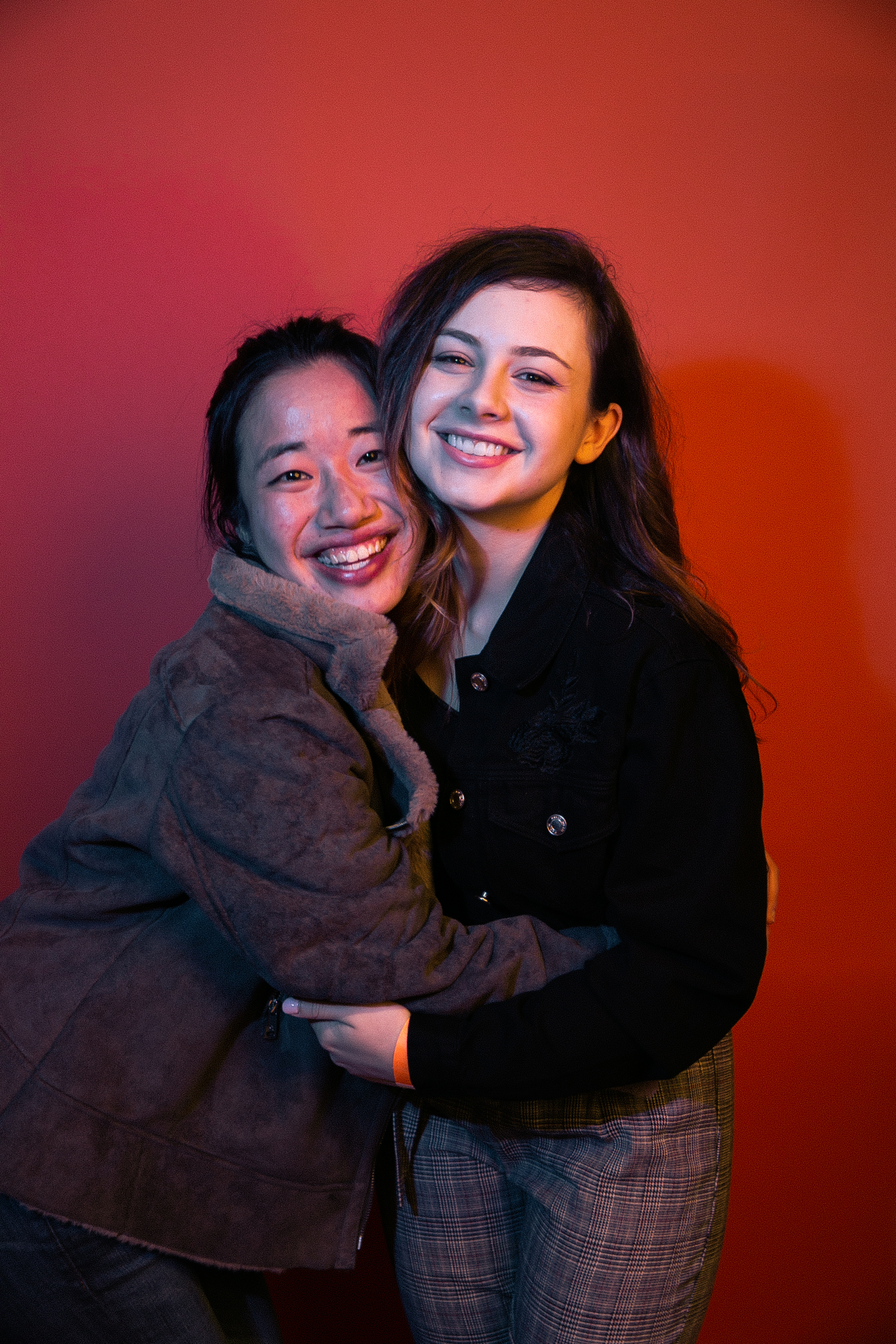
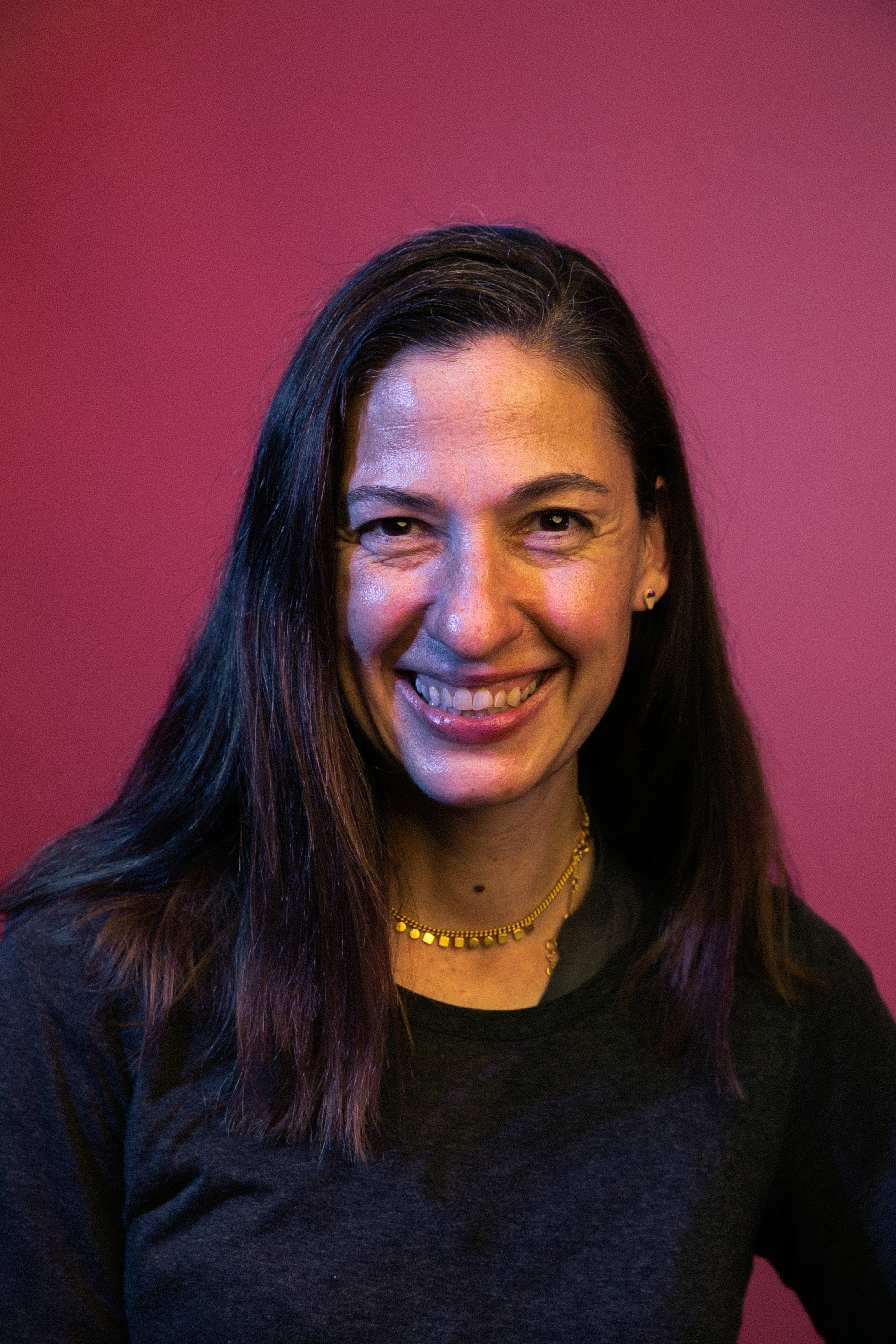
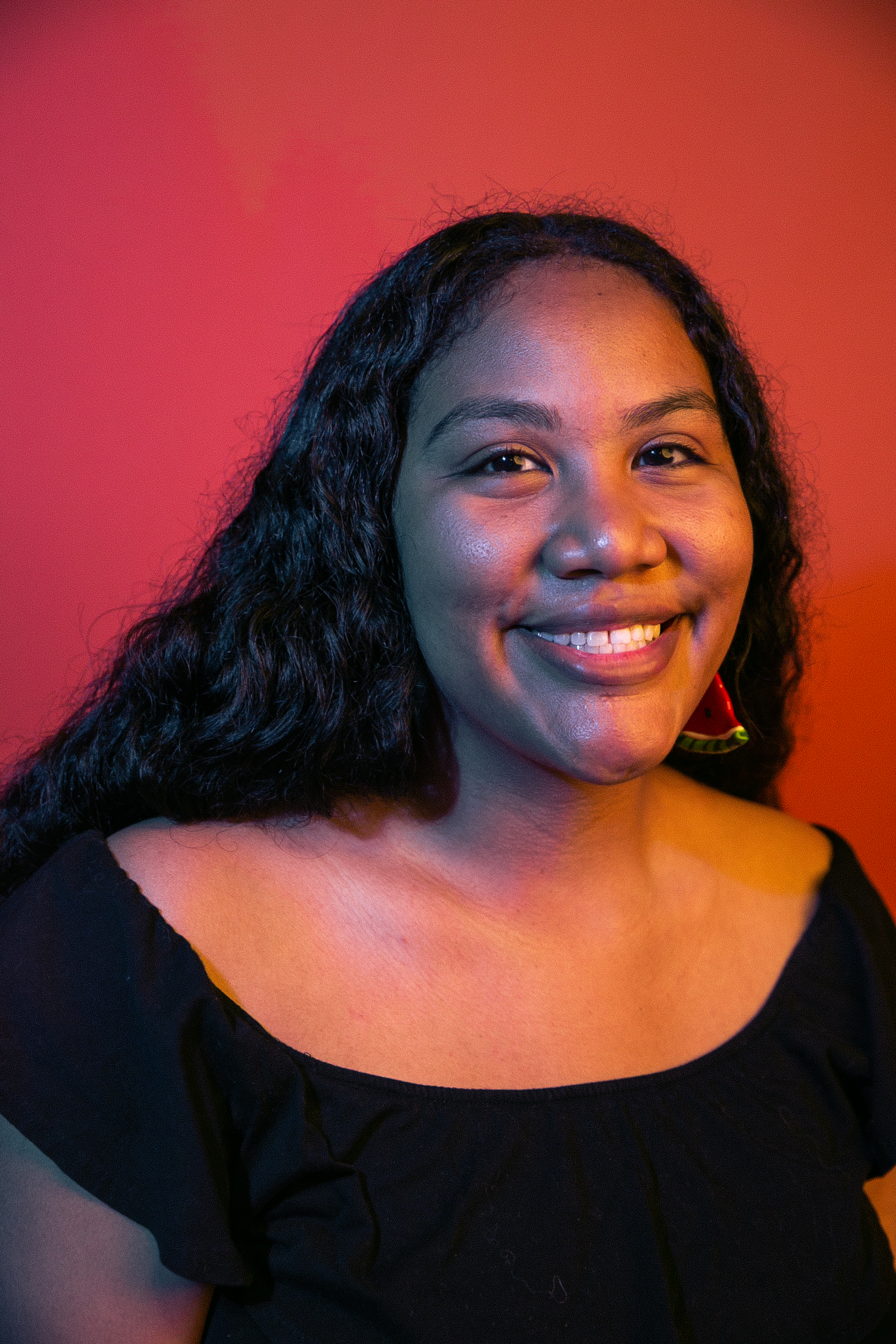
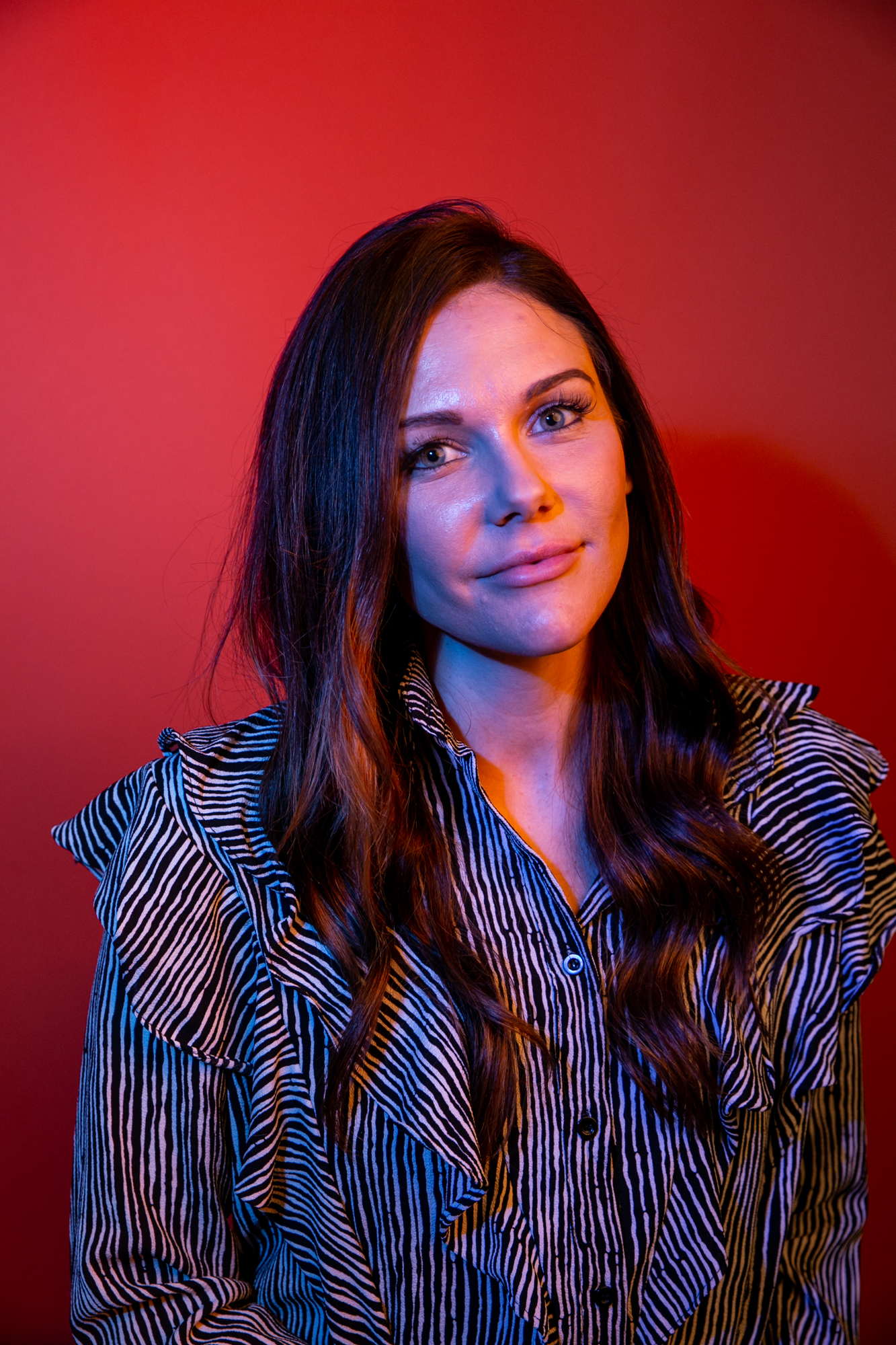
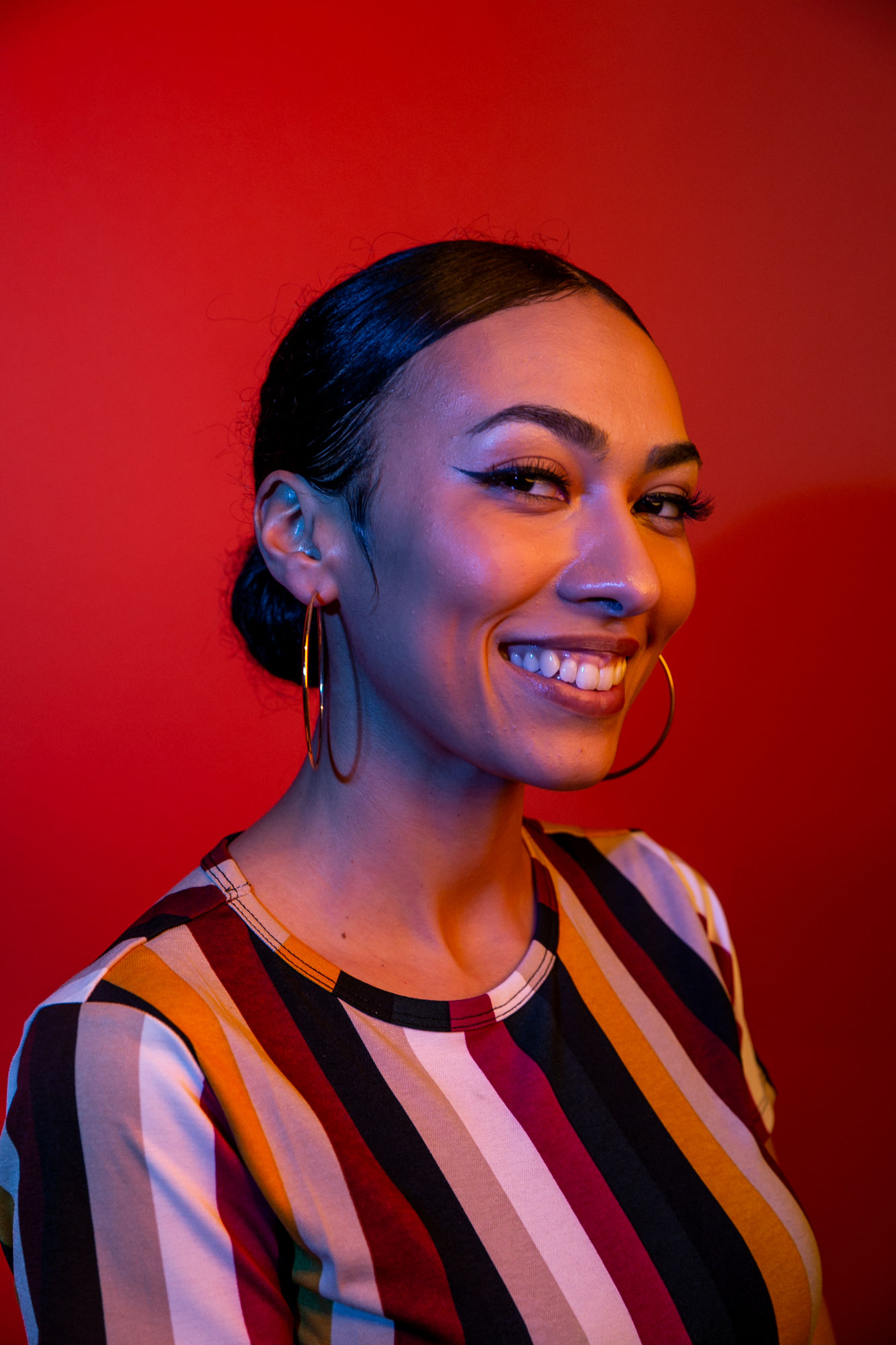
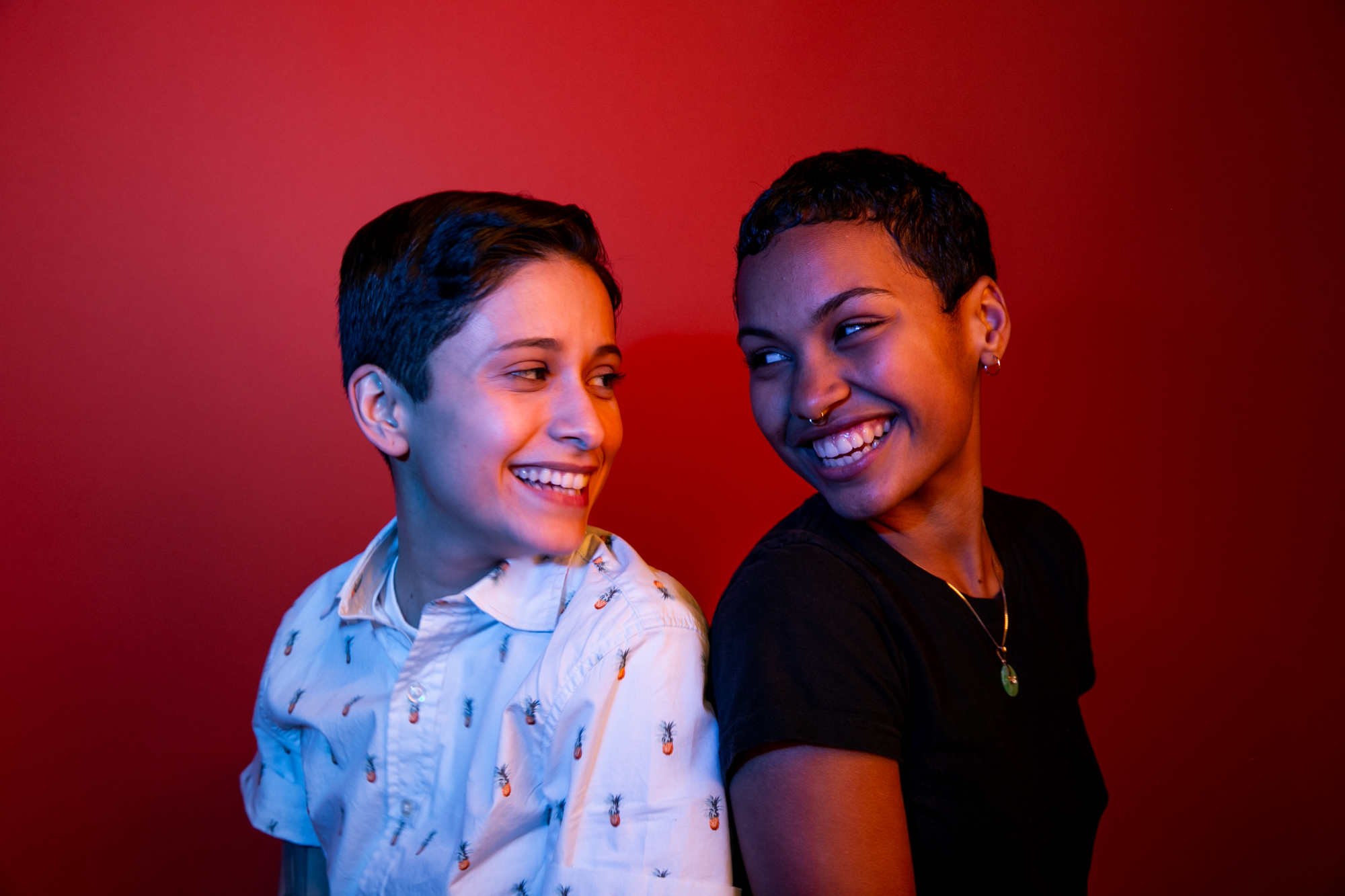
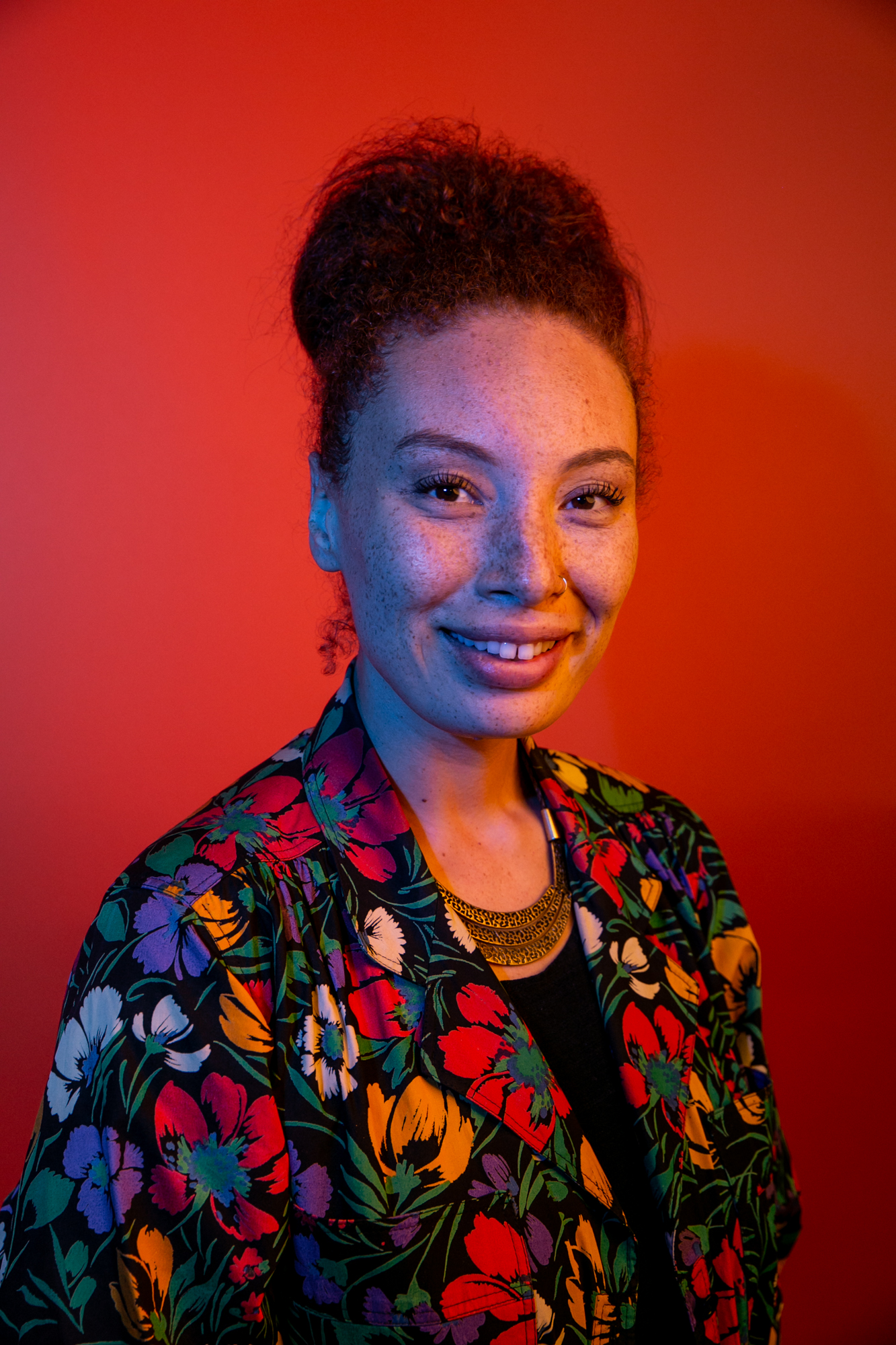
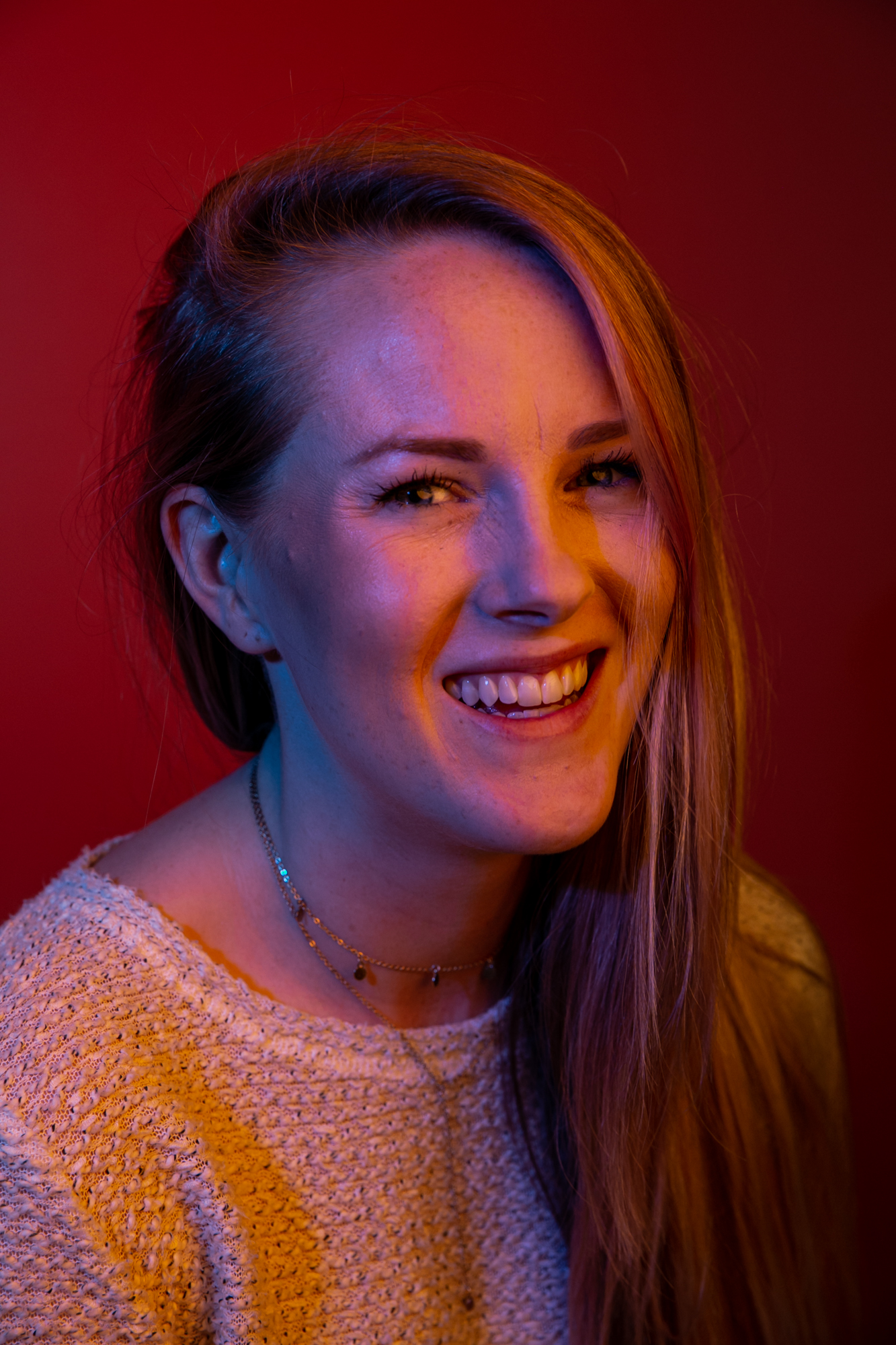
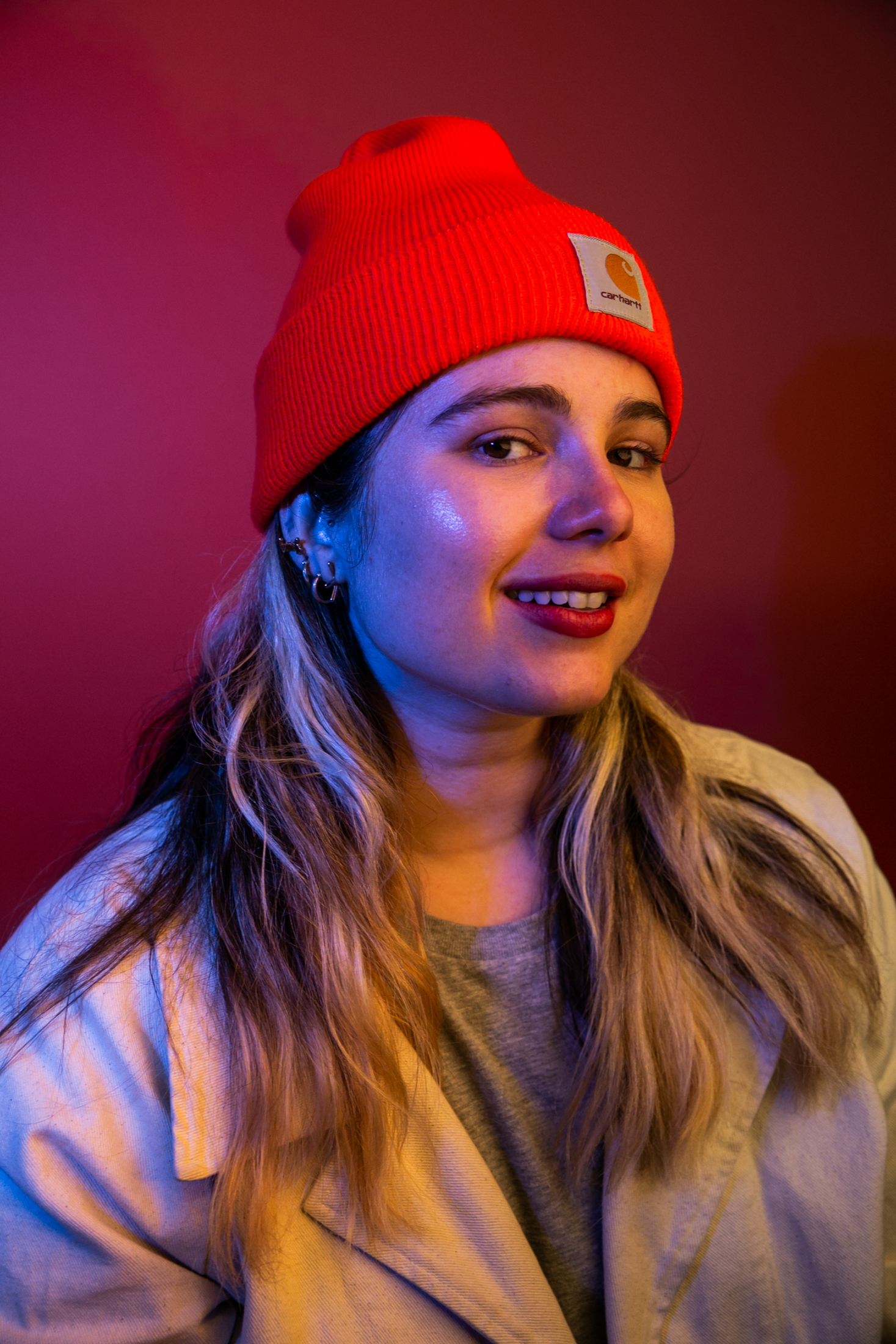
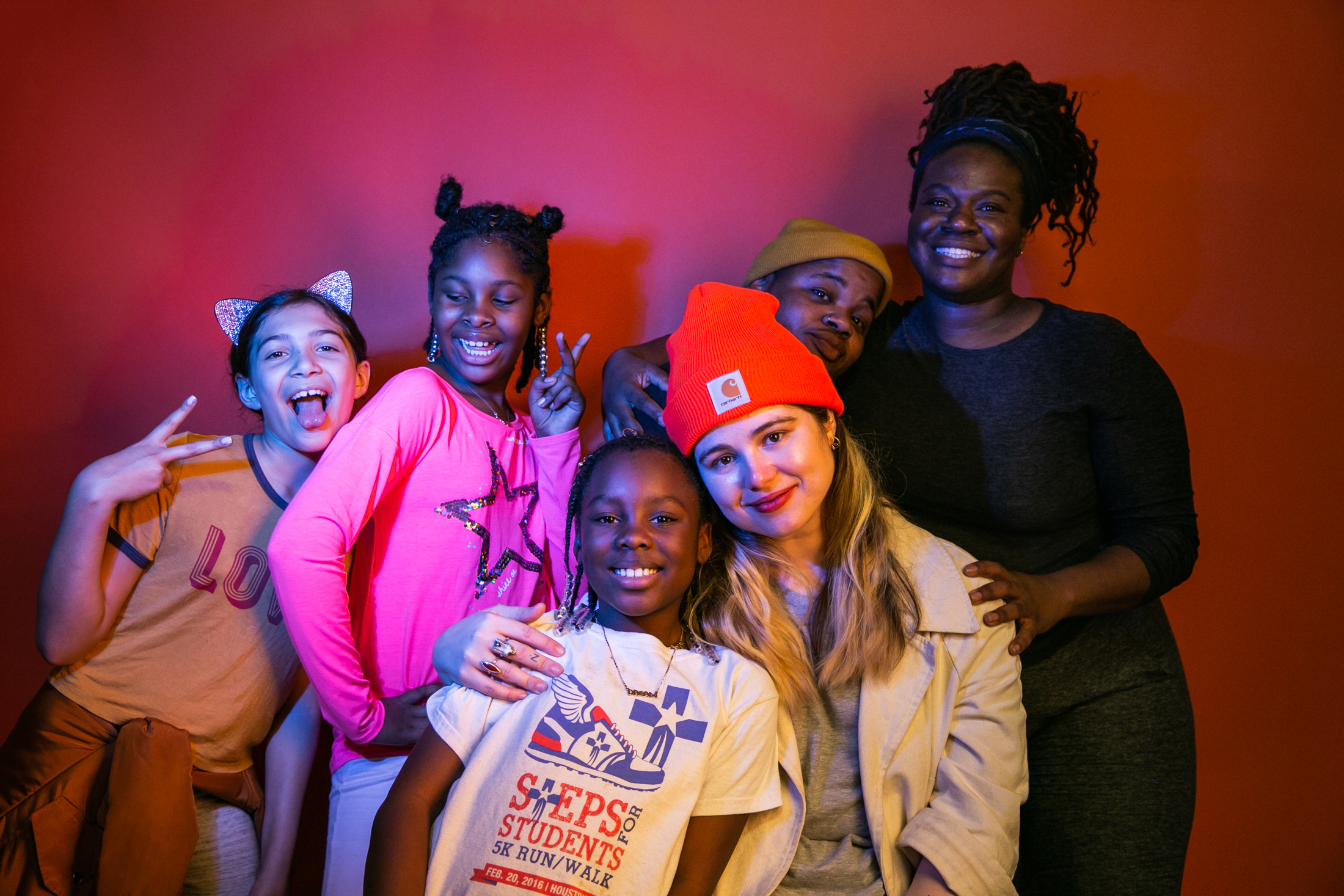
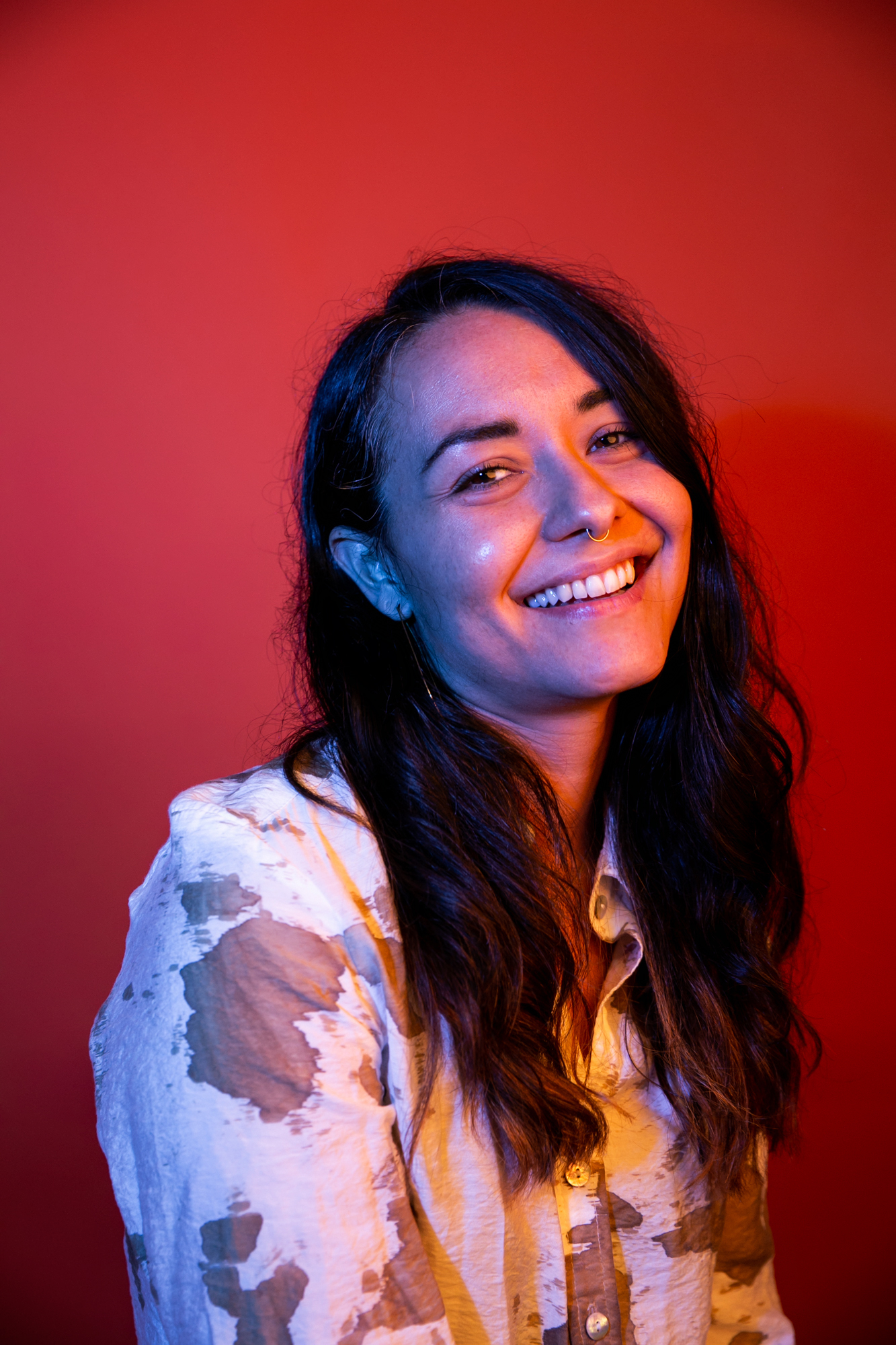

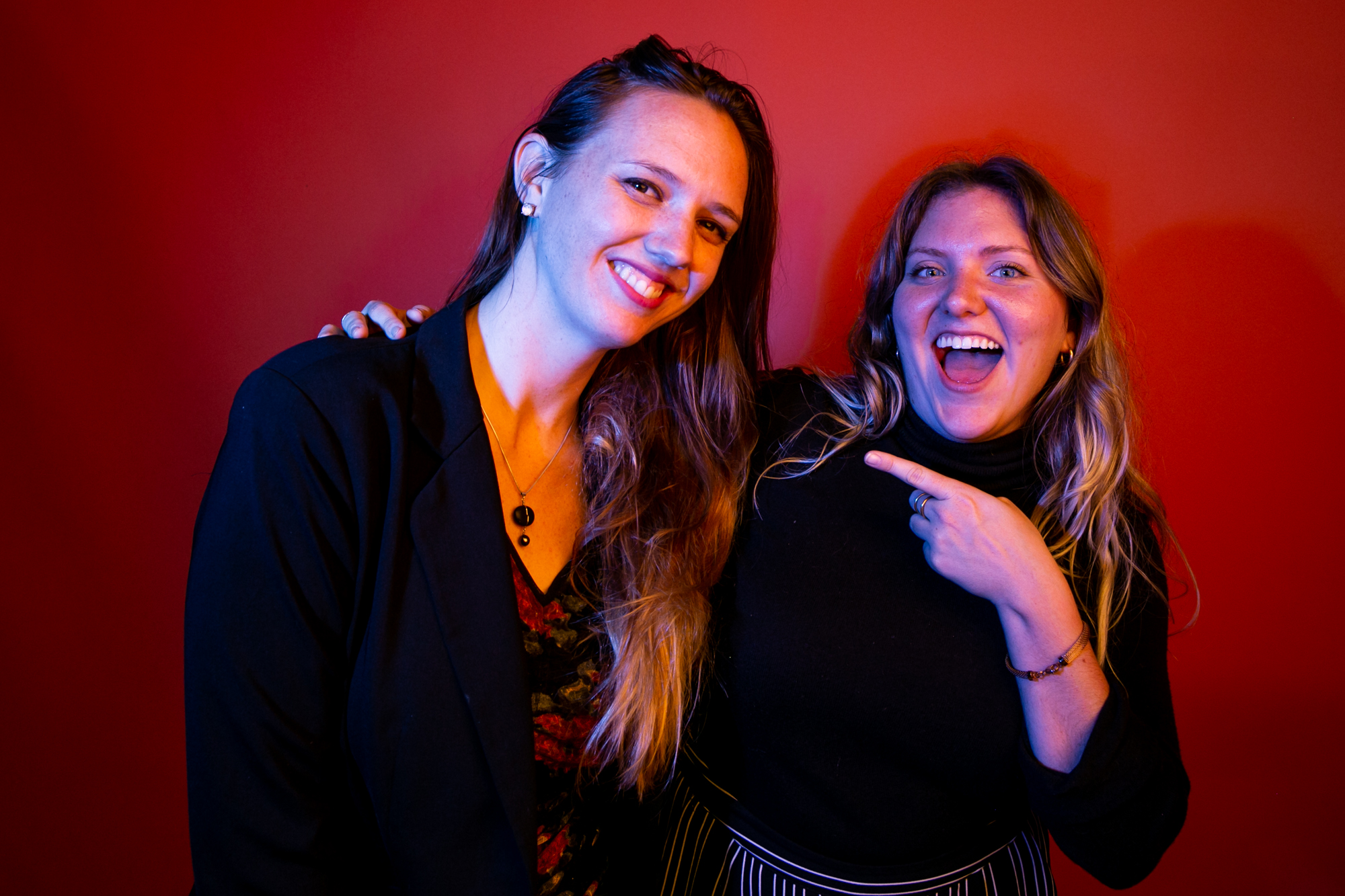
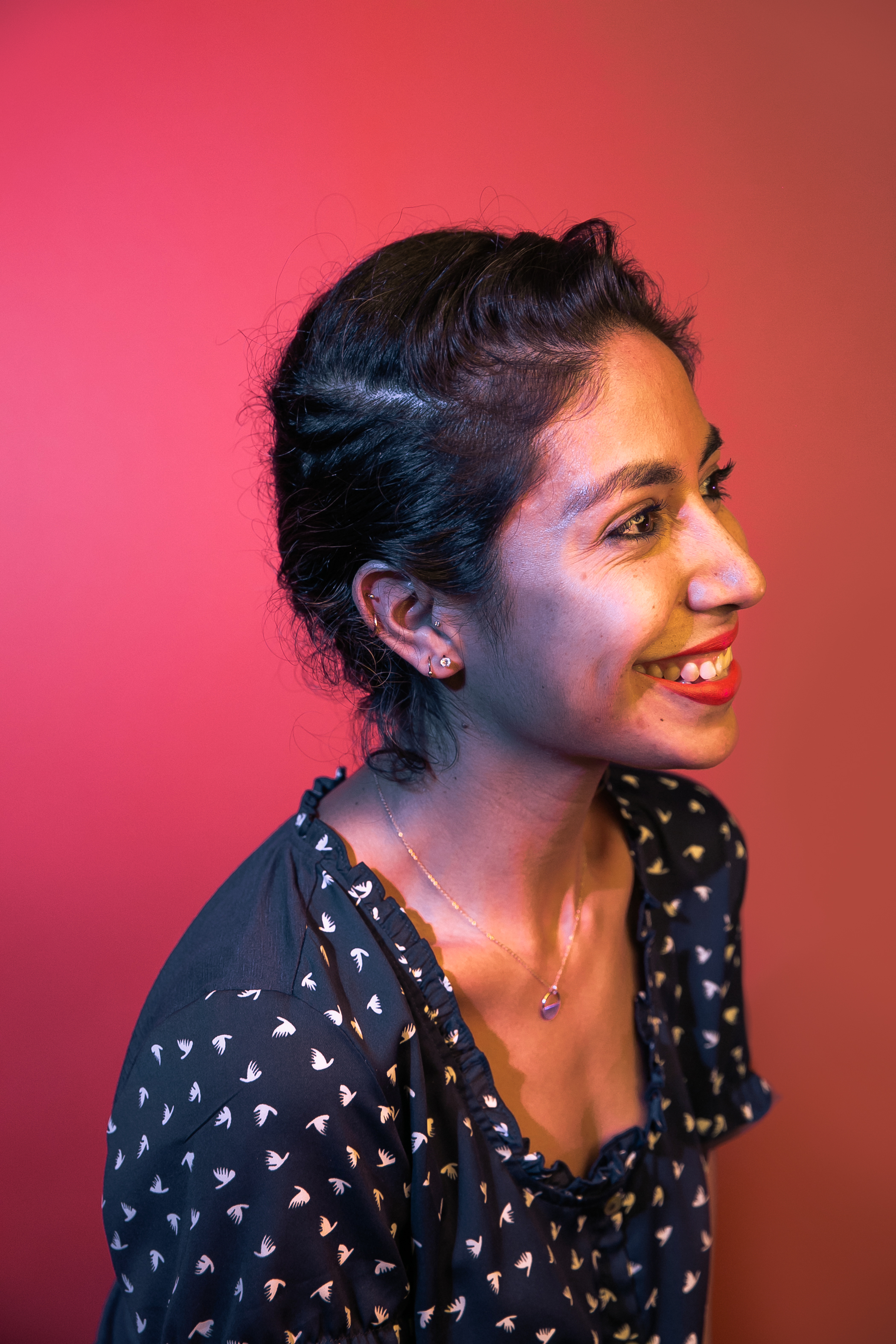
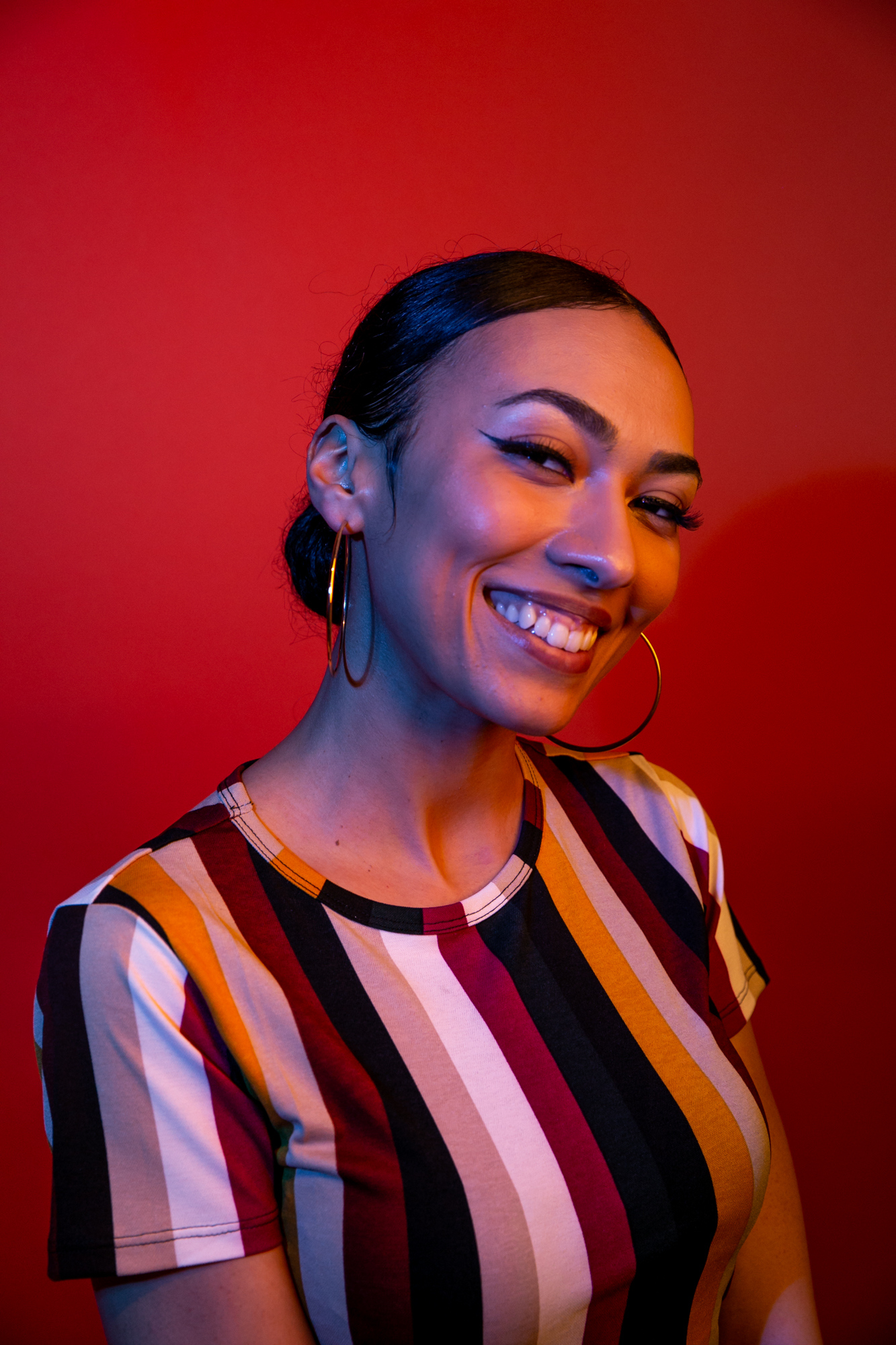
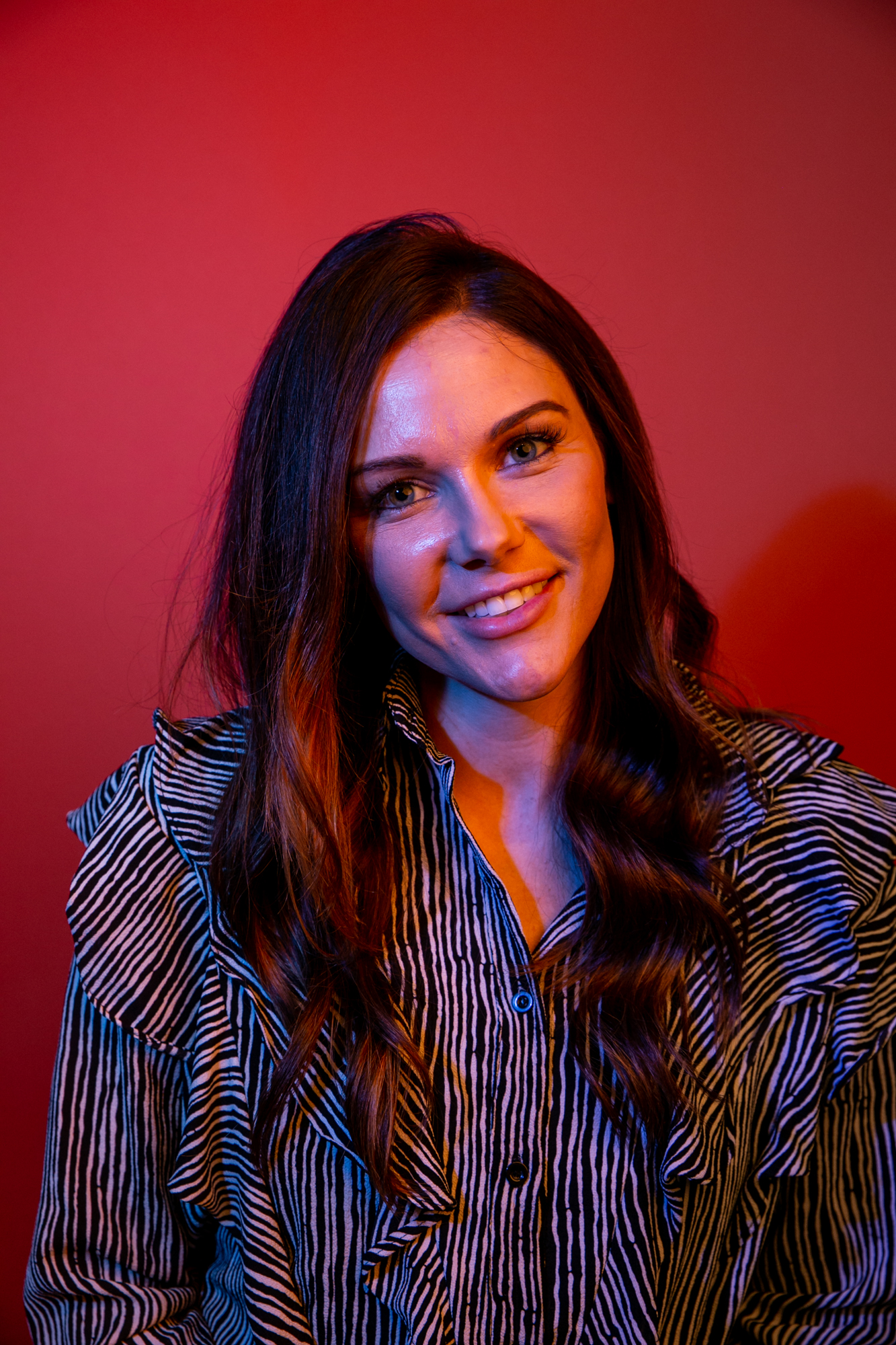
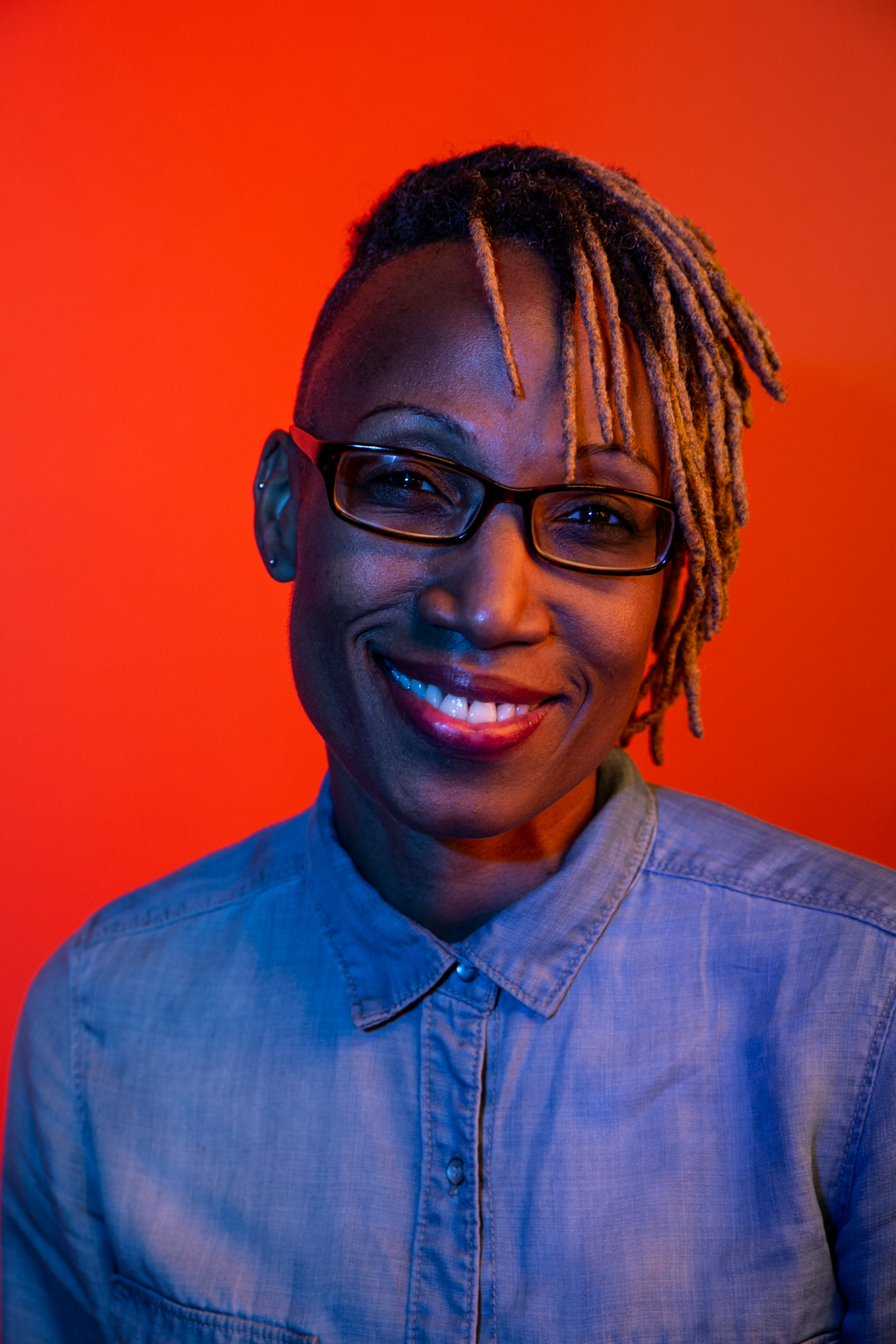
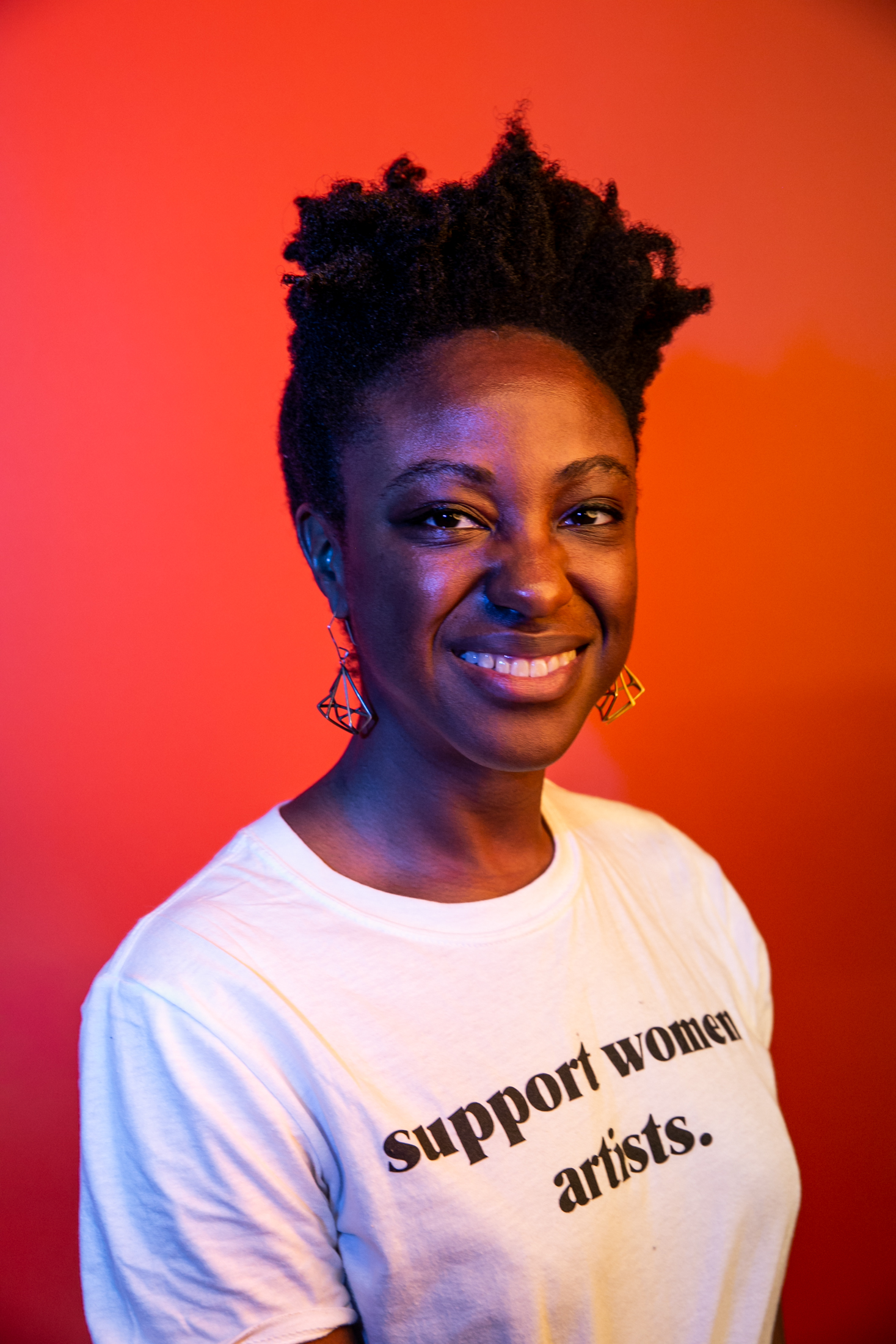
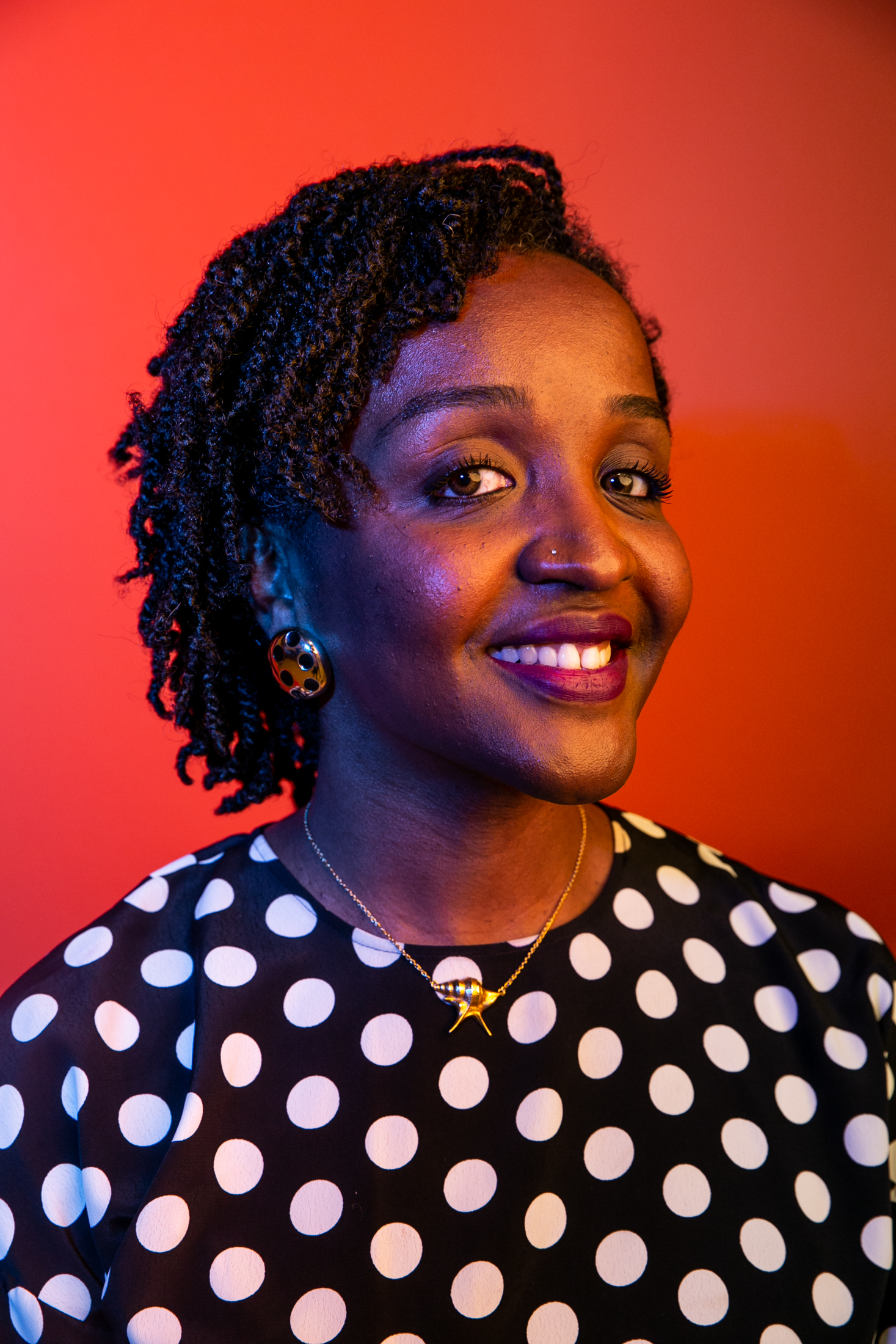
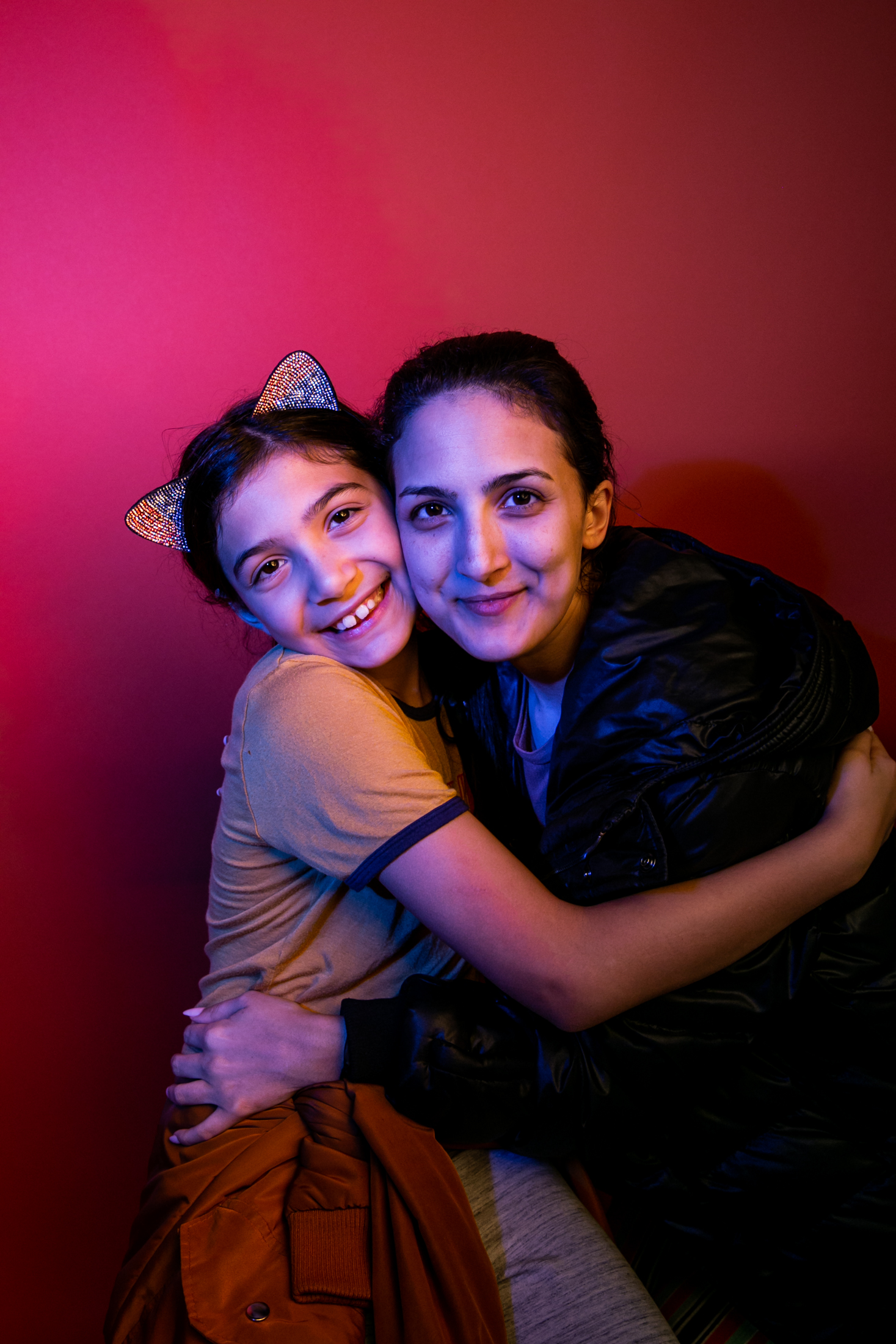
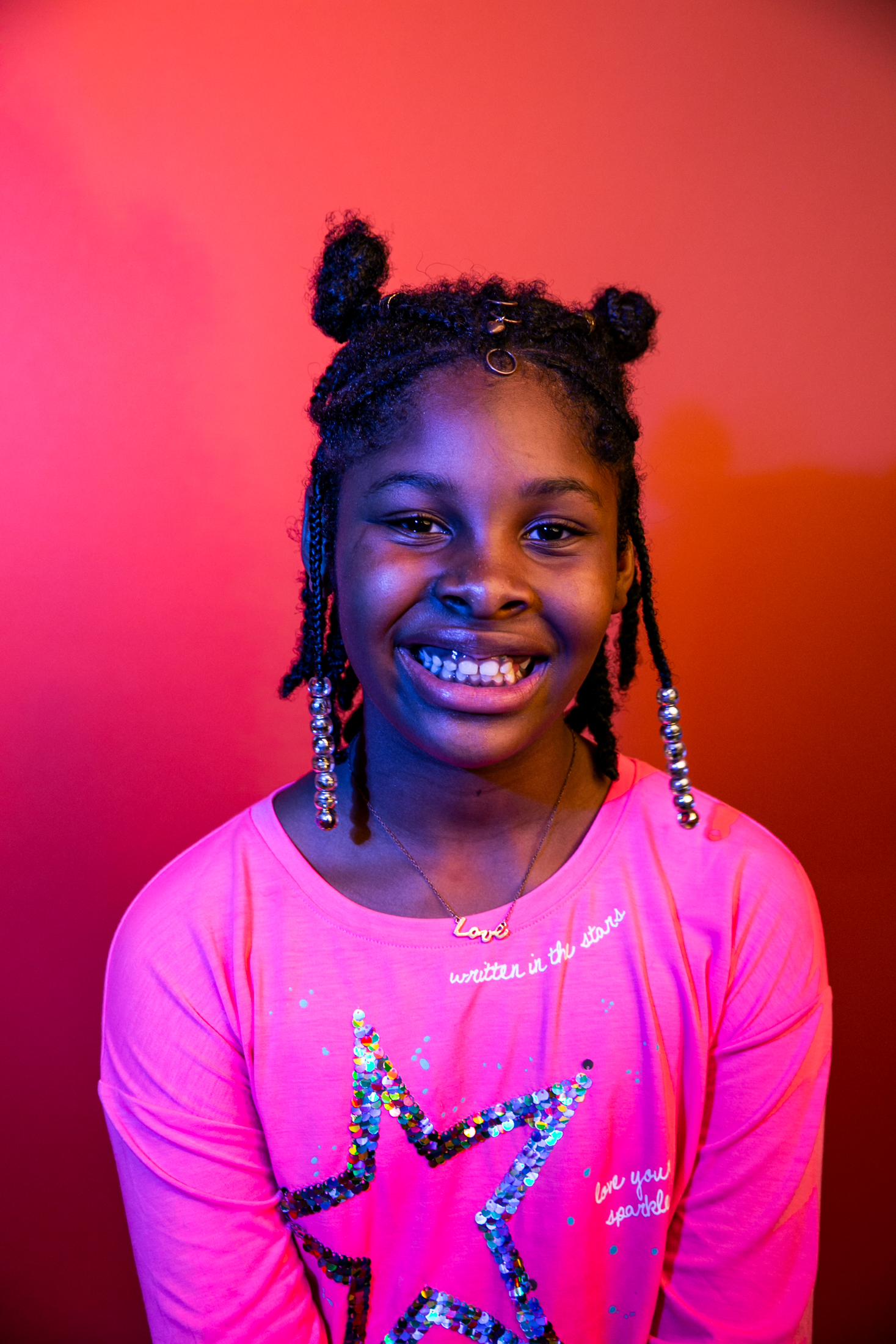
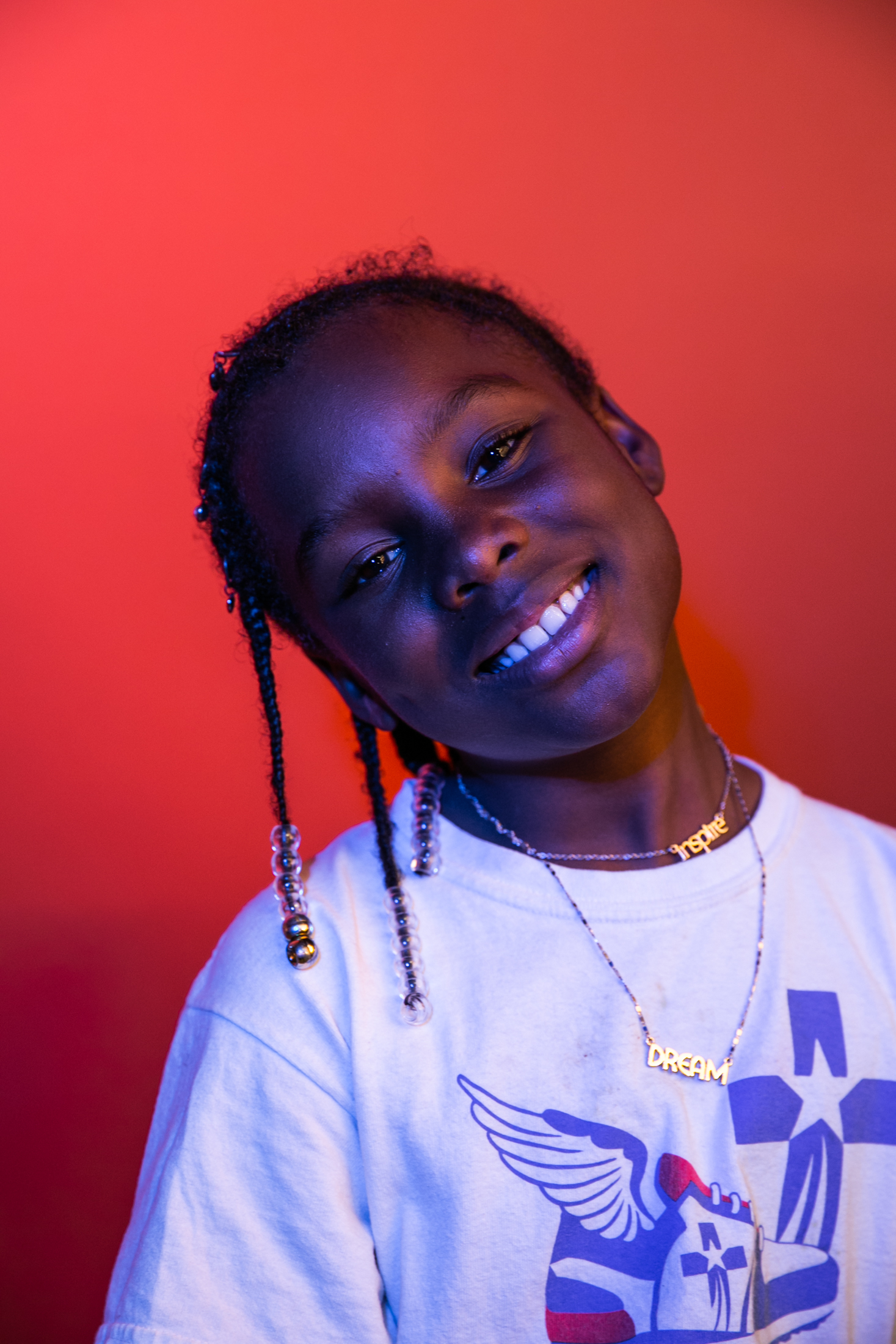
About the artist Jeanette: Jeanette Nevarez is a professional photographer, videographer, Latina, Art lover, self proclaimed Photoshop Nerd and co-founder of Latinx Creative Meet Up. She is a longtime supporter of #bbatx and community based organizations in Austin, creating spaces for women, Latinx, queer identifying people. You can check out her work online and hire her for your next event.
This photo booth was produced during our February ’19 Community Meet-Up. Curious about our next meet up? Join us May 21 at the Austin School of Film from 6:30 to 9 PM to mingle and hear from creatives, business owners and leaders in this community.
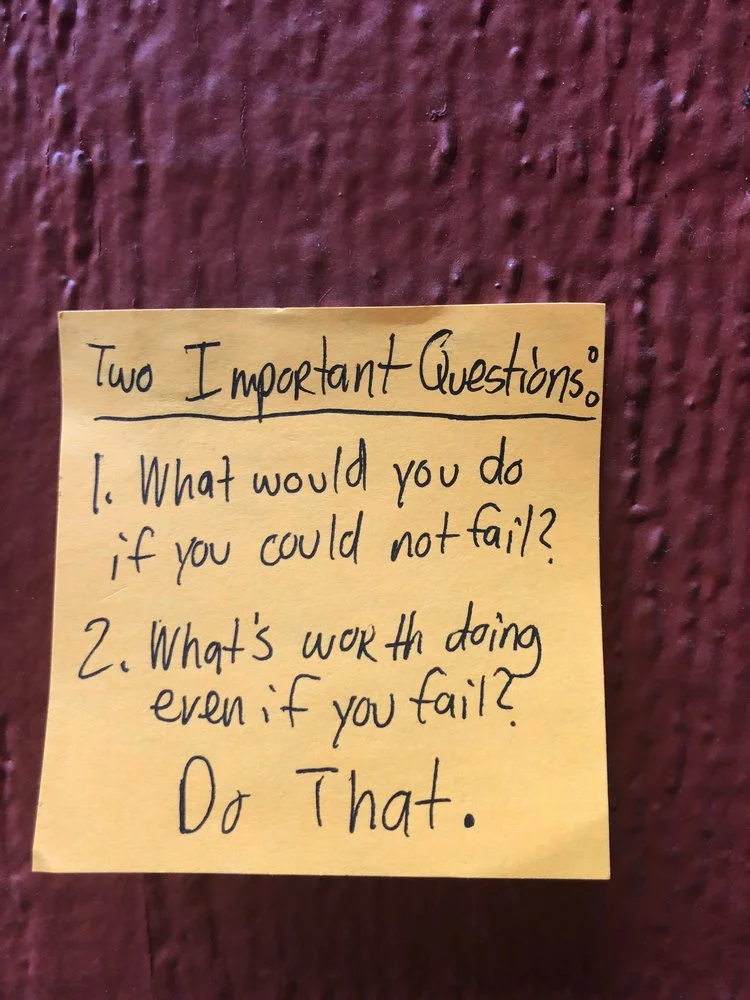
On Learning (And Teaching Each Other) How To Be Human: Notes From The #BBATX Community
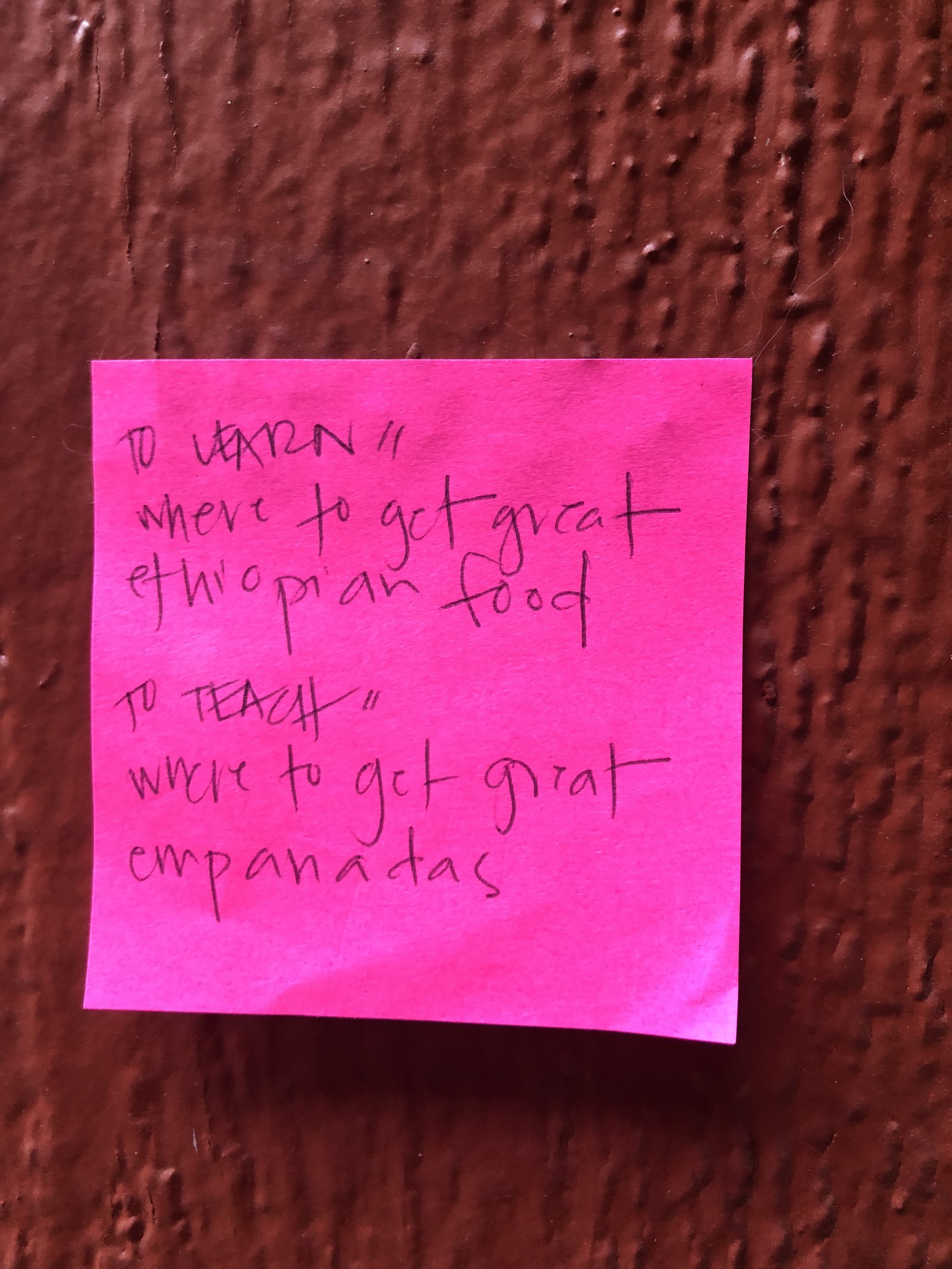
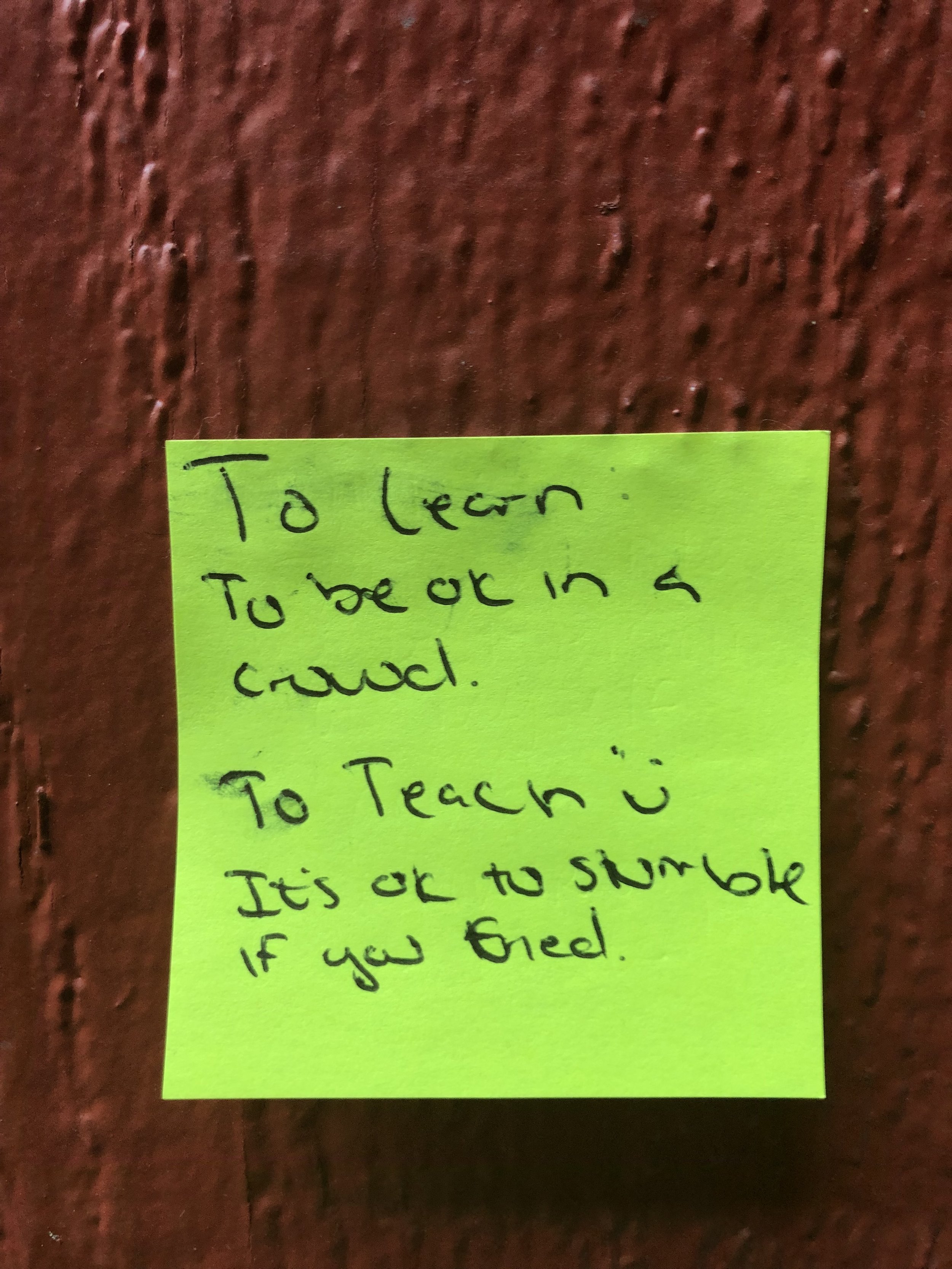
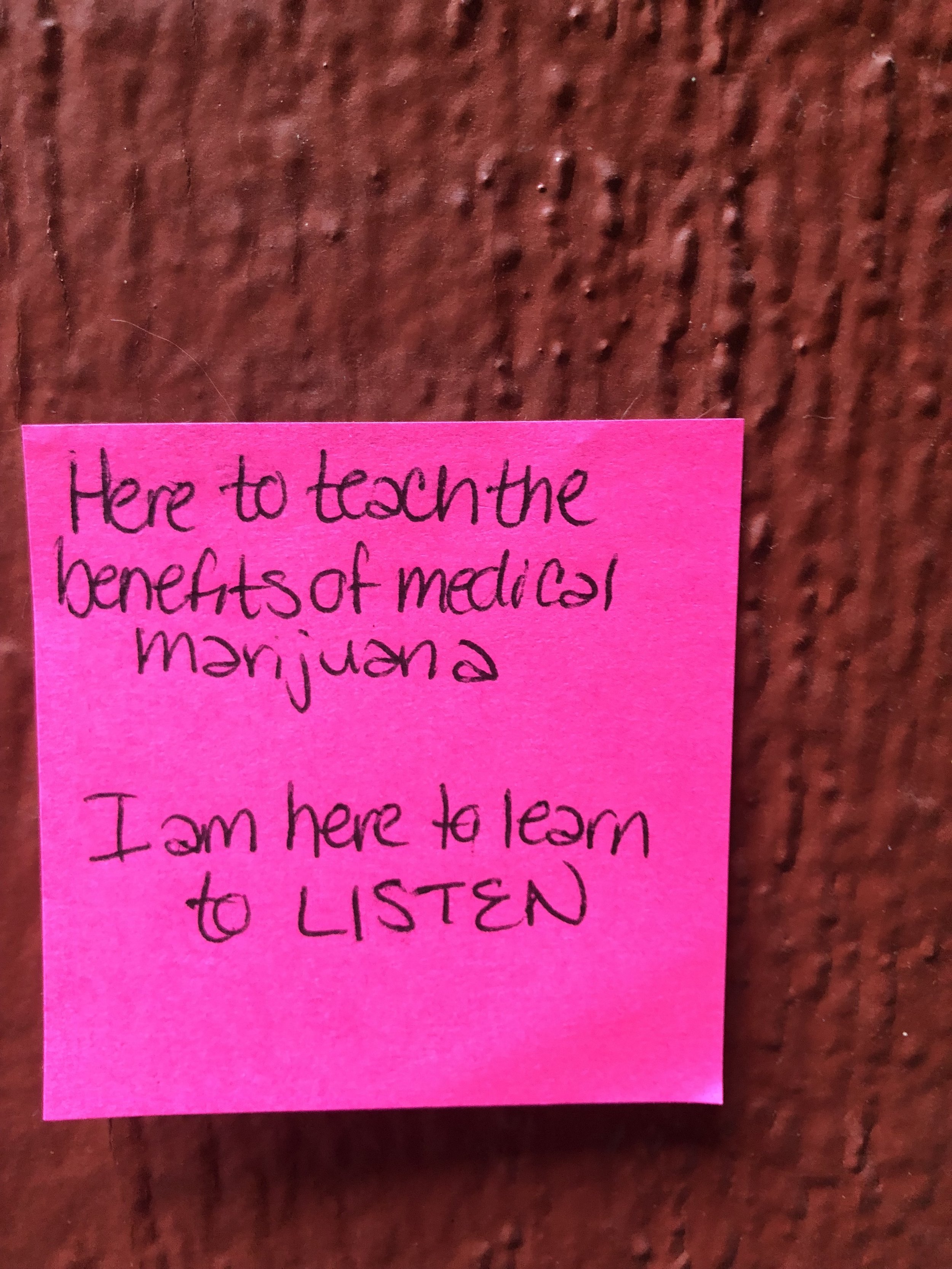
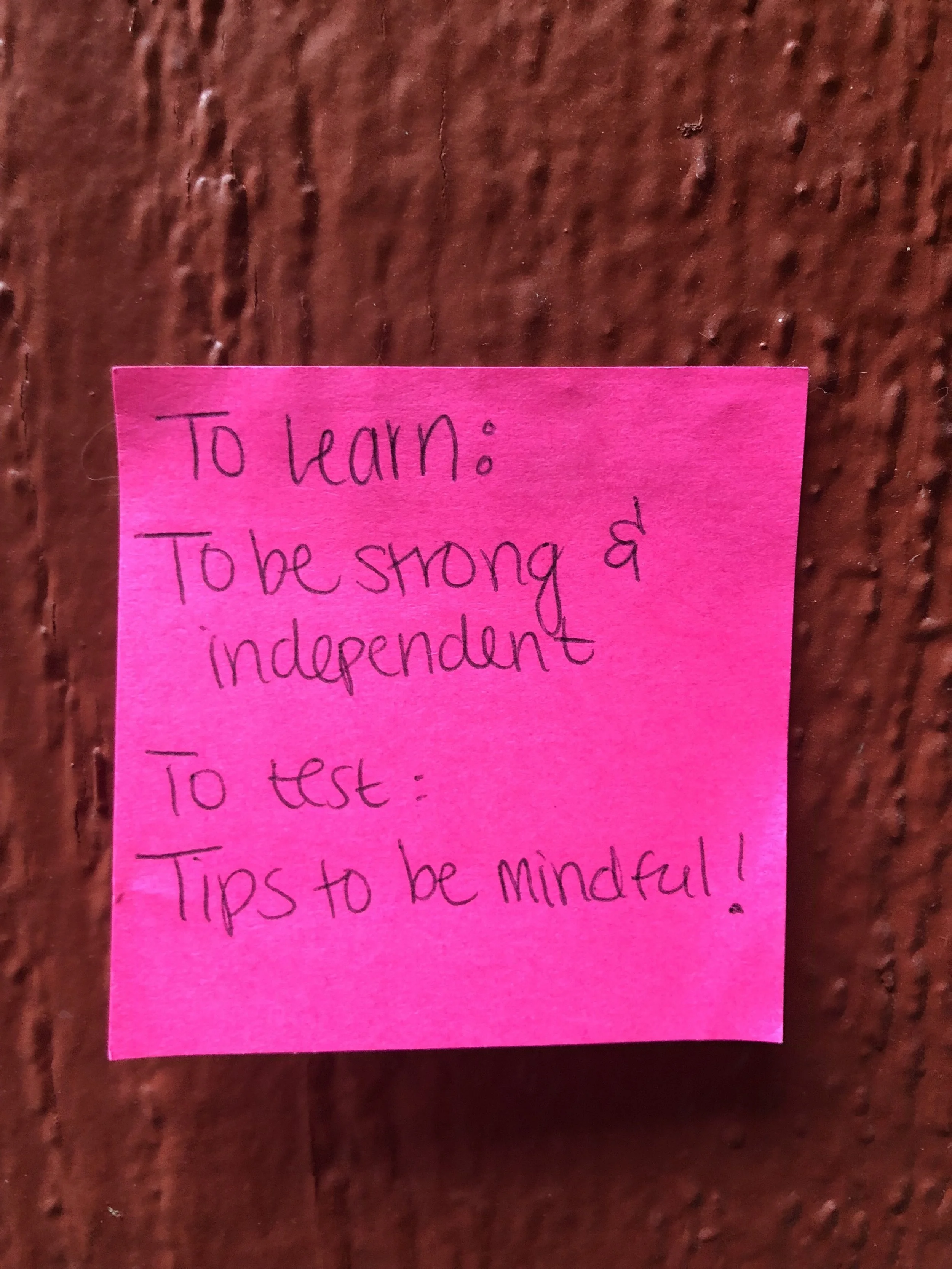
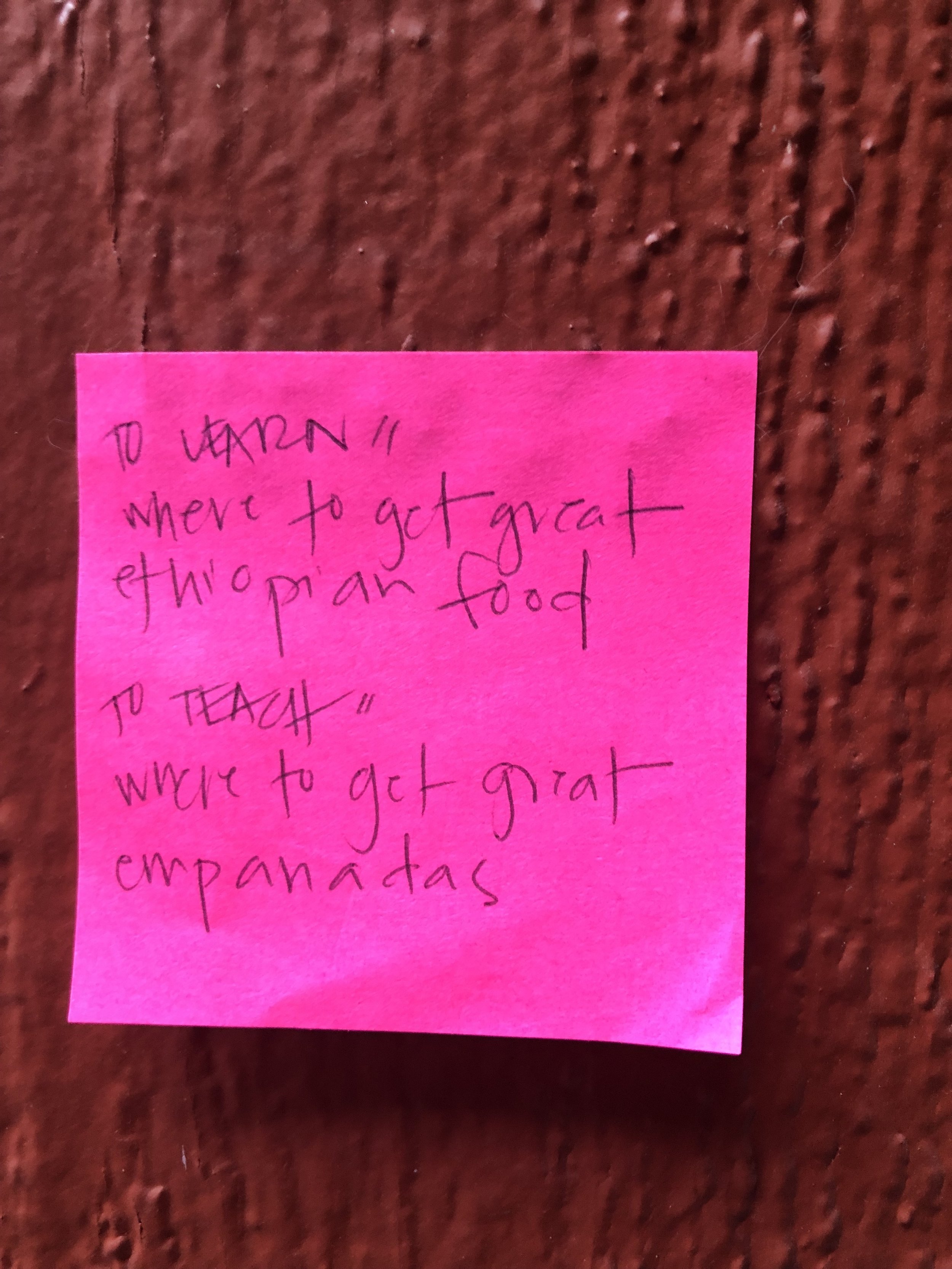
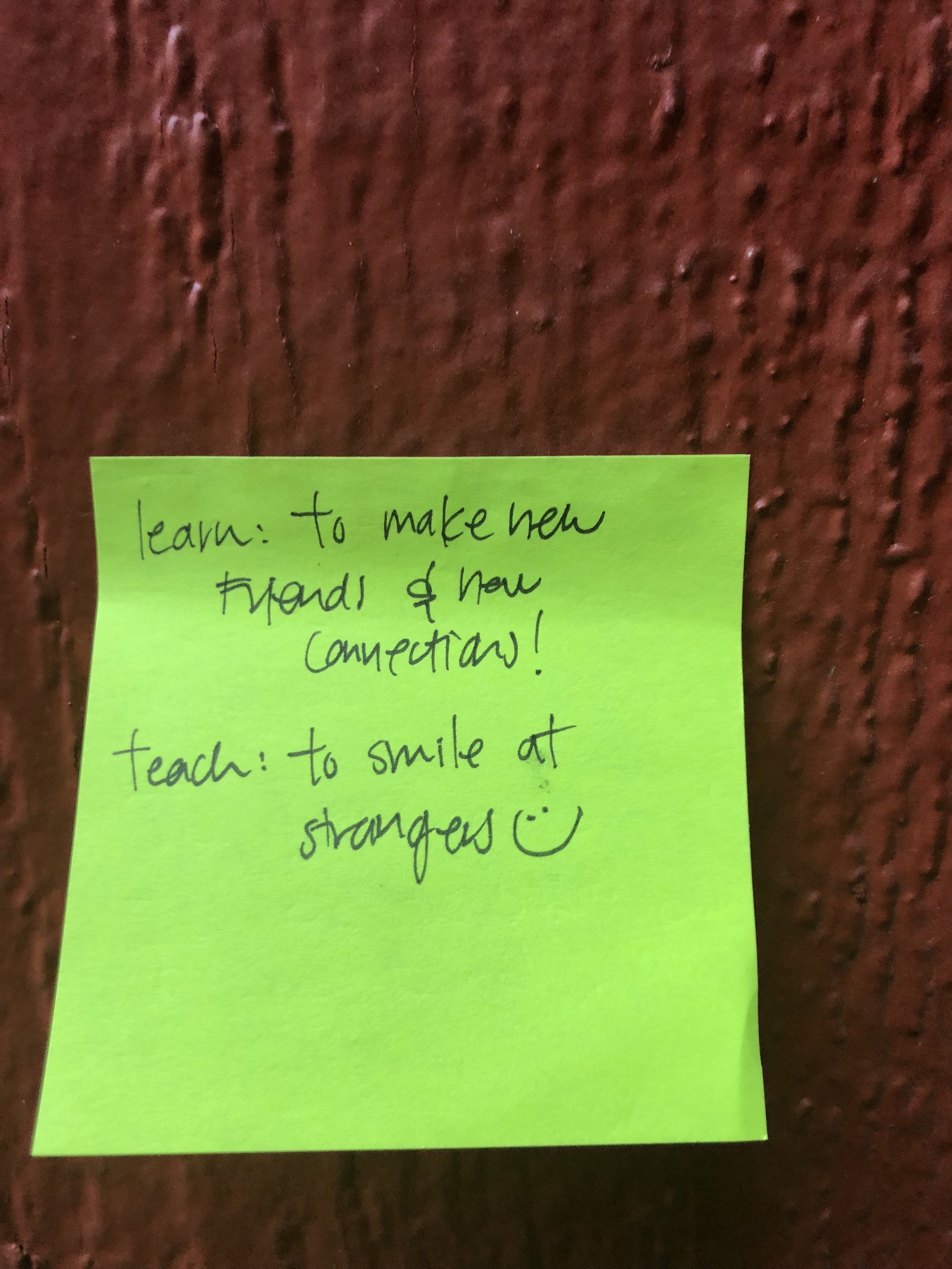
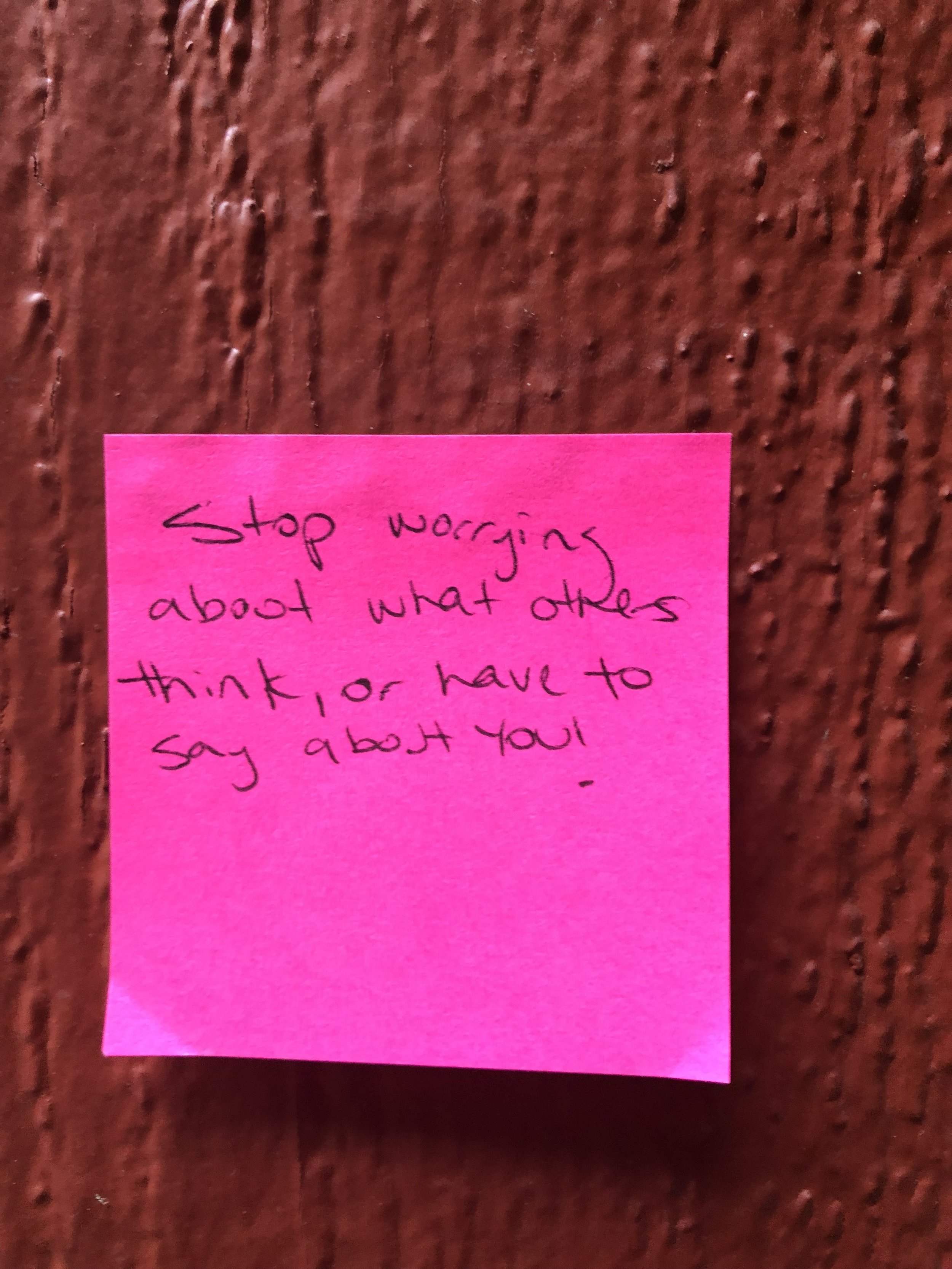
At our last community meet-up in Austin, Texas, we explored themes of resilience. What are we here to learn? What are we here to teach?

This blog post was edited and compiled by #BBATX Communications Design Assistant A’nysha Fortenberry.
At our last community meet-up in Austin, Texas, we explored themes of resilience. We asked those who attended to contribute their answers toward the questions:
“What are you here to learn? And what are you here to teach?”
And we heard from a spectrum of people about their gifts and growth points—from making the world a better place to the beauty of our intersections to what it looks like to succeed in a male-dominated industry. We've collected some of those answers below, and we hope they inspire you to keep it moving.
PS: Our next community meet-up is on May 21 at the Austin School of Film. Learn more about how to join us here.
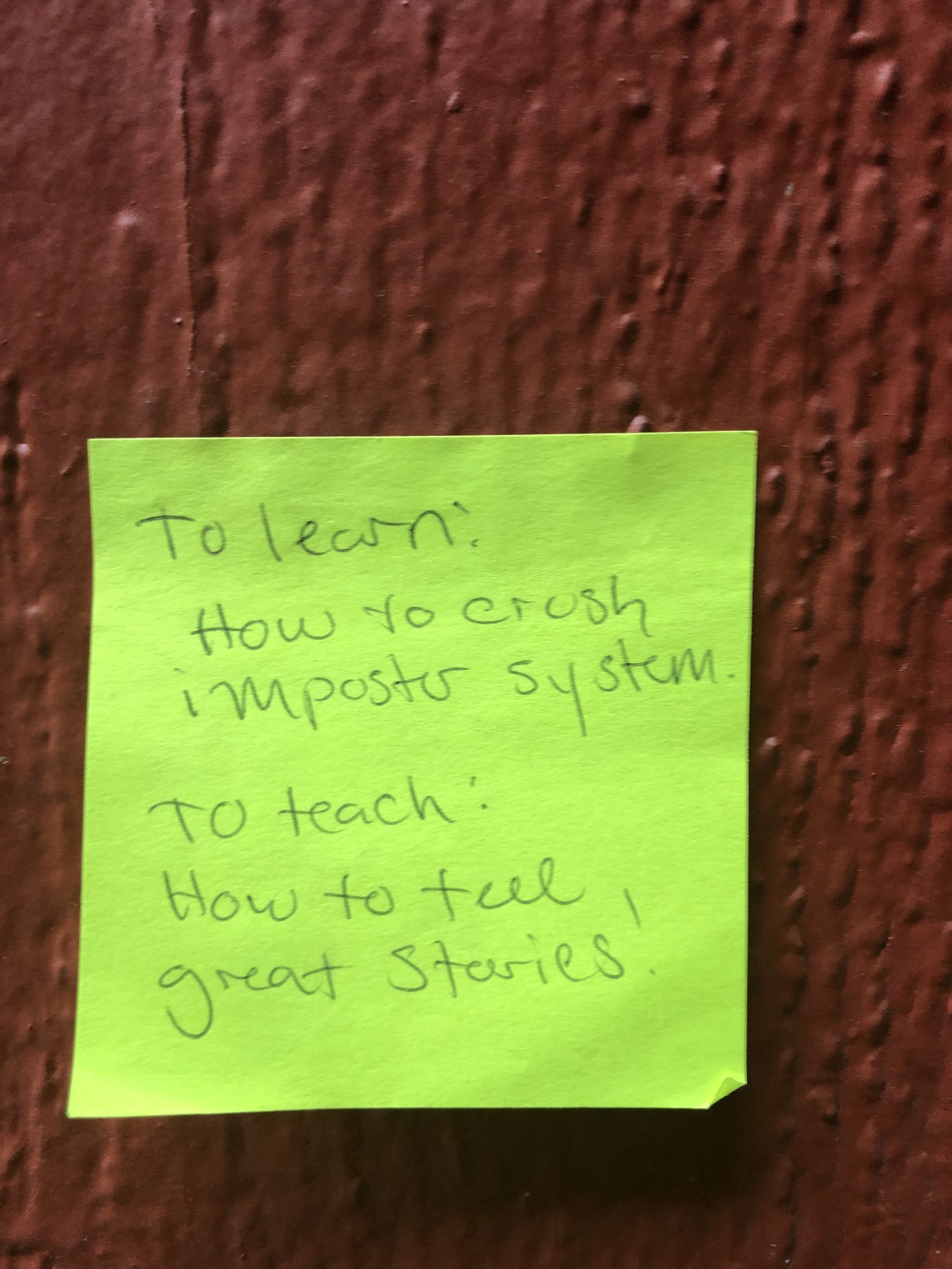
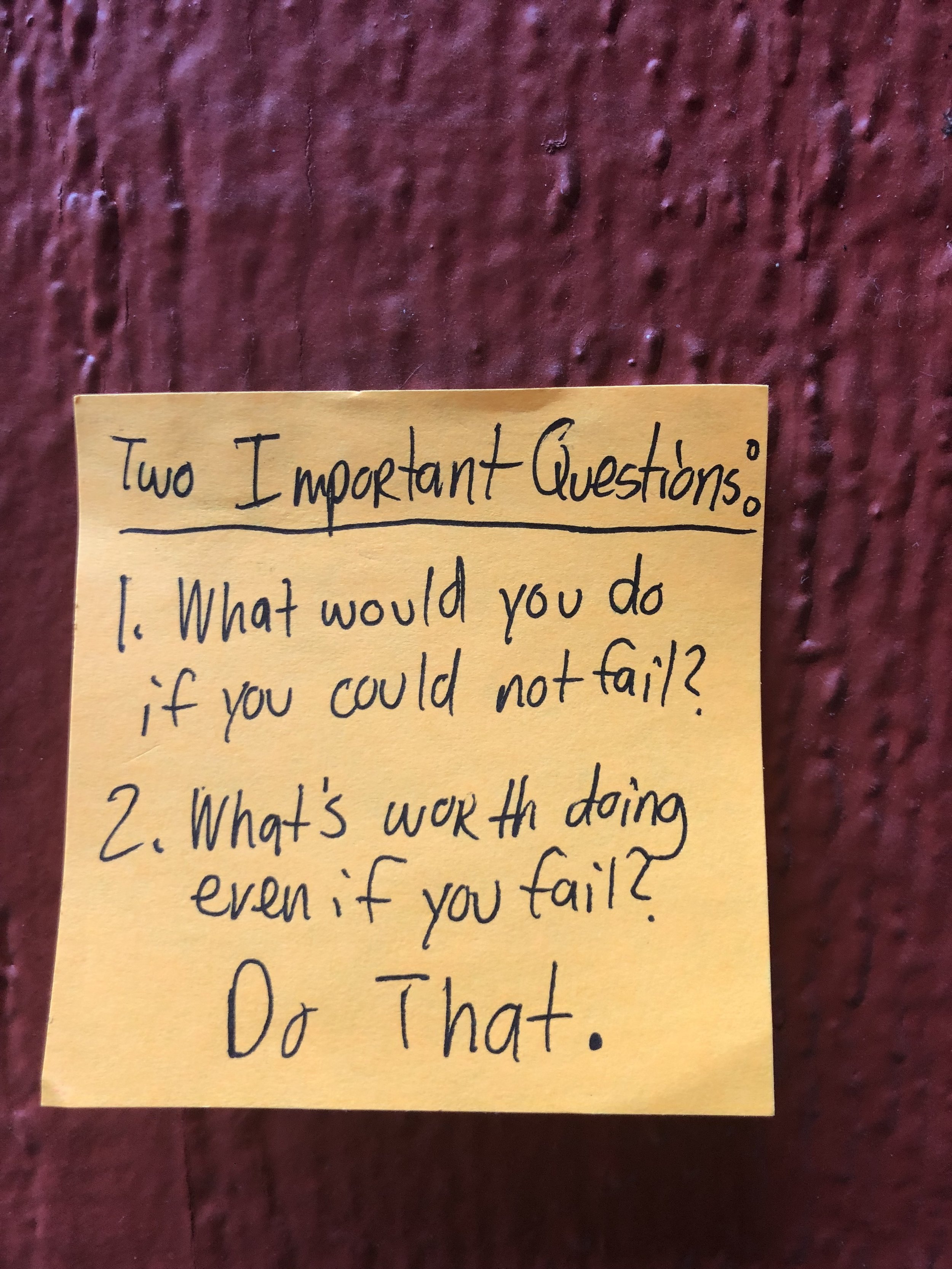
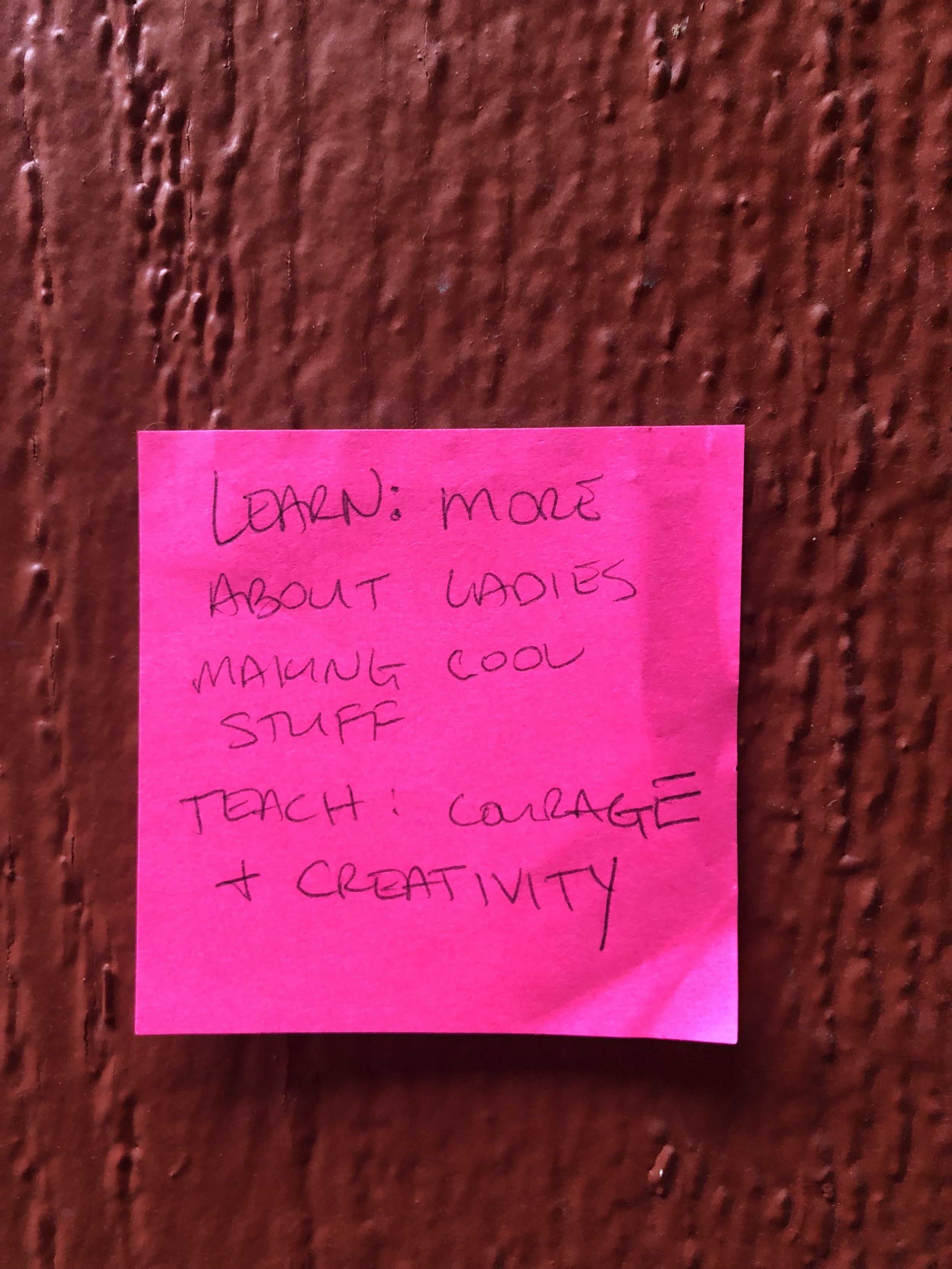
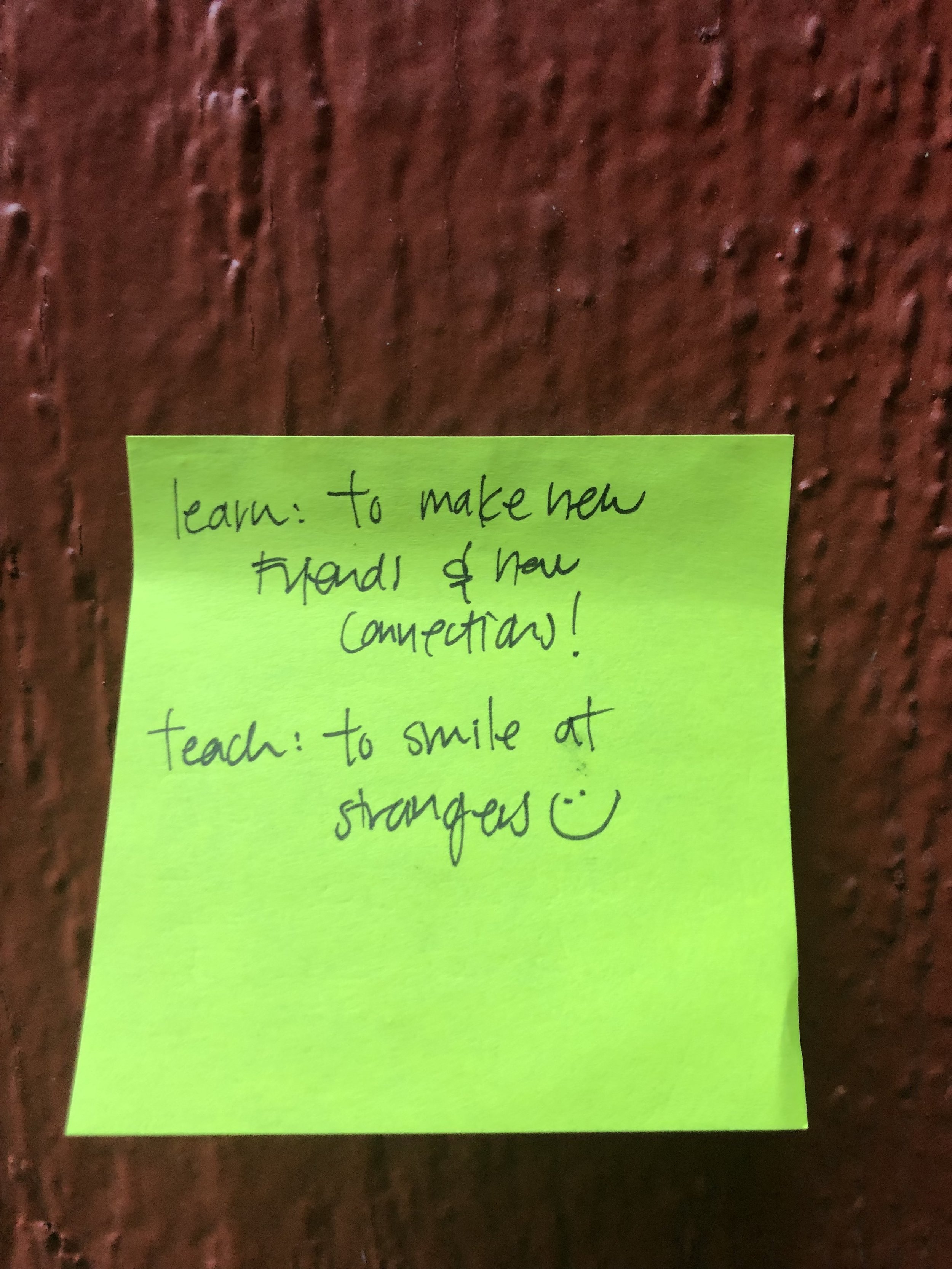
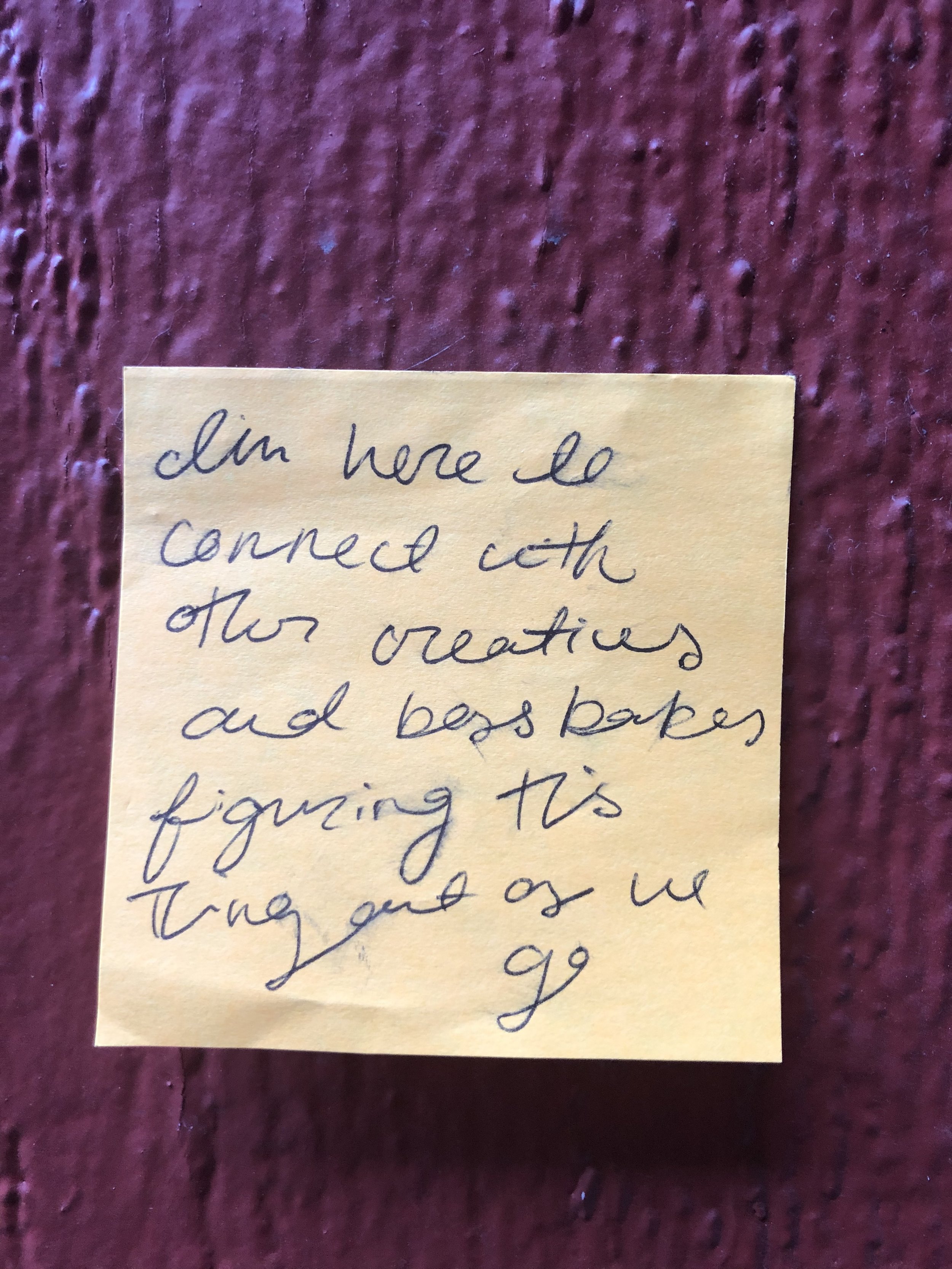
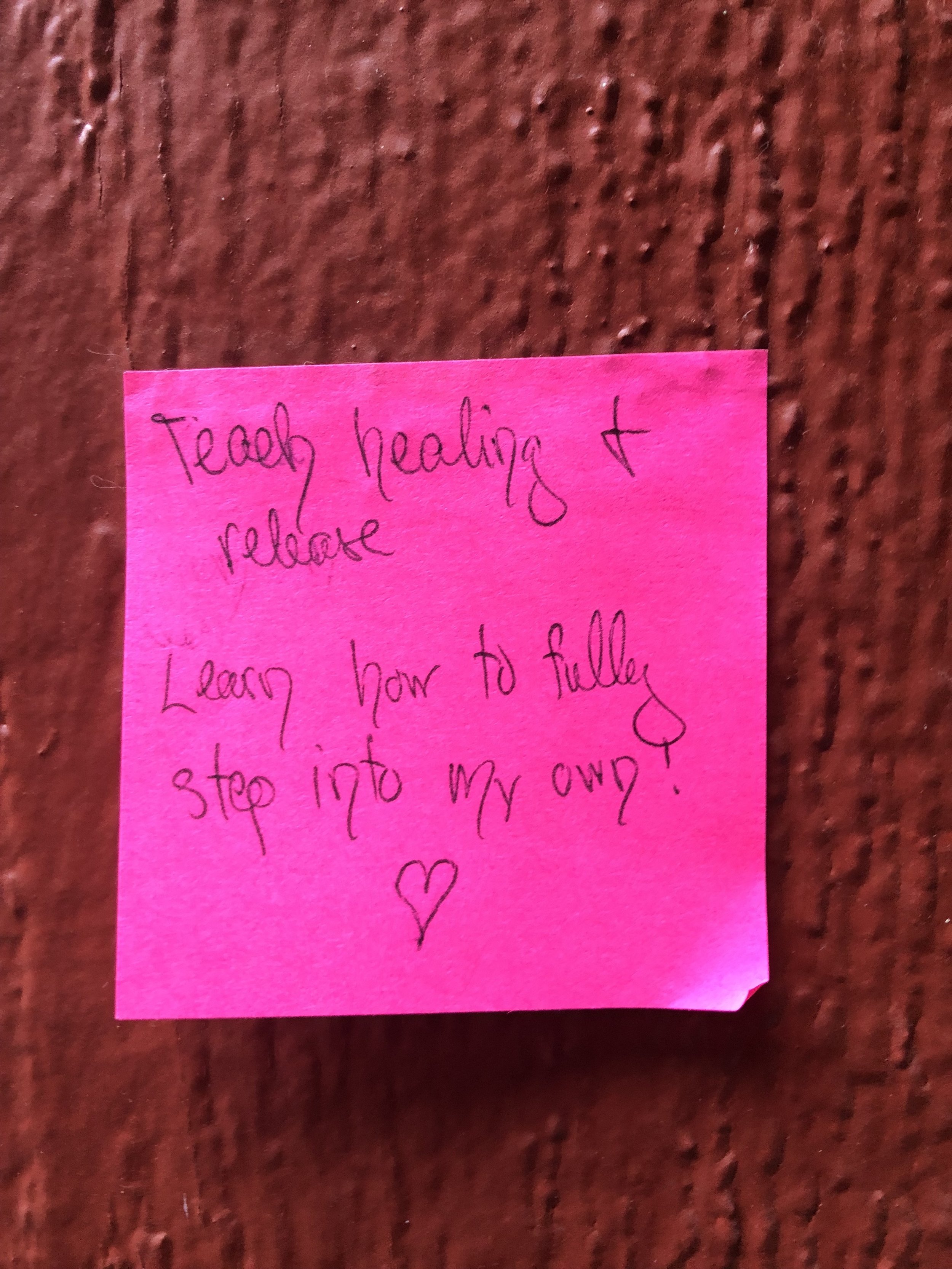
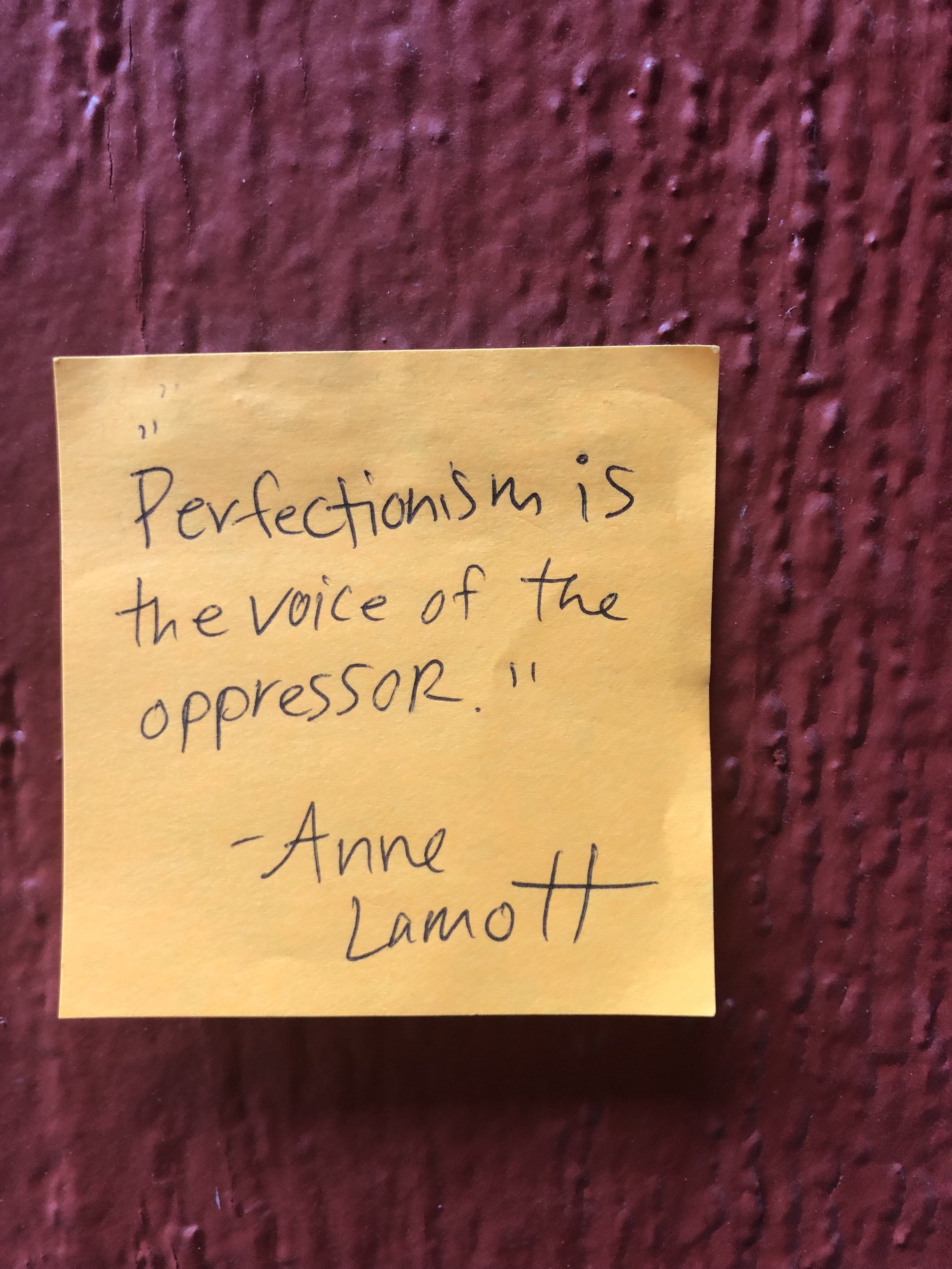
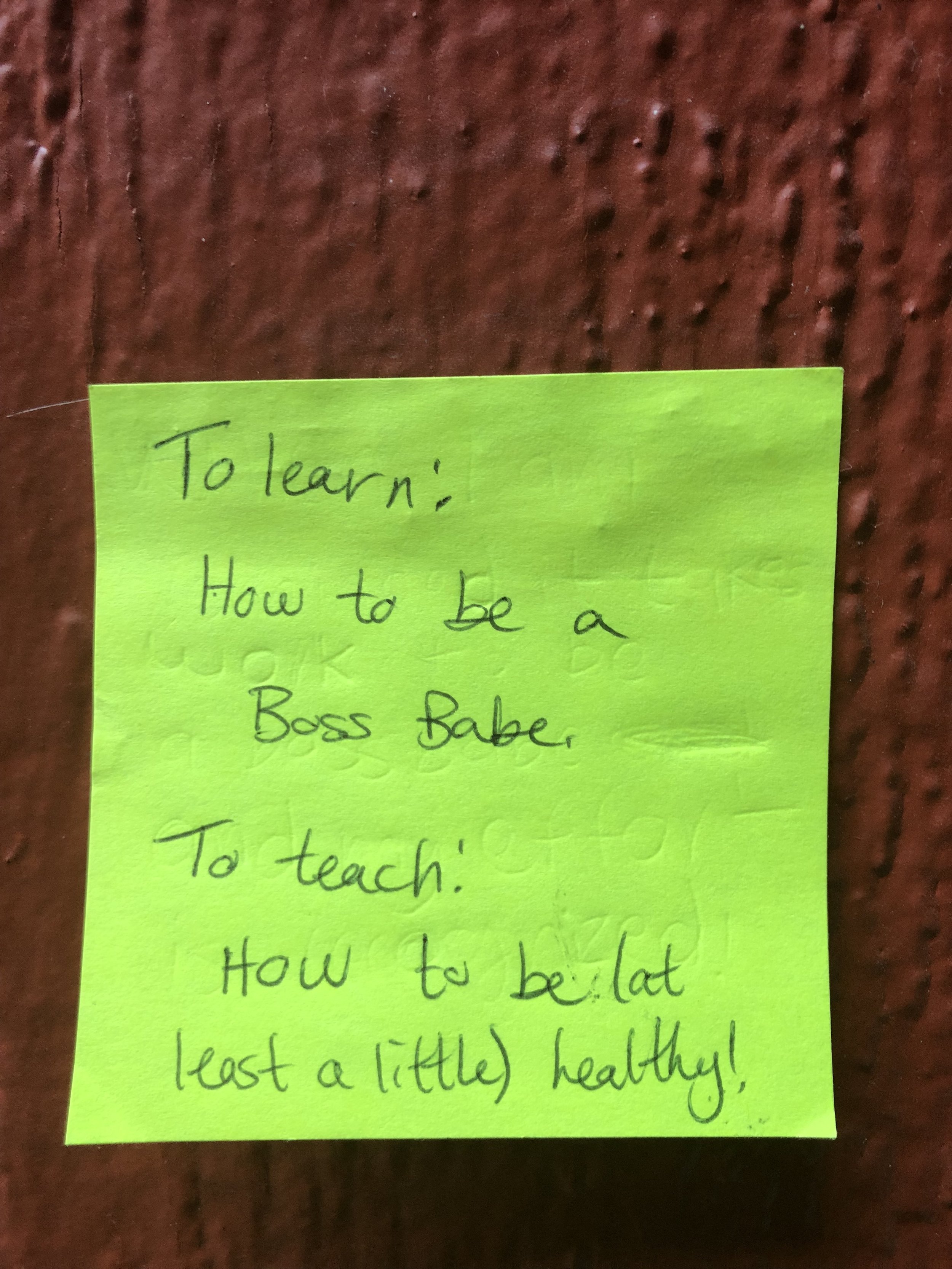
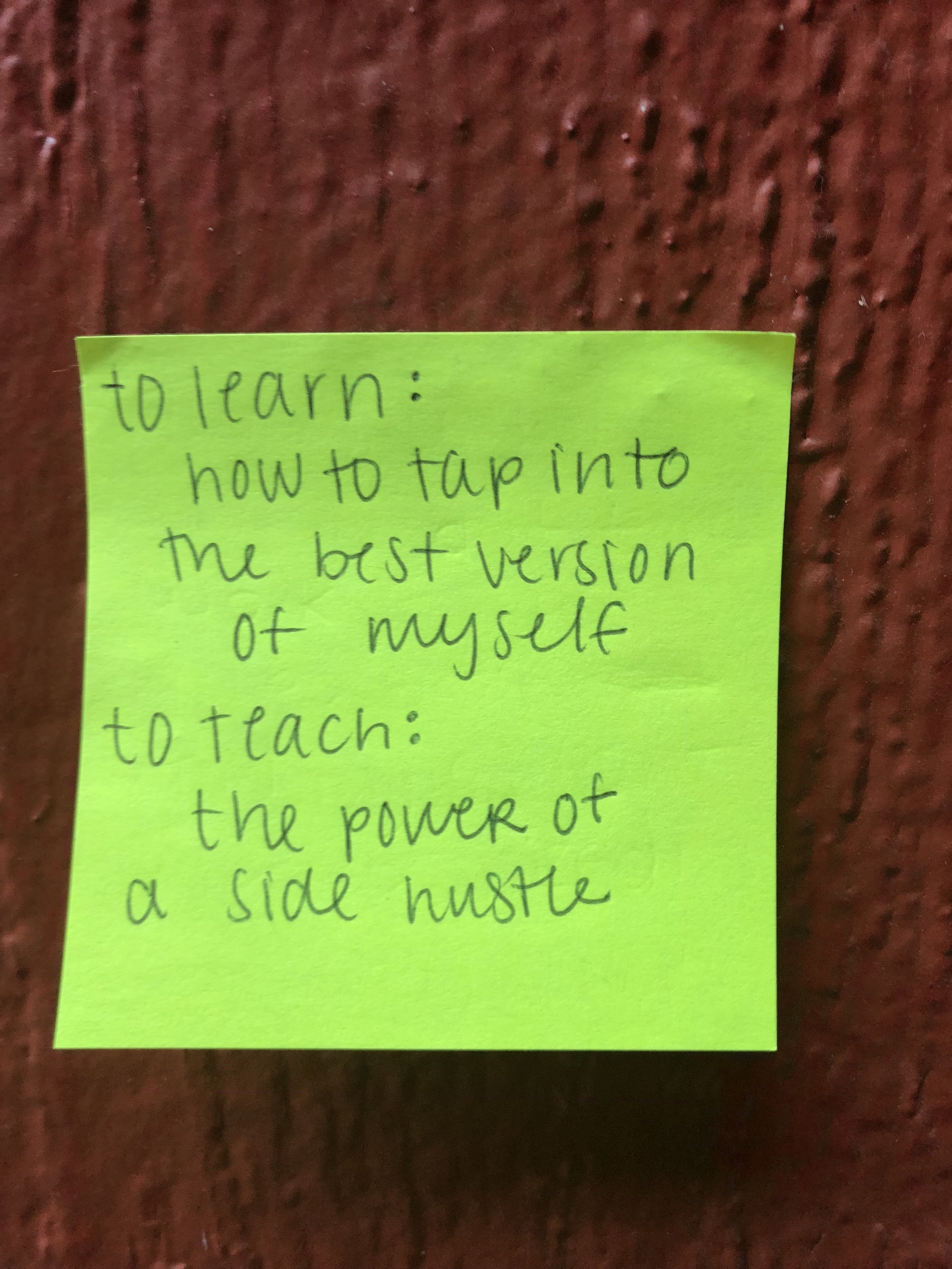
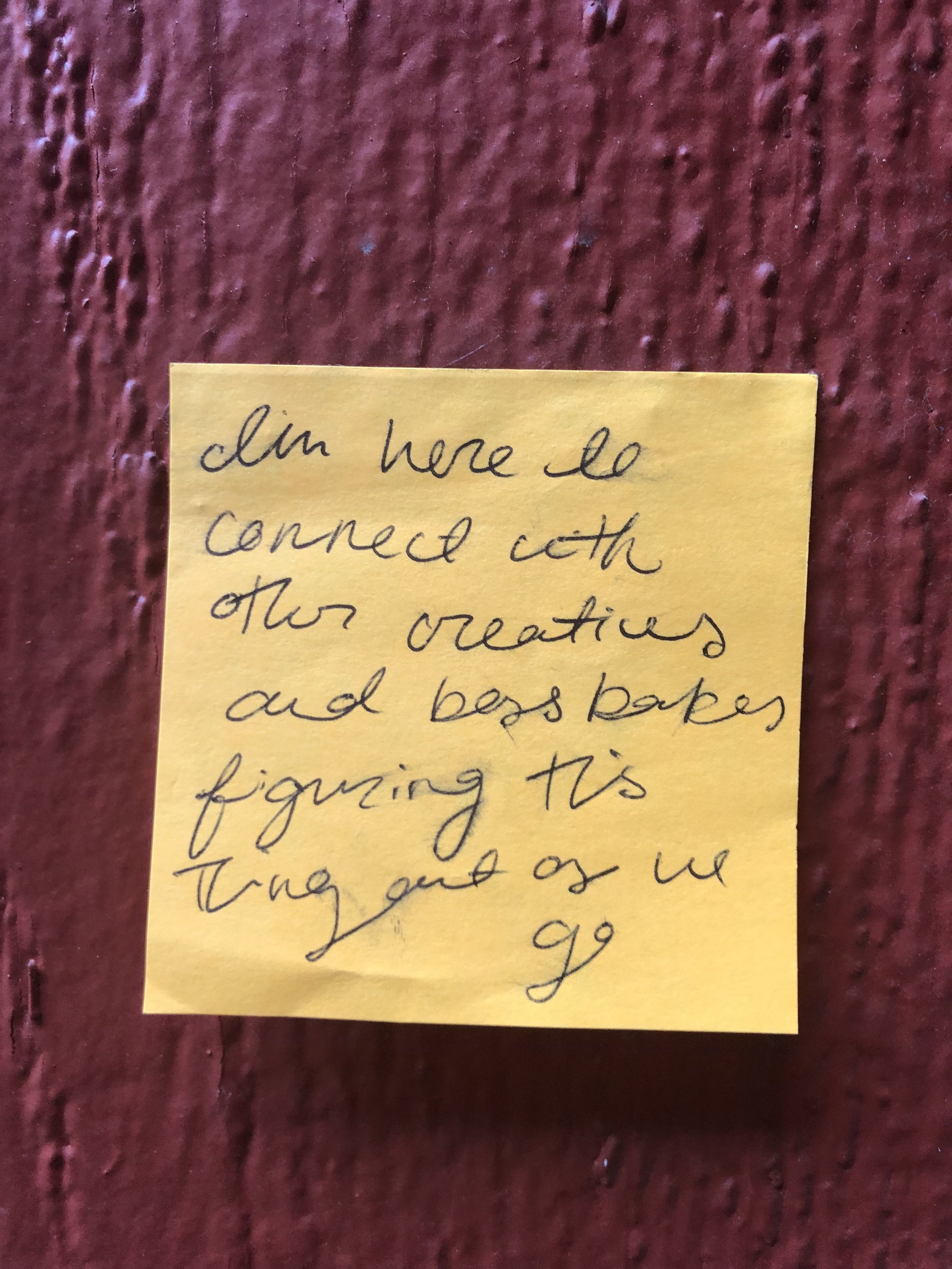
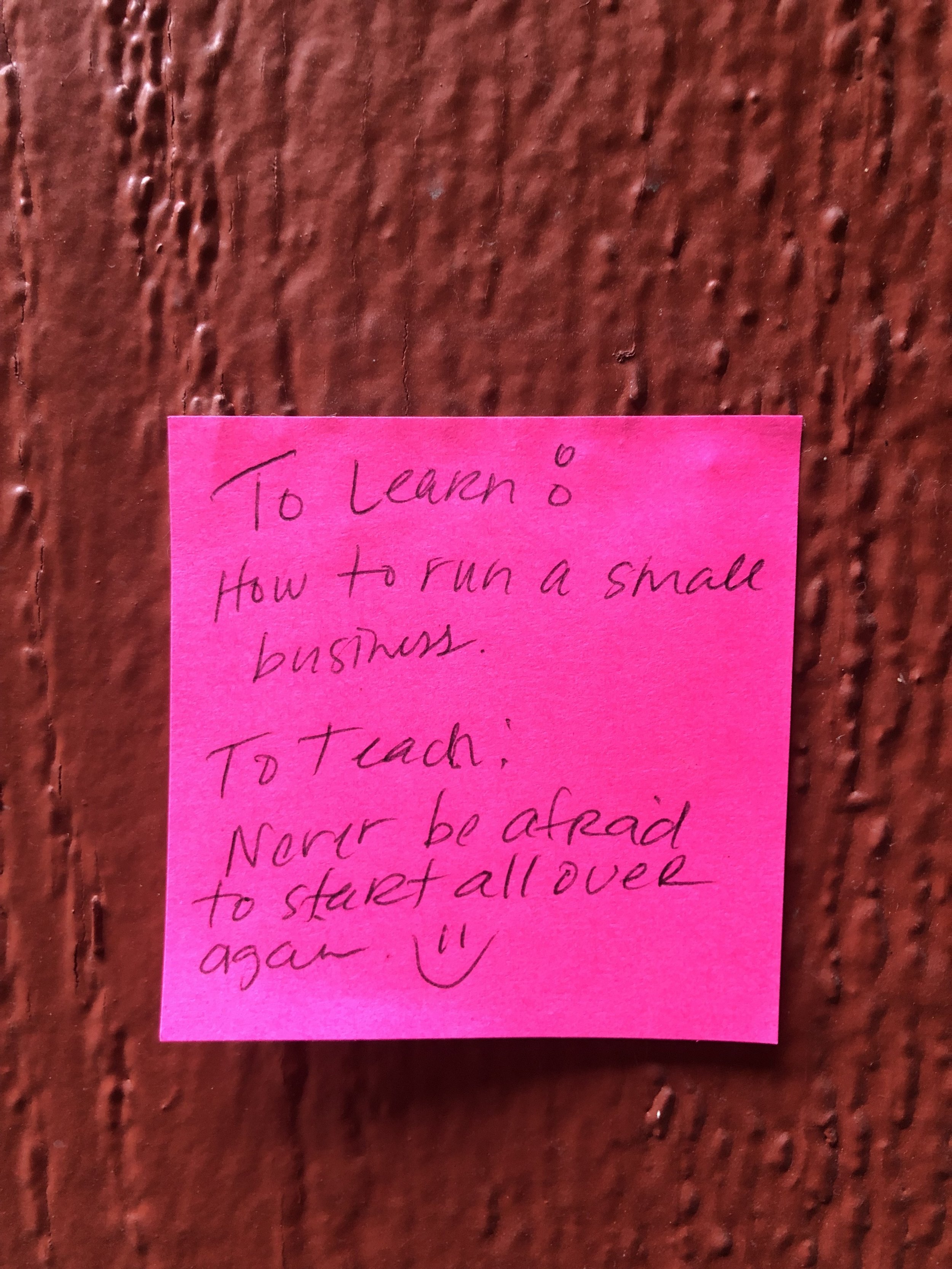
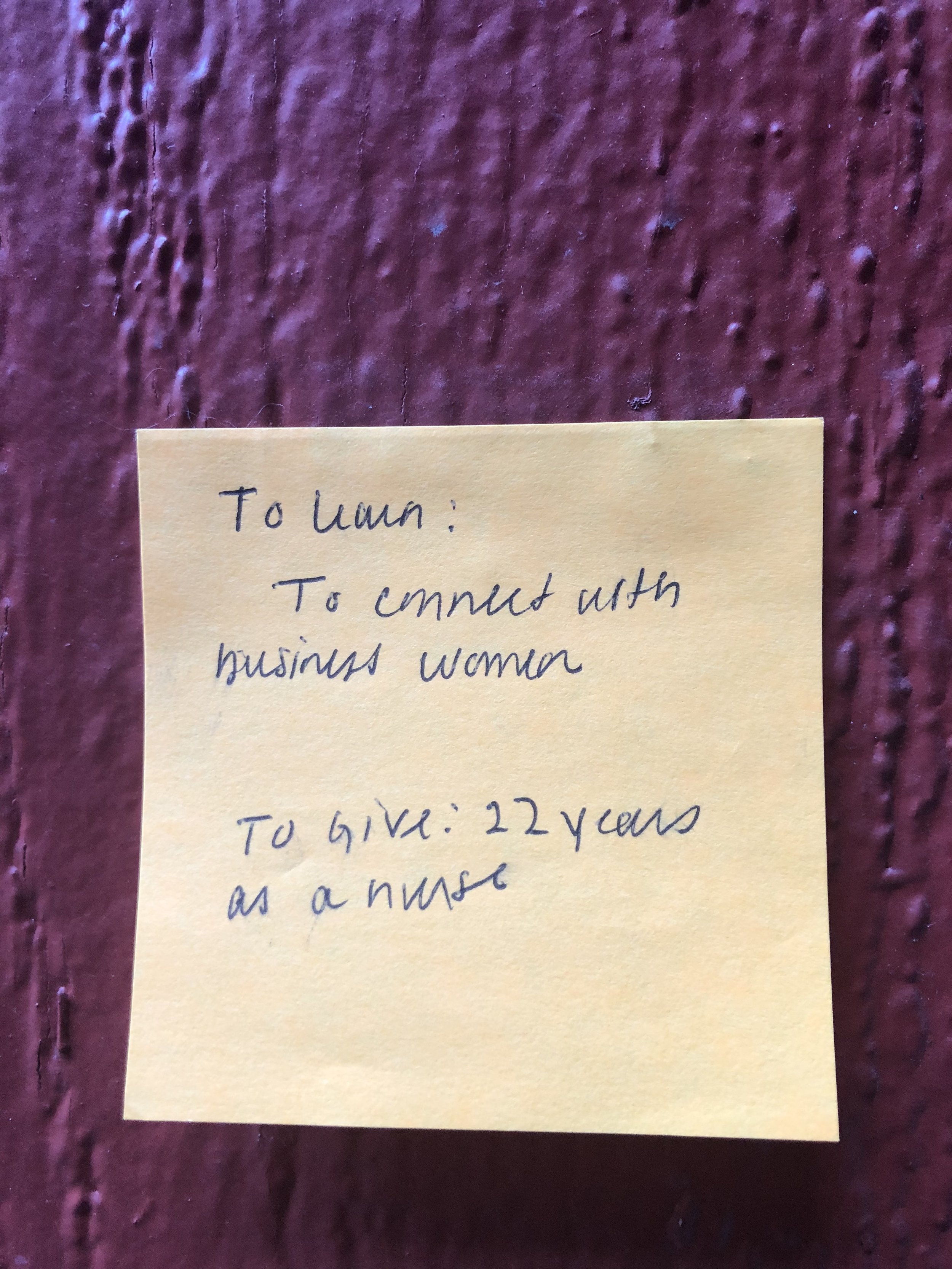
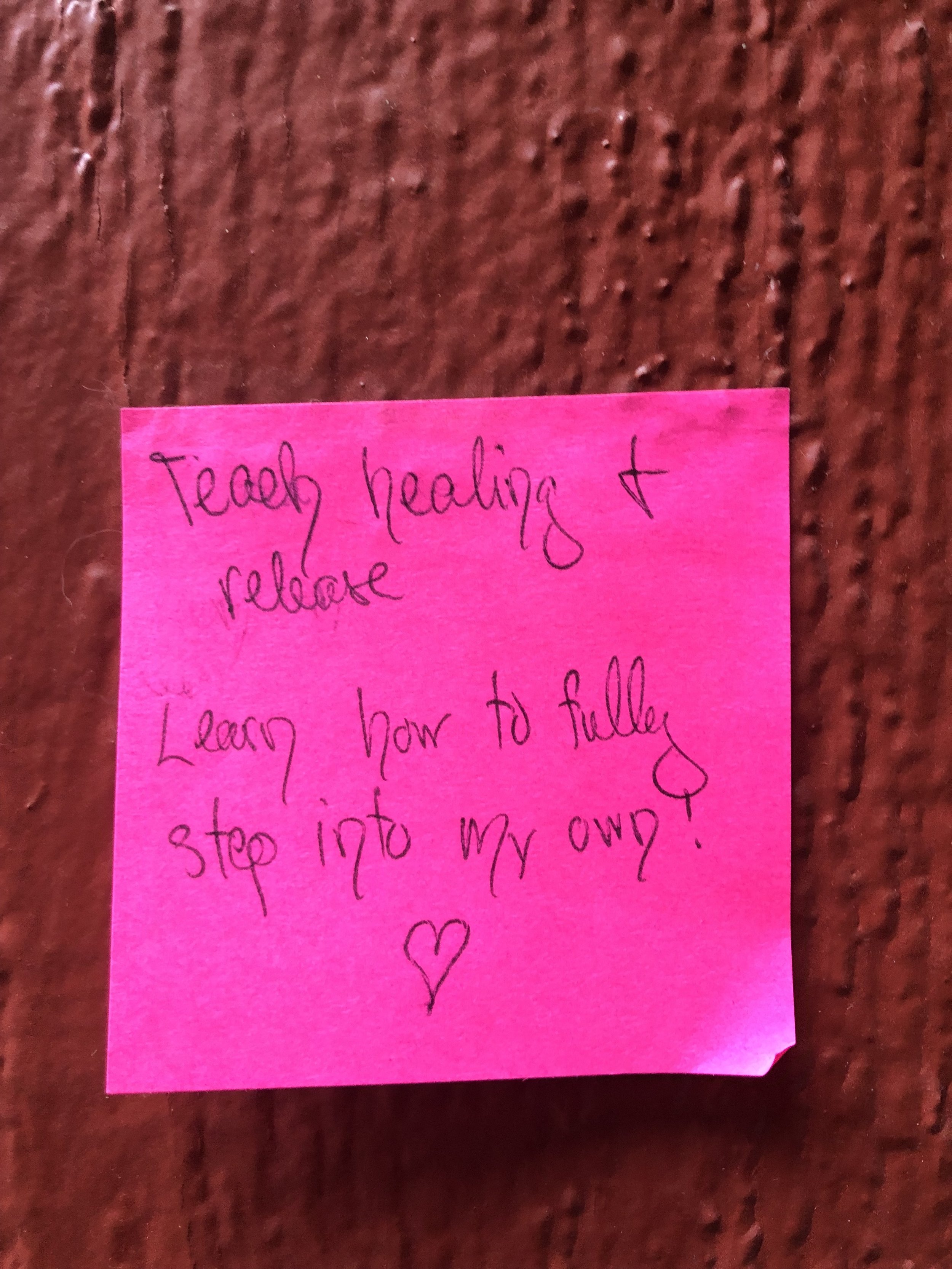
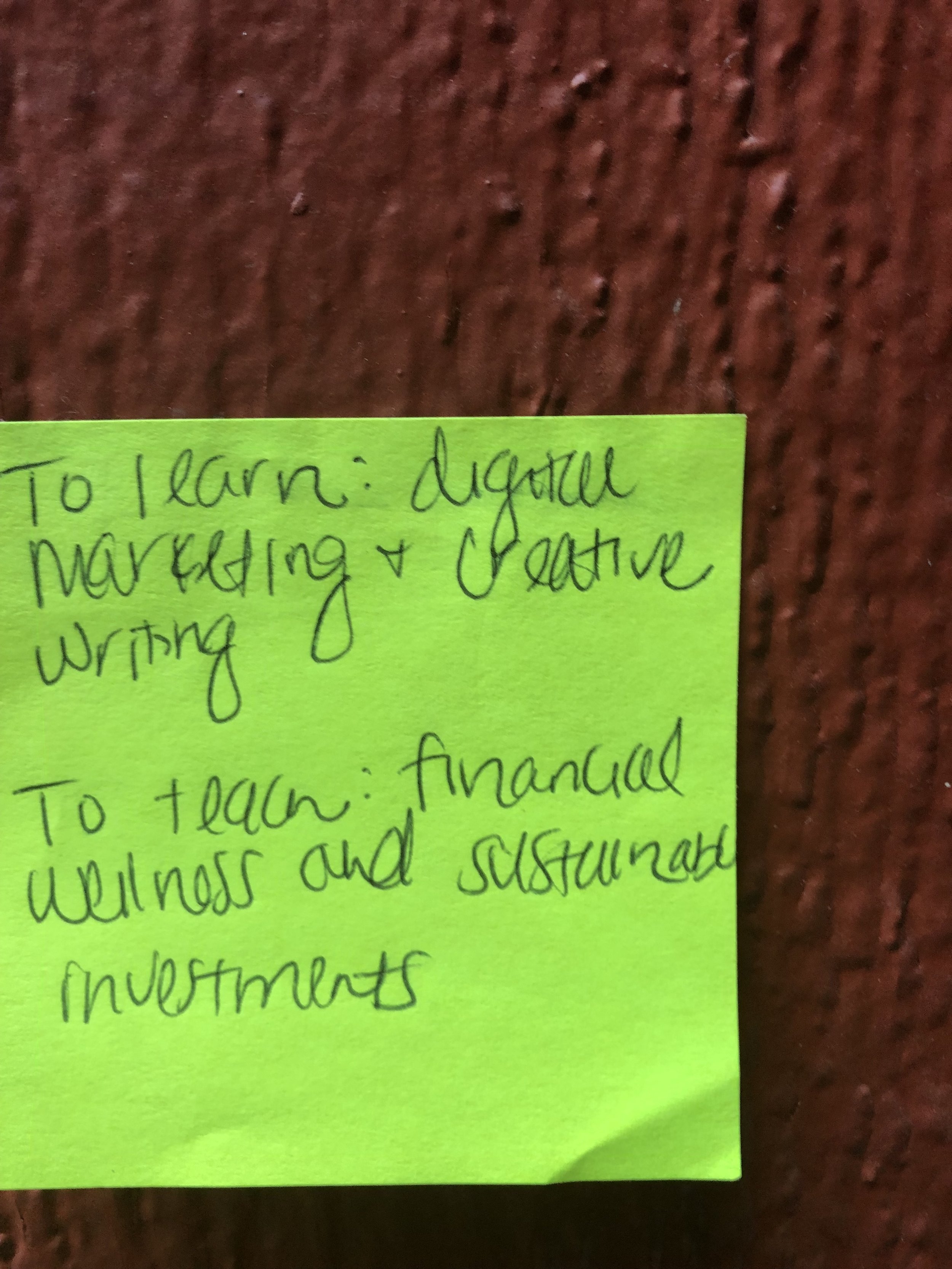
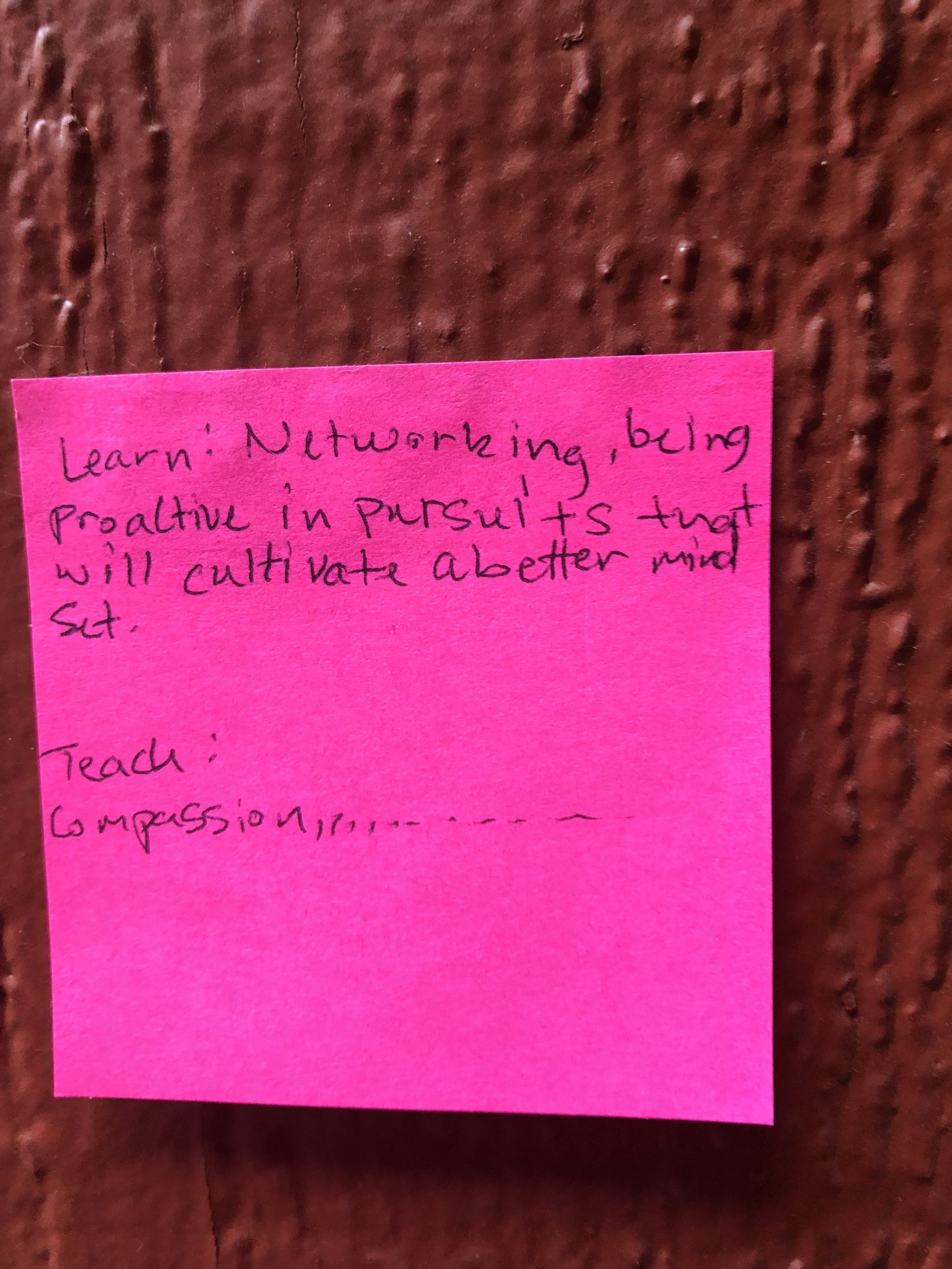
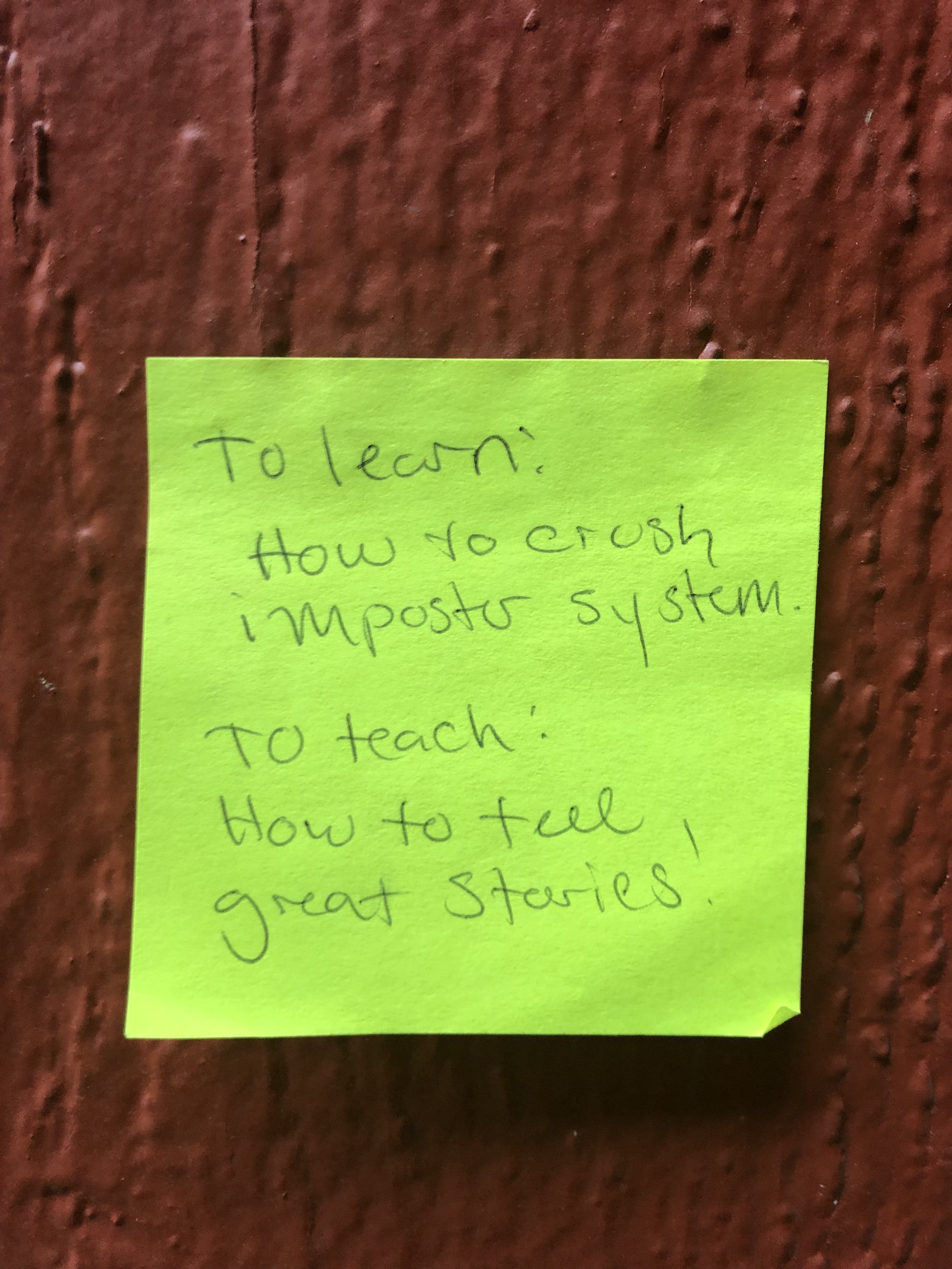
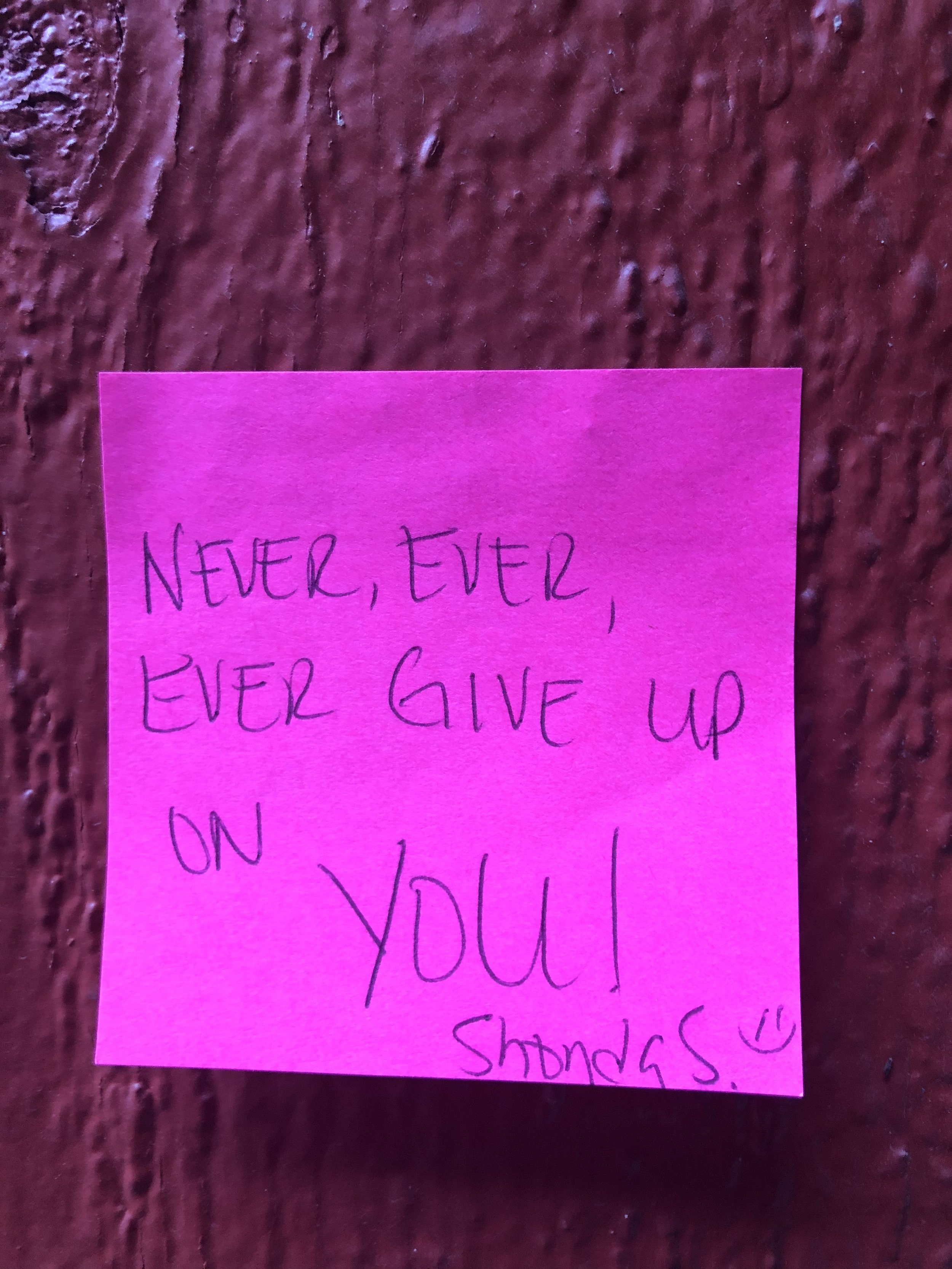
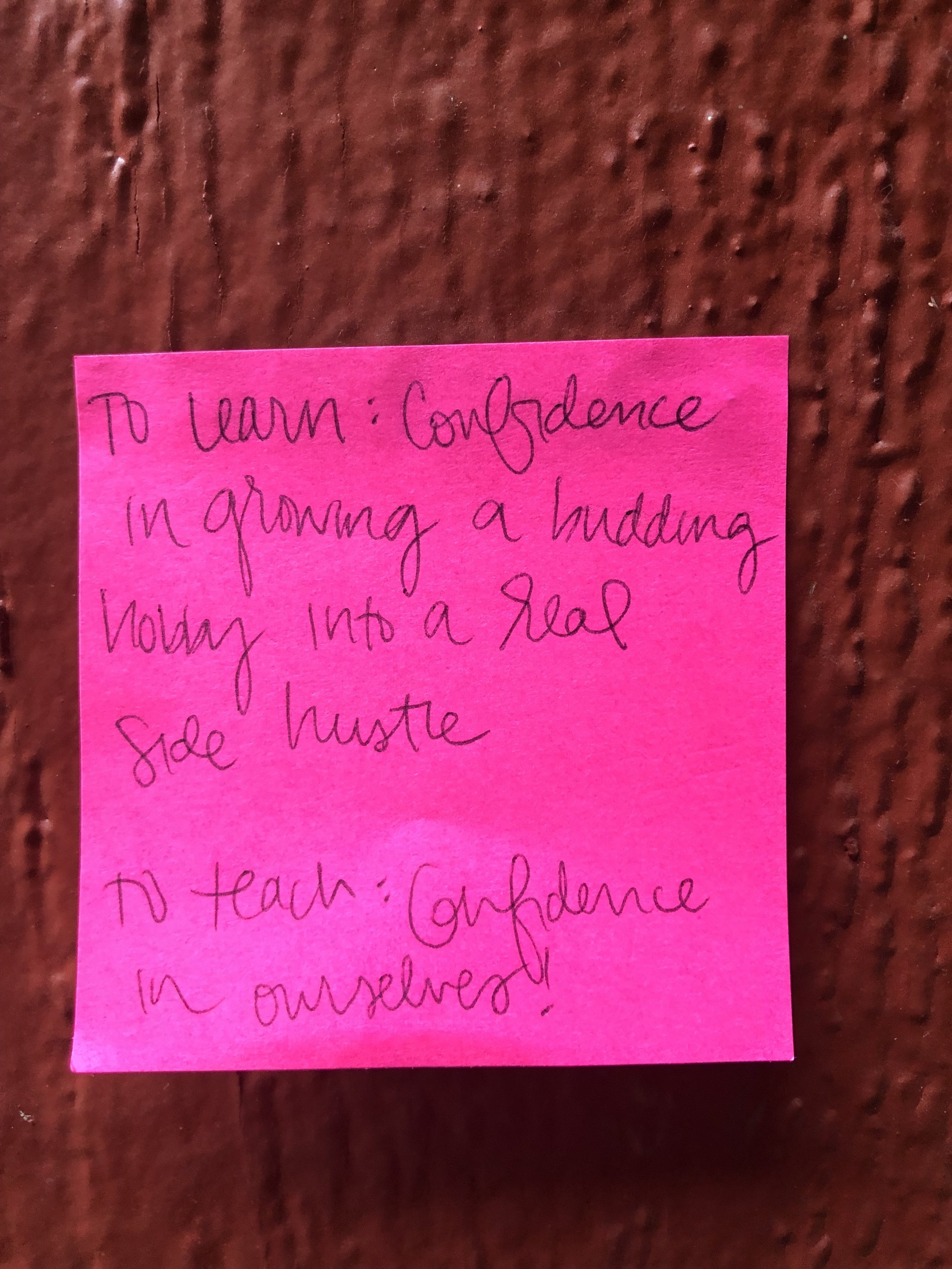
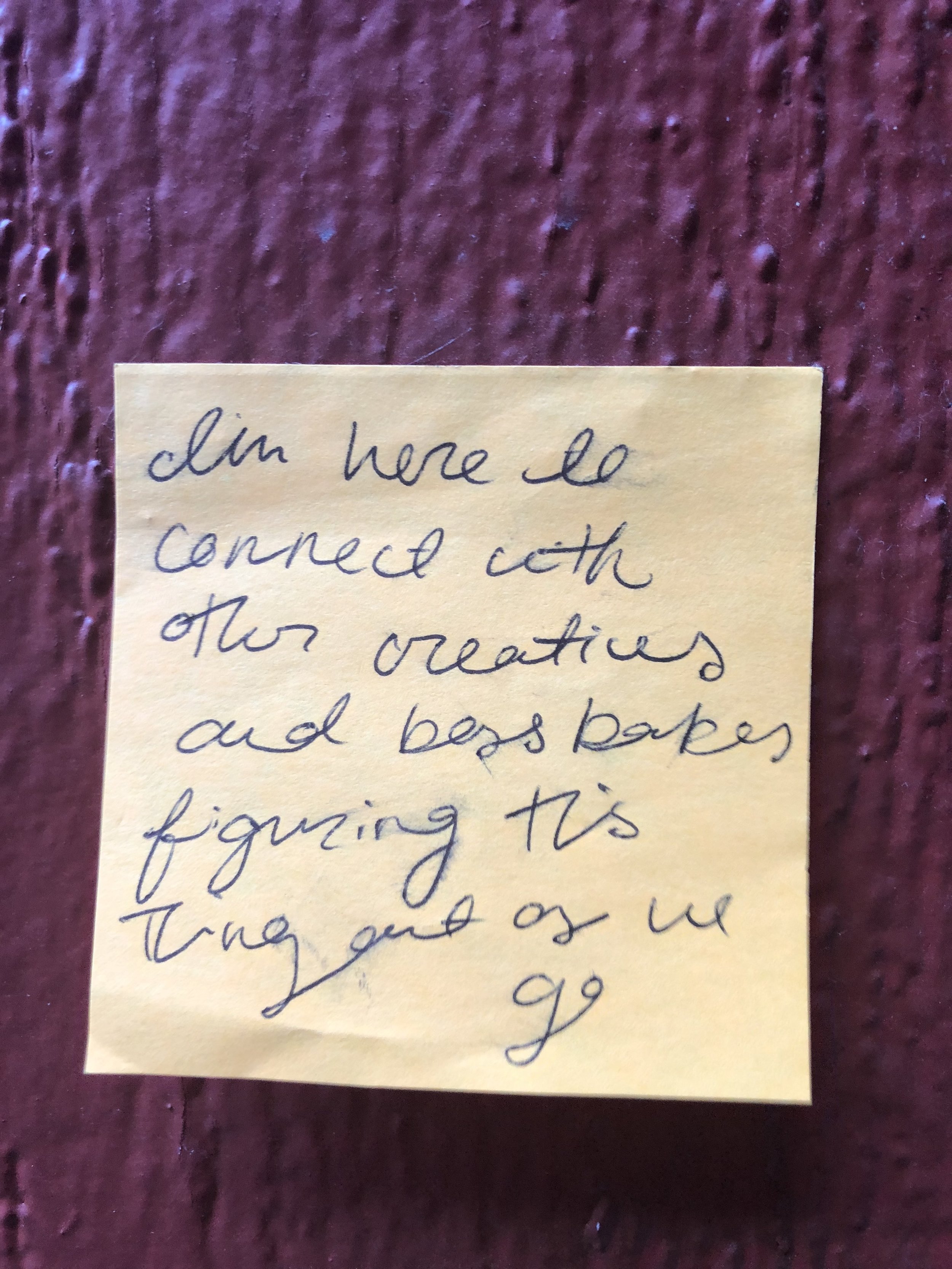
We hope to see you at the next community meet-up! All babes and professions are welcome.
Our next community meet-up is on May 21 at the Austin School of Film. Learn more about how to join us here.
On Synergy and Community Marketplaces: A CraftHER Market Spring '19 Recap
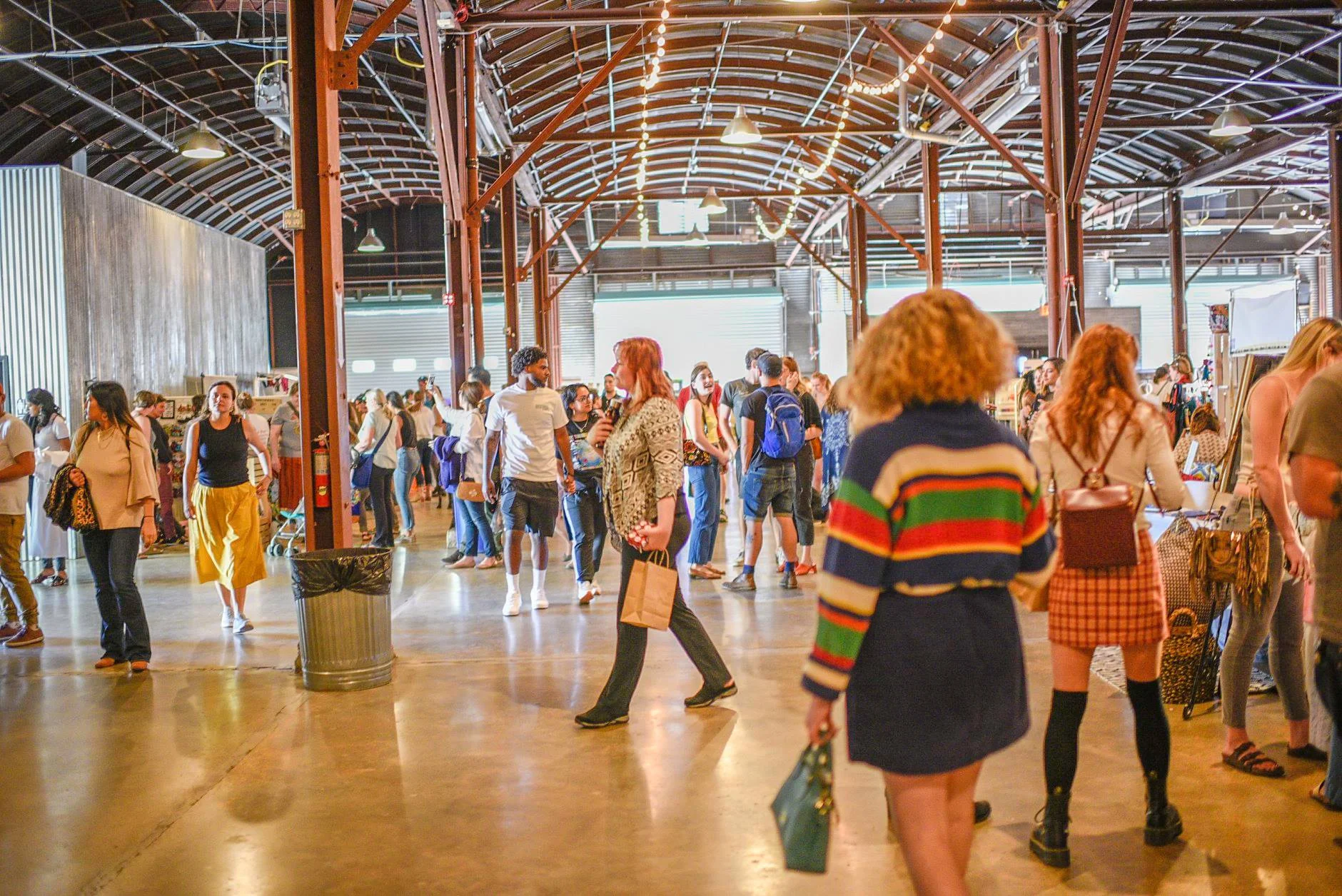
On Sunday, April 14, we hosted our sixth installment of craftHER Market. 3200+ attendees filled the space to shop local and support women and nonbinary makers, creatives, artists and small business owners.

Photo by Renee Dominguez
From 11 AM to 5 PM on Sunday, April 14, we hosted our sixth installment of craftHER Market. 3200+ attendees filled the space to shop local and support women and nonbinary makers, creatives, artists and small business owners. Read on for a few takeaways from this spring’s pop-up:
THE VIBE
For craftHER Market Spring ‘19, we hosted 115 booths, including 100 makers, bakers, chefs and artists and 10 Austin-local community groups. Here are a few key takeaways:
3200+ attendees were greeted with a handmade installation by #BBATX resident artist Laurel Barickman AKA Recspec. Combining #BBATX’s core colors with recycled materials and plant-based accents.
Our community tables on the lawn hosted a range of activities for kids, from hair-braiding to tortilla-making to nail-painting.
On top of the pop-up marketplace, we produced five panels, curated by members of our programming committee, spanning topics like diverse and inclusive marketing, workflow and family life, social sustainability and more.
Through this year's raffle, we also fundraised more than $300 for local artist, photographer and #BBATX committee member, Jinni J.
Already missing the market? Recapture some of the day's energy by listening to #BBATX resident artist DJ CASS&RA’s playlist. We played this all day!
Our friends at MY EVENT IS THE BOMB captured GIF portraits all day long of attendees. Check ‘em out here.

Photo by Maya Coplin

Photo by Maya Coplin

Photo by Maya Coplin

Photo by Maya Coplin
THE PANELS
synergy (noun): the interaction or cooperation of two or more organizations, substances, or other agents to produce a combined effect greater than the sum of their separate effects.
How do we create synergy within our projects and within our lives? In this spring’s craftHER panels, speakers explored what synergy looks like in creative work, communication and collaboration.
Curated by #BBATX committee members Jasmine Robinson, Cynthia Munoz, Cara Cate, Kristina Gonzalez and Isabella Toledo, each panel was an intentional and presented a candid conversation between creatives and entrepreneurs at various stages of their careers. With stage design by Party at the Moontower, the backdrop for these discussions featured a commissioned piece by the market’s featured artist, Recspec.
Thanks to our craftHER sponsors Volusion and Tito’s Handmade Vodka, these panels were free and open to the public.

Photo by Maya Coplin

Photo by Maya Coplin
THIS MARKET'S PRODUCERS AND PARTNERS
craftHER Market is produced by a team of staff and volunteer committee members at #bossbabesATX. #bbatx is a nonprofit organization that amplifies women and nonbinary creatives, entrepreneurs and community organizers. Our event series, showcases, strategic collaborations and professional development programs provide a platform of visibility, outreach and financial opportunity to 1000+ emerging women and nonbinary creatives, entrepreneurs and organizers per year. On top of that goodness, the public-at-large is invited to participate and learn more about how gender inequality affects their daily lives. More than 10,000+ community members annually attend our showcases, markets and dialogues—and in the last three years, our programs generated an additional $1million for the Austin economy.
This year's market is supported in part by our partners at Volusion, Tito’s Handmade Vodka and Fair Market. This year's in-kind contributors and supportive brands included Party at the Moontower Rentals, MY EVENT IS THE BOMB and Austin Woman Magazine.
Would you like to partner on craftHER Market 2019? Please email thebabes@bossbabes.org.
Want to get involved in the next craftHER Market? Our next one is on October 12 and 13 at Fair Market in Austin, Texas. Sign up for email updates at the bottom of crafthermarket.com and stay tuned for our applications reopening on June 10, 2019.
Navigating Culture, Comparison and Creativity: A Conversation with Culture Trip
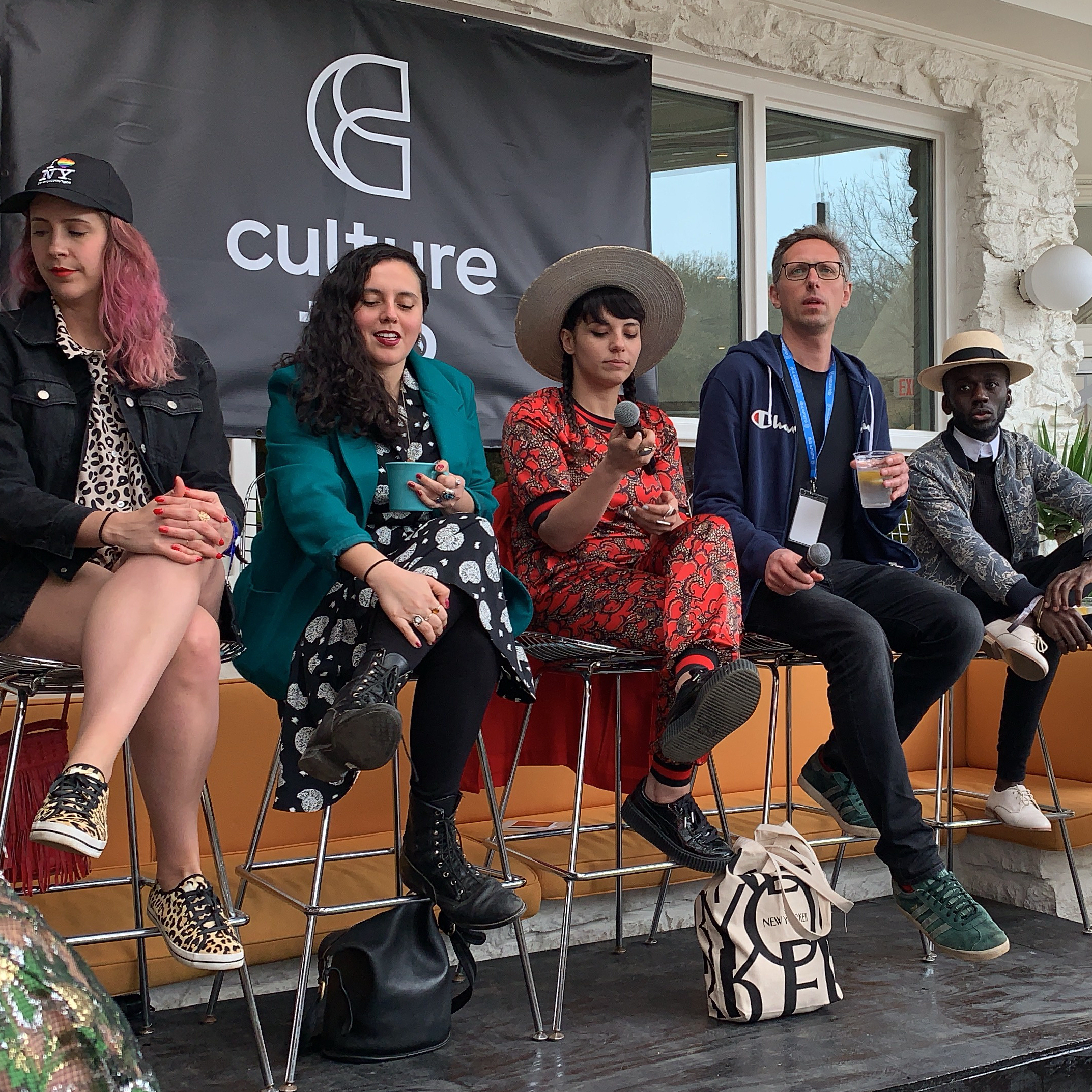
On March 11, in partnership with Culture Trip, #BBATX explored the impact of creatives as cultural producers in an intimate panel discussion, featuring Chief Content Officer at Culture Trip Dmitry Shishkin and Culture Trip Editor Jillian Anthony, singer-songwriter LouLou Ghelickhani (of Thievery Corporation and Night Glitter), creative producer Moyo Oyelola and artist Maribel Falcón of Colectiva Cósmica.
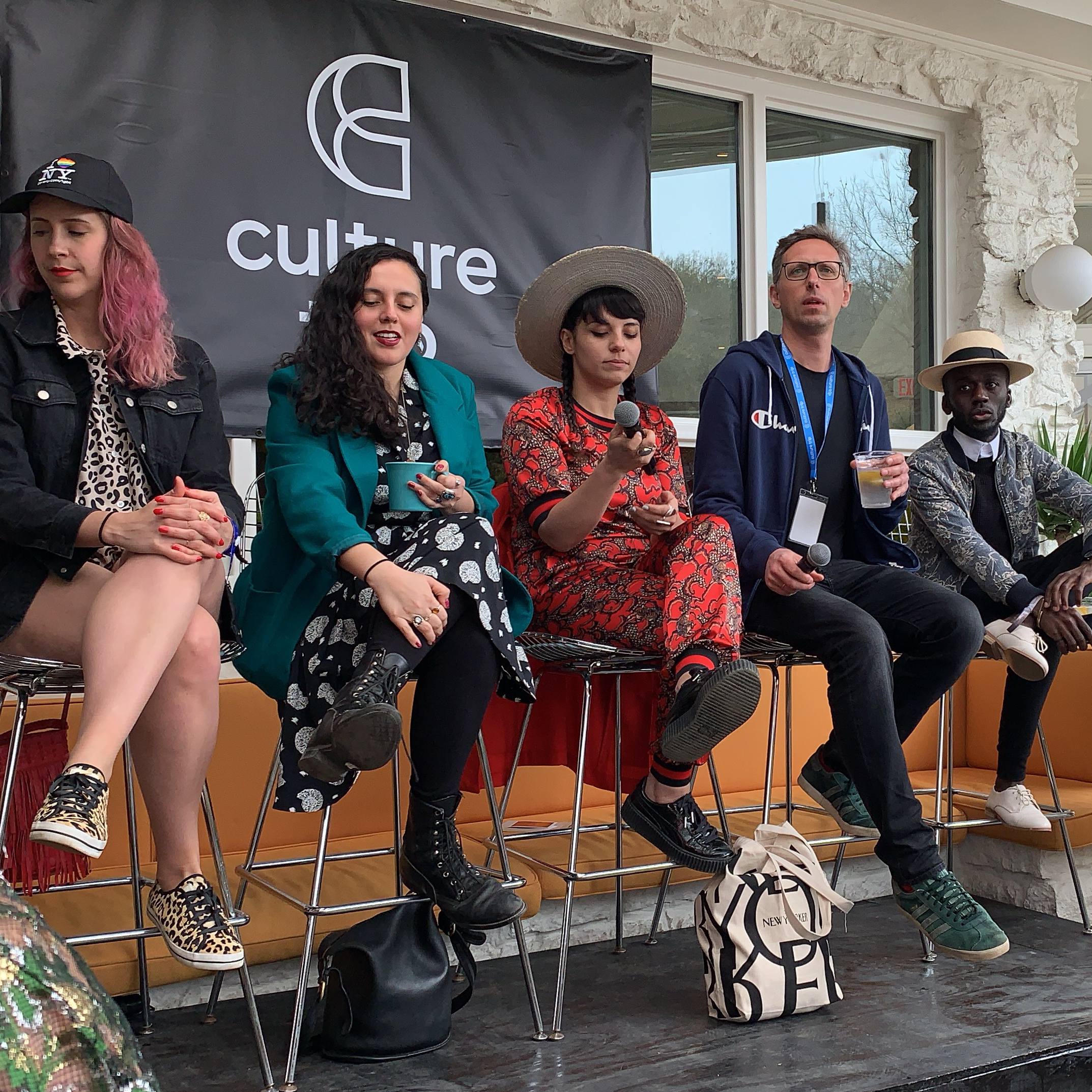
From left to right: Jillian Anthony, Maribel Falcón, LouLou Ghelickhani, Dmitry Shishkin and Moyo Oyelola
It’s a great time to be creative. With increased access brought by online and mobile tools, the possibilities to explore talent, share stories and unique points of view, are at a new peak. Providing not only access, but visibility, these new tools also allow creative content to be viewed, interpreted, mixed and remixed, directly influencing culture at a scale that might have been unimaginable few years ago. There’s power to it—this scale and influence allows creatives to actively be a part of shaping their cultural surroundings.
On March 11, in partnership with Culture Trip, #BBATX explored the impact of creatives as cultural producers in an intimate panel discussion, featuring Chief Content Officer at Culture Trip Dmitry Shishkin and Culture Trip Editor Jillian Anthony, singer-songwriter LouLou Ghelickhani (of Thievery Corporation and Night Glitter), creative producer Moyo Oyelola and artist Maribel Falcón of Colectiva Cósmica.
here are some insights from the conversation:
On navigating Internet use and the influence of online comparison on creative work:
“Comparison, for me, can kill creativity, if people get a little sidetracked and start focusing on that. You lose a little bit of your uniqueness in that way. But I’ve been touring for about 19 years now and social media, especially in the past four years, has allowed me to connect with such incredible people from all over the world. So I choose to use it as a tool and really focus that the communication is for art and music, and I try to separate for my personal well being and my personal life.” — LouLou Ghelickhani
“I think it’s important to use the Internet in a wise way. Because there’s no boundaries, we can kind of get lost in things that aren’t very productive to what we want to work on or what our goals in life are. In terms of digital access, I use the Internet to stay informed on day to day occurrences. As difficult as it is to digest on a daily basis, I think that what happens politically drives me.” — Maribel Falcón
On leveraging digital access within your practice as a creative or an artist:
“I think that using social media to reach mass amounts of people is very useful—especially if you have a message, especially if you have a cause, especially if it is something specific that people can learn about or be more informed about.” — Maribel Falcón
“For the work we do at Culture Trip, digital access is everything and makes makes us the company we are. We work with writers, photographers, videographers from around the world. We tell stories from local places, and with digital access, we are able to find local people to tell those stories.” — Jillian Anthony
On producing culture for oneself and one’s community via the Internet:
“I’m making music, and I’m putting it out there for a global reaction. It’s not just for my neighbor in my small town—it’s a bigger message and I focus on that. That’s what’s amazing about these platforms. You can push it beyond your backyard.” — LouLou Ghelickhani
“So, I live in a city [Austin, Texas] that is 4% Black. I’ve been here for 23 years. When I’m looking for a successful—or just another Black person—that’s creative and multimedia-driven just to mentor me or even just to have coffee with, it’s hard when you live here. But being able to have digital access to people because you’re in NYC or you just so happen to be at a conference and you’re able to reach out to them, it kind of helps. That’s one of the great tools, being able to slide into the DMs and say “Hey I see that you’re here, and I would love to grab coffee with you.” It lowers the barrier sometimes.” — Moyo Oyelola
“In terms of consumption, you have to be careful online, because other people's cultures are not just there for you to consume. Like Instagram pages that are focused on Mexico or a Mexican aesthetic do not exist for business owners to just go in and steal from.” — Maribel Falcón
“[Because of the Internet, we know that] a young person living in Jakarta, a young person living in Mexico City or beyond the Russian Arctic Circle actually have much more in common than we think and that is extremely extremely gratifying.” — Dmitry Shishkin
On using the Internet to reach out to other artists and creatives:
“If you are inspired by this artist, and you look at their images everyday, what about just reaching out, writing a message and talking about your feelings?” — LouLou Ghelickhani
“Just because someone has an Instagram handle doesn't mean they're accessible 24 hours a day. I think sometimes we think that because someone posts a lot that they have the capacity to build a relationship with you… Sometimes people reach out and you're not in the physical space to meet up with them or it isn't the right time, and that's okay.” — Maribel Falcón
On the pitfalls of digital culture:
“I think there’s a lot of misconceptions about who people are from their Instagram… You don’t know anybody until you talk to them in real life.” — Maribel Falcón
“Instagram sometimes is just like the Tinder of art. It's really weird. People are just swiping and liking. Sometimes I'll see a name that liked a poster and I'm like, ‘I hope they reach out again, because I really like them.’ And then they're gone. — Dmitry Shishkin
On blocking culture vultures and creating wholeheartedly:
“You know there's no limit to creation so it's like you literally have to expand your mind to understand that there's no reason to steal from anybody else. If you were creative enough you could create something way better. And I think our culture because it's so fast and capitalism is just like money, money, money that it’s just easier to steal from people. But it's such a waste of our human talent. We're on this earth for a very limited time. Be the best that it. Create from your mind, from your heart, from your spirit. You don't have to steal it.” — Maribel Falcón
“Don't try to be somebody else. Don't think you're going to start some blog and you're gonna be making thousands of dollars the next day. Just let the work exist.” — Moyo Oyelola
“It's so easy to be inspired. It's so easy to create that mood board of all these highlights and these great visual pieces, but you have to turn that into something real. Figure out how to filter what's good and what's your voice within your work. Like what am I really actually saying? Because that's another part, too—it's easy to create something visual that's beautiful but at the end of the day, what are you really saying?” — Moyo Oyelola
Would you like to attend future panels like this? Keep up with #bossbabesATX on Instagram, sign up for our email newsletter and poke around our current events calendar.
This blog post was compiled and edited by A’nysha Fortenberry.
Our Unofficial SXSW Guide For 2019: 73 Events You Should Definitely RSVP To
Every year, we’re amazed at the talent that blows through Austin, Texas for SXSW, an annual interdisciplinary festival exploring film, technology, creative industry and music. As always, there are a host of SXSW official and unofficial showcases and events this week that you should be on the look out for, and we’re here to bring you a few favorites that are on our radar.

Every year, we’re amazed at the talent that blows through Austin, Texas for SXSW, an annual interdisciplinary festival exploring film, technology, creative industry and music. As always, there are a host of SXSW official and unofficial showcases and events this week that you should be on the look out for, and we’re here to bring you a few favorites that are on our radar.
PS: We’ve got a showcase planned, too. You can catch #BBATX co-hosting CYBERBABES, a free one-night music and art festival amplifying the work of femme and queer musicians, this Sunday March 10 from 6 to 2 AM at Cheer Up Charlies. Presented in collaboration Y2K Technologies and p1nkstar, Inc., with support from Tito’s Vodka and Red Bull, CYBERBABES is free and open to the public. Click here to learn more and RSVP.
friday, march 8
South by East 5th Market + Lounge (march 8 - 10)
The Complete List of Diversity-Focused Tech Events at SXSW 2019 (march 8 - 18)
saturday, march 9
That Time of the Month: 4 Year Anniversary Show
From Tour Manager to Change Agent: A Conversation with VC Arlan Hamilton
Y’All Or Nothing: Queer Texas Showcase
BXBS - Broads by Broad Studios
QUEER FILMMAKERS BRUNCH (presented by aGLIFF)
Recspec Gallery Show: Exquisite Corpse
Depop x Mutual Feelings Market
sunday, march 10
cyberbabes @ cheer up charlies (hosted by us!)
SXSW 2019 Community Screening: Austin School of Film Community Works
monday, march 11
Moving the Social Needle: How Content Creates a Conversation
2019 Women in Digital SXSW Rally
tuesday, march 12
Women in Digital & The Riveter | Community Preview and Co-Working Day
Rockin' ReactJS @Bloomfire by Women Who Code ATX
Stereogum Range Life 2019 Lineup (march 12 + march 13)
wednesday, march 13
Lafayette Live Crawfish Boil @ SXSW 2019: A True Cajun Experience
ATX Vegans + Imperfect Produce at SXSW
Dr. Marten’s @ Container Bar (with DJ sets by Austin favorite Chulita Vinyl Club)Ladiez Showcase: Crawfish Boil and Day Party @ Scoot Inn
thursday, march 14
Materiality as Discourse: The Silver Collections of the Fernández Blanco Museum
Dr. Marten’s @ Container Bar (with DJ sets by Austin favorite Chulita Vinyl Club)Glowed Up Ball by Unbounded Agency
friday, march 15
Frida Friday ATX at The Vortex: PODEROSA PACHANGA
Dr. Marten’s @ Container Bar (with DJ sets by Austin favorite Chulita Vinyl Club)
saturday, march 16
#WomenCrush Music Unofficial SXSW Showcase
East Of Color Community Market
La Rebelión Day Party by Unbounded Agency
Satellite Art Show: Austin (The Alternative Art Fair)
sunday, march 17
Like what we’ve put together? You can thank #BBATX team members Jane Hervey and A’nysha Fortenberry.
On Creating Synergy: Three Reminders For Personal And Professional Alignment
This Spring, our programs will serve as a moment to hear from and amplify women and nonbinary leaders in our community who create synergy through their work. As you move through our events for the next three months, we encourage you to keep the following three reminders in mind.
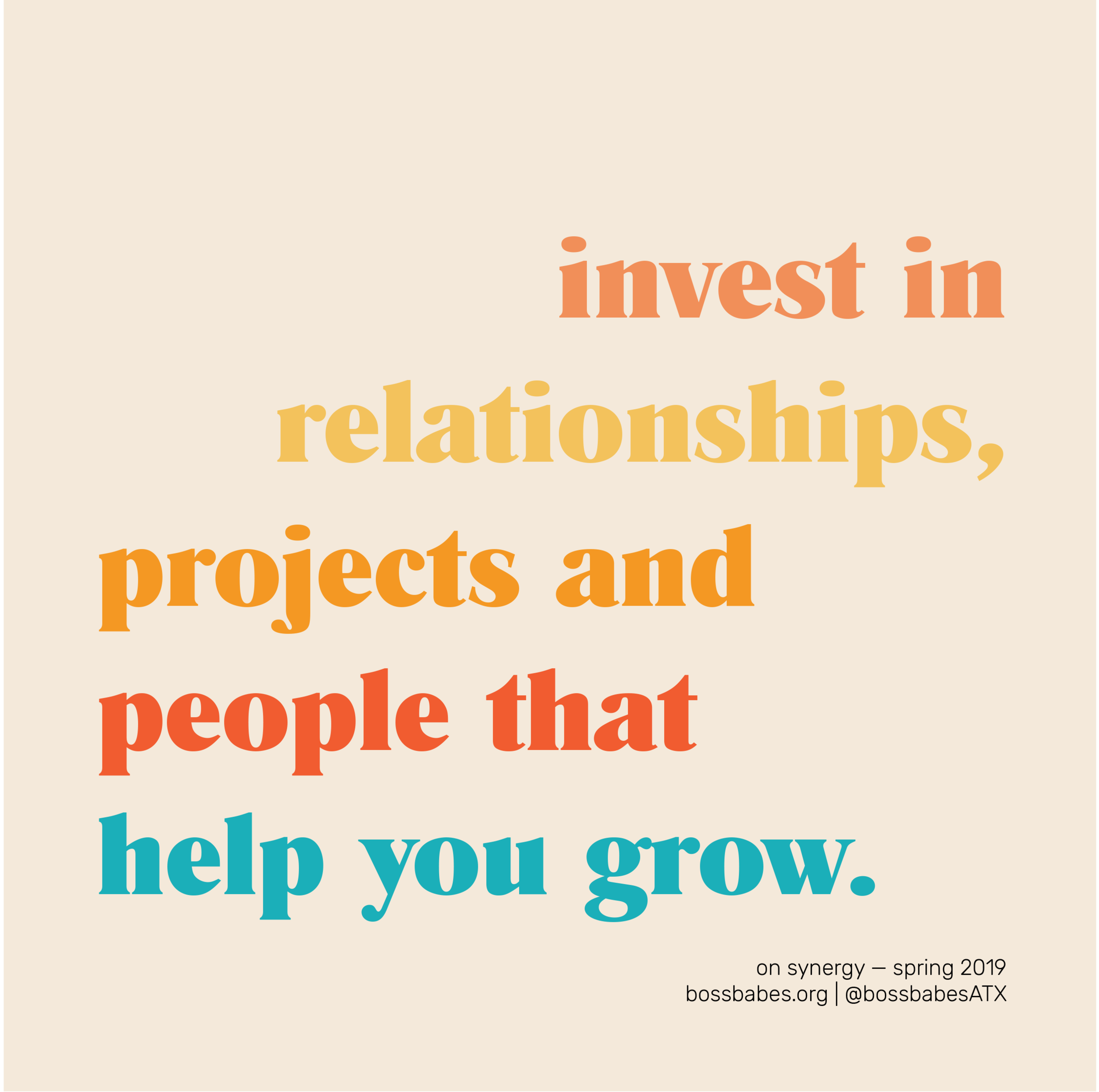
It’s time to invest in relationships, projects and people that will help us grow. It’s time to create a little synergy.
synergy (n.): the benefit that results when two or more agents work together to achieve something either one couldn't have achieved on its own.
It's the concept of the whole being greater than the sum of its parts. In life, at work and in our communities, synergy is that space where the magic happens—where things fall into place, values align and our ideas find a home.
So, what does professional and personal synergy look like? How do we reject cultures of comparison and approach collaboration? How do we protect our own energy as we navigate opportunities, successes and failures? This Spring, our programs will serve as a moment to hear from and amplify women and nonbinary leaders in our community who create synergy through their work.
And as you move through our events for the next three months, we encourage you to keep the following three reminders in mind.
reminder no. 1: invest in relationships, peoples and projects that help you grow.
We all deserve a healthy audit once in a while. If you’re feeling out of place or burnt out, take stock of your inventory. Where do you feel stuck in life? Why? Where do you feel pulled? Why?
It’s OK to not have the answers. It’s OK to feel uncomfortable as you determine what you want—and don’t want. Don’t deny yourself the chance to figure it out.

Image designed by Jane Hervey
reminder no. 2: protect your creative and collaborative energy.
It’s hard to keep ourselves healthy, happy and cared for, if we don’t have the emotional and practical tools required to navigate our day-to-day responsibilities.
This Spring, we are leaning into learning more about the ways that we work with others. How can we become better leaders? Where can we better enforce our boundaries? How can we conserve our energy to do the things we want to do?

Image designed by Jane Hervey
reminder no. 3: comparison is the thief of original creativity.
A little competition is healthy, and a solid collaboration can move mountains. But comparison? Comparison keeps us from seeing ourselves—and those around us—authentically. It holds us back from making good decisions and clouds our judgment. You deserve to love your own lane.

Image designed by Jane Hervey