
HerStory: Elisabet Ney, Sculptor
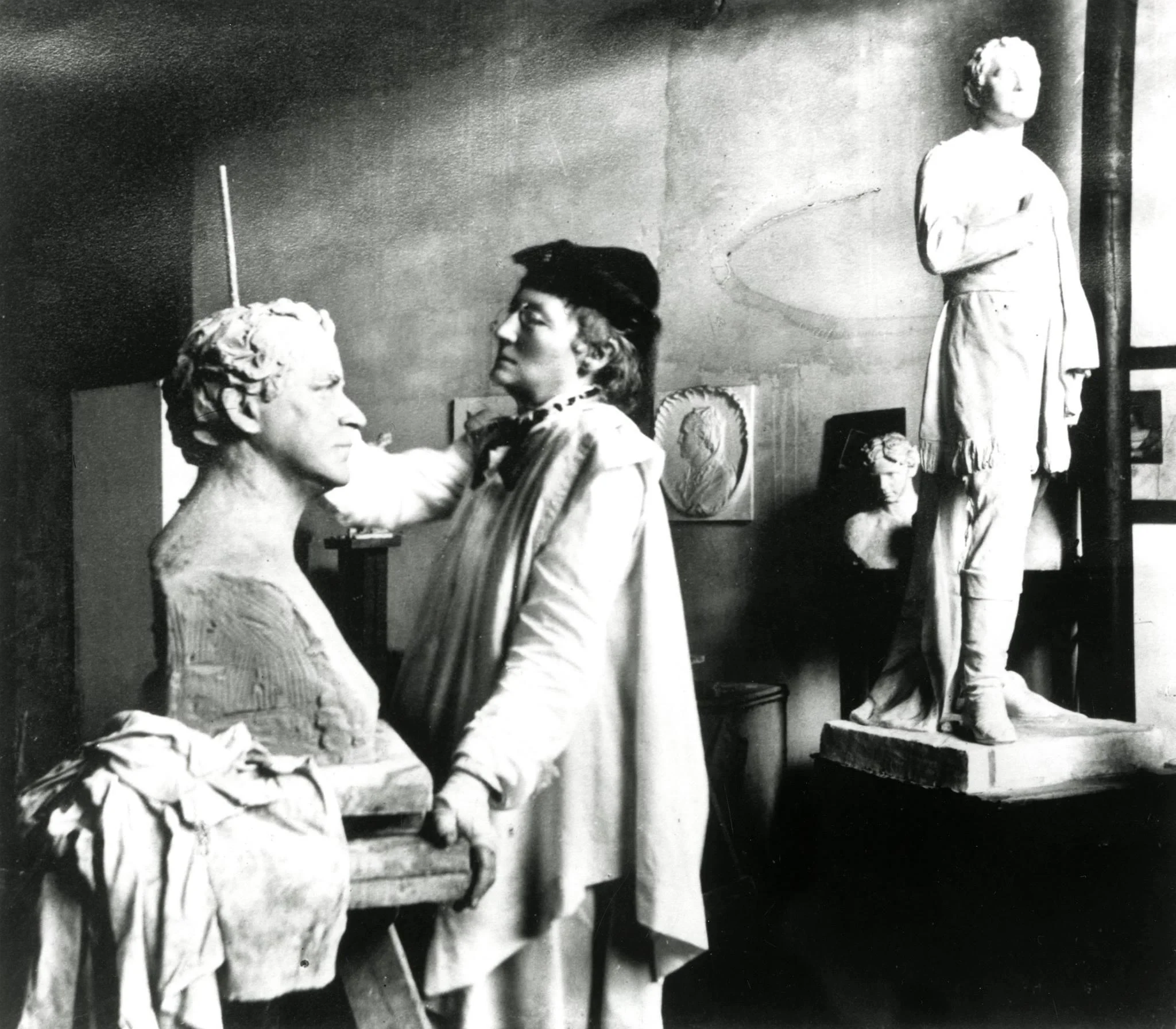
One of Austin’s most great, prolific sculptors — an artist who created figures of great, prolific men — wore pants. This was back in the late 19th century, making it a big thing that the artist, Elisabet Ney, was a woman.
Elisabet Ney, one of Austin's most prolific artists.
One of Austin’s most great, prolific sculptors — an artist who created figures of great, prolific men — wore pants. This was back in the late 19th century, making it a big thing that the artist, Elisabet Ney, was a woman.
It was such a big thing, in fact, to be both a woman and an artist, that Ney undertook a hunger strike to lobby her parents for permission to become a sculptor. When she eventually enrolled in Munich Academy of Art, she was the institute’s first female student.
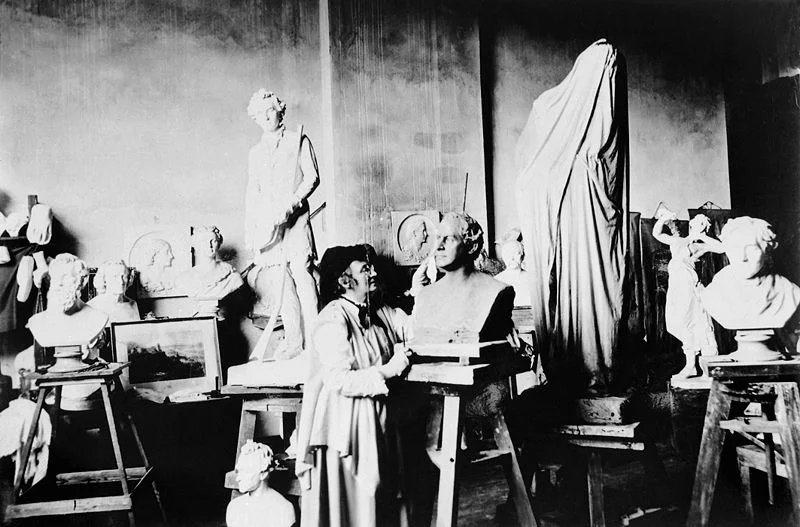
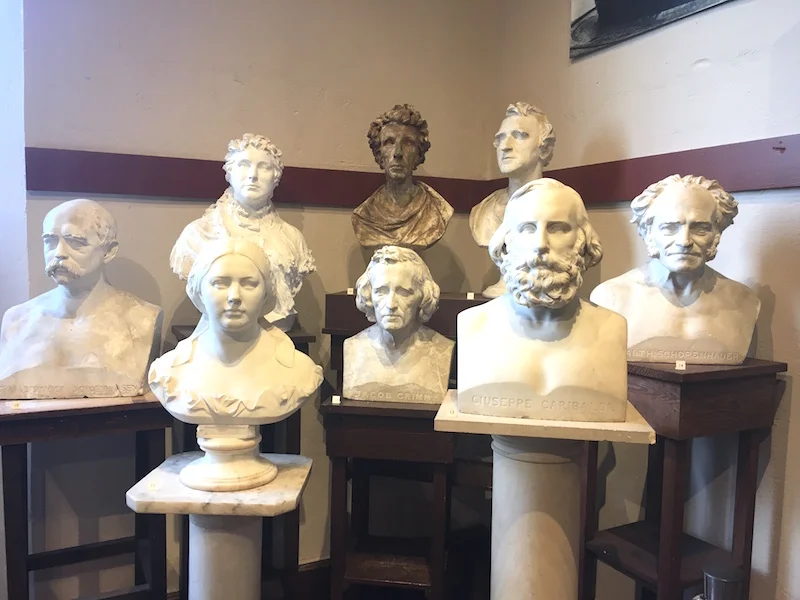
Not content to just be a sculptor, Ney excelled, winning commissions of Very Important Men of the era, including Richard Wagner, Jacob Grimm (of the Brothers Grimm), Otto von Bismarck, and King George V of Hanover.
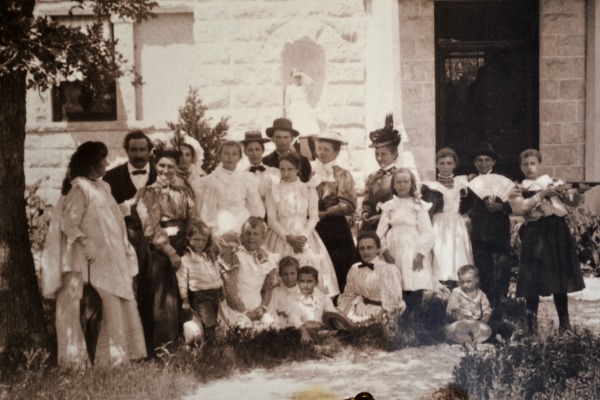
Formosa became a cultural epicenter in Texas with creatives and thinkers often gathering to meet and mingle.
At some point, in the midst of all that success, Ney reluctantly married physician and philosopher Edmund Montgomery — reluctantly because she viewed marriage as a state of oppression for women. She kept her maiden name — this was in 1863.
In 1892, after a 20 year hiatus from sculpting, Elisabet Ney and her husband made Austin, Texas their home with the purchase of a plot of land that was then on the outskirts of town (it's now in Hyde Park). It was there that she established her studio — dubbed Formosa — and there that she created the model figures of Sam Houston and Stephen F. Austin with a $32,000 funding assist from the Texas legislature. That's more than $800,000 dollars today.
Formosa also became a gathering place for the creatives of Austin to meet, mingle, and discuss issues of the day. Ney became a momentous force in the creation of a Texas art scene — and she wore pants while doing it.
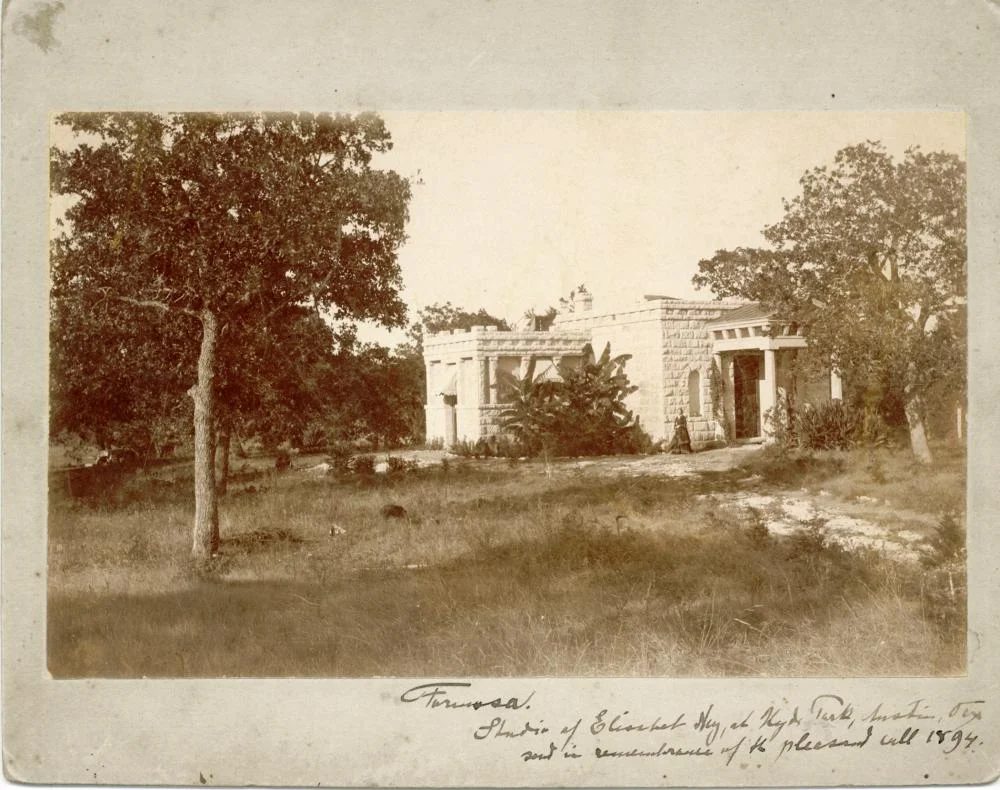
Years after her death, in 1911, her friends established the Texas Fine Arts Association, or what is now known as the Contemporary Austin, to honor her memory.
Ney’s influence lives on in a thriving Texas arts scene that we are proud to be a part of. This Thursday, August 10, in the tradition of the sculptor, we'll host a discussion with artist Neta Bomani as part of our Meet Her Hands series. We hope you'll join us.
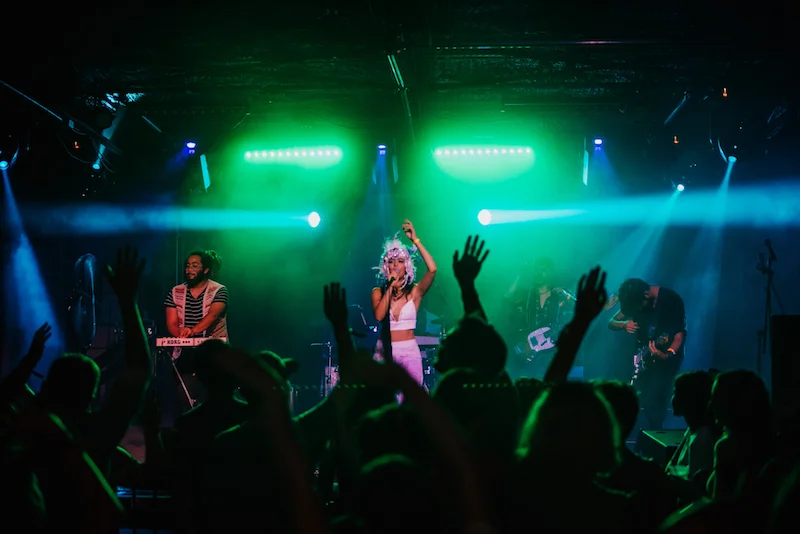
On Festivals, Feminism and Community Productions: A BABES FEST '17 Recap
With 52 acts in three days, this festival was stacked with an unmatched array of talent in comedy music and film. Thanks to you, #wedidthat.

Photo by Sara Marjorie Strick for BABES FEST '17 on July 29 at Empire Control Room & Garage
cheers to BABES FEST '17.
With 52 acts in three days, this festival was stacked with an unmatched array of talent in comedy music and film. Thanks to you, #wedidthat. Click here to get a feel for BABES FEST's herstory and why we produce this annual festival on Texas Monthly.
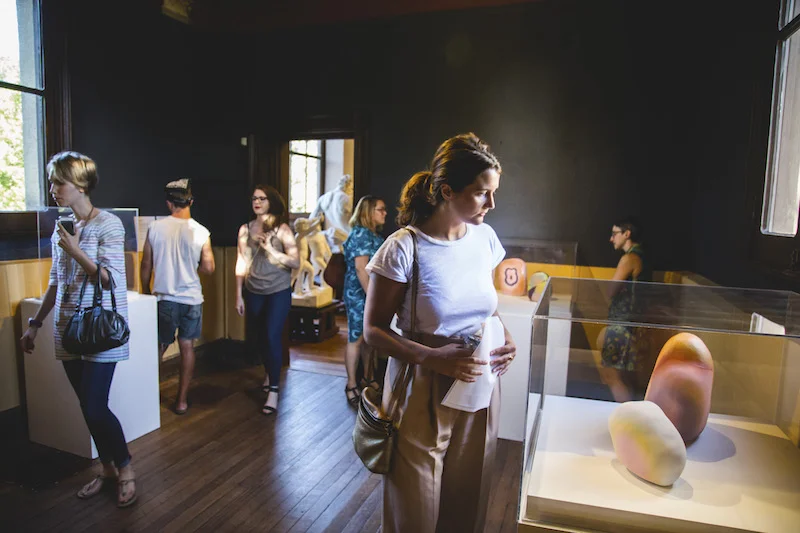
On Traditional Art Careers and Making Useful, Spiritual Things: "Meet Her Hands" with Ceramicist and Sculptor Angel Oloshove
Angel's pieces will be on display at the Elisabet Ney Museum through August 8. The next and last artist in this series is illustrator and designer Neta Bomani (August 10).
This summer, we're producing our second Meet Her Hands production with the Elisabet Ney museum. This series features three self-identifying women, Texas-based artists in discussion about their work, their inspiration and their hands (hence their process).
Photos by Tess Cagle. View more photos on the #bossbabesATX Facebook.
The Vibe
Elisabet Ney Museum
On July 20, we gathered on the banks of the Elisabet Ney Museum, the former home of sculptor, Elisabet Ney, to interview the second artist in Meet Her Hands 2017, Angel Oloshove. As the sun set, attendees enjoyed an intimate exhibition of the artist's work, a Q&A with the artist herself and cider provided by Argus Cidery.
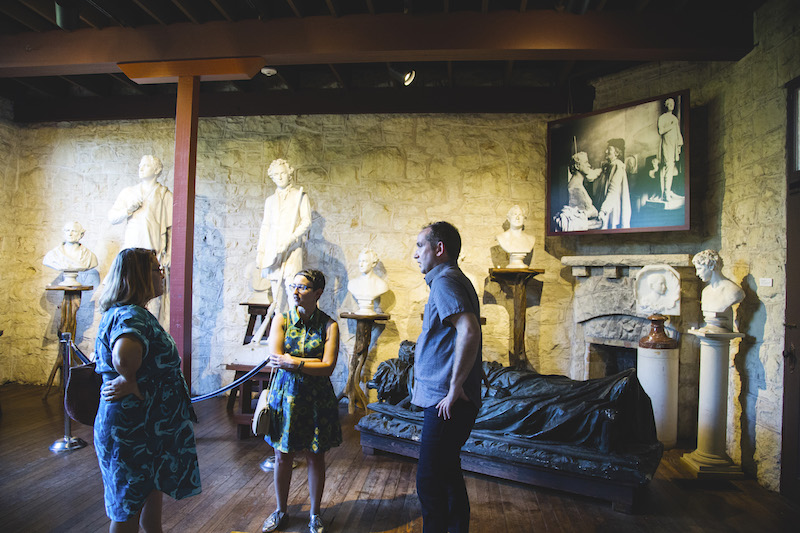


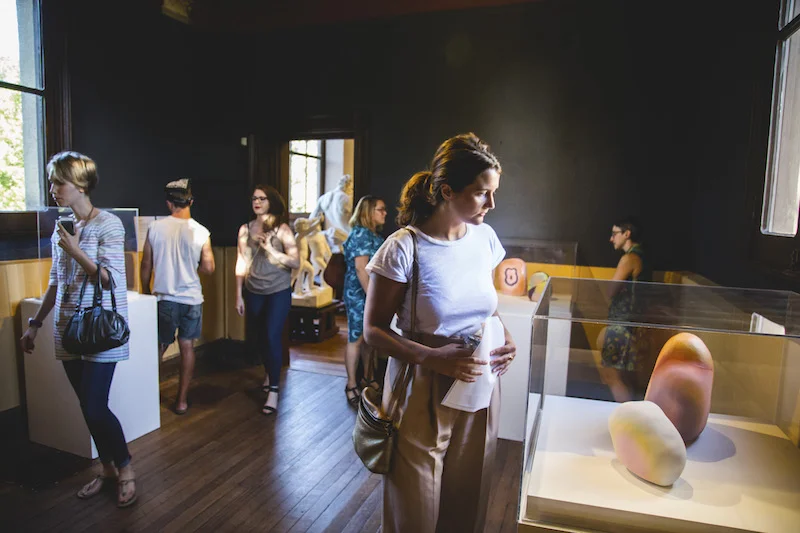
The Interview
A Q&A between Angel Oloshove and Women & Their Work Gallery Program Director Madeline Taylor
Angel studied Painting and Drawing at California College of the Arts. She then worked as a toy designer in Tokyo, Japan and began working in ceramics in 2007 in Baltimore, Maryland. She continued as a studio technician at the Glassell School of Art at the Museum of Fine Arts, Houston until 2014. She currently lives and works in Houston, Texas.
A few highlights:
On making accessible, functional art for other people:
Doing functional pottery is a way of staying engaged with the material... I want to be able to have work that's more accessible to people to whom it speaks to.
I want to have my fine art work be catalysts for the person who's looking at it: a transcendent, intimate personal feeling... while I want my pottery to be something that someone can interact with every day.
When I make the work and it's done, I don't even feel like it's mine. I just feel like the hands that made it
On her inspirations:
I'll fill up a sketchbook with contoured forms, while I'll be looking at the world for textures that are very luxurious and visually sumptuous and delicious. And slowly they'll come together.
On the color purple:
I just have a lot of specific memories of being at the farm [in Michigan, where we grew up] and picking tomatoes in the dirt and her feet in the dirt. And I remember that her toenail had this mauve nail polish. And that's the color I associate with her, my mother.
On her synesthesia:
Certain color combinations or textures will make my mouth water or my eyes tingly.
On facing criticism/skepticism at her medium:
I'm just gonna show up and do my work.


The Exhibition
featuring select sculptures by Angel Oloshove


Angel's pieces will be on display at the Elisabet Ney Museum through August 8. The next and last artist in this series is illustrator and designer Neta Bomani (August 10). You can catch the recap of the first artist in this series, Roshi K., here.
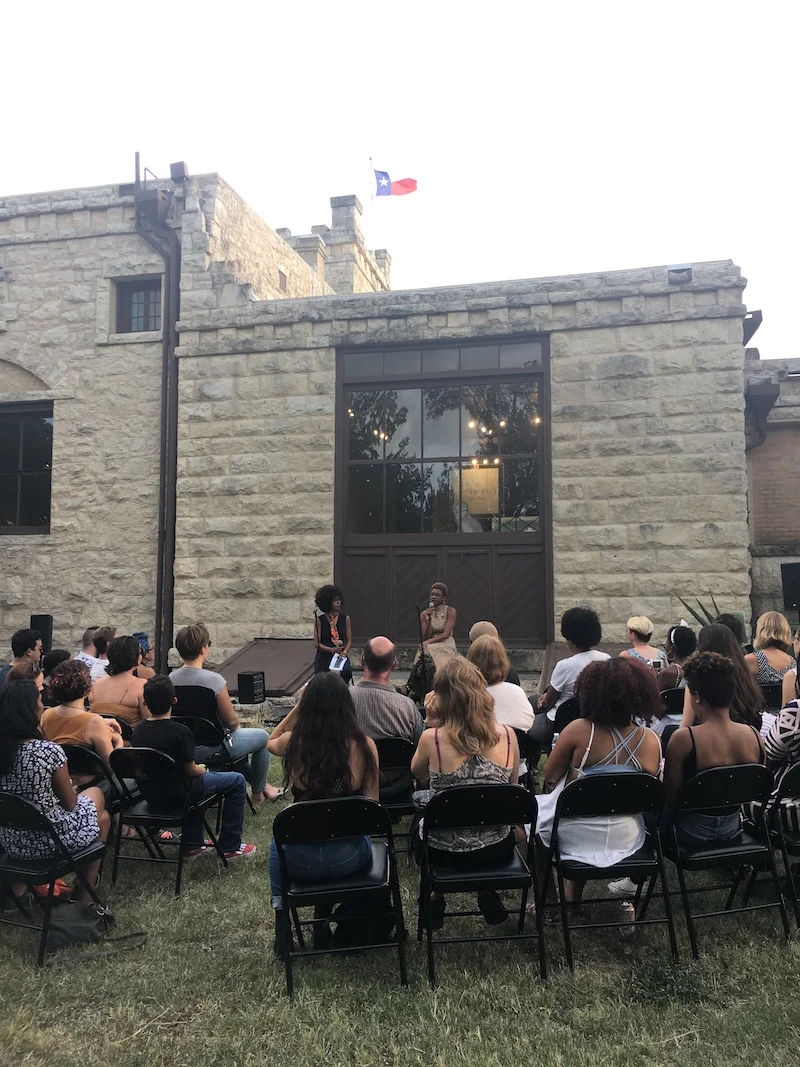
On Multimedia Approaches to Art and Representation: "Meet Her Hands" with Roshi K
Roshi's pieces will be on display at the Elisabet Ney Museum through July 18. The next two artists in this series are ceramicist and sculptor Angel Oloshove (July 20) and illustrator and designer Neta Bomani (August 10).
This summer, we're producing our second Meet Her Hands production with the Elisabet Ney museum. This series features three self-identifying women, Texas-based artists in discussion about their work, their inspiration and their hands (hence their process).
The Vibe
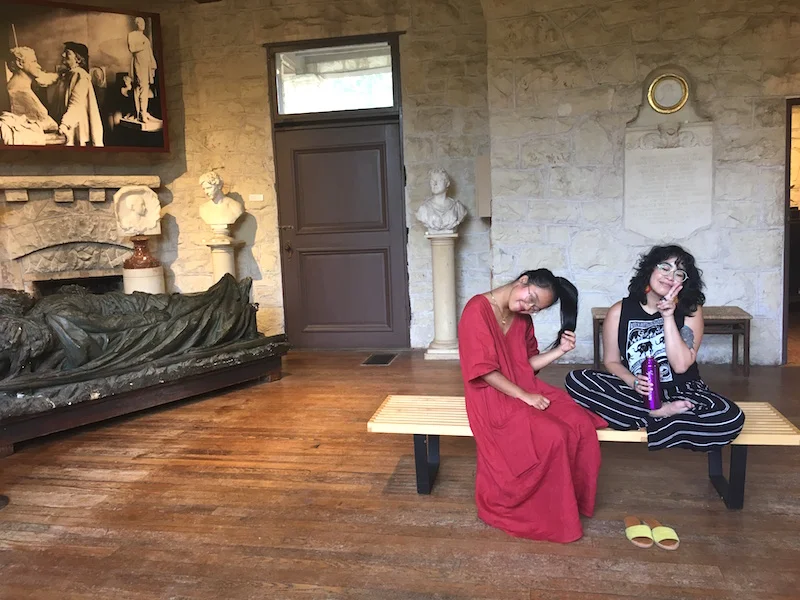
Elisabet Ney Museum
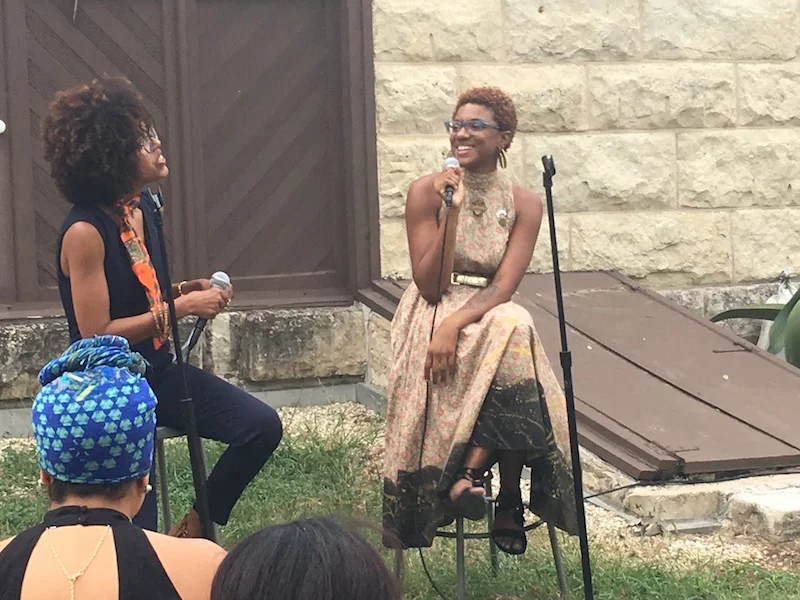
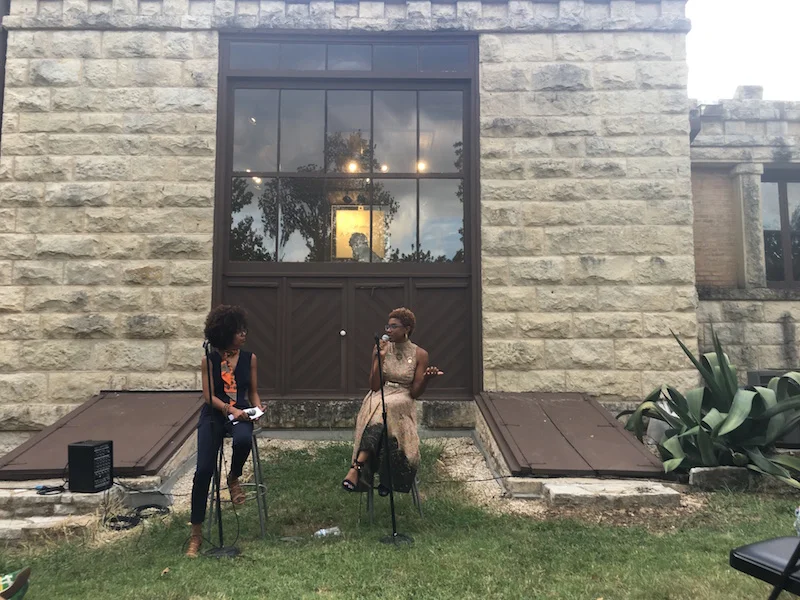
On July 6, gathered on the banks of the Elisabet Ney Museum, the former home of sculptor, Elisabet Ney, to interview the first artist in Meet Her Hands 2017, Roshi K. As the sun set, attendees enjoyed an intimate exhibition of the artist's work, a Q&A with the artist herself and cider provided by Argus Cidery.

The Interview
A Q&A between Roshi K. and Noel Hollis
Roshi lives and works in Austin, Texas. The vibrations and culture of every city, old and new, impact the flavor of Roshi’s work. She enriched her natural talents by studying Art Foundations at Virginia Commonwealth University and Animation at the Arts Institute of Austin. The main influences on Roshi’s aesthetic include anime, manga, Japanese history, the history of the African Diaspora, mythology, linguistics, cymatics, quantum physics and the natural elements. Noel Hollis, Roshi's close friend and fellow activist, interviewed Roshi to explore her process and practice. A few highlights:
On the way her identity influences both her style and subjects:
"You've got your average all American girl next door, but I'm your brown girl next door."
On being an activist and painting the mundane:
"Art and activism go hand in hand, but we also need to have the narrative that we've led the normal lives, too. I feel like it's my duty with murals to put brown people up on a wall so that people can walk by and see representation from within their own communities. It's not just important to put a brown girl on a wall, but it's also important to show young girls that they can pursue a creative career, too."
On her inspirations:
"One of my biggest inspirations besides visual art is music...but another one of my favorite things is nature. I like to go to the woods and reconnect with water."
On street art and being a muralist:
"Walls scream out to me all the time... but if I responded to every wall I'd be in trouble."
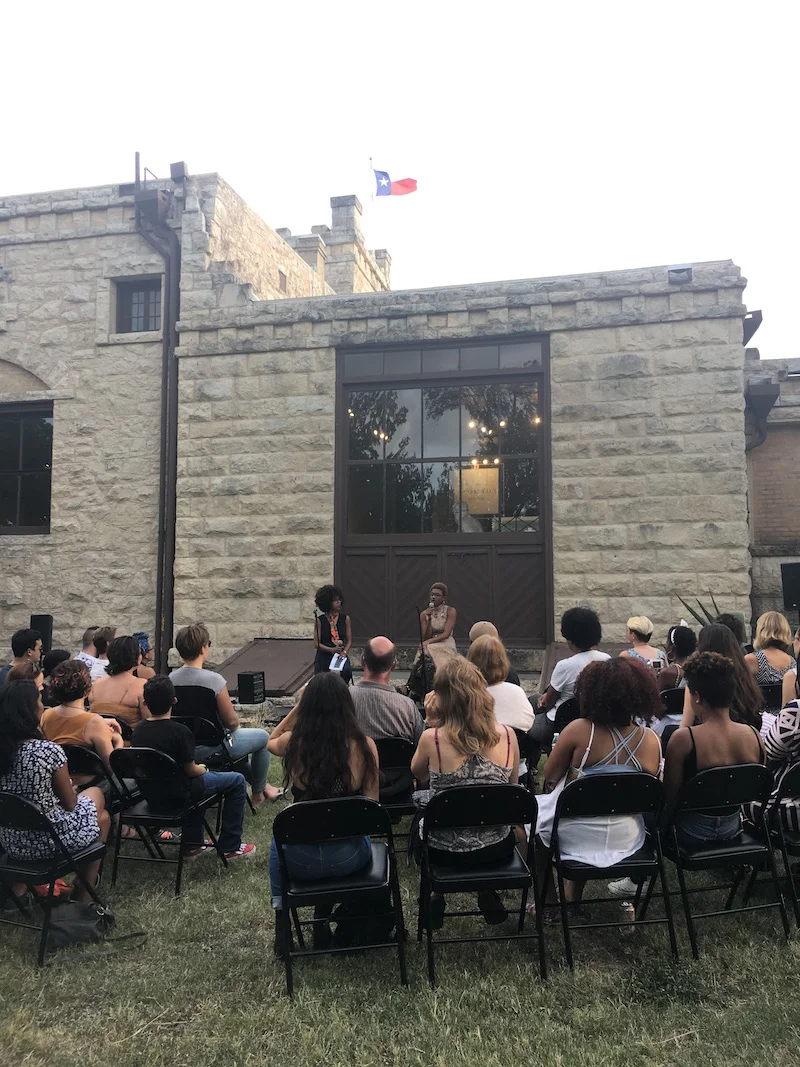
The Exhibition
featuring select watercolor and multimedia works by Roshi K.
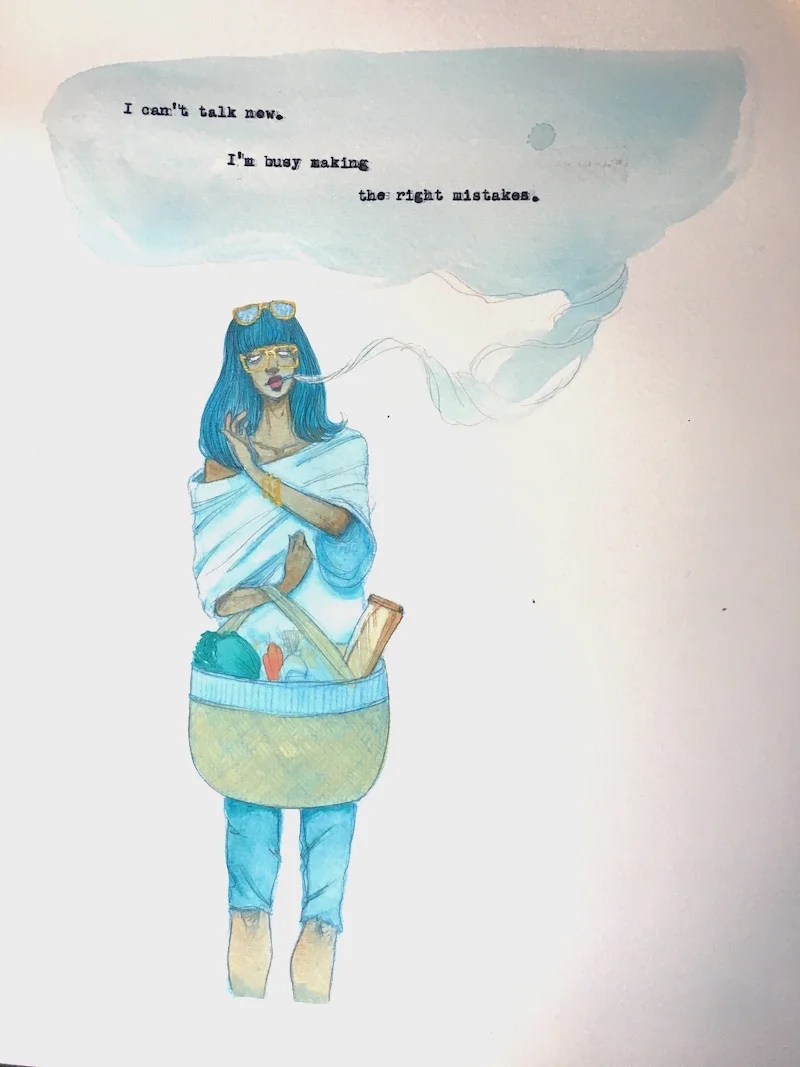
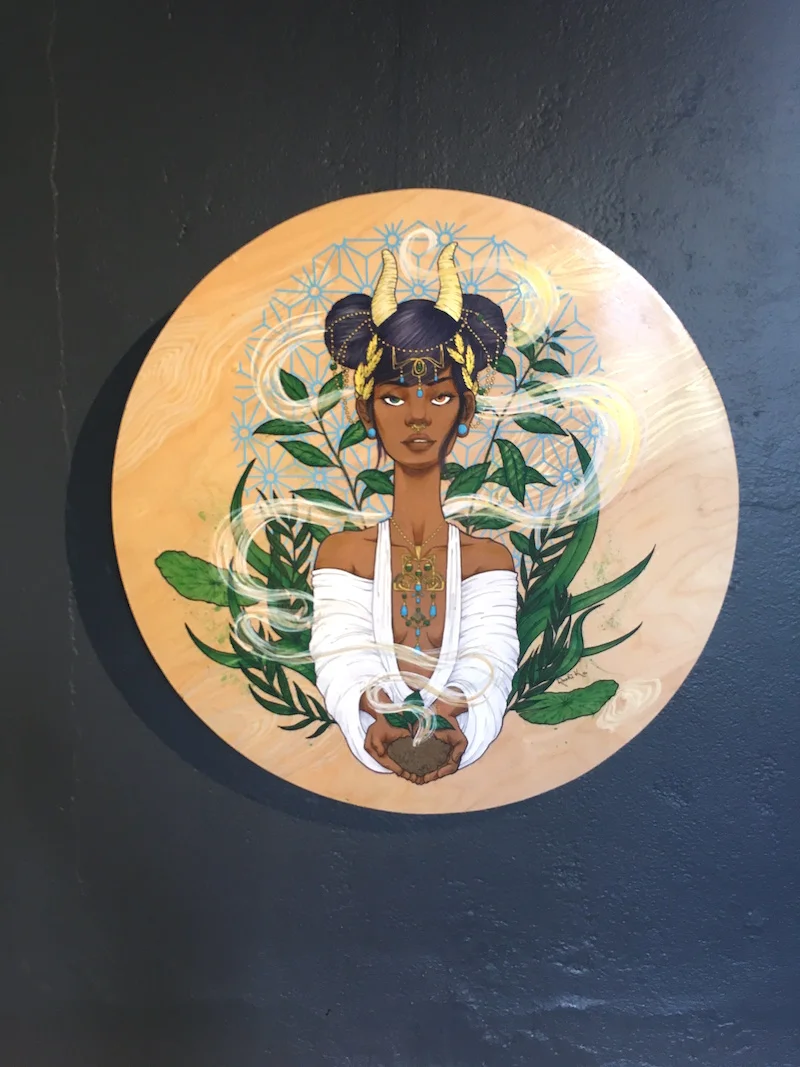
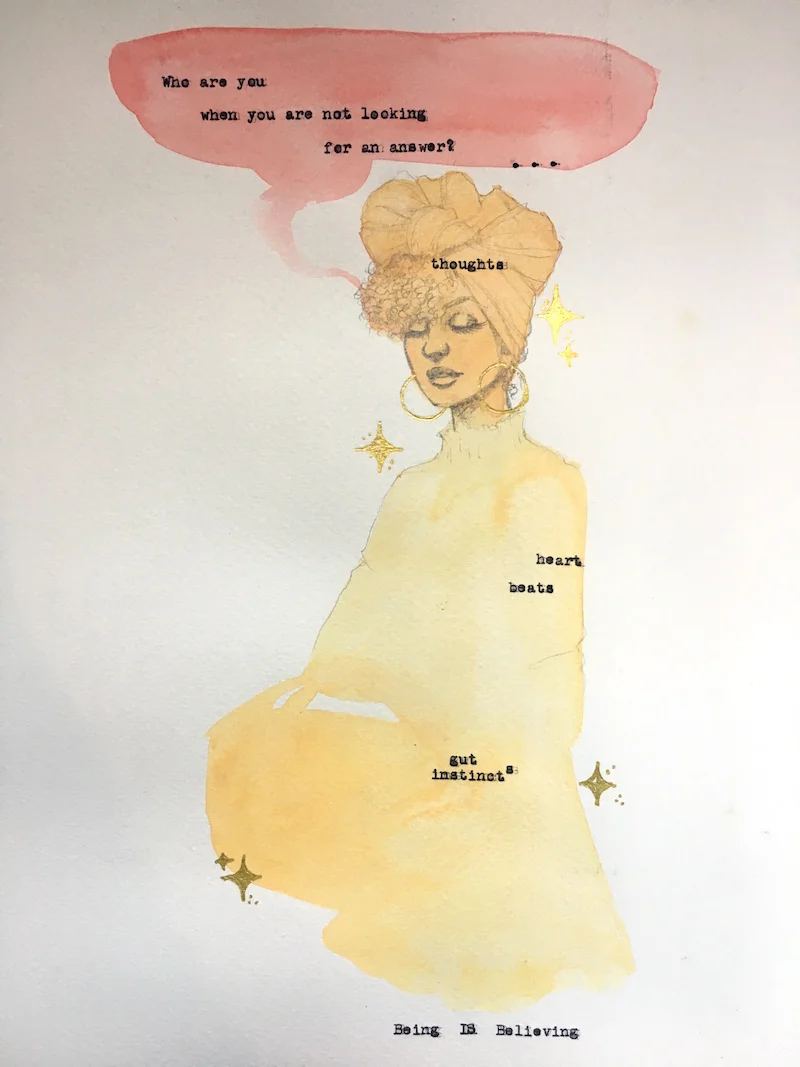
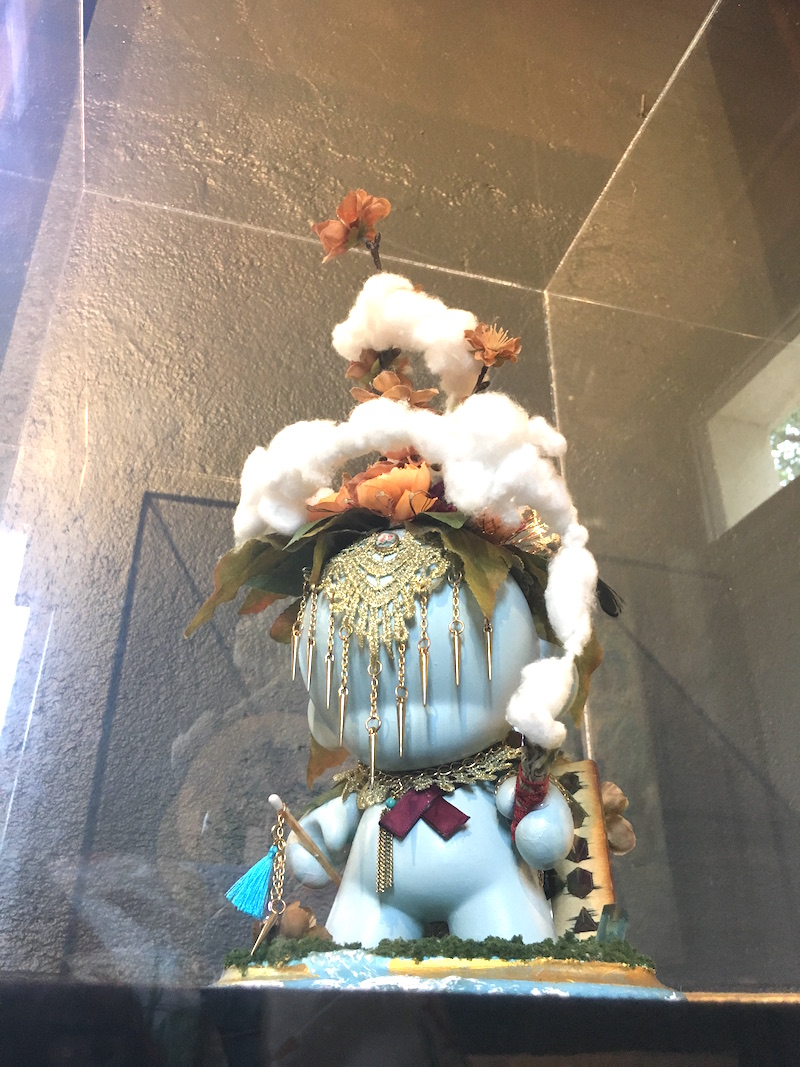
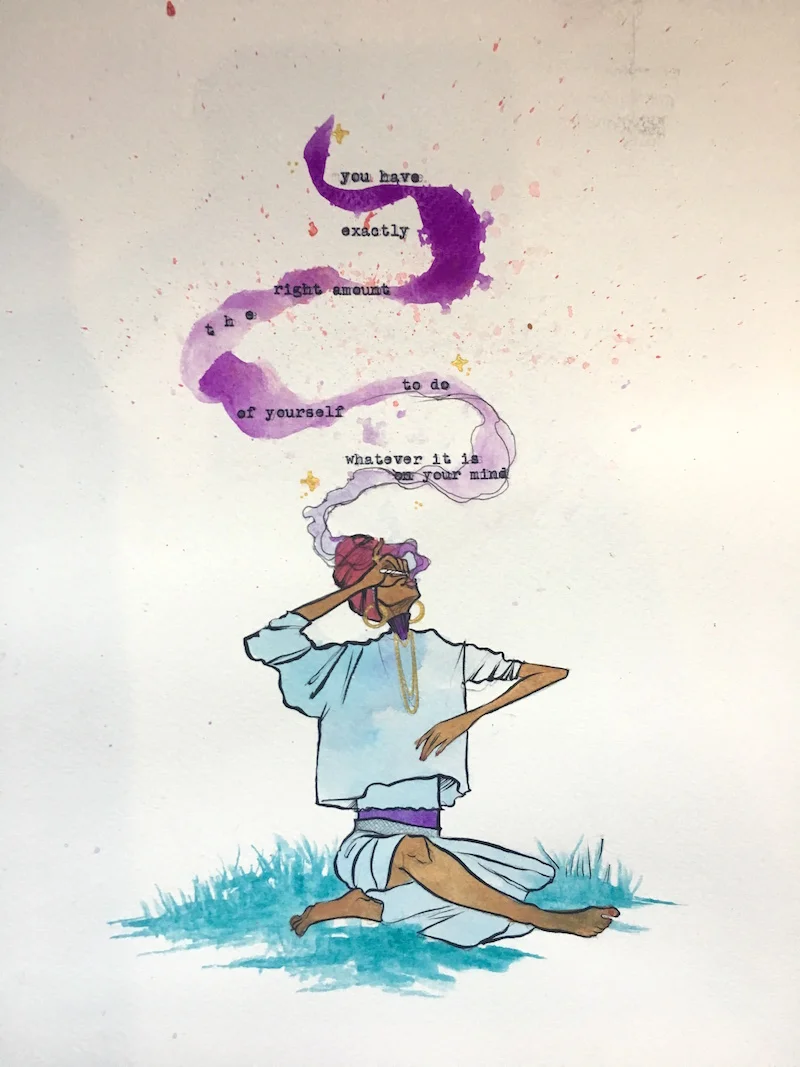
Roshi's pieces will be on display at the Elisabet Ney Museum through July 18. The next two artists in this series are ceramicist and sculptor Angel Oloshove (July 20) and illustrator and designer Neta Bomani (August 10).
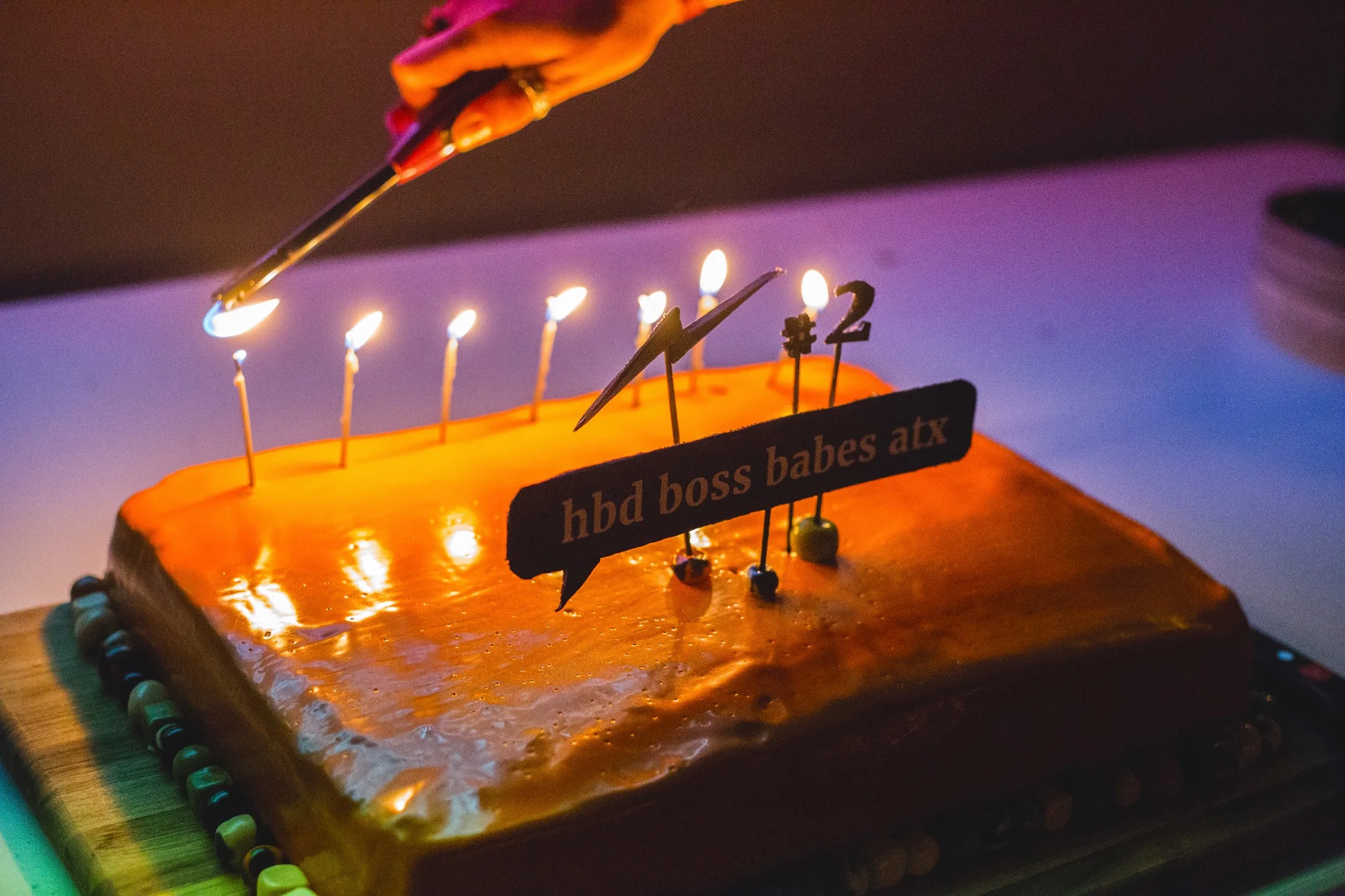
#bossbabesATX: A Mini HerStory
Over the last two years, our mission, team and community have grown. To demonstrate what the last two years have meant to us, we created a lil video to show you who we are and where we're headed.

Over the last two years, our mission, team and community have grown. To demonstrate what the last two years have meant to us, we created a lil video to show you who we are and where we're headed.
Watch below:
Directed and produced by Illyana Bocanegra
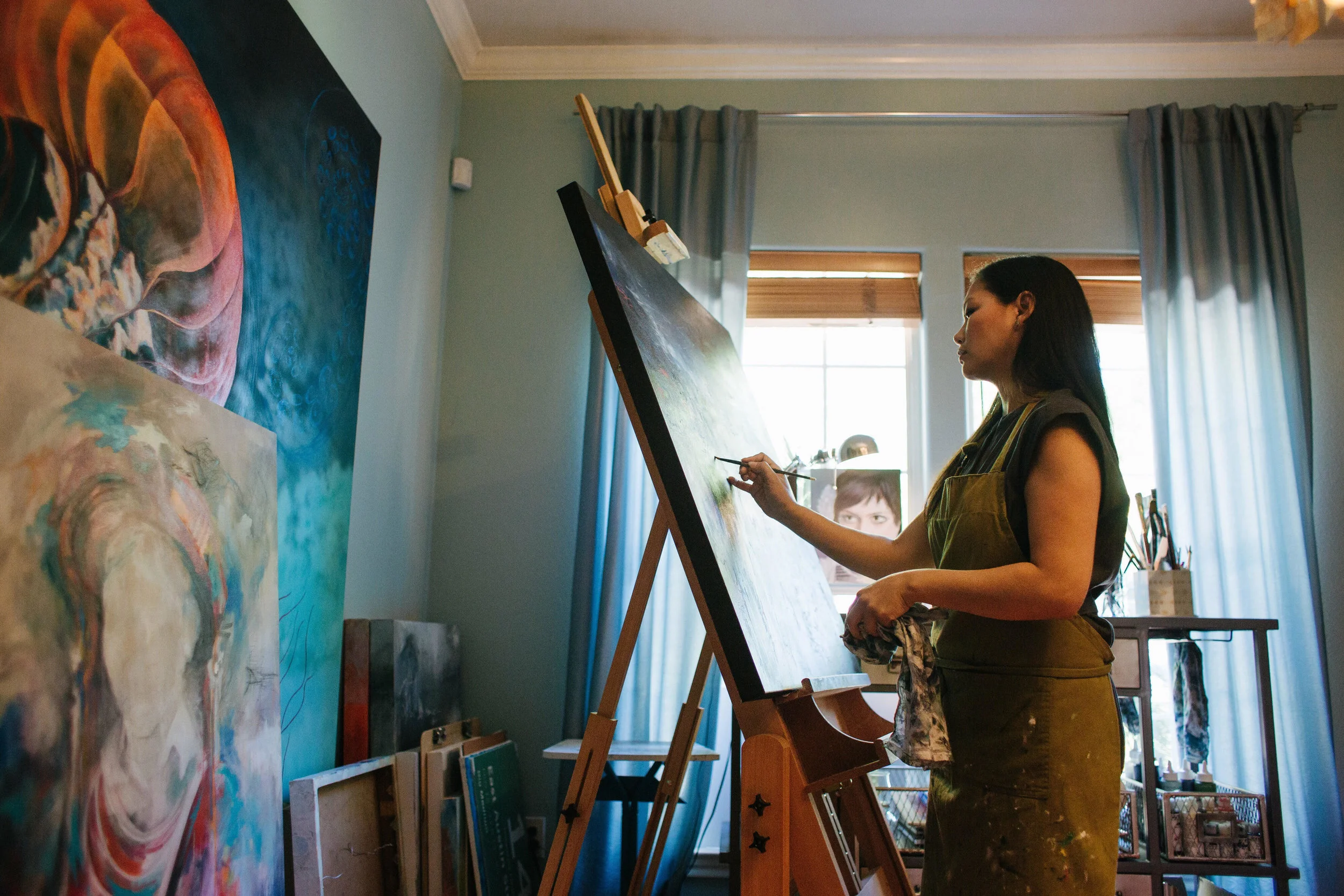
Meet June's URL Resident Artist: Vy Ngo
Vy Ngo's creative life — or rather, her life more generally — is defined by dualities.
A pediatrician by day, the self-taught, first generation American born Vietnamese artist enters creative zen mode at night, allowing emotional instinct to guide her through painting.
“Having two different passions in life makes me feel whole, because I feel like I’m studying the human experience on all levels. ”
Vy Ngo's creative life — or rather, her life more generally — is defined by dualities.
A pediatrician by day, the self-taught, first generation American born Vietnamese artist enters creative zen mode at night, allowing emotional instinct to guide her through painting.
Further, her work is bisected by two modalities — a series of expressive, colorful and cultural portraits, each one individual in itself, and a breadth of abstract pieces that connect with the viewer on a gut level.
More than just an outlet for expressing the creative side of her identity, Ngo's artwork is the flipside to her pediatric work — a way of studying human culture, identity and experience where medicine allows her to study human physicality and health. And while medicine is her "quote unquote day job," her two passions and two careers intersect — each one bringing a needed perspective to the other in a way that makes her feel whole.
Below, she discusses how her work both painting and helping people interact to give her two different ways to connect with human rawness and vulnerability.
You can currently view her work at the People's Gallery 2017 exhibit at Austin City Hall; Strangers from Home at the Asian American Resource Center through June 24; and at Kiki Nass Boutique through August 10.

Lost in Thought, Currently at the Asian American Resource Center
How do you know you're an artist (besides the obvious)?
Becoming an artist is more about how you get there and how that defines you from that point on. For me, it wasn't like I knew I wanted to become an artist early on in life. But I was always creative — I drew a lot, obsessively and was very active in art class because it was a way for me to balance out my academics. It was like my escape and the place I felt most like myself. When it got to the point where I was trying to decide what career I wanted to pursue, it was between design, architecture and medicine. Of course, practicality wise, medicine seemed like the better choice. I also enjoyed working with kids since I was young, so being a pediatrician was just a natural choice for me at the time. I dedicated myself onto that path, which is a very, very long arduous course within itself. Which as a result, put my creative side on the breaks for over 20 years. Once I was established in my professional career and had a family, I started to realize that there was a part of me that was missing and that side of me was wanting to come out. It felt like if I continued to suffocate the creative side of me any further, I wasn’t sure how I would be emotionally — I felt like there was this big hole. It just came to a head for me. Of course, as soon as I tapped into that place, it was like I was an artist my entire life and I'd just been absorbing my life’s inspirations, observations and interactions. Once I started, I couldn’t stop and it's become a defining part of my life. It's more that I found myself again as an artist and now I'm on this journey of defining myself even further through my work.

Photo courtesy of Elkk Social
It sounds like it really functions for you as an outlet, as well as a part of your identity.
It is an outlet, but it's not just that. I'm starting to see the interactions between all the different parts of my life. When working with people and taking care of them in their most vulnerable time of need or the most precious parts of their lives, there is a rawness to it and a humanity that I'm able to express in my creative work. Then my creative work feeds into my medical profession as well by helping me get in touch with my own vulnerability allowing me to connect with people in a deeper way. So I feel like it's not necessarily just an outlet. It was maybe initially, but now it's become a part of how I process all the different aspects of my life, with my kids, with my career, with my art. It's interchangeable at this point.

Yellow, 2016
Do you see expressing that rawness and humanity in your portraits as a way of connection with the human experience?
Human interaction and people and culture have always fascinated me. I'm a first-generation American born Vietnamese artist. Growing up in a small rural town where you were kind of like the outsider and looked different from everyone around you, you're thrust into that. You can't ignore it and you can't help but be intrigued by what makes everyone different — what life paths people choose, what makes them who they are. With me being in the healthcare industry, human interaction is such a crucial part in understanding people. I've always been intrigued by people, their faces and the stories that they tell and I think that's why portraits for me is such a real place of connection. To be able to portray the emotions of a person and their life experience through creation of art is the most intimate form of connection as well as expression.

Blue, People's Gallery 2017
Though your portraits are all by you, and all have the same style generally, they also all have their own unique bent to them. Does each person's distinct story require a different way of expressing it?
Of course. I love that you can tell the portraits and work are all mine yet still distinctive. I want to put my creative stamp on each piece while still giving each portrait their own individual story. The colors, the emotions, the composition— it's all very personal to that person, that face or that culture.

Nebulus, 2016
Are these people that you know? Where are you sourcing the subjects of your portraits from?
Some of my portraits are of people that I know and some of them are strangers. For example, my recent series Strangers from Home is based on Vietnam and the cultural identification I have with the people there, as well as my disconnection with them being a first-generation American citizen. I consider my work “cultural portraits” because I am trying to express them as reflections of different cultural identities, histories, and experiences. I want to understand their story as well as express my own personal views of the world through their eyes.

Hearing that, I understand more why you call yourself a creative anthropologist. With your work, you seem to be tapping into the culture of people's stories and how that informs the identity you present of them.
Yeah, absolutely. In my “day job”, I had to learn and study the human body, genetics, human physiology and how they relate to disease or health and their environment and their diet — all those things that are very scientific. But as an artist, I'm taking all those studies one step further and studying the human psyche and our relationships with each other, our history, and our upbringing. I see our identities within our cultures and within our society. Having two different passions in life makes me feel whole because I feel like I'm studying the human experience on all levels.

Queen, People's Gallery 2017
In addition to these portraits, you also have abstract work, which again, you can tell is in your style, but is different from your portraiture. How does it tie in to the portraiture? What's the connection?
When I was younger, I drew portraits a lot. The human face was always something that was natural for me to work with. Abstract work is something I've always admired because you can get lost in it and because it becomes such an internal conversation. With abstract work, I'm engulfing myself in my own internal journey and I have let go. With portrait work, there's some control because you know where you want to go and what you want the portrait to look like. With abstract pieces, you have no idea where it's going to end up. You have a general idea of what you want to convey, the emotionality, the palette and the movement, but the part of abstract painting that I'm drawn to is the process itself. Finding myself along the way, bringing up more questions within myself and ultimately making decisions that aren't necessarily guided. It's truly trusting the process and the journey. It's amazing because with portraits, people can connect with them because you're looking at someone face to face — it's like a human conversation. With my "abstract memories”, for the viewer or artist, it's a dialogue of spirituality, psychology or emotionality that's not tangible. It's very personal because it triggers something inside of them. It may not necessarily be my intention with the painting, but that's what they're feeling. So to me abstract work is an even deeper human connection and it's nice to have that balance. You know, with me having two different passions and two different careers, it just makes sense — I live in this duality all the time.
This interview has been edited for clarity. Follow Vy Ngo's work on Instagram @vjngo_art or see more at vyngostudio.com.
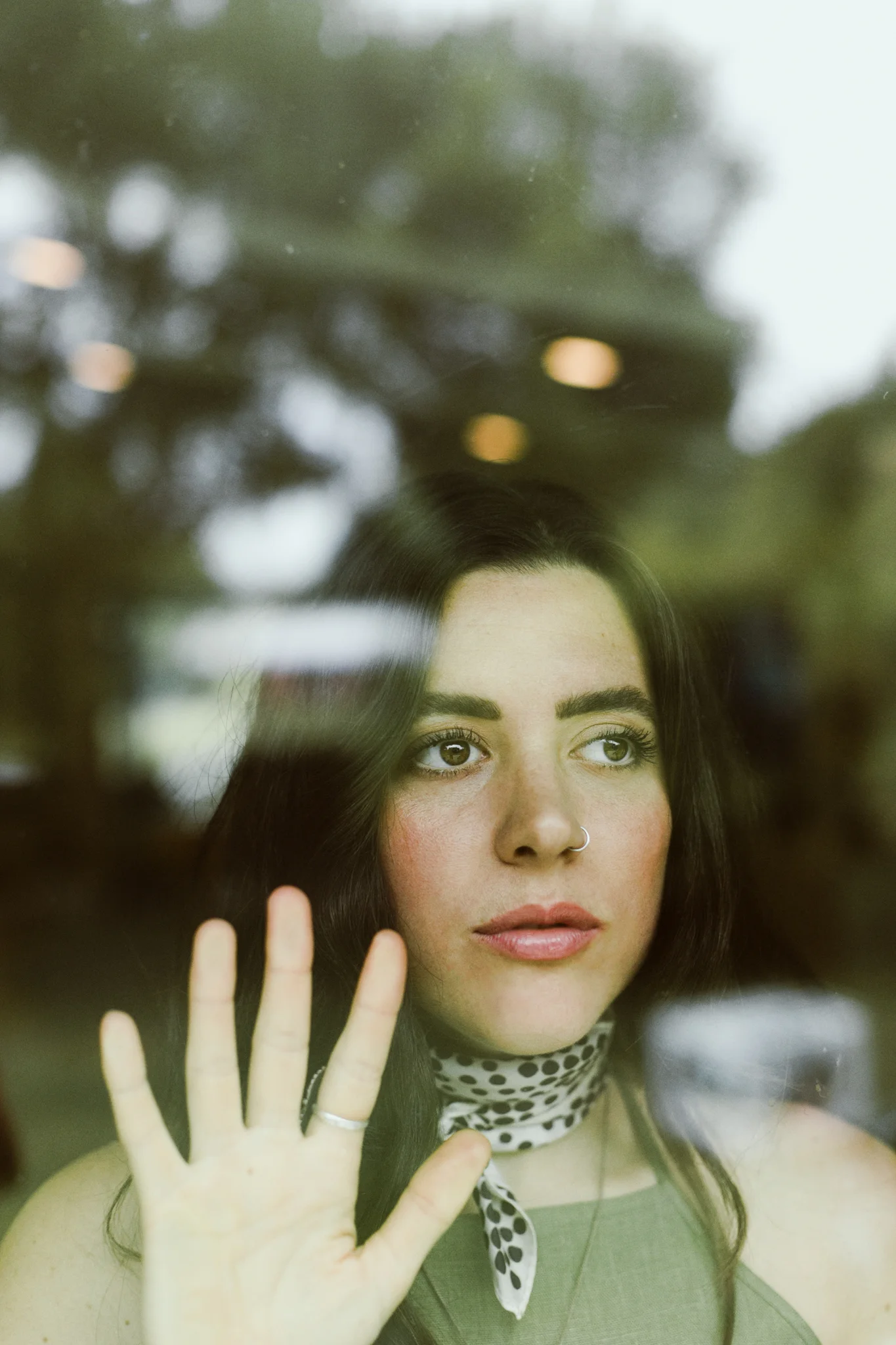
Meet Cristina Fisher, Event & Content Manager of Space24Twenty
Programming, event production, blog features, social media, and photography — Cristina Fisher runs it all for Space 24 Twenty, Urban Outfitters' shared space featuring events tailored to the Austin creative community.

Photos by Briana Purser; Location courtesy of Jessie Katz
As the Events and Content Manager for Urban Outfitter’s Space 24 Twenty, an event venue housed within the retailer’s shared space on Guadalupe, Cristina Fisher steers the ship. Programming, event production, blog features, social media, and photography — Fisher runs it all for the space, allowing for a kind of creative control that lets her tailor the space to the Austin scene and to morph the venue into a place reflecting the artistic interests of the community at large. At the same time, Fisher operates in that arts community herself, indulging a creative passion for photography that both fulfills her need for a creative outlet and gives her an authentic understanding of the kind of events will connect with Austin audiences.
Since opening in December 2015, Space 24 Twenty has hosted yoga practice, a dance party, an indigo dye workshop, a craft fair, a vintage fair, and, of course, multiple live music showcases. Recently, Fisher introduced several pop-up food events to the space to tap into the Austin’s other prized sensory experience (the first being auditory).
Below, Fisher talks programming for the space, the Austin creative community, and how she balances her creative job with her creative passion.
Follow Cristina on Instagram here and catch the space at our 2-Year Anniversary Fundraiser this Friday.

On getting connected in the Austin creative community:
It's worked out pretty organically. Many times, I'll host an event with someone who introduces me to someone else who ends up being a great candidate to work with. I've been building on a lot of a lot of introductions for these events in addition to reaching out to artists that I've always wanted to have the opportunity to work with. Space 24 Twenty in general feels like a great platform for creatives to host to a larger audience.

On the platform a space like Space 24 Twenty can give artists:
It's a good space for the community to learn about other local creatives that they might not have come across already. For me, it's important to really think about that reach when working with these super talented individuals — that is, to give them the opportunity to access a new audience.

On the creative control she has running the space:
As a whole, it's been really fun having ownership on something. I've been lucky to have a ton of creative freedom on the events and content that I'm curating here, so it feels like the Space is not only a reflection of the community, but a reflection of me as a person. Running the space from a 360 view has challenged me to explore new skills that I wasn't as comfortable doing previously.
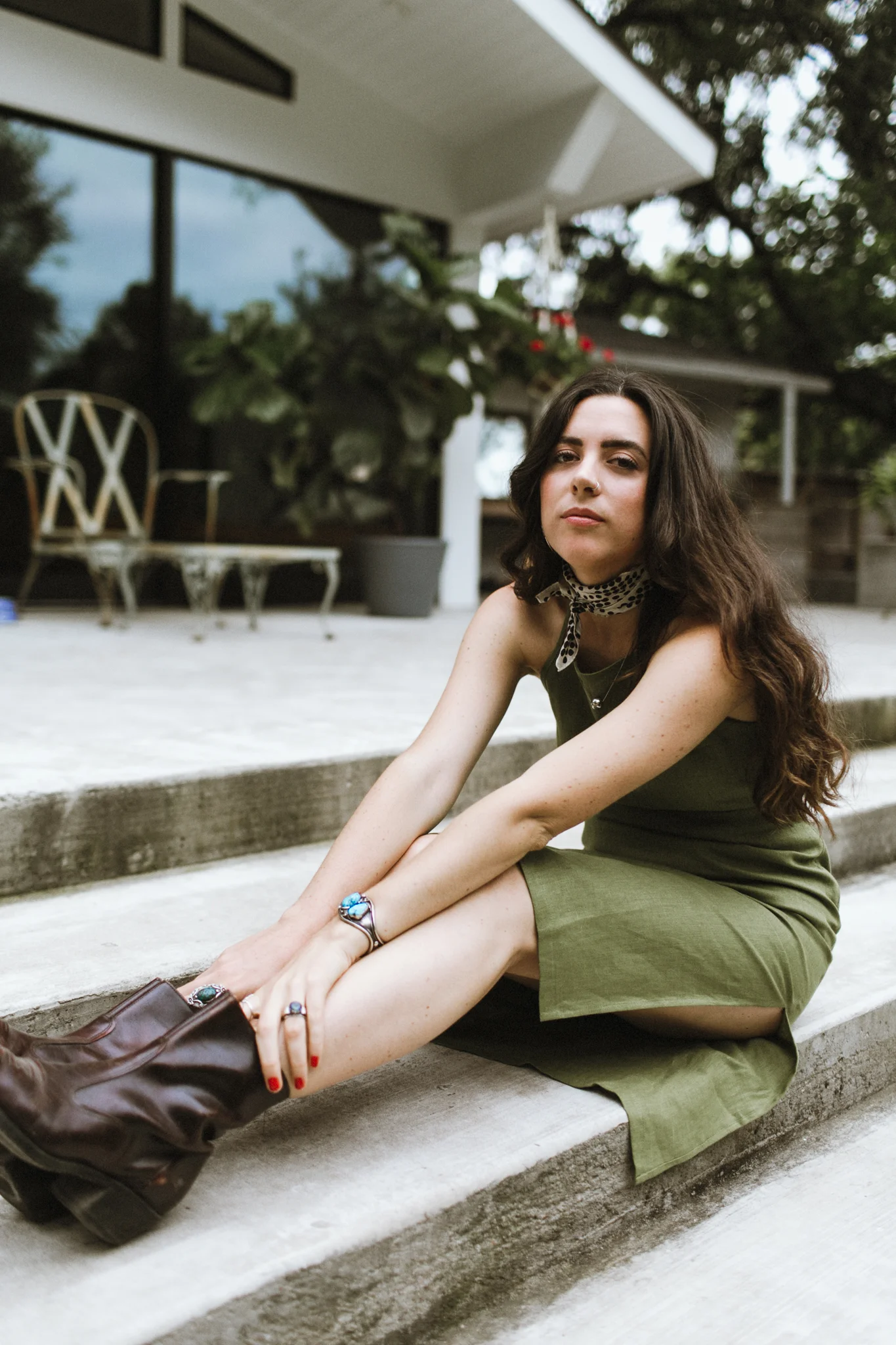
On balancing her creative job with her creative side hustle:
I've had a hard time balancing the two because I am now doing something as my full time job that I was previously just doing as creative outlet [photography.] It takes time management to know that it's okay to take a day completely off to focus on myself and my own creative endeavors.
With that said, having photography as a hobby has been essential in helping me with ideas for the Space and vice versa. At the end of the day, personal and work life influence each other a lot in this role.

On what she appreciates about the Austin creative community:
Austin is unique to me in that it doesn't feel completely intimidating or competitive to do something creative. It's in this really cool sweet spot right now where it's growing in size, but still small enough to allow for your own niche idea or skill (i.e. Bossbabes ATX) to turn into something super recognizable. It seems like creatives in Austin don't feel the need to conform, and aren't afraid to embrace their own style or aesthetic. Keep Austin Weird, right?
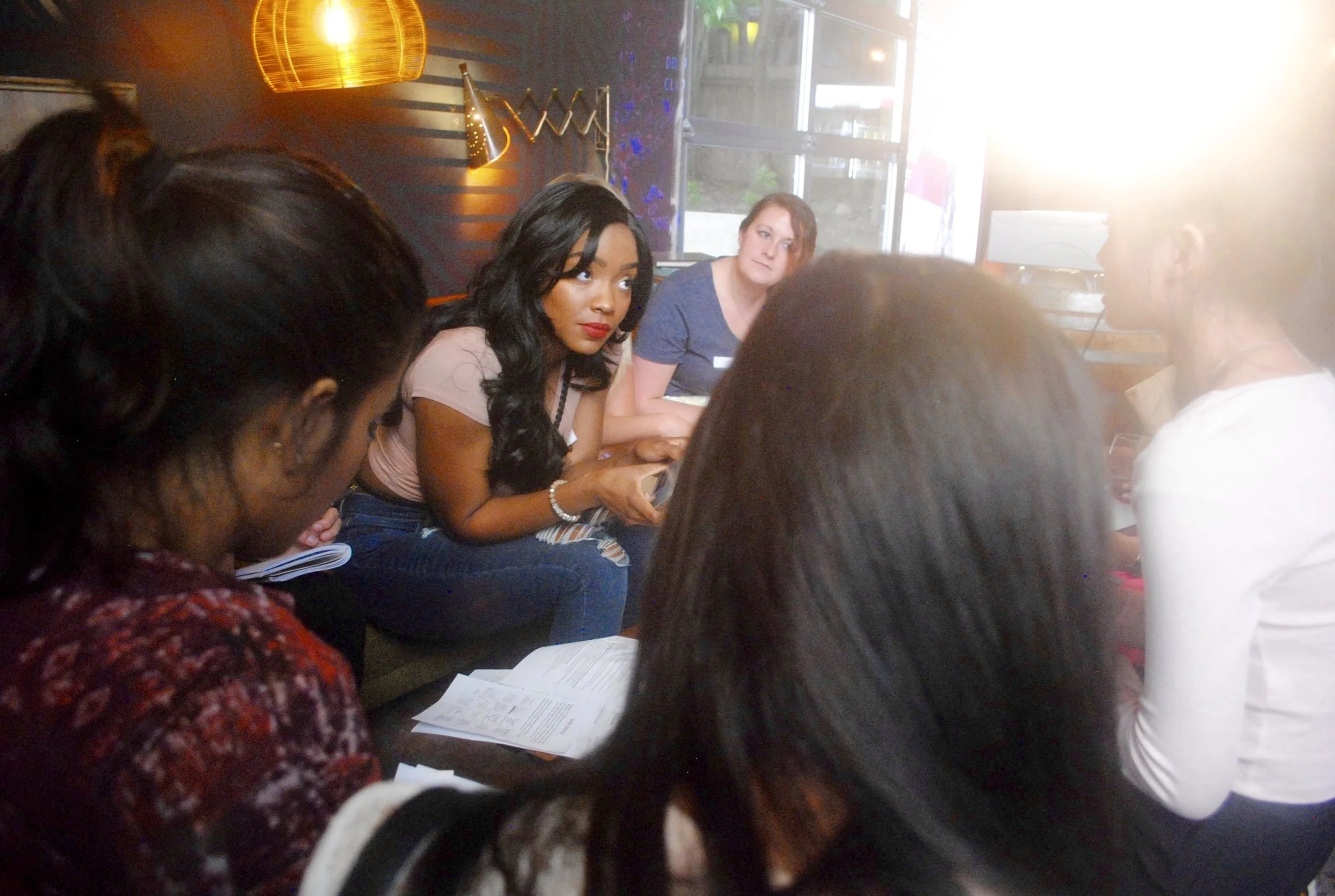
Recap: SOCIAL GRRL Spring '17
SOCIAL GRRL is a biannual meet-up produced by #bossbabesATX for self-identifying women in marketing. With curated conversation, the mixer aims to prioritize both professional and personal connections.

About SOCIAL GRRL:
SOCIAL GRRL is a biannual meet-up produced by #bossbabesATX for self-identifying women in marketing. With curated conversation, the mixer aims to prioritize both professional and personal connections.
On May 11, 2017 at Infinite Monkey Theorem, we hosted our Spring '17 edition of SOCIAL GRRL, kicking it with mingling, wine and industry-focused networking prompts.
The night's discussions were led by:

Meredith Gonsalves is a social media guru and content strategist with experience working on digital content strategies for Fortune 500 brands such as Wells Fargo, Western Union and Morningstar Inc. She's currently a Social Strategist at Deloitte and Digital Marketing Instructor at General Assembly.

Kreasha (Kay) Williams is a teen advocate, transformational speaker, and full time creative. In 2016 she co-founded, The Wantabes, a Creative Agency that puts together perspective changing campaigns, projects, and initiatives for girl-centric companies all over the world.

Claire Winslow is the President and Senior Strategist at Best Practice Media, a boutique social media marketing agency in downtown Austin.
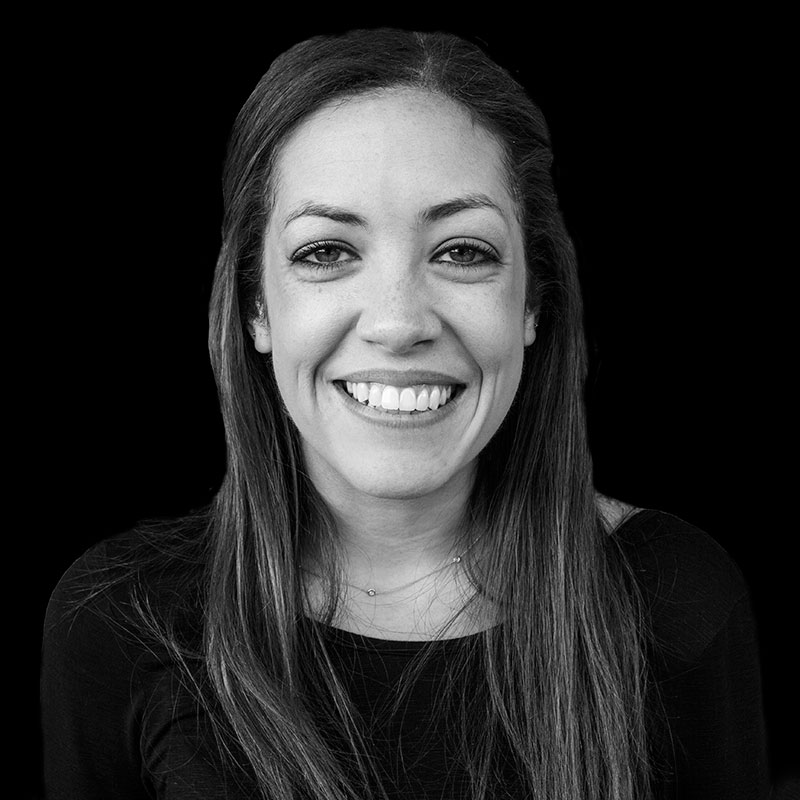
Alexa is the Communications and Policy Initiatives Director at NARAL Pro-Choice Texas. She also served as a communications associate for the Center for Public Policy Priorities.

Leslie Lozano is a freelance stylist, social media and marketing coordinator at NaturallyCurly.com and performer. Originally from Rio Hondo, Texas (a tiny town in the Rio Grande Valley), Lozano moved to Austin in the summer of 2014 to pursue styling, after becoming very restless during her college years. Leslie is one of the co-founding members and sits on the Board of Directors at #bossbabesATX.
Other details:
Peep the discussion Qs, and check out the photo recap here.
Want in on the next one? Sign up for our newsletter to stay in the loop on events. Tickets for SOCIAL GRRL Fall' 17 will be released in September.
Safe Spaces: The Mall
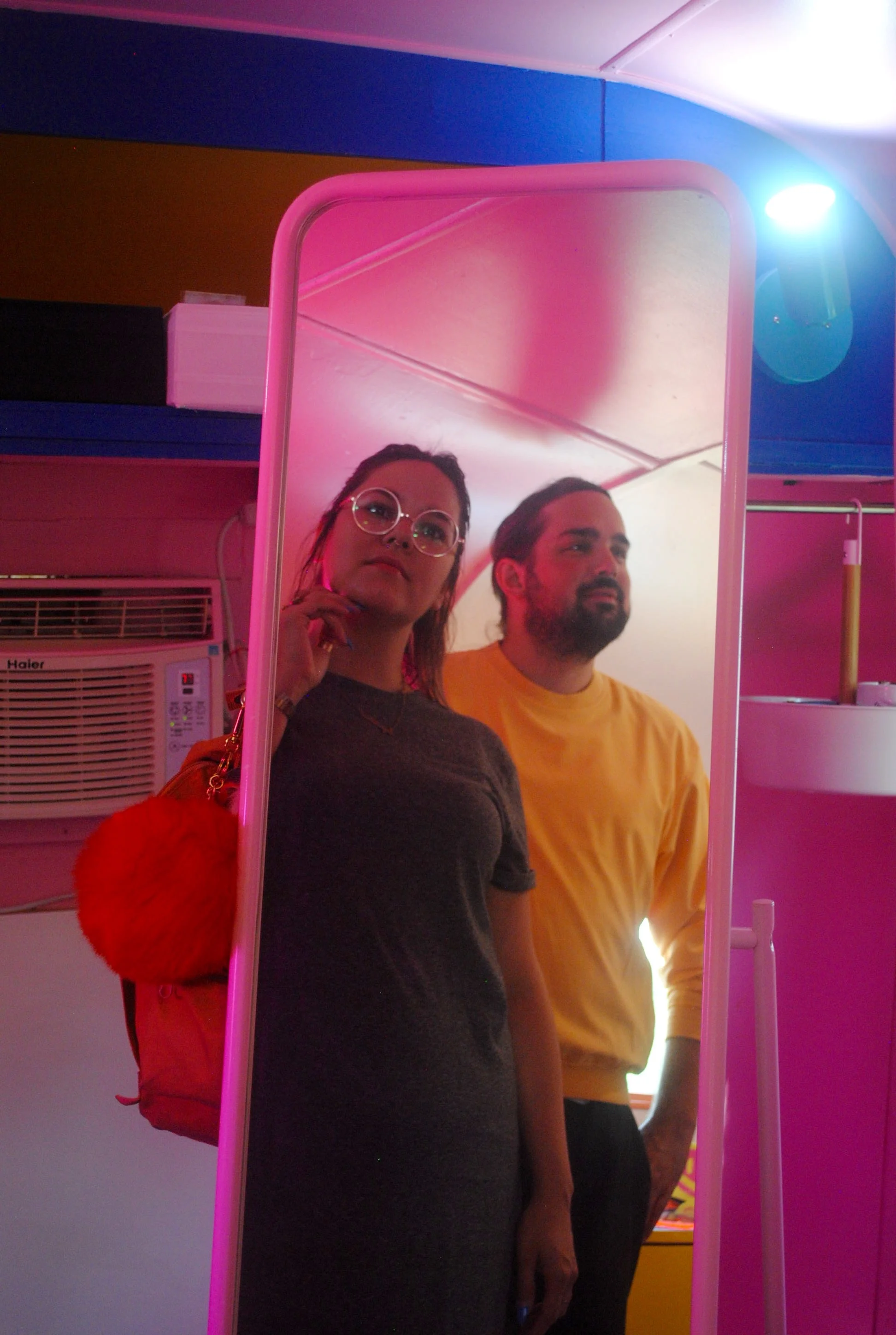
When Lindsay Eyth, design brain behind The Mall, a trailer-cum-boutique parked behind the Museum of Human Achievement, set out to brand the space, she hoped to capture the spirit of hope and wonder those giant shopping centers inspired in us as tweens.

When Lindsay Eyth, design brain behind The Mall, a trailer-cum-boutique parked behind the Museum of Human Achievement, set out to brand the space, she hoped to capture the spirit of hope and wonder those giant shopping centers inspired in us as tweens.

Originally conceived of as “The Mall of Human Achievement,” Eyth immediately connected with the idea of ‘the mall’ when she and Zach Traeger of the Museum of Human Achievement first began considering a collaboration between the museum and Eyth’s own brand, Eythink.

Inspired by archival photos of dead malls, she designed the interior, and the brand, to give off those loud, colorful vibes so recognizable to anybody who remembers when malls were still popping (RIP). Inside The Mall is a carefully curated — pointedly cute, she says — aesthetic only aided by a deliberate selection of merchandise that wouldn’t quite fit anywhere else. It’s whimsical and fun and a little bit irreverent, as any mall should be.
“I wanted it to be really extra,” she says of the space that she says is like a tween sister to her own brand, Eythink — a tween sister who’s “wilding out.”

Like MOHA, its collaborative partner, The Mall — as Eyth and Traeger see it — really nails in its unique voice and follows through, down to the kitsch color block tiles on the trailer floor and to the nostalgia-inducing cafeteria tables located nearby. There’s really no other place like it in Austin, and that’s *like totally* by design.
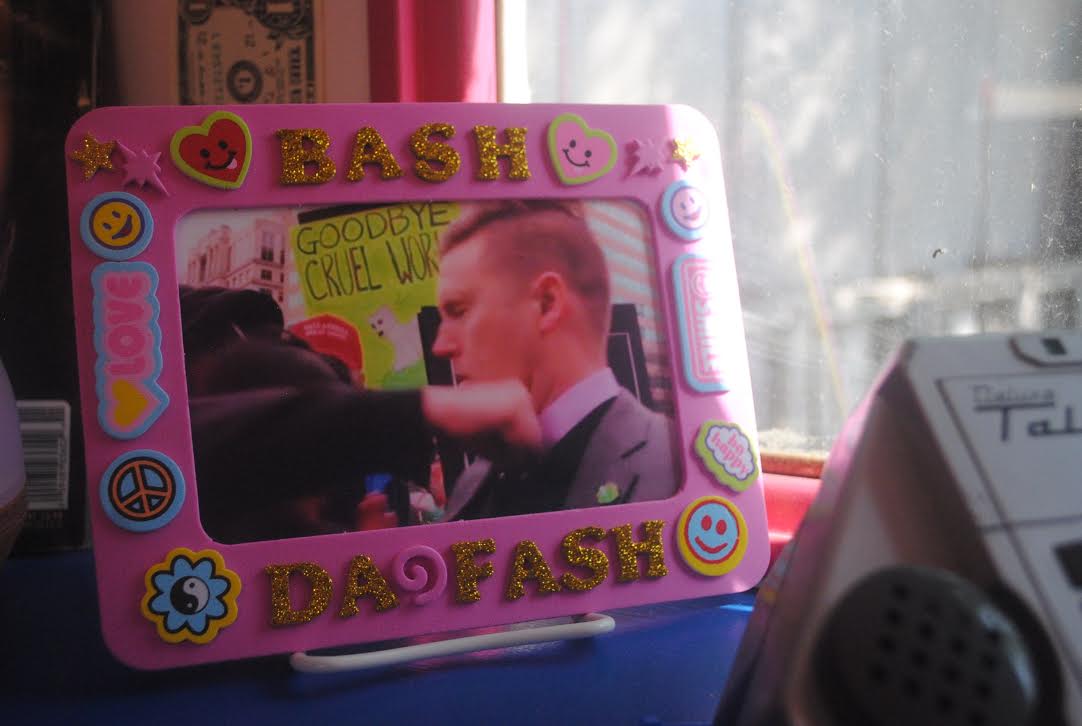
“It’s not really like other spaces in Austin, so it could be off putting,” says Eyth. “I think there’s a volume level that people are comfortable with in Austin and it’s hard to crank past that once that precedent is set. Anything more than that feels so loud.”
With The Mall, she hopes to challenge that comfort level and to perhaps make people consider why certain aesthetics are deemed more respectable or appropriate than others.

The space also gives Eyth and many other local artists the platform to be loud, where previously they had trouble stocking more than a few products in stores around the city. The Mall now stocks more than 40 different artists and brands.
Customers have noticed the space’s singularity, as well, stopping in to pick up gifts or specific items unique to The Mall.
“It’s really cool to see people identify this place as a place with something specific that they can’t get elsewhere,” says Eyth. “It makes me feel proud.”

Long Live the Babes: craftHER Market Spring '17 Recap
With a full day of panels, a killer venue and 💥kickass attendees💥, more than 2600 folks attended craftHER Market Spring 2017. Didn't make it out? No worries—we've got you.
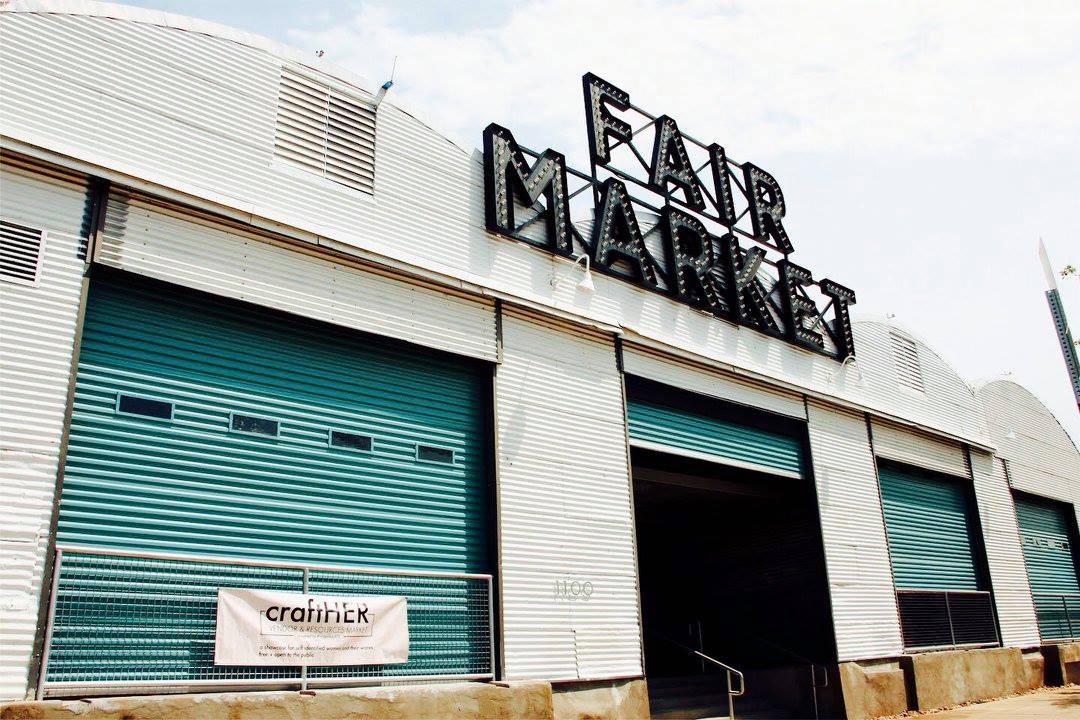
Last weekend, we hosted craftHER Market Spring '17, our second-ever pop-up space for self-identified women to sell their goods. With a full day of panels, a killer venue and 💥kickass attendees💥, more than 2600 folks attended. Didn't make it out? No worries—we've got you.
This year, we showcased more than 100 vendors (!!!), featuring a wide variety of makes, from furniture to wall hangings to leather works. You can check out our full lineup here.
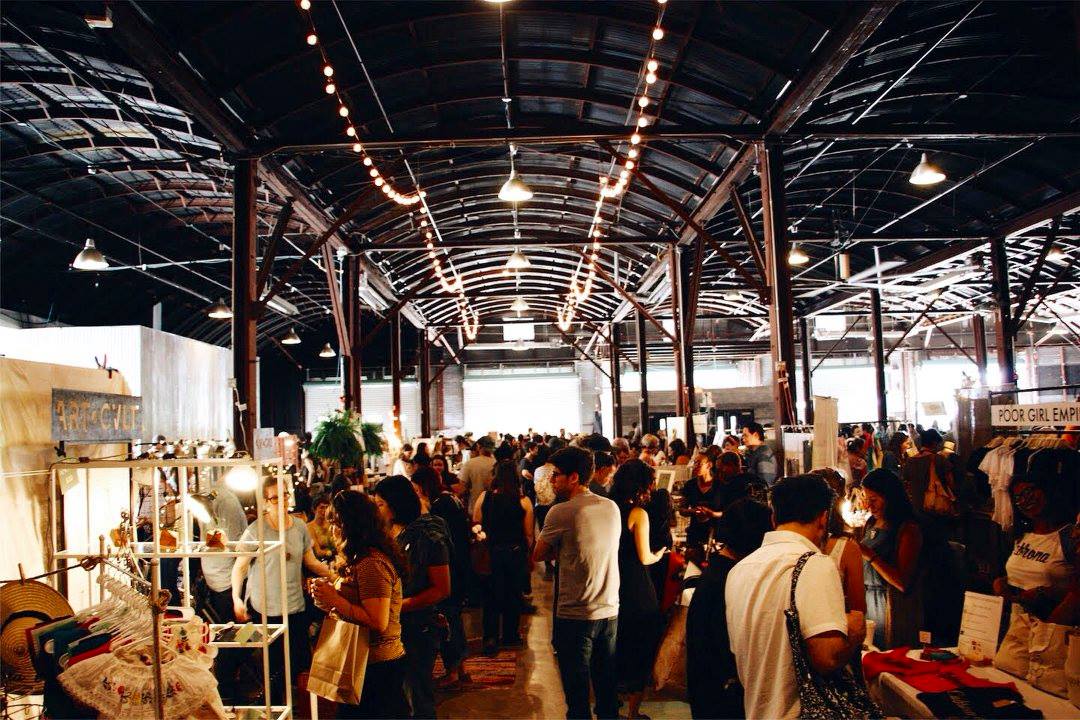


Our market's also a little different than most. We offer tables to other markets and community resources, so makers have the opportunity to connect with organizers beyond our market. We also produce industry-specific panels, each centering on issues and important topics within the maker community. Take a peek at this spring's panels and learn more about the speakers we featured.

See that wall hanging on the stage? That's a screen-printed, 5x5 reproduction of a piece made by our featured artist this month and one of the market's speakers, Xochi Solis.
Speaking about the stage—we've got woman-owned Party at the Moontower Rentals to thank. Both the stage design and the market's lounge were sponsored by Moontower. You can learn more about them here.

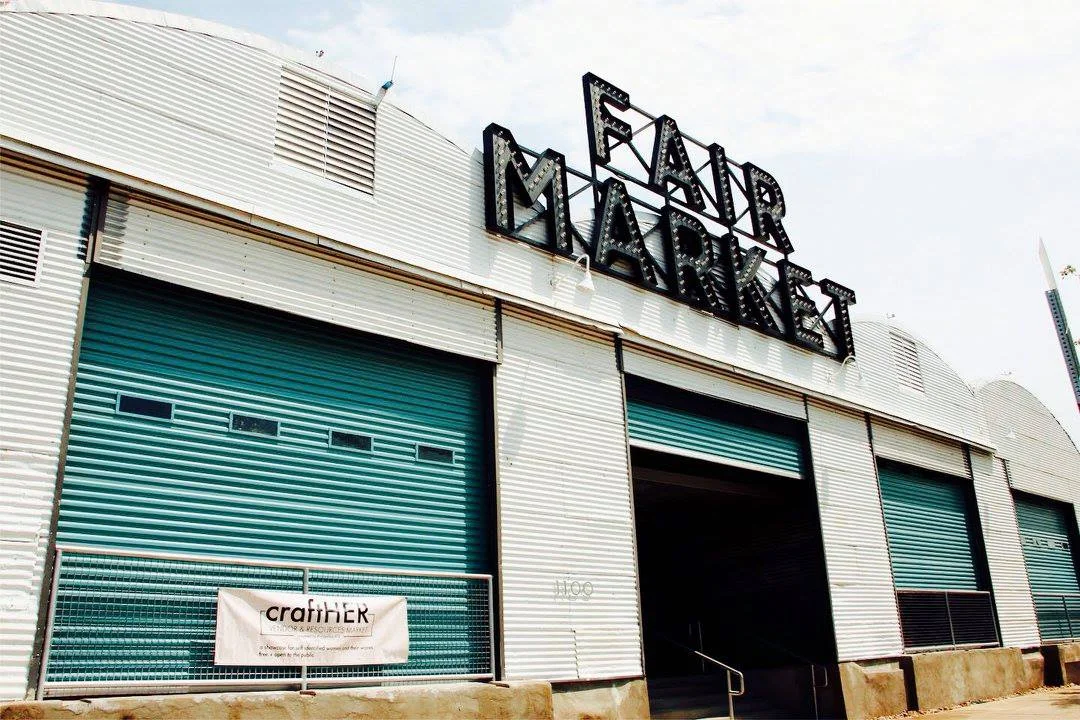
Last but not least, we have to recognize the talented and dedicated team at Fair Market. Without their support, we would not be able to produce this market with low-cost booth rental fees for all of our vendors. (Thank you!)
PS: Our vendors set up in a storm. The weather cleared when we opened, but they were real troupers, proving once again that come hell or high water women are tough AF.

Interested in vending at the next craftHER Market? Applications reopen in late August. Sign up for email updates here. Would you like to become a craftHER Market sponsor? Shoot an email to thebabes@bossbabes.org, and we'll send along information on fall market opportunities.